Practice · CARS passage practice

CARS: Measuring public goods

Sources ↗

Read the passage, answer from its argument, and compare your reasoning with the worked explanation.

Passage

Original practice. This passage and its questions were authored for the site. They are not official AAMC questions or a score predictor.

A city library announced that it would evaluate each branch by the number of books checked out. The measure had an obvious appeal: it was easy to collect, simple to compare, and connected to an activity libraries have long performed. Within a year, branches had rearranged displays and scheduled events around popular titles. Circulation rose, and the city declared the policy a success. Whether the library had become more useful was a different question, one the new figures could not settle alone.

Counting is often accused of flattening human experience, but the accusation is too broad. Without counts, administrators can overlook neglected neighborhoods or defend favored programs with anecdotes. The difficulty arises when a useful indicator is promoted into a complete definition of the goal. Book loans can reveal one form of use. They do not directly record the student who studies in a quiet room, the resident who asks for help completing an application, or the reader who consults a reference volume without taking it home. A measure can be accurate about what it counts and incomplete about what matters.

The trouble deepens when rewards depend on the measure. A branch may reasonably respond by increasing the counted activity, even when another activity would better serve its patrons. This need not involve deception. Staff can act conscientiously while adapting to the incentives placed before them. A reporting system that treats every uncounted hour as an absence of work gradually makes some forms of service difficult to defend. The result is not merely a distorted picture of the institution; the picture can help reshape the institution itself.

One response is to add more indicators. Visits, program attendance, reference consultations, and access to computers might reveal uses that circulation misses. Yet a growing dashboard can create a new illusion of completeness. Each additional indicator requires a decision about what qualifies, how it is recorded, and how much weight it receives. The alternative is not to abandon measurement, but to keep those decisions open to explanation and revision. records become more informative when paired with accounts of the circumstances that produced them.

A city that follows this approach will sometimes face less convenient comparisons. Two branches may serve different populations, and a single ranking may conceal the reasons for their different patterns of use. That inconvenience is not necessarily a defect. It may be evidence that the evaluation is finally attending to the institution it was meant to understand. A sound measure should help people ask better questions about a public good. It should not acquire the to declare that whatever it cannot count has ceased to be good.

Source: CARS: Measuring public goods — original practice passage

Carry the relationship into a new case

The passage’s relationship is that a proxy can become an incomplete definition of a goal, especially when incentives redirect behavior toward what is counted. A school evaluated solely by graduation rate fits if it neglects learning quality or other educational functions. The analogy depends on the structure of measurement and incentives, not on the institution lending books. The author supports informative counting with context and revision, so an application that rejects all numerical evaluation misrepresents the argument.

Source: CARS: Measuring public goods — original practice passage

Locate the premise affected by new information

Evidence that circulation closely tracks several independent measures of patron benefit would strengthen its usefulness as an indicator, although it would not prove complete coverage of every public value. Evidence that loan-based rewards reduce uncounted assistance would strengthen the concern. If a branch increases both loans and uncounted services, that would challenge an inevitable-tradeoff interpretation but not the author’s qualified claim that displacement can occur. Evaluate the degree of support rather than treating one favorable observation as a decisive refutation of every concern.

Source: CARS: Measuring public goods — original practice passage

Practice and reasoning

Question. 1. Which policy best applies the author’s approach? A: Rank hospitals only by patient count. B: Eliminate all school statistics. C: Evaluate parks using visits, local accounts, and explicit review of what the indicators omit. D: Replace every service goal with a numerical target. 2. New research finds that circulation strongly predicts patrons’ independently reported benefits across neighborhoods. This would most directly A: strengthen circulation’s usefulness as an indicator, B: prove uncounted services have no value, C: establish that incentives never alter behavior, or D: show the author opposes libraries?

Show reasoning

1: C. It combines measurement with context and revisable choices, matching the proposed response. A and D repeat the criticized of indicator for goal; B rejects the author’s explicit defense of useful counts. 2: A. The new evidence bears on the indicator’s relation to benefit. It does not establish complete coverage, eliminate effects, or imply anything like D. A correct answer changes only the part of the argument affected by the evidence.

Source: CARS: Measuring public goods — original practice passage
126 terms, alphabetically ordered

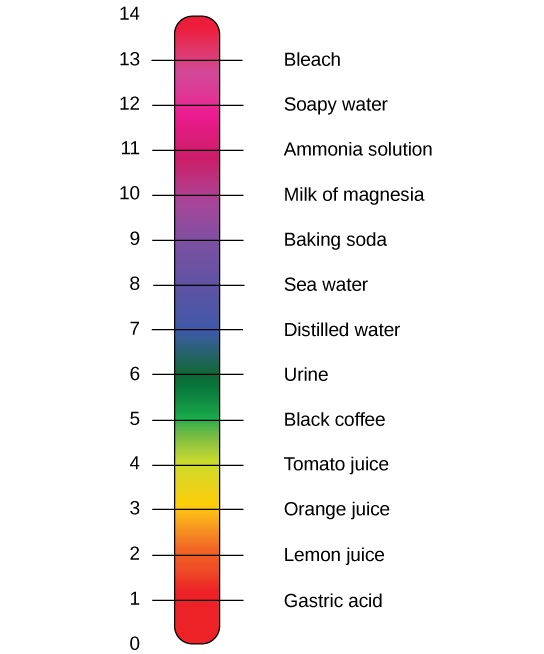
Acid · ·

In the Brønsted–Lowry model, a substance that can donate a . Acidic have a higher activity than water.

Read explanation · OpenStax ↗
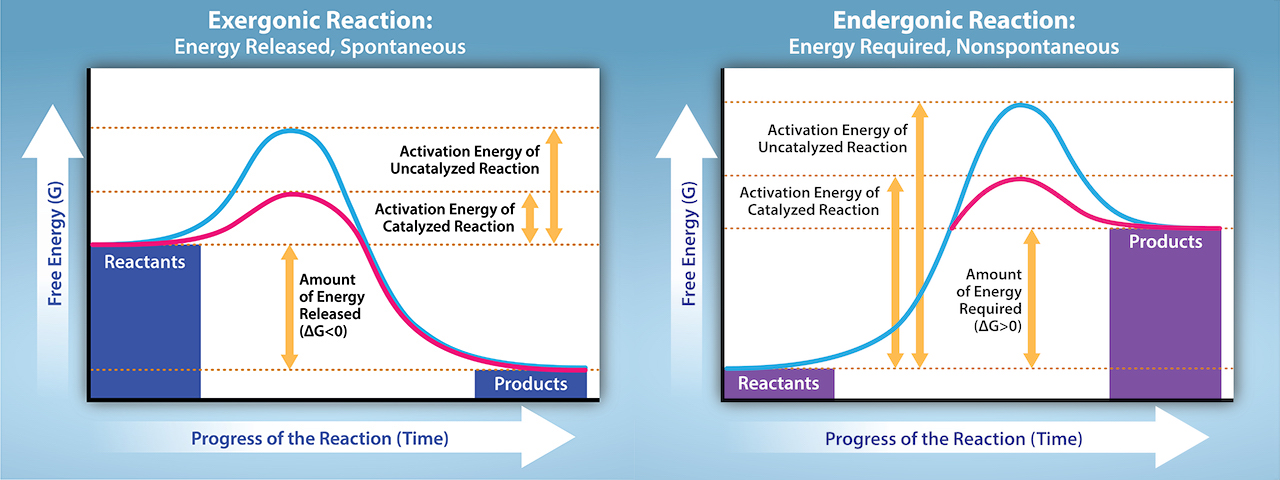
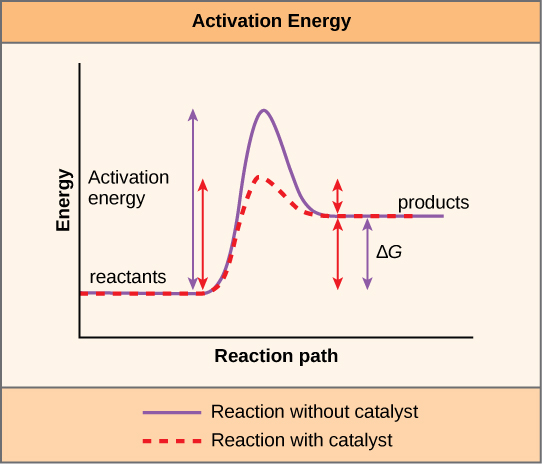
Activation energy ·

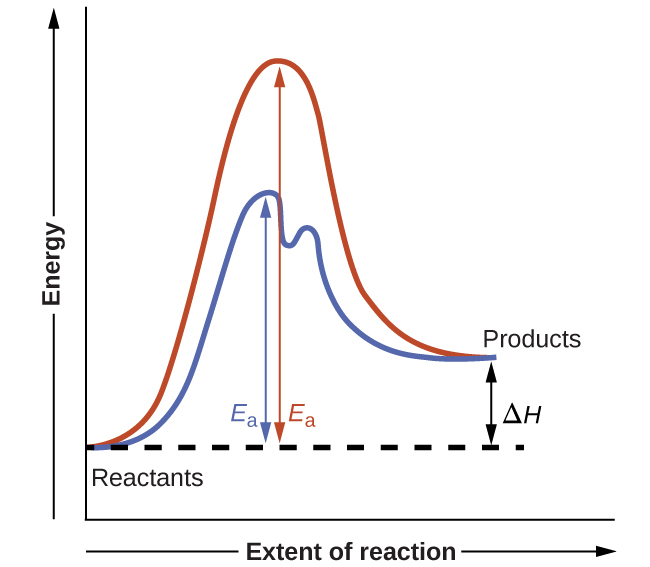
The energy barrier that must overcome to reach a and undergo .

Read explanation · OpenStax ↗
Active catalytic-site concentration ·

The total of active sites used to calculate from . It equals active when each has one site.

Read explanation · Biology LibreTexts ↗
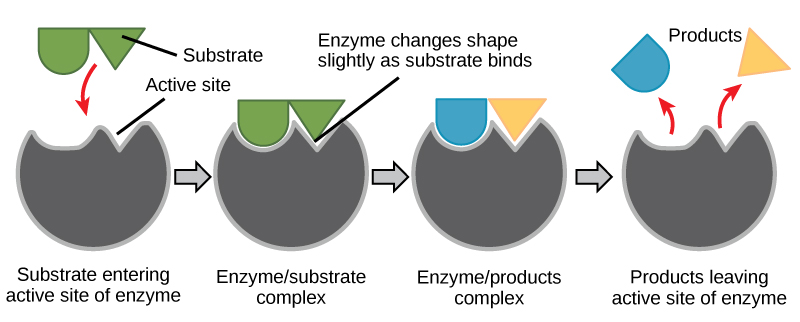
Active site

The region of an that binds its and carries out .

Read explanation · OpenStax ↗
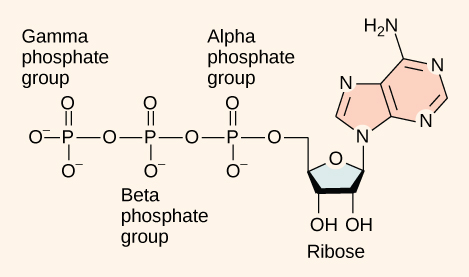
Adenosine triphosphate

An energy-carrying ; its powers many cellular processes, including cycles.

Read explanation · OpenStax ↗
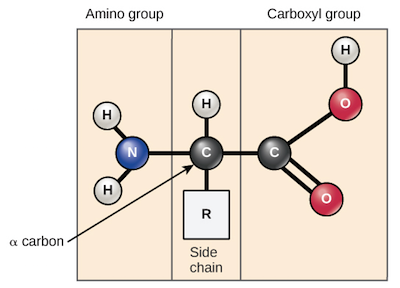
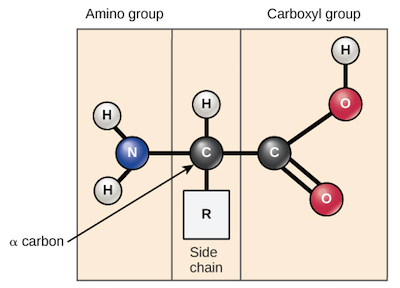
Alpha carbon · ·

The central carbon next to the carboxyl carbon. In a standard it binds an , hydrogen, and .

Read explanation · OpenStax ↗
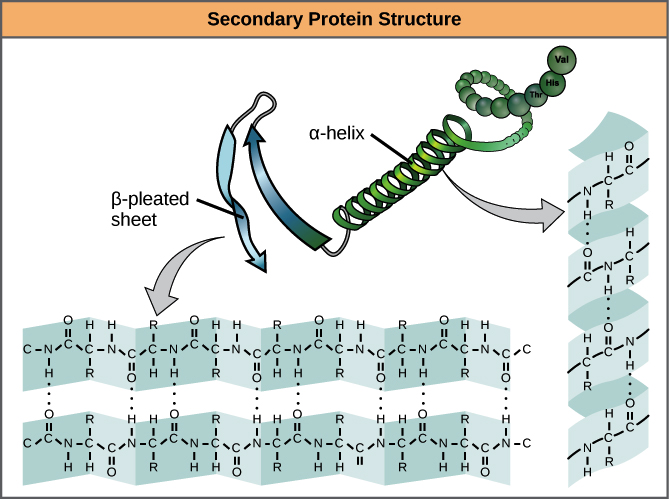
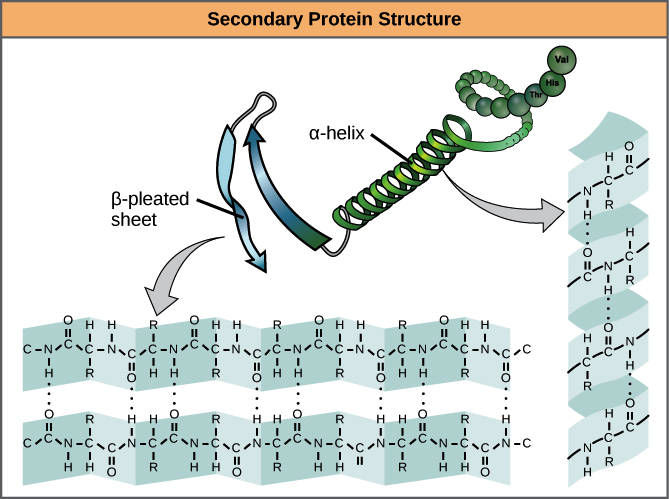
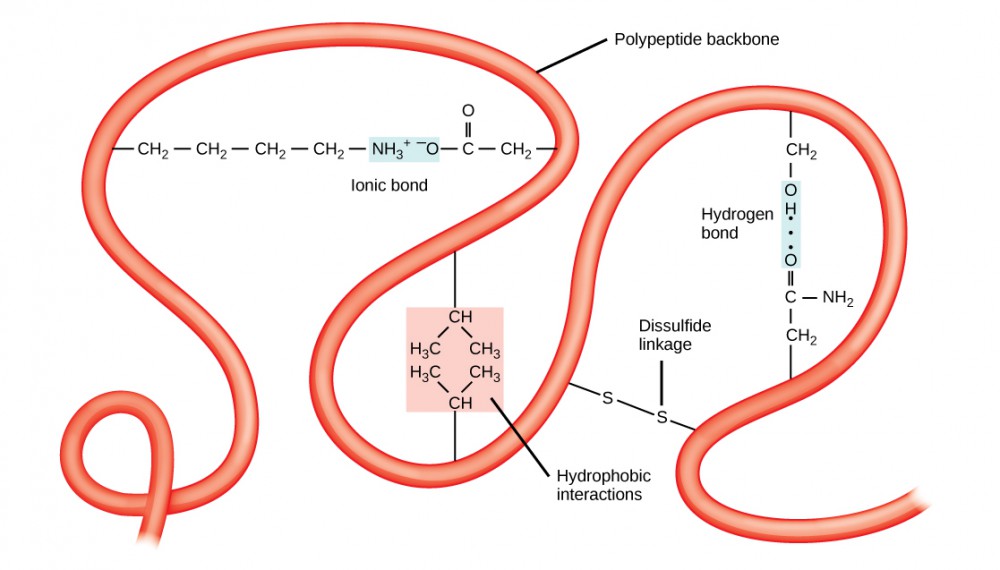
Alpha helix · · · · · ·

A helical stabilized by between a oxygen and an hydrogen four later.

Read explanation · OpenStax ↗
Amide · · ·

A group containing a carbon bonded to nitrogen. are amide linkages.

Read explanation · OpenStax ↗
Amino acid

A building block containing amino and and a characteristic .

Read explanation · OpenStax ↗
Amino acid residue · ·

The part of an incorporated into a chain. Residue can also describe another building block within a larger .

Read explanation · OpenStax ↗
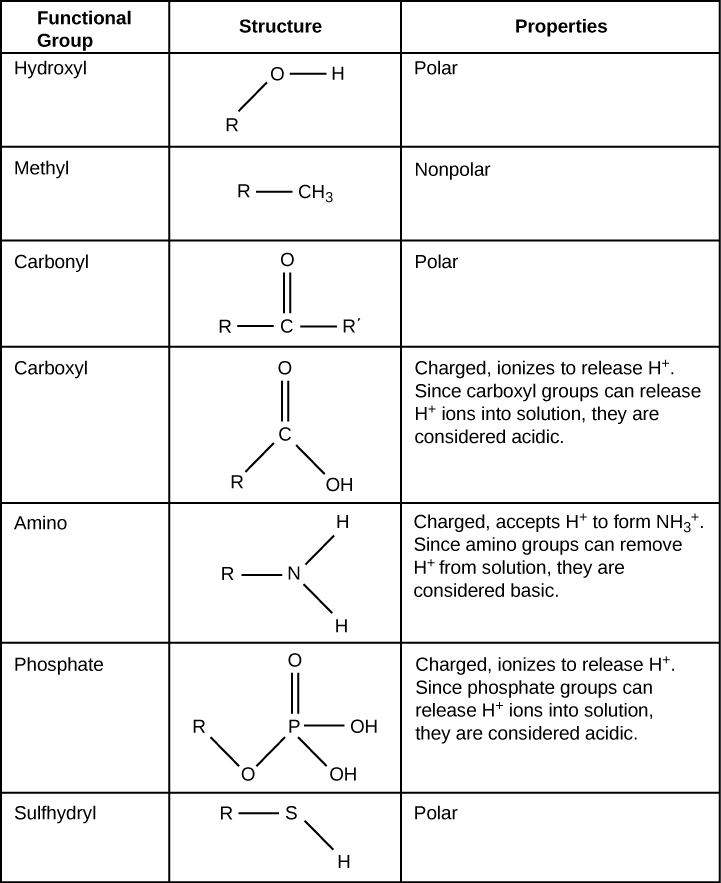
Amino group · · ·

A nitrogen-containing . A free ’s amino group is typically (NH₃⁺) near physiological ; ’s ring nitrogen is an exception to this formula.

Read explanation · OpenStax ↗
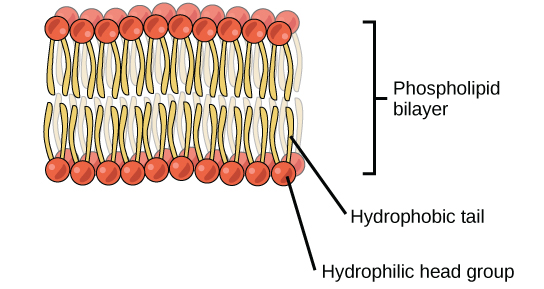
Amphipathic

Having both a region and a region, as in a or .

Read explanation · OpenStax ↗
Analytical standard ·

A material with a known identity or amount used to compare or calibrate measurements.

Read explanation · Agilent ↗
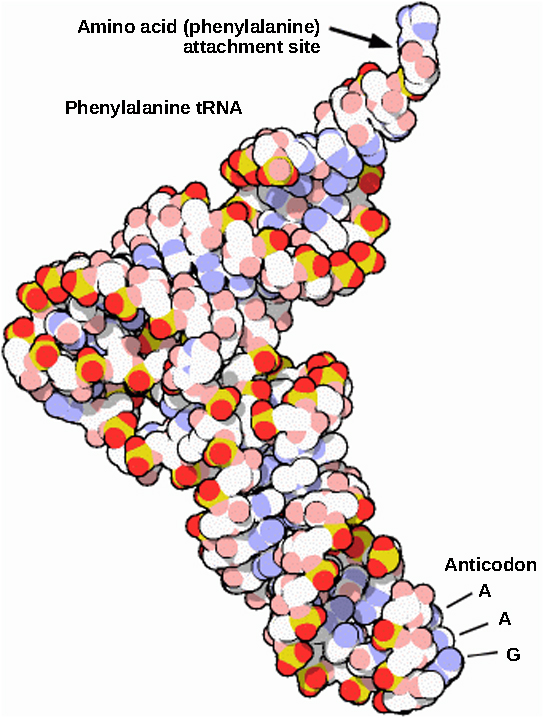
Anticodon

A triplet that pairs to an . The anticodon for 5′-AUG-3′ is aligned 3′-UAC-5′, or written 5′-CAU-3′.

Read explanation · NCBI Bookshelf / Garland Science ↗
Antiparallel

Running in opposite directions, as with two strands or neighboring strands in some .

Read explanation · OpenStax ↗
Aqueous solution ·

A in which water is the .

Read explanation · OpenStax ↗
Atom

The smallest unit of an element that retains its chemical identity; it has a surrounded by .

Read explanation · OpenStax ↗
authority

Power regarded as legitimate by those subject to it.

Read explanation · OpenStax ↗
Beta sheet · · · · · ·

A made of aligned segments connected by ; strands may be parallel or .

Read explanation · OpenStax ↗
Biomolecule

A made by or involved in living systems, including , , , and .

Read explanation · OpenStax ↗
Blotting ·

Transfer of separated or to a so a specific target can be detected.

Read explanation · Thermo Fisher ↗
Brønsted–Lowry base · · · · · · · · · · ·

In the Brønsted–Lowry model, a substance that can accept a . Basic solutions have lower activity than water.

Read explanation · OpenStax ↗
Calibration

Establishing the relation between a measured signal and known values or .

Read explanation · Agilent ↗
Carbohydrate

A class of including sugars and their , used for energy storage, structure, and recognition.

Read explanation · OpenStax ↗
Carbonyl group · ·

A carbon double-bonded to oxygen, C=O; present in and many other .

Read explanation · OpenStax ↗
Carboxyl group · ·

An , COOH. In free it is usually to COO⁻ near physiological .

Read explanation · OpenStax ↗
Catalyst · ·

A substance that speeds a by providing a pathway with lower and is regenerated rather than consumed overall.

Read explanation · OpenStax ↗
Chemical reaction ·

A process that rearranges and chemical bonds, converting into .

Read explanation · OpenStax ↗
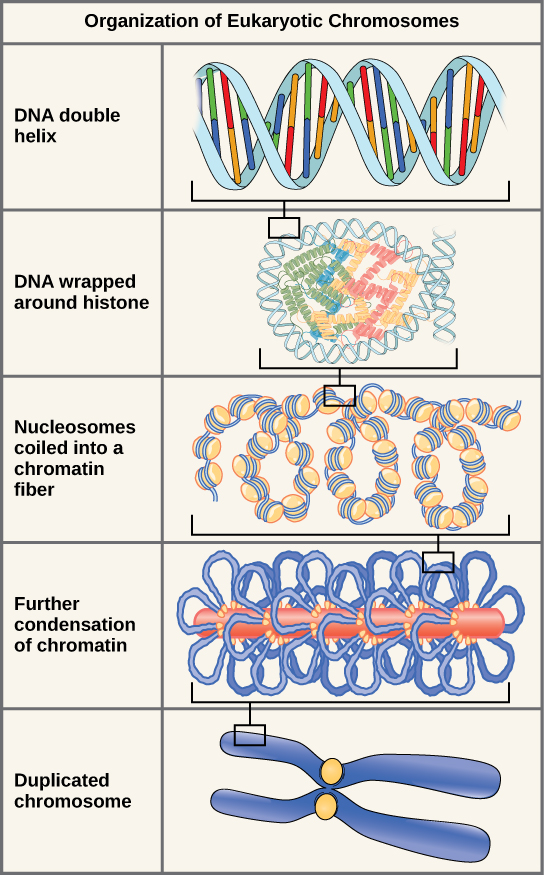
Chromosome ·

An organized with associated that carries . A replicated chromosome has two .

Read explanation · OpenStax ↗
Codon

A sequence of three that specifies an or a stop signal.

Read explanation · OpenStax ↗
Concentration

The amount of a substance in a specified volume or mass of mixture.

Read explanation · OpenStax ↗
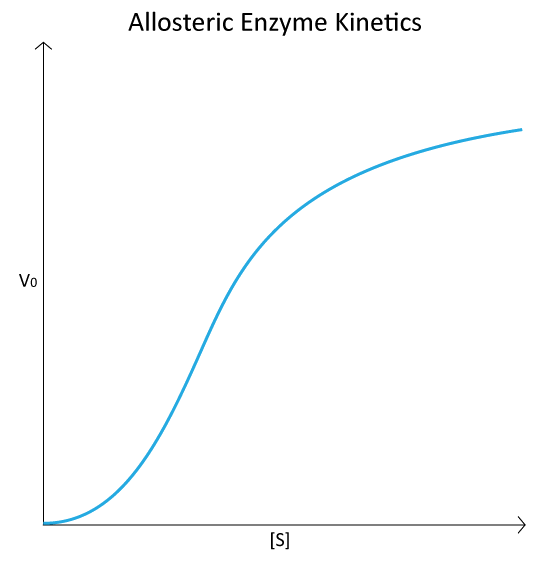
Cooperativity · ·

An interaction in which binding at one site changes binding at other sites. Positive cooperativity can produce a response.

Read explanation · Biology LibreTexts ↗
Covalent bond · ·

A bond in which share pairs. and are covalent.

Read explanation · OpenStax ↗
Cysteine ·

An with a . Two cysteines can form a .

Read explanation · OpenStax ↗
Deoxyribonucleic acid

The that stores genetic information used to specify and sequences.

Read explanation · OpenStax ↗
Deprotonation

Removal of a from a or group; this changes its by minus one.

Read explanation · OpenStax ↗
Detergent

An substance that can associate with both water and material; detergents can disrupt or interactions.

Read explanation · Thermo Fisher ↗
Disulfide bond · · ·

A covalent sulfur–sulfur bond formed by of two , which can stabilize structure.

Read explanation · NCBI Bookshelf ↗
DNA replication

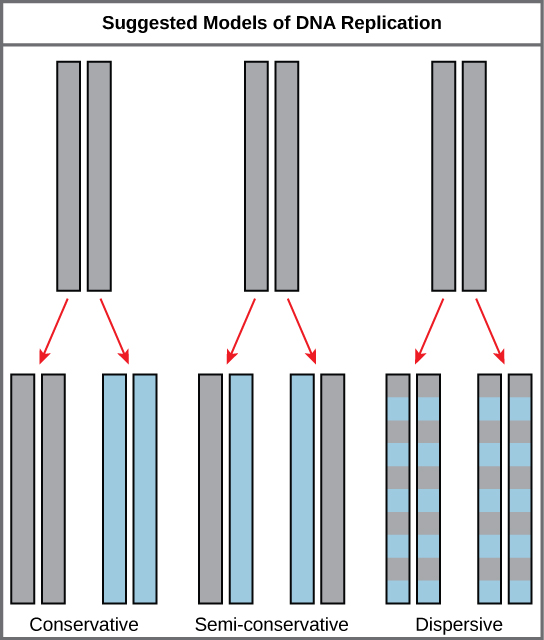
Copying so genetic information can be passed to daughter cells. Each guides a complementary new strand.

Read explanation · OpenStax ↗
Electric charge · · ·

An electrical property that can be positive or negative. Opposite charges attract and like charges repel; net charge is the sum of all charges on a particle.

Read explanation · OpenStax ↗
Electron

A negatively subatomic particle. Electron sharing and transfer determine much of chemical bonding.

Read explanation · OpenStax ↗
Electronegativity ·

An ’s tendency to attract shared in a chemical bond. Unequal attraction can make a bond .

Read explanation · OpenStax ↗
Enzyme

A biological that speeds a without being consumed. Most enzymes are .

Read explanation · OpenStax ↗
Enzyme saturation · ·

The high- limit in which sites spend almost all their time processing and the rate approaches .

Read explanation · Biology LibreTexts ↗
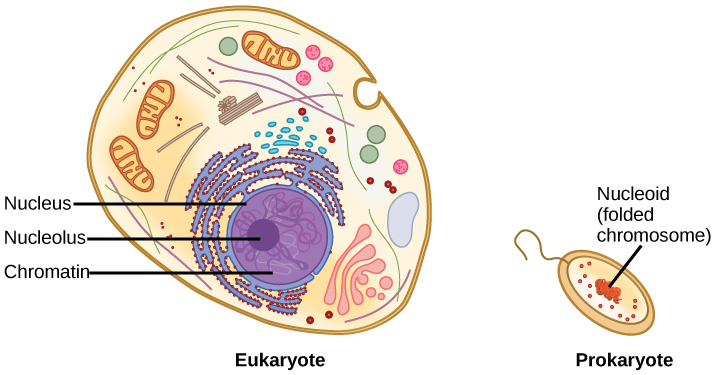
Eukaryote ·

An organism whose cells have a -enclosed ; animals, plants, fungi, and protists are eukaryotes.

Read explanation · OpenStax ↗
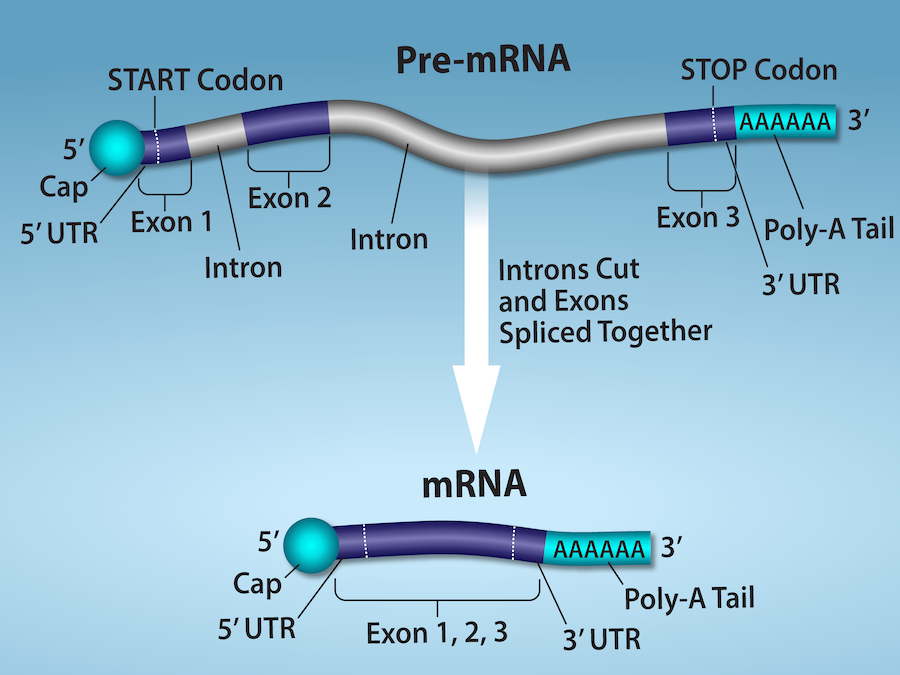
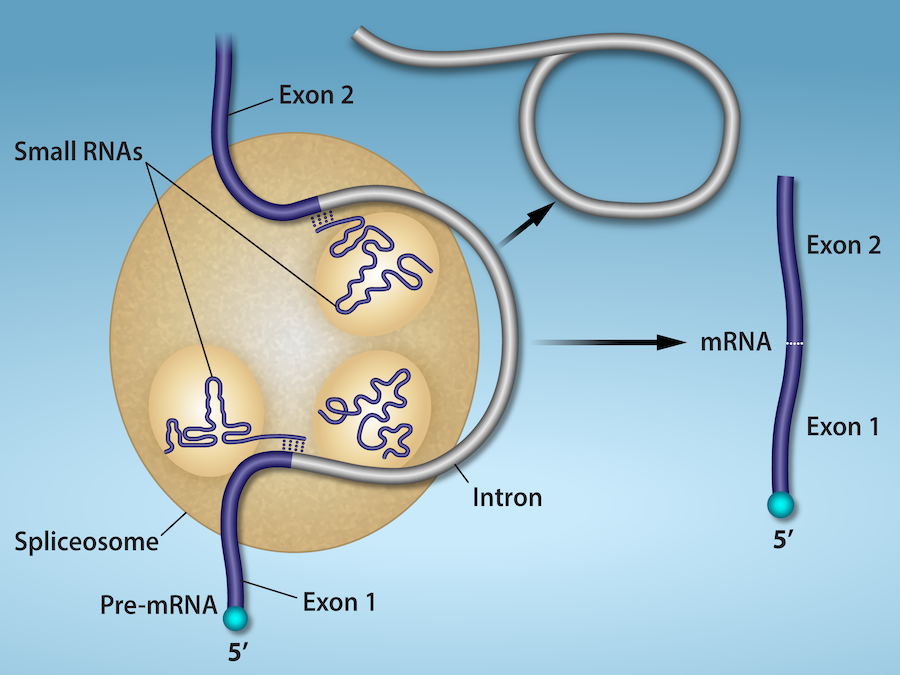
Exon

A segment retained in a mature spliced . In an exon may contain coding sequence, untranslated sequence, or both.

Read explanation · OpenStax ↗
First-order kinetics

A rate dependence proportional to the first power of a . At low , a is approximately first-order in .

Read explanation · Biology LibreTexts ↗
Functional group

A group of whose chemical behavior gives a characteristic and properties.

Read explanation · OpenStax ↗
Gene

A sequence that contributes to a functional or , together with the information needed to express it.

Read explanation · OpenStax ↗
Gene expression

Production of a functional from a , including and, for -coding , .

Read explanation · NCBI Bookshelf ↗
Half-life

The time required for half of a population or amount to remain during decay; a constant half-life is characteristic of decay.

Read explanation · OpenStax ↗
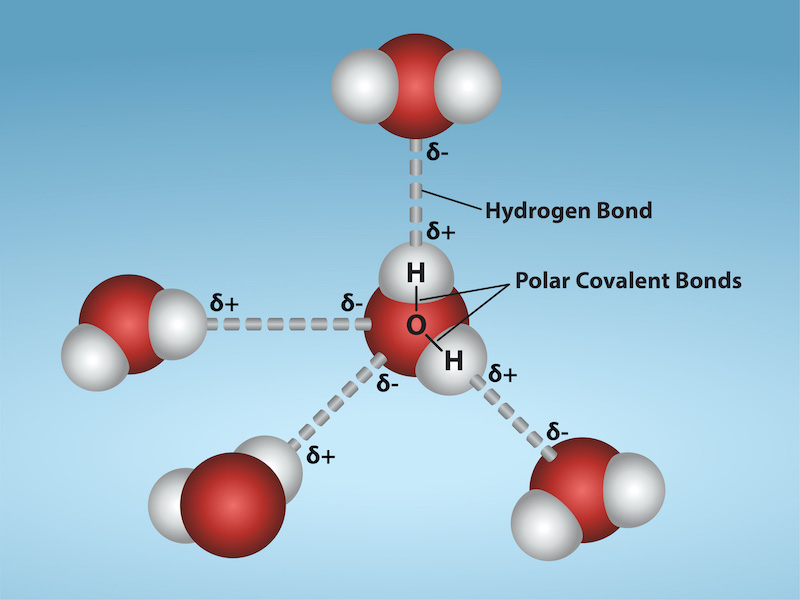
Hydrogen bond ·

An attraction between a hydrogen bonded to an and another . hydrogen bonds stabilize .

Read explanation · OpenStax ↗
Hydrogen ion · ·

A positively hydrogen species. H⁺ denotes a , which is hydrated in water; its activity determines .

Read explanation · OpenStax ↗
Hydrolysis

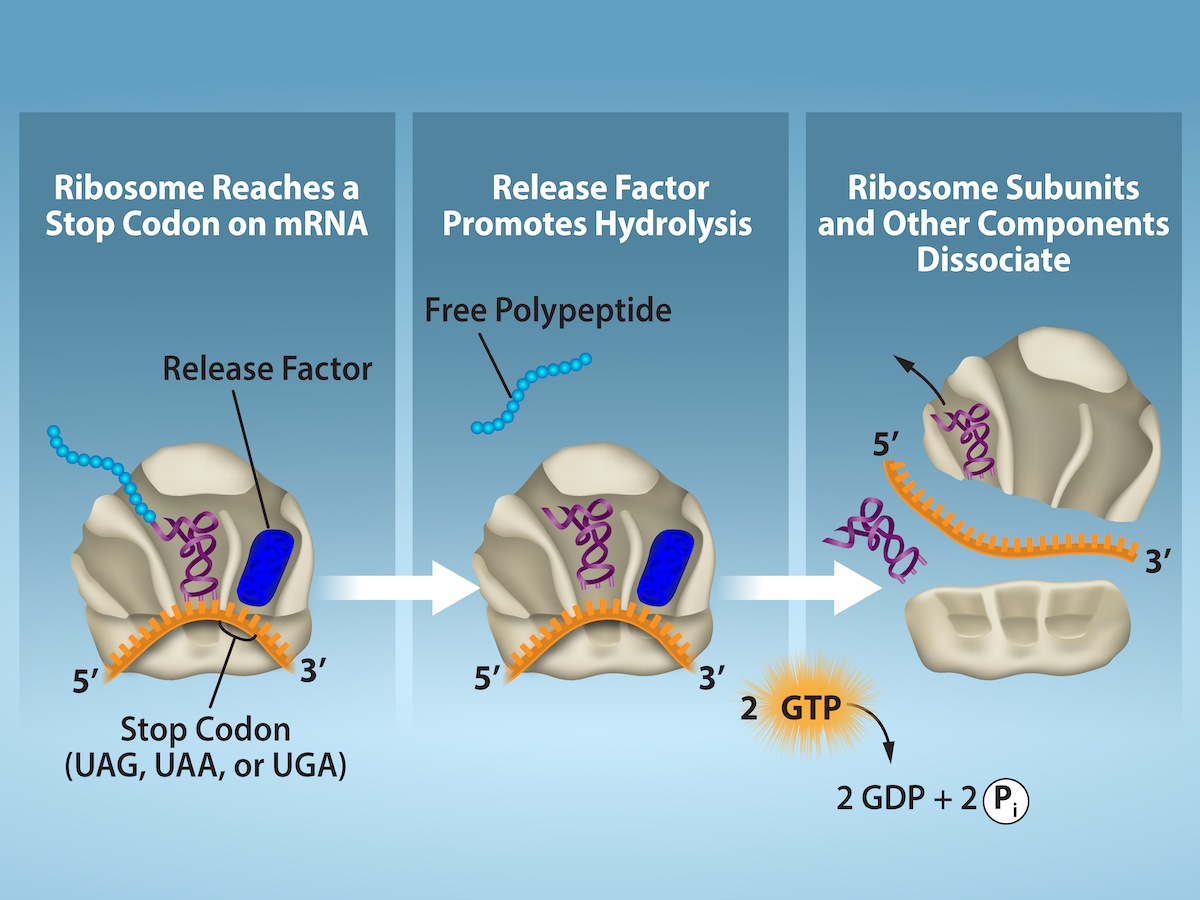
Breaking a chemical bond by adding water. hydrolysis separates .

Read explanation · OpenStax ↗
Hydrophilic

Interacting favorably with water, typically because a group is or .

Read explanation · OpenStax ↗
Hydrophobic

Interacting poorly with water. often gather in a ’s interior.

Read explanation · OpenStax ↗
Hydroxide ion ·

The negatively OH⁻. Basic contain a higher hydroxide ion activity than water at the same temperature.

Read explanation · OpenStax ↗
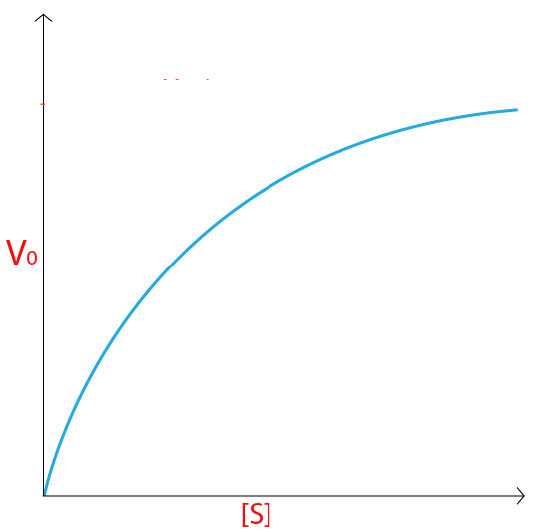
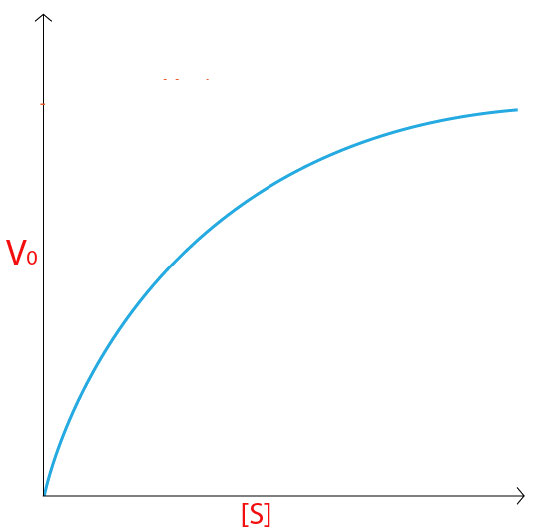
Hyperbolic curve ·

A curve that approaches an asymptote. The standard rate curve is a rectangular hyperbola approaching .

Read explanation · Biology LibreTexts ↗
incentive

External outcome or cue that attracts or discourages behavior.

Read explanation · OpenStax ↗
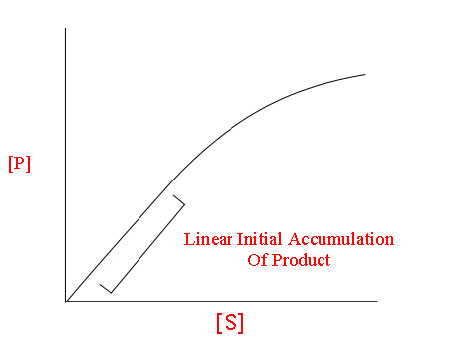
Initial reaction rate · · · ·

The early rate of formation, measured before substantial depletion or accumulation, usually after the brief binding transient.

Read explanation · Biology LibreTexts ↗
Intron ·

A segment removed from a precursor during . Intronic signals or regulatory sequences can affect .

Read explanation · OpenStax ↗
Ion · ·

An or with a net because its numbers of and do not balance.

Read explanation · OpenStax ↗
linkage

A tendency of nearby on the same to be inherited together.

Read explanation · OpenStax ↗
Lipid

A broad class of largely or , including fats, , and steroids.

Read explanation · OpenStax ↗
locus

The specific position of a or other feature.

Read explanation · OpenStax ↗
Logarithm · · ·

The exponent needed to obtain a number from a chosen fixed number. For decimal logarithms, log₁₀(100) = 2 because 10² = 100; uses the negative decimal logarithm of activity.

Read explanation · OpenStax ↗
Maximum reaction rate · ·

The limiting as becomes saturating. For a fixed under given conditions, Vmax = times .

Read explanation · Biology LibreTexts ↗
Membrane · · · ·

A thin boundary or sheet. Cell membranes are bilayers containing ; membranes are synthetic supports that hold or for detection.

Read explanation · OpenStax ↗
Messenger RNA ·

An that carries coding information used by to synthesize a .

Read explanation · OpenStax ↗
Michaelis–Menten kinetics · ·

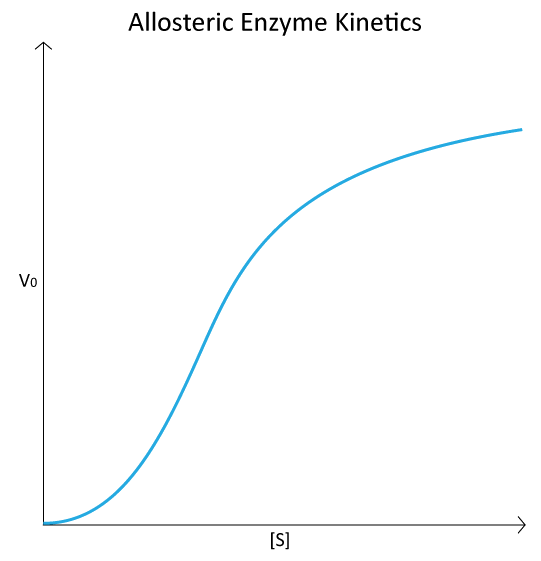
A model with = [S]/(Km + ). Its curve is ; may require a different model.

Read explanation · Biology LibreTexts ↗
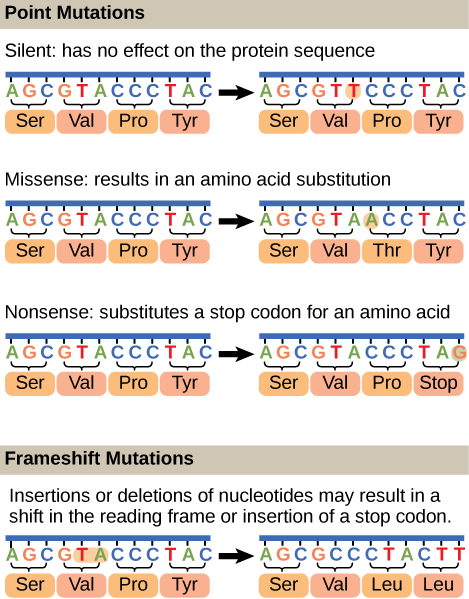
Missense mutation ·

A coding-sequence that changes the specified ; its effect depends on the and context.

Read explanation · OpenStax ↗
Molecular chaperone · ·

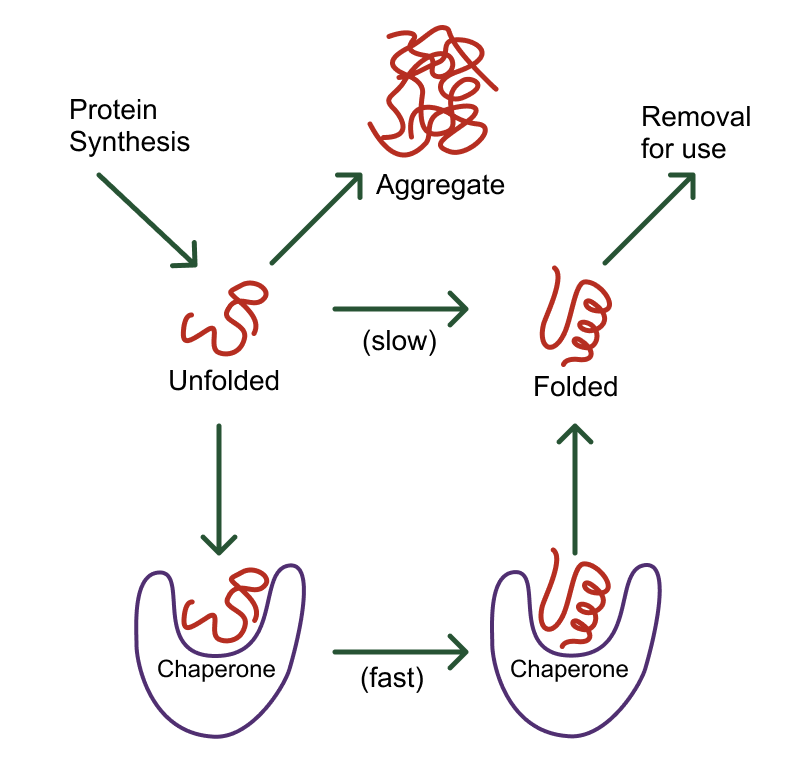
A that assists other in folding or prevents , without specifying their sequence.

Read explanation · NCBI Bookshelf ↗
Molecule

Two or more joined by . A molecule may be electrically or carry a .

Read explanation · OpenStax ↗
Mutation

A change in a sequence; some mutations alter a ’s sequence.

Read explanation · OpenStax ↗
Neutral

Having no net . For a , neutral instead means equal and activities; its is about 7 at 25 °C.

Read explanation · OpenStax ↗
Nitrogenous base · · ·

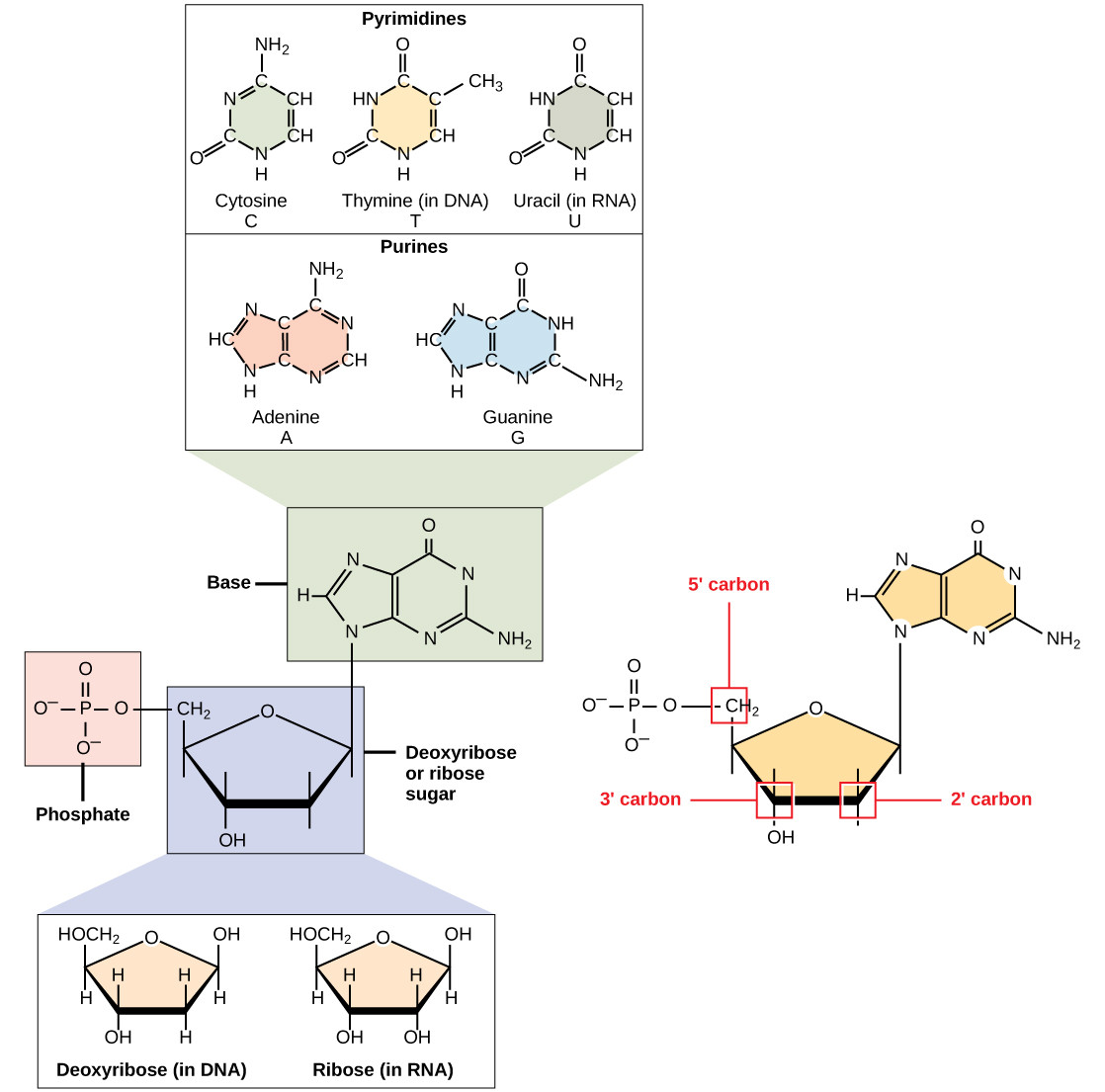
A nitrogen-containing ring component of ; its pairing interactions help specify sequences.

Read explanation · OpenStax ↗
Nonpolar ·

Lacking a substantial separation of . Nonpolar groups generally interact poorly with water.

Read explanation · OpenStax ↗
Nonsense mutation ·

A that converts an amino- into a premature , potentially truncating the or destabilizing its .

Read explanation · OpenStax ↗
Nucleic acid

A of , such as or , used in information storage, expression, and other cellular functions.

Read explanation · OpenStax ↗
Nucleotide

A joined to a sugar and one or more .

Read explanation · OpenStax ↗
Nucleus ·

A -enclosed compartment containing most of a cell’s .

Read explanation · OpenStax ↗
Oxidation ·

Loss of or an increase in oxidation state. Oxidizing two can form a .

Read explanation · OpenStax ↗
Peptide

A chain of joined by ; the term commonly describes chains shorter than a typical .

Read explanation · OpenStax ↗
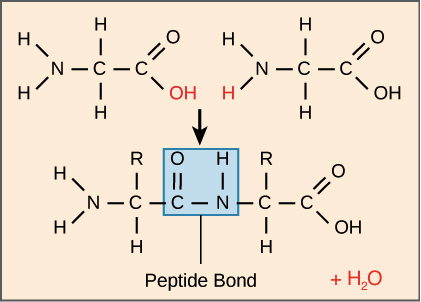
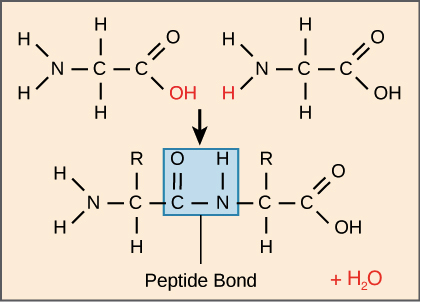
Peptide bond ·

A covalent between the carboxyl carbon of one and the amino nitrogen of the next.

Read explanation · OpenStax ↗
pH

A measure of , defined as the negative of activity. Lower pH means greater ; pH influences .

Read explanation · OpenStax ↗
Phosphate group ·

A phosphorus-containing group bonded to oxygens; phosphate groups occur in , , and modified .

Read explanation · OpenStax ↗
Phospholipid

An with a -containing region and tails; a major component of cellular .

Read explanation · OpenStax ↗
Polar

Having an uneven distribution of . Polar groups often interact favorably with water.

Read explanation · OpenStax ↗
Polymer

A large made from many linked molecular building blocks.

Read explanation · OpenStax ↗
Polypeptide

A chain of connected by . A functional can contain one or several such chains.

Read explanation · OpenStax ↗
Proline ·

An whose loops back to the nitrogen, restricting rotation and often creating bends.

Read explanation · OpenStax ↗
Protein

One or more folded chains that perform biological roles such as , transport, signaling, or structural support.

Read explanation · OpenStax ↗
Protein aggregation · ·

Association of into larger clusters, often when exposed surfaces of unfolded stick together.

Read explanation · NCBI Bookshelf ↗
Protein backbone ·

The repeating nitrogen–alpha-carbon– chain of a , excluding its variable .

Read explanation · OpenStax ↗
Proton

A positively subatomic particle. In – chemistry, donating a proton means transferring a .

Read explanation · OpenStax ↗
Protonation

Addition of a to an , , or ; this changes its by plus one.

Read explanation · OpenStax ↗
Quantification · ·

Estimating the amount or of a substance from measured signals and suitable or .

Read explanation · Waters ↗
R group · ·

The variable side chain attached to an ’s . It determines identity, , , and chemical behavior.

Read explanation · OpenStax ↗
Reactant

A starting substance transformed during a .

Read explanation · OpenStax ↗
Reaction intermediate · ·

A species formed in one step and consumed in another. It occupies a local energy minimum between .

Read explanation · OpenStax ↗
Reaction product ·

A substance formed by a .

Read explanation · OpenStax ↗
Reaction rate · ·

How quickly are consumed or form, usually expressed as a change per unit time.

Read explanation · OpenStax ↗
Release factor ·

A that recognizes a stop signal and promotes of the – to release the .

Read explanation · OpenStax ↗
Ribonucleic acid ·

A with roles in , regulation, and ; carries -coding information.

Read explanation · OpenStax ↗
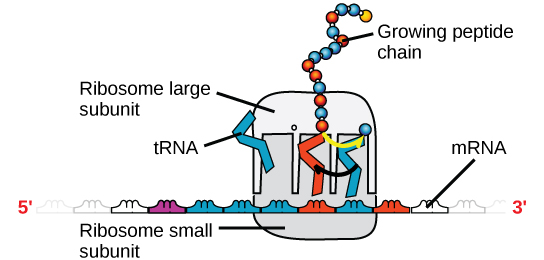
Ribosome ·

A complex of and that translates into a .

Read explanation · OpenStax ↗
RNA splicing · ·

Removal of and joining of in a precursor .

Read explanation · NCBI Bookshelf / Garland Science ↗
RNA stability

Persistence of an before degradation; greater stability generally means a longer lifetime or under specified conditions.

Read explanation · OpenStax ↗
Secondary structure

Local folding, such as and , stabilized mainly by .

Read explanation · OpenStax ↗
Sigmoidal curve ·

An S-shaped curve. A sigmoidal rate-versus- curve can indicate rather than simple behavior.

Read explanation · Biology LibreTexts ↗
Sister chromatid

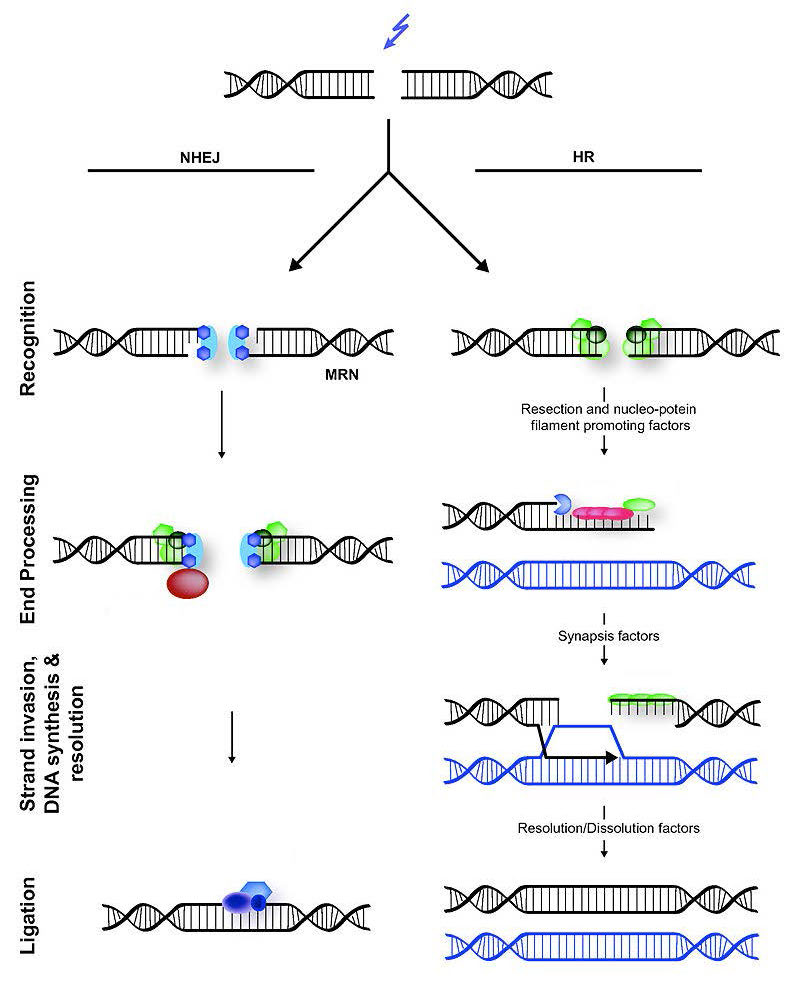
One of the two copies of a produced by . An intact sister chromatid can supply a template for accurate repair.

Read explanation · Biology LibreTexts / Oregon State University ↗
Solubility ·

The amount of a substance that can dissolve in a under specified conditions. Soluble means able to dissolve; insoluble means only very slightly soluble in that .

Read explanation · OpenStax ↗
Solute

A dissolved component of a .

Read explanation · OpenStax ↗
Solution

A homogeneous mixture in which are dissolved in a .

Read explanation · OpenStax ↗
Solvent

The component of a that dissolves other substances, usually the component present in the greatest amount.

Read explanation · OpenStax ↗
Stop codon · · ·

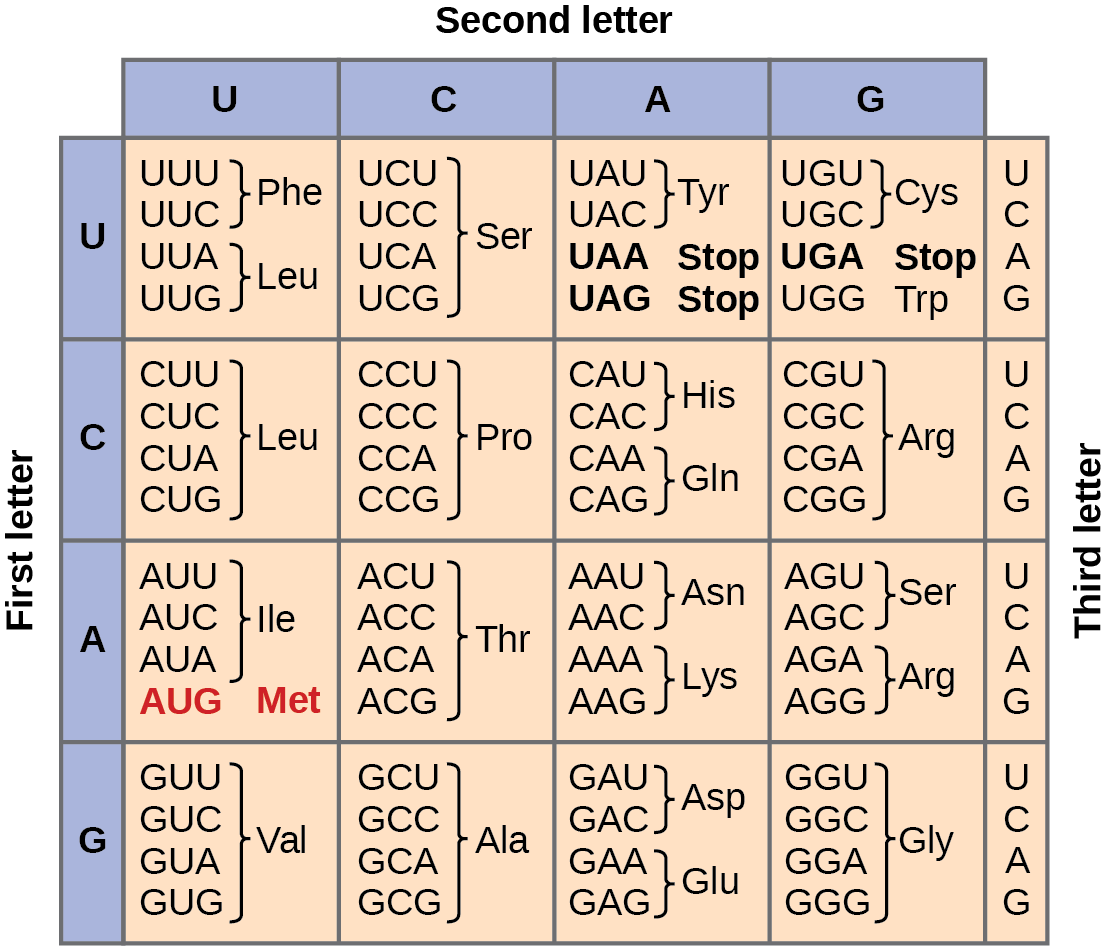
An that recruits a to end : UAA, UAG, or UGA in the standard code.

Read explanation · OpenStax ↗
Substitution · ·

Replacement of one by another. In a coding region it can be , , or .

Read explanation · OpenStax ↗
Substrate

A that an binds and chemically transforms.

Read explanation · OpenStax ↗
Substrate concentration

The amount of per volume. Square brackets denote ; [S] is varied to measure an curve.

Read explanation · Biology LibreTexts ↗
Synonymous mutation · · · · ·

A coding-sequence that leaves the specified unchanged. It can still affect , , or .

Read explanation · OpenStax ↗
Template strand · · ·

A preexisting strand whose sequence guides complementary nucleic- synthesis.

Read explanation · OpenStax ↗
Thiol group · · · ·

A sulfur bonded to hydrogen, –SH. thiols can form through .

Read explanation · OpenStax ↗
Transcription

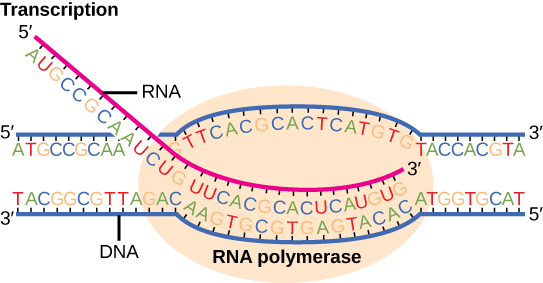
Synthesis of using a template.

Read explanation · OpenStax ↗
Transfer RNA ·

An adaptor that carries an and pairs its with a on .

Read explanation · OpenStax ↗
Transition state

A fleeting, high-energy arrangement at a barrier. It is an energy maximum along the path, rather than a stable .

Read explanation · OpenStax ↗
Translation ·

Synthesis of a on a using the sequence of in .

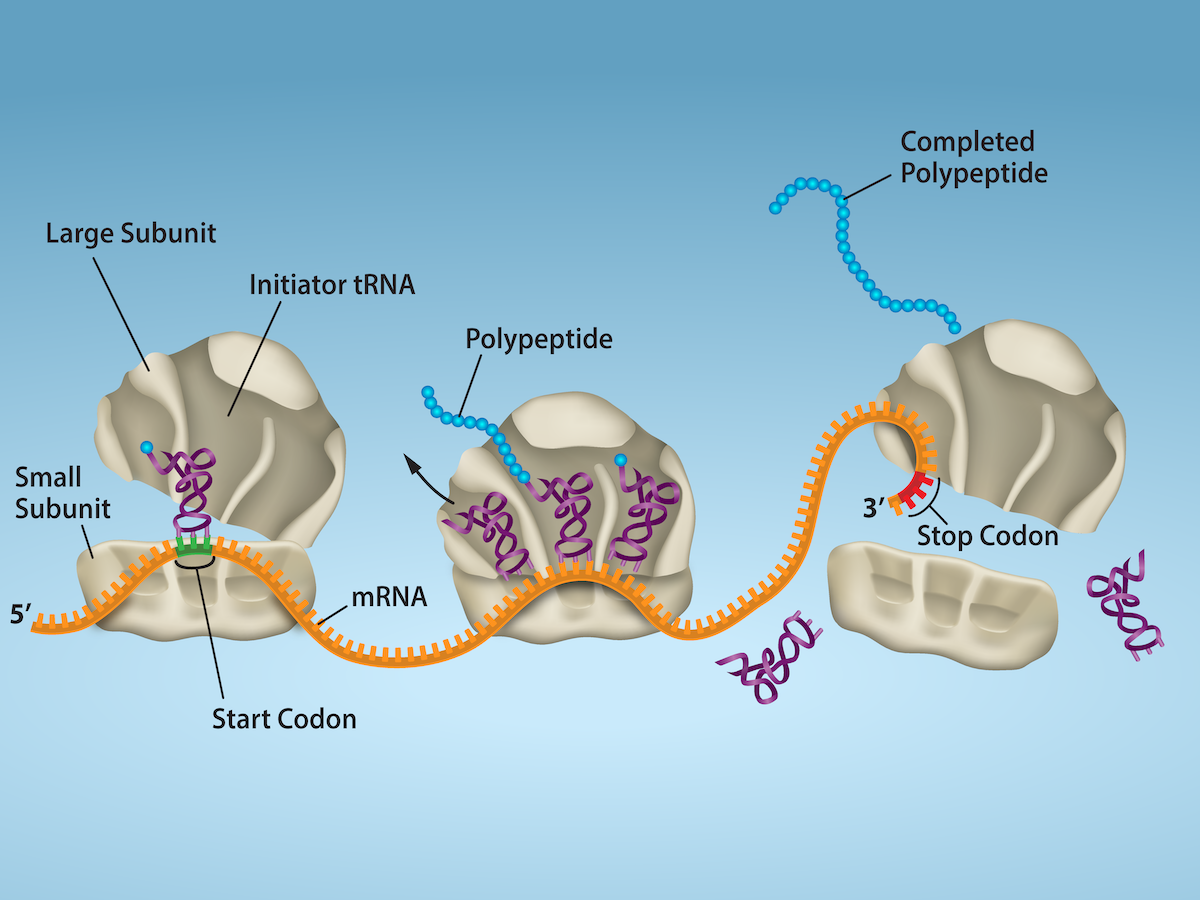
Read explanation · OpenStax ↗
Turnover number · · ·

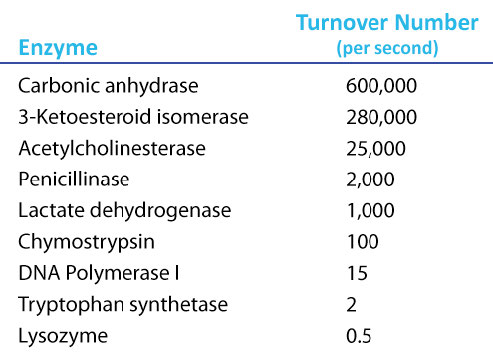
The maximum number of cycles per per unit time, calculated as /. Units are inverse time, commonly s⁻¹.

Read explanation · IUBMB ↗

CARS: Measuring public goods — original practice passage
MCAT study notes · CARS: Measuring public goods — original practice passage ↗
Original authored passage for reading practice. Questions and explanations are educational exercises, not official or calibrated exam items.

Original practice passage authored for this study site; not an AAMC passage.
A city library announced that it would evaluate each branch by the number of books checked out. The measure had an obvious appeal: it was easy to collect, simple to compare, and connected to an activity libraries have long performed. Within a year, branches had rearranged displays and scheduled events around popular titles. Circulation rose, and the city declared the policy a success. Whether the library had become more useful was a different question, one the new figures could not settle alone.
Counting is often accused of flattening human experience, but the accusation is too broad. Without counts, administrators can overlook neglected neighborhoods or defend favored programs with anecdotes. The difficulty arises when a useful indicator is promoted into a complete definition of the goal. Book loans can reveal one form of use. They do not directly record the student who studies in a quiet room, the resident who asks for help completing an application, or the reader who consults a reference volume without taking it home. A measure can be accurate about what it counts and incomplete about what matters.

The trouble deepens when rewards depend on the measure. A branch may reasonably respond by increasing the counted activity, even when another activity would better serve its patrons. This need not involve deception. Staff can act conscientiously while adapting to the incentives placed before them. A reporting system that treats every uncounted hour as an absence of work gradually makes some forms of service difficult to defend. The result is not merely a distorted picture of the institution; the picture can help reshape the institution itself.

One response is to add more indicators. Visits, program attendance, reference consultations, and access to computers might reveal uses that circulation misses. Yet a growing dashboard can create a new illusion of completeness. Each additional indicator requires a decision about what qualifies, how it is recorded, and how much weight it receives. The alternative is not to abandon measurement, but to keep those decisions open to explanation and revision. records become more informative when paired with accounts of the circumstances that produced them.

A city that follows this approach will sometimes face less convenient comparisons. Two branches may serve different populations, and a single ranking may conceal the reasons for their different patterns of use. That inconvenience is not necessarily a defect. It may be evidence that the evaluation is finally attending to the institution it was meant to understand. A sound measure should help people ask better questions about a public good. It should not acquire the to declare that whatever it cannot count has ceased to be good.