Practice · CARS passage practice

CARS: Museums and interpretation

Sources ↗

Read the passage, answer from its argument, and compare your reasoning with the worked explanation.

Passage

Original practice. This passage and its questions were authored for the site. They are not official AAMC questions or a score predictor.

A museum director once described the ideal gallery label as a window: clear enough that the visitor would forget it existed. The metaphor is attractive. A painting seems to deserve attention on its own terms, and a label that demands admiration for its prose can become an unwelcome rival. Yet windows select a view as surely as walls exclude one. The decision to identify a sitter, describe a technique, or mention a patron already directs the visitor toward one understanding of the object. The absence of commentary is no escape from interpretation; it merely leaves interpretation to habits that the visitor may never examine.

Consider two labels for the same portrait. One gives the painter’s name and the date, then praises the unusual handling of light. The other explains that the sitter financed a public institution while excluding many townspeople from its benefits. The first invites formal attention; the second introduces a political question. Neither describes everything that can matter. To call the first and the second intrusive is to treat an established preference as though it were the natural silence of the painting itself. This does not mean that every portrait should become an illustration of social history. It means that choices about relevance require reasons.

Some curators respond by multiplying voices. A conservator comments on pigments, a historian on patronage, and a local resident on the institution’s present meaning. Such arrangements can expose assumptions that a single authoritative label conceals. They can also turn a gallery into a corridor of competing announcements. The number of voices is therefore a poor measure of intellectual openness. A visitor who cannot tell what the speakers disagree about has encountered plurality without gaining a clearer question.

The better label, I suggest, makes its own limits legible. It might identify the evidence for a historical claim, distinguish that claim from a judgment, and point toward a feature of the object that the visitor can inspect. Brevity remains valuable, not because a short statement is innocent of interpretation, but because attention is finite. A label earns its space by enabling a more exact encounter with the work. It fails when it replaces looking with a conclusion that the visitor is expected only to repeat.

There is an irony here. Acknowledging interpretive choices may make the curator seem less certain, yet it can give the visitor better grounds for trust. need not consist in concealing the labor by which a description was made. It can consist in showing enough of that labor for another person to follow, question, or revise it. The gallery then becomes neither a mute collection nor a lecture hall. It becomes a place where attention to objects and attention to arguments can strengthen one another.

Source: CARS: Museums and interpretation — original practice passage

Find the thesis and paragraph functions

The central claim is that labels inevitably interpret, so they should make selective choices and their evidential limits visible while helping visitors attend to objects. Paragraph 1 challenges a metaphor; paragraph 2 illustrates selective ; paragraph 3 qualifies a proposed ; paragraph 4 states a preferred standard; paragraph 5 connects that standard to trust. “” is treated critically in the second paragraph: the author questions the assumption that familiar formal commentary lacks interpretation. A main-idea answer must include both inevitable selection and the proposed way to handle it.

Source: CARS: Museums and interpretation — original practice passage

Infer tone from qualifications

The tone is analytical and cautiously constructive. The author recognizes the value of brevity and multiple voices while rejecting simple measures of or openness. The phrase “a poor measure” criticizes counting voices, not all attempts to include them. The window metaphor is introduced sympathetically and then qualified, which differs from ridiculing curators. When inferring purpose, distinguish the view attributed to the director from the author’s response; a passage can present an appealing idea in order to identify its limits.

Source: CARS: Museums and interpretation — original practice passage

Practice and reasoning

Question. 1. Which best captures the thesis? A: Labels should give only dates and names. B: Labels should reveal interpretive choices while supporting close attention. C: More speakers always produce better interpretation. D: Historical analysis should replace formal analysis. 2. The third paragraph primarily A: rejects local knowledge, B: proves museums cannot be trusted, C: qualifies a possible remedy, or D: introduces a separate topic unrelated to labels?

Show reasoning

1: B. The final two paragraphs supply the positive standard, while the first two establish why selection is unavoidable. A mistakes a criticized appearance of for the author’s view. C ignores the warning that plurality can obscure disagreement. D exaggerates the portrait example and contradicts the explicit qualification. 2: C. Multiple voices are a possible remedy, but the author argues that visitors must understand the disagreement. A and B are unsupported; D misses its direct connection to interpretation.

Source: CARS: Museums and interpretation — original practice passage
89 terms, alphabetically ordered

Acid · ·

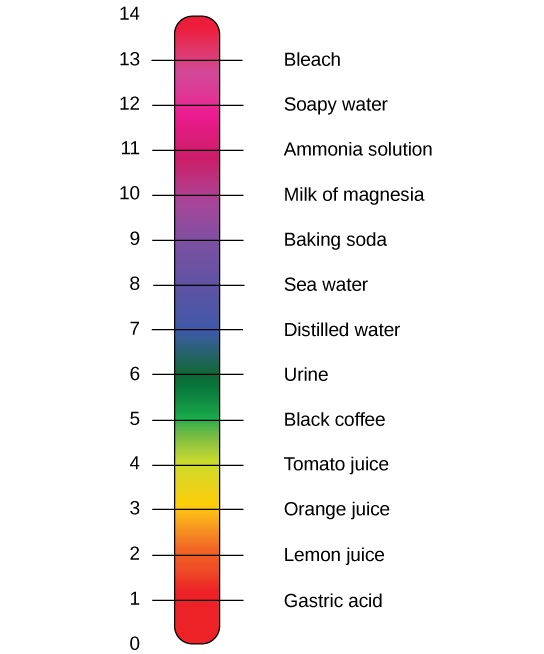
In the Brønsted–Lowry model, a substance that can donate a . Acidic have a higher activity than water.

Read explanation · OpenStax ↗
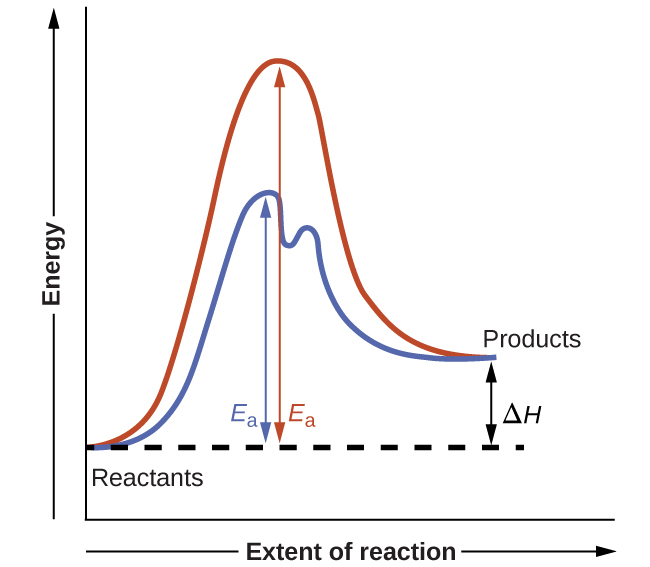
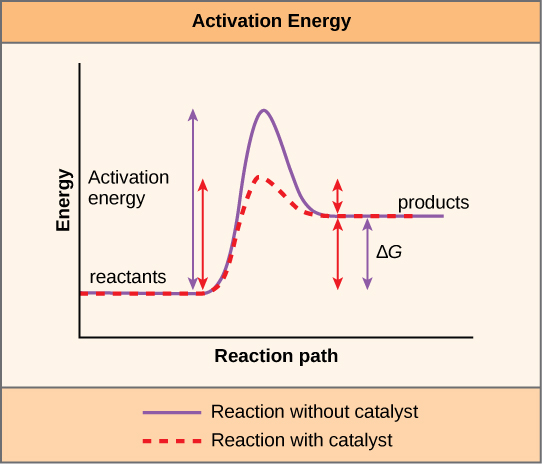
Activation energy ·

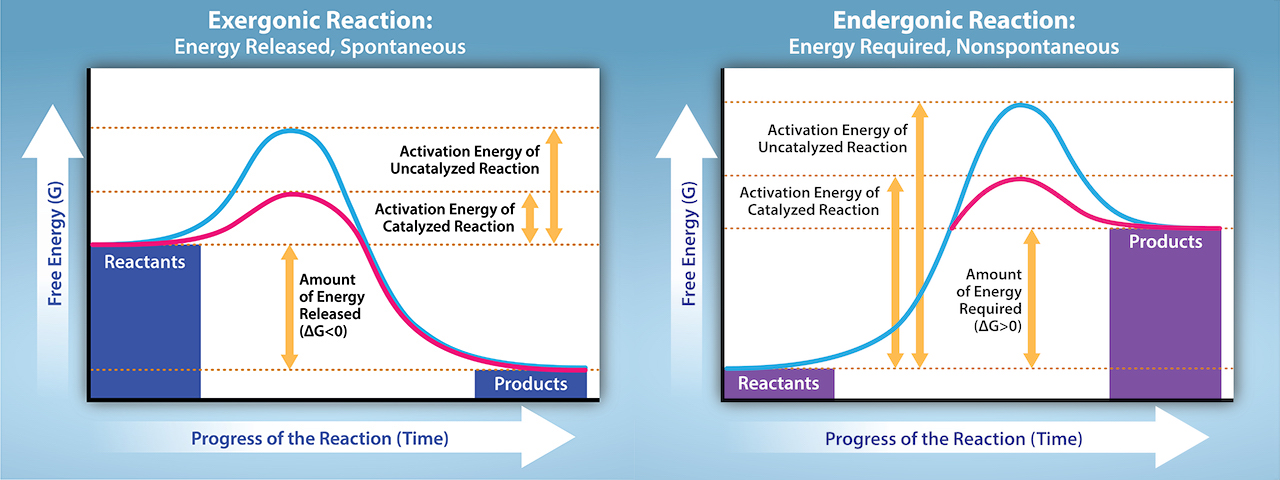
The energy barrier that must overcome to reach a and undergo .

Read explanation · OpenStax ↗
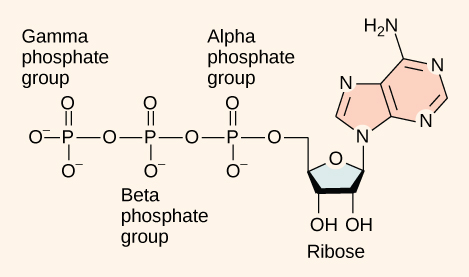
Adenosine triphosphate

An energy-carrying ; its powers many cellular processes, including cycles.

Read explanation · OpenStax ↗
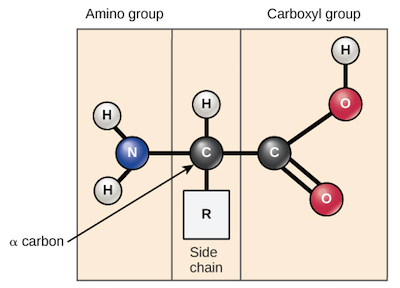
Alpha carbon · ·

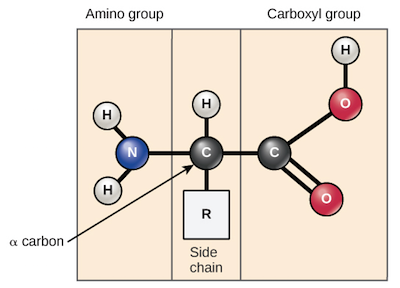
The central carbon next to the carboxyl carbon. In a standard it binds an , hydrogen, and .

Read explanation · OpenStax ↗
Amide · · ·

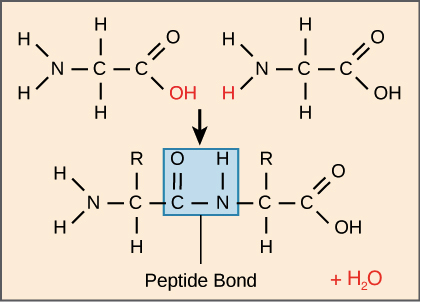
A group containing a carbon bonded to nitrogen. are amide linkages.

Read explanation · OpenStax ↗
Amino acid

A building block containing amino and and a characteristic .

Read explanation · OpenStax ↗
Amino acid residue · ·

The part of an incorporated into a chain. Residue can also describe another building block within a larger .

Read explanation · OpenStax ↗
Amino group · · ·

A nitrogen-containing . A free ’s amino group is typically (NH₃⁺) near physiological ; ’s ring nitrogen is an exception to this formula.

Read explanation · OpenStax ↗
Amphipathic

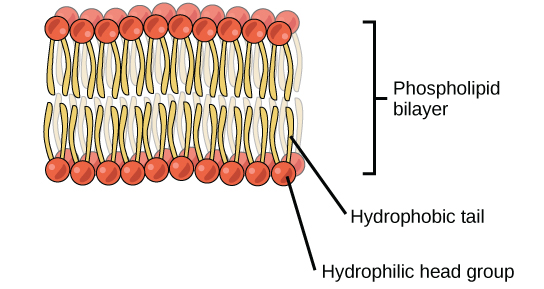
Having both a region and a region, as in a or .

Read explanation · OpenStax ↗
Analytical standard ·

A material with a known identity or amount used to compare or calibrate measurements.

Read explanation · Agilent ↗
Aqueous solution ·

A in which water is the .

Read explanation · OpenStax ↗
Atom

The smallest unit of an element that retains its chemical identity; it has a surrounded by .

Read explanation · OpenStax ↗
authority

Power regarded as legitimate by those subject to it.

Read explanation · OpenStax ↗
Biomolecule

A made by or involved in living systems, including , , , and .

Read explanation · OpenStax ↗
Blotting ·

Transfer of separated or to a so a specific target can be detected.

Read explanation · Thermo Fisher ↗
Brønsted–Lowry base · · · · · · · · · · ·

In the Brønsted–Lowry model, a substance that can accept a . Basic solutions have lower activity than water.

Read explanation · OpenStax ↗
Calibration

Establishing the relation between a measured signal and known values or .

Read explanation · Agilent ↗
Carbohydrate

A class of including sugars and their , used for energy storage, structure, and recognition.

Read explanation · OpenStax ↗
Carbonyl group · ·

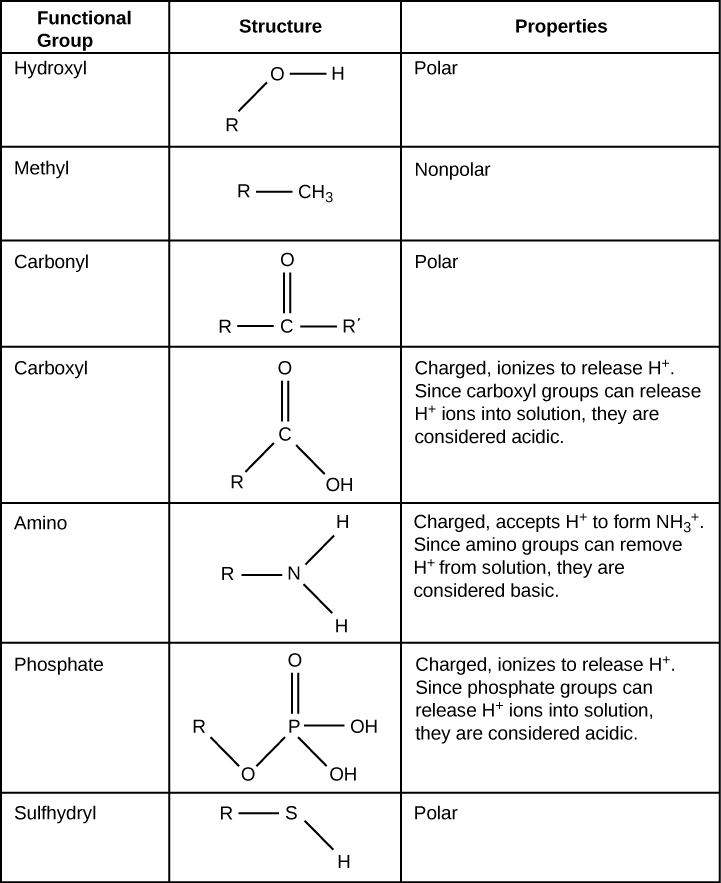
A carbon double-bonded to oxygen, C=O; present in and many other .

Read explanation · OpenStax ↗
Carboxyl group · ·

An , COOH. In free it is usually to COO⁻ near physiological .

Read explanation · OpenStax ↗
Catalyst · ·

A substance that speeds a by providing a pathway with lower and is regenerated rather than consumed overall.

Read explanation · OpenStax ↗
Chemical reaction ·

A process that rearranges and chemical bonds, converting into .

Read explanation · OpenStax ↗
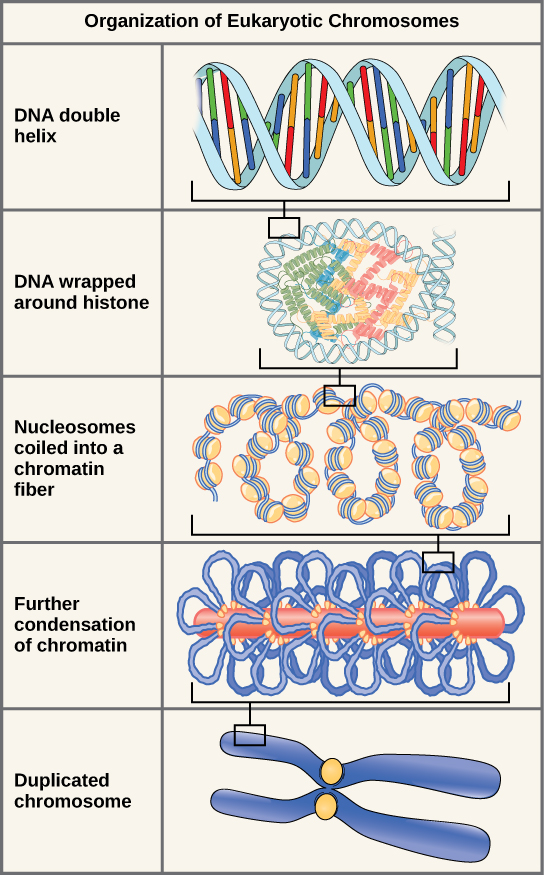
Chromosome ·

An organized with associated that carries . A replicated chromosome has two .

Read explanation · OpenStax ↗
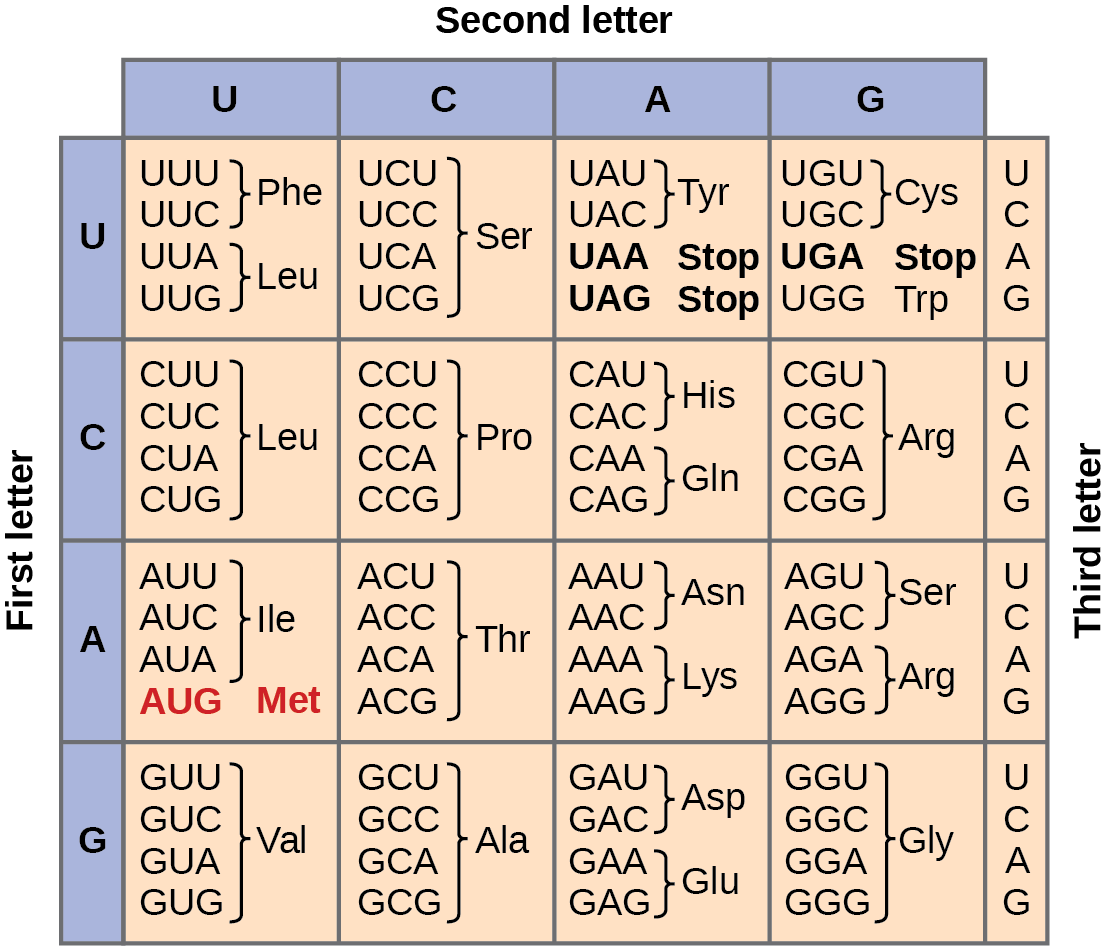
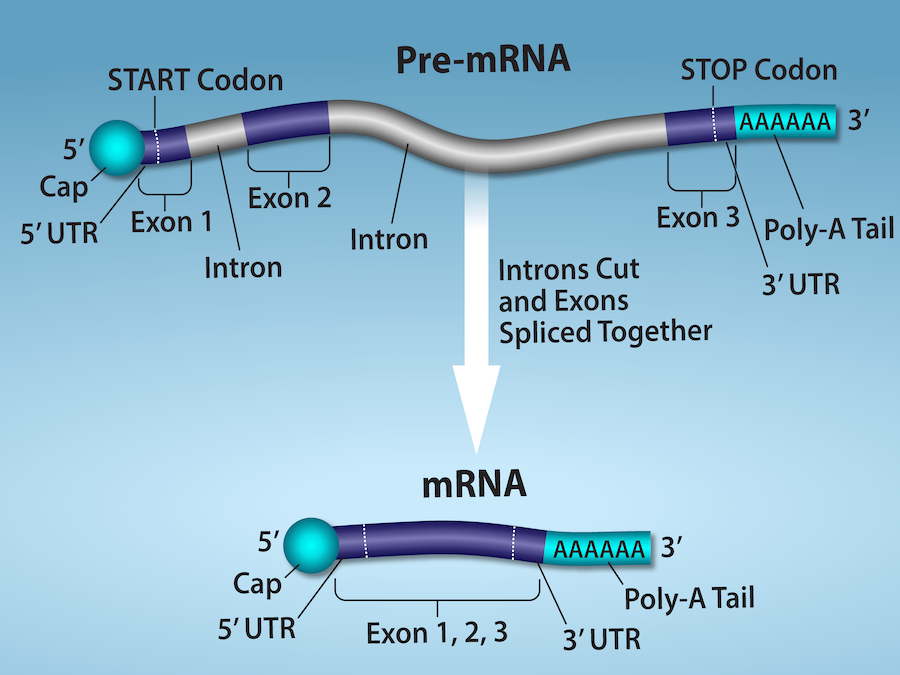
Codon

A sequence of three that specifies an or a stop signal.

Read explanation · OpenStax ↗
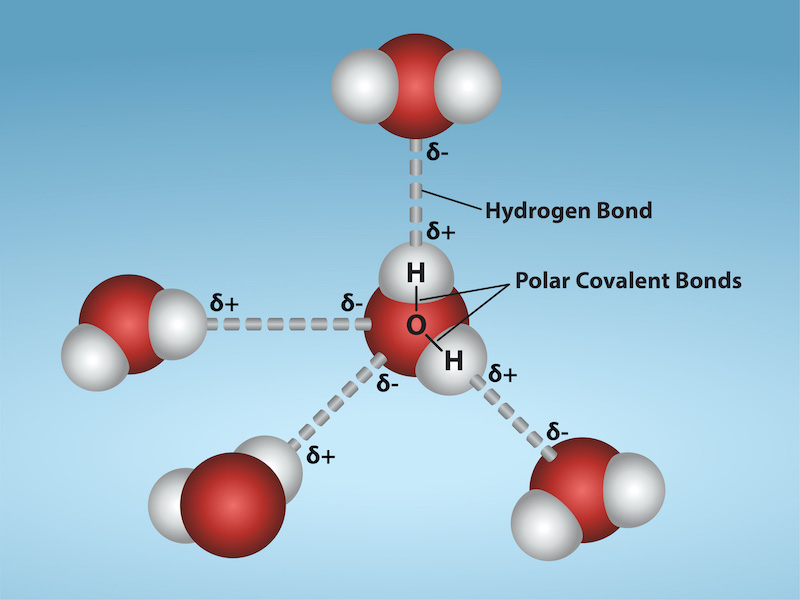
Covalent bond · ·

A bond in which share pairs. and are covalent.

Read explanation · OpenStax ↗
Cysteine ·

An with a . Two cysteines can form a .

Read explanation · OpenStax ↗
Deoxyribonucleic acid

The that stores genetic information used to specify and sequences.

Read explanation · OpenStax ↗
Deprotonation

Removal of a from a or group; this changes its by minus one.

Read explanation · OpenStax ↗
Detergent

An substance that can associate with both water and material; detergents can disrupt or interactions.

Read explanation · Thermo Fisher ↗
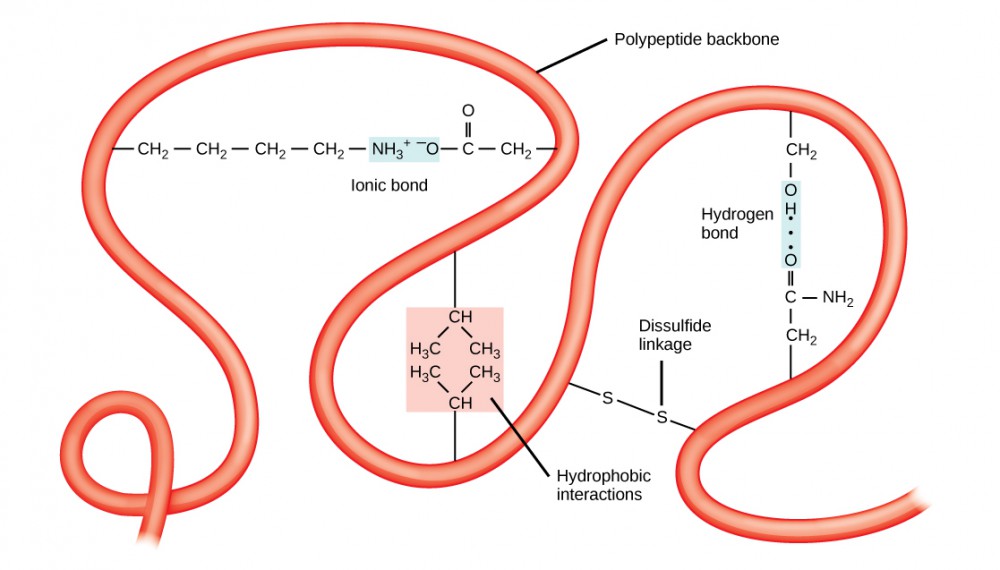
Disulfide bond · · ·

A covalent sulfur–sulfur bond formed by of two , which can stabilize structure.

Read explanation · NCBI Bookshelf ↗
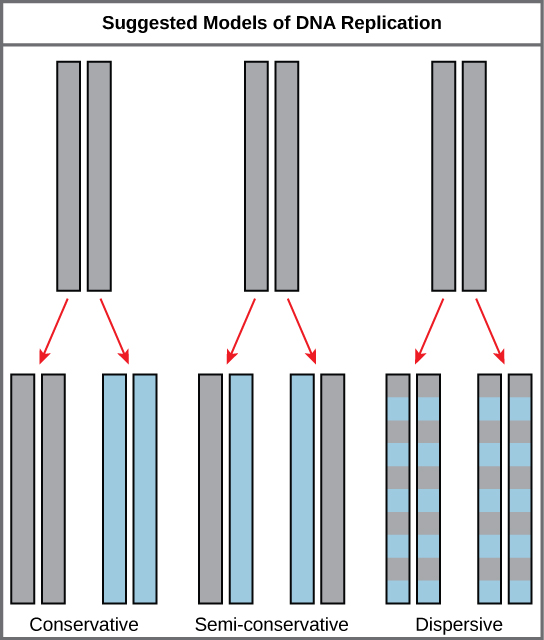
DNA replication

Copying so genetic information can be passed to daughter cells. Each guides a complementary new strand.

Read explanation · OpenStax ↗
Electric charge · · ·

An electrical property that can be positive or negative. Opposite charges attract and like charges repel; net charge is the sum of all charges on a particle.

Read explanation · OpenStax ↗
Electron

A negatively subatomic particle. Electron sharing and transfer determine much of chemical bonding.

Read explanation · OpenStax ↗
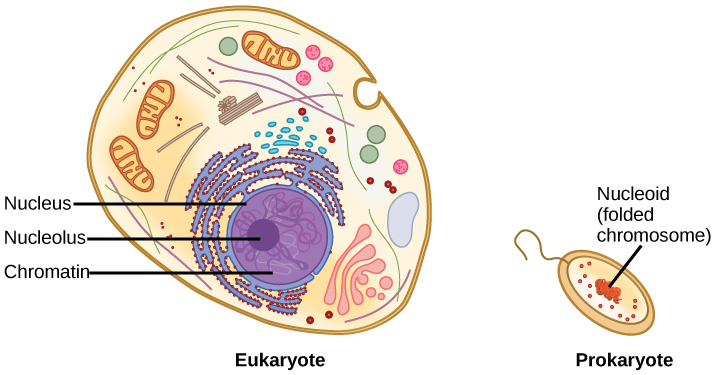
Eukaryote ·

An organism whose cells have a -enclosed ; animals, plants, fungi, and protists are eukaryotes.

Read explanation · OpenStax ↗
framing

Construction of interpretations that define problems, , and motives for action.

Read explanation · OpenStax ↗
Functional group

A group of whose chemical behavior gives a characteristic and properties.

Read explanation · OpenStax ↗
Gene

A sequence that contributes to a functional or , together with the information needed to express it.

Read explanation · OpenStax ↗
Gene expression

Production of a functional from a , including and, for -coding , .

Read explanation · NCBI Bookshelf ↗
Hydrogen ion · ·

A positively hydrogen species. H⁺ denotes a , which is hydrated in water; its activity determines .

Read explanation · OpenStax ↗
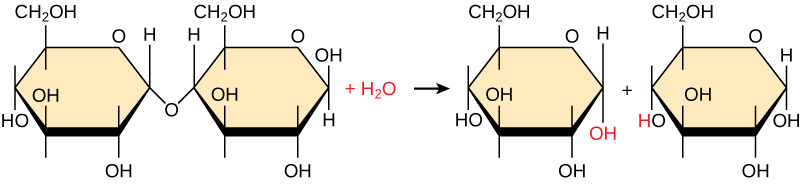
Hydrolysis

Breaking a chemical bond by adding water. hydrolysis separates .

Read explanation · OpenStax ↗
Hydrophilic

Interacting favorably with water, typically because a group is or .

Read explanation · OpenStax ↗
Hydrophobic

Interacting poorly with water. often gather in a ’s interior.

Read explanation · OpenStax ↗
Hydroxide ion ·

The negatively OH⁻. Basic contain a higher hydroxide ion activity than water at the same temperature.

Read explanation · OpenStax ↗
Ion · ·

An or with a net because its numbers of and do not balance.

Read explanation · OpenStax ↗
linkage

A tendency of nearby on the same to be inherited together.

Read explanation · OpenStax ↗
Lipid

A broad class of largely or , including fats, , and steroids.

Read explanation · OpenStax ↗
locus

The specific position of a or other feature.

Read explanation · OpenStax ↗
Logarithm · · ·

The exponent needed to obtain a number from a chosen fixed number. For decimal logarithms, log₁₀(100) = 2 because 10² = 100; uses the negative decimal logarithm of activity.

Read explanation · OpenStax ↗
Membrane · · · ·

A thin boundary or sheet. Cell membranes are bilayers containing ; membranes are synthetic supports that hold or for detection.

Read explanation · OpenStax ↗
Messenger RNA ·

An that carries coding information used by to synthesize a .

Read explanation · OpenStax ↗
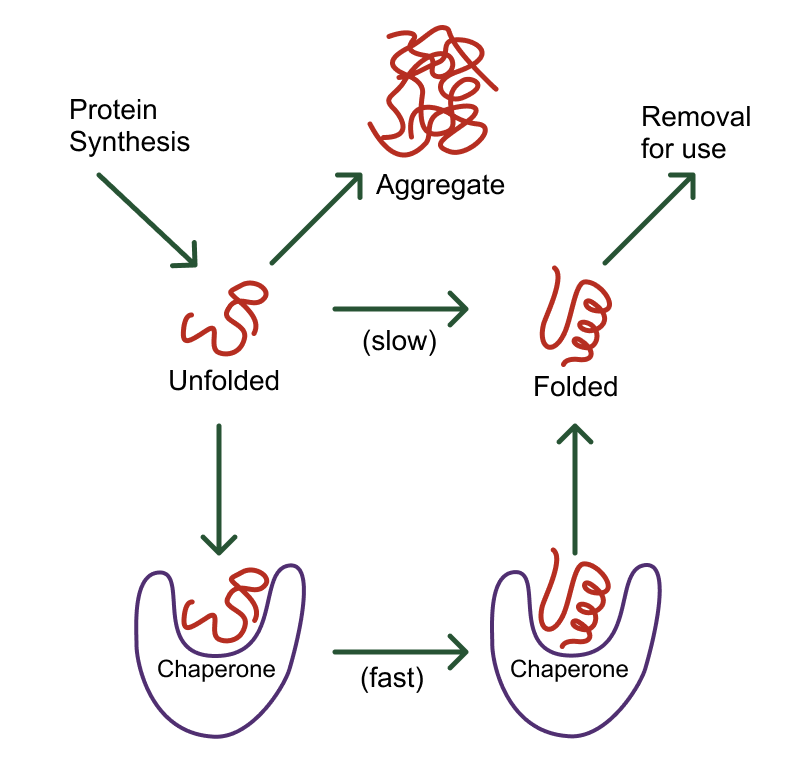
Molecular chaperone · ·

A that assists other in folding or prevents , without specifying their sequence.

Read explanation · NCBI Bookshelf ↗
Molecule

Two or more joined by . A molecule may be electrically or carry a .

Read explanation · OpenStax ↗
Neutral

Having no net . For a , neutral instead means equal and activities; its is about 7 at 25 °C.

Read explanation · OpenStax ↗
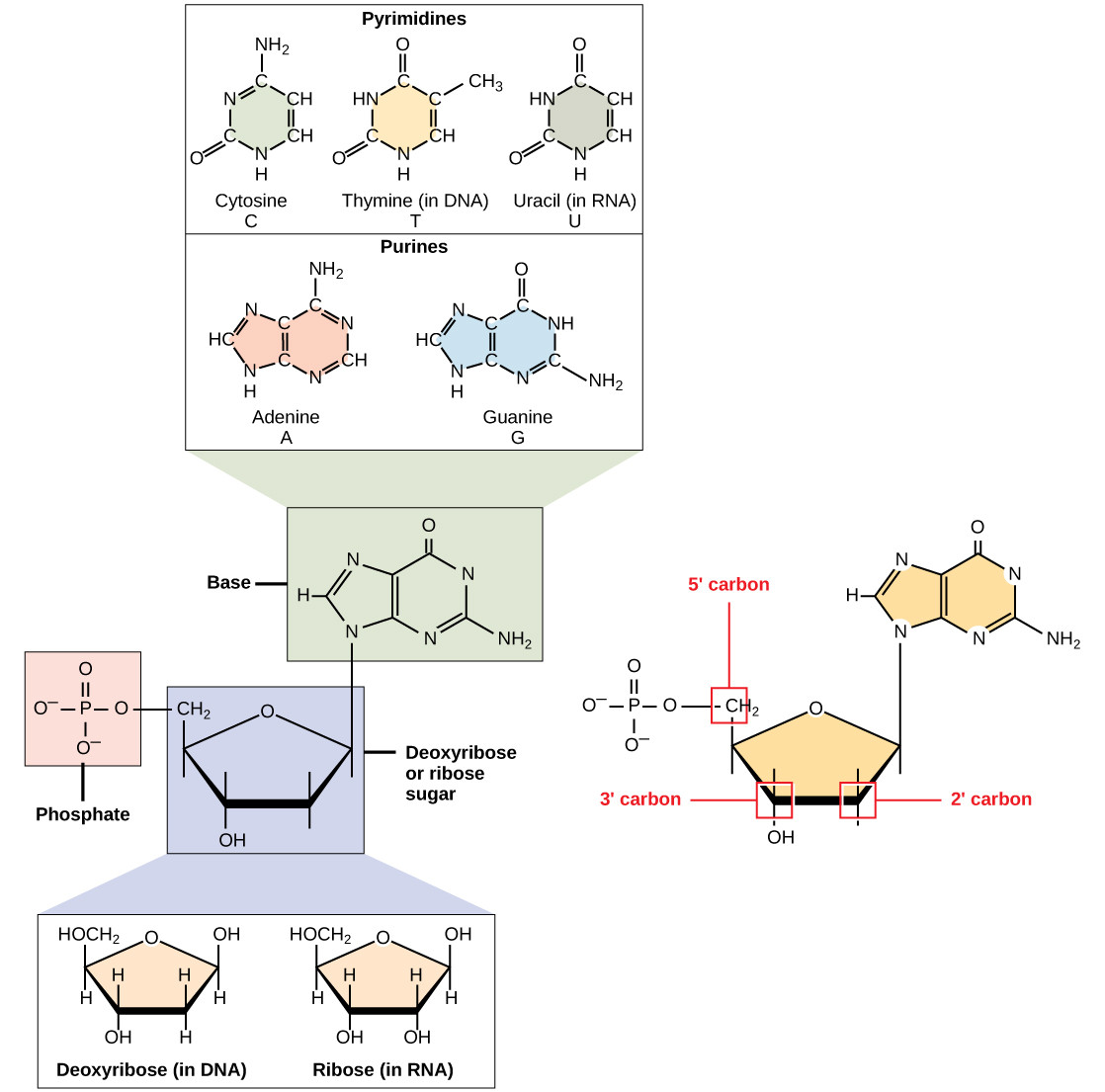
Nitrogenous base · · ·

A nitrogen-containing ring component of ; its pairing interactions help specify sequences.

Read explanation · OpenStax ↗
Nonpolar ·

Lacking a substantial separation of . Nonpolar groups generally interact poorly with water.

Read explanation · OpenStax ↗
Nucleic acid

A of , such as or , used in information storage, expression, and other cellular functions.

Read explanation · OpenStax ↗
Nucleotide

A joined to a sugar and one or more .

Read explanation · OpenStax ↗
Nucleus ·

A -enclosed compartment containing most of a cell’s .

Read explanation · OpenStax ↗
Oxidation ·

Loss of or an increase in oxidation state. Oxidizing two can form a .

Read explanation · OpenStax ↗
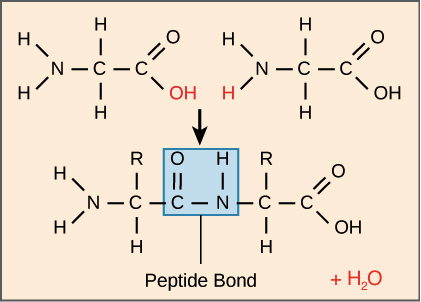
Peptide

A chain of joined by ; the term commonly describes chains shorter than a typical .

Read explanation · OpenStax ↗
Peptide bond ·

A covalent between the carboxyl carbon of one and the amino nitrogen of the next.

Read explanation · OpenStax ↗
pH

A measure of , defined as the negative of activity. Lower pH means greater ; pH influences .

Read explanation · OpenStax ↗
Phosphate group ·

A phosphorus-containing group bonded to oxygens; phosphate groups occur in , , and modified .

Read explanation · OpenStax ↗
Phospholipid

An with a -containing region and tails; a major component of cellular .

Read explanation · OpenStax ↗
Polar

Having an uneven distribution of . Polar groups often interact favorably with water.

Read explanation · OpenStax ↗
Polymer

A large made from many linked molecular building blocks.

Read explanation · OpenStax ↗
Polypeptide

A chain of connected by . A functional can contain one or several such chains.

Read explanation · OpenStax ↗
Proline ·

An whose loops back to the nitrogen, restricting rotation and often creating bends.

Read explanation · OpenStax ↗
Protein

One or more folded chains that perform biological roles such as , transport, signaling, or structural support.

Read explanation · OpenStax ↗
Protein aggregation · ·

Association of into larger clusters, often when exposed surfaces of unfolded stick together.

Read explanation · NCBI Bookshelf ↗
Protein backbone ·

The repeating nitrogen–alpha-carbon– chain of a , excluding its variable .

Read explanation · OpenStax ↗
Proton

A positively subatomic particle. In – chemistry, donating a proton means transferring a .

Read explanation · OpenStax ↗
Protonation

Addition of a to an , , or ; this changes its by plus one.

Read explanation · OpenStax ↗
R group · ·

The variable side chain attached to an ’s . It determines identity, , , and chemical behavior.

Read explanation · OpenStax ↗
Reactant

A starting substance transformed during a .

Read explanation · OpenStax ↗
Reaction intermediate · ·

A species formed in one step and consumed in another. It occupies a local energy minimum between .

Read explanation · OpenStax ↗
Reaction product ·

A substance formed by a .

Read explanation · OpenStax ↗
Ribonucleic acid ·

A with roles in , regulation, and ; carries -coding information.

Read explanation · OpenStax ↗
Ribosome ·

A complex of and that translates into a .

Read explanation · OpenStax ↗
Sister chromatid

One of the two copies of a produced by . An intact sister chromatid can supply a template for accurate repair.

Read explanation · Biology LibreTexts / Oregon State University ↗
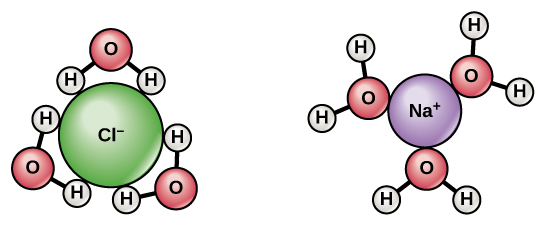
Solubility ·

The amount of a substance that can dissolve in a under specified conditions. Soluble means able to dissolve; insoluble means only very slightly soluble in that .

Read explanation · OpenStax ↗
Solute

A dissolved component of a .

Read explanation · OpenStax ↗
Solution

A homogeneous mixture in which are dissolved in a .

Read explanation · OpenStax ↗
Solvent

The component of a that dissolves other substances, usually the component present in the greatest amount.

Read explanation · OpenStax ↗
Template strand · · ·

A preexisting strand whose sequence guides complementary nucleic- synthesis.

Read explanation · OpenStax ↗
Thiol group · · · ·

A sulfur bonded to hydrogen, –SH. thiols can form through .

Read explanation · OpenStax ↗
Transcription

Synthesis of using a template.

Read explanation · OpenStax ↗
Transition state

A fleeting, high-energy arrangement at a barrier. It is an energy maximum along the path, rather than a stable .

Read explanation · OpenStax ↗
Translation ·

Synthesis of a on a using the sequence of in .

Read explanation · OpenStax ↗

CARS: Museums and interpretation — original practice passage
MCAT study notes · CARS: Museums and interpretation — original practice passage ↗
Original authored passage for reading practice. Questions and explanations are educational exercises, not official or calibrated exam items.

Original practice passage authored for this study site; not an AAMC passage.
A museum director once described the ideal gallery label as a window: clear enough that the visitor would forget it existed. The metaphor is attractive. A painting seems to deserve attention on its own terms, and a label that demands admiration for its prose can become an unwelcome rival. Yet windows select a view as surely as walls exclude one. The decision to identify a sitter, describe a technique, or mention a patron already directs the visitor toward one understanding of the object. The absence of commentary is no escape from interpretation; it merely leaves interpretation to habits that the visitor may never examine.

Consider two labels for the same portrait. One gives the painter’s name and the date, then praises the unusual handling of light. The other explains that the sitter financed a public institution while excluding many townspeople from its benefits. The first invites formal attention; the second introduces a political question. Neither describes everything that can matter. To call the first and the second intrusive is to treat an established preference as though it were the natural silence of the painting itself. This does not mean that every portrait should become an illustration of social history. It means that choices about relevance require reasons.

Some curators respond by multiplying voices. A conservator comments on pigments, a historian on patronage, and a local resident on the institution’s present meaning. Such arrangements can expose assumptions that a single authoritative label conceals. They can also turn a gallery into a corridor of competing announcements. The number of voices is therefore a poor measure of intellectual openness. A visitor who cannot tell what the speakers disagree about has encountered plurality without gaining a clearer question.

The better label, I suggest, makes its own limits legible. It might identify the evidence for a historical claim, distinguish that claim from a judgment, and point toward a feature of the object that the visitor can inspect. Brevity remains valuable, not because a short statement is innocent of interpretation, but because attention is finite. A label earns its space by enabling a more exact encounter with the work. It fails when it replaces looking with a conclusion that the visitor is expected only to repeat.

There is an irony here. Acknowledging interpretive choices may make the curator seem less certain, yet it can give the visitor better grounds for trust. need not consist in concealing the labor by which a description was made. It can consist in showing enough of that labor for another person to follow, question, or revise it. The gallery then becomes neither a mute collection nor a lecture hall. It becomes a place where attention to objects and attention to arguments can strengthen one another.