Attraction is influenced by proximity, familiarity, similarity, reciprocal liking, and perceived rewards, without one feature guaranteeing a relationship.
Attraction is influenced by proximity, familiarity, similarity, reciprocal liking, and perceived rewards, without one feature guaranteeing a relationship. Attachment concerns enduring bonds and expectations of caregiver or partner availability; secure and insecure patterns reflect relationships and contexts rather than fixed moral categories. Aggression aims to harm and can be reactive or instrumental; frustration, modeling, norms, and situational cues influence it. Altruism benefits others, with psychological definitions emphasizing other-oriented motivation and evolutionary definitions emphasizing fitness costs and benefits. Social support can buffer stress through emotional, informational, or practical aid. Helping can also be motivated by reciprocity, norms, or anticipated rewards.
Use foraging, mate choice, game theory, and inclusive fitness to evaluate biological explanations of social behavior
Biological accounts ask how behavior affects survival and reproduction under particular conditions. Optimal-foraging models compare energetic gains with time, risk, and search costs. Mate-choice models examine traits, constraints, and reproductive consequences, but do not justify universal stereotypes about human preferences. Game theory models payoffs that depend on others’ strategies; repeated interactions can make reciprocity beneficial. Inclusive fitness includes effects on relatives’ reproductive success. Hamilton’s rule, rB > C, predicts conditions favoring a costly helping allele when relatedness-weighted benefit exceeds cost. These are explanatory models, not ethical instructions, and human behavior also depends on culture, learning, institutions, and individual goals.
Worked question. A simplified helping model gives relatedness r = 0.5, benefit B = 4 additional surviving offspring for a relative, and cost C = 1 lost offspring for the helper. What does Hamilton’s rule predict, and what can it not tell us?
The relatedness-weighted benefit is 0.5 × 4 = 2, which exceeds 1, so the model predicts conditions favoring the helping tendency. It does not establish conscious calculation, moral obligation, or that all real-world costs and benefits were measured. In a repeated cooperation game, future reciprocal benefits can favor helping even among nonrelatives.
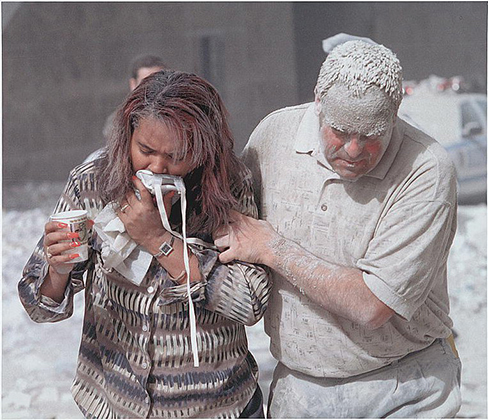
Figure 12.26 The events of 9/11 unleashed an enormous show of altruism and heroism on the parts of first responders and many ordinary people. (credit: Don Halasy)
Rose M. Spielman, William J. Jenkins, and Marilyn D. Lovett, Psychology 2E, OpenStax. (credit: Don Halasy) · CC BY-NC-SA 4.0
· Original image ↗ · Access for free ↗Figure 12.27 — 12.7 Prosocial Behavior
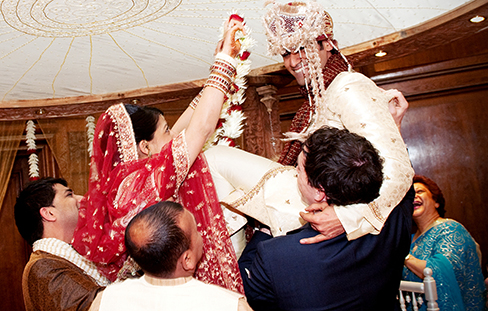
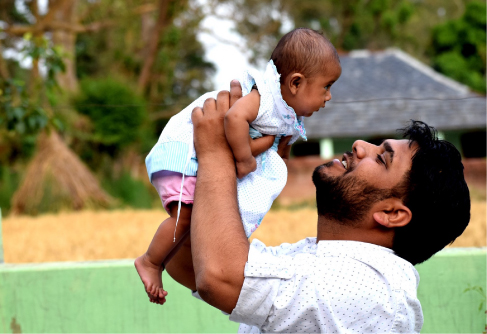
Figure 12.27 People tend to be attracted to similar people. Many couples share a cultural background. This can be quite obvious in a ceremony such as a wedding, and more subtle (but no less significant) in the day-to-day workings of a relationship. (credit: modification of work by Shiraz Chanawala)
Rose M. Spielman, William J. Jenkins, and Marilyn D. Lovett, Psychology 2E, OpenStax. (credit: modification of work by Shiraz Chanawala) · CC BY-NC-SA 4.0
· Original image ↗ · Access for free ↗Figure 12.28 — 12.7 Prosocial Behavior
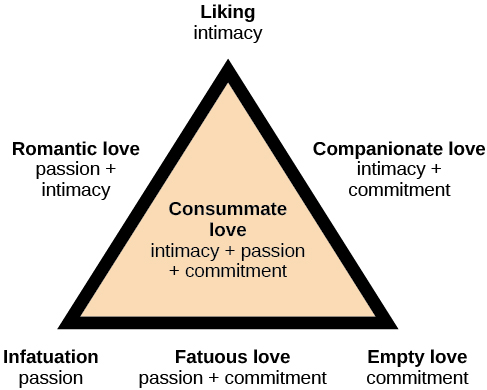
Figure 12.28 According to Sternberg’s triangular theory of love, seven types of love can be described from combinations of three components: intimacy, passion, and commitment. (credit: modification of work by “Lnesa”/Wikimedia Commons)
Rose M. Spielman, William J. Jenkins, and Marilyn D. Lovett, Psychology 2E, OpenStax. (credit: modification of work by “Lnesa”/Wikimedia Commons) · CC BY-NC-SA 4.0
· Original image ↗ · Access for free ↗Figure 12.29 — 12.7 Prosocial Behavior
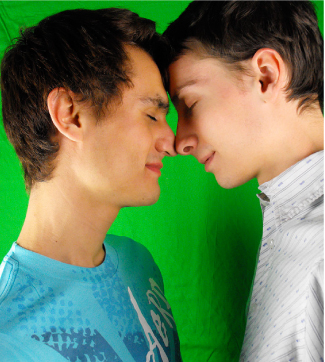
Figure 12.29 According to Sternberg, consummate love describes a healthy relationship containing intimacy, passion, and commitment. (credit: Carloxito/Wikimedia)
Rose M. Spielman, William J. Jenkins, and Marilyn D. Lovett, Psychology 2E, OpenStax. (credit: Carloxito/Wikimedia) · CC BY-NC-SA 4.0
· Original image ↗ · Access for free ↗Figure 12.30 — 12.7 Prosocial Behavior
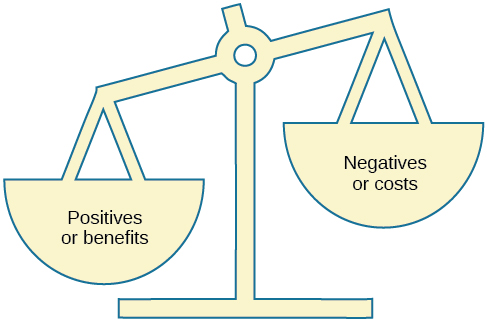
Figure 12.30 Acting like naïve economists, people may keep track of the costs and benefits of maintaining a relationship. Typically, only those relationships in which the benefits outweigh the costs will be maintained.
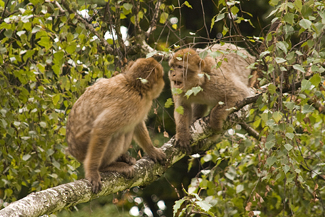
Figure 12.24 Human males and nonhuman male primates endeavor to gain and display dominance over other males, as demonstrated in the behavior of these monkeys. (credit: “Arcadiuš”/Flickr)
Rose M. Spielman, William J. Jenkins, and Marilyn D. Lovett, Psychology 2E, OpenStax. (credit: “Arcadiuš”/Flickr) · CC BY-NC-SA 4.0
· Original image ↗ · Access for free ↗Figure 12.25 — 12.6 Aggression
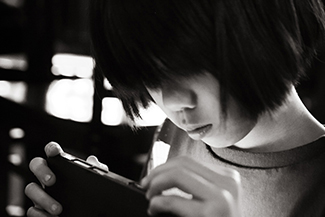
Figure 12.25 Cyberbullying can create a feeling of powerlessness and inescapability because victimization is not constrained to physical locations. Many victims report being harassed across multiple platforms or formats at the same time. (credit: Steven Depolo)
Figure 9.9 A pregnant person receives an ultrasound as part of their prenatal care. (credit: "MIKI Yoshihito_Flickr"/Flickr)
Rose M. Spielman, William J. Jenkins, and Marilyn D. Lovett, Psychology 2E, OpenStax. (credit: "MIKI Yoshihito_Flickr"/Flickr) · CC BY-NC-SA 4.0
· Original image ↗ · Access for free ↗Figure 9.10 — 9.3 Stages of Development
Figure 9.10 Children experience rapid physical changes through infancy and early childhood. (credit "left": modification of work by Kerry Ceszyk; credit "middle-left": modification of work by Kristi Fausel; credit "middle-right": modification of work by "devinf"/Flickr; credit "right": modification of work by Rose Spielman)
Rose M. Spielman, William J. Jenkins, and Marilyn D. Lovett, Psychology 2E, OpenStax. (credit "left": modification of work by Kerry Ceszyk; credit "middle-left": modification of work by Kristi Fausel; credit "middle-right": modification of work by "devinf"/Flickr; credit "right": modification of work by Rose Spielman) · CC BY-NC-SA 4.0
· Original image ↗ · Access for free ↗Figure 9.11 — 9.3 Stages of Development
Figure 9.11 In Baillargeon’s study, infants observed a truck (a) roll down an unobstructed track, (b) roll down an unobstructed track with an obstruction (box) beside it, and (c) roll down and pass through what appeared to be an obstruction.
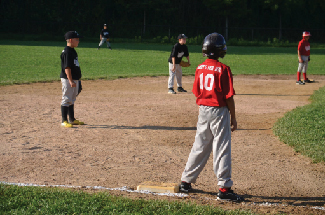
Figure 9.12 Because they understand luck and fairness, children in middle and late childhood (6–11 years old) are able to follow rules for games. (credit: Edwin Martinez)
Rose M. Spielman, William J. Jenkins, and Marilyn D. Lovett, Psychology 2E, OpenStax. (credit: Edwin Martinez) · CC BY-NC-SA 4.0
· Original image ↗ · Access for free ↗Figure 9.13 — 9.3 Stages of Development
Rose M. Spielman, William J. Jenkins, and Marilyn D. Lovett, Psychology 2E, OpenStax. (credit: "balouriarajesh_Pixabay"/Pixabay) · CC BY-NC-SA 4.0
· Original image ↗ · Access for free ↗Figure 9.14 — 9.3 Stages of Development
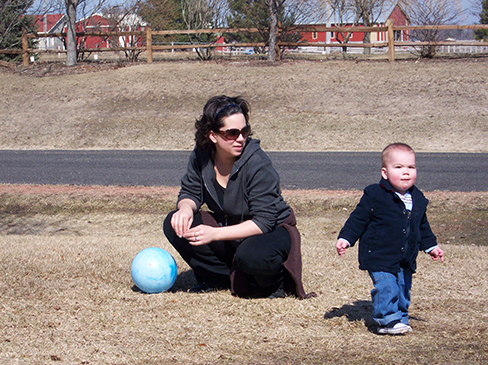
Figure 9.14 In secure attachment, the parent provides a secure base for the toddler, allowing him to securely explore his environment. (credit: Kerry Ceszyk)
Rose M. Spielman, William J. Jenkins, and Marilyn D. Lovett, Psychology 2E, OpenStax. (credit: Kerry Ceszyk) · CC BY-NC-SA 4.0
· Original image ↗ · Access for free ↗Figure 9.15 — 9.3 Stages of Development
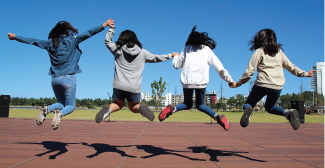
Figure 9.15 Peers are a primary influence on our development in adolescence. (credit: "manseok_Pixabay"/ Pixabay)
Rose M. Spielman, William J. Jenkins, and Marilyn D. Lovett, Psychology 2E, OpenStax. (credit: "manseok_Pixabay"/ Pixabay) · CC BY-NC-SA 4.0
· Original image ↗ · Access for free ↗Figure 9.16 — 9.3 Stages of Development
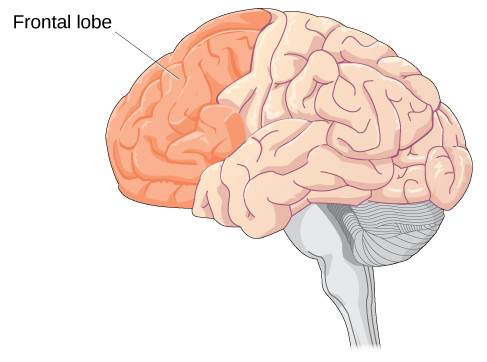
Figure 9.16 Brain growth continues into the early 20s. The development of the frontal lobe, in particular, is important during this stage.
Figure 9.17 Teenage thinking is characterized by the ability to reason logically and solve hypothetical problems such as how to design, plan, and build a structure. (credit: U.S. Army RDECOM)
Rose M. Spielman, William J. Jenkins, and Marilyn D. Lovett, Psychology 2E, OpenStax. (credit: U.S. Army RDECOM) · CC BY-NC-SA 4.0
· Original image ↗ · Access for free ↗Figure 9.18 — 9.3 Stages of Development
Figure 9.18 Physical declines of middle and late adulthood can be minimized with proper exercise, nutrition, and an active lifestyle. (credit: modification of work by Peter Stevens)
Rose M. Spielman, William J. Jenkins, and Marilyn D. Lovett, Psychology 2E, OpenStax. (credit: modification of work by Peter Stevens) · CC BY-NC-SA 4.0
· Original image ↗ · Access for free ↗Figure 9.19 — 9.3 Stages of Development
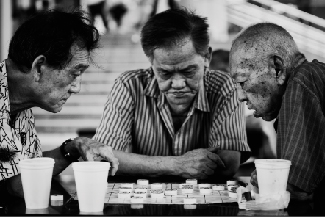
Figure 9.19 Cognitive activities such as playing mahjong, chess, or other games, can keep you mentally fit. The same is true for solo pastimes like reading and completing crossword puzzles. (credit: Philippe Put)
Rose M. Spielman, William J. Jenkins, and Marilyn D. Lovett, Psychology 2E, OpenStax. (credit: Philippe Put) · CC BY-NC-SA 4.0
· Original image ↗ · Access for free ↗Figure 9.20 — 9.3 Stages of Development
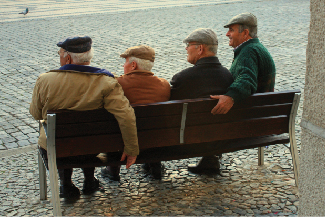
Figure 9.20 Social support is important as we age. (credit: Gabriel Rocha)
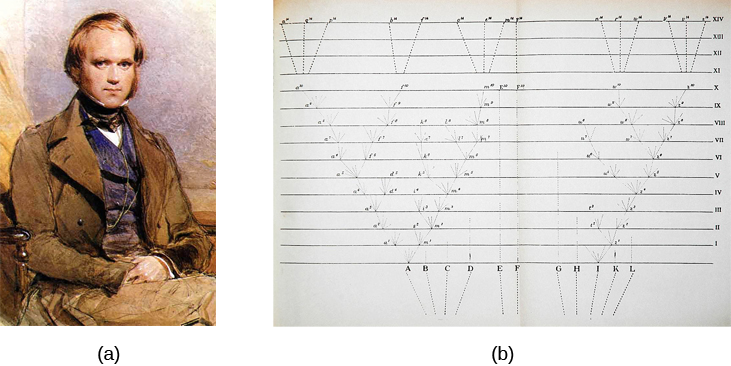
Figure 3.3 (a) In 1859, Charles Darwin proposed his theory of evolution by natural selection in his book, On the Origin of Species . (b) The book contains just one illustration: this diagram that shows how species evolve over time through natural selection.
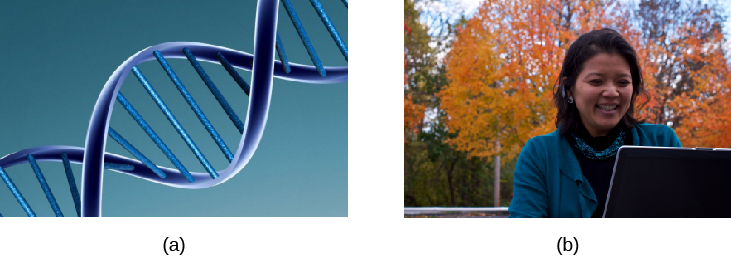
Figure 3.4 (a) Genotype refers to the genetic makeup of an individual based on the genetic material (DNA) inherited from one’s genetic contributors. (b) Phenotype describes an individual’s observable characteristics, such as hair color, skin color, height, and build. (credit a: modification of work by Caroline Davis; credit b: modification of work by Cory Zanker)
Rose M. Spielman, William J. Jenkins, and Marilyn D. Lovett, Psychology 2E, OpenStax. (credit a: modification of work by Caroline Davis; credit b: modification of work by Cory Zanker) · CC BY-NC-SA 4.0
· Original image ↗ · Access for free ↗Figure 3.5 — 3.1 Human Genetics
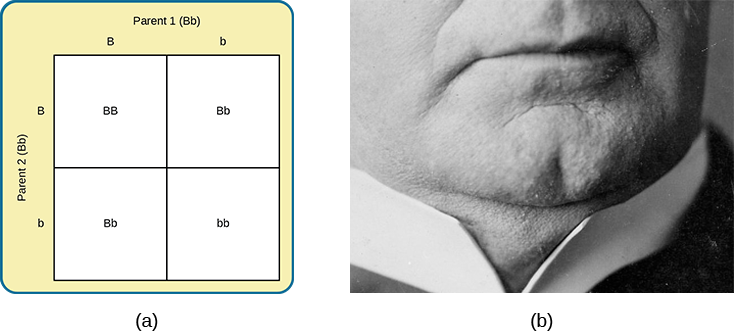
Figure 3.5 (a) A Punnett square is a tool used to predict how genes will interact in the production of offspring. The capital B represents the dominant allele, and the lowercase b represents the recessive allele. In the example of the cleft chin, where B is cleft chin (dominant allele), wherever a pair contains the dominant allele, B, you can expect a cleft chin phenotype. You can expect a smooth chin phenotype only when there are two copies of the recessive allele, bb. (b) A cleft chin, shown here, is an inherited trait.
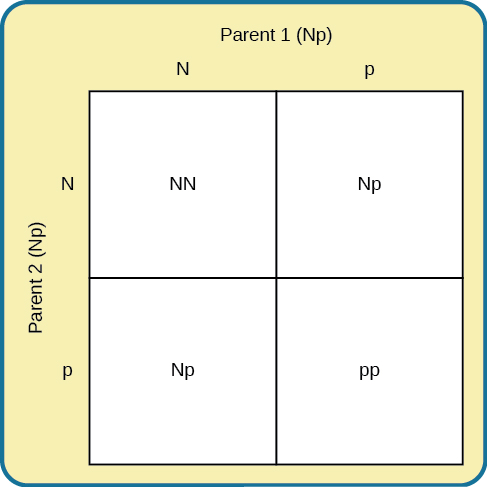
Figure 3.6 In this Punnett square , N represents the normal allele, and p represents the recessive allele that is associated with PKU. If two individuals mate who are both heterozygous for the allele associated with PKU, their offspring have a 25% chance of expressing the PKU phenotype.
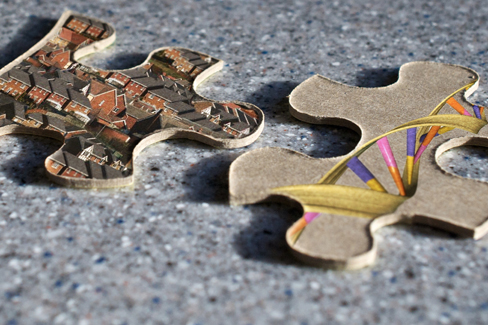
Figure 3.7 Nature and nurture work together like complex pieces of a human puzzle. The interaction of our environment and genes makes us the individuals we are. (credit "puzzle": modification of work by Cory Zanker)
Rose M. Spielman, William J. Jenkins, and Marilyn D. Lovett, Psychology 2E, OpenStax. (credit "puzzle": modification of work by Cory Zanker) · CC BY-NC-SA 4.0
· Original image ↗ · Access for free ↗
45.7 Behavioral Biology: Proximate and Ultimate Causes of Behavior — figures and tables
Figure 45.34 — 45.7 Behavioral Biology: Proximate and Ultimate Causes of Behavior
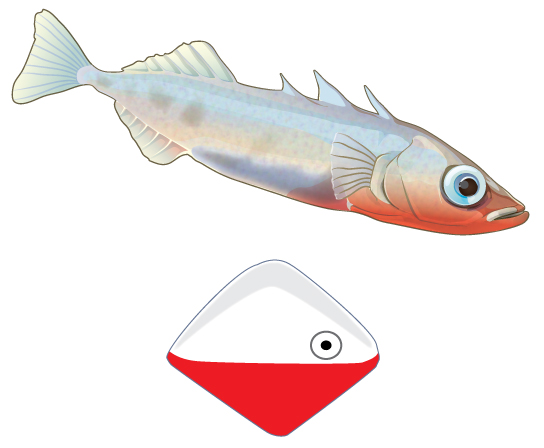
Figure 45.34 Male three-spined stickleback fish exhibit a fixed action pattern. During mating season, the males, which develop a bright red belly, react strongly to red-bottomed objects that in no way resemble fish.
Mary Ann Clark, Matthew Douglas, and Jung Choi, Biology 2E, OpenStax. · CC BY-NC-SA 4.0
· Original image ↗ · Access for free ↗Figure 45.35 — 45.7 Behavioral Biology: Proximate and Ultimate Causes of Behavior
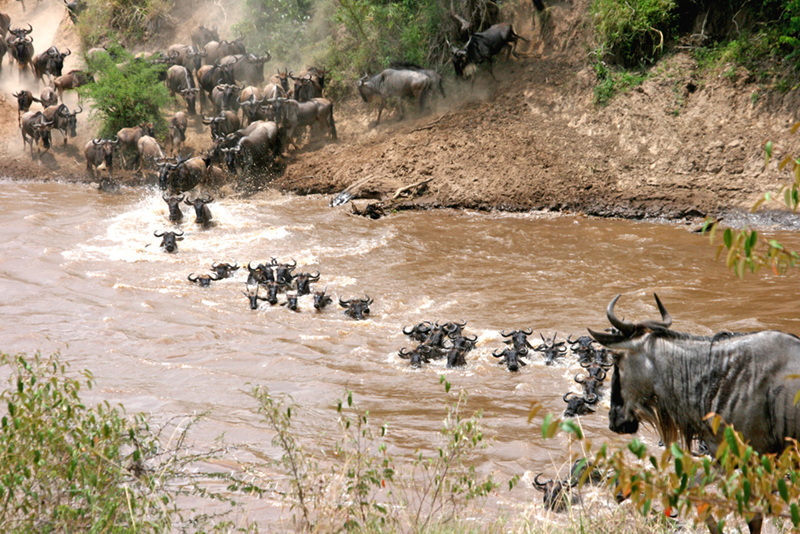
Figure 45.35 Wildebeests migrate in a clockwise fashion over 1800 miles each year in search of rain-ripened grass. (credit: Eric Inafuku)
Mary Ann Clark, Matthew Douglas, and Jung Choi, Biology 2E, OpenStax. (credit: Eric Inafuku) · CC BY-NC-SA 4.0
· Original image ↗ · Access for free ↗Figure 45.36 — 45.7 Behavioral Biology: Proximate and Ultimate Causes of Behavior
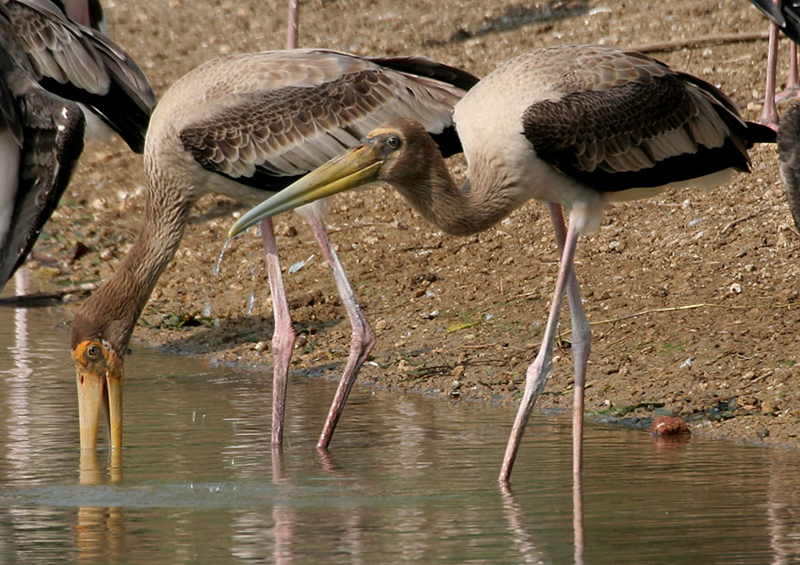
Figure 45.36 The painted stork uses its long beak to forage. (credit: J.M. Garg)
Mary Ann Clark, Matthew Douglas, and Jung Choi, Biology 2E, OpenStax. (credit: J.M. Garg) · CC BY-NC-SA 4.0
· Original image ↗ · Access for free ↗Figure 45.37 — 45.7 Behavioral Biology: Proximate and Ultimate Causes of Behavior
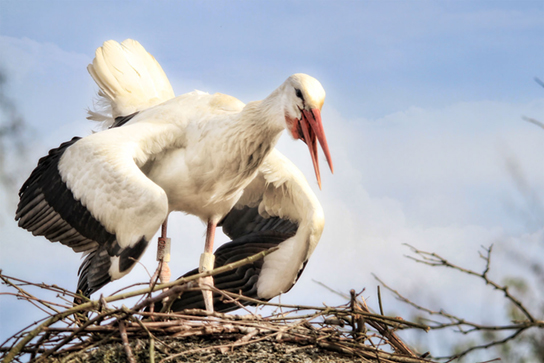
Figure 45.37 This stork’s courtship display is designed to attract potential mates. (credit: Linda “jinterwas”/Flickr)
Mary Ann Clark, Matthew Douglas, and Jung Choi, Biology 2E, OpenStax. (credit: Linda “jinterwas”/Flickr) · CC BY-NC-SA 4.0
· Original image ↗ · Access for free ↗Figure 45.38 — 45.7 Behavioral Biology: Proximate and Ultimate Causes of Behavior
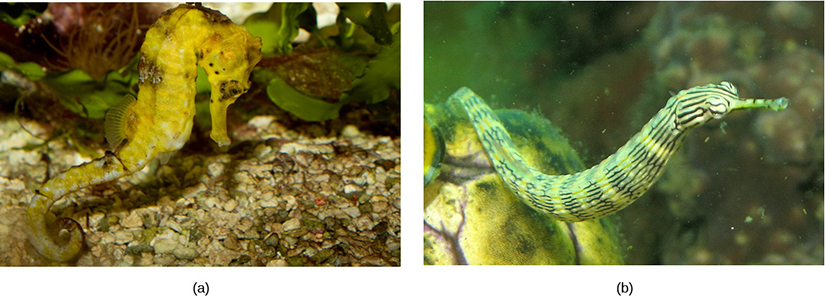
Figure 45.38 Polyandrous mating, in which one female mates with many males, occurs in the (a) seahorse and the (b) pipefish. (credit a: modification of work by Brian Gratwicke; credit b: modification of work by Stephen Childs)
Mary Ann Clark, Matthew Douglas, and Jung Choi, Biology 2E, OpenStax. (credit a: modification of work by Brian Gratwicke; credit b: modification of work by Stephen Childs) · CC BY-NC-SA 4.0
· Original image ↗ · Access for free ↗Figure 45.39 — 45.7 Behavioral Biology: Proximate and Ultimate Causes of Behavior
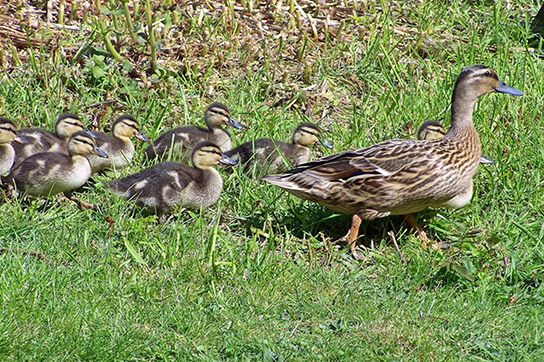
Figure 45.39 The attachment of ducklings to their mother is an example of imprinting. (credit: modification of work by Mark Harkin)
Mary Ann Clark, Matthew Douglas, and Jung Choi, Biology 2E, OpenStax. (credit: modification of work by Mark Harkin) · CC BY-NC-SA 4.0
· Original image ↗ · Access for free ↗Figure 45.40 — 45.7 Behavioral Biology: Proximate and Ultimate Causes of Behavior
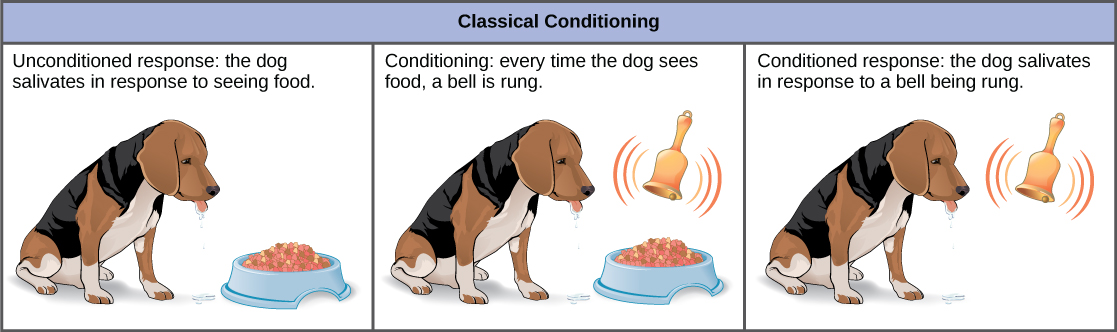
Figure 45.40 In the classic Pavlovian response, the dog becomes conditioned to associate the ringing of the bell with food.
Mary Ann Clark, Matthew Douglas, and Jung Choi, Biology 2E, OpenStax. · CC BY-NC-SA 4.0
· Original image ↗ · Access for free ↗Figure 45.41 — 45.7 Behavioral Biology: Proximate and Ultimate Causes of Behavior
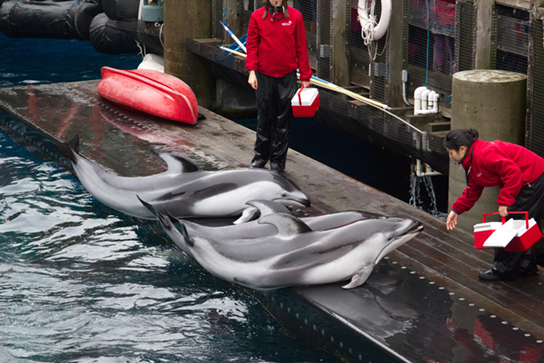
Figure 45.41 The training of dolphins by rewarding them with food is an example of positive reinforcement operant conditioning. (credit: Roland Tanglao)
Mary Ann Clark, Matthew Douglas, and Jung Choi, Biology 2E, OpenStax. (credit: Roland Tanglao) · CC BY-NC-SA 4.0
· Original image ↗ · Access for free ↗Figure 45.42 — 45.7 Behavioral Biology: Proximate and Ultimate Causes of Behavior
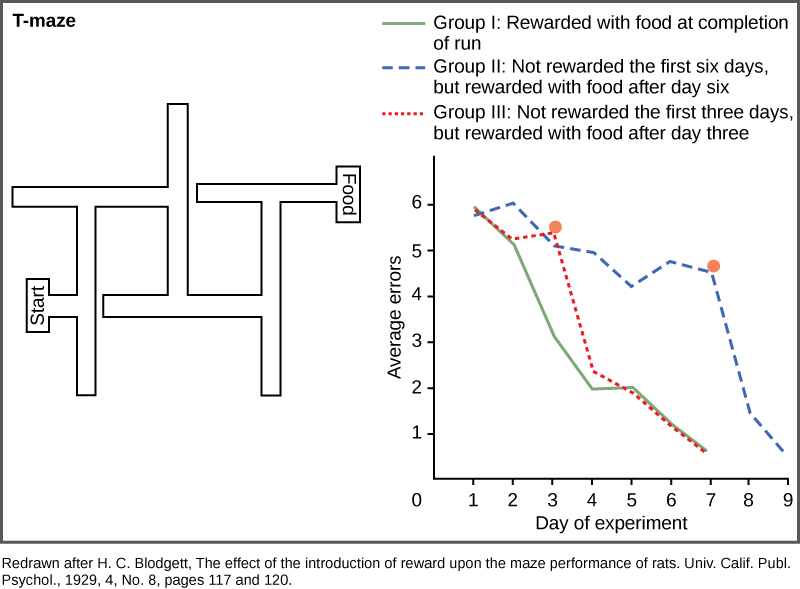
Figure 45.42 Group I (the green solid line) found food at the end of each trial, group II (the blue dashed line) found food starting on day seven, and group III (the red dotted line) found food starting at day three. Notice that rats given food earlier learned faster and eventually caught up to the control group. The orange dots on the group II and III lines show the days when food rewards were added to the mazes.
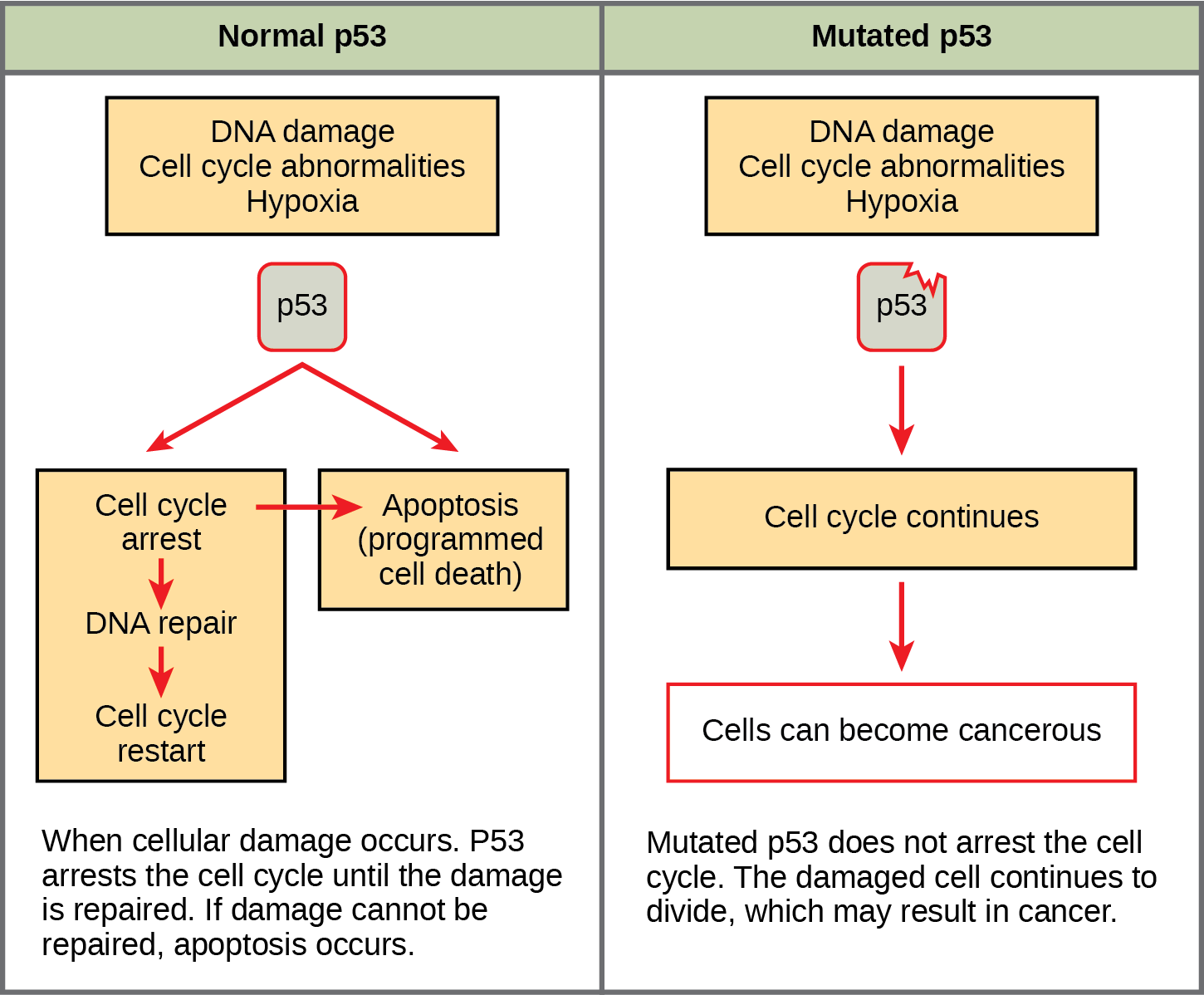
Figure 10.16 The role of normal p53 is to monitor DNA and the supply of oxygen (hypoxia is a condition of reduced oxygen supply). If damage is detected, p53 triggers repair mechanisms. If repairs are unsuccessful, p53 signals apoptosis. A cell with an abnormal p53 protein cannot repair damaged DNA and thus cannot signal apoptosis. Cells with abnormal p53 can become cancerous. (credit: modification of work by Thierry Soussi)
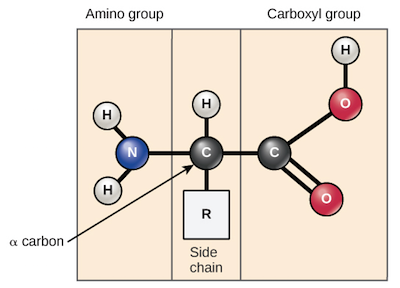
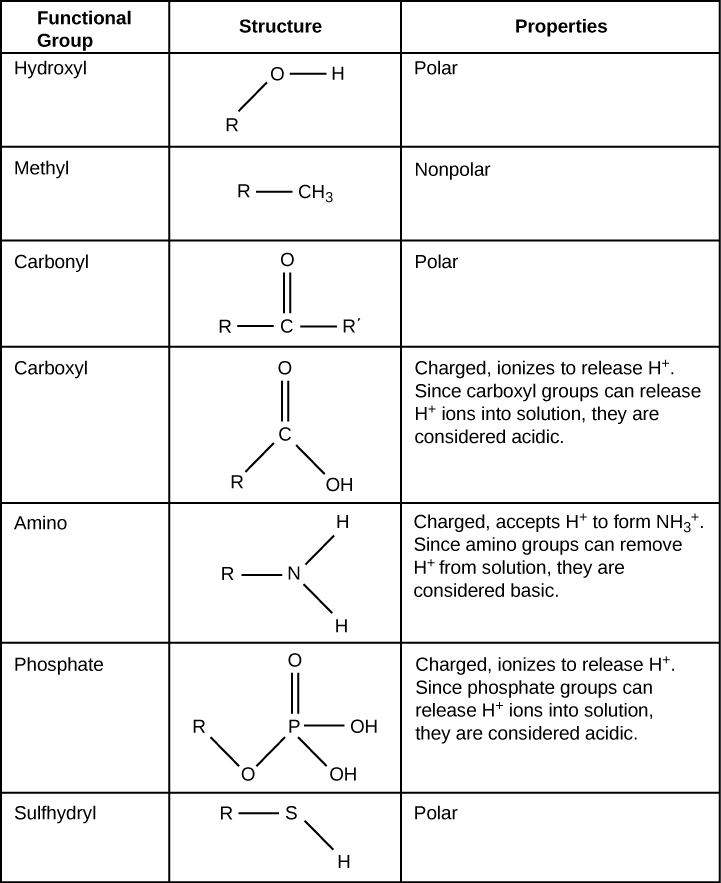
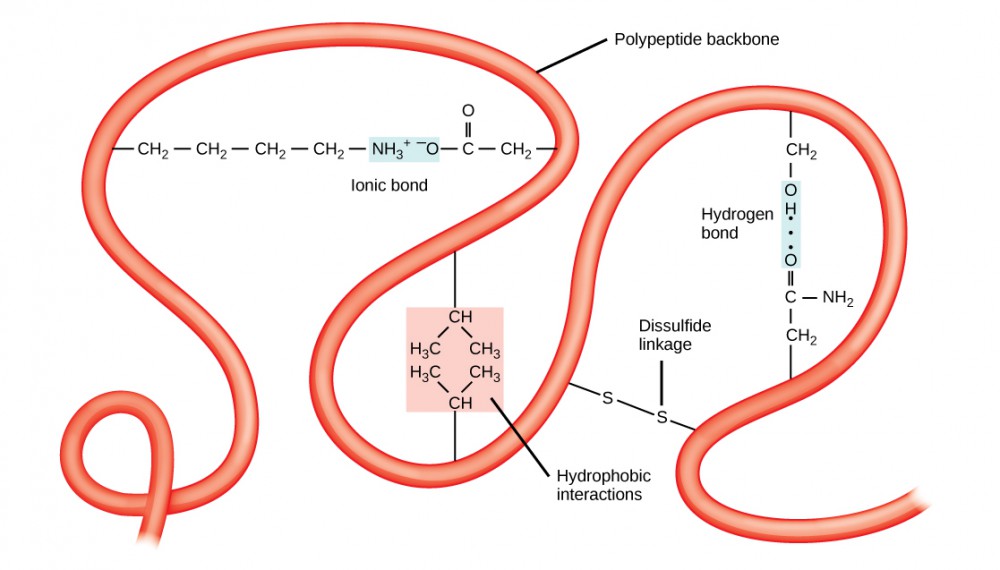
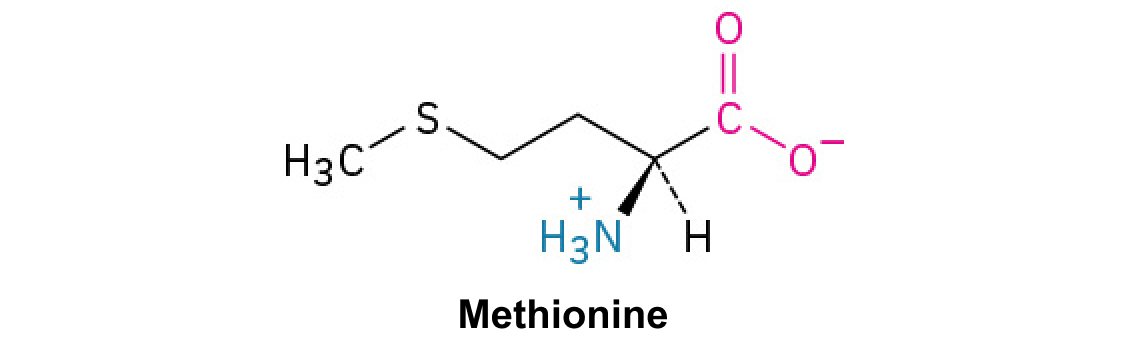
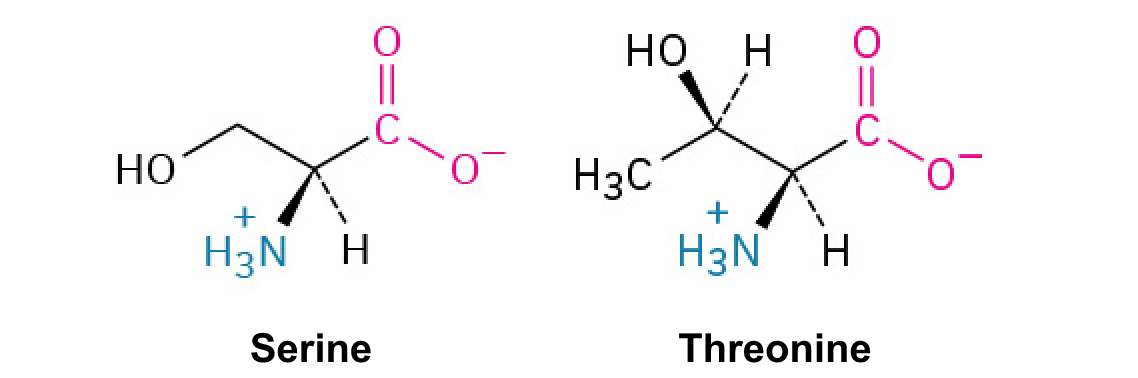
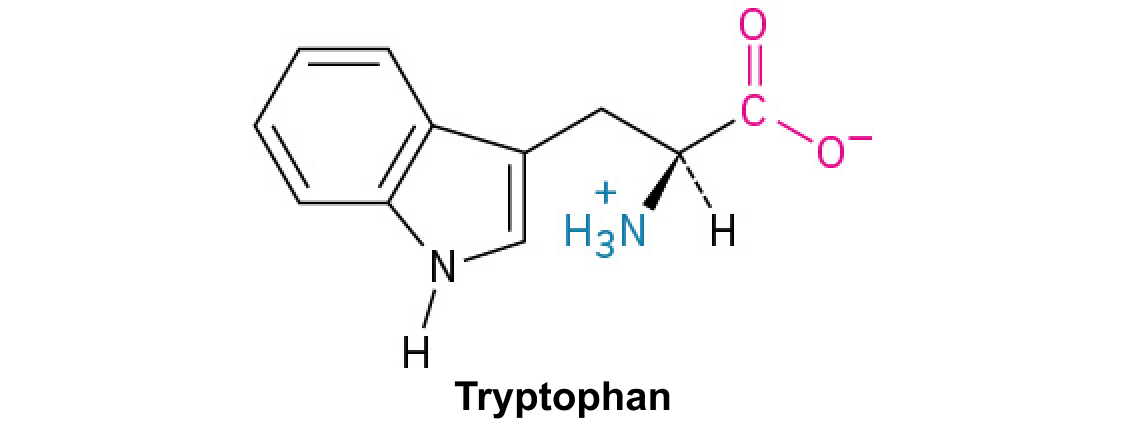
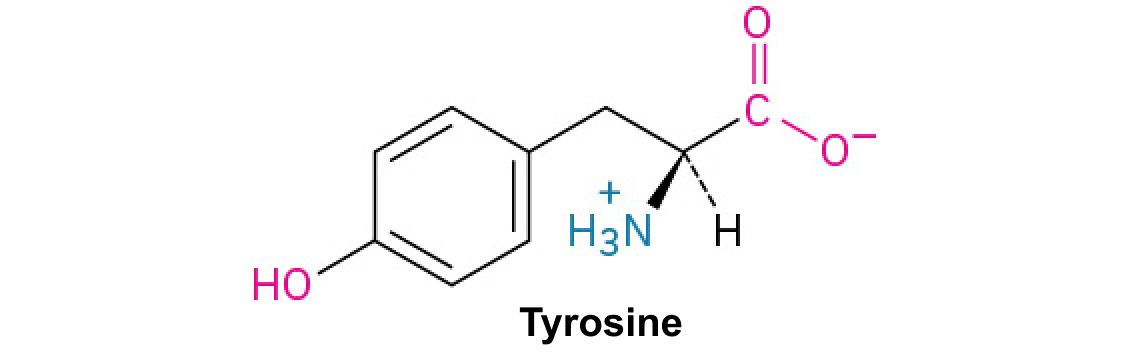
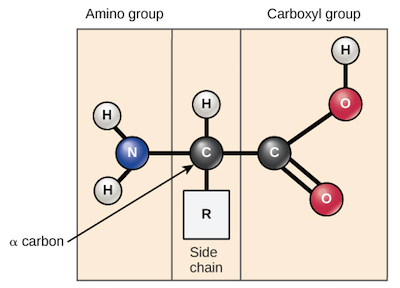
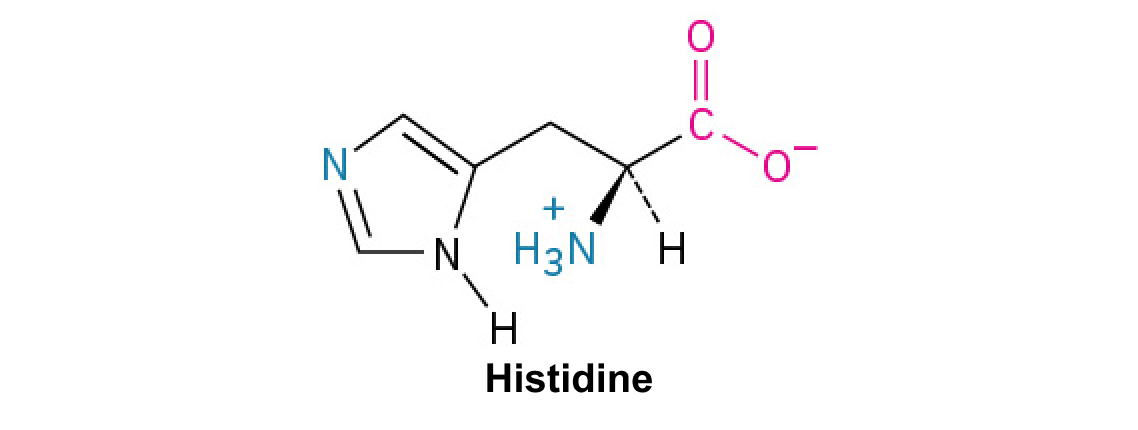
A nitrogen-containing functional group. A free amino acid’s amino group is typically protonated (NH₃⁺) near physiological pH; proline’s ring nitrogen is an exception to this formula.
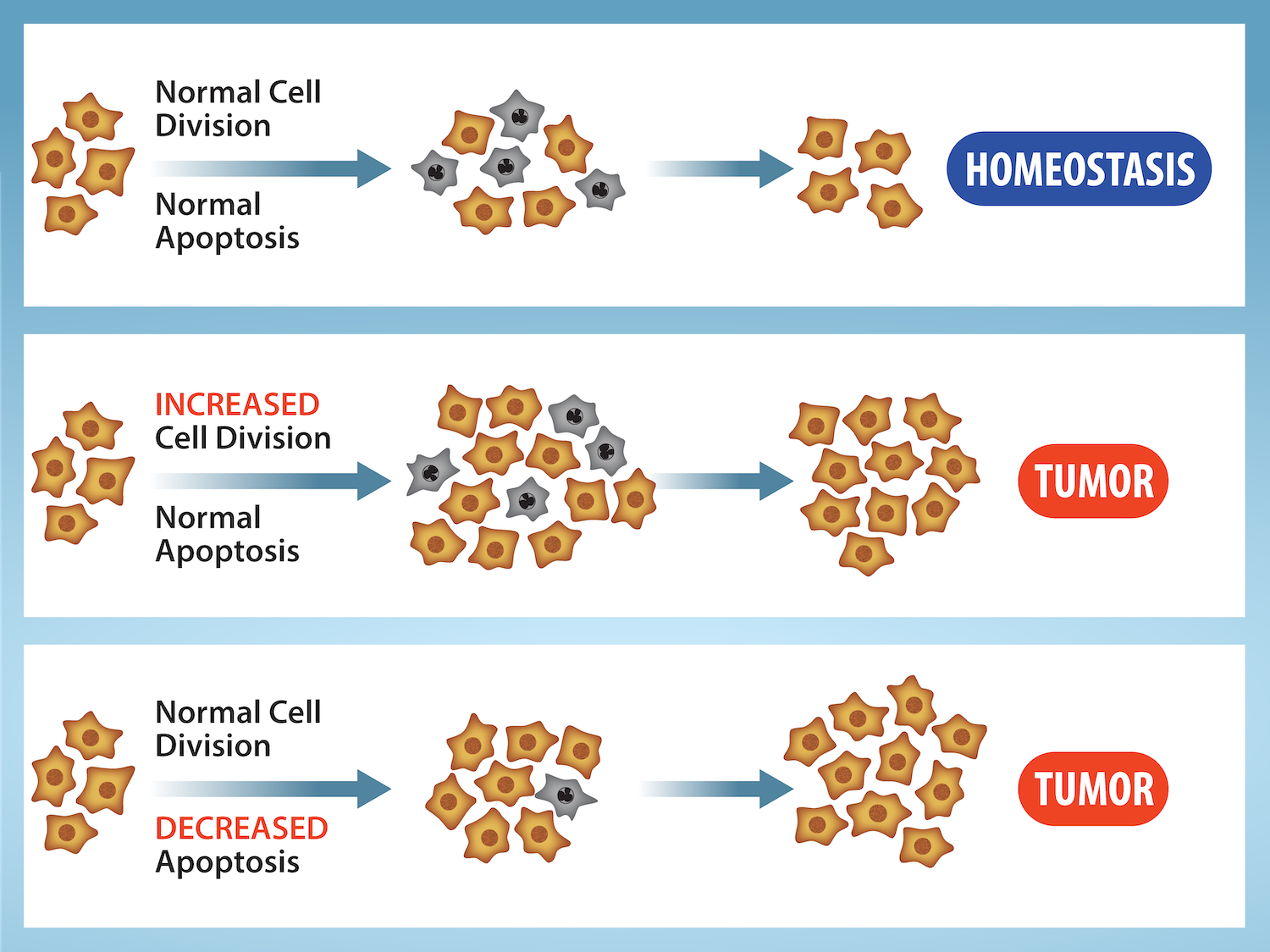
Figure 10.15 Cell Division and Apoptosis. In an adult organism, normal cell division is balanced by apoptosis (programmed cell death) to maintain a constant cell number in homeostasis. Either an increase in cell division or a decrease in apoptosis leads an increase in the number of cells and tumor formation. Credit: Rao, A. and Ryan, K. Department of Biology, Texas A&M University.
Rao, A. and Ryan, K. Department of Biology, Texas A&M University. Mary Ann Clark, Matthew Douglas, and Jung Choi, Biology 2e, OpenStax. · CC BY-NC-SA 4.0
· Original image ↗ · Access for free ↗
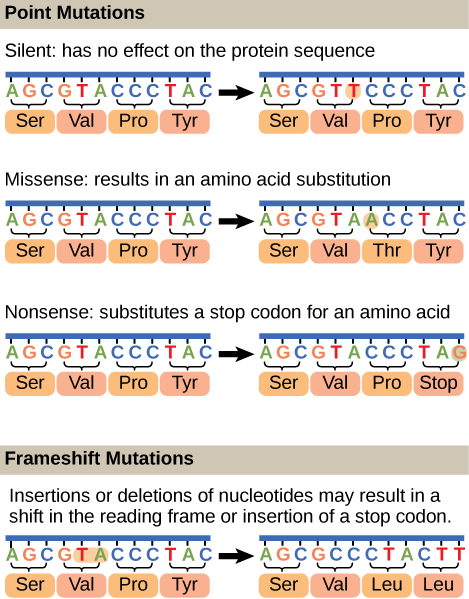
Figure 15.4 This figure shows the genetic code for translating each nucleotide triplet in mRNA into an amino acid or a termination signal in a protein. (credit: modification of work by NIH)
Figure 6.5 In higher-order conditioning, an established conditioned stimulus is paired with a new neutral stimulus (the second-order stimulus), so that eventually the new stimulus also elicits the conditioned response, without the initial conditioned stimulus being presented.
Figure 6.5 In higher-order conditioning, an established conditioned stimulus is paired with a new neutral stimulus (the second-order stimulus), so that eventually the new stimulus also elicits the conditioned response, without the initial conditioned stimulus being presented.
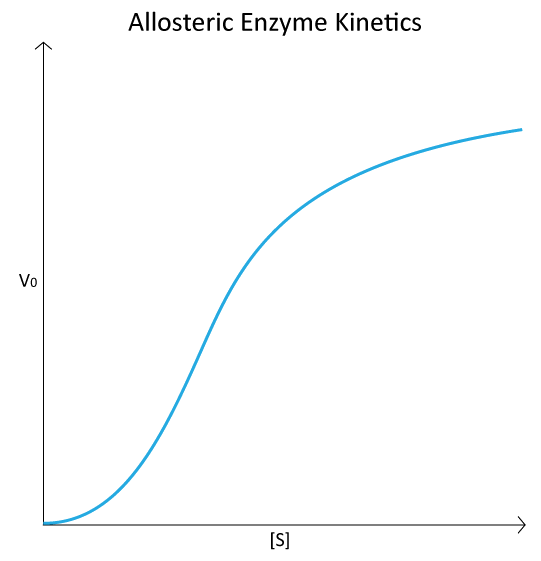
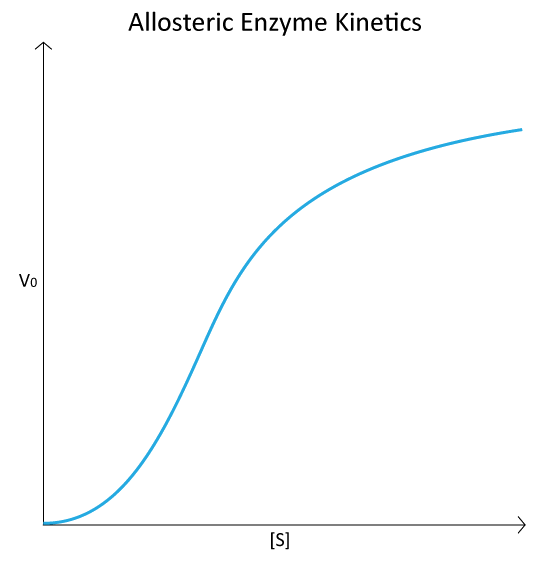
Figure 4.44 - Kinetic profile of an allosteric enzyme whose activity is controlled by a homotropic effector. Image by Aleia Kim
Kevin Ahern, Indira Rajagopal, and Taralyn Tan, Biochemistry Free For All, Oregon State University, via Biology LibreTexts. Image by Aleia Kim · CC BY-NC-SA 4.0
· Original image ↗ · Access for free ↗
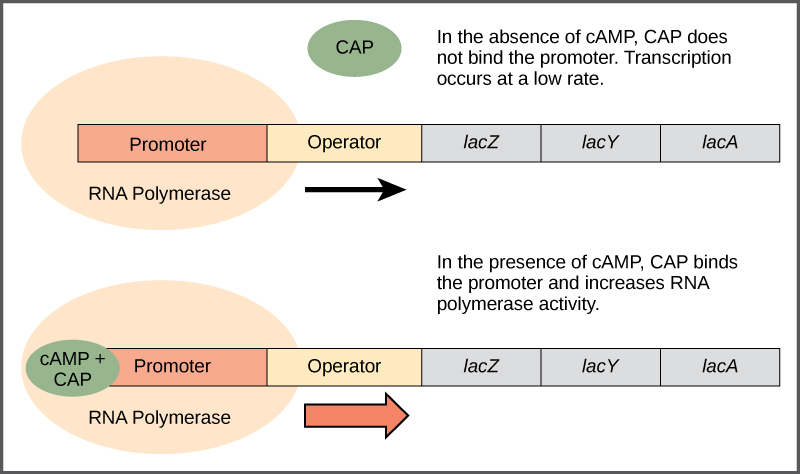
Figure 16.5 Transcriptional activation by the CAP protein. When glucose levels fall, E. coli may use other sugars for fuel but must transcribe new genes to do so. As glucose supplies become limited, cAMP levels increase. This cAMP binds to the CAP protein, a positive regulator that binds to a promoter region upstream of the genes required to use other sugar sources.
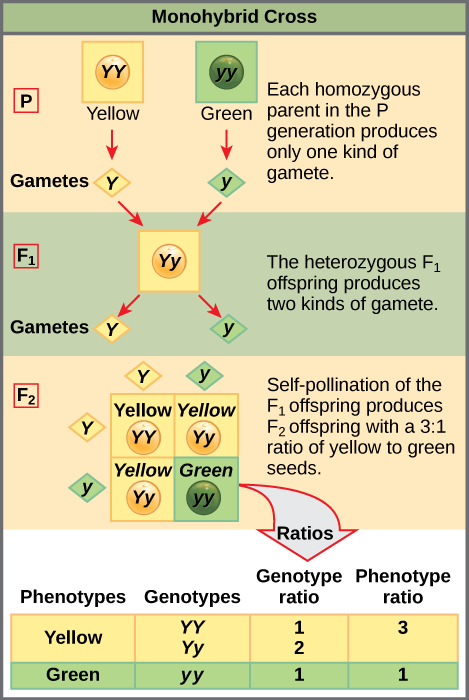
Figure 12.4 In the P generation, pea plants that are true-breeding for the dominant yellow phenotype are crossed with plants with the recessive green phenotype. This cross produces F 1 heterozygotes with a yellow phenotype. Punnett square analysis can be used to predict the genotypes of the F 2 generation.
Figure 10.16 The role of normal p53 is to monitor DNA and the supply of oxygen (hypoxia is a condition of reduced oxygen supply). If damage is detected, p53 triggers repair mechanisms. If repairs are unsuccessful, p53 signals apoptosis. A cell with an abnormal p53 protein cannot repair damaged DNA and thus cannot signal apoptosis. Cells with abnormal p53 can become cancerous. (credit: modification of work by Thierry Soussi)
An electrical property that can be positive or negative. Opposite charges attract and like charges repel; net charge is the sum of all charges on a particle.
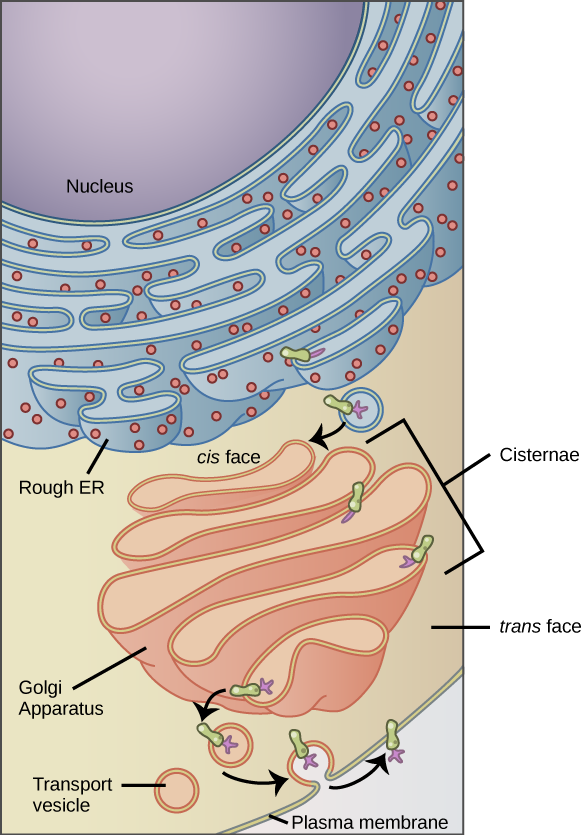
Figure 4.18 Membrane and secretory proteins are synthesized in the rough endoplasmic reticulum (RER). The RER also sometimes modifies proteins. In this illustration, a (green) integral membrane protein is modified by attachment of a (purple) carbohydrate in the ER. Vesicles with the integral protein bud from the ER and fuse with the Golgi apparatus' cis face. As the protein passes along the Golgi’s cisternae, the addition of more carbohydrates further modifies it. After its synthesis is complete, it exits as an integral membrane protein of the vesicle that buds from the Golgi’s trans face. When the vesicle fuses with the cell membrane, the protein becomes an integral portion of that cell membrane. (credit: modification of work by Magnus Manske)
Figure 4.18 Membrane and secretory proteins are synthesized in the rough endoplasmic reticulum (RER). The RER also sometimes modifies proteins. In this illustration, a (green) integral membrane protein is modified by attachment of a (purple) carbohydrate in the ER. Vesicles with the integral protein bud from the ER and fuse with the Golgi apparatus' cis face. As the protein passes along the Golgi’s cisternae, the addition of more carbohydrates further modifies it. After its synthesis is complete, it exits as an integral membrane protein of the vesicle that buds from the Golgi’s trans face. When the vesicle fuses with the cell membrane, the protein becomes an integral portion of that cell membrane. (credit: modification of work by Magnus Manske)
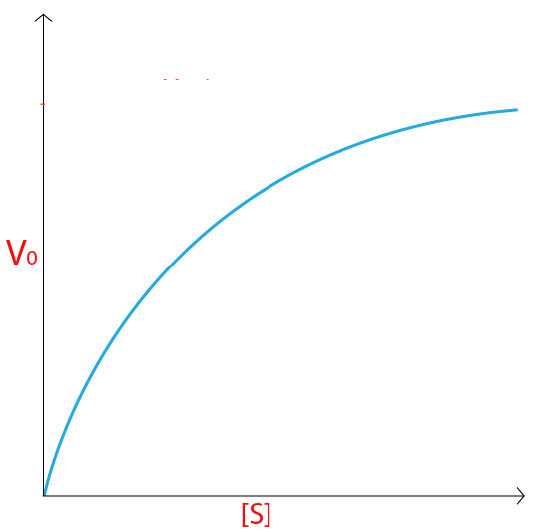
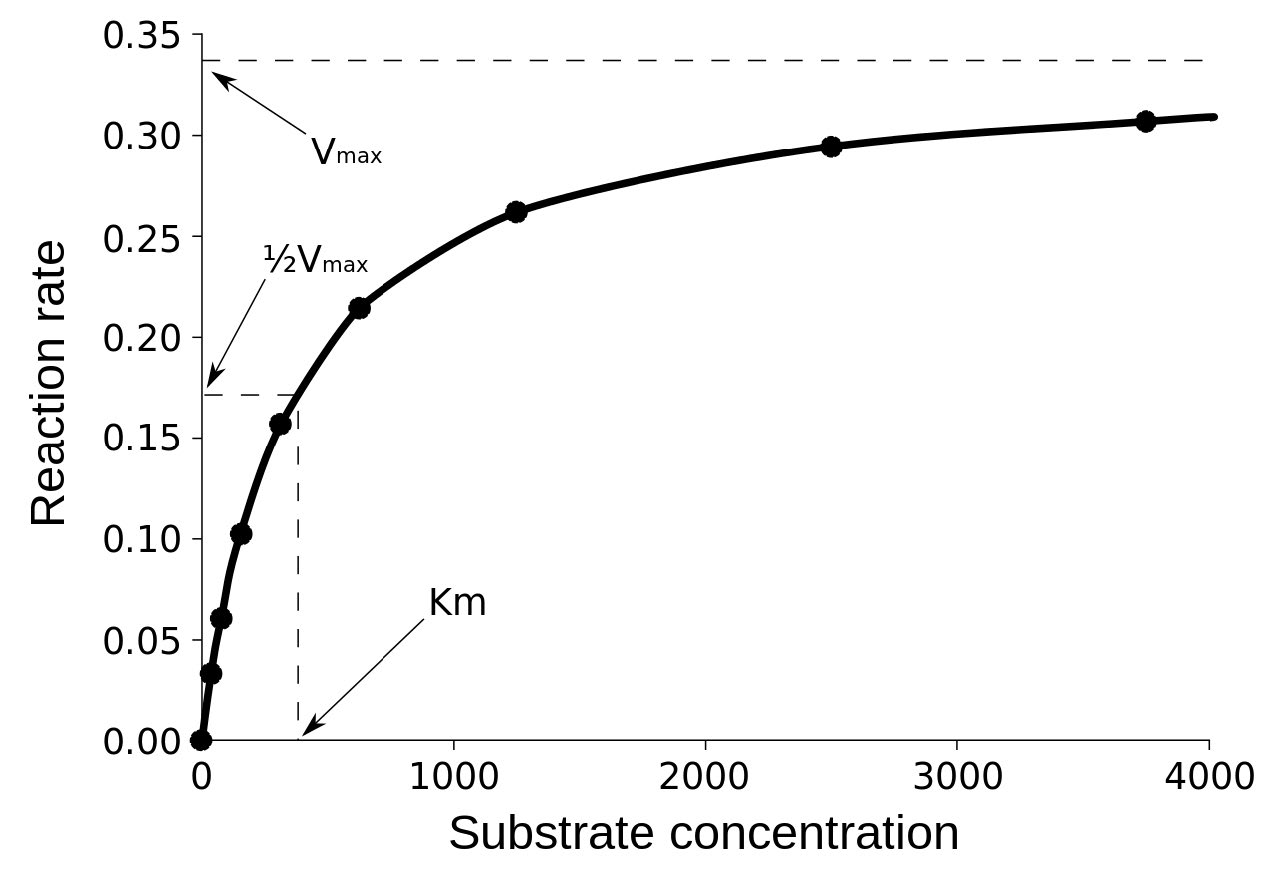
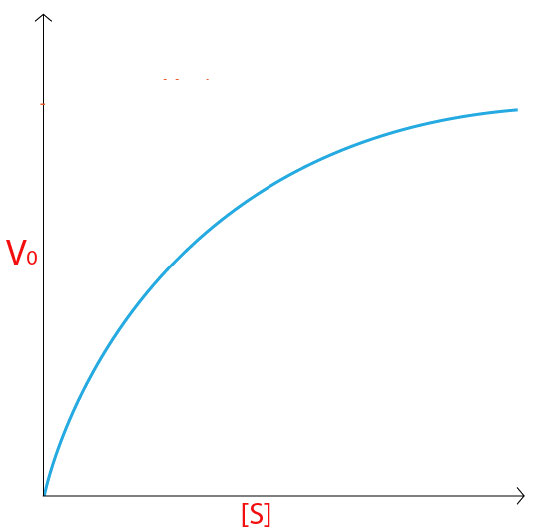
Figure 4.18 - Kinetics of an enzyme obeying Michaelis-Menten kinetics. Image by Aleia Kim
Kevin Ahern, Indira Rajagopal, and Taralyn Tan, Biochemistry Free For All, Oregon State University, via Biology LibreTexts. Image by Aleia Kim · CC BY-NC-SA 4.0
· Original image ↗ · Access for free ↗
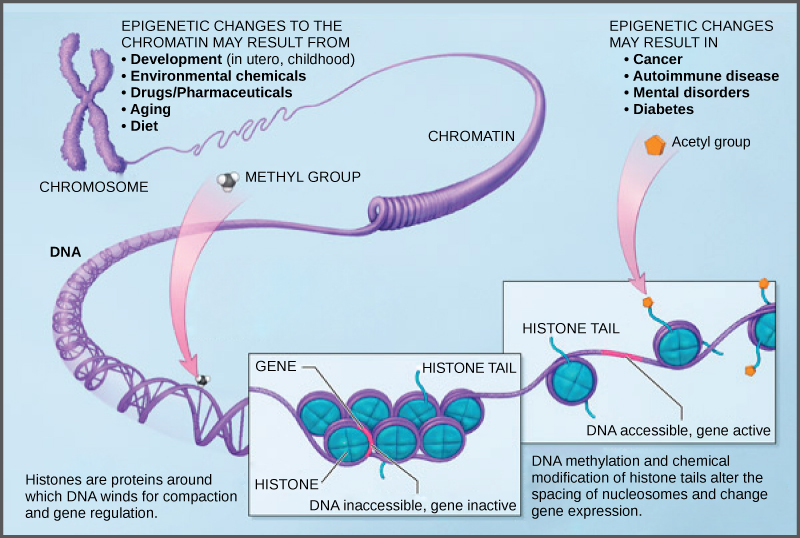
Figure 16.8 Nucleosomes can slide along DNA. When nucleosomes are spaced closely together (top), transcription factors cannot bind and gene expression is turned off. When the nucleosomes are spaced far apart (bottom), the DNA is exposed. Transcription factors can bind, allowing gene expression to occur. Modifications to the histones and DNA affect nucleosome spacing.
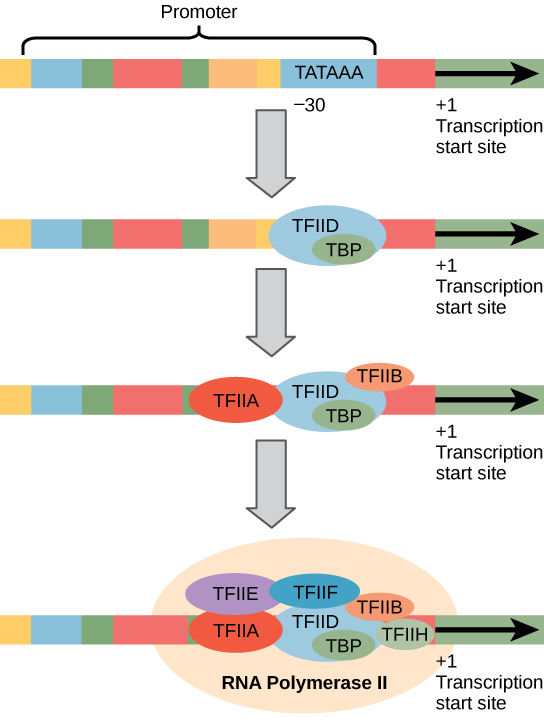
Figure 15.10 A generalized promoter of a gene transcribed by RNA polymerase II is shown. Transcription factors recognize the promoter. RNA polymerase II then binds and forms the transcription initiation complex.
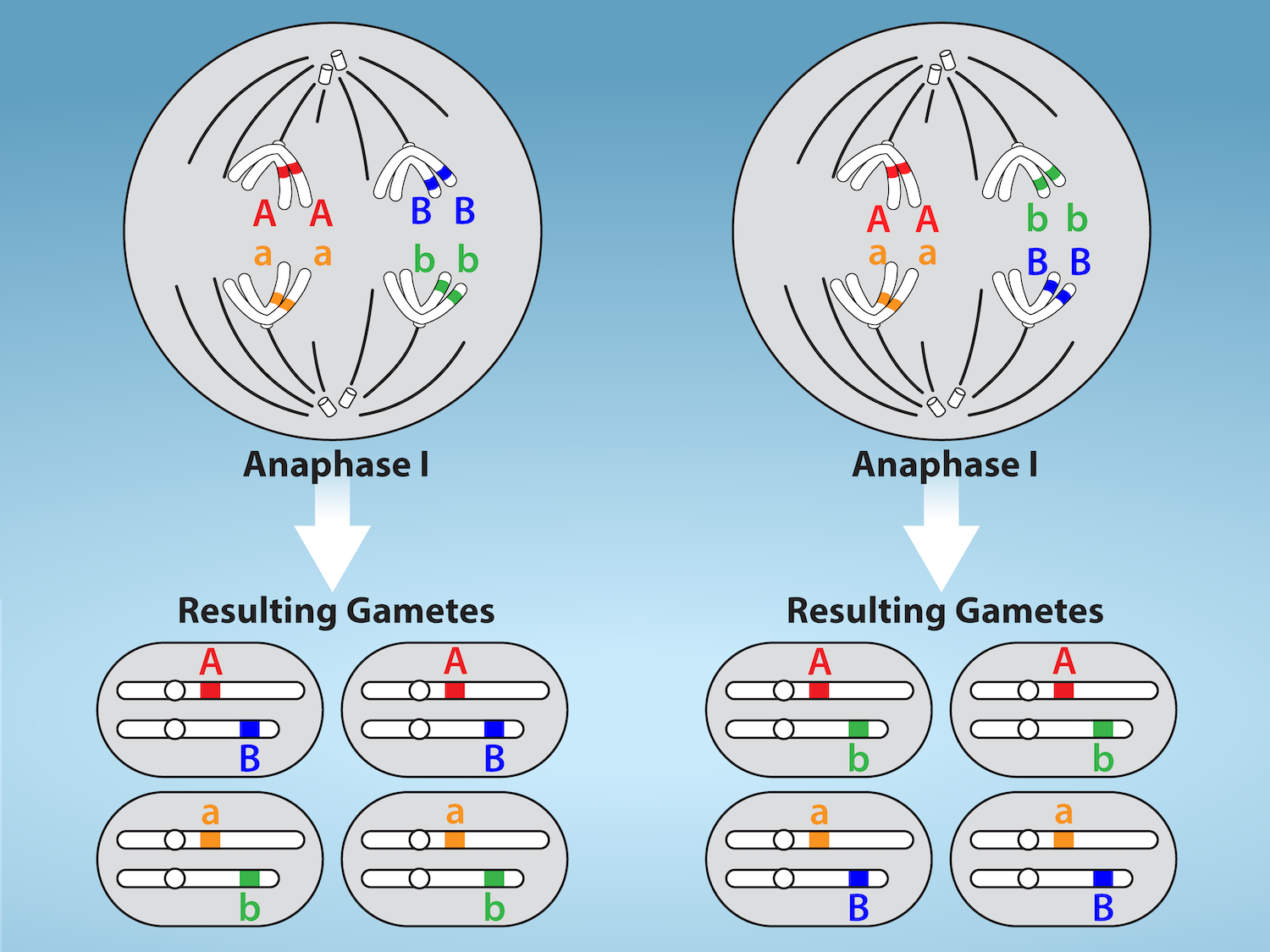
Figure 11.5 Random, independent assortment during metaphase I is demonstrated by considering a cell with a set of two chromosomes (n = 2).
There are two possible homologous chromosome arrangements at the equatorial plane in metaphase I, that are then separated during anaphase I.
The total possible number of different gametes is 2 n , where n equals the number of chromosomes in a set. In this example, there are four possible
genetic combinations for the gametes. With n = 23 in human cells, there are over eight million possible combinations of paternal and maternal
chromosomes. Credit: Rao, A.and Fletcher, S. Department of Biology, Texas A&M University.
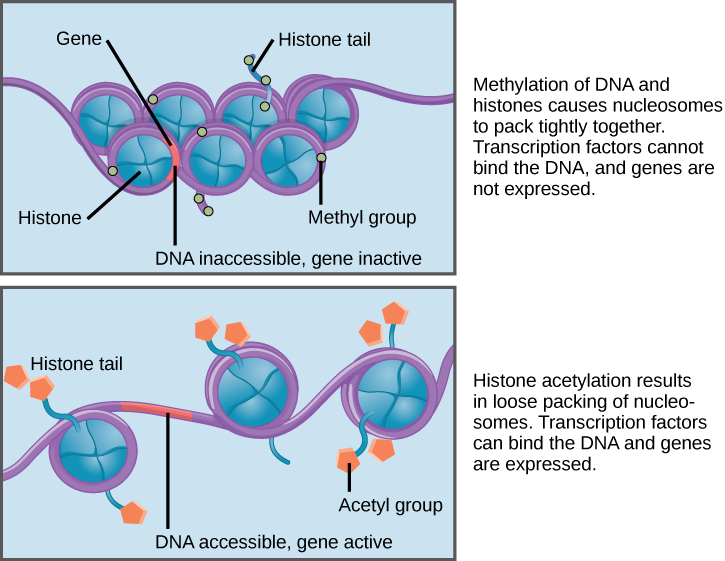
Figure 16.9 Histone proteins and DNA nucleotides can be modified chemically. Modifications affect nucleosome spacing and gene expression. (credit: modification of work by NIH)
Figure 12.4 In the P generation, pea plants that are true-breeding for the dominant yellow phenotype are crossed with plants with the recessive green phenotype. This cross produces F 1 heterozygotes with a yellow phenotype. Punnett square analysis can be used to predict the genotypes of the F 2 generation.
Figure 4.18 Membrane and secretory proteins are synthesized in the rough endoplasmic reticulum (RER). The RER also sometimes modifies proteins. In this illustration, a (green) integral membrane protein is modified by attachment of a (purple) carbohydrate in the ER. Vesicles with the integral protein bud from the ER and fuse with the Golgi apparatus' cis face. As the protein passes along the Golgi’s cisternae, the addition of more carbohydrates further modifies it. After its synthesis is complete, it exits as an integral membrane protein of the vesicle that buds from the Golgi’s trans face. When the vesicle fuses with the cell membrane, the protein becomes an integral portion of that cell membrane. (credit: modification of work by Magnus Manske)
Figure 12.4 In the P generation, pea plants that are true-breeding for the dominant yellow phenotype are crossed with plants with the recessive green phenotype. This cross produces F 1 heterozygotes with a yellow phenotype. Punnett square analysis can be used to predict the genotypes of the F 2 generation.
Figure 12.4 In the P generation, pea plants that are true-breeding for the dominant yellow phenotype are crossed with plants with the recessive green phenotype. This cross produces F 1 heterozygotes with a yellow phenotype. Punnett square analysis can be used to predict the genotypes of the F 2 generation.
Figure 4.18 - Kinetics of an enzyme obeying Michaelis-Menten kinetics. Image by Aleia Kim
Kevin Ahern, Indira Rajagopal, and Taralyn Tan, Biochemistry Free For All, Oregon State University, via Biology LibreTexts. Image by Aleia Kim · CC BY-NC-SA 4.0
· Original image ↗ · Access for free ↗
The early rate of product formation, measured before substantial substrate depletion or product accumulation, usually after the brief binding transient.
Figure 4.18 - Kinetics of an enzyme obeying Michaelis-Menten kinetics. Image by Aleia Kim
Kevin Ahern, Indira Rajagopal, and Taralyn Tan, Biochemistry Free For All, Oregon State University, via Biology LibreTexts. Image by Aleia Kim · CC BY-NC-SA 4.0
· Original image ↗ · Access for free ↗
instrumental aggression
Harmful behavior used as a means toward another goal.
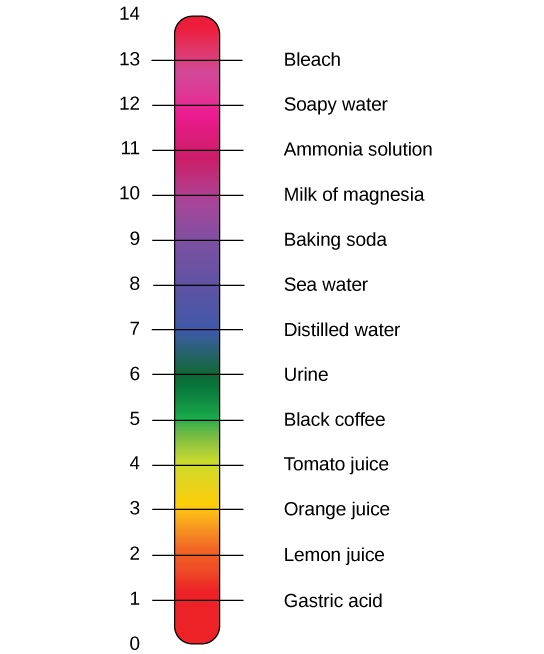
The exponent needed to obtain a number from a chosen fixed number. For decimal logarithms, log₁₀(100) = 2 because 10² = 100; pH uses the negative decimal logarithm of hydrogen ion activity.
A supporting material, such as a porous gel or the solid support in a chromatography column. Its properties influence movement and binding of sample molecules.
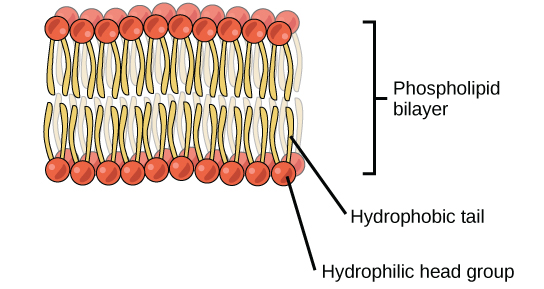
A thin boundary or sheet. Cell membranes are lipid bilayers containing proteins; blotting membranes are synthetic supports that hold proteins or nucleic acids for detection.
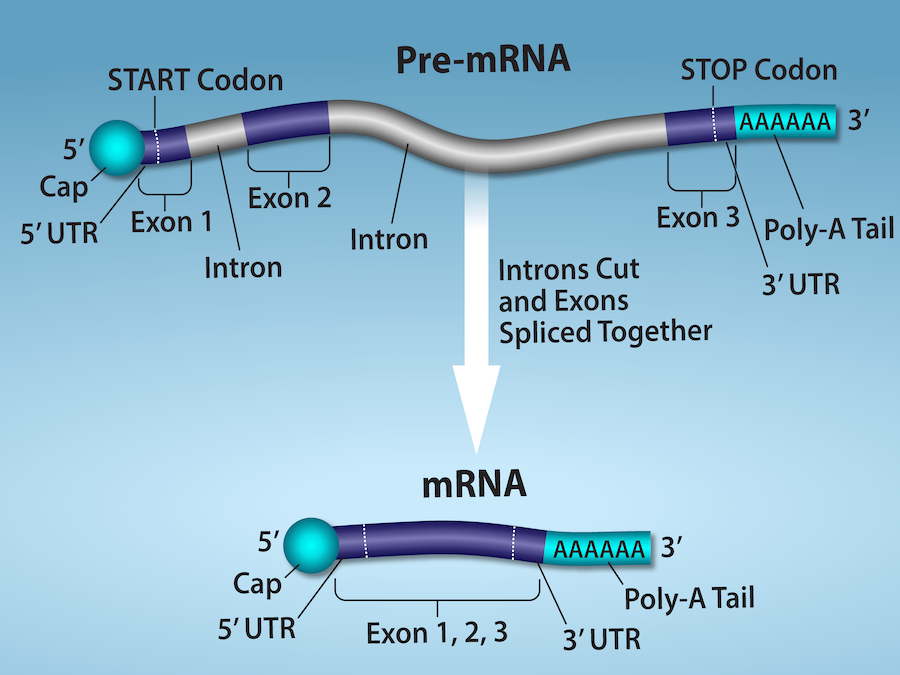
Figure 15.11 Eukaryotic pre-mRNA processing. In addition to 5’ Cap and 3’ Poly-A Tail addition, introns must be precisely removed and exons joined to generate a functional mRNA. Nucleotides upstream (towards the 5’cap) of the translation START codon are part of the 5’ untranslated region (5’ UTR). Nucleotides downstream (towards 3’end) of the STOP codon form the 3’ UTR. Both 5’ and 3’ UTRs are important for regulating translation initiation and mRNA stability. Credit: Rao, A., Ryan, K. Fletcher, S. and Tag, A. Department of Biology, Texas A&M University.
Rao, A., Ryan, K. Fletcher, S. and Tag, A. Department of Biology, Texas A&M University.; Mary Ann Clark, Matthew Douglas, and Jung Choi, Biology 2e, OpenStax. · CC BY-NC-SA 4.0
· Original image ↗ · Access for free ↗
Figure 4.18 - Kinetics of an enzyme obeying Michaelis-Menten kinetics. Image by Aleia Kim
Kevin Ahern, Indira Rajagopal, and Taralyn Tan, Biochemistry Free For All, Oregon State University, via Biology LibreTexts. Image by Aleia Kim · CC BY-NC-SA 4.0
· Original image ↗ · Access for free ↗
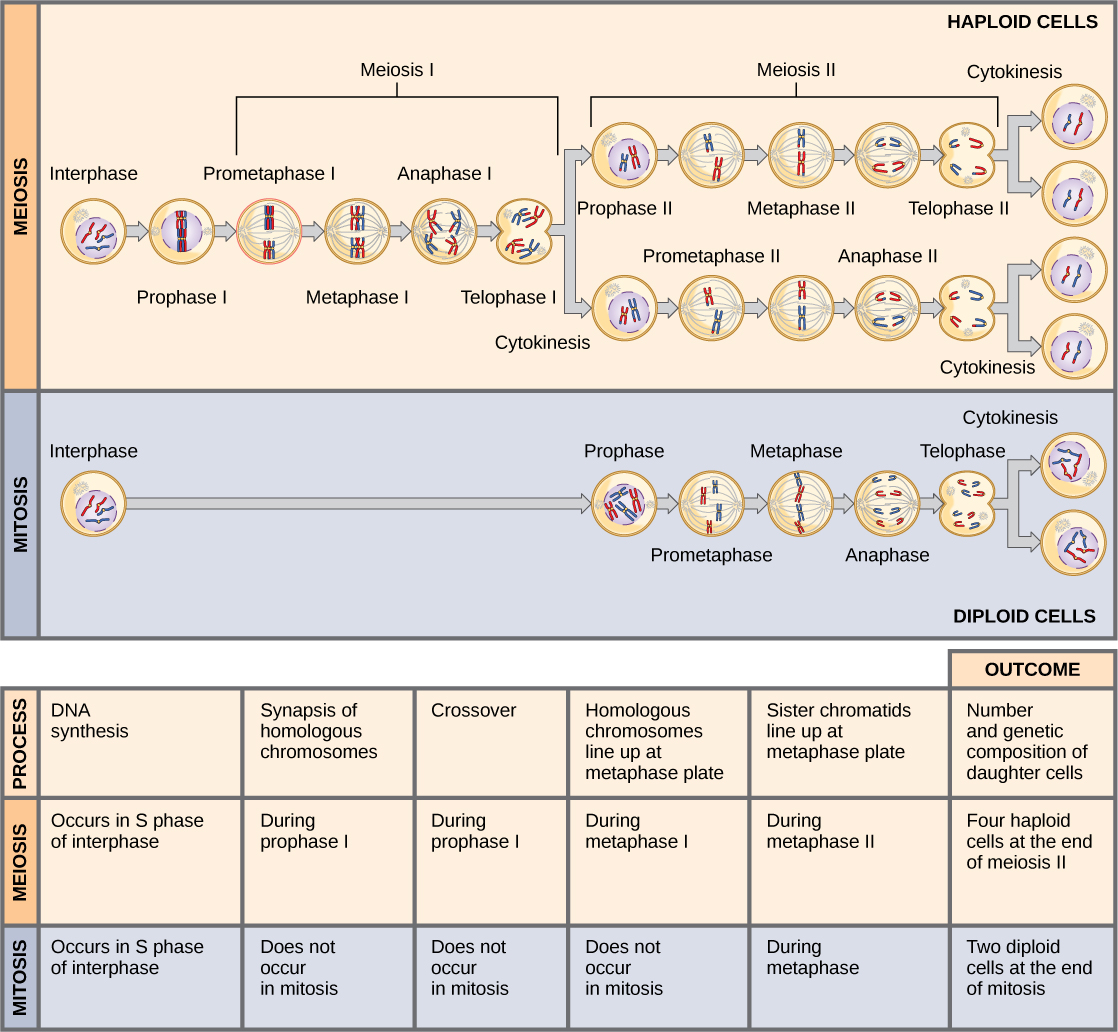
Figure 11.8 Meiosis and mitosis are both preceded by one cycle of DNA replication; however, meiosis includes two nuclear divisions. The four daughter cells resulting from meiosis are haploid and genetically distinct. The daughter cells resulting from mitosis are diploid and identical to the parent cell.
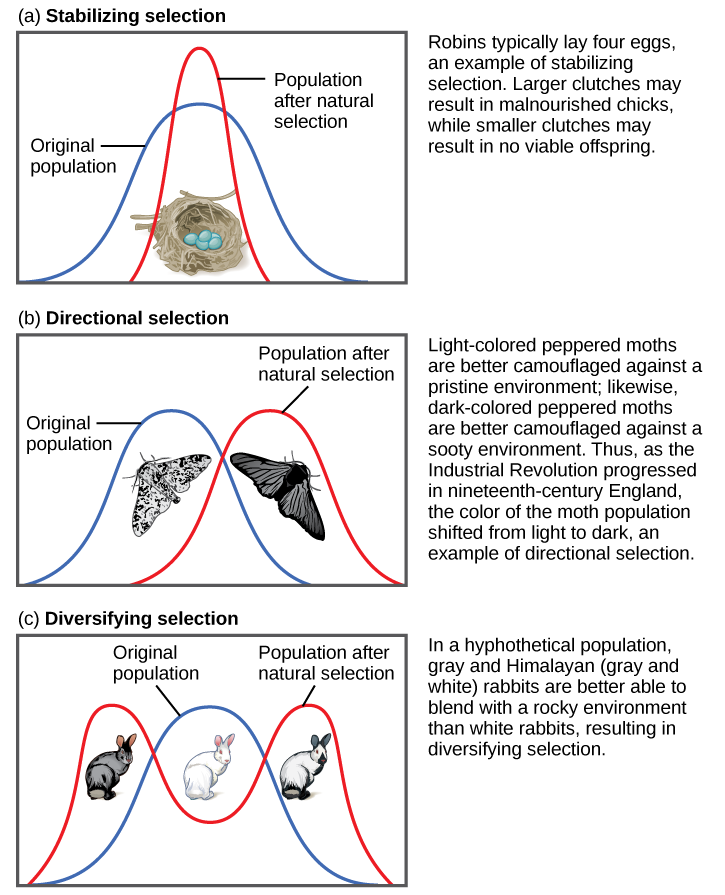
Figure 19.8 Different types of natural selection can impact the distribution of phenotypes within a population. In (a) stabilizing selection, an average phenotype is favored. In (b) directional selection, a change in the environment shifts the spectrum of observed phenotypes. In (c) diversifying selection, two or more extreme phenotypes are selected for, while the average phenotype is selected against.
Figure 4.18 Membrane and secretory proteins are synthesized in the rough endoplasmic reticulum (RER). The RER also sometimes modifies proteins. In this illustration, a (green) integral membrane protein is modified by attachment of a (purple) carbohydrate in the ER. Vesicles with the integral protein bud from the ER and fuse with the Golgi apparatus' cis face. As the protein passes along the Golgi’s cisternae, the addition of more carbohydrates further modifies it. After its synthesis is complete, it exits as an integral membrane protein of the vesicle that buds from the Golgi’s trans face. When the vesicle fuses with the cell membrane, the protein becomes an integral portion of that cell membrane. (credit: modification of work by Magnus Manske)
Figure 12.4 In the P generation, pea plants that are true-breeding for the dominant yellow phenotype are crossed with plants with the recessive green phenotype. This cross produces F 1 heterozygotes with a yellow phenotype. Punnett square analysis can be used to predict the genotypes of the F 2 generation.
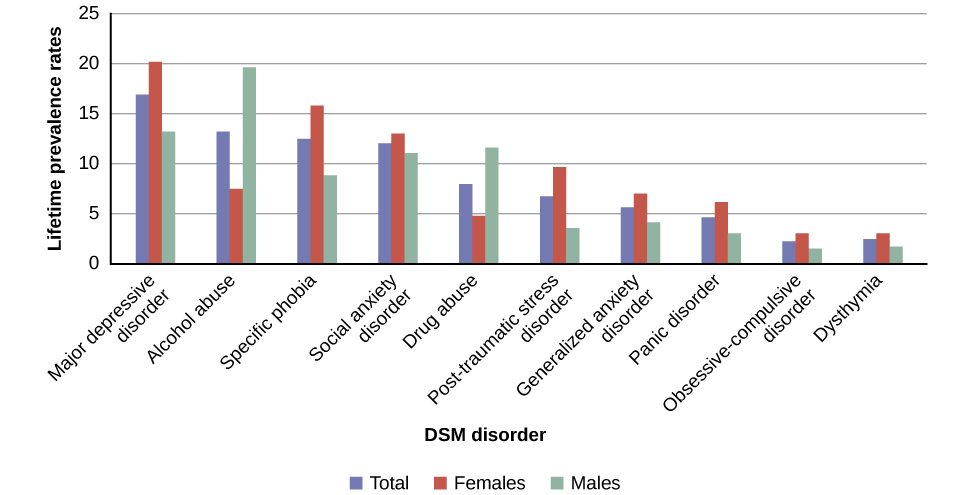
Figure 15.4 The graph shows the breakdown of psychological disorders, comparing the percentage prevalence among adult males and adult females in the United States. Because the data is from 2007, the categories shown here are from the DSM-IV, which has been supplanted by the DSM-5. Most categories remain the same; however, alcohol abuse now falls under a broader Alcohol Use Disorder category.
Figure 10.16 The role of normal p53 is to monitor DNA and the supply of oxygen (hypoxia is a condition of reduced oxygen supply). If damage is detected, p53 triggers repair mechanisms. If repairs are unsuccessful, p53 signals apoptosis. A cell with an abnormal p53 protein cannot repair damaged DNA and thus cannot signal apoptosis. Cells with abnormal p53 can become cancerous. (credit: modification of work by Thierry Soussi)
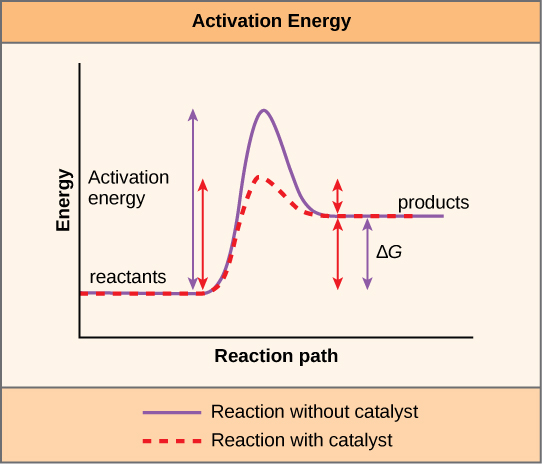
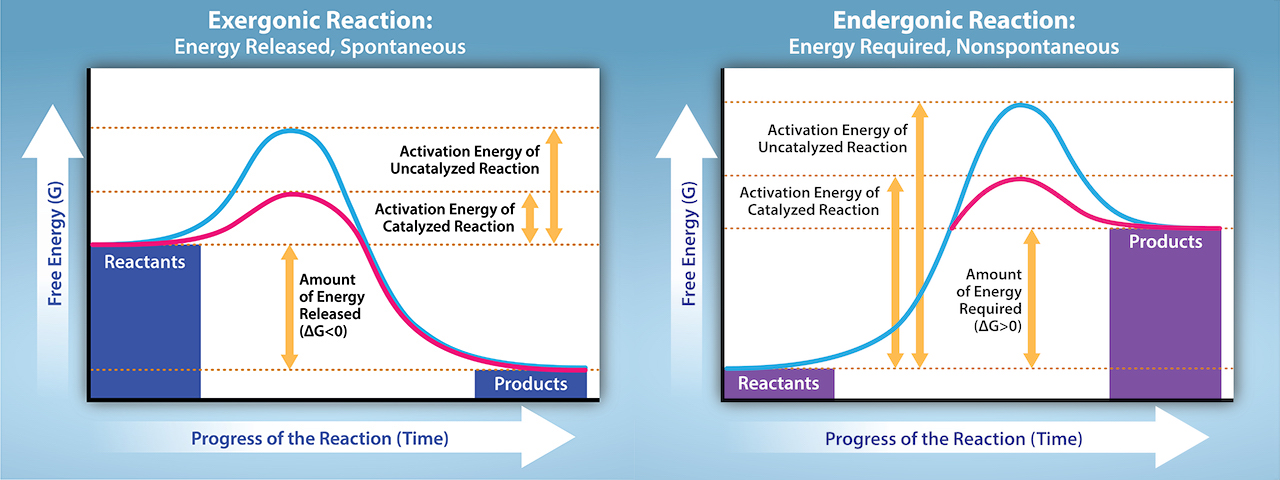
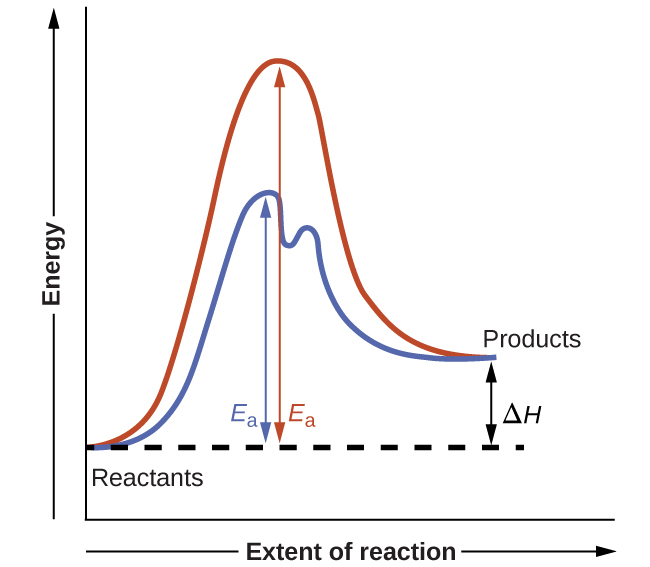
Figure 12.19 Reaction diagrams for an endothermic process in the absence (red curve) and presence (blue curve) of a catalyst. The catalyzed pathway involves a two-step mechanism (note the presence of two transition states) and an intermediate species (represented by the valley between the two transitions states).
Figure 12.4 In the P generation, pea plants that are true-breeding for the dominant yellow phenotype are crossed with plants with the recessive green phenotype. This cross produces F 1 heterozygotes with a yellow phenotype. Punnett square analysis can be used to predict the genotypes of the F 2 generation.
Figure 10.16 The role of normal p53 is to monitor DNA and the supply of oxygen (hypoxia is a condition of reduced oxygen supply). If damage is detected, p53 triggers repair mechanisms. If repairs are unsuccessful, p53 signals apoptosis. A cell with an abnormal p53 protein cannot repair damaged DNA and thus cannot signal apoptosis. Cells with abnormal p53 can become cancerous. (credit: modification of work by Thierry Soussi)
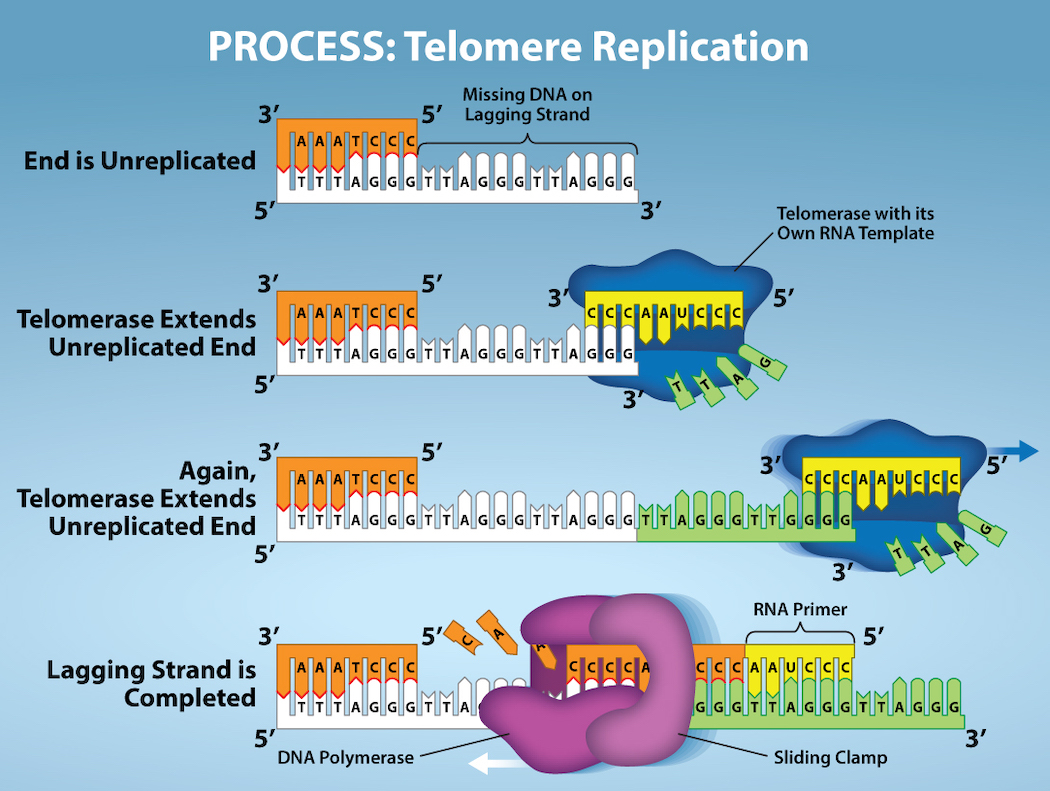
Figure 14.15 The ends of linear chromosomes are maintained by the action of the telomerase enzyme. Credit: Rao, A. and Fletcher, S. Department of Biology, Texas A&M University.
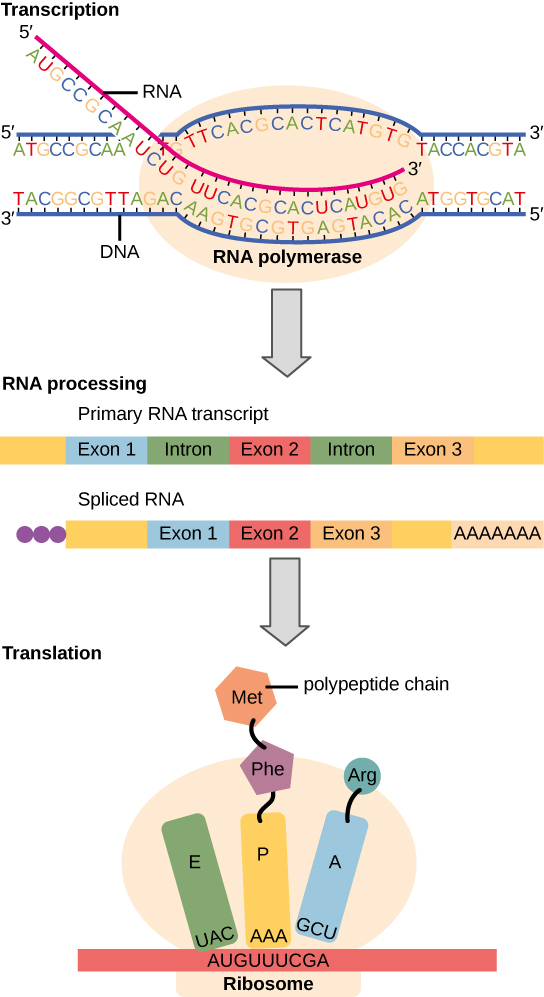
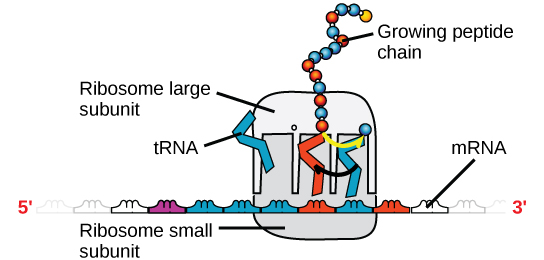
Figure 15.3 Instructions on DNA are transcribed onto messenger RNA. Ribosomes are able to read the genetic information inscribed on a strand of messenger RNA and use this information to string amino acids together into a protein.
Figure 4.18 Membrane and secretory proteins are synthesized in the rough endoplasmic reticulum (RER). The RER also sometimes modifies proteins. In this illustration, a (green) integral membrane protein is modified by attachment of a (purple) carbohydrate in the ER. Vesicles with the integral protein bud from the ER and fuse with the Golgi apparatus' cis face. As the protein passes along the Golgi’s cisternae, the addition of more carbohydrates further modifies it. After its synthesis is complete, it exits as an integral membrane protein of the vesicle that buds from the Golgi’s trans face. When the vesicle fuses with the cell membrane, the protein becomes an integral portion of that cell membrane. (credit: modification of work by Magnus Manske)
Figure 4.44 - Kinetic profile of an allosteric enzyme whose activity is controlled by a homotropic effector. Image by Aleia Kim
Kevin Ahern, Indira Rajagopal, and Taralyn Tan, Biochemistry Free For All, Oregon State University, via Biology LibreTexts. Image by Aleia Kim · CC BY-NC-SA 4.0
· Original image ↗ · Access for free ↗
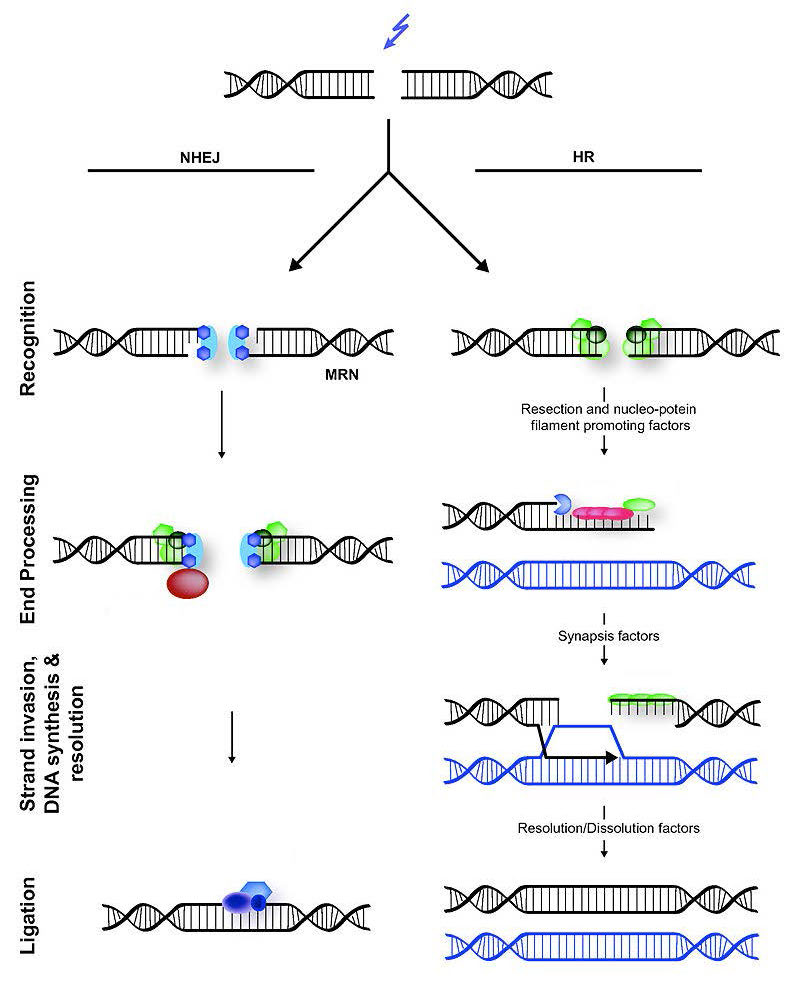
Figure 7.45 - Non-homologous end joining (left) versus homologous recombination (right) - Wikipedia
Wikipedia, as credited by Kevin Ahern, Indira Rajagopal, and Taralyn Tan, Biochemistry Free For All, Oregon State University, via Biology LibreTexts. · Source attribution
· Original image ↗ · Access for free ↗
The amount of a substance that can dissolve in a solvent under specified conditions. Soluble means able to dissolve; insoluble means only very slightly soluble in that solvent.
Figure 14.15 The ends of linear chromosomes are maintained by the action of the telomerase enzyme. Credit: Rao, A. and Fletcher, S. Department of Biology, Texas A&M University.
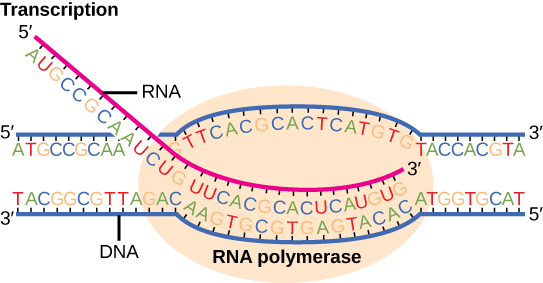
Figure 15.7 Messenger RNA is a copy of protein-coding information in the coding strand of DNA, with the substitution of U in the RNA for T in the coding sequence. However, new RNA nucleotides base pair with the nucleotides of the template strand. RNA is synthesized in its 5'-3' direction, using the enzyme RNA polymerase. As the template is read, the DNA unwinds ahead of the polymerase and then rewinds behind it.
Figure 15.10 A generalized promoter of a gene transcribed by RNA polymerase II is shown. Transcription factors recognize the promoter. RNA polymerase II then binds and forms the transcription initiation complex.
A fleeting, high-energy arrangement at a reaction barrier. It is an energy maximum along the reaction path, rather than a stable reaction intermediate.
Figure 12.19 Reaction diagrams for an endothermic process in the absence (red curve) and presence (blue curve) of a catalyst. The catalyzed pathway involves a two-step mechanism (note the presence of two transition states) and an intermediate species (represented by the valley between the two transitions states).
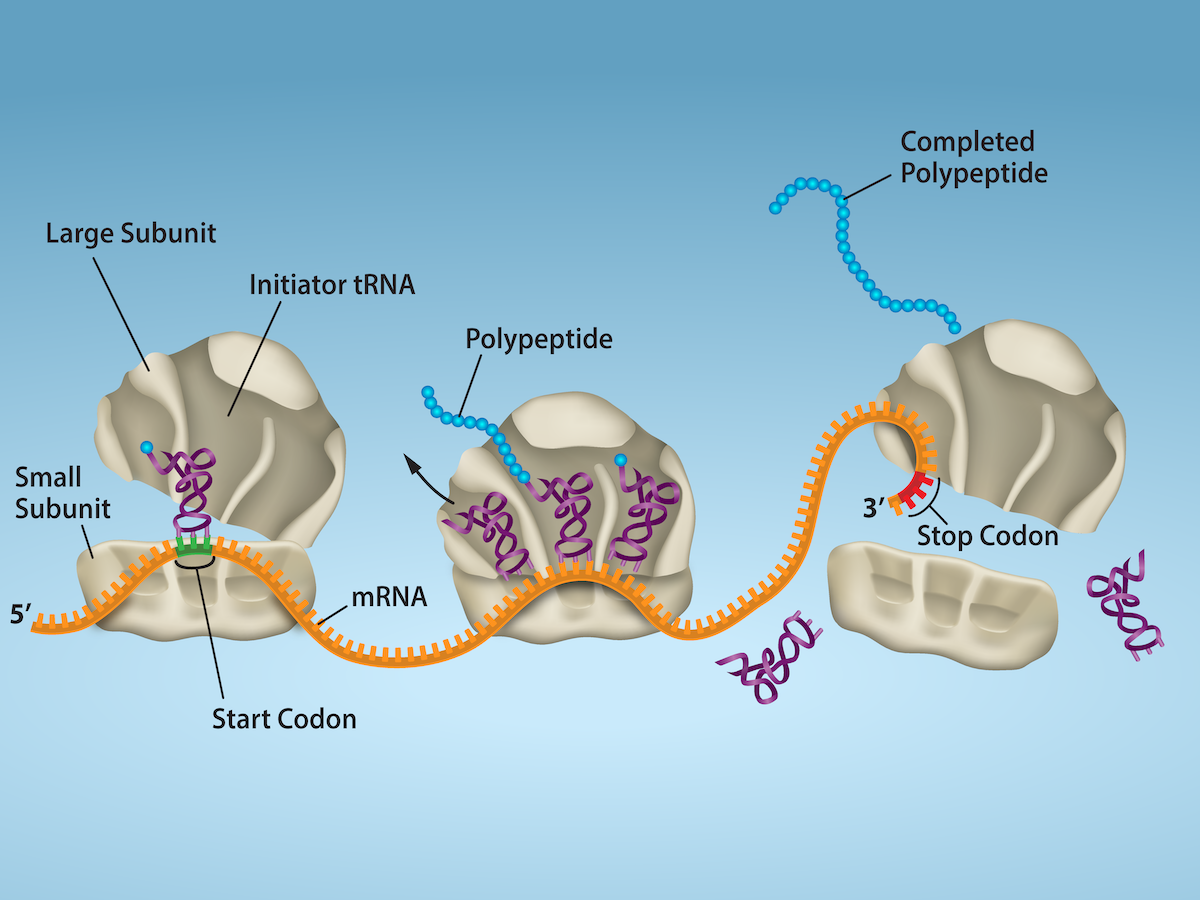
Figure 15.18 Translation begins when an initiator tRNA anticodon recognizes a start codon on mRNA bound to a small ribosomal subunit. The large ribosomal subunit joins the small subunit, and a second tRNA is recruited. As the mRNA moves relative to the ribosome, successive tRNAs move through the ribosome and the polypeptide chain is formed. Entry of a release factor into the A site terminates translation and the components dissociate.
Figure 10.15 Cell Division and Apoptosis. In an adult organism, normal cell division is balanced by apoptosis (programmed cell death) to maintain a constant cell number in homeostasis. Either an increase in cell division or a decrease in apoptosis leads an increase in the number of cells and tumor formation. Credit: Rao, A. and Ryan, K. Department of Biology, Texas A&M University.
Rao, A. and Ryan, K. Department of Biology, Texas A&M University. Mary Ann Clark, Matthew Douglas, and Jung Choi, Biology 2e, OpenStax. · CC BY-NC-SA 4.0
· Original image ↗ · Access for free ↗
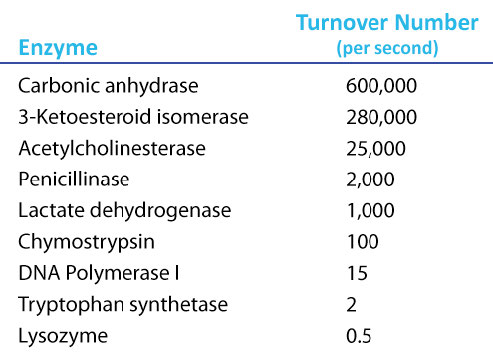
Figure 4.21 - Kcat (turnover number) values for several enzymes. Image by Aleia Kim
Kevin Ahern, Indira Rajagopal, and Taralyn Tan, Biochemistry Free For All, Oregon State University, via Biology LibreTexts. Image by Aleia Kim · CC BY-NC-SA 4.0
· Original image ↗ · Access for free ↗
Figure 6.5 In higher-order conditioning, an established conditioned stimulus is paired with a new neutral stimulus (the second-order stimulus), so that eventually the new stimulus also elicits the conditioned response, without the initial conditioned stimulus being presented.
Figure 6.5 In higher-order conditioning, an established conditioned stimulus is paired with a new neutral stimulus (the second-order stimulus), so that eventually the new stimulus also elicits the conditioned response, without the initial conditioned stimulus being presented.
Figure 4.18 Membrane and secretory proteins are synthesized in the rough endoplasmic reticulum (RER). The RER also sometimes modifies proteins. In this illustration, a (green) integral membrane protein is modified by attachment of a (purple) carbohydrate in the ER. Vesicles with the integral protein bud from the ER and fuse with the Golgi apparatus' cis face. As the protein passes along the Golgi’s cisternae, the addition of more carbohydrates further modifies it. After its synthesis is complete, it exits as an integral membrane protein of the vesicle that buds from the Golgi’s trans face. When the vesicle fuses with the cell membrane, the protein becomes an integral portion of that cell membrane. (credit: modification of work by Magnus Manske)
No matching terms. Try a different name or abbreviation.
12.7 Prosocial Behavior
OpenStax · 12.7 Prosocial Behavior ↗ Instructional page including learning objectives, examples, figures, source tables and questions. Site navigation and embedded media players are omitted; source media links remain available.
Describe conditions that influence the formation of relationships
Identify what attracts people to each other
Describe the triangular theory of love
Explain social exchange theory in relationships
You’ve learned about many of the negative behaviors of social psychology, but the field also studies many positive social interactions and behaviors. What makes people like each other? With whom are we friends? Whom do we date? Researchers have documented several features of the situation that influence whether we form relationships with others. There are also universal traits that humans find attractive in others. In this section we discuss conditions that make forming relationships more likely, what we look for in friendships and romantic relationships, the different types of love, and a theory explaining how our relationships are formed, maintained, and terminated.
Do you voluntarily help others? Voluntary behavior with the intent to help other people is called prosocial behavior. Why do people help other people? Is personal benefit such as feeling good about oneself the only reason people help one another? Research suggests there are many other reasons. Altruism is people’s desire to help others even if the costs outweigh the benefits of helping. In fact, people acting in altruistic ways may disregard the personal costs associated with helping (Figure 12.26). For example, news accounts of the 9/11 terrorist attacks on the World Trade Center in New York reported an employee in the first tower helped his co-workers make it to the exit stairwell. After helping a co-worker to safety he went back in the burning building to help additional co-workers. In this case the costs of helping were great, and the hero lost his life in the destruction (Stewart, 2002).
Figure 12.26 — 12.7 Prosocial Behavior
Figure 12.26 The events of 9/11 unleashed an enormous show of altruism and heroism on the parts of first responders and many ordinary people. (credit: Don Halasy)
Some researchers suggest that altruism operates on empathy. Empathy is the capacity to understand another person’s perspective, to feel what they feel. An empathetic person makes an emotional connection with others and feels compelled to help (Batson, 1991). Other researchers argue that altruism is a form of selfless helping that is not motivated by benefits or feeling good about oneself. Certainly, after helping, people feel good about themselves, but some researchers argue that this is a consequence of altruism, not a cause. Other researchers argue that helping is always self-serving because our egos are involved, and we receive benefits from helping (Cialdini, Brown, Lewis, Luce, & Neuberg 1997). It is challenging to determine experimentally the true motivation for helping, whether it is largely self-serving (egoism) or selfless (altruism). Thus, a debate on whether pure altruism exists continues.
What do you think is the single most influential factor in determining with whom you become friends and with whom you form romantic relationships? You might be surprised to learn that the answer is simple: the people with whom you have the most contact. This most important factor is proximity. You are more likely to be friends with people you have regular contact with. For example, there are decades of research that shows that you are more likely to become friends with people who live in your dorm, your apartment building, or your immediate neighborhood than with people who live farther away (Festinger, Schachler, & Back, 1950). It is simply easier to form relationships with people you see often because you have the opportunity to get to know them.
Similarity is another factor that influences who we form relationships with. We are more likely to become friends or lovers with someone who is similar to us in background, attitudes, and lifestyle. In fact, there is no evidence that opposites attract. Rather, we are attracted to people who are most like us (Figure 12.27) (McPherson, Smith-Lovin, & Cook, 2001). Why do you think we are attracted to people who are similar to us? Sharing things in common will certainly make it easy to get along with others and form connections. When you and another person share similar music taste, hobbies, food preferences, and so on, deciding what to do with your time together might be easy. Homophily is the tendency for people to form social networks, including friendships, marriage, business relationships, and many other types of relationships, with others who are similar (McPherson et al., 2001).
Figure 12.27 — 12.7 Prosocial Behavior
Figure 12.27 People tend to be attracted to similar people. Many couples share a cultural background. This can be quite obvious in a ceremony such as a wedding, and more subtle (but no less significant) in the day-to-day workings of a relationship. (credit: modification of work by Shiraz Chanawala)
Rose M. Spielman, William J. Jenkins, and Marilyn D. Lovett, Psychology 2E, OpenStax. (credit: modification of work by Shiraz Chanawala) · CC BY-NC-SA 4.0
· Original image ↗ · Access for free ↗
But, homophily limits our exposure to diversity (McPherson et al., 2001). By forming relationships only with people who are similar to us, we will have homogenous groups and will not be exposed to different points of view. In other words, because we are likely to spend time with those who are most like ourselves, we will have limited exposure to those who are different than ourselves, including people of different races, ethnicities, social-economic status, and life situations.
Once we form relationships with people, we desire reciprocity. Reciprocity is the give and take in relationships. We contribute to relationships, but we expect to receive benefits as well. That is, we want our relationships to be a two way street. We are more likely to like and engage with people who like us back. Self-disclosure is part of the two way street. Self-disclosure is the sharing of personal information (Laurenceau, Barrett, & Pietromonaco, 1998). We form more intimate connections with people with whom we disclose important information about ourselves. Indeed, self-disclosure is a characteristic of healthy intimate relationships, as long as the information disclosed is consistent with our own views (Cozby, 1973).
Attraction
We have discussed how proximity and similarity lead to the formation of relationships, and that reciprocity and self-disclosure are important for relationship maintenance. But, what features of a person do we find attractive? We don’t form relationships with everyone that lives or works near us, so how is it that we decide which specific individuals we will select as friends and lovers?
Researchers have documented several characteristics that humans find attractive. First we look for friends and lovers who are physically attractive. People differ in what they consider attractive, and attractiveness is culturally influenced. Research, however, suggests that some universally attractive features in women include large eyes, high cheekbones, a narrow jaw line, a slender build (Buss, 1989), and a lower waist-to-hip ratio (Singh, 1993). For men, attractive traits include being tall, having broad shoulders, and a narrow waist (Buss, 1989). Both men and women with high levels of facial and body symmetry are generally considered more attractive than asymmetric individuals (Fink, Neave, Manning, & Grammer, 2006; Penton-Voak et al., 2001; Rikowski & Grammer, 1999). Social traits that people find attractive in potential female mates include warmth, affection, and social skills; in males, the attractive traits include achievement, leadership qualities, and job skills (Regan & Berscheid, 1997). Although humans want mates who are physically attractive, this does not mean that we look for the most attractive person possible. In fact, this observation has led some to propose what is known as the matching hypothesis which asserts that people tend to pick someone they view as their equal in physical attractiveness and social desirability (Taylor, Fiore, Mendelsohn, & Cheshire, 2011). For example, you and most people you know likely would say that a very attractive movie star is out of your league. So, even if you had proximity to that person, you likely would not ask them out on a date because you believe you likely would be rejected. People weigh a potential partner’s attractiveness against the likelihood of success with that person. If you think you are particularly unattractive (even if you are not), you likely will seek partners that are fairly unattractive (that is, unattractive in physical appearance or in behavior).
Sternberg’s Triangular Theory of Love
We typically love the people with whom we form relationships, but the type of love we have for our family, friends, and lovers differs. Robert Sternberg (1986) proposed that there are three components of love: intimacy, passion, and commitment. These three components form a triangle that defines multiple types of love: this is known as Sternberg’s triangular theory of love (Figure 12.28). Intimacy is the sharing of details and intimate thoughts and emotions. Passion is the physical attraction—the flame in the fire. Commitment is standing by the person—the “in sickness and health” part of the relationship.
Figure 12.28 — 12.7 Prosocial Behavior
Figure 12.28 According to Sternberg’s triangular theory of love, seven types of love can be described from combinations of three components: intimacy, passion, and commitment. (credit: modification of work by “Lnesa”/Wikimedia Commons)
Rose M. Spielman, William J. Jenkins, and Marilyn D. Lovett, Psychology 2E, OpenStax. (credit: modification of work by “Lnesa”/Wikimedia Commons) · CC BY-NC-SA 4.0
· Original image ↗ · Access for free ↗
Sternberg (1986) states that a healthy relationship will have all three components of love—intimacy, passion, and commitment—which is described as consummate love (Figure 12.29). However, different aspects of love might be more prevalent at different life stages. Other forms of love include liking, which is defined as having intimacy but no passion or commitment. Infatuation is the presence of passion without intimacy or commitment. Empty love is having commitment without intimacy or passion. Companionate love, which is characteristic of close friendships and family relationships, consists of intimacy and commitment but no passion. Romantic love is defined by having passion and intimacy, but no commitment. Finally, fatuous love is defined by having passion and commitment, but no intimacy, such as a long term sexual love affair. Can you describe other examples of relationships that fit these different types of love?
Figure 12.29 — 12.7 Prosocial Behavior
Figure 12.29 According to Sternberg, consummate love describes a healthy relationship containing intimacy, passion, and commitment. (credit: Carloxito/Wikimedia)
We have discussed why we form relationships, what attracts us to others, and different types of love. But what determines whether we are satisfied with and stay in a relationship? One theory that provides an explanation is social exchange theory. According to social exchange theory, we act as naïve economists in keeping a tally of the ratio of costs and benefits of forming and maintaining a relationship with others (Figure 12.30) (Rusbult & Van Lange, 2003).
Figure 12.30 — 12.7 Prosocial Behavior
Figure 12.30 Acting like naïve economists, people may keep track of the costs and benefits of maintaining a relationship. Typically, only those relationships in which the benefits outweigh the costs will be maintained.
People are motivated to maximize the benefits of social exchanges, or relationships, and minimize the costs. People prefer to have more benefits than costs, or to have nearly equal costs and benefits, but most people are dissatisfied if their social exchanges create more costs than benefits. Let’s discuss an example. If you have ever decided to commit to a romantic relationship, you probably considered the advantages and disadvantages of your decision. What are the benefits of being in a committed romantic relationship? You may have considered having companionship, intimacy, and passion, but also being comfortable with a person you know well. What are the costs of being in a committed romantic relationship? You may think that over time boredom from being with only one person may set in; moreover, it may be expensive to share activities such as attending movies and going to dinner. However, the benefits of dating your romantic partner presumably outweigh the costs, or you wouldn’t continue the relationship.
12.6 Aggression
OpenStax · 12.6 Aggression ↗ Instructional page including learning objectives, examples, figures, source tables and questions. Site navigation and embedded media players are omitted; source media links remain available.
Throughout this chapter we have discussed how people interact and influence one another’s thoughts, feelings, and behaviors in both positive and negative ways. People can work together to achieve great things, such as helping each other in difficult times: consider how educators and healthcare workers went to great lengths to help others during the COVID-19 pandemic. People also can do great harm to one another, such as conforming to group norms that are immoral and obeying authority to the point of murder: consider the mass conformity of Nazis during WWII. In this section we will discuss a negative side of human behavior—aggression.
A number of researchers have explored ways to reduce prejudice. One of the earliest was a study by Sherif et al. (1961) known as the Robbers Cave experiment. They found that when two opposing groups at a camp worked together toward a common goal, prejudicial attitudes between the groups decreased (Gaertner, Dovidio, Banker, Houlette, Johnson, & McGlynn, 2000). Focusing on superordinate goals was the key to attitude change in the research. Another study examined the jigsaw classroom, a technique designed by Aronson and Bridgeman in an effort to increase success in desegregated classrooms. In this technique, students work on an assignment in groups inclusive of various races and abilities. They are assigned tasks within their group, then collaborate with peers from other groups who were assigned the same task, and then report back to their original group. Walker and Crogan (1998) noted that the jigsaw classroom reduced potential for prejudice in Australia, as diverse students worked together on projects needing all of the pieces to succeed. This research suggests that anything that can allow individuals to work together toward common goals can decrease prejudicial attitudes. Obviously, the application of such strategies in real-world settings would enhance opportunities for conflict resolution.
Aggression
Humans engage in aggression when they seek to cause harm or pain to another person. Aggression takes two forms depending on one’s motives: hostile or instrumental. Hostile aggression is motivated by feelings of anger with intent to cause pain; a fight in a bar with a stranger is an example of hostile aggression. In contrast, instrumental aggression is motivated by achieving a goal and does not necessarily involve intent to cause pain (Berkowitz, 1993); a contract killer who murders for hire displays instrumental aggression.
There are many different theories as to why aggression exists. Some researchers argue that aggression serves an evolutionary function (Buss, 2004). Men are more likely than women to show aggression (Wilson & Daly, 1985). From the perspective of evolutionary psychology, human male aggression, like that in nonhuman primates, likely serves to display dominance over other males, both to protect a mate and to perpetuate the male’s genes (Figure 12.24). Sexual jealousy is part of male aggression; males endeavor to make sure their mates are not copulating with other males, thus ensuring their own paternity of the female’s offspring. Although aggression provides an obvious evolutionary advantage for men, women also engage in aggression. Women typically display more indirect forms of aggression, with their aggression serving as a means to an end (Dodge & Schwartz, 1997). For example, women may express their aggression covertly by communication that impairs the social standing of another person. Another theory that explains one of the functions of human aggression is frustration aggression theory (Dollard, Doob, Miller, Mowrer, & Sears, 1939). This theory states that when humans are prevented from achieving an important goal, they become frustrated and aggressive.
Figure 12.24 — 12.6 Aggression
Figure 12.24 Human males and nonhuman male primates endeavor to gain and display dominance over other males, as demonstrated in the behavior of these monkeys. (credit: “Arcadiuš”/Flickr)
Another form of aggression is bullying. As you learn in your study of child development, socializing and playing with other children is beneficial for children’s psychological development. However, as you may have experienced as a child, not all play behavior has positive outcomes. Some children are aggressive and want to play roughly. Other children are selfish and do not want to share toys. One form of negative social interactions among children that has become a national concern is bullying. Bullying is repeated negative treatment of another person, often an adolescent, over time (Olweus, 1993). A one-time incident in which one child hits another child on the playground would not be considered bullying: Bullying is repeated behavior. The negative treatment typical in bullying is the attempt to inflict harm, injury, or humiliation, and bullying can include physical or verbal attacks. However, bullying doesn’t have to be physical or verbal, it can be psychological. Research finds gender differences in how girls and boys bully others (American Psychological Association, 2010; Olweus, 1993). Boys tend to engage in direct, physical aggression such as physically harming others. Girls tend to engage in indirect, social forms of aggression such as spreading rumors, ignoring, or socially isolating others. Based on what you have learned about child development and social roles, why do you think boys and girls display different types of bullying behavior?
Bullying involves three parties: the bully, the victim, and witnesses or bystanders. The act of bullying involves an imbalance of power with the bully holding more power—physically, emotionally, and/or socially over the victim. The experience of bullying can be positive for the bully, who may enjoy a boost to self-esteem. However, there are several negative consequences of bullying for the victim, and also for the bystanders. How do you think bullying negatively impacts adolescents? Being the victim of bullying is associated with decreased mental health, including experiencing anxiety and depression (APA, 2010). Victims of bullying may underperform in schoolwork (Bowen, 2011). Bullying also can result in the victim dying by suicide (APA, 2010). How might bullying negatively affect witnesses?
Although there is not one single personality profile for who becomes a bully and who becomes a victim of bullying (APA, 2010), researchers have identified some patterns in children who are at a greater risk of being bullied (Olweus, 1993):
Children who are emotionally reactive are at a greater risk for being bullied. Bullies may be attracted to children who get upset easily because the bully can quickly get an emotional reaction from them.
Children who are different from others are likely to be targeted for bullying. Children who are overweight, cognitively impaired, or racially or ethnically different from their peer group may be at higher risk.
Gay, lesbian, bisexual, and transgender teens are at very high risk of being bullied and hurt due to their sexual orientation.
Cyberbullying
With widely available mobile technology and social networking media, a new form of bullying has emerged: cyberbullying. Cyberbullying, like bullying, is repeated behavior that is intended to cause psychological or emotional harm to another person. What is unique about cyberbullying is that it is typically covert, concealed, done in private, and the bully can remain anonymous. This anonymity gives the bully power, and the victim may feel helpless, unable to escape the harassment, and unable to retaliate (Spears, Slee, Owens, & Johnson, 2009). About one in three middle and high school students report that they have experienced cyberbullying (Patchin, 2016; Patchin, 2019), with some studies indicating that nearly three in five teens have experienced some type of online abusive behavior such as non-repeated name-calling or being sent unsolicited links or images (Anderson, 2018).
Cyberbullying can take many forms, including harassing a victim by spreading rumors, creating a website defaming the victim, threatening the victim, or teasing the victim (Spears et al., 2009). Overall, LGBTQ youth are targeted at a higher rate than heterosexual and cisgender youth, and members of minority populations overall are more likely to be cyberbullying victims (Hinjuda & Patchin, 2020). In terms of gender, experiences vary in both the prevalence and types of cyberbullying experienced and perpetrated. In cyberbullying, it is more common for girls to be the bullies and victims. Interestingly, girls who become cyberbullies often have been the victims of cyberbullying at one time (Vandebosch & Van Cleemput, 2009). Girls were more likely to say someone spread rumors about them online while boys were more likely to say that someone threatened to hurt them online (Patchin, 2019). The effects of cyberbullying are just as harmful as traditional bullying and include the victim feeling frustration, anger, sadness, helplessness, powerlessness, and fear. Victims will also experience lower self-esteem (Hoff & Mitchell, 2009; Spears et al., 2009). Furthermore, recent research suggests that both cyberbullying victims and perpetrators are more likely to experience suicidal ideation, and they are more likely to attempt suicide than individuals who have no experience with cyberbullying (John, 2019). Cyberbullying is a form of aggression and, depending on the messages and methods, can be considered harassment, stalking, or assault—all subject to prosecution. Finally, while much of the concern and research regarding cyberbullying centers on adolescents, adults (particularly college students) are frequent victims and perpetrators. What features of technology make cyberbullying easier and perhaps more accessible to young adults? What can parents, teachers, and social networking websites do to prevent cyberbullying?
Figure 12.25 — 12.6 Aggression
Figure 12.25 Cyberbullying can create a feeling of powerlessness and inescapability because victimization is not constrained to physical locations. Many victims report being harassed across multiple platforms or formats at the same time. (credit: Steven Depolo)
The discussion of bullying highlights the problem of witnesses not intervening to help a victim. Researchers Latané and Darley (1968) described a phenomenon called the bystander effect. The bystander effect is a phenomenon in which a witness or bystander does not volunteer to help a victim or person in distress. Instead, they just watch what is happening. Social psychologists hold that we make these decisions based on the social situation, not our own personality variables. The impetus behind the bystander effect was the murder of a young woman named Kitty Genovese in 1964. The story of her tragic death took on a life of its own when it was reported that none of her neighbors helped her or called the police when she was being attacked. However, Kassin (2017) noted that her killer was apprehended due to neighbors who called the police when they saw him committing a burglary days later. Not only did bystanders indeed intervene in her murder (one man who shouted at the killer, a woman who said she called the police, and a friend who comforted her in her last moments), but other bystanders intervened in the capture of the murderer.
Even though some facets of the case were reported inaccurately, the Kitty Genovese case highlighted the phenomena of the bystander effect and helped social psychologists identify the role of diffusion of responsibility in why many individuals choose not to help in other similar cases. Diffusion of responsibility is the tendency for no one in a group to help because the responsibility to help is spread throughout the group (Bandura, 1999). Because there were many witnesses to the attack on Genovese, as evidenced by the number of lit apartment windows in the building, individuals assumed someone else must have already called the police. The responsibility to call the police was diffused across the number of witnesses to the crime. Have you ever passed an accident on the freeway and assumed that a victim or certainly another motorist has already reported the accident? In general, the greater the number of bystanders, the less likely any one person will help.
9.3 Stages of Development
OpenStax · 9.3 Stages of Development ↗ Instructional page including learning objectives, examples, figures, source tables and questions. Site navigation and embedded media players are omitted; source media links remain available.
Learning Objectives
By the end of this section, you will be able to:
Describe the stages of prenatal development and recognize the importance of prenatal care
Appraise physical, cognitive, and emotional development that occurs from infancy through childhood
Compare and contrast physical, cognitive, and emotional development that occurs during adolescence
Examine physical, cognitive, and emotional development that occurs in adulthood
From the moment we are born until the moment we die, we continue to develop.
As discussed at the beginning of this chapter, developmental psychologists often divide our development into three areas: physical development, cognitive development, and psychosocial development. Mirroring Erikson’s stages, lifespan development is divided into different stages that are based on age. We will discuss prenatal, infant, child, adolescent, and adult development.
Prenatal Development
How did you come to be who you are? From beginning as a one-cell structure to your birth, your prenatal development occurred in an orderly and delicate sequence.
There are three stages of prenatal development: germinal, embryonic, and fetal. Let’s take a look at what happens to the developing baby in each of these stages.
Germinal Stage (Weeks 1–2)
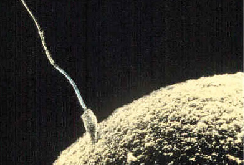
In the discussion of biopsychology earlier in the book, you learned about genetics and DNA. DNA is passed on to the child at the moment of conception. Conception occurs when sperm fertilizes an egg and forms a zygote (Figure 9.7). A zygote begins as a one-cell structure that is created when a sperm and egg merge. The genetic makeup and sex of the zygote are set at this point. During the first week after conception, the zygote divides and multiplies, going from a one-cell structure to two cells, then four cells, then eight cells, and so on. This process of cell division is called mitosis. Mitosis is a fragile process, and fewer than one-half of all zygotes survive beyond the first two weeks (Hall, 2004). After 5 days of mitosis there are 100 cells, and after 9 months there are billions of cells. As the cells divide, they become more specialized, forming different organs and body parts. In the germinal stage, the mass of cells has yet to attach itself to the lining of the uterus. Once it does, the next stage begins.
Figure 9.7 — 9.3 Stages of Development
Figure 9.7 Sperm and ovum fuse at the point of conception.
After the zygote divides for about 7–10 days and has 150 cells, it travels down the fallopian tubes and implants itself in the lining of the uterus. Upon implantation, this multi-cellular organism is called an embryo. Now blood vessels grow, forming the placenta. The placenta is a structure connected to the uterus that provides nourishment and oxygen to the developing embryo via the umbilical cord. Basic structures of the embryo start to develop into areas that will become the head, chest, and abdomen. During the embryonic stage, the heart begins to beat and organs form and begin to function. The neural tube forms along the back of the embryo, developing into the spinal cord and brain.
Fetal Stage (Weeks 9–40)
When the organism is about nine weeks old, the embryo is called a fetus. At this stage, the fetus is about the size of a kidney bean and begins to take on the recognizable form of a human being as the “tail” begins to disappear.
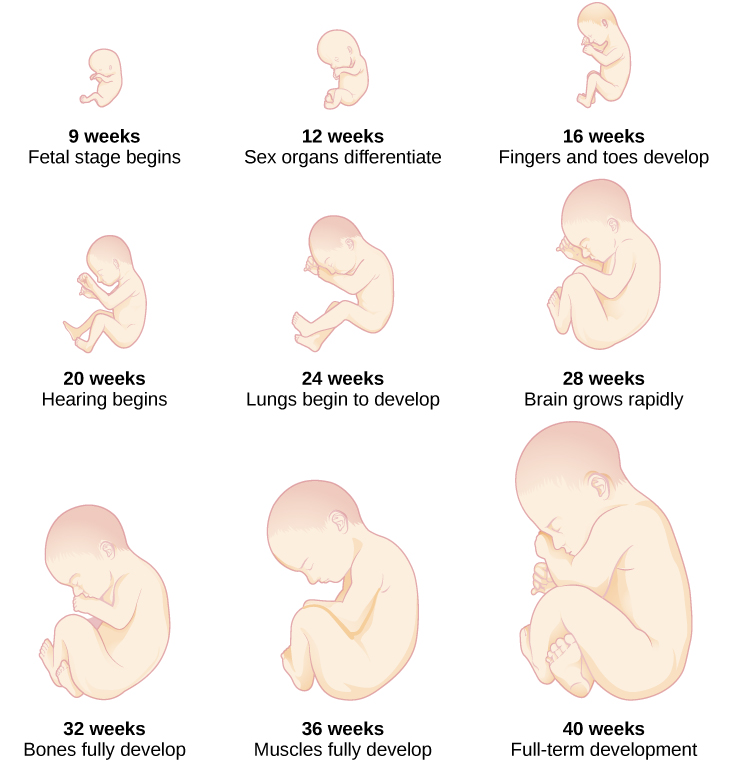
From 9–12 weeks, the sex organs begin to differentiate. At about 16 weeks, the fetus is approximately 4.5 inches long. Fingers and toes are fully developed, and fingerprints are visible. By the time the fetus reaches the sixth month of development (24 weeks), it weighs up to 1.4 pounds. Hearing has developed, so the fetus can respond to sounds. The internal organs, such as the lungs, heart, stomach, and intestines, have formed enough that a fetus born prematurely at this point has a chance to survive outside of the womb. Throughout the fetal stage the brain continues to grow and develop, nearly doubling in size from weeks 16 to 28. Around 36 weeks, the fetus is almost ready for birth. It weighs about 6 pounds and is about 18.5 inches long, and by week 37 all of the fetus’s organ systems are developed enough that it could survive outside the uterus without many of the risks associated with premature birth. The fetus continues to gain weight and grow in length until approximately 40 weeks. By then, the fetus has very little room to move around and birth becomes imminent. The progression through the stages is shown in Figure 9.8.
Figure 9.8 — 9.3 Stages of Development
Figure 9.8 During the fetal stage, the baby's brain develops and the body adds size and weight, until the fetus reaches full-term development.
For an amazing look at prenatal development and the process of birth, view the video Life’s Greatest Miracle from Nova and PBS.
Prenatal Influences
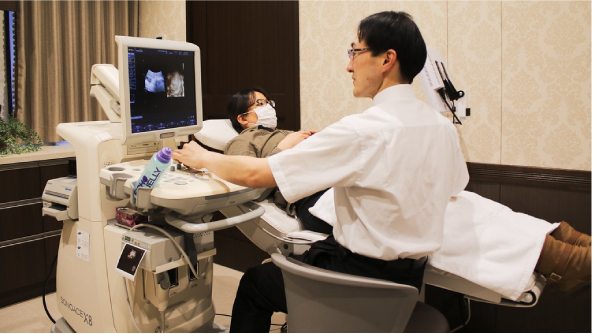
During each prenatal stage, genetic and environmental factors can affect development. The developing fetus is completely dependent on the person carrying it. Routine prenatal care, which is medical care during pregnancy that monitors the health of both the pregnant person and the fetus (Figure 9.9), is important because it can reduce the risk of complications during pregnancy (NIH, 2013). In fact, people who are trying to become pregnant or who may become pregnant should discuss pregnancy planning with their doctor. They may be advised, for example, to take a vitamin containing folic acid, which helps prevent certain birth defects, or to monitor aspects of their diet or exercise routines. People can face health risks without prenatal care, which is not provided equitably across populations or locations (Backes and Scrimshaw, 2020).
Figure 9.9 — 9.3 Stages of Development
Figure 9.9 A pregnant person receives an ultrasound as part of their prenatal care. (credit: "MIKI Yoshihito_Flickr"/Flickr)
Recall that when the zygote attaches to the wall of the uterus, the placenta is formed. The placenta provides nourishment and oxygen to the fetus. Most everything a pregnant person ingests, including food, liquid, and even medication, travels through the placenta to the fetus, hence the common phrase “eating for two.” Everything in the environment affects the fetus; if they are exposed to something harmful, the child can show life-long effects.
A teratogen is any environmental agent—biological, chemical, or physical—that causes damage to the developing embryo or fetus. There are different types of teratogens. Alcohol and most drugs cross the placenta and affect the fetus. Alcohol is not safe to drink in any amount during pregnancy. Alcohol use during pregnancy has been found to be the leading preventable cause of intellectual disabilities in children in the United States (Maier & West, 2001). Excessive drinking while pregnant can cause fetal alcohol spectrum disorders with life-long consequences for the child ranging in severity from minor to major (Table 9.3). Fetal alcohol spectrum disorders (FASD) are a collection of birth defects associated with heavy consumption of alcohol during pregnancy. Physically, children with FASD may have a small head size and abnormal facial features. Cognitively, these children may have poor judgment, poor impulse control, higher rates of ADHD, learning issues, and lower IQ scores. These developmental problems and delays persist into adulthood (Streissguth et al., 2004). Based on studies conducted on animals, it also has been suggested that alcohol consumption during pregnancy may predispose offspring to like alcohol (Youngentob et al., 2007).
Fetal Alcohol Syndrome Facial Features
Facial Feature
Potential Effect of Fetal Alcohol Syndrome
Head size
Below-average head circumference
Eyes
Smaller than average eye opening, skin folds at corners of eyes
Nose
Low nasal bridge, short nose
Midface
Smaller than average midface size
Lip and philtrum
Thin upper lip, indistinct philtrum
Table
9.3
Smoking is also considered a teratogen because nicotine travels through the placenta to the fetus. When the pregnant person smokes, the developing baby experiences a reduction in blood oxygen levels. According to the Centers for Disease Control and Prevention (2013), smoking while pregnant can result in premature birth, low-birth-weight infants, stillbirth, and sudden infant death syndrome (SIDS).
Heroin, cocaine, methamphetamine, almost all prescription medicines, and most over-the counter medications are also considered teratogens. Babies born with a heroin addiction need heroin just like an adult with a heroin addiction. The child will need to be gradually weaned from the heroin under medical supervision; otherwise, the child could have seizures and die. Other teratogens include radiation, viruses such as HIV and herpes, and rubella (German measles). People who were raised in the United States are much less likely to be afflicted with rubella because most received childhood immunizations or vaccinations that protect the body from disease.
Each organ of the fetus develops during a specific period in the pregnancy, called the critical or sensitive period (Figure 9.8). For example, research with primate models of FASD has demonstrated that the time during which a developing fetus is exposed to alcohol can dramatically affect the appearance of facial characteristics associated with fetal alcohol syndrome. Specifically, this research suggests that alcohol exposure that is limited to day 19 or 20 of gestation can lead to significant facial abnormalities in the offspring (Ashley, Magnuson, Omnell, & Clarren, 1999). Given regions of the brain also show sensitive periods during which they are most susceptible to the teratogenic effects of alcohol (Tran & Kelly, 2003).
What Do You Think?
Should People Who Use Drugs During Pregnancy Be Arrested and Jailed?
As you now know, people who use drugs or alcohol during pregnancy can cause serious lifelong harm to their child. Some have advocated mandatory screenings for pregnant people who have a history of problematic drug use, and if they continue using, to arrest, prosecute, and incarcerate them (Murphy, 2014). For example, in the 1990s South Carolina implemented such a "fetal protection law" called the Interagency Policy on Management of Substance Abuse During Pregnancy, which had disastrous results.
The Interagency Policy applied to patients attending the obstetrics clinic at MUSC, which primarily serves patients who are indigent or on Medicaid. It did not apply to private obstetrical patients. The policy required patient education about the harmful effects of substance abuse during pregnancy. . . . [A] statement also warned patients that protection of unborn and newborn children from the harms of illegal drug abuse could involve the Charleston police, the Solicitor of the Ninth Judicial Court, and the Protective Services Division of the Department of Social Services (DSS). (Jos, Marshall, & Perlmutter, 1995, pp. 120–121)
As with similar laws, this policy seemed to deter pregnant people from seeking prenatal care, deterred them from seeking other social services, and was applied solely to people with low incomes, resulting in lawsuits. The program was canceled after 5 years, during which 42 women were arrested. A federal agency later determined that the program involved human experimentation without the approval and oversight of an institutional review board (IRB). Many states, including Massachussetts, Florida, California, Illinois, and Utah have "mandatory reporting" laws that require healthcare providers to inform child protective services when they suspect that a fetus or infant is exposed to drugs of abuse. Even though prosecutions are rarely pursued in these states, pregnant people still report reluctance to seek care for either their pregnancy or their substance abuse, and make efforts to hide both from providers (Work, 2023). What were the flaws in these programs, and how could states and healthcare providers improve them? What are the ethical implications of charging pregnant people with child abuse?
Infancy Through Childhood
The average newborn weighs approximately 7.5 pounds. Although small, newborns are not completely helpless because their reflexes and sensory capacities help them interact with the environment from the moment of birth. All healthy babies are born with newborn reflexes: inborn automatic responses to particular forms of stimulation. Reflexes help the newborn survive until it is capable of more complex behaviors—these reflexes are crucial to survival. They are present in babies whose brains are developing normally and usually disappear around 4–5 months old. Let’s take a look at some of these newborn reflexes. The rooting reflex is the newborn’s response to anything that touches their cheek: When you stroke a baby’s cheek, the baby naturally turns the head in that direction and begins to suck. The sucking reflex is the automatic, unlearned, sucking motions that infants do with their mouths. Several other interesting newborn reflexes can be observed. For instance, if you put your finger into a newborn’s hand, you will witness the grasping reflex, in which a baby automatically grasps anything that touches the palms. The Moro reflex is the newborn’s response to the sensation of falling. The baby spreads the arms, pulls them back in, and then (usually) cries. How do you think these reflexes promote survival in the first months of life?
What can young infants see, hear, and smell? Newborn infants’ sensory abilities are significant, but their senses are not yet fully developed. Many of a newborn’s innate preferences facilitate interaction with caregivers and other humans. Although vision is their least developed sense, newborns already show a preference for faces. Babies who are just a few days old also prefer human voices, they will listen to voices longer than sounds that do not involve speech (Vouloumanos & Werker, 2004), and they seem to prefer their mother’s voice over a stranger’s voice (Mills & Melhuish, 1974). In an interesting experiment, 3-week-old babies were given pacifiers that played a recording of the infant’s mother’s voice and of a stranger’s voice. When the infants heard their mother’s voice, they sucked more strongly at the pacifier (Mills & Melhuish, 1974). Newborns also have a strong sense of smell. For instance, newborn babies can distinguish the smell of their own mother from that of others. In a study by MacFarlane (1978), 1-week-old babies who were being breastfed were placed between two gauze pads. One gauze pad was from the bra of a nursing mother who was a stranger, and the other gauze pad was from the bra of the infant’s own mother. More than two-thirds of the week-old babies turned toward the gauze pad with their mother’s scent.
Physical Development
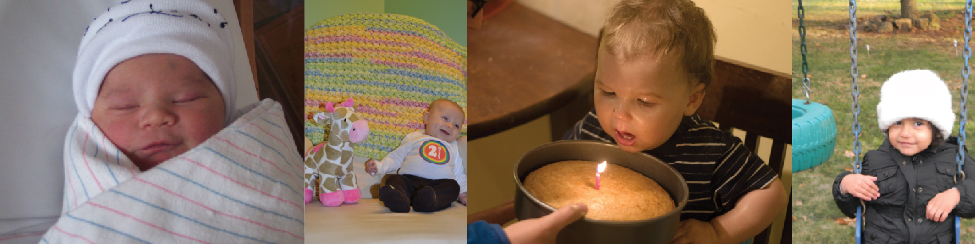
In infancy, toddlerhood, and early childhood, the body’s physical development is rapid (Figure 9.10). On average, newborns weigh between 5 and 10 pounds, and a newborn’s weight typically doubles in six months and triples in one year. By 2 years old the weight will have quadrupled, so we can expect that a 2 year old should weigh between 20 and 40 pounds. The average length of a newborn is 19.5 inches, increasing to 29.5 inches by 12 months and 34.4 inches by 2 years old (WHO Multicentre Growth Reference Study Group, 2006).
Figure 9.10 — 9.3 Stages of Development
Figure 9.10 Children experience rapid physical changes through infancy and early childhood. (credit "left": modification of work by Kerry Ceszyk; credit "middle-left": modification of work by Kristi Fausel; credit "middle-right": modification of work by "devinf"/Flickr; credit "right": modification of work by Rose Spielman)
Rose M. Spielman, William J. Jenkins, and Marilyn D. Lovett, Psychology 2E, OpenStax. (credit "left": modification of work by Kerry Ceszyk; credit "middle-left": modification of work by Kristi Fausel; credit "middle-right": modification of work by "devinf"/Flickr; credit "right": modification of work by Rose Spielman) · CC BY-NC-SA 4.0
· Original image ↗ · Access for free ↗
During infancy and childhood, growth does not occur at a steady rate (Carel, Lahlou, Roger, & Chaussain, 2004). Growth slows between 4 and 6 years old: During this time children gain 5–7 pounds and grow about 2–3 inches per year. Once females reach 8–9 years old, their growth rate outpaces that of males due to a pubertal growth spurt. This growth spurt continues until around 12 years old, coinciding with the start of the menstrual cycle. By 10 years old, the average female weighs 88 pounds, and the average male weighs 85 pounds.
It was previously believed that we are born with all of the brain cells we will ever have. More recent research suggests that neurogenesis (the formation of neurons) can continue through adulthood. However, the vast majority of neural connections and pathways occur during the first few years of a child’s life (National Institute of Neurological Disorders and Stroke, 2019). This period of rapid neural growth is called blooming. Neural pathways continue to develop through puberty. The blooming period of neural growth is then followed by a period of pruning, where neural connections are reduced. It is thought that pruning causes the brain to function more efficiently, allowing for mastery of more complex skills (Hutchinson, 2011). Blooming occurs during the first few years of life, and pruning continues through childhood and into adolescence in various areas of the brain.
The size of our brains increases rapidly. For example, the brain of a 2-year-old is 55% of its adult size, and by 6 years old the brain is about 90% of its adult size (Tanner, 1978). During early childhood (ages 3–6), the frontal lobes grow rapidly. Recalling our discussion of the 4 lobes of the brain earlier in this book, the frontal lobes are associated with planning, reasoning, memory, and impulse control. Therefore, by the time children reach school age, they are developmentally capable of controlling their attention and behavior. Through the elementary school years, the frontal, temporal, occipital, and parietal lobes all grow in size. The brain growth spurts experienced in childhood tend to follow Piaget’s sequence of cognitive development, so that significant changes in neural functioning account for cognitive advances (Kolb & Whishaw, 2009; Overman, Bachevalier, Turner, & Peuster, 1992).
Motor development occurs in an orderly sequence as infants move from reflexive reactions (e.g., sucking and rooting) to more advanced motor functioning. For instance, babies first learn to hold their heads up, then to sit with assistance, and then to sit unassisted, followed later by crawling and then walking.
Motor skills refer to our ability to move our bodies and manipulate objects. Fine motor skills focus on the muscles in our fingers, toes, and eyes, and enable coordination of small actions (e.g., grasping a toy, writing with a pencil, and using a spoon). Gross motor skills focus on large muscle groups that control our arms and legs and involve larger movements (e.g., balancing, running, and jumping).
As motor skills develop, there are certain developmental milestones that young children should achieve (Table 9.4). For each milestone there is an average age, as well as a range of ages in which the milestone should be reached. An example of a developmental milestone is sitting. On average, most babies sit alone at 7 months old. Sitting involves both coordination and muscle strength, and 90% of babies achieve this milestone between 5 and 9 months old. In another example, babies on average are able to hold up their head at 6 weeks old, and 90% of babies achieve this between 3 weeks and 4 months old. If a baby is not holding up their head by 4 months old, they are showing a delay. If the child is displaying delays on several milestones, that is reason for concern, and the parent or caregiver should discuss this with the child’s pediatrician. Some developmental delays can be identified and addressed through early intervention.
Developmental Milestones, Ages 2–5 Years
Age (years)
Physical
Personal/Social
Language
Cognitive
2
Kicks a ball; walks up and down stairs
Plays alongside other children; copies adults
Points to objects when named; puts 2–4 words together in a sentence
Sorts shapes and colors; follows 2-step instructions
3
Climbs and runs; pedals tricycle
Takes turns; expresses many emotions; dresses self
Names familiar things; uses pronouns
Plays make believe; works toys with parts (levers, handles)
4
Catches balls; uses scissors
Prefers social play to solo play; knows likes and interests
Knows songs and rhymes by memory
Names colors and numbers; begins writing letters
5
Hops and swings; uses fork and spoon
Distinguishes real from pretend; likes to please friends
Speaks clearly; uses full sentences
Counts to 10 or higher; prints some letters and copies basic shapes
Table
9.4
Cognitive Development
In addition to rapid physical growth, young children also exhibit significant development of their cognitive abilities. Piaget thought that children’s ability to understand objects—such as learning that a rattle makes a noise when shaken—was a cognitive skill that develops slowly as a child matures and interacts with the environment. Today, developmental psychologists think Piaget was incorrect. Researchers have found that even very young children understand objects and how they work long before they have experience with those objects (Baillargeon, 1987; Baillargeon, Li, Gertner, & Wu, 2011). For example, children as young as 3 months old demonstrated knowledge of the properties of objects that they had only viewed and did not have prior experience with them. In one study, 3-month-old infants were shown a truck rolling down a track and behind a screen. The box, which appeared solid but was actually hollow, was placed next to the track. The truck rolled past the box as would be expected. Then the box was placed on the track to block the path of the truck. When the truck was rolled down the track this time, it continued unimpeded. The infants spent significantly more time looking at this impossible event (Figure 9.11). Baillargeon (1987) concluded that they knew solid objects cannot pass through each other. Baillargeon’s findings suggest that very young children have an understanding of objects and how they work, which Piaget (1954) would have said is beyond their cognitive abilities due to their limited experiences in the world.
Figure 9.11 — 9.3 Stages of Development
Figure 9.11 In Baillargeon’s study, infants observed a truck (a) roll down an unobstructed track, (b) roll down an unobstructed track with an obstruction (box) beside it, and (c) roll down and pass through what appeared to be an obstruction.
Just as there are physical milestones that we expect children to reach, there are also cognitive milestones. It is helpful to be aware of these milestones as children gain new abilities to think, problem solve, and communicate. For example, infants shake their head “no” around 6–9 months, and they respond to verbal requests to do things like “wave bye-bye” or “blow a kiss” around 9–12 months. Remember Piaget’s ideas about object permanence? We can expect children to grasp the concept that objects continue to exist even when they are not in sight by around 8 months old. Because toddlers (i.e., 12–24 months old) have mastered object permanence, they enjoy games like hide and seek, and they realize that when someone leaves the room they will come back (Loop, 2013). Toddlers also point to pictures in books and look in appropriate places when you ask them to find objects.
Preschool-age children (i.e., 3–5 years old) also make steady progress in cognitive development. Not only can they count, name colors, and tell you their name and age, but they can also make some decisions on their own, such as choosing an outfit to wear. Preschool-age children understand basic time concepts and sequencing (e.g., before and after), and they can predict what will happen next in a story. They also begin to enjoy the use of humor in stories. Because they can think symbolically, they enjoy pretend play and inventing elaborate characters and scenarios. One of the most common examples of their cognitive growth is their blossoming curiosity. Preschool-age children love to ask “Why?”
An important cognitive change occurs in children this age. Recall that Piaget described 2–3 year olds as egocentric, meaning that they do not have an awareness of others’ points of view. Between 3 and 5 years old, children come to understand that people have thoughts, feelings, and beliefs that are different from their own. This is known as theory-of-mind (TOM). Children can use this skill to tease others, persuade their parents to purchase a candy bar, or understand why a sibling might be angry. When children develop TOM, they can recognize that others have false beliefs (Dennett, 1987; Callaghan et al., 2005).
Cognitive skills continue to expand in middle and late childhood (6–11 years old). Thought processes become more logical and organized when dealing with concrete information (Figure 9.12). Children at this age understand concepts such as the past, present, and future, giving them the ability to plan and work toward goals. Additionally, they can process complex ideas such as addition and subtraction and cause-and-effect relationships. However, children’s attention spans tend to be very limited until they are around 11 years old. After that point, it begins to improve through adulthood.
Figure 9.12 — 9.3 Stages of Development
Figure 9.12 Because they understand luck and fairness, children in middle and late childhood (6–11 years old) are able to follow rules for games. (credit: Edwin Martinez)
One well-researched aspect of cognitive development is language acquisition. As mentioned earlier, the order in which children learn language structures is consistent across children and cultures (Hatch, 1983). You’ve also learned that some psychological researchers have proposed that children possess a biological predisposition for language acquisition.
Starting before birth, babies begin to develop language and communication skills. At birth, babies apparently recognize their mother’s voice and can discriminate between the language(s) spoken by their mothers and foreign languages, and they show preferences for faces that are moving in synchrony with audible language (Blossom & Morgan, 2006; Pickens, 1994; Spelke & Cortelyou, 1981).
Children communicate information through gesturing long before they speak, and there is some evidence that gesture usage predicts subsequent language development (Iverson & Goldin-Meadow, 2005). In terms of producing spoken language, babies begin to coo almost immediately. Cooing is a one-syllable combination of a consonant and a vowel sound (e.g., coo or ba). Interestingly, babies replicate sounds from their own languages. A baby whose parents speak French will coo in a different tone than a baby whose parents speak Spanish or Urdu. After cooing, the baby starts to babble. Babbling begins with repeating a syllable, such as ma-ma, da-da, or ba-ba. When babies are about 12 months old, we expect them to say their first word for meaning, and to start combining words for meaning at about 18 months.
At about 2 years old, a toddler uses between 50 and 200 words; by 3 years old they have a vocabulary of up to 1,000 words and can speak in sentences. During the early childhood years, children's vocabulary increases at a rapid pace. This is sometimes referred to as the “vocabulary spurt” and has been claimed to involve an expansion in vocabulary at a rate of 10–20 new words per week. Recent research may indicate that while some children experience these spurts, it is far from universal (as discussed in Ganger & Brent, 2004). It has been estimated that 5 year olds understand about 6,000 words, speak 2,000 words, and can define words and question their meanings. They can rhyme and name the days of the week. Seven year olds speak fluently and use slang and clichés (Stork & Widdowson, 1974).
What accounts for such dramatic language learning by children? Behaviorist B. F. Skinner thought that we learn language in response to reinforcement or feedback, such as through parental approval or through being understood. For example, when a two-year-old child asks for juice, he might say, “me juice,” to which his mother might respond by giving him a cup of apple juice. Noam Chomsky (1957) criticized Skinner’s theory and proposed that we are all born with an innate capacity to learn language. Chomsky called this mechanism a language acquisition device (LAD). Who is correct? Both Chomsky and Skinner are right. Remember that we are a product of both nature and nurture. Researchers now believe that language acquisition is partially inborn and partially learned through our interactions with our linguistic environment (Gleitman & Newport, 1995; Stork & Widdowson, 1974).
Psychosocial development occurs as children form relationships, interact with others, and understand and manage their feelings. In social and emotional development, forming healthy attachments is very important and is the major social milestone of infancy. Attachment is a long-standing connection or bond with others. Developmental psychologists are interested in how infants reach this milestone. They ask such questions as: How do parent and infant attachment bonds form? How does neglect affect these bonds? What accounts for children’s attachment differences?
Researchers Harry Harlow, John Bowlby, and Mary Ainsworth conducted studies designed to answer these questions. In the 1950s, Harlow conducted a series of experiments on monkeys. He separated newborn monkeys from their mothers. Each monkey was presented with two surrogate mothers. One surrogate monkey was made out of wire mesh, and she could dispense milk. The other monkey was softer and made from cloth: This monkey did not dispense milk. Research shows that the monkeys preferred the soft, cuddly cloth monkey, even though she did not provide any nourishment. The baby monkeys spent their time clinging to the cloth monkey and only went to the wire monkey when they needed to be fed. Prior to this study, the medical and scientific communities generally thought that babies become attached to the people who provide their nourishment. However, Harlow (1958) concluded that there was more to the mother-child bond than nourishment. Feelings of comfort and security are the critical components to maternal-infant bonding, which leads to healthy psychosocial development.
Link to Learning
Harlow’s studies of monkeys were performed before modern ethics guidelines were in place, and today his experiments are widely considered to be unethical and even cruel. Watch this video of actual footage of Harlow's monkey studies to learn more.
Building on the work of Harlow and others, John Bowlby developed the concept of attachment theory. He defined attachment as the affectional bond or tie that an infant forms with the mother (Bowlby, 1969). An infant must form this bond with a primary caregiver in order to have normal social and emotional development. In addition, Bowlby proposed that this attachment bond is very powerful and continues throughout life. He used the concept of secure base to define a healthy attachment between parent and child (1988). A secure base is a parental presence that gives the child a sense of safety as he explores his surroundings. Bowlby said that two things are needed for a healthy attachment: The caregiver must be responsive to the child’s physical, social, and emotional needs; and the caregiver and child must engage in mutually enjoyable interactions (Bowlby, 1969) (Figure 9.13).
While Bowlby thought attachment was an all-or-nothing process, Mary Ainsworth’s (1970) research showed otherwise. Ainsworth wanted to know if children differ in the ways they bond, and if so, why. To find the answers, she used the Strange Situation procedure to study attachment between mothers and their infants (1970). In the Strange Situation, the mother (or primary caregiver) and the infant (age 12-18 months) are placed in a room together. There are toys in the room, and the caregiver and child spend some time alone in the room. After the child has had time to explore her surroundings, a stranger enters the room. The mother then leaves her baby with the stranger. After a few minutes, she returns to comfort her child.
Based on how the infants/toddlers responded to the separation and reunion, Ainsworth identified three types of parent-child attachments: secure, avoidant, and resistant (Ainsworth & Bell, 1970). A fourth style, known as disorganized attachment, was later described (Main & Solomon, 1990). The most common type of attachment—also considered the healthiest—is called secure attachment (Figure 9.14). In this type of attachment, the toddler prefers his parent over a stranger. The attachment figure is used as a secure base to explore the environment and is sought out in times of stress. Securely attached children were distressed when their caregivers left the room in the Strange Situation experiment, but when their caregivers returned, the securely attached children were happy to see them. Securely attached children have caregivers who are sensitive and responsive to their needs.
Figure 9.14 — 9.3 Stages of Development
Figure 9.14 In secure attachment, the parent provides a secure base for the toddler, allowing him to securely explore his environment. (credit: Kerry Ceszyk)
With avoidant attachment, the child is unresponsive to the parent, does not use the parent as a secure base, and does not care if the parent leaves. The toddler reacts to the parent the same way she reacts to a stranger. When the parent does return, the child is slow to show a positive reaction. Ainsworth theorized that these children were most likely to have a caregiver who was insensitive and inattentive to their needs (Ainsworth, Blehar, Waters, & Wall, 1978).
In cases of resistant attachment, children tend to show clingy behavior, but then they reject the attachment figure’s attempts to interact with them (Ainsworth & Bell, 1970). These children do not explore the toys in the room, as they are too fearful. During separation in the Strange Situation, they became extremely disturbed and angry with the parent. When the parent returns, the children are difficult to comfort. Resistant attachment is the result of the caregivers’ inconsistent level of response to their child.
Finally, children with disorganized attachment behaved oddly in the Strange Situation. They freeze, run around the room in an erratic manner, or try to run away when the caregiver returns (Main & Solomon, 1990). This type of attachment is seen most often in kids who have been abused. Research has shown that abuse disrupts a child’s ability to regulate their emotions.
While Ainsworth’s research has found support in subsequent studies, it has also met criticism. Some researchers have pointed out that a child’s temperament may have a strong influence on attachment (Gervai, 2009; Harris, 2009), and others have noted that attachment varies from culture to culture, a factor not accounted for in Ainsworth’s research (Rothbaum, Weisz, Pott, Miyake, & Morelli, 2000; van Ijzendoorn & Sagi-Schwartz, 2008).
Just as attachment is the main psychosocial milestone of infancy, the primary psychosocial milestone of childhood is the development of a positive sense of self. How does self-awareness develop? Infants don’t have a self-concept, which is an understanding of who they are. If you place a baby in front of a mirror, they will reach out to touch their image, thinking it is another baby. However, by about 18 months a toddler will recognize that the person in the mirror is themself. How do we know this? In a well-known experiment, a researcher placed a red dot of paint on children’s noses before putting them in front of a mirror (Amsterdam, 1972). Commonly known as the mirror test, this behavior is demonstrated by humans and a few other species and is considered evidence of self-recognition (Archer, 1992). At 18 months old they would touch their own noses when they saw the paint, surprised to see a spot on their faces. By 24–36 months old children can name and/or point to themselves in pictures, clearly indicating self-recognition.
Children from 2–4 years old display a great increase in social behavior once they have established a self-concept. They enjoy playing with other children, but they have difficulty sharing their possessions. Also, through play children explore and come to understand their gender roles and can label themselves as a girl or boy (Chick, Heilman-Houser, & Hunter, 2002). By 4 years old, children can cooperate with other children, share when asked, and separate from parents with little anxiety. Children at this age also exhibit autonomy, initiate tasks, and carry out plans. Success in these areas contributes to a positive sense of self. Once children reach 6 years old, they can identify themselves in terms of group memberships: “I’m a first grader!” School-age children compare themselves to their peers and discover that they are competent in some areas and less so in others (recall Erikson’s task of industry versus inferiority). At this age, children recognize their own personality traits as well as some other traits they would like to have. For example, 10-year-old Layla says, “I’m kind of shy. I wish I could be more talkative like my friend Alexa.”
Development of a positive self-concept is important to healthy development. Children with a positive self-concept tend to be more confident, do better in school, act more independently, and are more willing to try new activities (Maccoby, 1980; Ferrer & Fugate, 2003). Formation of a positive self-concept begins in Erikson’s toddlerhood stage, when children establish autonomy and become confident in their abilities. Development of self-concept continues in elementary school, when children compare themselves to others. When the comparison is favorable, children feel a sense of competence and are motivated to work harder and accomplish more. Self-concept is re-evaluated in Erikson’s adolescence stage, as teens form an identity. They internalize the messages they have received regarding their strengths and weaknesses, keeping some messages and rejecting others. Adolescents who have achieved identity formation are capable of contributing positively to society (Erikson, 1968).
Dig Deeper
Phenomenological Variant of Ecological Systems Theory (PVEST)
Kenneth and Mamie Clark were pioneering psychologists responsible for the first psychological study used in a Supreme Court case. Their research with African American children and doll choices was used to highlight the harmful effects of segregation and provided support for the Browns and the NAACP in their lawsuit against the Board of Education. The finding that African American children were more likely to choose a White doll over a Black doll, in both northern and southern states, led them to theorize that the children did not have a healthy concept of themselves (Clark & Clark, 1950).
The Clarks’ research differed from that of Inez Beverly Prosser, who also studied African American children in segregated and integrated schools in Cincinnati. Parents could choose either environment for their children during the 1930s. She found, among other factors, that the self-concept of children at segregated schools was more positive versus those in integrated schools, partly due to teachers’ low expectations. Prosser also noted that the child’s personality should be considered when choosing a segregated school or an integrated school (Benjamin, Henry, & McMahon, 2005).
Later researchers suggested that African American children choosing a doll that did not look like them was not an indication of their self-esteem or their self-image. For instance, Rogers and Meltzoff (2017) found that gender identity was more important than race in their study of diverse children whose average age was about 10 years old. Thus, for children that young, the meaning of race is an evolving process, as opposed to adolescents’ search for identity. The ethnic minority children in the study did view racial identity as important, compared to their White counterparts.
For teenagers who are members of ethnic minority groups, racial/ethnic/cultural identity can be paramount, depending on the family’s processes. Racial socialization involves teaching them the positive aspects of their in-group, usually by caregivers. Most of the students in a study by Neblett, Smalls, Ford, Nguyen, and Sellers (2009) reported having received such messages but a few received no racial socialization messages. They found that these messages played a role in how they felt about their in-group.
Some theories have been developed to explain the behaviors of ethnic minority youth. One such theory is the Phenomenological Variant of Ecological Systems Theory (PVEST), put forth by Margaret Beale Spencer. It is a merging of phenomenology and Bronfenbrenner’s ecological systems theory. A phenomenological approach is based on how a person makes meaning of their experiences. For example, young African American boys have different experiences in educational settings compared to African American girls. Consequently, the meaning they assign to those experiences differs. Bronfenbrenner’s ecological systems theory suggests that development occurs based on interactions among environments such as school, family, and community (Bronfenbrenner, 1977).
The research that Spencer, Dupree, and Hartmann (1997) conducted with African American adolescent boys and girls was explained by PVEST. They found that negative learning attitudes were predicted by unpopularity with peers for girls and boys. Additionally, for boys, more stress predicted a less negative attitude toward learning, possibly due to focus on the school environment instead of on personal issues. This occurred along with perceiving that teachers had positive expectations of African American boys. The researchers surmised that PVEST accounted for how others’ perceptions and their subsequent attitudes were related and worked both ways.
What can parents do to nurture a healthy self-concept? Diana Baumrind (1971, 1991) proposed that parenting style may be a factor. The way we parent is an important factor in a child’s socioemotional growth. Baumrind developed and refined a theory describing four parenting styles: authoritative, authoritarian, permissive, and uninvolved. With the authoritative style, the parent gives reasonable demands and consistent limits, expresses warmth and affection, and listens to the child’s point of view. Parents set rules and explain the reasons behind them. They are also flexible and willing to make exceptions to the rules in certain cases—for example, temporarily relaxing bedtime rules to allow for a nighttime swim during a family vacation. Of the four parenting styles, the authoritative style is the one that is most encouraged in modern American society. American children raised by authoritative parents tend to have high self-esteem and social skills. However, effective parenting styles vary as a function of culture and, as Small (1999) points out, the authoritative style is not necessarily preferred or appropriate in all cultures.
In authoritarian style, the parent places high value on conformity and obedience. The parents are often strict, tightly monitor their children, and express little warmth. In contrast to the authoritative style, authoritarian parents probably would not relax bedtime rules during a vacation because they consider the rules to be set, and they expect obedience. This style can create anxious, withdrawn, and unhappy kids. However, it is important to point out that authoritarian parenting is as beneficial as the authoritative style in some ethnic groups (Russell, Crockett, & Chao, 2010). For instance, first-generation Chinese American children raised by authoritarian parents did just as well in school as their peers who were raised by authoritative parents (Russell et al., 2010).
For parents who employ the permissive style of parenting, the kids run the show and anything goes. Permissive parents make few demands and rarely use punishment. They tend to be very nurturing and loving, and may play the role of friend rather than parent. In terms of our example of vacation bedtimes, permissive parents might not have bedtime rules at all—instead they allow the child to choose their bedtime whether on vacation or not. Not surprisingly, children raised by permissive parents tend to lack self-discipline, and the permissive parenting style is negatively associated with grades (Dornbusch, Ritter, Leiderman, Roberts, & Fraleigh, 1987). The permissive style may also contribute to other risky behaviors such as alcohol abuse (Bahr & Hoffman, 2010), risky sexual behavior especially among female children (Donenberg, Wilson, Emerson, & Bryant, 2002), and increased display of disruptive behaviors by male children (Parent et al., 2011). However, there are some positive outcomes associated with children raised by permissive parents. They tend to have higher self-esteem, better social skills, and report lower levels of depression (Darling, 1999).
With the uninvolved style of parenting, the parents are indifferent, uninvolved, and sometimes referred to as neglectful. They don’t respond to the child’s needs and make relatively few demands. This could be because of severe depression or substance abuse, or other factors such as the parents’ extreme focus on work. These parents may provide for the child’s basic needs, but little else. The children raised in this parenting style are usually emotionally withdrawn, fearful, anxious, perform poorly in school, and are at an increased risk of substance abuse (Darling, 1999).
As you can see, parenting styles influence childhood adjustment, but could a child’s temperament likewise influence parenting? Temperament refers to innate traits that influence how one thinks, behaves, and reacts with the environment. Children with easy temperaments demonstrate positive emotions, adapt well to change, and are capable of regulating their emotions. Conversely, children with difficult temperaments demonstrate negative emotions and have difficulty adapting to change and regulating their emotions. Difficult children are much more likely to challenge parents, teachers, and other caregivers (Thomas, 1984). Therefore, it’s possible that easy children (i.e., social, adaptable, and easy to soothe) tend to elicit warm and responsive parenting, while demanding, irritable, withdrawn children evoke irritation in their parents or cause their parents to withdraw (Sanson & Rothbart, 1995).
Everyday Connection
The Importance of Play and Recess
According to the American Academy of Pediatrics (2007), unstructured play is an integral part of a child’s development. It builds creativity, problem solving skills, and social relationships. Play also allows children to develop a theory-of-mind as they imaginatively take on the perspective of others.
Outdoor play allows children the opportunity to directly experience and sense the world around them. While doing so, they may collect objects that they come across and develop lifelong interests and hobbies. They also benefit from increased exercise, and engaging in outdoor play can actually increase how much they enjoy physical activity. This helps support the development of a healthy heart and brain. Unfortunately, research suggests that today’s children are engaging in less and less outdoor play (Clements, 2004). Perhaps, it is no surprise to learn that lowered levels of physical activity in conjunction with easy access to calorie-dense foods with little nutritional value are contributing to alarming levels of childhood obesity (Karnik & Kanekar, 2012).
Despite the adverse consequences associated with reduced play, some children are over scheduled and have little free time to engage in unstructured play. In addition, some schools have taken away recess time for children in a push for students to do better on standardized tests, and many schools commonly use loss of recess as a form of punishment. Do you agree with these practices? Why or why not?
Adolescence
Adolescence is a socially constructed concept. In pre-industrial society, children were considered adults when they reached physical maturity, but today we have an extended time between childhood and adulthood called adolescence. Adolescence is the period of development that begins at puberty and ends at emerging adulthood, which is discussed later. In the United States, adolescence is seen as a time to develop independence from parents while remaining connected to them (Figure 9.15). The typical age range of adolescence is from 12 to 18 years, and this stage of development also has some predictable physical, cognitive, and psychosocial milestones.
Figure 9.15 — 9.3 Stages of Development
Figure 9.15 Peers are a primary influence on our development in adolescence. (credit: "manseok_Pixabay"/ Pixabay)
As noted above, adolescence begins with puberty. While the sequence of physical changes in puberty is predictable, the onset and pace of puberty vary widely. Several physical changes occur during puberty, such as adrenarche and gonadarche, the maturing of the adrenal glands and sex glands, respectively. Also during this time, primary and secondary sexual characteristics develop and mature. Primary sexual characteristics are organs specifically needed for reproduction, like the uterus and ovaries and testes. Secondary sexual characteristics are physical signs of sexual maturation that do not directly involve sex organs, such as development of breasts and hips, and development of facial hair and a deepened voice. Menarche, the beginning of menstrual periods, usually occurs around 12–13 years old, and spermarche, the first ejaculation, around 13–14 years old.
During puberty, people experience a rapid increase in height (i.e., growth spurt). For females this begins between 8 and 13 years old, with adult height reached between 10 and 16 years old. Males begin their growth spurt slightly later, usually between 10 and 16 years old, and reach their adult height between 13 and 17 years old. Both nature (i.e., genes) and nurture (e.g., nutrition, medications, and medical conditions) can influence height.
Because rates of physical development vary so widely among teenagers, puberty can be a source of pride or embarrassment. Early maturing boys tend to be stronger, taller, and more athletic than their later maturing peers. They are usually more popular, confident, and independent, but they are also at a greater risk for substance abuse and early sexual activity (Flannery, Rowe, & Gulley, 1993; Kaltiala-Heino, Rimpela, Rissanen, & Rantanen, 2001). Early maturing girls may be teased or overtly admired, which can cause them to feel self-conscious about their developing bodies. These girls are at a higher risk for depression, substance abuse, and eating disorders (Ge, Conger, & Elder, 2001; Graber, Lewinsohn, Seeley, & Brooks-Gunn, 1997; Striegel-Moore & Cachelin, 1999). Late blooming boys and girls (i.e., they develop more slowly than their peers) may feel self-conscious about their lack of physical development. Negative feelings are particularly a problem for late maturing boys, who are at a higher risk for depression and conflict with parents (Graber et al., 1997) and more likely to be bullied (Pollack & Shuster, 2000).
Psychologists and clinicians also study the impact of gender identity and the impacts of puberty on transgender and gender-nonconforming youth. This is a relatively recent area of study, and the impacts should not be over-generalized. However, the research seems to indicate that transgender and gender-nonconforming youth who are supported in their identity do not have significantly higher incidences of depression or anxiety symptoms when compared to control groups, while those who are not supported exhibit more symptoms and risk factors (Olson, Durwood, & McLaughlin, 2016). Expression and exploration of gender identity can take many forms and manifest at different times depending on a wide array of factors.
The adolescent brain also remains under development. Up until puberty, brain cells continue to bloom in the frontal region. Adolescents engage in increased risk-taking behaviors and emotional outbursts possibly because the frontal lobes of their brains are still developing (Figure 9.16). Recall that this area is responsible for judgment, impulse control, and planning, and it is still maturing into early adulthood (Casey, Tottenham, Liston, & Durston, 2005).
Figure 9.16 — 9.3 Stages of Development
Figure 9.16 Brain growth continues into the early 20s. The development of the frontal lobe, in particular, is important during this stage.
According to neuroscientist Jay Giedd in the Frontline video “Inside the Teenage Brain” (2013), “It’s sort of unfair to expect [teens] to have adult levels of organizational skills or decision-making before their brains are finished being built.” Watch this segment on “The Wiring of the Adolescent Brain” to find out more about the developing brain during adolescence.
Cognitive Development
More complex thinking abilities emerge during adolescence. Some researchers suggest this is due to increases in processing speed and efficiency rather than as the result of an increase in mental capacity—in other words, due to improvements in existing skills rather than development of new ones (Bjorkland, 1987; Case, 1985). During adolescence, teenagers move beyond concrete thinking and become capable of abstract thought. Recall that Piaget refers to this stage as formal operational thought. Teen thinking is also characterized by the ability to consider multiple points of view, imagine hypothetical situations, debate ideas and opinions (e.g., politics, religion, and justice), and form new ideas (Figure 9.17). In addition, it’s not uncommon for adolescents to question authority or challenge established societal norms.
Cognitive empathy, also known as theory-of-mind (which we discussed earlier with regard to egocentrism), relates to the ability to take the perspective of others and feel concern for others (Shamay-Tsoory, Tomer, & Aharon-Peretz, 2005). Cognitive empathy begins to increase in adolescence and is an important component of social problem solving and conflict avoidance. According to one longitudinal study, levels of cognitive empathy begin rising in girls around 13 years old, and around 15 years old in boys (Van der Graaff et al., 2013). Teens who reported having supportive fathers with whom they could discuss their worries were found to be better able to take the perspective of others (Miklikowska, Duriez, & Soenens, 2011).
Figure 9.17 — 9.3 Stages of Development
Figure 9.17 Teenage thinking is characterized by the ability to reason logically and solve hypothetical problems such as how to design, plan, and build a structure. (credit: U.S. Army RDECOM)
Adolescents continue to refine their sense of self as they relate to others. Erikson referred to the task of the adolescent as one of identity versus role confusion. Thus, in Erikson’s view, an adolescent’s main questions are “Who am I?” and “Who do I want to be?” Some adolescents adopt the values and roles that their parents expect for them. Other teens develop identities that are in opposition to their parents but align with a peer group. This is common as peer relationships become a central focus in adolescents’ lives.
As adolescents work to form their identities, they pull away from their parents, and the peer group becomes very important (Shanahan, McHale, Osgood, & Crouter, 2007). Despite spending less time with their parents, most teens report positive feelings toward them (Moore, Guzman, Hair, Lippman, & Garrett, 2004). Warm and healthy parent-child relationships have been associated with positive child outcomes, such as better grades and fewer school behavior problems, in the United States as well as in other countries (Hair et al., 2005).
It appears that most teens don’t experience adolescent storm and stress to the degree once famously suggested by G. Stanley Hall, a pioneer in the study of adolescent development. Only small numbers of teens have major conflicts with their parents (Steinberg & Morris, 2001), and most disagreements are minor. For example, in a study of over 1,800 parents of adolescents from various cultural and ethnic groups, Barber (1994) found that conflicts occurred over day-to-day issues such as homework, money, curfews, clothing, chores, and friends. These types of arguments tend to decrease as teens develop (Galambos & Almeida, 1992). There is emerging research on the adolescent brain. Galvan, Hare, Voss, Glover and Casey (2007) examined its role in risk-taking behavior. They used fMRI to assess the readings’ relationship to risk-taking, risk perception, and impulsivity. The researchers found that there was no correlation between brain activity in the neural reward center and impulsivity and risk perception. However, activity in that part of the brain was correlated to risk taking. In other words, risk-taking adolescents experienced brain activity in the reward center. The idea that adolescents, however, are more impulsive than other demographics was challenged in their research, which included children and adults.
Emerging Adulthood
The next stage of development is emerging adulthood. This is a relatively newly defined period of lifespan development spanning from 18 years old to the mid-20s, characterized as an in-between time where identity exploration is focused on work and love.
When does a person become an adult? There are many ways to answer this question. In the United States, you are legally considered an adult at 18 years old. But other definitions of adulthood vary widely; in sociology, for example, a person may be considered an adult when they become self-supporting, choose a career, get married, or start a family. The ages at which we achieve these milestones vary from person to person as well as from culture to culture. For example, in the African country of Malawi, 15-year-old Njemile was married at 14 years old and had her first child at 15 years old. In her culture she is considered an adult. Children in Malawi take on adult responsibilities such as marriage and work (e.g., carrying water, tending babies, and working fields) as early as 10 years old. In stark contrast, independence in Western cultures is taking longer and longer, effectively delaying the onset of adult life.
What factors are leading to these changes regarding financial and familial independence? It seems that emerging adulthood is a product of both Western culture and our current times (Arnett, 2000). People in higher income and more industrialized countries are living longer, allowing the freedom to take an extra decade to start a career and family. Changes in the workforce also play a role. For example, 50 years ago, a young adult with a high school diploma could immediately enter the work force and climb the economic ladder. That is no longer the case. Bachelor’s and even graduate degrees are required more and more often—even for entry-level jobs (Arnett, 2000). In addition, many students are taking longer (five or six years) to complete a college degree as a result of working and going to school at the same time. After graduation, many young adults return to the family home because they have difficulty finding a job. The term Boomerang Generation describes recent college graduates for whom lack of adequate employment upon college graduation often leads to a return to the parental home (Davidson, 2014). Changing cultural expectations may be the most important reason for the delay in entering adult roles. Young people are spending more time exploring their options, so they are delaying marriage and work as they change majors and jobs multiple times, putting them on a much later timetable than their parents (Arnett, 2000).
Adulthood
Adulthood begins around 20 years old and has three distinct stages: early, middle, and late. Each stage brings its own set of rewards and challenges.
Physical Development
By the time we reach early adulthood (20 to early 40s), our physical maturation is complete, although our height and weight may increase slightly. In young adulthood, our physical abilities are at their peak, including muscle strength, reaction time, sensory abilities, and cardiac functioning. Most professional athletes are at the top of their game during this stage. People often carry and give birth to children in the young adulthood years, so they may see additional weight gain and breast changes.
Middle adulthood extends from the 40s to the 60s (Figure 9.18). Physical decline is gradual. The skin loses some elasticity, and wrinkles are among the first signs of aging. Visual acuity decreases during this time. Fertility gradually declines with the approach to the onset of menopause, the end of the menstrual cycle, around 50 years old. Middle adulthood tends toward weight gain: in the abdominal area for men and in the hips and thighs for women. Hair begins to thin and turn gray.
Figure 9.18 — 9.3 Stages of Development
Figure 9.18 Physical declines of middle and late adulthood can be minimized with proper exercise, nutrition, and an active lifestyle. (credit: modification of work by Peter Stevens)
Late adulthood is considered to extend from the 60s on. This is the last stage of physical change. The skin continues to lose elasticity, reaction time slows further, and muscle strength diminishes. Smell, taste, hearing, and vision, so sharp in our twenties, decline significantly. The brain may also no longer function at optimal levels, leading to problems like memory loss, dementia, and Alzheimer’s disease in later years.
Because we spend so many years in adulthood (more than any other stage), cognitive changes are numerous. In fact, research suggests that adult cognitive development is a complex, ever changing process that may be even more active than cognitive development in infancy and early childhood (Fischer, Yan, & Stewart, 2003).
Unlike our physical abilities, which peak in our mid-20s and then begin a slow decline, our cognitive abilities remain steady throughout early and middle adulthood. Our crystallized intelligence (information, skills, and strategies we have gathered through a lifetime of experience) tends to hold steady as we age—it may even improve. For example, adults show relatively stable to increasing scores on intelligence tests until their mid-30s to mid-50s (Bayley & Oden, 1955). However, in late adulthood we begin to experience a decline in another area of our cognitive abilities—fluid intelligence (information processing abilities, reasoning, and memory). These processes become slower. How can we delay the onset of cognitive decline? Mental and physical activity seems to play a part (Figure 9.19). Research has found adults who engage in mentally and physically stimulating activities experience less cognitive decline and have a reduced incidence of mild cognitive impairment and dementia (Hertzog, Kramer, Wilson, & Lindenberger, 2009; Larson et al., 2006; Podewils et al., 2005).
Figure 9.19 — 9.3 Stages of Development
Figure 9.19 Cognitive activities such as playing mahjong, chess, or other games, can keep you mentally fit. The same is true for solo pastimes like reading and completing crossword puzzles. (credit: Philippe Put)
Researchers have examined the aging brain by comparing it to brain functioning in younger people. Forstmann and colleagues (2011) compared elderly participants to younger participants, who in the study were asked to report the direction of movement of a set of dots. They were given feedback regarding speed and accuracy. The researchers found that older participants made more errors and were slower due to degeneration of corticostriatal connections. In other words, the decreased ability typically assigned to elderly people may be due to circumstances in the brain beyond their control. Interestingly, other researchers have found similarities in spatial representations when comparing children aged 6–7 to those over the age of 80. Ruggiero, D’Errico, and Iachini (2016) reported that this is due to neurodegeneration in older adults and immature neurology in young children.
Many elderly people experience dementia, changes in the brain that negatively affect cognition. Alzheimer’s disease is one type of dementia, initially studied by medical researcher Solomon Carter Fuller. Alzheimer’s disease has a genetic basis. Plaques in the brain are due to cell death, which then causes those affected with the disease severe forgetfulness. A person can forget how to walk, talk, and eventually eat. The disease can be mitigated by assessing environmental factors (exposure to lead, iron, and zinc increase risk) and nutritional factors (the Mediterranean diet lowers risk) (Arora, Mittal, & Kakkar, 2015). Although there is no cure, there is hope. Cognitive rehabilitation can offset mild cognitive impairment, as it can evolve into dementia. Garcia-Betances, Jimenez-Mixco, Arredondo, and Cabrera-Umpierrez (2015) examined the use of virtual reality as a possible cognitive rehabilitative method. They suggested that virtual reality technology should involve daily living activities, memory, and language, among other considerations.
There are many theories about the social and emotional aspects of aging. Some aspects of healthy aging include activities, social connectedness, and the role of a person’s culture. According to many theorists, including George Vaillant (2002), who studied and analyzed over 50 years of data, we need to have and continue to find meaning throughout our lives. For those in early and middle adulthood, meaning is found through work (Sterns & Huyck, 2001) and family life (Markus, Ryff, Curan, & Palmersheim, 2004). These areas relate to the tasks that Erikson referred to as generativity and intimacy. As mentioned previously, adults tend to define themselves by what they do—their careers. Earnings peak during this time, yet job satisfaction is more closely tied to work that involves contact with other people, is interesting, provides opportunities for advancement, and allows some independence (Mohr & Zoghi, 2006) than it is to salary (Iyengar, Wells, & Schwartz, 2006). How might being unemployed or being in a dead-end job challenge adult well-being?
Positive relationships with significant others in our adult years have been found to contribute to a state of well-being (Ryff & Singer, 2009). Most adults in the United States identify themselves through their relationships with family—particularly with spouses, children, and parents (Markus et al., 2004). While raising children can be stressful, especially when they are young, research suggests that parents reap the rewards down the road, as adult children tend to have a positive effect on parental well-being (Umberson, Pudrovska, & Reczek, 2010). Having a stable marriage has also been found to contribute to well-being throughout adulthood (Vaillant, 2002).
Another aspect of positive aging is believed to be social connectedness and social support. As we get older, socioemotional selectivity theory suggests that our social support and friendships dwindle in number, but remain as close, if not more close than in our earlier years (Carstensen, 1992) (Figure 9.20).
Figure 9.20 — 9.3 Stages of Development
Figure 9.20 Social support is important as we age. (credit: Gabriel Rocha)
OpenStax · 3.1 Human Genetics ↗ Instructional page including learning objectives, examples, figures, source tables and questions. Site navigation and embedded media players are omitted; source media links remain available.
Learning Objectives
By the end of this section, you will be able to:
Explain the basic principles of the theory of evolution by natural selection
Discuss how gene-environment interactions are critical for expression of physical and psychological characteristics
Psychological researchers study genetics in order to better understand the biological factors that contribute to certain behaviors. While all humans share certain biological mechanisms, we are each unique. And while our bodies have many of the same parts—brains and hormones and cells with genetic codes—these are expressed in a wide variety of behaviors, thoughts, and reactions.
Why do two people infected by the same disease have different outcomes: one surviving and one succumbing to the ailment? How are genetic diseases passed through family lines? Are there genetic components to psychological disorders, such as depression or schizophrenia? To what extent might there be a psychological basis to health conditions such as childhood obesity?
To explore these questions, let’s start by focusing on a specific genetic disorder, sickle cell anemia, and how it might manifest in two affected sisters. Sickle-cell anemia is a genetic condition in which red blood cells, which are normally round, take on a crescent-like shape (Figure 3.2). The changed shape of these cells affects how they function: sickle-shaped cells can clog blood vessels and block blood flow, leading to high fever, severe pain, swelling, and tissue damage.
Figure 3.2 — 3.1 Human Genetics
Figure 3.2 Normal blood cells travel freely through the blood vessels, while sickle-shaped cells form blockages preventing blood flow.
Many people with sickle-cell anemia—and the particular genetic mutation that causes it—die at an early age. While the notion of “survival of the fittest” may suggest that people with this disorder have a low survival rate and therefore the disorder will become less common, this is not the case. Despite the negative evolutionary effects associated with this genetic mutation, the sickle-cell gene remains relatively common among people of African descent. Why is this? The explanation is illustrated with the following scenario.
Imagine two young women—Luwi and Sena—sisters in rural Zambia, Africa. Luwi carries the gene for sickle-cell anemia; Sena does not carry the gene. Sickle-cell carriers have one copy of the sickle-cell gene but do not have full-blown sickle-cell anemia. They experience symptoms only if they are severely dehydrated or are deprived of oxygen (as in mountain climbing). Carriers are thought to be immune to malaria (an often deadly disease that is widespread in tropical climates) because changes in their blood chemistry and immune functioning prevent the malaria parasite from having its effects (Gong, Parikh, Rosenthal, & Greenhouse, 2013). However, full-blown sickle-cell anemia, with two copies of the sickle-cell gene, does not provide immunity to malaria.
While walking home from school, both sisters are bitten by mosquitoes carrying the malaria parasite. Luwi is protected against malaria because she carries the sickle-cell mutation. Sena, on the other hand, develops malaria and dies just two weeks later. Luwi survives and eventually has children, to whom she may pass on the sickle-cell mutation.
Malaria is rare in the United States, so the sickle-cell gene benefits nobody: the gene manifests primarily in minor health problems for carriers with one copy, or a severe full-blown disease with no health benefits for carriers with two copies. However, the situation is quite different in other parts of the world. In parts of Africa where malaria is prevalent, having the sickle-cell mutation does provide health benefits for carriers (protection from malaria).
The story of malaria fits with Charles Darwin's theory of evolution by natural selection (Figure 3.3). In simple terms, the theory states that organisms that are better suited for their environment will survive and reproduce, while those that are poorly suited for their environment will die off. In our example, we can see that, as a carrier, Luwi’s mutation is highly adaptive in her African homeland; however, if she resided in the United States (where malaria is rare), her mutation could prove costly—with a high probability of the disease in her descendants and minor health problems of her own.
Figure 3.3 — 3.1 Human Genetics
Figure 3.3 (a) In 1859, Charles Darwin proposed his theory of evolution by natural selection in his book, On the Origin of Species . (b) The book contains just one illustration: this diagram that shows how species evolve over time through natural selection.
It’s easy to get confused about two fields that study the interaction of genes and the environment, such as the fields of evolutionary psychology and behavioral genetics. How can we tell them apart?
In both fields, it is understood that genes not only code for particular traits, but also contribute to certain patterns of cognition and behavior. Evolutionary psychology focuses on how universal patterns of behavior and cognitive processes have evolved over time. Therefore, variations in cognition and behavior would make individuals more or less successful in reproducing and passing those genes on to their offspring. Evolutionary psychologists study a variety of psychological phenomena that may have evolved as adaptations, including fear response, food preferences, mate selection, and cooperative behaviors (Confer et al., 2010).
Whereas evolutionary psychologists focus on universal patterns that evolved over millions of years, behavioral geneticists study how individual differences arise, in the present, through the interaction of genes and the environment. When studying human behavior, behavioral geneticists often employ twin and adoption studies to research questions of interest. Twin studies compare the likelihood that a given behavioral trait is shared among identical and fraternal twins; adoption studies compare those rates among biologically related relatives and adopted relatives. Both approaches provide some insight into the relative importance of genes and environment for the expression of a given trait.
Genetic variation, the genetic difference between individuals, is what contributes to a species’ adaptation to its environment. In humans, genetic variation begins with an egg, about 100 million sperm, and fertilization. Roughly once per month, active ovaries release an egg from follicles. During the egg's journey from the ovary through the fallopian tubes, to the uterus, a sperm may fertilize the egg.
The egg and the sperm each contain 23 chromosomes. Chromosomes are long strings of genetic material known as deoxyribonucleic acid (DNA). DNA is a helix-shaped molecule made up of nucleotidebase pairs. In each chromosome, sequences of DNA make up genes that control or partially control a number of visible characteristics, known as traits, such as eye color, hair color, and so on. A single gene may have multiple possible variations, or alleles. An allele is a specific version of a gene. So, a given gene may code for the trait of hair color, and the different alleles of that gene affect which hair color an individual has.
When a sperm and egg fuse, their 23 chromosomes combine to create a zygote with 46 chromosomes (23 pairs). Therefore, each parent contributes half the genetic information carried by the offspring; the resulting physical characteristics of the offspring (called the phenotype) are determined by the interaction of genetic material supplied by the sperm and egg (called the genotype). A person’s genotype is the genetic makeup of that individual. Phenotype, on the other hand, refers to the individual’s inherited physical characteristics, which are a combination of genetic and environmental influences (Figure 3.4).
Figure 3.4 — 3.1 Human Genetics
Figure 3.4 (a) Genotype refers to the genetic makeup of an individual based on the genetic material (DNA) inherited from one’s genetic contributors. (b) Phenotype describes an individual’s observable characteristics, such as hair color, skin color, height, and build. (credit a: modification of work by Caroline Davis; credit b: modification of work by Cory Zanker)
Rose M. Spielman, William J. Jenkins, and Marilyn D. Lovett, Psychology 2E, OpenStax. (credit a: modification of work by Caroline Davis; credit b: modification of work by Cory Zanker) · CC BY-NC-SA 4.0
· Original image ↗ · Access for free ↗
Note that, in genetics and reproduction, "parent" is often used to describe the individual organisms that contribute genetic material to offspring, usually in the form of gamete cells (sperm and egg). The concept of a genetic parent is distinct from social and legal concepts of parenthood, and may differ from those whom people consider their parents.
Most traits are controlled by multiple genes, but some traits are controlled by one gene. A characteristic like cleft chin, for example, is influenced by a single gene from each parent. In this example, we will call the gene for cleft chin “B,” and the gene for smooth chin “b.” Cleft chin is a dominant trait, which means that having the dominantallele either from one parent (Bb) or both parents (BB) will always result in the phenotype associated with the dominantallele. When someone has two copies of the same allele, they are said to be homozygous for that allele. When someone has a combination of alleles for a given gene, they are said to be heterozygous. For example, smooth chin is a recessive trait, which means that an individual will only display the smooth chin phenotype if they are homozygous for that recessiveallele (bb).
Imagine that a person with a cleft chin mates with a person with a smooth chin. What type of chin will their offspring have? The answer to that depends on which alleles each parent carries. If the person with a cleft is homozygous for cleft chin (BB), their offspring will always have cleft chin. It gets a little more complicated, however, if the person is heterozygous for this gene (Bb). Since the other person has a smooth chin—therefore homozygous for the recessiveallele (bb)—we can expect the offspring to have a 50% chance of having a cleft chin and a 50% chance of having a smooth chin (Figure 3.5).
Figure 3.5 — 3.1 Human Genetics
Figure 3.5 (a) A Punnett square is a tool used to predict how genes will interact in the production of offspring. The capital B represents the dominant allele, and the lowercase b represents the recessive allele. In the example of the cleft chin, where B is cleft chin (dominant allele), wherever a pair contains the dominant allele, B, you can expect a cleft chin phenotype. You can expect a smooth chin phenotype only when there are two copies of the recessive allele, bb. (b) A cleft chin, shown here, is an inherited trait.
In sickle cell anemia, heterozygous carriers (like Luwi from the example) can develop blood resistance to malaria infection while those who are homozygous (like Sena, who did not have the genetic variant) may develop malaria, a potentially lethal blood disorder. Others who are homozygous (by having two copies of the sickle cell gene) have sickle-cell anemia, another potentially lethal blood disorder. Sickle-cell anemia is just one of many genetic disorders caused by the pairing of two recessivegenes. For example, phenylketonuria (PKU) is a condition in which individuals lack an enzyme that normally converts harmful amino acids into harmless byproducts. If someone with this condition goes untreated, they will experience significant deficits in cognitive function, seizures, and an increased risk of various psychiatric disorders. Because PKU is a recessive trait, each parent must have at least one copy of the recessiveallele in order to produce a child with the condition (Figure 3.6).
So far, we have discussed traits that involve just one gene, but few human characteristics are controlled by a single gene. Most traits are polygenic: controlled by more than one gene. Height is one example of a polygenic trait, as are skin color and weight.
Figure 3.6 — 3.1 Human Genetics
Figure 3.6 In this Punnett square , N represents the normal allele, and p represents the recessive allele that is associated with PKU. If two individuals mate who are both heterozygous for the allele associated with PKU, their offspring have a 25% chance of expressing the PKU phenotype.
Where do harmful genes that contribute to diseases like PKU come from? Genemutations provide one source of harmful genes. A mutation is a sudden, permanent change in a gene. While many mutations can be harmful or lethal, once in a while, a mutation benefits an individual by giving that person an advantage over those who do not have the mutation. Recall that the theory of evolution asserts that individuals best adapted to their particular environments are more likely to reproduce and pass on their genes to future generations. In order for this process to occur, there must be competition—more technically, there must be variability in genes (and resultant traits) that allow for variation in adaptability to the environment. If a population consisted of identical individuals, then any dramatic changes in the environment would affect everyone in the same way, and there would be no variation in selection. In contrast, diversity in genes and associated traits allows some individuals to perform slightly better than others when faced with environmental change. This creates a distinct advantage for individuals best suited for their environments in terms of successful reproduction and genetic transmission.
Dig Deeper
Human Diversity
This chapter focuses on biology. Later in this course you will learn about social psychology and issues of race, prejudice, and discrimination. When we focus strictly on biology, race becomes a weak construct. After the sequencing of the human genome at the turn of the millennium, many scientists began to argue that race was not a useful variable in genetic research and that its continued use represents a potential source of confusion and harm. The racial categories that some believed to be helpful in studying genetic diversity in humans are largely irrelevant. A person's skin tone, eye color, and hair texture are functions of their genetic makeups, but there is actually more genetic variation within a given racial category than there is between racial categories. In some cases, focus on race has led to difficulties with misdiagnoses and/or under-diagnoses of diseases ranging from sickle cell anemia to cystic fibrosis. Some argue that we need to distinguish between ancestry and race and then focus on ancestry. This approach would facilitate greater understanding of human genetic diversity (Yudell, Roberts, DeSalle, & Tishkoff, 2016).
Genes do not exist in a vacuum. Although we are all biological organisms, we also exist in an environment that is incredibly important in determining not only when and how our genes express themselves, but also in what combination. Each of us represents a unique interaction between our genetic makeup and our environment; range of reaction is one way to describe this interaction. Range of reaction asserts that our genes set the boundaries within which we can operate, and our environment interacts with the genes to determine where in that range we will fall. For example, if an individual’s genetic makeup predisposes them to high levels of intellectual potential and they are reared in a rich, stimulating environment, then they will be more likely to achieve full potential than if they were raised under conditions of significant deprivation. According to the concept of range of reaction, genes set definite limits on potential, and environment determines how much of that potential is achieved. Some disagree with this theory and argue that genes do not set a limit on a person’s potential with reaction norms being determined by the environment. For example, when individuals experience neglect or abuse early in life, they are more likely to exhibit adverse psychological and/or physical conditions that can last throughout their lives. These conditions may develop as a function of the negative environmental experiences in individuals from dissimilar genetic backgrounds (Miguel, Pereira, Silveira, & Meaney, 2019; Short & Baram, 2019).
Another perspective on the interaction between genes and the environment is the concept of genetic environmental correlation. Stated simply, our genes influence our environment, and our environment influences the expression of our genes (Figure 3.7). Not only do our genes and environment interact, as in range of reaction, but they also influence one another bidirectionally. For example, the child of an NBA player would probably be exposed to basketball from an early age. Such exposure might allow the child to realize their full genetic, athletic potential. Thus, the parents’ genes, which the child shares, influence the child’s environment, and that environment, in turn, is well suited to support the child’s genetic potential.
Figure 3.7 — 3.1 Human Genetics
Figure 3.7 Nature and nurture work together like complex pieces of a human puzzle. The interaction of our environment and genes makes us the individuals we are. (credit "puzzle": modification of work by Cory Zanker)
Rose M. Spielman, William J. Jenkins, and Marilyn D. Lovett, Psychology 2E, OpenStax. (credit "puzzle": modification of work by Cory Zanker) · CC BY-NC-SA 4.0
· Original image ↗ · Access for free ↗
In another approach to gene-environment interactions, the field of epigenetics looks beyond the genotype itself and studies how the same genotype can be expressed in different ways. In other words, researchers study how the same genotype can lead to very different phenotypes. As mentioned earlier, gene expression is often influenced by environmental context in ways that are not entirely obvious. For instance, identical twins share the same genetic information (identical twins develop from a single fertilized egg that split, so the genetic material is exactly the same in each; in contrast, fraternal twins usually result from two different eggs fertilized by different sperm, so the genetic material varies as with non-twin siblings). But even with identical genes, there remains an incredible amount of variability in how gene expression can unfold over the course of each twin’s life. Sometimes, one twin will develop a disease and the other will not. In one example, Aliya, an identical twin, died from cancer at age 7, but her twin, now 19 years old, has never had cancer. Although these individuals share an identical genotype, their phenotypes differ as a result of how that genetic information is expressed over time and through their unique environmental interactions. The epigenetic perspective is very different from range of reaction, because here the genotype is not fixed and limited.
Genes affect more than our physical characteristics. Indeed, scientists have found genetic linkages to a number of behavioral characteristics, ranging from basic personality traits to sexual orientation to spirituality (for examples, see Mustanski et al., 2005; Comings, Gonzales, Saucier, Johnson, & MacMurray, 2000). Genes are also associated with temperament and a number of psychological disorders, such as depression and schizophrenia. So while it is true that genes provide the biological blueprints for our cells, tissues, organs, and body, they also have a significant impact on our experiences and our behaviors.
Let’s look at the following findings regarding schizophrenia in light of our three views of gene-environment interactions. Which view do you think best explains this evidence?
In a 2004 study by Tienari and colleagues, adoptees whose biological mothers had schizophrenia and who had been raised in a disturbed family environment were much more likely to develop schizophrenia or another psychotic disorder than were any of the other groups in the study:
Of adoptees whose biological mothers had schizophrenia (high genetic risk) and who were raised in disturbed family environments, 36.8% were likely to develop schizophrenia.
Of adoptees whose biological mothers had schizophrenia (high genetic risk) and who were raised in healthy family environments, 5.8% were likely to develop schizophrenia.
Of adoptees with a low genetic risk (whose mothers did not have schizophrenia) and who were raised in disturbed family environments, 5.3% were likely to develop schizophrenia.
Of adoptees with a low genetic risk (whose mothers did not have schizophrenia) and who were raised in healthy family environments, 4.8% were likely to develop schizophrenia.
The study shows that adoptees with high genetic risk were most likely to develop schizophrenia if they were raised in disturbed home environments. This research lends credibility to the notion that both genetic vulnerability and environmental stress are necessary for schizophrenia to develop, and that genes alone do not tell the full tale.
45.7 Behavioral Biology: Proximate and Ultimate Causes of Behavior
By the end of this section, you will be able to do the following:
Compare innate and learned behavior
Discuss how movement and migration behaviors are a result of natural selection
Discuss the different ways members of a population communicate with each other
Give examples of how species use energy for mating displays and other courtship behaviors
Differentiate between various mating systems
Describe different ways that species learn
Behavior is the change in activity of an organism in response to a stimulus. Behavioral biology is the study of the biological and evolutionary bases for such changes. The idea that behaviors evolved as a result of the pressures of natural selection is not new. For decades, several types of scientists have studied animal behavior. Biologists do so in the science of ethology; psychologists in the science of comparative psychology; and other scientists in the science of neurobiology. The first two, ethology and comparative psychology, are the most consequential for the study of behavioral biology.
One goal of behavioral biology is to distinguish between the innate behaviors, which have a strong genetic component and are largely independent of environmental influences, from the learned behaviors, which result from environmental conditioning. Innate behavior, or instinct, is important because there is no risk of an incorrect behavior being learned. They are “hard wired” into the system. On the other hand, learned behaviors, although riskier, are flexible, dynamic, and can be altered according to changes in the environment.
Innate Behaviors: Movement and Migration
Innate or instinctual behaviors rely on response to stimuli. The simplest example of this is a reflex action, an involuntary and rapid response to stimulus. To test the “knee-jerk” reflex, a doctor taps the patellar tendon below the kneecap with a rubber hammer. The stimulation of the nerves leads to the reflex of extending the leg at the knee. This is similar to the reaction of someone who touches a hot stove and instinctually pulls their hand away. Even humans, with our great capacity to learn, still exhibit a variety of innate behaviors.
Kinesis and Taxis
Another activity or movement of innate behavior is kinesis, or the undirected movement in response to a stimulus. Orthokinesis is the increased or decreased speed of movement of an organism in response to a stimulus. Woodlice, for example, increase their speed of movement when exposed to high or low temperatures. This movement, although random, increases the probability that the insect spends less time in the unfavorable environment. Another example is klinokinesis, an increase in turning behaviors. It is exhibited by bacteria such as E. coli which, in association with orthokinesis, helps the organisms randomly find a more hospitable environment.
A similar, but more directed version of kinesis is taxis: the directed movement towards or away from a stimulus. This movement can be in response to light (phototaxis), chemical signals (chemotaxis), or gravity (geotaxis) and can be directed toward (positive) or away (negative) from the source of the stimulus. An example of a positive chemotaxis is exhibited by the unicellular protozoan Tetrahymena thermophila. This organism swims using its cilia, at times moving in a straight line, and at other times making turns. The attracting chemotactic agent alters the frequency of turning as the organism moves directly toward the source, following the increasing concentrationgradient.
Fixed Action Patterns
A fixed action pattern is a series of movements elicited by a stimulus such that even when the stimulus is removed, the pattern goes on to completion. An example of such a behavior occurs in the three-spined stickleback, a small freshwater fish (Figure 45.34). Males of this species develop a red belly during breeding season and show instinctual aggressiveness to other males during this time. In laboratory experiments, researchers exposed such fish to objects that in no way resemble a fish in their shape, but which were painted red on their lower halves. The male sticklebacks responded aggressively to the objects just as if they were real male sticklebacks.
Figure 45.34 — 45.7 Behavioral Biology: Proximate and Ultimate Causes of Behavior
Figure 45.34 Male three-spined stickleback fish exhibit a fixed action pattern. During mating season, the males, which develop a bright red belly, react strongly to red-bottomed objects that in no way resemble fish.
Migration is the long-range seasonal movement of animals. It is an evolved, adapted response to variation in resource availability, and it is a common phenomenon found in all major groups of animals. Birds fly south for the winter to get to warmer climates with sufficient food, and salmon migrate to their spawning grounds. The popular 2005 documentary March of the Penguins followed the 62-mile migration of emperor penguins through Antarctica to bring food back to their breeding site and to their young. Wildebeests (Figure 45.35) migrate over 1800 miles each year in search of new grasslands.
Figure 45.35 — 45.7 Behavioral Biology: Proximate and Ultimate Causes of Behavior
Figure 45.35 Wildebeests migrate in a clockwise fashion over 1800 miles each year in search of rain-ripened grass. (credit: Eric Inafuku)
Although migration is thought of as innate behavior, only some migrating species always migrate (obligate migration). Animals that exhibit facultative migration can choose to migrate or not. Additionally, in some animals, only a portion of the population migrates, whereas the rest does not migrate (incomplete migration). For example, owls that live in the tundra may migrate in years when their food source, small rodents, is relatively scarce, but not migrate during the years when rodents are plentiful.
Foraging
Foraging is the act of searching for and exploiting food resources. Feeding behaviors that maximize energy gain and minimize energy expenditure are called optimal foraging behaviors, and these are favored by natural selection. The painted stork, for example, uses its long beak to search the bottom of a freshwater marshland for crabs and other food (Figure 45.36).
Figure 45.36 — 45.7 Behavioral Biology: Proximate and Ultimate Causes of Behavior
Figure 45.36 The painted stork uses its long beak to forage. (credit: J.M. Garg)
Not all animals live in groups, but even those that live relatively solitary lives, with the exception of those that can reproduce asexually, must mate. Mating usually involves one animal signaling another so as to communicate the desire to mate. There are several types of energy-intensive behaviors or displays associated with mating, called mating rituals. Other behaviors found in populations that live in groups are described in terms of which animal benefits from the behavior. In selfish behavior, only the animal in question benefits; in altruistic behavior, one animal’s actions benefit another animal; cooperative behavior describes when both animals benefit. All of these behaviors involve some sort of communication between population members.
Communication within a Species
Animals communicate with each other using stimuli known as signals. An example of this is seen in the three-spined stickleback, where the visual signal of a red region in the lower half of a fish signals males to become aggressive and signals females to mate. Other signals are chemical (pheromones), aural (sound), visual (courtship and aggressive displays), or tactile (touch). These types of communication may be instinctual or learned or a combination of both. These are not the same as the communication we associate with language, which has been observed only in humans and perhaps in some species of primates and cetaceans.
A pheromone is a secreted chemical signal used to obtain a response from another individual of the same species. The purpose of pheromones is to elicit a specific behavior from the receiving individual. Pheromones are especially common among social insects, but they are used by many species to attract the opposite sex, to sound alarms, to mark food trails, and to elicit other, more complex behaviors. Even humans are thought to respond to certain pheromones called axillary steroids. These chemicals influence human perception of other people, and in one study were responsible for a group of people synchronizing their menstrual cycles. The role of pheromones in human-to-human communication is not fully understood and continues to be researched.
Songs are an example of an aural signal, one that needs to be heard by the recipient. Perhaps the best known of these are songs of birds, which identify the species and are used to attract mates. Other well-known songs are those of whales, which are of such low frequency that they can travel long distances underwater. Dolphin species communicate with each other (and occasionally even with other species of dolphins) using a wide variety of vocalizations. Male crickets make chirping sounds using a specialized organ to attract a mate, repel other males, and to announce a successful mating.
Courtship displays are a series of ritualized visual behaviors (signals) designed to attract and convince a member of the opposite sex to mate. These displays are ubiquitous in the animal kingdom. Often these displays involve a series of steps, including an initial display by one member followed by a response from the other. If at any point, the display is performed incorrectly or a proper response is not given, the mating ritual is abandoned and the mating attempt will be unsuccessful. The mating display of the common stork is shown in Figure 45.37.
Aggressive displays are also common in the animal kingdom. For example, a dog bares its teeth when it wants another dog to back down. Presumably, these displays communicate not only the willingness of the animal to fight, but also its fighting ability. Although these displays do signal aggression on the part of the sender, it is thought that these displays are actually a mechanism to reduce the amount of actual fighting that occurs between members of the same species: they allow individuals to assess the fighting ability of their opponent and thus decide whether it is “worth the fight.” The testing of certain hypotheses using game theory has led to the conclusion that some of these displays may overstate an animal’s actual fighting ability and are used to “bluff” the opponent. This type of interaction, even if “dishonest,” would be favored by natural selection if it is successful more times than not.
Figure 45.37 — 45.7 Behavioral Biology: Proximate and Ultimate Causes of Behavior
Figure 45.37 This stork’s courtship display is designed to attract potential mates. (credit: Linda “jinterwas”/Flickr)
Distraction displays are seen in birds and some fish. They are designed to attract a predator away from the nest. This is an example of an altruistic behavior: it benefits the young more than the individual performing the display, which is putting itself at risk by doing so.
Many animals, especially primates, communicate with other members in the group through touch. Activities such as grooming, touching the shoulder or root of the tail, embracing, lip contact, and greeting ceremonies have all been observed in the Indian langur, an Old World monkey. Similar behaviors are found in other primates, especially in the great apes.
Link to Learning
The killdeer bird distracts predators from its eggs by faking a broken wing display in this video taken in Boise, Idaho.
Behaviors that lower the fitness of the individual but increase the fitness of another individual are termed altruistic. Examples of such behaviors are seen widely across the animal kingdom. Social insects such as worker bees have no ability to reproduce, yet they maintain the queen so she can populate the hive with her offspring. Meerkats keep a sentry standing guard to warn the rest of the colony about intruders, even though the sentry is putting itself at risk. Wolves and wild dogs bring meat to pack members not present during a hunt. Lemurs take care of infants unrelated to them. Although on the surface, these behaviors appear to be altruistic, the truth may not be so simple.
There has been much discussion over why altruistic behaviors exist. Do these behaviors lead to overall evolutionary advantages for their species? Do they help the altruistic individual pass on its own genes? And what about such activities between unrelated individuals? One explanation for altruistic-type behaviors is found in the genetics of natural selection. In the 1976 book, The Selfish Gene, scientist Richard Dawkins attempted to explain many seemingly altruistic behaviors from the viewpoint of the gene itself. Although a gene obviously cannot be selfish in the human sense, it may appear that way if the sacrifice of an individual benefits related individuals that share genes that are identical by descent (present in relatives because of common lineage). Mammal parents make this sacrifice to take care of their offspring. Emperor penguins migrate miles in harsh conditions to bring food back for their young. Selfish gene theory has been controversial over the years and is still discussed among scientists in related fields.
Even less-related individuals, those with less genetic identity than that shared by parent and offspring, benefit from seemingly altruistic behavior. The activities of social insects such as bees, wasps, ants, and termites are good examples. Sterile workers in these societies take care of the queen because they are closely related to it, and as the queen has offspring, she is passing on genes from the workers indirectly. Thus, it is of fitness benefit for the worker to maintain the queen without having any direct chance of passing on its genes due to its sterility. The lowering of individual fitness to enhance the reproductive fitness of a relative and thus one’s inclusive fitness evolves through kin selection. This phenomenon can explain many superficially altruistic behaviors seen in animals. However, these behaviors may not be truly defined as altruism in these cases because the actor is actually increasing its own fitness either directly (through its own offspring) or indirectly (through the inclusive fitness it gains through relatives that share genes with it).
Unrelated individuals may also act altruistically to each other, and this seems to defy the “selfish gene” explanation. An example of this observed in many monkey species where a monkey will present its back to an unrelated monkey to have that individual pick the parasites from its fur. After a certain amount of time, the roles are reversed and the first monkey now grooms the second monkey. Thus, there is reciprocity in the behavior. Both benefit from the interaction and their fitness is raised more than if neither cooperated nor if one cooperated and the other did not cooperate. This behavior is still not necessarily altruism, as the “giving” behavior of the actor is based on the expectation that it will be the “receiver” of the behavior in the future, termed reciprocal altruism. Reciprocal altruism requires that individuals repeatedly encounter each other, often the result of living in the same social group, and that cheaters (those that never “give back”) are punished.
Evolutionary game theory, a modification of classical game theory in mathematics, has shown that many of these so-called “altruistic behaviors” are not altruistic at all. The definition of “pure” altruism, based on human behavior, is an action that benefits another without any direct benefit to oneself. Most of the behaviors previously described do not seem to satisfy this definition, and game theorists are good at finding “selfish” components in them. Others have argued that the terms “selfish” and “altruistic” should be dropped completely when discussing animal behavior, as they describe human behavior and may not be directly applicable to instinctual animal activity. What is clear, though, is that heritable behaviors that improve the chances of passing on one’s genes or a portion of one’s genes are favored by natural selection and will be retained in future generations as long as those behaviors convey a fitness advantage. These instinctual behaviors may then be applied, in special circumstances, to other species, as long as it doesn’t lower the animal’s fitness.
Finding Sex Partners
Not all animals reproduce sexually, but many that do have the same challenge: they need to find a suitable mate and often have to compete with other individuals to obtain one. Significant energy is spent in the process of locating, attracting, and mating with the sex partner. Two types of selection occur during this process: intersexual selection, where individuals of one sex choose mates of the other sex, and intrasexual selection, the competition for mates between species members of the same sex. Intersexual selection is often complex because choosing a mate may be based on a variety of visual, aural, tactile, and chemical cues. An example of intersexual selection is when female peacocks choose to mate with the male with the brightest plumage. This type of selection often leads to traits in the chosen sex that do not enhance survival, but are those traits most attractive to the opposite sex (often at the expense of survival). Intrasexual selection involves mating displays and aggressive mating rituals such as rams butting heads—the winner of these battles is the one that is able to mate. Many of these rituals use up considerable energy but result in the selection of the healthiest, strongest, and/or most dominant individuals for mating.
Three general mating systems, all involving innate as opposed to learned behaviors, are seen in animal populations: monogamous, polygynous, and polyandrous.
Link to Learning
Visit this website for informative videos on sexual selection.
In monogamous systems, one male and one female are paired for at least one breeding season. In some animals, such as the gray wolf, these associations can last much longer, even a lifetime. Several theories may explain this type of mating system. The “mate-guarding hypothesis” states that males stay with the female to prevent other males from mating with her. This behavior is advantageous in such situations where mates are scarce and difficult to find. Another explanation is the “male-assistance hypothesis,” where males that help guard and rear their young will have more and healthier offspring. Monogamy is observed in many bird populations where, in addition to the parental care from the female, the male is also a major provider of parental care for the chicks. A third explanation for the evolutionary advantages of monogamy is the “female-enforcement hypothesis.” In this scenario, the female ensures that the male does not have other offspring that might compete with her own, so she actively interferes with the male’s signaling to attract other mates.
Polygynous mating refers to one male mating with multiple females. In these situations, the female must be responsible for most of the parental care as the single male is not capable of providing care to that many offspring. In resourced-based polygyny, males compete for territories with the best resources, and then mate with females that enter the territory, drawn to its resource richness. The female benefits by mating with a dominant, genetically fit male; however, it is at the cost of having no male help in caring for the offspring. An example is seen in the yellow-rumped honeyguide, a bird whose males defend beehives because the females feed on their wax. As the females approach, the male defending the nest will mate with them. Harem mating structures are a type of polygynous system where certain males dominate mating while controlling a territory with resources. Harem mating occurs in elephant seals, where the alpha male dominates the mating within the group. A third type of polygyny is a lek system. Here there is a communal courting area where several males perform elaborate displays for females, and the females choose their mate from this group. This behavior is observed in several bird species including the sage grouse and the prairie chicken.
In polyandrous mating systems, one female mates with many males. These types of systems are much rarer than monogamous and polygynous mating systems. In pipefishes and seahorses, males receive the eggs from the female, fertilize them, protect them within a pouch, and give birth to the offspring (Figure 45.38). Therefore, the female is able to provide eggs to several males without the burden of carrying the fertilized eggs.
Figure 45.38 — 45.7 Behavioral Biology: Proximate and Ultimate Causes of Behavior
Figure 45.38 Polyandrous mating, in which one female mates with many males, occurs in the (a) seahorse and the (b) pipefish. (credit a: modification of work by Brian Gratwicke; credit b: modification of work by Stephen Childs)
Mary Ann Clark, Matthew Douglas, and Jung Choi, Biology 2E, OpenStax. (credit a: modification of work by Brian Gratwicke; credit b: modification of work by Stephen Childs) · CC BY-NC-SA 4.0
· Original image ↗ · Access for free ↗
Simple Learned Behaviors
The majority of the behaviors previously discussed were innate or at least have an innate component (variations on the innate behaviors may be learned). They are inherited and the behaviors do not change in response to signals from the environment. Conversely, learned behaviors, even though they may have instinctive components, allow an organism to adapt to changes in the environment and are modified by previous experiences. Simple learned behaviors include habituation and imprinting—both are important to the maturation process of young animals.
Habituation is a simple form of learning in which an animal stops responding to a stimulus after a period of repeated exposure. This is a form of non-associative learning, as the stimulus is not associated with any punishment or reward. Prairie dogs typically sound an alarm call when threatened by a predator, but they become habituated to the sound of human footsteps when no harm is associated with this sound, therefore, they no longer respond to them with an alarm call. In this example, habituation is specific to the sound of human footsteps, as the animals still respond to the sounds of potential predators.
Imprinting is a type of learning that occurs at a particular age or a life stage that is rapid and independent of the species involved. Hatchling ducks recognize the first adult they see, their mother, and make a bond with her. A familiar sight is ducklings walking or swimming after their mothers (Figure 45.39). This is another type of non-associative learning, but is very important in the maturation process of these animals as it encourages them to stay near their mother so they will be protected, greatly increasing their chances of survival. However, if newborn ducks see a human before they see their mother, they will imprint on the human and follow it in just the same manner as they would follow their real mother.
Figure 45.39 — 45.7 Behavioral Biology: Proximate and Ultimate Causes of Behavior
Figure 45.39 The attachment of ducklings to their mother is an example of imprinting. (credit: modification of work by Mark Harkin)
The International Crane Foundation has helped raise the world’s population of whooping cranes from 21 individuals to about 600. Imprinting hatchlings has been a key to success: biologists wear full crane costumes so the birds never “see” humans. Watch this video to learn more.
Conditioned behaviors are types of associative learning, where a stimulus becomes associated with a consequence. During operant conditioning, the behavioral response is modified by its consequences, with regards to its form, strength, or frequency.
In classical conditioning, a response called the conditioned response is associated with a stimulus that it had previously not been associated with, the conditioned stimulus. The response to the original, unconditioned stimulus is called the unconditioned response. The most cited example of classical conditioning is Ivan Pavlov’s experiments with dogs (Figure 45.40). In Pavlov’s experiments, the unconditioned response was the salivation of dogs in response to the unconditioned stimulus of seeing or smelling their food. The conditioning stimulus that researchers associated with the unconditioned response was the ringing of a bell. During conditioning, every time the animal was given food, the bell was rung. This was repeated during several trials. After some time, the dog learned to associate the ringing of the bell with food and to respond by salivating. After the conditioning period was finished, the dog would respond by salivating when the bell was rung, even when the unconditioned stimulus, the food, was absent. Thus, the ringing of the bell became the conditioned stimulus and the salivation became the conditioned response. Although it is thought by some scientists that the unconditioned and conditioned responses are identical, even Pavlov discovered that the saliva in the conditioned dogs had characteristic differences when compared to the unconditioned dog.
Figure 45.40 — 45.7 Behavioral Biology: Proximate and Ultimate Causes of Behavior
Figure 45.40 In the classic Pavlovian response, the dog becomes conditioned to associate the ringing of the bell with food.
It had been thought by some scientists that this type of conditioning required multiple exposures to the paired stimulus and response, but it is now known that this is not necessary in all cases, and that some conditioning can be learned in a single pairing experiment. Classical conditioning is a major tenet of behaviorism, a branch of psychological philosophy that proposes that all actions, thoughts, and emotions of living things are behaviors that can be treated by behavior modification and changes in the environment.
In operant conditioning, the conditioned behavior is gradually modified by its consequences as the animal responds to the stimulus. A major proponent of such conditioning was psychologist B.F. Skinner, the inventor of the Skinner box. Skinner put rats in his boxes that contained a lever that would dispense food to the rat when depressed. While initially the rat would push the lever a few times by accident, it eventually associated pushing the lever with getting the food. This type of learning is an example of operant conditioning. Operant learning is the basis of most animal training. The conditioned behavior is continually modified by positive or negative reinforcement, often a reward such as food or some type of punishment, respectively. In this way, the animal is conditioned to associate a type of behavior with the punishment or reward, and, over time, can be induced to perform behaviors that they would not have done in the wild, such as the “tricks” dolphins perform at marine amusement park shows (Figure 45.41).
Figure 45.41 — 45.7 Behavioral Biology: Proximate and Ultimate Causes of Behavior
Figure 45.41 The training of dolphins by rewarding them with food is an example of positive reinforcement operant conditioning. (credit: Roland Tanglao)
Classical and operant conditioning are inefficient ways for humans and other intelligent animals to learn. Some primates, including humans, are able to learn by imitating the behavior of others and by taking instructions. The development of complex language by humans has made cognitive learning, the manipulation of information using the mind, the most prominent method of human learning. In fact, that is how students are learning right now by reading this book. As students read, they can make mental images of objects or organisms and imagine changes to them, or behaviors by them, and anticipate the consequences. In addition to visual processing, cognitive learning is also enhanced by remembering past experiences, touching physical objects, hearing sounds, tasting food, and a variety of other sensory-based inputs. Cognitive learning is so powerful that it can be used to understand conditioning in detail. In the reverse scenario, conditioning cannot help someone learn about cognition.
Classic work on cognitive learning was done by Wolfgang Köhler with chimpanzees. He demonstrated that these animals were capable of abstract thought by showing that they could learn how to solve a puzzle. When a banana was hung in their cage too high for them to reach, and several boxes were placed randomly on the floor, some of the chimps were able to stack the boxes one on top of the other, climb on top of them, and get the banana. This implies that they could visualize the result of stacking the boxes even before they had performed the action. This type of learning is much more powerful and versatile than conditioning.
Cognitive learning is not limited to primates, although they are the most efficient in using it. Maze running experiments done with rats by H.C. Blodgett in the 1920s were the first to show cognitive skills in a simple mammal. The motivation for the animals to work their way through the maze was a piece of food at its end. In these studies, the animals in Group I were run in one trial per day and had food available to them each day on completion of the run (Figure 45.42). Group II rats were not fed in the maze for the first six days and subsequent runs were done with food starting at day seven. Group III rats were not fed for two days, and runs with food started on day three. The results were that the control rats, Group I, learned quickly, and figured out how to run the maze in seven days. Group III did not learn much during the two days without food, but rapidly caught up to the control group when given the food reward. Group II learned very slowly for the six days with no reward to motivate them, and they did not begin to catch up to the control group until the day food was given, and then it took two days longer to learn the maze.
Figure 45.42 — 45.7 Behavioral Biology: Proximate and Ultimate Causes of Behavior
Figure 45.42 Group I (the green solid line) found food at the end of each trial, group II (the blue dashed line) found food starting on day seven, and group III (the red dotted line) found food starting at day three. Notice that rats given food earlier learned faster and eventually caught up to the control group. The orange dots on the group II and III lines show the days when food rewards were added to the mazes.
It may not be immediately obvious that this type of learning is different than conditioning. Although one might be tempted to believe that the rats simply learned how to find their way through a conditioned series of right and left turns, E.C. Tolman proved a decade later that the rats were making a representation of the maze in their minds, which he called a “cognitive map.” This was an early demonstration of the power of cognitive learning and how these abilities were not just limited to humans.
Sociobiology
Sociobiology is an interdisciplinary science originally popularized by social insect researcher E.O. Wilson in the 1970s. Wilson defined the science as “the extension of population biology and evolutionary theory to social organization.”9 The main thrust of sociobiology is that animal and human behavior, including aggressiveness and other social interactions, can be explained almost solely in terms of genetics and natural selection. This science is controversial; noted scientists such as the late Stephen Jay Gould criticized the approach for ignoring the environmental effects on behavior. This is another example of the “nature versus nurture” debate of the role of genetics versus the role of environment in determining an organism’s characteristics.
Sociobiology also links genes with behaviors and has been associated with “biological determinism,” the belief that all behaviors are hardwired into our genes. No one disputes that certain behaviors can be inherited and that natural selection plays a role retaining them. It is the application of such principles to human behavior that sparks this controversy, which remains active today.