Stress depends on demands and their appraisal, not solely the physical event.
Explain how appraisal and types of stressors influence psychological responses
Stress depends on demands and their appraisal, not solely the physical event. Primary appraisal evaluates whether an event is irrelevant, threatening, harmful, or challenging; secondary appraisal evaluates coping resources and possible actions. The same exam can be a manageable challenge for one person and an overwhelming threat for another. Acute stressors are time-limited; chronic stressors persist; daily hassles can accumulate; catastrophic events can have enduring effects. Perceived predictability and control influence responses. Eustress refers to stress experienced as energizing or beneficial, whereas distress is burdensome. Neither label means that unlimited arousal improves performance.
Compare physiological, emotional, and behavioral stress outcomes
The sympathetic–adrenal response rapidly releases catecholamines, while the hypothalamic–pituitary–adrenal axis proceeds from CRH to ACTH to adrenal cortisol. Cortisol helps mobilize energy and feeds back on the axis. Selye’s general adaptation syndrome describes alarm, resistance, and exhaustion as a broad historical model. Repeated activation and incomplete recovery can contribute to allostatic load across body systems. Emotional outcomes may include anxiety or irritability; behavioral outcomes include avoidance, altered sleep, or changes in substance use. Chronic stress can affect immune regulation, but “stress suppresses every immune response” is too simple. Associations also reflect behavior and social conditions.
Evaluate coping approaches, including exercise, relaxation, and spiritual practices, in context
Problem-focused coping changes a manageable stressor, such as planning study time; emotion-focused coping changes the emotional response, such as reappraisal or seeking comfort. Their usefulness depends on controllability and timing. Social support can supply information, practical aid, or belonging; perceived support may differ from network size. Exercise, adequate sleep, breathing or relaxation practice, and some spiritual practices can support coping, but effects depend on access, fit, and study design. Avoidance may reduce immediate distress while maintaining long-term problems. Evaluate interventions using comparable baseline stress, an appropriate control, and follow-up rather than testimonials alone.
Worked question. Two equally demanding jobs differ in worker control: one allows scheduling choices and the other does not. Workers in the second report more stress. What mechanism is plausible, and what remains uncertain?
Lower perceived control can change secondary appraisal and coping resources. The association does not isolate causation if income, job security, or prior health also differ. Randomly adding a feasible scheduling choice, while holding workload similar, would more directly test the control hypothesis. For an uncontrollable stressor, emotional support may be more useful than repeated unsuccessful problem solving.
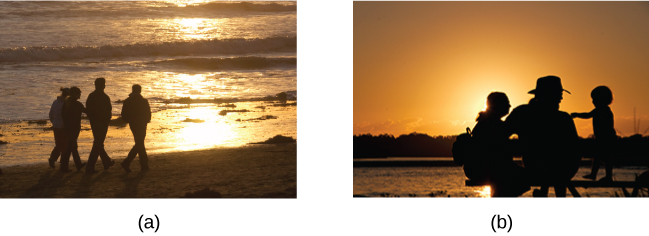
Figure 14.2 Graduating from college and entering the workforce can be viewed as either a threat (loss of financial support) or a challenge (opportunity for independence and growth). (credit: Timothy Zanker)
Rose M. Spielman, William J. Jenkins, and Marilyn D. Lovett, Psychology 2E, OpenStax. (credit: Timothy Zanker) · CC BY-NC-SA 4.0
· Original image ↗ · Access for free ↗Figure 14.3 — 14.1 What Is Stress?
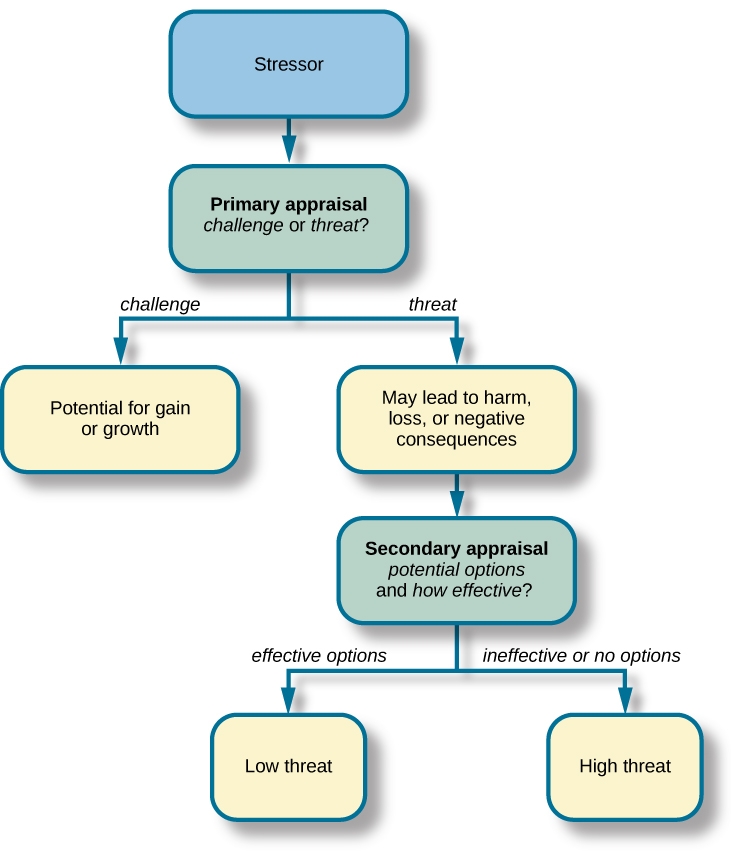
Figure 14.3 When encountering a stressor, a person judges its potential threat (primary appraisal) and then determines if effective options are available to manage the situation. Stress is likely to result if a stressor is perceived as extremely threatening or threatening with few or no effective coping options available.
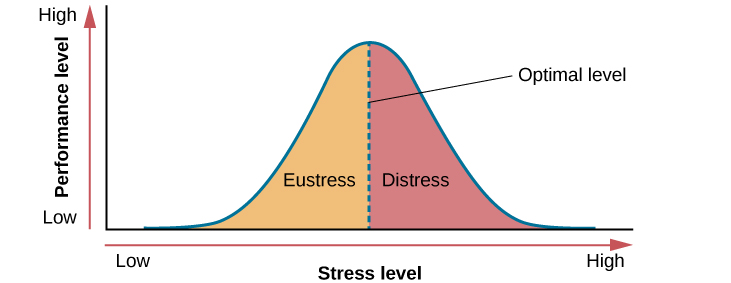
Figure 14.4 As the stress level increases from low to moderate, so does performance (eustress). At the optimal level (the peak of the curve), performance has reached its peak. If stress exceeds the optimal level, it will reach the distress region, where it will become excessive and debilitating, and performance will decline (Everly & Lating, 2002).
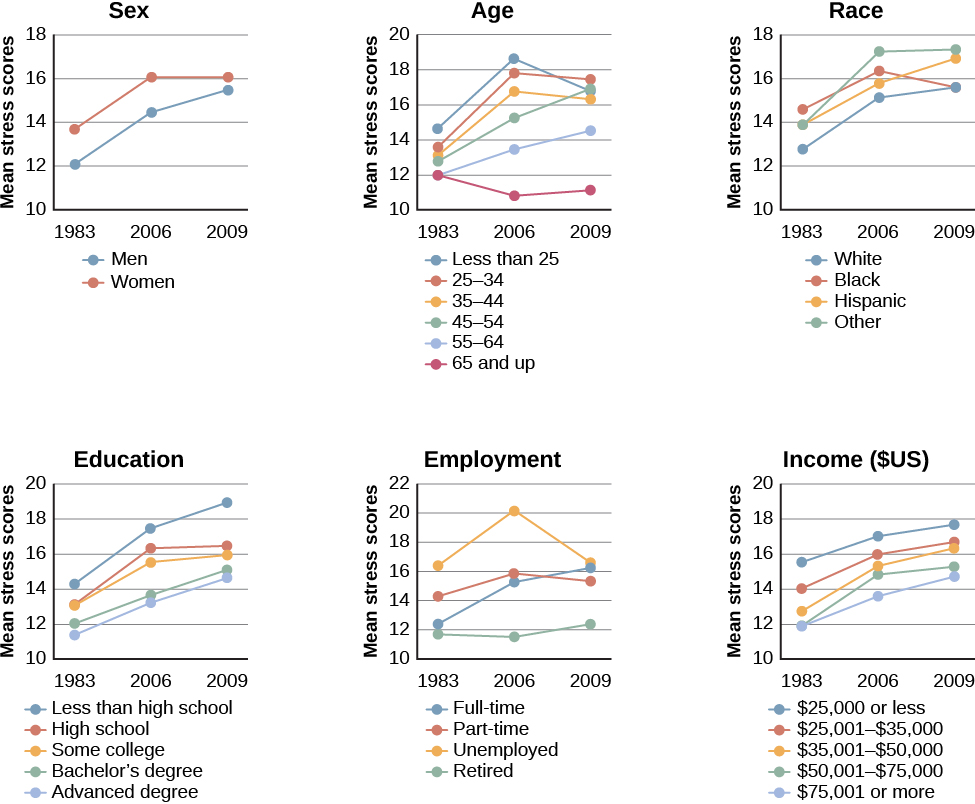
Figure 14.6 The charts above, adapted from Cohen & Janicki-Deverts (2012), depict the mean stress level scores among different demographic groups during the years 1983, 2006, and 2009. Across categories of sex, age, race, education level, employment status, and income, stress levels generally show a marked increase over this quarter-century time span.
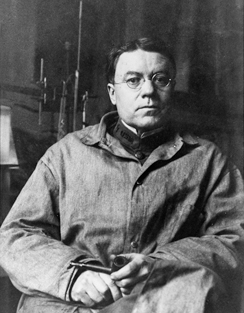
Figure 14.7 Harvard physiologist Walter Cannon first articulated and named the fight-or-flight response, the nervous system’s sympathetic response to a significant stressor.
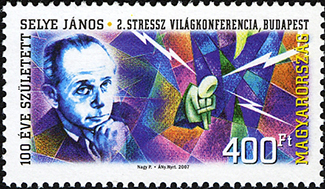
Figure 14.9 Hans Selye specialized in research about stress. In 2009, his native Hungary honored his work with this stamp, released in conjunction with the 2nd annual World Conference on Stress.
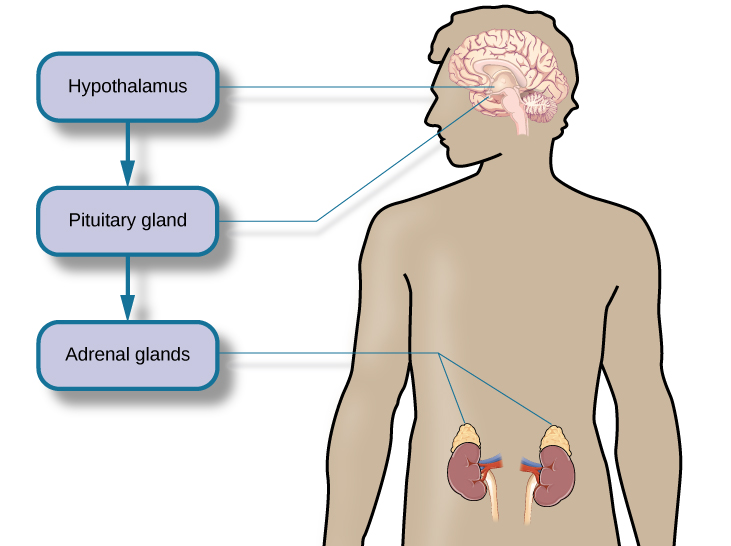
Figure 14.11 This diagram shows the functioning of the hypothalamic-pituitary-adrenal (HPA) axis. The hypothalamus activates the pituitary gland, which in turn activates the adrenal glands, increasing their secretion of cortisol.
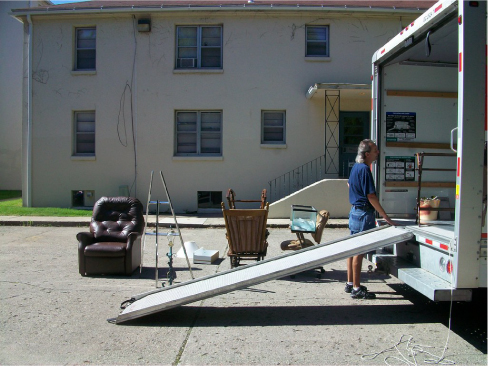
Figure 14.12 Some fairly typical life events, such as moving, can be significant stressors. Even when the move is intentional and positive, the amount of resulting change in daily life can cause stress. (credit: "Jellaluna"/Flickr)
Rose M. Spielman, William J. Jenkins, and Marilyn D. Lovett, Psychology 2E, OpenStax. (credit: "Jellaluna"/Flickr) · CC BY-NC-SA 4.0
· Original image ↗ · Access for free ↗Figure 14.13 — 14.2 Stressors
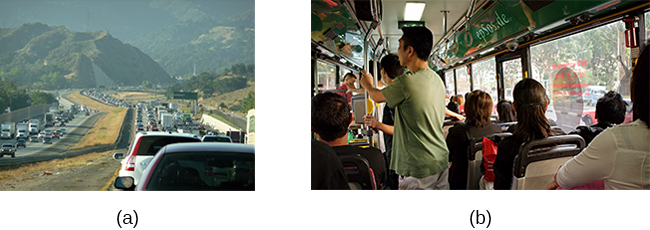
Figure 14.13 Daily commutes, whether (a) on the road or (b) via public transportation, can be hassles that contribute to our feelings of everyday stress. (credit a: modification of work by Jeff Turner; credit b: modification of work by "epSos.de"/Flickr)
Rose M. Spielman, William J. Jenkins, and Marilyn D. Lovett, Psychology 2E, OpenStax. (credit a: modification of work by Jeff Turner; credit b: modification of work by "epSos.de"/Flickr) · CC BY-NC-SA 4.0
· Original image ↗ · Access for free ↗Figure 14.14 — 14.2 Stressors
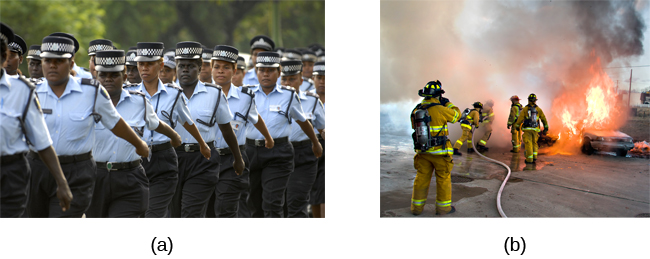
Figure 14.14 (a) Police officers and (b) firefighters hold high stress occupations. (credit a: modification of work by Australian Civil-Military Centre; credit b: modification of work by Andrew Magill)
Rose M. Spielman, William J. Jenkins, and Marilyn D. Lovett, Psychology 2E, OpenStax. (credit a: modification of work by Australian Civil-Military Centre; credit b: modification of work by Andrew Magill) · CC BY-NC-SA 4.0
· Original image ↗ · Access for free ↗
Life event
Life change units
Death of a close family member
63
Personal injury or illness
53
Dismissal from work
47
Change in financial state
38
Change to different line of work
36
Outstanding personal achievement
28
Beginning or ending school
26
Change in living conditions
25
Change in working hours or conditions
20
Change in residence
20
Change in schools
20
Change in social activities
18
Change in sleeping habits
16
Change in eating habits
15
Minor violation of the law
11
Table 14.1. Rose M. Spielman, William J. Jenkins, and Marilyn D. Lovett, Psychology 2E, OpenStax.
Occupation
Stressors Specific to Occupation
Police officer
physical dangers, excessive paperwork, dealing with court system, tense interactions, life-and-death decision making
Firefighter
uncertainty over whether a serious fire or hazard awaits after an alarm, potential for extreme physical danger
Social worker
little positive feedback from jobs or from the public, unsafe work environments, frustration in dealing with bureaucracy, excessive paperwork, sense of personal responsibility for clients, work overload
Teacher
Excessive paperwork, lack of adequate supplies or facilities, work overload, lack of positive feedback, threat of physical violence, lack of support from parents and administrators
Nurse
Work overload, heavy physical work, patient concerns (dealing with death and medical concerns), interpersonal problems with other medical staff (especially physicians)
Emergency medical worker
Unpredictable and extreme nature of the job, inexperience
Clerical and secretarial work
Few opportunities for advancement, unsupportive supervisors, work overload, lack of perceived control
Managerial work
Work overload, conflict and ambiguity in defining the managerial role, difficult work relationships
Table 14.2. Rose M. Spielman, William J. Jenkins, and Marilyn D. Lovett, Psychology 2E, OpenStax.
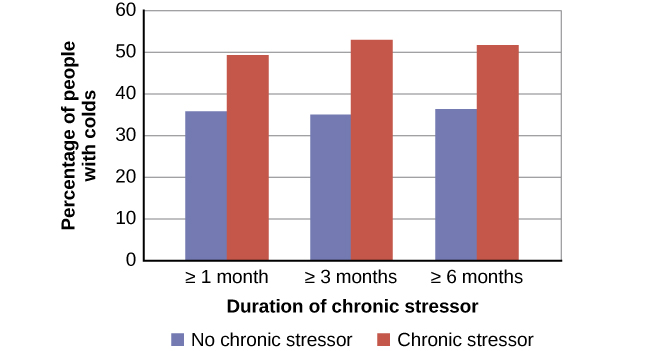
Figure 14.15 This graph shows the percentages of participants who developed colds (after receiving the cold virus) after reporting having experienced chronic stressors lasting at least one month, three months, and six months (adapted from Cohen et al., 1998).
Figure 14.18 (a) Type A individuals are characterized as intensely driven, (b) while Type B people are characterized as laid-back and relaxed. (credit a: modification of work by Greg Hernandez; credit b: modification of work by Elvert Barnes)
Rose M. Spielman, William J. Jenkins, and Marilyn D. Lovett, Psychology 2E, OpenStax. (credit a: modification of work by Greg Hernandez; credit b: modification of work by Elvert Barnes) · CC BY-NC-SA 4.0
· Original image ↗ · Access for free ↗Figure 14.19 — 14.3 Stress and Illness
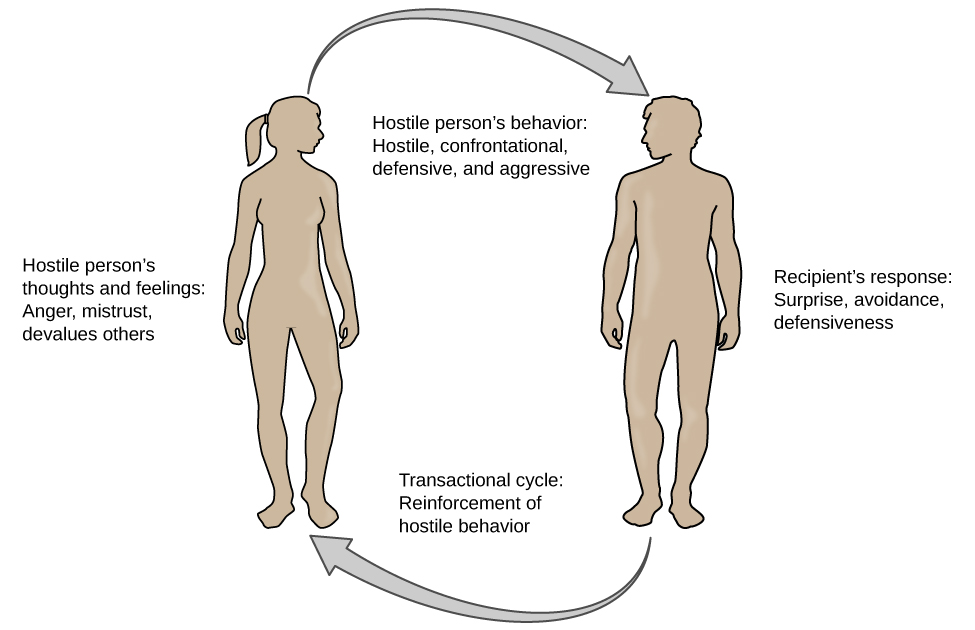
Figure 14.19 According to the transactional model of hostility for predicting social interactions (Vella et al., 2012), the thoughts and feelings of a hostile person promote antagonistic behavior toward others, which in turn reinforces complimentary reactions from others, thereby intensifying ones’ hostile disposition and intensifying the cyclical nature of this relationship.
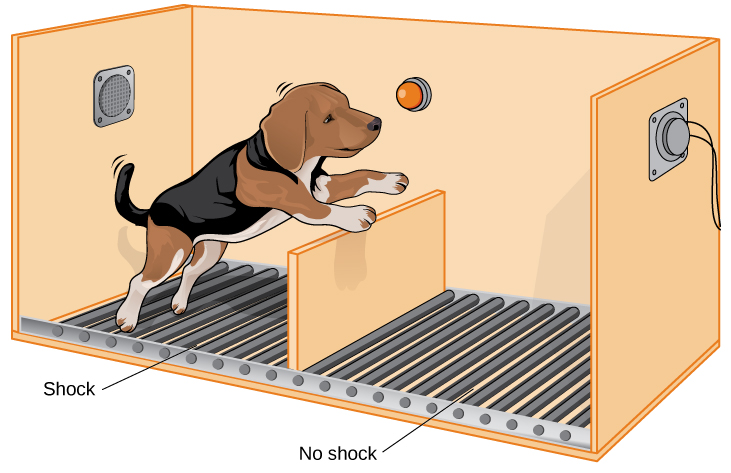
Figure 14.22 Seligman’s learned helplessness experiments with dogs used an apparatus that measured when the animals would move from a floor delivering shocks to one without.
Figure 14.23 Close relationships with others, whether (a) a group of friends or (b) a family circle, provide more than happiness and fulfillment—they can help foster good health. (credit a: modification of work by "Damian Gadal_Flickr"/Flickr; credit b: modification of work by Christian Haugen)
Rose M. Spielman, William J. Jenkins, and Marilyn D. Lovett, Psychology 2E, OpenStax. (credit a: modification of work by "Damian Gadal_Flickr"/Flickr; credit b: modification of work by Christian Haugen) · CC BY-NC-SA 4.0
· Original image ↗ · Access for free ↗Figure 14.24 — 14.4 Regulation of Stress
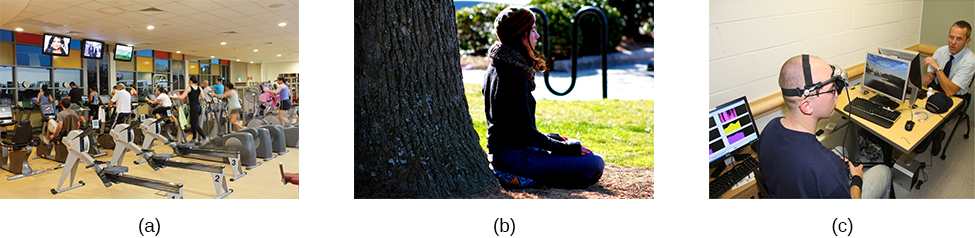
Figure 14.24 Stress reduction techniques may include (a) exercise, (b) meditation and relaxation, or (c) biofeedback. (credit a: modification of work by “UNE Photos”/Flickr; credit b: modification of work by Caleb Roenigk; credit c: modification of work by Dr. Carmen Russoniello)
Rose M. Spielman, William J. Jenkins, and Marilyn D. Lovett, Psychology 2E, OpenStax. (credit a: modification of work by “UNE Photos”/Flickr; credit b: modification of work by Caleb Roenigk; credit c: modification of work by Dr. Carmen Russoniello) · CC BY-NC-SA 4.0
· Original image ↗ · Access for free ↗
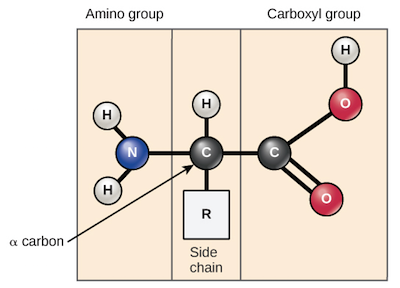
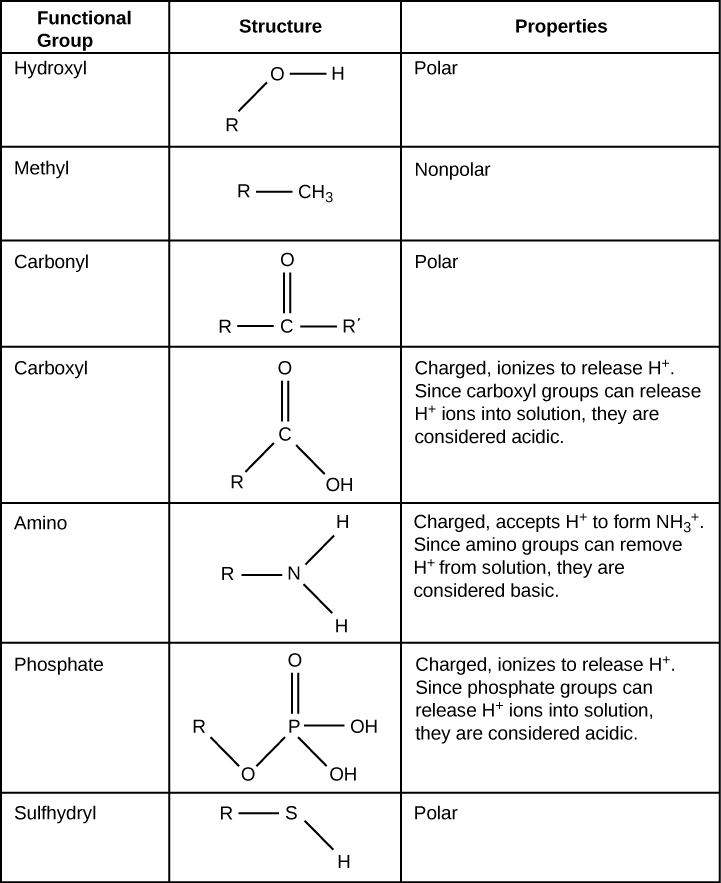
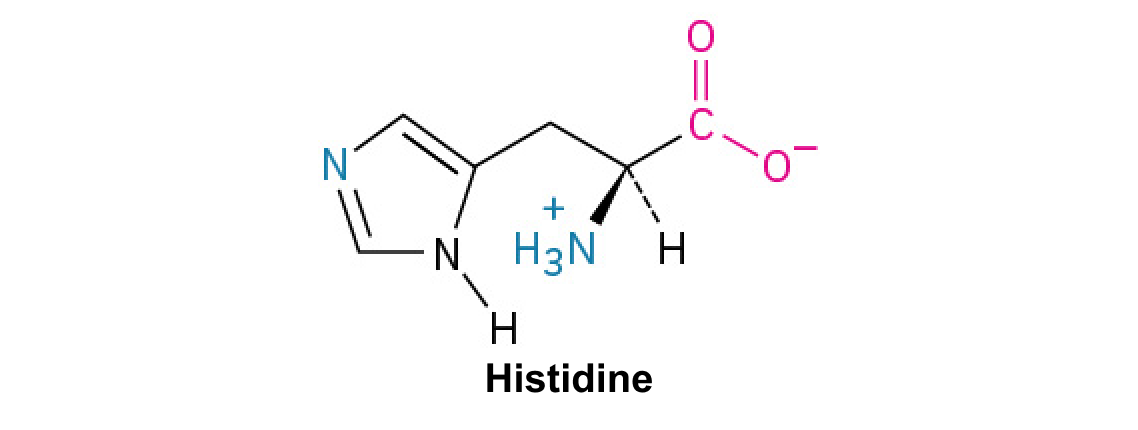
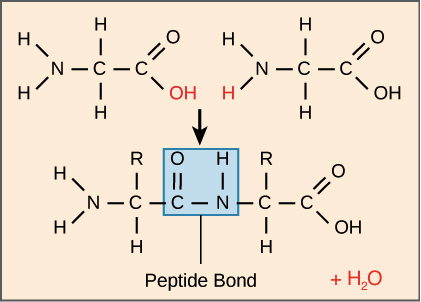
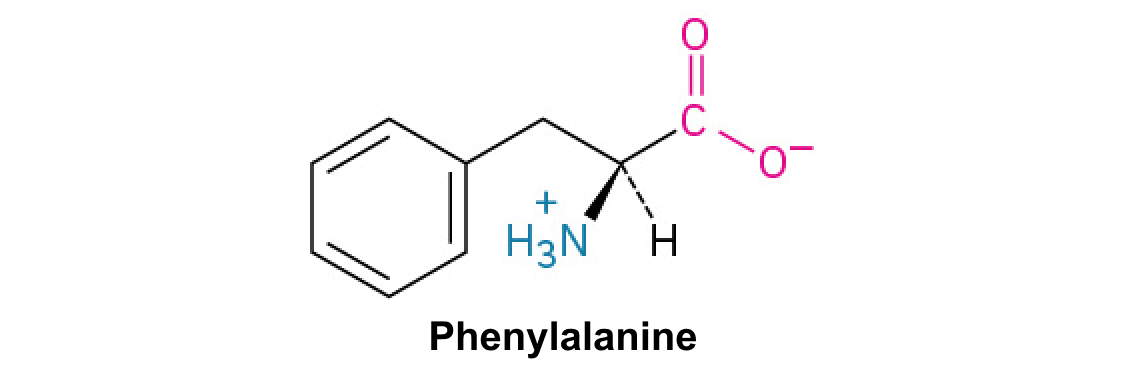
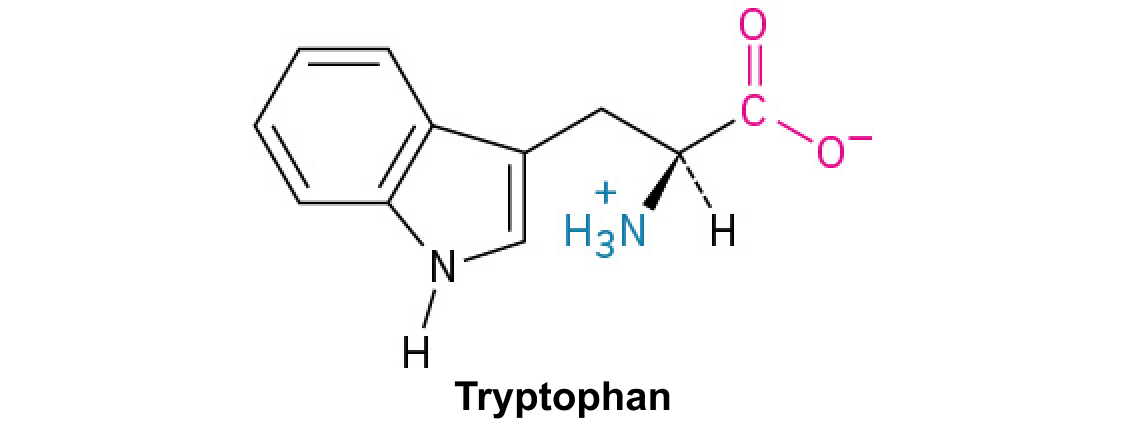
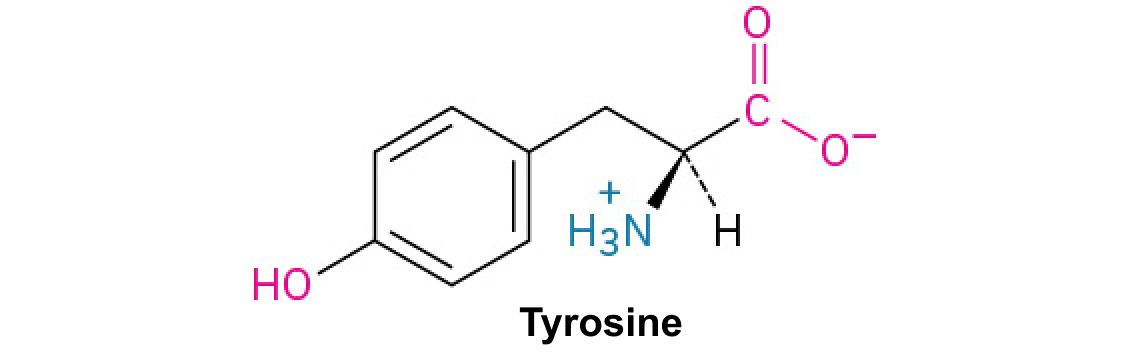
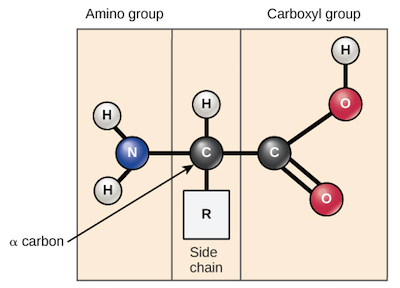
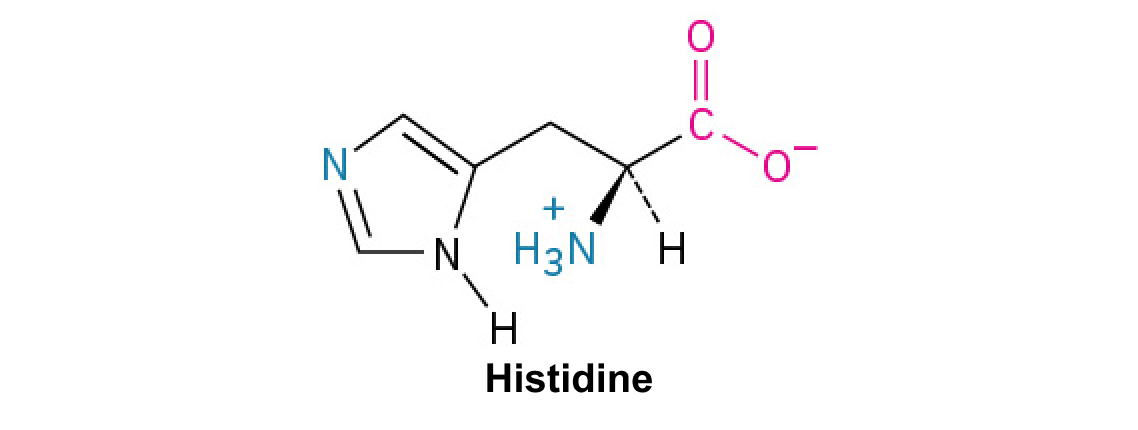
A nitrogen-containing functional group. A free amino acid’s amino group is typically protonated (NH₃⁺) near physiological pH; proline’s ring nitrogen is an exception to this formula.
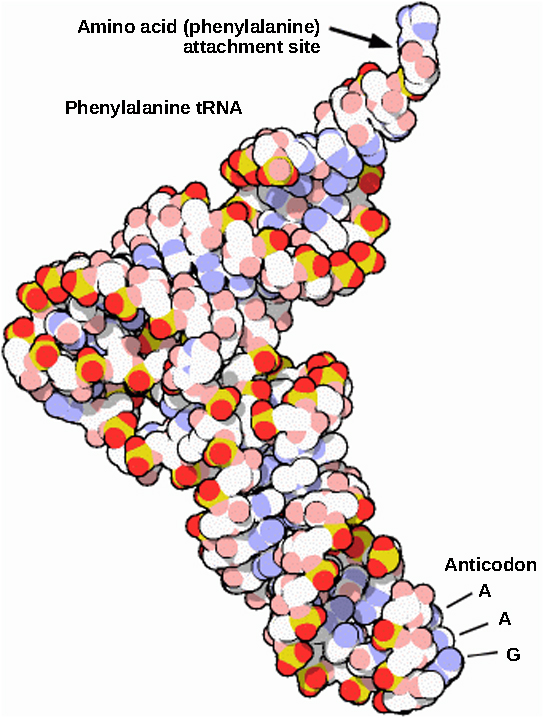
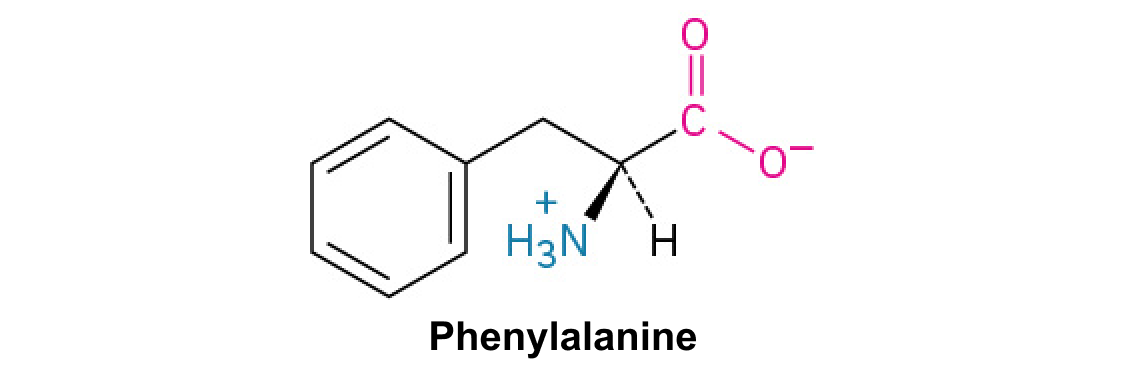
Figure 15.14 This is a space-filling model of a tRNA molecule that adds the amino acid phenylalanine to a growing polypeptide chain. The anticodon AAG binds the Codon UUC on the mRNA. The amino acid phenylalanine is attached to the other end of the tRNA.
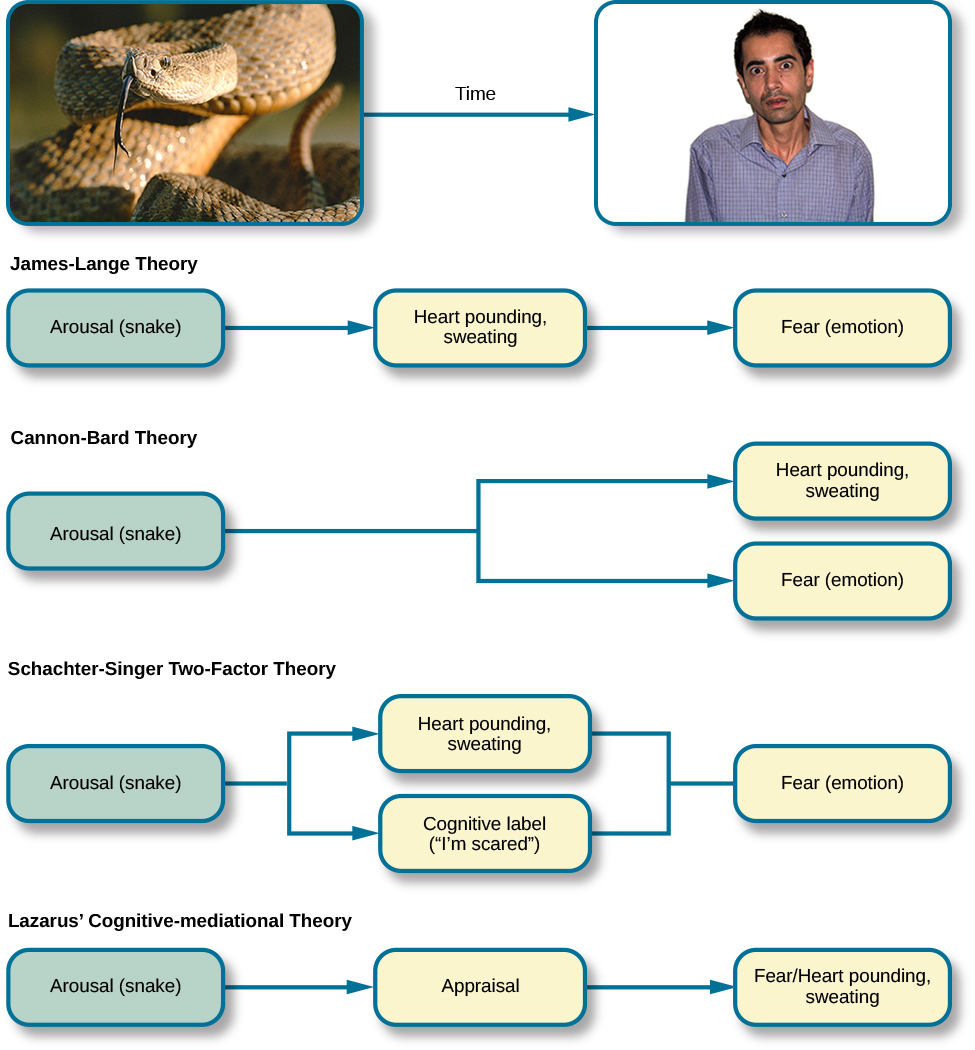
Figure 10.21 This figure illustrates the major assertions of the James-Lange, Cannon-Bard, and Schachter-Singer two-factor theories of emotion. (credit "snake": modification of work by "tableatny"/Flickr; credit "face": modification of work by Cory Zanker)
Rose M. Spielman, William J. Jenkins, and Marilyn D. Lovett, Psychology 2E, OpenStax. (credit "snake": modification of work by "tableatny"/Flickr; credit "face": modification of work by Cory Zanker) · CC BY-NC-SA 4.0
· Original image ↗ · Access for free ↗
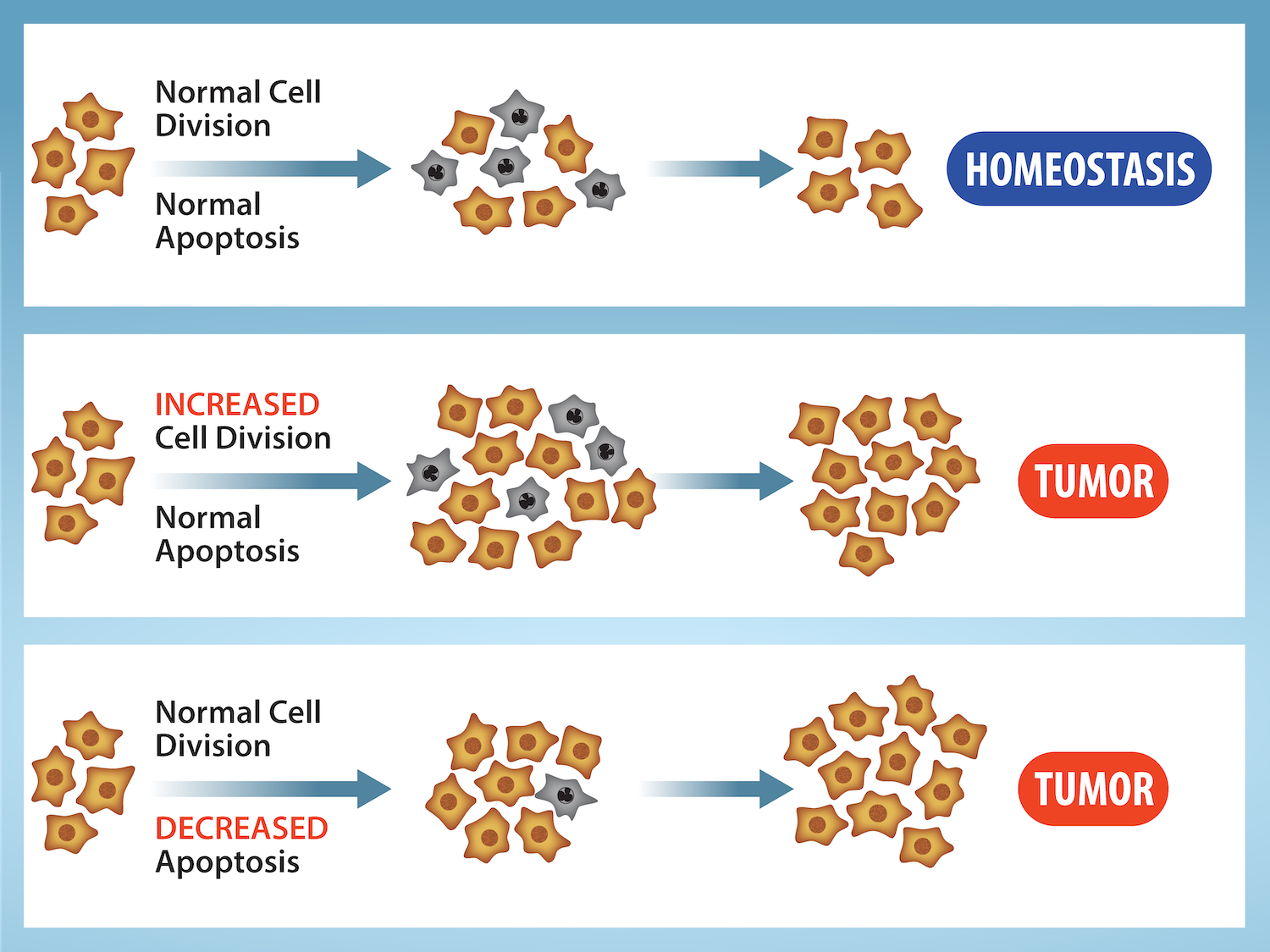
Figure 10.15 Cell Division and Apoptosis. In an adult organism, normal cell division is balanced by apoptosis (programmed cell death) to maintain a constant cell number in homeostasis. Either an increase in cell division or a decrease in apoptosis leads an increase in the number of cells and tumor formation. Credit: Rao, A. and Ryan, K. Department of Biology, Texas A&M University.
Rao, A. and Ryan, K. Department of Biology, Texas A&M University. Mary Ann Clark, Matthew Douglas, and Jung Choi, Biology 2e, OpenStax. · CC BY-NC-SA 4.0
· Original image ↗ · Access for free ↗
Figure 10.15 Cell Division and Apoptosis. In an adult organism, normal cell division is balanced by apoptosis (programmed cell death) to maintain a constant cell number in homeostasis. Either an increase in cell division or a decrease in apoptosis leads an increase in the number of cells and tumor formation. Credit: Rao, A. and Ryan, K. Department of Biology, Texas A&M University.
Rao, A. and Ryan, K. Department of Biology, Texas A&M University. Mary Ann Clark, Matthew Douglas, and Jung Choi, Biology 2e, OpenStax. · CC BY-NC-SA 4.0
· Original image ↗ · Access for free ↗
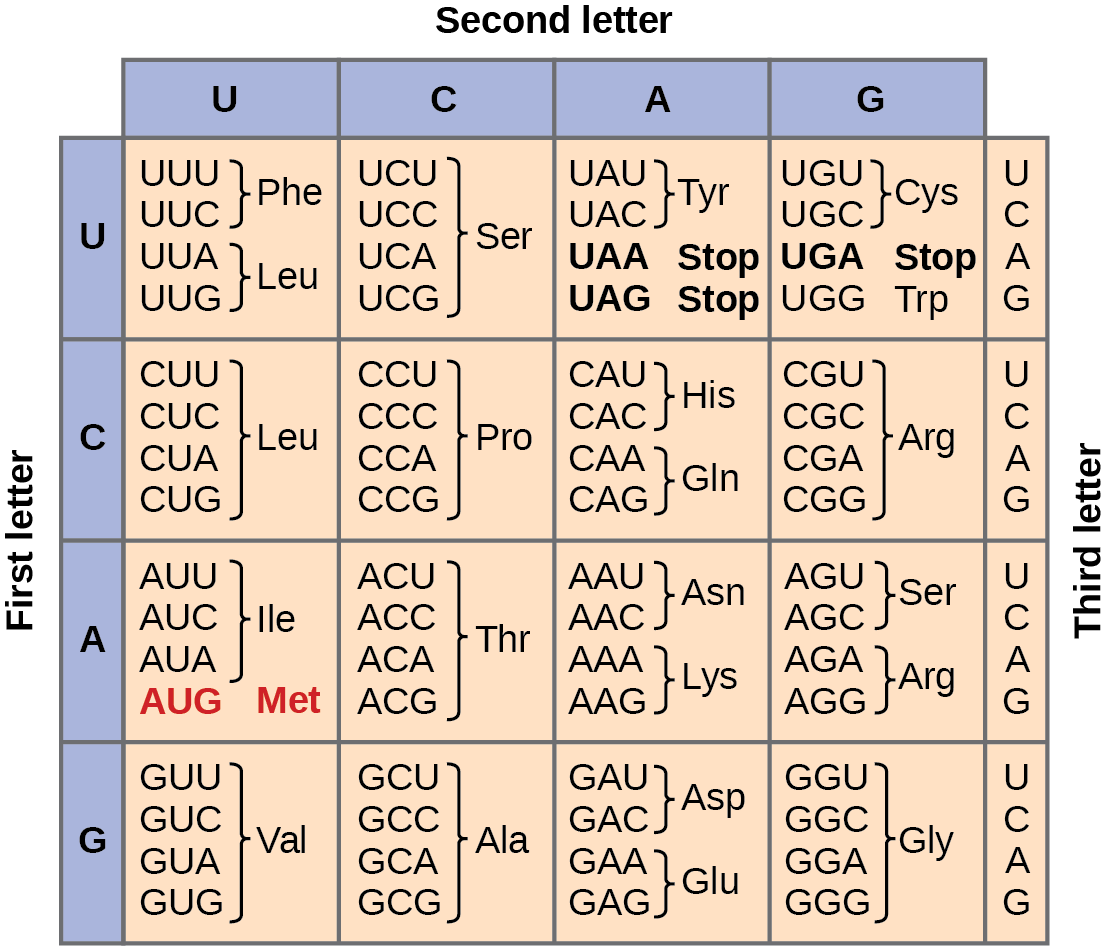
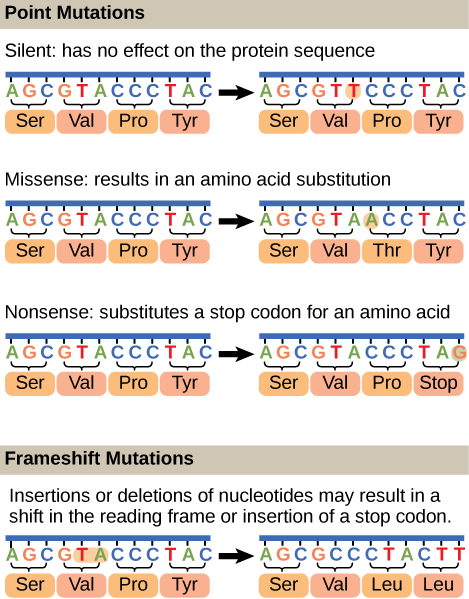
Figure 15.4 This figure shows the genetic code for translating each nucleotide triplet in mRNA into an amino acid or a termination signal in a protein. (credit: modification of work by NIH)
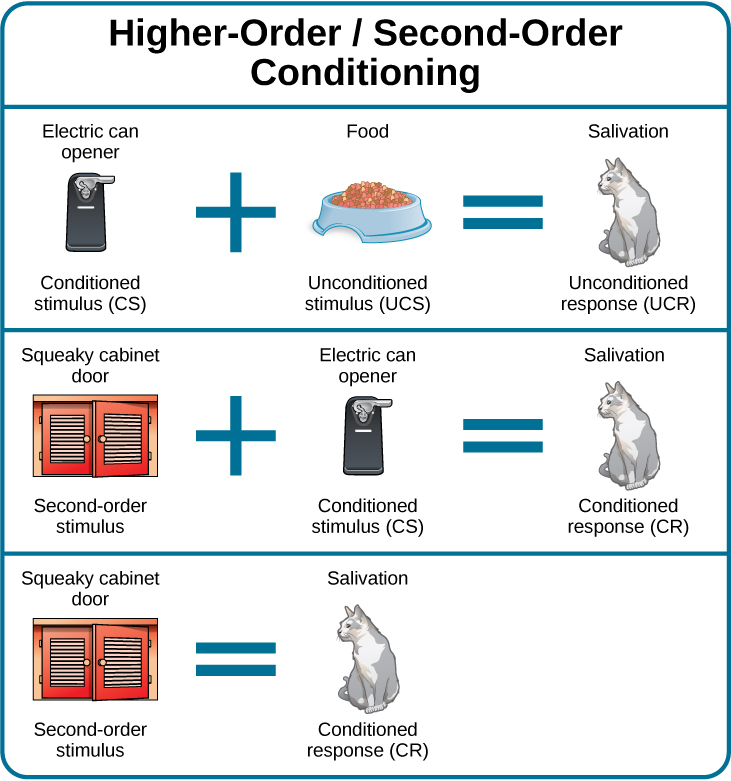
Figure 6.5 In higher-order conditioning, an established conditioned stimulus is paired with a new neutral stimulus (the second-order stimulus), so that eventually the new stimulus also elicits the conditioned response, without the initial conditioned stimulus being presented.
Figure 6.5 In higher-order conditioning, an established conditioned stimulus is paired with a new neutral stimulus (the second-order stimulus), so that eventually the new stimulus also elicits the conditioned response, without the initial conditioned stimulus being presented.
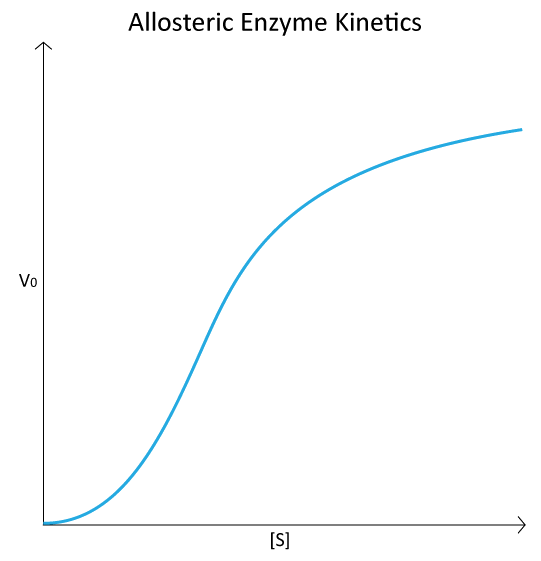
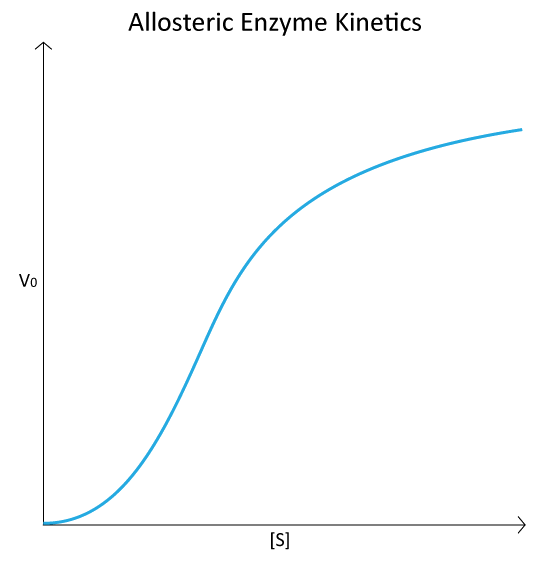
Figure 4.44 - Kinetic profile of an allosteric enzyme whose activity is controlled by a homotropic effector. Image by Aleia Kim
Kevin Ahern, Indira Rajagopal, and Taralyn Tan, Biochemistry Free For All, Oregon State University, via Biology LibreTexts. Image by Aleia Kim · CC BY-NC-SA 4.0
· Original image ↗ · Access for free ↗
An electrical property that can be positive or negative. Opposite charges attract and like charges repel; net charge is the sum of all charges on a particle.
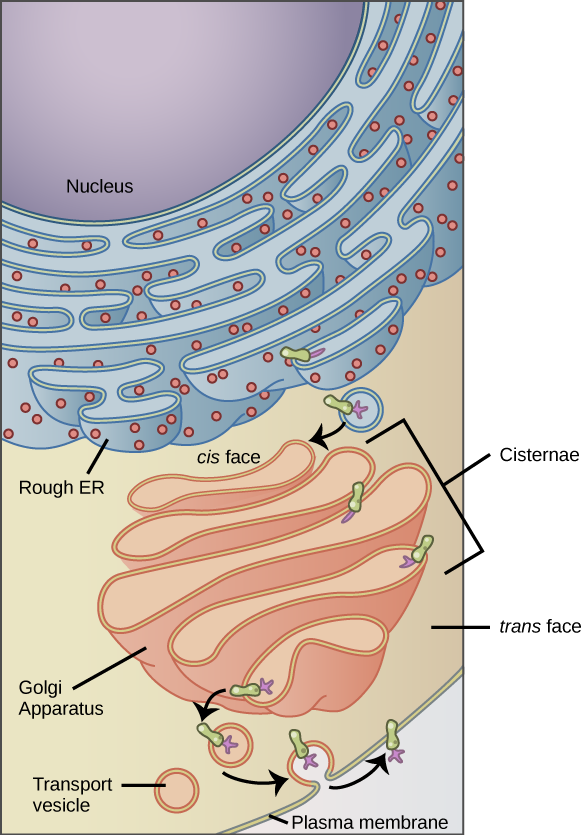
Figure 4.18 Membrane and secretory proteins are synthesized in the rough endoplasmic reticulum (RER). The RER also sometimes modifies proteins. In this illustration, a (green) integral membrane protein is modified by attachment of a (purple) carbohydrate in the ER. Vesicles with the integral protein bud from the ER and fuse with the Golgi apparatus' cis face. As the protein passes along the Golgi’s cisternae, the addition of more carbohydrates further modifies it. After its synthesis is complete, it exits as an integral membrane protein of the vesicle that buds from the Golgi’s trans face. When the vesicle fuses with the cell membrane, the protein becomes an integral portion of that cell membrane. (credit: modification of work by Magnus Manske)
Figure 4.18 Membrane and secretory proteins are synthesized in the rough endoplasmic reticulum (RER). The RER also sometimes modifies proteins. In this illustration, a (green) integral membrane protein is modified by attachment of a (purple) carbohydrate in the ER. Vesicles with the integral protein bud from the ER and fuse with the Golgi apparatus' cis face. As the protein passes along the Golgi’s cisternae, the addition of more carbohydrates further modifies it. After its synthesis is complete, it exits as an integral membrane protein of the vesicle that buds from the Golgi’s trans face. When the vesicle fuses with the cell membrane, the protein becomes an integral portion of that cell membrane. (credit: modification of work by Magnus Manske)
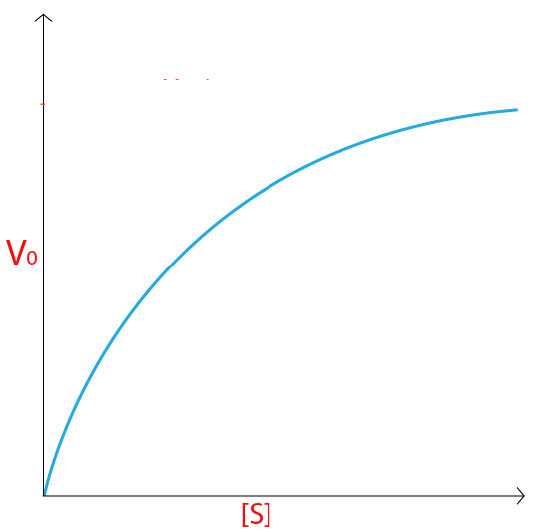
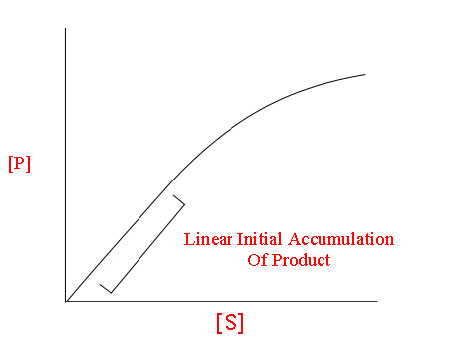
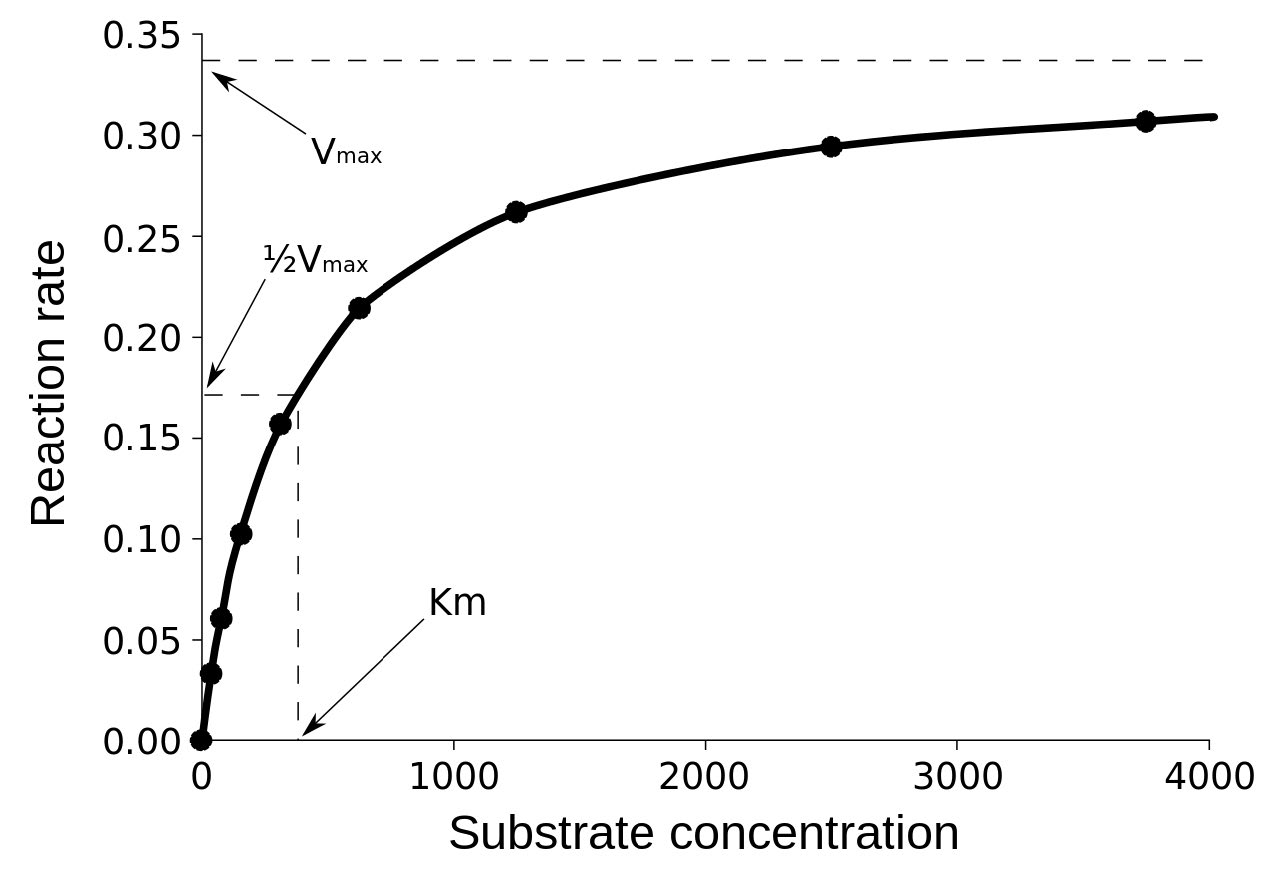
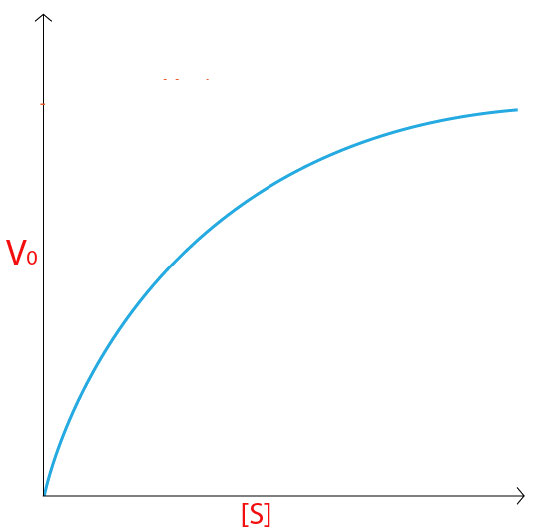
Figure 4.18 - Kinetics of an enzyme obeying Michaelis-Menten kinetics. Image by Aleia Kim
Kevin Ahern, Indira Rajagopal, and Taralyn Tan, Biochemistry Free For All, Oregon State University, via Biology LibreTexts. Image by Aleia Kim · CC BY-NC-SA 4.0
· Original image ↗ · Access for free ↗
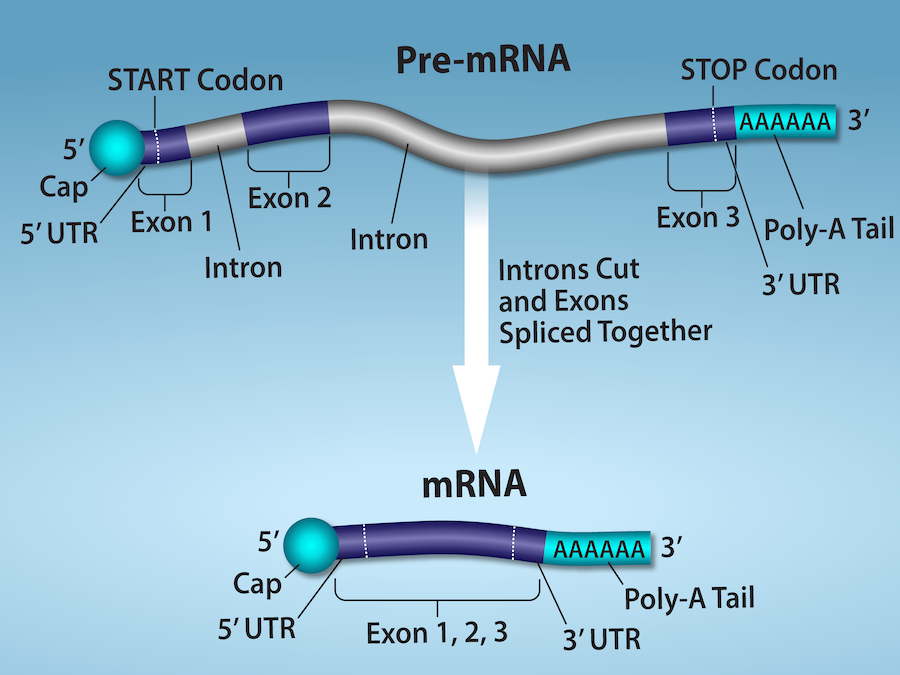
Figure 15.11 Eukaryotic pre-mRNA processing. In addition to 5’ Cap and 3’ Poly-A Tail addition, introns must be precisely removed and exons joined to generate a functional mRNA. Nucleotides upstream (towards the 5’cap) of the translation START codon are part of the 5’ untranslated region (5’ UTR). Nucleotides downstream (towards 3’end) of the STOP codon form the 3’ UTR. Both 5’ and 3’ UTRs are important for regulating translation initiation and mRNA stability. Credit: Rao, A., Ryan, K. Fletcher, S. and Tag, A. Department of Biology, Texas A&M University.
Rao, A., Ryan, K. Fletcher, S. and Tag, A. Department of Biology, Texas A&M University.; Mary Ann Clark, Matthew Douglas, and Jung Choi, Biology 2e, OpenStax. · CC BY-NC-SA 4.0
· Original image ↗ · Access for free ↗
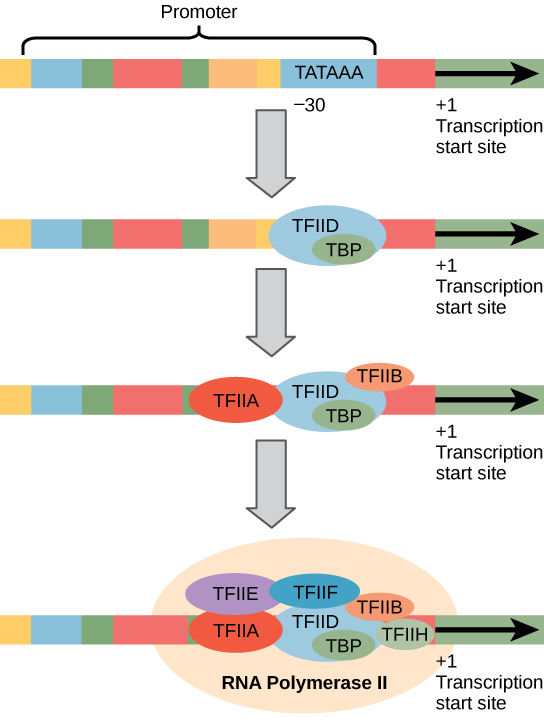
Figure 15.10 A generalized promoter of a gene transcribed by RNA polymerase II is shown. Transcription factors recognize the promoter. RNA polymerase II then binds and forms the transcription initiation complex.
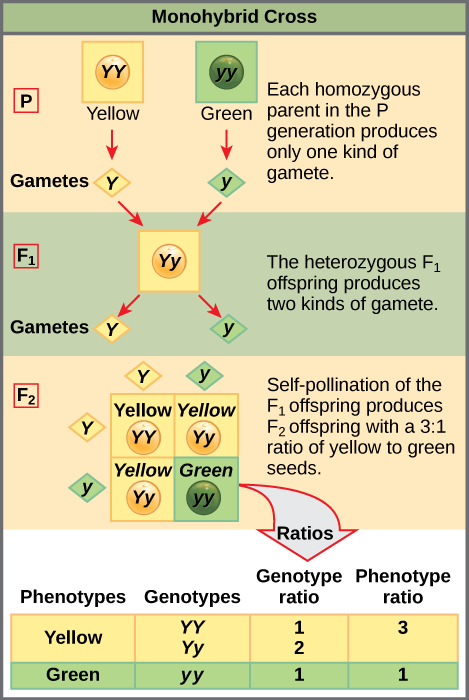
Figure 12.4 In the P generation, pea plants that are true-breeding for the dominant yellow phenotype are crossed with plants with the recessive green phenotype. This cross produces F 1 heterozygotes with a yellow phenotype. Punnett square analysis can be used to predict the genotypes of the F 2 generation.
Figure 4.18 Membrane and secretory proteins are synthesized in the rough endoplasmic reticulum (RER). The RER also sometimes modifies proteins. In this illustration, a (green) integral membrane protein is modified by attachment of a (purple) carbohydrate in the ER. Vesicles with the integral protein bud from the ER and fuse with the Golgi apparatus' cis face. As the protein passes along the Golgi’s cisternae, the addition of more carbohydrates further modifies it. After its synthesis is complete, it exits as an integral membrane protein of the vesicle that buds from the Golgi’s trans face. When the vesicle fuses with the cell membrane, the protein becomes an integral portion of that cell membrane. (credit: modification of work by Magnus Manske)
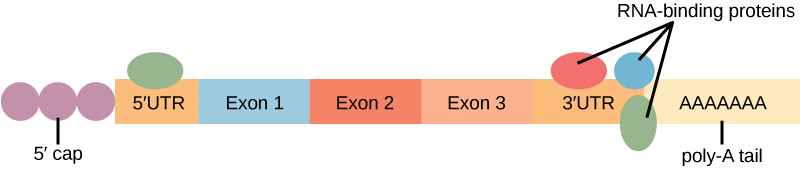
Figure 16.13 RNA-binding proteins. The protein-coding region of this processed mRNA is flanked by 5' and 3' untranslated regions (UTRs). The presence of RNA-binding proteins at the 5' or 3' UTR influences the stability of the RNA molecule.
Figure 4.18 - Kinetics of an enzyme obeying Michaelis-Menten kinetics. Image by Aleia Kim
Kevin Ahern, Indira Rajagopal, and Taralyn Tan, Biochemistry Free For All, Oregon State University, via Biology LibreTexts. Image by Aleia Kim · CC BY-NC-SA 4.0
· Original image ↗ · Access for free ↗
The early rate of product formation, measured before substantial substrate depletion or product accumulation, usually after the brief binding transient.
Figure 4.18 - Kinetics of an enzyme obeying Michaelis-Menten kinetics. Image by Aleia Kim
Kevin Ahern, Indira Rajagopal, and Taralyn Tan, Biochemistry Free For All, Oregon State University, via Biology LibreTexts. Image by Aleia Kim · CC BY-NC-SA 4.0
· Original image ↗ · Access for free ↗
Figure 15.11 Eukaryotic pre-mRNA processing. In addition to 5’ Cap and 3’ Poly-A Tail addition, introns must be precisely removed and exons joined to generate a functional mRNA. Nucleotides upstream (towards the 5’cap) of the translation START codon are part of the 5’ untranslated region (5’ UTR). Nucleotides downstream (towards 3’end) of the STOP codon form the 3’ UTR. Both 5’ and 3’ UTRs are important for regulating translation initiation and mRNA stability. Credit: Rao, A., Ryan, K. Fletcher, S. and Tag, A. Department of Biology, Texas A&M University.
Rao, A., Ryan, K. Fletcher, S. and Tag, A. Department of Biology, Texas A&M University.; Mary Ann Clark, Matthew Douglas, and Jung Choi, Biology 2e, OpenStax. · CC BY-NC-SA 4.0
· Original image ↗ · Access for free ↗
The exponent needed to obtain a number from a chosen fixed number. For decimal logarithms, log₁₀(100) = 2 because 10² = 100; pH uses the negative decimal logarithm of hydrogen ion activity.
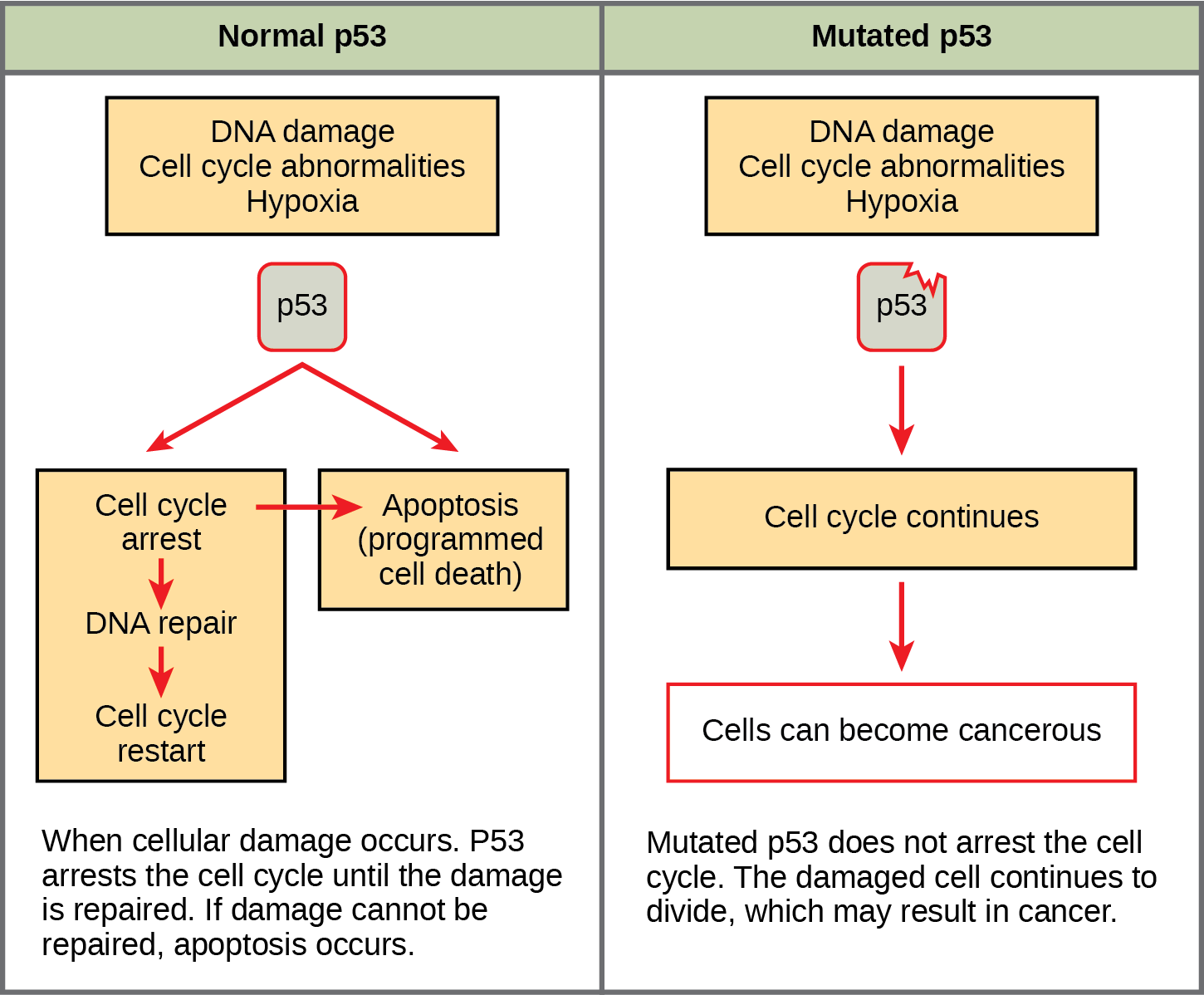
Figure 10.16 The role of normal p53 is to monitor DNA and the supply of oxygen (hypoxia is a condition of reduced oxygen supply). If damage is detected, p53 triggers repair mechanisms. If repairs are unsuccessful, p53 signals apoptosis. A cell with an abnormal p53 protein cannot repair damaged DNA and thus cannot signal apoptosis. Cells with abnormal p53 can become cancerous. (credit: modification of work by Thierry Soussi)
A thin boundary or sheet. Cell membranes are lipid bilayers containing proteins; blotting membranes are synthetic supports that hold proteins or nucleic acids for detection.
Figure 15.11 Eukaryotic pre-mRNA processing. In addition to 5’ Cap and 3’ Poly-A Tail addition, introns must be precisely removed and exons joined to generate a functional mRNA. Nucleotides upstream (towards the 5’cap) of the translation START codon are part of the 5’ untranslated region (5’ UTR). Nucleotides downstream (towards 3’end) of the STOP codon form the 3’ UTR. Both 5’ and 3’ UTRs are important for regulating translation initiation and mRNA stability. Credit: Rao, A., Ryan, K. Fletcher, S. and Tag, A. Department of Biology, Texas A&M University.
Rao, A., Ryan, K. Fletcher, S. and Tag, A. Department of Biology, Texas A&M University.; Mary Ann Clark, Matthew Douglas, and Jung Choi, Biology 2e, OpenStax. · CC BY-NC-SA 4.0
· Original image ↗ · Access for free ↗
Figure 4.18 - Kinetics of an enzyme obeying Michaelis-Menten kinetics. Image by Aleia Kim
Kevin Ahern, Indira Rajagopal, and Taralyn Tan, Biochemistry Free For All, Oregon State University, via Biology LibreTexts. Image by Aleia Kim · CC BY-NC-SA 4.0
· Original image ↗ · Access for free ↗
Figure 4.18 Membrane and secretory proteins are synthesized in the rough endoplasmic reticulum (RER). The RER also sometimes modifies proteins. In this illustration, a (green) integral membrane protein is modified by attachment of a (purple) carbohydrate in the ER. Vesicles with the integral protein bud from the ER and fuse with the Golgi apparatus' cis face. As the protein passes along the Golgi’s cisternae, the addition of more carbohydrates further modifies it. After its synthesis is complete, it exits as an integral membrane protein of the vesicle that buds from the Golgi’s trans face. When the vesicle fuses with the cell membrane, the protein becomes an integral portion of that cell membrane. (credit: modification of work by Magnus Manske)
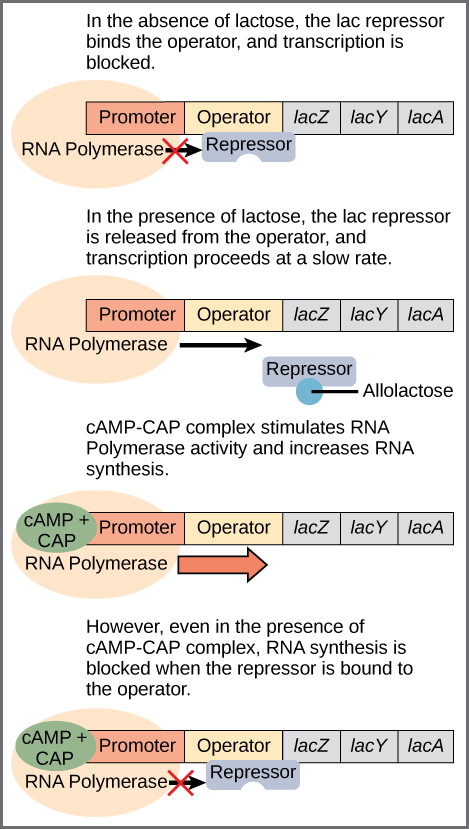
Figure 16.6 Regulation of the lac operon. Transcription of the lac operon is carefully regulated so that its expression only occurs when glucose is limited and lactose is present to serve as an alternative fuel source.
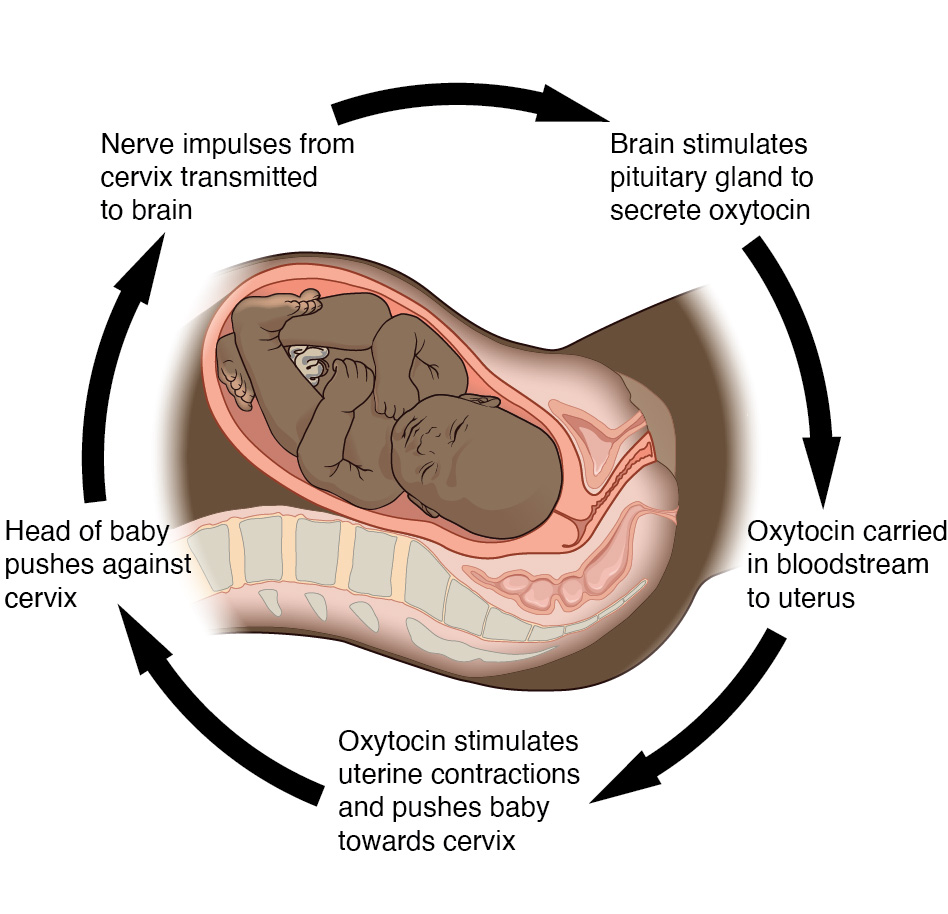
Figure 1.11 Positive Feedback Loop Normal childbirth is driven by a positive feedback loop. A positive feedback loop results in a change in the body’s status, rather than a return to homeostasis.
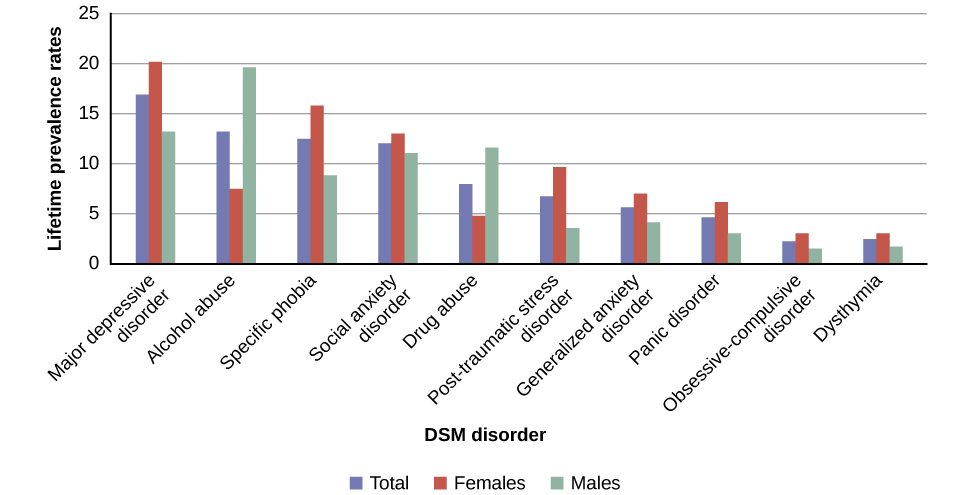
Figure 15.4 The graph shows the breakdown of psychological disorders, comparing the percentage prevalence among adult males and adult females in the United States. Because the data is from 2007, the categories shown here are from the DSM-IV, which has been supplanted by the DSM-5. Most categories remain the same; however, alcohol abuse now falls under a broader Alcohol Use Disorder category.
Figure 14.3 When encountering a stressor, a person judges its potential threat (primary appraisal) and then determines if effective options are available to manage the situation. Stress is likely to result if a stressor is perceived as extremely threatening or threatening with few or no effective coping options available.
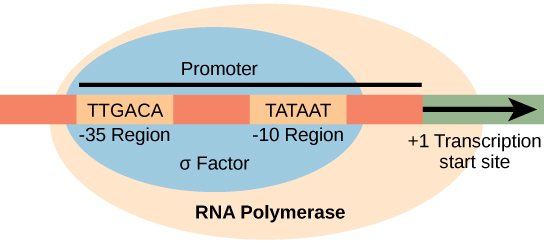
Figure 15.8 The σ subunit of prokaryotic RNA polymerase recognizes consensus sequences found in the promoter region upstream of the transcription start site. The σ subunit dissociates from the polymerase after transcription has been initiated.
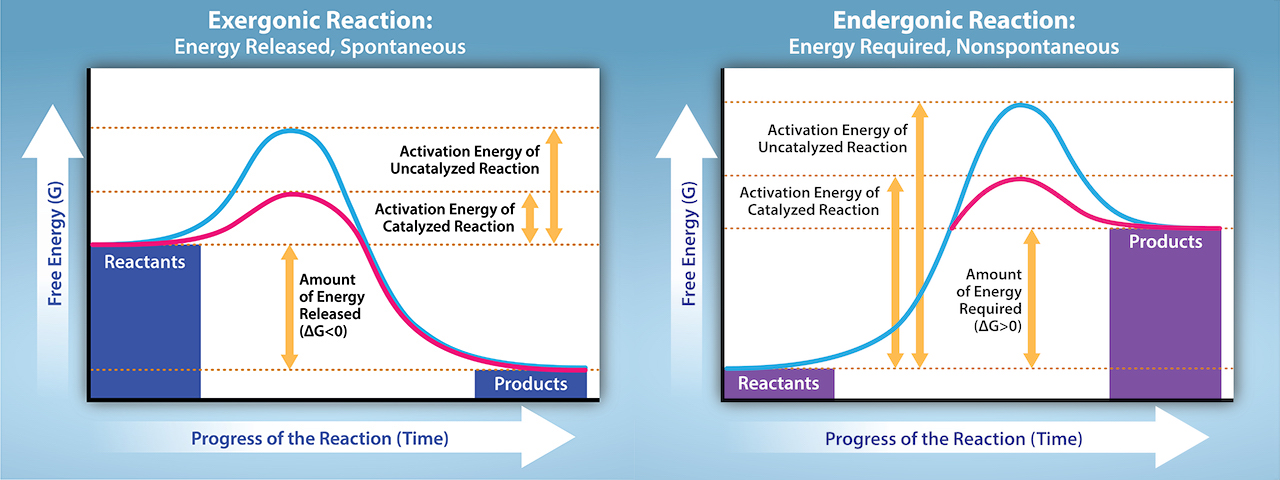
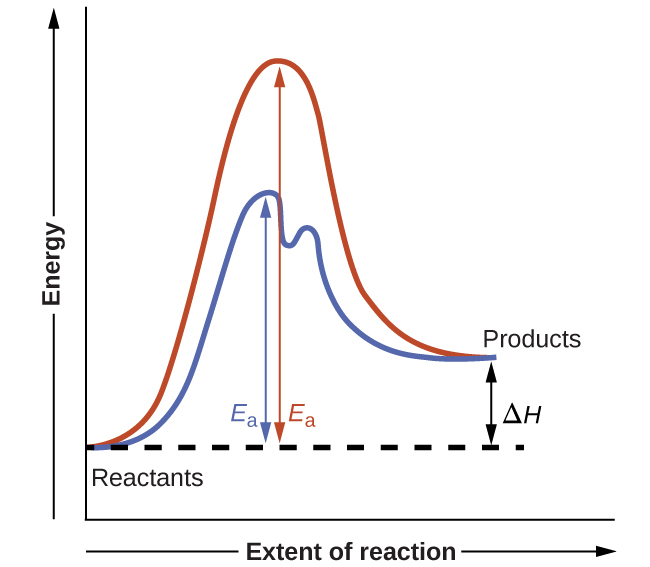
Figure 12.19 Reaction diagrams for an endothermic process in the absence (red curve) and presence (blue curve) of a catalyst. The catalyzed pathway involves a two-step mechanism (note the presence of two transition states) and an intermediate species (represented by the valley between the two transitions states).
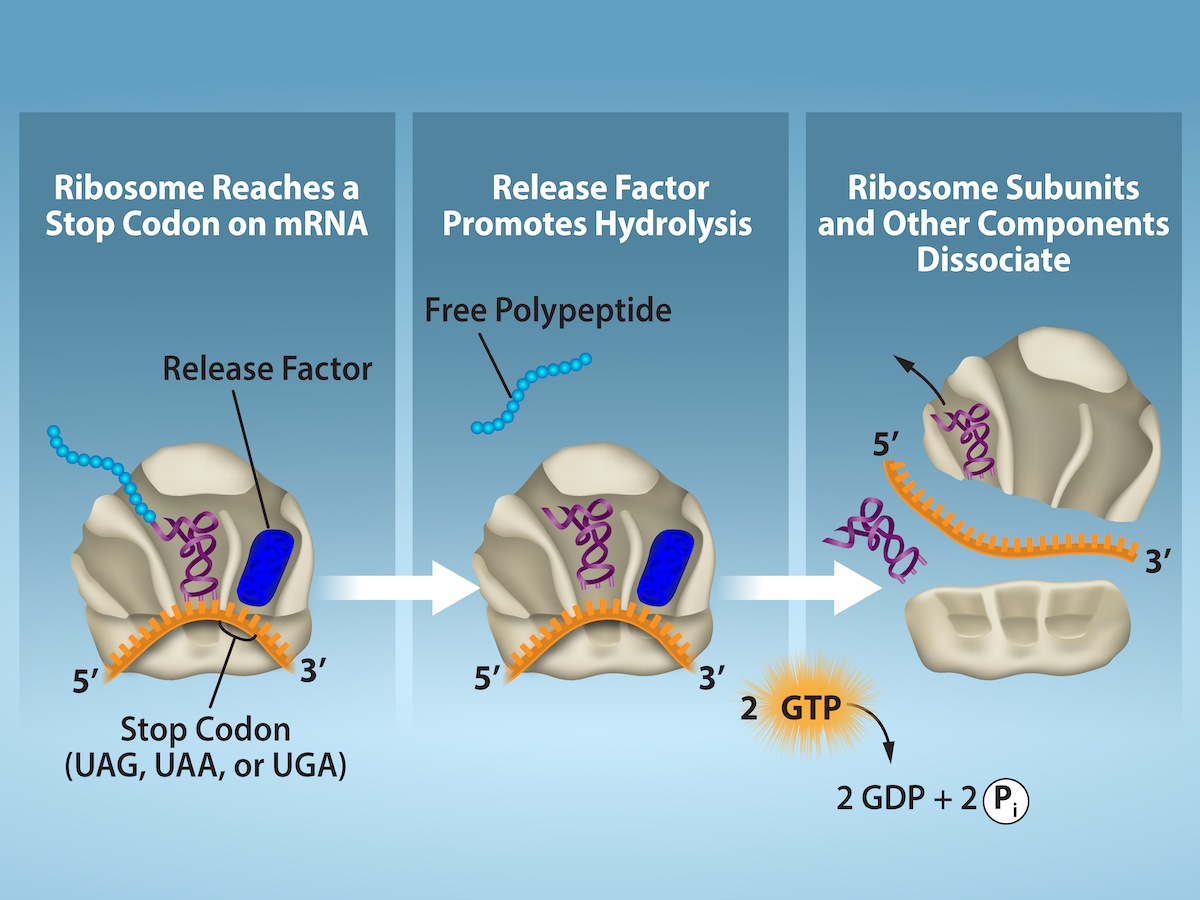
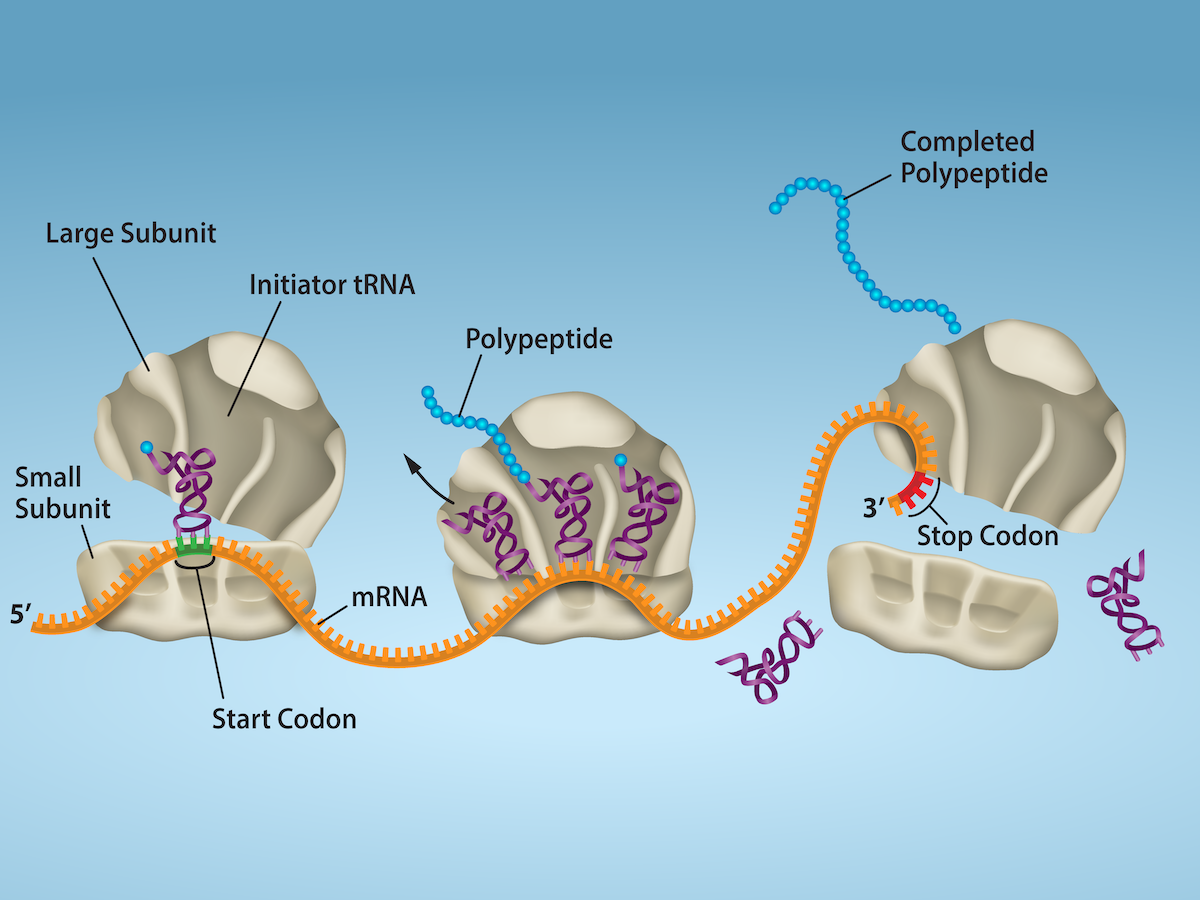
Figure 15.19 Translation Termination is Active. Translation is terminated when a STOP codon is in the A-site of the ribosome. Since there are no tRNAs corresponding to the STOP codons, the Release Factor protein enters and catalyzes the hydrolysis between the last amino acid and its tRNA. This hydrolysis releases the free carboxyl terminus (C-term) of the protein. Additional factors use the energy in GTP hydrolysis to disassemble the large and small ribosomal subunits and mRNA. Credit: Rao, A. and Ryan, K. Department of Biology, Texas A&M University.
Rao, A. and Ryan, K. Department of Biology, Texas A&M University.; Mary Ann Clark, Matthew Douglas, and Jung Choi, Biology 2e, OpenStax. · CC BY-NC-SA 4.0
· Original image ↗ · Access for free ↗
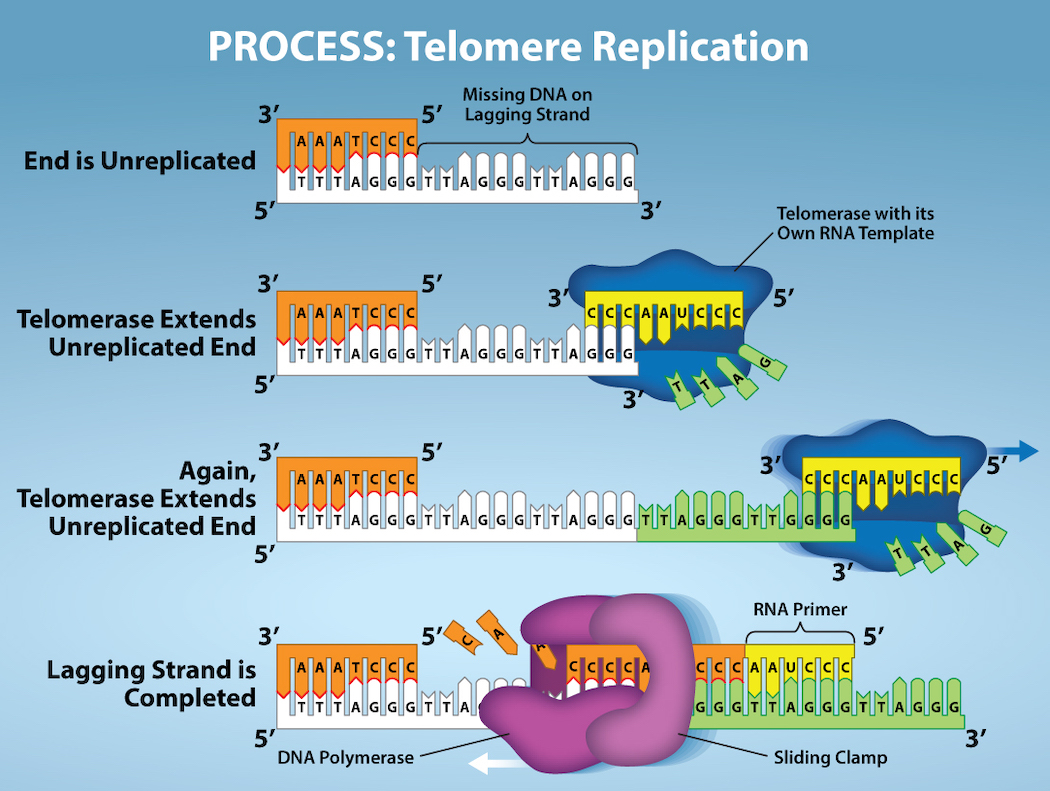
Figure 14.15 The ends of linear chromosomes are maintained by the action of the telomerase enzyme. Credit: Rao, A. and Fletcher, S. Department of Biology, Texas A&M University.
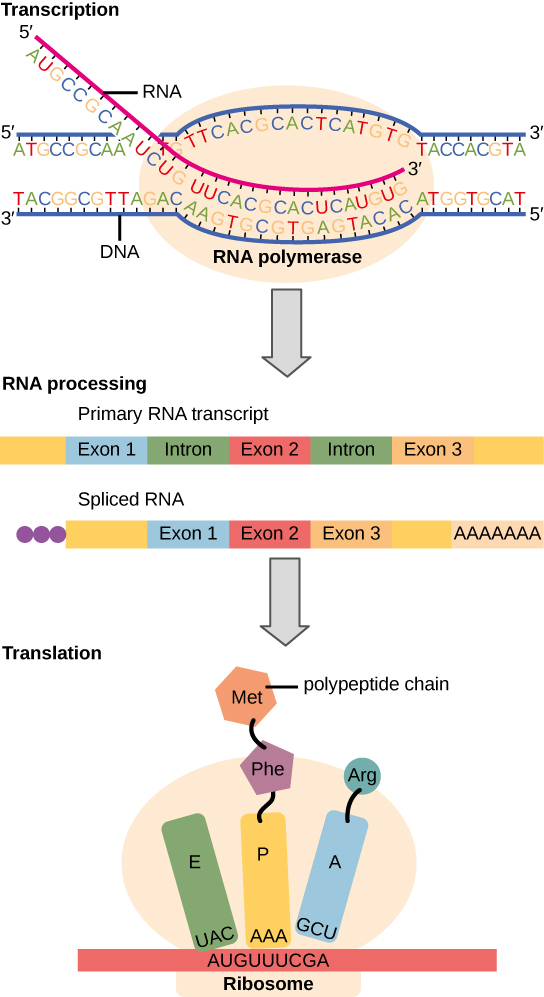
Figure 15.3 Instructions on DNA are transcribed onto messenger RNA. Ribosomes are able to read the genetic information inscribed on a strand of messenger RNA and use this information to string amino acids together into a protein.
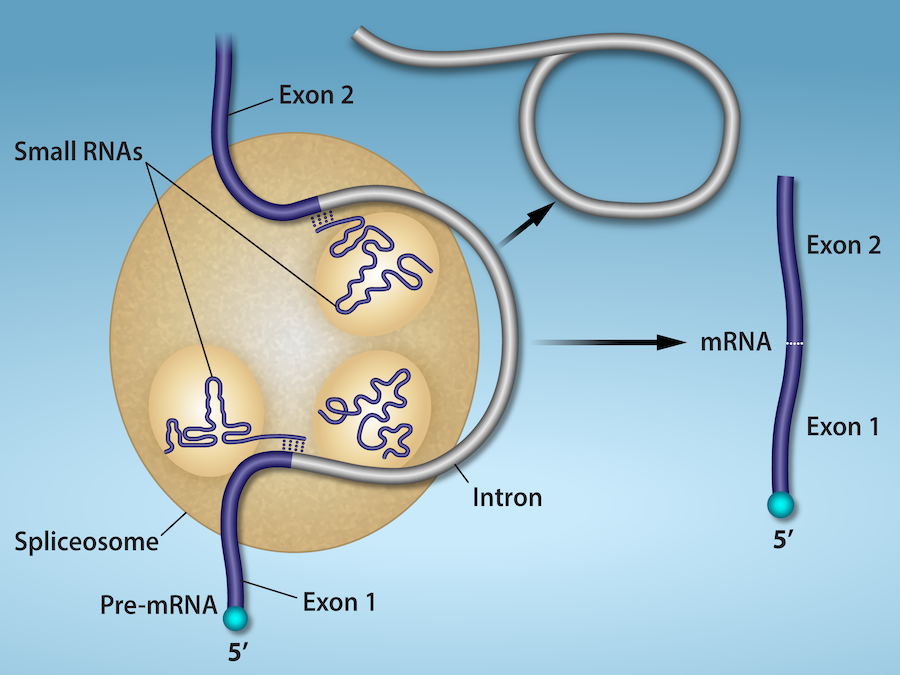
Figure 15.13 Pre-mRNA splicing involves the precise removal of introns from the primary RNA transcript. The splicing process is catalyzed by protein complexes called spliceosomes that are composed of proteins and RNA molecules called small nuclear RNAs (snRNAs). Spliceosomes recognize sequences at the 5' and 3' end of the intron. Rao, A. and Ryan, K. Department of Biology, Texas A&M University.
Rao, A. and Ryan, K. Department of Biology, Texas A&M University.; Mary Ann Clark, Matthew Douglas, and Jung Choi, Biology 2e, OpenStax. · CC BY-NC-SA 4.0
· Original image ↗ · Access for free ↗
RNA stability
Persistence of an RNA before degradation; greater stability generally means a longer lifetime or half-life under specified conditions.
Figure 16.13 RNA-binding proteins. The protein-coding region of this processed mRNA is flanked by 5' and 3' untranslated regions (UTRs). The presence of RNA-binding proteins at the 5' or 3' UTR influences the stability of the RNA molecule.
Figure 14.3 When encountering a stressor, a person judges its potential threat (primary appraisal) and then determines if effective options are available to manage the situation. Stress is likely to result if a stressor is perceived as extremely threatening or threatening with few or no effective coping options available.
Figure 4.18 Membrane and secretory proteins are synthesized in the rough endoplasmic reticulum (RER). The RER also sometimes modifies proteins. In this illustration, a (green) integral membrane protein is modified by attachment of a (purple) carbohydrate in the ER. Vesicles with the integral protein bud from the ER and fuse with the Golgi apparatus' cis face. As the protein passes along the Golgi’s cisternae, the addition of more carbohydrates further modifies it. After its synthesis is complete, it exits as an integral membrane protein of the vesicle that buds from the Golgi’s trans face. When the vesicle fuses with the cell membrane, the protein becomes an integral portion of that cell membrane. (credit: modification of work by Magnus Manske)
Figure 4.44 - Kinetic profile of an allosteric enzyme whose activity is controlled by a homotropic effector. Image by Aleia Kim
Kevin Ahern, Indira Rajagopal, and Taralyn Tan, Biochemistry Free For All, Oregon State University, via Biology LibreTexts. Image by Aleia Kim · CC BY-NC-SA 4.0
· Original image ↗ · Access for free ↗
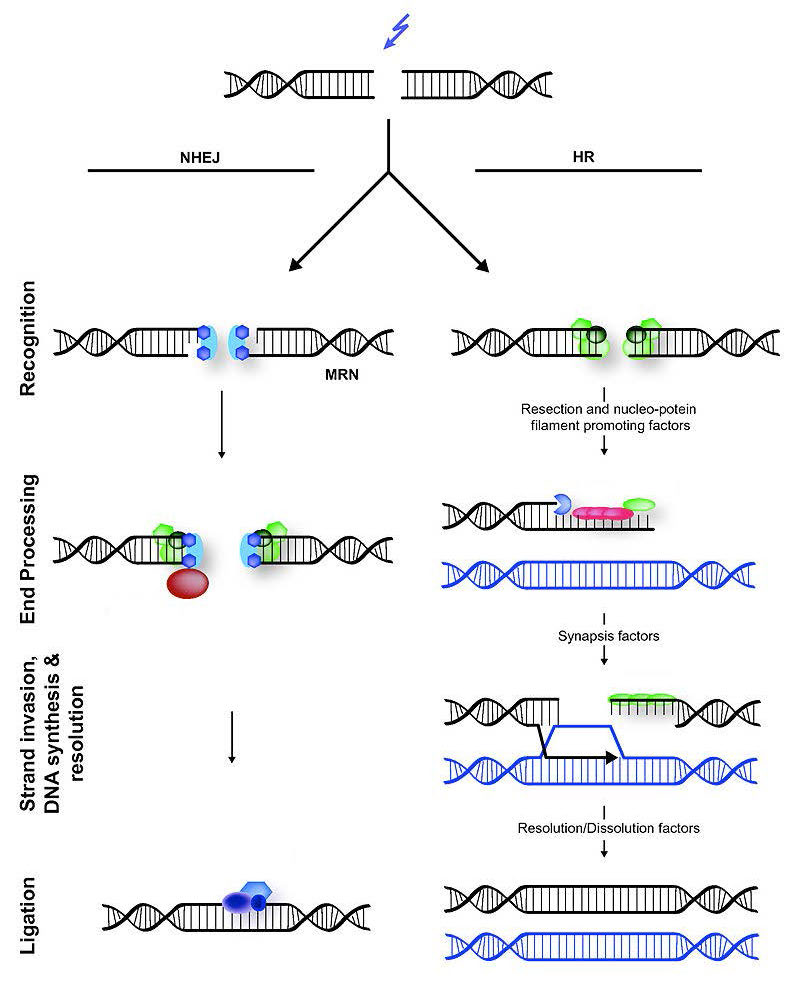
Figure 7.45 - Non-homologous end joining (left) versus homologous recombination (right) - Wikipedia
Wikipedia, as credited by Kevin Ahern, Indira Rajagopal, and Taralyn Tan, Biochemistry Free For All, Oregon State University, via Biology LibreTexts. · Source attribution
· Original image ↗ · Access for free ↗
The amount of a substance that can dissolve in a solvent under specified conditions. Soluble means able to dissolve; insoluble means only very slightly soluble in that solvent.
Figure 15.4 This figure shows the genetic code for translating each nucleotide triplet in mRNA into an amino acid or a termination signal in a protein. (credit: modification of work by NIH)
Figure 14.15 The ends of linear chromosomes are maintained by the action of the telomerase enzyme. Credit: Rao, A. and Fletcher, S. Department of Biology, Texas A&M University.
Figure 14.15 The ends of linear chromosomes are maintained by the action of the telomerase enzyme. Credit: Rao, A. and Fletcher, S. Department of Biology, Texas A&M University.
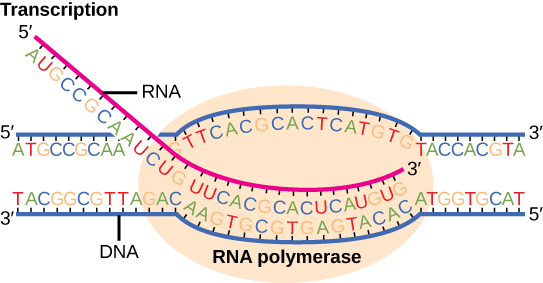
Figure 15.7 Messenger RNA is a copy of protein-coding information in the coding strand of DNA, with the substitution of U in the RNA for T in the coding sequence. However, new RNA nucleotides base pair with the nucleotides of the template strand. RNA is synthesized in its 5'-3' direction, using the enzyme RNA polymerase. As the template is read, the DNA unwinds ahead of the polymerase and then rewinds behind it.
Figure 16.6 Regulation of the lac operon. Transcription of the lac operon is carefully regulated so that its expression only occurs when glucose is limited and lactose is present to serve as an alternative fuel source.
Figure 15.14 This is a space-filling model of a tRNA molecule that adds the amino acid phenylalanine to a growing polypeptide chain. The anticodon AAG binds the Codon UUC on the mRNA. The amino acid phenylalanine is attached to the other end of the tRNA.
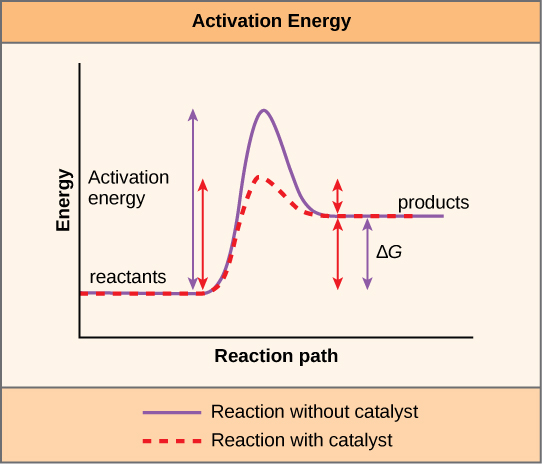
A fleeting, high-energy arrangement at a reaction barrier. It is an energy maximum along the reaction path, rather than a stable reaction intermediate.
Figure 12.19 Reaction diagrams for an endothermic process in the absence (red curve) and presence (blue curve) of a catalyst. The catalyzed pathway involves a two-step mechanism (note the presence of two transition states) and an intermediate species (represented by the valley between the two transitions states).
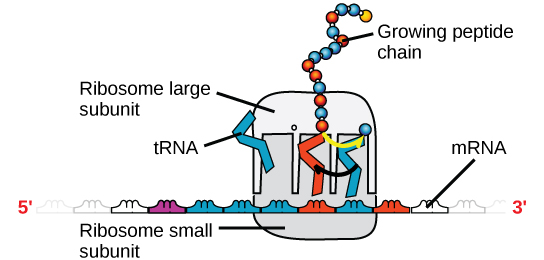
Figure 15.18 Translation begins when an initiator tRNA anticodon recognizes a start codon on mRNA bound to a small ribosomal subunit. The large ribosomal subunit joins the small subunit, and a second tRNA is recruited. As the mRNA moves relative to the ribosome, successive tRNAs move through the ribosome and the polypeptide chain is formed. Entry of a release factor into the A site terminates translation and the components dissociate.
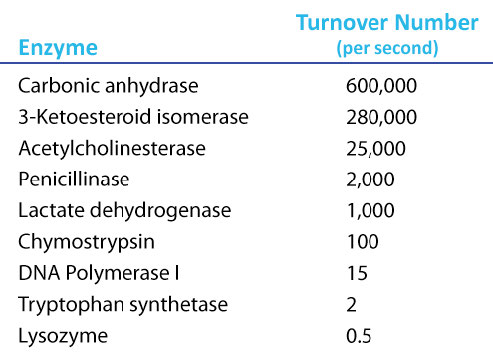
Figure 4.21 - Kcat (turnover number) values for several enzymes. Image by Aleia Kim
Kevin Ahern, Indira Rajagopal, and Taralyn Tan, Biochemistry Free For All, Oregon State University, via Biology LibreTexts. Image by Aleia Kim · CC BY-NC-SA 4.0
· Original image ↗ · Access for free ↗
Figure 6.5 In higher-order conditioning, an established conditioned stimulus is paired with a new neutral stimulus (the second-order stimulus), so that eventually the new stimulus also elicits the conditioned response, without the initial conditioned stimulus being presented.
Figure 6.5 In higher-order conditioning, an established conditioned stimulus is paired with a new neutral stimulus (the second-order stimulus), so that eventually the new stimulus also elicits the conditioned response, without the initial conditioned stimulus being presented.
Figure 4.18 Membrane and secretory proteins are synthesized in the rough endoplasmic reticulum (RER). The RER also sometimes modifies proteins. In this illustration, a (green) integral membrane protein is modified by attachment of a (purple) carbohydrate in the ER. Vesicles with the integral protein bud from the ER and fuse with the Golgi apparatus' cis face. As the protein passes along the Golgi’s cisternae, the addition of more carbohydrates further modifies it. After its synthesis is complete, it exits as an integral membrane protein of the vesicle that buds from the Golgi’s trans face. When the vesicle fuses with the cell membrane, the protein becomes an integral portion of that cell membrane. (credit: modification of work by Magnus Manske)
No matching terms. Try a different name or abbreviation.
14.1 What Is Stress?
OpenStax · 14.1 What Is Stress? ↗ Instructional page including learning objectives, examples, figures, source tables and questions. Site navigation and embedded media players are omitted; source media links remain available.
Learning Objectives
By the end of this section, you will be able to:
Differentiate between stimulus-based and response-based definitions of stress
Define stress as a process
Differentiate between good stress and bad stress
Describe the early contributions of Walter Cannon and Hans Selye to the stress research field
The term stress as it relates to the human condition first emerged in scientific literature in the 1930s, but it did not enter the popular vernacular until the 1970s (Lyon, 2012). Today, we often use the term loosely in describing a variety of unpleasant feeling states; for example, we often say we are stressed out when we feel frustrated, angry, conflicted, overwhelmed, or fatigued. Despite the widespread use of the term, stress is a fairly vague concept that is difficult to define with precision.
Researchers have had a difficult time agreeing on an acceptable definition of stress. Some have conceptualized stress as a demanding or threatening event or situation (e.g., a high-stress job, overcrowding, and long commutes to work). Such conceptualizations are known as stimulus-based definitions because they characterize stress as a stimulus that causes certain reactions. Stimulus-based definitions of stress are problematic, however, because they fail to recognize that people differ in how they view and react to challenging life events and situations. For example, a conscientious student who has studied diligently all semester would likely experience less stress during final exams week than would a less responsible, unprepared student.
Others have conceptualized stress in ways that emphasize the physiological responses that occur when faced with demanding or threatening situations (e.g., increased arousal). These conceptualizations are referred to as response-based definitions because they describe stress as a response to environmental conditions. For example, the endocrinologist Hans Selye, a famous stress researcher, once defined stress as the “response of the body to any demand, whether it is caused by, or results in, pleasant or unpleasant conditions” (Selye, 1976, p. 74). Selye’s definition of stress is response-based in that it conceptualizes stress chiefly in terms of the body’s physiological reaction to any demand that is placed on it. Neither stimulus-based nor response-based definitions provide a complete definition of stress. Many of the physiological reactions that occur when faced with demanding situations (e.g., accelerated heart rate) can also occur in response to things that most people would not consider to be genuinely stressful, such as receiving unanticipated good news: an unexpected promotion or raise.
A useful way to conceptualize stress is to view it as a process whereby an individual perceives and responds to events that they appraise as overwhelming or threatening to their well-being (Lazarus & Folkman, 1984). A critical element of this definition is that it emphasizes the importance of how we appraise—that is, judge—demanding or threatening events (often referred to as stressors); these appraisals, in turn, influence our reactions to such events. Two kinds of appraisals of a stressor are especially important in this regard: primary and secondary appraisals. A primary appraisal involves judgment about the degree of potential harm or threat to well-being that a stressor might entail. A stressor would likely be appraised as a threat if one anticipates that it could lead to some kind of harm, loss, or other negative consequence; conversely, a stressor would likely be appraised as a challenge if one believes that it carries the potential for gain or personal growth. For example, an employee who is promoted to a leadership position would likely perceive the promotion as a much greater threat if they believed the promotion would lead to excessive work demands than if they viewed it as an opportunity to gain new skills and grow professionally. Similarly, a college student on the cusp of graduation may face the change as a threat or a challenge (Figure 14.2).
Figure 14.2 — 14.1 What Is Stress?
Figure 14.2 Graduating from college and entering the workforce can be viewed as either a threat (loss of financial support) or a challenge (opportunity for independence and growth). (credit: Timothy Zanker)
The perception of a threat triggers a secondary appraisal: judgment of the options available to cope with a stressor, as well as perceptions of how effective such options will be (Lyon, 2012) (Figure 14.3). As you may recall from what you learned about self-efficacy, an individual’s belief in their ability to complete a task is important (Bandura, 1994). A threat tends to be viewed as less catastrophic if one believes something can be done about it (Lazarus & Folkman, 1984). Imagine that two middle-aged people, Robin and Madhuri, perform breast self-examinations one morning and each notices a lump on the lower region of their left breast. Although both view the breast lump as a potential threat (primary appraisal), their secondary appraisals differ considerably. In considering the breast lump, some of the thoughts racing through Robin’s mind are, “Oh my God, I could have breast cancer! What if the cancer has spread to the rest of my body and I cannot recover? What if I have to go through chemotherapy? I’ve heard that experience is awful! What if I have to quit my job? My partner and I won’t have enough money to pay the mortgage. Oh, this is just horrible…I can’t deal with it!” On the other hand, Madhuri thinks, “Hmm, this may not be good. Although most times these things turn out to be benign, I need to have it checked out. If it turns out to be breast cancer, there are doctors who can take care of it because the medical technology today is quite advanced. I’ll have a lot of different options, and I’ll be just fine.” Clearly, Robin and Madhuri have different outlooks on what might turn out to be a very serious situation: Robin seems to think that little could be done about it, whereas Madhuri believes that, worst case scenario, a number of options that are likely to be effective would be available. As such, Robin would clearly experience greater stress than would Madhuri.
Figure 14.3 — 14.1 What Is Stress?
Figure 14.3 When encountering a stressor, a person judges its potential threat (primary appraisal) and then determines if effective options are available to manage the situation. Stress is likely to result if a stressor is perceived as extremely threatening or threatening with few or no effective coping options available.
To be sure, some stressors are inherently more stressful than others in that they are more threatening and leave less potential for variation in cognitive appraisals (e.g., objective threats to one’s health or safety). Nevertheless, appraisal will still play a role in augmenting or diminishing our reactions to such events (Everly & Lating, 2002).
If a person appraises an event as harmful and believes that the demands imposed by the event exceed the available resources to manage or adapt to it, the person will subjectively experience a state of stress. In contrast, if one does not appraise the same event as harmful or threatening, she is unlikely to experience stress. According to this definition, environmental events trigger stress reactions by the way they are interpreted and the meanings they are assigned. In short, stress is largely in the eye of the beholder: it’s not so much what happens to you as it is how you respond (Selye, 1976).
Good Stress?
Although stress carries a negative connotation, at times it may be of some benefit. Stress can motivate us to do things in our best interests, such as study for exams, visit the doctor regularly, exercise, and perform to the best of our ability at work. Indeed, Selye (1974) pointed out that not all stress is harmful. He argued that stress can sometimes be a positive, motivating force that can improve the quality of our lives. This kind of stress, which Selye called eustress (from the Greek eu = “good”), is a good kind of stress associated with positive feelings, optimal health, and performance. A moderate amount of stress can be beneficial in challenging situations. For example, athletes may be motivated and energized by pregame stress, and students may experience similar beneficial stress before a major exam. Indeed, research shows that moderate stress can enhance both immediate and delayed recall of educational material. Participants in one study who memorized a scientific text passage showed improved memory of the passage immediately after exposure to a mild stressor as well as one day following exposure to the stressor (Hupbach & Fieman, 2012).
Increasing one’s level of stress will cause performance to change in a predictable way. As shown in Figure 14.4, as stress increases, so do performance and general well-being (eustress); when stress levels reach an optimal level (the highest point of the curve), performance reaches its peak. A person at this stress level is colloquially at the top of their game, meaning they feel fully energized, focused, and can work with minimal effort and maximum efficiency. But when stress exceeds this optimal level, it is no longer a positive force—it becomes excessive and debilitating, or what Selye termed distress (from the Latin dis = “bad”). People who reach this level of stress feel burned out; they are fatigued, exhausted, and their performance begins to decline. If the stress remains excessive, health may begin to erode as well (Everly & Lating, 2002). A good example of distress is severe test anxiety. When students are feeling very stressed about a test, negative emotions combined with physical symptoms may make concentration difficult, thereby negatively affecting test scores.
Figure 14.4 — 14.1 What Is Stress?
Figure 14.4 As the stress level increases from low to moderate, so does performance (eustress). At the optimal level (the peak of the curve), performance has reached its peak. If stress exceeds the optimal level, it will reach the distress region, where it will become excessive and debilitating, and performance will decline (Everly & Lating, 2002).
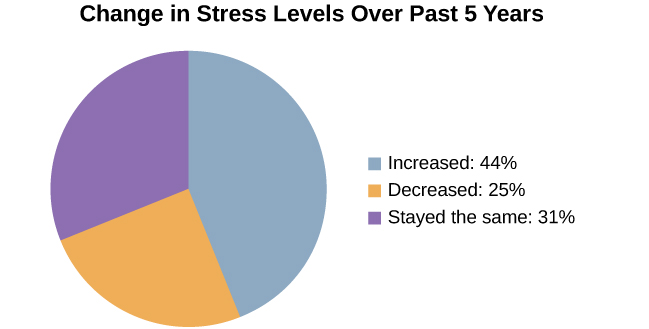
Stress is everywhere and, as shown in Figure 14.5, it has been on the rise over the last several years. Each of us is acquainted with stress—some are more familiar than others. In many ways, stress feels like a load you just can’t carry—a feeling you experience when, for example, you have to drive somewhere in a blizzard, when you wake up late the morning of an important job interview, when you run out of money before the next pay period, and before taking an important exam for which you realize you are not fully prepared.
Figure 14.5 — 14.1 What Is Stress?
Figure 14.5 Nearly half of U.S. adults indicated that their stress levels have increased over the last five years (Neelakantan, 2013).
Stress is an experience that evokes a variety of responses, including those that are physiological (e.g., accelerated heart rate, headaches, or gastrointestinal problems), cognitive (e.g., difficulty concentrating or making decisions), and behavioral (e.g., drinking alcohol, smoking, or taking actions directed at eliminating the cause of the stress). Although stress can be positive at times, it can have deleterious health implications, contributing to the onset and progression of a variety of physical illnesses and diseases (Cohen & Herbert, 1996).
The scientific study of how stress and other psychological factors impact health falls within the realm of health psychology, a subfield of psychology devoted to understanding the importance of psychological influences on health, illness, and how people respond when they become ill (Taylor, 1999). Health psychology emerged as a discipline in the 1970s, a time during which there was increasing awareness of the role behavioral and lifestyle factors play in the development of illnesses and diseases (Straub, 2007). In addition to studying the connection between stress and illness, health psychologists investigate issues such as why people make certain lifestyle choices (e.g., smoking or eating unhealthy food despite knowing the potential adverse health implications of such behaviors). Health psychologists also design and investigate the effectiveness of interventions aimed at changing unhealthy behaviors. Perhaps one of the more fundamental tasks of health psychologists is to identify which groups of people are especially at risk for negative health outcomes, based on psychological or behavioral factors. For example, measuring differences in stress levels among demographic groups and how these levels change over time can help identify populations who may have an increased risk for illness or disease.
Figure 14.6 depicts the results of three national surveys in which several thousand individuals from different demographic groups completed a brief stress questionnaire; the surveys were administered in 1983, 2006, and 2009 (Cohen & Janicki-Deverts, 2012). All three surveys demonstrated higher stress in women than in men. Unemployed individuals reported high levels of stress in all three surveys, as did those with less education and income; retired persons reported the lowest stress levels. However, from 2006 to 2009 the greatest increase in stress levels occurred among men, Hispanic people aged 45–64, college graduates, and those with full-time employment. One interpretation of these findings is that concerns surrounding the 2008–2009 economic downturn (e.g., threat of or actual job loss and substantial loss of retirement savings) may have been especially stressful to college-educated employed men with limited time remaining in their working careers.
Figure 14.6 — 14.1 What Is Stress?
Figure 14.6 The charts above, adapted from Cohen & Janicki-Deverts (2012), depict the mean stress level scores among different demographic groups during the years 1983, 2006, and 2009. Across categories of sex, age, race, education level, employment status, and income, stress levels generally show a marked increase over this quarter-century time span.
As previously stated, scientific interest in stress goes back nearly a century. One of the early pioneers in the study of stress was Walter Cannon, an eminent American physiologist at Harvard Medical School (Figure 14.7). In the early part of the 20th century, Cannon was the first to identify the body’s physiological reactions to stress.
Figure 14.7 — 14.1 What Is Stress?
Figure 14.7 Harvard physiologist Walter Cannon first articulated and named the fight-or-flight response, the nervous system’s sympathetic response to a significant stressor.
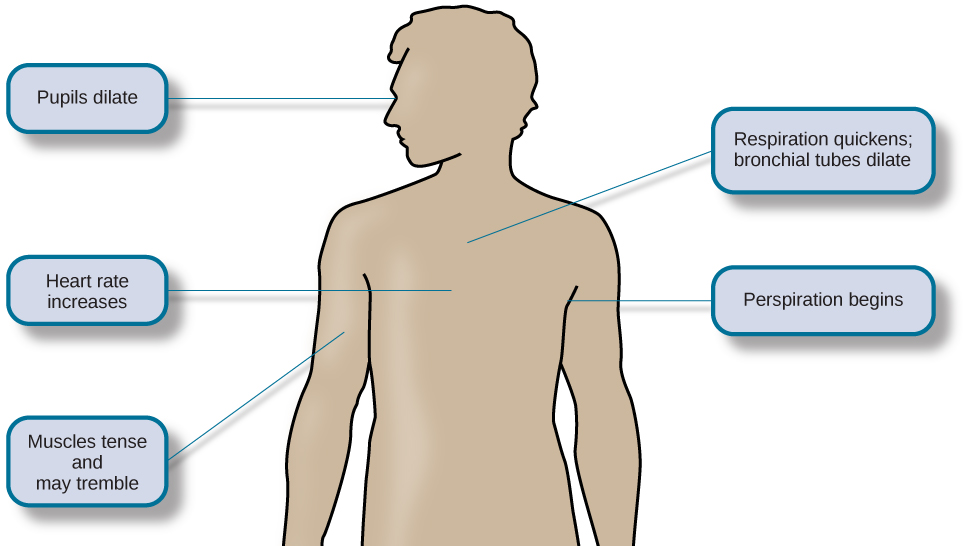
Imagine that you are hiking in the beautiful mountains of Colorado on a warm and sunny spring day. At one point during your hike, a large, frightening-looking black bear appears from behind a stand of trees and sits about 50 yards from you. The bear notices you, sits up, and begins to lumber in your direction. In addition to thinking, “This is definitely not good,” a constellation of physiological reactions begins to take place inside you. Prompted by a deluge of epinephrine (adrenaline) and norepinephrine (noradrenaline) from your adrenal glands, your pupils begin to dilate. Your heart starts to pound and speeds up, you begin to breathe heavily and perspire, you get butterflies in your stomach, and your muscles become tense, preparing you to take some kind of direct action. Cannon proposed that this reaction, which he called the fight-or-flight response, occurs when a person experiences very strong emotions—especially those associated with a perceived threat (Cannon, 1932). During the fight-or-flight response, the body is rapidly aroused by activation of both the sympathetic nervous system and the endocrine system (Figure 14.8). This arousal helps prepare the person to either fight or flee from a perceived threat.
Figure 14.8 — 14.1 What Is Stress?
Figure 14.8 Fight or flight is a physiological response to a stressor.
According to Cannon, the fight-or-flight response is a built-in mechanism that assists in maintaining homeostasis—an internal environment in which physiological variables such as blood pressure, respiration, digestion, and temperature are stabilized at levels optimal for survival. Thus, Cannon viewed the fight-or-flight response as adaptive because it enables people to adjust internally and externally to threats in their environment, allowing them to continue to be alive and overcome the threat.
Another important early contributor to the stress field was Hans Selye, mentioned earlier. He would eventually become one of the world’s foremost experts in the study of stress (Figure 14.9). As a young assistant in the biochemistry department at McGill University in the 1930s, Selye was engaged in research involving sex hormones in rats. Although he was unable to find an answer for what he was initially researching, he incidentally discovered that when exposed to prolonged negative stimulation (stressors)—such as extreme cold, surgical injury, excessive muscular exercise, and shock—the rats showed signs of adrenal enlargement, thymus and lymph node shrinkage, and stomach ulceration. Selye realized that these responses were triggered by a coordinated series of physiological reactions that unfold over time during continued exposure to a stressor. These physiological reactions were nonspecific, which means that regardless of the type of stressor, the same pattern of reactions would occur. What Selye discovered was the general adaptation syndrome, the body’s nonspecific physiological response to stress.
Figure 14.9 — 14.1 What Is Stress?
Figure 14.9 Hans Selye specialized in research about stress. In 2009, his native Hungary honored his work with this stamp, released in conjunction with the 2nd annual World Conference on Stress.
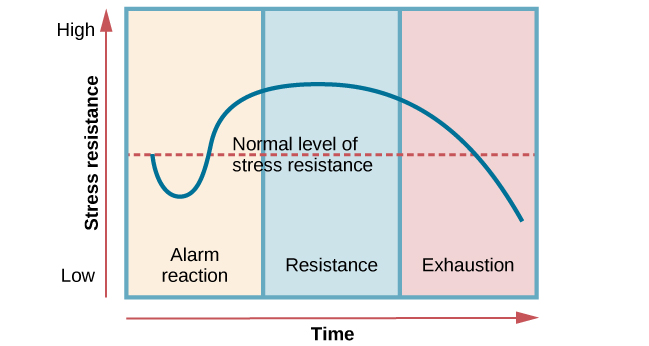
The general adaptation syndrome, shown in Figure 14.10, consists of three stages: (1) alarm reaction, (2) stage of resistance, and (3) stage of exhaustion (Selye, 1936; 1976). Alarm reaction describes the body’s immediate reaction upon facing a threatening situation or emergency, and it is roughly analogous to the fight-or-flight response described by Cannon. During an alarm reaction, you are alerted to a stressor, and your body alarms you with a cascade of physiological reactions that provide you with the energy to manage the situation. A person who wakes up in the middle of the night to discover her house is on fire, for example, is experiencing an alarm reaction.
Figure 14.10 — 14.1 What Is Stress?
Figure 14.10 The three stages of Selye’s general adaptation syndrome are shown in this graph. Prolonged stress ultimately results in exhaustion.
If exposure to a stressor is prolonged, the organism will enter the stage of resistance. During this stage, the initial shock of alarm reaction has worn off and the body has adapted to the stressor. Nevertheless, the body also remains on alert and is prepared to respond as it did during the alarm reaction, although with less intensity. For example, suppose a child who went missing is still missing 72 hours later. Although the parents would obviously remain extremely disturbed, the magnitude of physiological reactions would likely have diminished over the 72 intervening hours due to some adaptation to this event.
If exposure to a stressor continues over a longer period of time, the stage of exhaustion ensues. At this stage, the person is no longer able to adapt to the stressor: the body’s ability to resist becomes depleted as physical wear takes its toll on the body’s tissues and organs. As a result, illness, disease, and other permanent damage to the body—even death—may occur. If a missing child still remained missing after three months, the long-term stress associated with this situation may cause a parent to literally faint with exhaustion at some point or even to develop a serious and irreversible illness.
In short, Selye’s general adaptation syndrome suggests that stressors tax the body via a three-phase process—an initial jolt, subsequent readjustment, and a later depletion of all physical resources—that ultimately lays the groundwork for serious health problems and even death. It should be pointed out, however, that this model is a response-based conceptualization of stress, focusing exclusively on the body’s physical responses while largely ignoring psychological factors such as appraisal and interpretation of threats. Nevertheless, Selye’s model has had an enormous impact on the field of stress because it offers a general explanation for how stress can lead to physical damage and, thus, disease. As we shall discuss later, prolonged or repeated stress has been implicated in development of a number of disorders such as hypertension and coronary artery disease.
The Physiological Basis of Stress
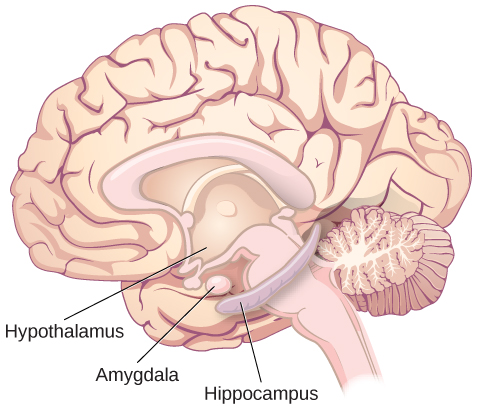
What goes on inside our bodies when we experience stress? The physiological mechanisms of stress are extremely complex, but they generally involve the work of two systems—the sympathetic nervous system and the hypothalamic-pituitary-adrenal (HPA) axis. When a person first perceives something as stressful (Selye’s alarm reaction), the sympathetic nervous system triggers arousal via the release of adrenaline from the adrenal glands. Release of these hormones activates the fight-or-flight responses to stress, such as accelerated heart rate and respiration. At the same time, the HPA axis, which is primarily endocrine in nature, becomes especially active, although it works much more slowly than the sympathetic nervous system. In response to stress, the hypothalamus (one of the limbic structures in the brain) releases corticotropin-releasing factor, a hormone that causes the pituitary gland to release adrenocorticotropic hormone (ACTH) (Figure 14.11). The ACTH then activates the adrenal glands to secrete a number of hormones into the bloodstream; an important one is cortisol, which can affect virtually every organ within the body. Cortisol is commonly known as a stress hormone and helps provide that boost of energy when we first encounter a stressor, preparing us to run away or fight. However, sustained elevated levels of cortisol weaken the immune system.
Figure 14.11 — 14.1 What Is Stress?
Figure 14.11 This diagram shows the functioning of the hypothalamic-pituitary-adrenal (HPA) axis. The hypothalamus activates the pituitary gland, which in turn activates the adrenal glands, increasing their secretion of cortisol.
In short bursts, this process can have some favorable effects, such as providing extra energy, improving immune system functioning temporarily, and decreasing pain sensitivity. However, extended release of cortisol—as would happen with prolonged or chronic stress—often comes at a high price. High levels of cortisol have been shown to produce a number of harmful effects. For example, increases in cortisol can significantly weaken our immune system (Glaser & Kiecolt-Glaser, 2005), and high levels are frequently observed among depressed individuals (Geoffroy, Hertzman, Li, & Power, 2013). In summary, a stressful event causes a variety of physiological reactions that activate the adrenal glands, which in turn release epinephrine, norepinephrine, and cortisol. These hormones affect a number of bodily processes in ways that prepare the stressed person to take direct action, but also in ways that may heighten the potential for illness.
When stress is extreme or chronic, it can have profoundly negative consequences. For example, stress often contributes to the development of certain psychological disorders, including post-traumatic stress disorder, major depressive disorder, and other serious psychiatric conditions. Additionally, we noted earlier that stress is linked to the development and progression of a variety of physical illnesses and diseases. For example, researchers in one study found that people injured during the September 11, 2001, World Trade Center disaster or who developed post-traumatic stress symptoms afterward later suffered significantly elevated rates of heart disease (Jordan, Miller-Archie, Cone, Morabia, & Stellman, 2011). Another investigation yielded that self-reported stress symptoms among aging and retired Finnish food industry workers were associated with morbidity 11 years later. This study also predicted the onset of musculoskeletal, nervous system, and endocrine and metabolic disorders (Salonen, Arola, Nygård, & Huhtala, 2008). Another study reported that male South Korean manufacturing employees who reported high levels of work-related stress were more likely to catch the common cold over the next several months than were those employees who reported lower work-related stress levels (Park et al., 2011). Later, you will explore the mechanisms through which stress can produce physical illness and disease.
14.2 Stressors
OpenStax · 14.2 Stressors ↗ Instructional page including learning objectives, examples, figures, source tables and questions. Site navigation and embedded media players are omitted; source media links remain available.
Learning Objectives
By the end of this section, you will be able to:
Describe different types of possible stressors
Explain the importance of life changes as potential stressors
Describe the Social Readjustment Rating Scale
Understand the concepts of job strain and job burnout
For an individual to experience stress, they must first encounter a potential stressor. In general, stressors can be placed into one of two broad categories: chronic and acute. Chronic stressors include events that persist over an extended period of time, such as caring for a parent with dementia, long-term unemployment, or imprisonment. Acute stressors involve brief focal events that sometimes continue to be experienced as overwhelming well after the event has ended, such as falling on an icy sidewalk and breaking your leg (Cohen, Janicki-Deverts, & Miller, 2007). Whether chronic or acute, potential stressors come in many shapes and sizes. They can include major traumatic events, significant life changes, daily hassles, as well as other situations in which a person is regularly exposed to threat, challenge, or danger.
Traumatic Events
Some stressors involve traumatic events or situations in which a person is exposed to actual or threatened death or serious injury. Stressors in this category include exposure to military combat, threatened or actual physical assaults (e.g., physical attacks, sexual assault, robbery, childhood abuse), terrorist attacks, natural disasters (e.g., earthquakes, floods, hurricanes), and automobile accidents. Men, non-White people, and individuals in lower socioeconomic status (SES) groups report experiencing a greater number of traumatic events than do women, White people, and individuals in higher SES groups (Hatch & Dohrenwend, 2007). Some individuals who are exposed to stressors of extreme magnitude develop post-traumatic stress disorder (PTSD): a chronic stress reaction characterized by experiences and behaviors that may include intrusive and painful memories of the stressor event, jumpiness, persistent negative emotional states, detachment from others, angry outbursts, and avoidance of reminders of the event (American Psychiatric Association [APA], 2013).
Life Changes
Most stressors that we encounter are not nearly as intense as the ones described above. Many potential stressors we face involve events or situations that require us to make changes in our ongoing lives and require time as we adjust to those changes. Examples include death of a close family member, marriage, divorce, and moving (Figure 14.12).
Figure 14.12 — 14.2 Stressors
Figure 14.12 Some fairly typical life events, such as moving, can be significant stressors. Even when the move is intentional and positive, the amount of resulting change in daily life can cause stress. (credit: "Jellaluna"/Flickr)
In the 1960s, psychiatrists Thomas Holmes and Richard Rahe wanted to examine the link between life stressors and physical illness, based on the hypothesis that life events requiring significant changes in a person’s normal life routines are stressful, whether these events are desirable or undesirable. They developed the Social Readjustment Rating Scale (SRRS), consisting of 43 life events that require varying degrees of personal readjustment (Holmes & Rahe, 1967). Many life events that most people would consider pleasant (e.g., holidays, retirement, marriage) are among those listed on the SRRS; these are examples of eustress. Holmes and Rahe also proposed that life events can add up over time, and that experiencing a cluster of stressful events increases one’s risk of developing physical illnesses.
In developing their scale, Holmes and Rahe asked 394 participants to provide a numerical estimate for each of the 43 items; each estimate corresponded to how much readjustment participants felt each event would require. These estimates resulted in mean value scores for each event—often called life change units (LCUs) (Rahe, McKeen, & Arthur, 1967). The numerical scores ranged from 11 to 100, representing the perceived magnitude of life change each event entails. Death of a spouse ranked highest on the scale with 100 LCUs, and divorce ranked second highest with 73 LCUs. In addition, personal injury or illness, marriage, and job termination also ranked highly on the scale with 53, 50, and 47 LCUs, respectively. Conversely, change in residence (20 LCUs), change in eating habits (15 LCUs), and vacation (13 LCUs) ranked low on the scale (Table 14.1). Minor violations of the law ranked the lowest with 11 LCUs. To complete the scale, participants checked yes for events experienced within the last 12 months. LCUs for each checked item are totaled for a score quantifying the amount of life change. Agreement on the amount of adjustment required by the various life events on the SRRS is highly consistent, even cross-culturally (Holmes & Masuda, 1974).
Some Stressors on the Social Readjustment Rating Scale (Holmes & Rahe, 1967)
Life event
Life change units
Death of a close family member
63
Personal injury or illness
53
Dismissal from work
47
Change in financial state
38
Change to different line of work
36
Outstanding personal achievement
28
Beginning or ending school
26
Change in living conditions
25
Change in working hours or conditions
20
Change in residence
20
Change in schools
20
Change in social activities
18
Change in sleeping habits
16
Change in eating habits
15
Minor violation of the law
11
Table
14.1
Extensive research has demonstrated that accumulating a high number of life change units within a brief period of time (one or two years) is related to a wide range of physical illnesses (even accidents and athletic injuries) and mental health problems (Monat & Lazarus, 1991; Scully, Tosi, & Banning, 2000). In an early demonstration, researchers obtained LCU scores for U.S. and Norwegian Navy personnel who were about to embark on a six-month voyage. A later examination of medical records revealed positive (but small) correlations between LCU scores prior to the voyage and subsequent illness symptoms during the ensuing six-month journey (Rahe, 1974). In addition, people tend to experience more physical symptoms, such as backache, upset stomach, diarrhea, and acne, on specific days in which self-reported LCU values are considerably higher than normal, such as the day of a family member’s wedding (Holmes & Holmes, 1970).
The Social Readjustment Rating Scale (SRRS) provides researchers a simple, easy-to-administer way of assessing the amount of stress in people’s lives, and it has been used in hundreds of studies (Thoits, 2010). Despite its widespread use, the scale has been subject to criticism. First, many of the items on the SRRS are vague; for example, death of a close friend could involve the death of a long-absent childhood friend that requires little social readjustment (Dohrenwend, 2006). In addition, some have challenged its assumption that undesirable life events are no more stressful than desirable ones (Derogatis & Coons, 1993). However, most of the available evidence suggests that, at least as far as mental health is concerned, undesirable or negative events are more strongly associated with poor outcomes (such as depression) than are desirable, positive events (Hatch & Dohrenwend, 2007). Perhaps the most serious criticism is that the scale does not take into consideration respondents’ appraisals of the life events it contains. As you recall, appraisal of a stressor is a key element in the conceptualization and overall experience of stress. Being fired from work may be devastating to some but a welcome opportunity to obtain a better job for others. The SRRS remains one of the most well-known instruments in the study of stress, and it is a useful tool for identifying potential stress-related health outcomes (Scully et al., 2000).
The Holmes and Rahe Social Readjustment Rating Scale (SRRS) uses the correlational research method to identify the connection between stress and health. That is, respondents’ LCU scores are correlated with the number or frequency of self-reported symptoms indicating health problems. These correlations are typically positive—as LCU scores increase, the number of symptoms increase. Consider all the thousands of studies that have used this scale to correlate stress and illness symptoms: If you were to assign an average correlation coefficient to this body of research, what would be your best guess? How strong do you think the correlation coefficient would be? Why can’t the SRRS show a causal relationship between stress and illness? If it were possible to show causation, do you think stress causes illness or illness causes stress?
Hassles
Potential stressors do not always involve major life events. Daily hassles—the minor irritations and annoyances that are part of our everyday lives (e.g., rush hour traffic, lost keys, obnoxious coworkers, inclement weather, arguments with friends or family)—can build on one another and leave us just as stressed as life change events (Figure 14.13) (Kanner, Coyne, Schaefer, & Lazarus, 1981).
Figure 14.13 — 14.2 Stressors
Figure 14.13 Daily commutes, whether (a) on the road or (b) via public transportation, can be hassles that contribute to our feelings of everyday stress. (credit a: modification of work by Jeff Turner; credit b: modification of work by "epSos.de"/Flickr)
Rose M. Spielman, William J. Jenkins, and Marilyn D. Lovett, Psychology 2E, OpenStax. (credit a: modification of work by Jeff Turner; credit b: modification of work by "epSos.de"/Flickr) · CC BY-NC-SA 4.0
· Original image ↗ · Access for free ↗
Researchers have demonstrated that the frequency of daily hassles is actually a better predictor of both physical and psychological health than are life change units. In a well-known study of San Francisco residents, the frequency of daily hassles was found to be more strongly associated with physical health problems than were life change events (DeLongis, Coyne, Dakof, Folkman, & Lazarus, 1982). In addition, daily minor hassles, especially interpersonal conflicts, often lead to negative and distressed mood states (Bolger, DeLongis, Kessler, & Schilling, 1989). Cyber hassles that occur on social media may represent a modern and evolving source of stress. In one investigation, social media stress was tied to loss of sleep in adolescents, presumably because ruminating about social media caused a physiological stress response that increased arousal (van der Schuur, Baumgartner, & Sumter, 2018). Clearly, daily hassles can add up and take a toll on us both emotionally and physically.
Occupation-Related Stressors
Stressors can include situations in which one is frequently exposed to challenging and unpleasant events, such as difficult, demanding, or unsafe working conditions. Although most jobs and occupations can at times be demanding, some are clearly more stressful than others (Figure 14.14). For example, most people would likely agree that a firefighter’s work is inherently more stressful than that of a florist. Equally likely, most would agree that jobs containing various unpleasant elements, such as those requiring exposure to loud noise (heavy equipment operator), constant harassment and threats of physical violence (prison guard), perpetual frustration (bus driver in a major city), or those mandating that an employee work alternating day and night shifts (hotel desk clerk), are much more demanding—and thus, more stressful—than those that do not contain such elements. Table 14.2 lists several occupations and some of the specific stressors associated with those occupations (Sulsky & Smith, 2005).
Figure 14.14 — 14.2 Stressors
Figure 14.14 (a) Police officers and (b) firefighters hold high stress occupations. (credit a: modification of work by Australian Civil-Military Centre; credit b: modification of work by Andrew Magill)
Rose M. Spielman, William J. Jenkins, and Marilyn D. Lovett, Psychology 2E, OpenStax. (credit a: modification of work by Australian Civil-Military Centre; credit b: modification of work by Andrew Magill) · CC BY-NC-SA 4.0
· Original image ↗ · Access for free ↗
Occupations and Their Related Stressors
Occupation
Stressors Specific to Occupation
Police officer
physical dangers, excessive paperwork, dealing with court system, tense interactions, life-and-death decision making
Firefighter
uncertainty over whether a serious fire or hazard awaits after an alarm, potential for extreme physical danger
Social worker
little positive feedback from jobs or from the public, unsafe work environments, frustration in dealing with bureaucracy, excessive paperwork, sense of personal responsibility for clients, work overload
Teacher
Excessive paperwork, lack of adequate supplies or facilities, work overload, lack of positive feedback, threat of physical violence, lack of support from parents and administrators
Nurse
Work overload, heavy physical work, patient concerns (dealing with death and medical concerns), interpersonal problems with other medical staff (especially physicians)
Emergency medical worker
Unpredictable and extreme nature of the job, inexperience
Clerical and secretarial work
Few opportunities for advancement, unsupportive supervisors, work overload, lack of perceived control
Managerial work
Work overload, conflict and ambiguity in defining the managerial role, difficult work relationships
Table
14.2
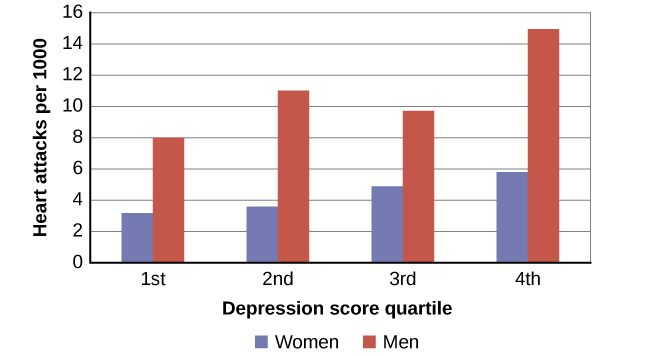
Although the specific stressors for these occupations are diverse, they seem to share some common denominators such as heavy workload and uncertainty about and lack of control over certain aspects of a job. Chronic occupational stress contributes to job strain, a work situation that combines excessive job demands and workload with little discretion in decision making or job control (Karasek & Theorell, 1990). Clearly, many occupations other than the ones listed in Table 14.2 involve at least a moderate amount of job strain in that they often involve heavy workloads and little job control (e.g., inability to decide when to take breaks). Such jobs are often low-status and include those of factory workers, postal clerks, supermarket cashiers, taxi drivers, and short-order cooks. Job strain can have adverse consequences on both physical and mental health; it has been shown to be associated with increased risk of hypertension (Schnall & Landsbergis, 1994), heart attacks (Theorell et al., 1998), recurrence of heart disease after a first heart attack (Aboa-Éboulé et al., 2007), significant weight loss or gain (Kivimäki et al., 2006), and major depressive disorder (Stansfeld, Shipley, Head, & Fuhrer, 2012). A longitudinal study of over 10,000 British civil servants reported that workers under 50 years old who earlier had reported high job strain were 68% more likely to later develop heart disease than were those workers under 50 years old who reported little job strain (Chandola et al., 2008).
Some people who are exposed to chronically stressful work conditions can experience job burnout, which is a general sense of emotional exhaustion and cynicism in relation to one’s job (Maslach & Jackson, 1981). Job burnout occurs frequently among those in human service jobs (e.g., social workers, teachers, therapists, and police officers). Job burnout consists of three dimensions. The first dimension is exhaustion—a sense that one’s emotional resources are drained or that one is at the end of their rope and has nothing more to give at a psychological level. Second, job burnout is characterized by depersonalization: a sense of emotional detachment between the worker and the recipients of their services, often resulting in callous, cynical, or indifferent attitudes toward these individuals. Third, job burnout is characterized by diminished personal accomplishment, which is the tendency to evaluate one’s work negatively by, for example, experiencing dissatisfaction with one’s job-related accomplishments or feeling as though one has categorically failed to influence others’ lives through one’s work.
Job strain appears to be one of the greatest risk factors leading to job burnout, which is most commonly observed in workers who are older (ages 55–64), unmarried, and whose jobs involve manual labor. Heavy alcohol consumption, physical inactivity, being overweight, and having a physical or lifetime mental disorder are also associated with job burnout (Ahola, et al., 2006). In addition, depression often co-occurs with job burnout. One large-scale study of over 3,000 Finnish employees reported that half of the participants with severe job burnout had some form of depressive disorder (Ahola et al., 2005). Job burnout is often precipitated by feelings of having invested considerable energy, effort, and time into one’s work while receiving little in return (e.g., little respect or support from others or low pay) (Tatris, Peeters, Le Blanc, Schreurs, & Schaufeli, 2001).
As an illustration, consider Tyre, a nursing assistant who worked in a nursing home. Tyre worked long hours for little pay in a difficult facility. Tyre's supervisor was domineering, unpleasant, and unsupportive, as well as disrespectful of Tyre's personal time, frequently informing them at the last minute they must work several additional hours after their shift ended or report to work on weekends. Tyre had very little autonomy at work. They had little input in day-to-day duties and how to perform them, and was not permitted to take breaks unless explicitly told by their supervisor. Tyre did not feel as though their hard work was appreciated, either by supervisory staff or by the residents of the home. Tyre was very unhappy over the low pay, and felt that many of the residents treated them disrespectfully.
After several years, Tyre began to hate their job. Tyre dreaded going to work in the morning, and gradually developed a callous, hostile attitude toward many of the residents. Eventually, they began to feel they could no longer help the nursing home residents. Tyre’s absenteeism from work increased, and one day they decided that they had had enough and quit. Tyre now has a job in sales, vowing never to work in nursing again.
Finally, our close relationships with friends and family—particularly the negative aspects of these relationships—can be a potent source of stress. Negative aspects of close relationships can include conflicts such as disagreements or arguments, lack of emotional support or confiding, and lack of reciprocity. All of these can be overwhelming, threatening to the relationship, and thus stressful. Such stressors can take a toll both emotionally and physically. A longitudinal investigation of over 9,000 British civil servants found that those who at one point had reported the highest levels of negative interactions in their closest relationship were 34% more likely to experience serious heart problems (fatal or nonfatal heart attacks) over a 13–15 year period, compared to those who experienced the lowest levels of negative interaction (De Vogli, Chandola & Marmot, 2007).
14.3 Stress and Illness
OpenStax · 14.3 Stress and Illness ↗ Instructional page including learning objectives, examples, figures, source tables and questions. Site navigation and embedded media players are omitted; source media links remain available.
Learning Objectives
By the end of this section, you will be able to:
Explain the nature of psychophysiological disorders
Describe the immune system and how stress impacts its functioning
Describe how stress and emotional factors can lead to the development and exacerbation of cardiovascular disorders, asthma, and tension headaches
In this section, we will discuss stress and illness. As stress researcher Robert Sapolsky (1998) describes,
stress-related disease emerges, predominantly, out of the fact that we so often activate a physiological system that has evolved for responding to acute physical emergencies, but we turn it on for months on end, worrying about mortgages, relationships, and promotions. (p. 6)
The stress response, as noted earlier, consists of a coordinated but complex system of physiological reactions that are called upon as needed. These reactions are beneficial at times because they prepare us to deal with potentially dangerous or threatening situations (for example, recall our old friend, the fearsome bear on the trail). However, health is affected when physiological reactions are sustained, as can happen in response to ongoing stress.
Psychophysiological Disorders
If the reactions that compose the stress response are chronic or if they frequently exceed normal ranges, they can lead to cumulative wear and tear on the body, in much the same way that running your air conditioner on full blast all summer will eventually cause wear and tear on it. For example, the high blood pressure that a person under considerable job strain experiences might eventually take a toll on their heart and set the stage for a heart attack or heart failure. Also, someone exposed to high levels of the stress hormonecortisol might become vulnerable to infection or disease because of weakened immune system functioning (McEwen, 1998).
Link to Learning
Neuroscientists Robert Sapolsky and Carol Shively have conducted extensive research on stress in non-human primates for over 30 years. Both have shown that position in the social hierarchy predicts stress, mental health status, and disease. Their research sheds light on how stress may lead to negative health outcomes for stigmatized or ostracized people. Here are two videos featuring Dr. Sapolsky: one is regarding killer stress and the other is an excellent in-depth documentary from National Geographic.
Physical disorders or diseases whose symptoms are brought about or worsened by stress and emotional factors are called psychophysiological disorders. The physical symptoms of psychophysiological disorders are real and they can be produced or exacerbated by psychological factors (hence the psycho and physiological in psychophysiological). A list of frequently encountered psychophysiological disorders is provided in Table 14.3.
Types of Psychophysiological Disorders (adapted from Everly & Lating, 2002)
Type of Psychophysiological Disorder
Examples
Cardiovascular
hypertension, coronary heart disease
Gastrointestinal
irritable bowel syndrome
Respiratory
asthma, allergy
Musculoskeletal
low back pain, tension headaches
Skin
acne, eczema, psoriasis
Table
14.3
Friedman and Booth-Kewley (1987) statistically reviewed 101 studies to examine the link between personality and illness. They proposed the existence of disease-prone personality characteristics, including depression, anger/hostility, and anxiety. Indeed, a study of over 61,000 Norwegians identified depression as a risk factor for all major disease-related causes of death (Mykletun et al., 2007). In addition, neuroticism—a personality trait that reflects how anxious, moody, and sad one is—has been identified as a risk factor for chronic health problems and mortality (Ploubidis & Grundy, 2009).
Below, we discuss two kinds of psychophysiological disorders about which a great deal is known: cardiovascular disorders and asthma. First, however, it is necessary to turn our attention to a discussion of the immune system—one of the major pathways through which stress and emotional factors can lead to illness and disease.
Everyday Connection
Social Status, Stress, and Health Care
Psychologists have long been aware that social status (e.g., wealth, privilege) is intimately tied to stress, health, and well-being. Some factors that contribute to high stress and poor health among people with lower social status include lack of control and predictability (e.g., greater unemployment) and resource inequality (e.g., less access to health care and other community resources) (Marmot & Sapolsky, 2014).
In the United States, resource inequalities tied to social status often create race and gender differences in health care. For example, African American women have the highest rates of emergency room visits and unmet health care needs compared to any other group, and this disparity increased significantly from 2006 to 2014 (Manuel, 2018). Lesbian, gay, bisexual, and transgender youth often experience poor quality of care as a result of stigma, lack of understanding, and insensitivity among health care professionals (Hafeez, Zeshan, Tahir, Jahan, & Naveed, 2017). One goal of the U.S. government’s Healthy People 2020 initiative is to eliminate gender and race disparities in health care. Their interactive dataset provides an updated snapshot of health disparities: https://www.healthypeople.gov/2020/data-search/health-disparities-data.
Stress and the Immune System
In a sense, the immune system is the body’s surveillance system. It consists of a variety of structures, cells, and mechanisms that serve to protect the body from invading microorganisms that can harm or damage the body’s tissues and organs. When the immune system is working as it should, it keeps us healthy and disease free by eliminating harmful bacteria, viruses, and other foreign substances that have entered the body (Everly & Lating, 2002).
Immune System Errors
Sometimes, the immune system will function erroneously. For example, sometimes it can go awry by mistaking your body’s own healthy cells for invaders and repeatedly attacking them. When this happens, the person is said to have an autoimmune disease, which can affect almost any part of the body. How an autoimmune disease affects a person depends on what part of the body is targeted. For instance, rheumatoid arthritis, an autoimmune disease that affects the joints, results in joint pain, stiffness, and loss of function. Systemic lupus erythematosus (lupus), an autoimmune disease, causes a person’s body to attack its own tissues and can inflict permanent damage on multiple organs, including the heart, lungs, and kidneys. Hashimoto's hypothyroiditis, an autoimmune disease that affects the thyroid gland, can result in depression, fatigue, muscle cramps, and heart problems (American Association of Clinical Endocrinologists and American Thyroid Association, 2012).
In addition, the immune system may sometimes break down and be unable to do its job. This situation is referred to as immunosuppression, the decreased effectiveness of the immune system. When people experience immunosuppression, they become susceptible to any number of infections, illness, and diseases. For example, acquired immune deficiency syndrome (AIDS) is a serious and lethal disease that is caused by human immunodeficiency virus (HIV), which greatly weakens the immune system by infecting and destroying antibody-producing cells, thus rendering an untreated person vulnerable to any of a number of opportunistic infections (Powell, 1996).
Stressors and Immune Function
The question of whether stress and negative emotional states can influence immune function has captivated researchers for over three decades, and discoveries made over that time have dramatically changed the face of health psychology (Kiecolt-Glaser, 2009). Psychoneuroimmunology is the field that studies how psychological factors such as stress influence the immune system and immune functioning. The term psychoneuroimmunology was first coined in 1981, when it appeared as the title of a book that reviewed available evidence for associations between the brain, endocrine system, and immune system (Zacharie, 2009). To a large extent, this field evolved from the discovery that there is a connection between the central nervous system and the immune system.
Some of the most compelling evidence for a connection between the brain and the immune system comes from studies in which researchers demonstrated that immune responses in animals could be classically conditioned (Everly & Lating, 2002). For example, Ader and Cohen (1975) paired flavored water (the conditioned stimulus) with the presentation of an immunosuppressive drug (the unconditioned stimulus), causing sickness (an unconditioned response). Not surprisingly, rats exposed to this pairing developed a conditioned aversion to the flavored water. However, the taste of the water itself later produced immunosuppression (a conditioned response), indicating that the immune system itself had been conditioned. Many subsequent studies over the years have further demonstrated that immune responses can be classically conditioned in both animals and humans (Ader & Cohen, 2001). Thus, if classical conditioning can alter immunity, other psychological factors should be capable of altering it as well.
Hundreds of studies involving tens of thousands of participants have tested many kinds of brief and chronic stressors and their effects on the immune system (e.g., public speaking, medical school examinations, unemployment, marital discord, divorce, death of spouse, burnout and job strain, caring for a relative with Alzheimer’s disease, and exposure to the harsh climate of Antarctica). It has been repeatedly demonstrated that many kinds of stressors are associated with poor or weakened immune functioning (Glaser & Kiecolt-Glaser, 2005; Kiecolt-Glaser, McGuire, Robles, & Glaser, 2002; Segerstrom & Miller, 2004).
When evaluating these findings, it is important to remember that there is a tangible physiological connection between the brain and the immune system. For example, the sympathetic nervous system innervates immune organs such as the thymus, bone marrow, spleen, and even lymph nodes (Maier, Watkins, & Fleshner, 1994). Also, we noted earlier that stress hormones released during hypothalamic-pituitary-adrenal (HPA) axis activation can adversely impact immune function. One way they do this is by inhibiting the production of lymphocytes, white blood cells that circulate in the body’s fluids that are important in the immune response (Everly & Lating, 2002).
Some of the more dramatic examples demonstrating the link between stress and impaired immune function involve studies in which volunteers were exposed to viruses. The rationale behind this research is that because stress weakens the immune system, people with high stress levels should be more likely to develop an illness compared to those under little stress. In one memorable experiment using this method, researchers interviewed 276 healthy volunteers about recent stressful experiences (Cohen et al., 1998). Following the interview, these participants were given nasal drops containing the cold virus (in case you are wondering why anybody would ever want to participate in a study in which they are subjected to such treatment, the participants were paid $800 for their trouble). When examined later, participants who reported experiencing chronic stressors for more than one month—especially enduring difficulties involving work or relationships—were considerably more likely to have developed colds than were participants who reported no chronic stressors (Figure 14.15).
Figure 14.15 — 14.3 Stress and Illness
Figure 14.15 This graph shows the percentages of participants who developed colds (after receiving the cold virus) after reporting having experienced chronic stressors lasting at least one month, three months, and six months (adapted from Cohen et al., 1998).
In another study, older volunteers were given an influenza virus vaccination. Compared to controls, those who were caring for a spouse with Alzheimer’s disease (and thus were under chronic stress) showed poorer antibody response following the vaccination (Kiecolt-Glaser, Glaser, Gravenstein, Malarkey, & Sheridan, 1996).
Other studies have demonstrated that stress slows down wound healing by impairing immune responses important to wound repair (Glaser & Kiecolt-Glaser, 2005). In one study, for example, skin blisters were induced on the forearm. Subjects who reported higher levels of stress produced lower levels of immune proteins necessary for wound healing (Glaser et al., 1999). Stress, then, is not so much the sword that kills the knight, so to speak; rather, it’s the sword that breaks the knight’s shield, and your immune system is that shield.
Have you ever wondered why people who are stressed often seem to have a haggard look about them? A pioneering study from 2004 suggests that the reason is because stress can actually accelerate the cell biology of aging.
Stress, it seems, can shorten telomeres, which are segments of DNA that protect the ends of chromosomes. Shortened telomeres can inhibit or block cell division, which includes growth and proliferation of new cells, thereby leading to more rapid aging (Sapolsky, 2004). In the study, researchers compared telomere lengths in the white blood cells in mothers of chronically ill children to those of mothers of healthy children (Epel et al., 2004). Mothers of chronically ill children would be expected to experience more stress than would mothers of healthy children. The longer a mother had spent caring for her ill child, the shorter her telomeres (the correlation between years of caregiving and telomere length was r = -.40). In addition, higher levels of perceived stress were negatively correlated with telomere size (r = -.31). These researchers also found that the average telomere length of the most stressed mothers, compared to the least stressed, was similar to what you would find in people who were 9–17 years older than they were on average.
Numerous other studies since have continued to find associations between stress and eroded telomeres (Blackburn & Epel, 2012). Some studies have even demonstrated that stress can begin to erode telomeres in childhood and perhaps even before children are born. For example, childhood exposure to violence (e.g., maternal domestic violence, bullying victimization, and physical maltreatment) was found in one study to accelerate telomere erosion from ages 5 to 10 (Shalev et al., 2013). Another study reported that young adults whose mothers had experienced severe stress during their pregnancy had shorter telomeres than did those whose mothers had stress-free and uneventful pregnancies (Entringer et al., 2011). Further, the corrosive effects of childhood stress on telomeres can extend into young adulthood. In an investigation of over 4,000 U.K. women ages 41–80, adverse experiences during childhood (e.g., physical abuse, being sent away from home, and parent divorce) were associated with shortened telomere length (Surtees et al., 2010), and telomere size decreased as the amount of experienced adversity increased (Figure 14.16).
Figure 14.16 — 14.3 Stress and Illness
Figure 14.16 Telomeres are shorter in adults who experienced more trauma as children (adapted from Blackburn & Epel, 2012).
Efforts to dissect the precise cellular and physiological mechanisms linking short telomeres to stress and disease are currently underway. For the time being, telomeres provide us with yet another reminder that stress, especially during early life, can be just as harmful to our health as smoking or fast food (Blackburn & Epel, 2012).
Cardiovascular Disorders
The cardiovascular system is composed of the heart and blood circulation system. For many years, disorders that involve the cardiovascular system—known as cardiovascular disorders—have been a major focal point in the study of psychophysiological disorders because of the cardiovascular system’s centrality in the stress response (Everly & Lating, 2002). Heart disease is one such condition. Each year, heart disease causes approximately one in three deaths in the United States, and it is the leading cause of death in the developed world (Centers for Disease Control and Prevention [CDC], 2011; Shapiro, 2005).
The symptoms of heart disease vary somewhat depending on the specific kind of heart disease one has, but they generally involve angina—chest pains or discomfort that occur when the heart does not receive enough blood (Office on Women’s Health, 2009). The pain often feels like the chest is being pressed or squeezed; burning sensations in the chest and shortness of breath are also commonly reported. Such pain and discomfort can spread to the arms, neck, jaws, stomach (as nausea), and back (American Heart Association [AHA], 2012a) (Figure 14.17).
Figure 14.17 — 14.3 Stress and Illness
Figure 14.17 Males and females often experience different symptoms of a heart attack.
A major risk factor for heart disease is hypertension, which is high blood pressure. Hypertension forces a person’s heart to pump harder, thus putting more physical strain on the heart. If left unchecked, hypertension can lead to a heart attack, stroke, or heart failure; it can also lead to kidney failure and blindness. Hypertension is a serious cardiovascular disorder, and it is sometimes called the silent killer because it has no symptoms—one who has high blood pressure may not even be aware of it (AHA, 2012b).
Many risk factors contributing to cardiovascular disorders have been identified. These risk factors include social determinants such as aging, income, education, and employment status, as well as behavioral risk factors that include unhealthy diet, tobacco use, physical inactivity, and excessive alcohol consumption; obesity and diabetes are additional risk factors (World Health Organization [WHO], 2013).
Over the past few decades, there has been much greater recognition and awareness of the importance of stress and other psychological factors in cardiovascular health (Nusair, Al-dadah, & Kumar, 2012). Indeed, exposure to stressors of many kinds has also been linked to cardiovascular problems; in the case of hypertension, some of these stressors include job strain (Trudel, Brisson, & Milot, 2010), natural disasters (Saito, Kim, Maekawa, Ikeda, & Yokoyama, 1997), marital conflict (Nealey-Moore, Smith, Uchino, Hawkins, & Olson-Cerny, 2007), and exposure to high traffic noise levels at one’s home (de Kluizenaar, Gansevoort, Miedema, & de Jong, 2007). Perceived discrimination appears to be associated with hypertension among African Americans (Sims et al., 2012). In addition, laboratory-based stress tasks, such as performing mental arithmetic under time pressure, immersing one’s hand into ice water (known as the cold pressor test), mirror tracing, and public speaking have all been shown to elevate blood pressure (Phillips, 2011).
Are You Type A or Type B?
Sometimes research ideas and theories emerge from seemingly trivial observations. In the 1950s, cardiologist Meyer Friedman was looking over his waiting room furniture, which consisted of upholstered chairs with armrests. Friedman decided to have these chairs reupholstered. When the man doing the reupholstering came to the office to do the work, he commented on how the chairs were worn in a unique manner—the front edges of the cushions were worn down, as were the front tips of the arm rests. It seemed like the cardiology patients were tapping or squeezing the front of the armrests, as well as literally sitting on the edge of their seats (Friedman & Rosenman, 1974). Were cardiology patients somehow different than other types of patients? If so, how?
After researching this matter, Friedman and his colleague, Ray Rosenman, came to understand that people who are prone to heart disease tend to think, feel, and act differently than those who are not. These individuals tend to be intensively driven workaholics who are preoccupied with deadlines and always seem to be in a rush. According to Friedman and Rosenman, these individuals exhibit Type A behavior pattern; those who are more relaxed and laid-back were characterized as Type B (Figure 14.18). In a sample of Type As and Type Bs, Friedman and Rosenman were startled to discover that heart disease was over seven times more frequent among the Type As than the Type Bs (Friedman & Rosenman, 1959).
Figure 14.18 — 14.3 Stress and Illness
Figure 14.18 (a) Type A individuals are characterized as intensely driven, (b) while Type B people are characterized as laid-back and relaxed. (credit a: modification of work by Greg Hernandez; credit b: modification of work by Elvert Barnes)
Rose M. Spielman, William J. Jenkins, and Marilyn D. Lovett, Psychology 2E, OpenStax. (credit a: modification of work by Greg Hernandez; credit b: modification of work by Elvert Barnes) · CC BY-NC-SA 4.0
· Original image ↗ · Access for free ↗
The major components of the Type A pattern include an aggressive and chronic struggle to achieve more and more in less and less time (Friedman & Rosenman, 1974). Specific characteristics of the Type A pattern include an excessive competitive drive, chronic sense of time urgency, impatience, and hostility toward others (particularly those who get in the person’s way).
An example of a person who exhibits Type A behavior pattern is Jeffrey. Even as a child, Jeffrey was intense and driven. He excelled at school, was captain of the swim team, and graduated with honors from an Ivy League college. Jeffrey never seems able to relax; he is always working on something, even on the weekends. However, Jeffrey always seems to feel as though there are not enough hours in the day to accomplish all he feels he should. He volunteers to take on extra tasks at work and often brings his work home with him; he often goes to bed frustrated late at night because he feels that he has not done enough. Jeffrey is quick tempered with his coworkers; he often becomes noticeably agitated when dealing with those coworkers he feels work too slowly or whose work does not meet hisstandards. He typically reacts with hostility when interrupted at work. He has experienced problems in his marriage over his lack of time spent with family. When caught in traffic during his commute to and from work, Jeffrey incessantly pounds on his horn and swears loudly at other drivers. When Jeffrey was 52, he suffered his first heart attack.
By the 1970s, a majority of practicing cardiologists believed that Type A behavior pattern was a significant risk factor for heart disease (Friedman, 1977). Indeed, a number of early longitudinal investigations demonstrated a link between Type A behavior pattern and later development of heart disease (Rosenman et al., 1975; Haynes, Feinleib, & Kannel, 1980).
Subsequent research examining the association between Type A and heart disease, however, failed to replicate these earlier findings (Glassman, 2007; Myrtek, 2001). Because Type A theory did not pan out as well as they had hoped, researchers shifted their attention toward determining if any of the specific elements of Type A predict heart disease.
Extensive research clearly suggests that the anger/hostility dimension of Type A behavior pattern may be one of the most important factors in the development of heart disease. This relationship was initially described in the Haynes et al. (1980) study mentioned above: Suppressed hostility was found to substantially elevate the risk of heart disease for both men and women. Also, one investigation followed over 1,000 male medical students from 32 to 48 years. At the beginning of the study, these men completed a questionnaire assessing how they react to pressure; some indicated that they respond with high levels of anger, whereas others indicated that they respond with less anger. Decades later, researchers found that those who earlier had indicated the highest levels of anger were over 6 times more likely than those who indicated less anger to have had a heart attack by age 55, and they were 3.5 times more likely to have experienced heart disease by the same age (Chang, Ford, Meoni, Wang, & Klag, 2002). From a health standpoint, it clearly does not pay to be an angry person.
After reviewing and statistically summarizing 35 studies from 1983 to 2006, Chida and Steptoe (2009) concluded that the bulk of the evidence suggests that anger and hostility constitute serious long-term risk factors for adverse cardiovascular outcomes among both healthy individuals and those already suffering from heart disease. One reason angry and hostile moods might contribute to cardiovascular diseases is that such moods can create social strain, mainly in the form of antagonistic social encounters with others. This strain could then lay the foundation for disease-promoting cardiovascular responses among hostile individuals (Vella, Kamarck, Flory, & Manuck, 2012). In this transactional model, hostility and social strain form a cycle (Figure 14.19).
Figure 14.19 — 14.3 Stress and Illness
Figure 14.19 According to the transactional model of hostility for predicting social interactions (Vella et al., 2012), the thoughts and feelings of a hostile person promote antagonistic behavior toward others, which in turn reinforces complimentary reactions from others, thereby intensifying ones’ hostile disposition and intensifying the cyclical nature of this relationship.
For example, suppose Kaitlin has a hostile disposition; she has a cynical, distrustful attitude toward others and often thinks that other people are out to get her. She is very defensive around people, even those she has known for years, and she is always looking for signs that others are either disrespecting or belittling her. In the shower each morning before work, she often mentally rehearses what she would say to someone who said or did something that angered her, such as making a political statement that was counter to her own ideology. As Kaitlin goes through these mental rehearsals, she often grins and thinks about the retaliation on anyone who will irk her that day.
Socially, she is confrontational and tends to use a harsh tone with people, which often leads to very disagreeable and sometimes argumentative social interactions. As you might imagine, Kaitlin is not especially popular with others, including coworkers, neighbors, and even members of her own family. They either avoid her at all costs or snap back at her, which causes Kaitlin to become even more cynical and distrustful of others, making her disposition even more hostile. Kaitlin’s hostility—through her own doing—has created an antagonistic environment that cyclically causes her to become even more hostile and angry, thereby potentially setting the stage for cardiovascular problems.
In addition to anger and hostility, a number of other negative emotional states have been linked with heart disease, including negative affectivity and depression (Suls & Bunde, 2005). Negative affectivity is a tendency to experience distressed emotional states involving anger, contempt, disgust, guilt, fear, and nervousness (Watson, Clark, & Tellegen, 1988). It has been linked with the development of both hypertension and heart disease. For example, over 3,000 initially healthy participants in one study were tracked longitudinally, up to 22 years. Those with higher levels of negative affectivity at the time the study began were substantially more likely to develop and be treated for hypertension during the ensuing years than were those with lower levels of negative affectivity (Jonas & Lando, 2000). In addition, a study of over 10,000 middle-aged London-based civil servants who were followed an average of 12.5 years revealed that those who earlier had scored in the upper third on a test of negative affectivity were 32% more likely to have experienced heart disease, heart attack, or angina over a period of years than were those who scored in the lowest third (Nabi, Kivimaki, De Vogli, Marmot, & Singh-Manoux, 2008). Hence, negative affectivity appears to be a potentially vital risk factor for the development of cardiovascular disorders.
Depression and the Heart
For centuries, poets and folklore have asserted that there is a connection between moods and the heart (Glassman & Shapiro, 1998). You are no doubt familiar with the notion of a broken heart following a disappointing or depressing event and have encountered that notion in songs, films, and literature.
Perhaps the first to recognize the link between depression and heart disease was Benjamin Malzberg (1937), who found that the death rate among institutionalized patients with melancholia (an archaic term for depression) was six times higher than that of the population. A classic study in the late 1970s looked at over 8,000 people diagnosed with manic-depressive disorder (now classified as bipolar disorder) in Denmark, finding a nearly 50% increase in deaths from heart disease among these patients compared with the general Danish population (Weeke, 1979). By the early 1990s, evidence began to accumulate showing that depressed individuals who were followed for long periods of time were at increased risk for heart disease and cardiac death (Glassman, 2007). In one investigation of over 700 Denmark residents, those with the highest depression scores were 71% more likely to have experienced a heart attack than were those with lower depression scores (Barefoot & Schroll, 1996). Figure 14.20 illustrates the gradation in risk of heart attacks for both men and women.
Figure 14.20 — 14.3 Stress and Illness
Figure 14.20 This graph shows the incidence of heart attacks among men and women by depression score quartile (adapted from Barefoot & Schroll, 1996).
After more than two decades of research, it is now clear that a relationship exists: Patients with heart disease have more depression than the general population, and people with depression are more likely to eventually develop heart disease and experience higher mortality than those who do not have depression (Hare, Toukhsati, Johansson, & Jaarsma, 2013); the more severe the depression, the higher the risk (Glassman, 2007). Consider the following:
In one study, death rates from cardiovascular problems were substantially higher in depressed people; depressed men were 50% more likely to have died from cardiovascular problems, and depressed women were 70% more likely (Ösby, Brandt, Correia, Ekbom, & Sparén, 2001).
A statistical review of 10 longitudinal studies involving initially healthy individuals revealed that those with elevated depressive symptoms have, on average, a 64% greater risk of developing heart disease than do those with fewer symptoms (Wulsin & Singal, 2003).
A study of over 63,000 registered nurses found that those with more depressed symptoms when the study began were 49% more likely to experience fatal heart disease over a 12-year period (Whang et al., 2009).
The American Heart Association, fully aware of the established importance of depression in cardiovascular diseases, several years ago recommended routine depression screening for all heart disease patients (Lichtman et al., 2008). Recently, they have recommended including depression as a risk factor for heart disease patients (AHA, 2014).
Although the exact mechanisms through which depression might produce heart problems have not been fully clarified, a recent investigation examining this connection in early life has shed some light. In an ongoing study of childhood depression, adolescents who had been diagnosed with depression as children were more likely to be obese, smoke, and be physically inactive than were those who had not received this diagnosis (Rottenberg et al., 2014). One implication of this study is that depression, especially if it occurs early in life, may increase the likelihood of living an unhealthy lifestyle, thereby predisposing people to an unfavorable cardiovascular disease risk profile.
It is important to point out that depression may be just one piece of the emotional puzzle in elevating the risk for heart disease, and that chronically experiencing several negative emotional states may be especially important. A longitudinal investigation of Vietnam War veterans found that depression, anxiety, hostility, and trait anger each independently predicted the onset of heart disease (Boyle, Michalek, & Suarez, 2006). However, when each of these negative psychological attributes was combined into a single variable, this new variable (which researchers called psychological risk factor) predicted heart disease more strongly than any of the individual variables. Thus, rather than examining the predictive power of isolated psychological risk factors, it seems crucial for future researchers to examine the effects of combined and more general negative emotional and psychological traits in the development of cardiovascular illnesses.
Asthma
Asthma is a chronic and serious disease in which the airways of the respiratory system become obstructed, leading to great difficulty expelling air from the lungs. The airway obstruction is caused by inflammation of the airways (leading to thickening of the airway walls) and a tightening of the muscles around them, resulting in a narrowing of the airways (Figure 14.21) (American Lung Association, 2010). Because airways become obstructed, a person with asthma will sometimes have great difficulty breathing and will experience repeated episodes of wheezing, chest tightness, shortness of breath, and coughing, the latter occurring mostly during the morning and night (CDC, 2006).
Figure 14.21 — 14.3 Stress and Illness
Figure 14.21 In asthma, the airways become inflamed and narrowed.
According to the Centers for Disease Control and Prevention (CDC), around 4,000 people each year die from asthma-related causes, and asthma is a contributing factor to another 7,000 deaths each year (CDC, 2013a). The CDC has revealed that asthma affects 18.7 million U.S. adults and is more common among people with lower income levels (CDC, 2013b). Especially concerning is that asthma is on the rise, with rates of asthma increasing 157% between 2000 and 2010 (CDC, 2013b).
Asthma attacks are acute episodes in which an asthma sufferer experiences the full range of symptoms. Asthma exacerbation is often triggered by environmental factors, such as air pollution, allergens (e.g., pollen, mold, and pet hairs), cigarette smoke, airway infections, cold air or a sudden change in temperature, and exercise (CDC, 2013b). Certain regions and neighborhoods are known for having notably high rates of asthma and related diseases due to high rates of concentrated pollution and low air quality. For example, Long Beach, California and Bronx, New York contain "asthma alleys" due to the density of trucking, power plants, factories, sewage works, or other agents of air pollution.
Psychological factors appear to play an important role in asthma (Wright, Rodriguez, & Cohen, 1998), although some believe that psychological factors serve as potential triggers in only a subset of asthma patients (Ritz, Steptoe, Bobb, Harris, & Edwards, 2006). Many studies over the years have demonstrated that some people with asthma will experience asthma-like symptoms if they expect to experience such symptoms, such as when breathing an inert substance that they (falsely) believe will lead to airway obstruction (Sodergren & Hyland, 1999). As stress and emotions directly affect immune and respiratory functions, psychological factors likely serve as one of the most common triggers of asthma exacerbation (Trueba & Ritz, 2013).
People with asthma tend to report and display a high level of negative emotions such as anxiety, and asthma attacks have been linked to periods of high emotionality (Lehrer, Isenberg, & Hochron, 1993). In addition, high levels of emotional distress during both laboratory tasks and daily life have been found to negatively affect airway function and can produce asthma-like symptoms in people with asthma (von Leupoldt, Ehnes, & Dahme, 2006). In one investigation, 20 adults with asthma wore preprogrammed wristwatches that signaled them to breathe into a portable device that measures airway function. Results showed that higher levels of negative emotions and stress were associated with increased airway obstruction and self-reported asthma symptoms (Smyth, Soefer, Hurewitz, Kliment, & Stone, 1999). In addition, D’Amato, Liccardi, Cecchi, Pellegrino, & D’Amato (2010) described a case study of an 18-year-old man with asthma whose girlfriend had broken up with him, leaving him in a depressed state. She had also unfriended him on Facebook, while friending other young males. Eventually, the young man was able to “friend” her once again and could monitor her activity through Facebook. Subsequently, he would experience asthma symptoms whenever he logged on and accessed her profile. When he later resolved not to use Facebook any longer, the asthma attacks stopped. This case suggests that the use of Facebook and other forms of social media may represent a new source of stress—it may be a triggering factor for asthma attacks, especially in depressed asthmatic individuals.
Exposure to stressful experiences, particularly those that involve parental or interpersonal conflicts, has been linked to the development of asthma throughout the lifespan. A longitudinal study of 145 children found that parenting difficulties during the first year of life increased the chances that the child developed asthma by 107% (Klinnert et al., 2001). In addition, a cross-sectional study of over 10,000 Finnish college students found that high rates of parent or personal conflicts (e.g., parental divorce, separation from spouse, or severe conflicts in other long-term relationships) increased the risk of asthma onset (Kilpeläinen, Koskenvuo, Helenius, & Terho, 2002). Further, a study of over 4,000 middle-aged men who were interviewed in the early 1990s and again a decade later found that breaking off an important life partnership (e.g., divorce or breaking off relationship from parents) increased the risk of developing asthma by 124% over the time of the study (Loerbroks, Apfelbacher, Thayer, Debling, & Stürmer, 2009).
Headaches
A headache is a continuous pain anywhere in the head and neck region. Inflammation of the sinuses caused by an infection or allergic reaction can cause sinus headaches, which are experienced as pain in the cheeks and forehead. Migraine headaches are a type of headache thought to be caused by blood vessel swelling and increased blood flow (McIntosh, 2013). Migraines are characterized by severe pain on one or both sides of the head, an upset stomach, and disturbed vision. They are more frequently experienced by women than by men (American Academy of Neurology, 2014). Tension headaches are triggered by tightening/tensing of facial and neck muscles; they are the most commonly experienced kind of headache, accounting for about 42% of all headaches worldwide (Stovner et al., 2007). In the United States, well over one-third of the population experiences tension headaches each year, and 2–3% of the population suffers from chronic tension headaches (Schwartz, Stewart, Simon, & Lipton, 1998).
A number of factors can contribute to tension headaches, including sleep deprivation, skipping meals, eye strain, overexertion, muscular tension caused by poor posture, and stress (MedicineNet, 2013). Although there is uncertainty regarding the exact mechanisms through which stress can produce tension headaches, stress has been demonstrated to increase sensitivity to pain (Caceres & Burns, 1997; Logan et al., 2001). In general, tension headache sufferers, compared to non-sufferers, have a lower threshold for and greater sensitivity to pain (Ukestad & Wittrock, 1996), and they report greater levels of subjective stress when faced with a stressor (Myers, Wittrock, & Foreman, 1998). Thus, stress may contribute to tension headaches by increasing pain sensitivity in already-sensitive pain pathways in tension headache sufferers (Cathcart, Petkov, & Pritchard, 2008).
14.4 Regulation of Stress
OpenStax · 14.4 Regulation of Stress ↗ Instructional page including learning objectives, examples, figures, source tables and questions. Site navigation and embedded media players are omitted; source media links remain available.
Describe the importance of perceived control in our reactions to stress
Explain how social support is vital in health and longevity
As we learned in the previous section, stress—especially if it is chronic—takes a toll on our bodies and can have enormously negative health implications. When we experience events in our lives that we appraise as stressful, it is essential that we use effective coping strategies to manage our stress. Coping refers to mental and behavioral efforts that we use to deal with problems relating to stress.
Coping Styles
Lazarus and Folkman (1984) distinguished two fundamental kinds of coping: problem-focused coping and emotion-focused coping. In problem-focused coping, one attempts to manage or alter the problem that is causing one to experience stress (i.e., the stressor). Problem-focused coping strategies are similar to strategies used in everyday problem-solving: they typically involve identifying the problem, considering possible solutions, weighing the costs and benefits of these solutions, and then selecting an alternative (Lazarus & Folkman, 1984). As an example, suppose Bradford receives a midterm notice that he is failing statistics class. If Bradford adopts a problem-focused coping approach to managing his stress, he would be proactive in trying to alleviate the source of the stress. He might contact his professor to discuss what must be done to raise his grade, he might also decide to set aside two hours daily to study statistics assignments, and he may seek tutoring assistance. A problem-focused approach to managing stress means we actively try to do things to address the problem.
Emotion-focused coping, in contrast, consists of efforts to change or reduce the negative emotions associated with stress. These efforts may include avoiding, minimizing, or distancing oneself from the problem, or positive comparisons with others (“I’m not as bad off as she is”), or seeking something positive in a negative event (“Now that I’ve been fired, I can sleep in for a few days”). In some cases, emotion-focused coping strategies involve reappraisal, whereby the stressor is construed differently (and somewhat self-deceptively) without changing its objective level of threat (Lazarus & Folkman, 1984). For example, a person sentenced to federal prison who thinks, “This will give me a great chance to network with others,” is using reappraisal. If Bradford adopted an emotion-focused approach to managing his midterm deficiency stress, he might watch a comedy movie, play video games, or spend hours on social media to take his mind off the situation. In a certain sense, emotion-focused coping can be thought of as treating the symptoms rather than the actual cause.
While many stressors elicit both kinds of coping strategies, problem-focused coping is more likely to occur when encountering stressors we perceive as controllable, while emotion-focused coping is more likely to predominate when faced with stressors that we believe we are powerless to change (Folkman & Lazarus, 1980). Clearly, emotion-focused coping is more effective in dealing with uncontrollable stressors. For example, the stress you experience when a loved one dies can be overwhelming. You are simply powerless to change the situation as there is nothing you can do to bring this person back. The most helpful coping response is emotion-focused coping aimed at minimizing the pain of the grieving period.
Fortunately, most stressors we encounter can be modified and are, to varying degrees, controllable. A person who cannot stand her job can quit and look for work elsewhere; a middle-aged divorcee can find another potential partner; the freshman who fails an exam can study harder next time, and a breast lump does not necessarily mean that one is fated to die of breast cancer.
Control and Stress
The desire and ability to predict events, make decisions, and affect outcomes—that is, to enact control in our lives—is a basic tenet of human behavior (Everly & Lating, 2002). Albert Bandura (1997) stated that “the intensity and chronicity of human stress is governed largely by perceived control over the demands of one’s life” (p. 262). As cogently described in his statement, our reaction to potential stressors depends to a large extent on how much control we feel we have over such things. Perceived control is our beliefs about our personal capacity to exert influence over and shape outcomes, and it has major implications for our health and happiness (Infurna & Gerstorf, 2014). Extensive research has demonstrated that perceptions of personal control are associated with a variety of favorable outcomes, such as better physical and mental health and greater psychological well-being (Diehl & Hay, 2010). Greater personal control is also associated with lower reactivity to stressors in daily life. For example, researchers in one investigation found that higher levels of perceived control at one point in time were later associated with lower emotional and physical reactivity to interpersonal stressors (Neupert, Almeida, & Charles, 2007). Further, a daily diary study with 34 older widows found that their stress and anxiety levels were significantly reduced on days during which the widows felt greater perceived control (Ong, Bergeman, & Bisconti, 2005).
Dig Deeper
Learned Helplessness
When we lack a sense of control over the events in our lives, particularly when those events are threatening, harmful, or noxious, the psychological consequences can be profound. In one of the better illustrations of this concept, psychologist Martin Seligman conducted a series of classic experiments in the 1960s (Seligman & Maier, 1967) in which dogs were placed in a chamber where they received electric shocks from which they could not escape. Later, when these dogs were given the opportunity to escape the shocks by jumping across a partition, most failed to even try; they seemed to just give up and passively accept any shocks the experimenters chose to administer. In comparison, dogs who were previously allowed to escape the shocks tended to jump the partition and escape the pain (Figure 14.22).
Figure 14.22 — 14.4 Regulation of Stress
Figure 14.22 Seligman’s learned helplessness experiments with dogs used an apparatus that measured when the animals would move from a floor delivering shocks to one without.
Seligman believed that the dogs who failed to try to escape the later shocks were demonstrating learned helplessness: They had acquired a belief that they were powerless to do anything about the stimulation they were receiving. Seligman also believed that the passivity and lack of initiative these dogs demonstrated was similar to that observed in human depression. Therefore, Seligman speculated that learned helplessness might be an important cause of depression in humans: Humans who experience negative life events that they believe they are unable to control may become helpless. As a result, they give up trying to change the situation and some may become depressed and show lack of initiative in future situations in which they can control the outcomes (Seligman, Maier, & Geer, 1968). In an application Seligman never proposed, learned helplessness was later used as a methodology in the torture of prisoners by U.S. military and intelligence personnel following the 2001 attacks on the World Trade Center. The psychologists who designed the torture program, James E. Mitchell and Bruce Jesson, theorized that detainees who were subjected to uncontrollable afflictions would eventually become passive and compliant, making them more likely to reveal information to their interrogators. There is little evidence that the program achieved worthwhile results. It is now widely regarded as unethical and unjustified. This example emphasizes the need to consistently consider the ethics of research studies and their applications (Konnikova, 2015).
Seligman and colleagues later reformulated the original learned helplessness model of depression (Abramson, Seligman, & Teasdale, 1978). In their reformulation, they emphasized attributions (i.e., a mental explanation for why something occurred) that fostered a sense of learned helplessness. For example, suppose a coworker shows up late to work; your belief as to what caused the coworker’s tardiness would be an attribution (e.g., too much traffic, slept too late, or just doesn’t care about being on time).
The reformulated version of Seligman’s study holds that the attributions made for negative life events contribute to depression. Consider the example of a student who performs poorly on a midterm exam. This model suggests that the student will make three kinds of attributions for this outcome: internal vs. external (believing the outcome was caused by his own personal inadequacies or by environmental factors), stable vs. unstable (believing the cause can be changed or is permanent), and global vs. specific (believing the outcome is a sign of inadequacy in most everything versus just this area). Assume that the student makes an internal (“I’m just not smart”), stable (“Nothing can be done to change the fact that I’m not smart”) and global (“This is another example of how lousy I am at everything”) attribution for the poor performance. The reformulated theory predicts that the student would perceive a lack of control over this stressful event and thus be especially prone to developing depression. Indeed, research has demonstrated that people who have a tendency to make internal, global, and stable attributions for bad outcomes tend to develop symptoms of depression when faced with negative life experiences (Peterson & Seligman, 1984). Fortunately, attribution habits can be changed through practice. Training in healthy attribution habits has been shown to make people less vulnerable to depression (Konnikova, 2015).
Seligman’s learned helplessness model has emerged over the years as a leading theoretical explanation for the onset of major depressive disorder. When you study psychological disorders, you will learn more about the latest reformulation of this model—now called hopelessness theory.
People who report higher levels of perceived control view their health as controllable, thereby making it more likely that they will better manage their health and engage in behaviors conducive to good health (Bandura, 2004). Not surprisingly, greater perceived control has been linked to lower risk of physical health problems, including declines in physical functioning (Infurna, Gerstorf, Ram, Schupp, & Wagner, 2011), heart attacks (Rosengren et al., 2004), and both cardiovascular disease incidence (Stürmer, Hasselbach, & Amelang, 2006) and mortality from cardiac disease (Surtees et al., 2010). In addition, longitudinal studies of British civil servants have found that those in low-status jobs (e.g., clerical and office support staff) in which the degree of control over the job is minimal are considerably more likely to develop heart disease than those with high-status jobs or considerable control over their jobs (Marmot, Bosma, Hemingway, & Stansfeld, 1997).
The link between perceived control and health may provide an explanation for the frequently observed relationship between social class and health outcomes (Kraus, Piff, Mendoza-Denton, Rheinschmidt, & Keltner, 2012). In general, research has found that more affluent individuals experience better health partly because they tend to believe that they can personally control and manage their reactions to life’s stressors (Johnson & Krueger, 2006). Perhaps buoyed by the perceived level of control, individuals of higher social class may be prone to overestimating the degree of influence they have over particular outcomes. For example, those of higher social class tend to believe that their votes have greater sway on election outcomes than do those of lower social class, which may explain higher rates of voting in more affluent communities (Krosnick, 1990). Other research has found that a sense of perceived control can protect less affluent individuals from poorer health, depression, and reduced life-satisfaction—all of which tend to accompany lower social standing (Lachman & Weaver, 1998).
Taken together, findings from these and many other studies clearly suggest that perceptions of control and coping abilities are important in managing and coping with the stressors we encounter throughout life.
The need to form and maintain strong, stable relationships with others is a powerful, pervasive, and fundamental human motive (Baumeister & Leary, 1995). Building strong interpersonal relationships with others helps us establish a network of close, caring individuals who can provide social support in times of distress, sorrow, and fear. Social support can be thought of as the soothing impact of friends, family, and acquaintances (Baron & Kerr, 2003). Social support can take many forms, including advice, guidance, encouragement, acceptance, emotional comfort, and tangible assistance (such as financial help). Thus, other people can be very comforting to us when we are faced with a wide range of life stressors, and they can be extremely helpful in our efforts to manage these challenges. Even in nonhuman animals, species mates can offer social support during times of stress. For example, elephants seem to be able to sense when other elephants are stressed and will often comfort them with physical contact—such as a trunk touch—or an empathetic vocal response (Krumboltz, 2014).
Scientific interest in the importance of social support first emerged in the 1970s when health researchers developed an interest in the health consequences of being socially integrated (Stroebe & Stroebe, 1996). Interest was further fueled by longitudinal studies showing that social connectedness reduced mortality. In one classic study, nearly 7,000 Alameda County, California, residents were followed over 9 years. Those who had previously indicated that they lacked social and community ties were more likely to die during the follow-up period than those with more extensive social networks. Compared to those with the most social contacts, isolated men and women were, respectively, 2.3 and 2.8 times more likely to die. These trends persisted even after controlling for a variety of health-related variables, such as smoking, alcohol consumption, self-reported health at the beginning of the study, and physical activity (Berkman & Syme, 1979).
Since the time of that study, social support has emerged as one of the well-documented psychosocial factors affecting health outcomes (Uchino, 2009). A statistical review of 148 studies conducted between 1982 and 2007 involving over 300,000 participants concluded that individuals with stronger social relationships have a 50% greater likelihood of survival compared to those with weak or insufficient social relationships (Holt-Lunstad, Smith, & Layton, 2010). According to the researchers, the magnitude of the effect of social support observed in this study is comparable with quitting smoking and exceeded many well-known risk factors for mortality, such as obesity and physical inactivity (Figure 14.23).
Figure 14.23 — 14.4 Regulation of Stress
Figure 14.23 Close relationships with others, whether (a) a group of friends or (b) a family circle, provide more than happiness and fulfillment—they can help foster good health. (credit a: modification of work by "Damian Gadal_Flickr"/Flickr; credit b: modification of work by Christian Haugen)
Rose M. Spielman, William J. Jenkins, and Marilyn D. Lovett, Psychology 2E, OpenStax. (credit a: modification of work by "Damian Gadal_Flickr"/Flickr; credit b: modification of work by Christian Haugen) · CC BY-NC-SA 4.0
· Original image ↗ · Access for free ↗
A number of large-scale studies have found that individuals with low levels of social support are at greater risk of mortality, especially from cardiovascular disorders (Brummett et al., 2001). Further, higher levels of social support have been linked to better survival rates following breast cancer (Falagas et al., 2007) and infectious diseases, especially HIV infection (Lee & Rotheram-Borus, 2001). In fact, a person with high levels of social support is less likely to contract a common cold. In one study, 334 participants completed questionnaires assessing their sociability; these individuals were subsequently exposed to a virus that causes a common cold and monitored for several weeks to see who became ill. Results showed that increased sociability was linearly associated with a decreased probability of developing a cold (Cohen, Doyle, Turner, Alper, & Skoner, 2003).
For many of us, friends are a vital source of social support. But what if you find yourself in a situation in which you have few friends and companions? Many students who leave home to attend and live at college experience drastic reductions in their social support, which makes them vulnerable to anxiety, depression, and loneliness. Social media can sometimes be useful in navigating these transitions (Raney & Troop Gordon, 2012) but might also cause increases in loneliness (Hunt, Marx, Lipson, & Young, 2018). For this reason, many colleges have designed first-year programs, such as peer mentoring (Raymond & Shepard, 2018), that can help students build new social networks. For some people, our families—especially our parents—are a major source of social support.
Social support appears to work by boosting the immune system, especially among people who are experiencing stress (Uchino, Vaughn, Carlisle, & Birmingham, 2012). In a pioneering study, spouses of cancer patients who reported high levels of social support showed indications of better immune functioning on two out of three immune functioning measures, compared to spouses who were below the median on reported social support (Baron, Cutrona, Hicklin, Russell, & Lubaroff, 1990). Studies of other populations have produced similar results, including those of spousal caregivers of dementia sufferers, medical students, elderly adults, and cancer patients (Cohen & Herbert, 1996; Kiecolt-Glaser, McGuire, Robles, & Glaser, 2002).
In addition, social support has been shown to reduce blood pressure for people performing stressful tasks, such as giving a speech or performing mental arithmetic (Lepore, 1998). In these kinds of studies, participants are usually asked to perform a stressful task either alone, with a stranger present (who may be either supportive or unsupportive), or with a friend present. Those tested with a friend present generally exhibit lower blood pressure than those tested alone or with a stranger (Fontana, Diegnan, Villeneuve, & Lepore, 1999). In one study, 112 female participants who performed stressful mental arithmetic exhibited lower blood pressure when they received support from a friend rather than a stranger, but only if the friend was a male (Phillips, Gallagher, & Carroll, 2009). Although these findings are somewhat difficult to interpret, the authors mention that it is possible that females feel less supported and more evaluated by other females, particularly females whose opinions they value.
Taken together, the findings above suggest one of the reasons social support is connected to favorable health outcomes is because it has several beneficial physiological effects in stressful situations. However, it is also important to consider the possibility that social support may lead to better health behaviors, such as a healthy diet, exercising, smoking cessation, and cooperation with medical regimens (Uchino, 2009).
Being the recipient of prejudice and discrimination is associated with a number of negative outcomes. Many studies have shown how discrimination is a significant stressor for marginalized groups (Pascoe & Smart Richman, 2009). Discrimination negatively impacts both physical and mental health for individuals in stigmatized groups. As you’ll learn when you study social psychology, various social identities (such as gender, age, religion, sexuality, ethnicity) often lead people to simultaneously be exposed to multiple forms of discrimination, which can have even stronger negative effects on mental and physical health (Vines, Ward, Cordoba, & Black, 2017). For example, the amplified levels of discrimination faced by Latinx transgender women may have related effects, leading to high stress levels and poor mental and physical health outcomes.
Perceived control and the general adaptation syndrome help explain the process by which discrimination affects mental and physical health. Discrimination can be conceptualized as an uncontrollable, persistent, and unpredictable stressor. When a discriminatory event occurs, the target of the event initially experiences an acute stress response (alarm stage). This acute reaction alone does not typically have a great impact on health. However, discrimination tends to be a chronic stressor. As people in marginalized groups experience repeated discrimination, they develop a heightened reactivity as their bodies prepare to act quickly (resistance stage). This long-term accumulation of stress responses can eventually lead to increases in negative emotion and wear on physical health (exhaustion stage). This explains why a history of perceived discrimination is associated with a host of mental and physical health problems including depression, cardiovascular disease, and cancer (Pascoe & Smart Richman, 2009).
Protecting stigmatized groups from the negative impact of discrimination-induced stress may involve reducing the incidence of discriminatory behaviors in conjunction with protective strategies that reduce the impact of discriminatory events when they occur. Civil rights legislation has protected some stigmatized groups by making discrimination a prosecutable offense in many social contexts. However, some groups (e.g., transgender people) often lack important legal recourse when discrimination occurs. Moreover, most modern discrimination comes in subtle forms that fall below the radar of the law. For example, discrimination may be experienced as selective inhospitality toward people of specific races or ethnicities, but little is done in response since it would be easy to attribute the behavior to other causes. Although some cultural changes are increasingly helping people to recognize and control subtle discrimination, such shifts may take a long time.
Similar to other stressors, buffers like social support and healthy coping strategies appear to be effective in lowering the impact of perceived discrimination. For example, one study (Ajrouch, Reisine, Lim, Sohn, & Ismail, 2010) showed that discrimination predicted high psychological distress among African American mothers living in Detroit. However, the women who had readily available emotional support from friends and family experienced less distress than those with fewer social resources. While coping strategies and social support may buffer the effects of discrimination, they fail to erase all of the negative impacts. Vigilant antidiscrimination efforts, including the development of legal protections for vulnerable groups, are needed to reduce discrimination, stress, and the resulting physical and mental health effects.
Beyond having a sense of control and establishing social support networks, there are numerous other means by which we can manage stress (Figure 14.24). A common technique people use to combat stress is exercise (Salmon, 2001). It is well-established that exercise, both of long (aerobic) and short (anaerobic) duration, is beneficial for both physical and mental health (Everly & Lating, 2002). There is considerable evidence that physically fit individuals are more resistant to the adverse effects of stress and recover more quickly from stress than less physically fit individuals (Cotton, 1990). In a study of more than 500 Swiss police officers and emergency service personnel, increased physical fitness was associated with reduced stress, and regular exercise was reported to protect against stress-related health problems (Gerber, Kellman, Hartman, & Pühse, 2010).
Figure 14.24 — 14.4 Regulation of Stress
Figure 14.24 Stress reduction techniques may include (a) exercise, (b) meditation and relaxation, or (c) biofeedback. (credit a: modification of work by “UNE Photos”/Flickr; credit b: modification of work by Caleb Roenigk; credit c: modification of work by Dr. Carmen Russoniello)
Rose M. Spielman, William J. Jenkins, and Marilyn D. Lovett, Psychology 2E, OpenStax. (credit a: modification of work by “UNE Photos”/Flickr; credit b: modification of work by Caleb Roenigk; credit c: modification of work by Dr. Carmen Russoniello) · CC BY-NC-SA 4.0
· Original image ↗ · Access for free ↗
One reason exercise may be beneficial is because it might buffer some of the deleterious physiological mechanisms of stress. One study found rats that exercised for six weeks showed a decrease in hypothalamic-pituitary-adrenal responsiveness to mild stressors (Campeau et al., 2010). In high-stress humans, exercise has been shown to prevent telomere shortening, which may explain the common observation of a youthful appearance among those who exercise regularly (Puterman et al., 2010). Further, exercise in later adulthood appears to minimize the detrimental effects of stress on the hippocampus and memory (Head, Singh, & Bugg, 2012). Among cancer survivors, exercise has been shown to reduce anxiety (Speck, Courneya, Masse, Duval, & Schmitz, 2010) and depressive symptoms (Craft, VanIterson, Helenowski, Rademaker, & Courneya, 2012). Clearly, exercise is a highly effective tool for regulating stress.
In the 1970s, Herbert Benson, a cardiologist, developed a stress reduction method called the relaxation response technique (Greenberg, 2006). The relaxation response technique combines relaxation with transcendental meditation, and consists of four components (Stein, 2001):
sitting upright on a comfortable chair with feet on the ground and body in a relaxed position,
being in a quiet environment with eyes closed,
repeating a word or a phrase—a mantra—to oneself, such as “alert mind, calm body,”
passively allowing the mind to focus on pleasant thoughts, such as nature or the warmth of your blood nourishing your body.
The relaxation response approach is conceptualized as a general approach to stress reduction that reduces sympathetic arousal, and it has been used effectively to treat people with high blood pressure (Benson & Proctor, 1994).
Another technique to combat stress, biofeedback, was developed by Gary Schwartz at Harvard University in the early 1970s. Biofeedback is a technique that uses electronic equipment to accurately measure a person’s neuromuscular and autonomic activity—feedback is provided in the form of visual or auditory signals. The main assumption of this approach is that providing somebody biofeedback will enable the individual to develop strategies that help gain some level of voluntary control over what are normally involuntary bodily processes (Schwartz & Schwartz, 1995). A number of different bodily measures have been used in biofeedback research, including facial muscle movement, brain activity, and skin temperature, and it has been applied successfully with individuals experiencing tension headaches, high blood pressure, asthma, and phobias (Stein, 2001).
The college years bring unprecedented independence, opportunity, and growth — but also a surge in responsibilities and, often, stress that many students are unprepared to handle. Research consistently shows that stress is nearly universal in the college population. A Penn State McNair Scholar study found that in 2019 alone, more than half of college students reported feeling "overwhelming anxiety and tremendous stress," a figure that climbed even higher the following year (Fall, 2021). This is not simply a matter of feeling overwhelmed before a midterm. Chronic stress in students has been linked to impaired concentration, weakened memory, difficulty with problem-solving, and reduced academic performance. It also carries serious health consequences, as discussed earlier in the chapter. Stress in academic environments can also impact student' relationships, increasing conflict and social withdrawal at a time when building a support network is especially important. Student stress can be significantly compounded by other factors and life experiences. For example, about one in five U.S. undergraduates is a parent (ACE, 2023). In one study, over 43% student parents report feeling stressed nearly all of the time, with their stress associated with burnout, difficulty balancing school work and child care, financial insecurity, and guilt related to self-perception of reduced focus on their children (Aspen Institute, 2021).
Emotional and Lifestyle-Based Coping Strategies
Effective stress management is a learnable skill, not an innate trait. Making intentional, consistent efforts to manage stress allows students to protect both their mental health and their academic trajectory. Managing stress effectively begins with tending to the body and building emotional awareness. As described earlier, regular physical activity is one of the most well-supported interventions available. Adequate, consistent sleep is equally critical, as sleep deprivation dramatically amplifies the stress response and undermines cognitive performance the next day. A balanced diet, while easy to neglect during busy academic periods, also plays a measurable role in how the body and mind regulate stress. Beyond physical health, social connection is a powerful buffer against chronic stress. Talking with friends, family, or a campus counselor provides emotional release and perspective. Many colleges offer free or low-cost counseling services; seeking this support is a sign of self-awareness and dedication to success (Pérez-Jorge et al, 2025) .
Academic and Organizational Strategies
In addition to emotional and physical self-care, developing strong organizational habits is one of the most direct ways students can reduce the stress that comes specifically from academic demands (Florida Atlantic University, 2025).
Break up projects, assignments, and test preparation into manageable components, each with their own timeline, so that you are continually progressing toward completion.
Manage time effectively: Use a planner or digital calendar to map out deadlines and activities, in order to transform an overwhelming semester into a manageable sequence of tasks.
Set realistic daily goals, rather than trying to do everything at once, which will help you develop a sense of progress and control.
Use your resources: Attending office hours, forming study groups, and using campus academic support services builds good habits and gives you the best opportunity for success.
Recognize personal limits and say no to overcommitment; preserve the time and mental energy needed to succeed in both academic and personal arenas.