Dispositional attribution explains behavior through internal characteristics; situational attribution emphasizes context. Fundamental attribution error overweights dispositions when explaining others’ behavior, especially when constraints are less visible. Actor–observer differences can arise because actors notice situations while observers focus on the person, but the pattern varies by context. Self-serving attribution credits success internally and failure externally. Kelley’s covariation approach examines consensus, distinctiveness, and consistency: high consensus, high distinctiveness, and high consistency favor a stimulus-based explanation. A single event usually supplies too little information to separate stable disposition from a unique circumstance.
Explain cultural influences and how self-perception or environmental cues shape judgments of others
Culture influences which aspects of people and settings receive attention, but “individualistic” and “collectivistic” describe tendencies rather than fixed properties of every member. Self-perception processes can lead people to infer their own attitudes from their behavior when internal cues are weak. Schemas, priming, stereotypes, and salient environmental cues can shape first impressions. A halo effect generalizes one favorable characteristic to other judgments. Just-world beliefs can encourage blaming a harmed person to preserve a sense that outcomes are deserved. These processes are hypotheses about systematic judgment, not permission to infer an individual’s motives from their cultural label.
Worked question. A clinician calls a patient “unmotivated” after a missed appointment, without knowing that the clinic canceled the bus route. Which attribution error is plausible, and what additional evidence would help?
The judgment may overemphasize disposition while neglecting a situational barrier. Compare attendance before and after transport disruption, ask about constraints, and examine whether other patients with the same barrier also miss visits. High shared impact would strengthen the situational explanation; it would not establish that all missed appointments have the same cause.
12.1 What Is Social Psychology? — figures and tables
Figure 12.2 — 12.1 What Is Social Psychology?
Figure 12.2 Social psychology deals with all kinds of interactions between people, spanning a wide range of how we connect: from moments of confrontation to moments of working together and helping others, as shown here. (credit: Sgt. Derec Pierson, U.S. Army)
Rose M. Spielman, William J. Jenkins, and Marilyn D. Lovett, Psychology 2E, OpenStax. (credit: Sgt. Derec Pierson, U.S. Army) · CC BY-NC-SA 4.0
· Original image ↗ · Access for free ↗Figure 12.3 — 12.1 What Is Social Psychology?
Figure 12.3 In the quizmaster study, people tended to disregard the influence of the situation and wrongly concluded that a questioner’s knowledge was greater than their own. (credit: Steve Jurvetson)
Rose M. Spielman, William J. Jenkins, and Marilyn D. Lovett, Psychology 2E, OpenStax. (credit: Steve Jurvetson) · CC BY-NC-SA 4.0
· Original image ↗ · Access for free ↗Figure 12.4 — 12.1 What Is Social Psychology?
Figure 12.4 People from collectivistic cultures, such as some Asian cultures, are more likely to emphasize relationships with others than to focus primarily on the individual. Activities such as (a) preparing a meal, (b) hanging out, and (c) playing a game engage people in a group. (credit a: modification of work by Arian Zwegers; credit b: modification of work by "conbon33"/Flickr; credit c: modification of work by Anja Disseldorp)
Rose M. Spielman, William J. Jenkins, and Marilyn D. Lovett, Psychology 2E, OpenStax. (credit a: modification of work by Arian Zwegers; credit b: modification of work by "conbon33"/Flickr; credit c: modification of work by Anja Disseldorp) · CC BY-NC-SA 4.0
· Original image ↗ · Access for free ↗Figure 12.5 — 12.1 What Is Social Psychology?
Figure 12.5 Actor-observer bias is evident when subjects explain their own reasons for liking a girlfriend versus their impressions of others’ reasons for liking a girlfriend.
Figure 12.6 We tend to believe that our team wins because it’s better, but loses for reasons it cannot control (Roesch & Amirkham, 1997). (credit: "TheAHL"/Flickr)
Rose M. Spielman, William J. Jenkins, and Marilyn D. Lovett, Psychology 2E, OpenStax. (credit: "TheAHL"/Flickr) · CC BY-NC-SA 4.0
· Original image ↗ · Access for free ↗Figure 12.7 — 12.1 What Is Social Psychology?
Figure 12.7 People who hold just-world beliefs tend to blame the people in poverty for their circumstances, ignoring situational and cultural causes of poverty. (credit: Adrian Miles)
12.3 Attitudes and Persuasion — figures and tables
Figure 12.11 — 12.3 Attitudes and Persuasion
Figure 12.11 Cognitive dissonance is aroused by inconsistent beliefs and behaviors. Believing cigarettes are bad for your health, but smoking cigarettes anyway, can cause cognitive dissonance. To reduce cognitive dissonance, individuals can change their behavior, as in quitting smoking, or change their belief, such as discounting the evidence that smoking is harmful. (credit “cigarettes”: modification of work by CDC/Debora Cartagena; “patch”: modification of "RegBarc"/Wikimedia Commons; “smoking”: modification of work by Tim Parkinson)
Rose M. Spielman, William J. Jenkins, and Marilyn D. Lovett, Psychology 2E, OpenStax. (credit “cigarettes”: modification of work by CDC/Debora Cartagena; “patch”: modification of "RegBarc"/Wikimedia Commons; “smoking”: modification of work by Tim Parkinson) · CC BY-NC-SA 4.0
· Original image ↗ · Access for free ↗Figure 12.12 — 12.3 Attitudes and Persuasion
Figure 12.12 A person who has chosen a difficult path must deal with cognitive dissonance in addition to many other discomforts. (credit: Tyler J. Bolken)
Rose M. Spielman, William J. Jenkins, and Marilyn D. Lovett, Psychology 2E, OpenStax. (credit: Tyler J. Bolken) · CC BY-NC-SA 4.0
· Original image ↗ · Access for free ↗Figure 12.13 — 12.3 Attitudes and Persuasion
Figure 12.13 Justification of effort has a distinct effect on a person liking a group. Students in the difficult initiation condition liked the group more than students in other conditions due to the justification of effort.
Figure 12.14 We encounter attempts at persuasion attempts everywhere. Persuasion is not limited to formal advertising; we are confronted with it throughout our everyday world. (credit: Robert Couse-Baker)
Rose M. Spielman, William J. Jenkins, and Marilyn D. Lovett, Psychology 2E, OpenStax. (credit: Robert Couse-Baker) · CC BY-NC-SA 4.0
· Original image ↗ · Access for free ↗Figure 12.15 — 12.3 Attitudes and Persuasion
Figure 12.15 Persuasion can take one of two paths, and the durability of the end result depends on the path.
Figure 12.16 With the foot-in-the-door technique, getting someone to agree to a small request such as (a) wearing a campaign button can make them more likely to agree to a larger request, such as (b) putting campaigns signs in your yard. (credit a: modification of work by Joe Crawford; credit b: modification of work by "shutterblog"/Flickr)
Rose M. Spielman, William J. Jenkins, and Marilyn D. Lovett, Psychology 2E, OpenStax. (credit a: modification of work by Joe Crawford; credit b: modification of work by "shutterblog"/Flickr) · CC BY-NC-SA 4.0
· Original image ↗ · Access for free ↗
Figure 3.3 Experiencing an entirely new practice may lead to a high degree of interest or a level of criticism. The Indegenous people of Sagada, in the Philippines, have for thousands of years placed the bodies of deceased people into coffins hung on the cliffs near their villages. Some visitors may find this practice admirable, while others may think it’s inappropriate. (Credit: Arian Zwegers/flickr)
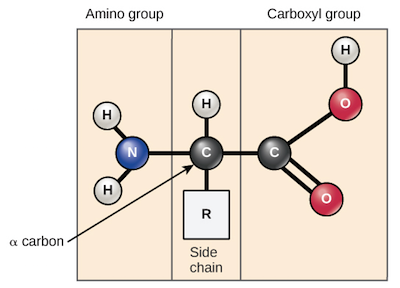
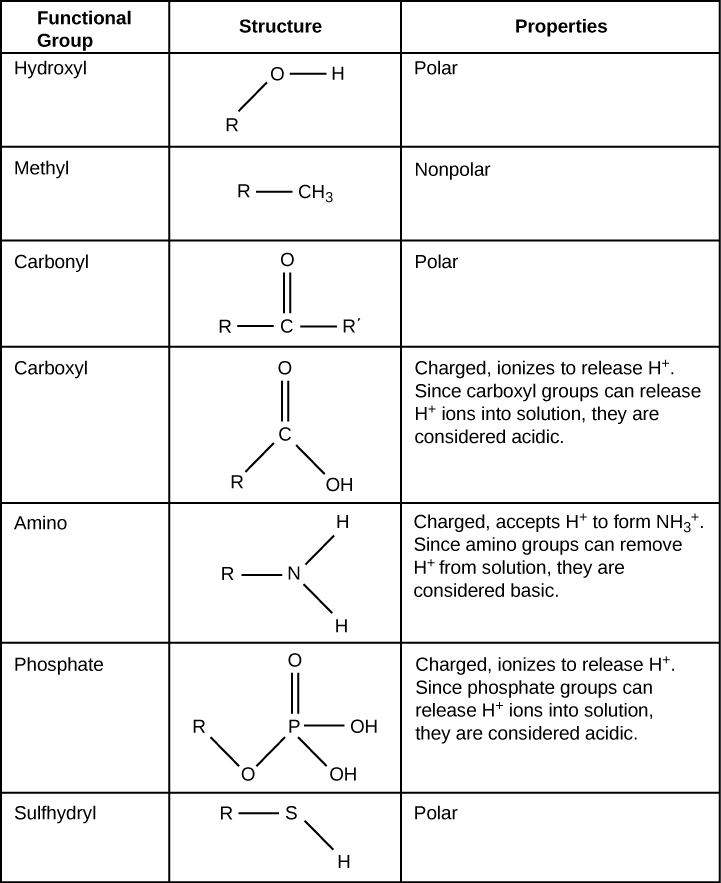
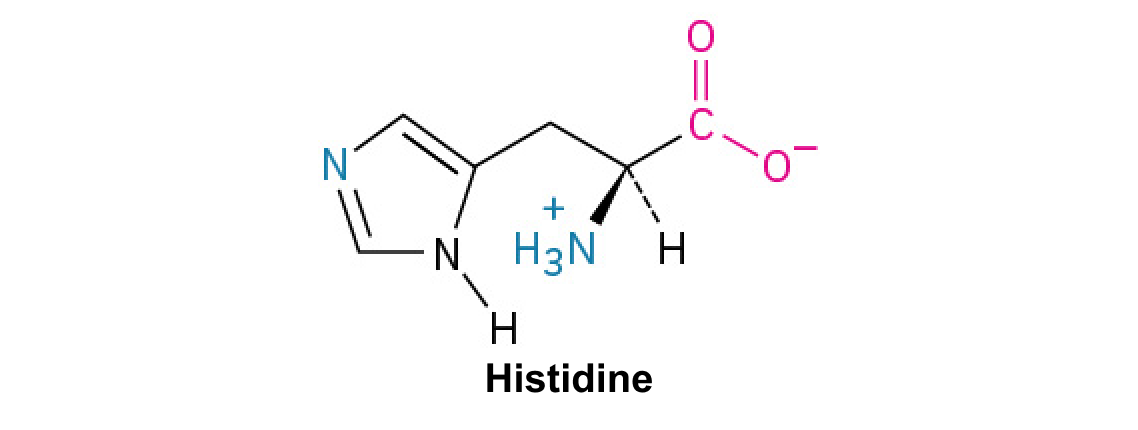
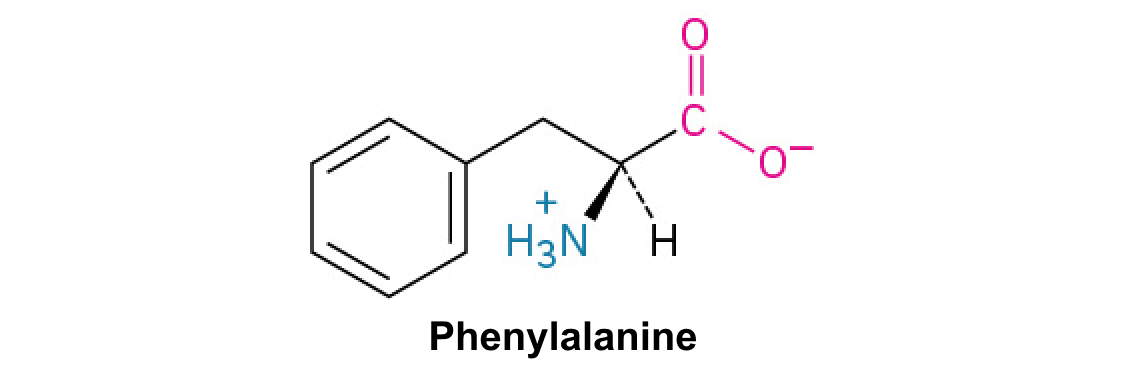
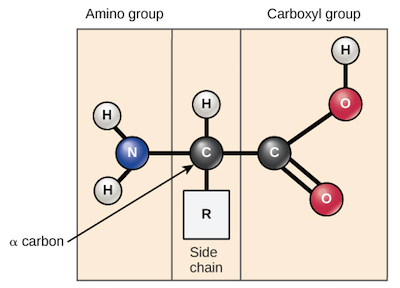
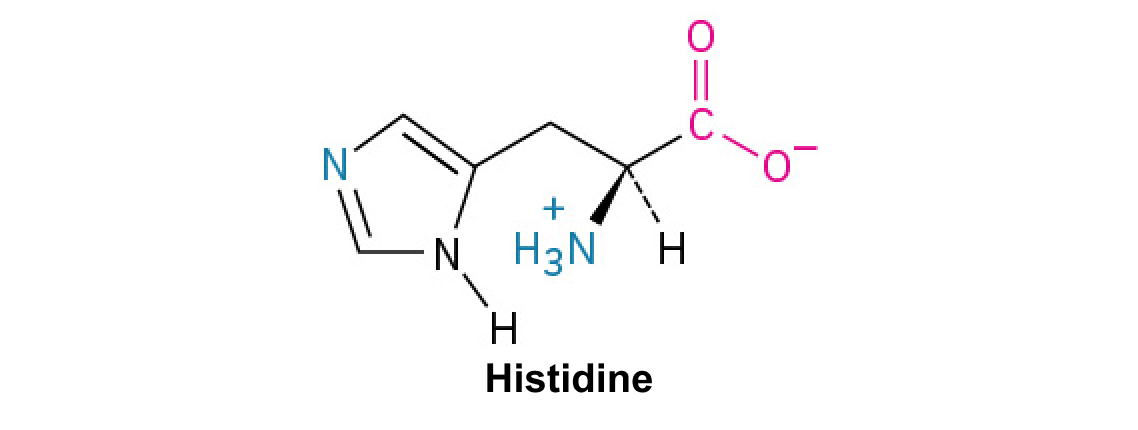
A nitrogen-containing functional group. A free amino acid’s amino group is typically protonated (NH₃⁺) near physiological pH; proline’s ring nitrogen is an exception to this formula.
Figure 15.4 This figure shows the genetic code for translating each nucleotide triplet in mRNA into an amino acid or a termination signal in a protein. (credit: modification of work by NIH)
Figure 12.11 Cognitive dissonance is aroused by inconsistent beliefs and behaviors. Believing cigarettes are bad for your health, but smoking cigarettes anyway, can cause cognitive dissonance. To reduce cognitive dissonance, individuals can change their behavior, as in quitting smoking, or change their belief, such as discounting the evidence that smoking is harmful. (credit “cigarettes”: modification of work by CDC/Debora Cartagena; “patch”: modification of "RegBarc"/Wikimedia Commons; “smoking”: modification of work by Tim Parkinson)
Rose M. Spielman, William J. Jenkins, and Marilyn D. Lovett, Psychology 2E, OpenStax. (credit “cigarettes”: modification of work by CDC/Debora Cartagena; “patch”: modification of "RegBarc"/Wikimedia Commons; “smoking”: modification of work by Tim Parkinson) · CC BY-NC-SA 4.0
· Original image ↗ · Access for free ↗
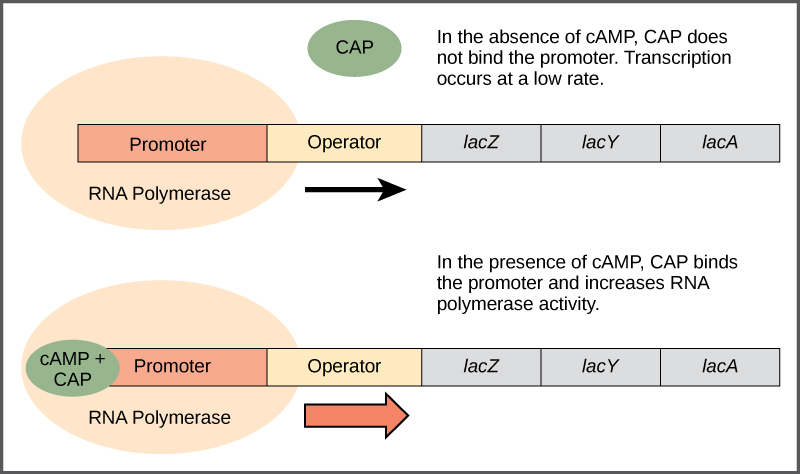
Figure 16.5 Transcriptional activation by the CAP protein. When glucose levels fall, E. coli may use other sugars for fuel but must transcribe new genes to do so. As glucose supplies become limited, cAMP levels increase. This cAMP binds to the CAP protein, a positive regulator that binds to a promoter region upstream of the genes required to use other sugar sources.
An electrical property that can be positive or negative. Opposite charges attract and like charges repel; net charge is the sum of all charges on a particle.
Figure 15.10 A generalized promoter of a gene transcribed by RNA polymerase II is shown. Transcription factors recognize the promoter. RNA polymerase II then binds and forms the transcription initiation complex.
Figure 12.4 In the P generation, pea plants that are true-breeding for the dominant yellow phenotype are crossed with plants with the recessive green phenotype. This cross produces F 1 heterozygotes with a yellow phenotype. Punnett square analysis can be used to predict the genotypes of the F 2 generation.
The exponent needed to obtain a number from a chosen fixed number. For decimal logarithms, log₁₀(100) = 2 because 10² = 100; pH uses the negative decimal logarithm of hydrogen ion activity.
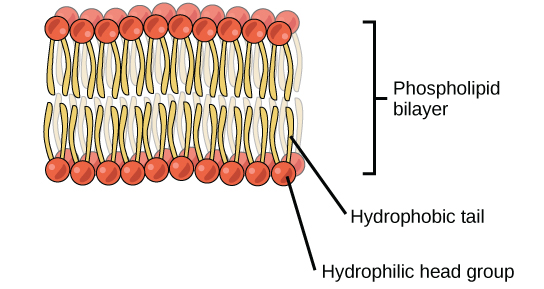
A thin boundary or sheet. Cell membranes are lipid bilayers containing proteins; blotting membranes are synthetic supports that hold proteins or nucleic acids for detection.
Figure 15.11 Eukaryotic pre-mRNA processing. In addition to 5’ Cap and 3’ Poly-A Tail addition, introns must be precisely removed and exons joined to generate a functional mRNA. Nucleotides upstream (towards the 5’cap) of the translation START codon are part of the 5’ untranslated region (5’ UTR). Nucleotides downstream (towards 3’end) of the STOP codon form the 3’ UTR. Both 5’ and 3’ UTRs are important for regulating translation initiation and mRNA stability. Credit: Rao, A., Ryan, K. Fletcher, S. and Tag, A. Department of Biology, Texas A&M University.
Rao, A., Ryan, K. Fletcher, S. and Tag, A. Department of Biology, Texas A&M University.; Mary Ann Clark, Matthew Douglas, and Jung Choi, Biology 2e, OpenStax. · CC BY-NC-SA 4.0
· Original image ↗ · Access for free ↗
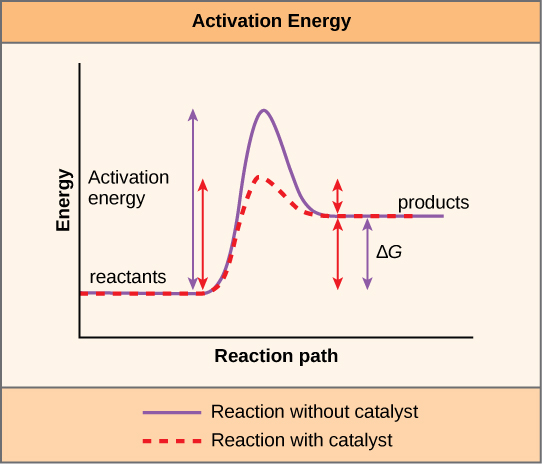
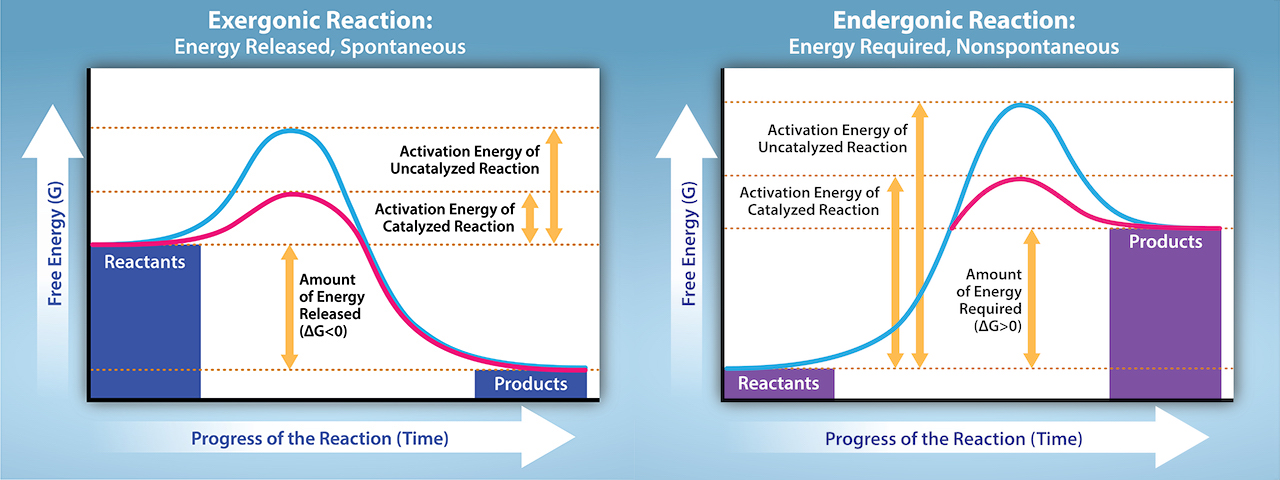
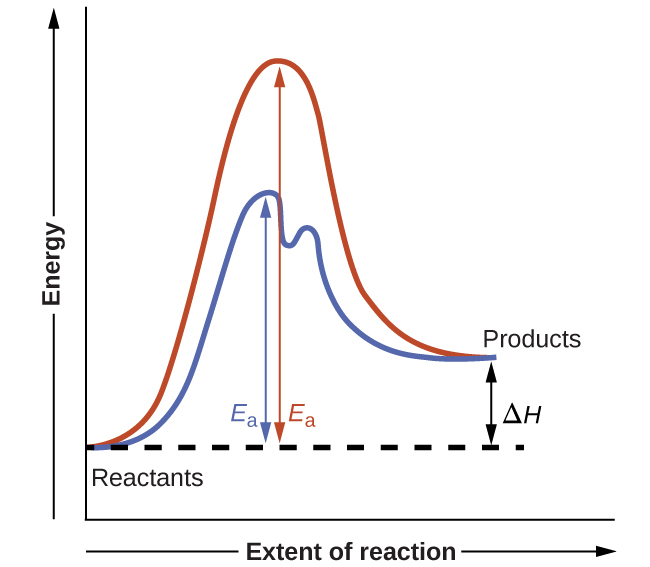
Figure 12.19 Reaction diagrams for an endothermic process in the absence (red curve) and presence (blue curve) of a catalyst. The catalyzed pathway involves a two-step mechanism (note the presence of two transition states) and an intermediate species (represented by the valley between the two transitions states).
Figure 7.45 - Non-homologous end joining (left) versus homologous recombination (right) - Wikipedia
Wikipedia, as credited by Kevin Ahern, Indira Rajagopal, and Taralyn Tan, Biochemistry Free For All, Oregon State University, via Biology LibreTexts. · Source attribution
· Original image ↗ · Access for free ↗
situational attribution
Explanation of behavior through external circumstances.
The amount of a substance that can dissolve in a solvent under specified conditions. Soluble means able to dissolve; insoluble means only very slightly soluble in that solvent.
Figure 15.7 Messenger RNA is a copy of protein-coding information in the coding strand of DNA, with the substitution of U in the RNA for T in the coding sequence. However, new RNA nucleotides base pair with the nucleotides of the template strand. RNA is synthesized in its 5'-3' direction, using the enzyme RNA polymerase. As the template is read, the DNA unwinds ahead of the polymerase and then rewinds behind it.
A fleeting, high-energy arrangement at a reaction barrier. It is an energy maximum along the reaction path, rather than a stable reaction intermediate.
Figure 12.19 Reaction diagrams for an endothermic process in the absence (red curve) and presence (blue curve) of a catalyst. The catalyzed pathway involves a two-step mechanism (note the presence of two transition states) and an intermediate species (represented by the valley between the two transitions states).
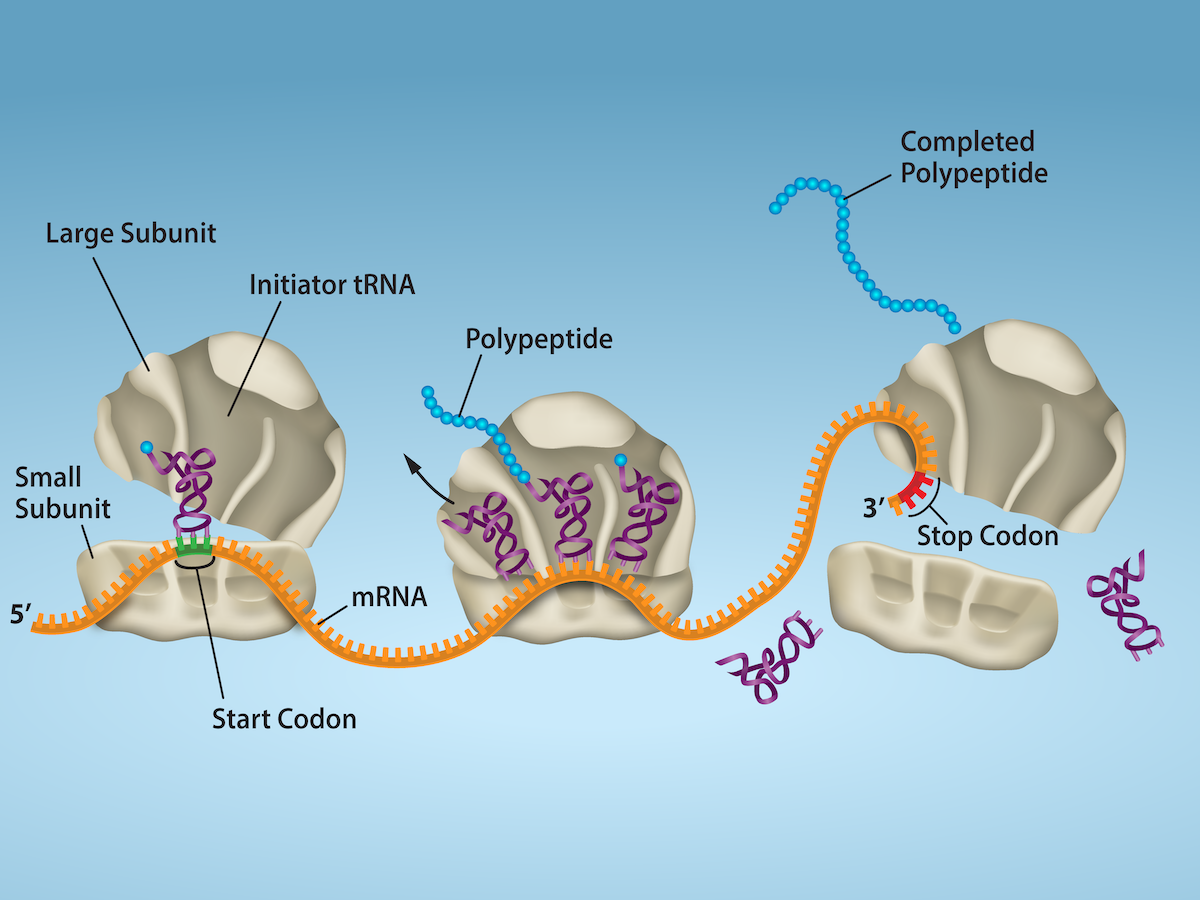
Figure 15.18 Translation begins when an initiator tRNA anticodon recognizes a start codon on mRNA bound to a small ribosomal subunit. The large ribosomal subunit joins the small subunit, and a second tRNA is recruited. As the mRNA moves relative to the ribosome, successive tRNAs move through the ribosome and the polypeptide chain is formed. Entry of a release factor into the A site terminates translation and the components dissociate.
No matching terms. Try a different name or abbreviation.
12.1 What Is Social Psychology?
OpenStax · 12.1 What Is Social Psychology? ↗ Instructional page including learning objectives, examples, figures, source tables and questions. Site navigation and embedded media players are omitted; source media links remain available.
Learning Objectives
By the end of this section, you will be able to:
Define social psychology
Describe situational versus dispositional influences on behavior
Social psychology examines how people affect one another, and it looks at the power of the situation. According to the American Psychological Association (n.d.), social psychologists "are interested in all aspects of personality and social interaction, exploring the influence of interpersonal and group relationships on human behavior." Throughout this chapter, we will examine how the presence of other individuals and groups of people impacts a person's behaviors, thoughts, and feelings. Essentially, people will change their behavior to align with the social situation at hand. If we are in a new situation or are unsure how to behave, we will take our cues from other individuals.
The field of social psychology studies topics at both the intra- and interpersonal levels. Intrapersonal topics (those that pertain to the individual) include emotions and attitudes, the self, and social cognition (the ways in which we think about ourselves and others). Interpersonal topics (those that pertain to dyads and groups) include helping behavior (Figure 12.2), aggression, prejudice and discrimination, attraction and close relationships, and group processes and intergroup relationships.
Figure 12.2 — 12.1 What Is Social Psychology?
Figure 12.2 Social psychology deals with all kinds of interactions between people, spanning a wide range of how we connect: from moments of confrontation to moments of working together and helping others, as shown here. (credit: Sgt. Derec Pierson, U.S. Army)
Social psychologists focus on how people conceptualize and interpret situations and how these interpretations influence their thoughts, feelings, and behaviors (Ross & Nisbett, 1991). Thus, social psychology studies individuals in a social context and how situational variables interact to influence behavior. In this chapter, we discuss the intrapersonal processes of self-presentation, cognitive dissonance and attitude change, and the interpersonal processes of conformity and obedience, aggression and altruism, and, finally, love and attraction.
Situational and Dispositional Influences on Behavior
Behavior is a product of both the situation (e.g., cultural influences, social roles, and the presence of bystanders) and of the person (e.g., personality characteristics). Subfields of psychology tend to focus on one influence or behavior over others. Situationism is the view that our behavior and actions are determined by our immediate environment and surroundings. In contrast, dispositionism holds that our behavior is determined by internal factors (Heider, 1958). An internal factor is an attribute of a person and includes personality traits and temperament. Social psychologists have tended to take the situationist perspective, whereas personality psychologists have promoted the dispositionist perspective. Modern approaches to social psychology, however, take both the situation and the individual into account when studying human behavior (Fiske, Gilbert, & Lindzey, 2010). In fact, the field of social-personality psychology has emerged to study the complex interaction of internal and situational factors that affect human behavior (Mischel, 1977; Richard, Bond, & Stokes-Zoota, 2003).
In the United States, the predominant culture tends to favor a dispositional approach in explaining human behavior. Why do you think this is? We tend to think that people are in control of their own behaviors, and, therefore, any behavior change must be due to something internal, such as their personality, habits, or temperament. According to some social psychologists, people tend to overemphasize internal factors as explanations—or attributions—for the behavior of other people. They tend to assume that the behavior of another person is a trait of that person, and to underestimate the power of the situation on the behavior of others. They tend to fail to recognize when the behavior of another is due to situational variables, and thus to the person’s state. This erroneous assumption is called the fundamental attribution error (Ross, 1977; Riggio & Garcia, 2009). To better understand, imagine this scenario: Jamie returns home from work, and opens the front door to a happy greeting from spouse Morgan who inquires how the day has been. Instead of returning the spouse’s kind greeting, Jamie yells, “Leave me alone!” Why did Jamie yell? How would someone committing the fundamental attribution error explain Jamie’s behavior? The most common response is that Jamie is a mean, angry, or unfriendly person (traits). This is an internal or dispositional explanation. However, imagine that Jamie was just laid off from work due to company downsizing. Would your explanation for Jamie’s behavior change? Your revised explanation might be that Jamie was frustrated and disappointed about being laid off and was therefore in a bad mood (state). This is now an external or situational explanation for Jamie’s behavior.
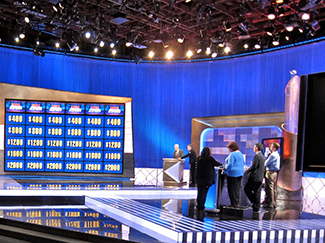
The fundamental attribution error is so powerful that people often overlook obvious situational influences on behavior. A classic example was demonstrated in a series of experiments known as the quizmaster study (Ross, Amabile, & Steinmetz, 1977). Student participants were randomly assigned to play the role of a questioner (the quizmaster) or a contestant in a quiz game. Questioners developed difficult questions to which they knew the answers, and they presented these questions to the contestants. The contestants answered the questions correctly only 4 out of 10 times (Figure 12.3). After the task, the questioners and contestants were asked to rate their own general knowledge compared to the average student. Questioners did not rate their general knowledge higher than the contestants, but the contestants rated the questioners’ intelligence higher than their own. In a second study, observers of the interaction also rated the questioner as having more general knowledge than the contestant. The obvious influence on performance is the situation. The questioners wrote the questions, so of course they had an advantage. Both the contestants and observers made an internal attribution for the performance. They concluded that the questioners must be more intelligent than the contestants.
Figure 12.3 — 12.1 What Is Social Psychology?
Figure 12.3 In the quizmaster study, people tended to disregard the influence of the situation and wrongly concluded that a questioner’s knowledge was greater than their own. (credit: Steve Jurvetson)
The halo effect refers to the tendency to let the overall impression of an individual color the way in which we feel about their character. For instance, we might assume that people who are physically attractive are more likely to be good people than less attractive individuals. Another example of how the halo effect might manifest would involve assuming that someone whom we perceive to be outgoing or friendly has a better moral character than someone who is not.
As demonstrated in the examples above, the fundamental attribution error is considered a powerful influence in how we explain the behaviors of others. However, it should be noted that some researchers have suggested that the fundamental attribution error may not be as powerful as it is often portrayed. In fact, a recent review of more than 173 published studies suggests that several factors (e.g., high levels of idiosyncrasy of the character and how well hypothetical events are explained) play a role in determining just how influential the fundamental attribution error is (Malle, 2006).
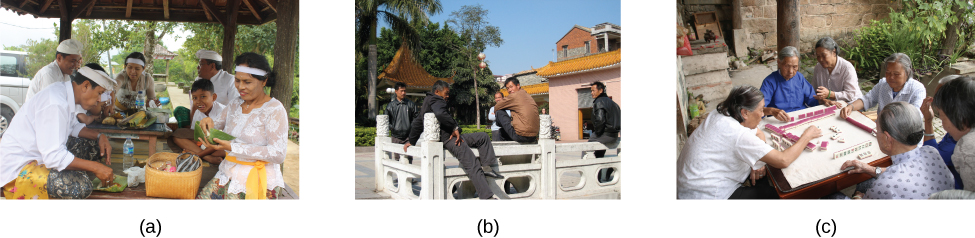
You may be able to think of examples of the fundamental attribution error in your life. Do people in all cultures commit the fundamental attribution error? Research suggests that they do not. People from an individualistic culture, that is, a culture that focuses on individual achievement and autonomy, have the greatest tendency to commit the fundamental attribution error. Individualistic cultures, which tend to be found in western countries such as the United States, Canada, and the United Kingdom, promote a focus on the individual. Therefore, a person’s disposition is thought to be the primary explanation for her behavior. In contrast, people from a collectivistic culture, that is, a culture that focuses on communal relationships with others, such as family, friends, and community (Figure 12.4), are less likely to commit the fundamental attribution error (Markus & Kitayama, 1991; Triandis, 2001).
Figure 12.4 — 12.1 What Is Social Psychology?
Figure 12.4 People from collectivistic cultures, such as some Asian cultures, are more likely to emphasize relationships with others than to focus primarily on the individual. Activities such as (a) preparing a meal, (b) hanging out, and (c) playing a game engage people in a group. (credit a: modification of work by Arian Zwegers; credit b: modification of work by "conbon33"/Flickr; credit c: modification of work by Anja Disseldorp)
Rose M. Spielman, William J. Jenkins, and Marilyn D. Lovett, Psychology 2E, OpenStax. (credit a: modification of work by Arian Zwegers; credit b: modification of work by "conbon33"/Flickr; credit c: modification of work by Anja Disseldorp) · CC BY-NC-SA 4.0
· Original image ↗ · Access for free ↗
Why do you think this is the case? Collectivistic cultures, which tend to be found in east Asian countries and in Latin American and African countries, focus on the group more than on the individual (Nisbett, Peng, Choi, & Norenzayan, 2001). This focus on others provides a broader perspective that takes into account both situational and cultural influences on behavior; thus, a more nuanced explanation of the causes of others’ behavior becomes more likely. Table 12.1 compares individualistic and collectivist cultures.
Characteristics of Individualistic and Collectivistic Cultures
Masuda and Nisbett (2001) demonstrated that the kinds of information that people attend to when viewing visual stimuli (e.g., an aquarium scene) can differ significantly depending on whether the observer comes from a collectivistic versus an individualistic culture. Japanese participants were much more likely to recognize objects that were presented when they occurred in the same context in which they were originally viewed. Manipulating the context in which object recall occurred had no such impact on American participants. Other researchers have shown similar differences across cultures. For example, Zhang, Fung, Stanley, Isaacowitz, and Zhang (2014) demonstrated differences in the ways that holistic thinking might develop between Chinese and American participants, and Ramesh and Gelfand (2010) demonstrated that job turnover rates are more related to the fit between a person and the organization in which they work in an Indian sample, but the fit between the person and their specific job was more predictive of turnover in an American sample.
Actor-Observer Bias
Returning to our earlier example, Jamie was laid off, but an observer would not know. So a naïve observer would tend to attribute Jamie’s hostile behavior to Jamie’s disposition rather than to the true, situational cause. Why do you think we underestimate the influence of the situation on the behaviors of others? One reason is that we often don’t have all the information we need to make a situational explanation for another person’s behavior. The only information we might have is what is observable. Due to this lack of information we have a tendency to assume the behavior is due to a dispositional, or internal, factor. When it comes to explaining our own behaviors, however, we have much more information available to us. If you came home from school or work angry and yelled at your dog or a loved one, what would your explanation be? You might say you were very tired or feeling unwell and needed quiet time—a situational explanation. The actor-observer bias is the phenomenon of attributing other people’s behavior to internal factors (fundamental attribution error) while attributing our own behavior to situational forces (Jones & Nisbett, 1971; Nisbett, Caputo, Legant, & Marecek, 1973; Choi & Nisbett, 1998). As actors of behavior, we have more information available to explain our own behavior. However as observers, we have less information available; therefore, we tend to default to a dispositionist perspective.
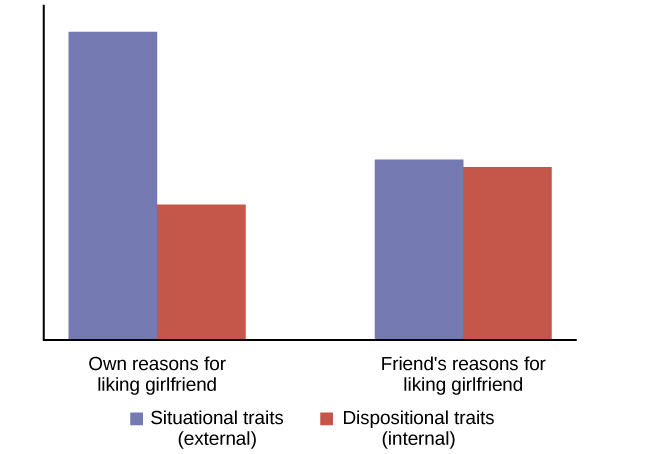
One study on the actor-observer bias investigated reasons male participants gave for why they liked their girlfriend (Nisbett et al., 1973). When asked why participants liked their own girlfriend, participants focused on internal, dispositional qualities of their girlfriends (for example, her pleasant personality). The participants’ explanations rarely included causes internal to themselves, such as dispositional traits (for example, “I need companionship.”). In contrast, when speculating why a male friend likes his girlfriend, participants were equally likely to give dispositional and external explanations. This supports the idea that actors tend to provide few internal explanations but many situational explanations for their own behavior. In contrast, observers tend to provide more dispositional explanations for a friend’s behavior (Figure 12.5).
Figure 12.5 — 12.1 What Is Social Psychology?
Figure 12.5 Actor-observer bias is evident when subjects explain their own reasons for liking a girlfriend versus their impressions of others’ reasons for liking a girlfriend.
We can understand self-serving bias by digging more deeply into attribution, a belief about the cause of a result. One model of attribution proposes three main dimensions: locus of control (internal versus external), stability (stable versus unstable), and controllability (controllable versus uncontrollable). In this context, stability refers to the extent in which the circumstances that result in a given outcome are changeable. The circumstances are considered stable if they are unlikely to change. Controllability refers to the extent to which the circumstances that are associated with a given outcome can be controlled. Obviously, those things that we have the power to control would be labeled controllable (Weiner, 1979).
Following an outcome, self-serving biases are those attributions that enable us to see ourselves in a favorable light (for example, making internal attributions for success and external attributions for failures). When you do well at a task, for example acing an exam, it is in your best interest to make a dispositional attribution for your behavior (“I’m smart,”) instead of a situational one (“The exam was easy,”). Self-serving bias is the tendency to explain our successes as due to dispositional (internal) characteristics, but to explain our failures as due to situational (external) factors. Again, this is culture dependent. This bias serves to protect self-esteem. You can imagine that if people always made situational attributions for their behavior, they would never be able to take credit and feel good about their accomplishments.
Consider the example of how we explain our favorite sports team’s wins. Research shows that we make internal, stable, and controllable attributions for our team’s victory (Figure 12.6) (Grove, Hanrahan, & McInman, 1991). For example, we might tell ourselves that our team is talented (internal), consistently works hard (stable), and uses effective strategies (controllable). In contrast, we are more likely to make external, unstable, and uncontrollable attributions when our favorite team loses. For example, we might tell ourselves that the other team has more experienced players or that the referees were unfair (external), the other team played at home (unstable), and the cold weather affected our team’s performance (uncontrollable).
Figure 12.6 — 12.1 What Is Social Psychology?
Figure 12.6 We tend to believe that our team wins because it’s better, but loses for reasons it cannot control (Roesch & Amirkham, 1997). (credit: "TheAHL"/Flickr)
One consequence of westerners’ tendency to provide dispositional explanations for behavior is victim blame (Jost & Major, 2001). When people experience bad fortune, others tend to assume that they somehow are responsible for their own fate. A common ideology, or worldview, in the United States is the just-world hypothesis. The just-world hypothesis is the belief that people get the outcomes they deserve (Lerner & Miller, 1978). In order to maintain the belief that the world is a fair place, people tend to think that good people experience positive outcomes, and bad people experience negative outcomes (Jost, Banaji, & Nosek, 2004; Jost & Major, 2001). The ability to think of the world as a fair place, where people get what they deserve, allows us to feel that the world is predictable and that we have some control over our life outcomes (Jost et al., 2004; Jost & Major, 2001). For example, if you want to experience positive outcomes, you just need to work hard to get ahead in life.
Can you think of a negative consequence of the just-world hypothesis? One negative consequence is people’s tendency to blame poor individuals for their plight. What common explanations are given for why people live in poverty? Have you heard statements such as, “The poor are lazy and just don’t want to work” or “Poor people just want to live off the government”? What types of explanations are these, dispositional or situational? These dispositional explanations are clear examples of the fundamental attribution error. Blaming poor people for their poverty ignores situational factors that impact them, such as high unemployment rates, recession, poor educational opportunities, and the familial cycle of poverty (Figure 12.7). Other research shows that people who hold just-world beliefs have negative attitudes toward people who are unemployed and people living with AIDS (Sutton & Douglas, 2005). In the United States and other countries, victims of sexual assault may find themselves blamed for their abuse. Victim advocacy groups, such as Domestic Violence Ended (DOVE), attend court in support of victims to ensure that blame is directed at the perpetrators of sexual violence, not the victims.
Figure 12.7 — 12.1 What Is Social Psychology?
Figure 12.7 People who hold just-world beliefs tend to blame the people in poverty for their circumstances, ignoring situational and cultural causes of poverty. (credit: Adrian Miles)
OpenStax · 12.3 Attitudes and Persuasion ↗ Instructional page including learning objectives, examples, figures, source tables and questions. Site navigation and embedded media players are omitted; source media links remain available.
Describe how people’s attitudes are internally changed through cognitive dissonance
Explain how people’s attitudes are externally changed through persuasion
Describe the peripheral and central routes to persuasion
Social psychologists have documented how the power of the situation can influence our behaviors. Now we turn to how the power of the situation can influence our attitudes and beliefs. Attitude is our evaluation of a person, an idea, or an object. We have attitudes for many things ranging from products that we might pick up in the supermarket to people around the world to political policies. Typically, attitudes are favorable or unfavorable: positive or negative (Eagly & Chaiken, 1993). And, they have three components: an affective component (feelings), a behavioral component (the effect of the attitude on behavior), and a cognitive component (belief and knowledge) (Rosenberg & Hovland, 1960).
For example, you may hold a positive attitude toward recycling. This attitude should result in positive feelings toward recycling (such as “It makes me feel good to recycle” or “I enjoy knowing that I make a small difference in reducing the amount of waste that ends up in landfills”). Certainly, this attitude should be reflected in our behavior: You actually recycle as often as you can. Finally, this attitude will be reflected in favorable thoughts (for example, “Recycling is good for the environment” or “Recycling is the responsible thing to do”).
Our attitudes and beliefs are not only influenced by external forces, but also by internal influences that we control. Like our behavior, our attitudes and thoughts are not always changed by situational pressures, but they can be consciously changed by our own free will. In this section we discuss the conditions under which we would want to change our own attitudes and beliefs.
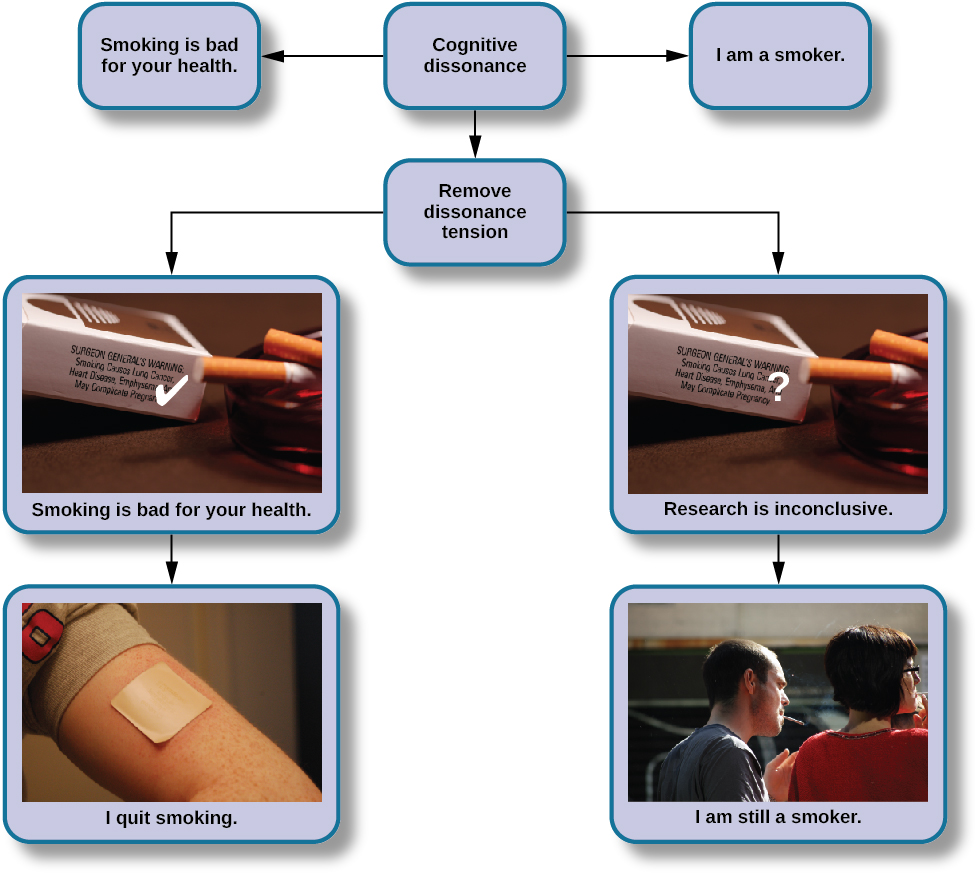
Social psychologists have documented that feeling good about ourselves and maintaining positive self-esteem is a powerful motivator of human behavior (Tavris & Aronson, 2008). In the United States, members of the predominant culture typically think very highly of themselves and view themselves as good people who are above average on many desirable traits (Ehrlinger, Gilovich, & Ross, 2005). Often, our behavior, attitudes, and beliefs are affected when we experience a threat to our self-esteem or positive self-image. Psychologist Leon Festinger (1957) defined cognitive dissonance as psychological discomfort arising from holding two or more inconsistent attitudes, behaviors, or cognitions (thoughts, beliefs, or opinions). Festinger’s theory of cognitive dissonance states that when we experience a conflict in our behaviors, attitudes, or beliefs that runs counter to our positive self-perceptions, we experience psychological discomfort (dissonance). For example, if you believe smoking is bad for your health but you continue to smoke, you experience conflict between your belief and behavior (Figure 12.11).
Figure 12.11 — 12.3 Attitudes and Persuasion
Figure 12.11 Cognitive dissonance is aroused by inconsistent beliefs and behaviors. Believing cigarettes are bad for your health, but smoking cigarettes anyway, can cause cognitive dissonance. To reduce cognitive dissonance, individuals can change their behavior, as in quitting smoking, or change their belief, such as discounting the evidence that smoking is harmful. (credit “cigarettes”: modification of work by CDC/Debora Cartagena; “patch”: modification of "RegBarc"/Wikimedia Commons; “smoking”: modification of work by Tim Parkinson)
Rose M. Spielman, William J. Jenkins, and Marilyn D. Lovett, Psychology 2E, OpenStax. (credit “cigarettes”: modification of work by CDC/Debora Cartagena; “patch”: modification of "RegBarc"/Wikimedia Commons; “smoking”: modification of work by Tim Parkinson) · CC BY-NC-SA 4.0
· Original image ↗ · Access for free ↗
Later research documented that only conflicting cognitions that threaten individuals’ positive self-image cause dissonance (Greenwald & Ronis, 1978). Additional research found that dissonance is not only psychologically uncomfortable but also can cause physiological arousal (Croyle & Cooper, 1983) and activate regions of the brain important in emotions and cognitive functioning (van Veen, Krug, Schooler, & Carter, 2009). When we experience cognitive dissonance, we are motivated to decrease it because it is psychologically, physically, and mentally uncomfortable. We can reduce cognitive dissonance by bringing our cognitions, attitudes, and behaviors in line—that is, making them harmonious. This can be done in different ways, such as:
changing our cognitions through rationalization or denial (e.g., telling ourselves that health risks can be reduced by smoking filtered cigarettes),
adding a new cognition (e.g., “Smoking suppresses my appetite so I don’t become overweight, which is good for my health.”).
A classic example of cognitive dissonance is Joaquin, a 20-year-old who enlists in the military. During boot camp he is awakened at 5:00 a.m., is chronically sleep deprived, yelled at, covered in sand flea bites, physically bruised and battered, and mentally exhausted (Figure 12.12). It gets worse. Recruits that make it to week 11 of boot camp have to do 54 hours of continuous training.
Figure 12.12 — 12.3 Attitudes and Persuasion
Figure 12.12 A person who has chosen a difficult path must deal with cognitive dissonance in addition to many other discomforts. (credit: Tyler J. Bolken)
Not surprisingly, Joaquin is miserable. No one likes to be miserable. In this type of situation, people can change their beliefs, their attitudes, or their behaviors. The last option, a change of behaviors, is not available to Joaquin. He has signed on to the military for four years, and he cannot legally leave.
If Joaquin keeps thinking about how miserable he is, it is going to be a very long four years. He will be in a constant state of cognitive dissonance. As an alternative to this misery, Joaquin can change his beliefs or attitudes. He can tell himself, “I am becoming stronger, healthier, and sharper. I am learning discipline and how to defend myself and my country. What I am doing is really important.” If this is his belief, he will realize that he is becoming stronger through his challenges. He then will feel better and not experience cognitive dissonance, which is an uncomfortable state.
The Effect of Initiation
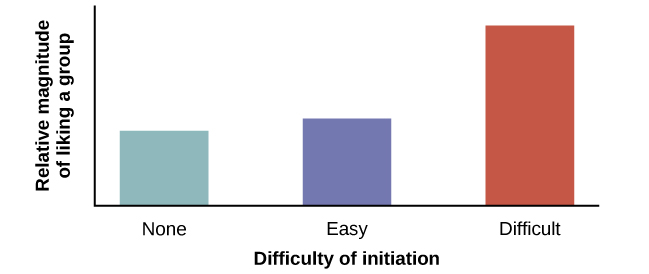
The military example demonstrates the observation that a difficult initiation into a group influences us to like the group more. Another social psychology concept, justification of effort, suggests that we value goals and achievements that we put a lot of effort into. According to this theory, if something is difficult for us to achieve, we believe it is more worthwhile. For example, if you move to an apartment and spend hours assembling a dresser you bought from Ikea, you will value that more than a fancier dresser someone else bought you. We do not want to have wasted time and effort to join a group that we eventually leave. A classic experiment by Aronson and Mills (1959) demonstrated this justification of effort effect. College students volunteered to join a campus group that would meet regularly to discuss the psychology of sex. Participants were randomly assigned to one of three conditions: no initiation, an easy initiation, and a difficult initiation into the group. After participating in the first discussion, which was deliberately made very boring, participants rated how much they liked the group. Participants who underwent a difficult initiation process to join the group rated the group more favorably than did participants with an easy initiation or no initiation (Figure 12.13).
Figure 12.13 — 12.3 Attitudes and Persuasion
Figure 12.13 Justification of effort has a distinct effect on a person liking a group. Students in the difficult initiation condition liked the group more than students in other conditions due to the justification of effort.
Similar effects can be seen in a more recent study of how student effort affects course evaluations. Heckert, Latier, Ringwald-Burton, and Drazen (2006) surveyed 463 undergraduates enrolled in courses at a midwestern university about the amount of effort that their courses required of them. In addition, the students were also asked to evaluate various aspects of the course. Given what you’ve just read, it will come as no surprise that those courses that were associated with the highest level of effort were evaluated as being more valuable than those that were not. Furthermore, students indicated that they learned more in courses that required more effort, regardless of the grades that they received in those courses (Heckert et al., 2006).
Besides the classic military example and group initiation, can you think of other examples of cognitive dissonance? Here is one: Maria and Marco live in Fairfield County, Connecticut, which is one of the wealthiest areas in the United States and has a very high cost of living. Maria telecommutes from home and Marco does not work outside of the home. They rent a very small house for more than $3000 a month. Marco shops at consignment stores for clothes and economizes when possible. They complain that they never have any money and that they cannot buy anything new. When asked why they do not move to a less expensive location, since Maria telecommutes, they respond that Fairfield County is beautiful, they love the beaches, and they feel comfortable there. How does the theory of cognitive dissonance apply to Maria and Marco’s choices?
Persuasion
In the previous section we discussed that the motivation to reduce cognitive dissonance leads us to change our attitudes, behaviors, and/or cognitions to make them consonant. Persuasion is the process of changing our attitude toward something based on some kind of communication. Much of the persuasion we experience comes from outside forces. How do people convince others to change their attitudes, beliefs, and behaviors (Figure 12.14)? What communications do you receive that attempt to persuade you to change your attitudes, beliefs, and behaviors?
Figure 12.14 — 12.3 Attitudes and Persuasion
Figure 12.14 We encounter attempts at persuasion attempts everywhere. Persuasion is not limited to formal advertising; we are confronted with it throughout our everyday world. (credit: Robert Couse-Baker)
A subfield of social psychology studies persuasion and social influence, providing us with a plethora of information on how humans can be persuaded by others.
The topic of persuasion has been one of the most extensively researched areas in social psychology (Fiske et al., 2010). During the Second World War, Carl Hovland extensively researched persuasion for the U.S. Army. After the war, Hovland continued his exploration of persuasion at Yale University. Out of this work came a model called the Yale attitude change approach, which describes the conditions under which people tend to change their attitudes. Hovland demonstrated that certain features of the source of a persuasive message, the content of the message, and the characteristics of the audience will influence the persuasiveness of a message (Hovland, Janis, & Kelley, 1953).
Features of the source of the persuasive message include the credibility of the speaker (Hovland & Weiss, 1951) and the physical attractiveness of the speaker (Eagly & Chaiken, 1975; Petty, Wegener, & Fabrigar, 1997). Thus, speakers who are credible, or have expertise on the topic, and who are deemed as trustworthy are more persuasive than less credible speakers. Similarly, more attractive speakers are more persuasive than less attractive speakers. The use of famous actors and athletes to advertise products on television and in print relies on this principle. The immediate and long term impact of the persuasion also depends, however, on the credibility of the messenger (Kumkale & Albarracín, 2004).
Features of the message itself that affect persuasion include subtlety (the quality of being important, but not obvious) (Petty & Cacioppo, 1986; Walster & Festinger, 1962); sidedness (that is, having more than one side) (Crowley & Hoyer, 1994; Igou & Bless, 2003; Lumsdaine & Janis, 1953); timing (Haugtvedt & Wegener, 1994; Miller & Campbell, 1959), and whether both sides are presented. Messages that are more subtle are more persuasive than direct messages. Arguments that occur first, such as in a debate, are more influential if messages are given back-to-back. However, if there is a delay after the first message, and before the audience needs to make a decision, the last message presented will tend to be more persuasive (Miller & Campbell, 1959).
Features of the audience that affect persuasion are attention (Albarracín & Wyer, 2001; Festinger & Maccoby, 1964), intelligence, self-esteem (Rhodes & Wood, 1992), and age (Krosnick & Alwin, 1989). In order to be persuaded, audience members must be paying attention. People with lower intelligence are more easily persuaded than people with higher intelligence; whereas people with moderate self-esteem are more easily persuaded than people with higher or lower self-esteem (Rhodes & Wood, 1992). Finally, younger adults aged 18–25 are more persuadable than older adults.
Elaboration Likelihood Model
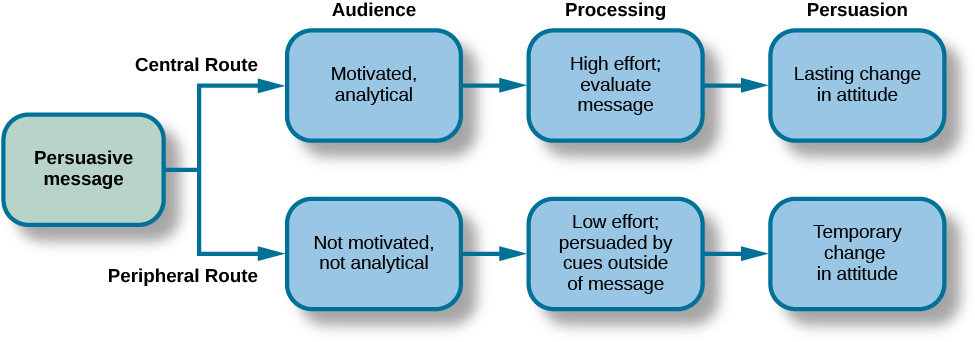
An especially popular model that describes the dynamics of persuasion is the elaboration likelihood model of persuasion (Petty & Cacioppo, 1986). The elaboration likelihood model considers the variables of the attitude change approach—that is, features of the source of the persuasive message, contents of the message, and characteristics of the audience are used to determine when attitude change will occur. According to the elaboration likelihood model of persuasion, there are two main routes that play a role in delivering a persuasive message: central and peripheral (Figure 12.15).
Figure 12.15 — 12.3 Attitudes and Persuasion
Figure 12.15 Persuasion can take one of two paths, and the durability of the end result depends on the path.
The central route is logic driven and uses data and facts to convince people of an argument’s worthiness. For example, a car company seeking to persuade you to purchase their model will emphasize the car’s safety features and fuel economy. This is a direct route to persuasion that focuses on the quality of the information. In order for the central route of persuasion to be effective in changing attitudes, thoughts, and behaviors, the argument must be strong and, if successful, will result in lasting attitude change.
The central route to persuasion works best when the target of persuasion, or the audience, is analytical and willing to engage in processing of the information. From an advertiser’s perspective, what products would be best sold using the central route to persuasion? What audience would most likely be influenced to buy the product? One example is buying a computer. It is likely, for example, that small business owners might be especially influenced by the focus on the computer’s quality and features such as processing speed and memory capacity.
The peripheral route is an indirect route that uses peripheral cues to associate positivity with the message (Petty & Cacioppo, 1986). Instead of focusing on the facts and a product’s quality, the peripheral route relies on association with positive characteristics such as positive emotions and celebrity endorsement. For example, having a popular athlete advertise athletic shoes is a common method used to encourage young adults to purchase the shoes. This route to attitude change does not require much effort or information processing. This method of persuasion may promote positivity toward the message or product, but it typically results in less permanent attitude or behavior change. The audience does not need to be analytical or motivated to process the message. In fact, a peripheral route to persuasion may not even be noticed by the audience, for example in the strategy of product placement. Product placement refers to putting a product with a clear brand name or brand identity in a TV show or movie to promote the product (Gupta & Lord, 1998). For example, one season of the reality series American Idol prominently showed the panel of judges drinking out of cups that displayed the Coca-Cola logo. What other products would be best sold using the peripheral route to persuasion? Another example is clothing: A retailer may focus on celebrities that are wearing the same style of clothing.
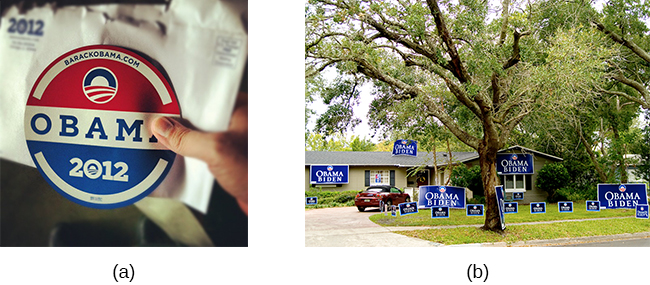
Researchers have tested many persuasion strategies that are effective in selling products and changing people’s attitude, ideas, and behaviors. One effective strategy is the foot-in-the-door technique (Cialdini, 2001; Pliner, Hart, Kohl, & Saari, 1974). Using the foot-in-the-door technique, the persuader gets a person to agree to bestow a small favor or to buy a small item, only to later request a larger favor or purchase of a bigger item. The foot-in-the-door technique was demonstrated in a study by Freedman and Fraser (1966) in which participants who agreed to post a small sign in their yard or sign a petition were more likely to agree to put a large sign in their yard than people who did not first receive the small request (Figure 12.16). Research on this technique also illustrates the principle of consistency (Cialdini, 2001): Our past behavior often directs our future behavior, and we have a desire to maintain consistency once we have committed to a behavior.
Figure 12.16 — 12.3 Attitudes and Persuasion
Figure 12.16 With the foot-in-the-door technique, getting someone to agree to a small request such as (a) wearing a campaign button can make them more likely to agree to a larger request, such as (b) putting campaigns signs in your yard. (credit a: modification of work by Joe Crawford; credit b: modification of work by "shutterblog"/Flickr)
Rose M. Spielman, William J. Jenkins, and Marilyn D. Lovett, Psychology 2E, OpenStax. (credit a: modification of work by Joe Crawford; credit b: modification of work by "shutterblog"/Flickr) · CC BY-NC-SA 4.0
· Original image ↗ · Access for free ↗
A common application of foot-in-the-door is when teens ask their parents for a small permission (for example, extending curfew by a half hour) and then asking them for something larger. Having granted the smaller request increases the likelihood that parents will acquiesce to the later, larger request.
How would a store owner use the foot-in-the-door technique to sell you an expensive product? For example, say that you are buying the latest model smartphone, and the salesperson suggests you purchase the best data plan. You agree to this. The salesperson then suggests a bigger purchase—the three-year extended warranty. After agreeing to the smaller request, you are more likely to also agree to the larger request. You may have encountered this if you have bought a car. When salespeople realize that a buyer intends to purchase a certain model, they might try to get the customer to pay for many or most available options on the car. Another example of the foot-in-the-door technique would be applied to an individual in the market for a used car who decides to buy a fully loaded new car. Why? Because the salesperson convinced the buyer that they need a car that has all of the safety features that were not available in the used car.
3.1 What Is Culture?
OpenStax · 3.1 What Is Culture? ↗ Instructional page including learning objectives, examples, figures, source tables and questions. Site navigation and embedded media players are omitted; source media links remain available.
Learning Objectives
By the end of this section, you should be able to:
Humans are social creatures. According to Smithsonian Institution research, humans have been forming groups for almost 3 million years in order to survive. Living together, people formed common habits and behaviors, from specific methods of childrearing to preferred techniques for obtaining food.
Almost every human behavior, from shopping to marriage, is learned. In the U.S., marriage is generally seen as an individual choice made by two adults, based on mutual feelings of love. In other nations and in other times, marriages have been arranged through an intricate process of interviews and negotiations between entire families. In Papua New Guinea, almost 30 percent of women marry before the age of 18, and 8 percent of men have more than one wife (National Statistical Office, 2019). To people who are not from such a culture, arranged marriages may seem to have risks of incompatibility or the absence of romantic love. But many people from cultures where marriages are arranged, which includes a number of highly populated and modern countries, often prefer the approach because it reduces stress and increases stability (Jankowiak 2021).
Being familiar with unwritten rules helps people feel secure and at ease. Knowing to look left instead of right for oncoming traffic while crossing the street can help avoid serious injury and even death. Knowing unwritten rules is also fundamental in understanding humor in different cultures. Humor is common to all societies, but what makes something funny is not. Americans may laugh at a scene in which an actor falls; in other cultures, falling is never funny. Most people want to live their daily lives confident that their behaviors will not be challenged or disrupted. But even an action as seemingly simple as commuting to work evidences a great deal of cultural propriety, that is, there are a lot of expected behaviors. And many interpretations of them.
Take the case of going to work on public transportation. Whether people are commuting in Egypt, Ireland, India, Japan, or the U.S., many behaviors will be the same and may reveal patterns. Others will be different. In many societies that enjoy public transportation, a passenger will find a marked bus stop or station, wait for the bus or train, pay an agent before or after boarding, and quietly take a seat if one is available. But when boarding a bus in Cairo, Egypt, passengers might board while the bus is moving, because buses often do not come to a full stop to take on patrons. In Dublin, Ireland, bus riders would be expected to extend an arm to indicate that they want the bus to stop for them. And when boarding a commuter train in Mumbai, India, passengers must squeeze into overstuffed cars amid a lot of pushing and shoving on the crowded platforms. That kind of behavior might be considered rude in other societies, but in Mumbai it reflects the daily challenges of getting around on a train system that is taxed to capacity.
Culture can be material or nonmaterial. Metro passes and bus tokens are part of material culture, as are the buses, subway cars, and the physical structures of the bus stop. Think of material culture as items you can touch-they are tangible. Nonmaterial culture, in contrast, consists of the ideas, attitudes, and beliefs of a society. These are things you cannot touch. They are intangible. You may believe that a line should be formed to enter the subway car or that other passengers should not stand so close to you. Those beliefs are intangible because they do not have physical properties and can be touched.
Material and nonmaterial aspects of culture are linked, and physical objects often symbolize cultural ideas. A metro pass is a material object, but it represents a form of nonmaterial culture, namely, capitalism, and the acceptance of paying for transportation. Clothing, hairstyles, and jewelry are part of material culture, but the appropriateness of wearing certain clothing for specific events reflects nonmaterial culture. A school building belongs to material culture symbolizing education, but the teaching methods and educational standards are part of education’s nonmaterial culture.
As people travel from different regions to entirely different parts of the world, certain material and nonmaterial aspects of culture become dramatically unfamiliar. What happens when we encounter different cultures? As we interact with cultures other than our own, we become more aware of the differences and commonalities between others and our own. If we keep our sociological imagination awake, we can begin to understand and accept the differences. Body language and hand gestures vary around the world, but some body language seems to be shared across cultures: When someone arrives home later than permitted, a parent or guardian meeting them at the door with crossed arms and a frown on their face means the same in Russia as it does in the U.S. as it does in Ghana.
Cultural Universals
Although cultures vary, they also share common elements. Cultural universals are patterns or traits that are globally common to all societies. One example of a cultural universal is the family unit: every human society recognizes a family structure that regulates sexual reproduction and the care of children. Even so, how that family unit is defined and how it functions vary. In many Asian cultures, for example, family members from all generations commonly live together in one household. In these cultures, young adults continue to live in the extended household family structure until they marry and join their spouse’s household, or they may remain and raise their nuclear family within the extended family’s homestead. In the U.S., by contrast, individuals are expected to leave home and live independently for a period before forming a family unit that consists of parents and their offspring. Other cultural universals include customs like funeral rites, weddings, and celebrations of births. However, each culture may view and conduct the ceremonies quite differently.
Anthropologist George Murdock first investigated the existence of cultural universals while studying systems of kinship around the world. Murdock found that cultural universals often revolve around basic human survival, such as finding food, clothing, and shelter, or around shared human experiences, such as birth and death or illness and healing. Through his research, Murdock identified other universals including language, the concept of personal names, and, interestingly, jokes. Humor seems to be a universal way to release tensions and create a sense of unity among people (Murdock, 1949). Sociologists consider humor necessary to human interaction because it helps individuals navigate otherwise tense situations.
Sociological Research
Is Music a Cultural Universal?
Imagine that you are sitting in a theater, watching a film. The movie opens with the protagonist sitting on a park bench with a grim expression on their face. The music starts to come in. The first slow and mournful notes play in a minor key. As the melody continues, the heroine turns her head and sees a man walking toward her. The music gets louder, and the sounds don’t seem to go together – as if the orchestra is intentionally playing the wrong notes. You tense up as you watch, almost hoping to stop. The character is clearly in danger.
Now imagine that you are watching the same movie – the exact same footage – but with a different soundtrack. As the scene opens, the music is soft and soothing, with a hint of sadness. You see the protagonist sitting on the park bench with a grim expression. Suddenly, the music swells. The woman looks up and sees a man walking toward her. The notes are high and bright, and the pace is bouncy. You feel your heart rise in your chest. This is a happy moment.
Music has the ability to evoke emotional responses. In television shows, movies, commercials, and even the background music in a store, music has a message and seems to easily draw a response from those who hear it – joy, sadness, fear, victory. Are these types of musical cues cultural universals?
In 2009, a team of psychologists, led by Thomas Fritz of the Max Planck Institute for Human Cognitive and Brain Sciences in Leipzig, Germany, studied people’s reactions to music that they’d never heard (Fritz et al., 2009). The research team traveled to Cameroon, Africa, and asked Mafa tribal members to listen to Western music. The tribe, isolated from Western culture, had never been exposed to Western culture and had no context or experience within which to interpret its music. Even so, as the tribal members listened to a Western piano piece, they were able to recognize three basic emotions: happiness, sadness, and fear. Music, the study suggested, is a sort of universal language.
Researchers also found that music can foster a sense of wholeness within a group. In fact, scientists who study the evolution of language have concluded that originally language (an established component of group identity) and music were one (Darwin, 1871). Additionally, since music is largely nonverbal, the sounds of music can cross societal boundaries more easily than words. Music allows people to make connections, where language might be a more difficult barricade. As Fritz and his team found, music and the emotions it conveys are cultural universals.
Although human societies have much in common, cultural differences are far more prevalent than cultural universals. For example, while all cultures have language, analysis of conversational etiquette reveals tremendous differences. In some Middle Eastern cultures, it is common to stand close to others in conversation. Americans keep more distance and maintain a large “personal space.” Additionally, behaviors as simple as eating and drinking vary greatly from culture to culture. Some cultures use tools to put the food in the mouth while others use their fingers. If your professor comes into an early morning class holding a mug of liquid, what do you assume they are drinking? In the U.S., it’s most likely filled with coffee, not Earl Grey tea, a favorite in England, or Yak Butter tea, a staple in Tibet.
Some travelers pride themselves on their willingness to try unfamiliar foods, like the late celebrated food writer Anthony Bourdain (1956-2018). Often, however, people express disgust at another culture's cuisine. They might think that it’s gross to eat raw meat from a donkey or parts of a rodent, while they don’t question their own habit of eating cows or pigs.
Such attitudes are examples of ethnocentrism, which means to evaluate and judge another culture based on one’s own cultural norms. Ethnocentrism is believing your group is the correct measuring standard and if other cultures do not measure up to it, they are wrong. As sociologist William Graham Sumner (1906) described the term, it is a belief or attitude that one’s own culture is better than all others. Almost everyone is a little bit ethnocentric.
A high level of appreciation for one’s own culture can be healthy. A shared sense of community pride, for example, connects people in a society. But ethnocentrism can lead to disdain or dislike of other cultures and could cause misunderstanding, stereotyping, and conflict. Individuals, government, non-government, private, and religious institutions with the best intentions sometimes travel to a society to “help” its people, because they see them as uneducated, backward, or even inferior. Cultural imperialism is the deliberate imposition of one’s own cultural values on another culture.
Colonial expansion by Portugal, Spain, Netherlands, and England grew quickly in the fifteenth century and was accompanied by severe cultural imperialism. European colonizers often viewed the people in these new lands as uncultured savages who needed to adopt Catholic governance, Christianity, European dress, and other cultural practices.
A modern example of cultural imperialism may include the work of international aid agencies who introduce agricultural methods and plant species from developed countries into areas that are better served by indigenous varieties and agricultural approaches suited to the particular region. Another example would be the deforestation of the Amazon Basin as indigenous cultures lose land to timber corporations.
Figure 3.3 Experiencing an entirely new practice may lead to a high degree of interest or a level of criticism. The Indegenous people of Sagada, in the Philippines, have for thousands of years placed the bodies of deceased people into coffins hung on the cliffs near their villages. Some visitors may find this practice admirable, while others may think it’s inappropriate. (Credit: Arian Zwegers/flickr)
When people find themselves in a new culture, they may experience disorientation and frustration. In sociology, we call this culture shock. In addition to the traveler’s biological clock being ‘off’, a traveler from Chicago might find the nightly silence of rural Montana unsettling, not peaceful. Now, imagine that the ‘difference’ is cultural. An exchange student from China to the U.S. might be annoyed by the constant interruptions in class as other students ask questions—a practice that is considered rude in China. Perhaps the Chicago traveler was initially captivated with Montana’s quiet beauty and the Chinese student was originally excited to see a U.S.- style classroom firsthand. But as they experience unanticipated differences from their own culture, they may experience ethnocentrism as their excitement gives way to discomfort and doubts about how to behave appropriately in the new situation. According to many authors, international students studying in the U.S. report that there are personality traits and behaviors expected of them. Black African students report having to learn to ‘be Black in the U.S.’ and Chinese students report that they are naturally expected to be good at math. In African countries, people are identified by country or kin, not color. Eventually, as people learn more about a culture, they adapt to the new culture for a variety of reasons.
Culture shock may appear because people aren’t always expecting cultural differences. Anthropologist Ken Barger (1971) discovered this when he conducted a participatory observation in an Inuit community in the Canadian Arctic. Originally from Indiana, Barger hesitated when invited to join a local snowshoe race. He knew he would never hold his own against these experts. Sure enough, he finished last, to his mortification. But the tribal members congratulated him, saying, “You really tried!” In Barger’s own culture, he had learned to value victory. To the Inuit people, winning was enjoyable, but their culture valued survival skills essential to their environment: how hard someone tried could mean the difference between life and death. Over the course of his stay, Barger participated in caribou hunts, learned how to take shelter in winter storms, and sometimes went days with little or no food to share among tribal members. Trying hard and working together, two nonmaterial values, were indeed much more important than winning.
During his time with the Inuit tribe, Barger learned to engage in cultural relativism. Cultural relativism is the practice of assessing a culture by its own standards rather than viewing it through the lens of one’s own culture. Practicing cultural relativism requires an open mind and a willingness to consider, and even adapt to, new values, norms, and practices.
However, indiscriminately embracing everything about a new culture is not always possible. Even the most culturally relativist people from egalitarian societies—ones in which women have political rights and control over their own bodies—question whether the widespread practice of female genital mutilation in countries such as Ethiopia and Sudan should be accepted as a part of cultural tradition. Sociologists attempting to engage in cultural relativism, then, may struggle to reconcile aspects of their own culture with aspects of a culture that they are studying. Sociologists may take issue with the practices of female genital mutilation in many countries to ensure virginity at marriage just as some male sociologists might take issue with scarring of the flesh to show membership. Sociologists work diligently to keep personal biases out of research analysis.
Sometimes when people attempt to address feelings of ethnocentrism and develop cultural relativism, they swing too far to the other end of the spectrum. Xenocentrism is the opposite of ethnocentrism, and refers to the belief that another culture is superior to one’s own. (The Greek root word xeno-, pronounced “ZEE-no,” means “stranger” or “foreign guest.”) An exchange student who goes home after a semester abroad or a sociologist who returns from the field may find it difficult to associate with the values of their own culture after having experienced what they deem a more upright or nobler way of living. An opposite reaction is xenophobia, an irrational fear or hatred of different cultures.
Perhaps the greatest challenge for sociologists studying different cultures is the matter of keeping a perspective. It is impossible for anyone to overcome all cultural biases. The best we can do is strive to be aware of them. Pride in one’s own culture doesn’t have to lead to imposing its values or ideas on others. And an appreciation for another culture shouldn’t preclude individuals from studying it with a critical eye. This practice is perhaps the most difficult for all social scientists.
During her summer vacation, Caitlin flew from Chicago, Illinois to Madrid, Spain to visit Maria, the exchange student she had befriended the previous semester. In the airport, she heard rapid, musical Spanish being spoken all around her.
Exciting as it was, she felt isolated and disconnected. Maria’s mother kissed Caitlin on both cheeks when she greeted her. Her imposing father kept his distance. Caitlin was half asleep by the time supper was served—at 10 p.m. Maria’s family sat at the table for hours, speaking loudly, gesturing, and arguing about politics, a taboo dinner subject in Caitlin’s house. They served wine and toasted their honored guest. Caitlin had trouble interpreting her hosts’ facial expressions, and did not realize she should make the next toast. That night, Caitlin crawled into a strange bed, wishing she had not come. She missed her home and felt overwhelmed by the new customs, language, and surroundings. She’d studied Spanish in school for years—why hadn’t it prepared her for this?
What Caitlin did not realize was that people depend not only on spoken words but also on body language, like gestures and facial expressions, to communicate. Cultural norms and practices accompany even the smallest nonverbal signals (DuBois, 1951). They help people know when to shake hands, where to sit, how to converse, and even when to laugh. We relate to others through a shared set of cultural norms, and ordinarily, we take them for granted.
For this reason, culture shock is often associated with traveling abroad, although it can happen in one’s own country, state, or even hometown. Anthropologist Kalervo Oberg (1960) is credited with first coining the term “culture shock.” In his studies, Oberg found that most people are excited at first to encounter a new culture. But bit by bit, they become stressed by interacting with people from a different culture who speak another language and use different regional expressions. There is new food to digest, new daily schedules to follow, and new rules of etiquette to learn. Living with this constant stress can make people feel incompetent and insecure. People react to frustration in a new culture, Oberg found, by initially rejecting it and glorifying one’s own culture. An American visiting Italy might long for a “real” pizza or complain about the unsafe driving habits of Italians.
It helps to remember that culture is learned. Everyone is ethnocentric to an extent, and identifying with one’s own country is natural. Caitlin’s shock was minor compared to that of her friends Dayar and Mahlika, a Turkish couple living in married student housing on campus. And it was nothing like that of her classmate Sanai. Sanai had been forced to flee war-torn Bosnia with her family when she was fifteen. After two weeks in Spain, Caitlin had developed more compassion and understanding for what those people had gone through. She understood that adjusting to a new culture takes time. It can take weeks or months to recover from culture shock, and it can take years to fully adjust to living in a new culture.
By the end of Caitlin’s trip, she had made new lifelong friends. Caitlin stepped out of her comfort zone. She had learned a lot about Spain, but discovered a lot about herself and her own culture.