Foundation 4 · 4E · Atoms, periodicity, and chemical amounts

Chemical amounts, formulas, and accounting

Sources ↗

Use balanced coefficients as ratios, then identify which available permits the least .

Count particles through moles

One contains NA = 6.022 × 10²³ specified entities. Convert mass to amount with n = m/M, where M is ; multiply by NA to count , , or formula units. The specified entity matters: one of O₂ contains two moles of oxygen . Density connects mass and volume through m = ρV. Keep metric prefixes explicit: millimole is 10⁻³ mol and micromole 10⁻⁶ mol. Carry units through each factor to detect inverted conversions.

Source: Chemistry 2E 3 — Summary · Chemistry 2E 4 — Summary · 17.1 Review of Redox Chemistry

Empirical and molecular formulas

Mass percent is component mass divided by total mass times 100%. To find an , assume a convenient sample mass, convert each element’s mass to moles, and divide by the smallest amount. Multiply all ratios by a small integer when necessary rather than rounding 1.5 to 2. The gives the simplest whole-number ratio. Divide measured molecular by empirical-formula mass to find the integer multiplier for the . Formula units of ionic solids need not represent discrete .

Source: Chemistry 2E 3 — Summary · Chemistry 2E 4 — Summary · 17.1 Review of Redox Chemistry

Limiting reagents determine maximum yield

Balance counts by changing coefficients, never formula subscripts. For each , calculate available moles divided by its stoichiometric coefficient; the smallest ratio identifies the . Use that reagent to calculate theoretical amount. Excess reagents remain after ideal completion. Percent yield = actual isolated /theoretical × 100%. A low yield may reflect incomplete , competing chemistry, or isolation losses. A reported yield above 100% suggests retained , impurities, or measurement error rather than creation of extra .

Source: Chemistry 2E 3 — Summary · Chemistry 2E 4 — Summary · 17.1 Review of Redox Chemistry

Balance transfer

raises and loses ; lowers it. in their standard elemental form have zero; monatomic equal their . Oxygen is usually −2 except in peroxides and other exceptions, and hydrogen usually +1 except metal hydrides. Balance redox half- for , then oxygen with H₂O, hydrogen with , and with ; for neutralize using . Oxidizing agents are reduced; are . both oxidizes and reduces the same starting element, as in peroxide conversion to water and oxygen.

Source: Chemistry 2E 3 — Summary · Chemistry 2E 4 — Summary · 17.1 Review of Redox Chemistry

Apply it

Try before revealing the answer. For 2H₂ + O₂ → 2H₂O, mix 3 mol H₂ with 2 mol O₂. Find theoretical water, oxygen remaining, and percent yield if 43.2 g water is isolated.

Worked answer

Hydrogen permits 3 mol water; oxygen permits 4 mol, so H₂ limits. Oxygen consumption is 1.5 mol, leaving 0.5 mol. Theoretical water mass is 3 × 18 = 54 g; yield = 43.2/54 × 100% = 80%.

Source: Chemistry 2E 3 — Summary · Chemistry 2E 4 — Summary · 17.1 Review of Redox Chemistry

120 terms, alphabetically ordered

Acid · ·

In the Brønsted–Lowry model, a substance that can donate a . Acidic have a higher activity than water.

Read explanation · OpenStax ↗
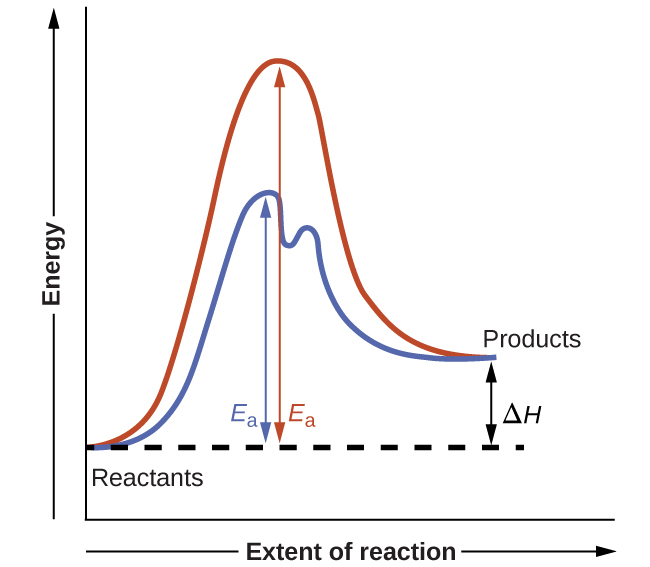
Activation energy ·

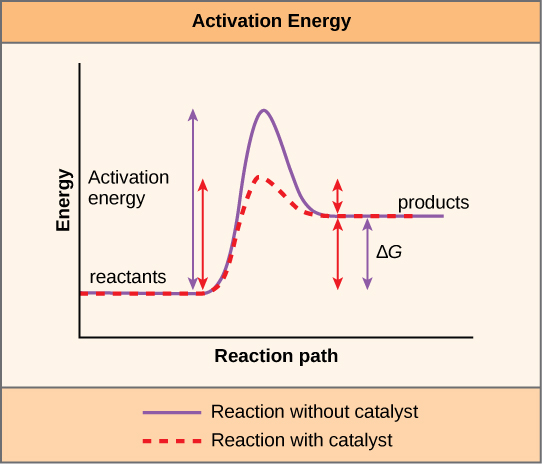
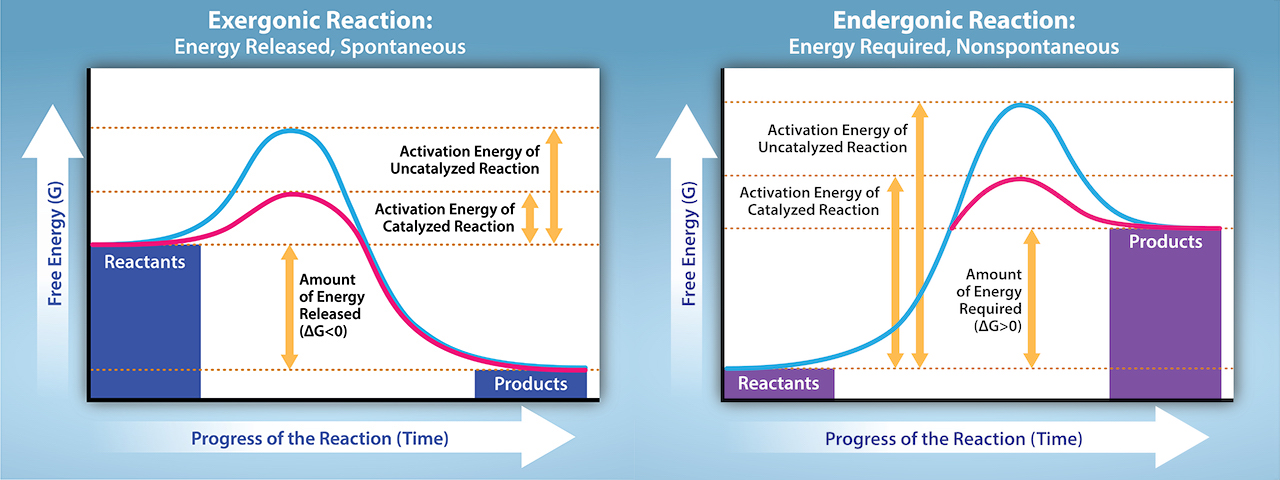
The energy barrier that must overcome to reach a and undergo .

Read explanation · OpenStax ↗
Adenosine triphosphate

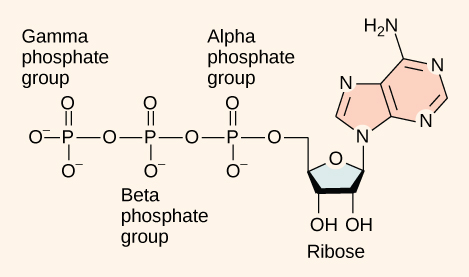
An energy-carrying ; its powers many cellular processes, including cycles.

Read explanation · OpenStax ↗
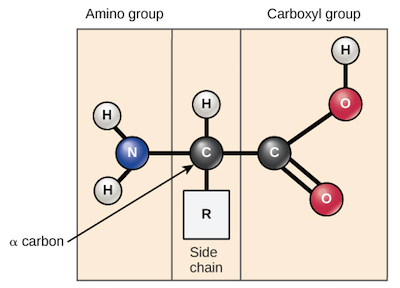
Alpha carbon · ·

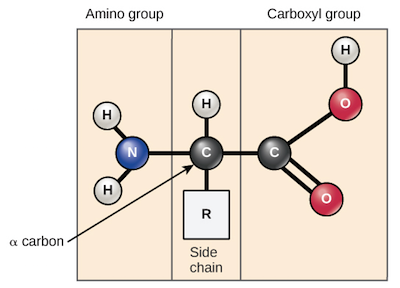
The central carbon next to the carboxyl carbon. In a standard it binds an , hydrogen, and .

Read explanation · OpenStax ↗
Amide · · ·

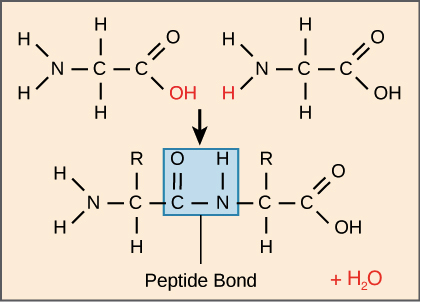
A group containing a carbon bonded to nitrogen. are amide linkages.

Read explanation · OpenStax ↗
Amino acid

A building block containing amino and and a characteristic .

Read explanation · OpenStax ↗
Amino acid residue · ·

The part of an incorporated into a chain. Residue can also describe another building block within a larger .

Read explanation · OpenStax ↗
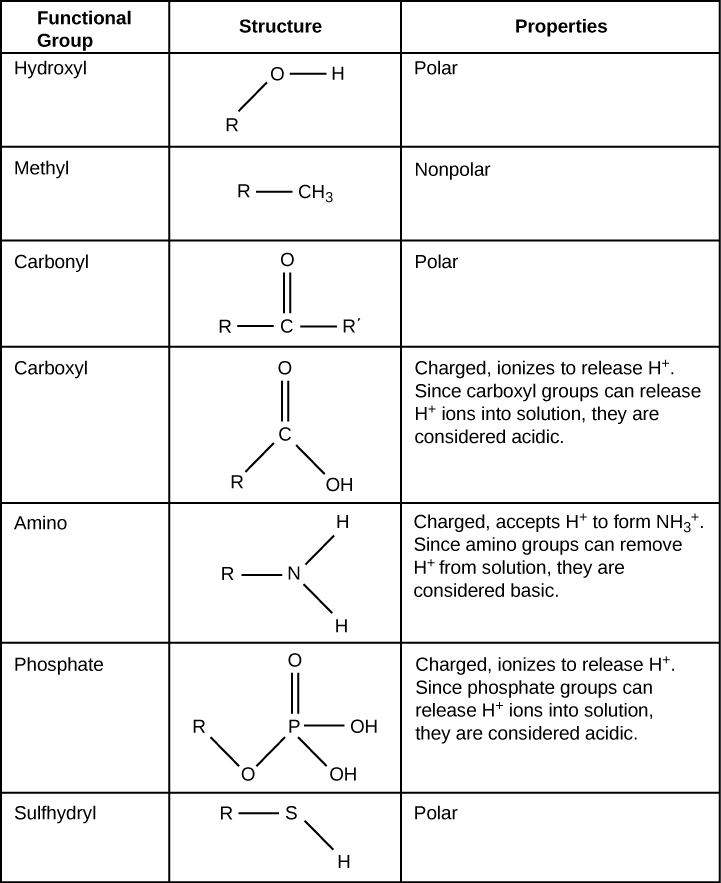
Amino group · · ·

A nitrogen-containing . A free ’s amino group is typically (NH₃⁺) near physiological ; ’s ring nitrogen is an exception to this formula.

Read explanation · OpenStax ↗
Amphipathic

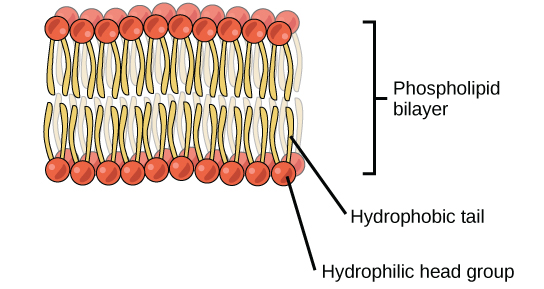
Having both a region and a region, as in a or .

Read explanation · OpenStax ↗
Analyte

A substance being measured or separated within a sample; the source table uses the term for the mixture under analysis.

Read explanation · Waters ↗
Analytical standard ·

A material with a known identity or amount used to compare or calibrate measurements.

Read explanation · Agilent ↗
Anion ·

An with a negative net .

Read explanation · OpenStax ↗
Aqueous solution ·

A in which water is the .

Read explanation · OpenStax ↗
Atom

The smallest unit of an element that retains its chemical identity; it has a surrounded by .

Read explanation · OpenStax ↗
Beta-mercaptoethanol · ·

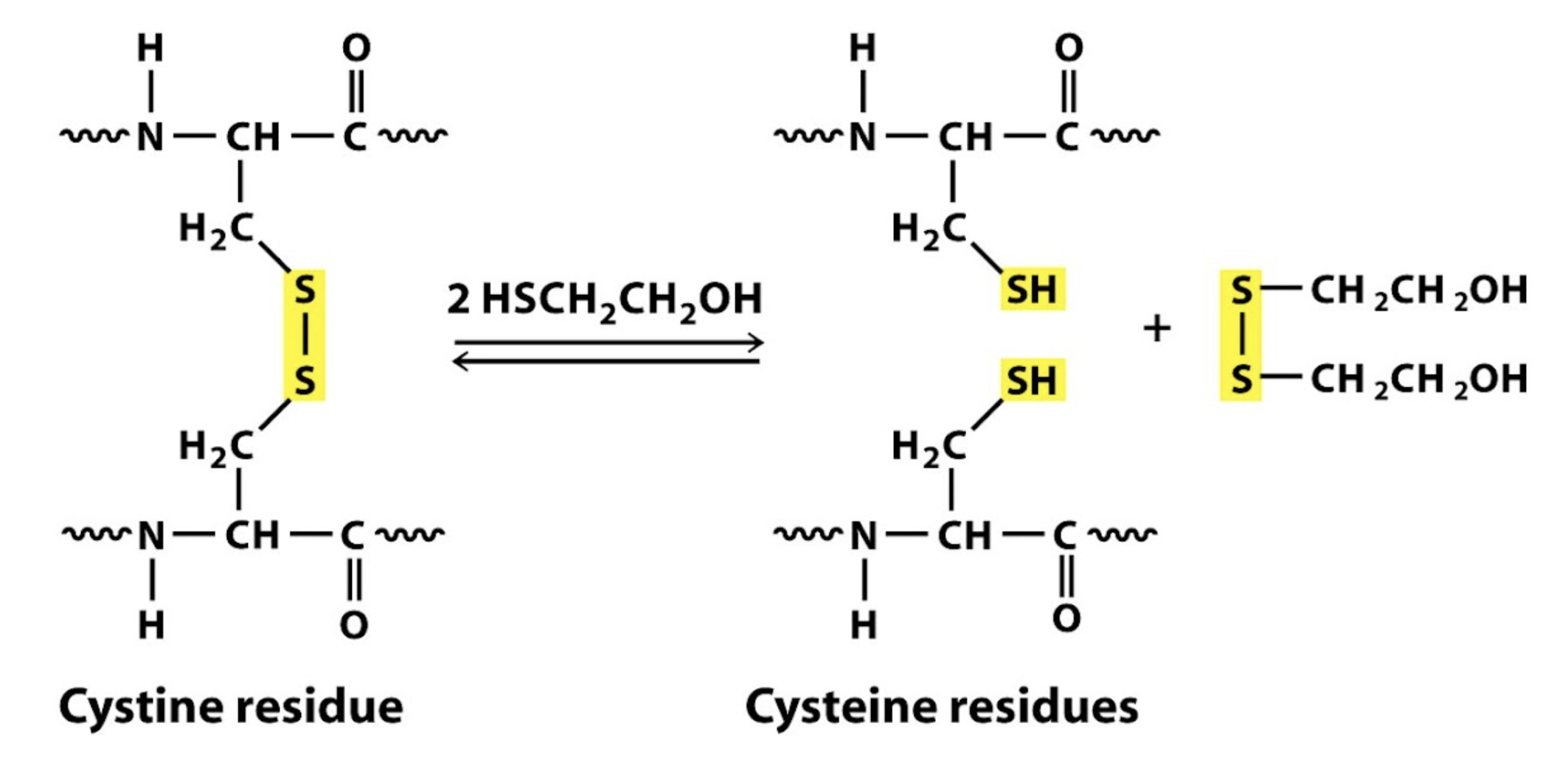
A , also called 2-mercaptoethanol, used to break .

Read explanation · Thermo Fisher ↗
Biomolecule

A made by or involved in living systems, including , , , and .

Read explanation · OpenStax ↗
Blotting ·

Transfer of separated or to a so a specific target can be detected.

Read explanation · Thermo Fisher ↗
Brønsted–Lowry base · · · · · · · · · · ·

In the Brønsted–Lowry model, a substance that can accept a . Basic solutions have lower activity than water.

Read explanation · OpenStax ↗
Calibration

Establishing the relation between a measured signal and known values or .

Read explanation · Agilent ↗
Carbohydrate

A class of including sugars and their , used for energy storage, structure, and recognition.

Read explanation · OpenStax ↗
Carbonyl group · ·

A carbon double-bonded to oxygen, C=O; present in and many other .

Read explanation · OpenStax ↗
Carboxyl group · ·

An , COOH. In free it is usually to COO⁻ near physiological .

Read explanation · OpenStax ↗
Catalyst · ·

A substance that speeds a by providing a pathway with lower and is regenerated rather than consumed overall.

Read explanation · OpenStax ↗
Cation ·

An with a positive net .

Read explanation · OpenStax ↗
Chemical compound ·

A substance containing of two or more different chemically combined in a definite composition.

Read explanation · OpenStax ↗
Chemical element

A substance defined by having the same number of , such as carbon or oxygen.

Read explanation · OpenStax ↗
Chemical reaction ·

A process that rearranges and chemical bonds, converting into .

Read explanation · OpenStax ↗
Chromosome ·

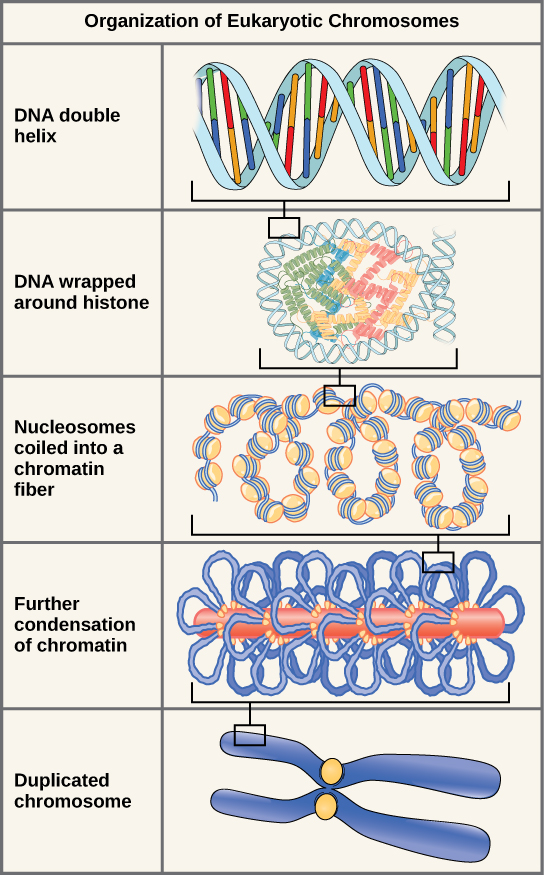
An organized with associated that carries . A replicated chromosome has two .

Read explanation · OpenStax ↗
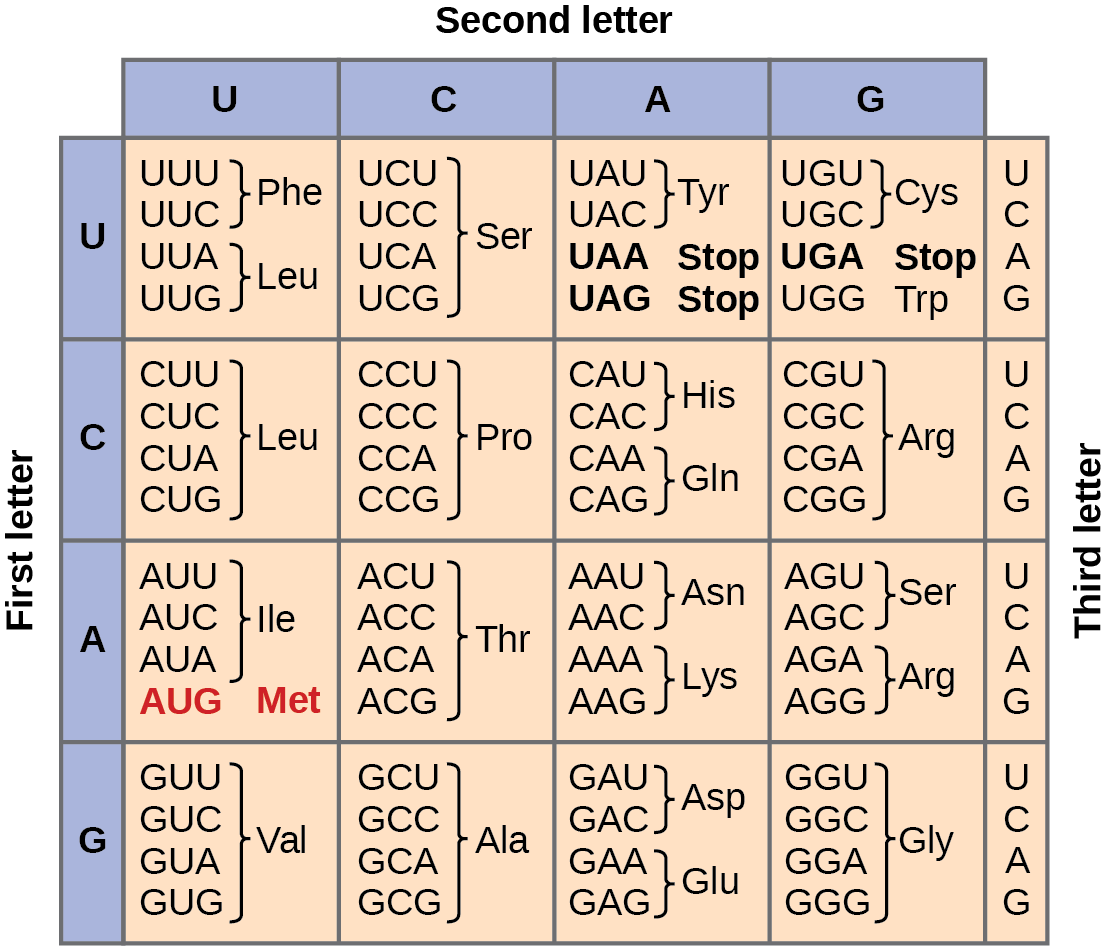
Codon

A sequence of three that specifies an or a stop signal.

Read explanation · OpenStax ↗
Concentration

The amount of a substance in a specified volume or mass of mixture.

Read explanation · OpenStax ↗
Covalent bond · ·

A bond in which share pairs. and are covalent.

Read explanation · OpenStax ↗
Cysteine ·

An with a . Two cysteines can form a .

Read explanation · OpenStax ↗
Dalton

A unit of mass equal to one twelfth of the mass of a carbon-12 ; used to describe .

Read explanation · OpenStax ↗
Deoxyribonucleic acid

The that stores genetic information used to specify and sequences.

Read explanation · OpenStax ↗
Deprotonation

Removal of a from a or group; this changes its by minus one.

Read explanation · OpenStax ↗
Detergent

An substance that can associate with both water and material; detergents can disrupt or interactions.

Read explanation · Thermo Fisher ↗
disproportionation

Redox in which one starting species is both and reduced.

Read explanation · OpenStax ↗
Disulfide bond · · ·

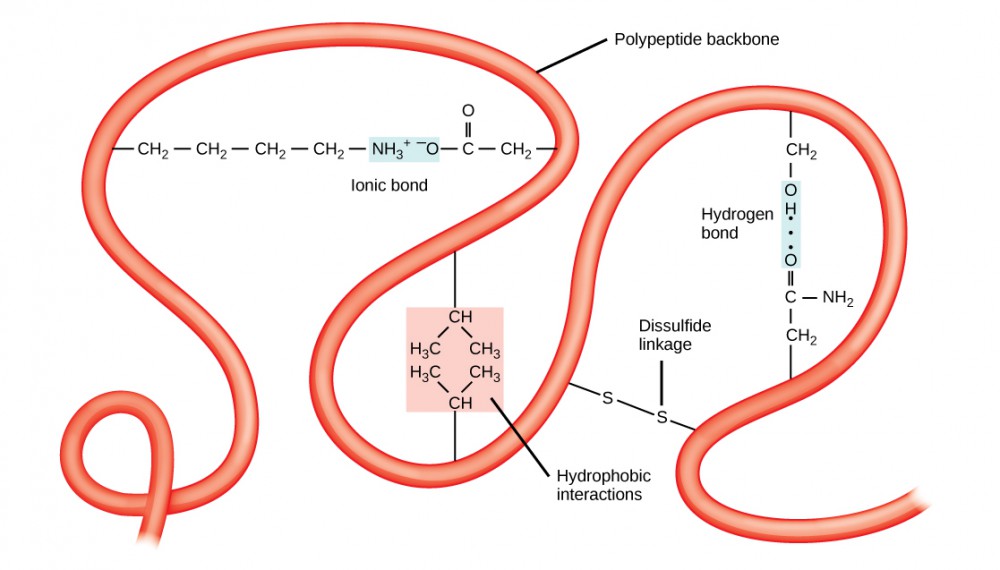
A covalent sulfur–sulfur bond formed by of two , which can stabilize structure.

Read explanation · NCBI Bookshelf ↗
Dithiothreitol

A used to convert into separate .

Read explanation · Thermo Fisher ↗
DNA replication

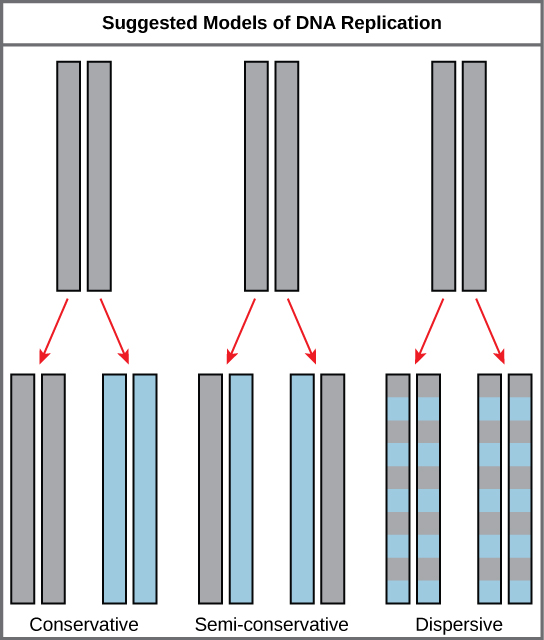
Copying so genetic information can be passed to daughter cells. Each guides a complementary new strand.

Read explanation · OpenStax ↗
Electric charge · · ·

An electrical property that can be positive or negative. Opposite charges attract and like charges repel; net charge is the sum of all charges on a particle.

Read explanation · OpenStax ↗
Electron

A negatively subatomic particle. Electron sharing and transfer determine much of chemical bonding.

Read explanation · OpenStax ↗
Electronegativity ·

An ’s tendency to attract shared in a chemical bond. Unequal attraction can make a bond .

Read explanation · OpenStax ↗
empirical formula

Simplest whole-number atomic ratio in a .

Read explanation · OpenStax ↗
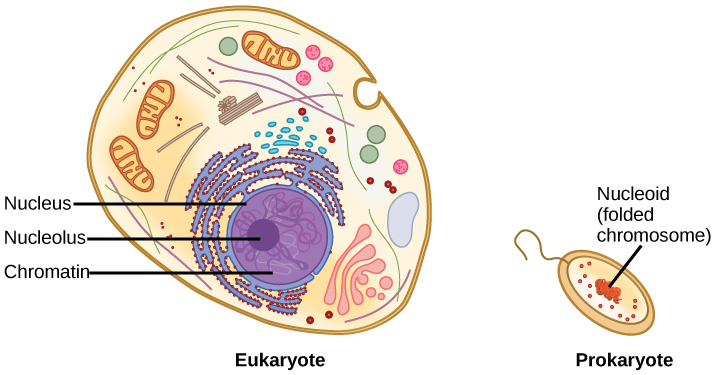
Eukaryote ·

An organism whose cells have a -enclosed ; animals, plants, fungi, and protists are eukaryotes.

Read explanation · OpenStax ↗
Functional group

A group of whose chemical behavior gives a characteristic and properties.

Read explanation · OpenStax ↗
Gene

A sequence that contributes to a functional or , together with the information needed to express it.

Read explanation · OpenStax ↗
Gene expression

Production of a functional from a , including and, for -coding , .

Read explanation · NCBI Bookshelf ↗
Hydrogen ion · ·

A positively hydrogen species. H⁺ denotes a , which is hydrated in water; its activity determines .

Read explanation · OpenStax ↗
Hydrolysis

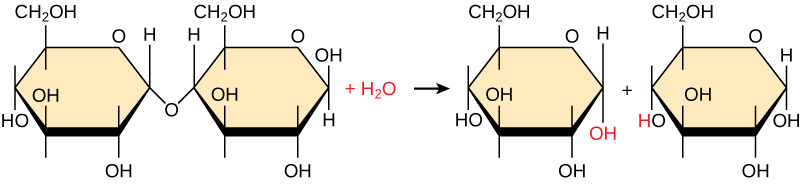
Breaking a chemical bond by adding water. hydrolysis separates .

Read explanation · OpenStax ↗
Hydrophilic

Interacting favorably with water, typically because a group is or .

Read explanation · OpenStax ↗
Hydrophobic

Interacting poorly with water. often gather in a ’s interior.

Read explanation · OpenStax ↗
Hydroxide ion ·

The negatively OH⁻. Basic contain a higher hydroxide ion activity than water at the same temperature.

Read explanation · OpenStax ↗
Ion · ·

An or with a net because its numbers of and do not balance.

Read explanation · OpenStax ↗
limiting reagent

that permits the least under balanced stoichiometry.

Read explanation · OpenStax ↗
linkage

A tendency of nearby on the same to be inherited together.

Read explanation · OpenStax ↗
Lipid

A broad class of largely or , including fats, , and steroids.

Read explanation · OpenStax ↗
locus

The specific position of a or other feature.

Read explanation · OpenStax ↗
Logarithm · · ·

The exponent needed to obtain a number from a chosen fixed number. For decimal logarithms, log₁₀(100) = 2 because 10² = 100; uses the negative decimal logarithm of activity.

Read explanation · OpenStax ↗
mechanical power

Rate of energy transfer, measured in watts.

Read explanation · OpenStax ↗
mechanical work

Energy transferred by a force acting through ; the force component parallel to motion contributes.

Read explanation · OpenStax ↗
Membrane · · · ·

A thin boundary or sheet. Cell membranes are bilayers containing ; membranes are synthetic supports that hold or for detection.

Read explanation · OpenStax ↗
Messenger RNA ·

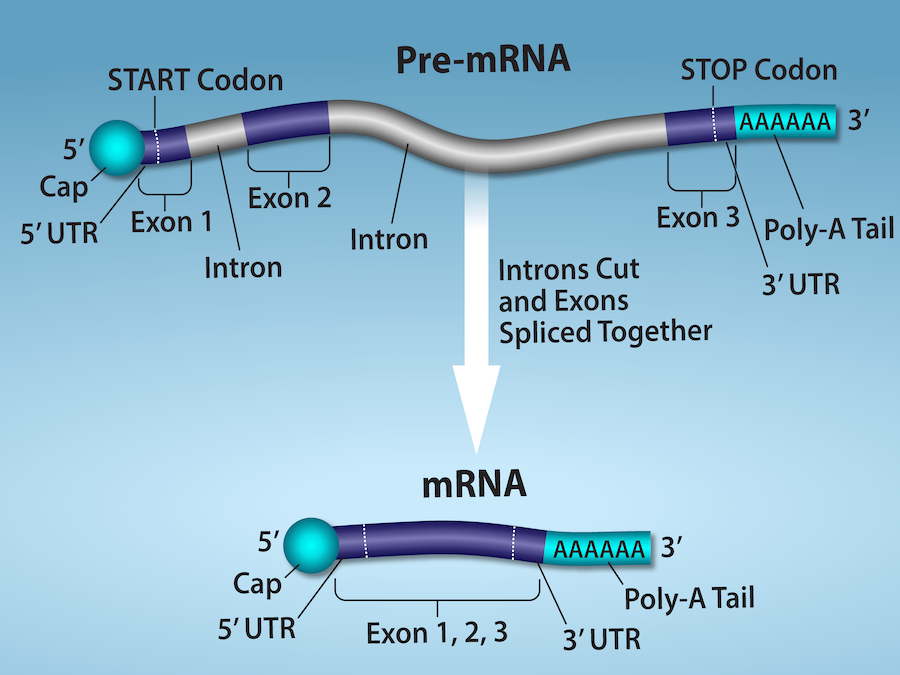
An that carries coding information used by to synthesize a .

Read explanation · OpenStax ↗
molar mass

Mass per of a specified substance.

Read explanation · OpenStax ↗
molarity

Amount of in moles per liter of .

Read explanation · OpenStax ↗
mole

Amount containing exactly 6.02214076 × 10²³ specified entities.

Read explanation · OpenStax ↗
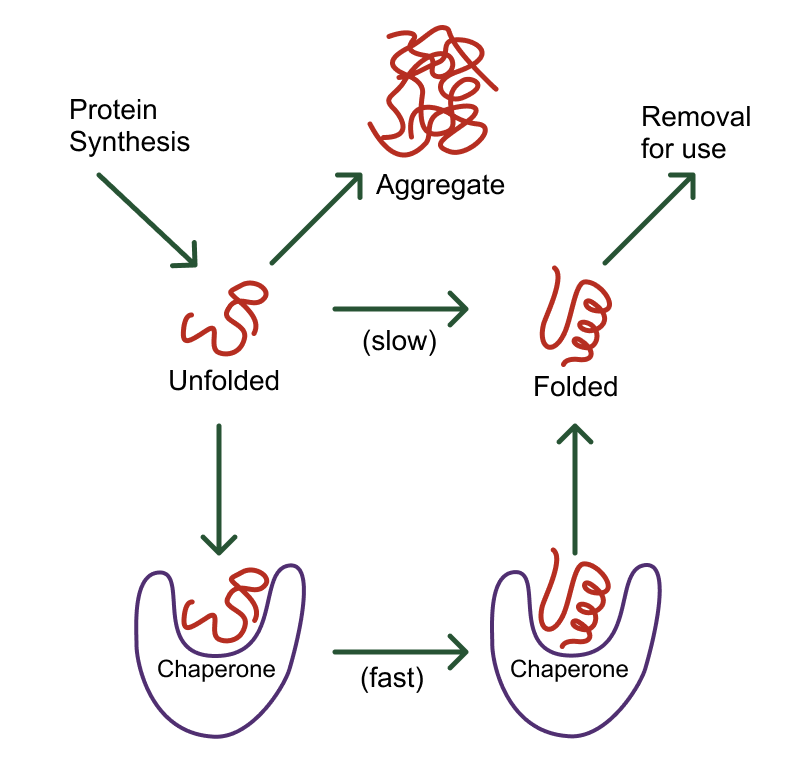
Molecular chaperone · ·

A that assists other in folding or prevents , without specifying their sequence.

Read explanation · NCBI Bookshelf ↗
molecular formula

Actual number of each type of in a .

Read explanation · OpenStax ↗
Molecular mass · ·

The mass of a , commonly expressed in for . Molecular weight is often used informally for the same quantity.

Read explanation · OpenStax ↗
Molecule

Two or more joined by . A molecule may be electrically or carry a .

Read explanation · OpenStax ↗
Neutral

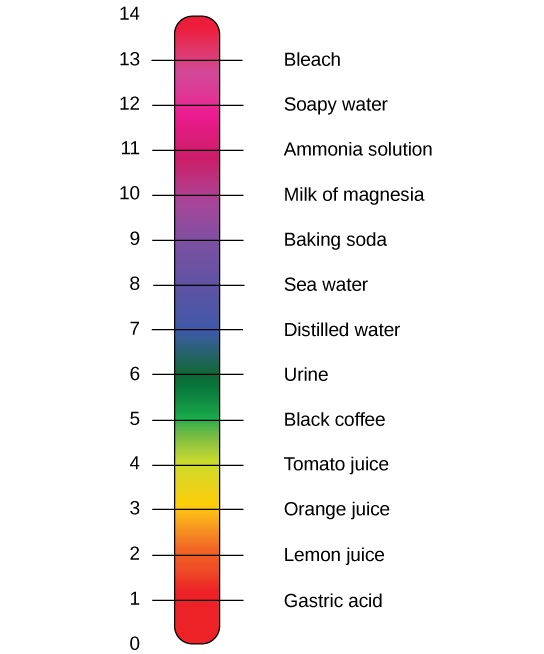
Having no net . For a , neutral instead means equal and activities; its is about 7 at 25 °C.

Read explanation · OpenStax ↗
Nitrogenous base · · ·

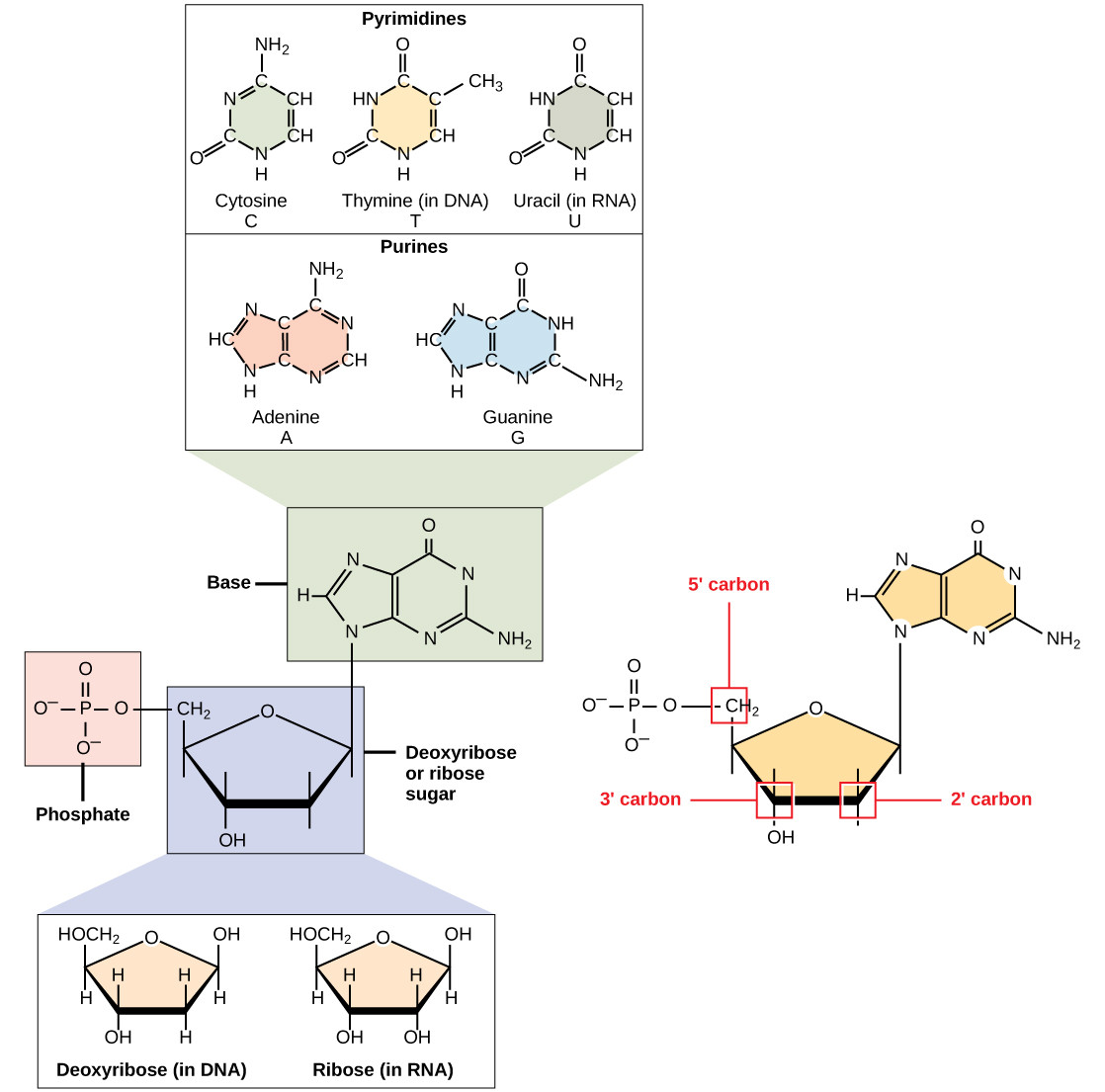
A nitrogen-containing ring component of ; its pairing interactions help specify sequences.

Read explanation · OpenStax ↗
Nonpolar ·

Lacking a substantial separation of . Nonpolar groups generally interact poorly with water.

Read explanation · OpenStax ↗
Nucleic acid

A of , such as or , used in information storage, expression, and other cellular functions.

Read explanation · OpenStax ↗
Nucleotide

A joined to a sugar and one or more .

Read explanation · OpenStax ↗
Nucleus ·

A -enclosed compartment containing most of a cell’s .

Read explanation · OpenStax ↗
oscillation frequency ·

Number of repeated cycles per unit time, measured in hertz.

Read explanation · OpenStax ↗
Oxidation ·

Loss of or an increase in oxidation state. Oxidizing two can form a .

Read explanation · OpenStax ↗
oxidation number

Formal -accounting number used to track redox changes.

Read explanation · OpenStax ↗
oxidizing agent

Species that accepts and is itself reduced.

Read explanation · OpenStax ↗
Peptide

A chain of joined by ; the term commonly describes chains shorter than a typical .

Read explanation · OpenStax ↗
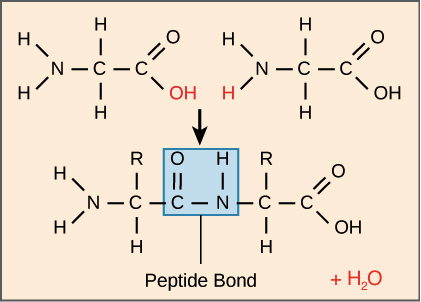
Peptide bond ·

A covalent between the carboxyl carbon of one and the amino nitrogen of the next.

Read explanation · OpenStax ↗
pH

A measure of , defined as the negative of activity. Lower pH means greater ; pH influences .

Read explanation · OpenStax ↗
Phosphate group ·

A phosphorus-containing group bonded to oxygens; phosphate groups occur in , , and modified .

Read explanation · OpenStax ↗
Phospholipid

An with a -containing region and tails; a major component of cellular .

Read explanation · OpenStax ↗
physical displacement ·

Signed or difference between final and initial position.

Read explanation · OpenStax ↗
Polar

Having an uneven distribution of . Polar groups often interact favorably with water.

Read explanation · OpenStax ↗
polarization

Orientation pattern of an electromagnetic wave’s electric-field oscillation.

Read explanation · OpenStax ↗
Polymer

A large made from many linked molecular building blocks.

Read explanation · OpenStax ↗
Polypeptide

A chain of connected by . A functional can contain one or several such chains.

Read explanation · OpenStax ↗
Proline ·

An whose loops back to the nitrogen, restricting rotation and often creating bends.

Read explanation · OpenStax ↗
Protein

One or more folded chains that perform biological roles such as , transport, signaling, or structural support.

Read explanation · OpenStax ↗
Protein aggregation · ·

Association of into larger clusters, often when exposed surfaces of unfolded stick together.

Read explanation · NCBI Bookshelf ↗
Protein backbone ·

The repeating nitrogen–alpha-carbon– chain of a , excluding its variable .

Read explanation · OpenStax ↗
Proton

A positively subatomic particle. In – chemistry, donating a proton means transferring a .

Read explanation · OpenStax ↗
Protonation

Addition of a to an , , or ; this changes its by plus one.

Read explanation · OpenStax ↗
Quantification · ·

Estimating the amount or of a substance from measured signals and suitable or .

Read explanation · Waters ↗
R group · ·

The variable side chain attached to an ’s . It determines identity, , , and chemical behavior.

Read explanation · OpenStax ↗
Reactant

A starting substance transformed during a .

Read explanation · OpenStax ↗
Reaction intermediate · ·

A species formed in one step and consumed in another. It occupies a local energy minimum between .

Read explanation · OpenStax ↗
Reaction product ·

A substance formed by a .

Read explanation · OpenStax ↗
reaction quotient

-to- activity ratio with stoichiometric exponents at the current composition.

Read explanation · OpenStax ↗
Reducing agent · ·

A reagent that donates to another substance. and reduce .

Read explanation · OpenStax ↗
Reduction

Gain of or a decrease in state. Reducing a restores two .

Read explanation · OpenStax ↗
Ribonucleic acid ·

A with roles in , regulation, and ; carries -coding information.

Read explanation · OpenStax ↗
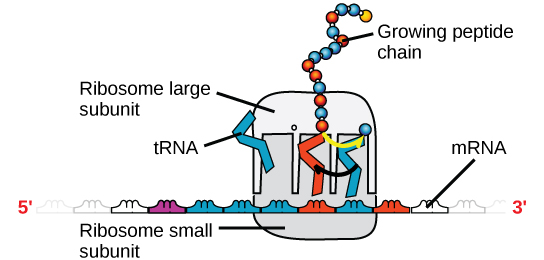
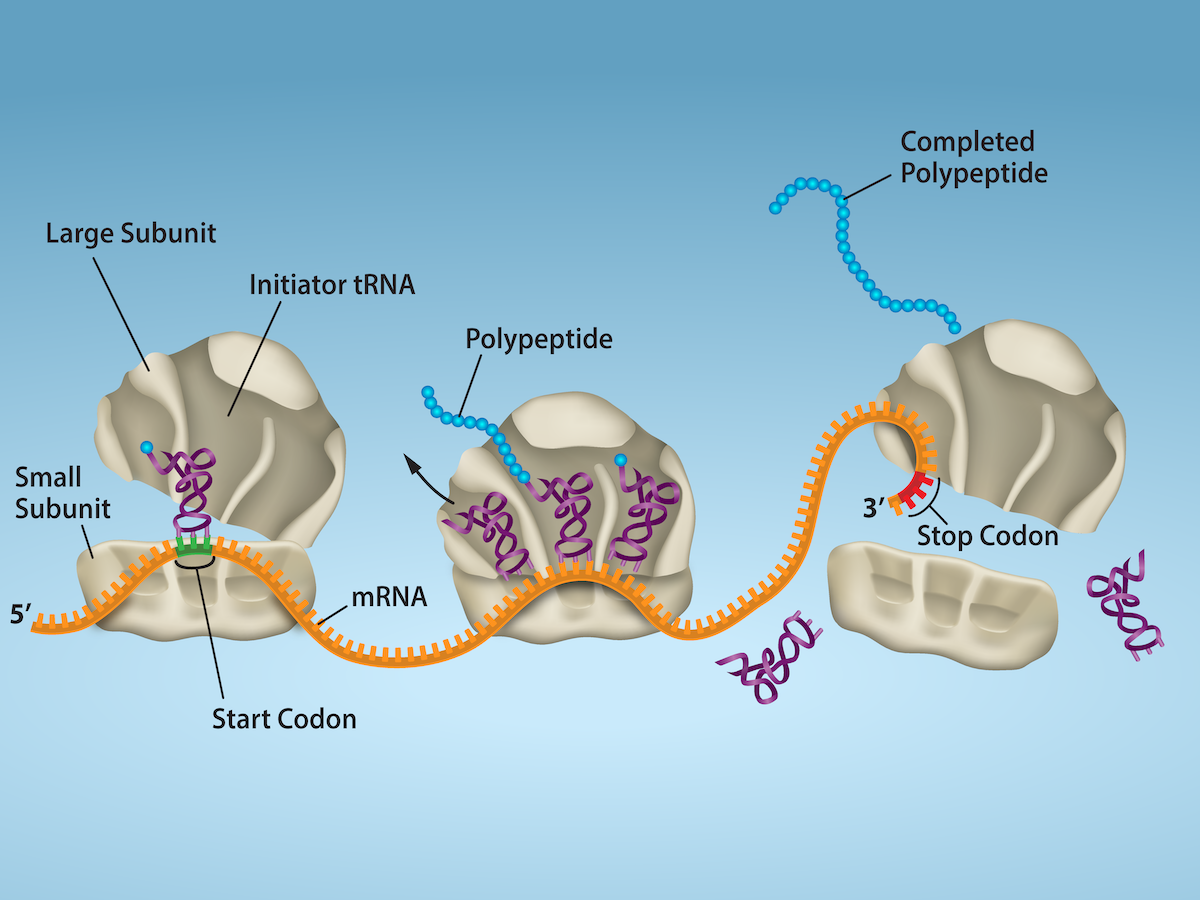
Ribosome ·

A complex of and that translates into a .

Read explanation · OpenStax ↗
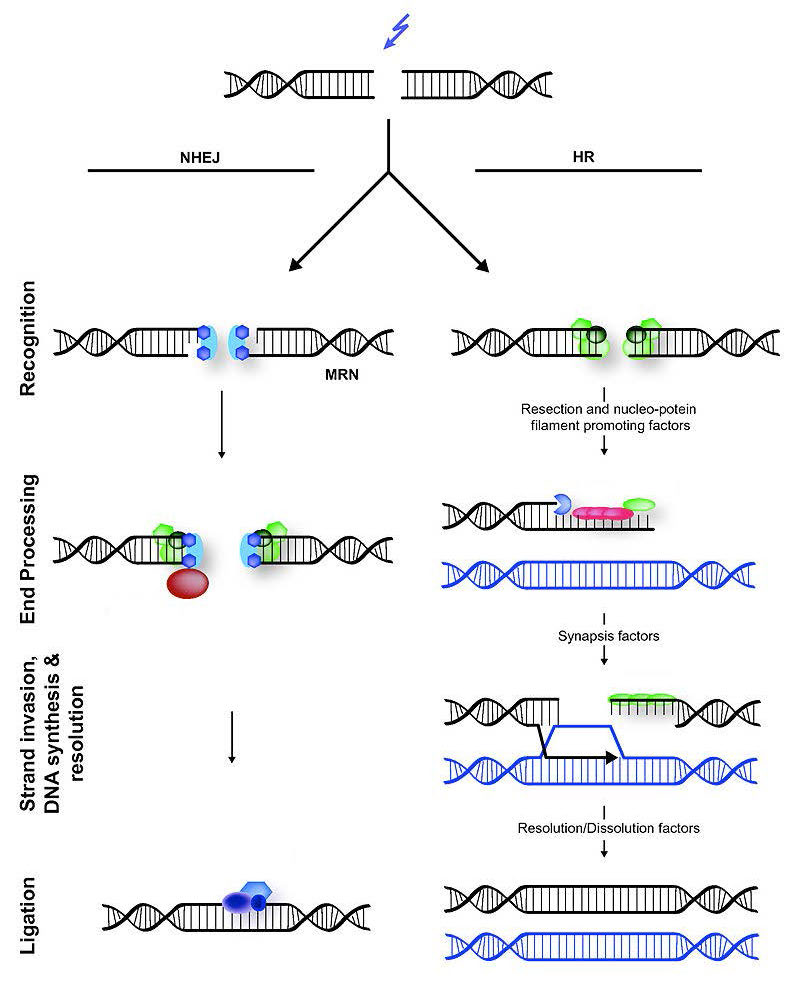
Sister chromatid

One of the two copies of a produced by . An intact sister chromatid can supply a template for accurate repair.

Read explanation · Biology LibreTexts / Oregon State University ↗
Solubility ·

The amount of a substance that can dissolve in a under specified conditions. Soluble means able to dissolve; insoluble means only very slightly soluble in that .

Read explanation · OpenStax ↗
Solute

A dissolved component of a .

Read explanation · OpenStax ↗
Solution

A homogeneous mixture in which are dissolved in a .

Read explanation · OpenStax ↗
Solvent

The component of a that dissolves other substances, usually the component present in the greatest amount.

Read explanation · OpenStax ↗
spatial vector ·

Quantity with both magnitude and direction, combined by adding components.

Read explanation · OpenStax ↗
Template strand · · ·

A preexisting strand whose sequence guides complementary nucleic- synthesis.

Read explanation · OpenStax ↗
theoretical yield

Maximum amount predicted from quantities and stoichiometry.

Read explanation · OpenStax ↗
Thiol group · · · ·

A sulfur bonded to hydrogen, –SH. thiols can form through .

Read explanation · OpenStax ↗
Titration

Gradually adding a of known to another to measure its amount or – behavior.

Read explanation · OpenStax ↗
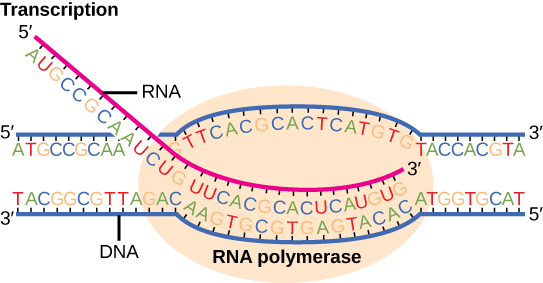
Transcription

Synthesis of using a template.

Read explanation · OpenStax ↗
Transition state

A fleeting, high-energy arrangement at a barrier. It is an energy maximum along the path, rather than a stable .

Read explanation · OpenStax ↗
Translation ·

Synthesis of a on a using the sequence of in .

Read explanation · OpenStax ↗
wave intensity ·

crossing unit area, measured in W/m².

Read explanation · OpenStax ↗

Chemistry 2E 3 — Summary

OpenStax · Chemistry 2E 3 — Summary ↗
Instructional page including learning objectives, examples, figures, source tables and questions. Site navigation and embedded media players are omitted; source media links remain available.

3.1 Formula Mass and the Mole Concept

The formula mass of a substance is the sum of the average atomic masses of each represented in the chemical formula and is expressed in atomic mass units. The formula mass of a covalent is also called the . A convenient amount unit for expressing very large numbers of or is the . Experimental measurements have determined the number of entities composing 1 of substance to be 6.022 × 10²³, a quantity called Avogadro’s number. The mass in grams of 1 of substance is its . Due to the use of the same reference substance in defining the atomic mass unit and the , the formula mass (amu) and (g/mol) for any substance are numerically equivalent (for example, one H2O weighs approximately18 amu and 1 of H2O weighs approximately 18 g).

3.2 Determining Empirical and Molecular Formulas

The chemical identity of a substance is defined by the types and relative numbers of composing its fundamental entities ( in the case of covalent , in the case of ionic ). A ’s percent composition provides the mass percentage of each element in the , and it is often experimentally determined and used to derive the ’s . The mass of a covalent may be compared to the ’s molecular or to derive a .

3.3 Molarity

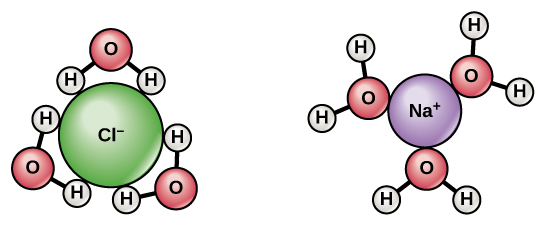
are homogeneous mixtures. Many contain one component, called the , in which other components, called , are dissolved. An is one for which the is water. The of a is a measure of the relative amount of in a given amount of . may be measured using various units, with one very useful unit being , defined as the number of moles of per liter of . The of a may be decreased by adding , a process referred to as dilution. The dilution equation is a simple relation between and volumes of a before and after dilution.

3.4 Other Units for Solution Concentrations

In addition to , a number of other units are used in various applications. Percentage based on the components’ masses, volumes, or both are useful for expressing relatively high , whereas lower are conveniently expressed using ppm or ppb units. These units are popular in environmental, medical, and other fields where -based units such as are not as commonly used.

Chemistry 2E 4 — Summary

OpenStax · Chemistry 2E 4 — Summary ↗
Instructional page including learning objectives, examples, figures, source tables and questions. Site navigation and embedded media players are omitted; source media links remain available.

4.1 Writing and Balancing Chemical Equations

Chemical equations are symbolic representations of chemical and physical changes. Formulas for the substances undergoing the change () and substances generated by the change () are separated by an arrow and preceded by integer coefficients indicating their relative numbers. Balanced equations are those whose coefficients result in equal numbers of for each element in the and . Chemical in that involve ionic or may be represented more realistically by complete ionic equations and, more succinctly, by net ionic equations.

4.2 Classifying Chemical Reactions

Chemical are classified according to similar patterns of behavior. A large number of important are included in three categories: precipitation, -, and - (redox). Precipitation involve the formation of one or more . - involve the transfer of between . Redox involve a change in for one or more . Writing balanced equations for some redox that occur in is simplified by using a systematic approach called the half- method.

4.3 Reaction Stoichiometry

A balanced chemical equation may be used to describe a ’s stoichiometry (the relationships between amounts of and ). Coefficients from the equation are used to derive stoichiometric factors that subsequently may be used for computations relating and masses, molar amounts, and other properties.

4.4 Reaction Yields

When are carried out using less-than-stoichiometric quantities of , the amount of generated will be determined by the limiting . The amount of generated by a is its actual yield. This yield is often less than the amount of predicted by the stoichiometry of the balanced chemical equation representing the (its ). The extent to which a generates the theoretical amount of is expressed as its percent yield.

4.5 Quantitative Chemical Analysis

The stoichiometry of chemical may serve as the basis for chemical analysis methods. Titrations involve measuring the volume of a titrant required to completely react with a sample . This volume is then used to calculate the of in the sample using the stoichiometry of the . Gravimetric analysis involves separating the from the sample by a physical or chemical process, determining its mass, and then calculating its in the sample based on the stoichiometry of the relevant process. Combustion analysis is a gravimetric method used to determine the elemental composition of a by collecting and weighing the gaseous of its combustion.

17.1 Review of Redox Chemistry

OpenStax · 17.1 Review of Redox Chemistry ↗
Instructional page including learning objectives, examples, figures, source tables and questions. Site navigation and embedded media players are omitted; source media links remain available.

Learning Objectives

By the end of this section, you will be able to:

  • Describe defining traits of redox chemistry
  • Identify the oxidant and reductant of a redox
  • Balance chemical equations for redox using the half- method

Since involving transfer are essential to the topic of electrochemistry, a brief review of redox chemistry is provided here that summarizes and extends the content of an earlier text chapter (see chapter on stoichiometry). Readers wishing additional review are referred to the text chapter on stoichiometry.

Numbers

By definition, a redox is one that entails changes in (or state) for one or more of the involved. The of an element in a is essentially an assessment of how the electronic environment of its is different in comparison to of the pure element. By this description, the of an in an element is equal to zero. For an in a , the is equal to the the would have in the if the were ionic. Consequential to these rules, the sum of numbers for all in a is equal to the on the . To illustrate this formalism, examples from the two classes, ionic and covalent, will be considered.

Simple ionic present the simplest examples to illustrate this formalism, since by definition the ’ numbers are numerically equivalent to ionic . Sodium chloride, NaCl, is comprised of Na+ and Cl− , and so numbers for sodium and chlorine are, +1 and −1, respectively. Calcium fluoride, CaF2, is comprised of Ca2+ and F− , and so numbers for calcium and fluorine are, +2 and −1, respectively.

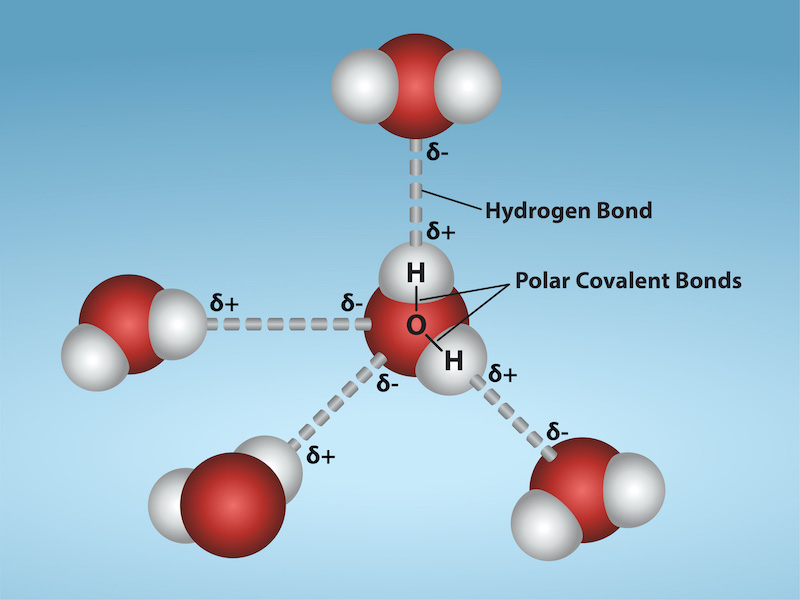
Covalent require a more challenging use of the formalism. Water is a covalent whose consist of two H bonded separately to a central O via covalent O−H bonds. The shared comprising an O−H bond are more strongly attracted to the more O , and so it acquires a partial negative in the water (relative to an O in elemental oxygen). Consequently, H in a water exhibit partial positive compared to H in elemental hydrogen. The sum of the partial negative and partial positive for each water is zero, and the water is .

Imagine that the of shared within the O−H bonds of water were 100% complete—the result would be transfer of from H to O, and water would be an ionic comprised of O2− and H+ . And so, the oxidations numbers for oxygen and hydrogen in water are −2 and +1, respectively. Applying this same logic to carbon tetrachloride, CCl4, yields numbers of +4 for carbon and −1 for chlorine. In the nitrate , NO3−, the for nitrogen is +5 and that for oxygen is −2, summing to equal the 1− on the :

(1Natom)(+5Natom)+(3Oatoms)(−2Oatom)=+5+−6=−1

Balancing Redox Equations

The unbalanced equation below describes the decomposition of molten sodium chloride:

NaCl(l)⟶Na(l)+Cl2(g)unbalanced

This satisfies the criterion for redox classification, since the for Na is decreased from +1 to 0 (it undergoes ) and that for Cl is increased from −1 to 0 (it undergoes ). The equation in this case is easily balanced by inspection, requiring stoichiometric coefficients of 2 for the NaCl and Na:

2NaCl(l)⟶2Na(l)+Cl2(g)balanced

Redox that take place in are commonly encountered in electrochemistry, and many involve water or its characteristic , H+(aq) and OH−(aq), as or . In these cases, equations representing the redox can be very challenging to balance by inspection, and the use of a systematic approach called the half- method is helpful. This approach involves the following steps:

  1. Write skeletal equations for the and half-.
  2. Balance each half- for all except H and O.
  3. Balance each half- for O by adding H2O.
  4. Balance each half- for H by adding H+.
  5. Balance each half- for by adding .
  6. If necessary, multiply one or both half- so that the number of consumed in one is equal to the number produced in the other.
  7. Add the two half- and simplify.
  8. If the takes place in a basic medium, add OH− the equation obtained in step 7 to neutralize the H+ (add in equal numbers to both sides of the equation) and simplify.

The examples below demonstrate the application of this method to balancing equations for aqueous redox .

Example 17.1

Balancing Equations for Redox in

Write the balanced equation representing between solid copper and nitric to yield aqueous copper(II) and nitrogen monoxide gas.

Following the steps of the half- method:
  1. Write skeletal equations for the and half-.
    oxidation:Cu(s)⟶Cu2+(aq)
    reduction:HNO3(aq)⟶NO(g)
  2. Balance each half- for all except H and O.
    oxidation:Cu(s)⟶Cu2+(aq)
    reduction:HNO3(aq)⟶NO(g)
  3. Balance each half- for O by adding H2O.
    oxidation:Cu(s)⟶Cu2+(aq)
    reduction:HNO3(aq)⟶NO(g)+2H2O(l)
  4. Balance each half- for H by adding H+.
    oxidation:Cu(s)⟶Cu2+(aq)
    reduction:3H+(aq)+HNO3(aq)⟶NO(g)+2H2O(l)
  5. Balance each half- for by adding .
    oxidation:Cu(s)⟶Cu2+(aq)+2e−
    reduction:3e−+3H+(aq)+HNO3(aq)⟶NO(g)+2H2O(l)
  6. If necessary, multiply one or both half- so that the number of consumed in one is equal to the number produced in the other.
    oxidation (×3):3Cu(s)⟶3Cu2+(aq)+62e−
    reduction (×2):63e−+63H+(aq)+2HNO3(aq)⟶2NO(g)+42H2O(l)
  7. Add the two half- and simplify.
    3Cu(s)+6e−+6H+(aq)+2HNO3(aq)⟶3Cu2+(aq)+6e−+2NO(g)+4H2O(l)
    3Cu(s)+6H+(aq)+2HNO3(aq)⟶3Cu2+(aq)+2NO(g)+4H2O(l)
  8. If the takes place in a basic medium, add OH− the equation obtained in step 7 to neutralize the H+ (add in equal numbers to both sides of the equation) and simplify.
    This step not necessary since the is stipulated to be .

The balanced equation for the in an is then

3Cu(s)+6H+(aq)+2HNO3(aq)⟶3Cu2+(aq)+2NO(g)+4H2O(l)

Check Your Learning

The above results when using relatively diluted nitric . If concentrated nitric is used, nitrogen dioxide is produced instead of nitrogen monoxide. Write a balanced equation for this .

Answer:

Cu(s)+2H+(aq)+2HNO3(aq)⟶Cu2+(aq)+2NO2(g)+2H2O(l)

Example 17.2

Balancing Equations for Redox in

Write the balanced equation representing between aqueous permanganate , MnO4−, and solid chromium(III) hydroxide, Cr(OH)3, to yield solid manganese(IV) oxide, MnO2, and aqueous chromate , CrO42− The takes place in a .

Following the steps of the half- method:
  1. Write skeletal equations for the and half-.
    oxidation:Cr(OH)3(s)⟶CrO42−(aq)
    reduction:MnO4−(aq)⟶MnO2(s)
  2. Balance each half- for all except H and O.
    oxidation:Cr(OH)3(s)⟶CrO42−(aq)
    reduction:MnO4−(aq)⟶MnO2(s)
  3. Balance each half- for O by adding H2O.
    oxidation:H2O(l)+Cr(OH)3(s)⟶CrO42−(aq)
    reduction:MnO4−(aq)⟶MnO2(s)+2H2O(l)
  4. Balance each half- for H by adding H+.
    oxidation:H2O(l)+Cr(OH)3(s)⟶CrO42−(aq)+5H+(aq)
    reduction:4H+(aq)+MnO4−(aq)⟶MnO2(s)+2H2O(l)
  5. Balance each half- for by adding .
    oxidation:H2O(l)+Cr(OH)3(s)⟶CrO42−(aq)+5H+(aq)+3e−
    reduction:3e−+4H+(aq)+MnO4−(aq)⟶MnO2(s)+2H2O(l)
  6. If necessary, multiply one or both half- so that the number of consumed in one is equal to the number produced in the other.
    This step is not necessary since the number of is already in balance.
  7. Add the two half- and simplify.
    H2O(l)+Cr(OH)3(s)+3e−+4H+(aq)+MnO4−(aq)⟶CrO42−(aq)+5H+(aq) +3e−+MnO2(s)+2H2O(l)
    Cr(OH)3(s)+MnO4−(aq)⟶CrO42−(aq)+H+(aq)+MnO2(s)+H2O(l)
  8. If the takes place in a basic medium, add OH− the equation obtained in step 7 to neutralize the H+ (add in equal numbers to both sides of the equation) and simplify.
    OH−(aq)+Cr(OH)3(s)+MnO4−(aq)⟶CrO42−(aq)+H+(aq)+OH−(aq)+MnO2(s)+H2O(l)
    OH−(aq)+Cr(OH)3(s)+MnO4−(aq)⟶CrO42−(aq)+MnO2(s)+2H2O(l)

Check Your Learning

Aqueous permanganate may also be reduced using aqueous bromide , Br−, the of this being solid manganese(IV) oxide and aqueous bromate , BrO3−. Write the balanced equation for this occurring in a basic medium.
Answer:

H2O(l)+2MnO4−(aq)+Br−(aq)⟶2MnO2(s)+BrO3−(aq)+2OH−(aq)