Foundation 6 · 6B · Cognition and interpretation

Sleep and altered consciousness

Sources ↗

Circadian rhythms cycle over roughly 24 hours; retinal light signals entrain the , which influences pineal .

Identify sleep stages, cycles, circadian rhythms, dreaming, and sleep–wake disorders

Circadian rhythms cycle over roughly 24 hours; retinal light signals entrain the , which influences pineal . Sleep cycles alternate non- and states. N1 has light sleep and theta activity, N2 includes spindles and K complexes, and N3 has prominent slow delta waves. combines relatively activated , rapid eye movements, and reduced skeletal-muscle tone; vivid dreaming is common but dreaming also occurs outside . N3 predominates earlier and episodes lengthen later. Insomnia involves persistent difficulty sleeping with impairment; sleep apnea interrupts breathing; narcolepsy involves unstable sleep–wake control, sometimes . Sleepwalking usually emerges from deep .

Source: 4.1 What Is Consciousness? · 4.3 Stages of Sleep · 4.4 Sleep Problems and Disorders · 4.6 Other States of Consciousness · 4.5 Substance Use and Abuse

Compare alertness, , and meditation as states of consciousness

Consciousness includes awareness of internal states and the environment, ranging from alert monitoring to sleep and altered states. Alertness depends partly on arousal systems and is distinct from the specific content of awareness. involves focused attention and responsiveness to suggestion; social expectations and individual suggestibility contribute. It does not reliably recover an objectively accurate hidden memory, and confidence in a recalled event can increase without accuracy. Meditation practices train attention or nonjudgmental awareness; their effects depend on practice, comparison condition, and outcome. Reports of calm alone do not prove a unique brain state or rule out expectancy effects.

Source: 4.1 What Is Consciousness? · 4.3 Stages of Sleep · 4.4 Sleep Problems and Disorders · 4.6 Other States of Consciousness · 4.5 Substance Use and Abuse

Compare classes and their effects on neural activity and behavior

Depressants such as alcohol and benzodiazepines generally reduce neural excitability; stimulants such as amphetamines and cocaine enhance signaling. Opioids act at opioid and can produce analgesia and respiratory depression. Classic hallucinogens such as alter perception largely through serotonergic signaling; cannabis acts through cannabinoid and can alter memory, perception, and coordination. Drug effects depend on dose, route, setting, and individual biology, so “depressant” does not mean every behavior becomes less active. An agonist activates a ; an antagonist blocks its activation; reuptake inhibition prolongs transmitter availability without necessarily directly stimulating the .

Source: 4.1 What Is Consciousness? · 4.3 Stages of Sleep · 4.4 Sleep Problems and Disorders · 4.6 Other States of Consciousness · 4.5 Substance Use and Abuse

Explain reward pathways and mechanisms underlying addiction

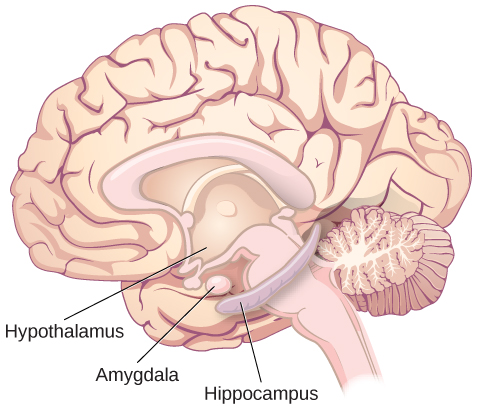
Mesolimbic dopamine signaling from the ventral tegmental area to the contributes to reinforcement, motivation, and reward prediction. Addictive drugs can strengthen learned cue–drug associations; cues may later evoke craving. Repeated exposure can produce , while reflects when use stops. is not identical to addiction, which involves impaired control and continued use despite harm. can maintain use when a drug relieves ; can maintain use through rewarding effects. Stress, social environment, availability, and learning influence risk, so a neural pathway is one part of a biopsychosocial explanation.

Source: 4.1 What Is Consciousness? · 4.3 Stages of Sleep · 4.4 Sleep Problems and Disorders · 4.6 Other States of Consciousness · 4.5 Substance Use and Abuse

Apply the ideas

Worked question. A person initially takes a sedating drug for its pleasant effects, then takes it mainly to stop discomfort. Which learning change occurred, and does alone establish addiction?

The first pattern is through a rewarding consequence; the later pattern is through removal of discomfort. Both increase use. alone does not establish addiction because physical can occur without impaired control or continued harmful use. A study of craving should distinguish cue exposure, state, and drug availability.

Source: 4.1 What Is Consciousness? · 4.3 Stages of Sleep · 4.4 Sleep Problems and Disorders · 4.6 Other States of Consciousness · 4.5 Substance Use and Abuse

4.1 What Is Consciousness? — figures and tables
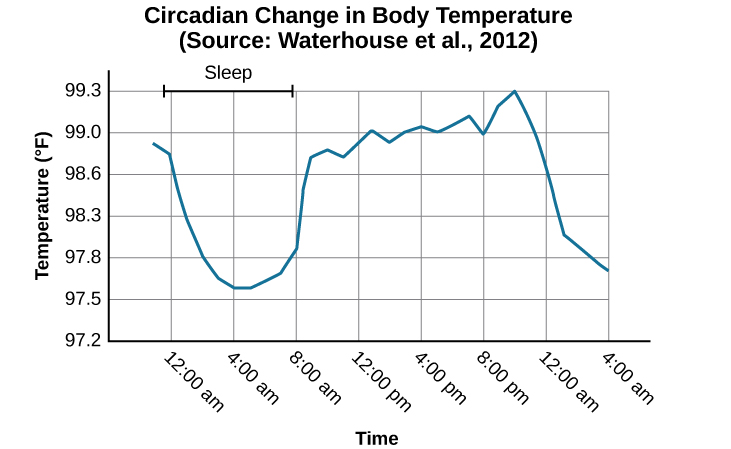
A line graph is titled “Circadian Change in Body Temperature (Source: Waterhouse et al., 2012).” The y-axis, is labeled “temperature (degrees Fahrenheit),” ranges from 97.2 to 99.3. The x-axis, which is labeled “time,” begins at 12:00 A.M. and ends at 4:00 A.M. the following day. The subjects slept from 12:00 A.M. until 8:00 A.M. during which time their average body temperatures dropped from around 98.8 degrees at midnight to 97.6 degrees at 4:00 A.M. and then gradually rose back to nearly the same starting temperature by 8:00 A.M. The average body temperature fluctuated slightly throughout the day with an upward tilt, until the next sleep cycle where the temperature again dropped.
Figure 4.2 — 4.1 What Is Consciousness?

Figure 4.2 This chart illustrates the circadian change in body temperature over 28 hours in a group of eight young men. Body temperature rises throughout the waking day, peaking in the afternoon, and falls during sleep with the lowest point occurring during the very early morning hours.

Rose M. Spielman, William J. Jenkins, and Marilyn D. Lovett, Psychology 2E, OpenStax. · CC BY-NC-SA 4.0 · Original image ↗ · Access for free ↗
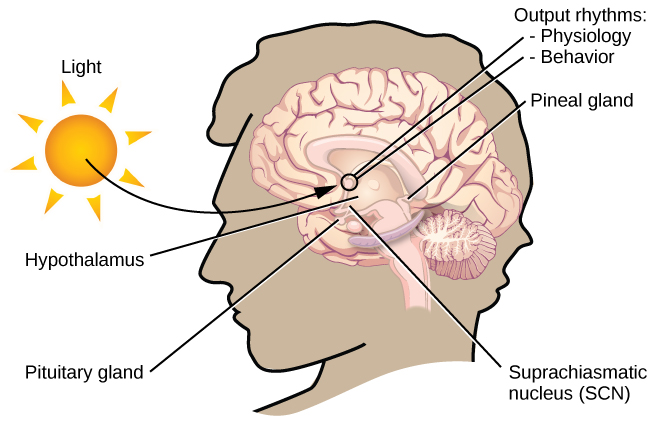
In this graphic, the outline of a person’s head facing left is situated to the right of a picture of the sun, which is labeled ”light” with an arrow pointing to a location in the brain where light input is processed. Inside the head is an illustration of a brain with the following parts’ locations identified: Suprachiasmatic nucleus (SCN), Hypothalamus, Pituitary gland, Pineal gland, and Output rhythms: Physiology and Behavior.
Figure 4.3 — 4.1 What Is Consciousness?

Figure 4.3 The suprachiasmatic nucleus (SCN) serves as the brain’s clock mechanism. The clock sets itself with light information received through projections from the retina.

Rose M. Spielman, William J. Jenkins, and Marilyn D. Lovett, Psychology 2E, OpenStax. · CC BY-NC-SA 4.0 · Original image ↗ · Access for free ↗
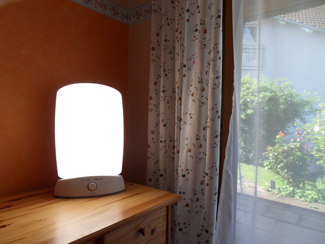
A photograph shows a bright lamp.
Figure 4.4 — 4.1 What Is Consciousness?

Figure 4.4 Devices like this are designed to provide exposure to bright light to help people maintain a regular circadian cycle. They can be helpful for people working night shifts or for people affected by seasonal variations in light.

Rose M. Spielman, William J. Jenkins, and Marilyn D. Lovett, Psychology 2E, OpenStax. · CC BY-NC-SA 4.0 · Original image ↗ · Access for free ↗
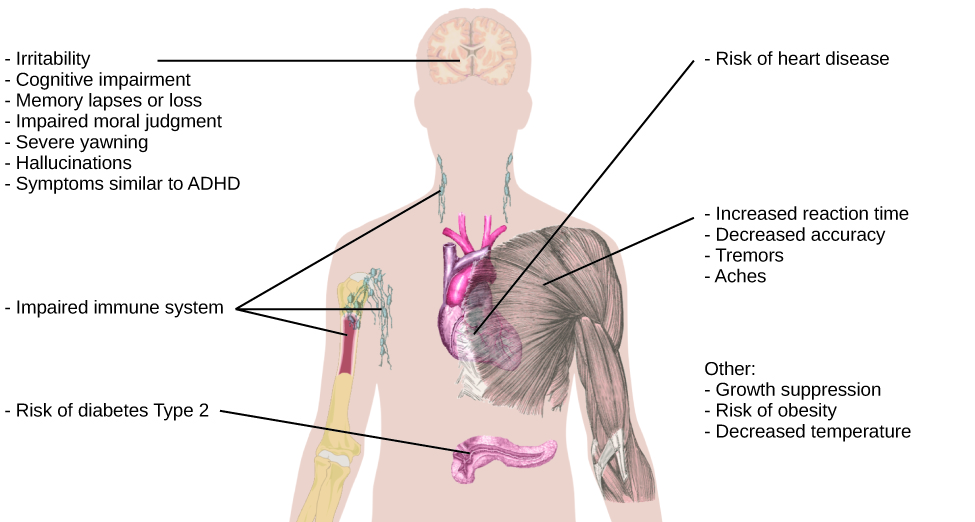
An illustration of the top half of a human body identifies the locations in the body that correspond with various adverse affects of sleep deprivation. The brain is labeled with “Irritability,” “Cognitive impairment,” “Memory lapses or loss,” “Impaired moral judgment,” “Severe yawning,” “Hallucinations,” and “Symptoms similar to ADHD.” The heart is labeled with “Risk of heart disease.” The muscles are labeled with “Increased reaction time,” “Decreased accuracy,” “Tremors,” and “Aches.” There is an organ near the stomach labeled “Risk of diabetes Type 2.” Various parts of the neck, arm, and underarm are labeled “Impaired immune system.” Other risks include “Growth suppression,” “Risk of obesity,” “Decreased temperature.”
Figure 4.5 — 4.1 What Is Consciousness?

Figure 4.5 This figure illustrates some of the negative consequences of sleep deprivation. While cognitive deficits may be the most obvious, many body systems are negatively impacted by lack of sleep. (credit: modification of work by Mikael Häggström)

Rose M. Spielman, William J. Jenkins, and Marilyn D. Lovett, Psychology 2E, OpenStax. (credit: modification of work by Mikael Häggström) · CC BY-NC-SA 4.0 · Original image ↗ · Access for free ↗
Age Recommended May be appropriate Not recommended
0–3 months 14–17 hours 11–13 hours
18–19 hours
Fewer than 11 hours
More than 19 hours
4–11 months 12–15 hours 10–11 hours
16–18 hours
Fewer than 10 hours
More than 18 hours
1–2 years 11–14 hours 9–10 hours
15–16 hours
Fewer than 9 hours
More than 16 hours
3–5 years 10–13 hours 8–9 hours
14 hours
Fewer than 8 hours
More than 14 hours
6–13 years 9–11 hours 7–8 hours
12 hours
Fewer than 7 hours
More than 12 hours
14–17 years 8–10 hours 7 hours
11 hours
Fewer than 7 hours
More than 11 hours
18–25 years 7–9 hours 6 hours
10–11 hours
Fewer than 6 hours
More than 11 hours
26–64 years 7–9 hours 6 hours
10 hours
Fewer than 6 hours
More than 10 hours
≥65 years 7–8 hours 5–6 hours
9 hours
Fewer than 5 hours
More than 9 hours

Table 4.1. Rose M. Spielman, William J. Jenkins, and Marilyn D. Lovett, Psychology 2E, OpenStax.

Source: 4.1 What Is Consciousness?

4.3 Stages of Sleep — figures and tables
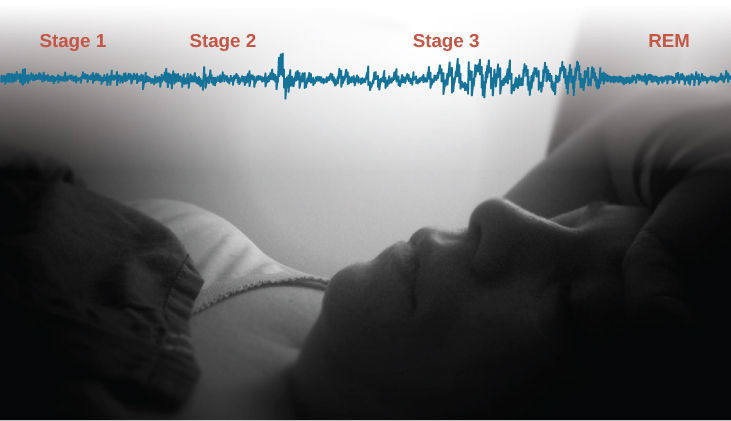
A photograph shows a person sleeping. Superimposed across the top of the picture is a line representing brainwave activity across the four stages of sleep. Above the line, from left to right, it reads stage 1, stage 2, stage 3, and REM. The wave amplitude is highest in late stage 2, and in the middle of stage 3 until REM. The wavelength is longer from late stage 2 through stage 3.
Figure 4.7 — 4.3 Stages of Sleep

Figure 4.7 Brainwave activity changes dramatically across the different stages of sleep. (credit "sleeping": modification of work by Ryan Vaarsi)

Rose M. Spielman, William J. Jenkins, and Marilyn D. Lovett, Psychology 2E, OpenStax. (credit "sleeping": modification of work by Ryan Vaarsi) · CC BY-NC-SA 4.0 · Original image ↗ · Access for free ↗
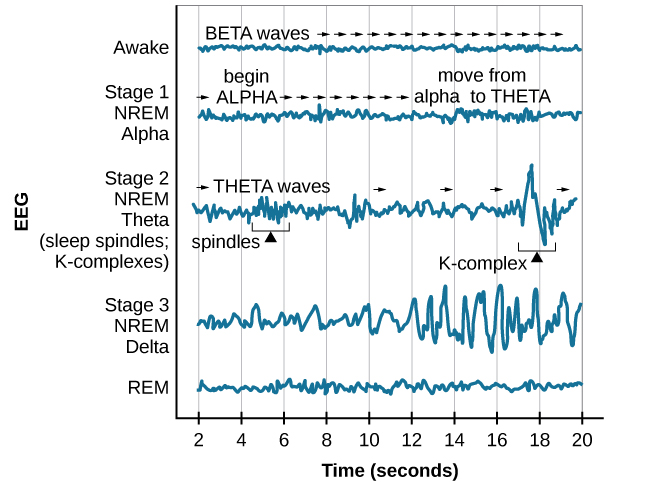
A graph has a y-axis labeled “EEG” and an x-axis labeled “time (seconds.) Plotted along the y-axis and moving upward are the stages of sleep. First is REM, followed by Stage 3 NREM Delta, Stage 2 NREM Theta (sleep spindles; K-complexes), Stage 1 NREM Alpha, and Awake. Charted on the x axis is Time in seconds from 2–20 in 2 second intervals. Each sleep stage has associated wavelengths of varying amplitude and frequency. Relative to the others, “awake” has a very close wavelength and a medium amplitude. Stage 1 is characterized by a generally uniform wavelength and a relatively low amplitude which doubles and quickly reverts to normal every 2 seconds. Stage 2 is comprised of a similar wavelength as stage 1. It introduces the K-complex from seconds 10 through 12 which is a short burst of doubled or tripled amplitude and decreased wavelength. Stage 3 has a more uniform wave with gradually increasing amplitude. Finally, REM sleep looks much like stage 2 without the K-complex.
Figure 4.8 — 4.3 Stages of Sleep

Figure 4.8 Brainwave activity changes dramatically across the different stages of sleep.

Rose M. Spielman, William J. Jenkins, and Marilyn D. Lovett, Psychology 2E, OpenStax. · CC BY-NC-SA 4.0 · Original image ↗ · Access for free ↗
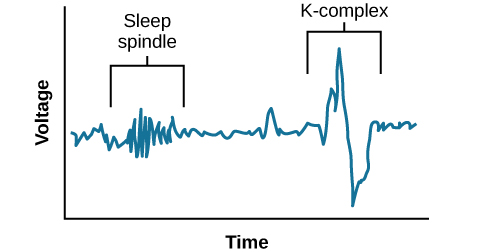
A graph has an x-axis labeled “time” and a y-axis labeled “voltage. A line illustrates brainwaves, with two areas labeled “sleep spindle” and “k-complex”. The area labeled “sleep spindle” has decreased wavelength and moderately increased amplitude, while the area labeled “k-complex” has significantly high amplitude and longer wavelength.
Figure 4.9 — 4.3 Stages of Sleep

Figure 4.9 Stage 2 sleep is characterized by the appearance of both sleep spindles and K-complexes.

Rose M. Spielman, William J. Jenkins, and Marilyn D. Lovett, Psychology 2E, OpenStax. · CC BY-NC-SA 4.0 · Original image ↗ · Access for free ↗
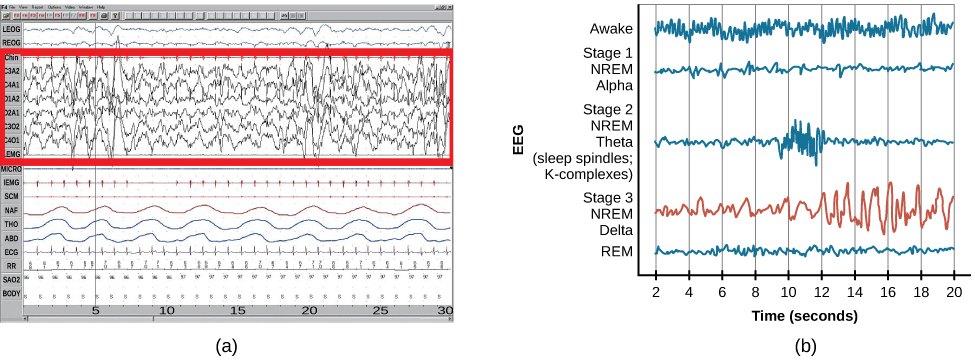
Polysonograph a shows the pattern of delta waves, which are low frequency and high amplitude. Delta waves are found mostly in stage 3 of sleep. Chart b shows brainwaves at various stages of sleep, with stage 3 highlighted.
Figure 4.10 — 4.3 Stages of Sleep

Figure 4.10 (a) Delta waves, which are low frequency and high amplitude, characterize (b) slow-wave stage 3 and REM sleep.

Rose M. Spielman, William J. Jenkins, and Marilyn D. Lovett, Psychology 2E, OpenStax. · CC BY-NC-SA 4.0 · Original image ↗ · Access for free ↗
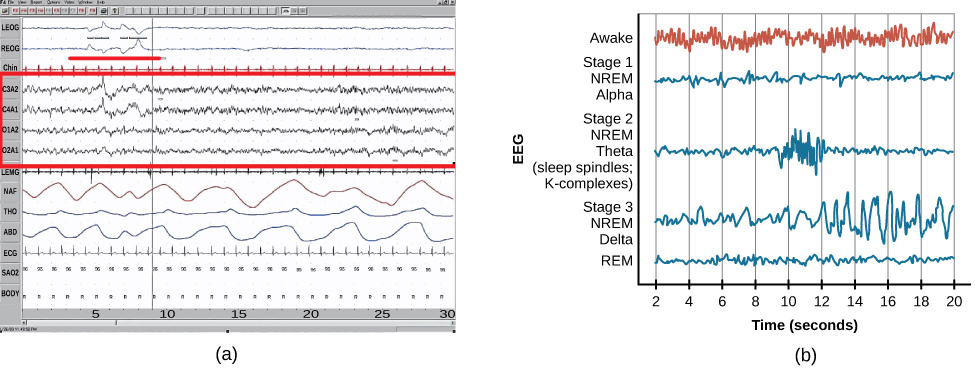
Chart A is a polysonograph with the period of rapid eye movement (REM) highlighted. Chart b shows brainwaves at various stages of sleep, with the “awake” stage highlighted to show its similarity to the wave pattern of “REM” in chart A.
Figure 4.11 — 4.3 Stages of Sleep

Figure 4.11 (a) A period of rapid eye movement is marked by the short red line segment. The brain waves associated with REM sleep, outlined in the red box in (a), look very similar to those seen (b) during wakefulness.

Rose M. Spielman, William J. Jenkins, and Marilyn D. Lovett, Psychology 2E, OpenStax. · CC BY-NC-SA 4.0 · Original image ↗ · Access for free ↗
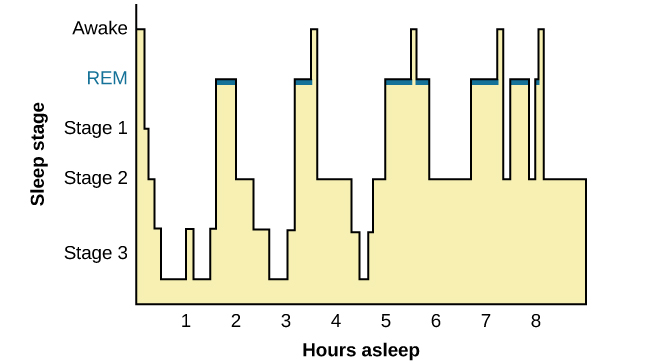
This is a hypnogram showing the transitions of the sleep cycle during a typical eight hour period of sleep. During the first hour, the person goes through stages 1 and 2 and ends at 3. In the second hour, sleep oscillates in stage 3 before attaining a 30-minute period of REM sleep. The third hour follows the same pattern as the second, but ends with a brief awake period. The fourth hour follows a similar pattern as the third, with a slightly longer REM stage. In the fifth hour, stage 3 is no longer reached. The sleep stages are fluctuating from 2, to 1, to REM, to awake, and then they repeat with shortening intervals until the end of the eighth hour when the person awakens.
Figure 4.12 — 4.3 Stages of Sleep

Figure 4.12 A hypnogram is a diagram of the stages of sleep as they occur during a period of sleep. This hypnogram illustrates how an individual moves through the various stages of sleep.

Rose M. Spielman, William J. Jenkins, and Marilyn D. Lovett, Psychology 2E, OpenStax. · CC BY-NC-SA 4.0 · Original image ↗ · Access for free ↗

Source: 4.3 Stages of Sleep

4.4 Sleep Problems and Disorders — figures and tables
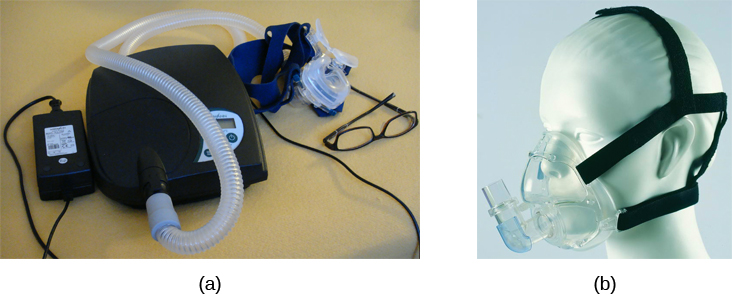
Photograph A shows a CPAP device.  Photograph B shows a clear full face CPAP mask attached to a mannequin's head with straps.
Figure 4.13 — 4.4 Sleep Problems and Disorders

Figure 4.13 (a) A typical CPAP device used in the treatment of sleep apnea is (b) affixed to the head with straps, and a mask that covers the nose and mouth.

Rose M. Spielman, William J. Jenkins, and Marilyn D. Lovett, Psychology 2E, OpenStax. · CC BY-NC-SA 4.0 · Original image ↗ · Access for free ↗
The “Safe to Sleep” campaign logo shows a baby sleeping and the words “safe to sleep.”
Figure 4.14 — 4.4 Sleep Problems and Disorders

Figure 4.14 The Safe to Sleep campaign educates the public about how to minimize risk factors associated with SIDS. This campaign is sponsored in part by the National Institute of Child Health and Human Development.

Rose M. Spielman, William J. Jenkins, and Marilyn D. Lovett, Psychology 2E, OpenStax. · CC BY-NC-SA 4.0 · Original image ↗ · Access for free ↗

Source: 4.4 Sleep Problems and Disorders

4.6 Other States of Consciousness — figures and tables
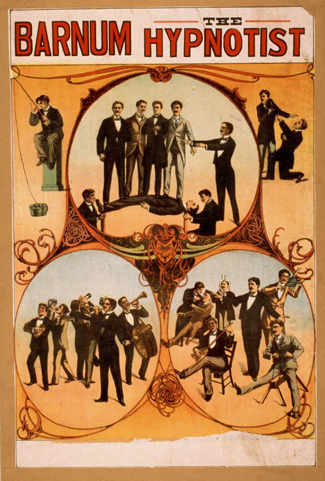
A poster titled “Barnum the Hypnotist” shows illustrations of a person performing hypnotism.
Figure 4.20 — 4.6 Other States of Consciousness

Figure 4.20 Popular portrayals of hypnosis have led to some widely-held misconceptions.

Rose M. Spielman, William J. Jenkins, and Marilyn D. Lovett, Psychology 2E, OpenStax. · CC BY-NC-SA 4.0 · Original image ↗ · Access for free ↗
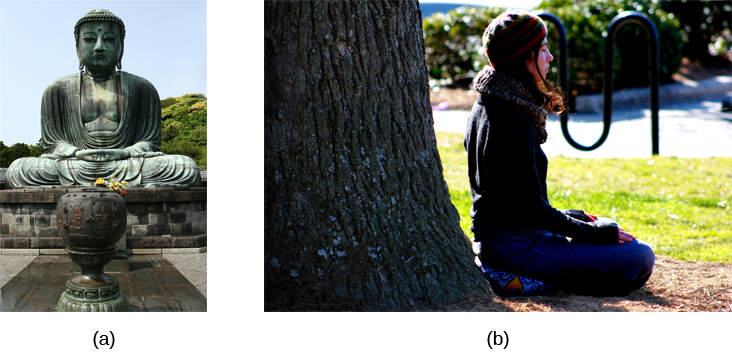
Photograph A shows a statue of Buddha with eyes closed and legs crisscrossed. Photograph B shows a person in a similar position.
Figure 4.21 — 4.6 Other States of Consciousness

Figure 4.21 (a) This is a statue of a meditating Buddha, representing one of the many religious traditions of which meditation plays a part. (b) People practicing meditation may experience an alternate state of consciousness. (credit a: modification of work by Jim Epler; credit b: modification of work by Caleb Roenigk)

Rose M. Spielman, William J. Jenkins, and Marilyn D. Lovett, Psychology 2E, OpenStax. (credit a: modification of work by Jim Epler; credit b: modification of work by Caleb Roenigk) · CC BY-NC-SA 4.0 · Original image ↗ · Access for free ↗

Source: 4.6 Other States of Consciousness

4.5 Substance Use and Abuse — figures and tables
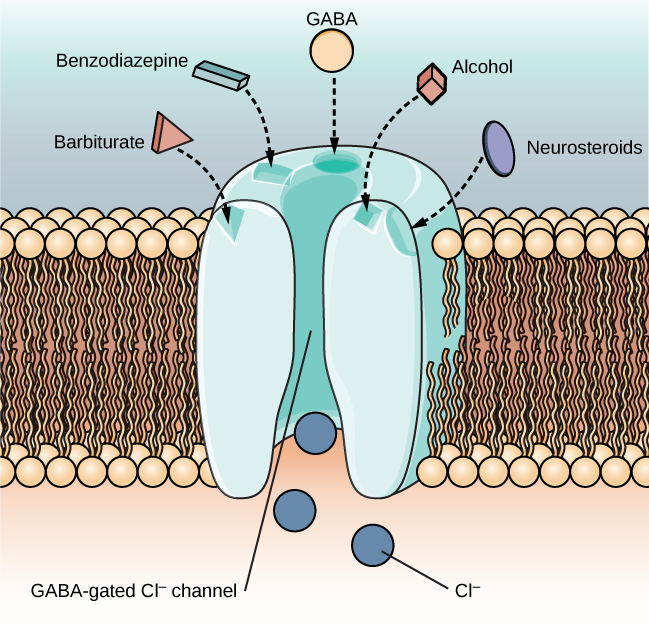
An illustration of a GABA-gated chloride channel in a cell membrane shows  receptor sites for barbiturate, benzodiazepine, GABA, alcohol, and neurosteroids, as well as three negatively-charged chloride ions passing through the channel. Each drug type has a specific shape, such as triangular, rectangular or square, which corresponds to a similarly shaped receptor spot.
Figure 4.15 — 4.5 Substance Use and Abuse

Figure 4.15 The GABA-gated chloride (Cl – ) channel is embedded in the cell membrane of certain neurons. The channel has multiple receptor sites where alcohol, barbiturates, and benzodiazepines bind to exert their effects. The binding of these molecules opens the chloride channel, allowing negatively-charged chloride ions (Cl – ) into the neuron's cell body. Changing its charge in a negative direction pushes the neuron away from firing; thus, activating a GABA neuron has a quieting effect on the brain.

Rose M. Spielman, William J. Jenkins, and Marilyn D. Lovett, Psychology 2E, OpenStax. · CC BY-NC-SA 4.0 · Original image ↗ · Access for free ↗
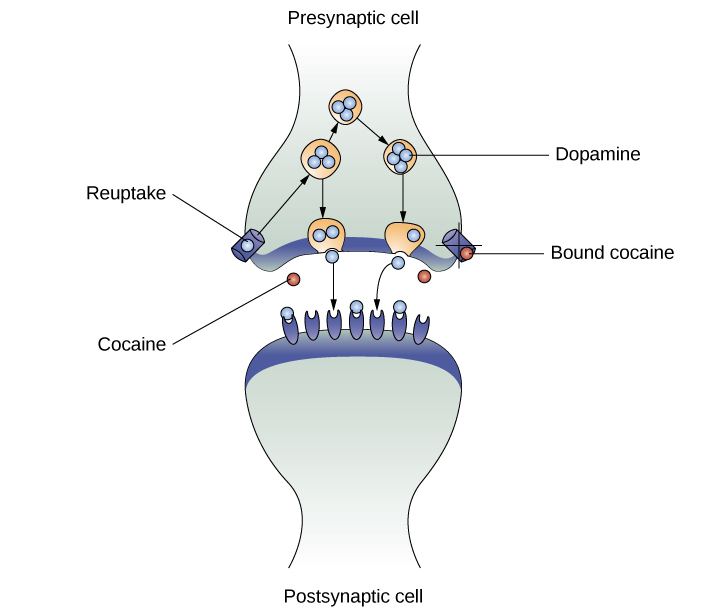
An illustration of a presynaptic cell and a postsynaptic cell shows these cells’ interactions with cocaine and dopamine molecules. The presynaptic cell contains two cylinder-shaped channels, one on each side near where it faces the postsynaptic cell. The postsynaptic cell contains several receptors, side-by-side across the area that faces the presynaptic cell. In the space between the two cells, there are both cocaine and dopamine molecules. One of the cocaine molecules attaches to one of the presynaptic cell’s channels. This cocaine molecule is labeled “bound cocaine.” An X-shape is shown over the top of the bound cocaine and the channel to indicate that the cocaine does not enter the presynaptic cell. A dopamine molecule is shown inside of the presynaptic cell’s other channel. Arrows connect this dopamine molecule to several others inside of the presynaptic cell. More arrows connect to more dopamine molecules, tracing their paths from the channel into the presynaptic cell, and out into the space between the presynaptic cell and the postsynaptic cell. Arrows extend from two of the dopamine molecules in this in-between space to the postsynaptic cell’s receptors. Only the dopamine molecules are shown binding to the postsynaptic cell’s receptors.
Figure 4.16 — 4.5 Substance Use and Abuse

Figure 4.16 As one of their mechanisms of action, cocaine and amphetamines block the reuptake of dopamine from the synapse into the presynaptic cell.

Rose M. Spielman, William J. Jenkins, and Marilyn D. Lovett, Psychology 2E, OpenStax. · CC BY-NC-SA 4.0 · Original image ↗ · Access for free ↗
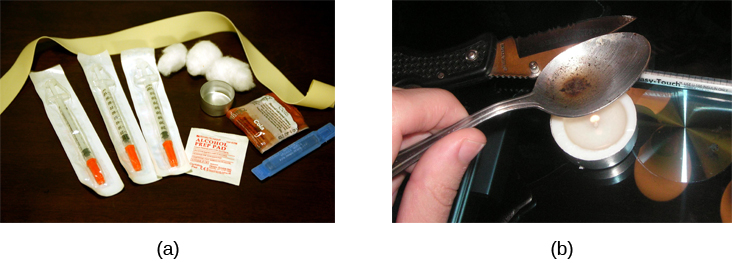
Photograph A shows various paraphernalia spread out on a black surface.  The items include a tourniquet, three syringes of varying widths, three cotton-balls, a tiny cooking vessel, a condom, a capsule of sterile water, and an alcohol swab. Photograph B shows a hand holding a spoon containing heroin tar above a small candle.
Figure 4.17 — 4.5 Substance Use and Abuse

Figure 4.17 (a) Common paraphernalia for heroin preparation and use are shown here in a needle exchange kit. (b) Heroin is cooked on a spoon over a candle. (credit a: modification of work by Todd Huffman)

Rose M. Spielman, William J. Jenkins, and Marilyn D. Lovett, Psychology 2E, OpenStax. (credit a: modification of work by Todd Huffman) · CC BY-NC-SA 4.0 · Original image ↗ · Access for free ↗
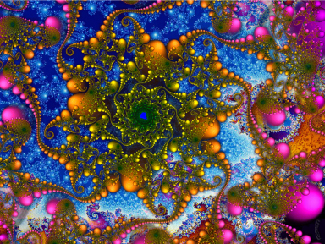
An illustration shows a colorful spiral pattern.
Figure 4.18 — 4.5 Substance Use and Abuse

Figure 4.18 Psychedelic images like this are often associated with hallucinogenic compounds. (credit: modification of work by "new 1lluminati"/Flickr)

Rose M. Spielman, William J. Jenkins, and Marilyn D. Lovett, Psychology 2E, OpenStax. (credit: modification of work by "new 1lluminati"/Flickr) · CC BY-NC-SA 4.0 · Original image ↗ · Access for free ↗

A photograph shows a window with a neon sign. The sign includes the word “medical” above the shape of a marijuana leaf.
Figure 4.19 — 4.5 Substance Use and Abuse

Figure 4.19 Medical marijuana shops are becoming more and more common in the United States. (credit: Laurie Avocado)

Rose M. Spielman, William J. Jenkins, and Marilyn D. Lovett, Psychology 2E, OpenStax. (credit: Laurie Avocado) · CC BY-NC-SA 4.0 · Original image ↗ · Access for free ↗
Class of Drug Examples Effects on the Body Effects When Used Psychologically Addicting?
Stimulants Cocaine, amphetamines (including some ADHD medications such as Adderall), methamphetamines, MDMA (“Ecstasy” or “Molly”) Increased heart rate, blood pressure, body temperature Increased alertness, mild euphoria, decreased appetite in low doses. High doses increase agitation, paranoia, can cause hallucinations. Some can cause heightened sensitivity to physical stimuli. High doses of MDMA can cause brain toxicity and death. Yes
Sedative-Hypnotics (“Depressants”) Alcohol, barbiturates (e.g., secobarbital, pentobarbital), Benzodiazepines (e.g., Xanax) Decreased heart rate, blood pressure Low doses increase relaxation, decrease inhibitions. High doses can induce sleep, cause motor disturbance, memory loss, decreased respiratory function, and death. Yes
Opiates Opium, Heroin, Fentanyl, Morphine, Oxycodone, Vicodin, methadone, and other prescription pain relievers Decreased pain, pupil constriction, decreased gut motility, decreased respiratory function Pain relief, euphoria, sleepiness. High doses can cause death due to respiratory depression. Yes
Hallucinogens Marijuana, , Peyote, mescaline, DMT, dissociative anesthetics including ketamine and PCP Increased heart rate and blood pressure that may dissipate over time Mild to intense perceptual changes with high variability in effects based on strain, method of ingestion, and individual differences Yes

Table 4.2. Rose M. Spielman, William J. Jenkins, and Marilyn D. Lovett, Psychology 2E, OpenStax.

Source: 4.5 Substance Use and Abuse
209 terms, alphabetically ordered

Acid · ·

In the Brønsted–Lowry model, a substance that can donate a . Acidic have a higher activity than water.

Read explanation · OpenStax ↗
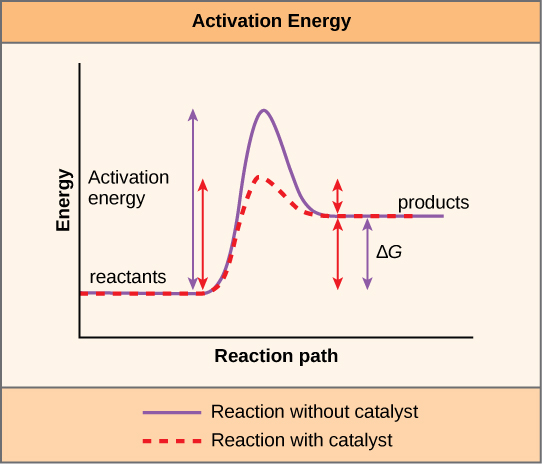
Activation energy ·

The energy barrier that must overcome to reach a and undergo .

Read explanation · OpenStax ↗
adaptation

A heritable feature shaped by selection because it improves reproductive success in a relevant environment.

Read explanation · OpenStax ↗
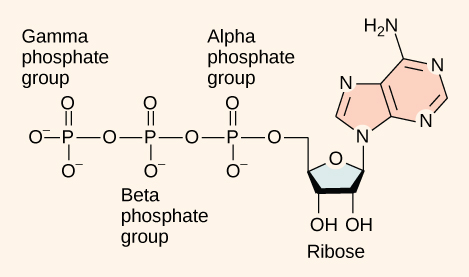
Adenosine triphosphate

An energy-carrying ; its powers many cellular processes, including cycles.

Read explanation · OpenStax ↗
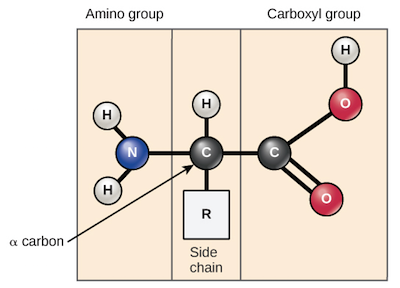
Alpha carbon · ·

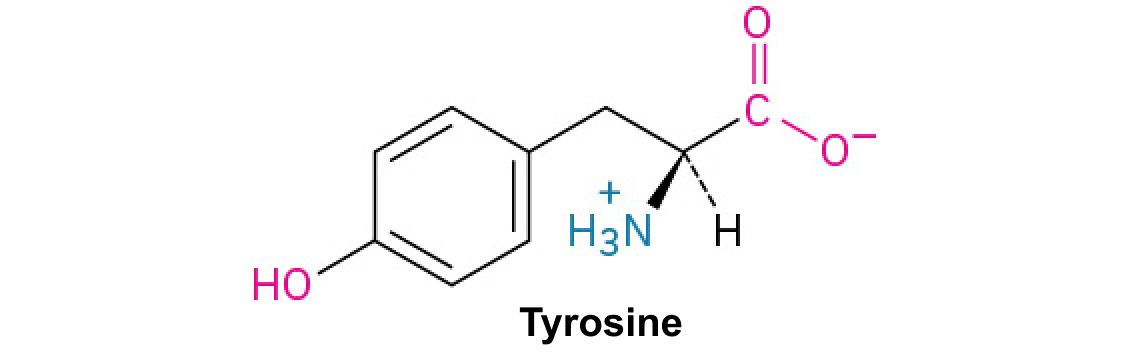
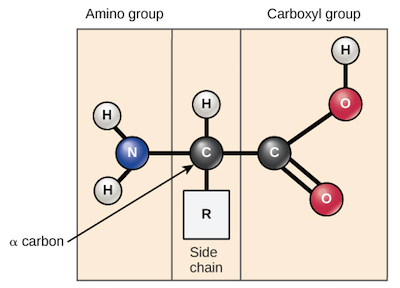
The central carbon next to the carboxyl carbon. In a standard it binds an , hydrogen, and .

Read explanation · OpenStax ↗
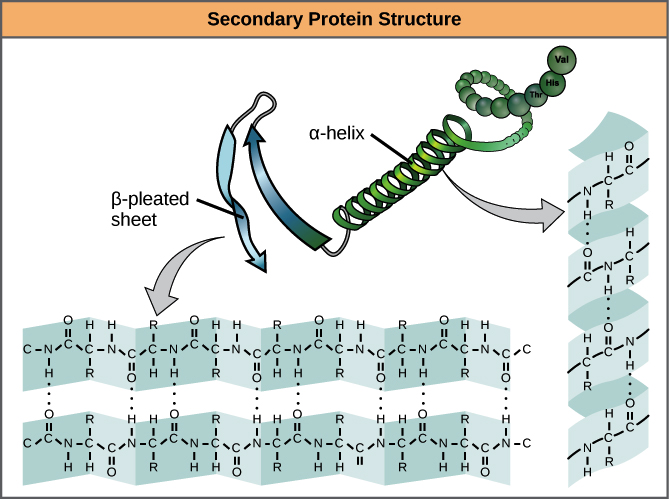
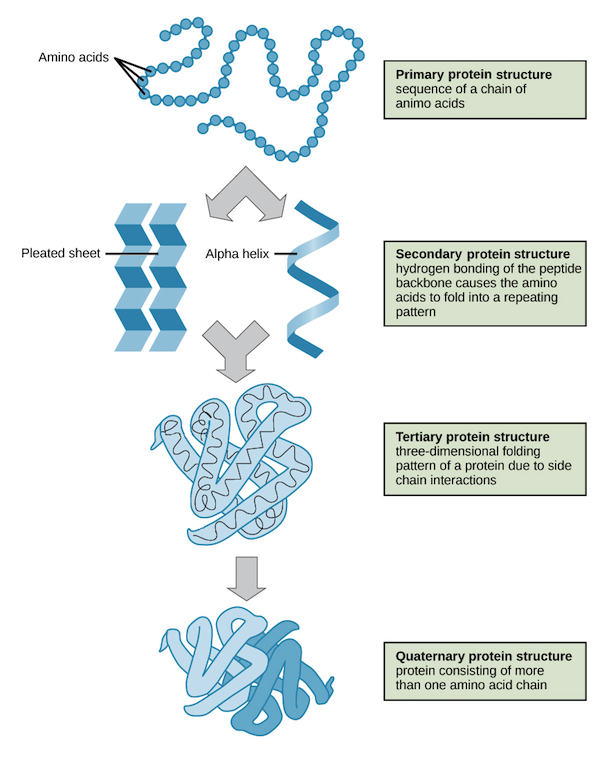
Alpha helix · · · · · ·

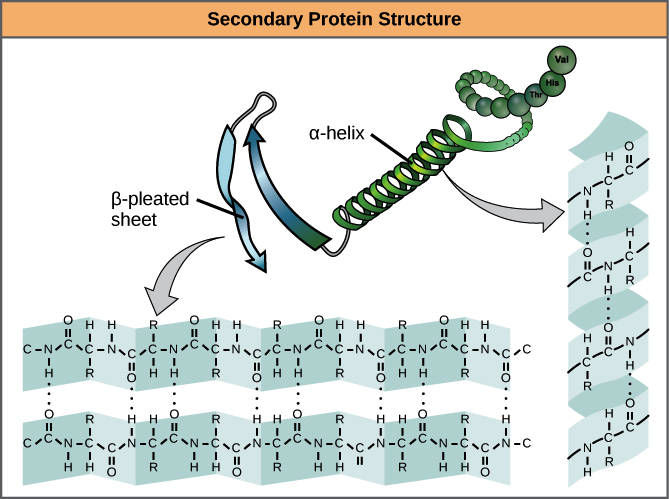
A helical stabilized by between a oxygen and an hydrogen four later.

Read explanation · OpenStax ↗
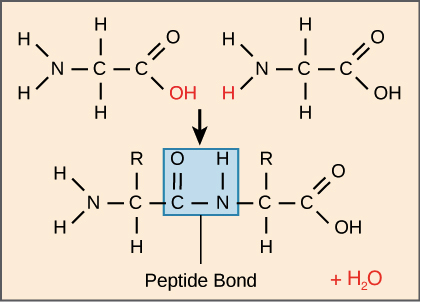
Amide · · ·

A group containing a carbon bonded to nitrogen. are amide linkages.

Read explanation · OpenStax ↗
Amino acid

A building block containing amino and and a characteristic .

Read explanation · OpenStax ↗
Amino acid residue · ·

The part of an incorporated into a chain. Residue can also describe another building block within a larger .

Read explanation · OpenStax ↗
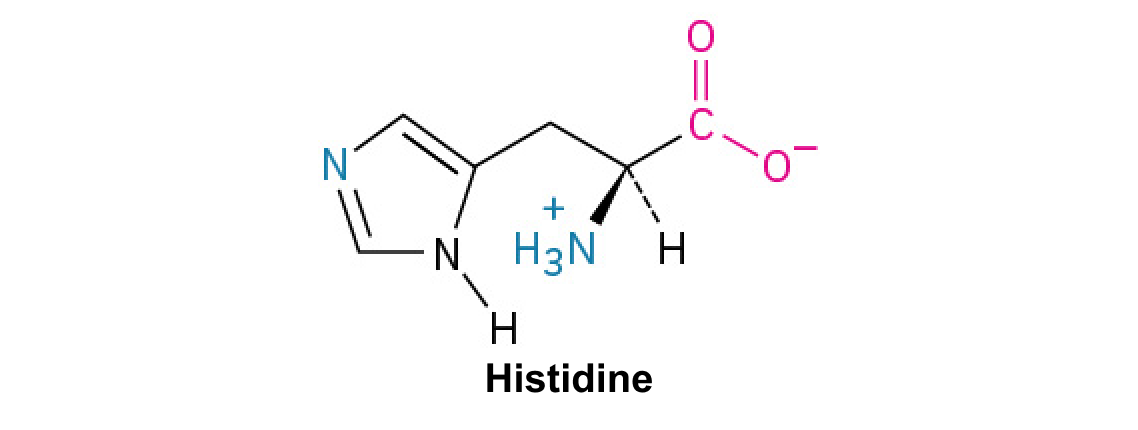
Amino group · · ·

A nitrogen-containing . A free ’s amino group is typically (NH₃⁺) near physiological ; ’s ring nitrogen is an exception to this formula.

Read explanation · OpenStax ↗
Amphipathic

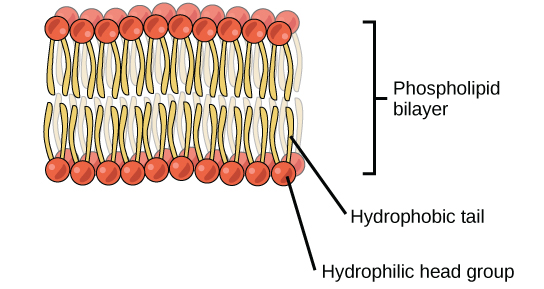
Having both a region and a region, as in a or .

Read explanation · OpenStax ↗
amplitude

Maximum displacement from an oscillation’s position.

Read explanation · OpenStax ↗
Analytical standard ·

A material with a known identity or amount used to compare or calibrate measurements.

Read explanation · Agilent ↗
Anion ·

An with a negative net .

Read explanation · OpenStax ↗
Anode

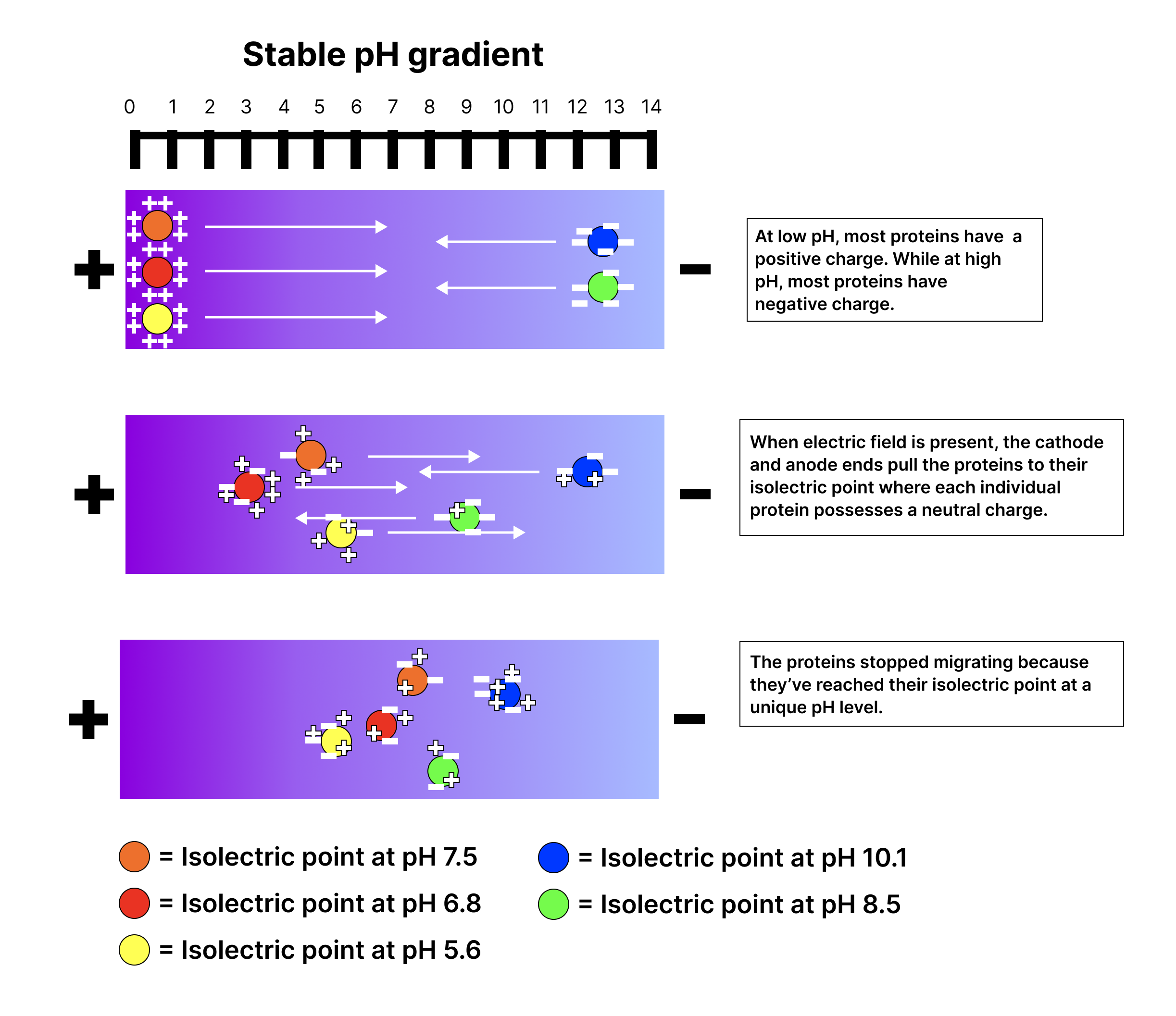
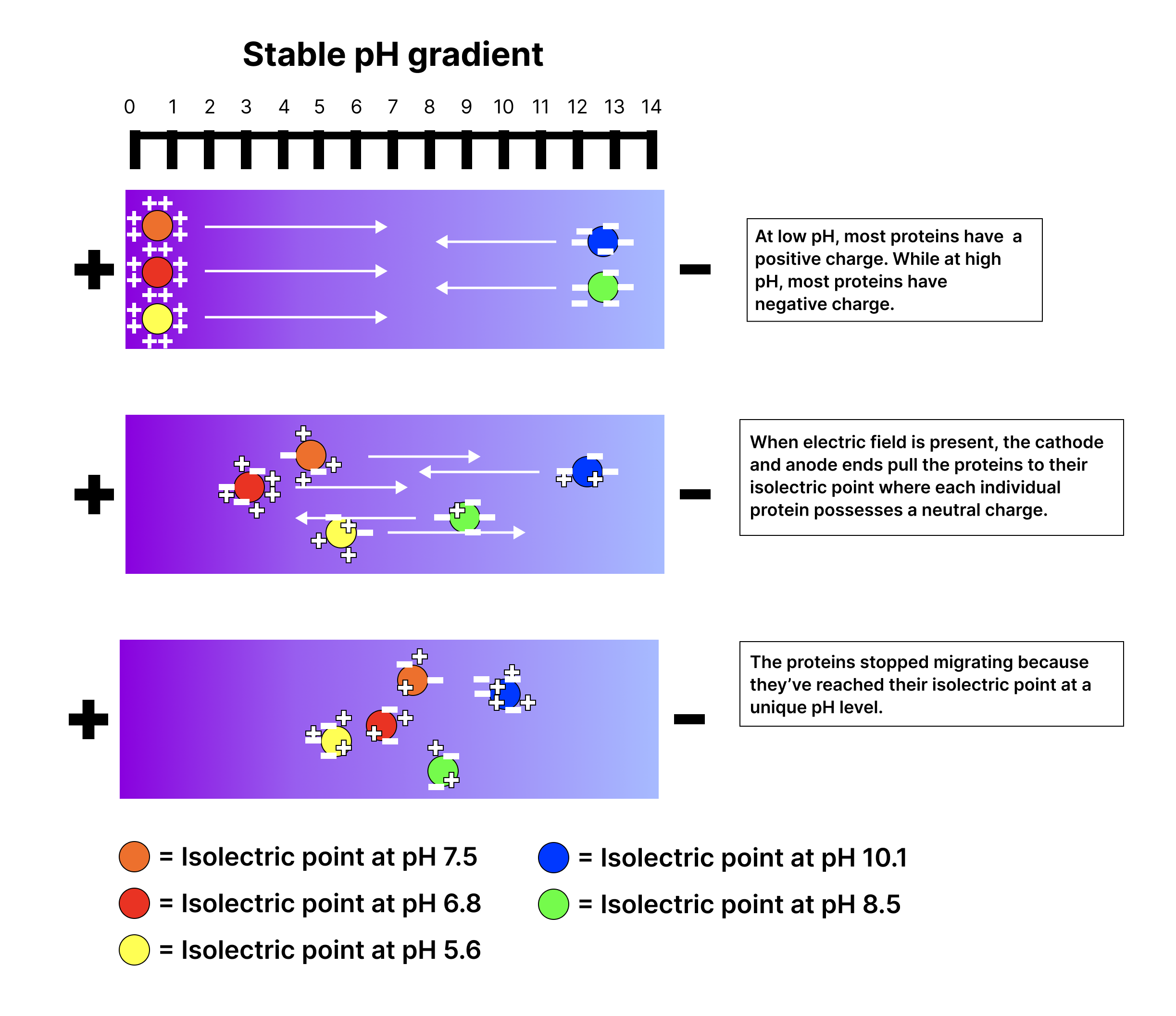
The positive in an apparatus; negatively migrate toward it.

Read explanation · Thermo Fisher ↗
Antiparallel

Running in opposite directions, as with two strands or neighboring strands in some .

Read explanation · OpenStax ↗
Aqueous solution ·

A in which water is the .

Read explanation · OpenStax ↗
Aromatic

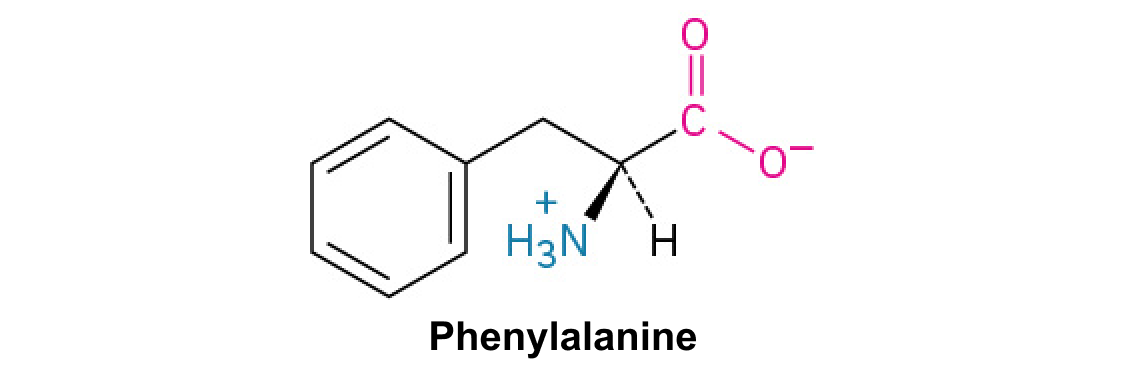
Containing a cyclic, with . , , and have aromatic .

Read explanation · OpenStax ↗
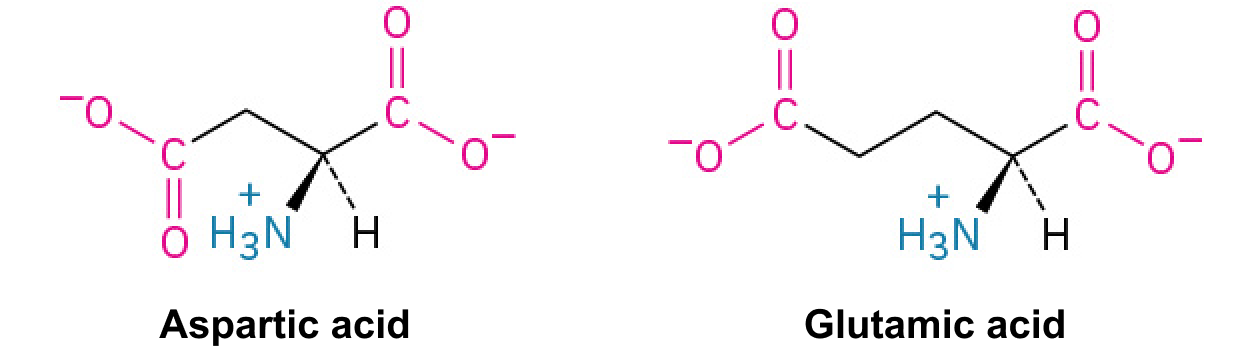
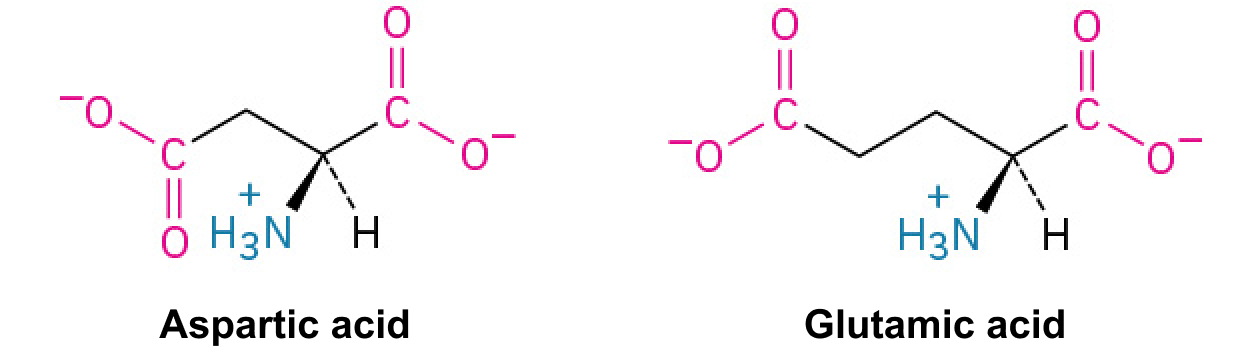
Aspartate · ·

An whose is usually negatively near physiological .

Read explanation · OpenStax ↗
Assay

A procedure used to detect a substance or measure its amount, activity, or another property.

Read explanation · Thermo Fisher ↗
Atom

The smallest unit of an element that retains its chemical identity; it has a surrounded by .

Read explanation · OpenStax ↗
attachment

Enduring emotional bond and expectations about another’s availability and responsiveness.

Read explanation · OpenStax ↗
basal ganglia

Interconnected subcortical involved in action selection and learning.

Read explanation · OpenStax ↗
Benzene ring

A six-carbon ring with .

Read explanation · OpenStax ↗
Benzyl group

A attached through a –CH₂– group; part of ’s .

Read explanation · OpenStax ↗
Beta sheet · · · · · ·

A made of aligned segments connected by ; strands may be parallel or .

Read explanation · OpenStax ↗
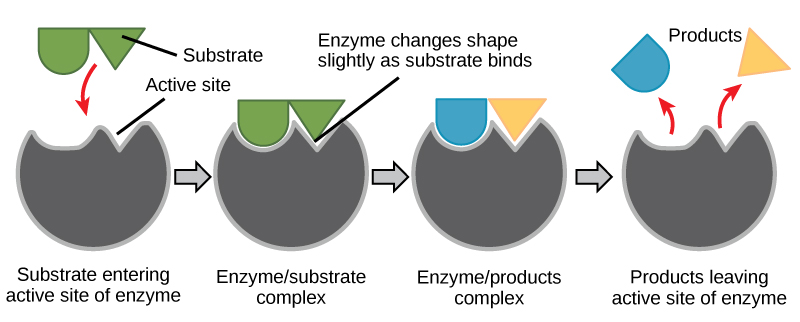
Binding site

A region of a where another interacts selectively.

Read explanation · OpenStax ↗
Biomolecule

A made by or involved in living systems, including , , , and .

Read explanation · OpenStax ↗
Blocking

Covering unoccupied on a or plate to reduce interactions.

Read explanation · Thermo Fisher ↗
Blotting ·

Transfer of separated or to a so a specific target can be detected.

Read explanation · Thermo Fisher ↗
Brønsted–Lowry base · · · · · · · · · · ·

In the Brønsted–Lowry model, a substance that can accept a . Basic solutions have lower activity than water.

Read explanation · OpenStax ↗
Calibration

Establishing the relation between a measured signal and known values or .

Read explanation · Agilent ↗
Cancer

A group of diseases involving abnormal cells that can proliferate without normal restraints and invade tissues.

Read explanation · OpenStax ↗
Carbohydrate

A class of including sugars and their , used for energy storage, structure, and recognition.

Read explanation · OpenStax ↗
Carbonyl group · ·

A carbon double-bonded to oxygen, C=O; present in and many other .

Read explanation · OpenStax ↗
Carboxyl group · ·

An , COOH. In free it is usually to COO⁻ near physiological .

Read explanation · OpenStax ↗
case study

An intensive investigation of one individual, group, or event, often with limited generalizability.

Read explanation · OpenStax ↗
Catalyst · ·

A substance that speeds a by providing a pathway with lower and is regenerated rather than consumed overall.

Read explanation · OpenStax ↗
cataplexy

Sudden loss of muscle tone, often emotion-triggered, associated with some narcolepsy.

Read explanation · OpenStax ↗
catecholamine

A -derived chemical class including dopamine, norepinephrine, and epinephrine.

Read explanation · OpenStax ↗
Cathode

The negative in an apparatus; positively migrate toward it.

Read explanation · Thermo Fisher ↗
Cation ·

An with a positive net .

Read explanation · OpenStax ↗
CD4

A cell-surface immune coreceptor used with additional coreceptors for and entry.

Read explanation · OpenStax ↗
central nervous system

Brain and spinal cord.

Read explanation · OpenStax ↗
Chemical compound ·

A substance containing of two or more different chemically combined in a definite composition.

Read explanation · OpenStax ↗
Chemical element

A substance defined by having the same number of , such as carbon or oxygen.

Read explanation · OpenStax ↗
Chemical reaction ·

A process that rearranges and chemical bonds, converting into .

Read explanation · OpenStax ↗
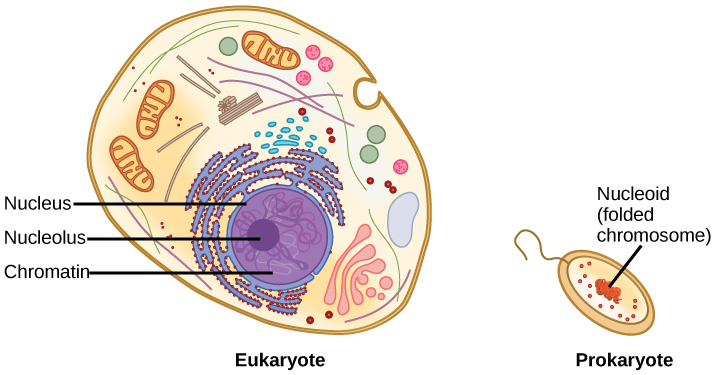
Chromatin

The complex of and associated , including , in .

Read explanation · OpenStax ↗
Chromatography

Separation of mixture components by their different interactions with a and a moving .

Read explanation · Waters ↗
Chromatography resin ·

The solid or beads in a column, often carrying chemical groups that determine separation behavior.

Read explanation · Cytiva ↗
Chromosome ·

An organized with associated that carries . A replicated chromosome has two .

Read explanation · OpenStax ↗
circadian rhythm

Biological cycle of approximately 24 hours.

Read explanation · OpenStax ↗
Codon

A sequence of three that specifies an or a stop signal.

Read explanation · OpenStax ↗
Concentration

The amount of a substance in a specified volume or mass of mixture.

Read explanation · OpenStax ↗
conductor

Material with that can move readily through it.

Read explanation · OpenStax ↗
Conjugated system ·

Adjacent orbitals that allow to be distributed across several , often through alternating single and multiple bonds.

Read explanation · OpenStax ↗
Covalent bond · ·

A bond in which share pairs. and are covalent.

Read explanation · OpenStax ↗
culture

Learned and shared meanings, practices, values, and artifacts.

Read explanation · OpenStax ↗
Cysteine ·

An with a . Two cysteines can form a .

Read explanation · OpenStax ↗
Deoxyribonucleic acid

The that stores genetic information used to specify and sequences.

Read explanation · OpenStax ↗
Deprotonation

Removal of a from a or group; this changes its by minus one.

Read explanation · OpenStax ↗
Detergent

An substance that can associate with both water and material; detergents can disrupt or interactions.

Read explanation · Thermo Fisher ↗
Diagnostic and Statistical Manual of Mental Disorders

Diagnostic classification manual describing patterns and criteria for mental disorders.

Read explanation · OpenStax ↗
Dissociation · ·

Separation of a chemical species or molecular complex into smaller components; dissociation releases a .

Read explanation · OpenStax ↗
Disulfide bond · · ·

A covalent sulfur–sulfur bond formed by of two , which can stabilize structure.

Read explanation · NCBI Bookshelf ↗
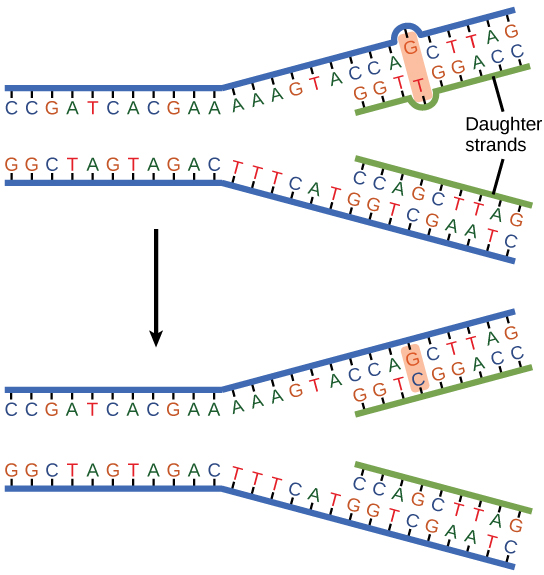
DNA replication

Copying so genetic information can be passed to daughter cells. Each guides a complementary new strand.

Read explanation · OpenStax ↗
Double helix · · ·

Two strands wound around a common axis. normally has complementary, strands.

Read explanation · OpenStax ↗
Electric charge · · ·

An electrical property that can be positive or negative. Opposite charges attract and like charges repel; net charge is the sum of all charges on a particle.

Read explanation · OpenStax ↗
Electric field

A quantity describing the electrical force per unit positive . An applied field drives through a gel during .

Read explanation · Thermo Fisher ↗
Electrode

A that connects an electrical circuit to a or other medium; the and are electrodes.

Read explanation · Thermo Fisher ↗
electroencephalography

Recording of electrical activity from , commonly on the scalp.

Read explanation · OpenStax ↗
Electron

A negatively subatomic particle. Electron sharing and transfer determine much of chemical bonding.

Read explanation · OpenStax ↗
Electron delocalization ·

Distribution of across several rather than confinement to one or bond.

Read explanation · OpenStax ↗
Electronegativity ·

An ’s tendency to attract shared in a chemical bond. Unequal attraction can make a bond .

Read explanation · OpenStax ↗
Electrophoresis

Movement of in an , used to separate through a support such as a gel.

Read explanation · Thermo Fisher ↗
Endocrine signaling ·

Communication in which enter the circulation and act on distant target cells.

Read explanation · OpenStax ↗
Endomembrane system

The interacting and compartments involved in processes such as modification, transport, and .

Read explanation · OpenStax ↗
Endoplasmic reticulum

An interconnected network continuous with the ; it includes regions involved in processing and synthesis.

Read explanation · OpenStax ↗
Enzyme

A biological that speeds a without being consumed. Most enzymes are .

Read explanation · OpenStax ↗
Equilibrium

A state where opposing processes occur at equal rates, so macroscopic or other properties remain constant.

Read explanation · OpenStax ↗
Eukaryote ·

An organism whose cells have a -enclosed ; animals, plants, fungi, and protists are eukaryotes.

Read explanation · OpenStax ↗
Experimental control ·

A comparison sample or condition used to distinguish the effect being tested from other influences.

Read explanation · Thermo Fisher ↗
FACT complex ·

A -associated complex that helps machinery traverse and supports reorganization.

Read explanation · OpenStax ↗
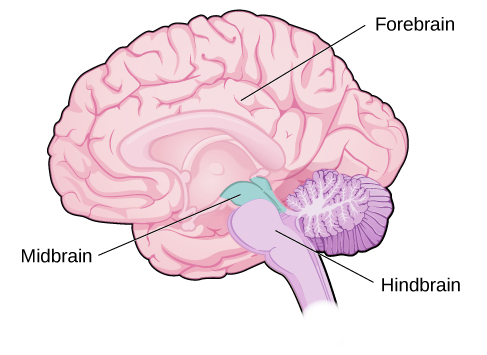
forebrain

Major developmental brain division including cerebral hemispheres, , and .

Read explanation · OpenStax ↗
Functional group

A group of whose chemical behavior gives a characteristic and properties.

Read explanation · OpenStax ↗
functional magnetic resonance imaging

Imaging method estimating neural activity indirectly through blood-oxygenation changes.

Read explanation · OpenStax ↗
gamma-aminobutyric acid

Major inhibitory neurotransmitter in the mature .

Read explanation · OpenStax ↗
Gene

A sequence that contributes to a functional or , together with the information needed to express it.

Read explanation · OpenStax ↗
Gene expression

Production of a functional from a , including and, for -coding , .

Read explanation · NCBI Bookshelf ↗
Glutamate · ·

An whose is usually negatively near physiological .

Read explanation · OpenStax ↗
Golgi apparatus ·

A stack of compartments that modifies and sorts and traveling through the .

Read explanation · OpenStax ↗
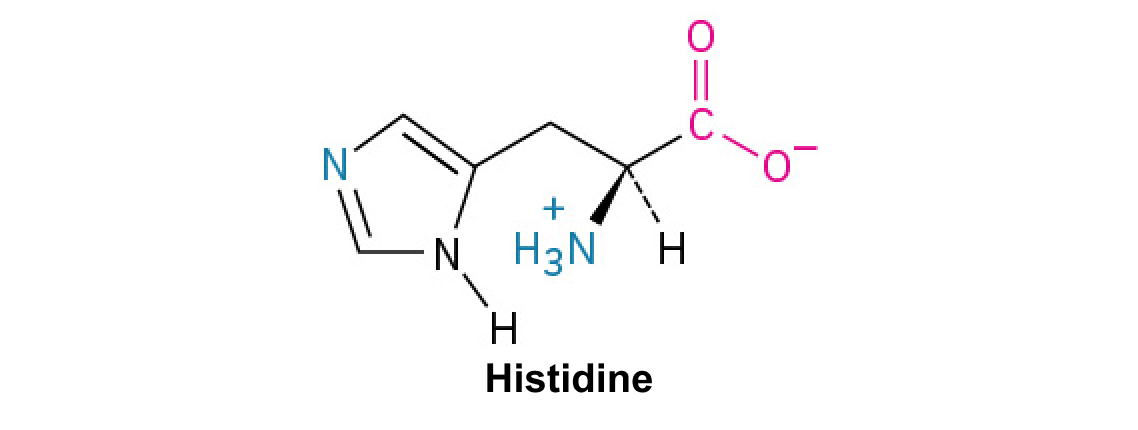
Histidine ·

A with an . Mostly uncharged near physiological , it can accept or donate .

Read explanation · OpenStax ↗
Histone

A -associated rich in . Core histones form the around which nucleosomal wraps.

Read explanation · OpenStax ↗
HIV

Human virus, an enveloped that uses and coreceptors for entry.

Read explanation · OpenStax ↗
homeostasis

Dynamic regulation that maintains physiological variables within functional ranges despite disturbances.

Read explanation · OpenStax ↗
Hormone

A chemical messenger released by cells that changes the activity of target cells with matching .

Read explanation · OpenStax ↗
Hydrogen bond ·

An attraction between a hydrogen bonded to an and another . hydrogen bonds stabilize .

Read explanation · OpenStax ↗
Hydrogen ion · ·

A positively hydrogen species. H⁺ denotes a , which is hydrated in water; its activity determines .

Read explanation · OpenStax ↗
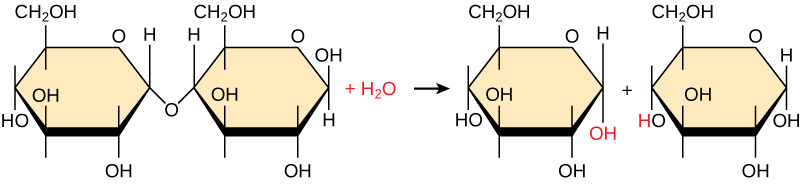
Hydrolysis

Breaking a chemical bond by adding water. hydrolysis separates .

Read explanation · OpenStax ↗
Hydrophilic

Interacting favorably with water, typically because a group is or .

Read explanation · OpenStax ↗
Hydrophobic

Interacting poorly with water. often gather in a ’s interior.

Read explanation · OpenStax ↗
Hydroxide ion ·

The negatively OH⁻. Basic contain a higher hydroxide ion activity than water at the same temperature.

Read explanation · OpenStax ↗
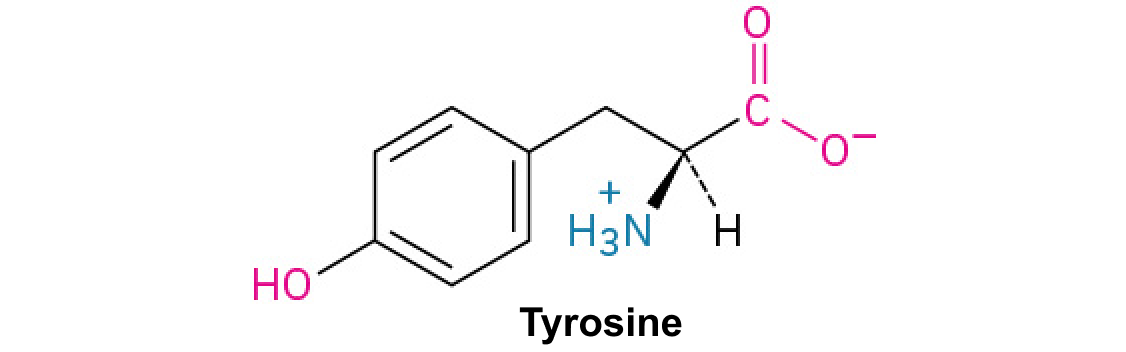
Hydroxyl group ·

An oxygen bonded to hydrogen, –OH. Hydroxyl groups can and often increase .

Read explanation · OpenStax ↗
hypnosis

State or procedure involving focused attention and increased responsiveness to suggestion.

Read explanation · OpenStax ↗
hypothalamus

region coordinating homeostatic, , and autonomic functions.

Read explanation · OpenStax ↗
Imidazole

A five-membered ring containing two nitrogens; ’s contains this ring.

Read explanation · OpenStax ↗
immunodeficiency

Inadequate immune function that compromises defense or regulation.

Read explanation · OpenStax ↗
incidence

Occurrence of new cases in a defined population over a specified period.

Read explanation · OpenStax ↗
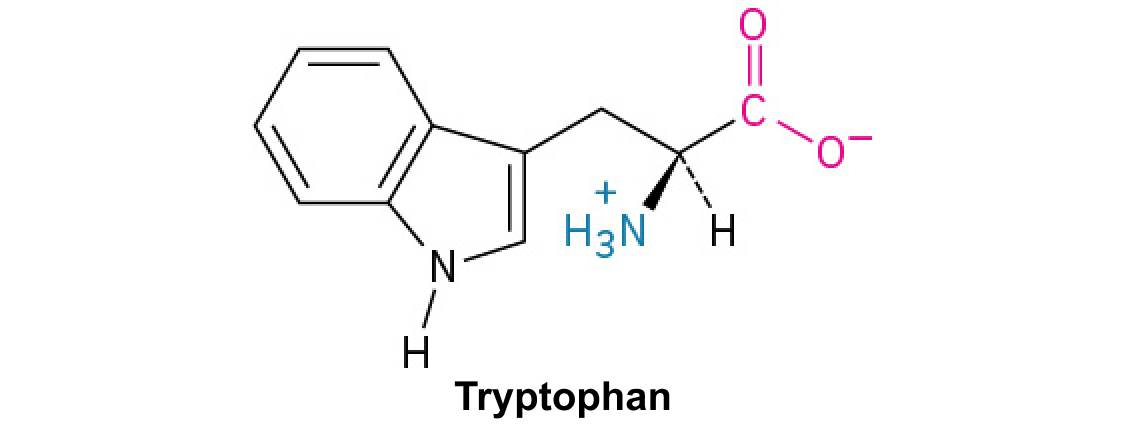
Indole

A fused six-membered and five-membered ring system containing nitrogen; found in .

Read explanation · OpenStax ↗
Ion · ·

An or with a net because its numbers of and do not balance.

Read explanation · OpenStax ↗
linkage

A tendency of nearby on the same to be inherited together.

Read explanation · OpenStax ↗
Lipid

A broad class of largely or , including fats, , and steroids.

Read explanation · OpenStax ↗
locus

The specific position of a or other feature.

Read explanation · OpenStax ↗
Logarithm · · ·

The exponent needed to obtain a number from a chosen fixed number. For decimal logarithms, log₁₀(100) = 2 because 10² = 100; uses the negative decimal logarithm of activity.

Read explanation · OpenStax ↗
lysergic acid diethylamide

Classic hallucinogen whose perceptual effects involve serotonergic signaling.

Read explanation · OpenStax ↗
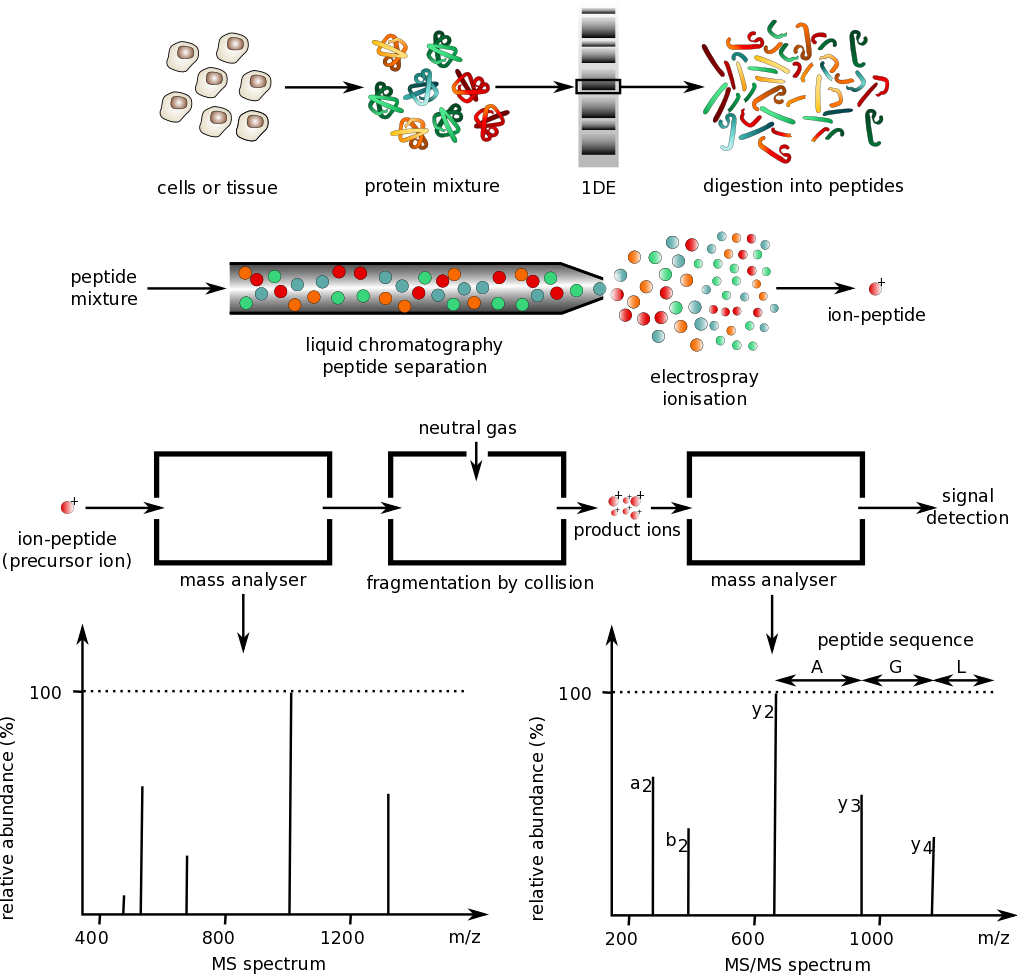
Mass spectrometry ·

Analysis of according to their mass-to- ratios, used to identify and or .

Read explanation · Thermo Fisher ↗
Mass-to-charge ratio

The mass of an divided by its number; this is the quantity measured by a .

Read explanation · Thermo Fisher ↗
Matrix

A supporting material, such as a gel or the solid support in a column. Its properties influence movement and binding of sample .

Read explanation · Thermo Fisher ↗
melatonin

A pineal signaling circadian timing, normally associated with biological night.

Read explanation · OpenStax ↗
Membrane · · · ·

A thin boundary or sheet. Cell membranes are bilayers containing ; membranes are synthetic supports that hold or for detection.

Read explanation · OpenStax ↗
mesolimbic pathway

Dopaminergic projection system important for reinforcement and motivated behavior.

Read explanation · OpenStax ↗
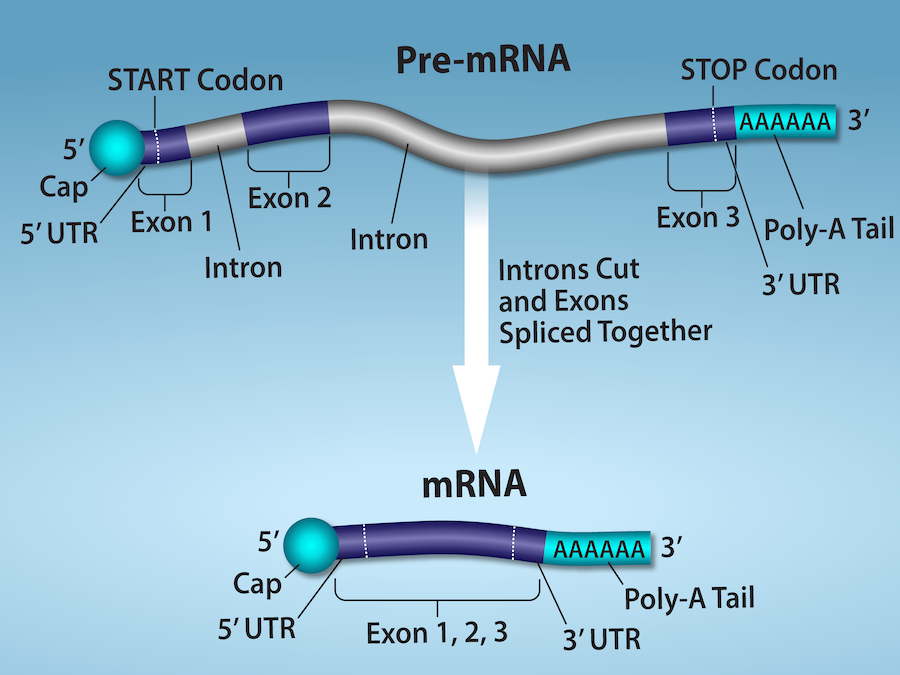
Messenger RNA ·

An that carries coding information used by to synthesize a .

Read explanation · OpenStax ↗
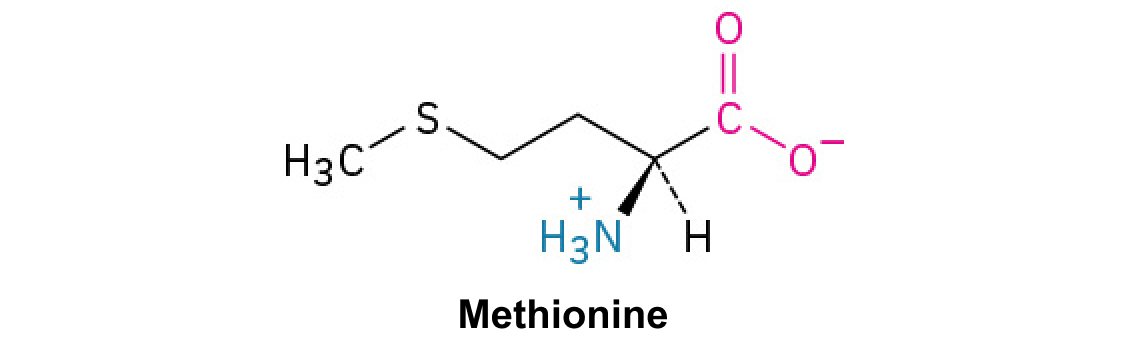
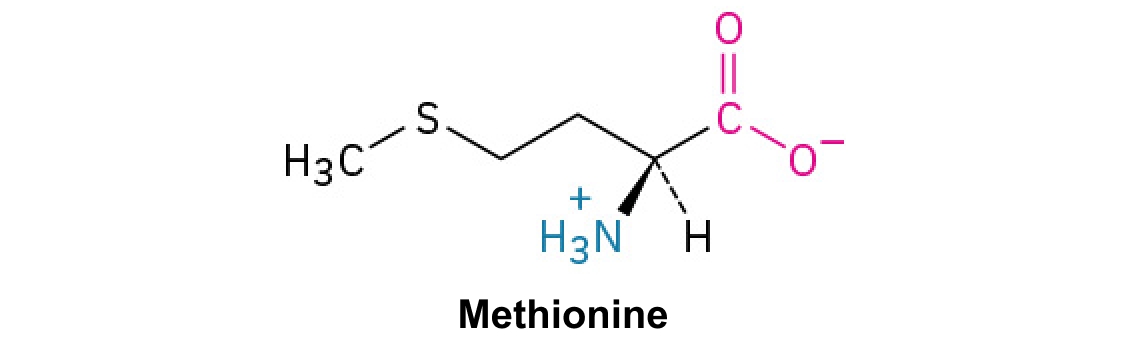
Methionine ·

A with sulfur in a . Unlike , it does not form .

Read explanation · OpenStax ↗
Methyl group ·

A –CH₃ group, consisting of one carbon bonded to three hydrogens.

Read explanation · OpenStax ↗
Mismatch ·

An incorrectly paired set of in a nucleic- , such as G opposite T.

Read explanation · OpenStax ↗
Mobile phase

The moving fluid that carries a sample through a system.

Read explanation · Waters ↗
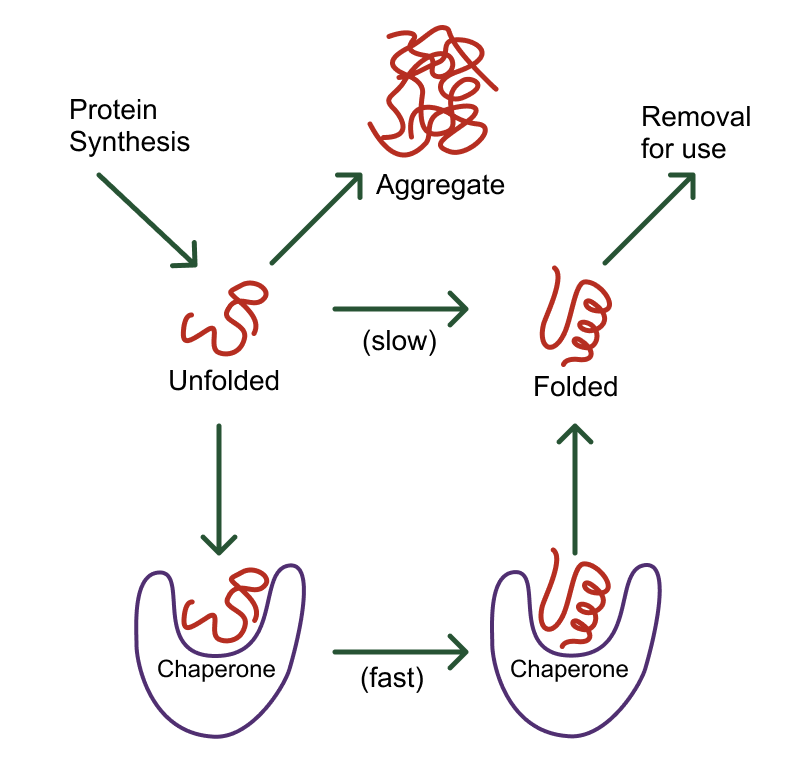
Molecular chaperone · ·

A that assists other in folding or prevents , without specifying their sequence.

Read explanation · NCBI Bookshelf ↗
Molecule

Two or more joined by . A molecule may be electrically or carry a .

Read explanation · OpenStax ↗
negative reinforcement

Removal or avoidance of a consequence that increases a behavior.

Read explanation · OpenStax ↗
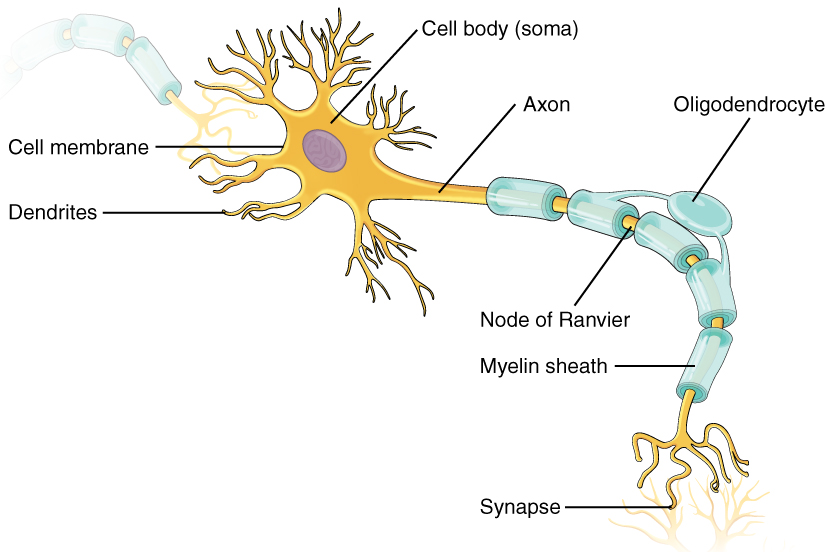
neuron

An electrically excitable cell specialized for receiving and transmitting information.

Read explanation · OpenStax ↗
Neutral

Having no net . For a , neutral instead means equal and activities; its is about 7 at 25 °C.

Read explanation · OpenStax ↗
Nitrogenous base · · ·

A nitrogen-containing ring component of ; its pairing interactions help specify sequences.

Read explanation · OpenStax ↗
NMDA receptor

-gated channel named for N--D-; its voltage-dependent magnesium block and calcium permeability support some forms of synaptic plasticity.

Read explanation · www.ncbi.nlm.nih.gov ↗
non-REM sleep

Sleep stages N1, N2, and N3 that lack the defining pattern.

Read explanation · OpenStax ↗
Nonpolar ·

Lacking a substantial separation of . Nonpolar groups generally interact poorly with water.

Read explanation · OpenStax ↗
Nonspecific binding · ·

Unwanted binding outside the intended target interaction, often contributing background signal in an .

Read explanation · Thermo Fisher ↗
Nuclear envelope

The double enclosing the and continuous with the .

Read explanation · OpenStax ↗
Nucleic acid

A of , such as or , used in information storage, expression, and other cellular functions.

Read explanation · OpenStax ↗
Nucleosome

The basic unit of : wrapped around a .

Read explanation · OpenStax ↗
Nucleotide

A joined to a sugar and one or more .

Read explanation · OpenStax ↗
Nucleus ·

A -enclosed compartment containing most of a cell’s .

Read explanation · OpenStax ↗
nucleus accumbens

Ventral striatal region involved in reward-related learning and motivation.

Read explanation · OpenStax ↗
Octamer

A complex made of eight . A core contains eight .

Read explanation · OpenStax ↗
Oxidation ·

Loss of or an increase in oxidation state. Oxidizing two can form a .

Read explanation · OpenStax ↗
Peptide

A chain of joined by ; the term commonly describes chains shorter than a typical .

Read explanation · OpenStax ↗
Peptide bond ·

A covalent between the carboxyl carbon of one and the amino nitrogen of the next.

Read explanation · OpenStax ↗
pH

A measure of , defined as the negative of activity. Lower pH means greater ; pH influences .

Read explanation · OpenStax ↗
Phenylalanine ·

A with an .

Read explanation · OpenStax ↗
Phosphate group ·

A phosphorus-containing group bonded to oxygens; phosphate groups occur in , , and modified .

Read explanation · OpenStax ↗
Phospholipid

An with a -containing region and tails; a major component of cellular .

Read explanation · OpenStax ↗
photon

Quantum of electromagnetic radiation with energy hf.

Read explanation · OpenStax ↗
physical dependence

Physiological that produces when a substance is removed.

Read explanation · OpenStax ↗
Polar

Having an uneven distribution of . Polar groups often interact favorably with water.

Read explanation · OpenStax ↗
Polymer

A large made from many linked molecular building blocks.

Read explanation · OpenStax ↗
Polypeptide

A chain of connected by . A functional can contain one or several such chains.

Read explanation · OpenStax ↗
Porous material · · · ·

A material containing small spaces that can admit of suitable size.

Read explanation · Cytiva ↗
positive reinforcement

Addition of a consequence that increases a behavior.

Read explanation · OpenStax ↗
prevalence

Proportion or number of existing cases in a defined population and time frame.

Read explanation · OpenStax ↗
Proline ·

An whose loops back to the nitrogen, restricting rotation and often creating bends.

Read explanation · OpenStax ↗
Protein

One or more folded chains that perform biological roles such as , transport, signaling, or structural support.

Read explanation · OpenStax ↗
Protein aggregation · ·

Association of into larger clusters, often when exposed surfaces of unfolded stick together.

Read explanation · NCBI Bookshelf ↗
Protein backbone ·

The repeating nitrogen–alpha-carbon– chain of a , excluding its variable .

Read explanation · OpenStax ↗
Proton

A positively subatomic particle. In – chemistry, donating a proton means transferring a .

Read explanation · OpenStax ↗
Protonation

Addition of a to an , , or ; this changes its by plus one.

Read explanation · OpenStax ↗
psychoactive drug

Substance that changes mental processes or behavior through effects on the nervous system.

Read explanation · OpenStax ↗
Qualitative analysis

Analysis that identifies a substance or property without necessarily measuring its amount.

Read explanation · Agilent ↗
Quantification · ·

Estimating the amount or of a substance from measured signals and suitable or .

Read explanation · Waters ↗
R group · ·

The variable side chain attached to an ’s . It determines identity, , , and chemical behavior.

Read explanation · OpenStax ↗
rapid eye movement sleep

Sleep state with rapid eye movements, activated cortical patterns, and marked in skeletal-muscle tone.

Read explanation · OpenStax ↗
Reactant

A starting substance transformed during a .

Read explanation · OpenStax ↗
Reaction intermediate · ·

A species formed in one step and consumed in another. It occupies a local energy minimum between .

Read explanation · OpenStax ↗
Reaction product ·

A substance formed by a .

Read explanation · OpenStax ↗
reaction time

Elapsed time between a stimulus or cue and a measured response.

Read explanation · OpenStax ↗
Receptor

A that recognizes a particular signal and helps produce a cellular response.

Read explanation · OpenStax ↗
Reduction

Gain of or a decrease in state. Reducing a restores two .

Read explanation · OpenStax ↗
retrovirus

An virus replicating through a intermediate produced by .

Read explanation · OpenStax ↗
Reverse transcriptase

An that makes using an template. is a specialized example.

Read explanation · OpenStax ↗
Reverse transcription

Synthesis of from an template by ; it transfers information between .

Read explanation · OpenStax ↗
Ribonucleic acid ·

A with roles in , regulation, and ; carries -coding information.

Read explanation · OpenStax ↗
Ribosome ·

A complex of and that translates into a .

Read explanation · OpenStax ↗
Salt

An electrically made from and . Dissolved salts can screen or compete with – interactions.

Read explanation · Cytiva ↗
Secondary structure

Local folding, such as and , stabilized mainly by .

Read explanation · OpenStax ↗
Secretory pathway ·

The route through the , , and used to deliver many to the cell surface, outside the cell, or compartments.

Read explanation · OpenStax ↗
Sister chromatid

One of the two copies of a produced by . An intact sister chromatid can supply a template for accurate repair.

Read explanation · Biology LibreTexts / Oregon State University ↗
sleep spindle

Brief burst of characteristic activity common in N2 sleep.

Read explanation · OpenStax ↗
social power

Capacity to influence outcomes or act despite resistance.

Read explanation · OpenStax ↗
Solubility ·

The amount of a substance that can dissolve in a under specified conditions. Soluble means able to dissolve; insoluble means only very slightly soluble in that .

Read explanation · OpenStax ↗
Solute

A dissolved component of a .

Read explanation · OpenStax ↗
Solution

A homogeneous mixture in which are dissolved in a .

Read explanation · OpenStax ↗
Solvent

The component of a that dissolves other substances, usually the component present in the greatest amount.

Read explanation · OpenStax ↗
Spectrum ·

A distribution of measured signal over a variable such as or .

Read explanation · Thermo Fisher ↗
Stationary phase

The material that remains fixed in a system.

Read explanation · Waters ↗
Subunit ·

An individual chain within a containing multiple chains.

Read explanation · OpenStax ↗
suprachiasmatic nucleus

Hypothalamic region coordinating circadian timing using environmental light information.

Read explanation · OpenStax ↗
synapse

A specialized connection through which a cell communicates with another electrically or chemically.

Read explanation · OpenStax ↗
Telomerase

A ribonucleoprotein that uses its own template to extend a ’s 3′ end.

Read explanation · OpenStax ↗
Template strand · · ·

A preexisting strand whose sequence guides complementary nucleic- synthesis.

Read explanation · OpenStax ↗
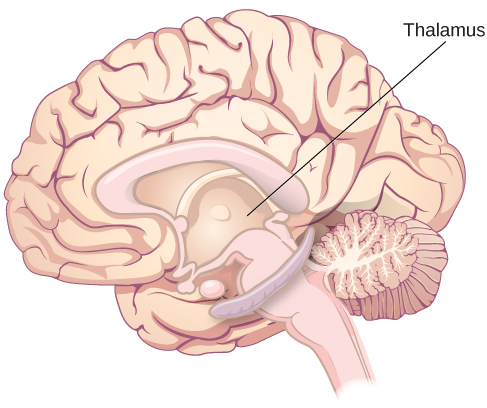
thalamus

structure containing relays and circuits connecting sensory, motor, and cortical systems.

Read explanation · OpenStax ↗
Thioether

A sulfur bonded to two carbon groups, as in ’s . It has no hydrogen.

Read explanation · OpenStax ↗
Thiol group · · · ·

A sulfur bonded to hydrogen, –SH. thiols can form through .

Read explanation · OpenStax ↗
tolerance

Reduced effect of a given drug dose after repeated exposure.

Read explanation · OpenStax ↗
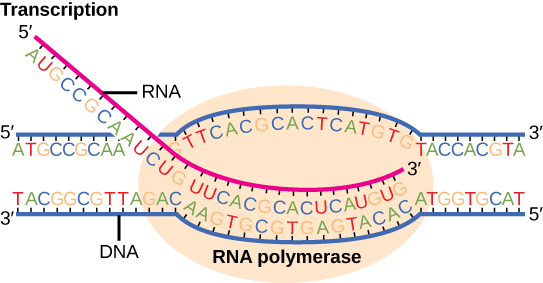
Transcription

Synthesis of using a template.

Read explanation · OpenStax ↗
Transition state

A fleeting, high-energy arrangement at a barrier. It is an energy maximum along the path, rather than a stable .

Read explanation · OpenStax ↗
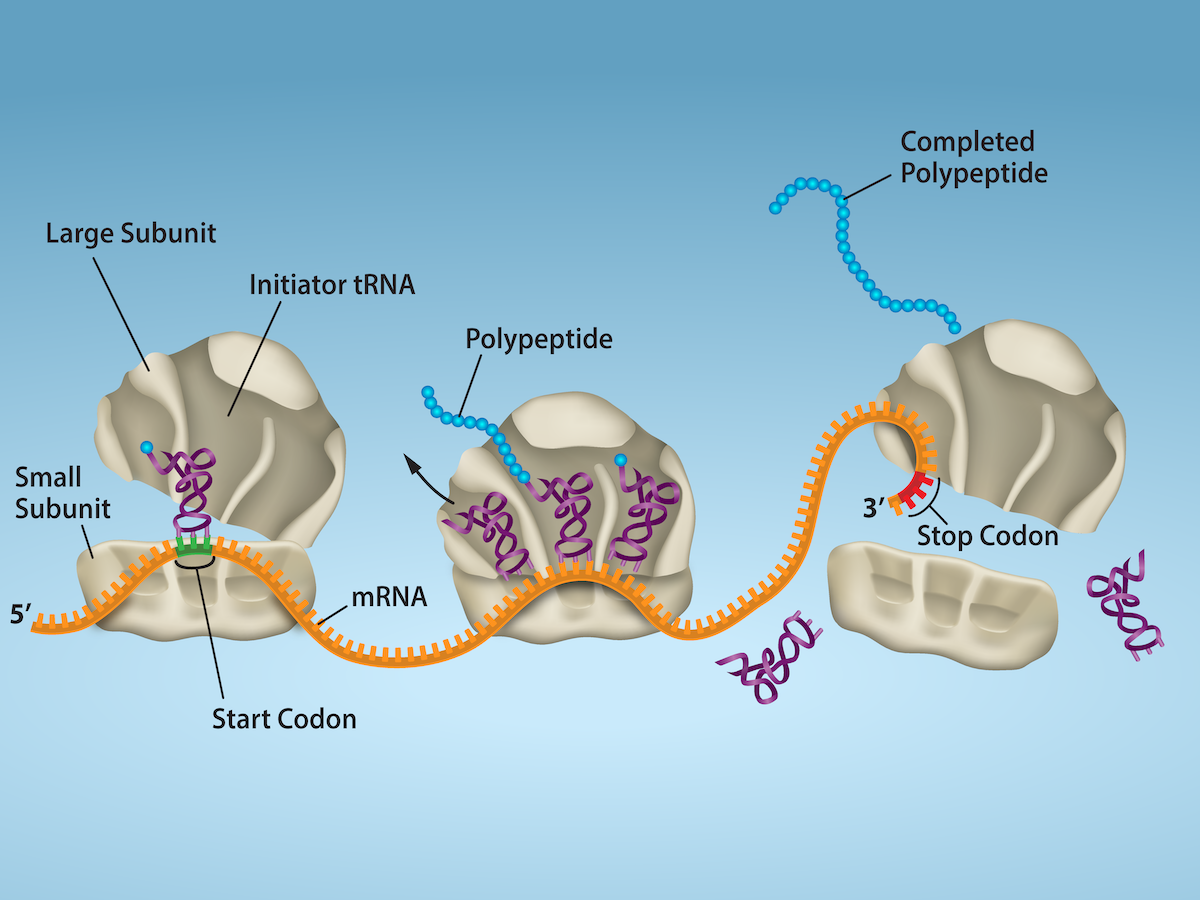
Translation ·

Synthesis of a on a using the sequence of in .

Read explanation · OpenStax ↗
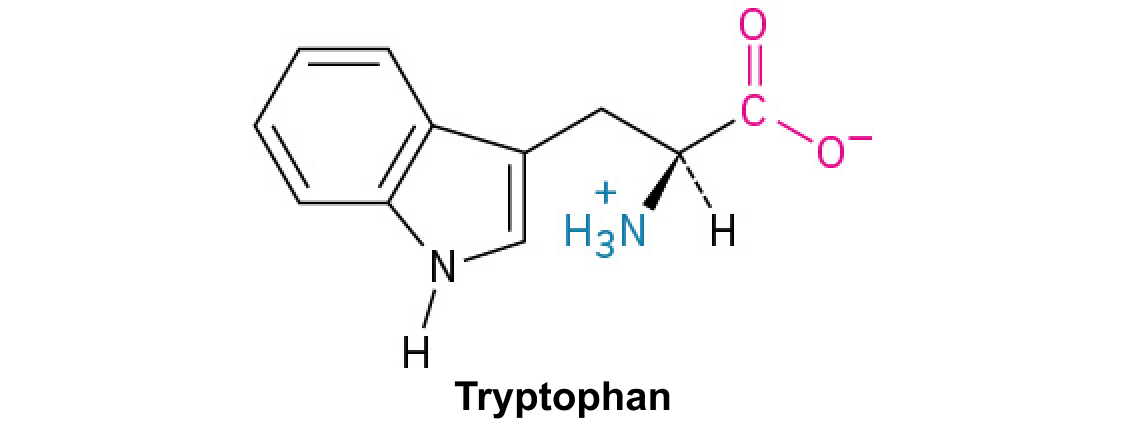
Tryptophan ·

An with a bulky ; commonly grouped as .

Read explanation · OpenStax ↗
Tyrosine ·

An with a phenolic . Usually uncharged near physiological .

Read explanation · OpenStax ↗
Vesicle · · ·

A small -enclosed compartment that can transport material between cellular locations.

Read explanation · OpenStax ↗
Wavelength

The distance between repeating points of a wave, such as neighboring crests; light wavelength determines energy.

Read explanation · JASCO ↗
withdrawal

Symptoms emerging when exposure to an adapted-to substance is reduced or stopped.

Read explanation · OpenStax ↗

4.1 What Is Consciousness?

OpenStax · 4.1 What Is Consciousness? ↗
Instructional page including learning objectives, examples, figures, source tables and questions. Site navigation and embedded media players are omitted; source media links remain available.

Learning Objectives

By the end of this section, you will be able to:

  • Understand what is meant by consciousness
  • Explain how circadian rhythms are involved in regulating the sleep-wake cycle, and how circadian cycles can be disrupted
  • Discuss the concept of sleep debt

Consciousness describes our awareness of internal and external stimuli. Awareness of internal stimuli includes feeling pain, hunger, thirst, sleepiness, and being aware of our thoughts and emotions. Awareness of external stimuli includes experiences such as seeing the light from the sun, feeling the warmth of a room, and hearing the voice of a friend.

We experience different states of consciousness and different levels of awareness on a regular basis. We might even describe consciousness as a continuum that ranges from full awareness to a deep sleep. Sleep is a state marked by relatively low levels of physical activity and reduced sensory awareness that is distinct from periods of rest that occur during wakefulness. Wakefulness is characterized by high levels of sensory awareness, thought, and behavior. Beyond being awake or asleep, there are many other states of consciousness people experience. These include daydreaming, intoxication, and unconsciousness due to anesthesia. Often, we are not completely aware of our surroundings, even when we are fully awake. For instance, have you ever daydreamed while driving home from work or school without really thinking about the drive itself? You were capable of engaging in all of the complex tasks involved with operating a motor vehicle even though you were not aware of doing so. Many of these processes, like much of psychological behavior, are rooted in our biology.

Biological Rhythms

Biological rhythms are internal rhythms of biological activity. A woman’s menstrual cycle is an example of a biological rhythm—a recurring, cyclical pattern of bodily changes. One complete menstrual cycle takes about 28 days—a lunar month—but many biological cycles are much shorter. For example, body temperature fluctuates cyclically over a 24-hour period (Figure 4.2). Alertness is associated with higher body temperatures, and sleepiness with lower body temperatures.

A line graph is titled “Circadian Change in Body Temperature (Source: Waterhouse et al., 2012).” The y-axis, is labeled “temperature (degrees Fahrenheit),” ranges from 97.2 to 99.3. The x-axis, which is labeled “time,” begins at 12:00 A.M. and ends at 4:00 A.M. the following day. The subjects slept from 12:00 A.M. until 8:00 A.M. during which time their average body temperatures dropped from around 98.8 degrees at midnight to 97.6 degrees at 4:00 A.M. and then gradually rose back to nearly the same starting temperature by 8:00 A.M. The average body temperature fluctuated slightly throughout the day with an upward tilt, until the next sleep cycle where the temperature again dropped.
Figure 4.2 — 4.1 What Is Consciousness?

Figure 4.2 This chart illustrates the circadian change in body temperature over 28 hours in a group of eight young men. Body temperature rises throughout the waking day, peaking in the afternoon, and falls during sleep with the lowest point occurring during the very early morning hours.

Rose M. Spielman, William J. Jenkins, and Marilyn D. Lovett, Psychology 2E, OpenStax. · CC BY-NC-SA 4.0 · Original image ↗ · Access for free ↗

This pattern of temperature fluctuation, which repeats every day, is one example of a . A is a biological rhythm that takes place over a period of about 24 hours. Our sleep-wake cycle, which is linked to our environment’s natural light-dark cycle, is perhaps the most obvious example of a , but we also have daily fluctuations in heart rate, blood pressure, blood sugar, and body temperature. Some circadian rhythms play a role in changes in our state of consciousness.

If we have biological rhythms, then is there some sort of biological clock? In the brain, the , which lies above the pituitary gland, is a main center of . is the tendency to maintain a balance, or optimal level, within a biological system.

The brain’s clock mechanism is located in an area of the known as the (). The axons of light-sensitive in the retina provide information to the based on the amount of light present, allowing this internal clock to be synchronized with the outside world (Klein, Moore, & Reppert, 1991; Welsh, Takahashi, & Kay, 2010) (Figure 4.3).

In this graphic, the outline of a person’s head facing left is situated to the right of a picture of the sun, which is labeled ”light” with an arrow pointing to a location in the brain where light input is processed. Inside the head is an illustration of a brain with the following parts’ locations identified: Suprachiasmatic nucleus (SCN), Hypothalamus, Pituitary gland, Pineal gland, and Output rhythms: Physiology and Behavior.
Figure 4.3 — 4.1 What Is Consciousness?

Figure 4.3 The suprachiasmatic nucleus (SCN) serves as the brain’s clock mechanism. The clock sets itself with light information received through projections from the retina.

Rose M. Spielman, William J. Jenkins, and Marilyn D. Lovett, Psychology 2E, OpenStax. · CC BY-NC-SA 4.0 · Original image ↗ · Access for free ↗

Problems With Circadian Rhythms

Generally, and for most people, our circadian cycles are aligned with the outside world. For example, most people sleep during the night and are awake during the day. One important regulator of sleep-wake cycles is the . The pineal gland, an structure located inside the brain that releases , is thought to be involved in the regulation of various biological rhythms and of the immune system during sleep (Hardeland, Pandi-Perumal, & Cardinali, 2006). release is stimulated by darkness and inhibited by light.

There are individual differences in regard to our sleep-wake cycle. For instance, some people would say they are morning people, while others would consider themselves to be night owls. These individual differences in circadian patterns of activity are known as a person’s chronotype, and research demonstrates that morning larks and night owls differ with regard to sleep regulation (Taillard, Philip, Coste, Sagaspe, & Bioulac, 2003). Sleep regulation refers to the brain’s control of switching between sleep and wakefulness as well as coordinating this cycle with the outside world.

Link to Learning

Disruptions of Normal Sleep

Whether lark, owl, or somewhere in between, there are situations in which a person’s circadian clock gets out of synchrony with the external environment. One way that this happens involves traveling across multiple time zones. When we do this, we often experience jet lag. Jet lag is a collection of symptoms that results from the between our internal circadian cycles and our environment. These symptoms include fatigue, sluggishness, irritability, and insomnia (i.e., a consistent difficulty in falling or staying asleep for at least three nights a week over a month’s time) (Roth, 2007).

Individuals who do rotating shift work are also likely to experience disruptions in circadian cycles. Rotating shift work refers to a work schedule that changes from early to late on a daily or weekly basis. For example, a person may work from 7:00 a.m. to 3:00 p.m. on Monday, 3:00 a.m. to 11:00 a.m. on Tuesday, and 11:00 a.m. to 7:00 p.m. on Wednesday. In such instances, the individual’s schedule changes so frequently that it becomes difficult for a normal to be maintained. This often results in sleeping problems, and it can lead to signs of depression and anxiety. These kinds of schedules are common for individuals working in health care professions and service industries, and they are associated with persistent feelings of exhaustion and agitation that can make someone more prone to making mistakes on the job (Gold et al., 1992; Presser, 1995).

Rotating shift work has pervasive effects on the lives and experiences of individuals engaged in that kind of work, which is clearly illustrated in stories reported in a study that researched the experiences of middle-aged nurses who worked rotating shifts (West, Boughton & Byrnes, 2009). Several of the nurses interviewed commented that their work schedules affected their relationships with their family. One of the nurses said,

If you’ve had a partner who does work regular job 9 to 5 office hours . . . the ability to spend time, good time with them when you’re not feeling absolutely exhausted . . . that would be one of the problems that I’ve encountered. (West et al., 2009, p. 114)

While disruptions in circadian rhythms can have negative consequences, there are things we can do to help us realign our biological clocks with the external environment. Some of these approaches, such as using a bright light as shown in Figure 4.4, have been shown to alleviate some of the problems experienced by individuals suffering from jet lag or from the consequences of rotating shift work. Because the biological clock is driven by light, exposure to bright light during working shifts and dark exposure when not working can help combat insomnia and symptoms of anxiety and depression (Huang, Tsai, Chen, & Hsu, 2013).

A photograph shows a bright lamp.
Figure 4.4 — 4.1 What Is Consciousness?

Figure 4.4 Devices like this are designed to provide exposure to bright light to help people maintain a regular circadian cycle. They can be helpful for people working night shifts or for people affected by seasonal variations in light.

Rose M. Spielman, William J. Jenkins, and Marilyn D. Lovett, Psychology 2E, OpenStax. · CC BY-NC-SA 4.0 · Original image ↗ · Access for free ↗

Link to Learning

Watch this video about overcoming jet lag to learn some tips.

Insufficient Sleep

When people have difficulty getting sleep due to their work or the demands of day-to-day life, they accumulate a sleep debt. A person with a sleep debt does not get sufficient sleep on a chronic basis. The consequences of sleep debt include decreased levels of alertness and mental efficiency. Interestingly, since the advent of electric light, the amount of sleep that people get has declined. While we certainly welcome the convenience of having the darkness lit up, we also suffer the consequences of reduced amounts of sleep because we are more active during the nighttime hours than our ancestors were. As a result, many of us sleep less than 7–8 hours a night and accrue a sleep debt. While there is tremendous variation in any given individual’s sleep needs, the National Sleep Foundation (n.d.) cites research to estimate that newborns require the most sleep (between 12 and 18 hours a night) and that this amount declines to just 7–9 hours by the time we are adults.

If you lie down to take a nap and fall asleep very easily, chances are you may have sleep debt. Given that college students are notorious for suffering from significant sleep debt (Hicks, Fernandez, & Pellegrini, 2001; Hicks, Johnson, & Pellegrini, 1992; Miller, Shattuck, & Matsangas, 2010), chances are you and your classmates deal with sleep debt-related issues on a regular basis. In 2015, the National Sleep Foundation updated their sleep duration hours, to better accommodate individual differences. Table 4.1 shows the new recommendations, which describe sleep durations that are “recommended”, “may be appropriate”, and “not recommended”.

Sleep Needs at Different Ages
Age Recommended May be appropriate Not recommended
0–3 months 14–17 hours 11–13 hours
18–19 hours
Fewer than 11 hours
More than 19 hours
4–11 months 12–15 hours 10–11 hours
16–18 hours
Fewer than 10 hours
More than 18 hours
1–2 years 11–14 hours 9–10 hours
15–16 hours
Fewer than 9 hours
More than 16 hours
3–5 years 10–13 hours 8–9 hours
14 hours
Fewer than 8 hours
More than 14 hours
6–13 years 9–11 hours 7–8 hours
12 hours
Fewer than 7 hours
More than 12 hours
14–17 years 8–10 hours 7 hours
11 hours
Fewer than 7 hours
More than 11 hours
18–25 years 7–9 hours 6 hours
10–11 hours
Fewer than 6 hours
More than 11 hours
26–64 years 7–9 hours 6 hours
10 hours
Fewer than 6 hours
More than 10 hours
≥65 years 7–8 hours 5–6 hours
9 hours
Fewer than 5 hours
More than 9 hours
Table 4.1

Sleep debt and sleep deprivation have significant negative psychological and physiological consequences Figure 4.5. As mentioned earlier, lack of sleep can result in decreased mental alertness and cognitive function. In addition, sleep deprivation often results in depression-like symptoms. These effects can occur as a function of accumulated sleep debt or in response to more acute periods of sleep deprivation. It may surprise you to know that sleep deprivation is associated with obesity, increased blood pressure, increased levels of stress , and reduced immune functioning (Banks & Dinges, 2007). A sleep deprived individual generally will fall asleep more quickly than if they were not sleep deprived. Some sleep-deprived individuals have difficulty staying awake when they stop moving (example sitting and watching television or driving a car). That is why individuals suffering from sleep deprivation can also put themselves and others at risk when they put themselves behind the wheel of a car or work with dangerous machinery. Some research suggests that sleep deprivation affects cognitive and motor function as much as, if not more than, alcohol intoxication (Williamson & Feyer, 2000). Research shows that the most severe effects of sleep deprivation occur when a person stays awake for more than 24 hours (Killgore & Weber, 2014; Killgore et al., 2007), or following repeated nights with fewer than four hours in bed (Wickens, Hutchins, Lauk, Seebook, 2015). For example, irritability, distractibility, and impairments in cognitive and moral judgment can occur with fewer than four hours of sleep. If someone stays awake for 48 consecutive hours, they could start to hallucinate.

An illustration of the top half of a human body identifies the locations in the body that correspond with various adverse affects of sleep deprivation. The brain is labeled with “Irritability,” “Cognitive impairment,” “Memory lapses or loss,” “Impaired moral judgment,” “Severe yawning,” “Hallucinations,” and “Symptoms similar to ADHD.” The heart is labeled with “Risk of heart disease.” The muscles are labeled with “Increased reaction time,” “Decreased accuracy,” “Tremors,” and “Aches.” There is an organ near the stomach labeled “Risk of diabetes Type 2.” Various parts of the neck, arm, and underarm are labeled “Impaired immune system.” Other risks include “Growth suppression,” “Risk of obesity,” “Decreased temperature.”
Figure 4.5 — 4.1 What Is Consciousness?

Figure 4.5 This figure illustrates some of the negative consequences of sleep deprivation. While cognitive deficits may be the most obvious, many body systems are negatively impacted by lack of sleep. (credit: modification of work by Mikael Häggström)

Rose M. Spielman, William J. Jenkins, and Marilyn D. Lovett, Psychology 2E, OpenStax. (credit: modification of work by Mikael Häggström) · CC BY-NC-SA 4.0 · Original image ↗ · Access for free ↗

Link to Learning

Read this article about sleep needs to assess your own sleeping habits.

The amount of sleep we get varies across the lifespan. When we are very young, we spend up to 16 hours a day sleeping. As we grow older, we sleep less. In , a meta-analysis, which is a study that combines the results of many related studies, conducted within the last decade indicates that by the time we are 65 years old, we average fewer than 7 hours of sleep per day (Ohayon, Carskadon, Guilleminault, & Vitiello, 2004).

4.3 Stages of Sleep

OpenStax · 4.3 Stages of Sleep ↗
Instructional page including learning objectives, examples, figures, source tables and questions. Site navigation and embedded media players are omitted; source media links remain available.

Learning Objectives

By the end of this section, you will be able to:

Sleep is not a uniform state of being. Instead, sleep is composed of several different stages that can be differentiated from one another by the patterns of brain wave activity that occur during each stage. While awake, our brain wave activity is dominated by beta waves. As compared to the brain wave patterns while asleep, beta waves have the highest frequency (13–30 Hz) and lowest , and they tend to show more variability. As we begin to fall asleep, our brain wave activity changes. These changes can be visualized using an and are distinguished from one another by both the frequency and of the brain wave. The frequency of a brain wave is how many brain waves occur in a second, and frequency is measured in Hertz (Hz). is the height of the brain wave (Figure 4.7). Sleep can be divided into two different general phases: sleep and non- () sleep. Rapid eye movement () sleep is characterized by darting movements of the eyes under closed eyelids. Brain waves during sleep appear very similar to brain waves during wakefulness. In contrast, non- () sleep is subdivided into three stages distinguished from each other and from wakefulness by characteristic patterns of brain waves. The first three stages of sleep are sleep, typically followed by sleep. In this section, we will discuss each of these stages of sleep and their associated patterns of brain wave activity.

A photograph shows a person sleeping. Superimposed across the top of the picture is a line representing brainwave activity across the four stages of sleep. Above the line, from left to right, it reads stage 1, stage 2, stage 3, and REM. The wave amplitude is highest in late stage 2, and in the middle of stage 3 until REM. The wavelength is longer from late stage 2 through stage 3.
Figure 4.7 — 4.3 Stages of Sleep

Figure 4.7 Brainwave activity changes dramatically across the different stages of sleep. (credit "sleeping": modification of work by Ryan Vaarsi)

Rose M. Spielman, William J. Jenkins, and Marilyn D. Lovett, Psychology 2E, OpenStax. (credit "sleeping": modification of work by Ryan Vaarsi) · CC BY-NC-SA 4.0 · Original image ↗ · Access for free ↗

Stages of Sleep

As we begin to fall asleep, we enter sleep, and brain wave patterns decrease in frequency and increase in . The first stage of sleep is known as stage 1 sleep. Stage 1 sleep is a transitional phase that occurs between wakefulness and sleep, the period during which we drift off to sleep. During this time, there is a slowdown in both the rates of respiration and heartbeat. In addition, stage 1 sleep involves a marked decrease in both overall muscle tension and core body temperature.

In terms of brain wave activity, stage 1 sleep is associated with both alpha and theta waves. The early portion of stage 1 sleep produces alpha waves. These patterns of electrical activity (waves) resemble that of someone who is very relaxed, yet awake, but they have less variability (are more synchronized) and are relatively lower in frequency (8–12 Hz) and higher in than beta waves (Figure 4.8). As an individual continues through stage 1 sleep, there is an increase in theta wave activity. Theta waves are even lower frequency (4–7 Hz), and higher in , than the alpha wave patterns. It is relatively easy to wake someone from stage 1 sleep; in , people often report that they have not been asleep if they are awoken during stage 1 sleep.

A graph has a y-axis labeled “EEG” and an x-axis labeled “time (seconds.) Plotted along the y-axis and moving upward are the stages of sleep. First is REM, followed by Stage 3 NREM Delta, Stage 2 NREM Theta (sleep spindles; K-complexes), Stage 1 NREM Alpha, and Awake. Charted on the x axis is Time in seconds from 2–20 in 2 second intervals. Each sleep stage has associated wavelengths of varying amplitude and frequency. Relative to the others, “awake” has a very close wavelength and a medium amplitude. Stage 1 is characterized by a generally uniform wavelength and a relatively low amplitude which doubles and quickly reverts to normal every 2 seconds. Stage 2 is comprised of a similar wavelength as stage 1. It introduces the K-complex from seconds 10 through 12 which is a short burst of doubled or tripled amplitude and decreased wavelength. Stage 3 has a more uniform wave with gradually increasing amplitude. Finally, REM sleep looks much like stage 2 without the K-complex.
Figure 4.8 — 4.3 Stages of Sleep

Figure 4.8 Brainwave activity changes dramatically across the different stages of sleep.

Rose M. Spielman, William J. Jenkins, and Marilyn D. Lovett, Psychology 2E, OpenStax. · CC BY-NC-SA 4.0 · Original image ↗ · Access for free ↗

As we move into stage 2 sleep, the body goes into a state of deep relaxation. Theta waves still dominate the activity of the brain, but they are interrupted by brief bursts of activity known as sleep spindles (Figure 4.9). A is a rapid burst of higher frequency brain waves that may be important for learning and memory (Fogel & Smith, 2011; Poe, Walsh, & Bjorness, 2010). In addition, the appearance of K-complexes is often associated with stage 2 sleep. A K-complex is a very high pattern of brain activity that may in some cases occur in response to environmental stimuli. Thus, K-complexes might serve as a bridge to higher levels of arousal in response to what is going on in our environments (Halász, 1993; Steriade & Amzica, 1998).

A graph has an x-axis labeled “time” and a y-axis labeled “voltage. A line illustrates brainwaves, with two areas labeled “sleep spindle” and “k-complex”. The area labeled “sleep spindle” has decreased wavelength and moderately increased amplitude, while the area labeled “k-complex” has significantly high amplitude and longer wavelength.
Figure 4.9 — 4.3 Stages of Sleep

Figure 4.9 Stage 2 sleep is characterized by the appearance of both sleep spindles and K-complexes.

Rose M. Spielman, William J. Jenkins, and Marilyn D. Lovett, Psychology 2E, OpenStax. · CC BY-NC-SA 4.0 · Original image ↗ · Access for free ↗

stage 3 sleep is often referred to as deep sleep or slow-wave sleep because this stage is characterized by low frequency (less than 3 Hz), high delta waves (Figure 4.10). These delta waves have the lowest frequency and highest of our sleeping brain wave patterns. During this time, an individual’s heart rate and respiration slow dramatically, and it is much more difficult to awaken someone from sleep during stage 3 than during earlier stages. Interestingly, individuals who have increased levels of alpha brain wave activity (more often associated with wakefulness and transition into stage 1 sleep) during stage 3 often report that they do not feel refreshed upon waking, regardless of how long they slept (Stone, Taylor, McCrae, Kalsekar, & Lichstein, 2008).

Polysonograph a shows the pattern of delta waves, which are low frequency and high amplitude. Delta waves are found mostly in stage 3 of sleep. Chart b shows brainwaves at various stages of sleep, with stage 3 highlighted.
Figure 4.10 — 4.3 Stages of Sleep

Figure 4.10 (a) Delta waves, which are low frequency and high amplitude, characterize (b) slow-wave stage 3 and REM sleep.

Rose M. Spielman, William J. Jenkins, and Marilyn D. Lovett, Psychology 2E, OpenStax. · CC BY-NC-SA 4.0 · Original image ↗ · Access for free ↗

Sleep

As mentioned earlier, sleep is marked by rapid movements of the eyes. The brain waves associated with this stage of sleep are very similar to those observed when a person is awake, as shown in Figure 4.11, and this is the period of sleep in which dreaming occurs. It is also associated with paralysis of muscle systems in the body with the exception of those that make circulation and respiration possible. Therefore, no movement of voluntary muscles occurs during sleep in a normal individual; sleep is often referred to as paradoxical sleep because of this combination of high brain activity and lack of muscle tone. Like sleep, has been implicated in various aspects of learning and memory (Wagner, Gais, & Born, 2001; Siegel, 2001).

Chart A is a polysonograph with the period of rapid eye movement (REM) highlighted. Chart b shows brainwaves at various stages of sleep, with the “awake” stage highlighted to show its similarity to the wave pattern of “REM” in chart A.
Figure 4.11 — 4.3 Stages of Sleep

Figure 4.11 (a) A period of rapid eye movement is marked by the short red line segment. The brain waves associated with REM sleep, outlined in the red box in (a), look very similar to those seen (b) during wakefulness.

Rose M. Spielman, William J. Jenkins, and Marilyn D. Lovett, Psychology 2E, OpenStax. · CC BY-NC-SA 4.0 · Original image ↗ · Access for free ↗

If people are deprived of sleep and then allowed to sleep without disturbance, they will spend more time in sleep in what would appear to be an effort to recoup the lost time in . This is known as the rebound, and it suggests that sleep is also homeostatically regulated. Aside from the role that sleep may play in processes related to learning and memory, sleep may also be involved in emotional processing and regulation. In such instances, rebound may actually represent an adaptive response to stress in nondepressed individuals by suppressing the emotional salience of aversive events that occurred in wakefulness (Suchecki, Tiba, & Machado, 2012). Sleep deprivation in general is associated with a number of negative consequences (Brown, 2012).

The hypnogram below (Figure 4.12) shows a person’s passage through the stages of sleep.

This is a hypnogram showing the transitions of the sleep cycle during a typical eight hour period of sleep. During the first hour, the person goes through stages 1 and 2 and ends at 3. In the second hour, sleep oscillates in stage 3 before attaining a 30-minute period of REM sleep. The third hour follows the same pattern as the second, but ends with a brief awake period. The fourth hour follows a similar pattern as the third, with a slightly longer REM stage. In the fifth hour, stage 3 is no longer reached. The sleep stages are fluctuating from 2, to 1, to REM, to awake, and then they repeat with shortening intervals until the end of the eighth hour when the person awakens.
Figure 4.12 — 4.3 Stages of Sleep

Figure 4.12 A hypnogram is a diagram of the stages of sleep as they occur during a period of sleep. This hypnogram illustrates how an individual moves through the various stages of sleep.

Rose M. Spielman, William J. Jenkins, and Marilyn D. Lovett, Psychology 2E, OpenStax. · CC BY-NC-SA 4.0 · Original image ↗ · Access for free ↗

Link to Learning

View this video about sleep stages to learn more.

Dreams

Dreams and their associated meanings vary across different cultures and periods of time. By the late 19th century, Austrian psychiatrist Sigmund Freud had become convinced that dreams represented an opportunity to gain access to the unconscious. By analyzing dreams, Freud thought people could increase self-awareness and gain valuable insight to help them deal with the problems they faced in their lives. Freud made distinctions between the manifest content and the latent content of dreams. Manifest content is the actual content, or storyline, of a dream. Latent content, on the other hand, refers to the hidden meaning of a dream. For instance, if a woman dreams about being chased by a snake, Freud might have argued that this represents the woman’s fear of sexual intimacy, with the snake serving as a symbol of a man’s penis.

Freud was not the only theorist to focus on the content of dreams. The 20th century Swiss psychiatrist Carl Jung believed that dreams allowed us to tap into the collective unconscious. The collective unconscious, as described by Jung, is a theoretical repository of information he believed to be shared by everyone. According to Jung, certain symbols in dreams reflected universal archetypes with meanings that are similar for all people regardless of or location.

The sleep and dreaming researcher Rosalind Cartwright, however, believes that dreams simply reflect life events that are important to the dreamer. Unlike Freud and Jung, Cartwright’s ideas about dreaming have found empirical support. For example, she and her colleagues published a study in which women going through divorce were asked several times over a five month period to report the degree to which their former spouses were on their minds. These same women were awakened during sleep in order to provide a detailed account of their dream content. There was a significant positive correlation between the degree to which women thought about their former spouses during waking hours and the number of times their former spouses appeared as characters in their dreams (Cartwright, Agargun, Kirkby, & Friedman, 2006). Recent research (Horikawa, Tamaki, Miyawaki, & Kamitani, 2013) has uncovered new techniques by which researchers may effectively detect and classify the visual images that occur during dreaming by using for neural measurement of brain activity patterns, opening the way for additional research in this area.

Alan Hobson, a neuroscientist, is credited for developing activation-synthesis theory of dreaming. Early versions of this theory proposed that dreams were not the meaning-filled representations of angst proposed by Freud and others, but were rather the result of our brain attempting to make sense of ("synthesize") the neural activity ("activation") that was happening during sleep. Recent (e.g., Hobson, 2002) continue to update the theory based on accumulating evidence. For example, Hobson (2009) suggests that dreaming may represent a state of protoconsciousness. In other words, dreaming involves constructing a virtual reality in our heads that we might use to help us during wakefulness. Among a variety of neurobiological evidence, John Hobson cites research on lucid dreams as an opportunity to better understand dreaming in general. Lucid dreams are dreams in which certain aspects of wakefulness are maintained during a dream state. In a lucid dream, a person becomes aware of the that they are dreaming, and as such, they can control the dream’s content (LaBerge, 1990).

4.4 Sleep Problems and Disorders

OpenStax · 4.4 Sleep Problems and Disorders ↗
Instructional page including learning objectives, examples, figures, source tables and questions. Site navigation and embedded media players are omitted; source media links remain available.

Learning Objectives

By the end of this section, you will be able to:

  • Describe the symptoms and treatments of insomnia
  • Recognize the symptoms of several parasomnias
  • Describe the symptoms and treatments for sleep apnea
  • Recognize risk factors associated with sudden infant death syndrome (SIDS) and steps to prevent it
  • Describe the symptoms and treatments for narcolepsy

Many people experience disturbances in their sleep at some point in their lives. Depending on the population and sleep disorder being studied, between 30% and 50% of the population suffers from a sleep disorder at some point in their lives (Bixler, Kales, Soldatos, Kaels, & Healey, 1979; Hossain & Shapiro, 2002; Ohayon, 1997, 2002; Ohayon & Roth, 2002). This section will describe several sleep disorders as well as some of their treatment options.

Insomnia

Insomnia, a consistent difficulty in falling or staying asleep, is the most common of the sleep disorders. Individuals with insomnia often experience long delays between the times that they go to bed and actually fall asleep. In addition, these individuals may wake up several times during the night only to find that they have difficulty getting back to sleep. As mentioned earlier, one of the criteria for insomnia involves experiencing these symptoms for at least three nights a week for at least one month’s time (Roth, 2007).

It is not uncommon for people suffering from insomnia to experience increased levels of anxiety about their inability to fall asleep. This becomes a self-perpetuating cycle because increased anxiety leads to increased arousal, and higher levels of arousal make the prospect of falling asleep even more unlikely. Chronic insomnia is almost always associated with feeling overtired and may be associated with symptoms of depression.

There may be many factors that contribute to insomnia, including age, drug use, exercise, mental status, and bedtime routines. Not surprisingly, insomnia treatment may take one of several different approaches. People who suffer from insomnia might limit their use of stimulant drugs (such as caffeine) or increase their amount of physical exercise during the day. Some people might turn to over-the-counter (OTC) or prescribed sleep medications to help them sleep, but this should be done sparingly because many sleep medications result in dependence and alter the nature of the sleep cycle, and they can increase insomnia over time. Those who continue to have insomnia, particularly if it affects their quality of life, should seek professional treatment.

Some forms of psychotherapy, such as cognitive-behavioral therapy, can help sufferers of insomnia. Cognitive-behavioral therapy is a type of psychotherapy that focuses on cognitive processes and problem behaviors. The treatment of insomnia likely would include stress management techniques and changes in problematic behaviors that could contribute to insomnia (e.g., spending more waking time in bed). Cognitive-behavioral therapy has been demonstrated to be quite effective in treating insomnia (Savard, Simard, Ivers, & Morin, 2005; Williams, Roth, Vatthauer, & McCrae, 2013).

Everyday Connection

to Support Healthy Sleep

Has something like this ever happened to you? My sophomore college housemate got so stressed out during finals sophomore year he drank almost a whole bottle of Nyquil to try to fall asleep. When he told me, I made him go see the college therapist.

Many college students struggle getting the recommended 7–9 hours of sleep each night. However, for some, it's not because of all-night partying or late-night study sessions. It's simply that they feel so overwhelmed and stressed that they cannot fall asleep or stay asleep. One or two nights of sleep difficulty is not unusual, but if you experience anything more than that, you should seek a doctor's advice.

Here are some tips to maintain healthy sleep:

  • Stick to a sleep schedule, even on the weekends. Try going to bed and waking up at the same time every day to keep your biological clock in sync so your body gets in the habit of sleeping every night.
  • Avoid anything stimulating for an hour before bed. That includes exercise and bright light from devices.
  • Exercise daily.
  • Avoid naps.
  • Keep your bedroom temperature between 60 and 67 degrees. People sleep better in cooler temperatures.
  • Avoid alcohol, cigarettes, caffeine, and heavy meals before bed. It may feel like alcohol helps you sleep, but it actually disrupts sleep and leads to frequent awakenings. Heavy meals may make you sleepy, but they can also lead to frequent awakenings due to gastric distress.
  • If you cannot fall asleep, leave your bed and do something else until you feel tired again. Train your body to associate the bed with sleeping rather than other activities like studying, eating, or watching television shows.

Parasomnias

A parasomnia is one of a group of sleep disorders in which unwanted, disruptive motor activity and/or experiences during sleep play a role. Parasomnias can occur in either or phases of sleep. Sleepwalking, restless leg syndrome, and night terrors are all examples of parasomnias (Mahowald & Schenck, 2000).

Sleepwalking

In sleepwalking, or somnambulism, the sleeper engages in relatively complex behaviors ranging from wandering about to driving an automobile. During periods of sleepwalking, sleepers often have their eyes open, but they are not responsive to attempts to communicate with them. Sleepwalking most often occurs during slow-wave sleep, but it can occur at any time during a sleep period in some affected individuals (Mahowald & Schenck, 2000).

Historically, somnambulism has been treated with a variety of pharmacotherapies ranging from benzodiazepines to antidepressants. However, the success rate of such treatments is questionable. Guilleminault et al. (2005) found that sleepwalking was not alleviated with the use of benzodiazepines. However, all of their somnambulistic patients who also suffered from sleep-related breathing problems showed a marked decrease in sleepwalking when their breathing problems were effectively treated.

Dig Deeper

A Sleepwalking Defense?

On January 16, 1997, Scott Falater sat down to dinner with wife and children and told them about difficulties he was experiencing on a project at work. After dinner, he prepared some materials to use in leading a church youth group the following morning, and then he attempted to repair the family’s swimming pool pump before retiring to bed. The following morning, he awoke to barking dogs and unfamiliar voices from downstairs. As he went to investigate what was going on, he was by a group of police officers who arrested him for the murder of wife (Cartwright, 2004; CNN, 1999).

Yarmila Falater’s body was found in the family’s pool with 44 stab wounds. A neighbor called the police after witnessing Falater standing over wife’s body before dragging her into the pool. Upon a search of the premises, police found blood-stained clothes and a bloody knife in the trunk of Falater’s car, and he had blood stains on neck.

Remarkably, Falater insisted that he had no recollection of hurting wife in any way. children and wife’s parents all agreed that Falater had an excellent relationship with wife and they couldn’t think of a reason that would provide any sort of motive to murder her (Cartwright, 2004).

Scott Falater had a history of regular episodes of sleepwalking as a child, and he had even behaved violently toward sister once when she tried to prevent him from leaving their home in pajamas during a sleepwalking episode. He suffered from no apparent anatomical brain anomalies or psychological disorders. It appeared that Scott Falater had killed wife in sleep, or at least, that is the defense he used when he was tried for wife’s murder (Cartwright, 2004; CNN, 1999). In Falater’s case, a jury found him guilty of first degree murder in June of 1999 (CNN, 1999); however, there are other murder cases where the sleepwalking defense has been used successfully. As scary as it sounds, many sleep researchers believe that homicidal sleepwalking is possible in individuals suffering from the types of sleep disorders described below (Broughton et al., 1994; Cartwright, 2004; Mahowald, Schenck, & Cramer Bornemann, 2005; Pressman, 2007).

Sleep Behavior Disorder (RBD)

sleep behavior disorder (RBD) occurs when the muscle paralysis associated with the sleep phase does not occur. Individuals who suffer from RBD have high levels of physical activity during sleep, especially during disturbing dreams. These behaviors vary widely, but they can include kicking, punching, scratching, yelling, and behaving like an animal that has been frightened or attacked. People who suffer from this disorder can injure themselves or their sleeping partners when engaging in these behaviors. Furthermore, these types of behaviors ultimately disrupt sleep, although affected individuals have no memories that these behaviors have occurred (Arnulf, 2012).

This disorder is associated with a number of neurodegenerative diseases such as Parkinson’s disease. In , this relationship is so robust that some view the presence of RBD as a potential aid in the diagnosis and treatment of a number of neurodegenerative diseases (Ferini-Strambi, 2011). Clonazepam, an anti-anxiety medication with sedative properties, is most often used to treat RBD. It is administered alone or in conjunction with doses of (the by the pineal gland). As part of treatment, the sleeping environment is often modified to make it a safer place for those suffering from RBD (Zangini, Calandra-Buonaura, Grimaldi, & Cortelli, 2011).

Other Parasomnias

A person with restless leg syndrome has uncomfortable sensations in the legs during periods of inactivity or when trying to fall asleep. This discomfort is relieved by deliberately moving the legs, which, not surprisingly, contributes to difficulty in falling or staying asleep. Restless leg syndrome is quite common and has been associated with a number of other medical diagnoses, such as chronic kidney disease and diabetes (Mahowald & Schenck, 2000). There are a variety of drugs that treat restless leg syndrome: benzodiazepines, opiates, and anticonvulsants (Restless Legs Syndrome Foundation, n.d.).

Night terrors result in a sense of panic in the sufferer and are often accompanied by screams and attempts to escape from the immediate environment (Mahowald & Schenck, 2000). Although individuals suffering from night terrors appear to be awake, they generally have no memories of the events that occurred, and attempts to console them are ineffective. Typically, individuals suffering from night terrors will fall back asleep again within a short time. Night terrors apparently occur during the phase of sleep (Provini, Tinuper, Bisulli, & Lagaresi, 2011). Generally, treatment for night terrors is unnecessary unless there is some underlying medical or psychological condition that is contributing to the night terrors (Mayo Clinic, n.d.).

Sleep Apnea

Sleep apnea is defined by episodes during which a sleeper’s breathing stops. These episodes can last 10–20 seconds or longer and often are associated with brief periods of arousal. While individuals suffering from sleep apnea may not be aware of these repeated disruptions in sleep, they do experience increased levels of fatigue. Many individuals diagnosed with sleep apnea first seek treatment because their sleeping partners indicate that they snore loudly and/or stop breathing for extended periods of time while sleeping (Henry & Rosenthal, 2013). Sleep apnea is much more common in overweight people and is often associated with loud snoring. Surprisingly, sleep apnea may exacerbate cardiovascular disease (Sánchez-de-la-Torre, Campos-Rodriguez, & Barbé, 2012). Anyone, regardless of their weight, who snores loudly or gasps for air while sleeping, should be checked for sleep apnea.

While people are often unaware of their sleep apnea, they are keenly aware of some of the adverse consequences of insufficient sleep. Consider a patient who believed that as a result of sleep apnea he “had three car accidents in six weeks. They were ALL my fault. Two of them I didn’t even know I was involved in until afterwards” (Henry & Rosenthal, 2013, p. 52). It is not uncommon for people suffering from undiagnosed or untreated sleep apnea to fear that their careers will be affected by the lack of sleep, illustrated by this statement from another patient, “I’m in a job where there’s a premium on being mentally alert. I was really sleepy… and having trouble concentrating…. It was getting to the point where it was kind of scary” (Henry & Rosenthal, 2013, p. 52).

There are two types of sleep apnea: obstructive sleep apnea and central sleep apnea. Obstructive sleep apnea occurs when an individual’s airway becomes blocked during sleep, and air is prevented from entering the lungs. In central sleep apnea, disruption in signals sent from the brain that regulate breathing cause periods of interrupted breathing (White, 2005).

One of the most common treatments for sleep apnea involves the use of a special device during sleep. A continuous positive airway pressure (CPAP) device includes a mask that fits over the sleeper’s nose and mouth, which is connected to a pump that pumps air into the person’s airways, forcing them to remain open, as shown in Figure 4.13. Some newer CPAP masks are smaller and cover only the nose. This treatment option has proven to be effective for people suffering from mild to severe cases of sleep apnea (McDaid et al., 2009). However, alternative treatment options are being explored because consistent compliance by users of CPAP devices is a problem. Recently, a new EPAP (expiratory positive air pressure) device has shown promise in double-blind trials as one such alternative (Berry, Kryger, & Massie, 2011).

Photograph A shows a CPAP device.  Photograph B shows a clear full face CPAP mask attached to a mannequin's head with straps.
Figure 4.13 — 4.4 Sleep Problems and Disorders

Figure 4.13 (a) A typical CPAP device used in the treatment of sleep apnea is (b) affixed to the head with straps, and a mask that covers the nose and mouth.

Rose M. Spielman, William J. Jenkins, and Marilyn D. Lovett, Psychology 2E, OpenStax. · CC BY-NC-SA 4.0 · Original image ↗ · Access for free ↗

SIDS

In sudden infant death syndrome (SIDS) an infant stops breathing during sleep and dies. Infants younger than 12 months appear to be at the highest risk for SIDS, and boys have a greater risk than girls. A number of risk factors have been associated with SIDS including premature birth, smoking within the home, and hyperthermia. There may also be differences in both brain structure and function in infants that die from SIDS (Berkowitz, 2012; Mage & Donner, 2006; Thach, 2005).

The substantial amount of research on SIDS has led to a number of recommendations to parents to protect their children (Figure 4.14). For one, research suggests that infants should be placed on their backs when put down to sleep, and their cribs should not contain any items which pose suffocation threats, such as blankets, pillows or padded crib bumpers (cushions that cover the bars of a crib). Infants should not have caps placed on their heads when put down to sleep in order to prevent overheating, and people in the child’s household should abstain from smoking in the home. Recommendations like these have helped to decrease the number of infant deaths from SIDS in recent years (Mitchell, 2009; Task Force on Sudden Infant Death Syndrome, 2011).

The “Safe to Sleep” campaign logo shows a baby sleeping and the words “safe to sleep.”
Figure 4.14 — 4.4 Sleep Problems and Disorders

Figure 4.14 The Safe to Sleep campaign educates the public about how to minimize risk factors associated with SIDS. This campaign is sponsored in part by the National Institute of Child Health and Human Development.

Rose M. Spielman, William J. Jenkins, and Marilyn D. Lovett, Psychology 2E, OpenStax. · CC BY-NC-SA 4.0 · Original image ↗ · Access for free ↗

Narcolepsy

Unlike the other sleep disorders described in this section, a person with narcolepsy cannot resist falling asleep at inopportune times. These sleep episodes are often associated with , which is a lack of muscle tone or muscle weakness, and in some cases involves complete paralysis of the voluntary muscles. This is similar to the kind of paralysis experienced by healthy individuals during sleep (Burgess & Scammell, 2012; Hishikawa & Shimizu, 1995; Luppi et al., 2011). Narcoleptic episodes take on other features of sleep. For example, around one third of individuals diagnosed with narcolepsy experience vivid, dream-like hallucinations during narcoleptic attacks (Chokroverty, 2010).

Surprisingly, narcoleptic episodes are often triggered by states of heightened arousal or stress. The typical episode can last from a minute or two to half an hour. Once awakened from a narcoleptic attack, people report that they feel refreshed (Chokroverty, 2010). Obviously, regular narcoleptic episodes could interfere with the ability to perform one’s job or complete schoolwork, and in some situations, narcolepsy can result in significant harm and injury (e.g., driving a car or operating machinery or other potentially dangerous equipment).

Generally, narcolepsy is treated using psychomotor stimulant drugs, such as amphetamines (Mignot, 2012). These drugs promote increased levels of neural activity. Narcolepsy is associated with reduced levels of the signaling hypocretin in some areas of the brain (De la Herrán-Arita & Drucker-Colín, 2012; Han, 2012), and the traditional stimulant drugs do not have direct effects on this system. Therefore, it is quite likely that new medications that are developed to treat narcolepsy will be designed to target the hypocretin system.

There is a tremendous amount of variability among sufferers, both in terms of how symptoms of narcolepsy manifest and the effectiveness of currently available treatment options. This is illustrated by McCarty’s (2010) of a 50-year-old woman who sought help for the excessive sleepiness during normal waking hours that she had experienced for several years. She indicated that she had fallen asleep at inappropriate or dangerous times, including while eating, while socializing with friends, and while driving her car. During periods of emotional arousal, the woman complained that she felt some weakness in the right side of her body. Although she did not experience any dream-like hallucinations, she was diagnosed with narcolepsy as a result of sleep testing. In her case, the that her was confined to the right side of her body was quite unusual. Early attempts to treat her condition with a stimulant drug alone were unsuccessful. However, when a stimulant drug was used in conjunction with a popular antidepressant, her condition improved dramatically.

4.6 Other States of Consciousness

OpenStax · 4.6 Other States of Consciousness ↗
Instructional page including learning objectives, examples, figures, source tables and questions. Site navigation and embedded media players are omitted; source media links remain available.

Learning Objectives

By the end of this section, you will be able to:

  • Define and meditation
  • Understand the similarities and differences of and meditation

Our states of consciousness change as we move from wakefulness to sleep. We also alter our consciousness through the use of various psychoactive drugs. This final section will consider hypnotic and meditative states as additional examples of altered states of consciousness experienced by some individuals.

is a state of extreme self-focus and attention in which minimal attention is given to external stimuli. In the therapeutic setting, a clinician may use relaxation and suggestion in an attempt to alter the thoughts and perceptions of a patient. For individuals who are especially open to the of suggestion, can prove to be a very effective technique, and brain imaging studies have demonstrated that hypnotic states are associated with global changes in brain functioning (Del Casale et al., 2012; Guldenmund, Vanhaudenhuyse, Boly, Laureys, & Soddu, 2012).

Historically, has been viewed with some suspicion because of its portrayal in popular media and entertainment (Figure 4.20). Therefore, it is important to make a distinction between as an empirically based therapeutic approach versus as a form of entertainment. is conducted by trained professionals, with consenting clients, often in the context of ongoing therapy. While may be useful in enhancing memory or a skill, such enhancements are very modest in nature (Raz, 2011).

A poster titled “Barnum the Hypnotist” shows illustrations of a person performing hypnotism.
Figure 4.20 — 4.6 Other States of Consciousness

Figure 4.20 Popular portrayals of hypnosis have led to some widely-held misconceptions.

Rose M. Spielman, William J. Jenkins, and Marilyn D. Lovett, Psychology 2E, OpenStax. · CC BY-NC-SA 4.0 · Original image ↗ · Access for free ↗

How exactly does a hypnotist bring a participant to a state of ? While there are variations, there are four parts that appear consistent in bringing people into the state of suggestibility associated with (National Research Council, 1994). These components include:

  • The participant is guided to focus on one thing, such as the hypnotist’s words or a ticking watch.
  • The participant is made comfortable and is directed to be relaxed and sleepy.
  • The participant is told to be open to the process of , trust the hypnotist and let go.
  • The participant is encouraged to use their imagination.

These steps are conducive to being open to the heightened suggestibility of .

People vary in terms of their ability to be hypnotized, but a review of available research suggests that most people are at least moderately hypnotizable (Kihlstrom, 2013). in conjunction with other techniques is used for a variety of therapeutic purposes and has shown to be at least somewhat effective for pain management, treatment of depression and anxiety, smoking cessation, and weight loss (Alladin, 2012; Elkins, Johnson, & Fisher, 2012; Golden, 2012; Montgomery, Schnur, & Kravits, 2012).

How does work? Two theories attempt to answer this question: One theory views as and the other theory views it as the performance of a social role. According to the view, is effectively a state of consciousness, much like our earlier example where you may drive to work, but you are only minimally aware of the process of driving because your attention is focused elsewhere. This theory is supported by Ernest Hilgard’s research into and pain. In Hilgard’s experiments, he induced participants into a state of , and placed their arms into ice water. Participants were told they would not feel pain, but they could press a button if they did; while they reported not feeling pain, they did, in , press the button, suggesting a of consciousness while in the hypnotic state (Hilgard & Hilgard, 1994).

Taking a different approach to explain , the social-cognitive theory of sees people in hypnotic states as performing the social role of a hypnotized person. As you will learn when you study social roles, people’s behavior can be shaped by their expectations of how they should act in a given situation. Some view a hypnotized person’s behavior not as an altered or state of consciousness, but as their fulfillment of the social expectations for that role (Coe, 2009; Coe & Sarbin, 1966).

Meditation

Meditation is the act of focusing on a single target (such as the breath or a repeated sound) to increase awareness of the moment. While is generally achieved through the interaction of a therapist and the person being treated, an individual can perform meditation alone. Often, however, people wishing to learn to meditate receive some training in techniques to achieve a meditative state.

Although there are a number of different techniques in use, the central feature of all meditation is clearing the mind in order to achieve a state of relaxed awareness and focus (Chen et al., 2013; Lang et al., 2012). Mindfulness meditation has recently become popular. In the variation of mindful meditation, the meditator’s attention is focused on some internal process or an external object (Zeidan, Grant, Brown, McHaffie, & Coghill, 2012).

Meditative techniques have their roots in religious practices (Figure 4.21), but their use has grown in popularity among practitioners of alternative medicine. Research indicates that meditation may help reduce blood pressure, and the American Heart Association suggests that meditation might be used in conjunction with more traditional treatments as a way to manage hypertension, although there is not sufficient data for a recommendation to be made (Brook et al., 2013). Like , meditation also shows promise in stress management, sleep quality (Caldwell, Harrison, Adams, Quin, & Greeson, 2010), treatment of mood and anxiety disorders (Chen et al., 2013; Freeman et al., 2010; Vøllestad, Nielsen, & Nielsen, 2012), and pain management (Reiner, Tibi, & Lipsitz, 2013).

Photograph A shows a statue of Buddha with eyes closed and legs crisscrossed. Photograph B shows a person in a similar position.
Figure 4.21 — 4.6 Other States of Consciousness

Figure 4.21 (a) This is a statue of a meditating Buddha, representing one of the many religious traditions of which meditation plays a part. (b) People practicing meditation may experience an alternate state of consciousness. (credit a: modification of work by Jim Epler; credit b: modification of work by Caleb Roenigk)

Rose M. Spielman, William J. Jenkins, and Marilyn D. Lovett, Psychology 2E, OpenStax. (credit a: modification of work by Jim Epler; credit b: modification of work by Caleb Roenigk) · CC BY-NC-SA 4.0 · Original image ↗ · Access for free ↗

Link to Learning

Feeling stressed? Think meditation might help? Watch this instructional video about using Buddhist meditation techniques to alleviate stress to learn more.

4.5 Substance Use and Abuse
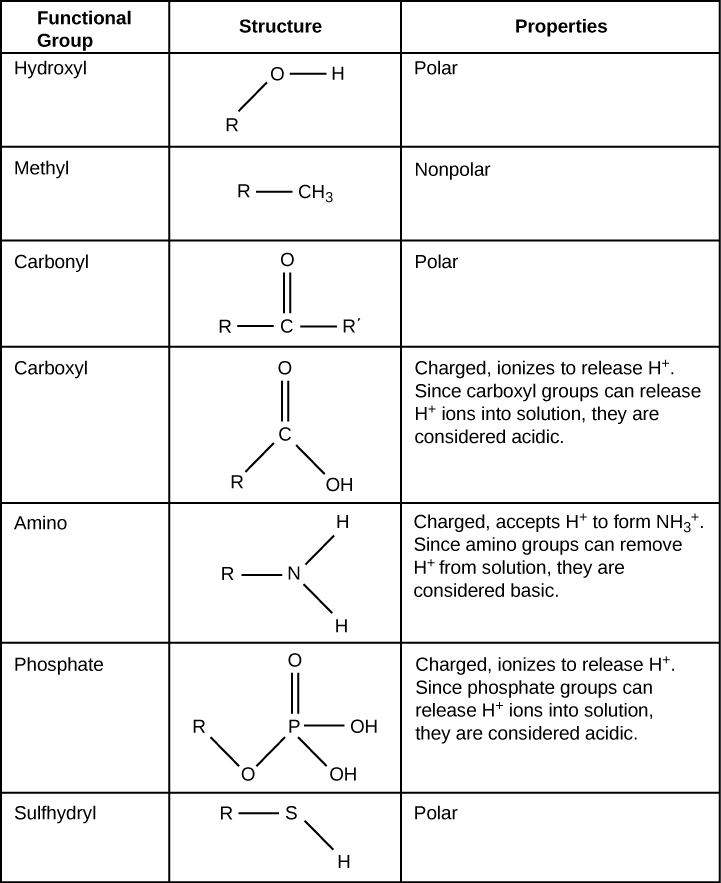
OpenStax · 4.5 Substance Use and Abuse ↗
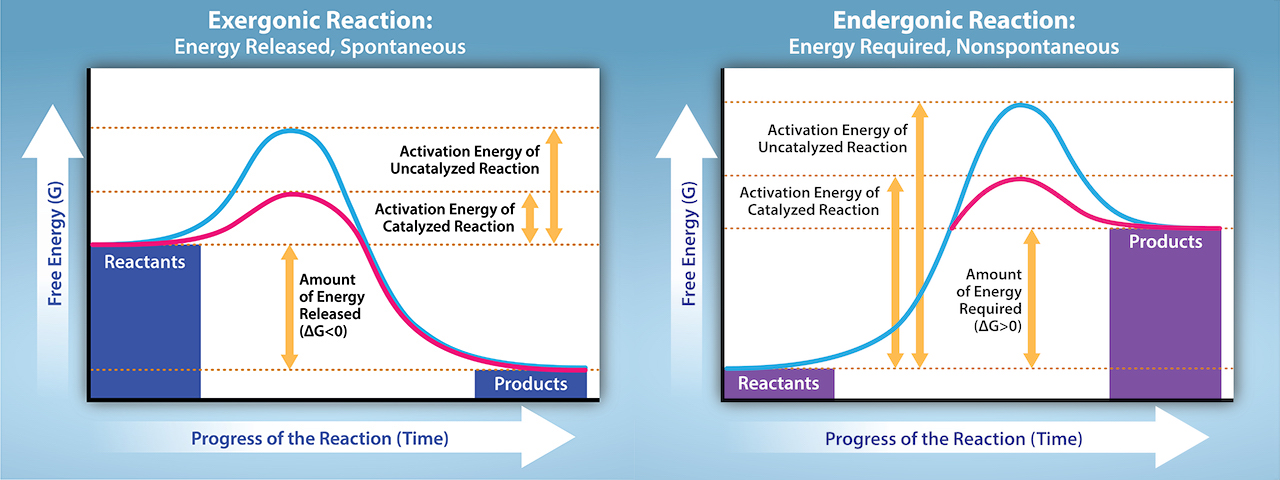
Instructional page including learning objectives, examples, figures, source tables and questions. Site navigation and embedded media players are omitted; source media links remain available.

Learning Objectives

By the end of this section, you will be able to:

  • Describe the diagnostic criteria for substance use disorders
  • Identify the neurotransmitter systems impacted by various categories of drugs
  • Describe how different categories of drugs affect behavior and experience

While we all experience altered states of consciousness in the form of sleep on a regular basis, some people use drugs and other substances that result in altered states of consciousness as well. This section will present information relating to the use of various psychoactive drugs and problems associated with such use. This will be followed by brief descriptions of the effects of some of the more well-known drugs commonly used today.

Substance Use Disorders

The fifth edition of the , Fifth Edition (-5) is used by clinicians to diagnose individuals suffering from various psychological disorders. Drug use disorders are addictive disorders, and the criteria for specific substance (drug) use disorders are described in -5. A person who has a substance use disorder often uses more of the substance than they originally intended to and continues to use that substance despite experiencing significant adverse consequences. In individuals diagnosed with a substance use disorder, there is a compulsive pattern of drug use that is often associated with both physical and psychological dependence.

involves changes in normal bodily functions—the user will experience from the drug upon cessation of use. In contrast, a person who has psychological dependence has an emotional, rather than physical, need for the drug and may use the drug to relieve psychological distress. is linked to physiological dependence, and it occurs when a person requires more and more drug to achieve effects previously experienced at lower doses. can cause the user to increase the amount of drug used to a dangerous level—even to the point of overdose and death.

Drug includes a variety of negative symptoms experienced when drug use is discontinued. These symptoms usually are opposite of the effects of the drug. For example, from sedative drugs often produces unpleasant arousal and agitation. In addition to , many individuals who are diagnosed with substance use disorders will also develop to these substances. Psychological dependence, or drug craving, is a recent addition to the diagnostic criteria for substance use disorder in -5. This is an important factor because we can develop and experience from any number of drugs that we do not abuse. In other words, in and of itself is of limited utility in determining whether or not someone has a substance use disorder.

Drug Categories

The effects of all psychoactive drugs occur through their interactions with our endogenous neurotransmitter systems. Many of these drugs, and their relationships, are shown in Table 4.2. As you have learned, drugs can act as agonists or antagonists of a given neurotransmitter system. An agonist facilitates the activity of a neurotransmitter system, and antagonists impede neurotransmitter activity.

Drugs and Their Effects
Class of Drug Examples Effects on the Body Effects When Used Psychologically Addicting?
Stimulants Cocaine, amphetamines (including some ADHD medications such as Adderall), methamphetamines, MDMA (“Ecstasy” or “Molly”) Increased heart rate, blood pressure, body temperature Increased alertness, mild euphoria, decreased appetite in low doses. High doses increase agitation, paranoia, can cause hallucinations. Some can cause heightened sensitivity to physical stimuli. High doses of MDMA can cause brain toxicity and death. Yes
Sedative-Hypnotics (“Depressants”) Alcohol, barbiturates (e.g., secobarbital, pentobarbital), Benzodiazepines (e.g., Xanax) Decreased heart rate, blood pressure Low doses increase relaxation, decrease inhibitions. High doses can induce sleep, cause motor disturbance, memory loss, decreased respiratory function, and death. Yes
Opiates Opium, Heroin, Fentanyl, Morphine, Oxycodone, Vicodin, methadone, and other prescription pain relievers Decreased pain, pupil constriction, decreased gut motility, decreased respiratory function Pain relief, euphoria, sleepiness. High doses can cause death due to respiratory depression. Yes
Hallucinogens Marijuana, , Peyote, mescaline, DMT, dissociative anesthetics including ketamine and PCP Increased heart rate and blood pressure that may dissipate over time Mild to intense perceptual changes with high variability in effects based on strain, method of ingestion, and individual differences Yes
Table 4.2

Alcohol and Other Depressants

Ethanol, which we commonly refer to as alcohol, is in a class of psychoactive drugs known as depressants (Figure 4.15). A depressant is a drug that tends to suppress activity. Other depressants include barbiturates and benzodiazepines. These drugs share in common their ability to serve as agonists of the () neurotransmitter system. Because has a quieting effect on the brain, agonists also have a quieting effect; these types of drugs are often prescribed to treat both anxiety and insomnia.

An illustration of a GABA-gated chloride channel in a cell membrane shows  receptor sites for barbiturate, benzodiazepine, GABA, alcohol, and neurosteroids, as well as three negatively-charged chloride ions passing through the channel. Each drug type has a specific shape, such as triangular, rectangular or square, which corresponds to a similarly shaped receptor spot.
Figure 4.15 — 4.5 Substance Use and Abuse
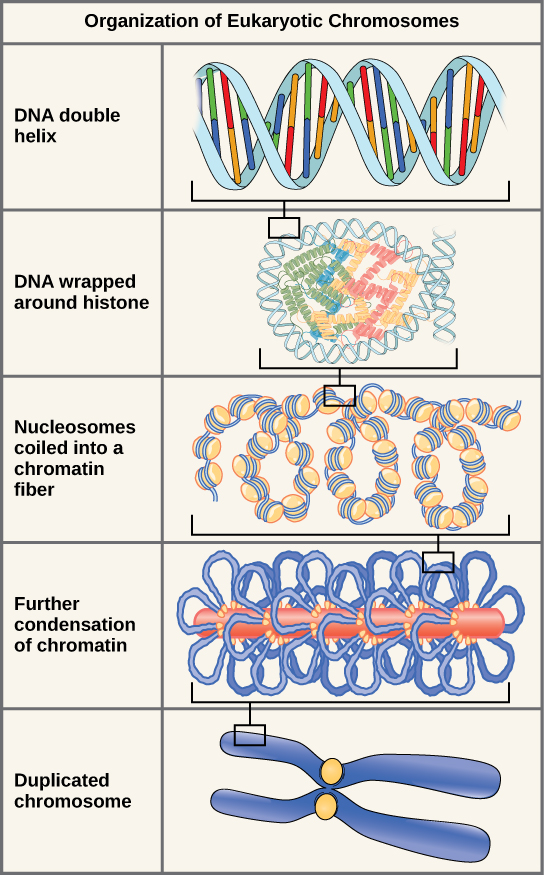
Figure 4.15 The GABA-gated chloride (Cl – ) channel is embedded in the cell membrane of certain neurons. The channel has multiple receptor sites where alcohol, barbiturates, and benzodiazepines bind to exert their effects. The binding of these molecules opens the chloride channel, allowing negatively-charged chloride ions (Cl – ) into the neuron's cell body. Changing its charge in a negative direction pushes the neuron away from firing; thus, activating a GABA neuron has a quieting effect on the brain.

Rose M. Spielman, William J. Jenkins, and Marilyn D. Lovett, Psychology 2E, OpenStax. · CC BY-NC-SA 4.0 · Original image ↗ · Access for free ↗

Acute alcohol administration results in a variety of changes to consciousness. At rather low doses, alcohol use is associated with feelings of euphoria. As the dose increases, people report feeling sedated. Generally, alcohol is associated with decreases in and visual acuity, lowered levels of alertness, and in behavioral control. With excessive alcohol use, a person might experience a complete loss of consciousness and/or difficulty remembering events that occurred during a period of intoxication (McKim & Hancock, 2013). In addition, if a pregnant person consumes alcohol, their infant may be born with a cluster of birth defects and symptoms collectively called fetal alcohol disorder (FASD) or fetal alcohol syndrome (FAS).

With repeated use of many depressants, such as alcohol, a person becomes physically dependent upon the substance and will exhibit signs of both and . Psychological dependence on these drugs is also possible. Therefore, the abuse potential of depressants is relatively high.

Drug is usually an aversive experience, and it can be a life-threatening process in individuals who have a long history of very high doses of alcohol and/or barbiturates. This is of such concern that people who are trying to overcome addiction to these substances should only do so under medical supervision.

Stimulants

Stimulants are drugs that tend to increase overall levels of neural activity. Many of these drugs act as agonists of the dopamine neurotransmitter system. Dopamine activity is often associated with reward and craving; therefore, drugs that affect dopamine neurotransmission often have abuse liability. Drugs in this category include cocaine, amphetamines (including methamphetamine), cathinones (i.e., bath ), MDMA (ecstasy), nicotine, and caffeine.

Cocaine can be taken in multiple ways. While many users snort cocaine, intravenous injection and inhalation (smoking) are also common. The freebase version of cocaine, known as crack, is a potent, smokable version of the drug. Like many other stimulants, cocaine agonizes the dopamine neurotransmitter system by the reuptake of dopamine in the neuronal .

Dig Deeper

Methamphetamine

Methamphetamine in its smokable form, often called “crystal meth” due to its resemblance to rock crystal formations, is highly addictive. The smokable form reaches the brain very quickly to produce an intense euphoria that dissipates almost as fast as it arrives, prompting users to continuing taking the drug. Users often consume the drug every few hours across days-long binges called "runs," in which the user forgoes food and sleep. The availability of potent and inexpensive forms of methamphetamine, coupled with a lower risk of overdose than with opiate drugs, is making crystal meth a popular choice among drug users today (NIDA, 2019). Using crystal meth poses a number of serious long-term health issues, including dental problems (often called "meth mouth"), skin abrasions caused by excessive scratching, memory loss, sleep problems, violent behavior, paranoia, and hallucinations. Methamphetamine addiction produces an intense craving that is difficult to treat.

Amphetamines have a mechanism of action quite similar to cocaine in that they block the reuptake of dopamine in addition to stimulating its release (Figure 4.16). While amphetamines are often abused, they are also commonly prescribed to people diagnosed with attention deficit hyperactivity disorder (ADHD). It may seem counterintuitive that stimulant medications are prescribed to treat a disorder that involves hyperactivity, but the therapeutic effect comes from increases in neurotransmitter activity within certain areas of the brain associated with impulse control. These brain areas include the prefrontal cortex and .

An illustration of a presynaptic cell and a postsynaptic cell shows these cells’ interactions with cocaine and dopamine molecules. The presynaptic cell contains two cylinder-shaped channels, one on each side near where it faces the postsynaptic cell. The postsynaptic cell contains several receptors, side-by-side across the area that faces the presynaptic cell. In the space between the two cells, there are both cocaine and dopamine molecules. One of the cocaine molecules attaches to one of the presynaptic cell’s channels. This cocaine molecule is labeled “bound cocaine.” An X-shape is shown over the top of the bound cocaine and the channel to indicate that the cocaine does not enter the presynaptic cell. A dopamine molecule is shown inside of the presynaptic cell’s other channel. Arrows connect this dopamine molecule to several others inside of the presynaptic cell. More arrows connect to more dopamine molecules, tracing their paths from the channel into the presynaptic cell, and out into the space between the presynaptic cell and the postsynaptic cell. Arrows extend from two of the dopamine molecules in this in-between space to the postsynaptic cell’s receptors. Only the dopamine molecules are shown binding to the postsynaptic cell’s receptors.
Figure 4.16 — 4.5 Substance Use and Abuse

Figure 4.16 As one of their mechanisms of action, cocaine and amphetamines block the reuptake of dopamine from the synapse into the presynaptic cell.

Rose M. Spielman, William J. Jenkins, and Marilyn D. Lovett, Psychology 2E, OpenStax. · CC BY-NC-SA 4.0 · Original image ↗ · Access for free ↗

In recent years, methamphetamine (meth) use has become increasingly widespread. Methamphetamine is a type of amphetamine that can be made from ingredients that are readily available (e.g., medications containing pseudoephedrine, a found in many over-the-counter cold and flu remedies). Despite recent changes in laws designed to make obtaining pseudoephedrine more difficult, methamphetamine continues to be an easily accessible and relatively inexpensive drug option (Shukla, Crump, & Chrisco, 2012).

Stimulant users seek a euphoric high, feelings of intense elation and pleasure, especially in those users who take the drug via intravenous injection or smoking. MDMA (3.4-methelynedioxy-methamphetamine, commonly known as "ecstasy" or "Molly") is a mild stimulant with perception-altering effects. It is typically consumed in pill form. Users experience increased energy, feelings of pleasure, and emotional warmth. Repeated use of these stimulants can have significant adverse consequences. Users can experience physical symptoms that include nausea, elevated blood pressure, and increased heart rate. In addition, these drugs can cause feelings of anxiety, hallucinations, and paranoia (Fiorentini et al., 2011). Normal brain functioning is altered after repeated use of these drugs. For example, repeated use can lead to overall depletion among the monoamine neurotransmitters (dopamine, norepinephrine, and serotonin). Depletion of certain neurotransmitters can lead to mood dysphoria, cognitive problems, and other factors. This can lead to people compulsively using stimulants such as cocaine and amphetamines, in part to try to reestablish the person's physical and psychological pre-use baseline. (Jayanthi & Ramamoorthy, 2005; Rothman, Blough, & Baumann, 2007).

Caffeine is another stimulant drug. While it is probably the most commonly used drug in the world, the potency of this particular drug pales in comparison to the other stimulant drugs described in this section. Generally, people use caffeine to maintain increased levels of alertness and arousal. Caffeine is found in many common medicines (such as weight loss drugs), beverages, foods, and even cosmetics (Herman & Herman, 2013). While caffeine may have some indirect effects on dopamine neurotransmission, its primary mechanism of action involves antagonizing adenosine activity (Porkka-Heiskanen, 2011). Adenosine is a neurotransmitter that promotes sleep. Caffeine is an adenosine antagonist, so caffeine inhibits the adenosine , thus decreasing sleepiness and promoting wakefulness.

While caffeine is generally considered a relatively safe drug, high blood levels of caffeine can result in insomnia, agitation, muscle twitching, nausea, irregular heartbeat, and even death (Reissig, Strain, & Griffiths, 2009; Wolt, Ganetsky, & Babu, 2012). In 2012, Kromann and Nielson reported on a of a 40-year-old woman who suffered significant ill effects from her use of caffeine. The woman used caffeine in the past to boost her mood and to provide energy, but over the course of several years, she increased her caffeine consumption to the point that she was consuming three liters of soda each day. Although she had been taking a prescription antidepressant, her symptoms of depression continued to worsen and she began to suffer physically, displaying significant warning signs of cardiovascular disease and diabetes. Upon admission to an outpatient clinic for treatment of mood disorders, she all of the diagnostic criteria for substance dependence and was advised to dramatically limit her caffeine intake. Once she was able to limit her use to less than 12 ounces of soda a day, both her mental and physical health gradually improved. Despite the of caffeine use and the large number of people who confess to suffering from caffeine addiction, this was the first published description of soda dependence appearing in scientific literature.

Nicotine is highly addictive, and the use of tobacco is associated with increased risks of heart disease, stroke, and a variety of cancers. Nicotine exerts its effects through its interaction with acetylcholine . Acetylcholine functions as a neurotransmitter in motor . In the , it plays a role in arousal and reward mechanisms. Nicotine is most commonly used in the form of tobacco like cigarettes or chewing tobacco; therefore, there is a tremendous interest in developing effective smoking cessation techniques. To date, people have used a variety of nicotine replacement therapies in addition to various psychotherapeutic options in an attempt to discontinue their use of tobacco . In general, smoking cessation programs may be effective in the short term, but it is unclear whether these effects persist (Cropley, Theadom, Pravettoni, & Webb, 2008; Levitt, Shaw, Wong, & Kaczorowski, 2007; Smedslund, Fisher, Boles, & Lichtenstein, 2004). Vaping as a means to deliver nicotine is becoming increasingly popular, especially among teens and young adults. Vaping uses battery-powered devices, sometimes called e-cigarettes, that deliver liquid nicotine and flavorings as a vapor. Originally reported as a safe alternative to the known -causing agents found in cigarettes, vaping is now known to be very dangerous and has led to serious lung disease and death in users (Shmerling, 2019).

Opioids

An opioid is one of a category of drugs that includes heroin, morphine, methadone, and codeine. Opioids have analgesic properties; that is, they decrease pain. Humans have an endogenous opioid neurotransmitter system—the body makes small quantities of opioid that bind to opioid reducing pain and producing euphoria. Thus, opioid drugs, which mimic this endogenous painkilling mechanism, have an extremely high potential for abuse. Natural opioids, called opiates, are derivatives of opium, which is a naturally occurring found in the poppy plant. There are now several synthetic versions of opiate drugs (correctly called opioids) that have very potent painkilling effects, and they are often abused. For example, the National Institutes of Drug Abuse has sponsored research that suggests the misuse and abuse of the prescription pain killers hydrocodone and oxycodone are significant public health concerns (Maxwell, 2006). In 2013, the U.S. Food and Drug Administration recommended tighter on their medical use.

Historically, heroin has been a major opioid drug of abuse (Figure 4.17). Heroin can be snorted, smoked, or injected intravenously. Heroin produces intense feelings of euphoria and pleasure, which are amplified when the heroin is injected intravenously. Following the initial "rush," users experience 4–6 hours of "going on the nod," alternating between conscious and semiconscious states. Heroin users often shoot the drug directly into their veins. Some people who have injected many times into their arms will show "track marks," while other users will inject into areas between their fingers or between their toes, so as not to show obvious track marks and, like all abusers of intravenous drugs, have an increased risk for contraction of both tuberculosis and .

Photograph A shows various paraphernalia spread out on a black surface.  The items include a tourniquet, three syringes of varying widths, three cotton-balls, a tiny cooking vessel, a condom, a capsule of sterile water, and an alcohol swab. Photograph B shows a hand holding a spoon containing heroin tar above a small candle.
Figure 4.17 — 4.5 Substance Use and Abuse
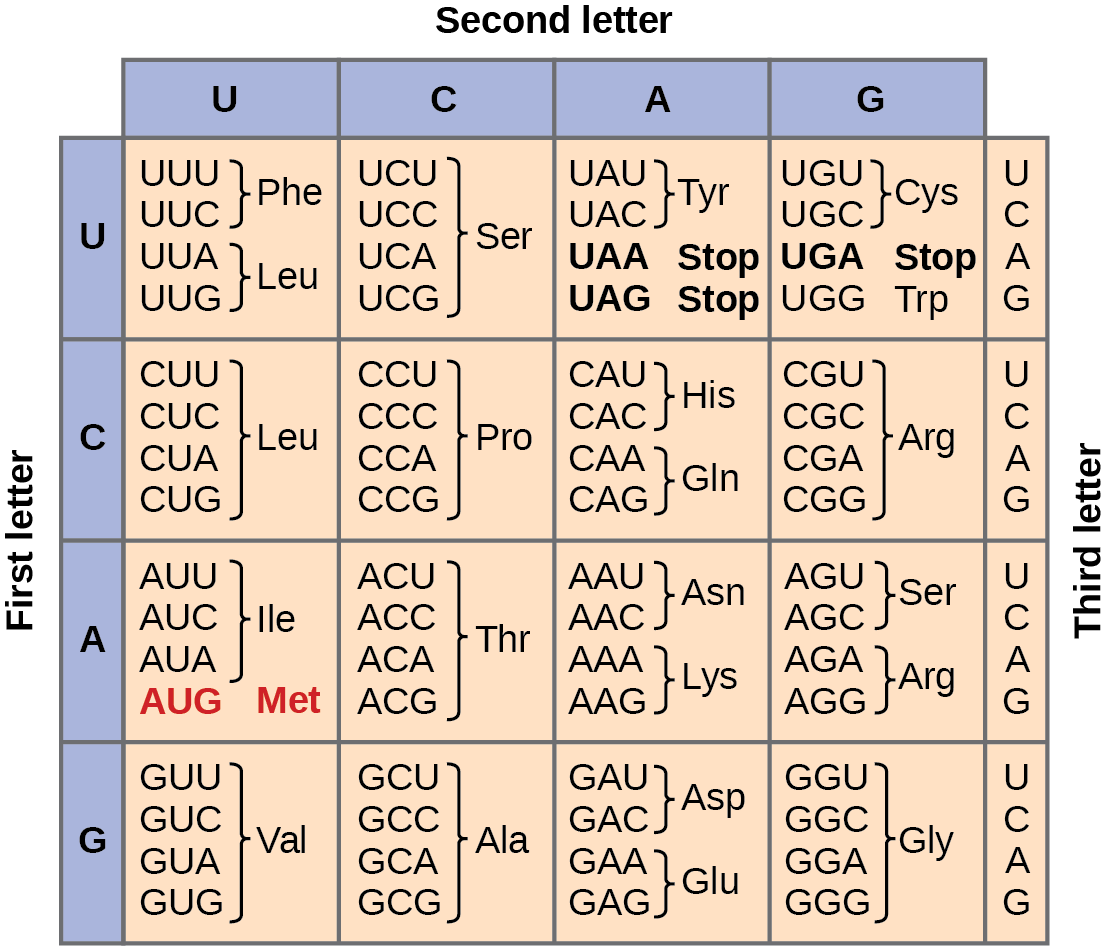
Figure 4.17 (a) Common paraphernalia for heroin preparation and use are shown here in a needle exchange kit. (b) Heroin is cooked on a spoon over a candle. (credit a: modification of work by Todd Huffman)

Rose M. Spielman, William J. Jenkins, and Marilyn D. Lovett, Psychology 2E, OpenStax. (credit a: modification of work by Todd Huffman) · CC BY-NC-SA 4.0 · Original image ↗ · Access for free ↗

Aside from their utility as analgesic drugs, opioid-like are often found in cough suppressants, anti-nausea, and anti-diarrhea medications. Given that from a drug often involves an experience opposite to the effect of the drug, it should be no surprise that opioid resembles a severe case of the flu. While opioid can be extremely unpleasant, it is not life-threatening (Julien, 2005). Still, people experiencing opioid may be given methadone to make from the drug less difficult. Methadone is a synthetic opioid that is less euphorigenic than heroin and similar drugs. Methadone clinics help people who previously struggled with opioid addiction manage symptoms through the use of methadone. Other drugs, including the opioid buprenorphine, have also been used to alleviate symptoms of opiate .

Codeine is an opioid with relatively low potency. It is often prescribed for minor pain, and it is available over-the-counter in some other countries. Like all opioids, codeine does have abuse potential. In , abuse of prescription opioid medications is becoming a major concern worldwide (Aquina, Marques-Baptista, Bridgeman, & Merlin, 2009; Casati, Sedefov, & Pfeiffer-Gerschel, 2012).

Everyday Connection

The Opioid Crisis

Few people in the United States remain untouched by the recent opioid epidemic. It seems like everyone knows a friend, family member, or neighbor who has died of an overdose. Opioid addiction reached crisis levels in the United States such that by 2019, an average of 130 people died each day of an opioid overdose (NIDA, 2019).

The crisis actually began in the 1990s, when pharmaceutical companies began mass-marketing pain-relieving opioid drugs like OxyContin with the promise (now known to be false) that they were non-addictive. Increased prescriptions led to greater rates of misuse, along with greater of addiction, even among patients who used these drugs as prescribed. Physiologically, the body can become addicted to opiate drugs in less than a week, including when taken as prescribed. from opioids includes pain, which patients often misinterpret as pain caused by the problem that led to the original prescription, and which motivates patients to continue using the drugs.

The FDA's 2013 recommendation for tighter on opiate prescriptions left many patients addicted to prescription drugs like OxyContin unable to obtain legitimate prescriptions. This created a black market for the drug, where prices soared to $80 or more for a single pill. To prevent , many people turned to cheaper heroin, which could be bought for $5 a dose or less. To keep heroin affordable, many dealers began adding more potent synthetic opioids including fentanyl and carfentanyl to increase the effects of heroin. These synthetic drugs are so potent that even small doses can cause overdose and death.

Large-scale public health campaigns by the National Institutes of Health and the National Institute of Drug Abuse have led to recent declines in the opioid crisis. These initiatives include increasing access to treatment and recovery services, increasing access to overdose-reversal drugs like Naloxone, and implementing better public health monitoring systems (NIDA, 2019).

Hallucinogens

A hallucinogen is one of a class of drugs that results in profound alterations in sensory and perceptual experiences (Figure 4.18). In some cases, users experience vivid visual hallucinations. It is also common for these types of drugs to cause hallucinations of body sensations (e.g., feeling as if you are a giant) and a skewed perception of the passage of time.

An illustration shows a colorful spiral pattern.
Figure 4.18 — 4.5 Substance Use and Abuse

Figure 4.18 Psychedelic images like this are often associated with hallucinogenic compounds. (credit: modification of work by "new 1lluminati"/Flickr)

Rose M. Spielman, William J. Jenkins, and Marilyn D. Lovett, Psychology 2E, OpenStax. (credit: modification of work by "new 1lluminati"/Flickr) · CC BY-NC-SA 4.0 · Original image ↗ · Access for free ↗

As a group, hallucinogens are incredibly varied in terms of the neurotransmitter systems they affect. Mescaline and are serotonin agonists, and PCP (angel dust) and ketamine (an animal anesthetic) act as antagonists of the . In general, these drugs are not thought to possess the same sort of abuse potential as other classes of drugs discussed in this section.

Link to Learning

To learn more about some of the most commonly abused prescription and street drugs, check out the Commonly Abused Drugs Chart and the Commonly Abused Prescription Drugs Chart from the National Institute on Drug Abuse.

Dig Deeper

Medical Marijuana

The decade from 2010–2019 brought many changes in laws regarding marijuana. While the possession and use of marijuana remains illegal in many states, it is now legal to possess limited quantities of marijuana for recreational use in eleven states: Alaska, California, Colorado, Illinois, Maine, Massachusetts, Michigan, Nevada, Oregon, Vermont, and Washington. Medical marijuana is legal in over half of the United States and in the District of Columbia (Figure 4.19). Medical marijuana is marijuana that is prescribed by a doctor for the treatment of a health condition. For example, people who undergo chemotherapy will often be prescribed marijuana to stimulate their appetites and prevent excessive weight loss resulting from the side effects of chemotherapy treatment. Marijuana may also have some promise in the treatment of a variety of medical conditions (Mather, Rauwendaal, Moxham-Hall, & Wodak, 2013; Robson, 2014; Schicho & Storr, 2014).

A photograph shows a window with a neon sign. The sign includes the word “medical” above the shape of a marijuana leaf.
Figure 4.19 — 4.5 Substance Use and Abuse
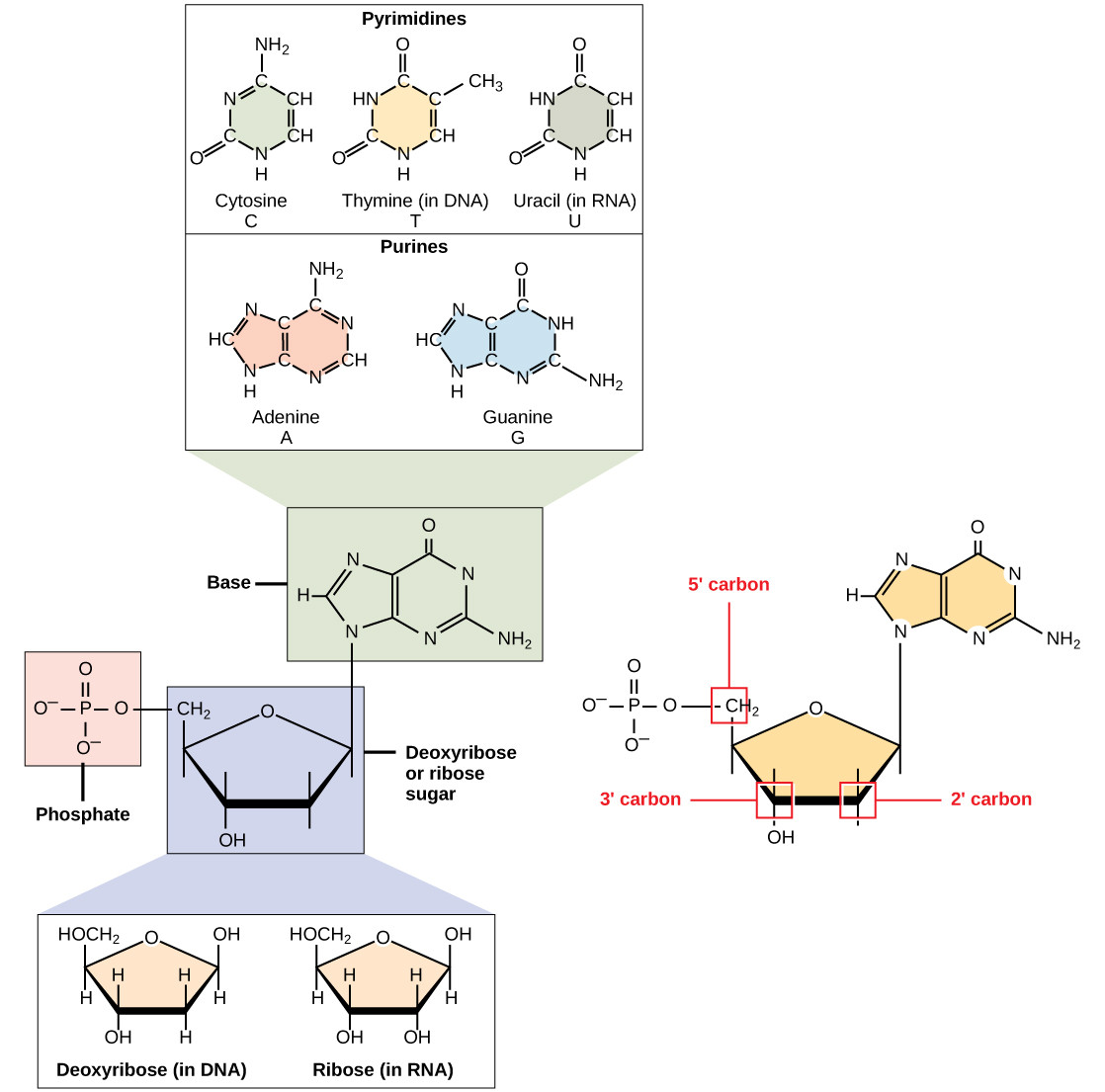
Figure 4.19 Medical marijuana shops are becoming more and more common in the United States. (credit: Laurie Avocado)

Rose M. Spielman, William J. Jenkins, and Marilyn D. Lovett, Psychology 2E, OpenStax. (credit: Laurie Avocado) · CC BY-NC-SA 4.0 · Original image ↗ · Access for free ↗
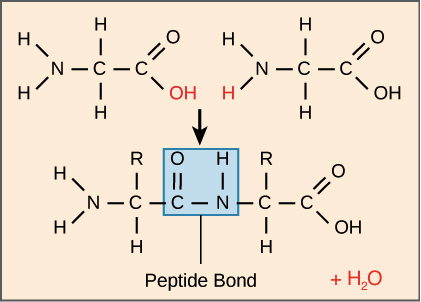
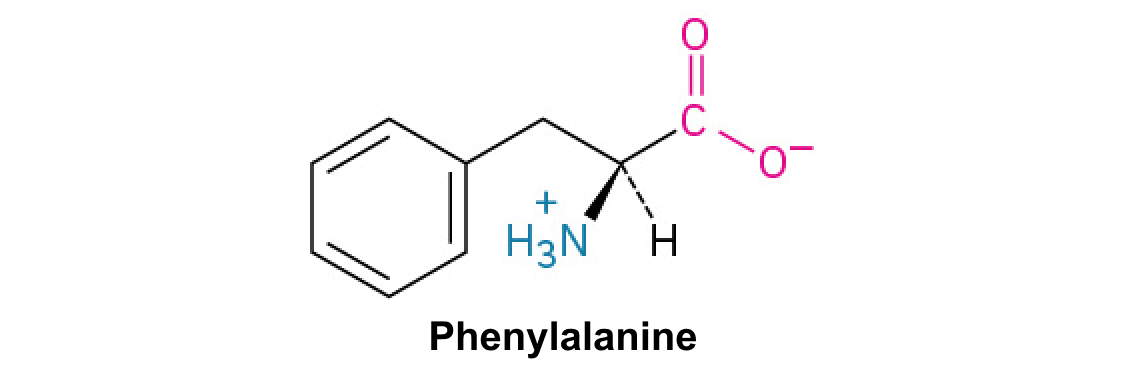
While medical marijuana laws have been passed on a state-by-state basis, federal laws still classify this as an illicit substance, making conducting research on the potentially beneficial medicinal uses of marijuana problematic. There is quite a bit of controversy within the scientific community as to the extent to which marijuana might have medicinal benefits due to a lack of large-scale, controlled research (Bostwick, 2012). As a result, many scientists have urged the federal government to allow for relaxation of current marijuana laws and classifications in order to facilitate a more widespread study of the drug’s effects (Aggarwal et al., 2009; Bostwick, 2012; Kogan & Mechoulam, 2007).

Until recently, the United States Department of Justice routinely arrested people involved and seized marijuana used in medicinal settings. In the latter part of 2013, however, the United States Department of Justice issued statements indicating that they would not continue to challenge state medical marijuana laws. This shift in policy may be in response to the scientific community’s recommendations and/or reflect changing public opinion regarding marijuana.