Health differences associated with class, gender, race, or ethnicity can arise through exposure, resources, stress, discrimination, treatment, and historical conditions.
Analyze health differences associated with class, gender, and race or ethnicity and distinguish association from explanation
Health differences associated with class, gender, race, or ethnicity can arise through exposure, resources, stress, discrimination, treatment, and historical conditions. A disparity describes a difference; an inequity additionally emphasizes avoidability and injustice. Association does not identify a cause: racial categories can correlate with unequal environments without representing a biological mechanism. Sex-linked physiology can matter for particular outcomes, while gendered roles and treatment can independently affect risk. Confounding, selection, measurement, and age structure can distort comparisons. Examine proposed mediators and temporal order, and report within-group variation instead of assuming one average describes every member.
Source: 19.3 Health in the United States · 19.4 Comparative Health and Medicine · 19.5 Theoretical Perspectives on Health and Medicine · 12.2 Gender and Gender Inequality · 11.3 Prejudice, Discrimination, and Racism
Explain geographic, language, financial, immigration-related, and discriminatory barriers to care
Access barriers include distance, transportation, cost, insurance restrictions, appointment availability, disability access, language mismatch, immigration-related constraints or fears, and discriminatory treatment. Availability of a clinic does not guarantee affordability, acceptability, or ability to attend during work hours. Language-concordant care and trained interpretation can improve communication, while simple translation of a leaflet may not address literacy, trust, or navigation. Avoid assuming that a missed visit reflects low motivation before measuring these barriers. An intervention should target a specified mechanism and evaluate who still cannot benefit, including people absent from routine service data.
Source: 19.3 Health in the United States · 19.4 Comparative Health and Medicine · 19.5 Theoretical Perspectives on Health and Medicine · 12.2 Gender and Gender Inequality · 11.3 Prejudice, Discrimination, and Racism
Distinguish unequal health outcomes from unequal access, delivery, or quality of health care
Unequal health outcomes are differences in illness, disability, or survival. Unequal access concerns opportunities to obtain care; unequal delivery concerns what services are provided; unequal quality concerns their safety, effectiveness, timeliness, and responsiveness. Equal access may coexist with unequal treatment, and equal treatment may leave unequal outcomes because exposure or baseline need differs. Equity can require different resources for different needs rather than identical services. Compare clinically appropriate treatment within comparable need groups, then examine outcomes over time. Population health also depends on housing, work, education, and environment outside medical institutions.
Source: 19.3 Health in the United States · 19.4 Comparative Health and Medicine · 19.5 Theoretical Perspectives on Health and Medicine · 12.2 Gender and Gender Inequality · 11.3 Prejudice, Discrimination, and Racism
Apply the ideas
Worked question. Two groups attend a clinic equally often, but one receives fewer recommended follow-up tests and has worse outcomes. Which equality has been observed, and which has not? What should an analysis adjust for?
Equal visit frequency is a limited access measure; it does not establish equal delivery or quality. Compare follow-up recommendations and completion among people with similar clinical need, while examining language, costs, and clinician decisions. Adjusting for baseline severity can improve comparison, but treating every consequence of prior discrimination as a nuisance covariate can obscure relevant pathways. Worse outcomes alone still do not identify one cause.
Source: 19.3 Health in the United States · 19.4 Comparative Health and Medicine · 19.5 Theoretical Perspectives on Health and Medicine · 12.2 Gender and Gender Inequality · 11.3 Prejudice, Discrimination, and Racism
19.3 Health in the United States — figures and tables
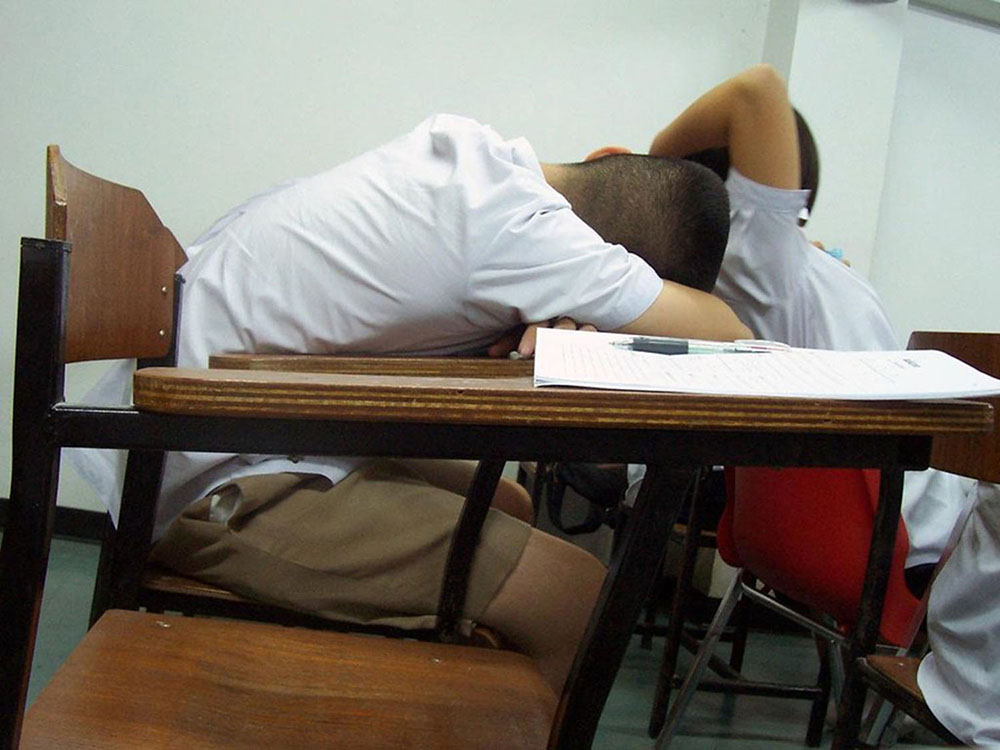
Figure 19.4 Many people fail to get enough sleep. But is insomnia a disease that should be cured with medication? (Credit: Wikimedia Commons)
Tonja R. Conerly, Kathleen Holmes, and Asha Lal Tamang, Introduction Sociology 3E, OpenStax. · CC BY-NC-SA 4.0 · Original image ↗ · Access for free ↗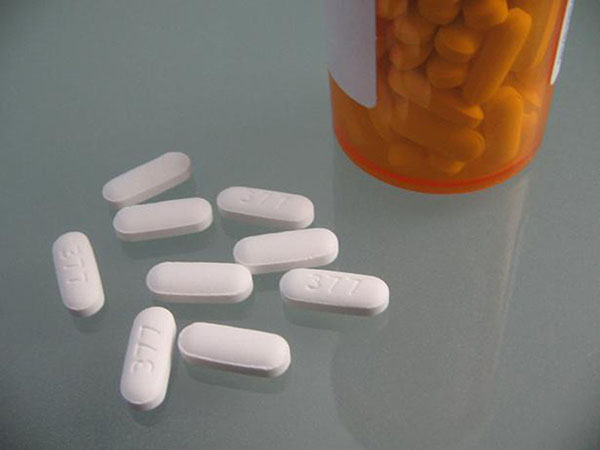
Figure 19.5 Medication is a common option for children with ADHD. (Credit: Deviation56/Wikimedia Commons)
Tonja R. Conerly, Kathleen Holmes, and Asha Lal Tamang, Introduction Sociology 3E, OpenStax. · CC BY-NC-SA 4.0 · Original image ↗ · Access for free ↗
Figure 19.6 The accessibility sign indicates that people with disabilities can access the facility. The Americans with Disabilities Act requires that access be provided to everyone. (Credit: Ltljltlj/Wikimedia Commons)
Tonja R. Conerly, Kathleen Holmes, and Asha Lal Tamang, Introduction Sociology 3E, OpenStax. · CC BY-NC-SA 4.0 · Original image ↗ · Access for free ↗Source: 19.3 Health in the United States
19.4 Comparative Health and Medicine — figures and tables

Figure 19.7 The Affordable Care Act has been a savior for some and a target for others. As Congress and various state governments sought to have it overturned with laws or to have it diminished by the courts, supporters took to the streets to express its importance to them. (Credit: Molly Adams)
Tonja R. Conerly, Kathleen Holmes, and Asha Lal Tamang, Introduction Sociology 3E, OpenStax. · CC BY-NC-SA 4.0 · Original image ↗ · Access for free ↗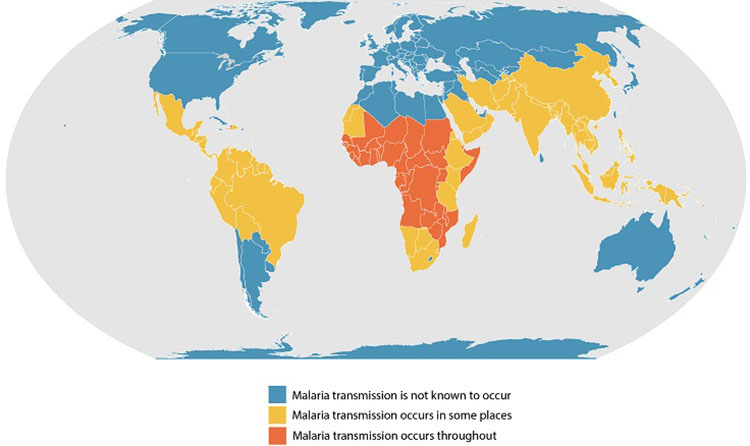
Figure 19.8 This map shows the countries where malaria is known to occur. In low-income countries, malaria is still a common cause of death. (Credit: CDC/Wikimedia Commons)
Tonja R. Conerly, Kathleen Holmes, and Asha Lal Tamang, Introduction Sociology 3E, OpenStax. · CC BY-NC-SA 4.0 · Original image ↗ · Access for free ↗19.5 Theoretical Perspectives on Health and Medicine — figures and tables
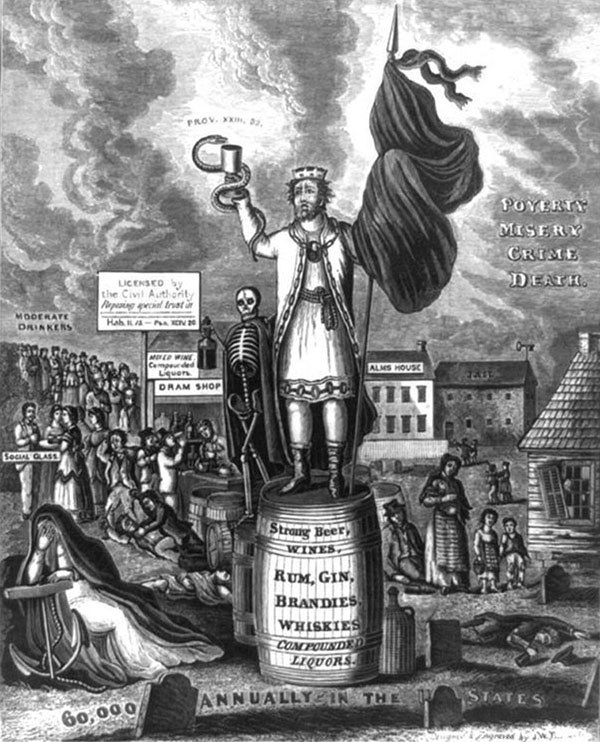
Figure 19.9 In this engraving from the nineteenth century, “King Alcohol” is shown with a skeleton on a barrel of alcohol. The words “poverty,” “misery,” “crime,” and “death” hang in the air behind him. (Credit: Library of Congress/Wikimedia Commons)
Tonja R. Conerly, Kathleen Holmes, and Asha Lal Tamang, Introduction Sociology 3E, OpenStax. · CC BY-NC-SA 4.0 · Original image ↗ · Access for free ↗Source: 19.5 Theoretical Perspectives on Health and Medicine
12.2 Gender and Gender Inequality — figures and tables
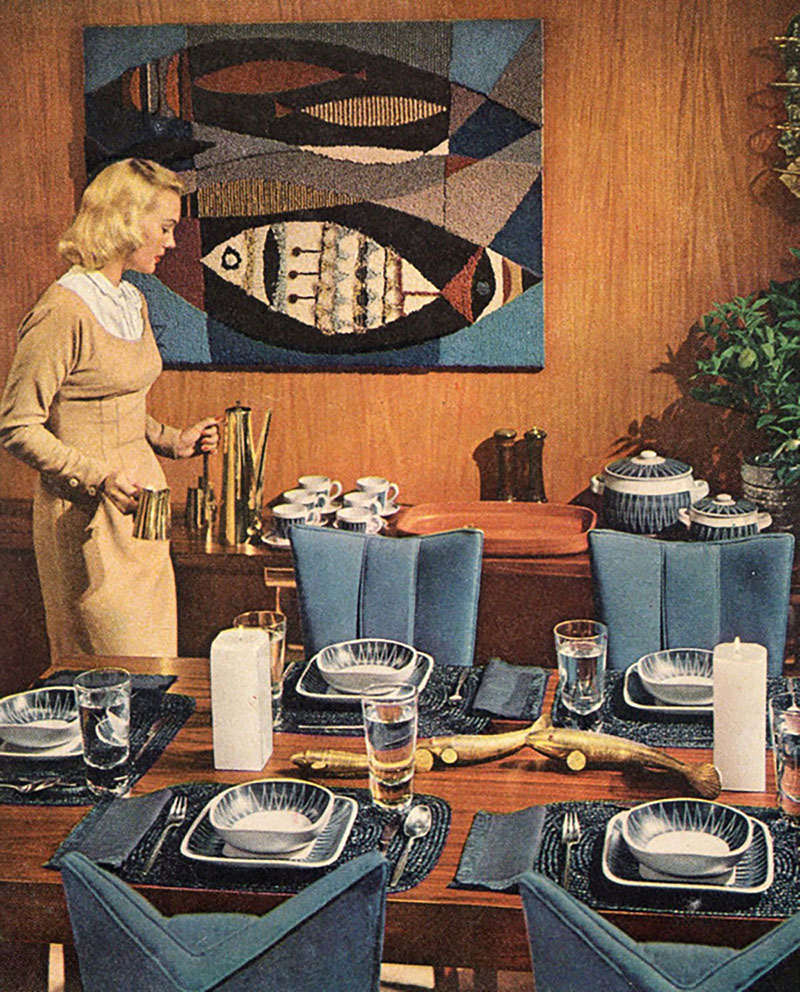
Figure 12.8 Traditional images of U.S. gender roles reinforce the idea that women should be subordinate to men. (Credit: Sport Suburban/flickr)
Tonja R. Conerly, Kathleen Holmes, and Asha Lal Tamang, Introduction Sociology 3E, OpenStax. · CC BY-NC-SA 4.0 · Original image ↗ · Access for free ↗
Figure 12.9 Although our society may have a stereotype that associates motorcycles with men, women make up a sizable portion of the biker community. (Credit: Robert Couse-Baker/flickr)
Tonja R. Conerly, Kathleen Holmes, and Asha Lal Tamang, Introduction Sociology 3E, OpenStax. · CC BY-NC-SA 4.0 · Original image ↗ · Access for free ↗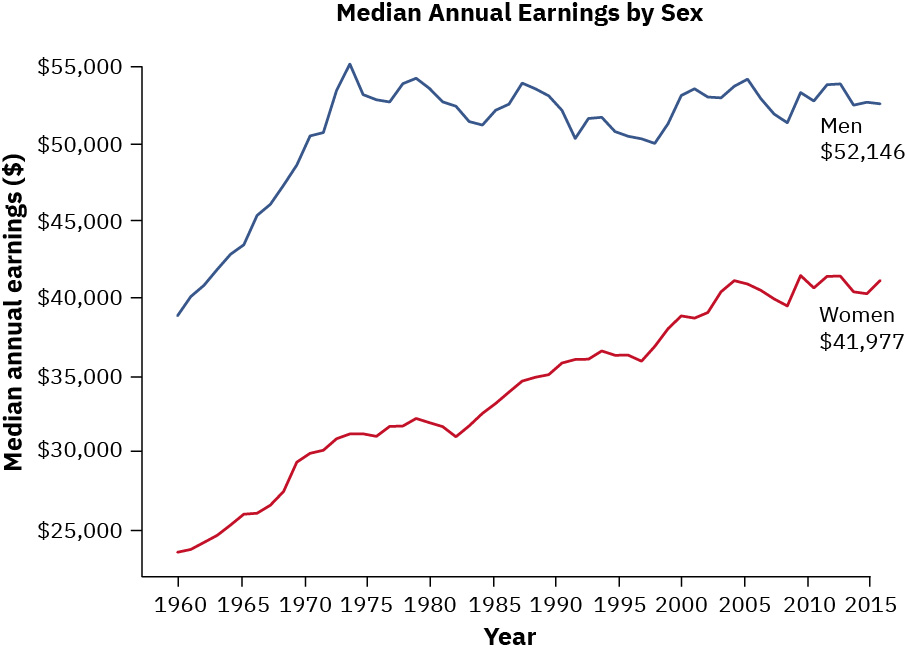
Figure 12.10 In 2017 men’s overall median earnings were $52,146 and women’s were $41,977. This means that women earned 80.1% of what men earned in the United States. (Credit: Women’s Bureau, U.S. Department of Labor)
Tonja R. Conerly, Kathleen Holmes, and Asha Lal Tamang, Introduction Sociology 3E, OpenStax. · CC BY-NC-SA 4.0 · Original image ↗ · Access for free ↗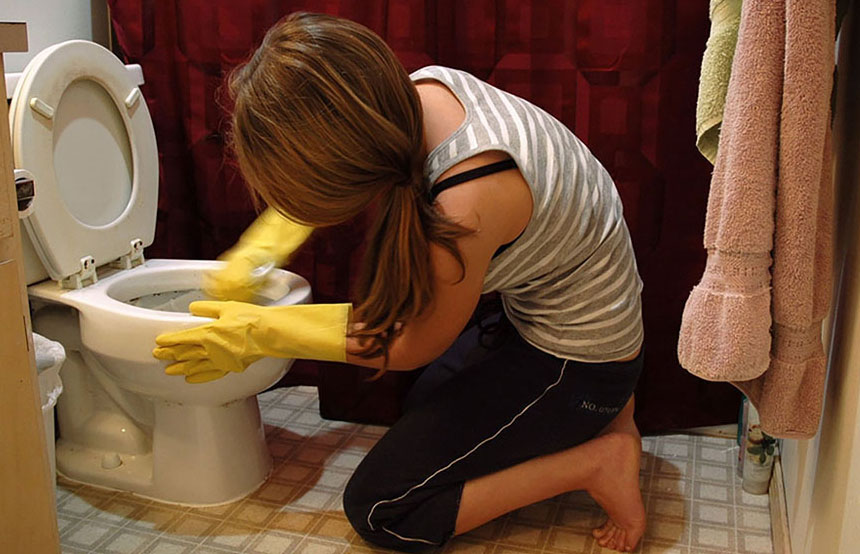
Figure 12.11 In some cultures, women do all of the household chores with no help from men, as doing housework is a sign of weakness, considered by society as a feminine trait. (Credit: Evil Erin/flickr)
Tonja R. Conerly, Kathleen Holmes, and Asha Lal Tamang, Introduction Sociology 3E, OpenStax. · CC BY-NC-SA 4.0 · Original image ↗ · Access for free ↗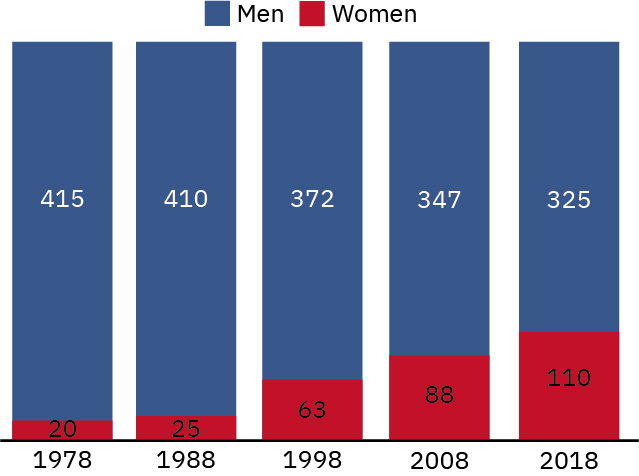
Figure 12.12 Breakdown of Congressional Membership by Gender. 2021 saw a record number of women in Congress, with 120 women serving in the House and 24 serving in the Senate. Gender representation has been steadily increasing over time, but is not close to being equal. (Credit: Based on data from Center for American Women in Politics, Rutgers University)
Tonja R. Conerly, Kathleen Holmes, and Asha Lal Tamang, Introduction Sociology 3E, OpenStax. · CC BY-NC-SA 4.0 · Original image ↗ · Access for free ↗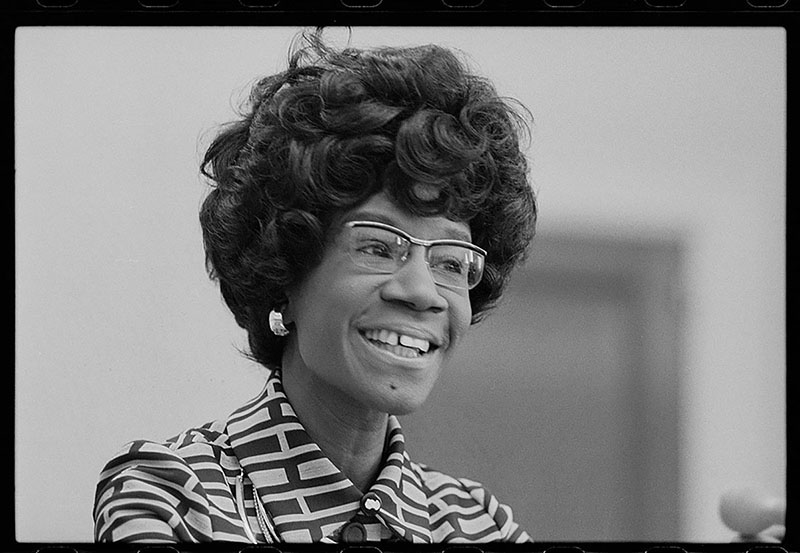
Figure 12.13 “Unbought and Unbossed”: Shirley Chisholm was the first Black United States Congresswoman, the co-founder of the Congressional Black Caucus, and a candidate for a major-party Presidential nomination.
Tonja R. Conerly, Kathleen Holmes, and Asha Lal Tamang, Introduction Sociology 3E, OpenStax. · CC BY-NC-SA 4.0 · Original image ↗ · Access for free ↗11.3 Prejudice, Discrimination, and Racism — figures and tables
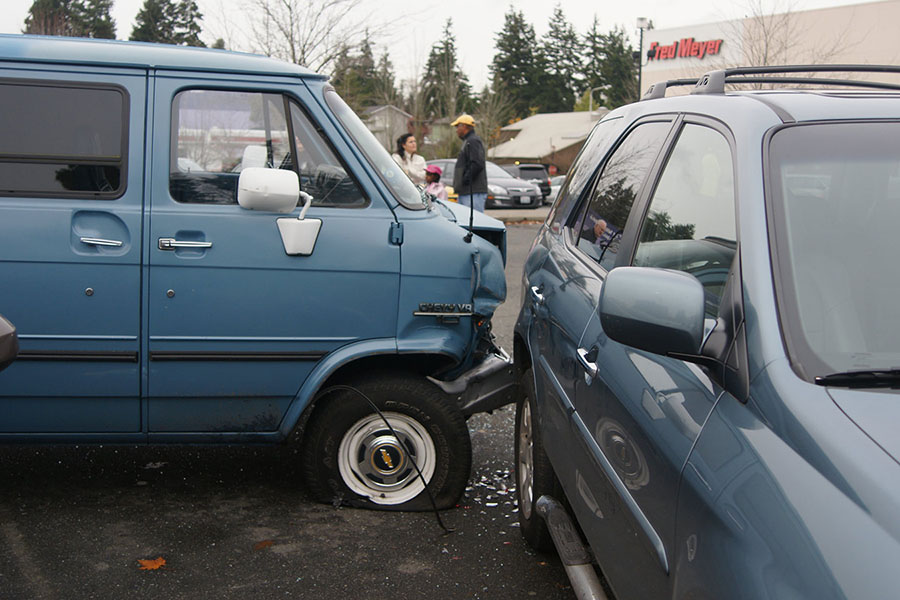
Figure 11.4 Stereotypes and prejudices are persistent and apply to almost every category of people. They are also subject to confirmation bias, in which any bit of supporting evidence gives a person more confidence in their belief. For example, if you think older people are bad drivers, every time you see an accident involving an older driver, it's likely to increase your confidence in your stereotype. Even if you hear the statistics that younger drivers cause more accidents than older drivers, the fulfillment of your stereotype is difficult to overcome. (Credit: Chris Freser/flickr)
Tonja R. Conerly, Kathleen Holmes, and Asha Lal Tamang, Introduction Sociology 3E, OpenStax. · CC BY-NC-SA 4.0 · Original image ↗ · Access for free ↗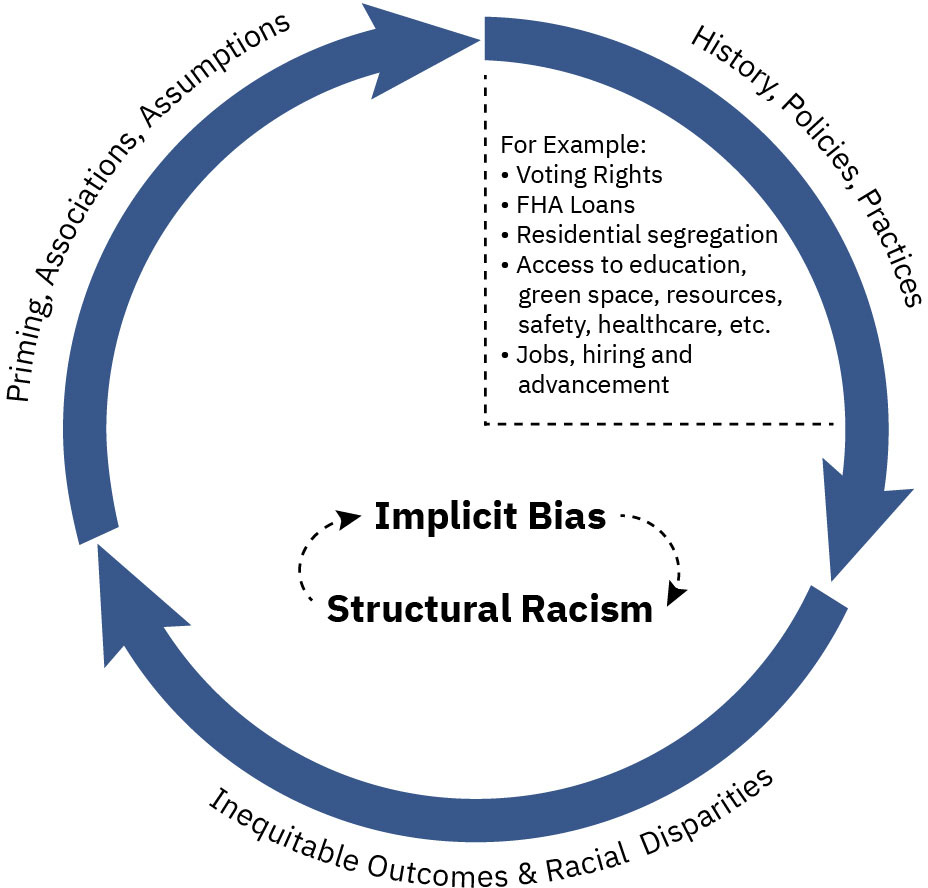
Figure 11.5 Implicit Bias and Structural Racialization (Osta and Vasquez 2021)
Tonja R. Conerly, Kathleen Holmes, and Asha Lal Tamang, Introduction Sociology 3E, OpenStax. · CC BY-NC-SA 4.0 · Original image ↗ · Access for free ↗