Changes in DNA can persist through replication; their consequences depend on sequence, chromosomal context, cell lineage, and environment.
Persistent variants versus temporary expression errors
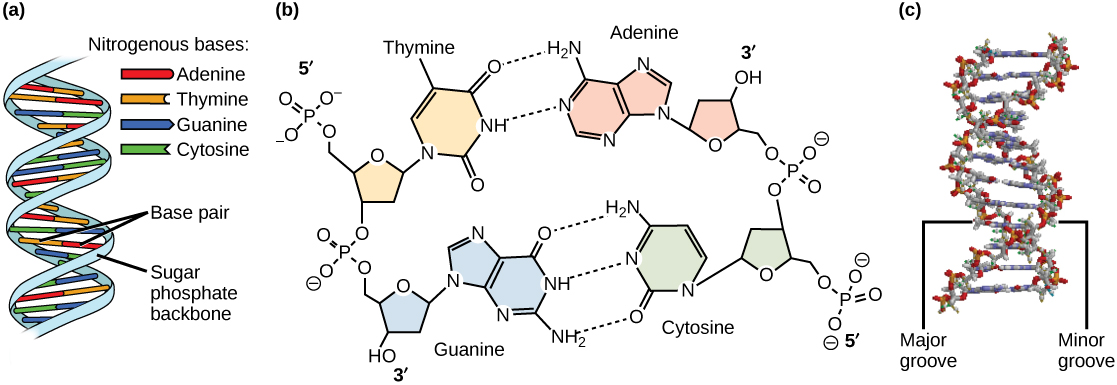
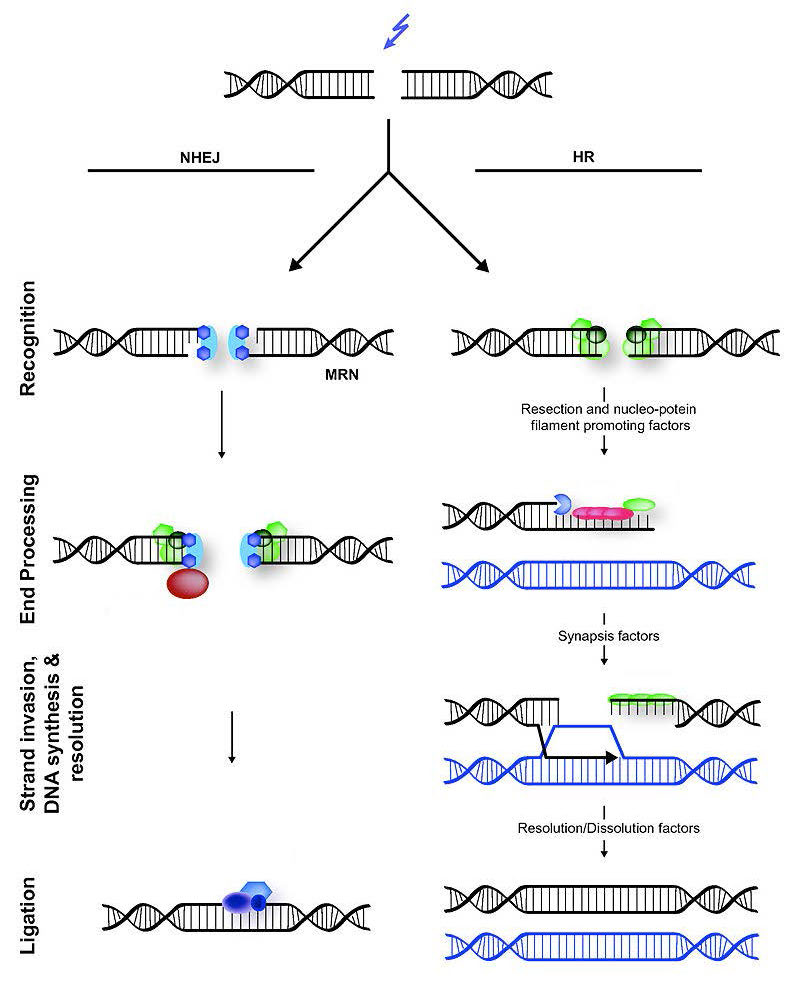
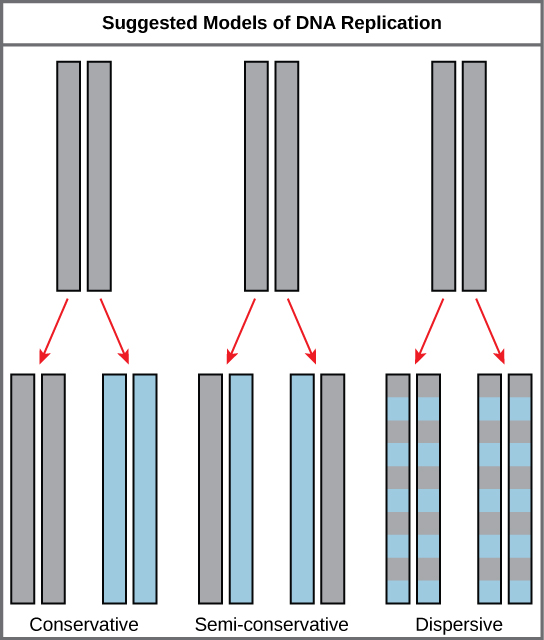
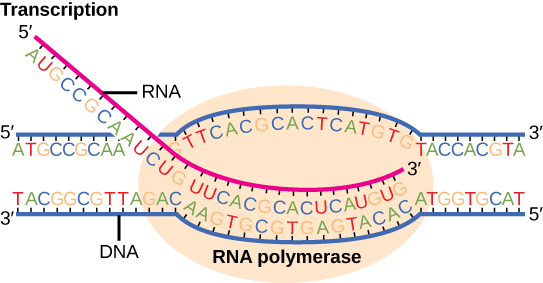
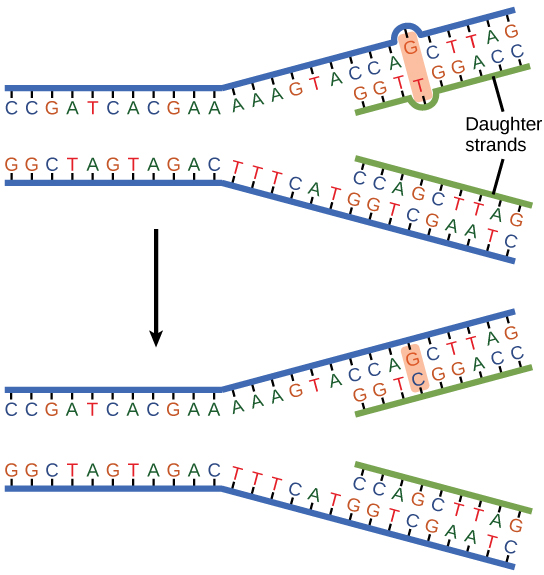
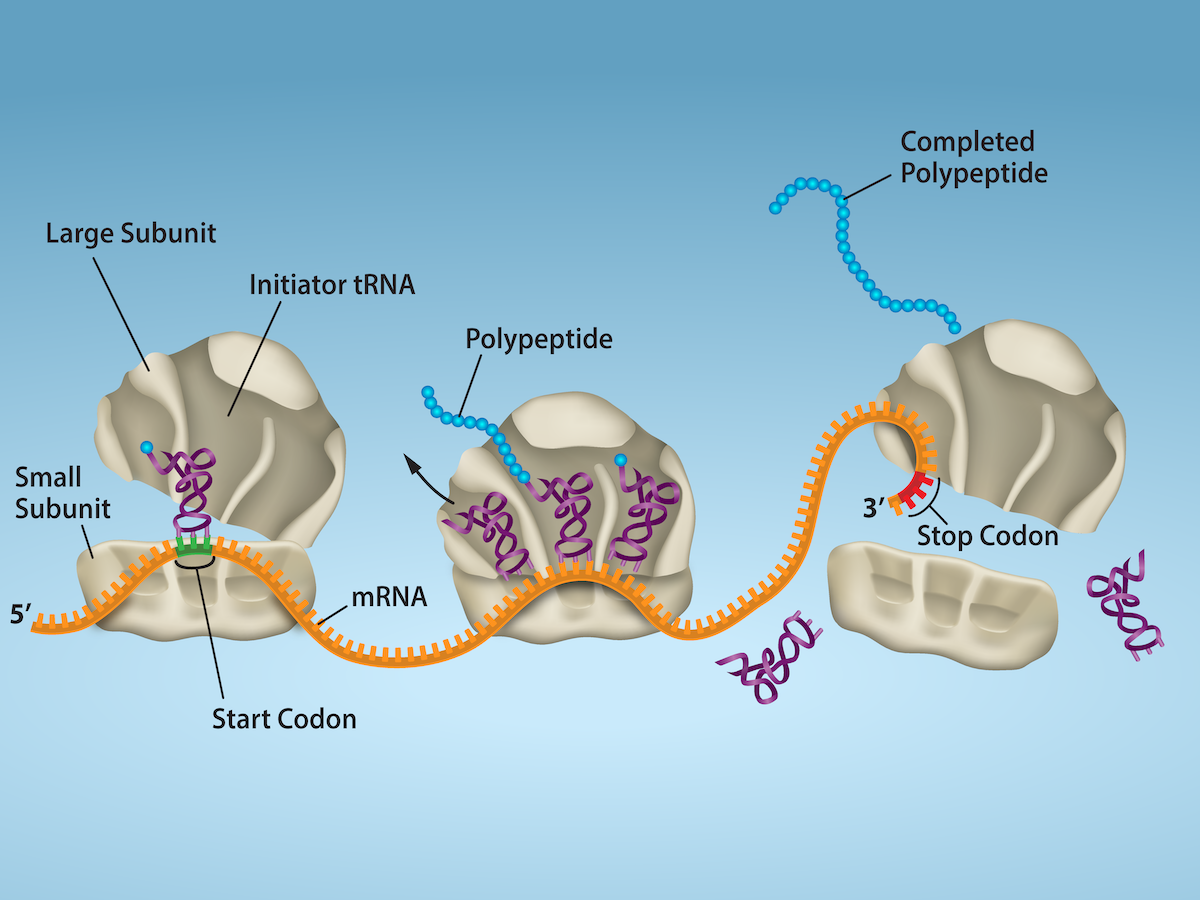
A DNA mutation can be copied into descendant cells. A germline mutation can enter offspring; a somatic mutation normally remains within the individual but can seed a tumor clone. Transcription errors alter individual RNA molecules, and translation errors alter individual proteins; neither ordinarily rewrites the genome or becomes genetically inherited. DNA damage is not automatically a mutation: a lesion may be repaired before replication, block replication, or be bypassed inaccurately. A mismatch that escapes repair can become a stable base-pair substitution in one daughter lineage after further replication.
Source: 13.2 Chromosomal Basis of Inherited Disorders · 19.1 Population Evolution
Sequence and chromosome changes
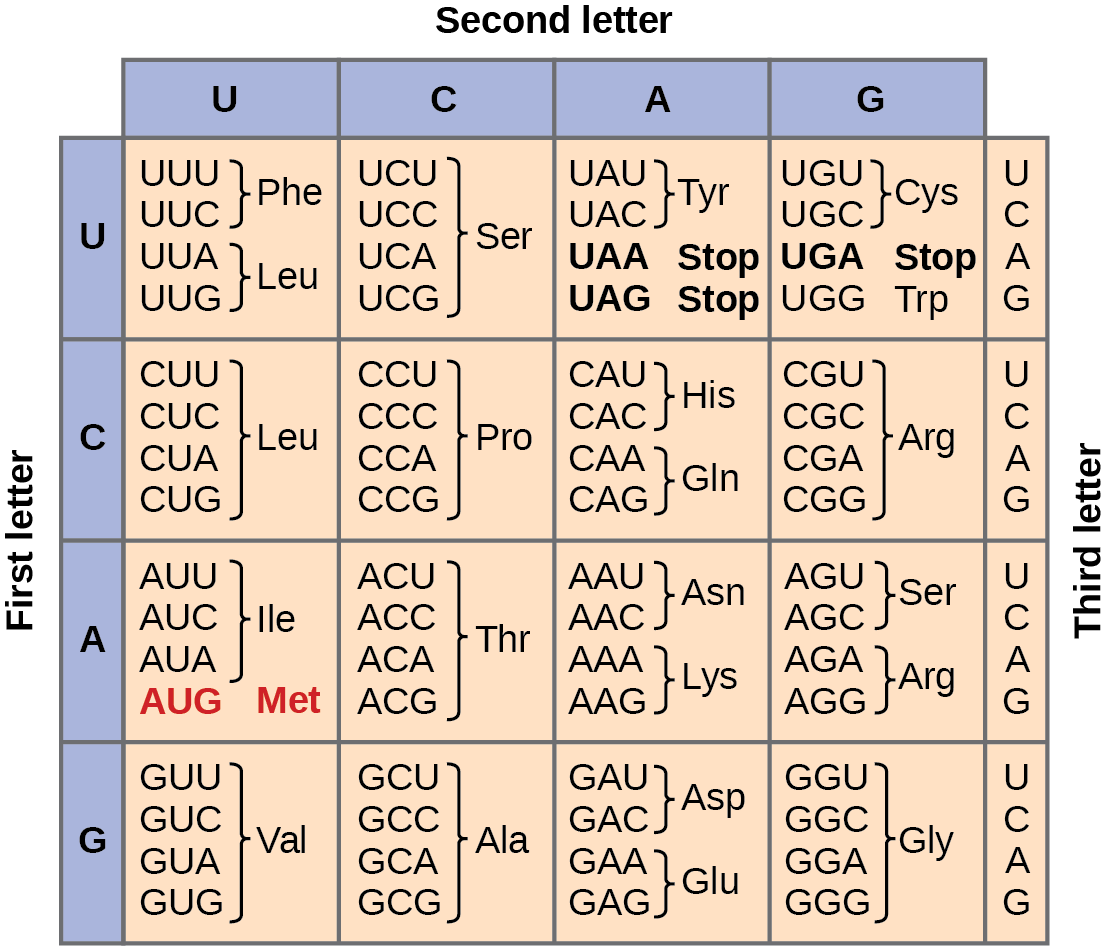
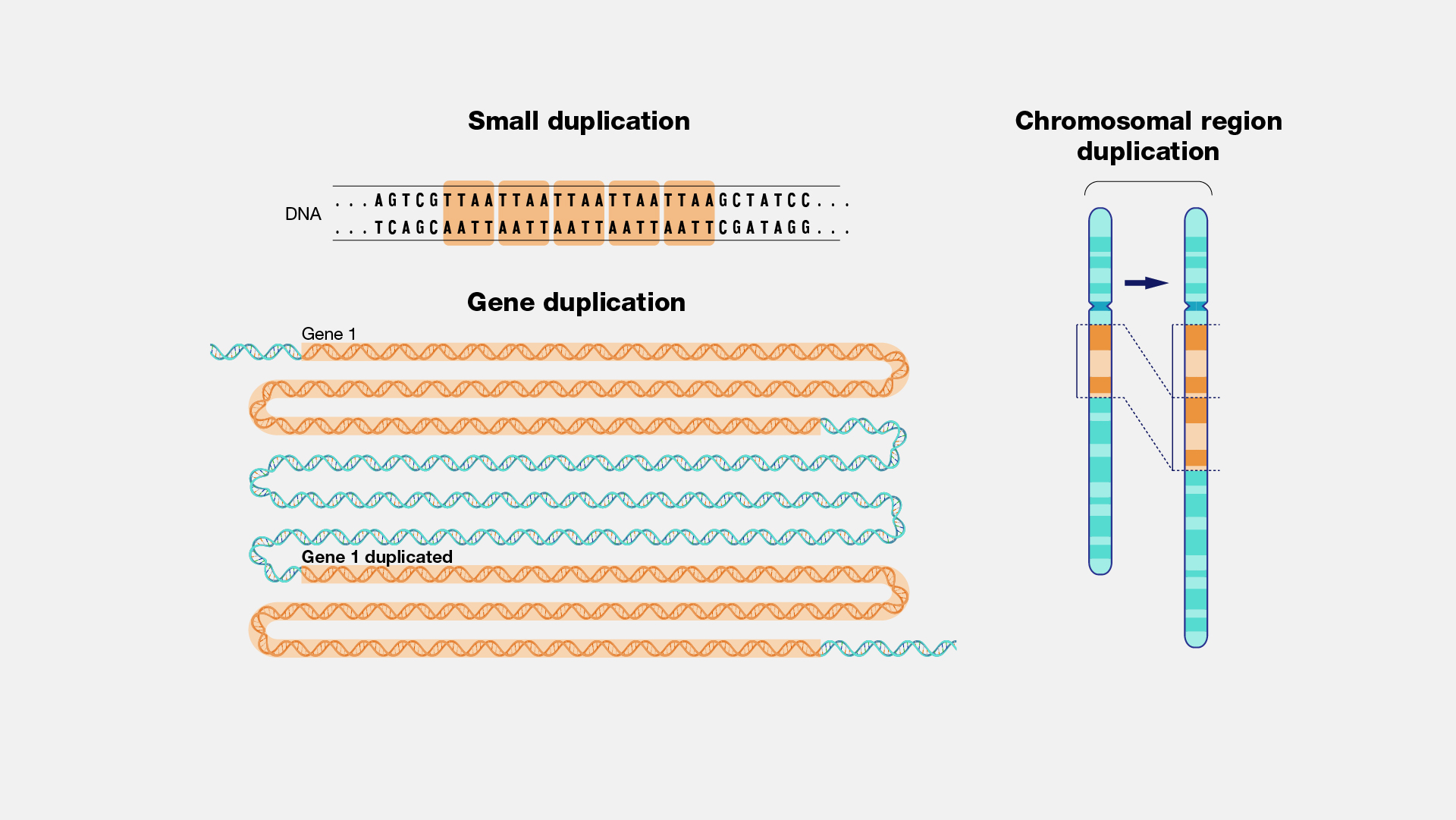
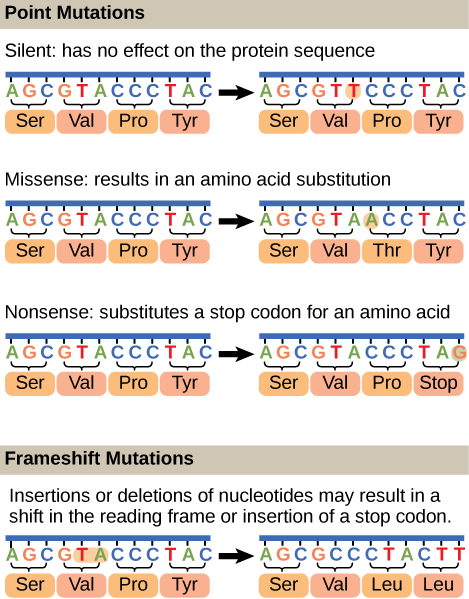
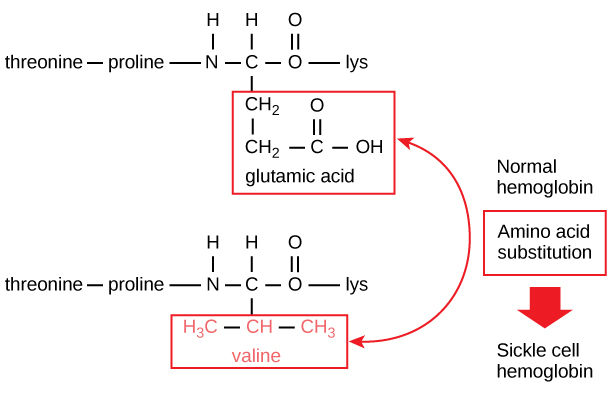
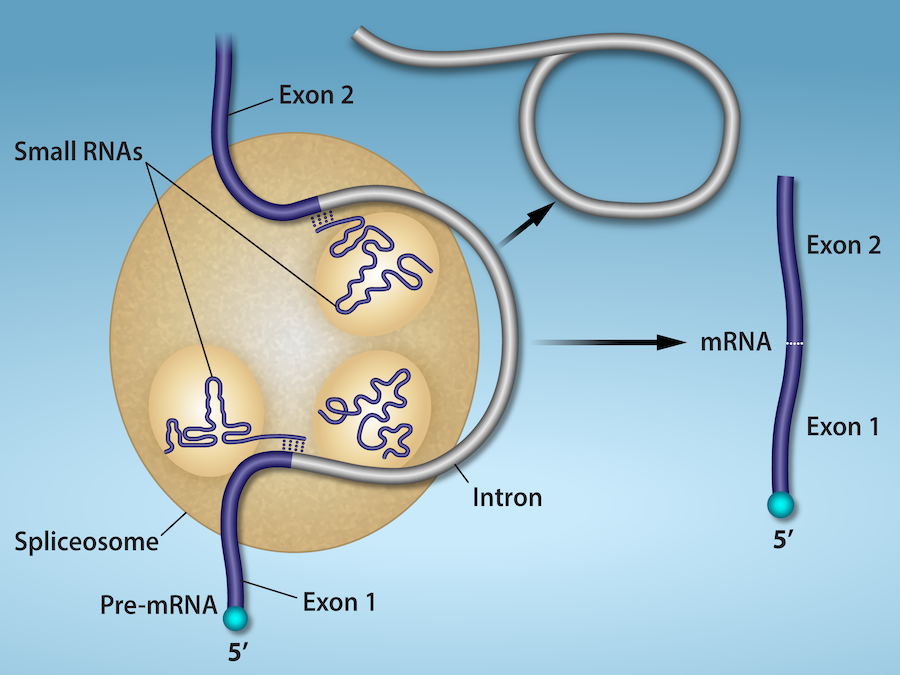
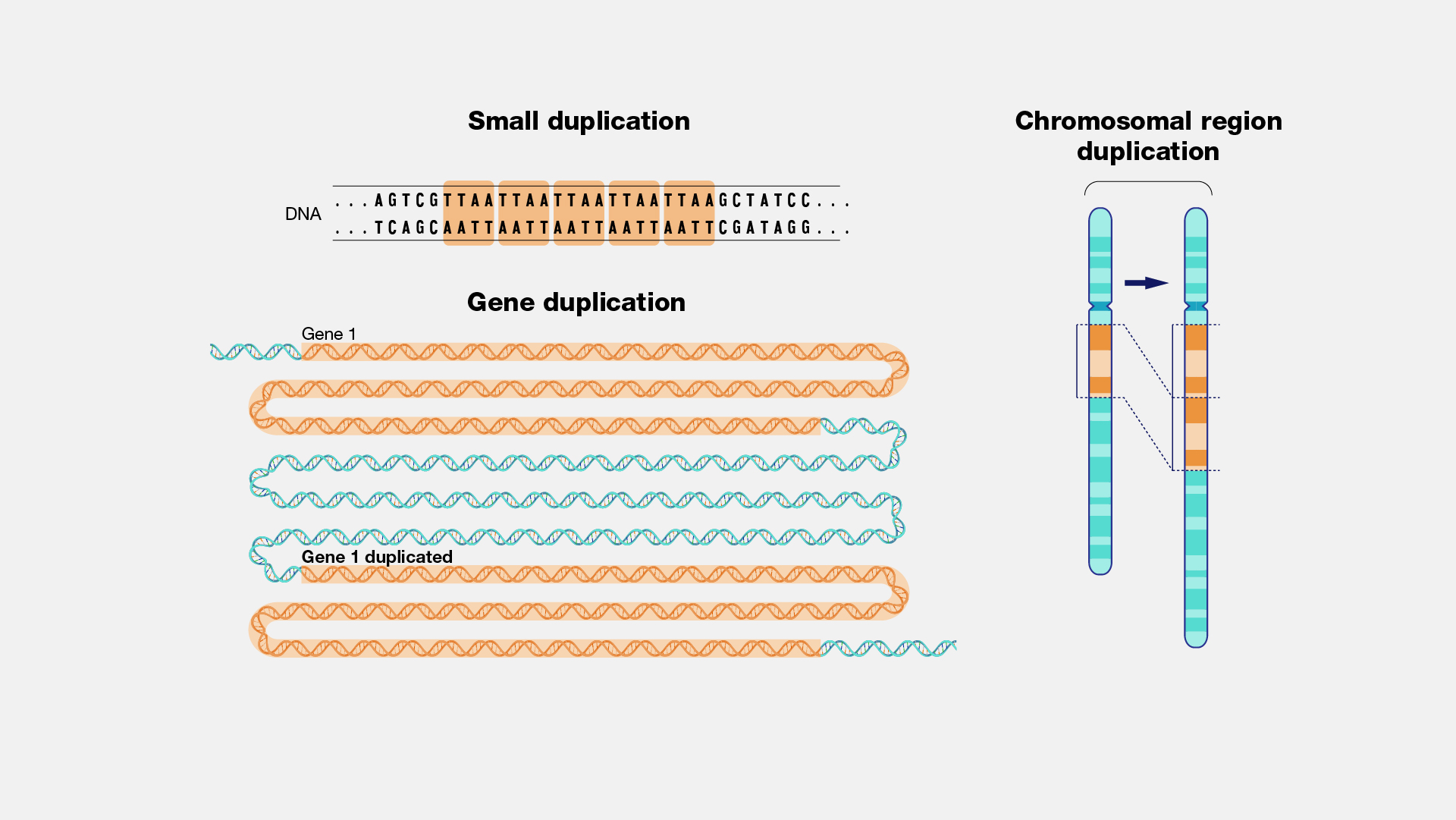
A substitution can be synonymous, missense, or nonsense in coding DNA, or can change splicing and regulation elsewhere. Insertions and deletions shift a coding reading frame unless their length is a multiple of three; an in-frame change can still destroy function. A chromosomal inversion reverses a segment, potentially interrupting genes or suppressing recovery of viable recombinants in heterozygotes. A translocation moves material between chromosomes; balanced carriers can have altered gene regulation or generate unbalanced gametes. Deletions remove dosage and duplications add dosage. Replication mispairing becomes hereditary only if proofreading and repair fail; nondisjunction changes chromosome number rather than nucleotide sequence.
Source: 13.2 Chromosomal Basis of Inherited Disorders · 19.1 Population Evolution
A variant’s effect depends on context
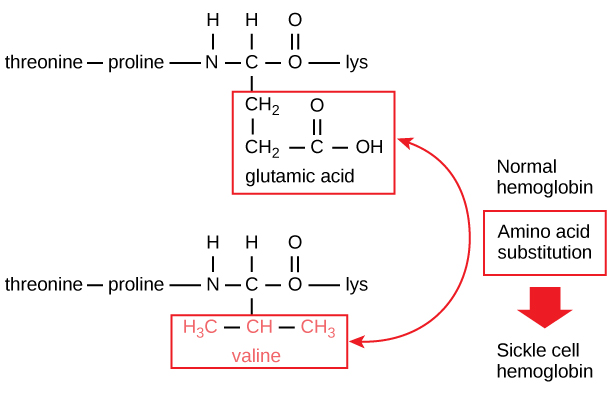
Loss of a metabolic enzyme can reduce product, accumulate substrate, or divert intermediates into another pathway; supplementation rescues only when the missing product can reach the relevant tissue and no toxic upstream effect persists. A mutation beneficial in one environment can be harmful in another: sickle-cell heterozygosity can reduce severe malaria risk while homozygosity causes major disease.
Mutagens increase mutation rates, for example UV-induced pyrimidine dimers or ionizing-radiation strand breaks. Carcinogens increase cancer risk; many are mutagens, but some act through proliferation or other mechanisms. Mutations arise without foresight of what the organism needs, and selection changes their later representation.
Source: 13.2 Chromosomal Basis of Inherited Disorders · 19.1 Population Evolution
Practice: apply the mechanism
Question. A population becomes resistant after exposure to an antibiotic. Does this prove that the antibiotic induced the useful mutation? How would a transcription error differ from a stable resistance mutation?
Show reasoning
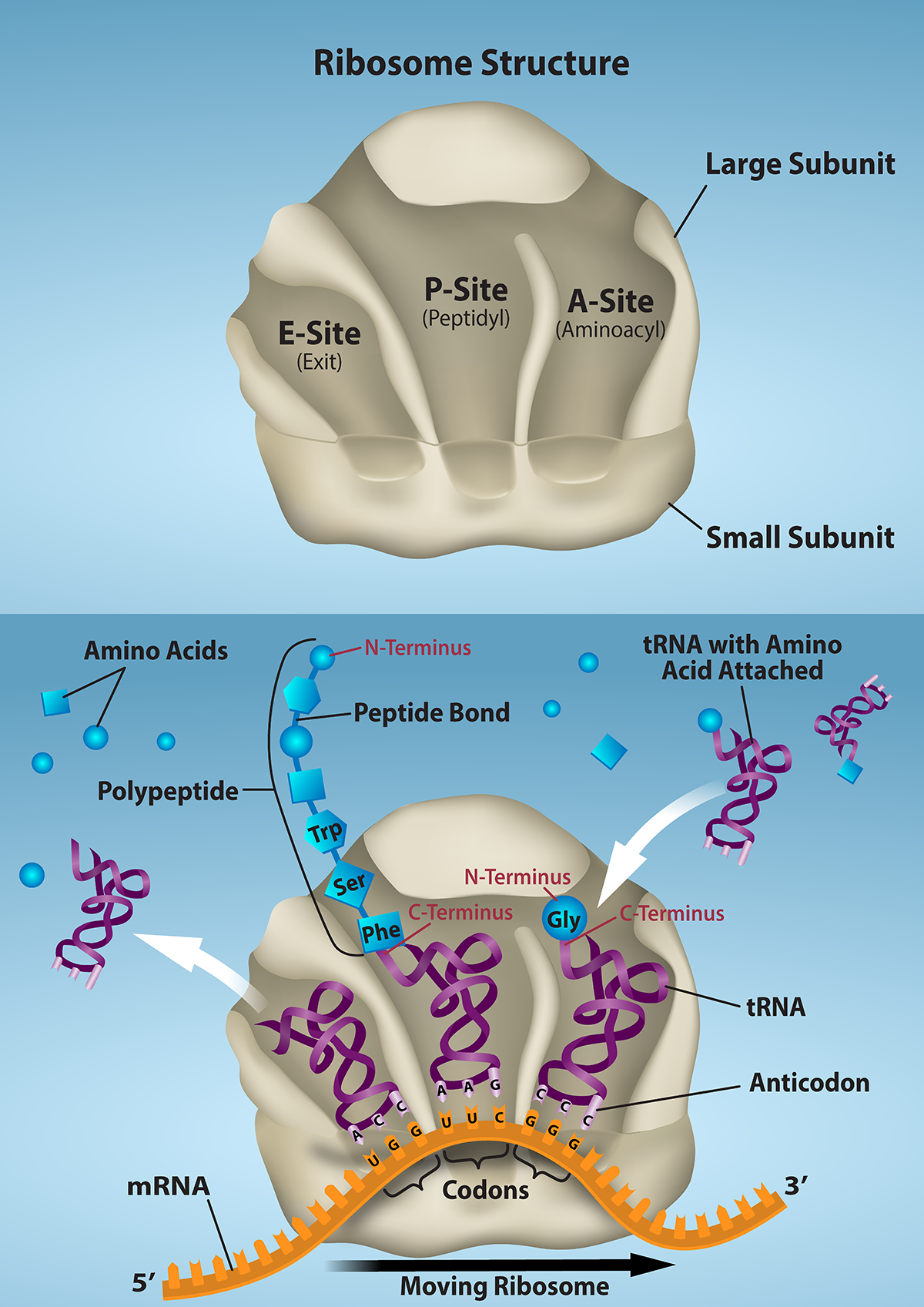
No. A pre-existing resistant variant can survive and expand while susceptible cells die. Compare independently grown cultures or measure resistant cells before exposure to distinguish selection from induced mutation. A transcription error affects a temporary RNA and its products; a stable DNA variant is replicated and can support resistance in descendant cells after the original RNA disappears.
Source: 13.2 Chromosomal Basis of Inherited Disorders · 19.1 Population Evolution
13.2 Chromosomal Basis of Inherited Disorders — figures and tables
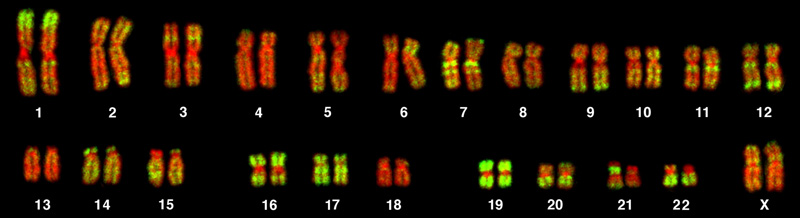
Figure 13.5 This karyotype is of a female human. Notice that homologous chromosomes are the same size, and have the same centromere positions and banding patterns. A human male would have an XY chromosome pair instead of the XX pair. (credit: Andreas Blozer et al)
Mary Ann Clark, Matthew Douglas, and Jung Choi, Biology 2E, OpenStax. (credit: Andreas Blozer et al) · CC BY-NC-SA 4.0 · Original image ↗ · Access for free ↗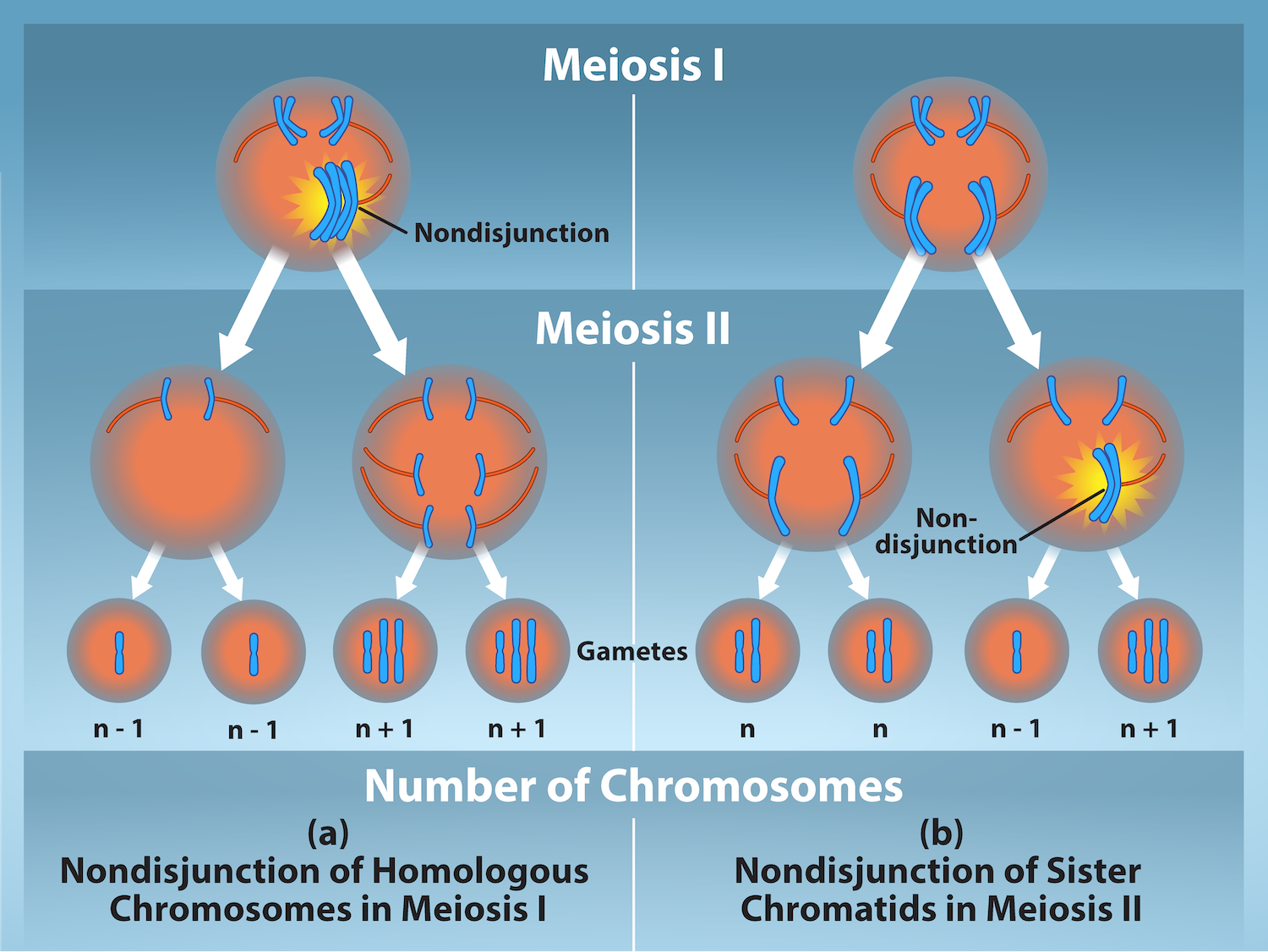
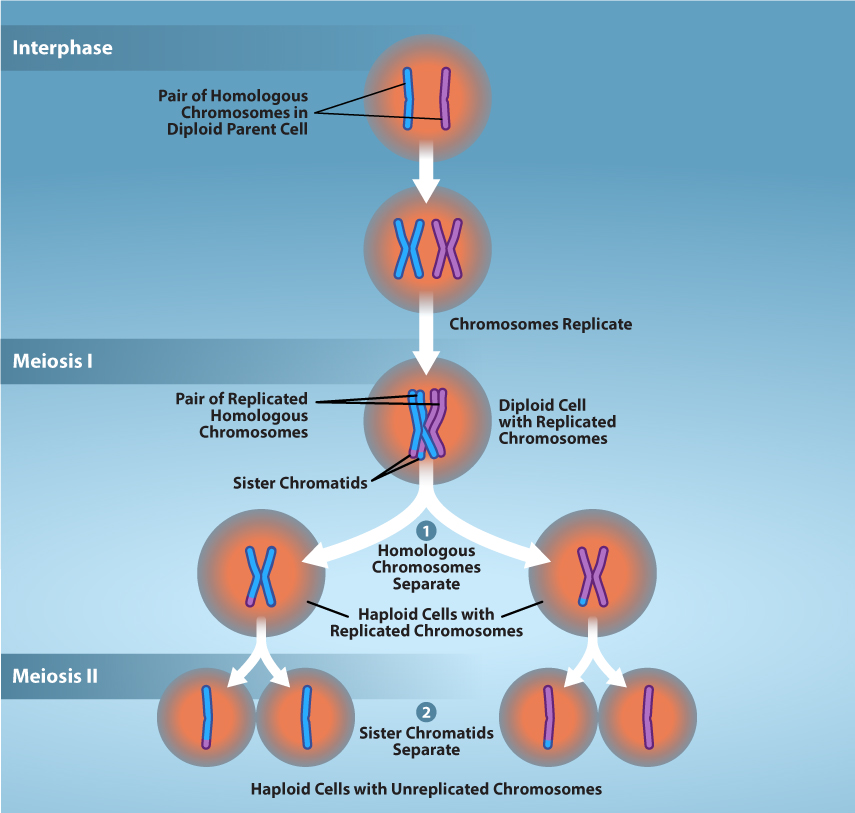
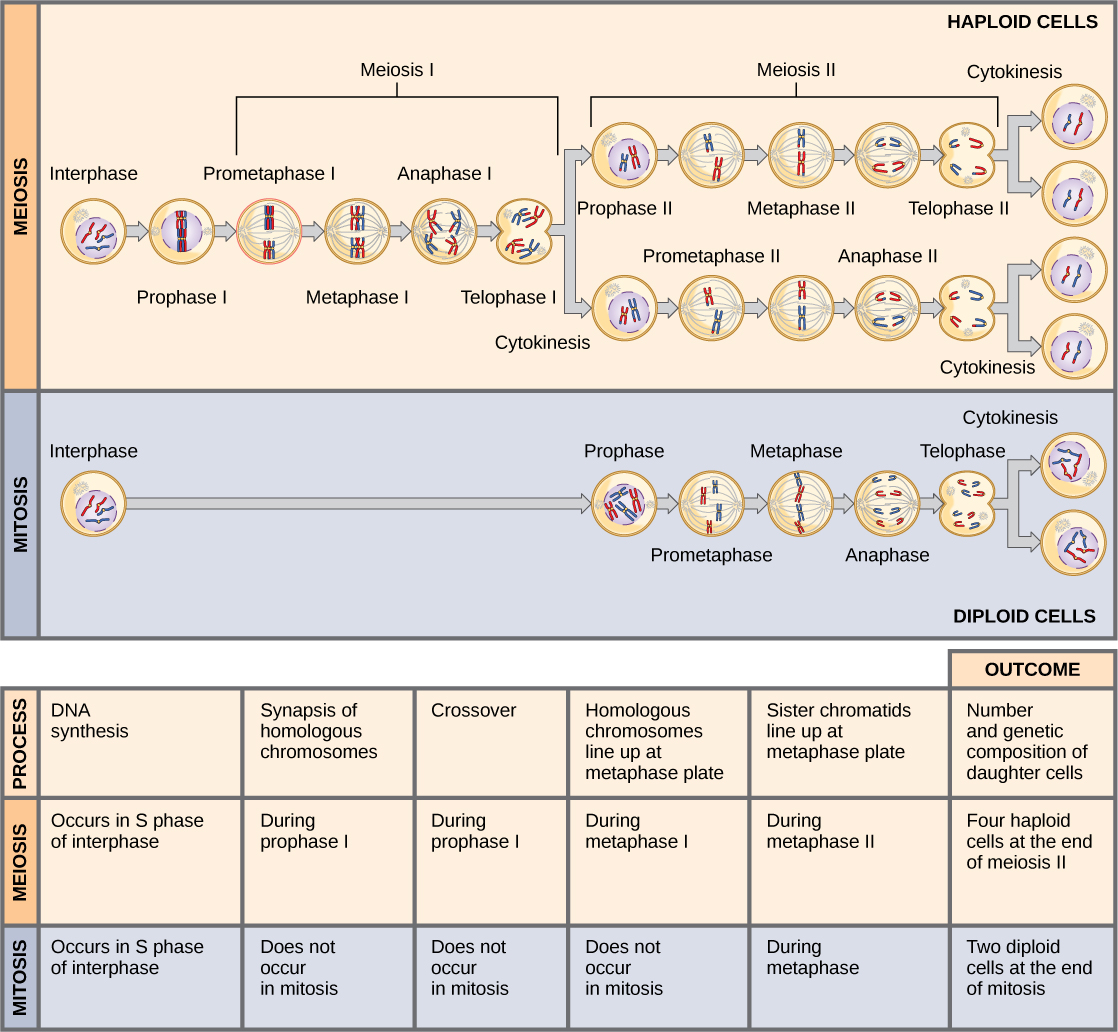
Figure 13.6 Nondisjunction occurs when homologous chromosomes or sister chromatids fail to separate during meiosis, resulting in an abnormal chromosome number. Nondisjunction may occur during meiosis I or meiosis II. Credit: Rao, A. and Tag, A. Department of Biology, Texas A&M University.
Mary Ann Clark, Matthew Douglas, and Jung Choi, Biology 2E, OpenStax. · CC BY-NC-SA 4.0 · Original image ↗ · Access for free ↗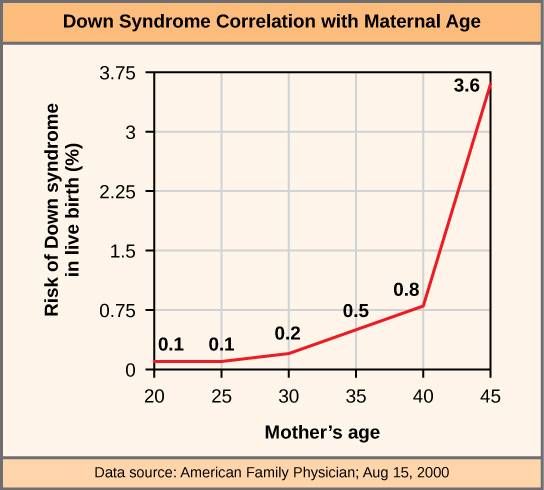
Figure 13.7 The incidence of having a fetus with trisomy 21 increases dramatically with maternal age.
Mary Ann Clark, Matthew Douglas, and Jung Choi, Biology 2E, OpenStax. · CC BY-NC-SA 4.0 · Original image ↗ · Access for free ↗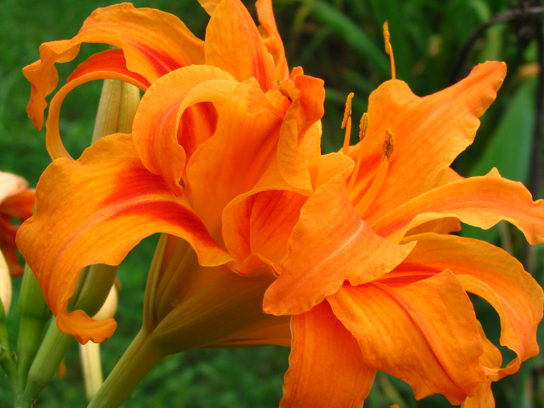
Figure 13.8 As with many polyploid plants, this triploid orange daylily ( Hemerocallis fulva ) is particularly large and robust, and grows flowers with triple the number of petals of its diploid counterparts. (credit: Steve Karg)
Mary Ann Clark, Matthew Douglas, and Jung Choi, Biology 2E, OpenStax. (credit: Steve Karg) · CC BY-NC-SA 4.0 · Original image ↗ · Access for free ↗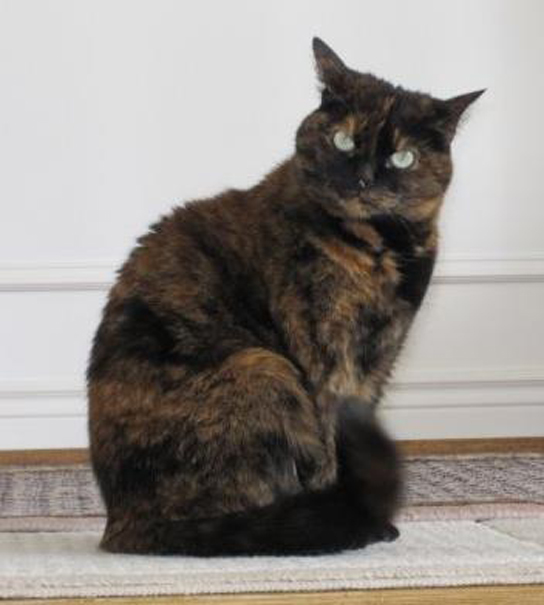
Figure 13.9 In cats, the gene for coat color is located on the X chromosome. In female cats' embryonic development, one of the two X chromosomes randomly inactivates in each cell, resulting in a tortoiseshell pattern if the cat has two different alleles for coat color. Male cats, having only one X chromosome, never exhibit a tortoiseshell coat color. (credit: Michael Bodega)
Mary Ann Clark, Matthew Douglas, and Jung Choi, Biology 2E, OpenStax. (credit: Michael Bodega) · CC BY-NC-SA 4.0 · Original image ↗ · Access for free ↗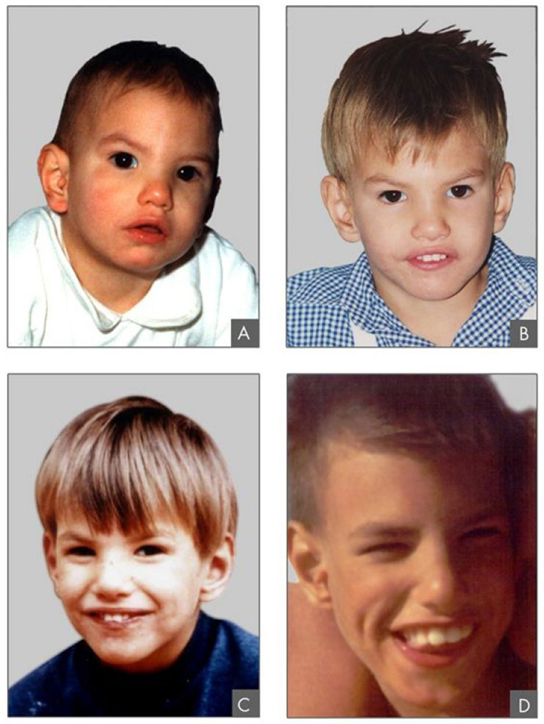
Figure 13.10 This figure shows an individual with cri-du-chat syndrome at ages eight months, two years, four years, and nine years of age. (credit: Paola Cerruti Mainardi)
Mary Ann Clark, Matthew Douglas, and Jung Choi, Biology 2E, OpenStax. (credit: Paola Cerruti Mainardi) · CC BY-NC-SA 4.0 · Original image ↗ · Access for free ↗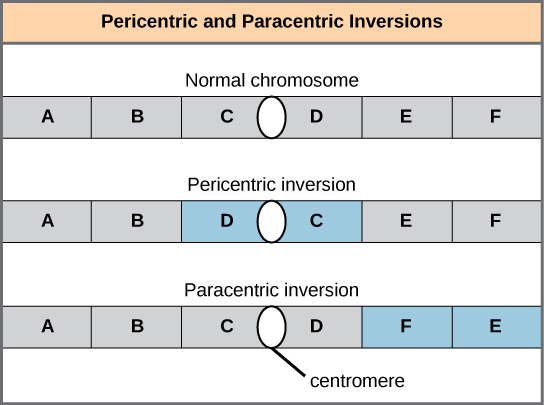
Figure 13.11 Pericentric inversions include the centromere, and paracentric inversions do not. A pericentric inversion can change the chromosome arms' relative lengths. A paracentric inversion cannot.
Mary Ann Clark, Matthew Douglas, and Jung Choi, Biology 2E, OpenStax. · CC BY-NC-SA 4.0 · Original image ↗ · Access for free ↗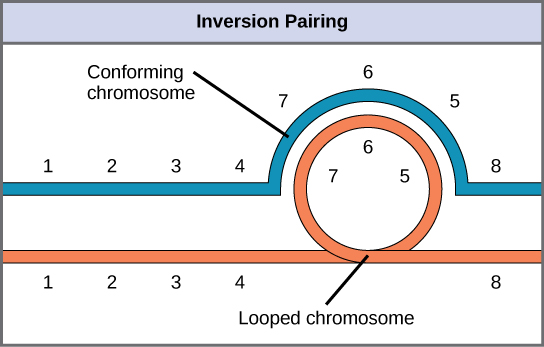
Figure 13.12 When one chromosome undergoes an inversion but the other does not, one chromosome must form an inverted loop to retain point-for-point interaction during synapsis. This inversion pairing is essential to maintaining gene alignment during meiosis and to allow for recombination.
Mary Ann Clark, Matthew Douglas, and Jung Choi, Biology 2E, OpenStax. · CC BY-NC-SA 4.0 · Original image ↗ · Access for free ↗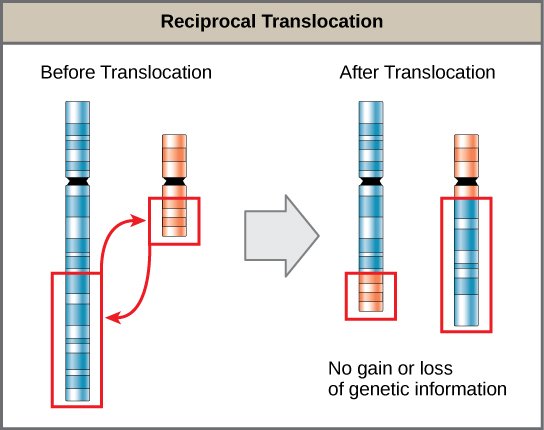
Figure 13.13 A reciprocal translocation occurs when a DNA segment transfers from one chromosome to another, nonhomologous chromosome. (credit: modification of work by National Human Genome Research/USA)
Mary Ann Clark, Matthew Douglas, and Jung Choi, Biology 2E, OpenStax. (credit: modification of work by National Human Genome Research/USA) · CC BY-NC-SA 4.0 · Original image ↗ · Access for free ↗19.1 Population Evolution — figures and tables
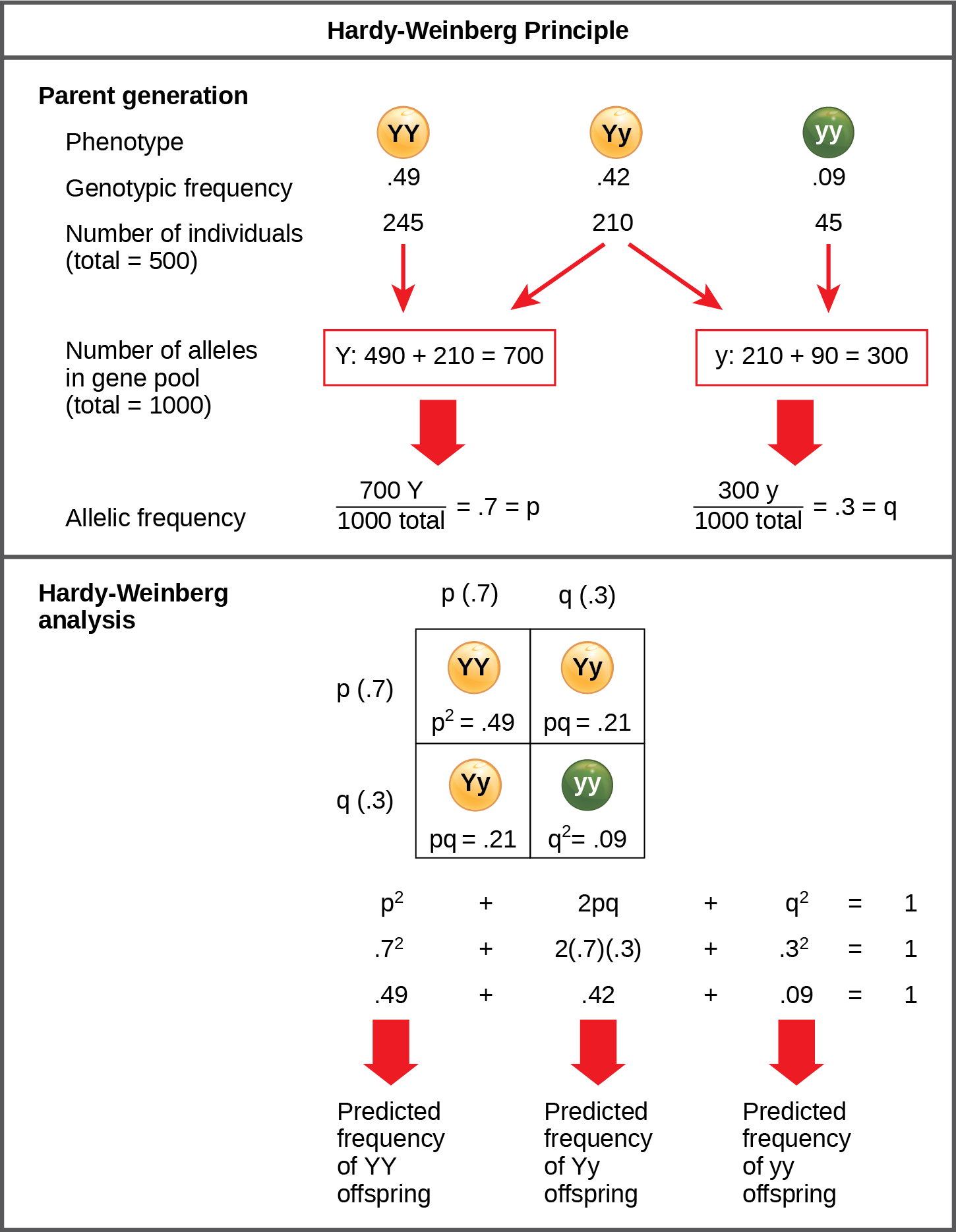
Figure 19.2 When populations are in the Hardy-Weinberg equilibrium, the allelic frequency is stable from generation to generation and we can determine the allele distribution from the Hardy-Weinberg equation. If the allelic frequency measured in the field differs from the predicted value, scientists can make inferences about what evolutionary forces are at play.
Mary Ann Clark, Matthew Douglas, and Jung Choi, Biology 2E, OpenStax. · CC BY-NC-SA 4.0 · Original image ↗ · Access for free ↗Source: 19.1 Population Evolution