Compare folkways, mores, taboos, sanctions, and anomie
Norms are shared expectations about behavior. Folkways govern ordinary conventions with relatively mild sanctions; mores carry stronger moral significance; taboos mark strongly prohibited acts. Laws are formally codified rules and do not perfectly overlap with moral consensus. Positive sanctions reward conformity and negative sanctions discourage violations; either can be formal or informal. Deviance is defined relative to a social context and is not synonymous with crime or intrinsic harm. Durkheim’s anomie describes weakened normative regulation, often during rapid change. A person can violate a local convention without committing a crime, and a harmful practice can be normalized by an institution.
Apply differential-association, labeling, and strain theories to deviance
Differential-association theory explains learning definitions, techniques, and justifications favorable to deviance through relationships. Labeling theory emphasizes social reactions: primary deviance need not change identity, whereas secondary deviance can follow incorporation of a deviant label and exclusion from conventional opportunities. Merton’s strain theory examines mismatch between culturally approved goals and legitimate means. Conformity accepts both, innovation accepts goals but uses disallowed means, ritualism follows means while abandoning goals, retreatism rejects both, and rebellion substitutes new goals and means. These theories address different mechanisms and need evidence beyond simply observing a deviant act.
Worked question. A student initially breaks a rule once, is repeatedly labeled a troublemaker, loses access to activities, and later adopts a deviant peer identity. Which theory emphasizes the sequence, and what alternative should be considered?
Labeling theory emphasizes how reactions and exclusion can reshape identity and later behavior. Differential association may also explain learning from the new peer network. To distinguish mechanisms, measure timing and exposure rather than assuming the label alone caused everything. If blocked legitimate opportunities lead to prohibited routes toward an accepted goal, strain theory’s innovation category is relevant.
Figure 3.5 In many parts of Africa and the Middle East, it is considered normal for men to hold hands in friendship. How would US citizens react to these two soldiers? (Credit: Geordie Mott/Wikimedia Commons)
Figure 3.6 Some road signs are universal. But how would you interpret the signage on the right? (Credit: (a) Andrew Bain/flickr; (b) HonzaSoukup/flickr)
Figure 3.7 Many signs—on streets and in stores—include both English and Spanish. What effect does this have on members of society? What effect does it have on our culture? (Credit: istolethetv/flickr)
Figure 7.2 Are financial crimes deviant? Why do we consider them less harmful than other types of crimes, even though they may impact many more victims? (Credit: Justin Ruckman/flickr)
Table 7.1 Informal/Formal Sanctions Formal and informal sanctions may be positive or negative. Informal sanctions arise in social interactions, whereas formal sanctions officially enforce norms.. Tonja R. Conerly, Kathleen Holmes, and Asha Lal Tamang, Introduction Sociology 3E, OpenStax.
7.2 Theoretical Perspectives on Deviance and Crime — figures and tables
Figure 7.4 — 7.2 Theoretical Perspectives on Deviance and Crime
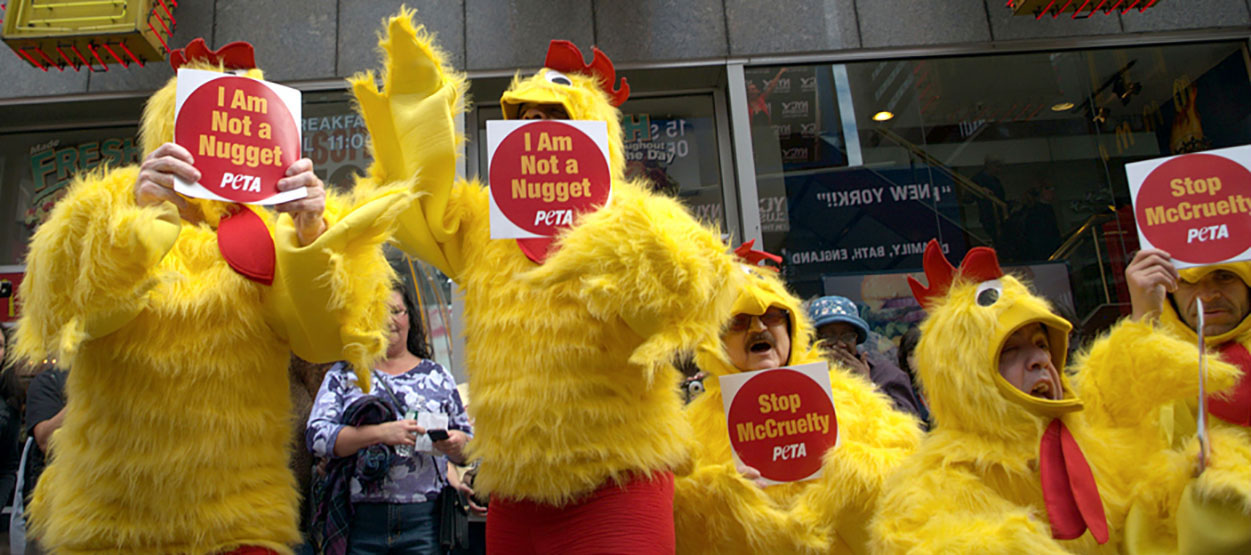
Figure 7.4 Functionalists believe that deviance plays an important role in society and can be used to challenge people’s views. Protesters, such as these PETA members, often use this method to draw attention to their cause. (Credit: David Shankbone/flickr)
Tonja R. Conerly, Kathleen Holmes, and Asha Lal Tamang, Introduction Sociology 3E, OpenStax. · CC BY-NC-SA 4.0
· Original image ↗ · Access for free ↗Figure 7.5 — 7.2 Theoretical Perspectives on Deviance and Crime
Figure 7.5 Proponents of social disorganization theory believe that individuals who grow up in impoverished areas are more likely to participate in deviant or criminal behaviors. (Credit: Apollo 1758/Wikimedia Commons)
Tonja R. Conerly, Kathleen Holmes, and Asha Lal Tamang, Introduction Sociology 3E, OpenStax. · CC BY-NC-SA 4.0
· Original image ↗ · Access for free ↗Figure 7.6 — 7.2 Theoretical Perspectives on Deviance and Crime
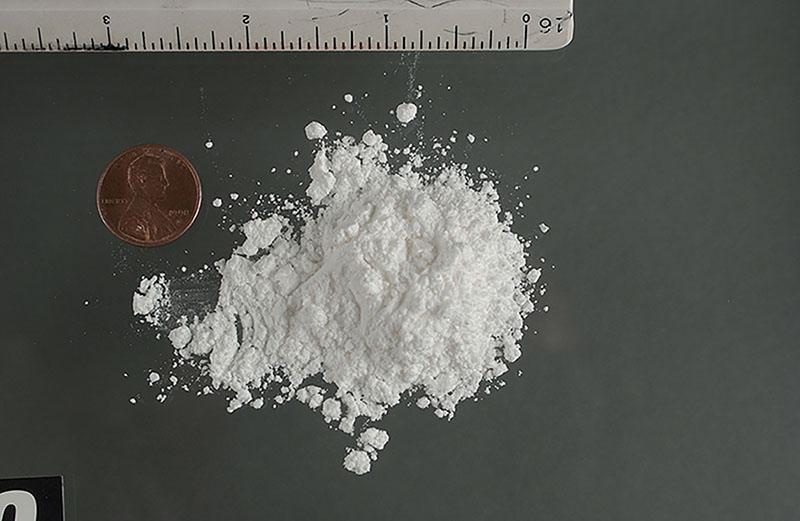
Figure 7.6 From 1986 until 2010, the punishment for possessing crack, a “poor person’s drug,” was 100 times stricter than the punishment for cocaine use, a drug favored by the wealthy. (Credit: Wikimedia Commons)
Tonja R. Conerly, Kathleen Holmes, and Asha Lal Tamang, Introduction Sociology 3E, OpenStax. · CC BY-NC-SA 4.0
· Original image ↗ · Access for free ↗Figure 7.7 — 7.2 Theoretical Perspectives on Deviance and Crime
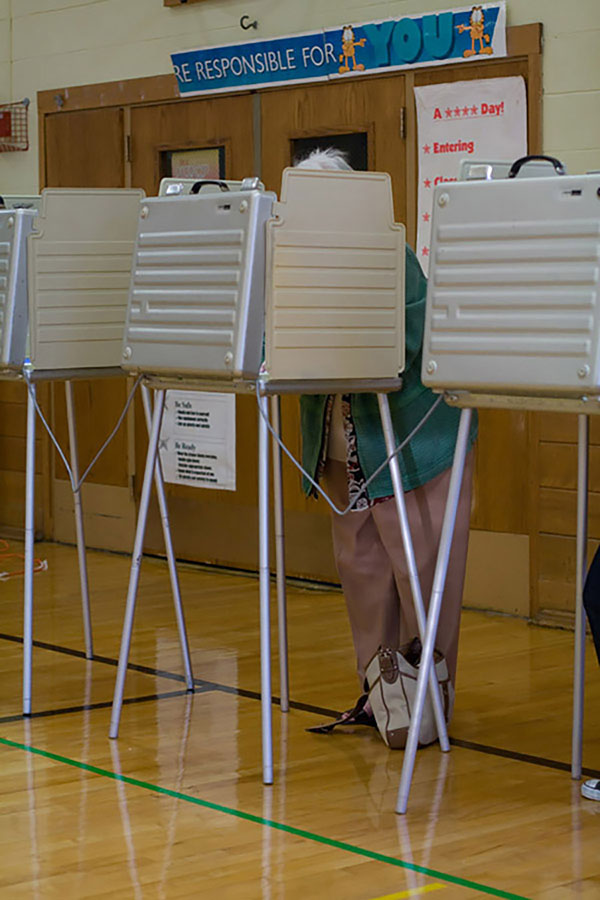
Figure 7.7 Should a former felony conviction permanently strip a U.S. citizen of the right to vote? (Credit: Joshin Yamada/flickr)
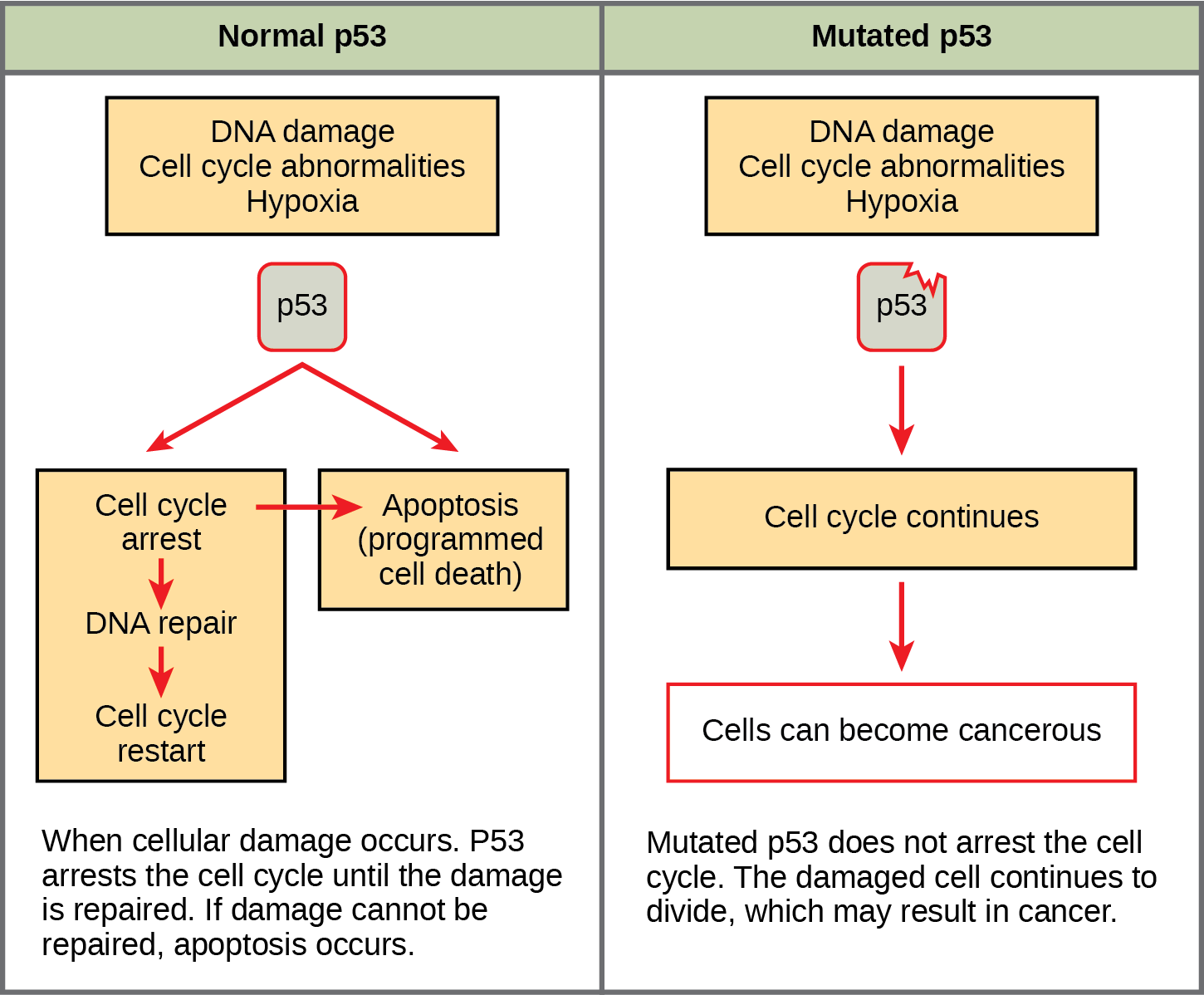
Figure 10.16 The role of normal p53 is to monitor DNA and the supply of oxygen (hypoxia is a condition of reduced oxygen supply). If damage is detected, p53 triggers repair mechanisms. If repairs are unsuccessful, p53 signals apoptosis. A cell with an abnormal p53 protein cannot repair damaged DNA and thus cannot signal apoptosis. Cells with abnormal p53 can become cancerous. (credit: modification of work by Thierry Soussi)
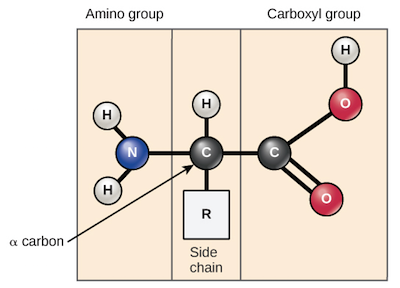
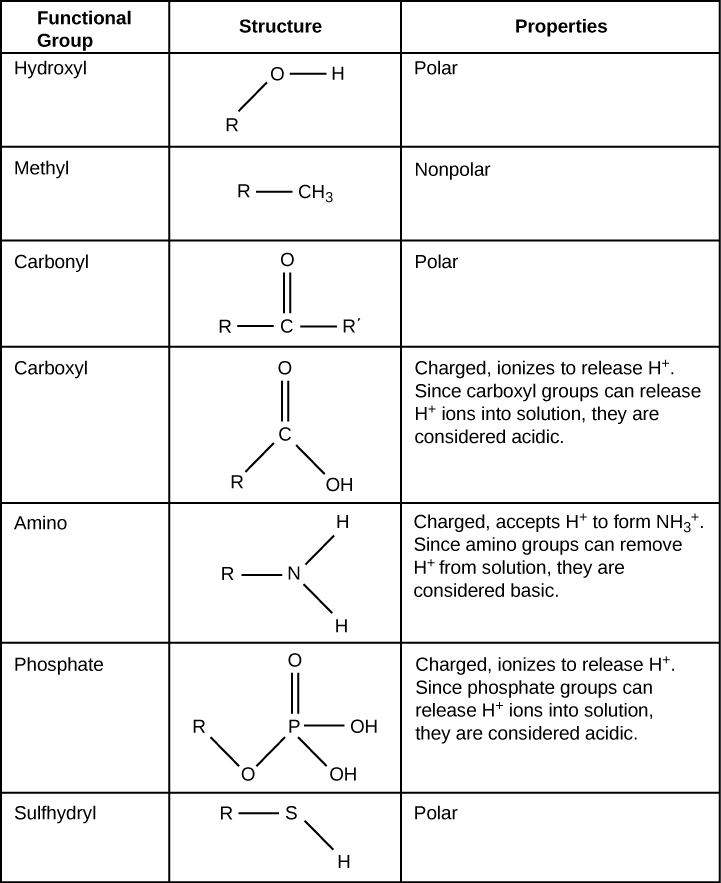
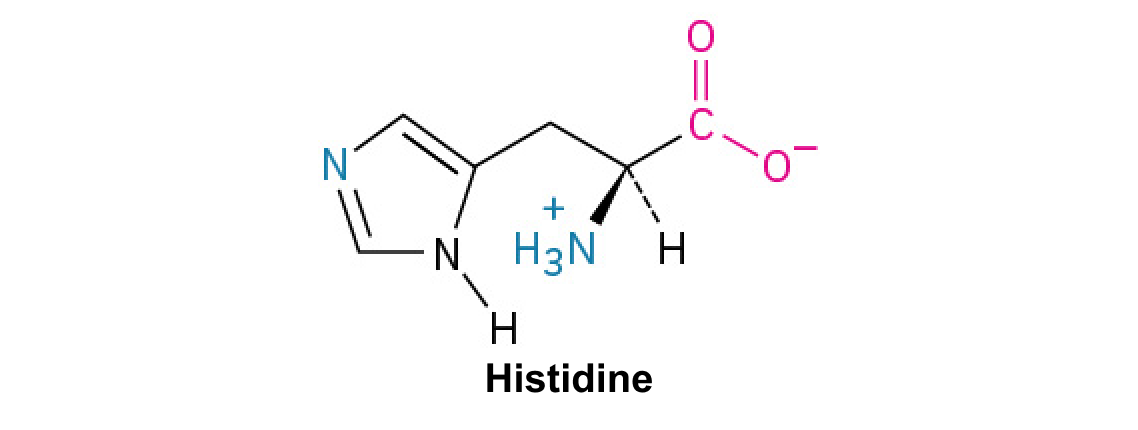
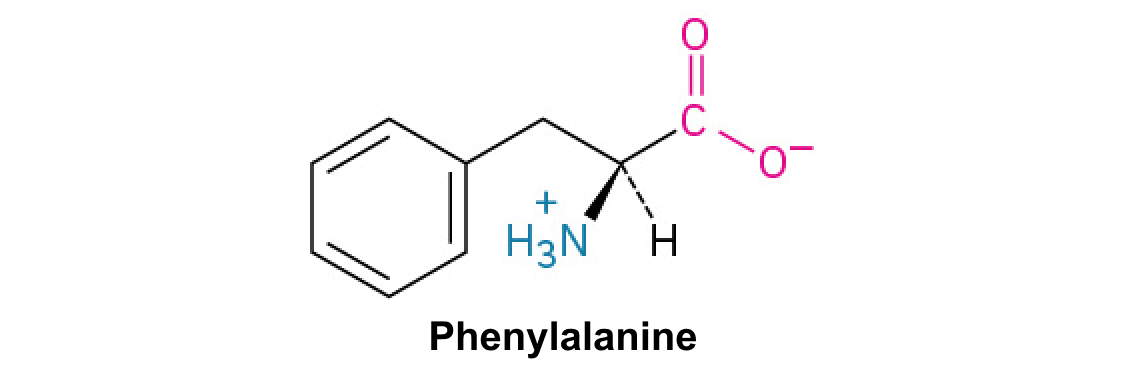
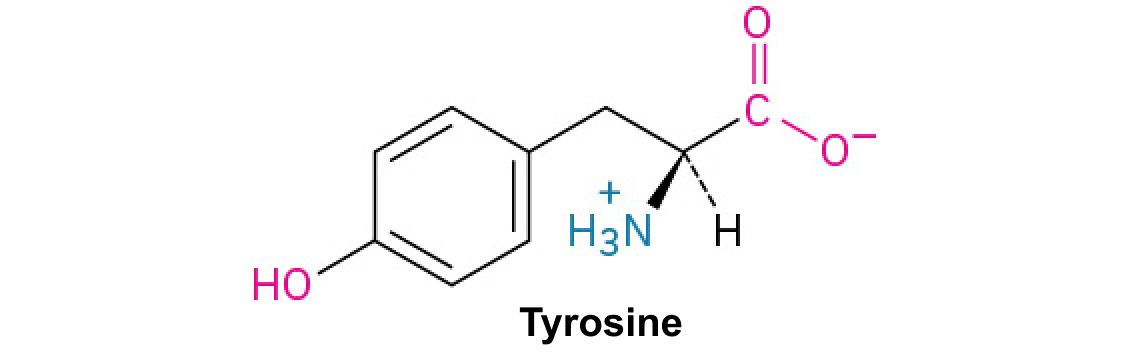
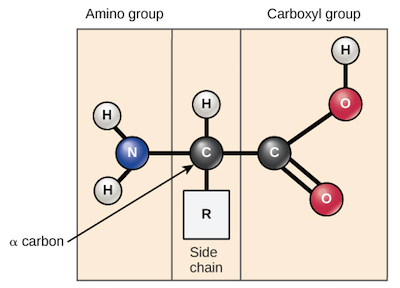
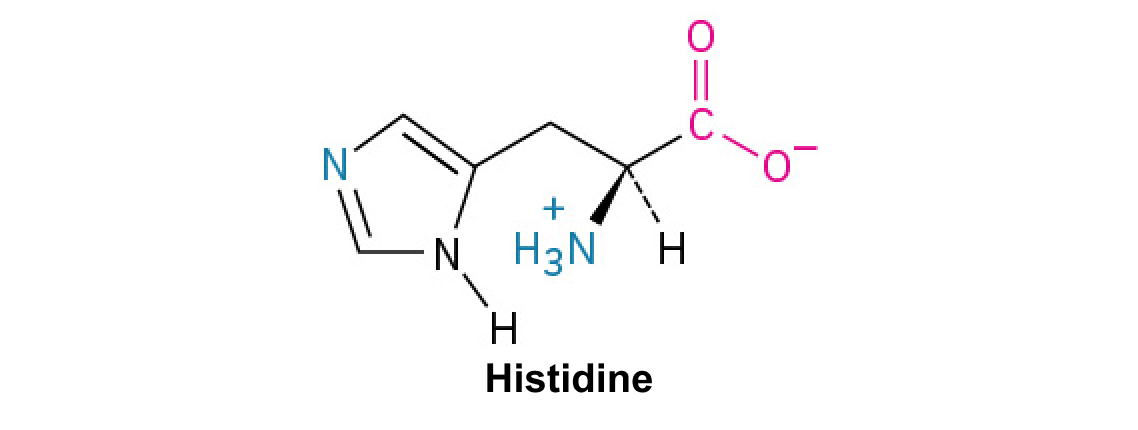
A nitrogen-containing functional group. A free amino acid’s amino group is typically protonated (NH₃⁺) near physiological pH; proline’s ring nitrogen is an exception to this formula.
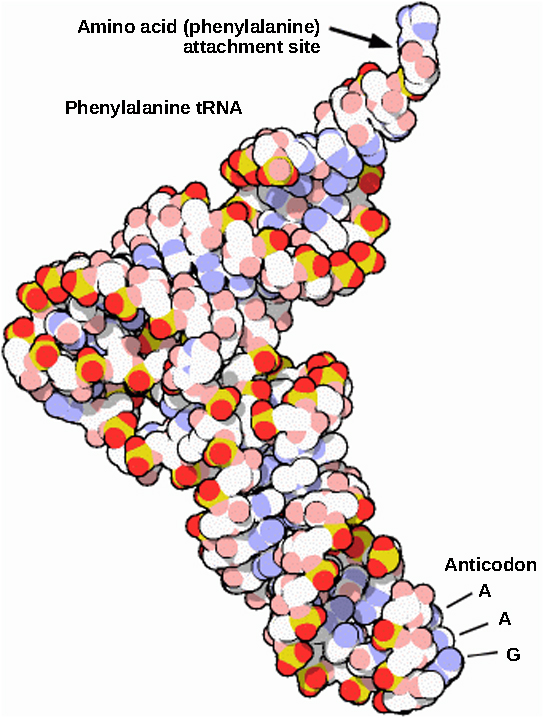
Figure 15.14 This is a space-filling model of a tRNA molecule that adds the amino acid phenylalanine to a growing polypeptide chain. The anticodon AAG binds the Codon UUC on the mRNA. The amino acid phenylalanine is attached to the other end of the tRNA.
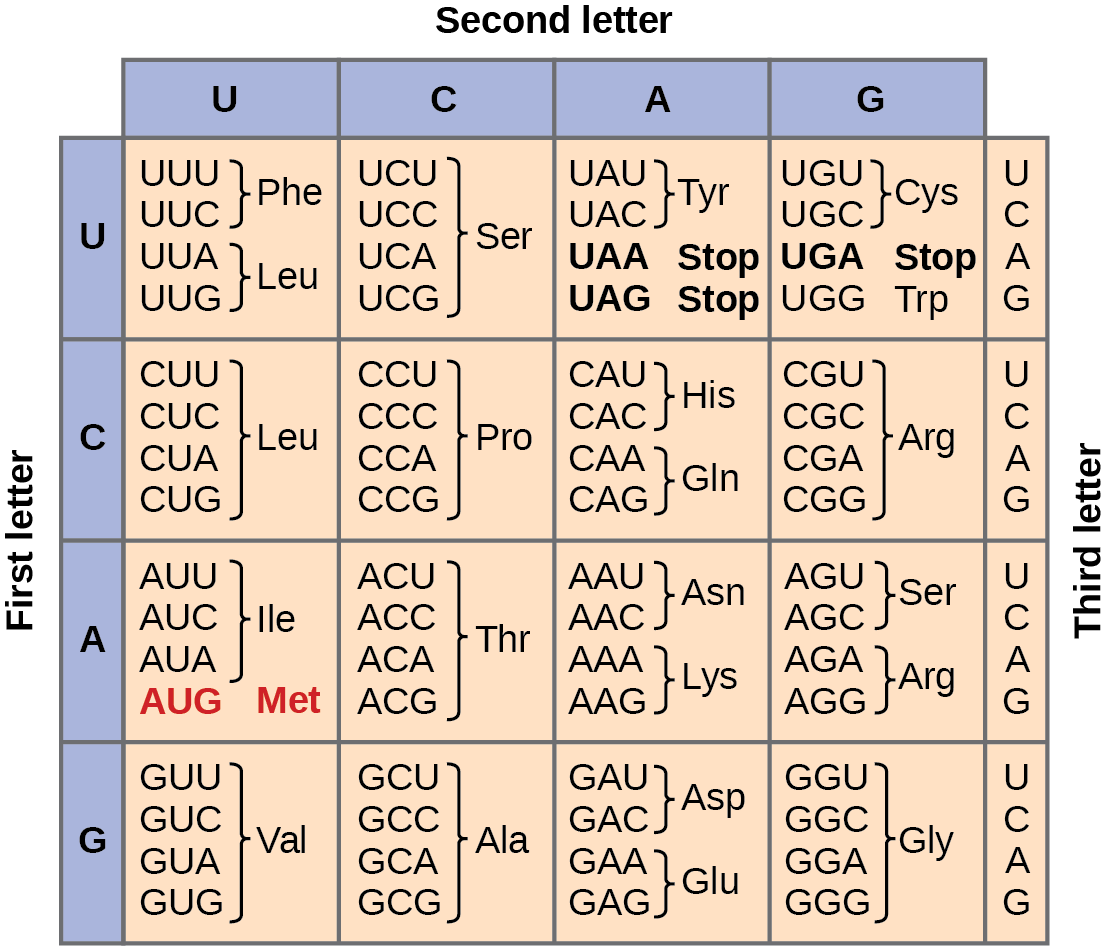
Figure 15.4 This figure shows the genetic code for translating each nucleotide triplet in mRNA into an amino acid or a termination signal in a protein. (credit: modification of work by NIH)
Figure 4.44 - Kinetic profile of an allosteric enzyme whose activity is controlled by a homotropic effector. Image by Aleia Kim
Kevin Ahern, Indira Rajagopal, and Taralyn Tan, Biochemistry Free For All, Oregon State University, via Biology LibreTexts. Image by Aleia Kim · CC BY-NC-SA 4.0
· Original image ↗ · Access for free ↗
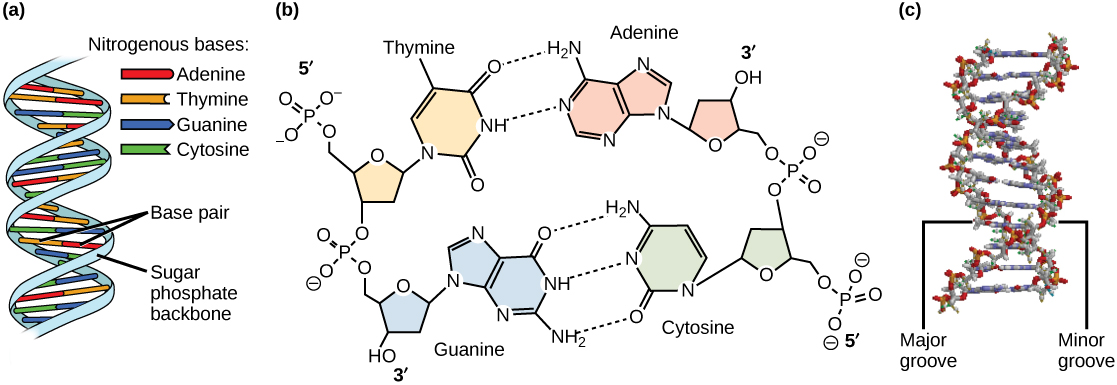
Figure 14.7 DNA has (a) a double helix structure and (b) phosphodiester bonds; the dotted lines between Thymine and Adenine and Guanine and Cytosine represent hydrogen bonds. The (c) major and minor grooves are binding sites for DNA binding proteins during processes such as transcription (the copying of RNA from DNA) and replication.
An electrical property that can be positive or negative. Opposite charges attract and like charges repel; net charge is the sum of all charges on a particle.
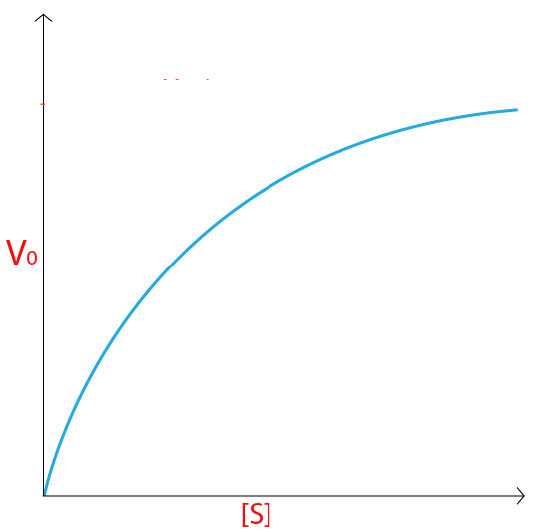
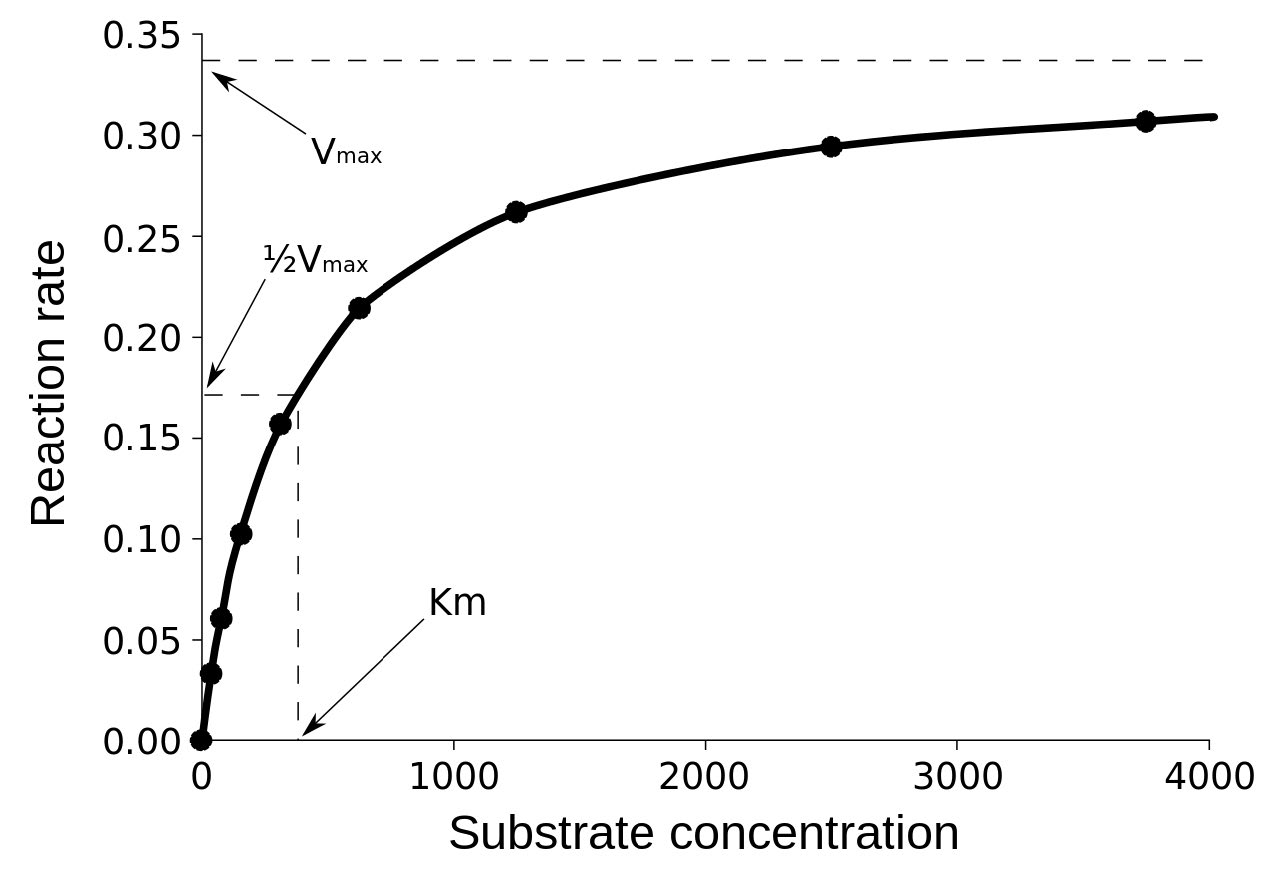
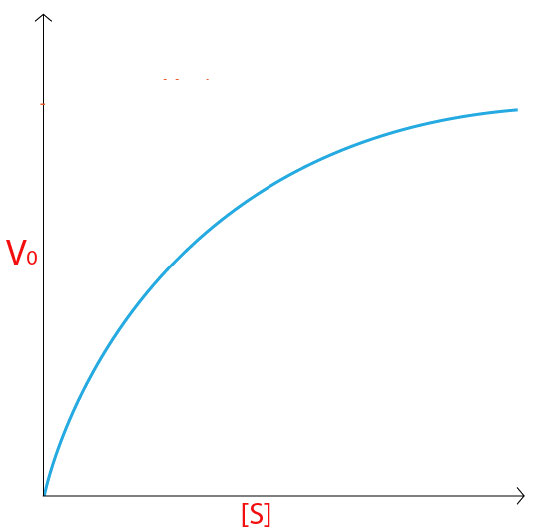
Figure 4.18 - Kinetics of an enzyme obeying Michaelis-Menten kinetics. Image by Aleia Kim
Kevin Ahern, Indira Rajagopal, and Taralyn Tan, Biochemistry Free For All, Oregon State University, via Biology LibreTexts. Image by Aleia Kim · CC BY-NC-SA 4.0
· Original image ↗ · Access for free ↗
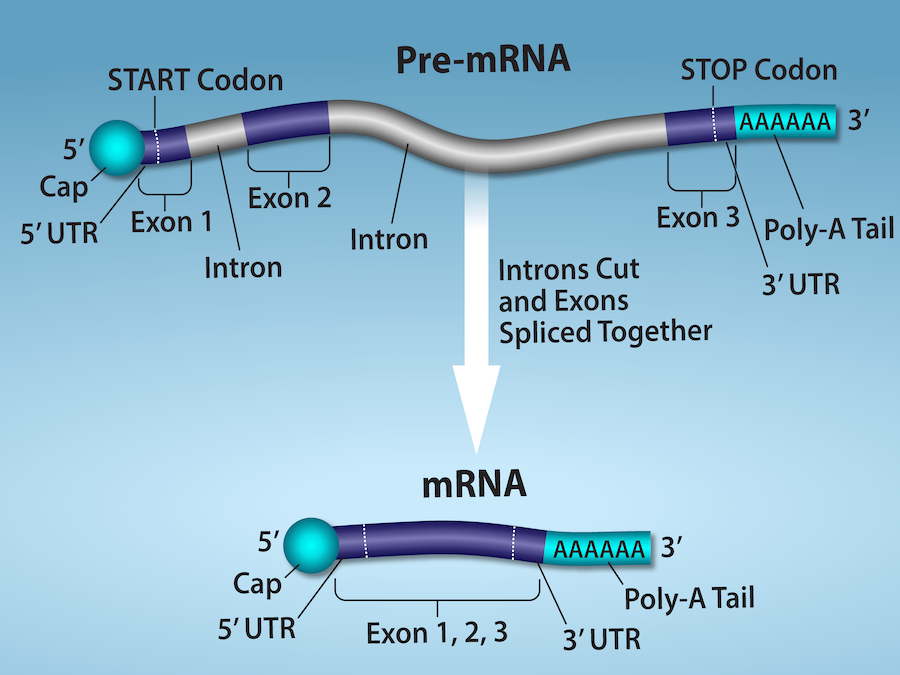
Figure 15.11 Eukaryotic pre-mRNA processing. In addition to 5’ Cap and 3’ Poly-A Tail addition, introns must be precisely removed and exons joined to generate a functional mRNA. Nucleotides upstream (towards the 5’cap) of the translation START codon are part of the 5’ untranslated region (5’ UTR). Nucleotides downstream (towards 3’end) of the STOP codon form the 3’ UTR. Both 5’ and 3’ UTRs are important for regulating translation initiation and mRNA stability. Credit: Rao, A., Ryan, K. Fletcher, S. and Tag, A. Department of Biology, Texas A&M University.
Rao, A., Ryan, K. Fletcher, S. and Tag, A. Department of Biology, Texas A&M University.; Mary Ann Clark, Matthew Douglas, and Jung Choi, Biology 2e, OpenStax. · CC BY-NC-SA 4.0
· Original image ↗ · Access for free ↗
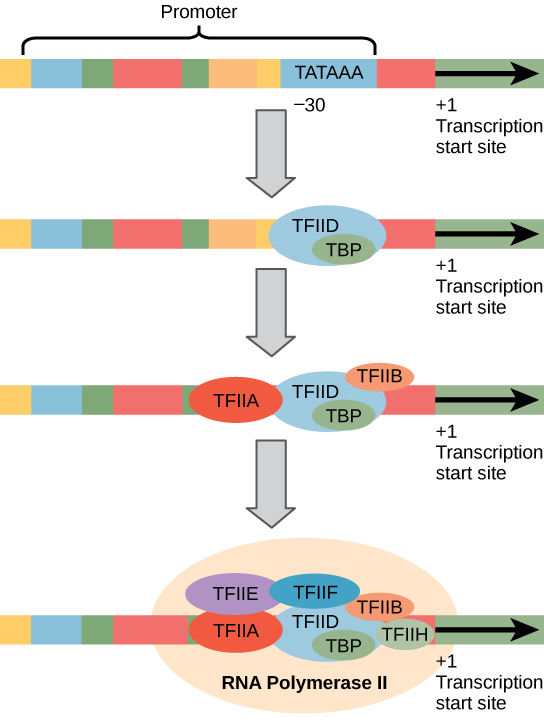
Figure 15.10 A generalized promoter of a gene transcribed by RNA polymerase II is shown. Transcription factors recognize the promoter. RNA polymerase II then binds and forms the transcription initiation complex.
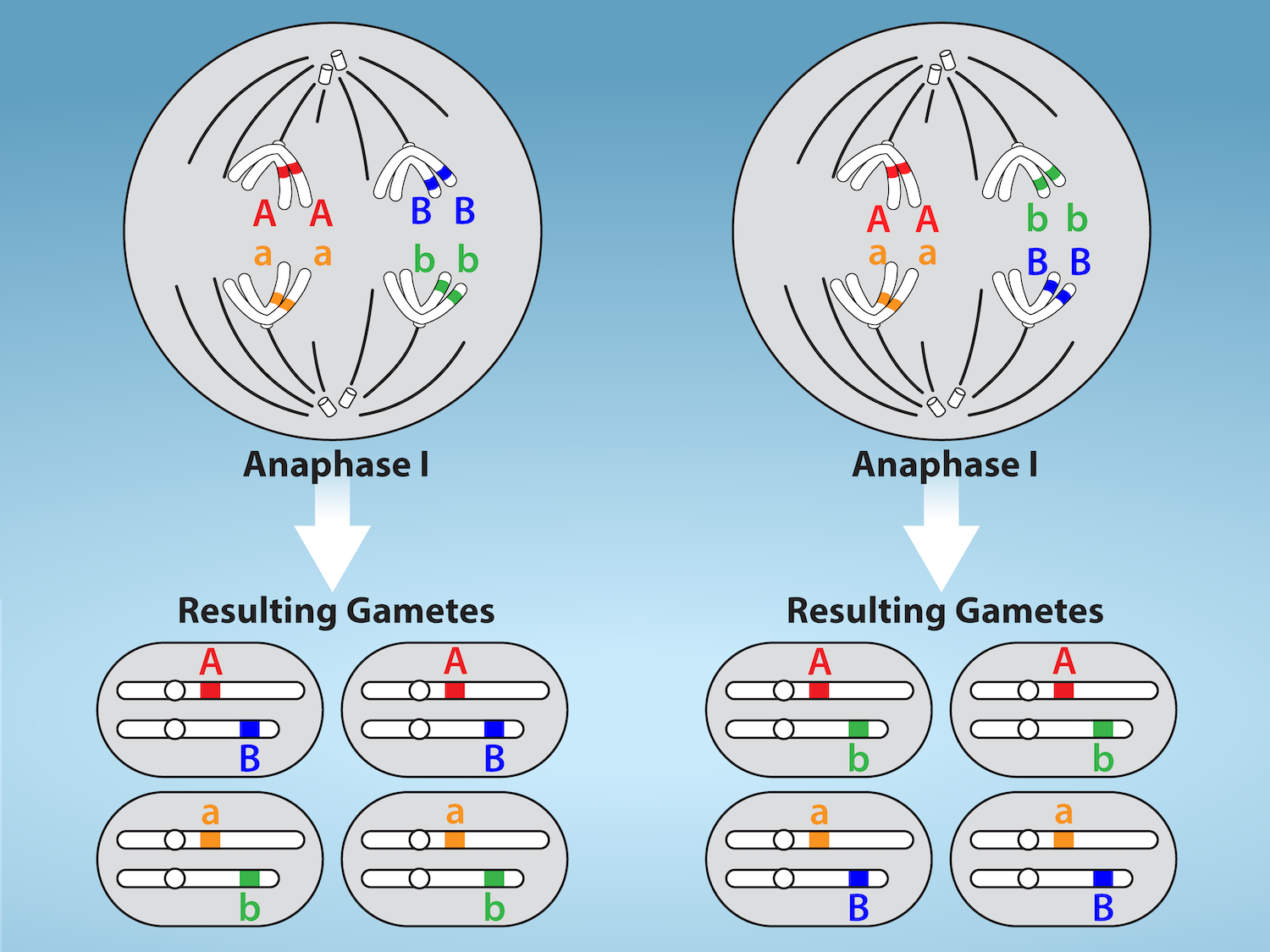
Figure 11.5 Random, independent assortment during metaphase I is demonstrated by considering a cell with a set of two chromosomes (n = 2).
There are two possible homologous chromosome arrangements at the equatorial plane in metaphase I, that are then separated during anaphase I.
The total possible number of different gametes is 2 n , where n equals the number of chromosomes in a set. In this example, there are four possible
genetic combinations for the gametes. With n = 23 in human cells, there are over eight million possible combinations of paternal and maternal
chromosomes. Credit: Rao, A.and Fletcher, S. Department of Biology, Texas A&M University.
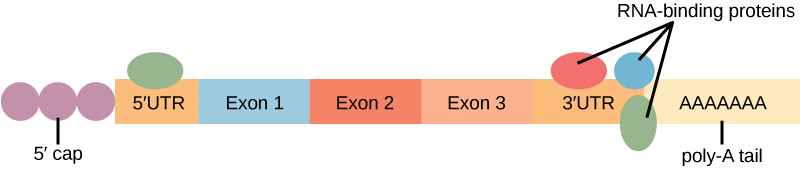
Figure 16.13 RNA-binding proteins. The protein-coding region of this processed mRNA is flanked by 5' and 3' untranslated regions (UTRs). The presence of RNA-binding proteins at the 5' or 3' UTR influences the stability of the RNA molecule.
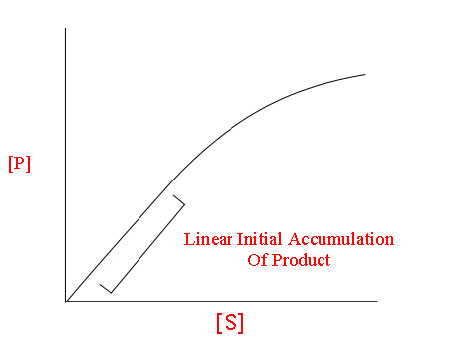
Figure 4.18 - Kinetics of an enzyme obeying Michaelis-Menten kinetics. Image by Aleia Kim
Kevin Ahern, Indira Rajagopal, and Taralyn Tan, Biochemistry Free For All, Oregon State University, via Biology LibreTexts. Image by Aleia Kim · CC BY-NC-SA 4.0
· Original image ↗ · Access for free ↗
The early rate of product formation, measured before substantial substrate depletion or product accumulation, usually after the brief binding transient.
Figure 4.18 - Kinetics of an enzyme obeying Michaelis-Menten kinetics. Image by Aleia Kim
Kevin Ahern, Indira Rajagopal, and Taralyn Tan, Biochemistry Free For All, Oregon State University, via Biology LibreTexts. Image by Aleia Kim · CC BY-NC-SA 4.0
· Original image ↗ · Access for free ↗
Figure 15.11 Eukaryotic pre-mRNA processing. In addition to 5’ Cap and 3’ Poly-A Tail addition, introns must be precisely removed and exons joined to generate a functional mRNA. Nucleotides upstream (towards the 5’cap) of the translation START codon are part of the 5’ untranslated region (5’ UTR). Nucleotides downstream (towards 3’end) of the STOP codon form the 3’ UTR. Both 5’ and 3’ UTRs are important for regulating translation initiation and mRNA stability. Credit: Rao, A., Ryan, K. Fletcher, S. and Tag, A. Department of Biology, Texas A&M University.
Rao, A., Ryan, K. Fletcher, S. and Tag, A. Department of Biology, Texas A&M University.; Mary Ann Clark, Matthew Douglas, and Jung Choi, Biology 2e, OpenStax. · CC BY-NC-SA 4.0
· Original image ↗ · Access for free ↗
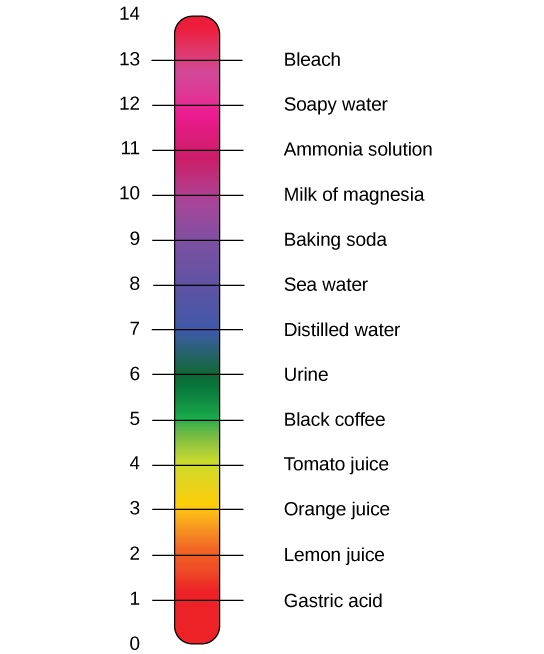
The exponent needed to obtain a number from a chosen fixed number. For decimal logarithms, log₁₀(100) = 2 because 10² = 100; pH uses the negative decimal logarithm of hydrogen ion activity.
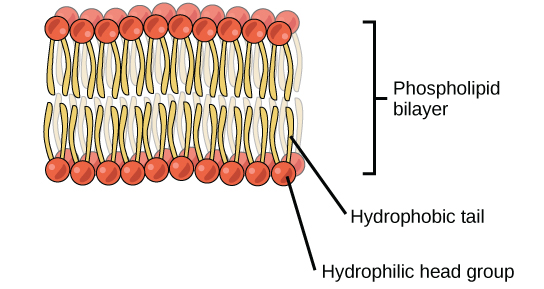
A thin boundary or sheet. Cell membranes are lipid bilayers containing proteins; blotting membranes are synthetic supports that hold proteins or nucleic acids for detection.
Figure 15.11 Eukaryotic pre-mRNA processing. In addition to 5’ Cap and 3’ Poly-A Tail addition, introns must be precisely removed and exons joined to generate a functional mRNA. Nucleotides upstream (towards the 5’cap) of the translation START codon are part of the 5’ untranslated region (5’ UTR). Nucleotides downstream (towards 3’end) of the STOP codon form the 3’ UTR. Both 5’ and 3’ UTRs are important for regulating translation initiation and mRNA stability. Credit: Rao, A., Ryan, K. Fletcher, S. and Tag, A. Department of Biology, Texas A&M University.
Rao, A., Ryan, K. Fletcher, S. and Tag, A. Department of Biology, Texas A&M University.; Mary Ann Clark, Matthew Douglas, and Jung Choi, Biology 2e, OpenStax. · CC BY-NC-SA 4.0
· Original image ↗ · Access for free ↗
Figure 4.18 - Kinetics of an enzyme obeying Michaelis-Menten kinetics. Image by Aleia Kim
Kevin Ahern, Indira Rajagopal, and Taralyn Tan, Biochemistry Free For All, Oregon State University, via Biology LibreTexts. Image by Aleia Kim · CC BY-NC-SA 4.0
· Original image ↗ · Access for free ↗
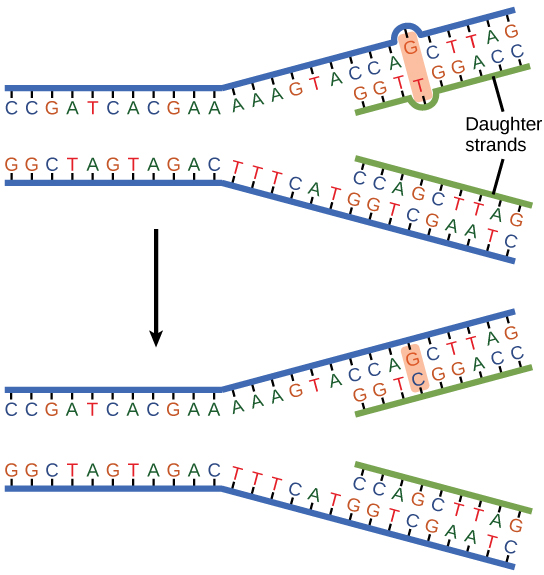
Figure 14.18 In mismatch repair, the incorrectly added base is detected after replication. The mismatch repair proteins detect this base and remove it from the newly synthesized strand by nuclease action. The gap is now filled with the correctly paired base.
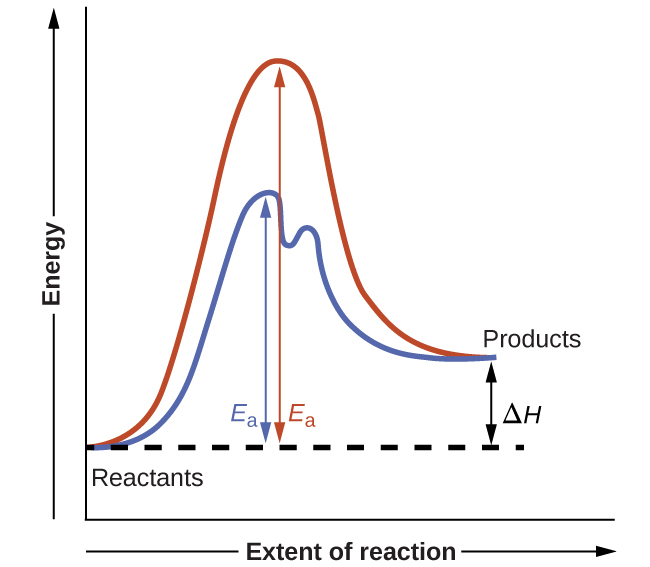
Figure 12.19 Reaction diagrams for an endothermic process in the absence (red curve) and presence (blue curve) of a catalyst. The catalyzed pathway involves a two-step mechanism (note the presence of two transition states) and an intermediate species (represented by the valley between the two transitions states).
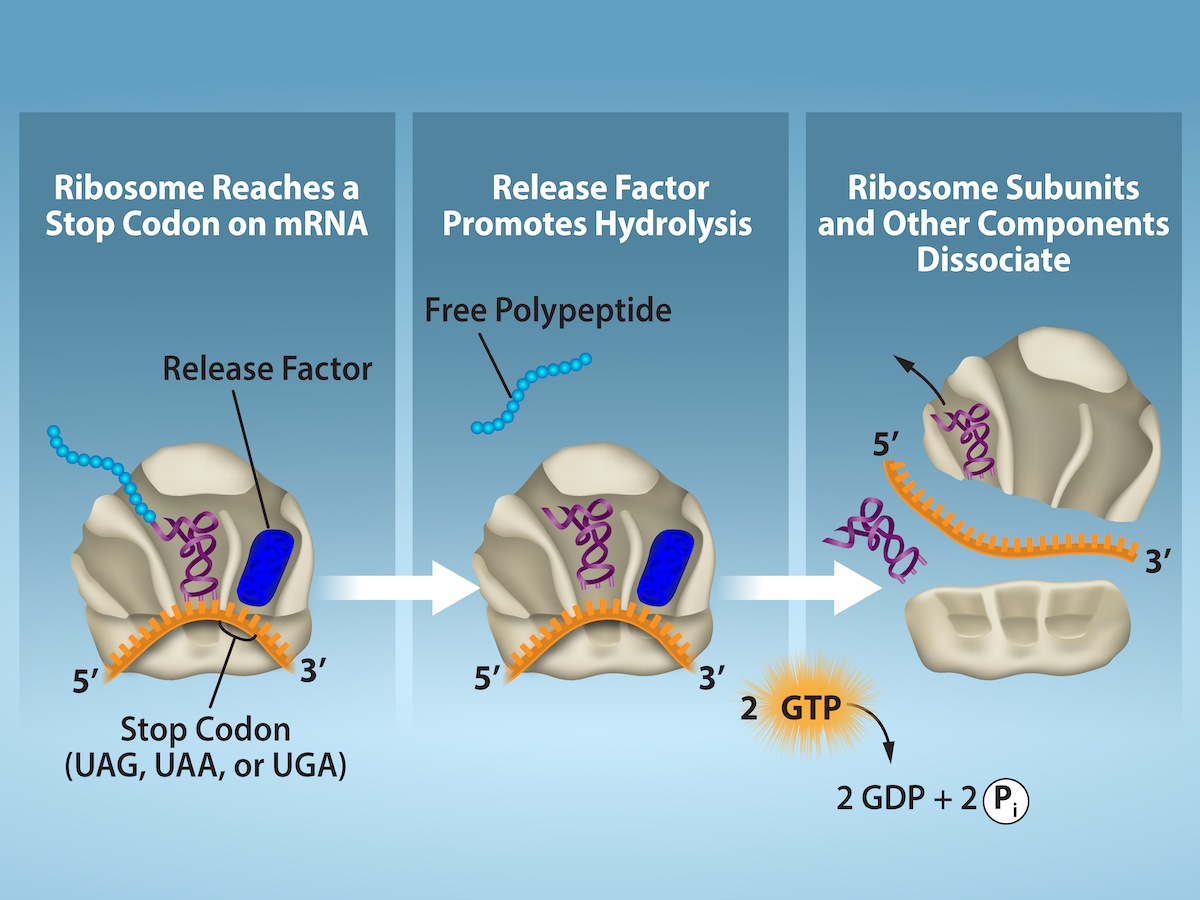
Figure 15.19 Translation Termination is Active. Translation is terminated when a STOP codon is in the A-site of the ribosome. Since there are no tRNAs corresponding to the STOP codons, the Release Factor protein enters and catalyzes the hydrolysis between the last amino acid and its tRNA. This hydrolysis releases the free carboxyl terminus (C-term) of the protein. Additional factors use the energy in GTP hydrolysis to disassemble the large and small ribosomal subunits and mRNA. Credit: Rao, A. and Ryan, K. Department of Biology, Texas A&M University.
Rao, A. and Ryan, K. Department of Biology, Texas A&M University.; Mary Ann Clark, Matthew Douglas, and Jung Choi, Biology 2e, OpenStax. · CC BY-NC-SA 4.0
· Original image ↗ · Access for free ↗
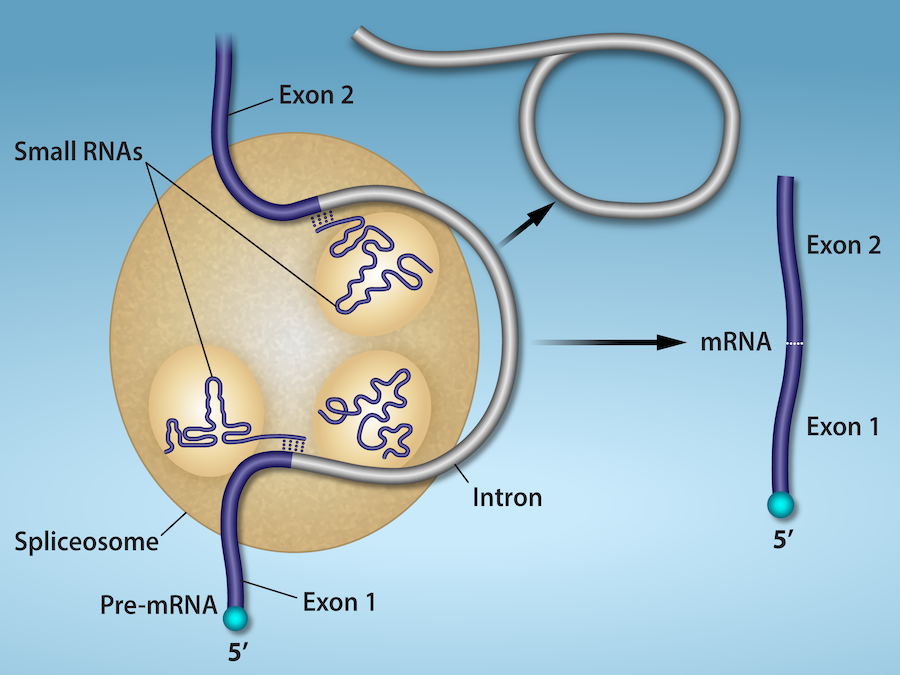
Figure 15.13 Pre-mRNA splicing involves the precise removal of introns from the primary RNA transcript. The splicing process is catalyzed by protein complexes called spliceosomes that are composed of proteins and RNA molecules called small nuclear RNAs (snRNAs). Spliceosomes recognize sequences at the 5' and 3' end of the intron. Rao, A. and Ryan, K. Department of Biology, Texas A&M University.
Rao, A. and Ryan, K. Department of Biology, Texas A&M University.; Mary Ann Clark, Matthew Douglas, and Jung Choi, Biology 2e, OpenStax. · CC BY-NC-SA 4.0
· Original image ↗ · Access for free ↗
RNA stability
Persistence of an RNA before degradation; greater stability generally means a longer lifetime or half-life under specified conditions.
Figure 16.13 RNA-binding proteins. The protein-coding region of this processed mRNA is flanked by 5' and 3' untranslated regions (UTRs). The presence of RNA-binding proteins at the 5' or 3' UTR influences the stability of the RNA molecule.
Figure 4.44 - Kinetic profile of an allosteric enzyme whose activity is controlled by a homotropic effector. Image by Aleia Kim
Kevin Ahern, Indira Rajagopal, and Taralyn Tan, Biochemistry Free For All, Oregon State University, via Biology LibreTexts. Image by Aleia Kim · CC BY-NC-SA 4.0
· Original image ↗ · Access for free ↗
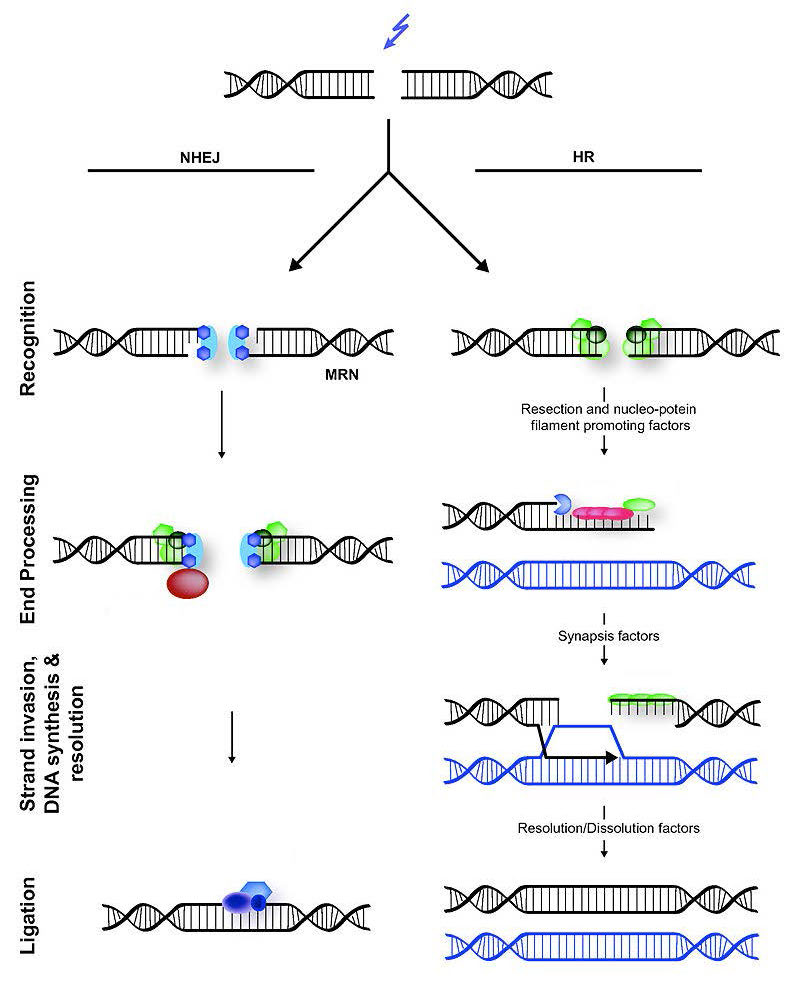
Figure 7.45 - Non-homologous end joining (left) versus homologous recombination (right) - Wikipedia
Wikipedia, as credited by Kevin Ahern, Indira Rajagopal, and Taralyn Tan, Biochemistry Free For All, Oregon State University, via Biology LibreTexts. · Source attribution
· Original image ↗ · Access for free ↗
The amount of a substance that can dissolve in a solvent under specified conditions. Soluble means able to dissolve; insoluble means only very slightly soluble in that solvent.
Figure 15.4 This figure shows the genetic code for translating each nucleotide triplet in mRNA into an amino acid or a termination signal in a protein. (credit: modification of work by NIH)
Figure 15.7 Messenger RNA is a copy of protein-coding information in the coding strand of DNA, with the substitution of U in the RNA for T in the coding sequence. However, new RNA nucleotides base pair with the nucleotides of the template strand. RNA is synthesized in its 5'-3' direction, using the enzyme RNA polymerase. As the template is read, the DNA unwinds ahead of the polymerase and then rewinds behind it.
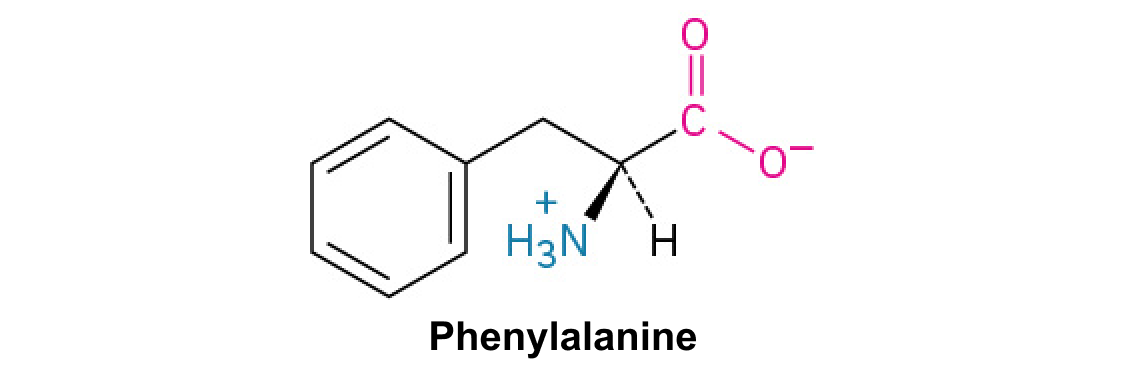
Figure 15.14 This is a space-filling model of a tRNA molecule that adds the amino acid phenylalanine to a growing polypeptide chain. The anticodon AAG binds the Codon UUC on the mRNA. The amino acid phenylalanine is attached to the other end of the tRNA.
A fleeting, high-energy arrangement at a reaction barrier. It is an energy maximum along the reaction path, rather than a stable reaction intermediate.
Figure 12.19 Reaction diagrams for an endothermic process in the absence (red curve) and presence (blue curve) of a catalyst. The catalyzed pathway involves a two-step mechanism (note the presence of two transition states) and an intermediate species (represented by the valley between the two transitions states).
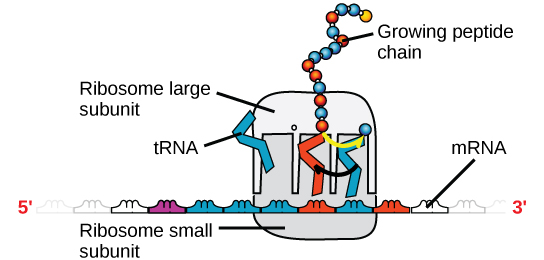
Figure 15.18 Translation begins when an initiator tRNA anticodon recognizes a start codon on mRNA bound to a small ribosomal subunit. The large ribosomal subunit joins the small subunit, and a second tRNA is recruited. As the mRNA moves relative to the ribosome, successive tRNAs move through the ribosome and the polypeptide chain is formed. Entry of a release factor into the A site terminates translation and the components dissociate.
Figure 4.21 - Kcat (turnover number) values for several enzymes. Image by Aleia Kim
Kevin Ahern, Indira Rajagopal, and Taralyn Tan, Biochemistry Free For All, Oregon State University, via Biology LibreTexts. Image by Aleia Kim · CC BY-NC-SA 4.0
· Original image ↗ · Access for free ↗
No matching terms. Try a different name or abbreviation.
3.2 Elements of Culture
OpenStax · 3.2 Elements of Culture ↗ Instructional page including learning objectives, examples, figures, source tables and questions. Site navigation and embedded media players are omitted; source media links remain available.
Learning Objectives
By the end of this section, you should be able to:
Differentiate values, beliefs, and norms
Explain the significance of symbols and language to a culture
The first, and perhaps most crucial, elements of culture we will discuss are values and beliefs. Value does not mean monetary worth in sociology, but rather ideals, or principles and standards members of a culture hold in high regard. Most cultures in any society hold “knowledge” (education) in high regard. Values are deeply embedded and are critical for learning a culture’s beliefs, which are the tenets or convictions that people hold to be true. Individual cultures in a society have personal beliefs, but they also shared collective values. To illustrate the difference, U.S. citizens may believe in the American Dream—that anyone who works hard enough will be successful and wealthy. Underlying this belief is the American value that wealth is important. In other cultures, success may be tied less to wealth and more to having many healthy children. Values shape a society by suggesting what is good and bad, beautiful and ugly, sought or avoided.
Consider the value that the U.S. places upon youth. Children represent innocence and purity, while a youthful adult appearance signifies sexuality. Shaped by this value, individuals spend millions of dollars each year on cosmetic products and surgeries to look young and beautiful. The U.S. also has an individualistic culture, meaning people place a high value on individuality and independence. In contrast, many other cultures are collectivist, meaning the welfare of the group takes priority over that of the individual. Fulfilling a society’s values can be difficult. Marital monogamy is valued, but many spouses engage in infidelity. Cultural diversity and equal opportunities for all people are valued in the U.S., yet the country’s highest political offices have been dominated by white men.
Values often suggest how people should behave, but they don’t accurately reflect how people do behave. Values portray an ideal culture, the standards society would like to embrace and live up to. But ideal culture differs from real culture. In an ideal culture, there would be no traffic accidents, murders, poverty, or racial tension. But in real culture, police officers, lawmakers, educators, and social workers constantly strive to prevent or address these issues. American teenagers are encouraged to value celibacy. However, the number of unplanned pregnancies among teens reveals that the ideal alone is not enough to spare teenagers the potential consequences of having sex.
One of the ways societies strive to maintain its values is through rewards and punishments. When people observe the norms of society and uphold its values, they are often rewarded. A boy who helps an elderly woman board a bus may receive a smile and a “thank you.” A business manager who raises profit margins may receive a quarterly bonus. People sanction unwanted or inappropriate behaviors by withholding support, approval, or permission, or by implementing sanctions. We may think of ‘sanction’ as a negative term, but sanctions are forms of social control, ways to encourage conformity to cultural norms or rules. Sometimes people conform to norms in anticipation or expectation of positive sanctions. Receiving good grades, for instance, may mean praise from parents and teachers. Sanctions can also be negative. . A boy who shoves an elderly woman aside to board the bus first may receive frowns or even a scolding from other passengers. A business manager who drives away customers will likely be fired. Breaking norms and rejecting values can lead to cultural sanctions such as earning a negative label like ‘lazy’ or to legal sanctions, such as traffic tickets, fines, or imprisonment. Utilizing social control encourages most people to conform regardless of whether authority figures (such as law enforcement) are present.
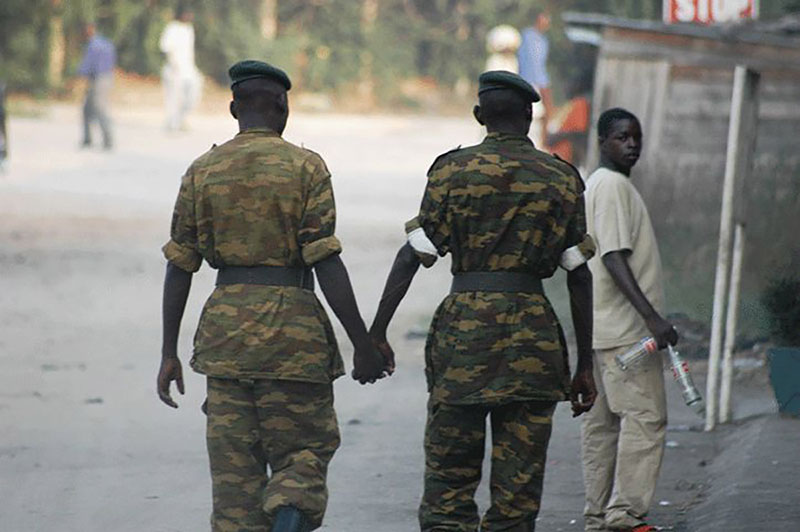
Values are not static. They change across time and between groups as people evaluate, debate, and change collective social beliefs. Values also vary from culture to culture. For example, cultures differ in their values about what kinds of physical closeness are appropriate in public. It’s rare to see two male friends or coworkers holding hands in the U.S. where that behavior often symbolizes romantic feelings. But in many nations, masculine physical intimacy is considered natural in public. This difference in cultural values came to light when people reacted to photos of former president G.W. Bush holding hands with the Crown Prince of Saudi Arabia in 2005. Simple gestures, such as hand-holding, carry great symbolic differences across cultures.
Figure 3.5 In many parts of Africa and the Middle East, it is considered normal for men to hold hands in friendship. How would US citizens react to these two soldiers? (Credit: Geordie Mott/Wikimedia Commons)
So far, many of the examples in this chapter have described how people are expected to behave in certain situations—for example, buying food or boarding a bus. These examples describe the visible and invisible rules of conduct through which societies are structured, or what sociologists call norms. Norms are behaviors that reflect compliance with what cultures and societies have defined as good, right, and important. Most members adhere to them.
Formal norms are established, written rules existing in all societies. They support many social institutions, such as the military, criminal justice and healthcare systems, and public schools. Functionalists may question what purpose these norms serve, conflict theorists might be interested in who creates, benefits, and suffers under these formal norms, and symbolic interactionists wonder about how a group that benefits interacts. Laws are formal norms, but so are employee manuals, college entrance exam requirements, and “no running” signs at swimming pools. Formal norms are the most specific and clearly stated of the various types of norms, and they are the most strictly enforced. But they are enforced to varying degrees.
For example, private property is highly valued in the U.S. Thieves can be fined, imprisoned, or both. People safeguard valuable possessions by locking their doors, buying a safe, and installing alarm systems on homes and cars. A less strictly enforced social norm is driving while intoxicated. While it’s against the law to drive drunk, drinking is for the most part an acceptable social behavior. And though there are laws to punish drunk driving, there are few systems in place to prevent the crime.
There are plenty of formal norms, but the list of informal norms—casual behaviors that are generally and widely conformed to—is longer. People learn informal norms by observation, imitation, and general socialization. Some informal norms are taught directly— “Kiss your Aunt Edna” or “Use your napkin”—while others are learned by observation, including understanding consequences when someone else violates a norm. Informal norms dictate appropriate behaviors without the need of written rules and so may be difficult to learn when you are new to or not familiar with the culture.
Although informal norms define personal interactions, they extend into other systems as well. In the U.S., there are informal norms regarding behavior at fast food restaurants. Customers line up to order their food and leave when they are done. They don’t sit down at a table with strangers, sing loudly as they prepare their condiments, or nap in a booth. Most people don’t commit even harmless breaches of informal norms.
Sociological Research
Breaching Experiments
Sociologist Harold Garfinkel (1917–2011) studied people’s customs in order to find out how societal rules and norms not only influence behavior but also shape social order. He believed that members of society together create a social order (Weber, 2011). His resulting book, Studies in Ethnomethodology (1967) discusses people’s assumptions about the social makeup of their communities.
One of Garfinkel’s research methods was known as a “breaching experiment,” in which the researcher behaves in a socially awkward manner in order to test the sociological concepts of social norms and conformity. The participants are not aware an experiment is in progress, but their response is recorded. For example, if the experimenter is, say, a man in a business suit, and he skips down the sidewalk or hops on one foot, a passersby is likely to stare at him with surprised expressions. But the experimenter does not simply “act weird” in public. Rather, the point is to deviate from a specific social norm in a small way, to subtly break some form of social etiquette, and see what happens.
For example, he set up a simple game of tic-tac-toe. One player was asked beforehand to mark Xs and Os not in the boxes but on the lines dividing the spaces instead. The other player, in the dark about the study, was flabbergasted and did not know how to continue. The second player’s outrage, anger, puzzlement, or other emotion suggested that cultural norms had been violated.
There are many rules about speaking with strangers in public. It is okay to tell a woman you like her shoes. It is not okay to ask if you can try them on. It is okay to stand in line behind someone at the ATM. It is not okay to look over his shoulder as he makes a transaction. It is okay to sit beside someone on a crowded bus. It’s weird to sit beside a stranger in a half-empty bus.
For some breaches, the researcher directly engages with innocent bystanders. An experimenter might strike up a conversation in a public bathroom, where it’s common to respect each other’s privacy. In a grocery store, an experimenter might take a food item out of another person’s grocery cart, saying, “That looks good! I think I’ll try it.” An experimenter might sit down at a table with others in a fast-food restaurant or follow someone around a museum and study the same paintings. In those cases, the bystanders are pressured to respond, and their discomfort illustrates how much we depend on social norms. Breaching experiments uncover and explore the many unwritten social rules we live by.
Norms may be further classified as either mores or folkways. Mores (mor-ays) are norms that embody the moral views and principles of a group. They often have a religious foundation. Violating them can have serious consequences. The strongest mores are protected with laws and other formal sanctions. In most societies, for instance, homicide is considered immoral, and it’s punishable by law (a formal norm). But more often, mores are judged and guarded by public sentiment (an informal norm). People who violate mores are seen as shameful. They can even be shunned or banned from some groups.
The mores of the U.S. school system require that a student’s writing be in the student’s own words or use special forms (such as quotation marks and a whole system of citation) for crediting other writers. Submitting or publishing another person’s words as if they are one’s own has a name—plagiarism. The consequences for violating this norm are often severe and can result in expulsion from school or termination from employment.
Unlike mores, folkways are norms without any moral underpinnings. Rather, folkways direct appropriate behavior in the day-to-day practices and expressions of a culture. We can think of them as ‘traditions’—things we do because we ‘always have.’ They indicate whether to shake hands or kiss on the cheek when greeting another person. They specify whether to wear a tie and blazer or a T-shirt and sandals to an event. In Canada, women can smile and say hello to men on the street. In Egypt, that’s not acceptable. In regions in the southern U.S., bumping into an acquaintance means stopping to chat. It’s considered rude not to, no matter how busy one is. In other regions, people guard their privacy and value time efficiency. A simple nod of the head is enough. Other accepted folkways in the U.S. may include holding the door open for a stranger or giving someone a gift on their birthday. The rules regarding these folkways may change from culture to culture. A folkway in one culture could be extremely rude in another.
Folkways are actions that people everywhere take for granted. People need to act without thinking in order to get seamlessly through daily routines. They can’t stop and analyze every action (Sumner, 1906). Folkways might be small actions, learned by observation and imitated, but they are by no means trivial. An important folkway in many cultures is kissing Grandmother on the cheek. Fail to do so and you will likely be scolded.
Humans, consciously and subconsciously, are always striving to make sense of their surrounding world. Symbols—such as gestures, signs, objects, signals, and words—help people understand that world. They provide communication methods to understanding experiences by conveying recognizable meanings that are shared by societies.
The world is filled with symbols. Sports uniforms, company logos, and traffic signs are symbols. In some cultures, a gold ring is a symbol of marriage. Some symbols are highly functional; stop signs, for instance, provide useful instruction. As physical objects, they belong to material culture, but because they function as symbols, they also convey nonmaterial cultural meanings. Some symbols are valuable only in what they represent. Trophies, blue ribbons, or gold medals, for example, represent accomplishments. But many objects have both material and nonmaterial symbolic value.
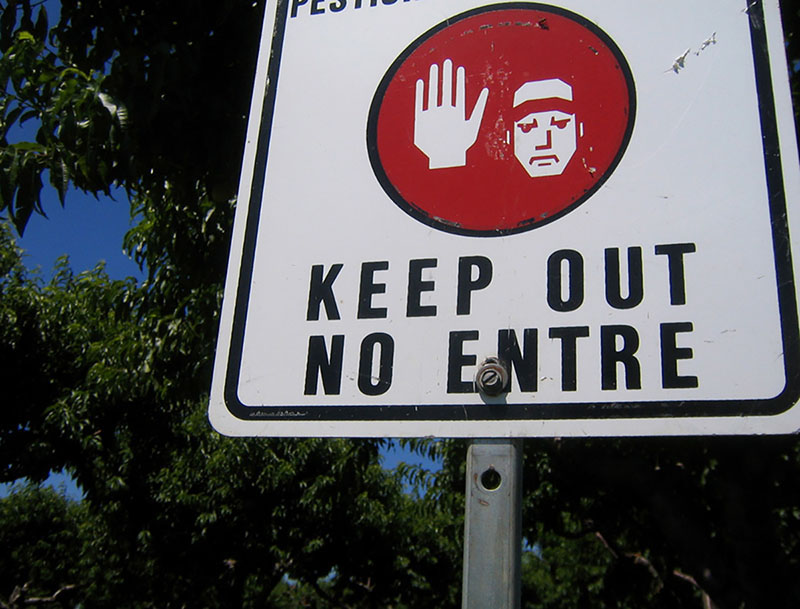
Figure 3.6 Some road signs are universal. But how would you interpret the signage on the right? (Credit: (a) Andrew Bain/flickr; (b) HonzaSoukup/flickr)
Symbols often get noticed when they are out of context. Used unconventionally, they convey strong messages. A stop sign placed on the door of a college building makes a political statement, as does a camouflage military jacket worn in an antiwar protest. Together, the semaphore signals for “N” and “D” represent nuclear disarmament—and form the well-known peace sign (Westcott, 2008). Some college students wear pajamas and bedroom slippers to class, clothing that was formerly associated only with privacy and bedtime. By wearing the outfit, students are defying traditional cultural norms.
Some symbols represent only one side of the story and elicit strong emotions, which can lead to social unrest. Their presence is a reminder of a nation’s worst times and not something to celebrate. Many of these symbols are targets of vandalism as the destruction of these representations is symbolic. Effigies representing public figures are burned to demonstrate anger at certain leaders. In 1989, crowds tore down the Berlin Wall, a decades-old symbol of the division between East and West Germany, communism, and capitalism. In the U.S. beginning in 2019, statues associated with slavery and the Civil War were removed from state capitols, college campuses, and public parks. In Germany, any display of Hitler or Nazi memorabilia or to deny the Holocaust is illegal.
While different cultures have varying systems of symbols, one system is common to all: language. Whatever its form, people learn social and cultural norms through it.
Language and Symbols
Language is a system that uses symbols with which people communicate and through which culture is transmitted. Letters (which make up words), pictographs, and hand gestures are all symbols that create a language used for communication. Sign language, for example, requires an intimate knowledge not only of an alphabet but also of signs that represent entire words and the meaning indicated by certain facial expressions or postures. Its grammar differs from the spoken language. As spoken language is different across regions, nations and cultures, and can even differ by the age of the person, so too does sign language.
All language systems contain the same basic elements that are effective in communicating ideas - object, subject, action. A written language system consists of symbols that refer to spoken sound. Taken together, these symbols convey specific meanings. The English language uses a combination of twenty-six letters to create words. These twenty-six letters make up over 600,000 recognized words (OED Online, 2011). We can compare the reliance on tone and inflection to Mandarin Chinese. It contains over 8,000 characters, but the same character may symbolize different concepts depending on the tone used.
English today contains an English and French version for the same concept. For example, in the English version, one eats, but in French version, one dines. In the English version, we meet someone. In the French version, we encounter someone. Readers of American English may be surprised by the inclusion of a ‘u’ in some spellings of words like ‘behaviour’ or ‘flavour.’ Americans have dropped that ‘u’ that writers of British English include. Billions of people speak English, and there are almost as many pronunciations of it.
Rules for speaking and writing vary even within cultures, most notably by region. Do you eat a grinder, a sub, or a hero/gyro? Do you refer to a can of carbonated liquid as “soda” or “pop”? Is a household entertainment room a “family room,” “rec room,” or “den”? When leaving a restaurant, do you ask your server for a “check,” the “ticket,” or your “bill”? Language is constantly evolving and adding new words as societies create new ideas. In this age of technology, many cultures have adapted almost instantly to new nouns such as “e-mail” and “Internet,” and verbs such as “downloading,” “texting,” and “blogging.” These would have been considered nonsense words in the world just twenty-five years ago.
Even while it constantly evolves, language shapes our perception of reality and our behavior. In the 1920s, linguists Edward Sapir and Benjamin Whorf advanced this idea which became known as Sapir-Whorf hypothesis or linguistic relativity. It is based on the idea that people experience their world through their language, and therefore understand their world through the cultural meanings embedded in their language. The hypothesis suggests that language shapes thought and thus behavior (Swoyer, 2003). For example, words have attached meanings beyond their definition that can influence thought and behavior. In the U.S. where the number thirteen is associated with bad luck, many high-rise buildings do not have a 13th floor. In Japan, however, the number four is considered unlucky, since it is pronounced similarly to the Japanese word for “death.”
Many sociologists believe that language can have a broad and lasting impact on perception. In 2002, Lera Boroditsky and her colleagues conducted experiments on native German and Spanish speakers in English. Unlike English, these languages assign genders to nouns. In German, for example, the word for sun, die Sonne, is feminine, but the word for moon, der Mond, is masculine. The team chose a set of nouns with opposite genders in German and Spanish and asked participants to provide adjectives to describe them. They found that German speakers used more masculine adjectives than Spanish speakers when describing a noun that was grammatically masculine in German but feminine in Spanish. For example, the word for key is masculine in German and feminine in Spanish. German speakers described keys as hard, heavy, jagged, metal, serrated, and useful, while Spanish speakers used the adjectives, golden, intricate, little, lovely, shiny, and tiny. The team concluded that gender perceptions acquired in a person’s native language carry forward to how they see the world even when they switch to a language without grammatical genders (Boroditsky, Schmidt, and Phillips, 2002).
Some sociologists also believe the structure of language can have consequences on both individual and group behavior. For example, a series of studies have found that Finland has a significantly higher rate of workplace accidents than Sweden despite the fact that the two have similar workplace regulations (Salminen & Johansson, 2000). John A. Lucy explained this discrepancy through differences in the structure of these languages. Swedish places a greater emphasis on the timing of movement in three-dimensional space. Consequently, Lucy argued, the Swedish factories are physically arranged in a manner that supports the smooth running of the product process. Finnish factories experience frequent disruptions, so that workers must rush and have more accidents (Lucy, 1997).
The Sapir-Whorf hypothesis has been interpreted to suggest that if a word does not exist in a language then users of that language cannot have the experience. Studies have shown, for instance, that unless people have access to the word “ambivalent,” they don’t recognize having conflicting positive and negative feelings about an issue as ‘ambivalence.’ However, the hypothesis should not suggest that people do not have conflicting feelings but rather that they interpret the feelings differently.
In addition to using spoken language, people communicate without words. Nonverbal communication is symbolic, and, as in the case of language, is learned through one’s culture. Some gestures are nearly universal; some are not. Smiles often indicate positive reinforcement in the U.S., whereas in some cultures it is rude if you do not know the person. A thumbs-up in Russia is an offensive curse (Passero, 2002). Other gestures vary in meaning depending on the situation and the person. A wave of the hand can mean many things, depending on how it’s done and for whom. It may mean “hello,” “goodbye,” “no thank you,” or “I’m royalty.” Winks convey a variety of messages, including “We have a secret,” “I’m only kidding,” or “I’m attracted to you.” From a distance, a person may “read” the emotional situation of people just by watching their body language and facial expressions. However, many cultures communicate with lots of physicality, which people outside that culture may interpret as an argument. So, for example, you might believe two people are arguing when, in fact, they are simply having a regular conversation.
Social Policy and Debate
Is the U.S. Bilingual?
When she was six, Lucy and her family immigrated to the United States and attended a school that allowed for the use of both English and Spanish. Lucy’s teacher and many staff were bilingual (fluent in English and Spanish), and the district offered books in both languages. While she was being driven to learn English, the dual-language option helped to ensure that she did not become lost and get behind in her learning of all subjects. Having math, science, and computing taught in both languages helped her understand those concepts and skills. Within two years of enrolling in the school, Lucy was getting nearly all of her instruction in English, and rarely used the Spanish-language books or resources. While she still had trouble with some intricacies of English, her math progress was above grade level and she did well in other subjects as well.
Some people might believe that Lucy would have learned faster had she been instructed only in English. But research indicates that is not the case. Johns Hopkins University researchers conducted a series of studies on the effects of bilingual education across multiple subjects (Slavin et al. 2008). They found that students taught in both their native tongue and English make better progress than those taught only in English.
Legally, the U.S. has no official language. But many believe English to be the rightful language of the U.S., and over thirty states have passed laws specifying English as their official tongue. Proponents of English-only laws suggest that a national ruling will save money on translation, printing, and human resource costs, including funding for bilingual teachers. They argue that setting English as the official language will encourage non-English speakers to learn English faster and adapt to the culture of the U.S. more easily (Mount 2010). Groups such as the American Civil Liberties Union (ACLU) oppose making English the official language and claim that it violates the rights of non-English speakers. English-only laws, they believe, deny the reality of our nation’s diversity and unfairly target non-English speakers. They point to the fact that much of the debate on this topic has risen since 1970, a period during which the U.S. has experienced new waves of immigration from Asia and Mexico.
Today, a lot of product information gets written in multiple languages. Enter a store like Home Depot and you’ll find signs in both English and Spanish. Buy a children’s product and the safety warnings could be presented in multiple languages. While marketers are financially motivated to reach the largest number of consumers possible, this trend also may help people become accustomed to a culture of bilingualism.
Studies show that most US immigrants eventually abandon their native tongues and become fluent in English. Bilingual education helps with that transition. Today, Lucy is an ambitious and high-achieving college student. Fluent in both English and Spanish, Lucy is studying law enforcement—a field that seeks bilingual employees. The same bilingualism that contributed to her success in grade school will help her thrive professionally as a law officer serving her community.
Figure 3.7 Many signs—on streets and in stores—include both English and Spanish. What effect does this have on members of society? What effect does it have on our culture? (Credit: istolethetv/flickr)
OpenStax · 7.1 Deviance and Control ↗ Instructional page including learning objectives, examples, figures, source tables and questions. Site navigation and embedded media players are omitted; source media links remain available.
Learning Objectives
By the end of this section, you should be able to:
Define deviance, and explain the nature of deviant behavior
Differentiate between methods of social control
Figure 7.2 — 7.1 Deviance and Control
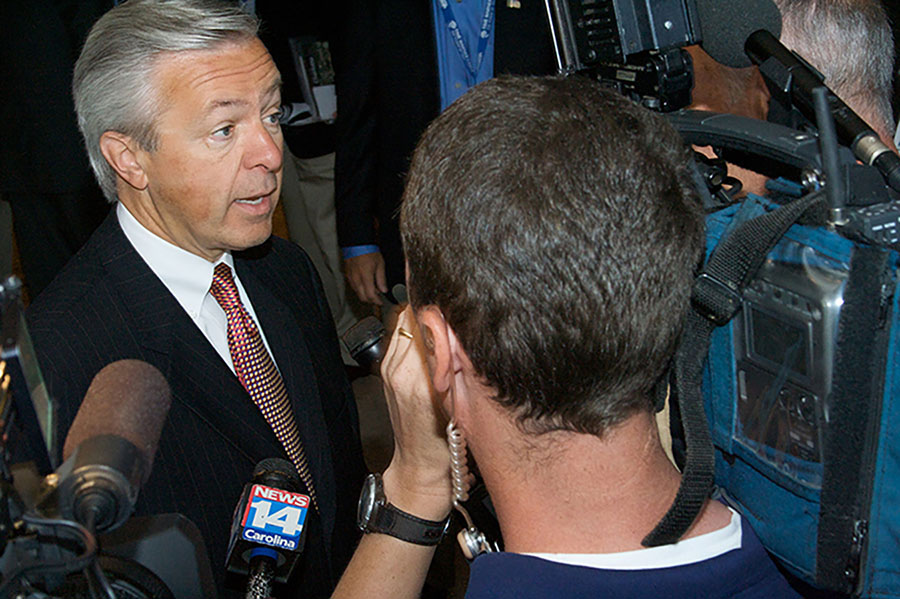
Figure 7.2 Are financial crimes deviant? Why do we consider them less harmful than other types of crimes, even though they may impact many more victims? (Credit: Justin Ruckman/flickr)
Wells Fargo CEO John Stumpf was forced to resign after his company enrolled customers in unnecessary auto insurance programs, while also fraudulently creating bank accounts without client consent. Both of these actions are prohibited by a range of laws and regulations. Over a million victims were charged improper fees or overcharged for insurance; some suffered reductions in their credit scores, and an estimated 25,000 people had their cars improperly repossessed. Even though these actions were found to be criminal, no one from Wells Fargo faced jail time, as is common in financial crimes. Deviance does not always align with punishment, and perceptions of its impact vary greatly.
What, exactly, is deviance? And what is the relationship between deviance and crime? According to sociologist William Graham Sumner, deviance is a violation of established contextual, cultural, or social norms, whether folkways, mores, or codified law (1906). It can be as minor as picking your nose in public or as major as committing murder. Although the word “deviance” has a negative connotation in everyday language, sociologists recognize that deviance is not necessarily bad (Schoepflin 2011). In fact, from a structural functionalist perspective, one of the positive contributions of deviance is that it fosters social change. For example, during the U.S. civil rights movement, Rosa Parks violated social norms when she refused to move to the “Black section” of the bus, and the Little Rock Nine broke customs of segregation to attend an Arkansas public school.
“What is deviant behavior?” cannot be answered in a straightforward manner. Whether an act is labeled deviant or not depends on many factors, including location, audience, and the individual committing the act (Becker 1963). Listening to music on your phone on the way to class is considered acceptable behavior. Listening to music during your 2 p.m. sociology lecture is considered rude. Listening to music when on the witness stand before a judge may cause you to be held in contempt of court and consequently fined or jailed.
As norms vary across cultures and time, it also makes sense that notions of deviance change. Sixty years ago, public schools in the United States had dress codes that often banned women from wearing pants to class. Today, it’s socially acceptable for women to wear pants, but less so for men to wear skirts. And more recently, the act of wearing or not wearing a mask became a matter of deviance, and in some cases, political affiliation and legality. Whether an act is deviant or not depends on society’s response to that act.
Sociology in the Real World
Why I Drive a Hearse
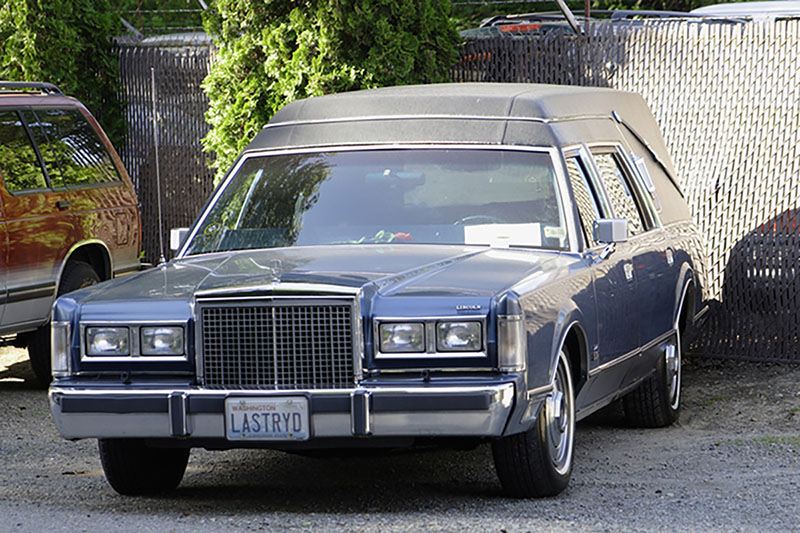
When sociologist Todd Schoepflin ran into his childhood friend Bill, he was shocked to see him driving a hearse for everyday tasks, instead of an ordinary car. A professionally trained researcher, Schoepflin wondered what effect driving a hearse had on his friend and what effect it might have on others on the road. Would using such a vehicle for everyday errands be considered deviant by most people?
Schoepflin interviewed Bill, curious first to know why he drove such an unconventional car. Bill had simply been on the lookout for a reliable winter car; on a tight budget, he searched used car ads and stumbled upon one for the hearse. The car ran well, and the price was right, so he bought it.
Bill admitted that others’ reactions to the car had been mixed. His parents were appalled, and he received odd stares from his coworkers. A mechanic once refused to work on it, and stated that it was “a dead person machine.” On the whole, however, Bill received mostly positive reactions. Strangers gave him a thumbs-up on the highway and stopped him in parking lots to chat about his car. His girlfriend loved it, his friends wanted to take it tailgating, and people offered to buy it. Could it be that driving a hearse isn’t really so deviant after all?
Schoepflin theorized that, although viewed as outside conventional norms, driving a hearse is such a mild form of deviance that it actually becomes a mark of distinction. Conformists find the choice of vehicle intriguing or appealing, while nonconformists see a fellow oddball to whom they can relate. As one of Bill’s friends remarked, “Every guy wants to own a unique car like this, and you can certainly pull it off.” Such anecdotes remind us that although deviance is often viewed as a violation of norms, it’s not always viewed in a negative light (Schoepflin 2011).
Figure 7.3 — 7.1 Deviance and Control
Figure 7.3 A hearse with the license plate “LASTRYD.” How would you view the owner of this car? (Credit: Brian Teutsch/flickr)
Deviance is a more encompassing term than crime, meaning that it includes a range of activities, some of which are crimes and some of which are not. Sociologists may study both with equal interest, but, as a whole, society views crime as far more significant. Crime preoccupies several levels of government, and it drives concerns among families and communities.
Deviance may be considered relative: Behaviors may be considered deviant based mostly on the circumstances in which they occurred; those circumstances may drive the perception of deviance more than the behavior itself. Relatively minor acts of deviance can have long-term impacts on the person and the people around them. For example, if an adult, who should “know better,” spoke loudly or told jokes at a funeral, they may be chastised and forever marked as disrespectful or unusual. But in many cultures, funerals are followed by social gatherings – some taking on a party-like atmosphere – so those same jovial behaviors would be perfectly acceptable, and even encouraged, just an hour later.
As discussed earlier, we typically learn these social norms as children and evolve them with experience. But the relativity of deviance can have significant societal impacts, including perceptions and prosecutions of crime. They may often be based on racial, ethnic, or related prejudices. When 15-year-old Elizabeth Eckford of the Little Rock Nine attempted to enter her legally desegregated high school, she was abiding by the law; but she was considered deviant by the crowd of White people that harassed and insulted her. (These events are discussed in more detail in the Education chapter.)
Consider the example of marijuana legalization mentioned earlier. Why was marijuana illegal in the first place? In fact, it wasn’t. Humans have used cannabis openly in their societies for thousands of years. While it was not a widely used substance in the United States, it had been accepted as a medicinal and recreational option, and was neither prohibited nor significantly regulated until the early 1900s. What changed?
In the early 1900s, an influx of immigrants began entering the country from Mexico. These newcomers took up residence in White communities, spoke a different language, and began competing for jobs and resources. They used marijuana more frequently than most Americans. Police and others began to circulate rumors regarding the substance’s link to violence and immorality. Newspapers and lawmakers spoke about the “Marijuana Menace” and the “evil weed,” and articles and images began to portray it as a corrupting force on America’s youth. Beginning in 1916, state after state began passing laws prohibiting marijuana use, and in 1937 Congress passed a federal law banning it (White 2012). Penalties for its usage increased over time, spiking during the War on Drugs, with racially and ethnically disparate applications. But more recently, as discussed in the introduction, marijuana is once again seen as an important medical treatment and an acceptable recreational pursuit. What changed this time?
Perceptions and proclamations of deviance have long been a means to oppress people by labeling their private behavior as criminal. Until the 1970s and 1980s, same-sex acts were prohibited by state laws. It was illegal to be gay or lesbian, and the restrictions extended to simple displays like holding hands. Other laws prohibited clothing deemed “inappropriate” for one’s biological sex. As a result, military service members and even war veterans were dishonorably discharged (losing all benefits) if they were discovered to be gay. Police harassed and humiliated LGBTQ people and regularly raided gay bars. And anti-LGBTQ street violence or hate crimes were tacitly permitted because they were rarely prosecuted and often lightly punished. While most states had eliminated their anti-LGBTQ laws by the time the Supreme Court struck them down in 2003, 14 states still had some version of them on the books.
To further explore the relativity of deviance and its relationship to perceptions of crime, consider gambling. Excessive or high-risk gambling is usually seen as deviant, but more moderate gambling is generally accepted. Still, gambling was for a long time prohibited in most of the United States, making it a crime to participate in certain types of gambling or to do so outside of specified locations. Even as laws loosened, a state for example may allow betting on horse races but not on sports. Changes to these laws occurred, especially due to the rise of online gambling via poker sites and sports betting. But for decades, a generally non-deviant behavior was made criminal: When otherwise law-abiding people decided to engage in low-stakes and non-excessive gambling, they were breaking the law. Sociologists may study the essential question arising from this situation: Were these gamblers being deviant by breaking the law, even when the actual behavior at hand was not generally considered deviant?
Social Control
When a person violates a social norm, what happens? A driver caught speeding can receive a speeding ticket. A student who wears a bathrobe to class gets a warning from a professor. An adult belching loudly is avoided. All societies practice social control, the regulation and enforcement of norms. The underlying goal of social control is to maintain social order, an arrangement of practices and behaviors on which society’s members base their daily lives. Think of social order as an employee handbook and social control as a manager. When a worker violates a workplace guideline, the manager steps in to enforce the rules; when an employee is doing an exceptionally good job at following the rules, the manager may praise or promote the employee.
The means of enforcing rules are known as sanctions. Sanctions can be positive as well as negative. Positive sanctions are rewards given for conforming to norms. A promotion at work is a positive sanction for working hard. Negative sanctions are punishments for violating norms. Being arrested is a punishment for shoplifting. Both types of sanctions play a role in social control.
Sociologists also classify sanctions as formal or informal. Although shoplifting, a form of social deviance, may be illegal, there are no laws dictating the proper way to scratch your nose. That doesn’t mean picking your nose in public won’t be punished; instead, you will encounter informal sanctions. Informal sanctions emerge in face-to-face social interactions. For example, wearing flip-flops to an opera or swearing loudly in church may draw disapproving looks or even verbal reprimands, whereas behavior that is seen as positive—such as helping an elderly person carry grocery bags across the street—may receive positive informal reactions, such as a smile or pat on the back.
Formal sanctions, on the other hand, are ways to officially recognize and enforce norm violations. If a student violates a college’s code of conduct, for example, the student might be expelled. Someone who speaks inappropriately to the boss could be fired. Someone who commits a crime may be arrested or imprisoned. On the positive side, a soldier who saves a life may receive an official commendation.
The table below shows the relationship between different types of sanctions.
Informal
Formal
Positive
An expression of thanks
A promotion at work
Negative
An angry comment
A parking fine
Table
7.1
Informal/Formal Sanctions
Formal and informal sanctions may be positive or negative. Informal sanctions arise in social interactions, whereas formal sanctions officially enforce norms.
7.2 Theoretical Perspectives on Deviance and Crime
OpenStax · 7.2 Theoretical Perspectives on Deviance and Crime ↗ Instructional page including learning objectives, examples, figures, source tables and questions. Site navigation and embedded media players are omitted; source media links remain available.
Learning Objectives
By the end of this section, you should be able to:
Describe the functionalist view of deviance in society through four sociologist’s theories
Explain how conflict theory understands deviance and crime in society
Describe the symbolic interactionist approach to deviance, including labeling and other theories
Figure 7.4 — 7.2 Theoretical Perspectives on Deviance and Crime
Figure 7.4 Functionalists believe that deviance plays an important role in society and can be used to challenge people’s views. Protesters, such as these PETA members, often use this method to draw attention to their cause. (Credit: David Shankbone/flickr)
Why does deviance occur? How does it affect a society? Since the early days of sociology, scholars have developed theories that attempt to explain what deviance and crime mean to society. These theories can be grouped according to the three major sociological paradigms: functionalism, symbolic interactionism, and conflict theory.
Sociologists who follow the functionalist approach are concerned with the way the different elements of a society contribute to the whole. They view deviance as a key component of a functioning society. Strain theory and social disorganization theory represent two functionalist perspectives on deviance in society.
Émile Durkheim: The Essential Nature of Deviance
Émile Durkheim believed that deviance is a necessary part of a successful society. One way deviance is functional, he argued, is that it challenges people’s present views (1893). For instance, when Black students across the United States participated in sit-ins during the civil rights movement, they challenged society’s notions of segregation. Moreover, Durkheim noted, when deviance is punished, it reaffirms currently held social norms, which also contributes to society (1893). Seeing a student given detention for skipping class reminds other high schoolers that playing hooky isn’t allowed and that they, too, could get detention.
Durkheim’s point regarding the impact of punishing deviance speaks to his arguments about law. Durkheim saw laws as an expression of the “collective conscience,” which are the beliefs, morals, and attitudes of a society. “A crime is a crime because we condemn it,” he said (1893). He discussed the impact of societal size and complexity as contributors to the collective conscience and the development of justice systems and punishments. For example, in large, industrialized societies that were largely bound together by the interdependence of work (the division of labor), punishments for deviance were generally less severe. In smaller, more homogeneous societies, deviance might be punished more severely.
Sociologist Robert Merton agreed that deviance is an inherent part of a functioning society, but he expanded on Durkheim’s ideas by developing strain theory, which notes that access to socially acceptable goals plays a part in determining whether a person conforms or deviates. From birth, we’re encouraged to achieve the “American Dream” of financial success. A person who attends business school, receives an MBA, and goes on to make a million-dollar income as CEO of a company is said to be a success. However, not everyone in our society stands on equal footing. That MBA-turned-CEO may have grown up in the best school district and had means to hire tutors. Another person may grow up in a neighborhood with lower-quality schools, and may not be able to pay for extra help. A person may have the socially acceptable goal of financial success but lack a socially acceptable way to reach that goal. According to Merton’s theory, an entrepreneur who can’t afford to launch their own company may be tempted to embezzle from their employer for start-up funds.
Merton defined five ways people respond to this gap between having a socially accepted goal and having no socially accepted way to pursue it.
Conformity: Those who conform choose not to deviate. They pursue their goals to the extent that they can through socially accepted means.
Innovation: Those who innovate pursue goals they cannot reach through legitimate means by instead using criminal or deviant means.
Ritualism: People who ritualize lower their goals until they can reach them through socially acceptable ways. These members of society focus on conformity rather than attaining a distant dream.
Retreatism: Others retreat and reject society’s goals and means. Some people who homestead and choose to live off the grid have withdrawn from society’s goal of financial success.
Rebellion: A handful of people rebel and replace a society’s goals and means with their own. Terrorists or freedom fighters look to overthrow a society’s goals through socially unacceptable means.
Social Disorganization Theory
Developed by researchers at the University of Chicago in the 1920s and 1930s, social disorganization theory asserts that crime is most likely to occur in communities with weak social ties and the absence of social control. An individual who grows up in a poor neighborhood with high rates of drug use, violence, teenage delinquency, and deprived parenting is more likely to become engaged in crime than an individual from a wealthy neighborhood with a good school system and families who are involved positively in the community.
Figure 7.5 — 7.2 Theoretical Perspectives on Deviance and Crime
Figure 7.5 Proponents of social disorganization theory believe that individuals who grow up in impoverished areas are more likely to participate in deviant or criminal behaviors. (Credit: Apollo 1758/Wikimedia Commons)
Social disorganization theory points to broad social factors as the cause of deviance. A person isn’t born as someone who will commit crimes but becomes one over time, often based on factors in their social environment. Robert Sampson and Byron Groves (1989) found that poverty and family disruption in given localities had a strong positive correlation with social disorganization. They also determined that social disorganization was, in turn, associated with high rates of crime and delinquency—or deviance. Recent studies Sampson conducted with Lydia Bean (2006) revealed similar findings. High rates of poverty and single-parent homes correlated with high rates of juvenile violence. Research into social disorganization theory can greatly influence public policy. For instance, studies have found that children from disadvantaged communities who attend preschool programs that teach basic social skills are significantly less likely to engage in criminal activity. (Lally 1987)
Conflict theory looks to social and economic factors as the causes of crime and deviance. Unlike functionalists, conflict theorists don’t see these factors as positive functions of society. They see them as evidence of inequality in the system. They also challenge social disorganization theory and control theory and argue that both ignore racial and socioeconomic issues and oversimplify social trends (Akers 1991). Conflict theorists also look for answers to the correlation of gender and race with wealth and crime.
Karl Marx: An Unequal System
Conflict theory was greatly influenced by the work of German philosopher, economist, and social scientist Karl Marx. Marx believed that the general population was divided into two groups. He labeled the wealthy, who controlled the means of production and business, the bourgeois. He labeled the workers who depended on the bourgeois for employment and survival the proletariat. Marx believed that the bourgeois centralized their power and influence through government, laws, and other authority agencies in order to maintain and expand their positions of power in society. Though Marx spoke little of deviance, his ideas created the foundation for conflict theorists who study the intersection of deviance and crime with wealth and power.
In his book The Power Elite (1956), sociologist C. Wright Mills described the existence of what he dubbed the power elite, a small group of wealthy and influential people at the top of society who hold the power and resources. Wealthy executives, politicians, celebrities, and military leaders often have access to national and international power, and in some cases, their decisions affect everyone in society. Because of this, the rules of society are stacked in favor of a privileged few who manipulate them to stay on top. It is these people who decide what is criminal and what is not, and the effects are often felt most by those who have little power. Mills’ theories explain why celebrities can commit crimes and suffer little or no legal retribution. For example, USA Today maintains a database of NFL players accused and convicted of crimes. 51 NFL players had been convicted of committing domestic violence between the years 2000 and 2019. They have been sentenced to a collective 49 days in jail, and most of those sentences were deferred or otherwise reduced. In most cases, suspensions and fines levied by the NFL or individual teams were more severe than the justice system's (Schrotenboer 2020 and clickitticket.com 2019).
Crime and Social Class
While crime is often associated with the underprivileged, crimes committed by the wealthy and powerful remain an under-punished and costly problem within society. The FBI reported that victims of burglary, larceny, and motor vehicle theft lost a total of $15.3 billion dollars in 2009 (FB1 2010). In comparison, when former advisor and financier Bernie Madoff was arrested in 2008, the U.S. Securities and Exchange Commission reported that the estimated losses of his financial Ponzi scheme fraud were close to $50 billion (SEC 2009).
This imbalance based on class power is also found within U.S. criminal law. In the 1980s, the use of crack cocaine (a less expensive but powerful drug) quickly became an epidemic that swept the country’s poorest urban communities. Its pricier counterpart, cocaine, was associated with upscale users and was a drug of choice for the wealthy. The legal implications of being caught by authorities with crack versus cocaine were starkly different. In 1986, federal law mandated that being caught in possession of 50 grams of crack was punishable by a ten-year prison sentence. An equivalent prison sentence for cocaine possession, however, required possession of 500 grams. In other words, the sentencing disparity was 1 to 100 (New York Times Editorial Staff 2011). This inequality in the severity of punishment for crack versus cocaine paralleled the unequal social class of respective users. A conflict theorist would note that those in society who hold the power are also the ones who make the laws concerning crime. In doing so, they make laws that will benefit them, while the powerless classes who lack the resources to make such decisions suffer the consequences. Throughout the 1980s and early 1990s, states passed numerous laws increasing penalties, especially for repeat offenders. The U.S. government passed an even more significant law, the Violent Crime Control and Law Enforcement Act of 1994 (known as the 1994 Crime Bill), which further increased penalties, funded prisons, and incentivized law enforcement agencies to further pursue drug offenders. One outcome of these policies was the mass incarceration of Black and Hispanic people, which led to a cycle of poverty and reduced social mobility. The crack-cocaine punishment disparity remained until 2010, when President Obama signed the Fair Sentencing Act, which decreased the disparity to 1 to 18 (The Sentencing Project 2010).
Figure 7.6 — 7.2 Theoretical Perspectives on Deviance and Crime
Figure 7.6 From 1986 until 2010, the punishment for possessing crack, a “poor person’s drug,” was 100 times stricter than the punishment for cocaine use, a drug favored by the wealthy. (Credit: Wikimedia Commons)
Symbolic interactionism is a theoretical approach that can be used to explain how societies and/or social groups come to view behaviors as deviant or conventional.
Although all of us violate norms from time to time, few people would consider themselves deviant. Those who do, however, have often been labeled “deviant” by society and have gradually come to believe it themselves. Labeling theory examines the ascribing of a deviant behavior to another person by members of society. Thus, what is considered deviant is determined not so much by the behaviors themselves or the people who commit them, but by the reactions of others to these behaviors. As a result, what is considered deviant changes over time and can vary significantly across cultures.
Sociologist Edwin Lemert expanded on the concepts of labeling theory and identified two types of deviance that affect identity formation. Primary deviance is a violation of norms that does not result in any long-term effects on the individual’s self-image or interactions with others. Speeding is a deviant act, but receiving a speeding ticket generally does not make others view you as a bad person, nor does it alter your own self-concept. Individuals who engage in primary deviance still maintain a feeling of belonging in society and are likely to continue to conform to norms in the future.
Sometimes, in more extreme cases, primary deviance can morph into secondary deviance. Secondary deviance occurs when a person’s self-concept and behavior begin to change after his or her actions are labeled as deviant by members of society. The person may begin to take on and fulfill the role of a “deviant” as an act of rebellion against the society that has labeled that individual as such. For example, consider a high school student who often cuts class and gets into fights. The student is reprimanded frequently by teachers and school staff, and soon enough, develops a reputation as a “troublemaker.” As a result, the student starts acting out even more and breaking more rules; the student has adopted the “troublemaker” label and embraced this deviant identity. Secondary deviance can be so strong that it bestows a master status on an individual. A master status is a label that describes the chief characteristic of an individual. Some people see themselves primarily as doctors, artists, or grandfathers. Others see themselves as beggars, convicts, or addicts.
Techniques of Neutralization
How do people deal with the labels they are given? This was the subject of a study done by Sykes and Matza (1957). They studied teenage boys who had been labeled as juvenile delinquents to see how they either embraced or denied these labels. Have you ever used any of these techniques?
Let’s take a scenario and apply all five techniques to explain how they are used. A young person is working for a retail store as a cashier. Their cash drawer has been coming up short for a few days. When the boss confronts the employee, they are labeled as a thief for the suspicion of stealing. How does the employee deal with this label?
The Denial of Responsibility: When someone doesn’t take responsibility for their actions or blames others. They may use this technique and say that it was their boss’s fault because they don’t get paid enough to make rent or because they’re getting a divorce. They are rejecting the label by denying responsibility for the action.
The Denial of Injury: Sometimes people will look at a situation in terms of what effect it has on others. If the employee uses this technique they may say, “What’s the big deal? Nobody got hurt. Your insurance will take care of it.” The person doesn’t see their actions as a big deal because nobody “got hurt.”
The Denial of the Victim: If there is no victim there’s no crime. In this technique the person sees their actions as justified or that the victim deserved it. Our employee may look at their situation and say, “I’ve worked here for years without a raise. I was owed that money and if you won’t give it to me I’ll get it my own way.”
The Condemnation of the Condemners: The employee might “turn it around on” the boss by blaming them. They may say something like, “You don’t know my life, you have no reason to judge me.” This is taking the focus off of their actions and putting the onus on the accuser to, essentially, prove the person is living up to the label, which also shifts the narrative away from the deviant behavior.
Appeal to a Higher Authority: The final technique that may be used is to claim that the actions were for a higher purpose. The employee may tell the boss that they stole the money because their mom is sick and needs medicine or something like that. They are justifying their actions by making it seem as though the purpose for the behavior is a greater “good” than the action is “bad.” (Sykes & Matza, 1957)
Social Policy and Debate
The Right to Vote
Before she lost her job as an administrative assistant, Leola Strickland postdated and mailed a handful of checks for amounts ranging from $90 to $500. By the time she was able to find a new job, the checks had bounced, and she was convicted of fraud under Mississippi law. Strickland pleaded guilty to a felony charge and repaid her debts; in return, she was spared from serving prison time.
Strickland appeared in court in 2001. More than ten years later, she is still feeling the sting of her sentencing. Why? Because Mississippi is one of twelve states in the United States that bans convicted felons from voting (ProCon 2011).
To Strickland, who said she had always voted, the news came as a great shock. She isn’t alone. Some 5.3 million people in the United States are currently barred from voting because of felony convictions (ProCon 2009). These individuals include inmates, parolees, probationers, and even people who have never been jailed, such as Leola Strickland.
Under the Fourteenth Amendment, states are allowed to deny voting privileges to individuals who have participated in “rebellion or other crime” (Krajick 2004). Although there are no federally mandated laws on the matter, most states practice at least one form of felony disenfranchisement.
Is it fair to prevent citizens from participating in such an important process? Proponents of disfranchisement laws argue that felons have a debt to pay to society. Being stripped of their right to vote is part of the punishment for criminal deeds. Such proponents point out that voting isn’t the only instance in which ex-felons are denied rights; state laws also ban released criminals from holding public office, obtaining professional licenses, and sometimes even inheriting property (Lott and Jones 2008).
Opponents of felony disfranchisement in the United States argue that voting is a basic human right and should be available to all citizens regardless of past deeds. Many point out that felony disfranchisement has its roots in the 1800s, when it was used primarily to block Black citizens from voting. These laws disproportionately target poor minority members, denying them a chance to participate in a system that, as a social conflict theorist would point out, is already constructed to their disadvantage (Holding 2006). Those who cite labeling theory worry that denying deviants the right to vote will only further encourage deviant behavior. If ex-criminals are disenfranchised from voting, are they being disenfranchised from society?
Figure 7.7 — 7.2 Theoretical Perspectives on Deviance and Crime
Figure 7.7 Should a former felony conviction permanently strip a U.S. citizen of the right to vote? (Credit: Joshin Yamada/flickr)
In the early 1900s, sociologist Edwin Sutherland sought to understand how deviant behavior developed among people. Since criminology was a young field, he drew on other aspects of sociology including social interactions and group learning (Laub 2006). His conclusions established differential association theory, which suggested that individuals learn deviant behavior from those close to them who provide models of and opportunities for deviance. According to Sutherland, deviance is less a personal choice and more a result of differential socialization processes. For example, a young person whose friends are sexually active is more likely to view sexual activity as acceptable. Sutherland developed a series of propositions to explain how deviance is learned. In proposition five, for example, he discussed how people begin to accept and participate in a behavior after learning whether it is viewed as “favorable” by those around them. In proposition six, Sutherland expressed the ways that exposure to more “definitions” favoring the deviant behavior than those opposing it may eventually lead a person to partake in deviance (Sutherland 1960), applying almost a quantitative element to the learning of certain behaviors. In the example above, a young person may find sexual activity more acceptable once a certain number of their friends become sexually active, not after only one does so.
Sutherland’s theory may explain why crime is multigenerational. A longitudinal study beginning in the 1960s found that the best predictor of antisocial and criminal behavior in children was whether their parents had been convicted of a crime (Todd and Jury 1996). Children who were younger than ten years old when their parents were convicted were more likely than other children to engage in spousal abuse and criminal behavior by their early thirties. Even when taking socioeconomic factors such as dangerous neighborhoods, poor school systems, and overcrowded housing into consideration, researchers found that parents were the main influence on the behavior of their offspring (Todd and Jury 1996).
Travis Hirschi: Control Theory
Continuing with an examination of large social factors, control theory states that social control is directly affected by the strength of social bonds and that deviance results from a feeling of disconnection from society. Individuals who believe they are a part of society are less likely to commit crimes against it.
Travis Hirschi (1969) identified four types of social bonds that connect people to society:
Attachment measures our connections to others. When we are closely attached to people, we worry about their opinions of us. People conform to society’s norms in order to gain approval (and prevent disapproval) from family, friends, and romantic partners.
Commitment refers to the investments we make in the community. A well-respected local businessperson who volunteers at their synagogue and is a member of the neighborhood block organization has more to lose from committing a crime than a person who doesn’t have a career or ties to the community.
Similarly, levels of involvement, or participation in socially legitimate activities, lessen a person’s likelihood of deviance. A child who plays little league baseball and takes art classes has fewer opportunities to ______.
The final bond, belief, is an agreement on common values in society. If a person views social values as beliefs, they will conform to them. An environmentalist is more likely to pick up trash in a park, because a clean environment is a social value to them (Hirschi 1969).