Buoyancy depends on displaced fluid; pressure increases with depth, not container shape.
Density and flotation
Density is ρ = m/V in kg/m³; water is approximately 1000 kg/m³ or 1 g/mL. Specific gravity is density divided by a reference density, usually water, and has no units. Archimedes’ principle gives buoyant force FB = ρfluid gVdisplaced, directed upward. A floating object displaces its own weight, so its submerged fraction is ρobject/ρfluid. A fully submerged object can still sink when weight exceeds buoyancy. Apparent weight measured by a scale in a fluid is mg − FB.
Pressure P = F/A is measured in pascals, 1 Pa = 1 N/m². In a static fluid of uniform density, P = Psurface + ρgh. Gauge pressure subtracts atmospheric pressure; absolute pressure includes it. Pascal’s principle transmits an applied pressure change through a confined fluid. An ideal hydraulic device satisfies F₁/A₁ = F₂/A₂; incompressibility requires A₁d₁ = A₂d₂. The larger piston supplies greater force but moves less distance. At a given depth in connected static fluid, pressure is independent of vessel width.
Try before revealing the answer. A sealed 200 cm³ object has mass 150 g and floats in water. What volume is submerged? At 2 m below the surface, what is gauge pressure? Use g = 10 m/s².
Worked answer
Floating requires 150 g of displaced water, which occupies 150 cm³: 75% of the object is submerged. Gauge pressure at 2 m is 1000 × 10 × 2 = 20,000 Pa. Add atmospheric pressure only if absolute pressure is requested.
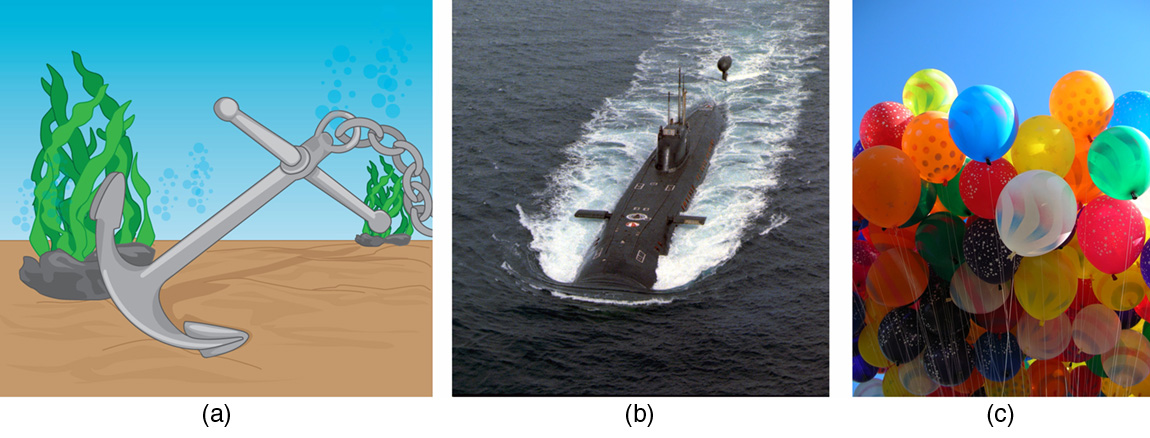
Figure 11.17 (a) Even objects that sink, like this anchor, are partly supported by water when submerged. (b) Submarines have adjustable density (ballast tanks) so that they may float or sink as desired. (credit: Allied Navy) (c) Helium-filled balloons tug upward on their strings, demonstrating air’s buoyant effect. (credit: Crystl)
Paul Peter Urone and Roger Hinrichs, College Physics 2E, OpenStax. (credit: Allied Navy) (c) Helium-filled balloons tug upward on their strings, demonstrating air’s buoyant effect. (credit: Crystl) · CC BY-NC-SA 4.0
· Original image ↗ · Access for free ↗Figure 11.18 — 11.7 Archimedes’ Principle
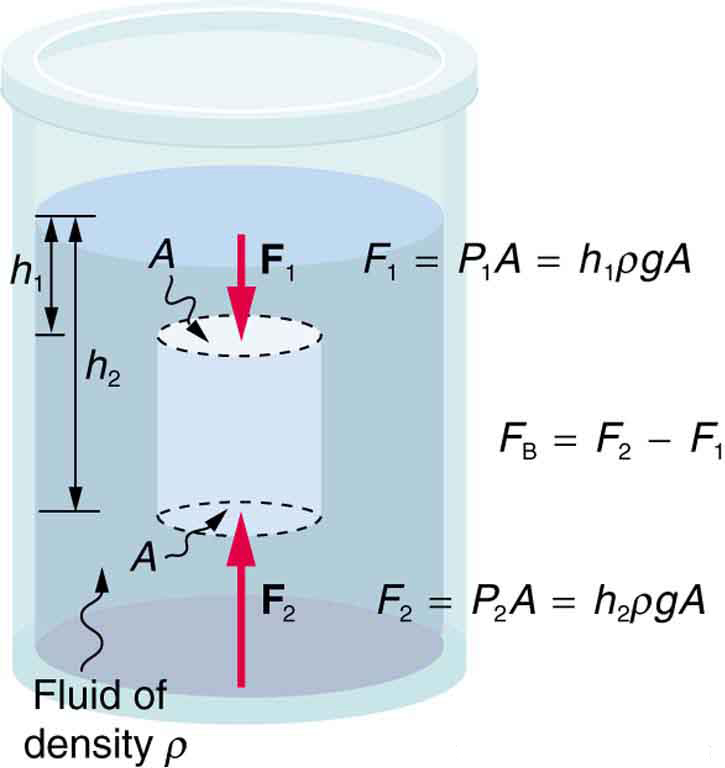
Figure 11.18 Pressure due to the weight of a fluid increases with depth since P = hρg P = hρg . This pressure and associated upward force on the bottom of the cylinder are greater than the downward force on the top of the cylinder. Their difference is the buoyant force F B F B . (Horizontal forces cancel.)
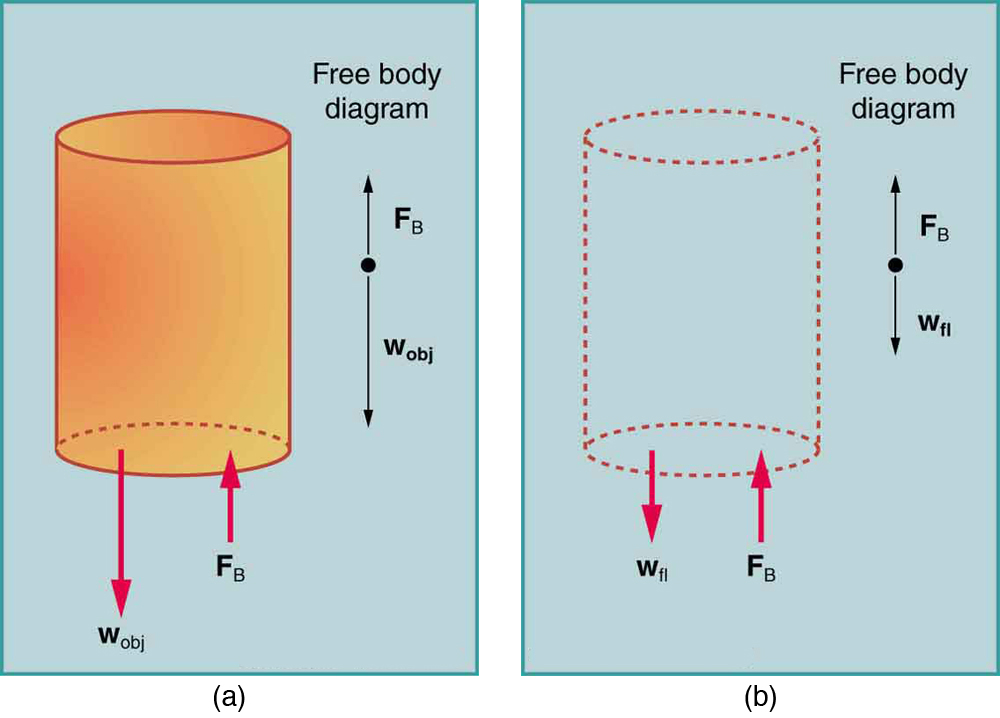
Figure 11.19 (a) An object submerged in a fluid experiences a buoyant force F B F B . If F B F B is greater than the weight of the object, the object will rise. If F B F B is less than the weight of the object, the object will sink. (b) If the object is removed, it is replaced by fluid having weight w fl w fl . Since this weight is supported by surrounding fluid, the buoyant force must equal the weight of the fluid displaced. That is, F B = w fl F B = w fl ,a statement of Archimedes’ principle.
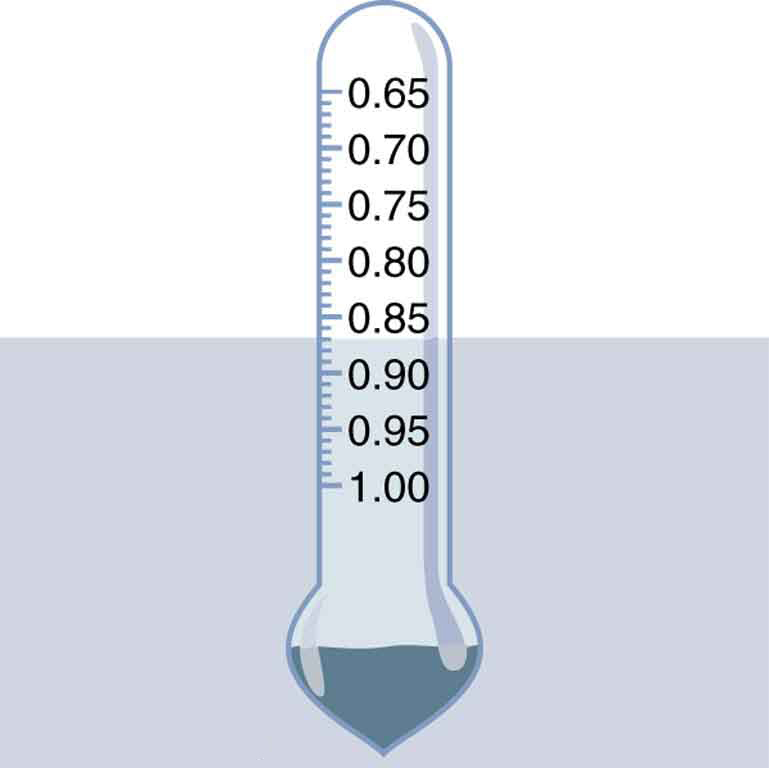
Figure 11.21 This hydrometer is floating in a fluid of specific gravity 0.87. The glass hydrometer is filled with air and weighted with lead at the bottom. It floats highest in the densest fluids and has been calibrated and labeled so that specific gravity can be read from it directly.
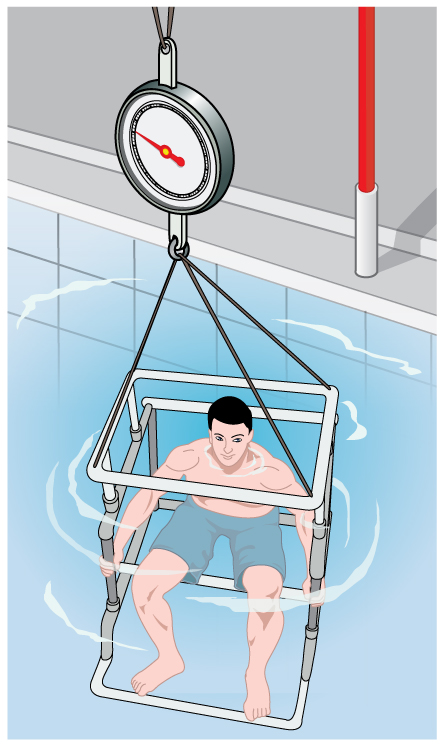
Figure 11.22 Subject in a hydrostatis weighing device, where they are weighed while completely submerged as part of a body density determination. The subject must completely empty their lungs and hold a metal weight in order to sink. Corrections are made for the residual air in the lungs (measured separately) and the metal weight. Their corrected submerged weight, their weight in air, and pinch tests of strategic fatty areas are used to calculate the percent body fat.
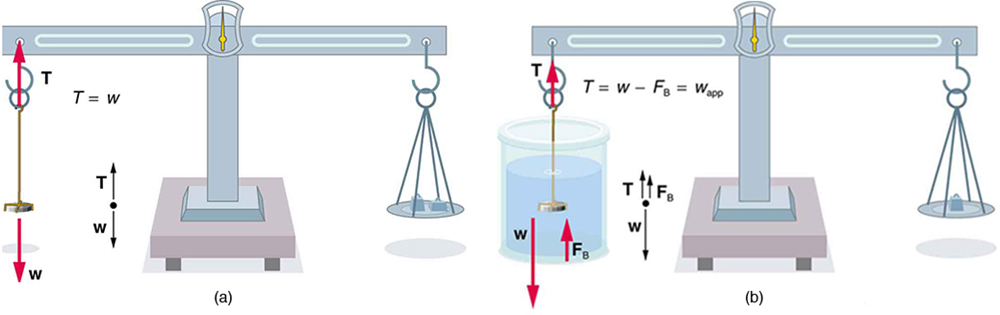
Figure 11.23 (a) A coin is weighed in air. (b) The apparent weight of the coin is determined while it is completely submerged in a fluid of known density. These two measurements are used to calculate the density of the coin.
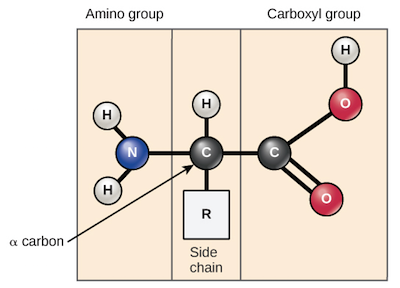
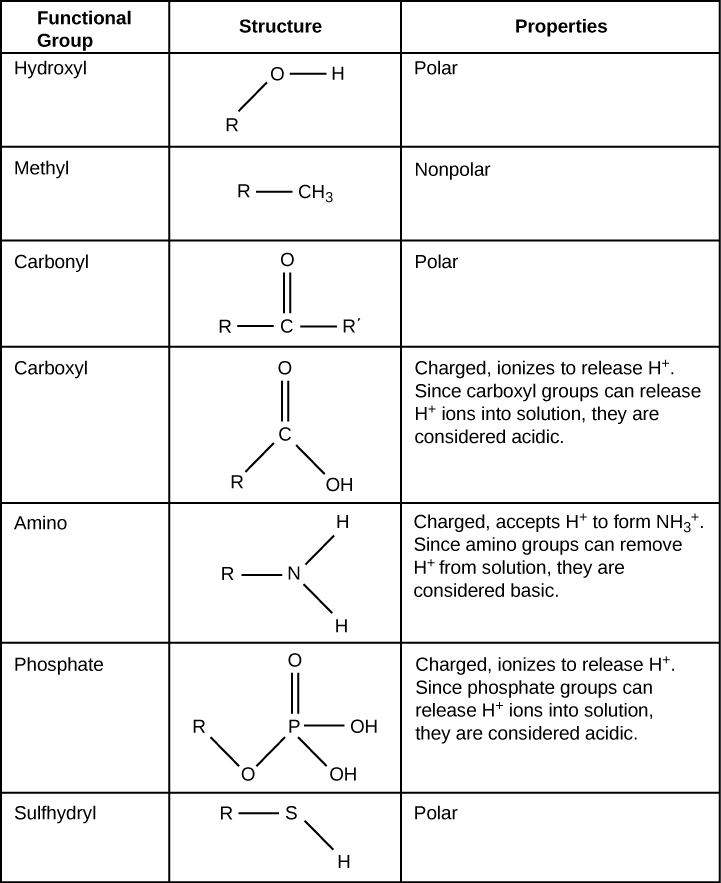
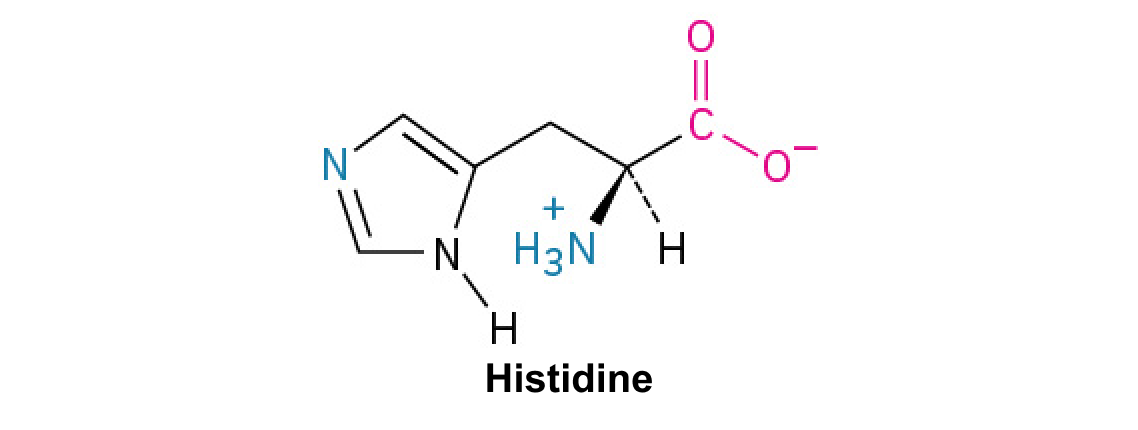
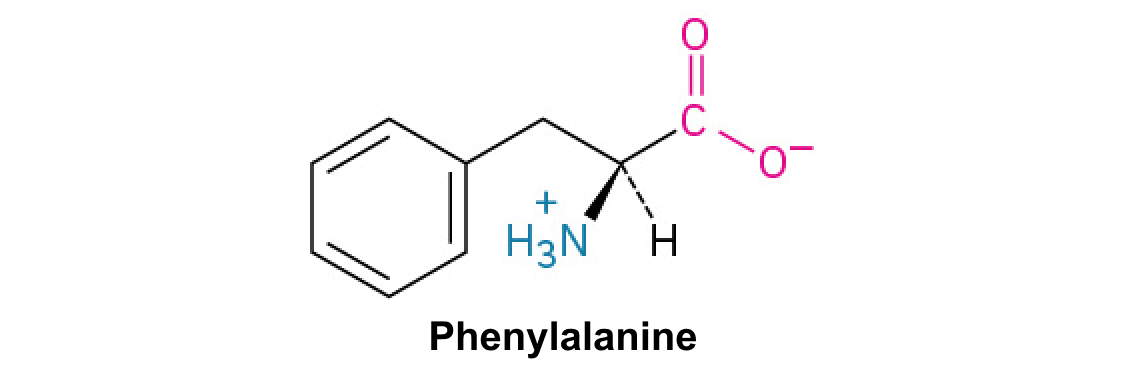
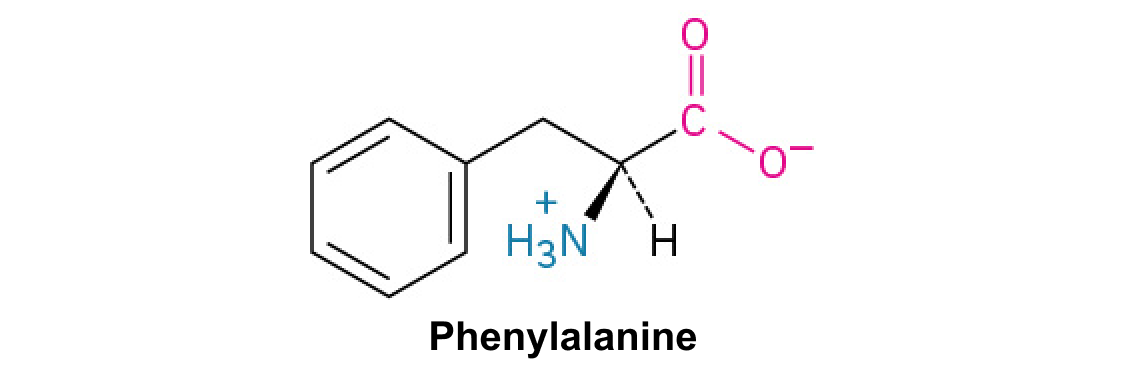
A nitrogen-containing functional group. A free amino acid’s amino group is typically protonated (NH₃⁺) near physiological pH; proline’s ring nitrogen is an exception to this formula.
Figure 15.4 This figure shows the genetic code for translating each nucleotide triplet in mRNA into an amino acid or a termination signal in a protein. (credit: modification of work by NIH)
An electrical property that can be positive or negative. Opposite charges attract and like charges repel; net charge is the sum of all charges on a particle.
Figure 15.10 A generalized promoter of a gene transcribed by RNA polymerase II is shown. Transcription factors recognize the promoter. RNA polymerase II then binds and forms the transcription initiation complex.
The exponent needed to obtain a number from a chosen fixed number. For decimal logarithms, log₁₀(100) = 2 because 10² = 100; pH uses the negative decimal logarithm of hydrogen ion activity.
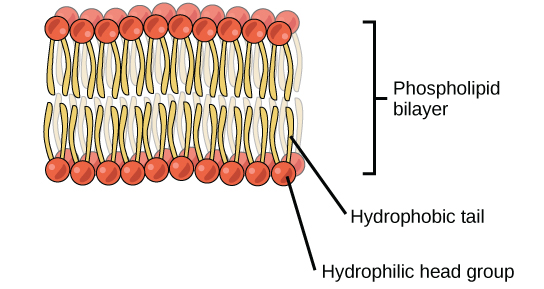
A thin boundary or sheet. Cell membranes are lipid bilayers containing proteins; blotting membranes are synthetic supports that hold proteins or nucleic acids for detection.
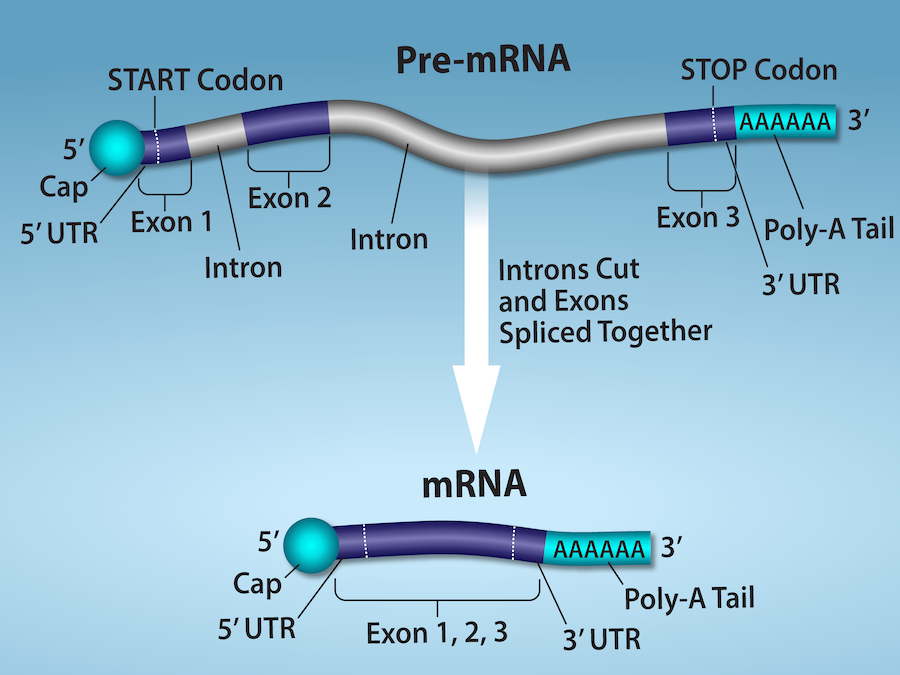
Figure 15.11 Eukaryotic pre-mRNA processing. In addition to 5’ Cap and 3’ Poly-A Tail addition, introns must be precisely removed and exons joined to generate a functional mRNA. Nucleotides upstream (towards the 5’cap) of the translation START codon are part of the 5’ untranslated region (5’ UTR). Nucleotides downstream (towards 3’end) of the STOP codon form the 3’ UTR. Both 5’ and 3’ UTRs are important for regulating translation initiation and mRNA stability. Credit: Rao, A., Ryan, K. Fletcher, S. and Tag, A. Department of Biology, Texas A&M University.
Rao, A., Ryan, K. Fletcher, S. and Tag, A. Department of Biology, Texas A&M University.; Mary Ann Clark, Matthew Douglas, and Jung Choi, Biology 2e, OpenStax. · CC BY-NC-SA 4.0
· Original image ↗ · Access for free ↗
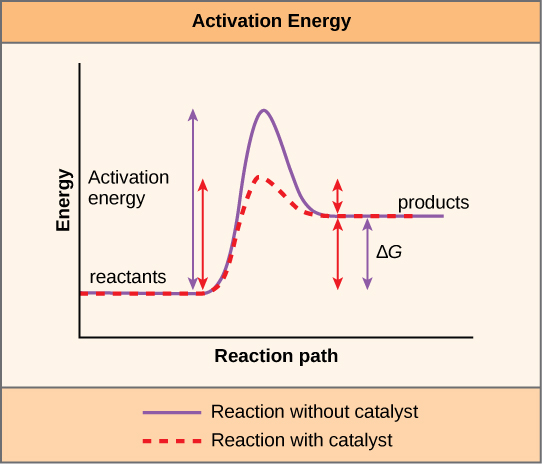
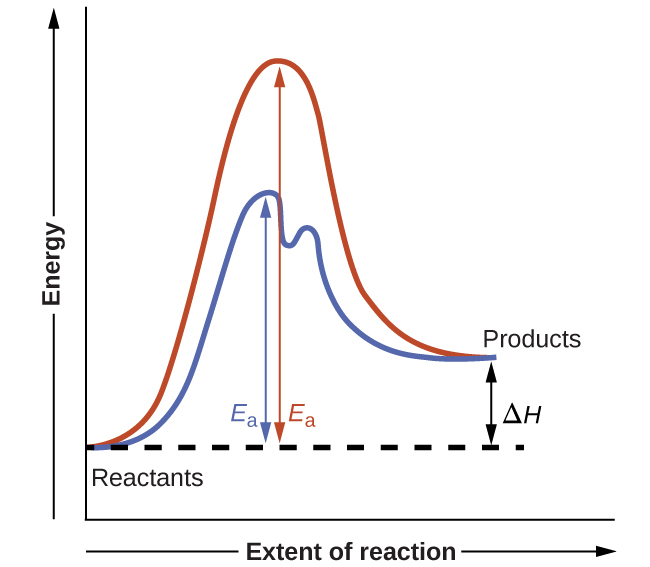
Figure 12.19 Reaction diagrams for an endothermic process in the absence (red curve) and presence (blue curve) of a catalyst. The catalyzed pathway involves a two-step mechanism (note the presence of two transition states) and an intermediate species (represented by the valley between the two transitions states).
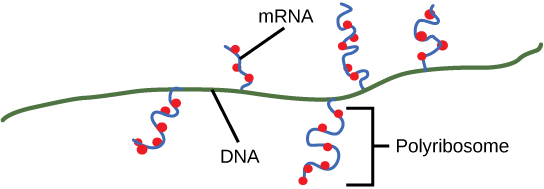
Figure 15.9 Multiple polymerases can transcribe a single bacterial gene while numerous ribosomes concurrently translate the mRNA transcripts into polypeptides. In this way, a specific protein can rapidly reach a high concentration in the bacterial cell.
Figure 7.45 - Non-homologous end joining (left) versus homologous recombination (right) - Wikipedia
Wikipedia, as credited by Kevin Ahern, Indira Rajagopal, and Taralyn Tan, Biochemistry Free For All, Oregon State University, via Biology LibreTexts. · Source attribution
· Original image ↗ · Access for free ↗
The amount of a substance that can dissolve in a solvent under specified conditions. Soluble means able to dissolve; insoluble means only very slightly soluble in that solvent.
Figure 15.7 Messenger RNA is a copy of protein-coding information in the coding strand of DNA, with the substitution of U in the RNA for T in the coding sequence. However, new RNA nucleotides base pair with the nucleotides of the template strand. RNA is synthesized in its 5'-3' direction, using the enzyme RNA polymerase. As the template is read, the DNA unwinds ahead of the polymerase and then rewinds behind it.
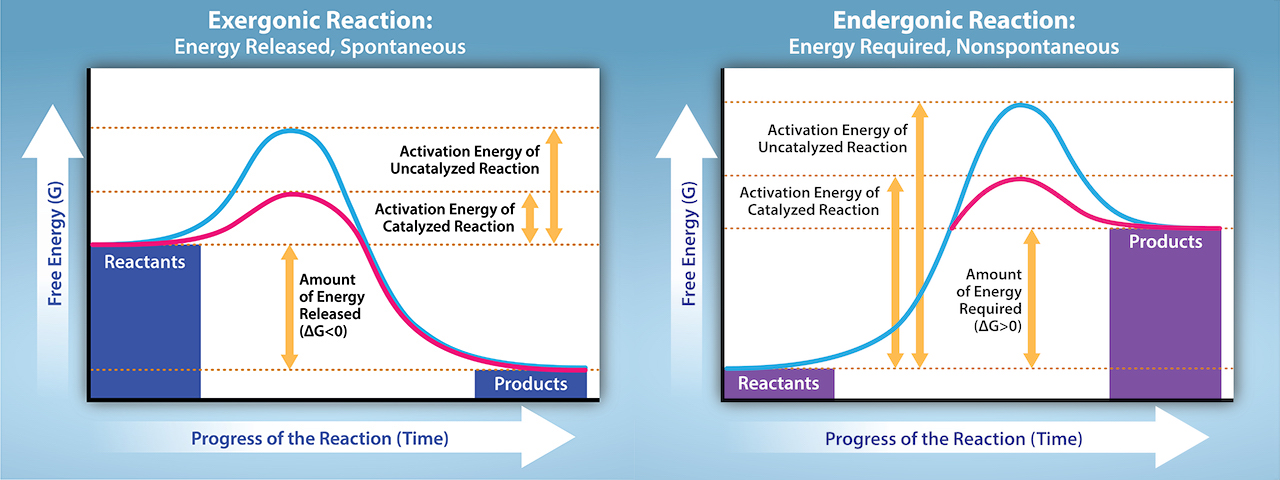
A fleeting, high-energy arrangement at a reaction barrier. It is an energy maximum along the reaction path, rather than a stable reaction intermediate.
Figure 12.19 Reaction diagrams for an endothermic process in the absence (red curve) and presence (blue curve) of a catalyst. The catalyzed pathway involves a two-step mechanism (note the presence of two transition states) and an intermediate species (represented by the valley between the two transitions states).
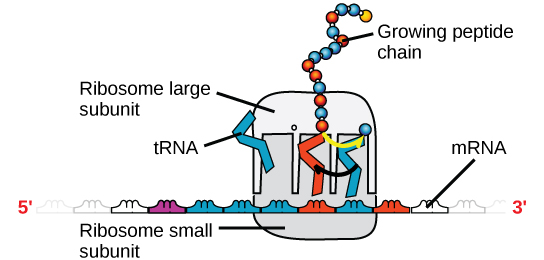
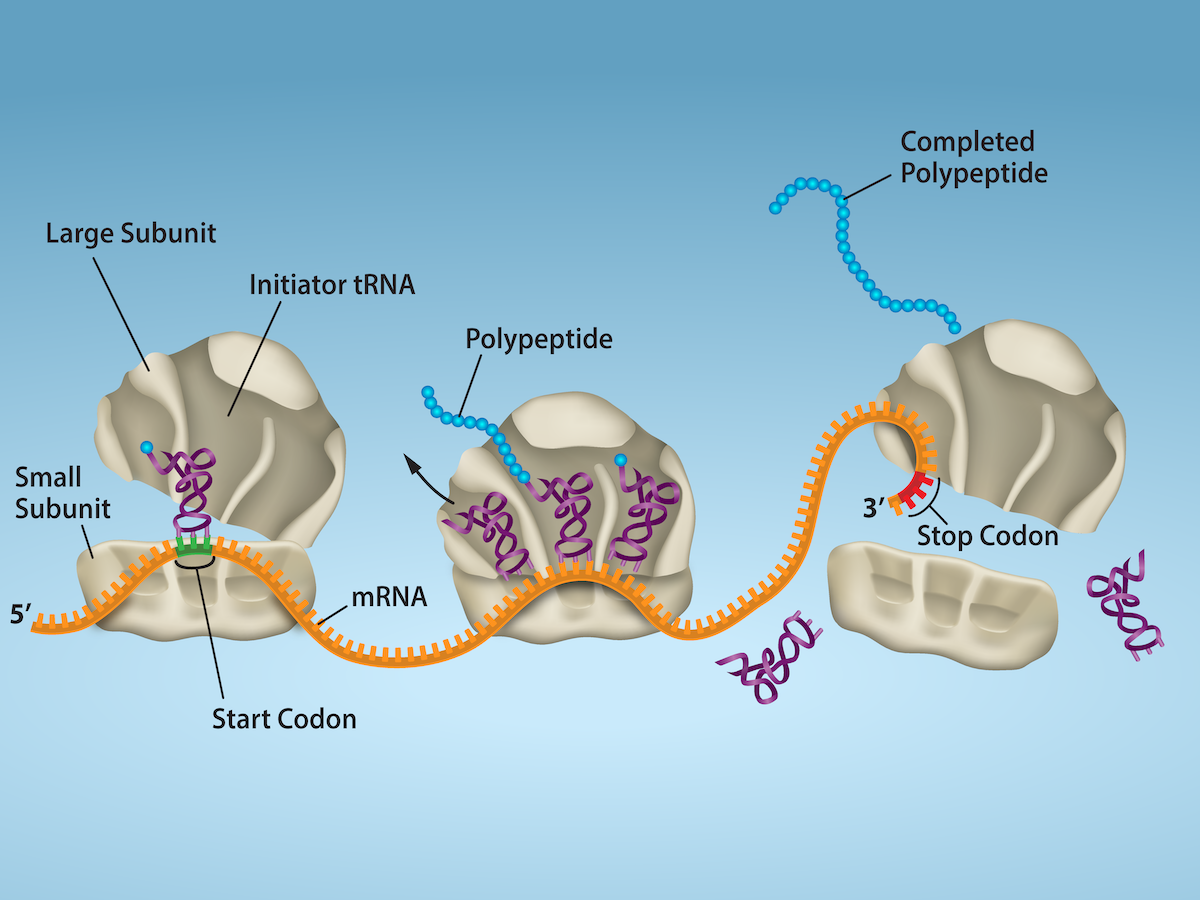
Figure 15.18 Translation begins when an initiator tRNA anticodon recognizes a start codon on mRNA bound to a small ribosomal subunit. The large ribosomal subunit joins the small subunit, and a second tRNA is recruited. As the mRNA moves relative to the ribosome, successive tRNAs move through the ribosome and the polypeptide chain is formed. Entry of a release factor into the A site terminates translation and the components dissociate.
No matching terms. Try a different name or abbreviation.
College Physics 2E 11 — Section Summary
OpenStax · College Physics 2E 11 — Section Summary ↗ Instructional page including learning objectives, examples, figures, source tables and questions. Site navigation and embedded media players are omitted; source media links remain available.
A fluid is a state of matter that yields to sideways or shearing forces. Liquids and gases are both fluids. Fluid statics is the physics of stationary fluids.
Buoyant force is the net upward force on any object in any fluid. If the buoyant force is greater than the object’s weight, the object will rise to the surface and float. If the buoyant force is less than the object’s weight, the object will sink. If the buoyant force equals the object’s weight, the object will remain suspended at that depth. The buoyant force is always present whether the object floats, sinks, or is suspended in a fluid.
Attractive forces between molecules of the same type are called cohesive forces.
Attractive forces between molecules of different types are called adhesive forces.
Cohesive forces between molecules cause the surface of a liquid to contract to the smallest possible surface area. This general effect is called surface tension.
Capillary action is the tendency of a fluid to be raised or suppressed in a narrow tube, or capillary tube which is due to the relative strength of cohesive and adhesive forces.
Measuring blood pressure is among the most common of all medical examinations.
The pressures in various parts of the body can be measured and often provide valuable medical indicators.
The shape of the eye is maintained by fluid pressure, called intraocular pressure.
When the circulation of fluid in the eye is blocked, it can lead to a buildup in pressure, a condition called glaucoma.
Some of the other pressures in the body are spinal and skull pressures, bladder pressure, pressures in the skeletal system.
11.7 Archimedes’ Principle
OpenStax · 11.7 Archimedes’ Principle ↗ Instructional page including learning objectives, examples, figures, source tables and questions. Site navigation and embedded media players are omitted; source media links remain available.
When you rise from lounging in a warm bath, your arms feel strangely heavy. This is because you no longer have the buoyant support of the water. Where does this buoyant force come from? Why is it that some things float and others do not? Do objects that sink get any support at all from the fluid? Is your body buoyed by the atmosphere, or are only helium balloons affected? (See Figure 11.17.)
Figure 11.17 (a) Even objects that sink, like this anchor, are partly supported by water when submerged. (b) Submarines have adjustable density (ballast tanks) so that they may float or sink as desired. (credit: Allied Navy) (c) Helium-filled balloons tug upward on their strings, demonstrating air’s buoyant effect. (credit: Crystl)
Paul Peter Urone and Roger Hinrichs, College Physics 2E, OpenStax. (credit: Allied Navy) (c) Helium-filled balloons tug upward on their strings, demonstrating air’s buoyant effect. (credit: Crystl) · CC BY-NC-SA 4.0
· Original image ↗ · Access for free ↗
Answers to all these questions, and many others, are based on the fact that pressure increases with depth in a fluid. This means that the upward force on the bottom of an object in a fluid is greater than the downward force on the top of the object. There is a net upward, or buoyant force on any object in any fluid. (See Figure 11.18.) If the buoyant force is greater than the object’s weight, the object will rise to the surface and float. If the buoyant force is less than the object’s weight, the object will sink. If the buoyant force equals the object’s weight, the object will remain suspended at that depth. The buoyant force is always present whether the object floats, sinks, or is suspended in a fluid.
Figure 11.18 Pressure due to the weight of a fluid increases with depth since P = hρg P = hρg . This pressure and associated upward force on the bottom of the cylinder are greater than the downward force on the top of the cylinder. Their difference is the buoyant force F B F B . (Horizontal forces cancel.)
Just how great is this buoyant force? To answer this question, think about what happens when a submerged object is removed from a fluid, as in Figure 11.19.
Figure 11.19 (a) An object submerged in a fluid experiences a buoyant force F B F B . If F B F B is greater than the weight of the object, the object will rise. If F B F B is less than the weight of the object, the object will sink. (b) If the object is removed, it is replaced by fluid having weight w fl w fl . Since this weight is supported by surrounding fluid, the buoyant force must equal the weight of the fluid displaced. That is, F B = w fl F B = w fl ,a statement of Archimedes’ principle.
The space it occupied is filled by fluid having a weight . This weight is supported by the surrounding fluid, and so the buoyant force must equal , the weight of the fluid displaced by the object. It is a tribute to the genius of the Greek mathematician and inventor Archimedes (ca. 287–212 B.C.) that he stated this principle long before concepts of force were well established. Stated in words, Archimedes’ principle is as follows: The buoyant force on an object equals the weight of the fluid it displaces. In equation form, Archimedes’ principle is
11.30
where is the buoyant force and is the weight of the fluid displaced by the object. Archimedes’ principle is valid in general, for any object in any fluid, whether partially or totally submerged.
According to this principle the buoyant force on an object equals the weight of the fluid it displaces. In equation form, Archimedes’ principle is
11.31
where is the buoyant force and is the weight of the fluid displaced by the object.
Humm … High-tech body swimsuits were introduced in 2008 in preparation for the Beijing Olympics. One concern (and international rule) was that these suits should not provide any buoyancy advantage. How do you think that this rule could be verified?
Making Connections: Take-Home Investigation
The density of aluminum foil is 2.7 times the density of water. Take a piece of foil, roll it up into a ball and drop it into water. Does it sink? Why or why not? Can you make it sink?
Floating and Sinking
Drop a lump of clay in water. It will sink. Then mold the lump of clay into the shape of a boat, and it will float. Because of its shape, the boat displaces more water than the lump and experiences a greater buoyant force. The same is true of steel ships.
(a) Calculate the buoyant force on 10,000 metric tons of solid steel completely submerged in water, and compare this with the steel’s weight. (b) What is the maximum buoyant force that water could exert on this same steel if it were shaped into a boat that could displace of water?
Strategy for (a)
To find the buoyant force, we must find the weight of water displaced. We can do this by using the densities of water and steel given in Table 11.1. We note that, since the steel is completely submerged, its volume and the water’s volume are the same. Once we know the volume of water, we can find its mass and weight.
First, we use the definition of density to find the steel’s volume, and then we substitute values for mass and density. This gives
11.32
Because the steel is completely submerged, this is also the volume of water displaced, . We can now find the mass of water displaced from the relationship between its volume and density, both of which are known. This gives
The steel’s weight is , which is much greater than the buoyant force, so the steel will remain submerged. Note that the buoyant force is rounded to two digits because the density of steel is given to only two digits.
Strategy for (b)
Here we are given the maximum volume of water the steel boat can displace. The buoyant force is the weight of this volume of water.
The mass of water displaced is found from its relationship to density and volume, both of which are known. That is,
11.35
The maximum buoyant force is the weight of this much water, or
11.36
Discussion
The maximum buoyant force is ten times the weight of the steel, meaning the ship can carry a load nine times its own weight without sinking.
Making Connections: Take-Home Investigation
A piece of household aluminum foil is 0.016 mm thick. Use a piece of foil that measures 10 cm by 15 cm. (a) What is the mass of this amount of foil? (b) If the foil is folded to give it four sides, and paper clips or washers are added to this “boat,” what shape of the boat would allow it to hold the most “cargo” when placed in water? Test your prediction.
Density plays a crucial role in Archimedes’ principle. The average density of an object is what ultimately determines whether it floats. If its average density is less than that of the surrounding fluid, it will float. This is because the fluid, having a higher density, contains more mass and hence more weight in the same volume. The buoyant force, which equals the weight of the fluid displaced, is thus greater than the weight of the object. Likewise, an object denser than the fluid will sink.
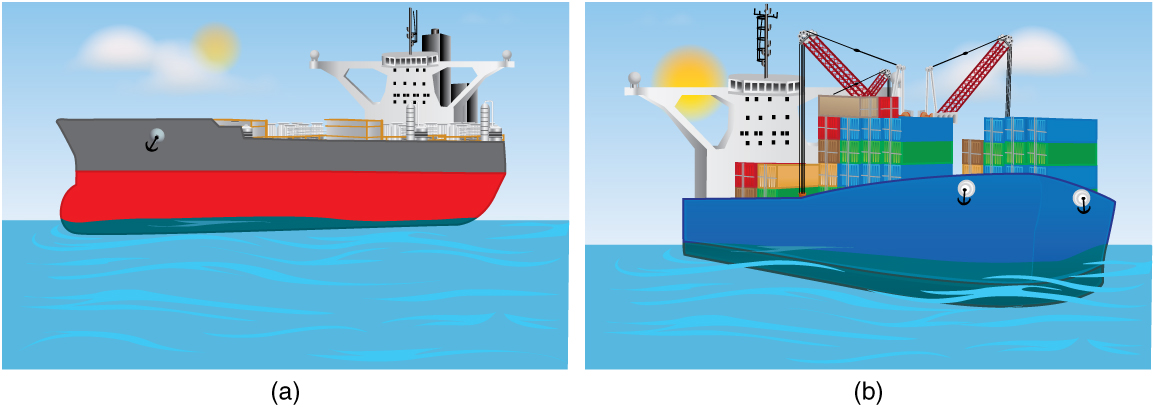
The extent to which a floating object is submerged depends on how the object’s density is related to that of the fluid. In Figure 11.20, for example, the unloaded ship has a lower density and less of it is submerged compared with the same ship loaded. We can derive a quantitative expression for the fraction submerged by considering density. The fraction submerged is the ratio of the volume submerged to the volume of the object, or
11.37
The volume submerged equals the volume of fluid displaced, which we call . Now we can obtain the relationship between the densities by substituting into the expression. This gives
11.38
where is the average density of the object and is the density of the fluid. Since the object floats, its mass and that of the displaced fluid are equal, and so they cancel from the equation, leaving
We use this last relationship to measure densities. This is done by measuring the fraction of a floating object that is submerged—for example, with a hydrometer. It is useful to define the ratio of the density of an object to a fluid (usually water) as specific gravity:
11.40
where is the average density of the object or substance and is the density of water at 4.00°C. Specific gravity is dimensionless, independent of whatever units are used for . If an object floats, its specific gravity is less than one. If it sinks, its specific gravity is greater than one. Moreover, the fraction of a floating object that is submerged equals its specific gravity. If an object’s specific gravity is exactly 1, then it will remain suspended in the fluid, neither sinking nor floating. Scuba divers try to obtain this state so that they can hover in the water. We measure the specific gravity of fluids, such as battery acid, radiator fluid, and urine, as an indicator of their condition. One device for measuring specific gravity is shown in Figure 11.21.
Figure 11.21 This hydrometer is floating in a fluid of specific gravity 0.87. The glass hydrometer is filled with air and weighted with lead at the bottom. It floats highest in the densest fluids and has been calibrated and labeled so that specific gravity can be read from it directly.
Entering the known values into the expression for her density, we obtain
11.43
Discussion
Her density is less than the fluid density. We expect this because she floats. Body density is one indicator of a person’s percent body fat, of interest in medical diagnostics and athletic training. (See Figure 11.22.)
Figure 11.22 Subject in a hydrostatis weighing device, where they are weighed while completely submerged as part of a body density determination. The subject must completely empty their lungs and hold a metal weight in order to sink. Corrections are made for the residual air in the lungs (measured separately) and the metal weight. Their corrected submerged weight, their weight in air, and pinch tests of strategic fatty areas are used to calculate the percent body fat.
There are many obvious examples of lower-density objects or substances floating in higher-density fluids—oil on water, a hot-air balloon, a bit of cork in wine, an iceberg, and hot wax in a “lava lamp,” to name a few. Less obvious examples include lava rising in a volcano and mountain ranges floating on the higher-density crust and mantle beneath them. Even seemingly solid Earth has fluid characteristics.
More Density Measurements
One of the most common techniques for determining density is shown in Figure 11.23.
Figure 11.23 (a) A coin is weighed in air. (b) The apparent weight of the coin is determined while it is completely submerged in a fluid of known density. These two measurements are used to calculate the density of the coin.
An object, here a coin, is weighed in air and then weighed again while submerged in a liquid. The density of the coin, an indication of its authenticity, can be calculated if the fluid density is known. This same technique can also be used to determine the density of the fluid if the density of the coin is known. All of these calculations are based on Archimedes’ principle.
Archimedes’ principle states that the buoyant force on the object equals the weight of the fluid displaced. This, in turn, means that the object appears to weigh less when submerged; we call this measurement the object’s apparent weight. The object suffers an apparent weight loss equal to the weight of the fluid displaced. Alternatively, on balances that measure mass, the object suffers an apparent mass loss equal to the mass of fluid displaced. That is
11.44
or
11.45
The next example illustrates the use of this technique.
Example
11.10
Calculating Density: Is the Coin Authentic?
The mass of an ancient Greek coin is determined in air to be 8.630 g. When the coin is submerged in water as shown in Figure 11.23, its apparent mass is 7.800 g. Calculate its density, given that water has a density of and that effects caused by the wire suspending the coin are negligible.
Strategy
To calculate the coin’s density, we need its mass (which is given) and its volume. The volume of the coin equals the volume of water displaced. The volume of water displaced can be found by solving the equation for density for .
The volume of water is where is the mass of water displaced. As noted, the mass of the water displaced equals the apparent mass loss, which is . Thus the volume of water is . This is also the volume of the coin, since it is completely submerged. We can now find the density of the coin using the definition of density:
11.46
Discussion
You can see from Table 11.1 that this density is very close to that of pure silver, appropriate for this type of ancient coin. Most modern counterfeits are not pure silver.
This brings us back to Archimedes’ principle and how it came into being. As the story goes, the king of Syracuse gave Archimedes the task of determining whether the royal crown maker was supplying a crown of pure gold. The purity of gold is difficult to determine by color (it can be diluted with other metals and still look as yellow as pure gold), and other analytical techniques had not yet been conceived. Even ancient peoples, however, realized that the density of gold was greater than that of any other then-known substance. Archimedes purportedly agonized over his task and had his inspiration one day while at the public baths, pondering the support the water gave his body. He came up with his now-famous principle, saw how to apply it to determine density, and ran naked down the streets of Syracuse crying “Eureka!” (Greek for “I have found it”). Similar behavior can be observed in contemporary physicists from time to time!