Foundation 5 · 5C · Separation and purification

Separating

Sources ↗

behave identically in environments but differently toward a partner.

Create distinguishable interactions

A contains equal amounts of two and has zero net optical rotation under ordinary measurement conditions. share and most other properties in an environment, so ordinary distillation or generally cannot separate them. Reacting with one of a produces diastereomeric derivatives or with different solubilities; separate them, then regenerate the desired . Alternatively, use a or an that reacts preferentially with one . Classical limits isolated unreacted single- yield to at most 50% without recycling or racemization.

Source: 5.8 Racemic Mixtures and the Resolution of Enantiomers

Apply it

Try before revealing the answer. An column gives one for a racemic alcohol. Does that prove the sample contains only one stereoisomer? How could the experiment distinguish them?

Worked answer

No. can coelute because an does not distinguish their mirror-related interactions. A validated column can yield separate . Alternatively, form derivatives with a single- reagent to create separable diastereomers, while checking that derivatization does not racemize the sample.

Source: 5.8 Racemic Mixtures and the Resolution of Enantiomers

5.8 Racemic Mixtures and the of — figures and tables

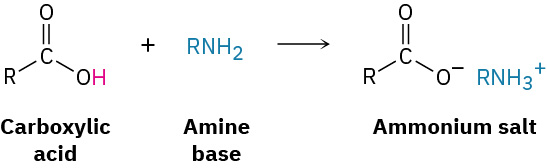
The figure shows a reaction in which carboxylic acid reacts with an amine base to form ammonium salt.
5.8 Racemic Mixtures and the of — illustration 1 John McMurry, Organic Chemistry, OpenStax. · CC BY-NC-SA 4.0 · Original image ↗ · Access for free ↗
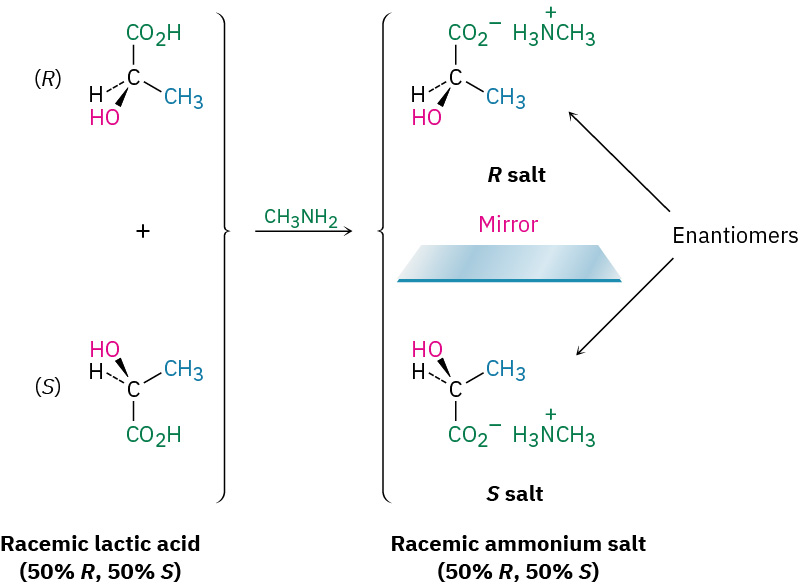
Racemic lactic acid (50 percent R, 50 percent S) reacts with methylamine to form R salt. Its mirror image shows S salt. Both R and S salts are labeled enantiomers.
Figure 5.13 — 5.8 Racemic Mixtures and the of

Figure 5.13 Reaction of racemic lactic acid with achiral methylamine gives a racemic mixture of ammonium salts.

John McMurry, Organic Chemistry, OpenStax. · CC BY-NC-SA 4.0 · Original image ↗ · Access for free ↗
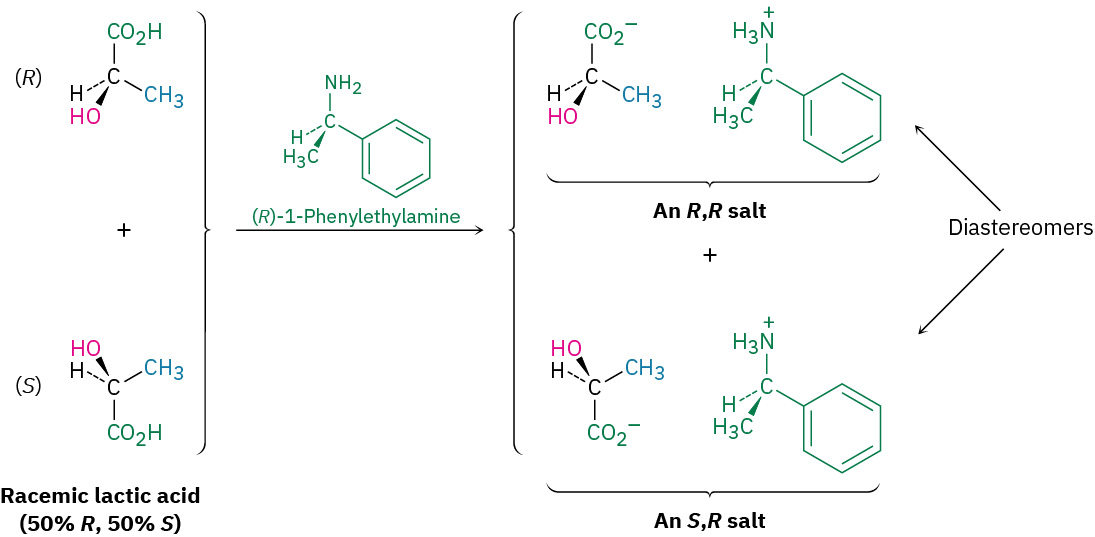
Racemic lactic acid reacts with R-1-phenylethylamine to form an R, R salt and an S, R salt. Both salts are labeled diastereomers.
Figure 5.14 — 5.8 Racemic Mixtures and the of

Figure 5.14 Reaction of racemic lactic acid with ( R )-1-phenylethylamine yields a mixture of diastereomeric ammonium salts, which have different properties and can be separated.

John McMurry, Organic Chemistry, OpenStax. · CC BY-NC-SA 4.0 · Original image ↗ · Access for free ↗

In a reaction, lactic acid reacts with methanol in the presence of acid catalyst to form methyl lactate and water.
5.8 Racemic Mixtures and the of — illustration 4 John McMurry, Organic Chemistry, OpenStax. · CC BY-NC-SA 4.0 · Original image ↗ · Access for free ↗
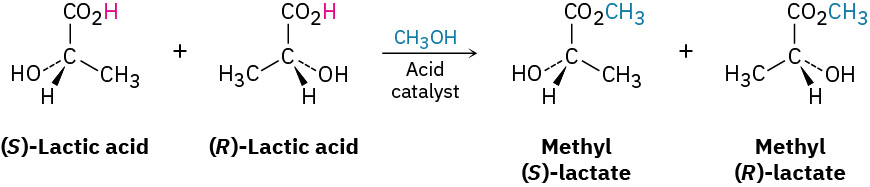
(S)-lactic acid reacts with (R)-lactic acid in the presence of methanol, acid catalyst to form methyl (S)-lactate and methyl (R)-lactate.
5.8 Racemic Mixtures and the of — illustration 5 John McMurry, Organic Chemistry, OpenStax. · CC BY-NC-SA 4.0 · Original image ↗ · Access for free ↗
In a reaction, acetic acid reacts with 2-butanol in the presence of acid catalyst to form secondary-butyl acetate and water.
5.8 Racemic Mixtures and the of — illustration 6 John McMurry, Organic Chemistry, OpenStax. · CC BY-NC-SA 4.0 · Original image ↗ · Access for free ↗


Source: 5.8 Racemic Mixtures and the Resolution of Enantiomers
159 terms, alphabetically ordered

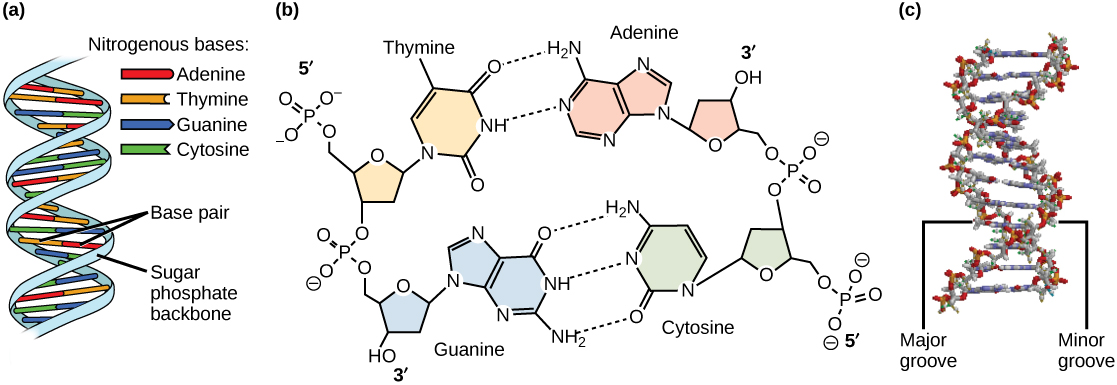
5′ end · ·

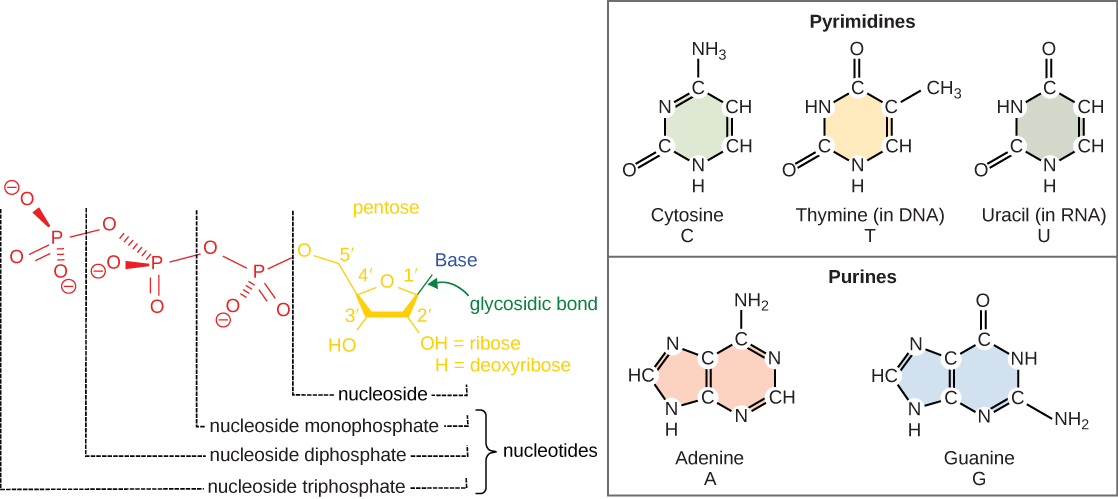
The end of a nucleic- strand associated with the sugar’s 5′ position. Sequences are conventionally written from 5′ to 3′.

Read explanation · OpenStax ↗
Achiral

Superimposable on its mirror image. is achiral because its has two hydrogen substituents.

Read explanation · OpenStax ↗
Acid · ·

In the Brønsted–Lowry model, a substance that can donate a . Acidic have a higher activity than water.

Read explanation · OpenStax ↗
Activation energy ·

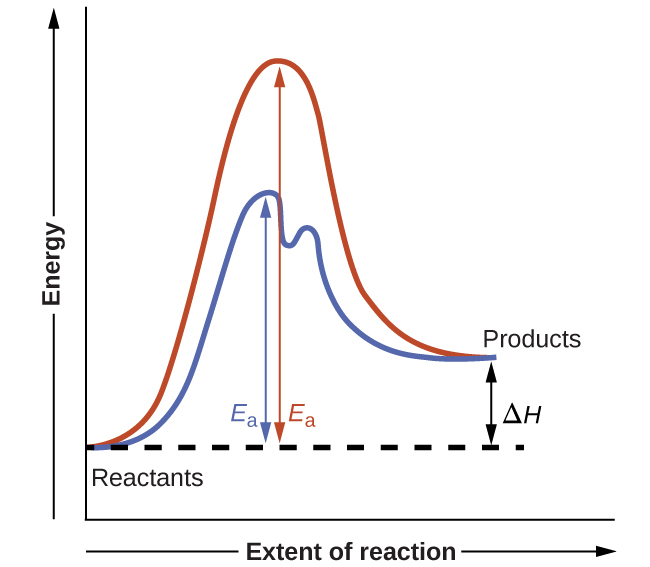
The energy barrier that must overcome to reach a and undergo .

Read explanation · OpenStax ↗
Adenine

A that pairs with in and in .

Read explanation · OpenStax ↗
Adenosine triphosphate

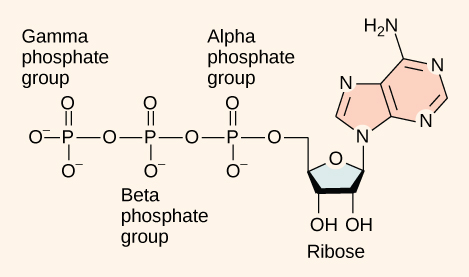
An energy-carrying ; its powers many cellular processes, including cycles.

Read explanation · OpenStax ↗
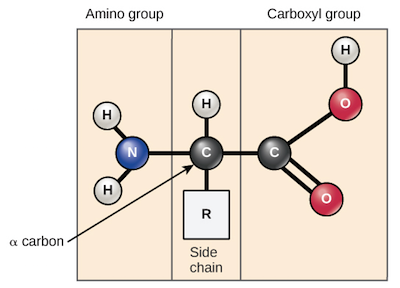
Alpha carbon · ·

The central carbon next to the carboxyl carbon. In a standard it binds an , hydrogen, and .

Read explanation · OpenStax ↗
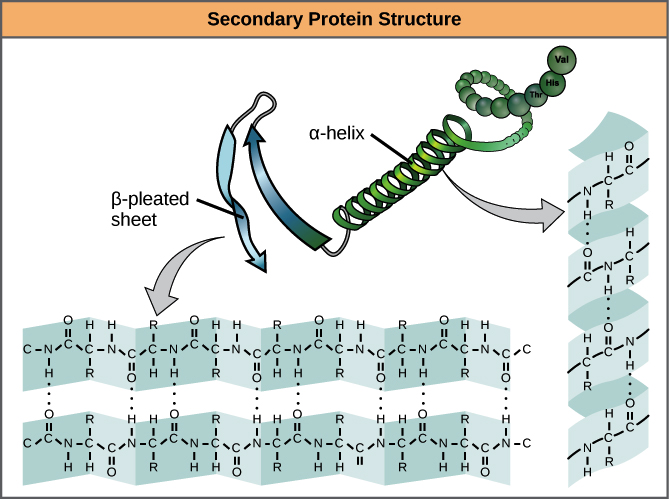
Alpha helix · · · · · ·

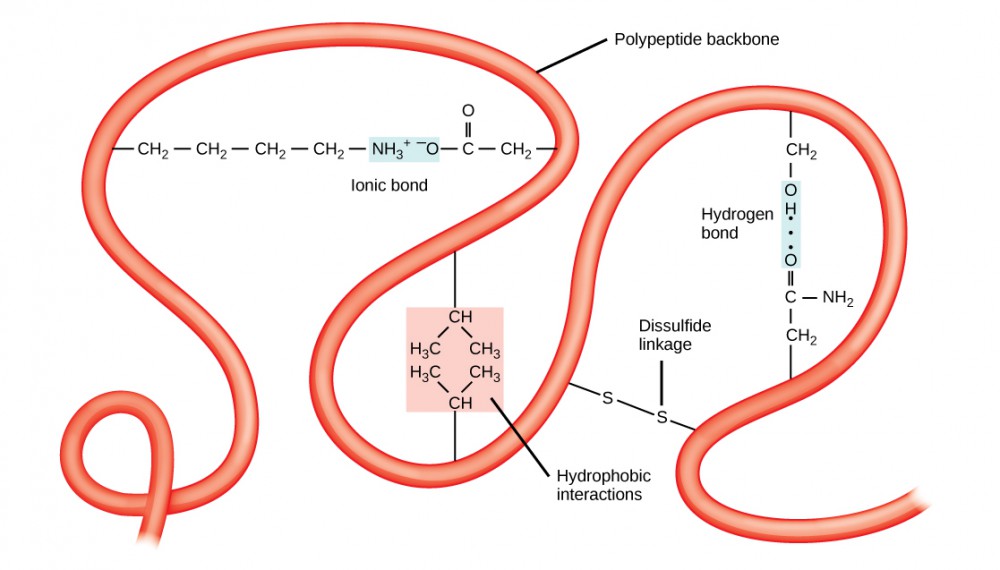
A helical stabilized by between a oxygen and an hydrogen four later.

Read explanation · OpenStax ↗
Amide · · ·

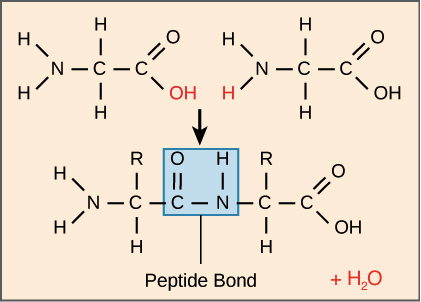
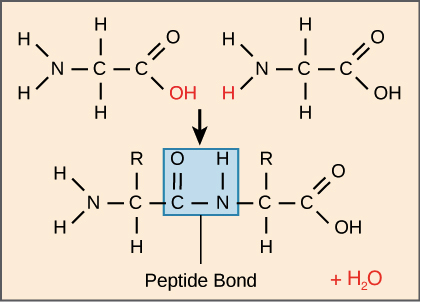
A group containing a carbon bonded to nitrogen. are amide linkages.

Read explanation · OpenStax ↗
Amine ·

An organic derivative of ammonia containing a nitrogen with a lone pair; many amines can accept a .

Read explanation · OpenStax ↗
Amino acid

A building block containing amino and and a characteristic .

Read explanation · OpenStax ↗
Amino acid residue · ·

The part of an incorporated into a chain. Residue can also describe another building block within a larger .

Read explanation · OpenStax ↗
Amino group · · ·

A nitrogen-containing . A free ’s amino group is typically (NH₃⁺) near physiological ; ’s ring nitrogen is an exception to this formula.

Read explanation · OpenStax ↗
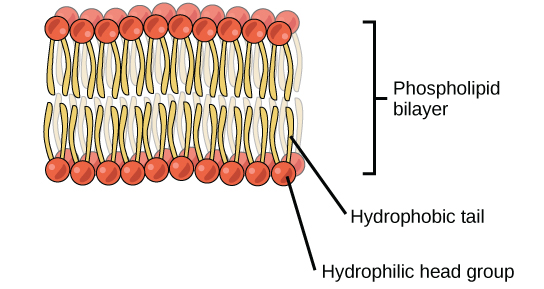
Amphipathic

Having both a region and a region, as in a or .

Read explanation · OpenStax ↗
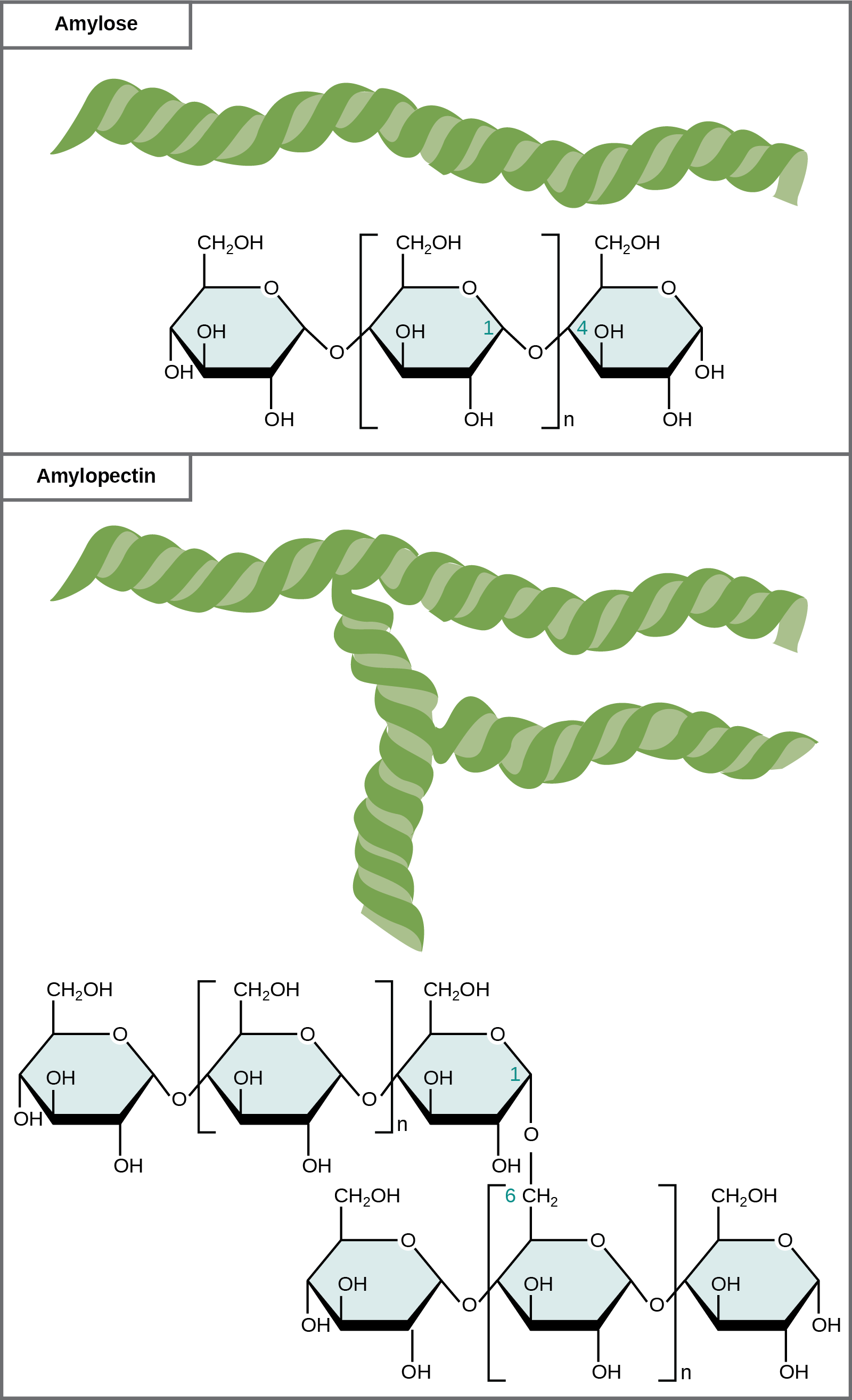
Amylose

The largely unbranched component of , made mainly of linked by alpha-1,4 .

Read explanation · OpenStax ↗
Anion ·

An with a negative net .

Read explanation · OpenStax ↗
anomeric carbon

The former carbon of a sugar, which becomes the or hemiketal center upon cyclization.

Read explanation · OpenStax ↗
Antiparallel

Running in opposite directions, as with two strands or neighboring strands in some .

Read explanation · OpenStax ↗
Aqueous solution ·

A in which water is the .

Read explanation · OpenStax ↗
Atom

The smallest unit of an element that retains its chemical identity; it has a surrounded by .

Read explanation · OpenStax ↗
Beta sheet · · · · · ·

A made of aligned segments connected by ; strands may be parallel or .

Read explanation · OpenStax ↗
Biomolecule

A made by or involved in living systems, including , , , and .

Read explanation · OpenStax ↗
Blotting ·

Transfer of separated or to a so a specific target can be detected.

Read explanation · Thermo Fisher ↗
Boiling point

The temperature at which a liquid’s equals the surrounding pressure.

Read explanation · Agilent ↗
Branch point ·

An site, usually containing , whose 2′-OH participates in forming the during spliceosomal .

Read explanation · NCBI Bookshelf / Garland Science ↗
Brønsted–Lowry base · · · · · · · · · · ·

In the Brønsted–Lowry model, a substance that can accept a . Basic solutions have lower activity than water.

Read explanation · OpenStax ↗
Carbohydrate

A class of including sugars and their , used for energy storage, structure, and recognition.

Read explanation · OpenStax ↗
Carbonyl group · ·

A carbon double-bonded to oxygen, C=O; present in and many other .

Read explanation · OpenStax ↗
Carboxyl group · ·

An , COOH. In free it is usually to COO⁻ near physiological .

Read explanation · OpenStax ↗
Catalyst · ·

A substance that speeds a by providing a pathway with lower and is regenerated rather than consumed overall.

Read explanation · OpenStax ↗
Cation ·

An with a positive net .

Read explanation · OpenStax ↗
Cellulose

A structural in plant cell walls, with beta-1,4 linkages; also used as a support.

Read explanation · OpenStax ↗
Chemical compound ·

A substance containing of two or more different chemically combined in a definite composition.

Read explanation · OpenStax ↗
Chemical element

A substance defined by having the same number of , such as carbon or oxygen.

Read explanation · OpenStax ↗
Chemical reaction ·

A process that rearranges and chemical bonds, converting into .

Read explanation · OpenStax ↗
chiral resolution

Separation of using a interaction or conversion into distinguishable derivatives.

Read explanation · OpenStax ↗
Chirality

Having a structure that cannot be superimposed on its mirror image. is the only standard without a chiral .

Read explanation · OpenStax ↗
Chromatographic peak · ·

A rise and fall in detector signal as one or more components pass through the detector; a peak does not guarantee a single pure .

Read explanation · Agilent ↗
Chromatography

Separation of mixture components by their different interactions with a and a moving .

Read explanation · Waters ↗
Chromatography resin ·

The solid or beads in a column, often carrying chemical groups that determine separation behavior.

Read explanation · Cytiva ↗
Chromosome ·

An organized with associated that carries . A replicated chromosome has two .

Read explanation · OpenStax ↗
Codon

A sequence of three that specifies an or a stop signal.

Read explanation · OpenStax ↗
Coenzyme

An organic that helps an catalyze a , often by carrying or chemical groups.

Read explanation · OpenStax ↗
Cofactor

A nonprotein component needed for an to work, such as a metal or an organic .

Read explanation · OpenStax ↗
Concentration

The amount of a substance in a specified volume or mass of mixture.

Read explanation · OpenStax ↗
Covalent bond · ·

A bond in which share pairs. and are covalent.

Read explanation · OpenStax ↗
Cysteine ·

An with a . Two cysteines can form a .

Read explanation · OpenStax ↗
Cytoplasm

Cell contents inside the plasma and outside the , where one is present.

Read explanation · OpenStax ↗
Cytosine

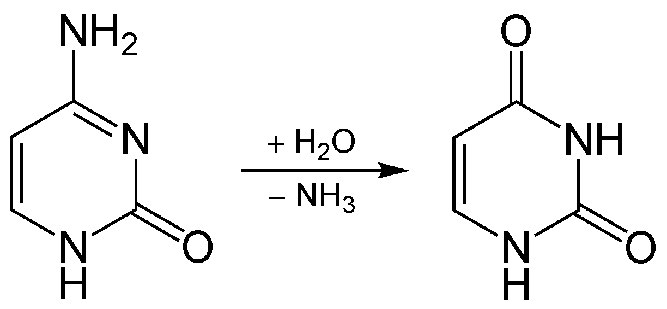
A in and that pairs with . can convert it to .

Read explanation · OpenStax ↗
Cytosol

The aqueous part of the outside -enclosed .

Read explanation · OpenStax ↗
Deamination

Removal of an . Deamination of produces and can change genetic information if unrepaired.

Read explanation · Biology LibreTexts / Oregon State University ↗
Deoxyribonucleic acid

The that stores genetic information used to specify and sequences.

Read explanation · OpenStax ↗
Deprotonation

Removal of a from a or group; this changes its by minus one.

Read explanation · OpenStax ↗
Detergent

An substance that can associate with both water and material; detergents can disrupt or interactions.

Read explanation · Thermo Fisher ↗
Disulfide bond · · ·

A covalent sulfur–sulfur bond formed by of two , which can stabilize structure.

Read explanation · NCBI Bookshelf ↗
DNA replication

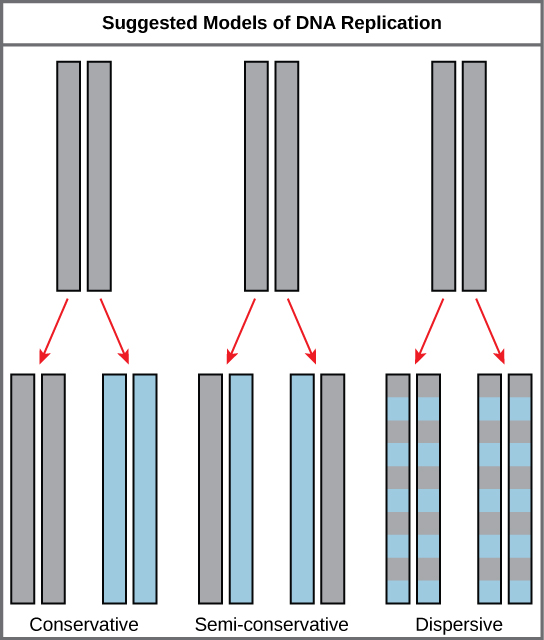
Copying so genetic information can be passed to daughter cells. Each guides a complementary new strand.

Read explanation · OpenStax ↗
Electric charge · · ·

An electrical property that can be positive or negative. Opposite charges attract and like charges repel; net charge is the sum of all charges on a particle.

Read explanation · OpenStax ↗
Electron

A negatively subatomic particle. Electron sharing and transfer determine much of chemical bonding.

Read explanation · OpenStax ↗
Electronegativity ·

An ’s tendency to attract shared in a chemical bond. Unequal attraction can make a bond .

Read explanation · OpenStax ↗
Enantiomer

One of a pair of that are nonsuperimposable mirror images of each other.

Read explanation · OpenStax ↗
Enzyme

A biological that speeds a without being consumed. Most enzymes are .

Read explanation · OpenStax ↗
Equilibrium

A state where opposing processes occur at equal rates, so macroscopic or other properties remain constant.

Read explanation · OpenStax ↗
Eukaryote ·

An organism whose cells have a -enclosed ; animals, plants, fungi, and protists are eukaryotes.

Read explanation · OpenStax ↗
Exon

A segment retained in a mature spliced . In an exon may contain coding sequence, untranslated sequence, or both.

Read explanation · OpenStax ↗
Functional group

A group of whose chemical behavior gives a characteristic and properties.

Read explanation · OpenStax ↗
Gene

A sequence that contributes to a functional or , together with the information needed to express it.

Read explanation · OpenStax ↗
Gene expression

Production of a functional from a , including and, for -coding , .

Read explanation · NCBI Bookshelf ↗
Genome

The complete genetic material of an organism or cell.

Read explanation · OpenStax ↗
Glucose

A six-carbon sugar that is a major cellular energy source and a building block of , , and .

Read explanation · OpenStax ↗
Glycine ·

The smallest ; its is hydrogen. It is and allows substantial flexibility.

Read explanation · OpenStax ↗
glycogen

A highly branched used for storage in animals.

Read explanation · Biology LibreTexts / Oregon State University ↗
glycolysis

A pathway converting to with net production of and .

Read explanation · Biology LibreTexts / Oregon State University ↗
Glycosidic bond

A involving a sugar’s . In a , an N-glycosidic bond links the sugar to the .

Read explanation · Biology LibreTexts / Oregon State University ↗
Guanine

A that pairs with through three .

Read explanation · OpenStax ↗
hemiacetal

Carbon bonded to both and alkoxy groups, usually formed by alcohol addition to a .

Read explanation · OpenStax ↗
hydride

Formally H⁻; hydride-transfer reagents or deliver a hydrogen with an pair.

Read explanation · OpenStax ↗
Hydrogen bond ·

An attraction between a hydrogen bonded to an and another . hydrogen bonds stabilize .

Read explanation · OpenStax ↗
Hydrogen ion · ·

A positively hydrogen species. H⁺ denotes a , which is hydrated in water; its activity determines .

Read explanation · OpenStax ↗
Hydrolysis

Breaking a chemical bond by adding water. hydrolysis separates .

Read explanation · OpenStax ↗
Hydrophilic

Interacting favorably with water, typically because a group is or .

Read explanation · OpenStax ↗
Hydrophobic

Interacting poorly with water. often gather in a ’s interior.

Read explanation · OpenStax ↗
Hydroxide ion ·

The negatively OH⁻. Basic contain a higher hydroxide ion activity than water at the same temperature.

Read explanation · OpenStax ↗
Hydroxyl group ·

An oxygen bonded to hydrogen, –OH. Hydroxyl groups can and often increase .

Read explanation · OpenStax ↗
Intron ·

A segment removed from a precursor during . Intronic signals or regulatory sequences can affect .

Read explanation · OpenStax ↗
Ion · ·

An or with a net because its numbers of and do not balance.

Read explanation · OpenStax ↗
kinetic resolution

separation based on different with a reagent or .

Read explanation · OpenStax ↗
lactate

The predominant form of lactic at physiological , produced from by .

Read explanation · Biology LibreTexts / Oregon State University ↗
lactate dehydrogenase

The interconverting and while interconverting and .

Read explanation · Biology LibreTexts / Oregon State University ↗
Lariat ·

The branched, loop-shaped intermediate formed when an ’s joins the .

Read explanation · NCBI Bookshelf / Garland Science ↗
linkage

A tendency of nearby on the same to be inherited together.

Read explanation · OpenStax ↗
Lipid

A broad class of largely or , including fats, , and steroids.

Read explanation · OpenStax ↗
locus

The specific position of a or other feature.

Read explanation · OpenStax ↗
Logarithm · · ·

The exponent needed to obtain a number from a chosen fixed number. For decimal logarithms, log₁₀(100) = 2 because 10² = 100; uses the negative decimal logarithm of activity.

Read explanation · OpenStax ↗
Lysosome

An -enclosed compartment that uses hydrolytic to digest and recycle cellular material.

Read explanation · OpenStax ↗
Matrix

A supporting material, such as a gel or the solid support in a column. Its properties influence movement and binding of sample .

Read explanation · Thermo Fisher ↗
Membrane · · · ·

A thin boundary or sheet. Cell membranes are bilayers containing ; membranes are synthetic supports that hold or for detection.

Read explanation · OpenStax ↗
Messenger RNA ·

An that carries coding information used by to synthesize a .

Read explanation · OpenStax ↗
Metabolism

The chemical that build , break them down, and transform energy in a living system.

Read explanation · OpenStax ↗
Methyl group ·

A –CH₃ group, consisting of one carbon bonded to three hydrogens.

Read explanation · OpenStax ↗
Mitochondrion ·

A with its own , central to aerobic production and several other processes.

Read explanation · OpenStax ↗
Mobile phase

The moving fluid that carries a sample through a system.

Read explanation · Waters ↗
Molecular chaperone · ·

A that assists other in folding or prevents , without specifying their sequence.

Read explanation · NCBI Bookshelf ↗
Molecule

Two or more joined by . A molecule may be electrically or carry a .

Read explanation · OpenStax ↗
NAD+

nicotinamide dinucleotide, a that accepts a equivalent to become .

Read explanation · OpenStax ↗
NADH

Reduced nicotinamide dinucleotide, commonly carrying fuel-derived toward respiratory .

Read explanation · OpenStax ↗
Neutral

Having no net . For a , neutral instead means equal and activities; its is about 7 at 25 °C.

Read explanation · OpenStax ↗
Nitrogenous base · · ·

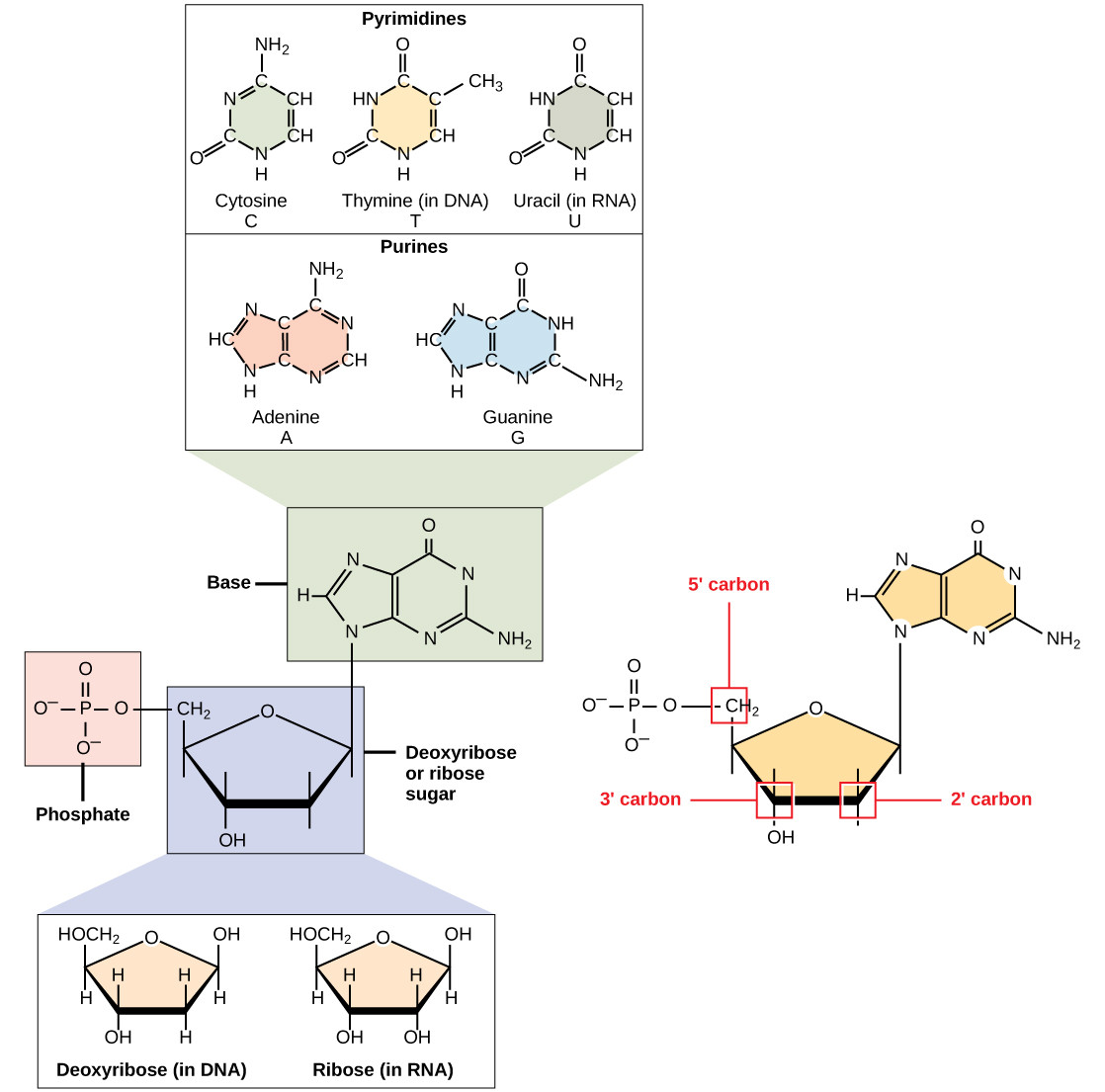
A nitrogen-containing ring component of ; its pairing interactions help specify sequences.

Read explanation · OpenStax ↗
Nonpolar ·

Lacking a substantial separation of . Nonpolar groups generally interact poorly with water.

Read explanation · OpenStax ↗
Nucleic acid

A of , such as or , used in information storage, expression, and other cellular functions.

Read explanation · OpenStax ↗
Nucleotide

A joined to a sugar and one or more .

Read explanation · OpenStax ↗
Nucleus ·

A -enclosed compartment containing most of a cell’s .

Read explanation · OpenStax ↗
Organelle ·

A specialized structure within a cell that carries out particular functions, such as a or .

Read explanation · OpenStax ↗
Oxidation ·

Loss of or an increase in oxidation state. Oxidizing two can form a .

Read explanation · OpenStax ↗
Peptide

A chain of joined by ; the term commonly describes chains shorter than a typical .

Read explanation · OpenStax ↗
Peptide bond ·

A covalent between the carboxyl carbon of one and the amino nitrogen of the next.

Read explanation · OpenStax ↗
pH

A measure of , defined as the negative of activity. Lower pH means greater ; pH influences .

Read explanation · OpenStax ↗
Phosphate group ·

A phosphorus-containing group bonded to oxygens; phosphate groups occur in , , and modified .

Read explanation · OpenStax ↗
Phospholipid

An with a -containing region and tails; a major component of cellular .

Read explanation · OpenStax ↗
Polar

Having an uneven distribution of . Polar groups often interact favorably with water.

Read explanation · OpenStax ↗
Polymer

A large made from many linked molecular building blocks.

Read explanation · OpenStax ↗
Polypeptide

A chain of connected by . A functional can contain one or several such chains.

Read explanation · OpenStax ↗
Porous material · · · ·

A material containing small spaces that can admit of suitable size.

Read explanation · Cytiva ↗
Proline ·

An whose loops back to the nitrogen, restricting rotation and often creating bends.

Read explanation · OpenStax ↗
Protein

One or more folded chains that perform biological roles such as , transport, signaling, or structural support.

Read explanation · OpenStax ↗
Protein aggregation · ·

Association of into larger clusters, often when exposed surfaces of unfolded stick together.

Read explanation · NCBI Bookshelf ↗
Protein backbone ·

The repeating nitrogen–alpha-carbon– chain of a , excluding its variable .

Read explanation · OpenStax ↗
Proton

A positively subatomic particle. In – chemistry, donating a proton means transferring a .

Read explanation · OpenStax ↗
Protonation

Addition of a to an , , or ; this changes its by plus one.

Read explanation · OpenStax ↗
Purine · ·

A with two fused rings. and are purines.

Read explanation · OpenStax ↗
Pyrimidine · ·

A with one six-membered ring. , , and are pyrimidines.

Read explanation · OpenStax ↗
pyruvate

A three-carbon α-keto produced by and serving as a in .

Read explanation · Biology LibreTexts / Oregon State University ↗
R group · ·

The variable side chain attached to an ’s . It determines identity, , , and chemical behavior.

Read explanation · OpenStax ↗
racemic mixture

Mixture containing equal amounts of two .

Read explanation · OpenStax ↗
Reactant

A starting substance transformed during a .

Read explanation · OpenStax ↗
Reaction intermediate · ·

A species formed in one step and consumed in another. It occupies a local energy minimum between .

Read explanation · OpenStax ↗
Reaction product ·

A substance formed by a .

Read explanation · OpenStax ↗
Reaction rate · ·

How quickly are consumed or form, usually expressed as a change per unit time.

Read explanation · OpenStax ↗
resolving agent

reagent used to convert into separable diastereomeric forms.

Read explanation · OpenStax ↗
Ribonucleic acid ·

A with roles in , regulation, and ; carries -coding information.

Read explanation · OpenStax ↗
Ribosome ·

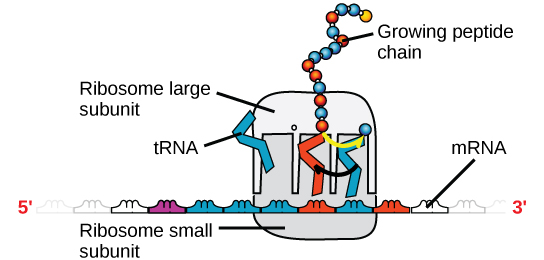
A complex of and that translates into a .

Read explanation · OpenStax ↗
RNA splicing · ·

Removal of and joining of in a precursor .

Read explanation · NCBI Bookshelf / Garland Science ↗
Salt

An electrically made from and . Dissolved salts can screen or compete with – interactions.

Read explanation · Cytiva ↗
Secondary structure

Local folding, such as and , stabilized mainly by .

Read explanation · OpenStax ↗
Separation resolution

A measure of how distinctly neighboring components or are separated.

Read explanation · Cytiva ↗
Sister chromatid

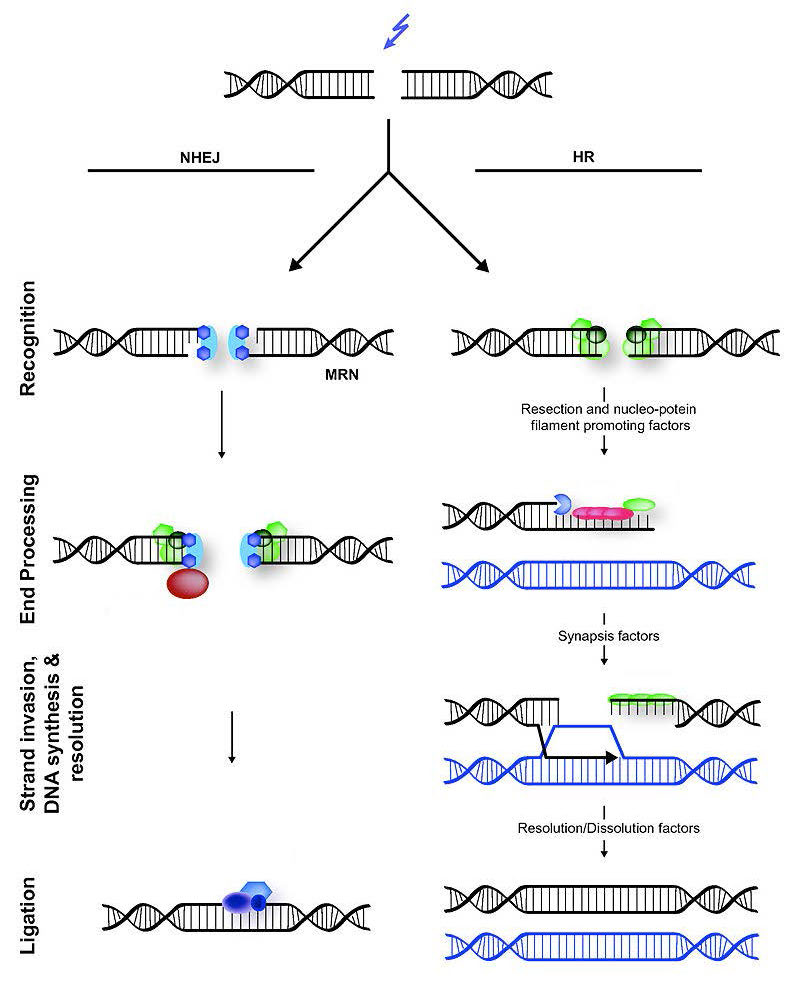
One of the two copies of a produced by . An intact sister chromatid can supply a template for accurate repair.

Read explanation · Biology LibreTexts / Oregon State University ↗
Solubility ·

The amount of a substance that can dissolve in a under specified conditions. Soluble means able to dissolve; insoluble means only very slightly soluble in that .

Read explanation · OpenStax ↗
Solute

A dissolved component of a .

Read explanation · OpenStax ↗
Solution

A homogeneous mixture in which are dissolved in a .

Read explanation · OpenStax ↗
Solvent

The component of a that dissolves other substances, usually the component present in the greatest amount.

Read explanation · OpenStax ↗
Starch

A plant storage made of chains; its two main forms are and amylopectin.

Read explanation · OpenStax ↗
Stationary phase

The material that remains fixed in a system.

Read explanation · Waters ↗
Template strand · · ·

A preexisting strand whose sequence guides complementary nucleic- synthesis.

Read explanation · OpenStax ↗
Thiol group · · · ·

A sulfur bonded to hydrogen, –SH. thiols can form through .

Read explanation · OpenStax ↗
Thymine

A normally used in ; it pairs with through two .

Read explanation · OpenStax ↗
Transcription

Synthesis of using a template.

Read explanation · OpenStax ↗
Transition state

A fleeting, high-energy arrangement at a barrier. It is an energy maximum along the path, rather than a stable .

Read explanation · OpenStax ↗
Translation ·

Synthesis of a on a using the sequence of in .

Read explanation · OpenStax ↗
Uracil

A normally used in in place of . Uracil produced by in is a repair target.

Read explanation · OpenStax ↗
vapor pressure

pressure of vapor above its condensed phase at a specified temperature.

Read explanation · OpenStax ↗

5.8 Racemic Mixtures and the Resolution of Enantiomers
OpenStax · 5.8 Racemic Mixtures and the Resolution of Enantiomers ↗
Instructional page including learning objectives, examples, figures, source tables and questions. Site navigation and embedded media players are omitted; source media links remain available.

5.8 • Racemic Mixtures and the of

To end this discussion of stereoisomerism, let’s return for a last look at Pasteur’s pioneering work, described in Section 5.4. Pasteur took an optically inactive tartaric and found that he could crystallize from it two optically active forms having what we would now call 2R,3R and 2S,3S configurations. But what was the optically inactive form he started with? It couldn’t have been meso-tartaric , because meso-tartaric is a different and can’t interconvert with the two without breaking and re-forming chemical bonds.

The answer is that Pasteur started with a 50 : 50 mixture of the two tartaric . Such a mixture is called a (rass-uh-mate), or , and is denoted by either the symbol (±) or the prefix d,l to indicate an equal mixture of dextrorotatory and levorotatory forms. Racemates show no optical rotation because the (+) rotation from one exactly cancels the (−) rotation from the other. Through good luck, Pasteur was able to separate, or resolve, racemic tartaric into its (+) and (−) . Unfortunately, the fractional crystallization technique he used doesn’t work for most racemates, so other methods are needed.

The most common method for resolving the of a carboxylic (RCO2H) is to carry out an - between the and an (RNH2) to yield an ammonium :

The figure shows a reaction in which carboxylic acid reacts with an amine base to form ammonium salt.
5.8 Racemic Mixtures and the of — illustration 1 John McMurry, Organic Chemistry, OpenStax. · CC BY-NC-SA 4.0 · Original image ↗ · Access for free ↗

To understand how this method of works, let’s see what happens when a of , such as (+)- and (−)-lactic , reacts with an , such as methylamine, CH3NH2. The situation is analogous to what happens when left and right hands () pick up a ball (). Both left and right hands pick up the ball equally well, and the —ball in right hand versus ball in left hand—are mirror images. In the same way, both (+)- and (−)-lactic react with methylamine equally well, and the is a of the two methylammonium (+)- and methylammonium (−)- (Figure 5.13).

Racemic lactic acid (50 percent R, 50 percent S) reacts with methylamine to form R salt. Its mirror image shows S salt. Both R and S salts are labeled enantiomers.
Figure 5.13 — 5.8 Racemic Mixtures and the of

Figure 5.13 Reaction of racemic lactic acid with achiral methylamine gives a racemic mixture of ammonium salts.

John McMurry, Organic Chemistry, OpenStax. · CC BY-NC-SA 4.0 · Original image ↗ · Access for free ↗

Now let’s see what happens when the of (+)- and (−)-lactic reacts with a single of a , such as (R)-1-phenylethylamine. The situation is analogous to what happens when left and right hands () put on a right-handed glove (also ). Left and right hands don’t put on the right-handed glove in the same way, so the —right hand in right glove versus left hand in right glove—are not mirror images; they’re similar but different.

In the same way, (+)- and (−)-lactic react with (R)-1-phenylethylamine to give two different (Figure 5.14). (R)-Lactic reacts with (R)-1-phenylethylamine to give the R,R , and (S)-lactic reacts with the R to give the S,R . The two are diastereomers, not . They have different chemical and physical properties, and it may therefore be possible to separate them by crystallization or some other means. Once separated, acidification of the two diastereomeric with a strong makes it possible to isolate the two pure of lactic and to recover the for reuse.

Racemic lactic acid reacts with R-1-phenylethylamine to form an R, R salt and an S, R salt. Both salts are labeled diastereomers.
Figure 5.14 — 5.8 Racemic Mixtures and the of

Figure 5.14 Reaction of racemic lactic acid with ( R )-1-phenylethylamine yields a mixture of diastereomeric ammonium salts, which have different properties and can be separated.

John McMurry, Organic Chemistry, OpenStax. · CC BY-NC-SA 4.0 · Original image ↗ · Access for free ↗

Worked Example 5.6

Predicting the of a

We’ll see in Section 21.3 that carboxylic (RCO2H) react with alcohols (R′OH) to form esters (RCO2R′). Suppose that (±)-lactic reacts with CH3OH to form the ester, . What stereochemistry would you expect the (s) to have? What is the relationship of the ?

In a reaction, lactic acid reacts with methanol in the presence of acid catalyst to form methyl lactate and water.
5.8 Racemic Mixtures and the of — illustration 4 John McMurry, Organic Chemistry, OpenStax. · CC BY-NC-SA 4.0 · Original image ↗ · Access for free ↗

of a racemic with an alcohol such as methanol yields a of mirror-image (enantiomeric) .
(S)-lactic acid reacts with (R)-lactic acid in the presence of methanol, acid catalyst to form methyl (S)-lactate and methyl (R)-lactate.
5.8 Racemic Mixtures and the of — illustration 5 John McMurry, Organic Chemistry, OpenStax. · CC BY-NC-SA 4.0 · Original image ↗ · Access for free ↗
Problem 5-19

Suppose that acetic (CH3CO2H) reacts with (S)-2-butanol to form an ester (see Worked Example 5.6). What stereochemistry would you expect the (s) to have? What is the relationship of the ?

Problem 5-20
What stereoisomers would result from of (±)-lactic with (S)-1-phenylethylamine, and what is the relationship between them?