The sugar’s 2′ substituent changes chemical stability, while nucleotide bases and phosphates support many cellular roles.
Nucleosides, nucleotides, and backbones
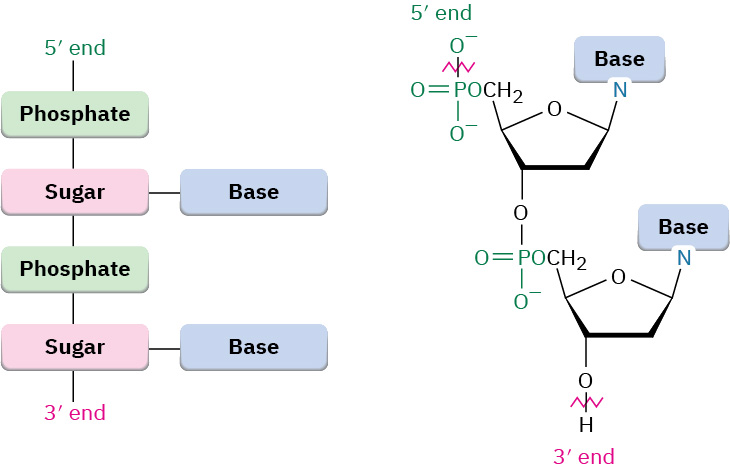
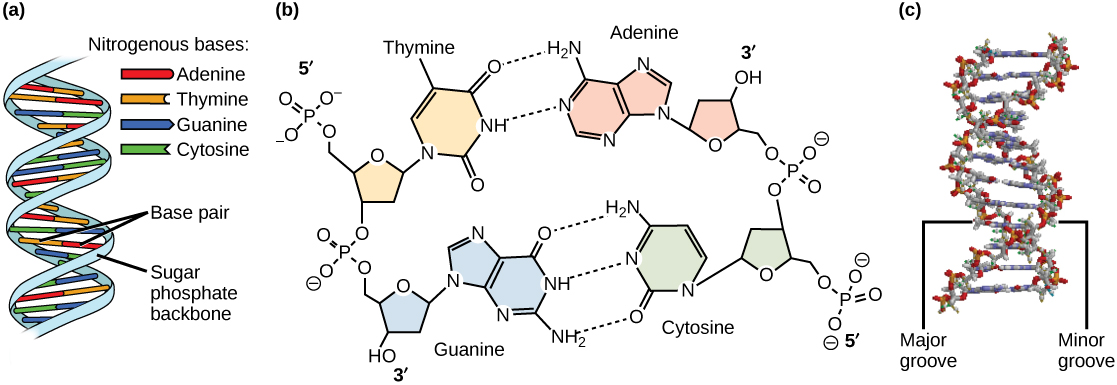
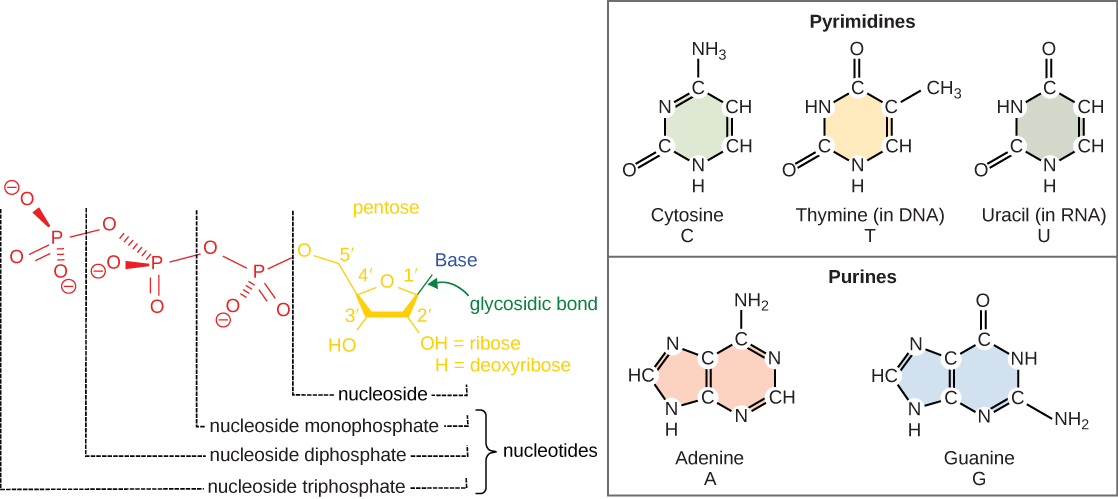
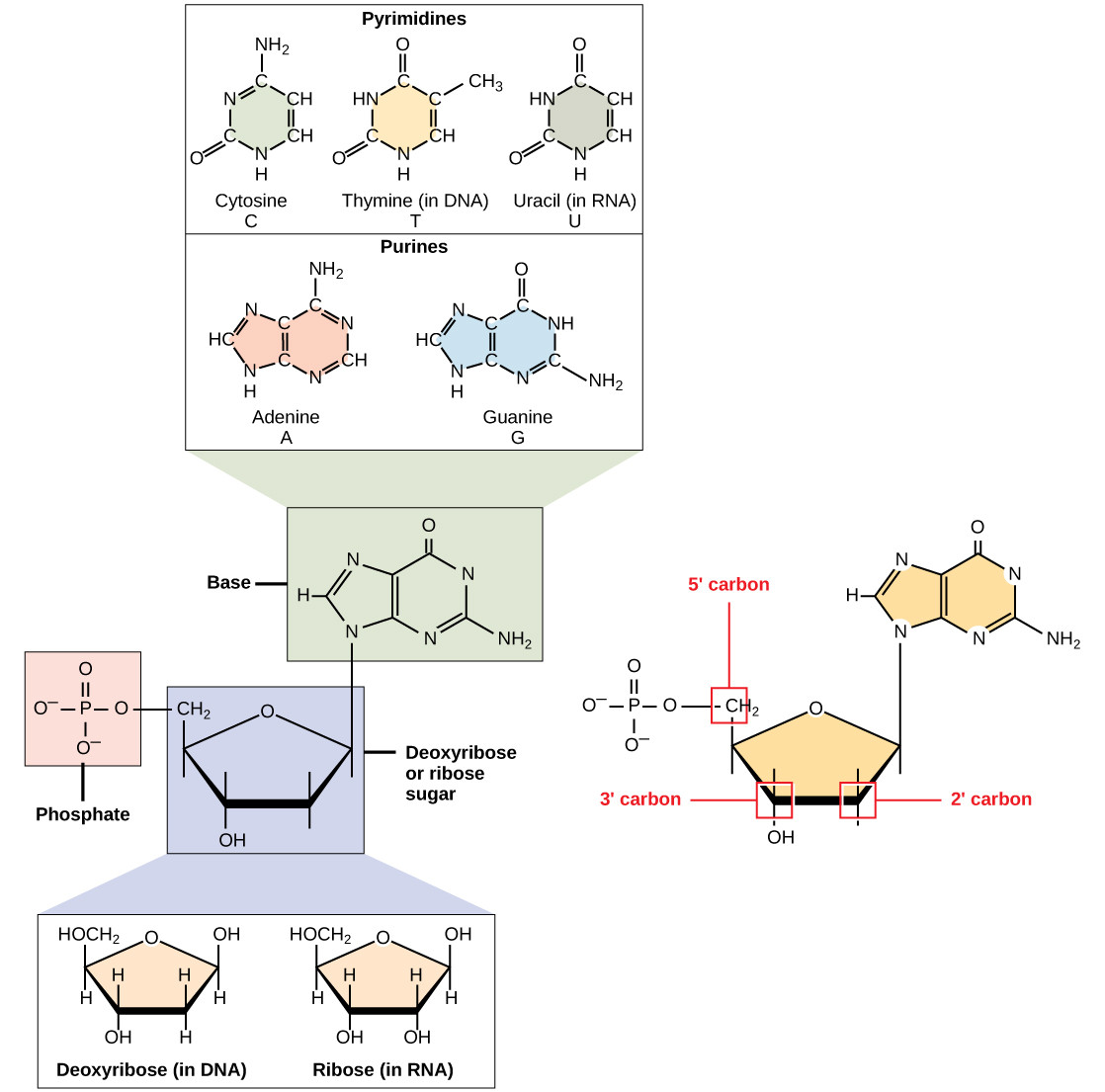
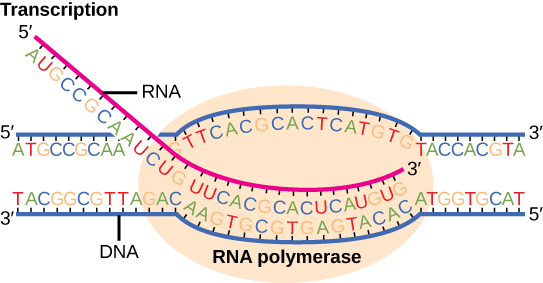
A nucleoside joins a nitrogenous base to a pentose sugar through a glycosidic bond; a nucleotide adds one or more phosphate groups. Purines have two fused rings and pyrimidines one. DNA contains 2′-deoxyribose and usually thymine, whereas RNA contains ribose and usually uracil. A 3′–5′ phosphodiester linkage connects successive sugars, giving a strand direction and a negatively charged backbone. Antiparallel DNA strands pair A with T and G with C; stacking interactions also stabilize the helix. RNA can fold through intramolecular base pairing into stems, loops, and catalytic structures.
Reactivity and other nucleotide jobs
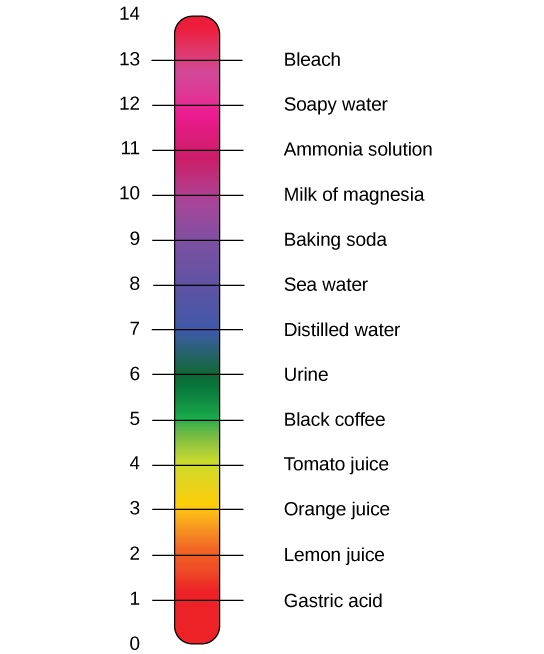
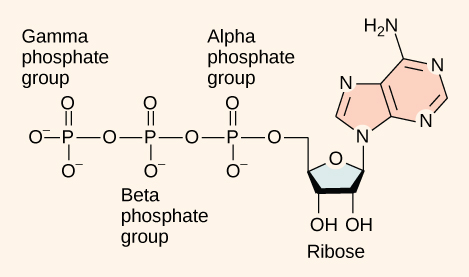
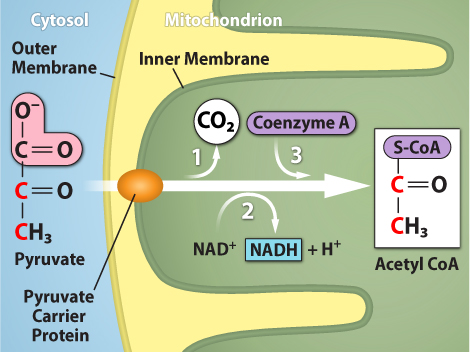
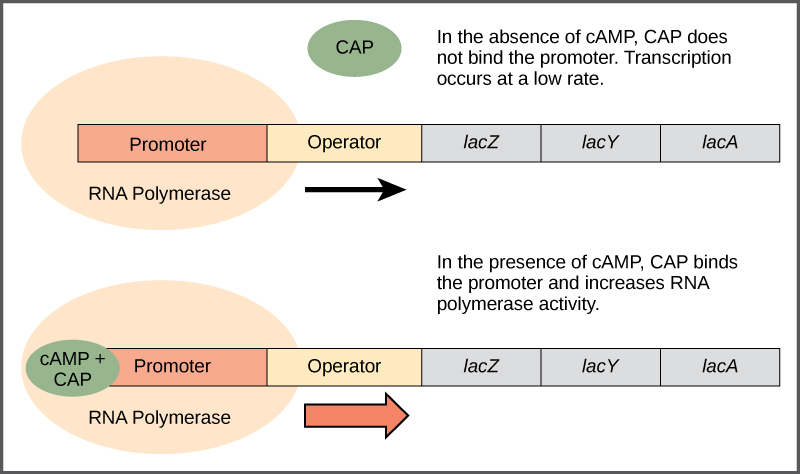
RNA’s 2′-OH can attack a neighboring phosphate under basic conditions, promoting backbone cleavage through a cyclic intermediate; DNA lacks this route and is more resistant to alkaline hydrolysis. Acid can promote base loss by glycosidic-bond cleavage, especially depurination. Nucleotides also transfer chemical groups and energy: ATP couples reactions, GTP supports switches and translation, and activated nucleotide sugars donate carbohydrates. cAMP and cGMP are second messengers. NAD⁺, FAD, and coenzyme A contain nucleotide-derived structural components while carrying electrons or acyl groups rather than genetic instructions.
Apply it
Try before revealing the answer. Equal DNA and RNA samples are exposed to alkaline conditions that leave base pairing irrelevant. Which backbone is more readily cleaved, and why?
Worked answer
RNA is more readily cleaved because deprotonation of its 2′-OH creates an intramolecular nucleophile that attacks phosphate. DNA lacks the 2′-OH, so the same neighboring-group cleavage mechanism is unavailable. This is a covalent-backbone distinction, not simply a difference in whether strands are paired.
28.1 Nucleotides and Nucleic Acids — figures and tables
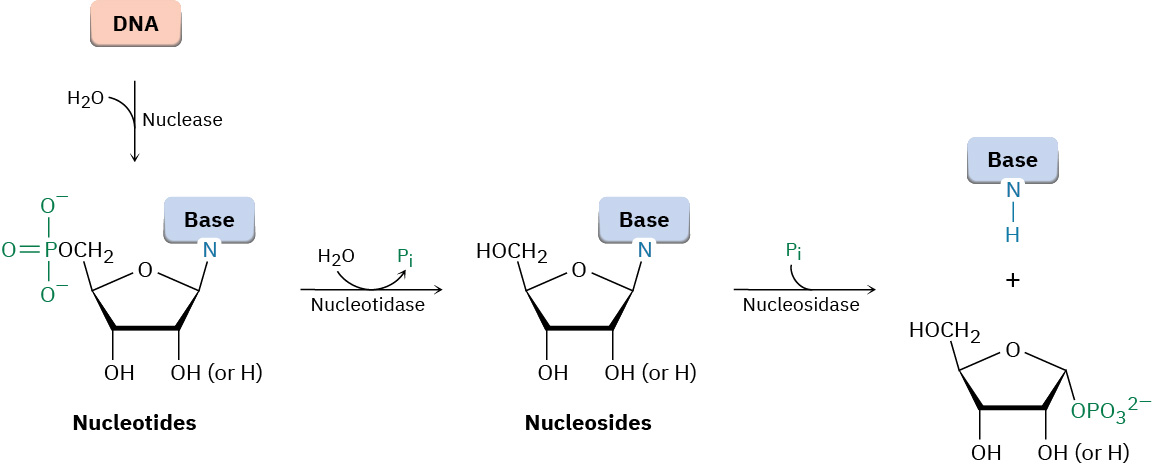
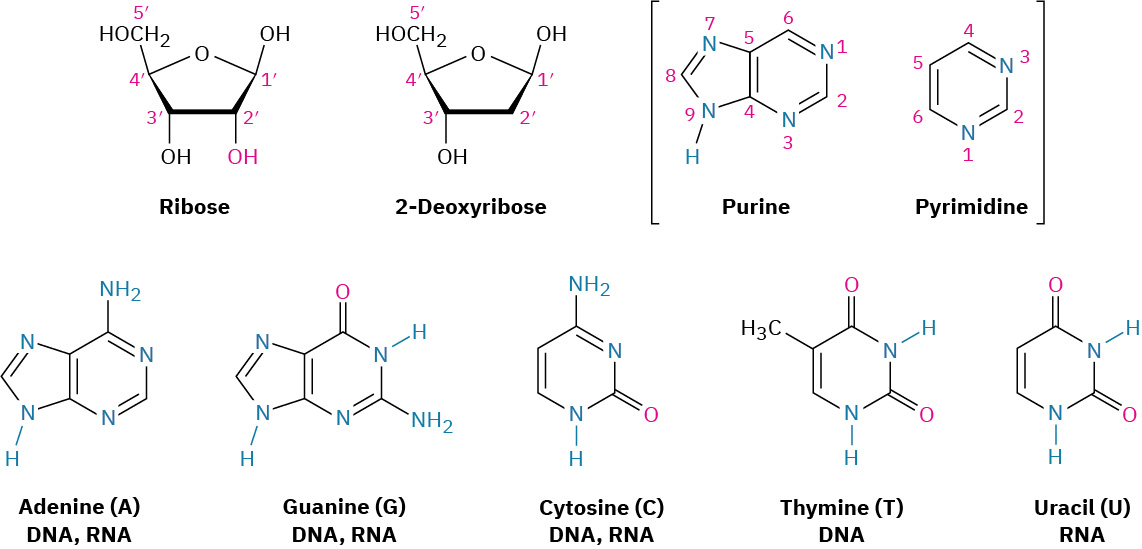
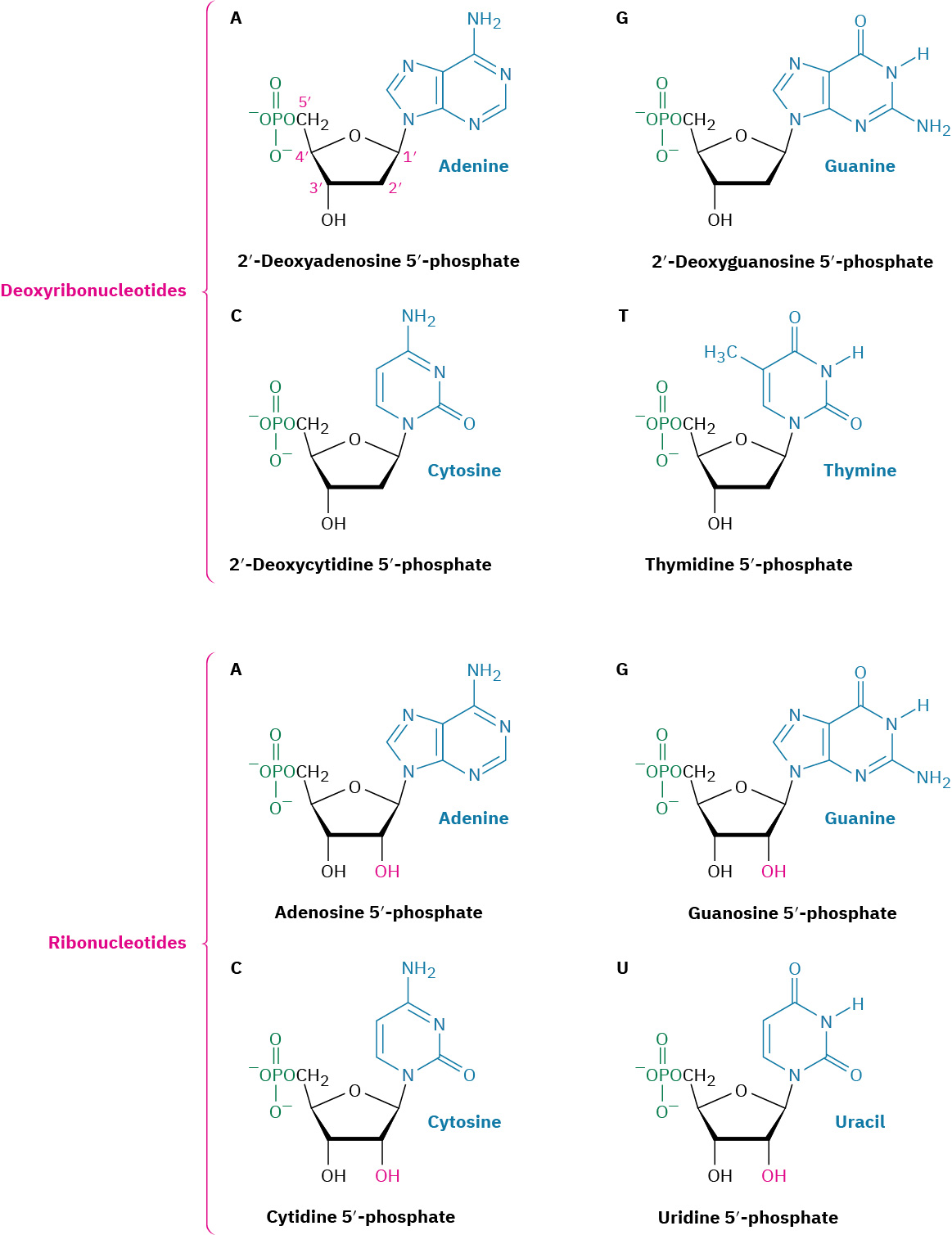
Figure 28.2 Structures of the four deoxyribonucleotides and the four ribonucleotides.
John McMurry, Organic Chemistry, OpenStax. · CC BY-NC-SA 4.0 · Original image ↗ · Access for free ↗