Foundation 7 · 7A · Individual influences on behavior

Motivation, needs, and incentives

Sources ↗

Motivation organizes the initiation, direction, and persistence of behavior.

Compare instinct, arousal, drives, feedback, and needs as influences on motivation

Motivation organizes the initiation, direction, and persistence of behavior. Instinct accounts emphasize inherited behavioral tendencies; drive accounts describe internal states arising from needs, such as thirst. can reduce a drive when a regulated variable returns toward its operating range. Arousal accounts explain seeking stimulation even without a physiological deficit. The describes an approximate inverted-U association between arousal and performance, with optimal levels depending on task difficulty and context. Maslow organized needs from physiological concerns toward , but people do not always satisfy them in a rigid universal order. Similar behavior can serve different needs.

Source: 10.1 Motivation · 10.2 Hunger and Eating · 10.3 Sexual Behavior, Sexuality, and Gender Identity · 4.5 Substance Use and Abuse

Apply drive-, , cognitive, and need-based theories to behavior

Drive- theory predicts behavior that relieves internal imbalance; theory emphasizes external rewards or goals. Cognitive accounts incorporate expectations of success and the value assigned to outcomes. involves doing an activity for its inherent interest; involves separable rewards or consequences. Some controlling rewards can undermine existing intrinsic interest, but rewards can also inform or support engagement, so effects depend on context. Self- approaches emphasize autonomy, , and relatedness. A person may study from curiosity, fear of failure, and career goals simultaneously. A single reward does not identify the only motive.

Source: 10.1 Motivation · 10.2 Hunger and Eating · 10.3 Sexual Behavior, Sexuality, and Gender Identity · 4.5 Substance Use and Abuse

Explain biological and sociocultural contributions to hunger, sexual motivation, and substance use

Hunger reflects hypothalamic and brainstem integration of nutrient, hormonal, sensory, and learned information. commonly promotes hunger; signals longer-term energy stores; also provides information. Food availability, habit, stress, advertising, and cultural rules shape eating beyond energy need. Sexual motivation involves , reward systems, relationships, learning, and ; orientation cannot be inferred from levels or one behavior. Substance use can be reinforced by pleasure, social belonging, or relief of and distress. Biological vulnerability and sociocultural opportunity interact, so neither a -only nor a choice-only account adequately explains complex motivated behavior.

Source: 10.1 Motivation · 10.2 Hunger and Eating · 10.3 Sexual Behavior, Sexuality, and Gender Identity · 4.5 Substance Use and Abuse

Apply the ideas

Worked question. A student keeps solving puzzles after payment stops, while another stops as soon as the reward ends. Can the difference establish a fixed personality trait?

No. Continued engagement is consistent with intrinsic interest, whereas reward-dependent engagement suggests an extrinsic contribution, but prior experience and may differ. Randomly vary reward conditions and measure baseline interest to test a causal reward effect. A hungry participant eating despite low enjoyment also illustrates without requiring strong intrinsic enjoyment.

Source: 10.1 Motivation · 10.2 Hunger and Eating · 10.3 Sexual Behavior, Sexuality, and Gender Identity · 4.5 Substance Use and Abuse

10.1 Motivation — figures and tables
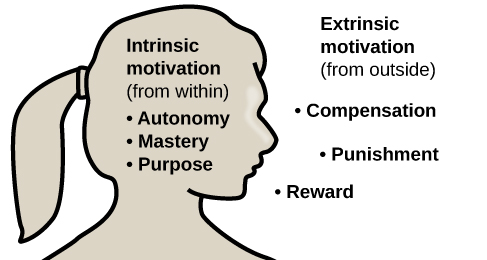
An illustration shows a person’s upper torso. Inside the person's head are the words “intrinsic motivation (from within)” and three bullet points: “autonomy,” “mastery,” “purpose.” Outside the person's outline are the words “extrinsic motivation (from outside)” and three bullet points: “compensation,” “punishment,” and “reward.”
Figure 10.2 — 10.1 Motivation

Figure 10.2 Intrinsic motivation comes from within the individual, while extrinsic motivation comes from outside the individual.

Rose M. Spielman, William J. Jenkins, and Marilyn D. Lovett, Psychology 2E, OpenStax. · CC BY-NC-SA 4.0 · Original image ↗ · Access for free ↗

A photograph shows several chefs preparing food together in a kitchen.
Figure 10.3 — 10.1 Motivation

Figure 10.3 Research suggests that when something we love to do, like icing cakes, becomes our job, our intrinsic and extrinsic motivations to do it may change. (credit: Agustín Ruiz)

Rose M. Spielman, William J. Jenkins, and Marilyn D. Lovett, Psychology 2E, OpenStax. (credit: Agustín Ruiz) · CC BY-NC-SA 4.0 · Original image ↗ · Access for free ↗
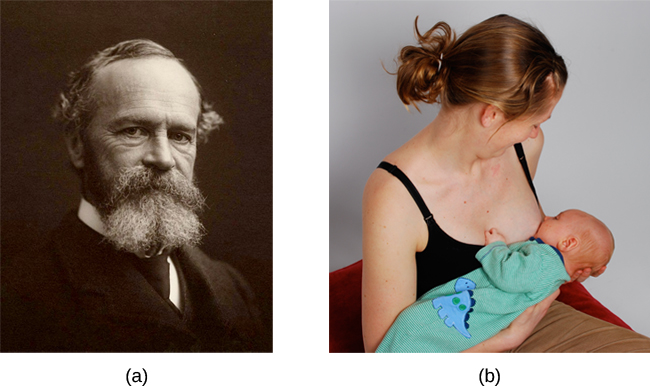
Photograph A shows William James.  Photograph B shows a person breastfeeding a baby.
Figure 10.4 — 10.1 Motivation

Figure 10.4 (a) William James proposed the instinct theory of motivation, asserting that behavior is driven by instincts. (b) In humans, instincts may include behaviors such as an infant’s rooting for a nipple and sucking. (credit b: modification of work by "Mothering Touch"/Flickr)

Rose M. Spielman, William J. Jenkins, and Marilyn D. Lovett, Psychology 2E, OpenStax. (credit b: modification of work by "Mothering Touch"/Flickr) · CC BY-NC-SA 4.0 · Original image ↗ · Access for free ↗

Photograph “left” shows a child eating watermelon. Photograph “center” shows a young person eating sushi. Photograph “right” shows an elderly person eating food.
Figure 10.5 — 10.1 Motivation

Figure 10.5 Hunger and subsequent eating are the result of complex physiological processes that maintain homeostasis. (credit "left": modification of work by "Gracie and Viv"/Flickr; credit "center": modification of work by Steven Depolo; credit "right": modification of work by Monica Renata)

Rose M. Spielman, William J. Jenkins, and Marilyn D. Lovett, Psychology 2E, OpenStax. (credit "left": modification of work by "Gracie and Viv"/Flickr; credit "center": modification of work by Steven Depolo; credit "right": modification of work by Monica Renata) · CC BY-NC-SA 4.0 · Original image ↗ · Access for free ↗
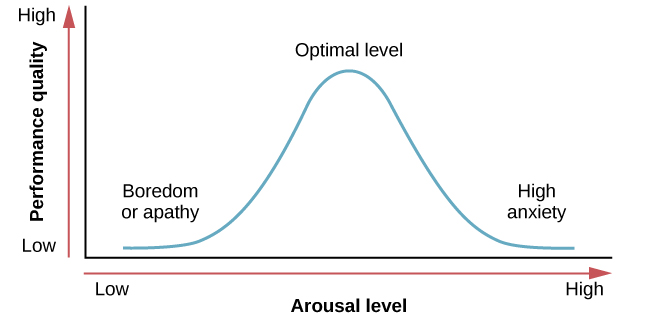
A line graph has an x-axis labeled “arousal level” with an arrow indicating “low” to “high” and a y-axis labeled “performance quality” with an arrow indicating “low” to “high.” A curve charts optimal arousal. Where arousal level and performance quality are both “low,” the curve is low and labeled “boredom or apathy.” Where arousal level is “medium” and “performance quality is “medium,” the curve peaks and is labeled “optimal level.” Where the arousal level is “high” and the performance quality is “low,” the curve is low and is labeled “high anxiety.”
Figure 10.6 — 10.1 Motivation

Figure 10.6 The concept of optimal arousal in relation to performance on a task is depicted here. Performance is maximized at the optimal level of arousal, and it tapers off during under- and overarousal.

Rose M. Spielman, William J. Jenkins, and Marilyn D. Lovett, Psychology 2E, OpenStax. · CC BY-NC-SA 4.0 · Original image ↗ · Access for free ↗
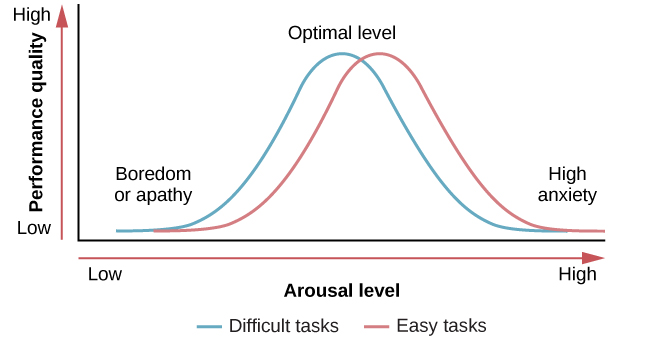
A line graph has an x-axis labeled “arousal level” with an arrow indicating “low” to “high” and a y-axis labeled “performance quality” with an arrow indicating “low” to “high.” Two curves charts optimal arousal, one for difficult tasks and the other for easy tasks. The optimal level for easy tasks is reached with slightly higher arousal levels than for difficult tasks.
Figure 10.7 — 10.1 Motivation

Figure 10.7 Task performance is best when arousal levels are in a middle range, with difficult tasks best performed under lower levels of arousal and simple tasks best performed under higher levels of arousal.

Rose M. Spielman, William J. Jenkins, and Marilyn D. Lovett, Psychology 2E, OpenStax. · CC BY-NC-SA 4.0 · Original image ↗ · Access for free ↗
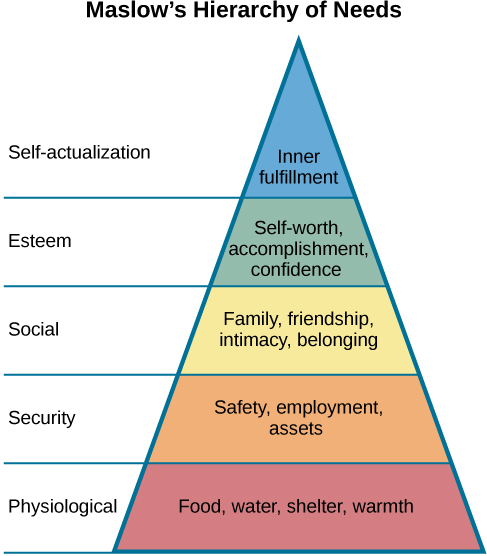
A triangle is divided vertically into five sections with corresponding labels inside and outside of the triangle for each section. From top to bottom, the triangle's sections are labeled: “self-actualization” corresponds to “Inner fulfillment” “esteem” corresponds to “Self-worth, accomplishment, confidence”; “social” corresponds to “Family, friendship, intimacy, belonging”’ “security” corresponds to “Safety, employment, assets”; ““physiological” corresponds to “Food, water, shelter, warmth.”
Figure 10.8 — 10.1 Motivation

Figure 10.8 Maslow’s hierarchy of needs is illustrated here. In some versions of the pyramid, cognitive and aesthetic needs are also included between esteem and self-actualization. Others include another tier at the top of the pyramid for self-transcendence.

Rose M. Spielman, William J. Jenkins, and Marilyn D. Lovett, Psychology 2E, OpenStax. · CC BY-NC-SA 4.0 · Original image ↗ · Access for free ↗

Source: 10.1 Motivation

10.2 Hunger and Eating — figures and tables
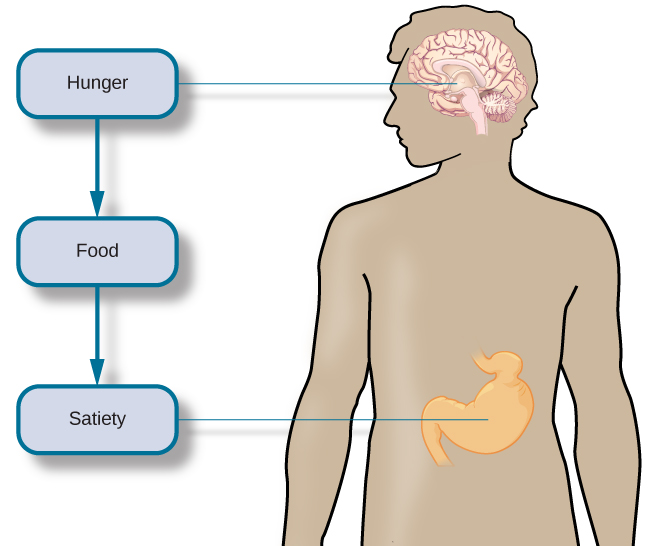
An outline of the top half of a human body contains illustrations of the brain and the stomach in their relative locations. A line extends from the location of the hypothalamus in the brain illustration, out to the left, past the outline, where it meets a box labeled “Hunger.” Down-facing arrows connect that box to a box labeled “Food,” and the box labeled “Food” to a box labeled “Satiety.” A line extends out to the right from the box labeled “Satiety,” and meets with the illustration of the stomach.
Figure 10.9 — 10.2 Hunger and Eating

Figure 10.9 Hunger and eating are regulated by a complex interplay of hunger and satiety signals that are integrated in the brain.

Rose M. Spielman, William J. Jenkins, and Marilyn D. Lovett, Psychology 2E, OpenStax. · CC BY-NC-SA 4.0 · Original image ↗ · Access for free ↗
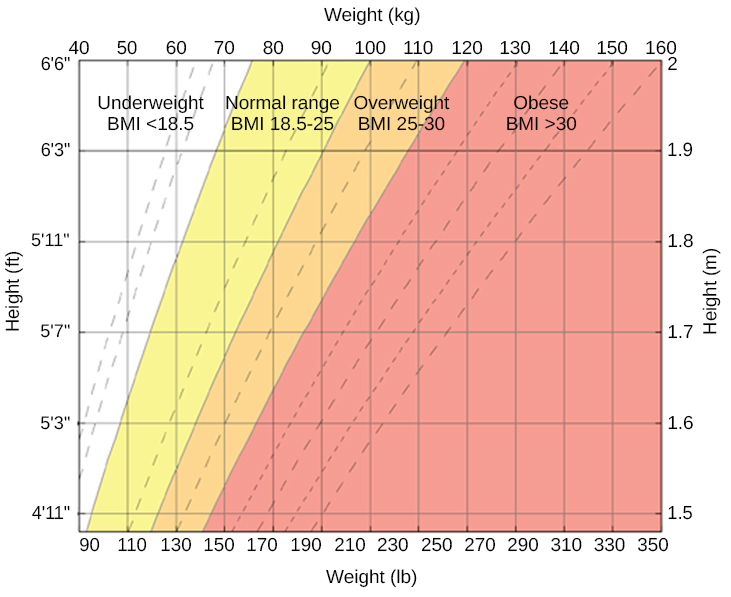
A chart has an x-axis labeled “weight” (pounds/kilograms) and a y-axis labeled “height” (meters and feet/inches). Four areas are shaded different colors indicating the BMI for ranges of weight and height. The “underweight BMI <18.5” area begins at approximately 90 pounds and 4’11” and extends to approximately 160 pounds and 6’6”. The “normal range BMI 18.5–25” area covers approximately 90–120 pounds at height 4’11” and extends to approximately 160–220 pounds at height 6’6”. The “overweight BMI 25–30” area covers approximately 120–140 pounds at height 4’11” and extends to approximately 220–265 pounds at height 6’6”. The “obese range BMI >30” area covers approximately 140–350 pounds at height 4’11” and extends to approximately 265–350 pounds at height 6’6.”
Figure 10.10 — 10.2 Hunger and Eating

Figure 10.10 This chart shows how adult BMI is calculated. Individuals find their height on the y -axis and their weight on the x -axis to determine their BMI. While BMI is widely used and does provide some indications of health, it does not account for differences in people's body composition. The American Medical Association has recommended that BMI be de-emphasized as a measure of health.

Rose M. Spielman, William J. Jenkins, and Marilyn D. Lovett, Psychology 2E, OpenStax. · CC BY-NC-SA 4.0 · Original image ↗ · Access for free ↗
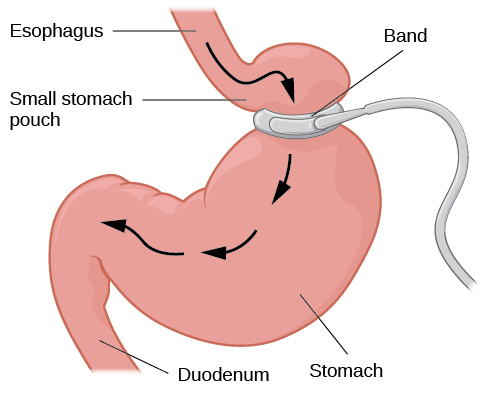
An illustration depicts a gastric band wrapped around the top portion of a stomach. A bulging area directly above the gastric band is labeled “Small stomach pouch.” The area directly below the stomach is labeled “Duodenum.” Down-facing arrows indicate the direction in which digested food travels from the esophagus at the top, down through the stomach, and into the duodenum.
Figure 10.11 — 10.2 Hunger and Eating

Figure 10.11 Gastric banding surgery creates a small pouch of stomach, reducing the size of the stomach that can be used for digestion.

Rose M. Spielman, William J. Jenkins, and Marilyn D. Lovett, Psychology 2E, OpenStax. · CC BY-NC-SA 4.0 · Original image ↗ · Access for free ↗
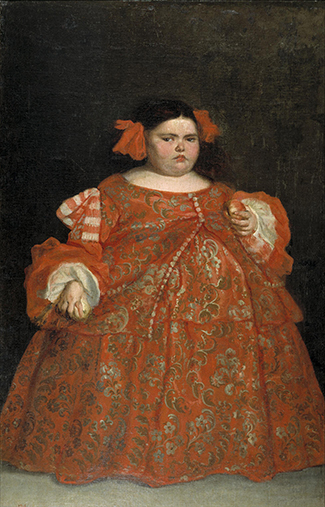
A painting shows Eugenia Martínez Vallejo.
Figure 10.12 — 10.2 Hunger and Eating

Figure 10.12 Eugenia Martínez Vallejo, depicted in this 1680 painting, may have had Prader-Willi syndrome. At just eight years old, she weighed approximately 120 pounds.

Rose M. Spielman, William J. Jenkins, and Marilyn D. Lovett, Psychology 2E, OpenStax. · CC BY-NC-SA 4.0 · Original image ↗ · Access for free ↗

A photograph shows a very thin model.
Figure 10.13 — 10.2 Hunger and Eating

Figure 10.13 People in our society are inundated with images of extremely thin actors, media personalities, and models (sometimes accurately depicted and sometimes digitally altered to make them look even thinner). These images contribute to a standard of beauty that is considered a contributing factor to eating disorders. (credit: Peter Duhon)

Rose M. Spielman, William J. Jenkins, and Marilyn D. Lovett, Psychology 2E, OpenStax. (credit: Peter Duhon) · CC BY-NC-SA 4.0 · Original image ↗ · Access for free ↗

Source: 10.2 Hunger and Eating

10.3 Sexual Behavior, Sexuality, and — figures and tables

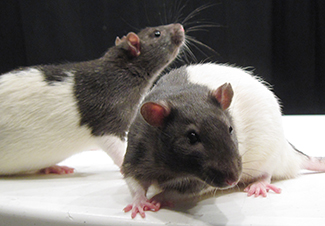
A photograph shows two rats.
Figure 10.14 — 10.3 Sexual Behavior, Sexuality, and

Figure 10.14 A male rat that cannot engage in sexual behavior still seeks receptive females, suggesting that the ability to engage in sexual behavior and the motivation to do so are mediated by different systems in the brain. (credit: Jason Snyder)

Rose M. Spielman, William J. Jenkins, and Marilyn D. Lovett, Psychology 2E, OpenStax. (credit: Jason Snyder) · CC BY-NC-SA 4.0 · Original image ↗ · Access for free ↗
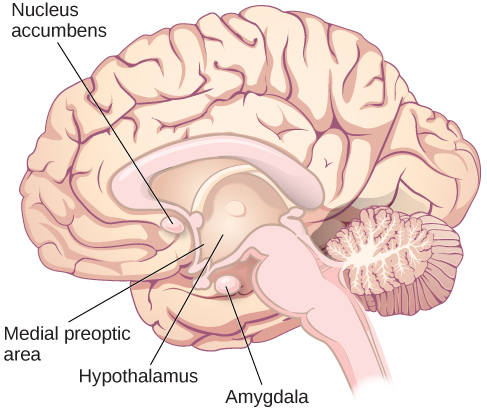
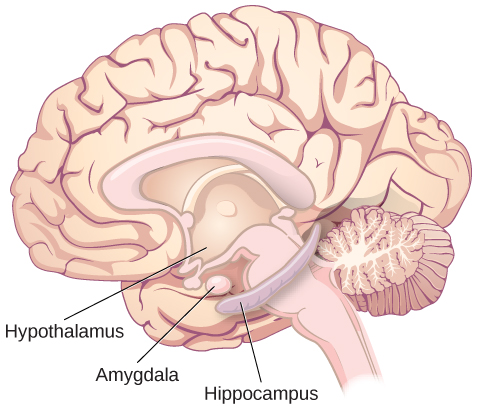
An illustration of the brain labels the locations of the “nucleus accumbeus,” “hypothalamus,” “medial preoptic area,” and “amygdala.”
Figure 10.15 — 10.3 Sexual Behavior, Sexuality, and

Figure 10.15 The medial preoptic area, an area of the hypothalamus, is involved in the ability to engage in sexual behavior, but it does not affect sexual motivation. In contrast, the amygdala and nucleus accumbens are involved in motivation for sexual behavior, but they do not affect the ability to engage in it.

Rose M. Spielman, William J. Jenkins, and Marilyn D. Lovett, Psychology 2E, OpenStax. · CC BY-NC-SA 4.0 · Original image ↗ · Access for free ↗
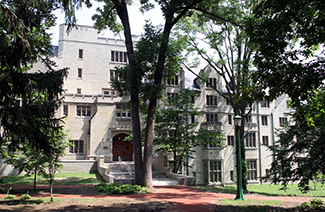
A photograph shows Morrison Hall, the building that houses the Kinsey Institute for Research in Sex, Gender, and Reproduction.
Figure 10.16 — 10.3 Sexual Behavior, Sexuality, and

Figure 10.16 In 1947, Alfred Kinsey established The Kinsey Institute for Research, Sex, Gender and Reproduction at Indiana University, shown here in 2011. The Kinsey Institute has continued as a research site of important psychological studies for decades.

Rose M. Spielman, William J. Jenkins, and Marilyn D. Lovett, Psychology 2E, OpenStax. · CC BY-NC-SA 4.0 · Original image ↗ · Access for free ↗
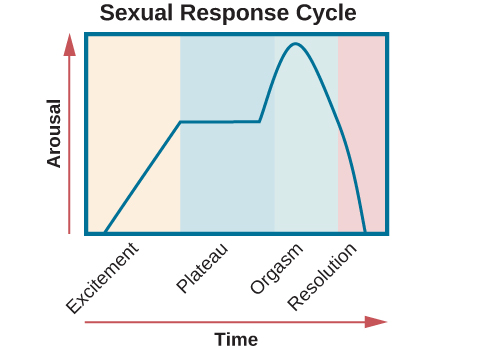
A graph titled “Sexual response cycle” has an x-axis labeled “time” and a y-axis labeled “arousal.” Four phases are depicted. In the “excitement” phase the arousal level increases from the bottom to midway on the graph. In the “plateau” phase the arousal level remains mostly steady at the midpoint of the graph and then begins to rise at the end of the plateau phase. At the “orgasm” phase, the arousal level sharply increases, peaks at the top of the graph, and then declines to the midway point. In the “resolution” phase the graph drops from the midway point to the bottom.
Figure 10.17 — 10.3 Sexual Behavior, Sexuality, and

Figure 10.17 This graph illustrates the different phases of the sexual response cycle as described by Masters and Johnson.

Rose M. Spielman, William J. Jenkins, and Marilyn D. Lovett, Psychology 2E, OpenStax. · CC BY-NC-SA 4.0 · Original image ↗ · Access for free ↗

A photograph shows two people holding hands.
Figure 10.18 — 10.3 Sexual Behavior, Sexuality, and

Figure 10.18 Between 3% and 10% of the adult population identifies as gay or lesbian. (credit: Till Krech)

Rose M. Spielman, William J. Jenkins, and Marilyn D. Lovett, Psychology 2E, OpenStax. (credit: Till Krech) · CC BY-NC-SA 4.0 · Original image ↗ · Access for free ↗

Laverne Cox delivers a speech.
Figure 10.19 — 10.3 Sexual Behavior, Sexuality, and

Figure 10.19 Actress Laverne Cox, who is openly transgender, is the first transgender actress to portray a transgender character on a regular television series. She is also an advocate for LGBTQ+ issues outside of her career, such as in this "Ain't I a Woman?" speaking tour. (credit: modification of work by "KOMUnews_Flickr"/Flickr)

Rose M. Spielman, William J. Jenkins, and Marilyn D. Lovett, Psychology 2E, OpenStax. (credit: modification of work by "KOMUnews_Flickr"/Flickr) · CC BY-NC-SA 4.0 · Original image ↗ · Access for free ↗

Source: 10.3 Sexual Behavior, Sexuality, and Gender Identity

4.5 Substance Use and Abuse — figures and tables
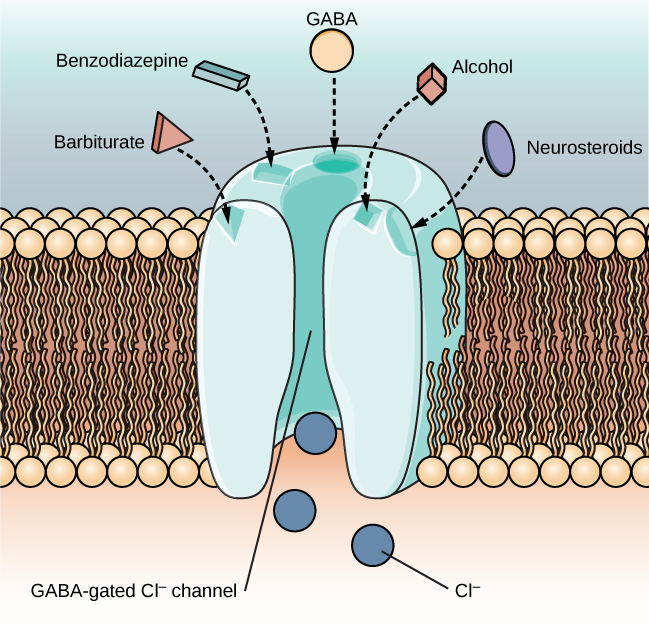
An illustration of a GABA-gated chloride channel in a cell membrane shows  receptor sites for barbiturate, benzodiazepine, GABA, alcohol, and neurosteroids, as well as three negatively-charged chloride ions passing through the channel. Each drug type has a specific shape, such as triangular, rectangular or square, which corresponds to a similarly shaped receptor spot.
Figure 4.15 — 4.5 Substance Use and Abuse

Figure 4.15 The GABA-gated chloride (Cl – ) channel is embedded in the cell membrane of certain neurons. The channel has multiple receptor sites where alcohol, barbiturates, and benzodiazepines bind to exert their effects. The binding of these molecules opens the chloride channel, allowing negatively-charged chloride ions (Cl – ) into the neuron's cell body. Changing its charge in a negative direction pushes the neuron away from firing; thus, activating a GABA neuron has a quieting effect on the brain.

Rose M. Spielman, William J. Jenkins, and Marilyn D. Lovett, Psychology 2E, OpenStax. · CC BY-NC-SA 4.0 · Original image ↗ · Access for free ↗
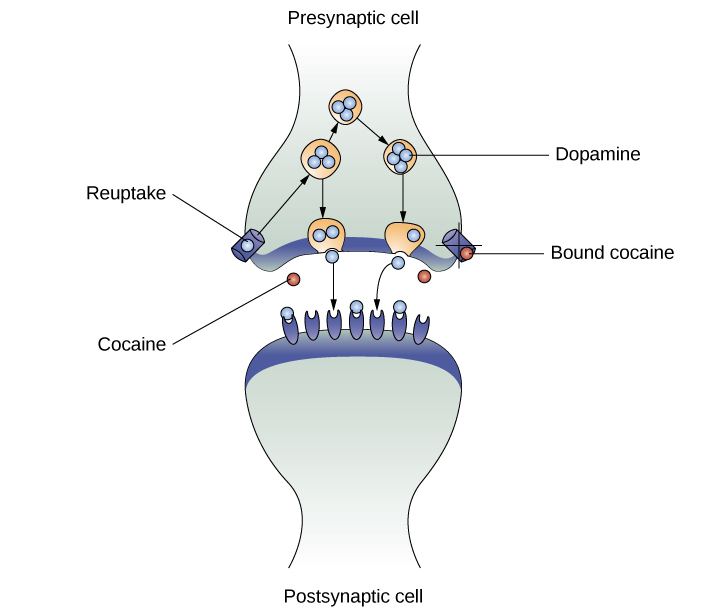
An illustration of a presynaptic cell and a postsynaptic cell shows these cells’ interactions with cocaine and dopamine molecules. The presynaptic cell contains two cylinder-shaped channels, one on each side near where it faces the postsynaptic cell. The postsynaptic cell contains several receptors, side-by-side across the area that faces the presynaptic cell. In the space between the two cells, there are both cocaine and dopamine molecules. One of the cocaine molecules attaches to one of the presynaptic cell’s channels. This cocaine molecule is labeled “bound cocaine.” An X-shape is shown over the top of the bound cocaine and the channel to indicate that the cocaine does not enter the presynaptic cell. A dopamine molecule is shown inside of the presynaptic cell’s other channel. Arrows connect this dopamine molecule to several others inside of the presynaptic cell. More arrows connect to more dopamine molecules, tracing their paths from the channel into the presynaptic cell, and out into the space between the presynaptic cell and the postsynaptic cell. Arrows extend from two of the dopamine molecules in this in-between space to the postsynaptic cell’s receptors. Only the dopamine molecules are shown binding to the postsynaptic cell’s receptors.
Figure 4.16 — 4.5 Substance Use and Abuse

Figure 4.16 As one of their mechanisms of action, cocaine and amphetamines block the reuptake of dopamine from the synapse into the presynaptic cell.

Rose M. Spielman, William J. Jenkins, and Marilyn D. Lovett, Psychology 2E, OpenStax. · CC BY-NC-SA 4.0 · Original image ↗ · Access for free ↗
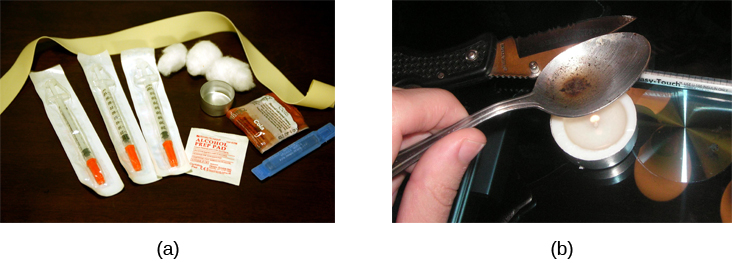
Photograph A shows various paraphernalia spread out on a black surface.  The items include a tourniquet, three syringes of varying widths, three cotton-balls, a tiny cooking vessel, a condom, a capsule of sterile water, and an alcohol swab. Photograph B shows a hand holding a spoon containing heroin tar above a small candle.
Figure 4.17 — 4.5 Substance Use and Abuse

Figure 4.17 (a) Common paraphernalia for heroin preparation and use are shown here in a needle exchange kit. (b) Heroin is cooked on a spoon over a candle. (credit a: modification of work by Todd Huffman)

Rose M. Spielman, William J. Jenkins, and Marilyn D. Lovett, Psychology 2E, OpenStax. (credit a: modification of work by Todd Huffman) · CC BY-NC-SA 4.0 · Original image ↗ · Access for free ↗
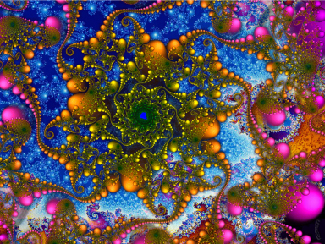
An illustration shows a colorful spiral pattern.
Figure 4.18 — 4.5 Substance Use and Abuse

Figure 4.18 Psychedelic images like this are often associated with hallucinogenic compounds. (credit: modification of work by "new 1lluminati"/Flickr)

Rose M. Spielman, William J. Jenkins, and Marilyn D. Lovett, Psychology 2E, OpenStax. (credit: modification of work by "new 1lluminati"/Flickr) · CC BY-NC-SA 4.0 · Original image ↗ · Access for free ↗

A photograph shows a window with a neon sign. The sign includes the word “medical” above the shape of a marijuana leaf.
Figure 4.19 — 4.5 Substance Use and Abuse

Figure 4.19 Medical marijuana shops are becoming more and more common in the United States. (credit: Laurie Avocado)

Rose M. Spielman, William J. Jenkins, and Marilyn D. Lovett, Psychology 2E, OpenStax. (credit: Laurie Avocado) · CC BY-NC-SA 4.0 · Original image ↗ · Access for free ↗
Class of Drug Examples Effects on the Body Effects When Used Psychologically Addicting?
Stimulants Cocaine, amphetamines (including some ADHD medications such as Adderall), methamphetamines, MDMA (“Ecstasy” or “Molly”) Increased heart rate, blood pressure, body temperature Increased alertness, mild euphoria, decreased appetite in low doses. High doses increase agitation, paranoia, can cause hallucinations. Some can cause heightened sensitivity to physical stimuli. High doses of MDMA can cause brain toxicity and death. Yes
Sedative-Hypnotics (“Depressants”) Alcohol, barbiturates (e.g., secobarbital, pentobarbital), Benzodiazepines (e.g., Xanax) Decreased heart rate, blood pressure Low doses increase relaxation, decrease inhibitions. High doses can induce sleep, cause motor disturbance, memory loss, decreased respiratory function, and death. Yes
Opiates Opium, Heroin, Fentanyl, Morphine, Oxycodone, Vicodin, methadone, and other prescription pain relievers Decreased pain, pupil constriction, decreased gut motility, decreased respiratory function Pain relief, euphoria, sleepiness. High doses can cause death due to respiratory depression. Yes
Hallucinogens Marijuana, , Peyote, mescaline, DMT, dissociative anesthetics including ketamine and PCP Increased heart rate and blood pressure that may dissipate over time Mild to intense perceptual changes with high variability in effects based on strain, method of ingestion, and individual differences Yes

Table 4.2. Rose M. Spielman, William J. Jenkins, and Marilyn D. Lovett, Psychology 2E, OpenStax.

Source: 4.5 Substance Use and Abuse
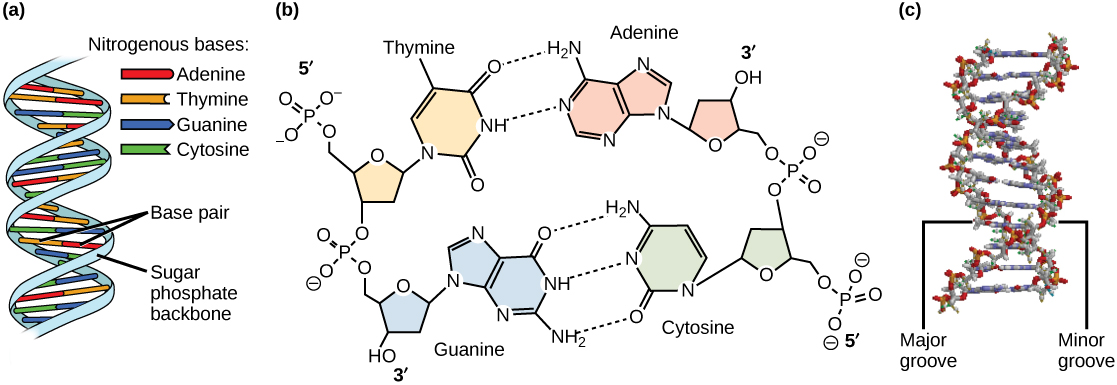
243 terms, alphabetically ordered

3′ end · ·

The end of a nucleic- strand associated with the sugar’s 3′ position. extends a strand at a free .

Read explanation · OpenStax ↗
3′ hydroxyl group · · ·

The at the sugar’s 3′ carbon that attacks the incoming ’s during strand extension.

Read explanation · OpenStax ↗
A site · ·

The site that accepts most incoming during elongation and at termination.

Read explanation · OpenStax ↗
Acid · ·

In the Brønsted–Lowry model, a substance that can donate a . Acidic have a higher activity than water.

Read explanation · OpenStax ↗
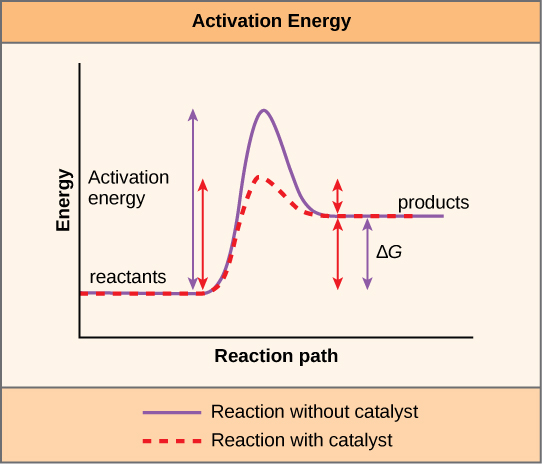
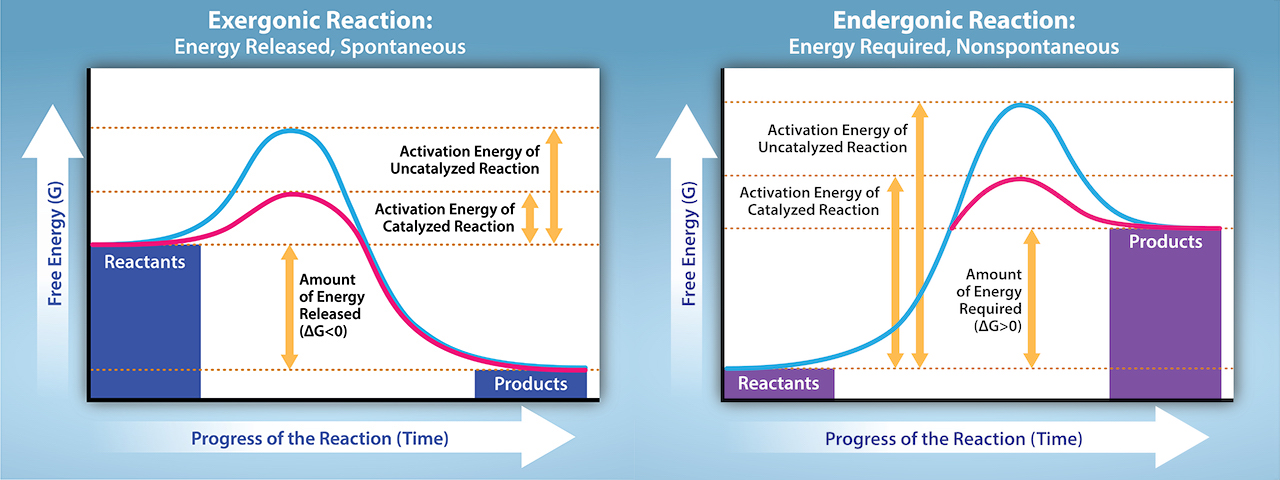
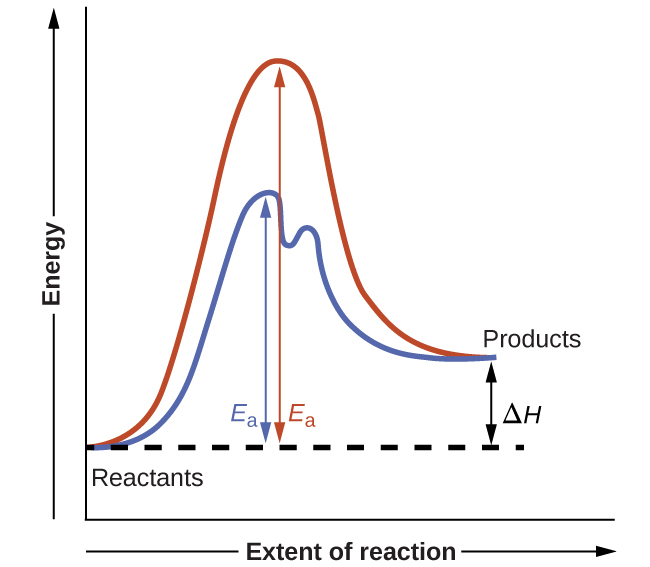
Activation energy ·

The energy barrier that must overcome to reach a and undergo .

Read explanation · OpenStax ↗
adaptation

A heritable feature shaped by selection because it improves reproductive success in a relevant environment.

Read explanation · OpenStax ↗
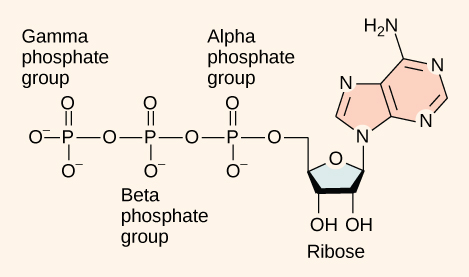
Adenosine triphosphate

An energy-carrying ; its powers many cellular processes, including cycles.

Read explanation · OpenStax ↗
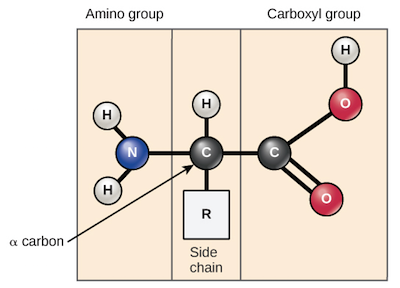
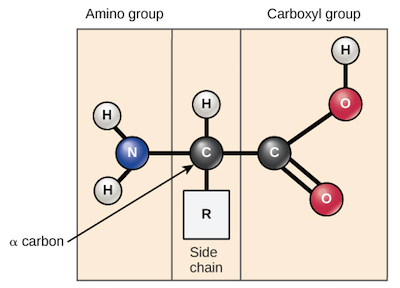
Alpha carbon · ·

The central carbon next to the carboxyl carbon. In a standard it binds an , hydrogen, and .

Read explanation · OpenStax ↗
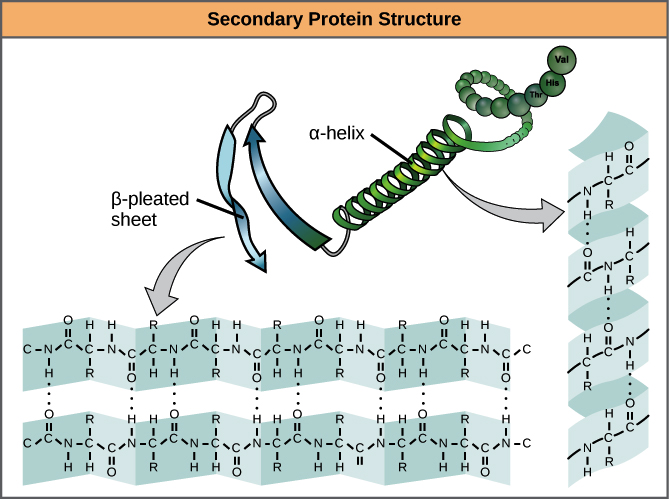
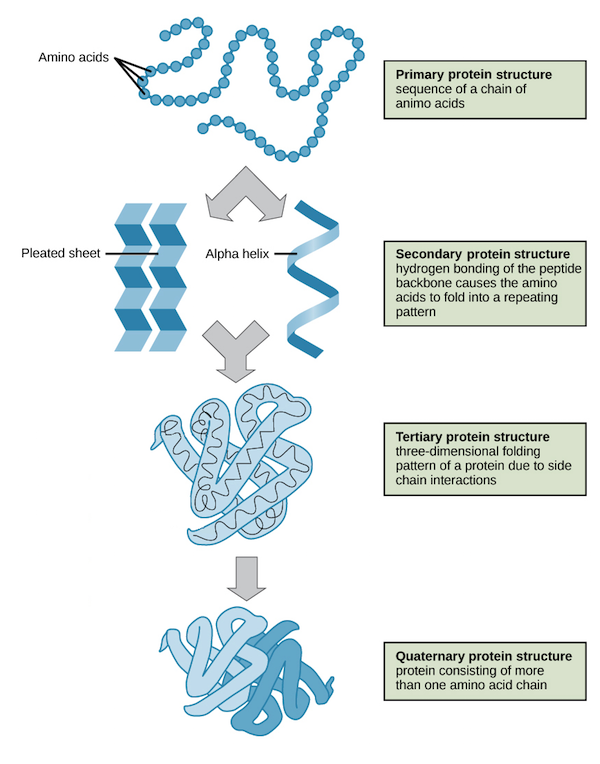
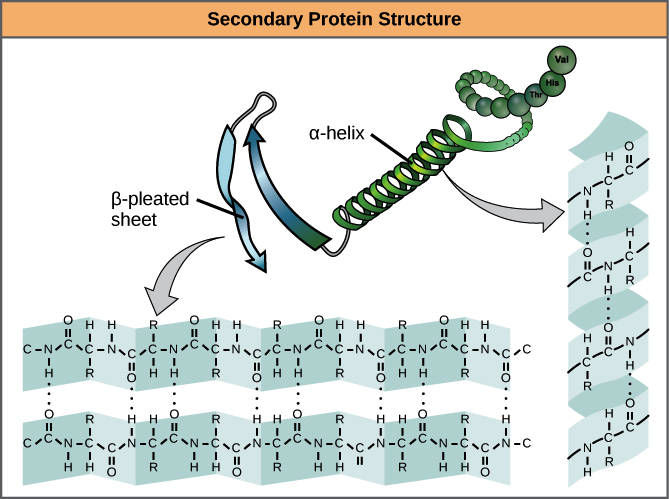
Alpha helix · · · · · ·

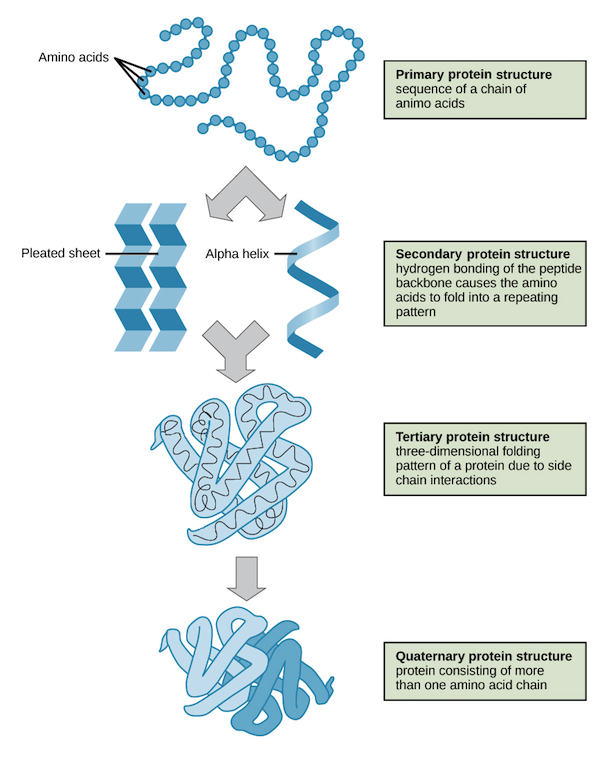
A helical stabilized by between a oxygen and an hydrogen four later.

Read explanation · OpenStax ↗
Amide · · ·

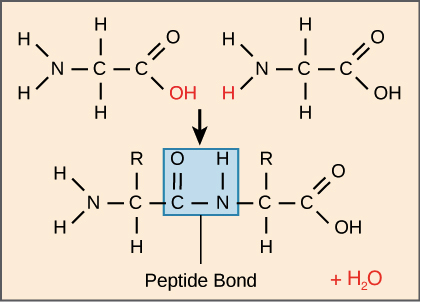
A group containing a carbon bonded to nitrogen. are amide linkages.

Read explanation · OpenStax ↗
Amino acid

A building block containing amino and and a characteristic .

Read explanation · OpenStax ↗
Amino acid residue · ·

The part of an incorporated into a chain. Residue can also describe another building block within a larger .

Read explanation · OpenStax ↗
Amino group · · ·

A nitrogen-containing . A free ’s amino group is typically (NH₃⁺) near physiological ; ’s ring nitrogen is an exception to this formula.

Read explanation · OpenStax ↗
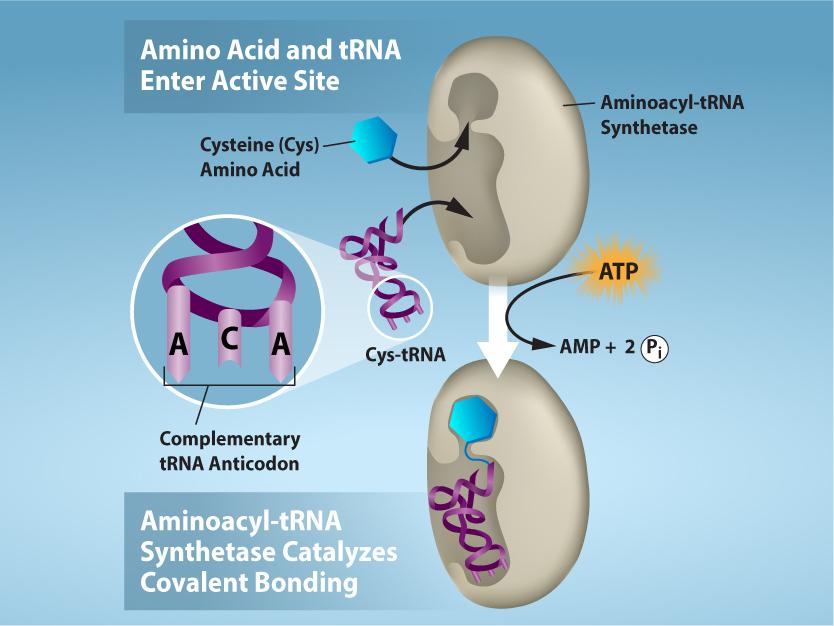
Aminoacyl-tRNA · ·

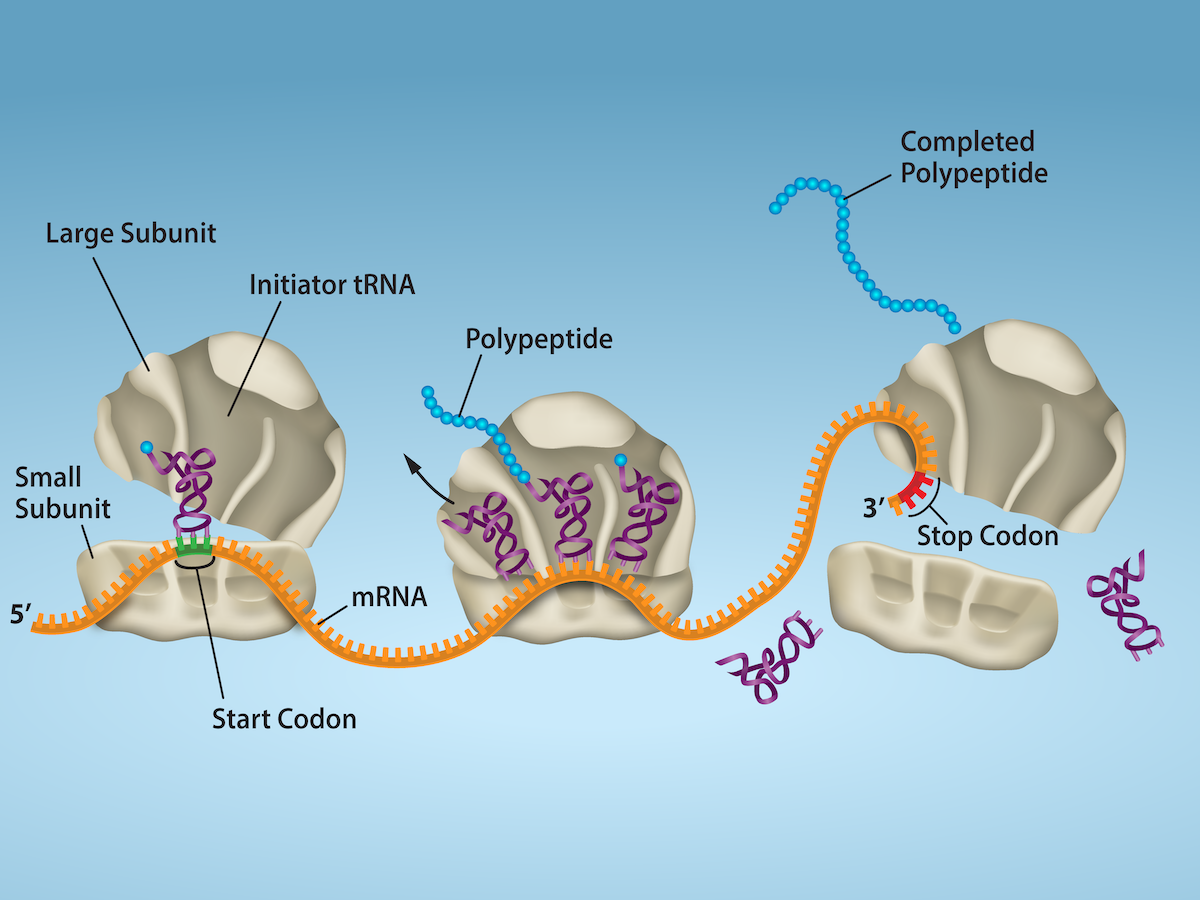
A covalently linked to an at its , ready to deliver that during .

Read explanation · OpenStax ↗
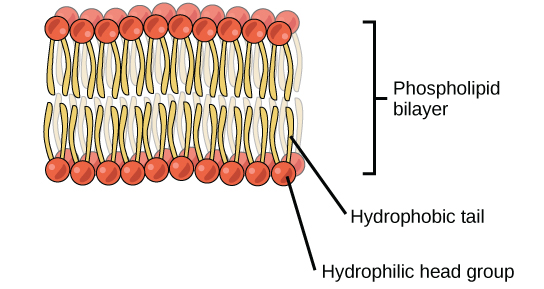
Amphipathic

Having both a region and a region, as in a or .

Read explanation · OpenStax ↗
amygdala

Group of temporal-lobe involved in learning and responding to biologically significant stimuli.

Read explanation · OpenStax ↗
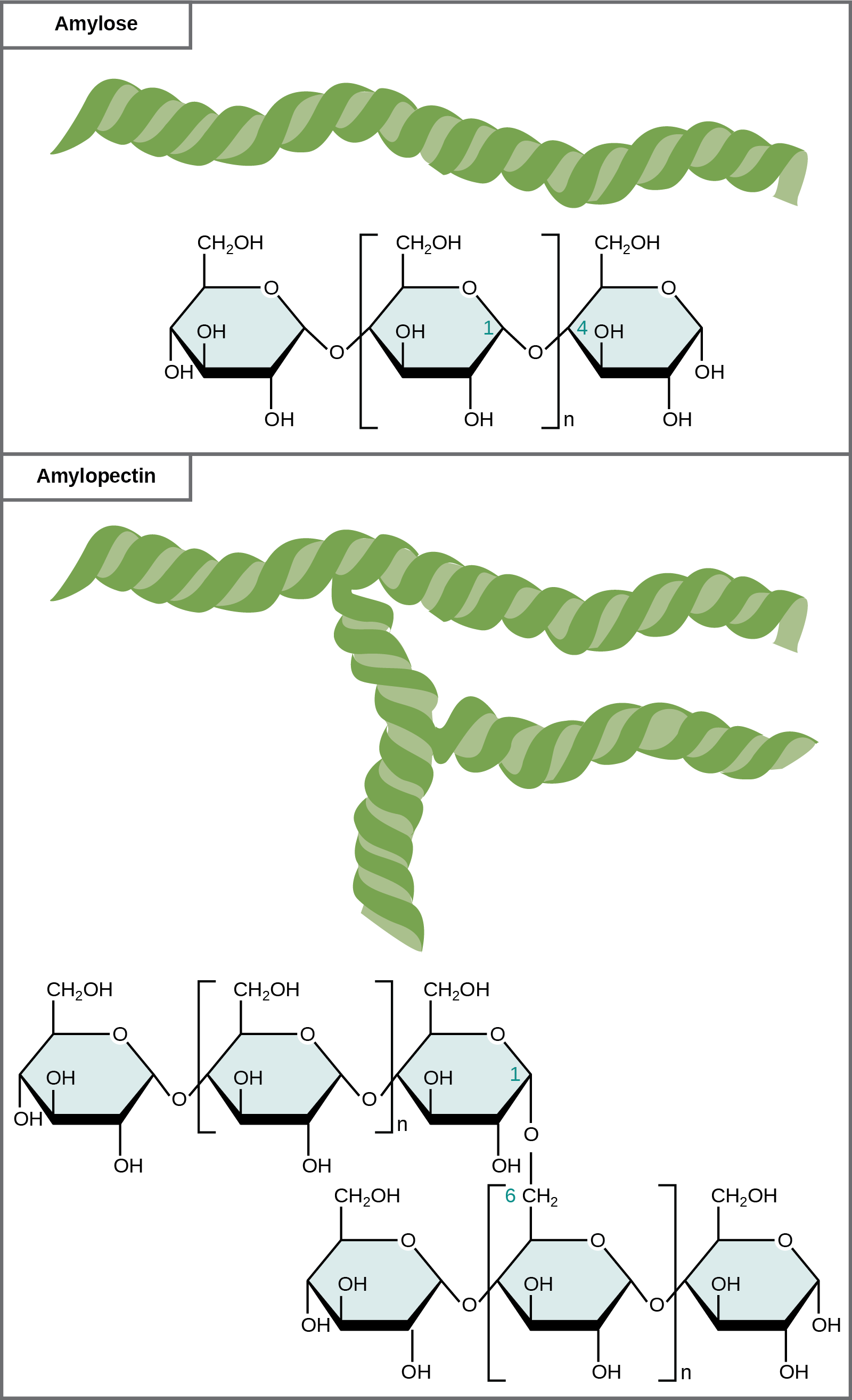
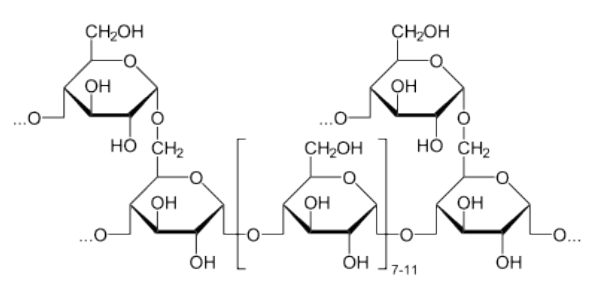
Amylose

The largely unbranched component of , made mainly of linked by alpha-1,4 .

Read explanation · OpenStax ↗
Analytical standard ·

A material with a known identity or amount used to compare or calibrate measurements.

Read explanation · Agilent ↗
Anion ·

An with a negative net .

Read explanation · OpenStax ↗
anomeric carbon

The former carbon of a sugar, which becomes the or hemiketal center upon cyclization.

Read explanation · OpenStax ↗
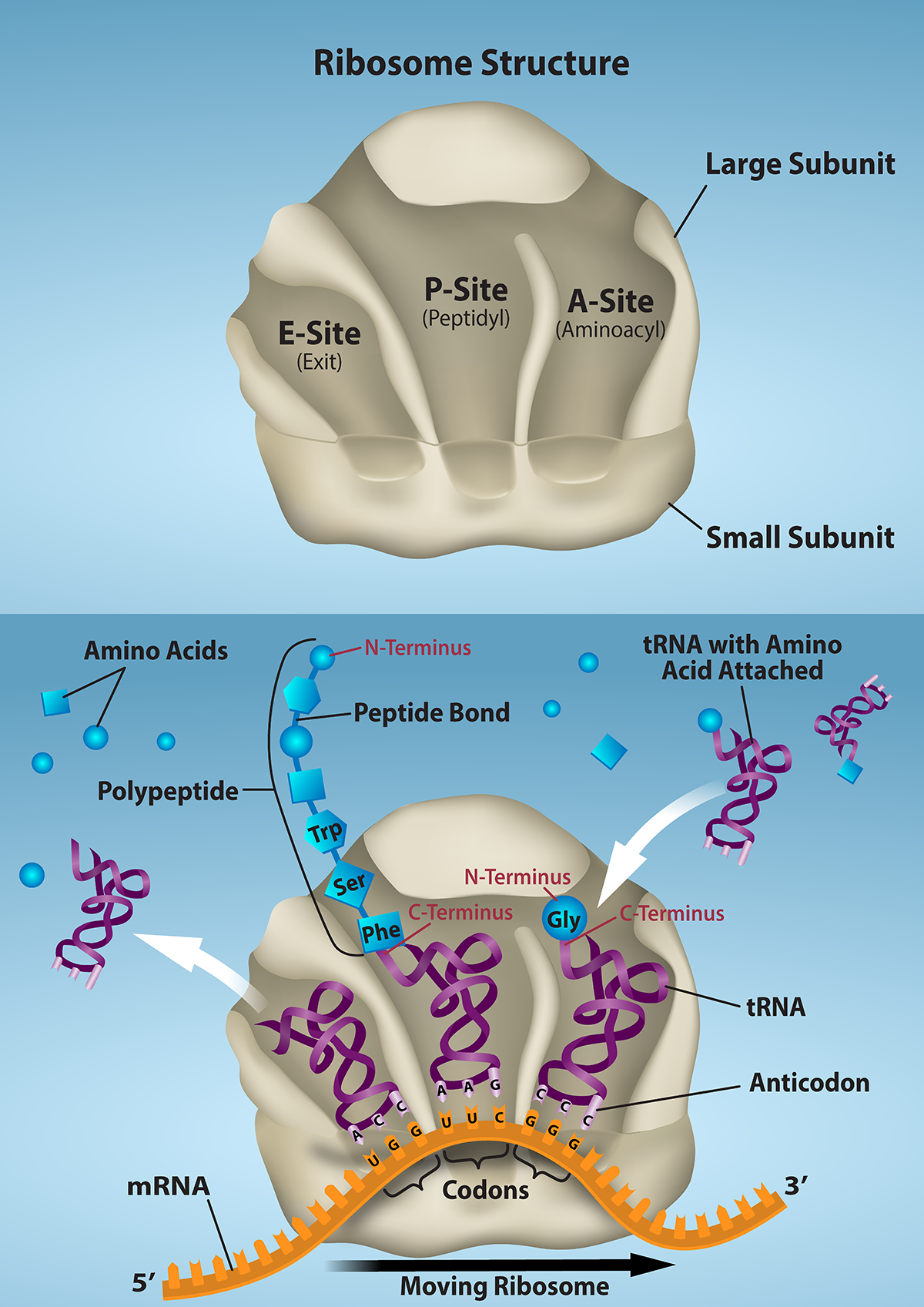
Anticodon

A triplet that pairs to an . The anticodon for 5′-AUG-3′ is aligned 3′-UAC-5′, or written 5′-CAU-3′.

Read explanation · NCBI Bookshelf / Garland Science ↗
Antiparallel

Running in opposite directions, as with two strands or neighboring strands in some .

Read explanation · OpenStax ↗
Aqueous solution ·

A in which water is the .

Read explanation · OpenStax ↗
Aromatic

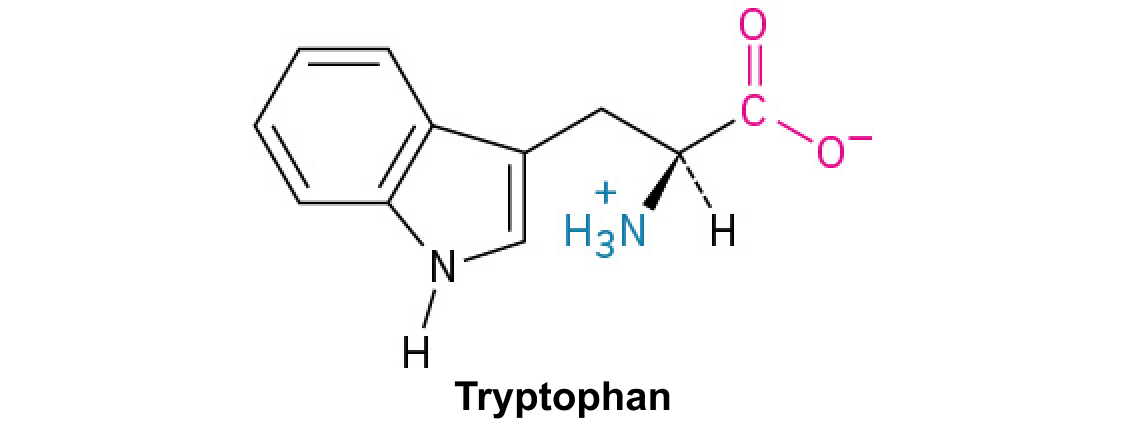
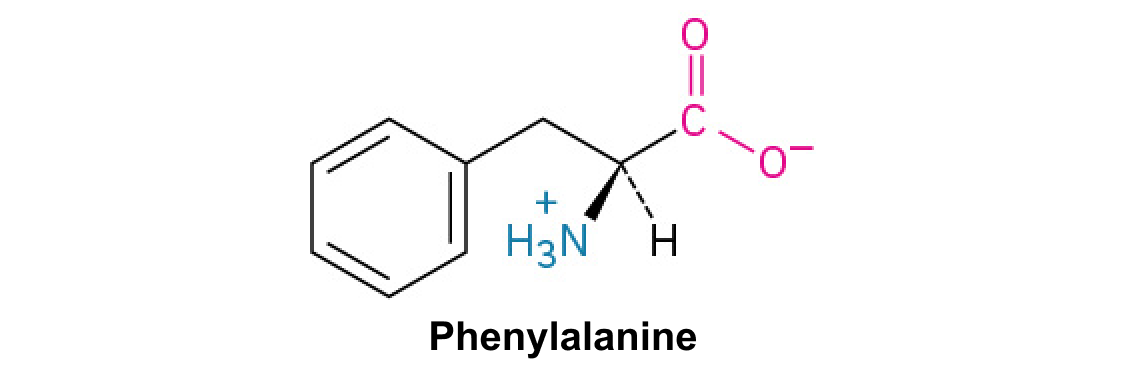
Containing a cyclic, with . , , and have aromatic .

Read explanation · OpenStax ↗
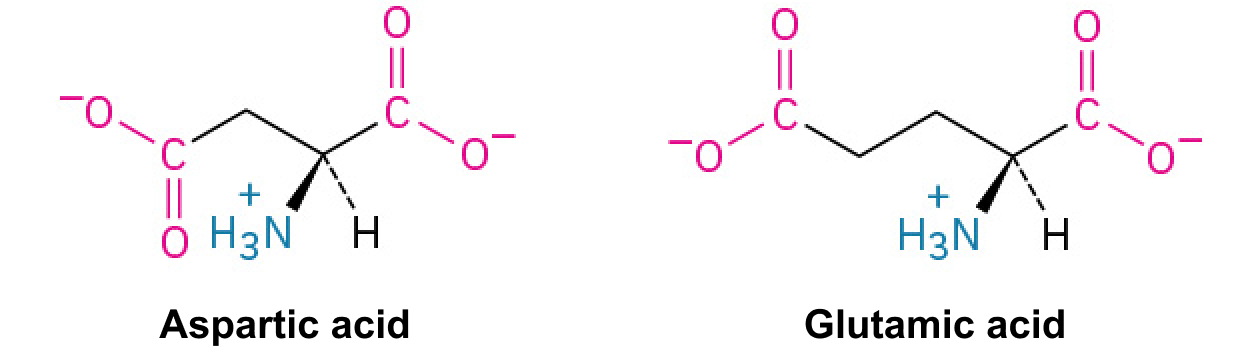
Aspartate · ·

An whose is usually negatively near physiological .

Read explanation · OpenStax ↗
Assay

A procedure used to detect a substance or measure its amount, activity, or another property.

Read explanation · Thermo Fisher ↗
Atom

The smallest unit of an element that retains its chemical identity; it has a surrounded by .

Read explanation · OpenStax ↗
attachment

Enduring emotional bond and expectations about another’s availability and responsiveness.

Read explanation · OpenStax ↗
basal ganglia

Interconnected subcortical involved in action selection and learning.

Read explanation · OpenStax ↗
Benzene ring

A six-carbon ring with .

Read explanation · OpenStax ↗
Benzyl group

A attached through a –CH₂– group; part of ’s .

Read explanation · OpenStax ↗
Beta sheet · · · · · ·

A made of aligned segments connected by ; strands may be parallel or .

Read explanation · OpenStax ↗
Binding site

A region of a where another interacts selectively.

Read explanation · OpenStax ↗
Biomolecule

A made by or involved in living systems, including , , , and .

Read explanation · OpenStax ↗
Blocking

Covering unoccupied on a or plate to reduce interactions.

Read explanation · Thermo Fisher ↗
Blotting ·

Transfer of separated or to a so a specific target can be detected.

Read explanation · Thermo Fisher ↗
Brønsted–Lowry base · · · · · · · · · · ·

In the Brønsted–Lowry model, a substance that can accept a . Basic solutions have lower activity than water.

Read explanation · OpenStax ↗
Calibration

Establishing the relation between a measured signal and known values or .

Read explanation · Agilent ↗
Cancer

A group of diseases involving abnormal cells that can proliferate without normal restraints and invade tissues.

Read explanation · OpenStax ↗
Carbohydrate

A class of including sugars and their , used for energy storage, structure, and recognition.

Read explanation · OpenStax ↗
Carbonyl group · ·

A carbon double-bonded to oxygen, C=O; present in and many other .

Read explanation · OpenStax ↗
Carboxyl group · ·

An , COOH. In free it is usually to COO⁻ near physiological .

Read explanation · OpenStax ↗
case study

An intensive investigation of one individual, group, or event, often with limited generalizability.

Read explanation · OpenStax ↗
Catalyst · ·

A substance that speeds a by providing a pathway with lower and is regenerated rather than consumed overall.

Read explanation · OpenStax ↗
Cation ·

An with a positive net .

Read explanation · OpenStax ↗
CD4

A cell-surface immune coreceptor used with additional coreceptors for and entry.

Read explanation · OpenStax ↗
Cellulose

A structural in plant cell walls, with beta-1,4 linkages; also used as a support.

Read explanation · OpenStax ↗
central nervous system

Brain and spinal cord.

Read explanation · OpenStax ↗
cerebellum

structure important for coordination, timing, and motor learning.

Read explanation · OpenStax ↗
Chemical compound ·

A substance containing of two or more different chemically combined in a definite composition.

Read explanation · OpenStax ↗
Chemical element

A substance defined by having the same number of , such as carbon or oxygen.

Read explanation · OpenStax ↗
Chemical reaction ·

A process that rearranges and chemical bonds, converting into .

Read explanation · OpenStax ↗
Chromatin

The complex of and associated , including , in .

Read explanation · OpenStax ↗
Chromatographic peak · ·

A rise and fall in detector signal as one or more components pass through the detector; a peak does not guarantee a single pure .

Read explanation · Agilent ↗
Chromatography

Separation of mixture components by their different interactions with a and a moving .

Read explanation · Waters ↗
Chromatography resin ·

The solid or beads in a column, often carrying chemical groups that determine separation behavior.

Read explanation · Cytiva ↗
Chromosome ·

An organized with associated that carries . A replicated chromosome has two .

Read explanation · OpenStax ↗
Codon

A sequence of three that specifies an or a stop signal.

Read explanation · OpenStax ↗
competence

A cell’s capacity to take up extracellular in transformation.

Read explanation · OpenStax ↗
Concentration

The amount of a substance in a specified volume or mass of mixture.

Read explanation · OpenStax ↗
Conformation ·

A spatial arrangement accessible by rotations and other motions that do not require breaking .

Read explanation · NCBI Bookshelf ↗
Conjugated system ·

Adjacent orbitals that allow to be distributed across several , often through alternating single and multiple bonds.

Read explanation · OpenStax ↗
Covalent bond · ·

A bond in which share pairs. and are covalent.

Read explanation · OpenStax ↗
culture

Learned and shared meanings, practices, values, and artifacts.

Read explanation · OpenStax ↗
Cysteine ·

An with a . Two cysteines can form a .

Read explanation · OpenStax ↗
Deoxyribonucleic acid

The that stores genetic information used to specify and sequences.

Read explanation · OpenStax ↗
Deprotonation

Removal of a from a or group; this changes its by minus one.

Read explanation · OpenStax ↗
Detergent

An substance that can associate with both water and material; detergents can disrupt or interactions.

Read explanation · Thermo Fisher ↗
determination

Developmental commitment to a cell fate before all specialized features necessarily appear.

Read explanation · OpenStax ↗
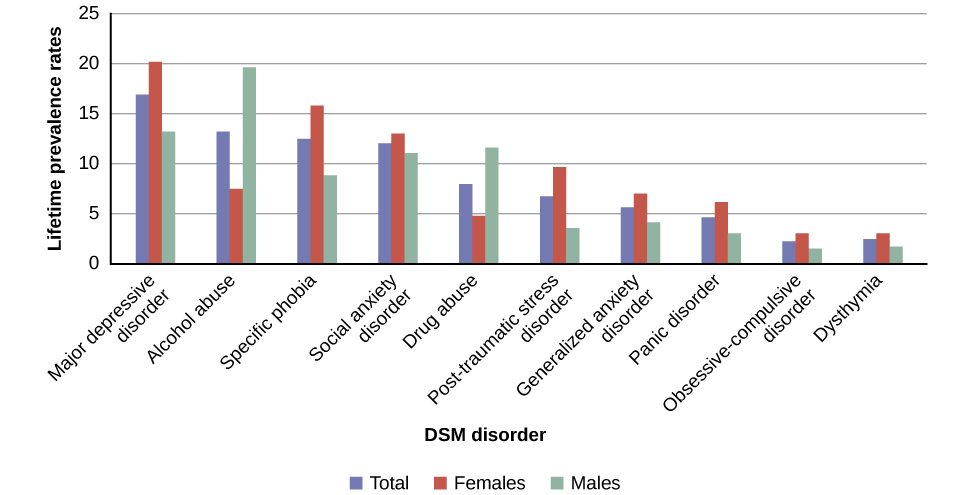
Diagnostic and Statistical Manual of Mental Disorders

Diagnostic classification manual describing patterns and criteria for mental disorders.

Read explanation · OpenStax ↗
discrimination

Unequal treatment linked to social category or group membership.

Read explanation · OpenStax ↗
Dissociation · ·

Separation of a chemical species or molecular complex into smaller components; dissociation releases a .

Read explanation · OpenStax ↗
Disulfide bond · · ·

A covalent sulfur–sulfur bond formed by of two , which can stabilize structure.

Read explanation · NCBI Bookshelf ↗
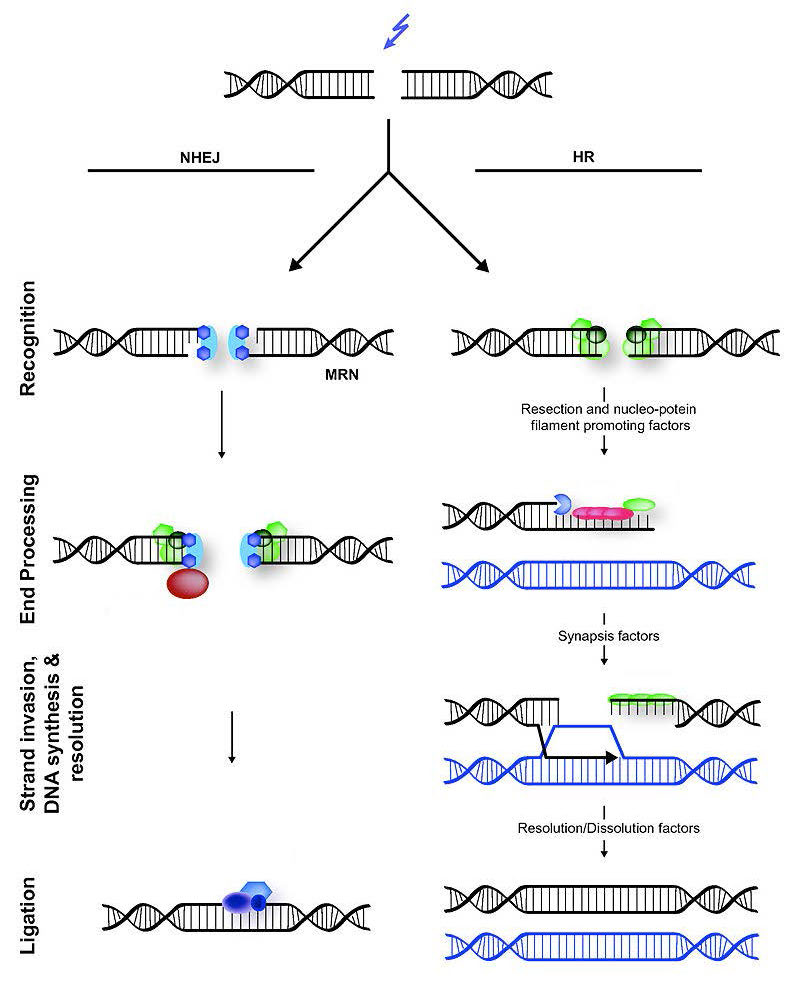
DNA lesion ·

of molecular damage in . A lesion can cause a if it is copied or repaired incorrectly, but damage and sequence change are distinct.

Read explanation · OpenStax ↗
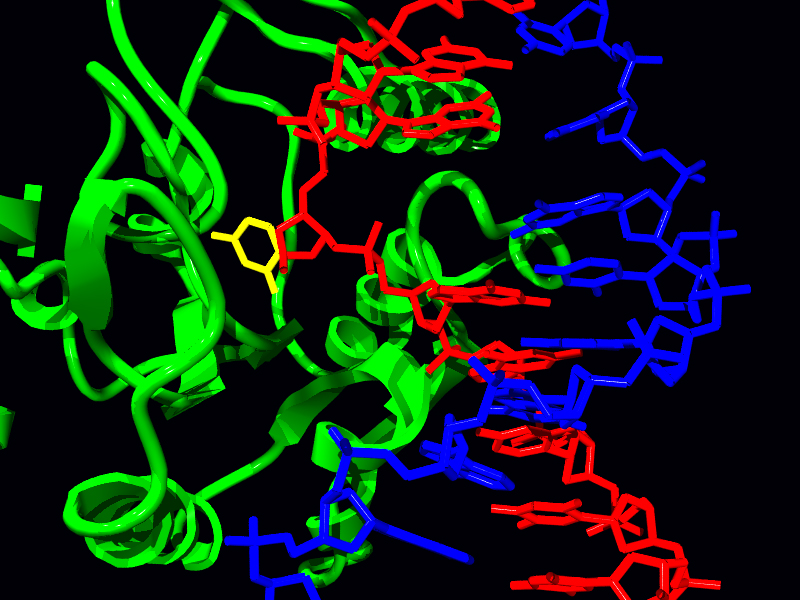
DNA polymerase ·

An that synthesizes 5′ to 3′ using a template and a with a free .

Read explanation · OpenStax ↗
DNA replication

Copying so genetic information can be passed to daughter cells. Each guides a complementary new strand.

Read explanation · OpenStax ↗
drive reduction

Motivation through behaviors that reduce internal need states.

Read explanation · OpenStax ↗
Effector

A that changes a ’s activity or binding behavior, often by stabilizing a particular .

Read explanation · Biology LibreTexts ↗
Electric charge · · ·

An electrical property that can be positive or negative. Opposite charges attract and like charges repel; net charge is the sum of all charges on a particle.

Read explanation · OpenStax ↗
Electron

A negatively subatomic particle. Electron sharing and transfer determine much of chemical bonding.

Read explanation · OpenStax ↗
Electron delocalization ·

Distribution of across several rather than confinement to one or bond.

Read explanation · OpenStax ↗
Electronegativity ·

An ’s tendency to attract shared in a chemical bond. Unequal attraction can make a bond .

Read explanation · OpenStax ↗
Endocrine signaling ·

Communication in which enter the circulation and act on distant target cells.

Read explanation · OpenStax ↗
Endomembrane system

The interacting and compartments involved in processes such as modification, transport, and .

Read explanation · OpenStax ↗
Endoplasmic reticulum

An interconnected network continuous with the ; it includes regions involved in processing and synthesis.

Read explanation · OpenStax ↗
Enzyme

A biological that speeds a without being consumed. Most enzymes are .

Read explanation · OpenStax ↗
ethnicity

Shared cultural history, ancestry, language, or affiliation.

Read explanation · OpenStax ↗
Eukaryote ·

An organism whose cells have a -enclosed ; animals, plants, fungi, and protists are eukaryotes.

Read explanation · OpenStax ↗
Experimental control ·

A comparison sample or condition used to distinguish the effect being tested from other influences.

Read explanation · Thermo Fisher ↗
extrinsic motivation

Engagement for consequences separable from the activity itself.

Read explanation · OpenStax ↗
FACT complex ·

A -associated complex that helps machinery traverse and supports reorganization.

Read explanation · OpenStax ↗
fitness

Relative reproductive contribution of a or organism in a particular environment.

Read explanation · OpenStax ↗
forebrain

Major developmental brain division including cerebral hemispheres, , and .

Read explanation · OpenStax ↗
Functional group

A group of whose chemical behavior gives a characteristic and properties.

Read explanation · OpenStax ↗
gamma-aminobutyric acid

Major inhibitory neurotransmitter in the mature .

Read explanation · OpenStax ↗
gender expression

Presentation of gender through appearance, behavior, or communication.

Read explanation · OpenStax ↗
gender identity

A person’s internal sense of their gender.

Read explanation · OpenStax ↗
Gene

A sequence that contributes to a functional or , together with the information needed to express it.

Read explanation · OpenStax ↗
Gene expression

Production of a functional from a , including and, for -coding , .

Read explanation · NCBI Bookshelf ↗
genotype

The allelic composition of an organism at one or more specified .

Read explanation · OpenStax ↗
ghrelin

A associated with hunger signaling, produced mainly by the stomach.

Read explanation · OpenStax ↗
Glucagon

A pancreatic that helps raise , especially by promoting release from the liver.

Read explanation · OpenStax ↗
Glucose

A six-carbon sugar that is a major cellular energy source and a building block of , , and .

Read explanation · OpenStax ↗
Glutamate · ·

An whose is usually negatively near physiological .

Read explanation · OpenStax ↗
glycogen

A highly branched used for storage in animals.

Read explanation · Biology LibreTexts / Oregon State University ↗
Glycosidic bond

A involving a sugar’s . In a , an N-glycosidic bond links the sugar to the .

Read explanation · Biology LibreTexts / Oregon State University ↗
Golgi apparatus ·

A stack of compartments that modifies and sorts and traveling through the .

Read explanation · OpenStax ↗
hemiacetal

Carbon bonded to both and alkoxy groups, usually formed by alcohol addition to a .

Read explanation · OpenStax ↗
hindbrain

Developmental brain division including medulla, pons, and .

Read explanation · OpenStax ↗
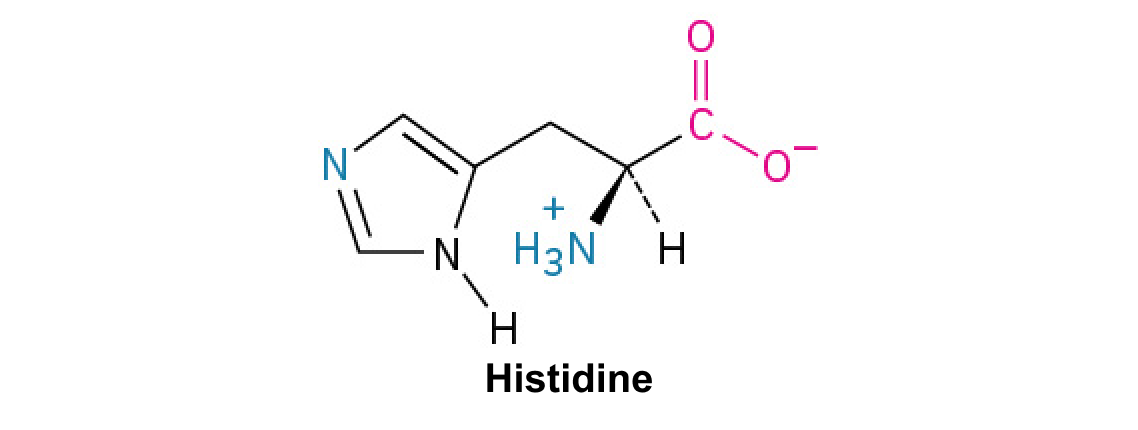
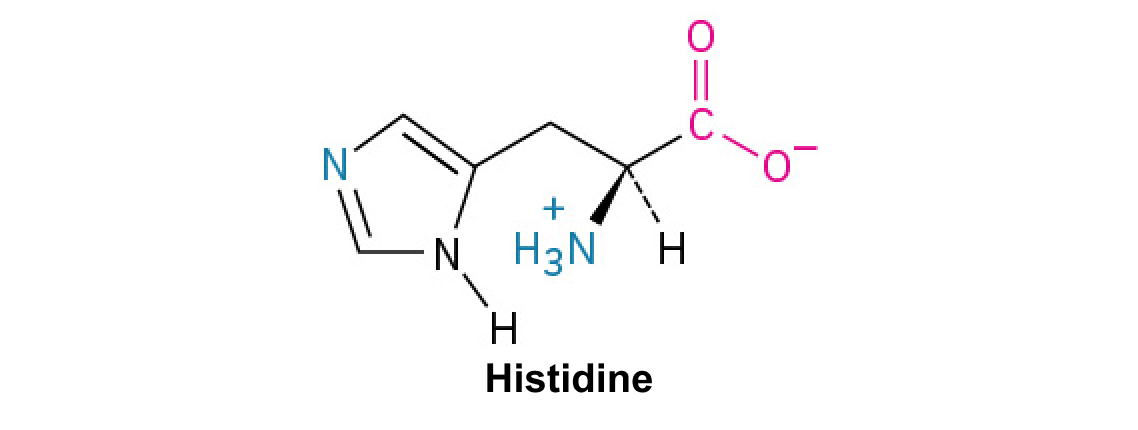
Histidine ·

A with an . Mostly uncharged near physiological , it can accept or donate .

Read explanation · OpenStax ↗
Histone

A -associated rich in . Core histones form the around which nucleosomal wraps.

Read explanation · OpenStax ↗
HIV

Human virus, an enveloped that uses and coreceptors for entry.

Read explanation · OpenStax ↗
homeostasis

Dynamic regulation that maintains physiological variables within functional ranges despite disturbances.

Read explanation · OpenStax ↗
Hormone

A chemical messenger released by cells that changes the activity of target cells with matching .

Read explanation · OpenStax ↗
Hydrogen bond ·

An attraction between a hydrogen bonded to an and another . hydrogen bonds stabilize .

Read explanation · OpenStax ↗
Hydrogen ion · ·

A positively hydrogen species. H⁺ denotes a , which is hydrated in water; its activity determines .

Read explanation · OpenStax ↗
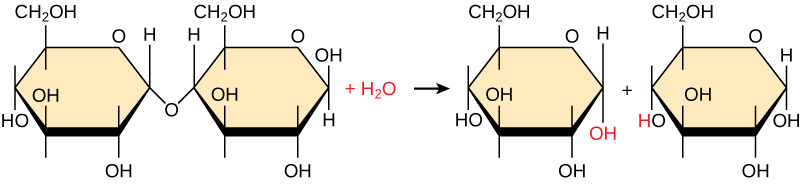
Hydrolysis

Breaking a chemical bond by adding water. hydrolysis separates .

Read explanation · OpenStax ↗
Hydrophilic

Interacting favorably with water, typically because a group is or .

Read explanation · OpenStax ↗
Hydrophobic

Interacting poorly with water. often gather in a ’s interior.

Read explanation · OpenStax ↗
Hydroxide ion ·

The negatively OH⁻. Basic contain a higher hydroxide ion activity than water at the same temperature.

Read explanation · OpenStax ↗
Hydroxyl group ·

An oxygen bonded to hydrogen, –OH. Hydroxyl groups can and often increase .

Read explanation · OpenStax ↗
hypothalamus

region coordinating homeostatic, , and autonomic functions.

Read explanation · OpenStax ↗
Imidazole

A five-membered ring containing two nitrogens; ’s contains this ring.

Read explanation · OpenStax ↗
immunodeficiency

Inadequate immune function that compromises defense or regulation.

Read explanation · OpenStax ↗
incentive

External outcome or cue that attracts or discourages behavior.

Read explanation · OpenStax ↗
incidence

Occurrence of new cases in a defined population over a specified period.

Read explanation · OpenStax ↗
Indole

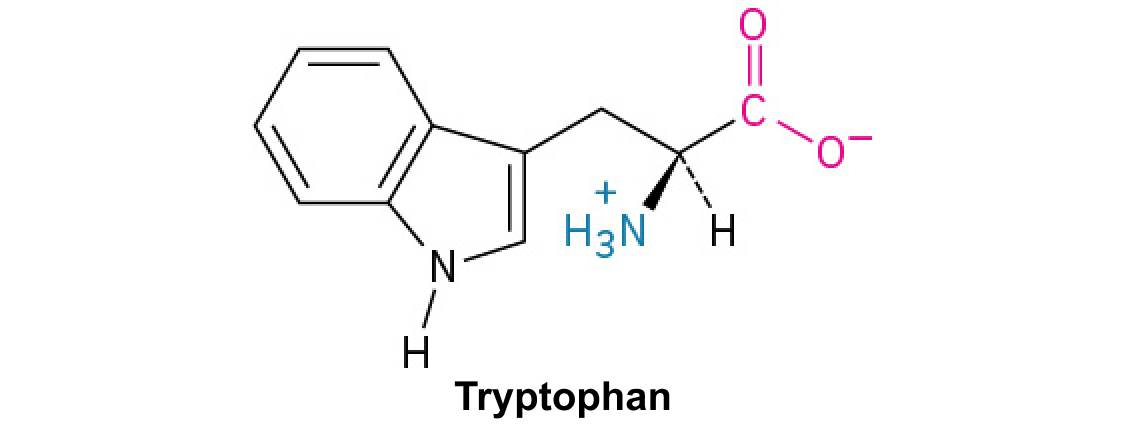
A fused six-membered and five-membered ring system containing nitrogen; found in .

Read explanation · OpenStax ↗
Insulin

A from that lowers by promoting uptake and storage and reducing production.

Read explanation · OpenStax ↗
intrinsic motivation

Engagement for the interest or satisfaction inherent in an activity.

Read explanation · OpenStax ↗
Ion · ·

An or with a net because its numbers of and do not balance.

Read explanation · OpenStax ↗
leptin

An adipose-derived signaling energy stores to circuits regulating appetite and expenditure.

Read explanation · OpenStax ↗
linkage

A tendency of nearby on the same to be inherited together.

Read explanation · OpenStax ↗
Lipid

A broad class of largely or , including fats, , and steroids.

Read explanation · OpenStax ↗
locus

The specific position of a or other feature.

Read explanation · OpenStax ↗
Logarithm · · ·

The exponent needed to obtain a number from a chosen fixed number. For decimal logarithms, log₁₀(100) = 2 because 10² = 100; uses the negative decimal logarithm of activity.

Read explanation · OpenStax ↗
lysergic acid diethylamide

Classic hallucinogen whose perceptual effects involve serotonergic signaling.

Read explanation · OpenStax ↗
Mass spectrometry ·

Analysis of according to their mass-to- ratios, used to identify and or .

Read explanation · Thermo Fisher ↗
Mass-to-charge ratio

The mass of an divided by its number; this is the quantity measured by a .

Read explanation · Thermo Fisher ↗
Matrix

A supporting material, such as a gel or the solid support in a column. Its properties influence movement and binding of sample .

Read explanation · Thermo Fisher ↗
Membrane · · · ·

A thin boundary or sheet. Cell membranes are bilayers containing ; membranes are synthetic supports that hold or for detection.

Read explanation · OpenStax ↗
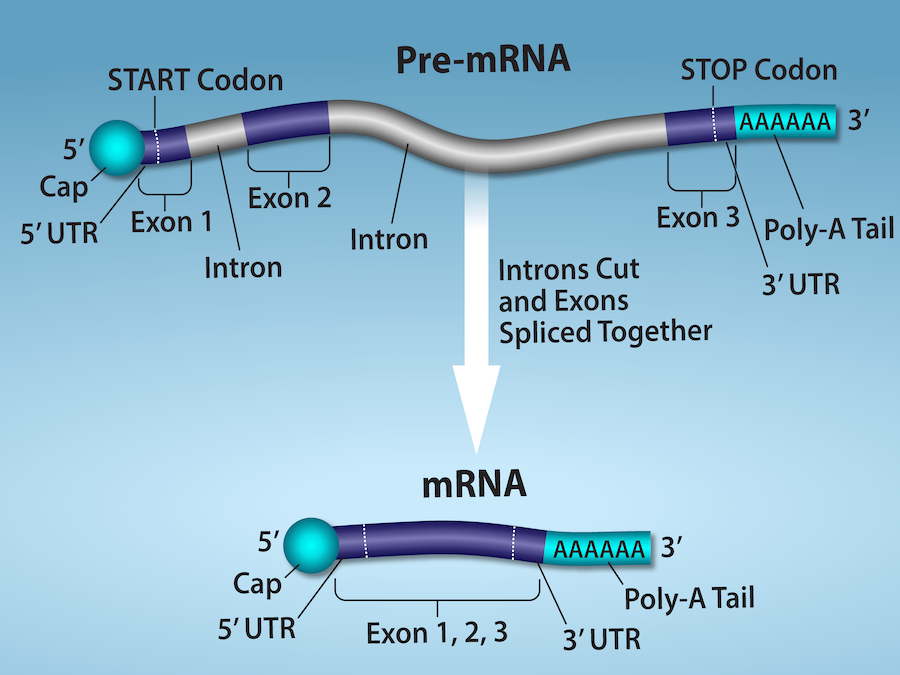
Messenger RNA ·

An that carries coding information used by to synthesize a .

Read explanation · OpenStax ↗
Metabolism

The chemical that build , break them down, and transform energy in a living system.

Read explanation · OpenStax ↗
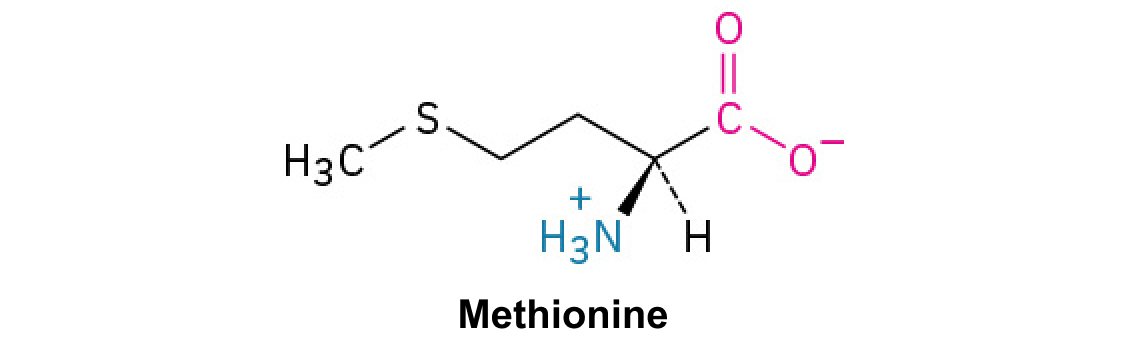
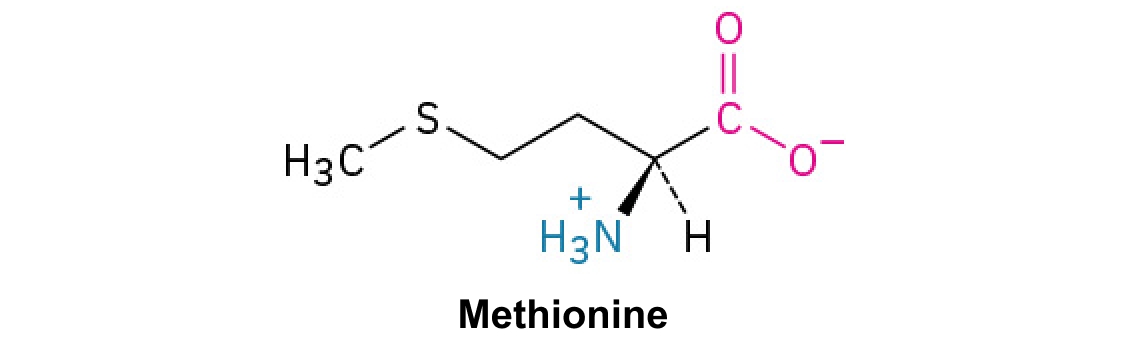
Methionine ·

A with sulfur in a . Unlike , it does not form .

Read explanation · OpenStax ↗
Methyl group ·

A –CH₃ group, consisting of one carbon bonded to three hydrogens.

Read explanation · OpenStax ↗
Mobile phase

The moving fluid that carries a sample through a system.

Read explanation · Waters ↗
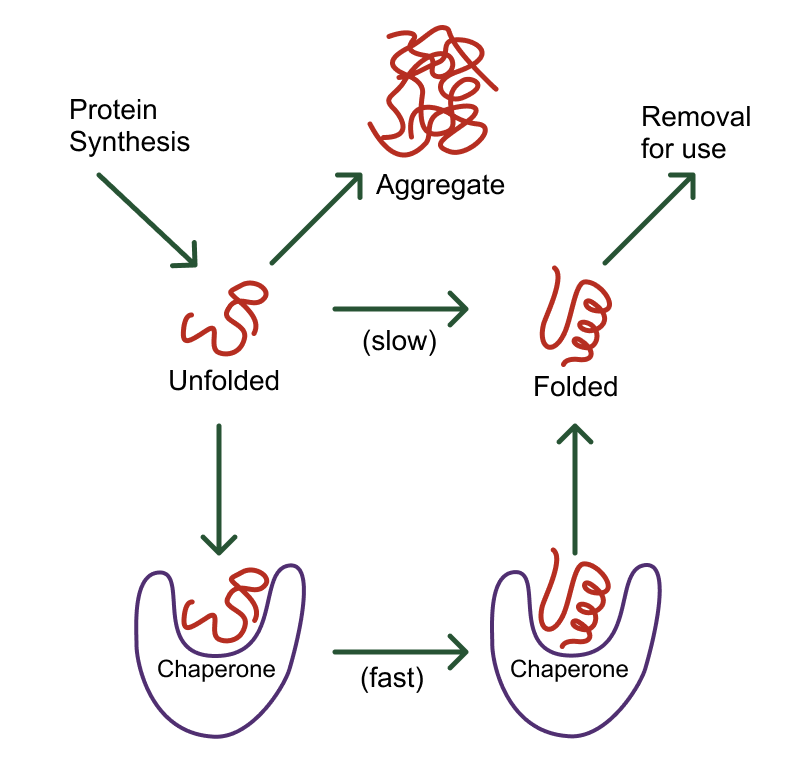
Molecular chaperone · ·

A that assists other in folding or prevents , without specifying their sequence.

Read explanation · NCBI Bookshelf ↗
Molecule

Two or more joined by . A molecule may be electrically or carry a .

Read explanation · OpenStax ↗
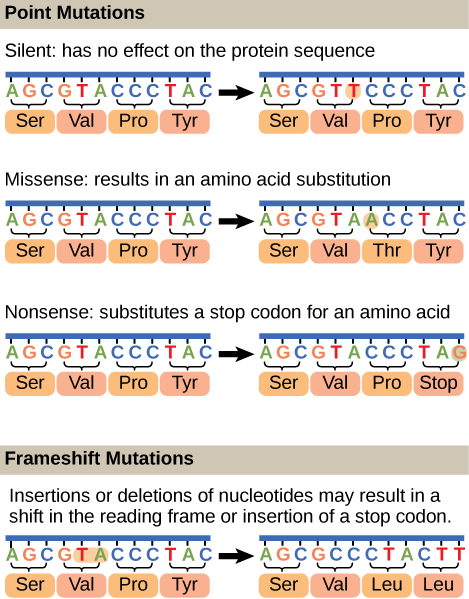
Mutation

A change in a sequence; some mutations alter a ’s sequence.

Read explanation · OpenStax ↗
negative feedback

A control arrangement in which a response opposes the initiating deviation.

Read explanation · OpenStax ↗
neuron

An electrically excitable cell specialized for receiving and transmitting information.

Read explanation · OpenStax ↗
Neutral

Having no net . For a , neutral instead means equal and activities; its is about 7 at 25 °C.

Read explanation · OpenStax ↗
Nitrogenous base · · ·

A nitrogen-containing ring component of ; its pairing interactions help specify sequences.

Read explanation · OpenStax ↗
NMDA receptor

-gated channel named for N--D-; its voltage-dependent magnesium block and calcium permeability support some forms of synaptic plasticity.

Read explanation · www.ncbi.nlm.nih.gov ↗
Nonpolar ·

Lacking a substantial separation of . Nonpolar groups generally interact poorly with water.

Read explanation · OpenStax ↗
Nonspecific binding · ·

Unwanted binding outside the intended target interaction, often contributing background signal in an .

Read explanation · Thermo Fisher ↗
Nuclear envelope

The double enclosing the and continuous with the .

Read explanation · OpenStax ↗
Nucleic acid

A of , such as or , used in information storage, expression, and other cellular functions.

Read explanation · OpenStax ↗
Nucleosome

The basic unit of : wrapped around a .

Read explanation · OpenStax ↗
Nucleotide

A joined to a sugar and one or more .

Read explanation · OpenStax ↗
Nucleus ·

A -enclosed compartment containing most of a cell’s .

Read explanation · OpenStax ↗
nucleus accumbens

Ventral striatal region involved in reward-related learning and motivation.

Read explanation · OpenStax ↗
Octamer

A complex made of eight . A core contains eight .

Read explanation · OpenStax ↗
Oxidation ·

Loss of or an increase in oxidation state. Oxidizing two can form a .

Read explanation · OpenStax ↗
Pancreas

An organ with digestive and functions; its islets contain cells that secrete and .

Read explanation · OpenStax ↗
Pancreatic beta cell ·

An cell in a pancreatic islet that secretes .

Read explanation · OpenStax ↗
Peptide

A chain of joined by ; the term commonly describes chains shorter than a typical .

Read explanation · OpenStax ↗
Peptide bond ·

A covalent between the carboxyl carbon of one and the amino nitrogen of the next.

Read explanation · OpenStax ↗
Peptide hormone

An amino--based chemical messenger released by ; and are examples.

Read explanation · OpenStax ↗
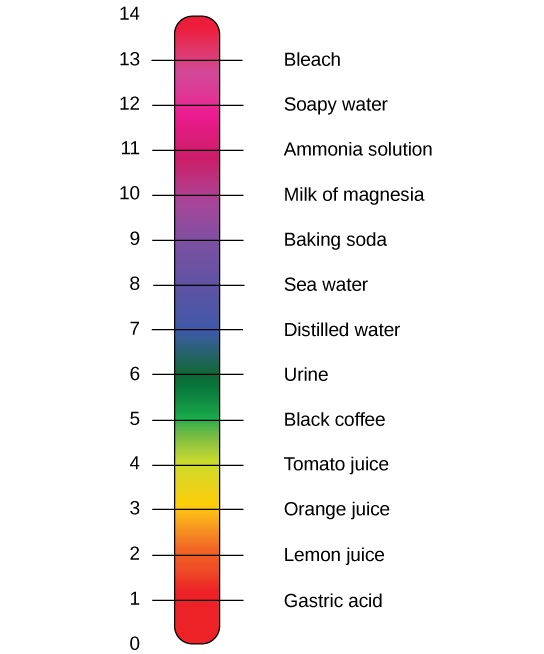
pH

A measure of , defined as the negative of activity. Lower pH means greater ; pH influences .

Read explanation · OpenStax ↗
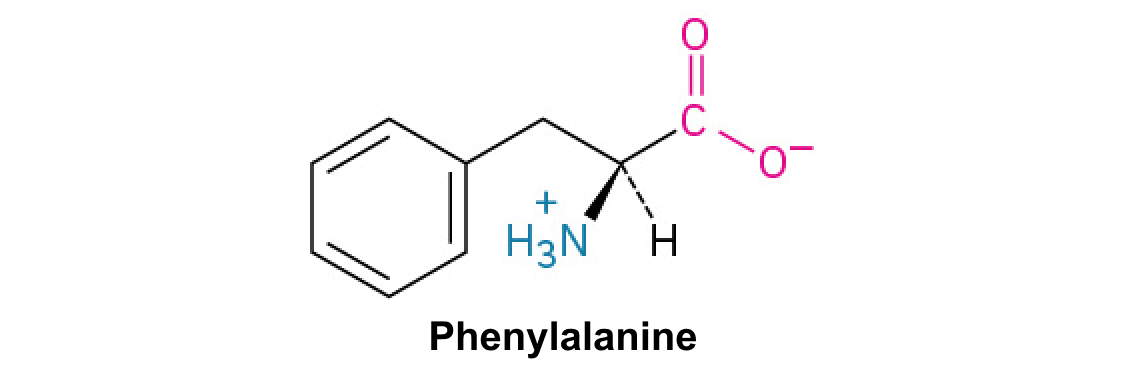
Phenylalanine ·

A with an .

Read explanation · OpenStax ↗
Phosphate group ·

A phosphorus-containing group bonded to oxygens; phosphate groups occur in , , and modified .

Read explanation · OpenStax ↗
Phospholipid

An with a -containing region and tails; a major component of cellular .

Read explanation · OpenStax ↗
photon

Quantum of electromagnetic radiation with energy hf.

Read explanation · OpenStax ↗
physical dependence

Physiological that produces when a substance is removed.

Read explanation · OpenStax ↗
Polar

Having an uneven distribution of . Polar groups often interact favorably with water.

Read explanation · OpenStax ↗
Polymer

A large made from many linked molecular building blocks.

Read explanation · OpenStax ↗
Polypeptide

A chain of connected by . A functional can contain one or several such chains.

Read explanation · OpenStax ↗
Porous material · · · ·

A material containing small spaces that can admit of suitable size.

Read explanation · Cytiva ↗
prevalence

Proportion or number of existing cases in a defined population and time frame.

Read explanation · OpenStax ↗
Primer · ·

A short nucleic- strand paired with a template that provides a free for polymerase extension.

Read explanation · OpenStax ↗
Proline ·

An whose loops back to the nitrogen, restricting rotation and often creating bends.

Read explanation · OpenStax ↗
Protein

One or more folded chains that perform biological roles such as , transport, signaling, or structural support.

Read explanation · OpenStax ↗
Protein aggregation · ·

Association of into larger clusters, often when exposed surfaces of unfolded stick together.

Read explanation · NCBI Bookshelf ↗
Protein backbone ·

The repeating nitrogen–alpha-carbon– chain of a , excluding its variable .

Read explanation · OpenStax ↗
Protein domain · ·

A region of a that forms a recognizable structural or functional unit.

Read explanation · OpenStax ↗
Proton

A positively subatomic particle. In – chemistry, donating a proton means transferring a .

Read explanation · OpenStax ↗
Protonation

Addition of a to an , , or ; this changes its by plus one.

Read explanation · OpenStax ↗
Quantification · ·

Estimating the amount or of a substance from measured signals and suitable or .

Read explanation · Waters ↗
R group · ·

The variable side chain attached to an ’s . It determines identity, , , and chemical behavior.

Read explanation · OpenStax ↗
Reactant

A starting substance transformed during a .

Read explanation · OpenStax ↗
Reaction intermediate · ·

A species formed in one step and consumed in another. It occupies a local energy minimum between .

Read explanation · OpenStax ↗
Reaction product ·

A substance formed by a .

Read explanation · OpenStax ↗
reaction time

Elapsed time between a stimulus or cue and a measured response.

Read explanation · OpenStax ↗
Receptor

A that recognizes a particular signal and helps produce a cellular response.

Read explanation · OpenStax ↗
Reduction

Gain of or a decrease in state. Reducing a restores two .

Read explanation · OpenStax ↗
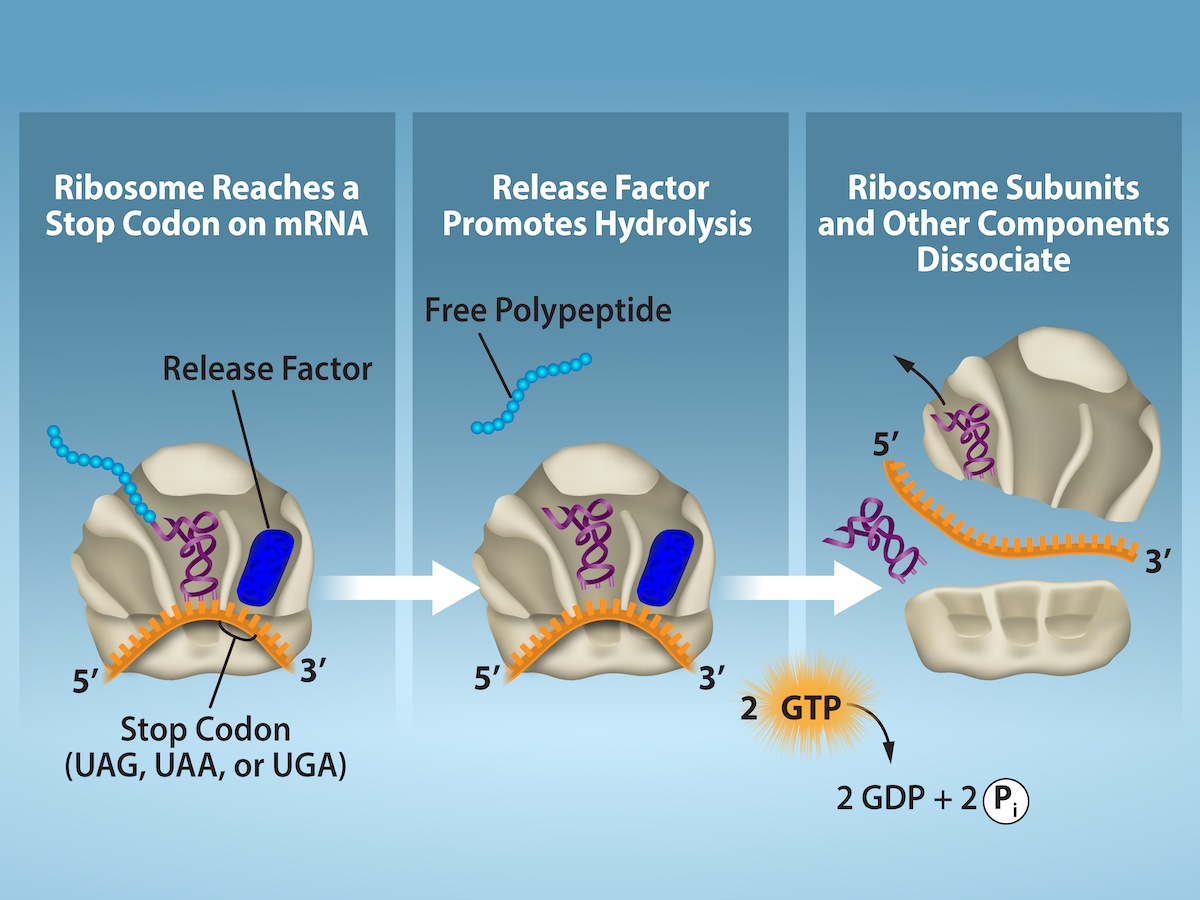
Release factor ·

A that recognizes a stop signal and promotes of the – to release the .

Read explanation · OpenStax ↗
retrovirus

An virus replicating through a intermediate produced by .

Read explanation · OpenStax ↗
Reverse transcriptase

An that makes using an template. is a specialized example.

Read explanation · OpenStax ↗
Reverse transcription

Synthesis of from an template by ; it transfers information between .

Read explanation · OpenStax ↗
Ribonucleic acid ·

A with roles in , regulation, and ; carries -coding information.

Read explanation · OpenStax ↗
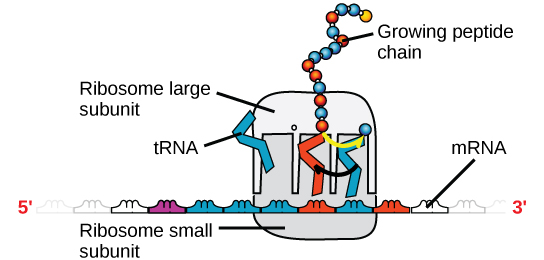
Ribosome ·

A complex of and that translates into a .

Read explanation · OpenStax ↗
Salt

An electrically made from and . Dissolved salts can screen or compete with – interactions.

Read explanation · Cytiva ↗
satiety

The state of reduced motivation to eat following food intake and related physiological signals.

Read explanation · OpenStax ↗
Secondary structure

Local folding, such as and , stabilized mainly by .

Read explanation · OpenStax ↗
Secretory pathway ·

The route through the , , and used to deliver many to the cell surface, outside the cell, or compartments.

Read explanation · OpenStax ↗
self-actualization

Realization of one’s capabilities and growth potential in humanistic accounts.

Read explanation · OpenStax ↗
self-determination theory

Motivation framework emphasizing autonomy, , and relatedness.

Read explanation · OpenStax ↗
self-efficacy

Belief in one’s capability to carry out a particular action.

Read explanation · OpenStax ↗
Separation resolution

A measure of how distinctly neighboring components or are separated.

Read explanation · Cytiva ↗
set point

A reference value or range around which a physiological control system operates.

Read explanation · OpenStax ↗
sexual orientation

Pattern of sexual or romantic attraction and associated identity.

Read explanation · OpenStax ↗
shaping

Reinforcing successive approximations toward a target behavior.

Read explanation · OpenStax ↗
Sister chromatid

One of the two copies of a produced by . An intact sister chromatid can supply a template for accurate repair.

Read explanation · Biology LibreTexts / Oregon State University ↗
social power

Capacity to influence outcomes or act despite resistance.

Read explanation · OpenStax ↗
socialization

Lifelong learning and negotiation of social norms, roles, skills, and identities.

Read explanation · OpenStax ↗
socioeconomic status

Social and economic position commonly measured through income, education, and occupation.

Read explanation · OpenStax ↗
Solubility ·

The amount of a substance that can dissolve in a under specified conditions. Soluble means able to dissolve; insoluble means only very slightly soluble in that .

Read explanation · OpenStax ↗
Solute

A dissolved component of a .

Read explanation · OpenStax ↗
Solution

A homogeneous mixture in which are dissolved in a .

Read explanation · OpenStax ↗
Solvent

The component of a that dissolves other substances, usually the component present in the greatest amount.

Read explanation · OpenStax ↗
Spectrum ·

A distribution of measured signal over a variable such as or .

Read explanation · Thermo Fisher ↗
Starch

A plant storage made of chains; its two main forms are and amylopectin.

Read explanation · OpenStax ↗
Stationary phase

The material that remains fixed in a system.

Read explanation · Waters ↗
stigma

Socially discrediting meaning attached to an attribute or identity.

Read explanation · OpenStax ↗
Subunit ·

An individual chain within a containing multiple chains.

Read explanation · OpenStax ↗
synapse

A specialized connection through which a cell communicates with another electrically or chemically.

Read explanation · OpenStax ↗
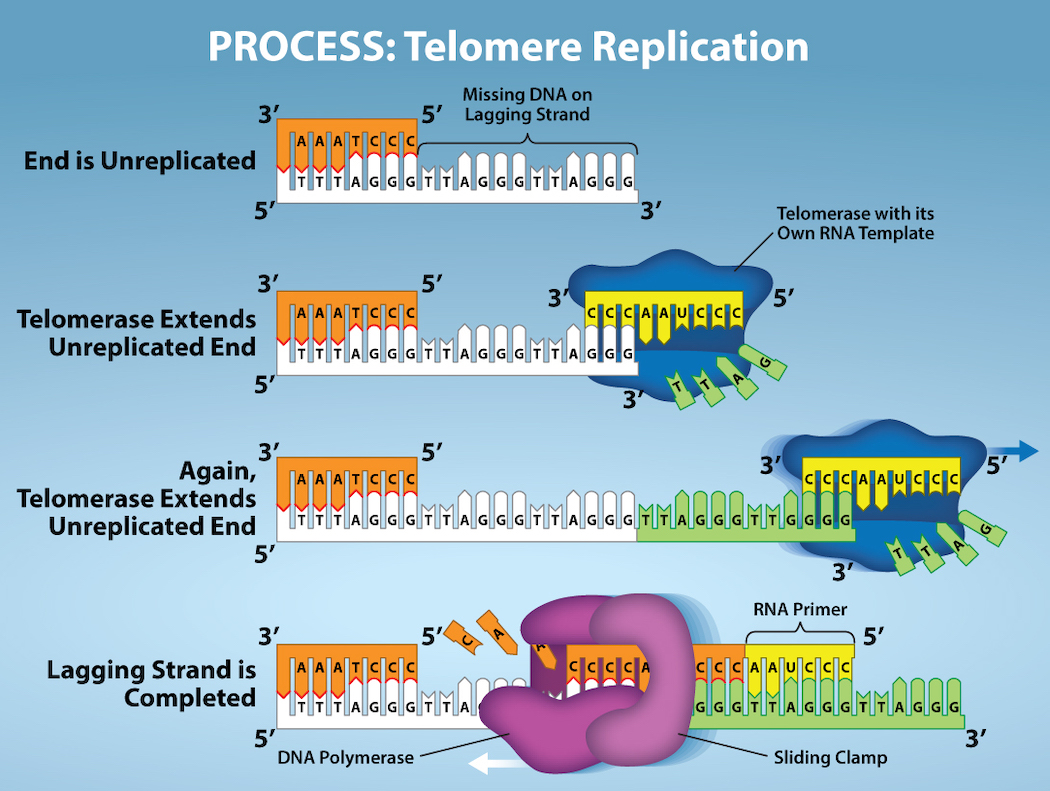
Telomerase

A ribonucleoprotein that uses its own template to extend a ’s 3′ end.

Read explanation · OpenStax ↗
Template strand · · ·

A preexisting strand whose sequence guides complementary nucleic- synthesis.

Read explanation · OpenStax ↗
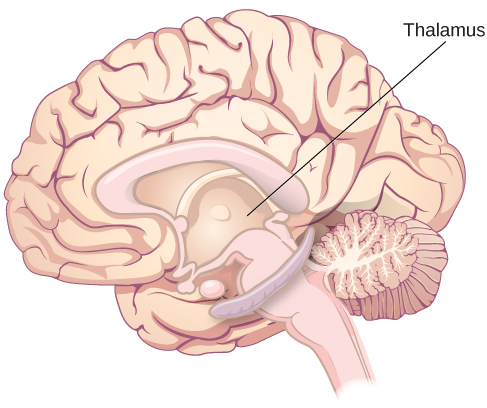
thalamus

structure containing relays and circuits connecting sensory, motor, and cortical systems.

Read explanation · OpenStax ↗
Thioether

A sulfur bonded to two carbon groups, as in ’s . It has no hydrogen.

Read explanation · OpenStax ↗
Thiol group · · · ·

A sulfur bonded to hydrogen, –SH. thiols can form through .

Read explanation · OpenStax ↗
tolerance

Reduced effect of a given drug dose after repeated exposure.

Read explanation · OpenStax ↗
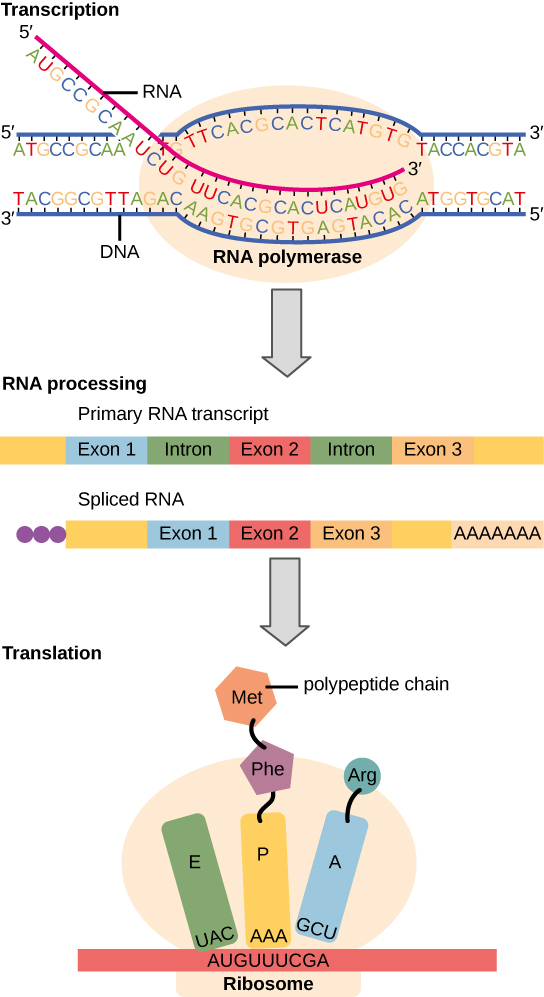
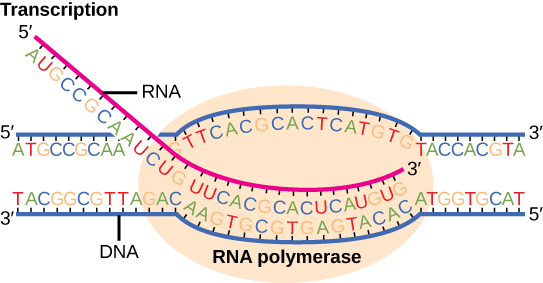
Transcription

Synthesis of using a template.

Read explanation · OpenStax ↗
Transfer RNA ·

An adaptor that carries an and pairs its with a on .

Read explanation · OpenStax ↗
Transition state

A fleeting, high-energy arrangement at a barrier. It is an energy maximum along the path, rather than a stable .

Read explanation · OpenStax ↗
Translation ·

Synthesis of a on a using the sequence of in .

Read explanation · OpenStax ↗
Tryptophan ·

An with a bulky ; commonly grouped as .

Read explanation · OpenStax ↗
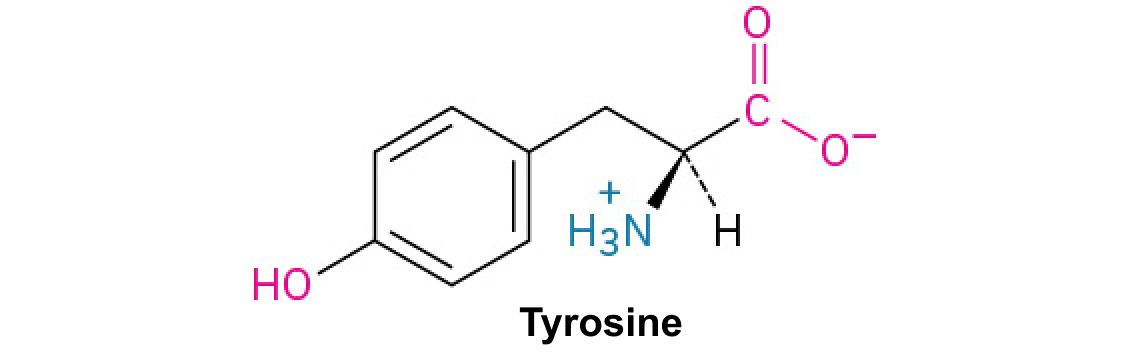
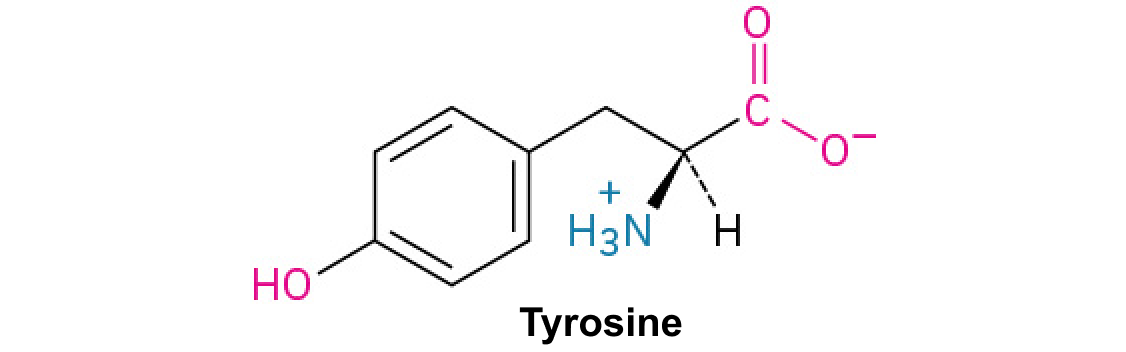
Tyrosine ·

An with a phenolic . Usually uncharged near physiological .

Read explanation · OpenStax ↗
urethra

The tube carrying urine from bladder toward the exterior.

Read explanation · OpenStax ↗
Vesicle · · ·

A small -enclosed compartment that can transport material between cellular locations.

Read explanation · OpenStax ↗
Wavelength

The distance between repeating points of a wave, such as neighboring crests; light wavelength determines energy.

Read explanation · JASCO ↗
withdrawal

Symptoms emerging when exposure to an adapted-to substance is reduced or stopped.

Read explanation · OpenStax ↗
Yerkes–Dodson relationship

Approximate inverted-U relation between arousal and performance, dependent on task and context.

Read explanation · OpenStax ↗

10.1 Motivation

OpenStax · 10.1 Motivation ↗
Instructional page including learning objectives, examples, figures, source tables and questions. Site navigation and embedded media players are omitted; source media links remain available.

Learning Objectives

By the end of this section, you will be able to:

  • Define intrinsic and
  • Understand that instincts, , , and social motives have all been proposed as theories of motivation
  • Explain the basic concepts associated with Maslow’s hierarchy of needs

Why do we do the things we do? What motivations underlie our behaviors? Motivation describes the wants or needs that direct behavior toward a goal. In addition to biological motives, motivations can be intrinsic (arising from internal factors) or extrinsic (arising from external factors) (Figure 10.2). Intrinsically motivated behaviors are performed because of the sense of personal satisfaction that they bring, while extrinsically motivated behaviors are performed in order to receive something from others.

An illustration shows a person’s upper torso. Inside the person's head are the words “intrinsic motivation (from within)” and three bullet points: “autonomy,” “mastery,” “purpose.” Outside the person's outline are the words “extrinsic motivation (from outside)” and three bullet points: “compensation,” “punishment,” and “reward.”
Figure 10.2 — 10.1 Motivation

Figure 10.2 Intrinsic motivation comes from within the individual, while extrinsic motivation comes from outside the individual.

Rose M. Spielman, William J. Jenkins, and Marilyn D. Lovett, Psychology 2E, OpenStax. · CC BY-NC-SA 4.0 · Original image ↗ · Access for free ↗

Think about why you are pursuing an education. Are you here because you enjoy learning and want to pursue an education to make yourself a more well-rounded individual? If so, then you are intrinsically motivated. However, if you are here because you want to get a college degree to make yourself more marketable for a high-paying career or to satisfy the demands of your parents, then your motivation is more extrinsic in nature.

In reality, our motivations are often a mix of both intrinsic and extrinsic factors, but the nature of the mix of these factors might change over time (often in ways that seem counter-intuitive). There is an old adage: “Choose a job that you love, and you will never have to work a day in your life,” meaning that if you enjoy your occupation, work doesn’t seem like . . . well, work. Some research suggests that this isn’t necessarily the case (Daniel & Esser, 1980; Deci, 1972; Deci, Koestner, & Ryan, 1999). According to this research, receiving some sort of extrinsic reinforcement (i.e., getting paid) for engaging in behaviors that we enjoy leads to those behaviors being thought of as work no longer providing that same enjoyment. As a result, we might spend less time engaging in these reclassified behaviors in the absence of any extrinsic reinforcement. For example, Odessa loves baking, so in her free time, she bakes for fun. Oftentimes, after stocking shelves at her grocery store job, she whips up pastries in the evenings because she enjoys baking. When a coworker in the store’s bakery department leaves job, Odessa applies for position and gets transferred to the bakery department. Although she enjoys what she does in her new job, after a few months, she no longer has much desire to concoct tasty treats in her free time. Baking has become work in a way that changes her motivation to do it (Figure 10.3). What Odessa has experienced is called the overjustification effect— is diminished when is given. This can lead to extinguishing the and creating a dependence on extrinsic rewards for continued performance (Deci et al., 1999).

A photograph shows several chefs preparing food together in a kitchen.
Figure 10.3 — 10.1 Motivation

Figure 10.3 Research suggests that when something we love to do, like icing cakes, becomes our job, our intrinsic and extrinsic motivations to do it may change. (credit: Agustín Ruiz)

Rose M. Spielman, William J. Jenkins, and Marilyn D. Lovett, Psychology 2E, OpenStax. (credit: Agustín Ruiz) · CC BY-NC-SA 4.0 · Original image ↗ · Access for free ↗

Other studies suggest that may not be so vulnerable to the effects of extrinsic reinforcements, and in , reinforcements such as verbal praise might actually increase (Arnold, 1976; Cameron & Pierce, 1994). In that case, Odessa’s motivation to bake in her free time might remain high if, for example, customers regularly compliment her baking or cake decorating skills.

These apparent discrepancies in the researchers’ findings may be understood by considering several factors. For one, physical reinforcement (such as money) and verbal reinforcement (such as praise) may affect an individual in very different ways. In , tangible rewards (i.e., money) tend to have more negative effects on than do intangible rewards (i.e., praise). Furthermore, the expectation of the extrinsic motivator by an individual is crucial: If the person expects to receive an extrinsic reward, then for the task tends to be reduced. If, however, there is no such expectation, and the is presented as a surprise, then for the task tends to persist (Deci et al., 1999).

In addition, may influence motivation. For example, in collectivistic cultures, it is common to do things for your family members because the emphasis is on the group and what is best for the entire group, rather than what is best for any one individual (Nisbett, Peng, Choi, & Norenzayan, 2001). This focus on others provides a broader perspective that takes into account both situational and cultural influences on behavior; thus, a more nuanced explanation of the causes of others’ behavior becomes more likely. (You will learn more about collectivistic and individualistic cultures when you learn about social psychology.)

In educational settings, students are more likely to experience to learn when they feel a sense of belonging and respect in the classroom. This internalization can be enhanced if the evaluative aspects of the classroom are de-emphasized and if students feel that they exercise some control over the learning environment. Furthermore, providing students with activities that are challenging, yet doable, along with a rationale for engaging in various learning activities can enhance for those tasks (Niemiec & Ryan, 2009). Consider Hakim, a first-year law student with two courses this semester: Family Law and Criminal Law. The Family Law professor has a rather intimidating classroom: He likes to put students on the spot with tough questions, which often leaves students feeling belittled or embarrassed. Grades are based exclusively on quizzes and exams, and the instructor posts results of each test on the classroom door. In contrast, the Criminal Law professor facilitates classroom discussions and respectful debates in small groups. The majority of the course grade is not exam-based, but centers on a student-designed research project on a crime issue of the student’s choice. Research suggests that Hakim will be less intrinsically motivated in Family Law course, where students are intimidated in the classroom setting, and there is an emphasis on teacher-driven evaluations. Hakim is likely to experience a higher level of in Criminal Law course, where the class setting encourages inclusive collaboration and a respect for ideas, and where students have more influence over their learning activities.

Theories About Motivation

William James (1842–1910) was an important contributor to early research into motivation, and he is often referred to as the father of psychology in the United States. James theorized that behavior was driven by a number of instincts, which aid survival (Figure 10.4). From a biological perspective, an instinct is a species-specific pattern of behavior that is not learned. There was, however, considerable controversy among James and contemporaries over the exact definition of instinct. James proposed several dozen special human instincts, but many of contemporaries had their own lists that differed. A mother’s protection of her baby, the urge to lick sugar, and hunting prey were among the human behaviors proposed as true instincts during James’s era. This view—that human behavior is driven by instincts—received a fair amount of criticism because of the undeniable role of learning in all sorts of human behavior. In , as early as the 1900s, some instinctive behaviors were experimentally demonstrated to result from associative learning (recall when you learned about Watson’s conditioning of fear response in “Little Albert”) (Faris, 1921).

Photograph A shows William James.  Photograph B shows a person breastfeeding a baby.
Figure 10.4 — 10.1 Motivation

Figure 10.4 (a) William James proposed the instinct theory of motivation, asserting that behavior is driven by instincts. (b) In humans, instincts may include behaviors such as an infant’s rooting for a nipple and sucking. (credit b: modification of work by "Mothering Touch"/Flickr)

Rose M. Spielman, William J. Jenkins, and Marilyn D. Lovett, Psychology 2E, OpenStax. (credit b: modification of work by "Mothering Touch"/Flickr) · CC BY-NC-SA 4.0 · Original image ↗ · Access for free ↗

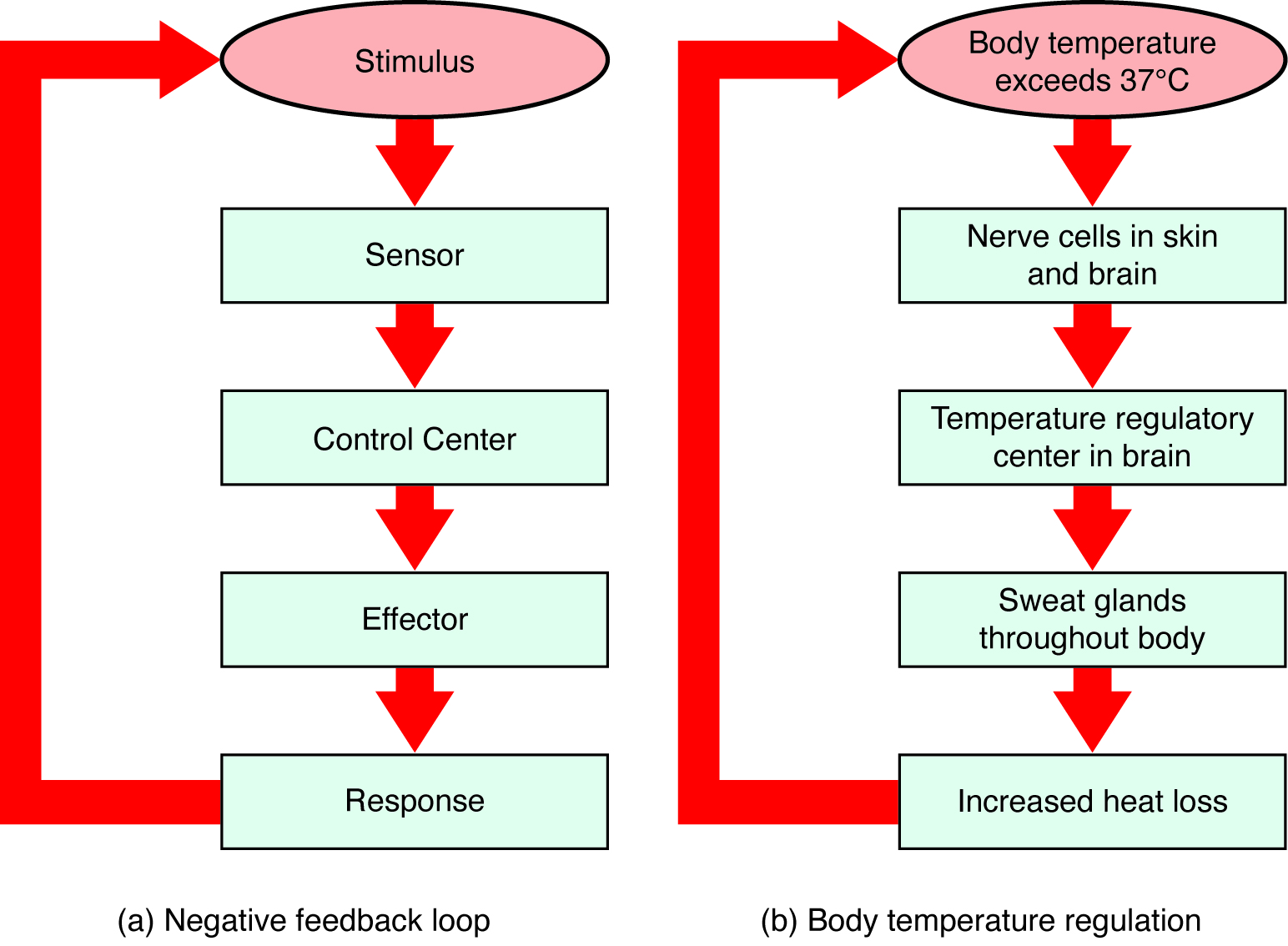
Another early theory of motivation proposed that the maintenance of is particularly important in directing behavior. You may recall from your earlier reading that is the tendency to maintain a balance, or optimal level, within a biological system. In a body system, a control center (which is often part of the brain) receives input from (which are often complexes of ). The control center directs (which may be other ) to correct any imbalance detected by the control center.

According to the drive theory of motivation, deviations from create physiological needs. These needs result in psychological drive states that direct behavior to meet the need and, ultimately, bring the system back to . For example, if it’s been a while since you ate, your blood sugar levels will drop below normal. This low blood sugar will induce a physiological need and a corresponding drive state (i.e., hunger) that will direct you to seek out and consume food (Figure 10.5). Eating will eliminate the hunger, and, ultimately, your blood sugar levels will return to normal. Interestingly, drive theory also emphasizes the role that habits play in the type of behavioral response in which we engage. A habit is a pattern of behavior in which we regularly engage. Once we have engaged in a behavior that successfully reduces a drive, we are more likely to engage in that behavior whenever faced with that drive in the future (Graham & Weiner, 1996).

Photograph “left” shows a child eating watermelon. Photograph “center” shows a young person eating sushi. Photograph “right” shows an elderly person eating food.
Figure 10.5 — 10.1 Motivation

Figure 10.5 Hunger and subsequent eating are the result of complex physiological processes that maintain homeostasis. (credit "left": modification of work by "Gracie and Viv"/Flickr; credit "center": modification of work by Steven Depolo; credit "right": modification of work by Monica Renata)

Rose M. Spielman, William J. Jenkins, and Marilyn D. Lovett, Psychology 2E, OpenStax. (credit "left": modification of work by "Gracie and Viv"/Flickr; credit "center": modification of work by Steven Depolo; credit "right": modification of work by Monica Renata) · CC BY-NC-SA 4.0 · Original image ↗ · Access for free ↗

Extensions of drive theory take into account levels of arousal as potential motivators. As you recall from your study of learning, these theories assert that there is an optimal level of arousal that we all try to maintain (Figure 10.6). If we are underaroused, we become bored and will seek out some sort of stimulation. On the other hand, if we are overaroused, we will engage in behaviors to reduce our arousal (Berlyne, 1960). Most students have experienced this need to maintain optimal levels of arousal over the course of their academic career. Think about how much stress students experience toward the end of spring semester. They feel overwhelmed with seemingly endless exams, papers, and major assignments that must be completed on time. They probably yearn for the rest and relaxation that awaits them over the extended summer break. However, once they finish the semester, it doesn’t take too long before they begin to feel bored. Generally, by the time the next semester is beginning in the fall, many students are quite happy to return to school. This is an example of how arousal theory works.

A line graph has an x-axis labeled “arousal level” with an arrow indicating “low” to “high” and a y-axis labeled “performance quality” with an arrow indicating “low” to “high.” A curve charts optimal arousal. Where arousal level and performance quality are both “low,” the curve is low and labeled “boredom or apathy.” Where arousal level is “medium” and “performance quality is “medium,” the curve peaks and is labeled “optimal level.” Where the arousal level is “high” and the performance quality is “low,” the curve is low and is labeled “high anxiety.”
Figure 10.6 — 10.1 Motivation

Figure 10.6 The concept of optimal arousal in relation to performance on a task is depicted here. Performance is maximized at the optimal level of arousal, and it tapers off during under- and overarousal.

Rose M. Spielman, William J. Jenkins, and Marilyn D. Lovett, Psychology 2E, OpenStax. · CC BY-NC-SA 4.0 · Original image ↗ · Access for free ↗

So what is the optimal level of arousal? What level leads to the best performance? Research shows that moderate arousal is generally best; when arousal is very high or very low, performance tends to suffer (Yerkes & Dodson, 1908). Think of your arousal level regarding taking an exam for this class. If your level is very low, such as boredom and apathy, your performance will likely suffer. Similarly, a very high level, such as extreme anxiety, can be paralyzing and hinder performance. Consider the example of a softball team facing a tournament. They are favored to win their first game by a large margin, so they go into the game with a lower level of arousal and get beat by a less skilled team.

But optimal arousal level is more complex than a simple answer that the middle level is always best. Researchers Robert Yerkes (pronounced “Yerk-EES”) and John Dodson discovered that the optimal arousal level depends on the complexity and difficulty of the task to be performed (Figure 10.7). This relationship is known as the Yerkes-Dodson law, which holds that a simple task is performed best when arousal levels are relatively high and complex tasks are best performed when arousal levels are lower.

A line graph has an x-axis labeled “arousal level” with an arrow indicating “low” to “high” and a y-axis labeled “performance quality” with an arrow indicating “low” to “high.” Two curves charts optimal arousal, one for difficult tasks and the other for easy tasks. The optimal level for easy tasks is reached with slightly higher arousal levels than for difficult tasks.
Figure 10.7 — 10.1 Motivation

Figure 10.7 Task performance is best when arousal levels are in a middle range, with difficult tasks best performed under lower levels of arousal and simple tasks best performed under higher levels of arousal.

Rose M. Spielman, William J. Jenkins, and Marilyn D. Lovett, Psychology 2E, OpenStax. · CC BY-NC-SA 4.0 · Original image ↗ · Access for free ↗

and Social Motives

is an individual’s belief in their own capability to complete a task, which may include a previous successful completion of the exact task or a similar task. Albert Bandura (1994) theorized that an individual’s sense of plays a pivotal role in motivating behavior. Bandura argues that motivation derives from expectations that we have about the consequences of our behaviors, and ultimately, it is the appreciation of our capacity to engage in a given behavior that will determine what we do and the future goals that we set for ourselves. For example, if you have a sincere belief in your ability to achieve at the highest level, you are more likely to take on challenging tasks and to not let setbacks dissuade you from seeing the task through to the end.

A number of theorists have focused their research on understanding social motives (McAdams & Constantian, 1983; McClelland & Liberman, 1949; Murray et al., 1938). Among the motives they describe are needs for achievement, affiliation, and intimacy. It is the need for achievement that drives accomplishment and performance. The need for affiliation encourages positive interactions with others, and the need for intimacy causes us to seek deep, meaningful relationships. Henry Murray et al. (1938) categorized these needs into . For example, the need for achievement and recognition falls under the of ambition. Dominance and aggression were recognized as needs under the of human , and play was a recognized need in the of interpersonal affection.

Maslow’s Hierarchy of Needs

While the theories of motivation described earlier relate to basic biological drives, individual characteristics, or social contexts, Abraham Maslow (1943) proposed a hierarchy of needs that spans the of motives ranging from the biological to the individual to the social. These needs are often depicted as a pyramid (Figure 10.8).

A triangle is divided vertically into five sections with corresponding labels inside and outside of the triangle for each section. From top to bottom, the triangle's sections are labeled: “self-actualization” corresponds to “Inner fulfillment” “esteem” corresponds to “Self-worth, accomplishment, confidence”; “social” corresponds to “Family, friendship, intimacy, belonging”’ “security” corresponds to “Safety, employment, assets”; ““physiological” corresponds to “Food, water, shelter, warmth.”
Figure 10.8 — 10.1 Motivation

Figure 10.8 Maslow’s hierarchy of needs is illustrated here. In some versions of the pyramid, cognitive and aesthetic needs are also included between esteem and self-actualization. Others include another tier at the top of the pyramid for self-transcendence.

Rose M. Spielman, William J. Jenkins, and Marilyn D. Lovett, Psychology 2E, OpenStax. · CC BY-NC-SA 4.0 · Original image ↗ · Access for free ↗

At the of the pyramid are all of the physiological needs that are necessary for survival. These are followed by basic needs for security and safety, the need to be loved and to have a sense of belonging, and the need to have self-worth and confidence. The top tier of the pyramid is , which is a need that essentially equates to achieving one’s full potential, and it can only be realized when needs lower on the pyramid have been . To Maslow and humanistic theorists, reflects the humanistic emphasis on positive aspects of human nature. Maslow suggested that this is an ongoing, life-long process and that only a small percentage of people actually achieve a self-actualized state (Francis & Kritsonis, 2006; Maslow, 1943).

According to Maslow (1943), one must satisfy lower-level needs before addressing those needs that occur higher in the pyramid. So, for example, if someone is struggling to find enough food to meet their nutritional requirements, it is quite unlikely that they would spend an inordinate amount of time thinking about whether others viewed them as a good person or not. Instead, all of their energies would be geared toward finding something to eat. However, it should be pointed out that Maslow’s theory has been criticized for its subjective nature and its inability to account for phenomena that occur in the real world (Leonard, 1982). Other research has more recently addressed that late in life, Maslow proposed a self-transcendence level above —to represent striving for meaning and purpose beyond the concerns of oneself (Koltko-Rivera, 2006). For example, people sometimes make self-sacrifices in order to make a political statement or in an attempt to improve the conditions of others. Mohandas K. Gandhi, a world-renowned advocate for independence through nonviolent protest, on several occasions went on hunger strikes to protest a particular situation. People may starve themselves or otherwise put themselves in danger displaying higher-level motives beyond their own needs.

Link to Learning

10.2 Hunger and Eating

OpenStax · 10.2 Hunger and Eating ↗
Instructional page including learning objectives, examples, figures, source tables and questions. Site navigation and embedded media players are omitted; source media links remain available.

Learning Objectives

By the end of this section, you will be able to:

  • Describe how hunger and eating are regulated
  • Differentiate between levels of overweight and obesity and the associated health consequences
  • Explain the health consequences resulting from anorexia and bulimia nervosa

Eating is essential for survival, and it is no surprise that a drive like hunger exists to ensure that we seek out sustenance. While this chapter will focus primarily on the physiological mechanisms that regulate hunger and eating, powerful social, cultural, and economic influences also play important roles. This section will explain the regulation of hunger, eating, and body weight, and we will discuss the adverse consequences of disordered eating.

Physiological Mechanisms

There are a number of physiological mechanisms that serve as the basis for hunger. When our stomachs are empty, they contract. Typically, a person then experiences hunger pangs. Chemical messages travel to the brain, and serve as a signal to initiate feeding behavior. When our levels drop, the and liver generate a number of chemical signals that induce hunger (Konturek et al., 2003; Novin, Robinson, Culbreth, & Tordoff, 1985) and thus initiate feeding behavior.

For most people, once they have eaten, they feel satiation, or fullness and satisfaction, and their eating behavior stops. Like the initiation of eating, satiation is also regulated by several physiological mechanisms. As levels increase, the and liver send signals to shut off hunger and eating (Drazen & Woods, 2003; Druce, Small, & Bloom, 2004; Greary, 1990). The food’s passage through the gastrointestinal tract also provides important signals to the brain (Woods, 2004), and fat cells release , a .

The various hunger and signals that are involved in the regulation of eating are integrated in the brain. Research suggests that several areas of the and are especially important sites where this integration occurs (Ahima & Antwi, 2008; Woods & D’Alessio, 2008). Ultimately, activity in the brain determines whether or not we engage in feeding behavior (Figure 10.9).

An outline of the top half of a human body contains illustrations of the brain and the stomach in their relative locations. A line extends from the location of the hypothalamus in the brain illustration, out to the left, past the outline, where it meets a box labeled “Hunger.” Down-facing arrows connect that box to a box labeled “Food,” and the box labeled “Food” to a box labeled “Satiety.” A line extends out to the right from the box labeled “Satiety,” and meets with the illustration of the stomach.
Figure 10.9 — 10.2 Hunger and Eating

Figure 10.9 Hunger and eating are regulated by a complex interplay of hunger and satiety signals that are integrated in the brain.

Rose M. Spielman, William J. Jenkins, and Marilyn D. Lovett, Psychology 2E, OpenStax. · CC BY-NC-SA 4.0 · Original image ↗ · Access for free ↗

and Body Weight

Our body weight is affected by a number of factors, including -environment interactions, and the number of calories we consume versus the number of calories we burn in daily activity. If our caloric intake exceeds our caloric use, our bodies store excess energy in the form of fat. If we consume fewer calories than we burn off, then stored fat will be converted to energy. Our energy expenditure is obviously affected by our levels of activity, but our body’s rate also comes into play. A person’s rate is the amount of energy that is expended in a given period of time, and there is tremendous individual variability in our rates. People with high rates of are able to burn off calories more easily than those with lower rates of .

We all experience fluctuations in our weight from time to time, but generally, most people’s weights fluctuate within a narrow margin, in the absence of extreme changes in diet and/or physical activity. This observation led some to propose a set-point theory of body weight regulation. The set-point theory asserts that each individual has an ideal body weight, or , which is resistant to change. This set-point is genetically predetermined and efforts to move our weight significantly from the set-point are resisted by compensatory changes in energy intake and/or expenditure (Speakman et al., 2011).

Some of the predictions generated from this particular theory have not received empirical support. For example, there are no changes in rate between individuals who had recently lost significant amounts of weight and a control group (Weinsier et al., 2000). In addition, the set-point theory fails to account for the influence of social and environmental factors in the regulation of body weight (Martin-Gronert & Ozanne, 2013; Speakman et al., 2011). Despite these limitations, set-point theory is still often used as a simple, intuitive explanation of how body weight is regulated. See Psychological Disorders for further discussion about eating disorders.

Obesity

When someone weighs more than what is generally accepted as healthy for a given height, they are considered overweight or obese. According to the Centers for Disease Control and Prevention (CDC), an adult with a body mass index (BMI) between 25 and 29.9 is considered overweight (Figure 10.10). An adult with a BMI of 30 or higher is considered obese (Centers for Disease Control and Prevention [CDC], 2012). People who are so overweight that they are at risk for death are classified as severely obese. Severe obesity is defined as having a BMI over 40. Note that although BMI has been used as a healthy weight indicator by the World Health Organization (WHO), the CDC, and other groups, its value as an assessment tool has been questioned. The BMI is most useful for studying populations, which is the work of these organizations. It is less useful in assessing an individual since height and weight measurements fail to account for important factors like level. An athlete, for example, may have a high BMI because the tool doesn’t distinguish between the body’s percentage of fat and muscle in a person’s weight. BMI scales have not accounted for differences in body composition related to race or ; as a result, BMI is less useful in determining health of all people. While many healthcare professionals and organizations still utilize BMI, the American Medical Association in 2023 recommended that it be removed as a standard measure of health.

A chart has an x-axis labeled “weight” (pounds/kilograms) and a y-axis labeled “height” (meters and feet/inches). Four areas are shaded different colors indicating the BMI for ranges of weight and height. The “underweight BMI <18.5” area begins at approximately 90 pounds and 4’11” and extends to approximately 160 pounds and 6’6”. The “normal range BMI 18.5–25” area covers approximately 90–120 pounds at height 4’11” and extends to approximately 160–220 pounds at height 6’6”. The “overweight BMI 25–30” area covers approximately 120–140 pounds at height 4’11” and extends to approximately 220–265 pounds at height 6’6”. The “obese range BMI >30” area covers approximately 140–350 pounds at height 4’11” and extends to approximately 265–350 pounds at height 6’6.”
Figure 10.10 — 10.2 Hunger and Eating

Figure 10.10 This chart shows how adult BMI is calculated. Individuals find their height on the y -axis and their weight on the x -axis to determine their BMI. While BMI is widely used and does provide some indications of health, it does not account for differences in people's body composition. The American Medical Association has recommended that BMI be de-emphasized as a measure of health.

Rose M. Spielman, William J. Jenkins, and Marilyn D. Lovett, Psychology 2E, OpenStax. · CC BY-NC-SA 4.0 · Original image ↗ · Access for free ↗

Being extremely overweight or obese is a risk factor for several negative health consequences. These include, but are not limited to, an increased risk for cardiovascular disease, stroke, Type 2 diabetes, liver disease, sleep apnea, colon , breast , infertility, and arthritis. Given that it is estimated that in the United States around forty percent of the adult population is obese and that nearly three-quarters of adults and one in six children qualify as overweight (CDC, 2018), there is substantial interest in trying to understand how to address this important public health concern.

What causes someone to be overweight or obese? You have already read that both and environment are important factors for determining body weight, and if more calories are consumed than expended, excess energy is stored as fat. However, and the physical environment must also be considered as contributing factors (CDC, 2012). For example, an individual who lives in a neighborhood with high crime rates and few food options may never feel comfortable walking or biking to work or to the local market. This might limit the amount of physical activity in which they engage. Similarly, some people may not be able to afford healthy food options from their market, or these options may be unavailable (especially in urban areas or poorer neighborhoods); therefore, some people must rely primarily on available, inexpensive, high fat, and high calorie fast food as their primary source of nutrition.

Generally, people are encouraged to try to maintain and improve health through a combination of both diet and exercise. While some people are very successful with these approaches, many are not. In cases in which a person has had no success with repeated attempts to reduce weight or is at risk for death because of obesity, bariatric surgery may be recommended. Bariatric surgery is a type of surgery specifically aimed at weight , and it involves modifying the gastrointestinal system to reduce the amount of food that can be eaten and/or limiting how much of the digested food can be absorbed (Figure 10.11) (Mayo Clinic, 2013). A recent meta-analysis suggests that bariatric surgery is more effective than non-surgical treatment for obesity in the two-years immediately following the procedure, but to date, no long-term studies yet exist (Gloy et al., 2013).

An illustration depicts a gastric band wrapped around the top portion of a stomach. A bulging area directly above the gastric band is labeled “Small stomach pouch.” The area directly below the stomach is labeled “Duodenum.” Down-facing arrows indicate the direction in which digested food travels from the esophagus at the top, down through the stomach, and into the duodenum.
Figure 10.11 — 10.2 Hunger and Eating

Figure 10.11 Gastric banding surgery creates a small pouch of stomach, reducing the size of the stomach that can be used for digestion.

Rose M. Spielman, William J. Jenkins, and Marilyn D. Lovett, Psychology 2E, OpenStax. · CC BY-NC-SA 4.0 · Original image ↗ · Access for free ↗

Link to Learning

Dig Deeper

Prader-Willi Syndrome

Prader-Willi Syndrome (PWS) is a genetic disorder that results in persistent feelings of intense hunger and reduced rates of . Typically, affected children have to be supervised around the clock to ensure that they do not engage in excessive eating. Currently, PWS is the leading genetic cause of severe obesity in children, and it is associated with a number of cognitive deficits and emotional problems (Figure 10.12).

A painting shows Eugenia Martínez Vallejo.
Figure 10.12 — 10.2 Hunger and Eating

Figure 10.12 Eugenia Martínez Vallejo, depicted in this 1680 painting, may have had Prader-Willi syndrome. At just eight years old, she weighed approximately 120 pounds.

Rose M. Spielman, William J. Jenkins, and Marilyn D. Lovett, Psychology 2E, OpenStax. · CC BY-NC-SA 4.0 · Original image ↗ · Access for free ↗

While genetic testing can be used to make a diagnosis, there are a number of behavioral diagnostic criteria associated with PWS. From birth to 2 years of age, lack of muscle tone and poor sucking behavior may serve as early signs of PWS. Developmental delays are seen between the ages of 6 and 12, and excessive eating and cognitive deficits associated with PWS usually onset a little later.

While the exact mechanisms of PWS are not fully understood, there is evidence that affected individuals have hypothalamic abnormalities. This is not surprising, given the ’s role in regulating hunger and eating. However, as you will learn in the next section of this chapter, the is also involved in the regulation of sexual behavior. Consequently, many individuals suffering from PWS fail to reach sexual maturity during adolescence.

There is no current treatment or cure for PWS. However, if weight can be controlled in these individuals, then their life expectancies are significantly increased (historically, sufferers of PWS often died in adolescence or early adulthood). Advances in the use of various psychoactive medications and growth continue to enhance the quality of life for individuals with PWS (Cassidy & Driscoll, 2009; Prader-Willi Syndrome Association, 2012).

Eating Disorders

Eating disorders affect millions of people: Approximately 5 percent of the United States population experiences eating disorders, which the APA defines as an illness where a person experiences an abnormal disturbance in attitudes and behaviors related to food (APA, 2023c). While an individual’s behaviors and appearance are often the focus when considering people with eating disorders, it is critical to acknowledge that, like other psychological disorders, they are illnesses. And like other psychological disorders, people living with them can experience , stereotyping, and bias (Levinson et al, 2024). These biases have effects similar to those related to obesity: People with eating disorders may experience shame and blame from the people around them, and they can be made to feel unwelcome in health care situations, often resulting in resistance to seeking help and compounding mental health problems (Lubieniecki et al, 2024).

There is no single cause for eating disorders, and their severity, persistence, and impact vary for each individual. An individual's experience may also vary over time and as a result of a range of factors. Environmental and societal factors, such as family/cultural influence, peer pressure, media depictions, and traumatic experiences, have been the focus of most research and treatment (Mitchison & Hay, 2014). Biological factors indicate that some people are genetically predisposed to experiencing eating disorders, a body of work that will likely increase as technologies and research methods improve (Donato et al, 2022; Bulk, Blake & Austin, 2018). Most researchers, clinicians, and healthcare professionals recognize eating disorders as the result of a complex mix of factors, which makes diagnosis and treatment challenging.

People with bulimia nervosa engage in binge eating behavior that is followed by an attempt to compensate for the large amount of food consumed. Purging the food by inducing vomiting or through the use of laxatives are two common compensatory behaviors. Some affected individuals engage in excessive amounts of exercise to compensate for their binges. Bulimia is associated with many adverse health consequences that can include kidney failure, heart failure, and tooth decay. In addition, these individuals often suffer from anxiety and depression, and they are at an increased risk for substance abuse (Mayo Clinic, 2012b). The lifetime rate for bulimia nervosa is estimated at around 1% for women and less than 0.5% for men (Smink, van Hoeken, & Hoek, 2012).

Individuals with bulimia may feel compelled to conceal their behavior, which is sometimes referred to as leading a "double life," and can lead to shame and challenges in relationships (Pettersen, Rosenvinge & Ytterhus, 2008).

As of the 2022 release of the Diagnostic and Statistical Manual, Fifth Edition Text Revision,, Binge eating disorder is a disorder recognized by the American Psychiatric Association (APA). Unlike with bulimia, eating binges are not followed by inappropriate behavior, such as purging, but they are followed by distress, including feelings of guilt and embarrassment. The resulting psychological distress distinguishes binge eating disorder from overeating (American Psychiatric Association [APA], 2022).

Anorexia nervosa is an eating disorder characterized by the maintenance of a body weight well below average through starvation and/or excessive exercise. Individuals with anorexia nervosa often have a distorted body image, referenced in literature as a type of body dysmorphia, meaning that they view themselves as overweight even though they are not. Like bulimia nervosa, anorexia nervosa is associated with a number of significant negative health outcomes: bone loss, heart failure, kidney failure, amenorrhea (cessation of the menstrual period), reduced function of the gonads, and in extreme cases, death. Furthermore, there is an increased risk for a number of psychological problems, which include anxiety disorders, mood disorders, and substance abuse (Mayo Clinic, 2012a). Estimates of the of anorexia nervosa vary from study to study but generally range from just under one percent to just over four percent in women. Generally, rates are considerably lower for men (Smink et al., 2012).

Eating disorders are on the rise globally for nearly every population. Over their lifetimes, women are nearly twice as likely to experience an eating disorder as are men (Capuano et al, 2025). And women within different life stages, particularly in midlife, have an increased occurrence of eating disorders (Salamon, 2022). The of eating disorders diagnosis in men, however, is increasing at a faster rate than it is for women (Gorrell & Murray, 2022). Researchers have found that men may also be more challenging to diagnose because men are more likely to engage in excessive physical exercise and athletic-related dietary regimens, both of which conceal eating disorders (Arnow et al, 2017). Many men face a “double ,” with eating disorders, which are traditionally seen – even by healthcare professionals – as an issue for women and girls (Lehe et al., 2025). LGBTQ adults and adolescents experience greater of eating disorders and disordered eating behaviors than their heterosexual and cisgender peers (Parker & Harriger, 2020). Eating disorder risk among United States college students increased substantially by 13 percentage points from 2012 to 2021 (Daly & Costigan, 2022).

A photograph shows a very thin model.
Figure 10.13 — 10.2 Hunger and Eating

Figure 10.13 People in our society are inundated with images of extremely thin actors, media personalities, and models (sometimes accurately depicted and sometimes digitally altered to make them look even thinner). These images contribute to a standard of beauty that is considered a contributing factor to eating disorders. (credit: Peter Duhon)

Rose M. Spielman, William J. Jenkins, and Marilyn D. Lovett, Psychology 2E, OpenStax. (credit: Peter Duhon) · CC BY-NC-SA 4.0 · Original image ↗ · Access for free ↗

10.3 Sexual Behavior, Sexuality, and Gender Identity

OpenStax · 10.3 Sexual Behavior, Sexuality, and Gender Identity ↗
Instructional page including learning objectives, examples, figures, source tables and questions. Site navigation and embedded media players are omitted; source media links remain available.

Learning Objectives

By the end of this section, you will be able to:

  • Understand basic biological mechanisms regulating sexual behavior and motivation
  • Appreciate the importance of Alfred Kinsey’s research on human sexuality
  • Recognize the contributions that William Masters and Virginia Johnson’s research made to our understanding of the sexual response cycle
  • Define and

Like food, sex is an important part of many people's lives. From an evolutionary perspective, the reason is obvious—perpetuation of the species. Sexual behavior in humans, however, involves much more than reproduction. This section provides an overview of research that has been conducted on human sexual behavior and motivation. This section will close with a discussion of issues related to and expression and .

Physiological Mechanisms of Sexual Behavior and Motivation

Much of what we know about the physiological mechanisms that underlie sexual behavior and motivation comes from animal research. As you’ve learned, the plays an important role in motivated behaviors, and sex is no exception. In , to an area of the called the medial preoptic area completely disrupt a male rat’s ability to engage in sexual behavior. Surprisingly, medial preoptic do not change how hard a male rat is willing to work to gain access to a sexually receptive female (Figure 10.14). This suggests that the ability to engage in sexual behavior and the motivation to do so may be mediated by neural systems distinct from one another.

A photograph shows two rats.
Figure 10.14 — 10.3 Sexual Behavior, Sexuality, and

Figure 10.14 A male rat that cannot engage in sexual behavior still seeks receptive females, suggesting that the ability to engage in sexual behavior and the motivation to do so are mediated by different systems in the brain. (credit: Jason Snyder)

Rose M. Spielman, William J. Jenkins, and Marilyn D. Lovett, Psychology 2E, OpenStax. (credit: Jason Snyder) · CC BY-NC-SA 4.0 · Original image ↗ · Access for free ↗

Animal research suggests that limbic system structures such as the and are especially important for sexual motivation. Damage to these areas results in a decreased motivation to engage in sexual behavior, while leaving the ability to do so intact (Figure 10.15) (Everett, 1990). Similar dissociations of sexual motivation and sexual ability have also been observed in the female rat (Becker, Rudick, & Jenkins, 2001; Jenkins & Becker, 2001).

An illustration of the brain labels the locations of the “nucleus accumbeus,” “hypothalamus,” “medial preoptic area,” and “amygdala.”
Figure 10.15 — 10.3 Sexual Behavior, Sexuality, and

Figure 10.15 The medial preoptic area, an area of the hypothalamus, is involved in the ability to engage in sexual behavior, but it does not affect sexual motivation. In contrast, the amygdala and nucleus accumbens are involved in motivation for sexual behavior, but they do not affect the ability to engage in it.

Rose M. Spielman, William J. Jenkins, and Marilyn D. Lovett, Psychology 2E, OpenStax. · CC BY-NC-SA 4.0 · Original image ↗ · Access for free ↗

Although human sexual behavior is much more complex than that seen in rats, some parallels between animals and humans can be drawn from this research. The worldwide popularity of drugs used to treat erectile dysfunction (Conrad, 2005) speaks to the that sexual motivation and the ability to engage in sexual behavior can also be in humans. Moreover, disorders that involve abnormal hypothalamic function are often associated with hypogonadism (reduced function of the gonads) and reduced sexual function (e.g., Prader-Willi syndrome). Given the ’s role in function, it is not surprising that by the system also play important roles in sexual motivation and behavior. For example, many animals show no sign of sexual motivation in the absence of the appropriate combination of sex from their gonads. While this is not the case for humans, there is considerable evidence that sexual motivation for all genders varies as a function of circulating testosterone levels (Bhasin, Enzlin, Coviello, & Basson, 2007; Carter, 1992; Sherwin, 1988).

Kinsey’s Research

Before the late 1940s, access to reliable, empirically-based information on sex was limited. Physicians were considered authorities on all issues related to sex, despite the that they had little to no training in these issues, and it is likely that most of what people knew about sex had been learned either through their own experiences or by talking with their peers. Convinced that people would benefit from a more open dialogue on issues related to human sexuality, Dr. Alfred Kinsey of Indiana University initiated large-scale survey research on the topic (Figure 10.16). The results of some of these efforts were published in two books—Sexual Behavior in the Human Male and Sexual Behavior in the Human Female—which were published in 1948 and 1953, respectively (Bullough, 1998).

A photograph shows Morrison Hall, the building that houses the Kinsey Institute for Research in Sex, Gender, and Reproduction.
Figure 10.16 — 10.3 Sexual Behavior, Sexuality, and

Figure 10.16 In 1947, Alfred Kinsey established The Kinsey Institute for Research, Sex, Gender and Reproduction at Indiana University, shown here in 2011. The Kinsey Institute has continued as a research site of important psychological studies for decades.

Rose M. Spielman, William J. Jenkins, and Marilyn D. Lovett, Psychology 2E, OpenStax. · CC BY-NC-SA 4.0 · Original image ↗ · Access for free ↗

At the time, the Kinsey reports were quite sensational. Never before had the American public seen its private sexual behavior become the focus of scientific scrutiny on such a large scale. The books, which were filled with statistics and scientific lingo, sold remarkably well to the general public, and people began to engage in open conversations about human sexuality. As you might imagine, not everyone was happy that this information was being published. In , these books were banned in some countries. Ultimately, the controversy resulted in Kinsey losing funding that he had secured from the Rockefeller Foundation to continue research efforts (Bancroft, 2004).

Although Kinsey’s research has been widely criticized as being riddled with sampling and statistical errors (Jenkins, 2010), there is little doubt that this research was very influential in future research on human sexual behavior and motivation. Kinsey described a remarkably diverse range of sexual behaviors and experiences reported by the volunteers participating in research. Behaviors that had once been considered exceedingly rare or problematic were demonstrated to be much more common and innocuous than previously imagined (Bancroft, 2004; Bullough, 1998).

Among the results of Kinsey’s research were the findings that women are as interested and experienced in sex as men, that both males and females masturbate without adverse health consequences, and that relationships and sexual acts between people of the same sex and/or the same gender are fairly common (Bancroft, 2004). Kinsey also developed a continuum known as the Kinsey scale that is still commonly used today to categorize an individual’s , which is an individual’s emotional, romantic, and erotic attractions to other people or no people (Jenkins, 2010).

Masters and Johnson’s Research

In 1966, William Masters and Virginia Johnson published a book detailing the results of their observations of nearly 700 people who agreed to participate in their study of physiological responses during sexual behavior. Unlike Kinsey, who used personal interviews and surveys to collect data, Masters and Johnson observed people having intercourse in a variety of positions, and they observed people masturbating, manually or with the aid of a device. While this was occurring, researchers recorded measurements of physiological variables, such as blood pressure and respiration rate, as well as measurements of sexual arousal, such as vaginal lubrication and penile tumescence (swelling associated with an erection). In total, Masters and Johnson observed nearly 10,000 sexual acts as a part of their research (Hock, 2008).

Based on these observations, Masters and Johnson divided the sexual response cycle into four phases that are fairly similar for most people: excitement, plateau, orgasm, and (Figure 10.17). The excitement phase is the arousal phase of the sexual response cycle, and it is marked by erection of the penis or clitoris and lubrication and expansion of the vaginal canal. During plateau, the vagina swells further and blood flow to the labia minora increases, and the penis becomes fully erect and may exhibit pre-ejaculatory fluid. People experience increases in muscle tone during this time. Orgasm is marked in females by rhythmic contractions of the pelvis and uterus along with increased muscle tension. In males, pelvic contractions are accompanied by a buildup of seminal fluid near the that is ultimately forced out by contractions of genital muscles, (i.e., ejaculation). is the relatively rapid return to an unaroused state accompanied by a decrease in blood pressure and muscular relaxation. The refractory period is a period of time that follows an orgasm during which an individual is incapable of experiencing another orgasm. The duration of the refractory period can vary dramatically from individual to individual with some refractory periods as short as several minutes and others as long as a day. As people age, their refractory periods tend to span longer periods of time.

A graph titled “Sexual response cycle” has an x-axis labeled “time” and a y-axis labeled “arousal.” Four phases are depicted. In the “excitement” phase the arousal level increases from the bottom to midway on the graph. In the “plateau” phase the arousal level remains mostly steady at the midpoint of the graph and then begins to rise at the end of the plateau phase. At the “orgasm” phase, the arousal level sharply increases, peaks at the top of the graph, and then declines to the midway point. In the “resolution” phase the graph drops from the midway point to the bottom.
Figure 10.17 — 10.3 Sexual Behavior, Sexuality, and

Figure 10.17 This graph illustrates the different phases of the sexual response cycle as described by Masters and Johnson.

Rose M. Spielman, William J. Jenkins, and Marilyn D. Lovett, Psychology 2E, OpenStax. · CC BY-NC-SA 4.0 · Original image ↗ · Access for free ↗

In addition to the insights that their research provided with regards to the sexual response cycle and the multi-orgasmic potential of females, Masters and Johnson also collected important information about reproductive anatomy. Their research demonstrated the oft-cited statistic of the average size of a flaccid and an erect penis (3 and 6 inches, respectively) as well as dispelling long-held beliefs about relationships between the size of an erect penis and its ability to provide sexual pleasure to a partner. Furthermore, they determined that the vagina is a very elastic structure that can conform to penises of various sizes (Hock, 2008). In a similar manner to Kinsey’s work and other studies, Masters and Johnson’s research has been criticized, built on, and in some cases proven wrong. The research represents an important element of the history of sexual research, and is not viewed as entirely accurate today.

As mentioned earlier, a person’s is their emotional, romantic, and/or erotic attraction toward other people or no people. People may identify as lesbian, gay, bisexual, pansexual, asexual, heterosexual (straight), or other sexualities. Lesbian and gay people are attracted to people of the same gender or sex; bisexual people are attracted to people of their own gender and another gender; pansexual people experience attraction without regard to sex, or ; asexual people do not experience sexual attraction or have little or no interest in sexual activity; heterosexual (or straight) people experience attraction to people of a different gender or sex. Other descriptive terms may not refer to a sexual attraction, but rather a romantic one. For example, an aromantic person does not experience romantic attraction; this is different from asexuality, which refers to a lack of sexual attraction. And some sexual orientations do not refer to gender in their description (PFLAG, 2021). It is important to acknowledge and understand that many of these orientations exist on on a , and there may be no specific term to describe how an individual feels.

Some of these terms have been associated in abbreviations such as LGBTQ (lesbian, gay, bisexual, transgender, and queer or questioning). (Queer is an umbrella term that some LGBTQ people use to describe themselves; questioning refers to people in a process of discovery regarding their or .) In some cases, people and organizations may add "I" to represent intersex people (described below), and "A" for asexual or aromantic people (or sometimes for "allies"), as well as one "P" to describe pansexual people and sometimes another "P" to describe polysexual people. Finally, some people and organizations add a plus sign (+) to represent other possible identities or orientations. Sexuality and gender terminology are constantly changing, and may mean different things to different people; they are not universal, and each individual defines them for themselves (UC Davis LGBTQIA Resource Center 2020).

A photograph shows two people holding hands.
Figure 10.18 — 10.3 Sexual Behavior, Sexuality, and

Figure 10.18 Between 3% and 10% of the adult population identifies as gay or lesbian. (credit: Till Krech)

Rose M. Spielman, William J. Jenkins, and Marilyn D. Lovett, Psychology 2E, OpenStax. (credit: Till Krech) · CC BY-NC-SA 4.0 · Original image ↗ · Access for free ↗

For many years, people—including scientists—believed that was largely determined by and familial experiences. However, research has consistently demonstrated that the family backgrounds and experiences are very similar among straight people and LGBTQ people (Bell, Weinberg, & Hammersmith, 1981; Ross & Arrindell, 1988).

Genetic and biological mechanisms have also been proposed, and the balance of research evidence suggests that has an underlying biological component. For instance, over the past 25 years, research has demonstrated -level contributions to (Bailey & Pillard, 1991; Hamer, Hu, Magnuson, Hu, & Pattatucci, 1993; Rodriguez-Larralde & Paradisi, 2009), with some researchers estimating that account for at least half of the variability seen in human (Pillard & Bailey, 1998). Other studies report differences in brain structure and function among those with different sexual orientations (Allen & Gorski, 1992; Byne et al., 2001; Hu et al., 2008; LeVay, 1991; Ponseti et al., 2006; Rahman & Wilson, 2003a; Swaab & Hofman, 1990), and even differences in basic body structure and function have been observed (Hall & Kimura, 1994; Lippa, 2003; Loehlin & McFadden, 2003; McFadden & Champlin, 2000; McFadden & Pasanen, 1998; Rahman & Wilson, 2003b). In , the data suggest that to a significant extent, sexual orientations are something with which we are born.

Misunderstandings About

Regardless of how is determined, research has made clear that is not a choice, but rather it is a relatively stable characteristic of a person that cannot be changed. Claims of effective conversion therapy have received wide criticism from the research community due to significant concerns with research design, recruitment of experimental participants, and interpretation of data. As such, there is no credible scientific evidence to suggest that individuals can change their (Jenkins, 2010).

Dr. Robert Spitzer, the author of one of the most widely-cited examples of conversion therapy, apologized to both the scientific community and the LGBTQ community for mistakes, and he publically recanted own paper in a public letter addressed to the editor of Archives of Sexual Behavior in the spring of 2012 (Carey, 2012). In this letter, Spitzer wrote,

I was considering writing something that would acknowledge that I now judge the major critiques of the study as largely correct. . . . I believe I owe the gay community an apology for my study making unproven claims of the efficacy of reparative therapy. I also apologize to any gay person who wasted time or energy undergoing some form of reparative therapy because they believed that I had proven that reparative therapy works with some “highly motivated” individuals. (Becker, 2012, pars. 2, 5)

Citing research that suggests not only that conversion therapy is ineffective, but also potentially harmful, legislative efforts to make such therapy illegal have either been enacted or are underway across the United States, and many professional organizations have issued statements against this practice (Human Rights Campaign, n.d.)

Link to Learning

Read this article about Dr. Spitzer's apology to learn more.

Many people conflate with because of misconceptions and attitudes that exist about sexuality. In reality, these are two related, but different, aspects of who we are. refers to one’s sense of being male, female, neither of these, both of these, or another gender. Generally, our gender identities correspond to our and phenotypic sex, but this is not always the case. Transgender people’s differs from the sex they were assigned at birth. Transgender people may use a range of terms to describe themselves, including abbreviations (e.g. trans) or terms such as non-binary.

When individuals do not feel comfortable identifying with the gender associated with their biological sex, then they may experience gender dysphoria. Gender dysphoria is a diagnostic category in the fifth edition of the (-5) that describes individuals who do not identify as the gender that most people would assume they are. This dysphoria must persist for at least six months and result in significant distress or dysfunction to meet -5 diagnostic criteria. In order for children to be assigned this diagnostic category, they must verbalize their desire to become another gender. It is important to note that not all transgender people experience gender dysphoria, and that its diagnostic categorization is not universally accepted. For example, in 2019, the World Health Organization reclassified “ disorder” as “gender incongruence,” and categorized it under sexual health rather than a mental disorder. However, health and mental health professionals indicate that the presence of the diagnostic category does assist in supporting those who need treatment or help.

Some transgender individuals may undertake a process of transition, in which they move from living in a way that is more aligned with the sex assigned at birth to living in a way that is aligned with their . Transitioning may take the form of social, legal, or medical aspects of someone's life, but not everyone undertakes any or all types of transition. Social transition may involve the person's presentation, name, pronouns, and relationships. Legal transition can include changing their gender on government or other official documents, changing their legal name, and so on. Some people may undergo a physical or medical transition, in which they change their outward, physical, or sexual characteristics in order for their physical being to better align with their (UCSF Transgender Care 2019). Not all transgender individuals choose to alter their bodies: many will maintain their original anatomy but may present themselves to society as another gender. This is typically done by adopting the dress, hairstyle, mannerisms, or other characteristics typically assigned to another gender. It is important to note that people who cross-dress, or wear clothing that is traditionally assigned to a gender different from their biological sex, are not necessarily transgender. Cross-dressing is typically a form of self-expression or personal style, and it does not indicate a person's or that they are transgender (TSER 2021).

Intersex is a general term used to describe people whose sex traits, reproductive anatomy, , or are different from the usual two ways human bodies develop. Some intersex traits are recognized at birth, while others are not recognizable until puberty or later in life (interACT 2021). Intersex and transgender are not interchangeable terms; many transgender people have no intersex traits, and many intersex people do not consider themselves transgender.

Those who identify with the sex they were assigned at birth are often referred to as cisgender, utilizing the Latin prefix "cis," which means "on the same side." (The prefix "trans" means "across.") Many cisgender people do not self-identify as such. As with transgender people, the term or usage of cisgender does not indicate a person's , gender, or (TSER 2021).

Our scientific knowledge and general understanding about continue to evolve, and people today have more opportunity to explore and openly express different ideas about what gender means than previous generations. Recent studies indicate that the majority of millennials (those ages 18–34) regard gender as a instead of a strict male/female binary, and that 12% identify as transgender or gender non-conforming. Additionally, more people know others who use gender- pronouns (such as they/them) (Kennedy, 2017). This change in language may indicate that millennials and Generation Z people understand the experience of gender itself differently. As young people lead this change, other changes are emerging in a range of spheres, from public bathroom policies to retail organizations. For example, some retailers are starting to change traditional gender-based marketing of , such as removing “pink and blue” clothing and toy aisles. Even with these changes, those who exist outside of traditional gender norms face difficult challenges. Even people who vary slightly from traditional norms are often the target of and violence.

Laverne Cox delivers a speech.
Figure 10.19 — 10.3 Sexual Behavior, Sexuality, and

Figure 10.19 Actress Laverne Cox, who is openly transgender, is the first transgender actress to portray a transgender character on a regular television series. She is also an advocate for LGBTQ+ issues outside of her career, such as in this "Ain't I a Woman?" speaking tour. (credit: modification of work by "KOMUnews_Flickr"/Flickr)

Rose M. Spielman, William J. Jenkins, and Marilyn D. Lovett, Psychology 2E, OpenStax. (credit: modification of work by "KOMUnews_Flickr"/Flickr) · CC BY-NC-SA 4.0 · Original image ↗ · Access for free ↗

Link to Learning

Hear firsthand about the transgender experience and overcoming challenges in the face of and violence. Watch this brief interview with Carmen Carrera and Laverne Cox on Katie Couric's talk show to learn more. This video about transgender immigrants' experiences explains more struggles faced globally by those in the transgender community.

Cultural Factors in and

Issues related to and are very much influenced by sociocultural factors. Even the ways in which we define and gender vary from one to the next. While in the United States heterosexuality has historically been viewed as the norm (making it a heteronormative society), there are societies that have different attitudes regarding LGBTQ people. In , in some instances, periods of exclusively same-sex sexual behavior are socially prescribed as a part of normal development and maturation. For example, in parts of New Guinea, young boys are expected to engage in sexual behavior with other boys for a given period of time because it is believed that doing so is necessary for these boys to become men (Baldwin & Baldwin, 1989).

There has historically been a two-gendered in the United States. We have tended to classify an individual as either male or female according to the sex they were assigned at birth, leading the United States to be considered a cisnormative society. However, in some cultures there are additional genders resulting in more than two gender categories. Some of these identities have been core parts of societies for hundreds or thousands of years, and they carry a deep connection for the . For example, the Bugis people in Indonesia have for centuries recognized a gender that includes at least five identities. One of these, the bissu, are important spiritual figures in the society, and play roles in ceremonies such as weddings and coronations (Davies, 2018). Despite this, these groups may still be persecuted or endure , particularly as cultural, religious, or governmental circumstances change in their regions (Ibrahim, 2019). It is important to consider that many prominent non-binary identities from cultures around the world predate contemporary definitions of gender and gender roles.

Dig Deeper

The Case of David Reimer

In August of 1965, Janet and Ronald Reimer of Winnipeg, Canada, welcomed the birth of their twin sons, Bruce and Brian. Within a few months, the twins were experiencing urinary problems; doctors recommended the problems could be alleviated by having the boys circumcised. A malfunction of the medical equipment used to perform the circumcision resulted in Bruce’s penis being irreparably damaged. Distraught, Janet and Ronald looked to expert advice on what to do with their baby boy. By happenstance, the couple became aware of Dr. John Money at Johns Hopkins University and theory of psychosexual (Colapinto, 2000).

Dr. Money had spent a considerable amount of time researching transgender individuals and individuals born with ambiguous genitalia. As a result of this work, he developed a theory of psychosexual . theory asserted that we are essentially at birth with regard to our and that we don’t assume a concrete until we begin to master language. Furthermore, Dr. Money believed that the way in which we are socialized in early life is ultimately much more important than our biology in determining our (Money, 1962).

Dr. Money encouraged Janet and Ronald to bring the twins to Johns Hopkins University, and he convinced them that they should raise Bruce as a girl. Left with few other options at the time, Janet and Ronald agreed to have Bruce’s testicles removed and to raise him as a girl. When they returned home to Canada, they brought with them Brian and “sister,” Brenda, along with specific instructions to never reveal to Brenda that she had been born a boy (Colapinto, 2000).

Early on, Dr. Money shared with the scientific community the great success of this natural experiment that seemed to fully support theory of psychosexual (Money, 1975). Indeed, in early interviews with the children it appeared that Brenda was a typical little girl who liked to play with “girly” toys and do “girly” things.

However, Dr. Money was less than forthcoming with information that seemed to argue against the success of the case. In reality, Brenda’s parents were constantly concerned that their little girl wasn’t really behaving as most girls did, and by the time Brenda was nearing adolescence, it was painfully obvious to the family that she was really having a hard time identifying as a female. In addition, Brenda was becoming increasingly reluctant to continue her visits with Dr. Money to the point that she threatened suicide if her parents made her go back to see him again.

At that point, Janet and Ronald disclosed the true nature of Brenda’s early childhood to their daughter. While initially shocked, Brenda reported that things made sense to her now, and ultimately, by the time she was an adolescent, Brenda had decided to identify as a male. Thus, she became David Reimer.

David was quite comfortable in masculine role. He made new friends and began to think about future. Although castration had left him infertile, he still wanted to be a father. In 1990, David married a single mother and loved new role as a husband and father. In 1997, David was made aware that Dr. Money was continuing to publicize case as a success supporting theory of psychosexual . This prompted David and brother to go public with their experiences in an attempt to discredit the doctor’s publications. While this revelation created a firestorm in the scientific community for Dr. Money, it also triggered a series of unfortunate events that ultimately led to David dying by suicide in 2004 (O’Connell, 2004).

This sad story speaks to the complexities involved in . While the Reimer case had earlier been paraded as a hallmark of how trumped biology in terms of , the truth of the story made the scientific and medical communities more cautious in dealing with cases that involve intersex children and how to deal with their unique circumstances. In , stories like this one have prompted measures to prevent unnecessary harm and suffering to children who might have issues with . For example, in 2013, a law took effect in Germany allowing parents of intersex children to classify their children as indeterminate so that children can self-assign the appropriate gender once they have fully developed their own gender identities (Paramaguru, 2013).

Link to Learning

4.5 Substance Use and Abuse
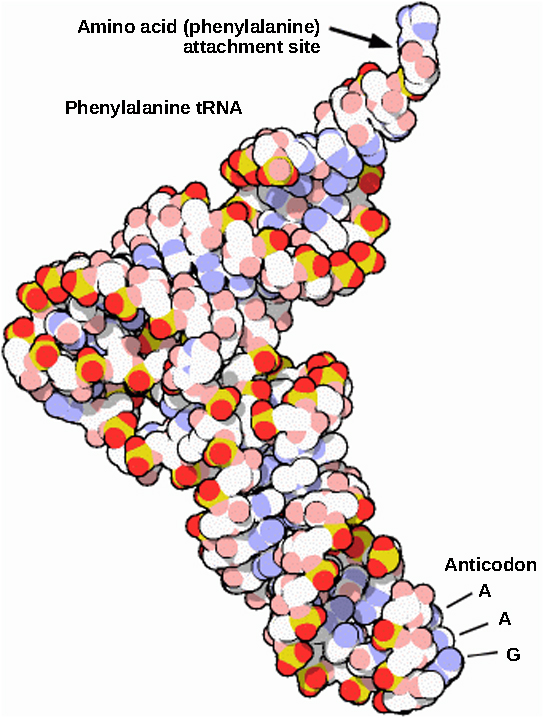
OpenStax · 4.5 Substance Use and Abuse ↗
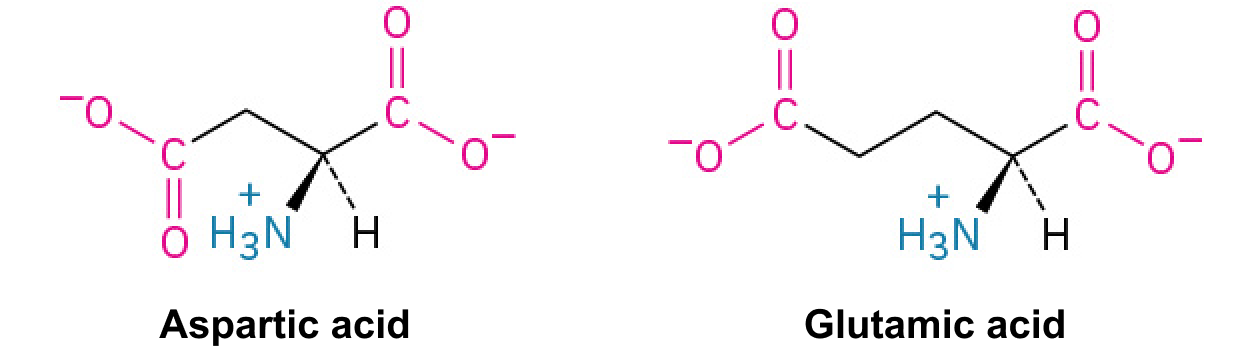
Instructional page including learning objectives, examples, figures, source tables and questions. Site navigation and embedded media players are omitted; source media links remain available.

Learning Objectives

By the end of this section, you will be able to:

  • Describe the diagnostic criteria for substance use disorders
  • Identify the neurotransmitter systems impacted by various categories of drugs
  • Describe how different categories of drugs affect behavior and experience

While we all experience altered states of consciousness in the form of sleep on a regular basis, some people use drugs and other substances that result in altered states of consciousness as well. This section will present information relating to the use of various psychoactive drugs and problems associated with such use. This will be followed by brief descriptions of the effects of some of the more well-known drugs commonly used today.

Substance Use Disorders

The fifth edition of the , Fifth Edition (-5) is used by clinicians to diagnose individuals suffering from various psychological disorders. Drug use disorders are addictive disorders, and the criteria for specific substance (drug) use disorders are described in -5. A person who has a substance use disorder often uses more of the substance than they originally intended to and continues to use that substance despite experiencing significant adverse consequences. In individuals diagnosed with a substance use disorder, there is a compulsive pattern of drug use that is often associated with both physical and psychological dependence.

involves changes in normal bodily functions—the user will experience from the drug upon cessation of use. In contrast, a person who has psychological dependence has an emotional, rather than physical, need for the drug and may use the drug to relieve psychological distress. is linked to physiological dependence, and it occurs when a person requires more and more drug to achieve effects previously experienced at lower doses. can cause the user to increase the amount of drug used to a dangerous level—even to the point of overdose and death.

Drug includes a variety of negative symptoms experienced when drug use is discontinued. These symptoms usually are opposite of the effects of the drug. For example, from sedative drugs often produces unpleasant arousal and agitation. In addition to , many individuals who are diagnosed with substance use disorders will also develop to these substances. Psychological dependence, or drug craving, is a recent addition to the diagnostic criteria for substance use disorder in -5. This is an important factor because we can develop and experience from any number of drugs that we do not abuse. In other words, in and of itself is of limited utility in determining whether or not someone has a substance use disorder.

Drug Categories

The effects of all psychoactive drugs occur through their interactions with our endogenous neurotransmitter systems. Many of these drugs, and their relationships, are shown in Table 4.2. As you have learned, drugs can act as agonists or antagonists of a given neurotransmitter system. An agonist facilitates the activity of a neurotransmitter system, and antagonists impede neurotransmitter activity.

Drugs and Their Effects
Class of Drug Examples Effects on the Body Effects When Used Psychologically Addicting?
Stimulants Cocaine, amphetamines (including some ADHD medications such as Adderall), methamphetamines, MDMA (“Ecstasy” or “Molly”) Increased heart rate, blood pressure, body temperature Increased alertness, mild euphoria, decreased appetite in low doses. High doses increase agitation, paranoia, can cause hallucinations. Some can cause heightened sensitivity to physical stimuli. High doses of MDMA can cause brain toxicity and death. Yes
Sedative-Hypnotics (“Depressants”) Alcohol, barbiturates (e.g., secobarbital, pentobarbital), Benzodiazepines (e.g., Xanax) Decreased heart rate, blood pressure Low doses increase relaxation, decrease inhibitions. High doses can induce sleep, cause motor disturbance, memory loss, decreased respiratory function, and death. Yes
Opiates Opium, Heroin, Fentanyl, Morphine, Oxycodone, Vicodin, methadone, and other prescription pain relievers Decreased pain, pupil constriction, decreased gut motility, decreased respiratory function Pain relief, euphoria, sleepiness. High doses can cause death due to respiratory depression. Yes
Hallucinogens Marijuana, , Peyote, mescaline, DMT, dissociative anesthetics including ketamine and PCP Increased heart rate and blood pressure that may dissipate over time Mild to intense perceptual changes with high variability in effects based on strain, method of ingestion, and individual differences Yes
Table 4.2

Alcohol and Other Depressants

Ethanol, which we commonly refer to as alcohol, is in a class of psychoactive drugs known as depressants (Figure 4.15). A depressant is a drug that tends to suppress activity. Other depressants include barbiturates and benzodiazepines. These drugs share in common their ability to serve as agonists of the () neurotransmitter system. Because has a quieting effect on the brain, agonists also have a quieting effect; these types of drugs are often prescribed to treat both anxiety and insomnia.

An illustration of a GABA-gated chloride channel in a cell membrane shows  receptor sites for barbiturate, benzodiazepine, GABA, alcohol, and neurosteroids, as well as three negatively-charged chloride ions passing through the channel. Each drug type has a specific shape, such as triangular, rectangular or square, which corresponds to a similarly shaped receptor spot.
Figure 4.15 — 4.5 Substance Use and Abuse
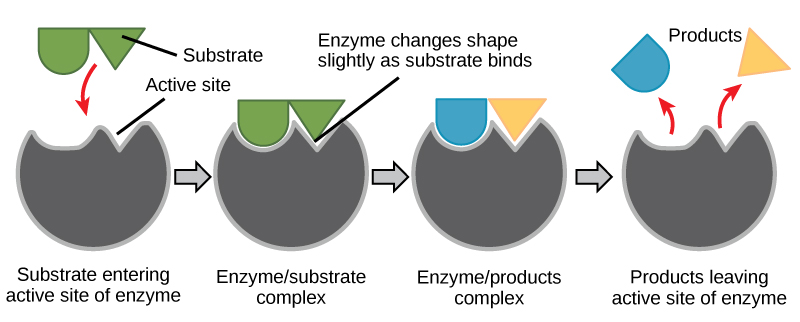
Figure 4.15 The GABA-gated chloride (Cl – ) channel is embedded in the cell membrane of certain neurons. The channel has multiple receptor sites where alcohol, barbiturates, and benzodiazepines bind to exert their effects. The binding of these molecules opens the chloride channel, allowing negatively-charged chloride ions (Cl – ) into the neuron's cell body. Changing its charge in a negative direction pushes the neuron away from firing; thus, activating a GABA neuron has a quieting effect on the brain.

Rose M. Spielman, William J. Jenkins, and Marilyn D. Lovett, Psychology 2E, OpenStax. · CC BY-NC-SA 4.0 · Original image ↗ · Access for free ↗

Acute alcohol administration results in a variety of changes to consciousness. At rather low doses, alcohol use is associated with feelings of euphoria. As the dose increases, people report feeling sedated. Generally, alcohol is associated with decreases in and visual acuity, lowered levels of alertness, and in behavioral control. With excessive alcohol use, a person might experience a complete loss of consciousness and/or difficulty remembering events that occurred during a period of intoxication (McKim & Hancock, 2013). In addition, if a pregnant person consumes alcohol, their infant may be born with a cluster of birth defects and symptoms collectively called fetal alcohol disorder (FASD) or fetal alcohol syndrome (FAS).

With repeated use of many depressants, such as alcohol, a person becomes physically dependent upon the substance and will exhibit signs of both and . Psychological dependence on these drugs is also possible. Therefore, the abuse potential of depressants is relatively high.

Drug is usually an aversive experience, and it can be a life-threatening process in individuals who have a long history of very high doses of alcohol and/or barbiturates. This is of such concern that people who are trying to overcome addiction to these substances should only do so under medical supervision.

Stimulants

Stimulants are drugs that tend to increase overall levels of neural activity. Many of these drugs act as agonists of the dopamine neurotransmitter system. Dopamine activity is often associated with reward and craving; therefore, drugs that affect dopamine neurotransmission often have abuse liability. Drugs in this category include cocaine, amphetamines (including methamphetamine), cathinones (i.e., bath ), MDMA (ecstasy), nicotine, and caffeine.

Cocaine can be taken in multiple ways. While many users snort cocaine, intravenous injection and inhalation (smoking) are also common. The freebase version of cocaine, known as crack, is a potent, smokable version of the drug. Like many other stimulants, cocaine agonizes the dopamine neurotransmitter system by the reuptake of dopamine in the neuronal .

Dig Deeper

Methamphetamine

Methamphetamine in its smokable form, often called “crystal meth” due to its resemblance to rock crystal formations, is highly addictive. The smokable form reaches the brain very quickly to produce an intense euphoria that dissipates almost as fast as it arrives, prompting users to continuing taking the drug. Users often consume the drug every few hours across days-long binges called "runs," in which the user forgoes food and sleep. The availability of potent and inexpensive forms of methamphetamine, coupled with a lower risk of overdose than with opiate drugs, is making crystal meth a popular choice among drug users today (NIDA, 2019). Using crystal meth poses a number of serious long-term health issues, including dental problems (often called "meth mouth"), skin abrasions caused by excessive scratching, memory loss, sleep problems, violent behavior, paranoia, and hallucinations. Methamphetamine addiction produces an intense craving that is difficult to treat.

Amphetamines have a mechanism of action quite similar to cocaine in that they block the reuptake of dopamine in addition to stimulating its release (Figure 4.16). While amphetamines are often abused, they are also commonly prescribed to people diagnosed with attention deficit hyperactivity disorder (ADHD). It may seem counterintuitive that stimulant medications are prescribed to treat a disorder that involves hyperactivity, but the therapeutic effect comes from increases in neurotransmitter activity within certain areas of the brain associated with impulse control. These brain areas include the prefrontal cortex and .

An illustration of a presynaptic cell and a postsynaptic cell shows these cells’ interactions with cocaine and dopamine molecules. The presynaptic cell contains two cylinder-shaped channels, one on each side near where it faces the postsynaptic cell. The postsynaptic cell contains several receptors, side-by-side across the area that faces the presynaptic cell. In the space between the two cells, there are both cocaine and dopamine molecules. One of the cocaine molecules attaches to one of the presynaptic cell’s channels. This cocaine molecule is labeled “bound cocaine.” An X-shape is shown over the top of the bound cocaine and the channel to indicate that the cocaine does not enter the presynaptic cell. A dopamine molecule is shown inside of the presynaptic cell’s other channel. Arrows connect this dopamine molecule to several others inside of the presynaptic cell. More arrows connect to more dopamine molecules, tracing their paths from the channel into the presynaptic cell, and out into the space between the presynaptic cell and the postsynaptic cell. Arrows extend from two of the dopamine molecules in this in-between space to the postsynaptic cell’s receptors. Only the dopamine molecules are shown binding to the postsynaptic cell’s receptors.
Figure 4.16 — 4.5 Substance Use and Abuse
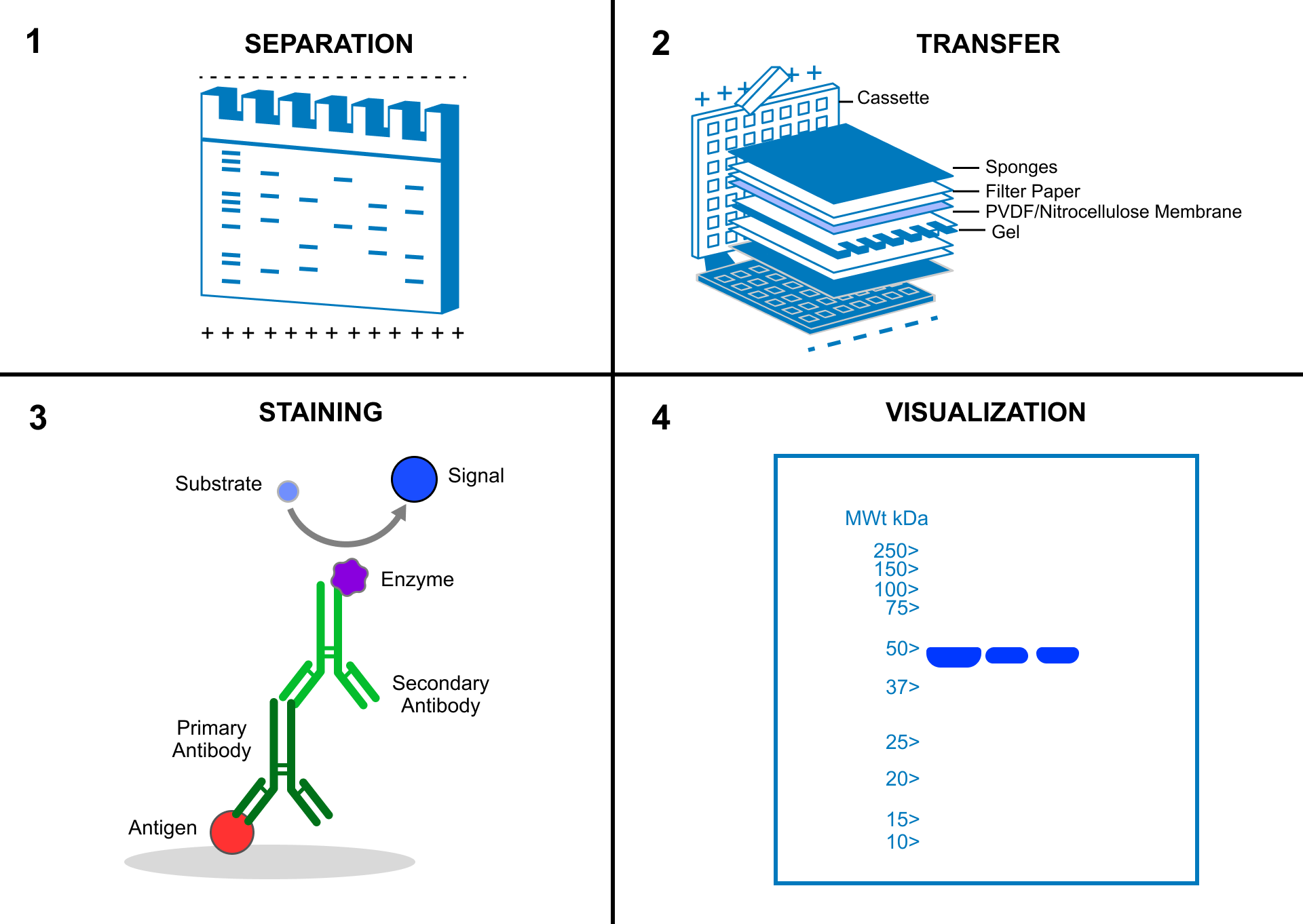
Figure 4.16 As one of their mechanisms of action, cocaine and amphetamines block the reuptake of dopamine from the synapse into the presynaptic cell.

Rose M. Spielman, William J. Jenkins, and Marilyn D. Lovett, Psychology 2E, OpenStax. · CC BY-NC-SA 4.0 · Original image ↗ · Access for free ↗

In recent years, methamphetamine (meth) use has become increasingly widespread. Methamphetamine is a type of amphetamine that can be made from ingredients that are readily available (e.g., medications containing pseudoephedrine, a found in many over-the-counter cold and flu remedies). Despite recent changes in laws designed to make obtaining pseudoephedrine more difficult, methamphetamine continues to be an easily accessible and relatively inexpensive drug option (Shukla, Crump, & Chrisco, 2012).

Stimulant users seek a euphoric high, feelings of intense elation and pleasure, especially in those users who take the drug via intravenous injection or smoking. MDMA (3.4-methelynedioxy-methamphetamine, commonly known as "ecstasy" or "Molly") is a mild stimulant with perception-altering effects. It is typically consumed in pill form. Users experience increased energy, feelings of pleasure, and emotional warmth. Repeated use of these stimulants can have significant adverse consequences. Users can experience physical symptoms that include nausea, elevated blood pressure, and increased heart rate. In addition, these drugs can cause feelings of anxiety, hallucinations, and paranoia (Fiorentini et al., 2011). Normal brain functioning is altered after repeated use of these drugs. For example, repeated use can lead to overall depletion among the monoamine neurotransmitters (dopamine, norepinephrine, and serotonin). Depletion of certain neurotransmitters can lead to mood dysphoria, cognitive problems, and other factors. This can lead to people compulsively using stimulants such as cocaine and amphetamines, in part to try to reestablish the person's physical and psychological pre-use baseline. (Jayanthi & Ramamoorthy, 2005; Rothman, Blough, & Baumann, 2007).

Caffeine is another stimulant drug. While it is probably the most commonly used drug in the world, the potency of this particular drug pales in comparison to the other stimulant drugs described in this section. Generally, people use caffeine to maintain increased levels of alertness and arousal. Caffeine is found in many common medicines (such as weight loss drugs), beverages, foods, and even cosmetics (Herman & Herman, 2013). While caffeine may have some indirect effects on dopamine neurotransmission, its primary mechanism of action involves antagonizing adenosine activity (Porkka-Heiskanen, 2011). Adenosine is a neurotransmitter that promotes sleep. Caffeine is an adenosine antagonist, so caffeine inhibits the adenosine , thus decreasing sleepiness and promoting wakefulness.

While caffeine is generally considered a relatively safe drug, high blood levels of caffeine can result in insomnia, agitation, muscle twitching, nausea, irregular heartbeat, and even death (Reissig, Strain, & Griffiths, 2009; Wolt, Ganetsky, & Babu, 2012). In 2012, Kromann and Nielson reported on a of a 40-year-old woman who suffered significant ill effects from her use of caffeine. The woman used caffeine in the past to boost her mood and to provide energy, but over the course of several years, she increased her caffeine consumption to the point that she was consuming three liters of soda each day. Although she had been taking a prescription antidepressant, her symptoms of depression continued to worsen and she began to suffer physically, displaying significant warning signs of cardiovascular disease and diabetes. Upon admission to an outpatient clinic for treatment of mood disorders, she all of the diagnostic criteria for substance dependence and was advised to dramatically limit her caffeine intake. Once she was able to limit her use to less than 12 ounces of soda a day, both her mental and physical health gradually improved. Despite the of caffeine use and the large number of people who confess to suffering from caffeine addiction, this was the first published description of soda dependence appearing in scientific literature.

Nicotine is highly addictive, and the use of tobacco is associated with increased risks of heart disease, stroke, and a variety of cancers. Nicotine exerts its effects through its interaction with acetylcholine . Acetylcholine functions as a neurotransmitter in motor . In the , it plays a role in arousal and reward mechanisms. Nicotine is most commonly used in the form of tobacco like cigarettes or chewing tobacco; therefore, there is a tremendous interest in developing effective smoking cessation techniques. To date, people have used a variety of nicotine replacement therapies in addition to various psychotherapeutic options in an attempt to discontinue their use of tobacco . In general, smoking cessation programs may be effective in the short term, but it is unclear whether these effects persist (Cropley, Theadom, Pravettoni, & Webb, 2008; Levitt, Shaw, Wong, & Kaczorowski, 2007; Smedslund, Fisher, Boles, & Lichtenstein, 2004). Vaping as a means to deliver nicotine is becoming increasingly popular, especially among teens and young adults. Vaping uses battery-powered devices, sometimes called e-cigarettes, that deliver liquid nicotine and flavorings as a vapor. Originally reported as a safe alternative to the known -causing agents found in cigarettes, vaping is now known to be very dangerous and has led to serious lung disease and death in users (Shmerling, 2019).

Opioids

An opioid is one of a category of drugs that includes heroin, morphine, methadone, and codeine. Opioids have analgesic properties; that is, they decrease pain. Humans have an endogenous opioid neurotransmitter system—the body makes small quantities of opioid that bind to opioid reducing pain and producing euphoria. Thus, opioid drugs, which mimic this endogenous painkilling mechanism, have an extremely high potential for abuse. Natural opioids, called opiates, are derivatives of opium, which is a naturally occurring found in the poppy plant. There are now several synthetic versions of opiate drugs (correctly called opioids) that have very potent painkilling effects, and they are often abused. For example, the National Institutes of Drug Abuse has sponsored research that suggests the misuse and abuse of the prescription pain killers hydrocodone and oxycodone are significant public health concerns (Maxwell, 2006). In 2013, the U.S. Food and Drug Administration recommended tighter on their medical use.

Historically, heroin has been a major opioid drug of abuse (Figure 4.17). Heroin can be snorted, smoked, or injected intravenously. Heroin produces intense feelings of euphoria and pleasure, which are amplified when the heroin is injected intravenously. Following the initial "rush," users experience 4–6 hours of "going on the nod," alternating between conscious and semiconscious states. Heroin users often shoot the drug directly into their veins. Some people who have injected many times into their arms will show "track marks," while other users will inject into areas between their fingers or between their toes, so as not to show obvious track marks and, like all abusers of intravenous drugs, have an increased risk for contraction of both tuberculosis and .

Photograph A shows various paraphernalia spread out on a black surface.  The items include a tourniquet, three syringes of varying widths, three cotton-balls, a tiny cooking vessel, a condom, a capsule of sterile water, and an alcohol swab. Photograph B shows a hand holding a spoon containing heroin tar above a small candle.
Figure 4.17 — 4.5 Substance Use and Abuse
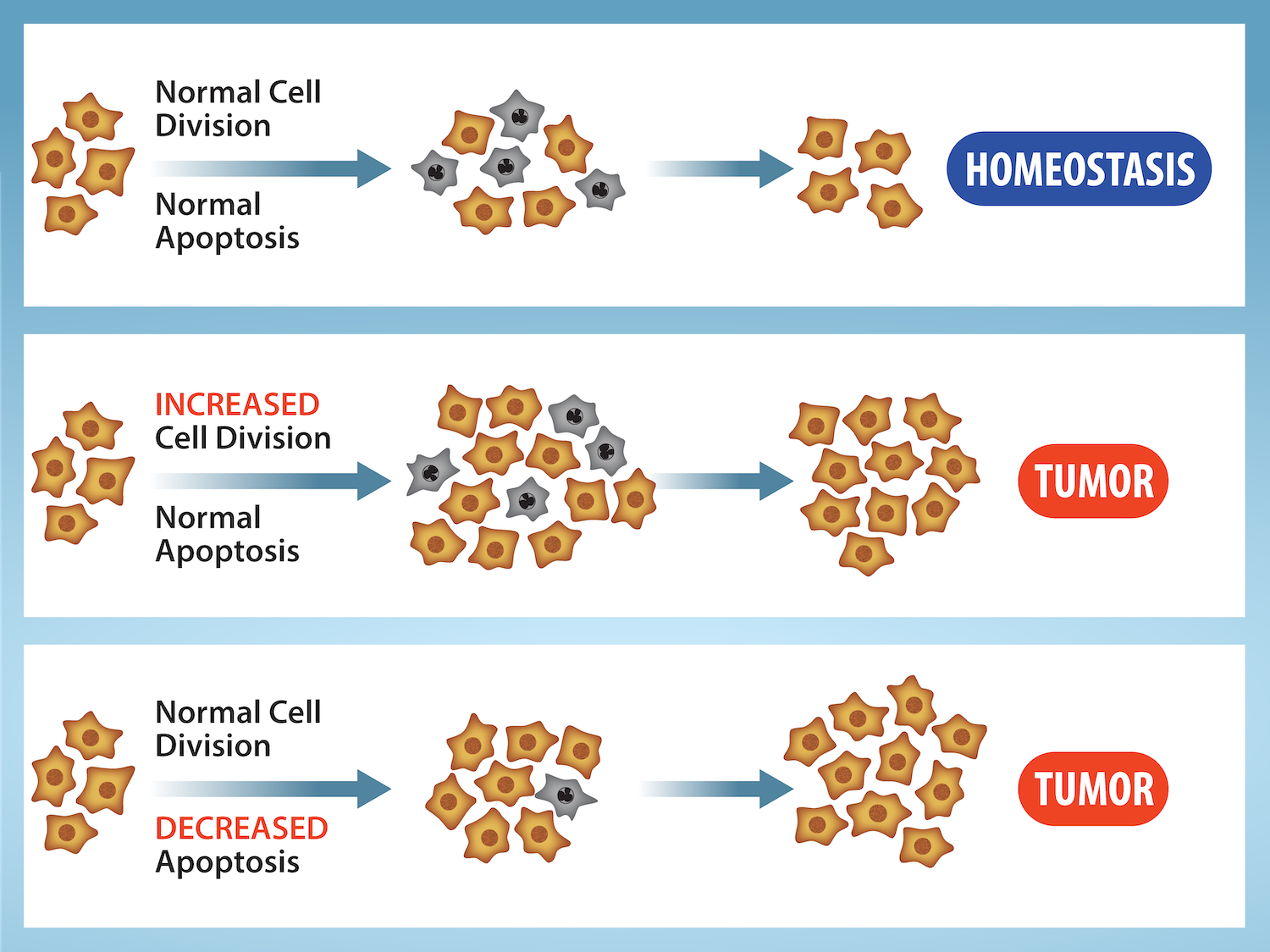
Figure 4.17 (a) Common paraphernalia for heroin preparation and use are shown here in a needle exchange kit. (b) Heroin is cooked on a spoon over a candle. (credit a: modification of work by Todd Huffman)

Rose M. Spielman, William J. Jenkins, and Marilyn D. Lovett, Psychology 2E, OpenStax. (credit a: modification of work by Todd Huffman) · CC BY-NC-SA 4.0 · Original image ↗ · Access for free ↗

Aside from their utility as analgesic drugs, opioid-like are often found in cough suppressants, anti-nausea, and anti-diarrhea medications. Given that from a drug often involves an experience opposite to the effect of the drug, it should be no surprise that opioid resembles a severe case of the flu. While opioid can be extremely unpleasant, it is not life-threatening (Julien, 2005). Still, people experiencing opioid may be given methadone to make from the drug less difficult. Methadone is a synthetic opioid that is less euphorigenic than heroin and similar drugs. Methadone clinics help people who previously struggled with opioid addiction manage symptoms through the use of methadone. Other drugs, including the opioid buprenorphine, have also been used to alleviate symptoms of opiate .

Codeine is an opioid with relatively low potency. It is often prescribed for minor pain, and it is available over-the-counter in some other countries. Like all opioids, codeine does have abuse potential. In , abuse of prescription opioid medications is becoming a major concern worldwide (Aquina, Marques-Baptista, Bridgeman, & Merlin, 2009; Casati, Sedefov, & Pfeiffer-Gerschel, 2012).

Everyday Connection

The Opioid Crisis

Few people in the United States remain untouched by the recent opioid epidemic. It seems like everyone knows a friend, family member, or neighbor who has died of an overdose. Opioid addiction reached crisis levels in the United States such that by 2019, an average of 130 people died each day of an opioid overdose (NIDA, 2019).

The crisis actually began in the 1990s, when pharmaceutical companies began mass-marketing pain-relieving opioid drugs like OxyContin with the promise (now known to be false) that they were non-addictive. Increased prescriptions led to greater rates of misuse, along with greater of addiction, even among patients who used these drugs as prescribed. Physiologically, the body can become addicted to opiate drugs in less than a week, including when taken as prescribed. from opioids includes pain, which patients often misinterpret as pain caused by the problem that led to the original prescription, and which motivates patients to continue using the drugs.

The FDA's 2013 recommendation for tighter on opiate prescriptions left many patients addicted to prescription drugs like OxyContin unable to obtain legitimate prescriptions. This created a black market for the drug, where prices soared to $80 or more for a single pill. To prevent , many people turned to cheaper heroin, which could be bought for $5 a dose or less. To keep heroin affordable, many dealers began adding more potent synthetic opioids including fentanyl and carfentanyl to increase the effects of heroin. These synthetic drugs are so potent that even small doses can cause overdose and death.

Large-scale public health campaigns by the National Institutes of Health and the National Institute of Drug Abuse have led to recent declines in the opioid crisis. These initiatives include increasing access to treatment and recovery services, increasing access to overdose-reversal drugs like Naloxone, and implementing better public health monitoring systems (NIDA, 2019).

Hallucinogens

A hallucinogen is one of a class of drugs that results in profound alterations in sensory and perceptual experiences (Figure 4.18). In some cases, users experience vivid visual hallucinations. It is also common for these types of drugs to cause hallucinations of body sensations (e.g., feeling as if you are a giant) and a skewed perception of the passage of time.

An illustration shows a colorful spiral pattern.
Figure 4.18 — 4.5 Substance Use and Abuse
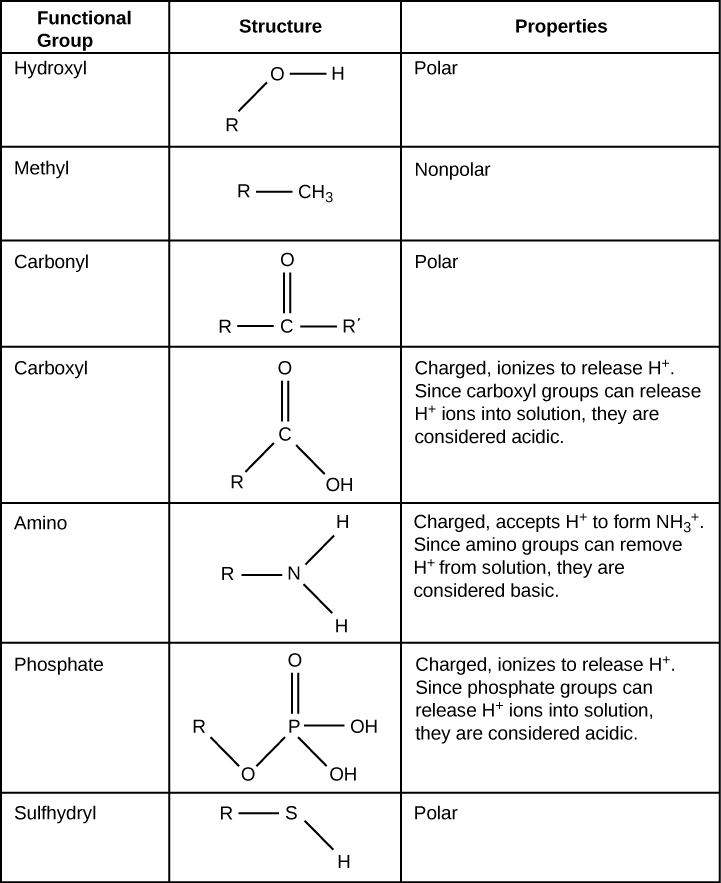
Figure 4.18 Psychedelic images like this are often associated with hallucinogenic compounds. (credit: modification of work by "new 1lluminati"/Flickr)

Rose M. Spielman, William J. Jenkins, and Marilyn D. Lovett, Psychology 2E, OpenStax. (credit: modification of work by "new 1lluminati"/Flickr) · CC BY-NC-SA 4.0 · Original image ↗ · Access for free ↗

As a group, hallucinogens are incredibly varied in terms of the neurotransmitter systems they affect. Mescaline and are serotonin agonists, and PCP (angel dust) and ketamine (an animal anesthetic) act as antagonists of the . In general, these drugs are not thought to possess the same sort of abuse potential as other classes of drugs discussed in this section.

Link to Learning

To learn more about some of the most commonly abused prescription and street drugs, check out the Commonly Abused Drugs Chart and the Commonly Abused Prescription Drugs Chart from the National Institute on Drug Abuse.

Dig Deeper

Medical Marijuana

The decade from 2010–2019 brought many changes in laws regarding marijuana. While the possession and use of marijuana remains illegal in many states, it is now legal to possess limited quantities of marijuana for recreational use in eleven states: Alaska, California, Colorado, Illinois, Maine, Massachusetts, Michigan, Nevada, Oregon, Vermont, and Washington. Medical marijuana is legal in over half of the United States and in the District of Columbia (Figure 4.19). Medical marijuana is marijuana that is prescribed by a doctor for the treatment of a health condition. For example, people who undergo chemotherapy will often be prescribed marijuana to stimulate their appetites and prevent excessive weight loss resulting from the side effects of chemotherapy treatment. Marijuana may also have some promise in the treatment of a variety of medical conditions (Mather, Rauwendaal, Moxham-Hall, & Wodak, 2013; Robson, 2014; Schicho & Storr, 2014).

A photograph shows a window with a neon sign. The sign includes the word “medical” above the shape of a marijuana leaf.
Figure 4.19 — 4.5 Substance Use and Abuse
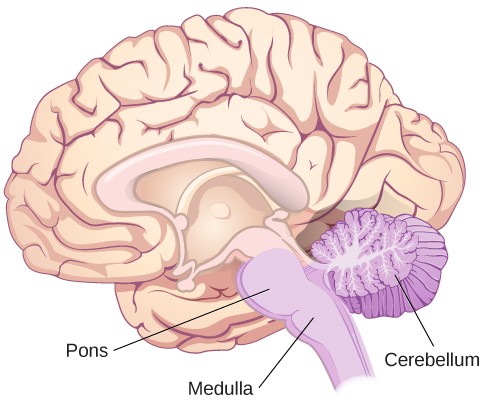
Figure 4.19 Medical marijuana shops are becoming more and more common in the United States. (credit: Laurie Avocado)

Rose M. Spielman, William J. Jenkins, and Marilyn D. Lovett, Psychology 2E, OpenStax. (credit: Laurie Avocado) · CC BY-NC-SA 4.0 · Original image ↗ · Access for free ↗
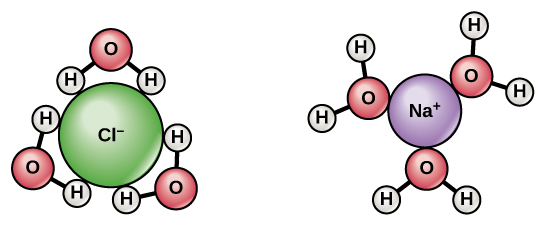
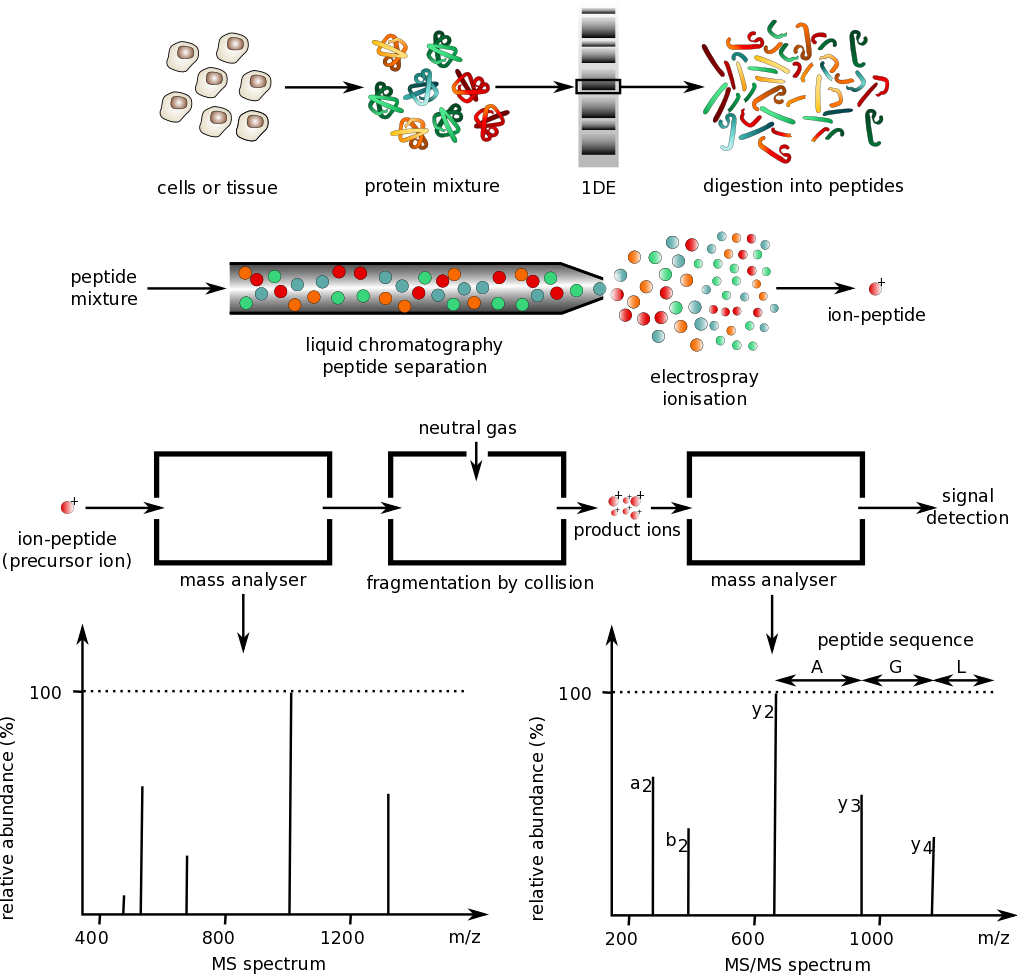
While medical marijuana laws have been passed on a state-by-state basis, federal laws still classify this as an illicit substance, making conducting research on the potentially beneficial medicinal uses of marijuana problematic. There is quite a bit of controversy within the scientific community as to the extent to which marijuana might have medicinal benefits due to a lack of large-scale, controlled research (Bostwick, 2012). As a result, many scientists have urged the federal government to allow for relaxation of current marijuana laws and classifications in order to facilitate a more widespread study of the drug’s effects (Aggarwal et al., 2009; Bostwick, 2012; Kogan & Mechoulam, 2007).

Until recently, the United States Department of Justice routinely arrested people involved and seized marijuana used in medicinal settings. In the latter part of 2013, however, the United States Department of Justice issued statements indicating that they would not continue to challenge state medical marijuana laws. This shift in policy may be in response to the scientific community’s recommendations and/or reflect changing public opinion regarding marijuana.