The biomedical model emphasizes biological dysfunction; the biopsychosocial model combines biological vulnerability, psychological processes, and social conditions.
Compare biomedical and biopsychosocial models, classification approaches, and disorder prevalence
The biomedical model emphasizes biological dysfunction; the biopsychosocial model combines biological vulnerability, psychological processes, and social conditions. A diathesis–stress model predicts that vulnerability and stress jointly influence risk. Diagnostic systems such as the DSM and ICD organize symptom patterns to support communication and research; a category is not proof of a single cause or a sharp boundary from ordinary variation. Distress, impairment, developmental context, culture, duration, and alternative explanations matter. Comorbidity means multiple conditions occur together. Prevalence counts existing cases within a population and time frame, whereas incidence counts new cases over time. Better detection can raise measured prevalence without establishing a rise in incidence.
Source: 15.1 What Are Psychological Disorders? · 15.2 Diagnosing and Classifying Psychological Disorders · 15.3 Perspectives on Psychological Disorders · 15.4 Anxiety Disorders · 15.5 Obsessive-Compulsive and Related Disorders · 15.6 Trauma- and Stressor-Related Disorders · 15.7 Depressive, Bipolar, and Related Disorders · 15.8 Schizophrenia · 15.9 Dissociative Disorders · 15.11 Personality Disorders · 8.3 Problems with Memory · 3.4 The Brain and Spinal Cord
Distinguish anxiety, obsessive-compulsive, trauma-related, and somatic-symptom presentations
Generalized anxiety involves persistent excessive worry across areas; specific phobia centers on a particular object or situation; social anxiety centers on negative social evaluation. Panic disorder involves recurrent unexpected panic attacks plus continuing concern or behavioral change; agoraphobia concerns situations where escape or help may be difficult. Obsessions are intrusive recurrent thoughts or urges; compulsions are repetitive acts or mental rituals, often performed to reduce distress. PTSD follows qualifying trauma and includes intrusion, avoidance, negative mood or cognition, and arousal changes. Somatic symptom presentations involve disproportionate distress or preoccupation about physical symptoms; the symptoms need not be medically unexplained or intentionally produced.
Source: 15.1 What Are Psychological Disorders? · 15.2 Diagnosing and Classifying Psychological Disorders · 15.3 Perspectives on Psychological Disorders · 15.4 Anxiety Disorders · 15.5 Obsessive-Compulsive and Related Disorders · 15.6 Trauma- and Stressor-Related Disorders · 15.7 Depressive, Bipolar, and Related Disorders · 15.8 Schizophrenia · 15.9 Dissociative Disorders · 15.11 Personality Disorders · 8.3 Problems with Memory · 3.4 The Brain and Spinal Cord
Distinguish bipolar and depressive disorders
Depressive disorders involve patterns such as low mood or loss of interest alongside cognitive, physical, and functional changes. A major depressive episode is more persistent and impairing than ordinary transient sadness and is evaluated within a broader clinical history. Bipolar I requires a manic episode; bipolar II involves hypomania and major depression without a manic episode. Mania includes abnormally elevated or irritable mood with increased energy and substantial impairment, sometimes psychosis; hypomania is less severe and does not involve that degree of impairment or psychosis. “Bipolar” does not mean moment-to-moment moodiness. Substance effects, medical conditions, and episode timing complicate differential diagnosis.
Common DSM duration anchors are at least two weeks for a major depressive episode, at least one week for mania or any duration if hospitalization is necessary, and at least four consecutive days for hypomania. The required symptom pattern, change from baseline, functional effects, and exclusions still matter; duration alone is not a diagnosis, and shorter episodes can still be clinically significant.
Source: 15.1 What Are Psychological Disorders? · 15.2 Diagnosing and Classifying Psychological Disorders · 15.3 Perspectives on Psychological Disorders · 15.4 Anxiety Disorders · 15.5 Obsessive-Compulsive and Related Disorders · 15.6 Trauma- and Stressor-Related Disorders · 15.7 Depressive, Bipolar, and Related Disorders · 15.8 Schizophrenia · 15.9 Dissociative Disorders · 15.11 Personality Disorders · 8.3 Problems with Memory · 3.4 The Brain and Spinal Cord
Compare schizophrenia, dissociative conditions, and personality disorders
Schizophrenia can involve delusions, hallucinations, disorganized thinking or behavior, and negative symptoms such as reduced motivation or emotional expression, along with cognitive and functional difficulties. It is not multiple personalities. Dissociative conditions involve disruptions of memory, identity, or awareness; dissociative identity disorder describes identity discontinuity with memory gaps and requires careful contextual assessment. Personality disorders describe enduring, pervasive maladaptive patterns rather than isolated unpopular behavior. Clusters traditionally group odd or eccentric, dramatic or erratic, and anxious or fearful patterns. For example, borderline personality disorder involves instability and impulsivity, while antisocial personality disorder involves persistent disregard for others’ rights; labels cannot be inferred from one vignette detail.
Source: 15.1 What Are Psychological Disorders? · 15.2 Diagnosing and Classifying Psychological Disorders · 15.3 Perspectives on Psychological Disorders · 15.4 Anxiety Disorders · 15.5 Obsessive-Compulsive and Related Disorders · 15.6 Trauma- and Stressor-Related Disorders · 15.7 Depressive, Bipolar, and Related Disorders · 15.8 Schizophrenia · 15.9 Dissociative Disorders · 15.11 Personality Disorders · 8.3 Problems with Memory · 3.4 The Brain and Spinal Cord
Explain introductory biological accounts of schizophrenia, depression, Alzheimer’s, and Parkinson’s and the rationale for neural stem-cell research
Schizophrenia research implicates distributed neurodevelopmental and neurotransmitter processes; dopamine abnormalities help explain some findings but do not account for all symptoms. Depression involves interacting stress, neural, cognitive, and social factors and cannot be reduced to a proven universal serotonin deficiency. Alzheimer’s involves progressive neurodegeneration associated with amyloid and tau pathology; Parkinson’s prominently involves degeneration of substantia-nigra dopaminergic neurons, with motor and nonmotor effects. Neural stem-cell research explores replacement, support, and disease modeling. Surviving cells must develop appropriate identities, integrate into circuits, and avoid uncontrolled growth; creating neurons alone does not establish restored function or an available cure.
Source: 15.1 What Are Psychological Disorders? · 15.2 Diagnosing and Classifying Psychological Disorders · 15.3 Perspectives on Psychological Disorders · 15.4 Anxiety Disorders · 15.5 Obsessive-Compulsive and Related Disorders · 15.6 Trauma- and Stressor-Related Disorders · 15.7 Depressive, Bipolar, and Related Disorders · 15.8 Schizophrenia · 15.9 Dissociative Disorders · 15.11 Personality Disorders · 8.3 Problems with Memory · 3.4 The Brain and Spinal Cord · 35.5 Nervous System Disorders
Apply the ideas
Worked question. A survey finds that more people have a recorded diagnosis this year after access to screening expands. Does this prove a biological epidemic? A separate vignette includes hallucinations: does that single symptom establish schizophrenia?
Neither inference follows. Recorded prevalence can rise through detection, service access, survival, or true incidence changes. Compare consistent ascertainment and new-case rates. Hallucinations have multiple possible contexts, including mood episodes, substances, and neurological conditions; a diagnostic pattern requires broader history, duration, impairment, and exclusions. The exercise tests classification logic rather than self-diagnosis.
Source: 15.1 What Are Psychological Disorders? · 15.2 Diagnosing and Classifying Psychological Disorders · 15.3 Perspectives on Psychological Disorders · 15.4 Anxiety Disorders · 15.5 Obsessive-Compulsive and Related Disorders · 15.6 Trauma- and Stressor-Related Disorders · 15.7 Depressive, Bipolar, and Related Disorders · 15.8 Schizophrenia · 15.9 Dissociative Disorders · 15.11 Personality Disorders · 8.3 Problems with Memory · 3.4 The Brain and Spinal Cord
15.1 What Are Psychological Disorders? — figures and tables
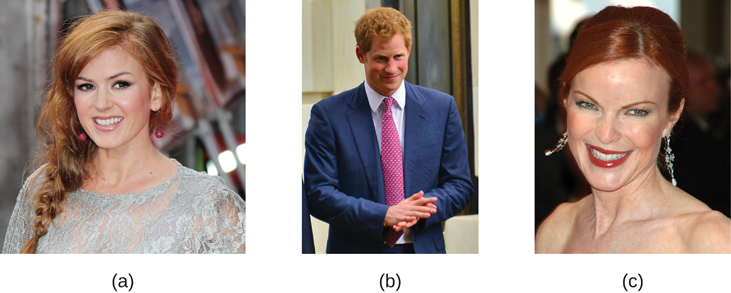
Figure 15.2 Red hair is considered unusual, but not abnormal. (a) Isla Fischer, (b) Prince Harry, and (c) Marcia Cross are three natural redheads. (credit a: modification of work by Richard Goldschmidt; credit b: modification of work by Glyn Lowe; credit c: modification of work by Kirk Weaver)
Rose M. Spielman, William J. Jenkins, and Marilyn D. Lovett, Psychology 2E, OpenStax. (credit a: modification of work by Richard Goldschmidt; credit b: modification of work by Glyn Lowe; credit c: modification of work by Kirk Weaver) · CC BY-NC-SA 4.0 · Original image ↗ · Access for free ↗
Figure 15.3 Eye contact is one of many social gestures that vary from culture to culture. (credit: Joi Ito)
Rose M. Spielman, William J. Jenkins, and Marilyn D. Lovett, Psychology 2E, OpenStax. (credit: Joi Ito) · CC BY-NC-SA 4.0 · Original image ↗ · Access for free ↗15.2 Diagnosing and Classifying Psychological Disorders — figures and tables
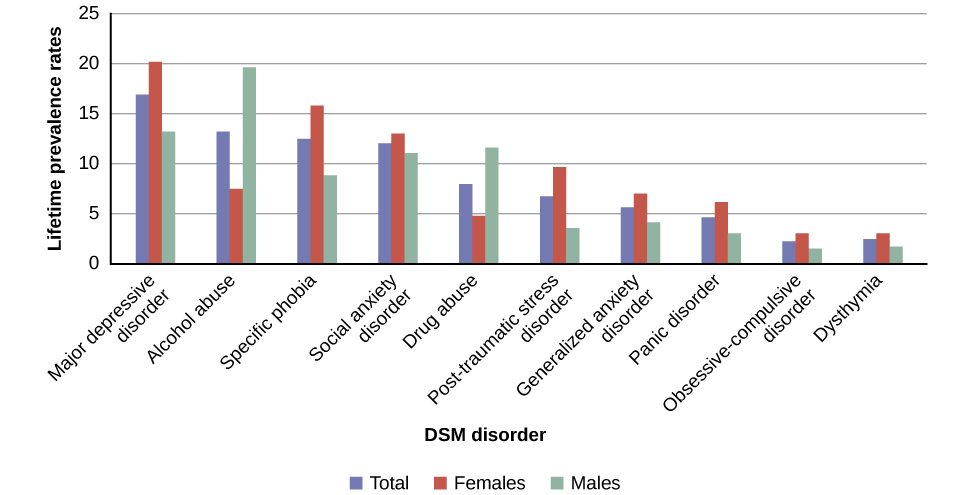
Figure 15.4 The graph shows the breakdown of psychological disorders, comparing the percentage prevalence among adult males and adult females in the United States. Because the data is from 2007, the categories shown here are from the DSM-IV, which has been supplanted by the DSM-5. Most categories remain the same; however, alcohol abuse now falls under a broader Alcohol Use Disorder category.
Rose M. Spielman, William J. Jenkins, and Marilyn D. Lovett, Psychology 2E, OpenStax. · CC BY-NC-SA 4.0 · Original image ↗ · Access for free ↗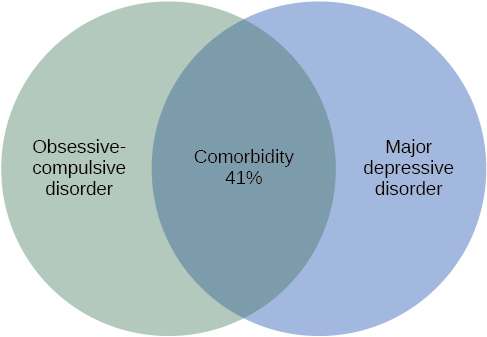
Figure 15.5 Obsessive-compulsive disorder and major depressive disorder frequently occur in the same person.
Rose M. Spielman, William J. Jenkins, and Marilyn D. Lovett, Psychology 2E, OpenStax. · CC BY-NC-SA 4.0 · Original image ↗ · Access for free ↗Source: 15.2 Diagnosing and Classifying Psychological Disorders
15.3 Perspectives on Psychological Disorders — figures and tables

Figure 15.6 In The Extraction of the Stone of Madness , a 15th century painting by Hieronymus Bosch, a practitioner is using a tool to extract an object (the supposed “stone of madness”) from the head of an afflicted person.
Rose M. Spielman, William J. Jenkins, and Marilyn D. Lovett, Psychology 2E, OpenStax. · CC BY-NC-SA 4.0 · Original image ↗ · Access for free ↗
Figure 15.7 Although the cause of dancing mania, depicted in this painting, was unclear, the behavior was attributed to supernatural forces.
Rose M. Spielman, William J. Jenkins, and Marilyn D. Lovett, Psychology 2E, OpenStax. · CC BY-NC-SA 4.0 · Original image ↗ · Access for free ↗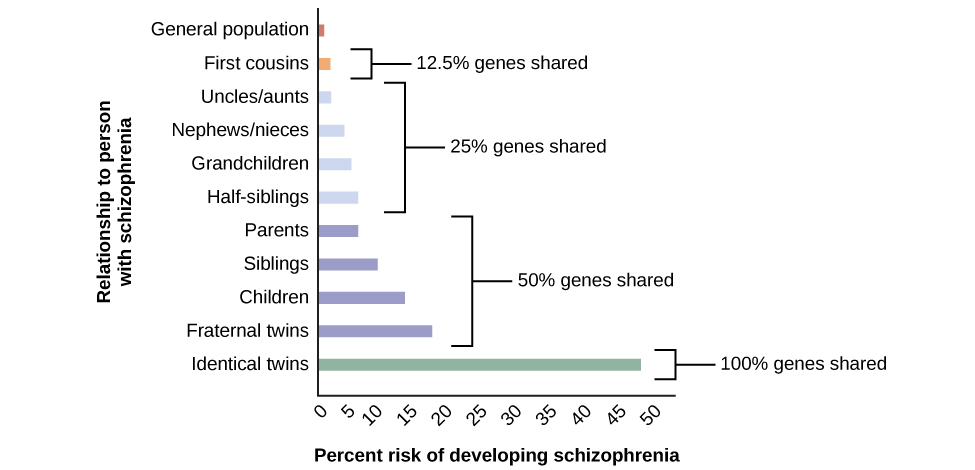
Figure 15.8 A person’s risk of developing schizophrenia increases if a relative has schizophrenia. The closer the genetic relationship, the higher the risk.
Rose M. Spielman, William J. Jenkins, and Marilyn D. Lovett, Psychology 2E, OpenStax. · CC BY-NC-SA 4.0 · Original image ↗ · Access for free ↗15.4 Anxiety Disorders — figures and tables
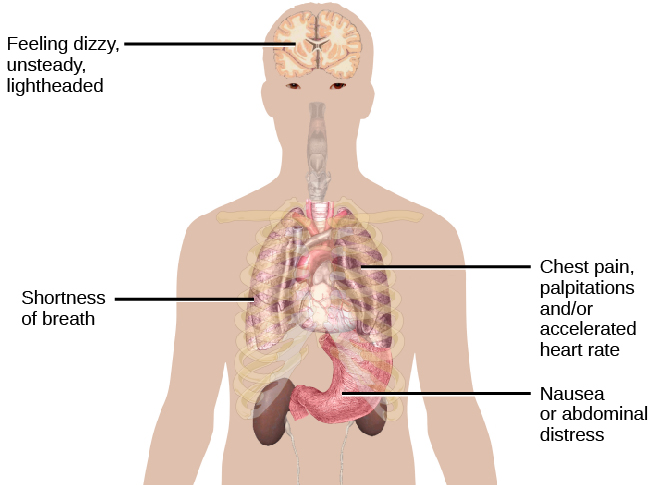
Figure 15.9 Some of the physical manifestations of a panic attack are shown. People may also experience sweating, trembling, feelings of faintness, or a fear of losing control, among other symptoms.
Rose M. Spielman, William J. Jenkins, and Marilyn D. Lovett, Psychology 2E, OpenStax. · CC BY-NC-SA 4.0 · Original image ↗ · Access for free ↗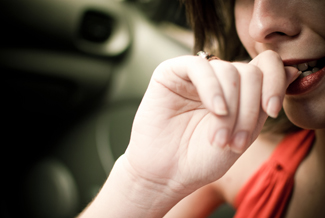
Figure 15.10 Worry is a defining feature of generalized anxiety disorder. (credit: Freddie Peña)
Rose M. Spielman, William J. Jenkins, and Marilyn D. Lovett, Psychology 2E, OpenStax. (credit: Freddie Peña) · CC BY-NC-SA 4.0 · Original image ↗ · Access for free ↗| Phobia | Feared Object or Situation |
|---|---|
| Acrophobia | heights |
| Aerophobia | flying |
| Arachnophobia | spiders |
| Claustrophobia | enclosed spaces |
| Cynophobia | dogs |
| Hematophobia | blood |
| Ophidiophobia | snakes |
| Taphophobia | being buried alive |
| Trypanophobia | injections |
Table 15.1. Rose M. Spielman, William J. Jenkins, and Marilyn D. Lovett, Psychology 2E, OpenStax.
Source: 15.4 Anxiety Disorders
15.5 Obsessive-Compulsive and Related Disorders — figures and tables
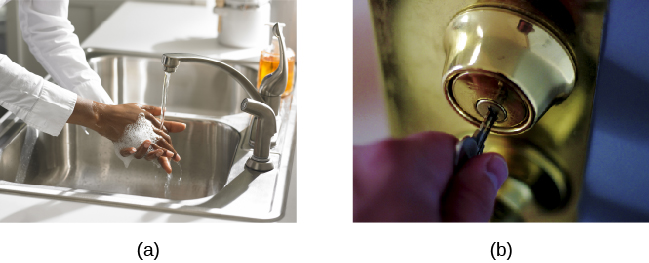
Figure 15.11 (a) Repetitive hand washing and (b) checking (e.g., that a door is locked) are common compulsions among those with obsessive-compulsive disorder. (credit a: modification of work by the USDA; credit b: modification of work by Bradley Gordon)
Rose M. Spielman, William J. Jenkins, and Marilyn D. Lovett, Psychology 2E, OpenStax. (credit a: modification of work by the USDA; credit b: modification of work by Bradley Gordon) · CC BY-NC-SA 4.0 · Original image ↗ · Access for free ↗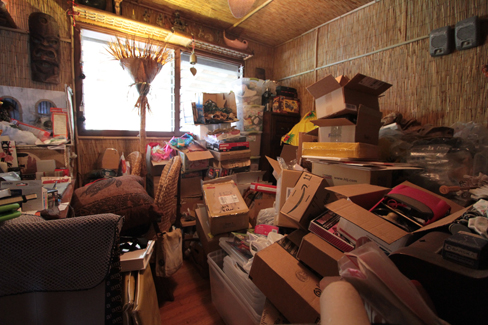
Figure 15.12 Those who suffer from hoarding disorder have great difficulty in discarding possessions, usually resulting in an accumulation of items that clutter living or work areas. (credit: “puuikibeach”/Flickr)
Rose M. Spielman, William J. Jenkins, and Marilyn D. Lovett, Psychology 2E, OpenStax. (credit: “puuikibeach”/Flickr) · CC BY-NC-SA 4.0 · Original image ↗ · Access for free ↗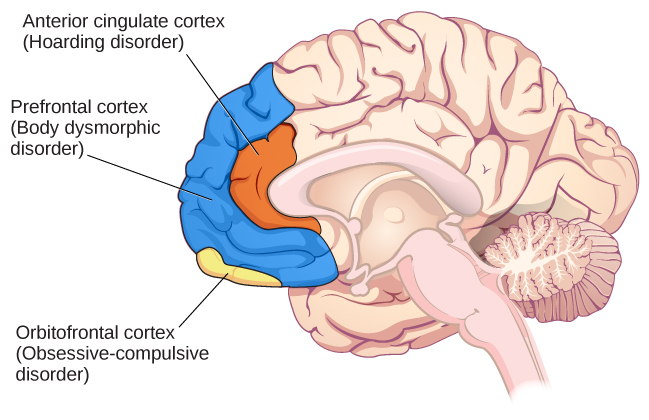
Figure 15.13 Different regions of the brain may be associated with different psychological disorders.
Rose M. Spielman, William J. Jenkins, and Marilyn D. Lovett, Psychology 2E, OpenStax. · CC BY-NC-SA 4.0 · Original image ↗ · Access for free ↗15.6 Trauma- and Stressor-Related Disorders — figures and tables

Figure 15.14 PTSD was first recognized in soldiers who had engaged in combat. Research has shown that strong social support decreases the risk of PTSD. This person stands at the Vietnam Traveling Memorial Wall. (credit: Kevin Stanchfield)
Rose M. Spielman, William J. Jenkins, and Marilyn D. Lovett, Psychology 2E, OpenStax. (credit: Kevin Stanchfield) · CC BY-NC-SA 4.0 · Original image ↗ · Access for free ↗15.7 Depressive, Bipolar, and Related Disorders — figures and tables
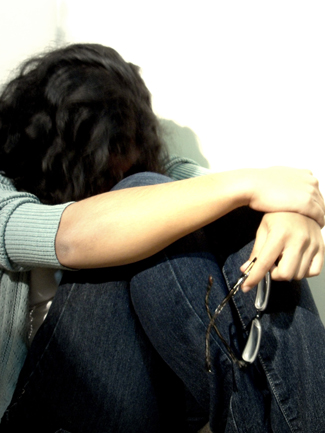
Figure 15.15 Mood disorders are characterized by massive disruptions in mood. Symptoms can range from the extreme sadness and hopelessness of depression to the extreme elation and irritability of mania. (credit: Kiran Foster)
Rose M. Spielman, William J. Jenkins, and Marilyn D. Lovett, Psychology 2E, OpenStax. (credit: Kiran Foster) · CC BY-NC-SA 4.0 · Original image ↗ · Access for free ↗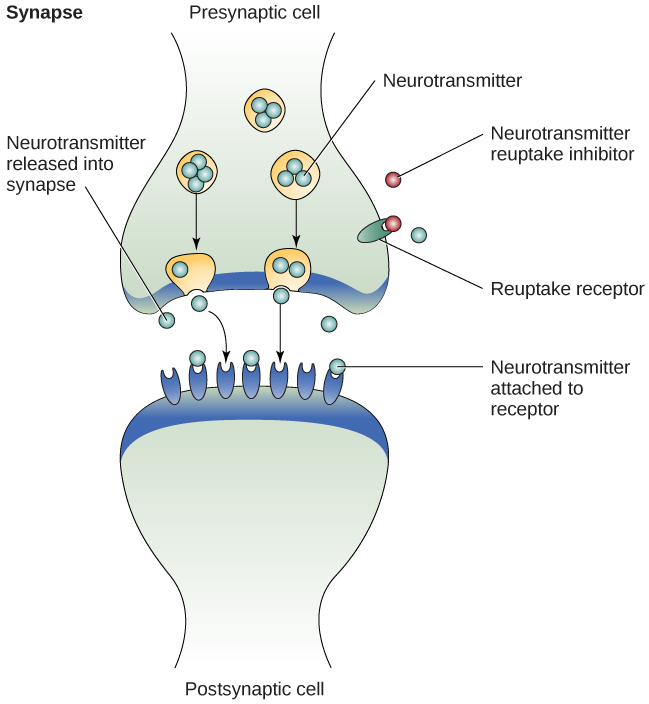
Figure 15.16 Many medications designed to treat mood disorders work by altering neurotransmitter activity in the neural synapse.
Rose M. Spielman, William J. Jenkins, and Marilyn D. Lovett, Psychology 2E, OpenStax. · CC BY-NC-SA 4.0 · Original image ↗ · Access for free ↗
Figure 15.17 People with depression react to negative emotional stimuli, such as sad faces, with greater amygdala activation than do non-depressed individuals. (credit: Ian Munroe)
Rose M. Spielman, William J. Jenkins, and Marilyn D. Lovett, Psychology 2E, OpenStax. (credit: Ian Munroe) · CC BY-NC-SA 4.0 · Original image ↗ · Access for free ↗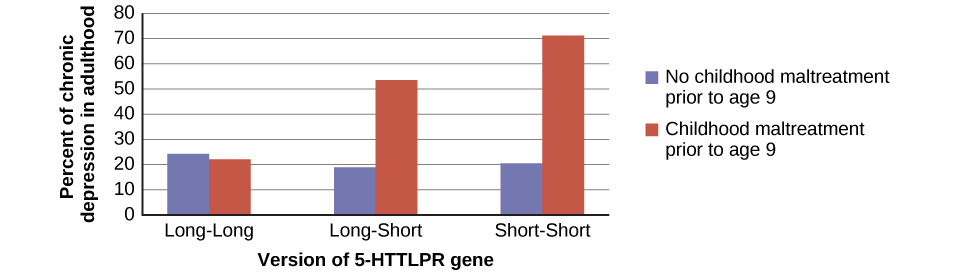
Figure 15.18 A study on gene-environment interaction in people experiencing chronic depression in adulthood suggests a much higher incidence in individuals with a short version of the gene in combination with childhood maltreatment (Brown & Harris, 2013).
Rose M. Spielman, William J. Jenkins, and Marilyn D. Lovett, Psychology 2E, OpenStax. · CC BY-NC-SA 4.0 · Original image ↗ · Access for free ↗15.11 Personality Disorders — figures and tables
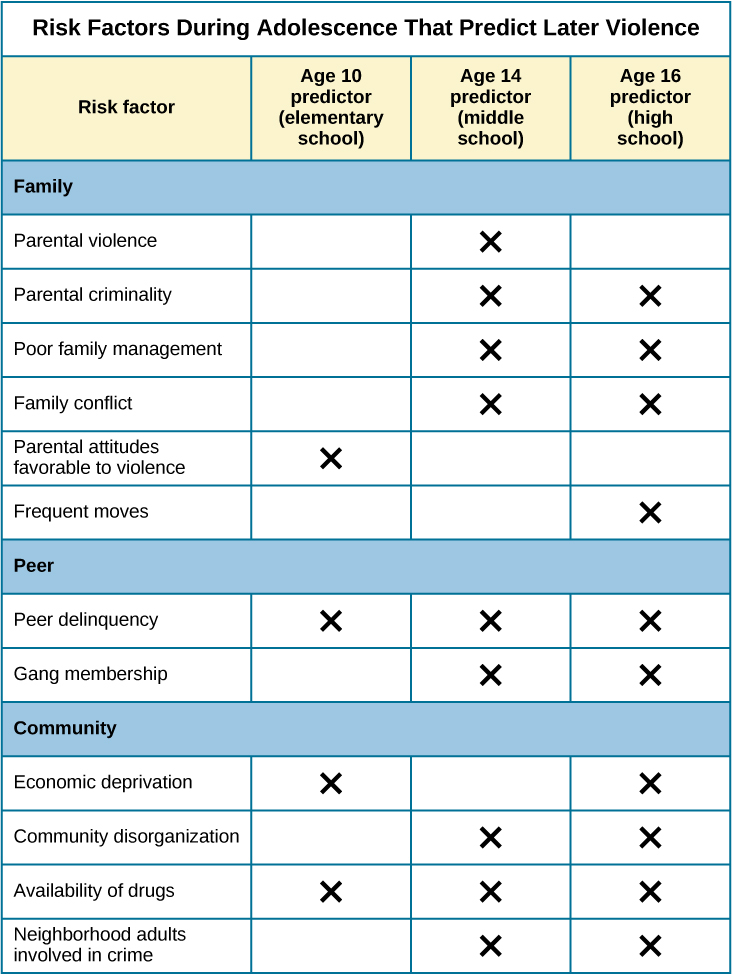
Figure 15.20 Longitudinal studies have helped to identify risk factors for predicting violent behavior.
Rose M. Spielman, William J. Jenkins, and Marilyn D. Lovett, Psychology 2E, OpenStax. · CC BY-NC-SA 4.0 · Original image ↗ · Access for free ↗| DSM-5 Personality Disorder | Description | Cluster |
|---|---|---|
| Paranoid | harbors a pervasive and unjustifiable suspiciousness and mistrust of others; reluctant to confide in or become close to others; reads hidden demeaning or threatening meaning into benign remarks or events; takes offense easily and bears grudges; not due to schizophrenia or other psychotic disorders | A |
| Schizoid | lacks interest and desire to form relationships with others; aloof and shows emotional coldness and detachment; indifferent to approval or criticism of others; lacks close friends or confidants; not due to schizophrenia or other psychotic disorders, not an autism spectrum disorder | A |
| Schizotypal | exhibits eccentricities in thought, perception, emotion, speech, and behavior; shows suspiciousness or paranoia; has unusual perceptual experiences; speech is often idiosyncratic; displays inappropriate emotions; lacks friends or confidants; not due to schizophrenia or other psychotic disorder, or to autism spectrum disorder | A |
| Antisocial | continuously violates the rights of others; history of antisocial tendencies prior to age 15; often lies, fights, and has problems with the law; impulsive and fails to think ahead; can be deceitful and manipulative in order to gain profit or pleasure; irresponsible and often fails to hold down a job or pay financial debts; lacks feelings for others and remorse over misdeeds | B |
| Histrionic | excessively overdramatic, emotional, and theatrical; feels uncomfortable when not the center of others’ attention; behavior is often inappropriately seductive or provocative; speech is highly emotional but often vague and diffuse; emotions are shallow and often shift rapidly; may alienate friends with demands for constant attention | B |
| Narcissistic | overinflated and unjustified sense of self-importance and preoccupied with fantasies of success; believes they are entitled to special treatment from others; shows arrogant attitudes and behaviors; takes advantage of others; lacks empathy | B |
| Borderline | unstable in self-image, mood, and behavior; cannot tolerate being alone and experiences chronic feelings of emptiness; unstable and intense relationships with others; behavior is impulsive, unpredictable, and sometimes self-damaging; shows inappropriate and intense anger; makes suicidal gestures | B |
| Avoidant | socially inhibited and oversensitive to negative evaluation; avoids occupations that involve interpersonal contact because of fears of criticism or rejection; avoids relationships with others unless guaranteed to be accepted unconditionally; feels inadequate and views self as socially inept and unappealing; unwilling to take risks or engage in new activities if they may prove embarrassing | C |
| Dependent | allows others to take over and run their life; is submissive, clingy, and fears separation; cannot make decisions without advice and reassurance from others; lacks self-confidence; cannot do things on their own; feels uncomfortable or helpless when alone | C |
| Obsessive-Compulsive | pervasive need for perfectionism that interferes with the ability to complete tasks; preoccupied with details, rules, order, and schedules; excessively devoted to work at the expense of leisure and friendships; rigid, inflexible, and stubborn; insists things be done their way; reluctant to spend money | C |
Table 15.2. Rose M. Spielman, William J. Jenkins, and Marilyn D. Lovett, Psychology 2E, OpenStax.
| Men with antisocial personality disorder are more likely than women with antisocial personality disorder to | Women with antisocial personality disorder are more likely than men with antisocial personality disorder to |
|---|---|
|
|
Table 15.3. Rose M. Spielman, William J. Jenkins, and Marilyn D. Lovett, Psychology 2E, OpenStax.
Source: 15.11 Personality Disorders
8.3 Problems with Memory — figures and tables

Figure 8.10 This diagram illustrates the timeline of retrograde and anterograde amnesia. Memory problems that extend back in time before the injury and prevent retrieval of information previously stored in long-term memory are known as retrograde amnesia. Conversely, memory problems that extend forward in time from the point of injury and prevent the formation of new memories are called anterograde amnesia.
Rose M. Spielman, William J. Jenkins, and Marilyn D. Lovett, Psychology 2E, OpenStax. · CC BY-NC-SA 4.0 · Original image ↗ · Access for free ↗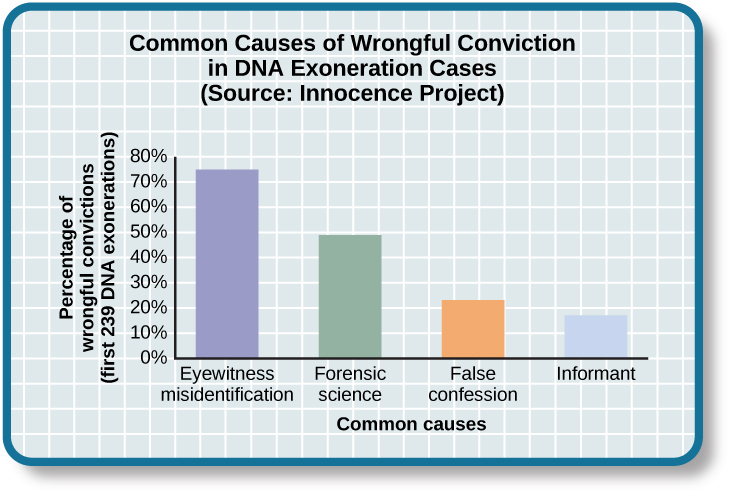
Figure 8.11 In studying cases where DNA evidence has exonerated people from crimes, the Innocence Project discovered that eyewitness misidentification is a leading cause of wrongful convictions (Benjamin N. Cardozo School of Law, Yeshiva University, 2009). Note: Multiple causes may play a role in a wrongful conviction.
Rose M. Spielman, William J. Jenkins, and Marilyn D. Lovett, Psychology 2E, OpenStax. · CC BY-NC-SA 4.0 · Original image ↗ · Access for free ↗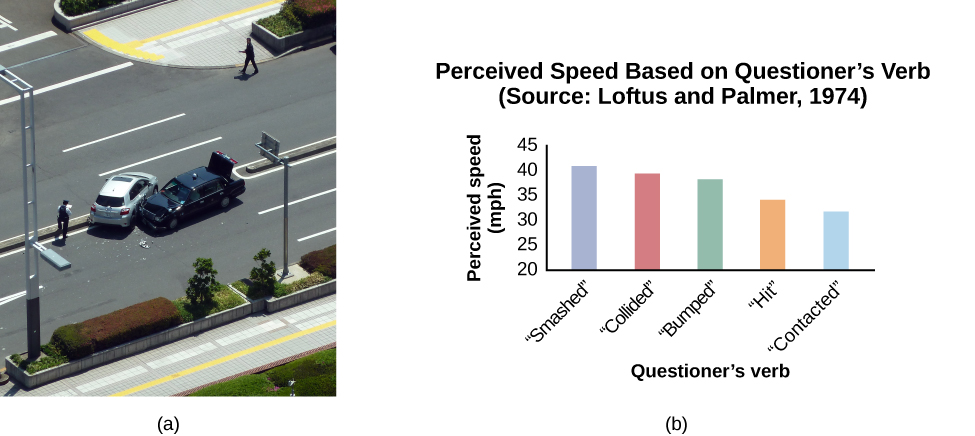
Figure 8.12 When people are asked leading questions about an event, their memory of the event may be altered. (credit a: modification of work by Rob Young)
Rose M. Spielman, William J. Jenkins, and Marilyn D. Lovett, Psychology 2E, OpenStax. (credit a: modification of work by Rob Young) · CC BY-NC-SA 4.0 · Original image ↗ · Access for free ↗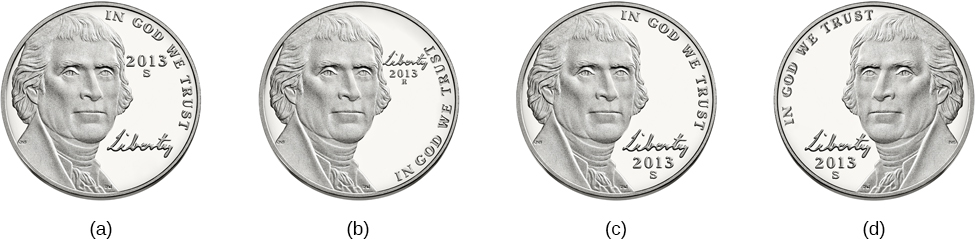
Figure 8.13 Can you tell which coin, (a), (b), (c), or (d) is the accurate depiction of a US nickel? The correct answer is (c).
Rose M. Spielman, William J. Jenkins, and Marilyn D. Lovett, Psychology 2E, OpenStax. · CC BY-NC-SA 4.0 · Original image ↗ · Access for free ↗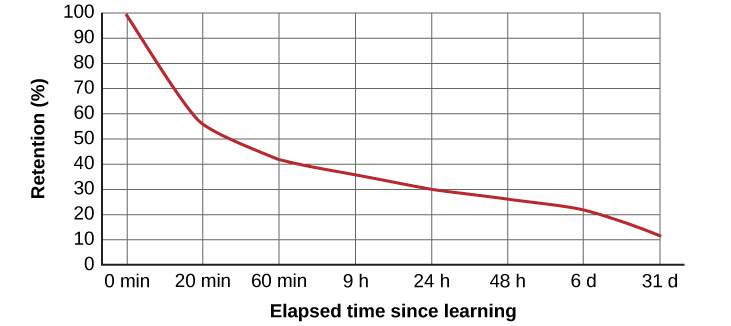
Figure 8.14 The Ebbinghaus forgetting curve shows how quickly memory for new information decays.
Rose M. Spielman, William J. Jenkins, and Marilyn D. Lovett, Psychology 2E, OpenStax. · CC BY-NC-SA 4.0 · Original image ↗ · Access for free ↗
Figure 8.15 Blocking is also known as tip-of-the-tongue (TOT) phenomenon. The memory is right there, but you can’t seem to recall it, just like not being able to remember the name of that very famous actor, Morgan Freeman. (credit: modification of work by D. Miller)
Rose M. Spielman, William J. Jenkins, and Marilyn D. Lovett, Psychology 2E, OpenStax. (credit: modification of work by D. Miller) · CC BY-NC-SA 4.0 · Original image ↗ · Access for free ↗
Figure 8.16 Many veterans of military conflicts involuntarily recall unwanted, unpleasant memories. (credit: Department of Defense photo by U.S. Air Force Tech. Sgt. Michael R. Holzworth)
Rose M. Spielman, William J. Jenkins, and Marilyn D. Lovett, Psychology 2E, OpenStax. (credit: Department of Defense photo by U.S. Air Force Tech. Sgt. Michael R. Holzworth) · CC BY-NC-SA 4.0 · Original image ↗ · Access for free ↗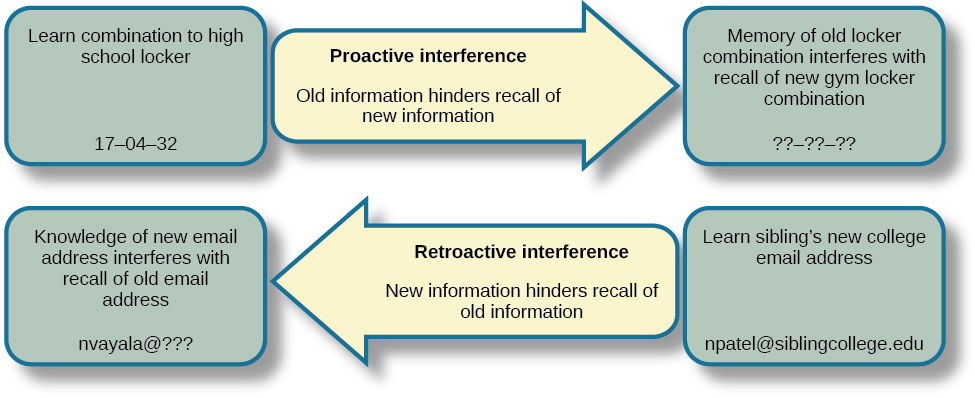
Figure 8.17 Sometimes forgetting is caused by a failure to retrieve information. This can be due to interference, either retroactive or proactive.
Rose M. Spielman, William J. Jenkins, and Marilyn D. Lovett, Psychology 2E, OpenStax. · CC BY-NC-SA 4.0 · Original image ↗ · Access for free ↗| Sin | Type | Description | Example |
|---|---|---|---|
| Transience | Forgetting | Accessibility of memory decreases over time | Forget events that occurred long ago |
| Absentmindedness | Forgetting | Forgetting caused by lapses in attention | Forget where your phone is |
| Blocking | Forgetting | Accessibility of information is temporarily blocked | Tip of the tongue |
| Misattribution | Distortion | Source of memory is confused | Recalling a dream memory as a waking memory |
| Suggestibility | Distortion | False memories | Result from leading questions |
| Bias | Distortion | Memories distorted by current belief system | Align memories to current beliefs |
| Persistence | Intrusion | Inability to forget undesirable memories | Traumatic events |
Table 8.1. Rose M. Spielman, William J. Jenkins, and Marilyn D. Lovett, Psychology 2E, OpenStax.
Source: 8.3 Problems with Memory
3.4 The Brain and Spinal Cord — figures and tables
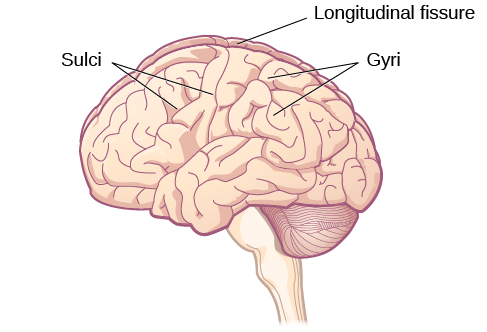
Figure 3.15 The surface of the brain is covered with gyri and sulci. A deep sulcus is called a fissure, such as the longitudinal fissure that divides the brain into left and right hemispheres. (credit: modification of work by Bruce Blaus)
Rose M. Spielman, William J. Jenkins, and Marilyn D. Lovett, Psychology 2E, OpenStax. (credit: modification of work by Bruce Blaus) · CC BY-NC-SA 4.0 · Original image ↗ · Access for free ↗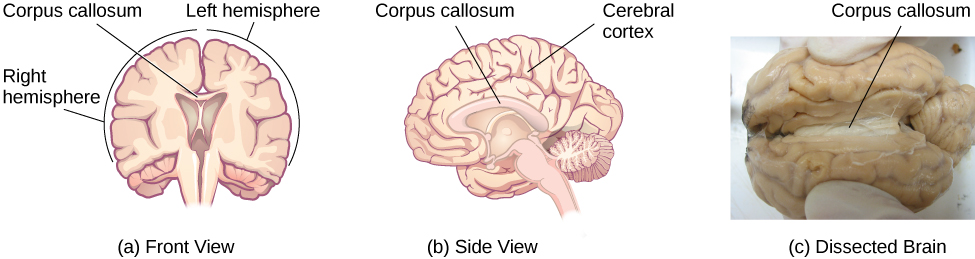
Figure 3.16 (a, b) The corpus callosum connects the left and right hemispheres of the brain. (c) A scientist spreads this dissected sheep brain apart to show the corpus callosum between the hemispheres. (credit c: modification of work by Aaron Bornstein)
Rose M. Spielman, William J. Jenkins, and Marilyn D. Lovett, Psychology 2E, OpenStax. (credit c: modification of work by Aaron Bornstein) · CC BY-NC-SA 4.0 · Original image ↗ · Access for free ↗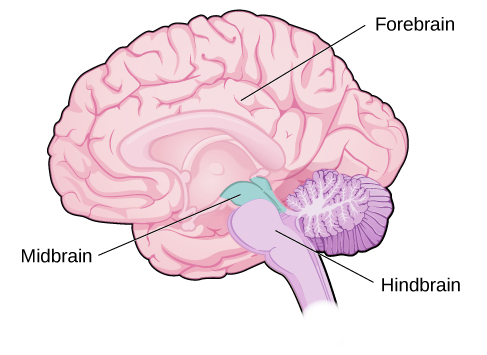
Figure 3.17 The brain and its parts can be divided into three main categories: the forebrain, midbrain, and hindbrain.
Rose M. Spielman, William J. Jenkins, and Marilyn D. Lovett, Psychology 2E, OpenStax. · CC BY-NC-SA 4.0 · Original image ↗ · Access for free ↗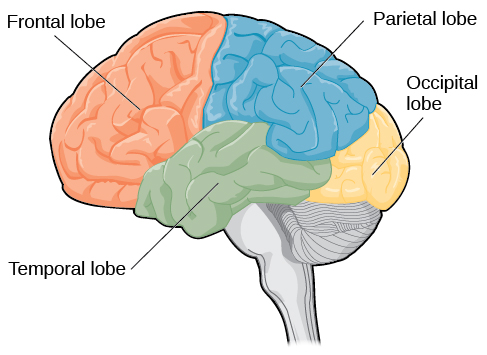
Figure 3.18 The lobes of the brain are shown.
Rose M. Spielman, William J. Jenkins, and Marilyn D. Lovett, Psychology 2E, OpenStax. · CC BY-NC-SA 4.0 · Original image ↗ · Access for free ↗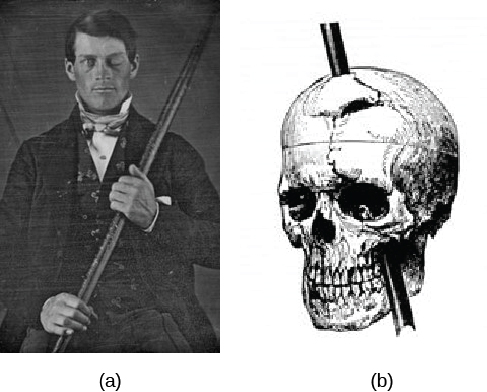
Figure 3.19 (a) Phineas Gage holds the iron rod that penetrated his skull in an 1848 railroad construction accident. (b) Gage’s prefrontal cortex was severely damaged in the left hemisphere. The rod entered Gage’s face on the left side, passed behind his eye, and exited through the top of his skull, before landing about 80 feet away. (credit a: modification of work by Jack and Beverly Wilgus)
Rose M. Spielman, William J. Jenkins, and Marilyn D. Lovett, Psychology 2E, OpenStax. (credit a: modification of work by Jack and Beverly Wilgus) · CC BY-NC-SA 4.0 · Original image ↗ · Access for free ↗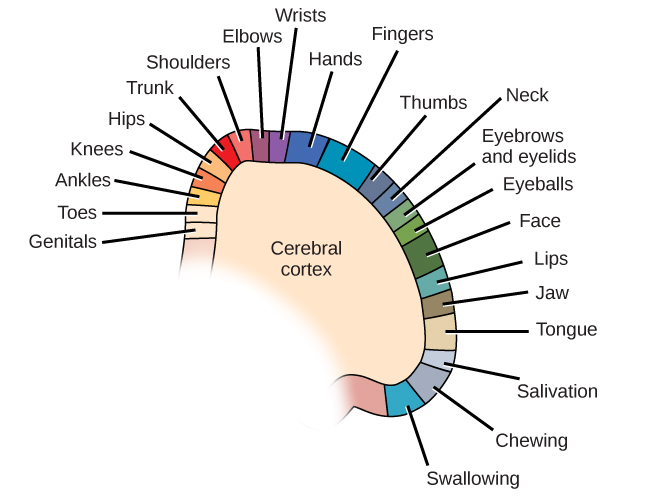
Figure 3.20 Spatial relationships in the body are mirrored in the organization of the somatosensory cortex.
Rose M. Spielman, William J. Jenkins, and Marilyn D. Lovett, Psychology 2E, OpenStax. · CC BY-NC-SA 4.0 · Original image ↗ · Access for free ↗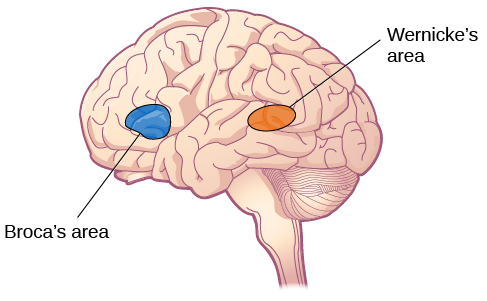
Figure 3.21 Damage to either Broca’s area or Wernicke’s area can result in language deficits. The types of deficits are very different, however, depending on which area is affected.
Rose M. Spielman, William J. Jenkins, and Marilyn D. Lovett, Psychology 2E, OpenStax. · CC BY-NC-SA 4.0 · Original image ↗ · Access for free ↗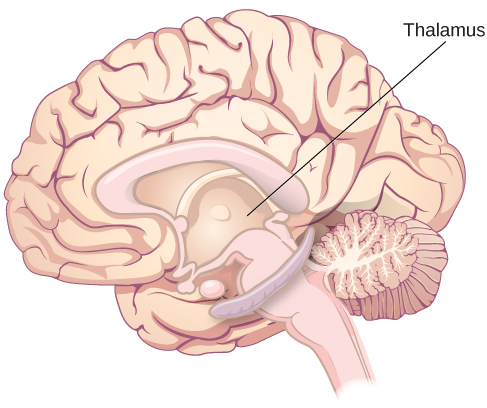
Figure 3.22 The thalamus serves as the relay center of the brain where most senses are routed for processing.
Rose M. Spielman, William J. Jenkins, and Marilyn D. Lovett, Psychology 2E, OpenStax. · CC BY-NC-SA 4.0 · Original image ↗ · Access for free ↗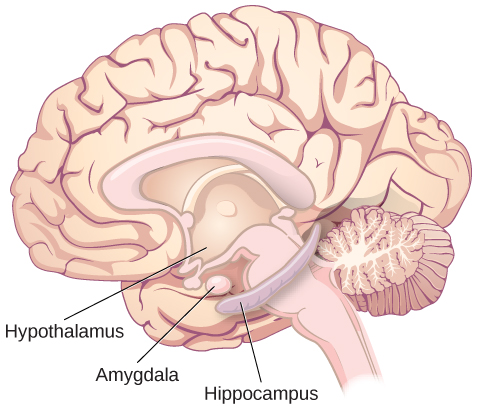
Figure 3.23 The limbic system is involved in mediating emotional response and memory.
Rose M. Spielman, William J. Jenkins, and Marilyn D. Lovett, Psychology 2E, OpenStax. · CC BY-NC-SA 4.0 · Original image ↗ · Access for free ↗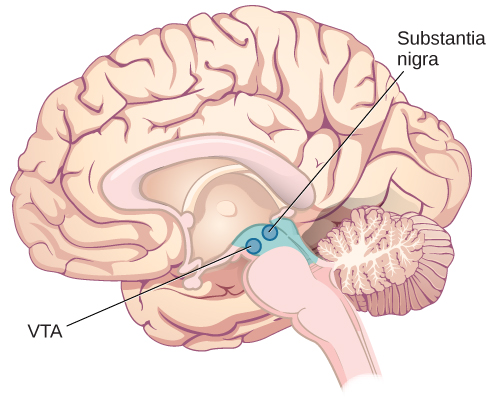
Figure 3.24 The substantia nigra and ventral tegmental area (VTA) are located in the midbrain.
Rose M. Spielman, William J. Jenkins, and Marilyn D. Lovett, Psychology 2E, OpenStax. · CC BY-NC-SA 4.0 · Original image ↗ · Access for free ↗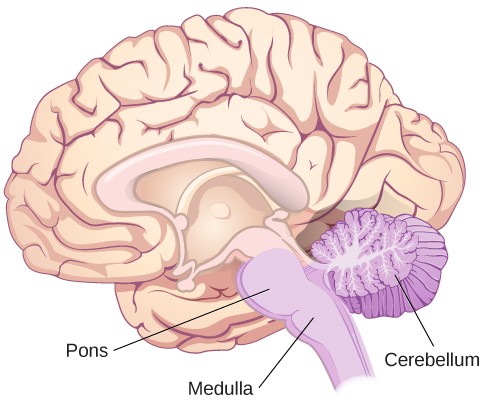
Figure 3.25 The pons, medulla, and cerebellum make up the hindbrain.
Rose M. Spielman, William J. Jenkins, and Marilyn D. Lovett, Psychology 2E, OpenStax. · CC BY-NC-SA 4.0 · Original image ↗ · Access for free ↗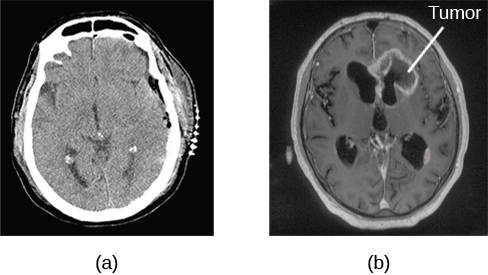
Figure 3.26 A CT scan can be used to show brain tumors. (a) The image on the left shows a healthy brain, whereas (b) the image on the right indicates a brain tumor in the left frontal lobe. (credit a: modification of work by "Aceofhearts1968"/Wikimedia Commons; credit b: modification of work by Roland Schmitt et al)
Rose M. Spielman, William J. Jenkins, and Marilyn D. Lovett, Psychology 2E, OpenStax. (credit a: modification of work by "Aceofhearts1968"/Wikimedia Commons; credit b: modification of work by Roland Schmitt et al) · CC BY-NC-SA 4.0 · Original image ↗ · Access for free ↗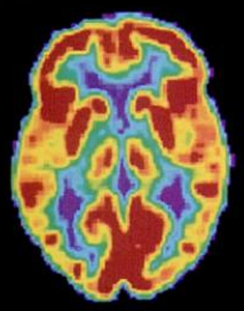
Figure 3.27 A PET scan is helpful for showing activity in different parts of the brain. (credit: Health and Human Services Department, National Institutes of Health)
Rose M. Spielman, William J. Jenkins, and Marilyn D. Lovett, Psychology 2E, OpenStax. (credit: Health and Human Services Department, National Institutes of Health) · CC BY-NC-SA 4.0 · Original image ↗ · Access for free ↗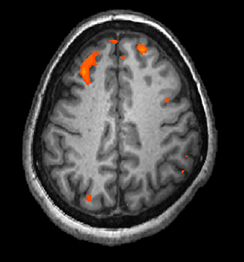
Figure 3.28 An fMRI shows activity in the brain over time. This image represents a single frame from an fMRI. (credit: modification of work by Kim J, Matthews NL, Park S.)
Rose M. Spielman, William J. Jenkins, and Marilyn D. Lovett, Psychology 2E, OpenStax. (credit: modification of work by Kim J, Matthews NL, Park S.) · CC BY-NC-SA 4.0 · Original image ↗ · Access for free ↗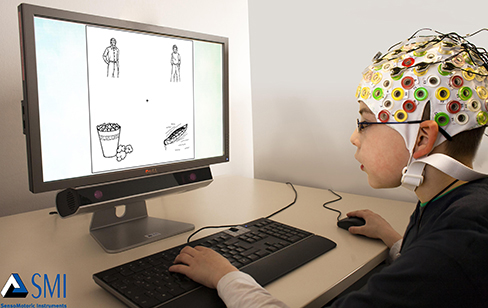
Figure 3.29 Using caps with electrodes, modern EEG research can study the precise timing of overall brain activities. (credit: SMI Eye Tracking)
Rose M. Spielman, William J. Jenkins, and Marilyn D. Lovett, Psychology 2E, OpenStax. (credit: SMI Eye Tracking) · CC BY-NC-SA 4.0 · Original image ↗ · Access for free ↗Source: 3.4 The Brain and Spinal Cord
35.5 Nervous System Disorders — figures and tables
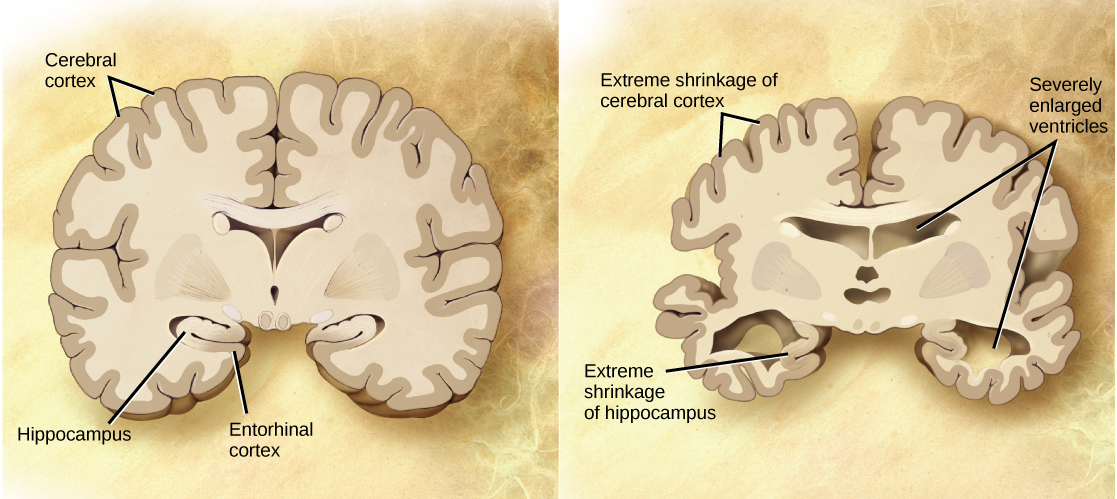
Figure 35.30 Compared to a normal brain (left), the brain from a patient with Alzheimer’s disease (right) shows a dramatic neurodegeneration, particularly within the ventricles and hippocampus. (credit: modification of work by “Garrando”/Wikimedia Commons based on original images by ADEAR: "Alzheimer's Disease Education and Referral Center, a service of the National Institute on Aging”)
Mary Ann Clark, Matthew Douglas, and Jung Choi, Biology 2E, OpenStax. (credit: modification of work by “Garrando”/Wikimedia Commons based on original images by ADEAR: "Alzheimer's Disease Education and Referral Center, a service of the National Institute on Aging”) · CC BY-NC-SA 4.0 · Original image ↗ · Access for free ↗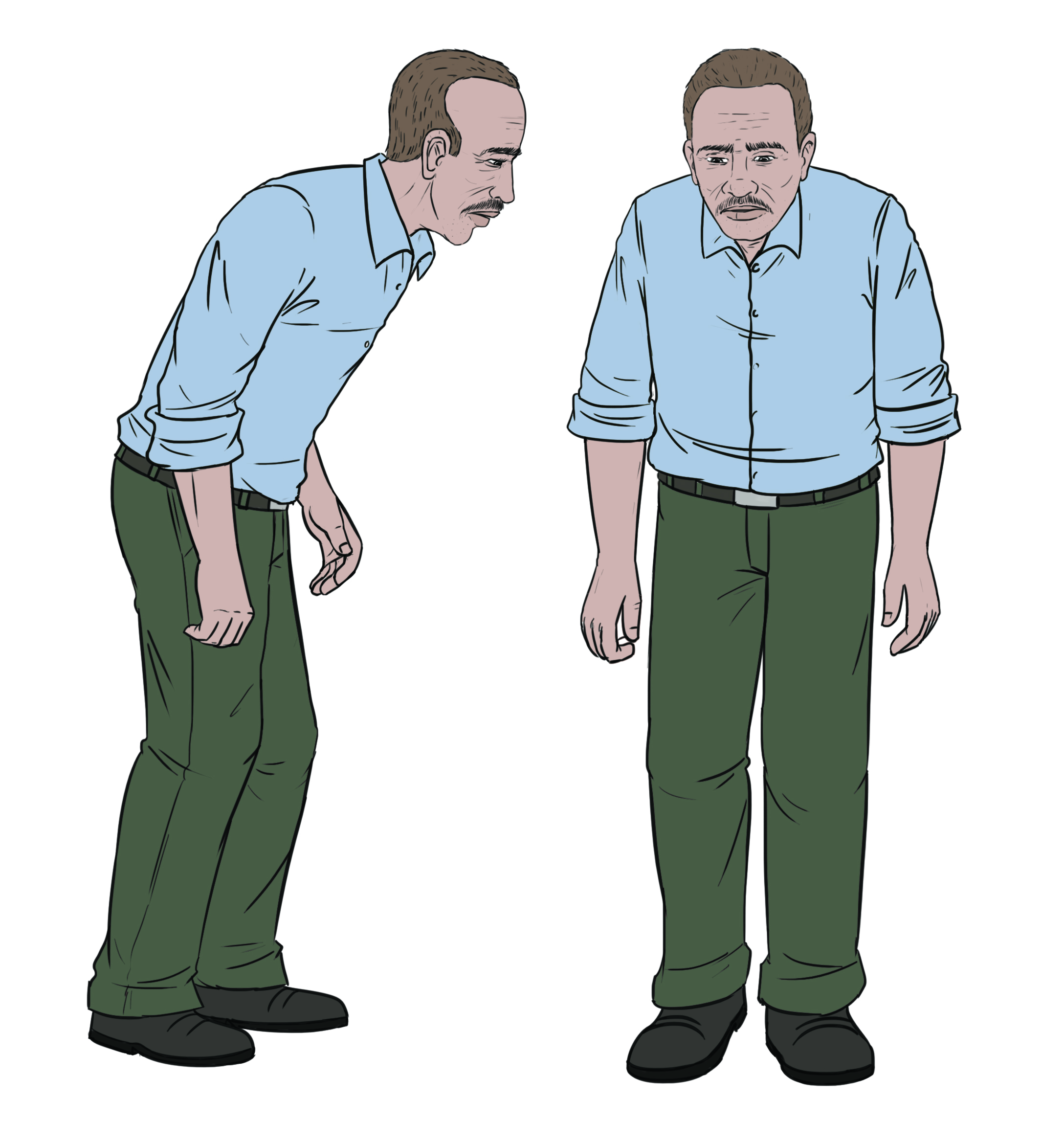
Figure 35.31 Parkinson’s patients often have a characteristic hunched walk.
Mary Ann Clark, Matthew Douglas, and Jung Choi, Biology 2E, OpenStax. · CC BY-NC-SA 4.0 · Original image ↗ · Access for free ↗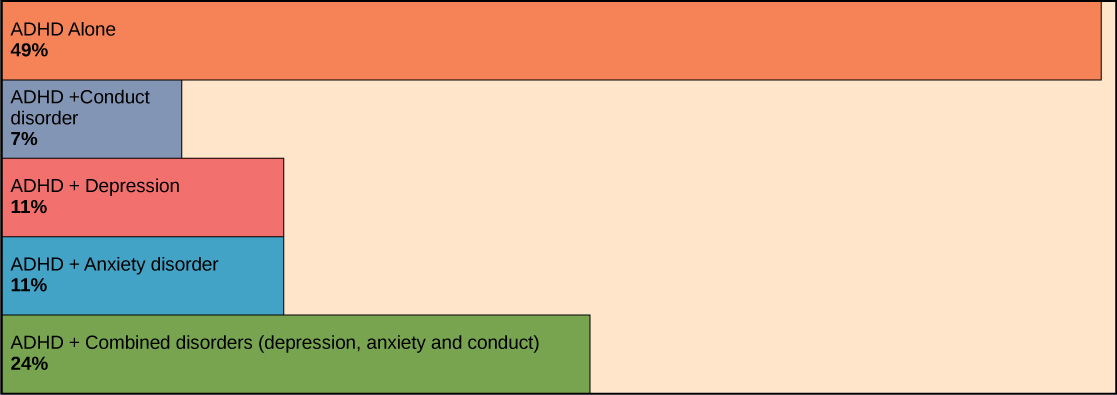
Figure 35.32 Many people with ADHD have one or more other neurological disorders. (credit “chart design and illustration”: modification of work by Leigh Coriale; credit “data”: Drs. Biederman and Faraone, Massachusetts General Hospital).
Mary Ann Clark, Matthew Douglas, and Jung Choi, Biology 2E, OpenStax. (credit “chart design and illustration”: modification of work by Leigh Coriale; credit “data”: Drs. Biederman and Faraone, Massachusetts General Hospital). · CC BY-NC-SA 4.0 · Original image ↗ · Access for free ↗Source: 35.5 Nervous System Disorders