Psychoanalytic accounts emphasize unconscious conflict and defenses; Freud’s id seeks immediate satisfaction, ego negotiates reality, and superego represents internalized standards.
Compare psychoanalytic, humanistic, trait, social-cognitive, biological, and behaviorist perspectives
Psychoanalytic accounts emphasize unconscious conflict and defenses; Freud’s id seeks immediate satisfaction, ego negotiates reality, and superego represents internalized standards. Humanistic accounts emphasize growth, agency, self-concept, and congruence, including Rogers’s unconditional positive regard. Trait theories summarize relatively stable dimensions, commonly openness, conscientiousness, extraversion, agreeableness, and neuroticism. Social-cognitive theories emphasize learned expectations, self-efficacy, and reciprocal influences among person, behavior, and environment. Behaviorist accounts explain patterns through reinforcement histories; biological approaches examine temperament, genetics, and neural processes. These perspectives differ in testability: describing a trait does not itself identify its cause, and historical psychodynamic claims are not established biological mechanisms.
Source: 11.2 Freud and the Psychodynamic Perspective · 11.4 Learning Approaches · 11.5 Humanistic Approaches · 11.7 Trait Theorists · 11.6 Biological Approaches
Evaluate situational explanations alongside stable personality differences
A trait predicts a tendency across occasions, not identical behavior in every situation. Situational strength matters: explicit rules and immediate incentives can constrain behavior, while ambiguous settings allow more individual variation. Person–situation interaction predicts that the same situation can affect people differently and the same person can behave differently across contexts. Self-report inventories efficiently sample patterns but can be affected by interpretation and social desirability; observer reports add a different perspective. Projective measures use ambiguous stimuli, with variable reliability and validity. Repeated observations across settings distinguish a stable pattern from a temporary mood or a response to one role.
Source: 11.2 Freud and the Psychodynamic Perspective · 11.4 Learning Approaches · 11.5 Humanistic Approaches · 11.7 Trait Theorists · 11.6 Biological Approaches
Apply the ideas
Worked question. A usually reserved student speaks confidently when teaching a familiar subject but says little at an unfamiliar party. Does this disprove a stable trait?
No. A stable tendency can coexist with context-specific competence and incentives. Sample multiple situations and compare average patterns instead of treating one episode as a personality diagnosis. A social-cognitive account predicts effects of self-efficacy and expectations; a trait account describes the broader regularity without requiring identical behavior everywhere.
Source: 11.2 Freud and the Psychodynamic Perspective · 11.4 Learning Approaches · 11.5 Humanistic Approaches · 11.7 Trait Theorists · 11.6 Biological Approaches
11.2 Freud and the Psychodynamic Perspective — figures and tables
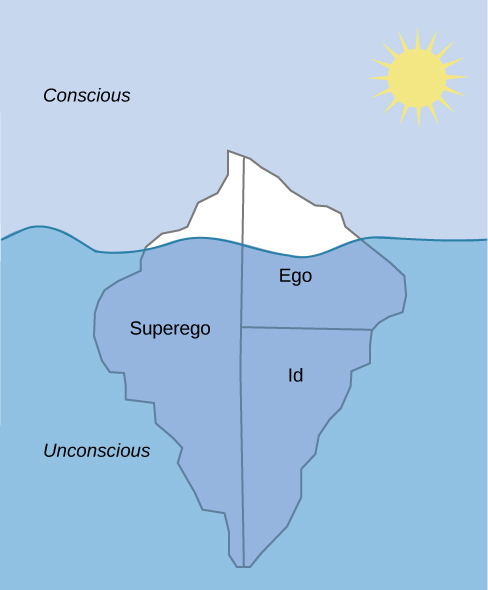
Figure 11.5 Freud believed that we are only aware of a small amount of our mind’s activities and that most of it remains hidden from us in our unconscious. The information in our unconscious affects our behavior, although we are unaware of it.
Rose M. Spielman, William J. Jenkins, and Marilyn D. Lovett, Psychology 2E, OpenStax. · CC BY-NC-SA 4.0 · Original image ↗ · Access for free ↗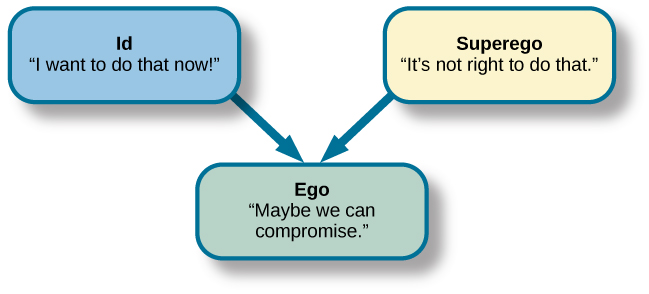
Figure 11.6 The job of the ego, or self, is to balance the aggressive/pleasure-seeking drives of the id with the moral control of the superego.
Rose M. Spielman, William J. Jenkins, and Marilyn D. Lovett, Psychology 2E, OpenStax. · CC BY-NC-SA 4.0 · Original image ↗ · Access for free ↗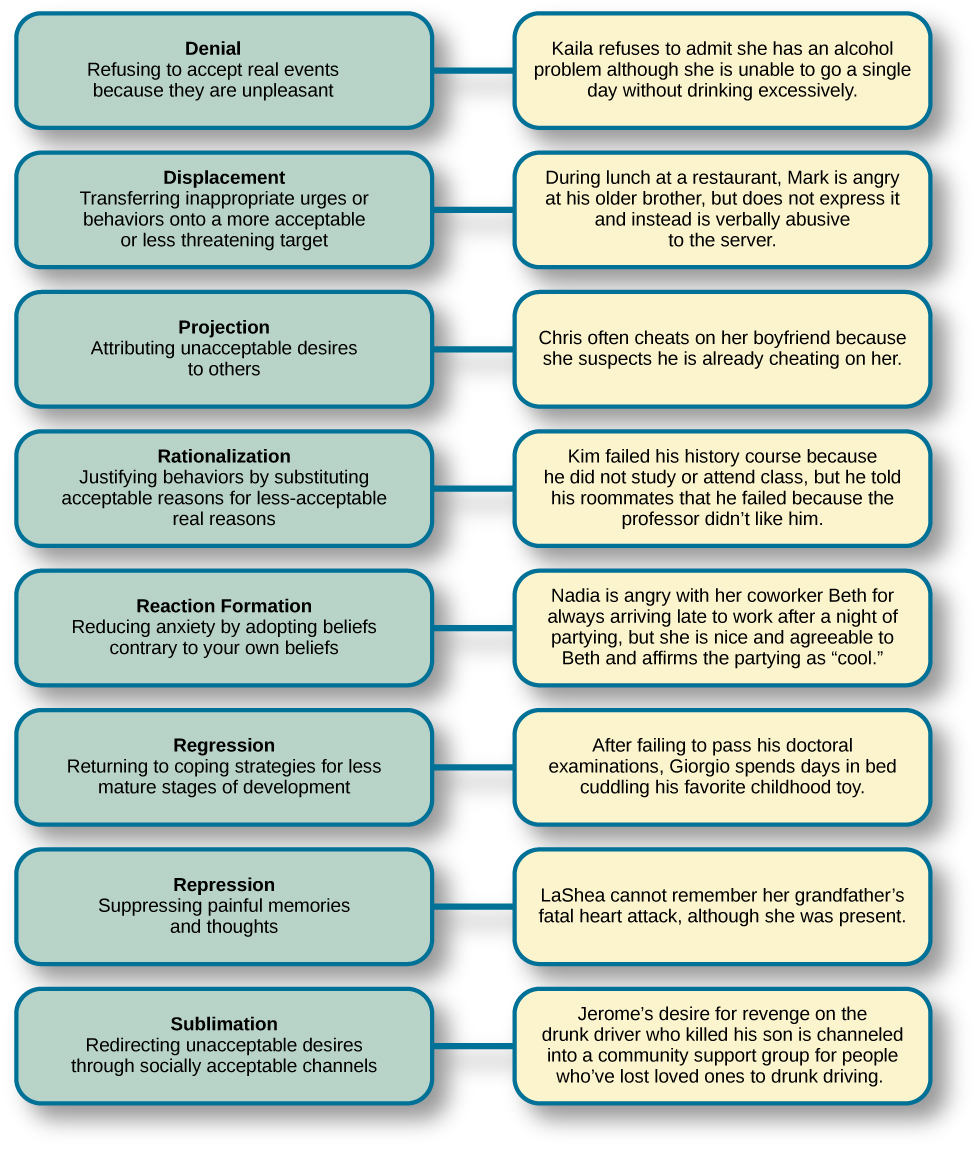
Figure 11.7 Defense mechanisms are unconscious protective behaviors that work to reduce anxiety.
Rose M. Spielman, William J. Jenkins, and Marilyn D. Lovett, Psychology 2E, OpenStax. · CC BY-NC-SA 4.0 · Original image ↗ · Access for free ↗| Stage | Age (years) | Erogenous Zone | Major Conflict | Adult Fixation Example |
|---|---|---|---|---|
| Oral | 0–1 | Mouth | Weaning off breast or bottle | Smoking, overeating |
| Anal | 1–3 | Anus | Toilet training | Neatness, messiness |
| Phallic | 3–6 | Genitals | Oedipus/Electra complex | Vanity, overambition |
| Latency | 6–12 | None | None | None |
| Genital | 12+ | Genitals | None | None |
Table 11.1. Rose M. Spielman, William J. Jenkins, and Marilyn D. Lovett, Psychology 2E, OpenStax.
11.4 Learning Approaches — figures and tables
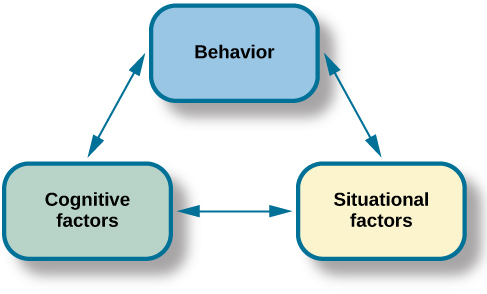
Figure 11.10 Bandura proposed the idea of reciprocal determinism: Our behavior, cognitive processes, and situational context all influence each other.
Rose M. Spielman, William J. Jenkins, and Marilyn D. Lovett, Psychology 2E, OpenStax. · CC BY-NC-SA 4.0 · Original image ↗ · Access for free ↗
Figure 11.11 Locus of control occurs on a continuum from internal to external.
Rose M. Spielman, William J. Jenkins, and Marilyn D. Lovett, Psychology 2E, OpenStax. · CC BY-NC-SA 4.0 · Original image ↗ · Access for free ↗Source: 11.4 Learning Approaches
11.7 Trait Theorists — figures and tables
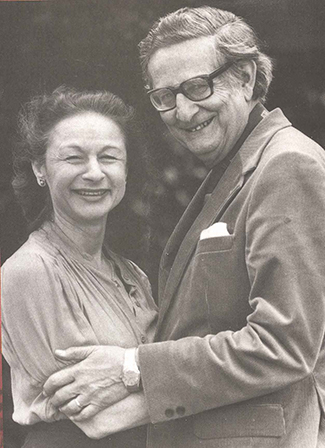
Figure 11.12 Hans and Sybil Eysenck believed that our personality traits are influenced by our genetic inheritance. (credit: "Sirswindon"/Wikimedia Commons)
Rose M. Spielman, William J. Jenkins, and Marilyn D. Lovett, Psychology 2E, OpenStax. (credit: "Sirswindon"/Wikimedia Commons) · CC BY-NC-SA 4.0 · Original image ↗ · Access for free ↗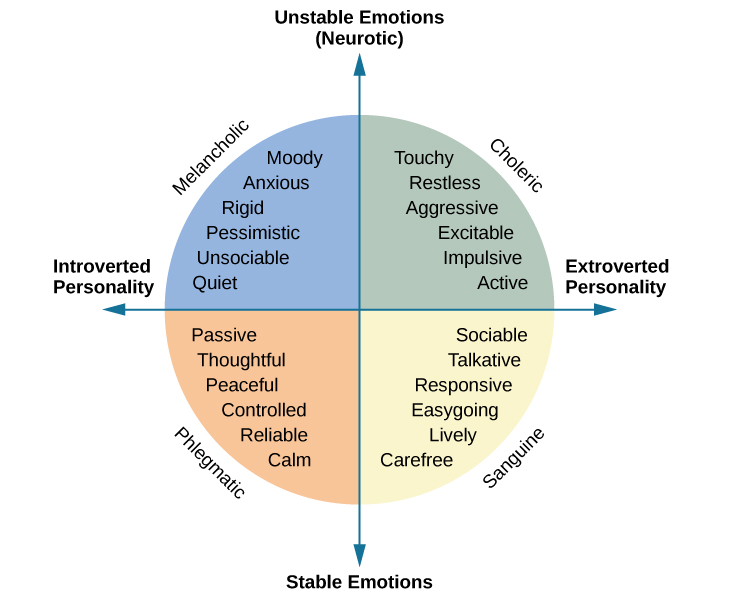
Figure 11.13 The Eysencks described two factors to account for variations in our personalities: extroversion/introversion and emotional stability/instability.
Rose M. Spielman, William J. Jenkins, and Marilyn D. Lovett, Psychology 2E, OpenStax. · CC BY-NC-SA 4.0 · Original image ↗ · Access for free ↗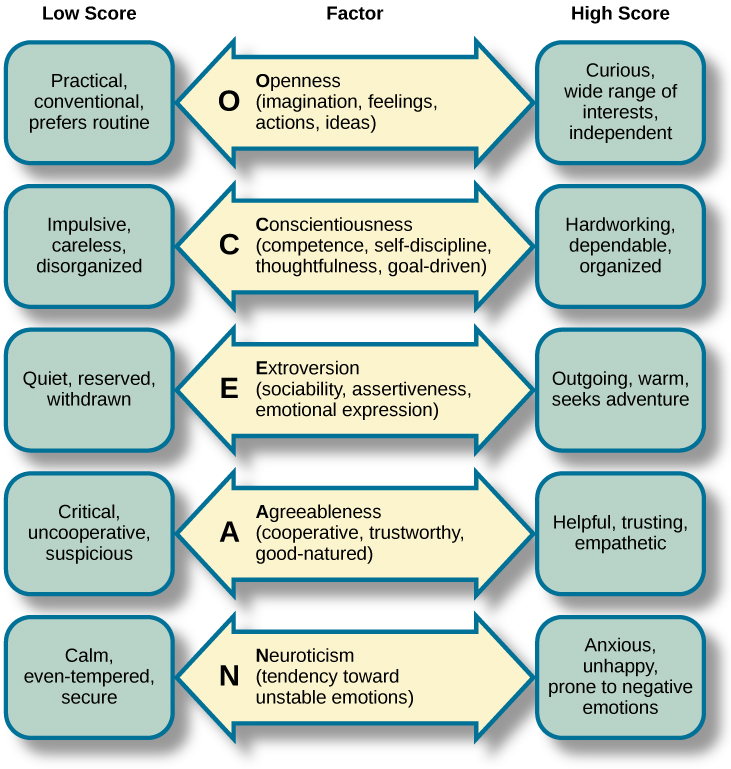
Figure 11.14 In the Five Factor Model, each person has five factors, each scored on a continuum from high to low. In the center column, notice that the first letter of each factor spells the mnemonic OCEAN.
Rose M. Spielman, William J. Jenkins, and Marilyn D. Lovett, Psychology 2E, OpenStax. · CC BY-NC-SA 4.0 · Original image ↗ · Access for free ↗| Factor | Low Score | High Score |
|---|---|---|
| Warmth | Reserved, detached | Outgoing, supportive |
| Intellect | Concrete thinker | Analytical |
| Emotional stability | Moody, irritable | Stable, calm |
| Aggressiveness | Docile, submissive | Controlling, dominant |
| Liveliness | Somber, prudent | Adventurous, spontaneous |
| Dutifulness | Unreliable | Conscientious |
| Social assertiveness | Shy, restrained | Uninhibited, bold |
| Sensitivity | Tough-minded | Sensitive, caring |
| Paranoia | Trusting | Suspicious |
| Abstractness | Conventional | Imaginative |
| Introversion | Open, straightforward | Private, shrewd |
| Anxiety | Confident | Apprehensive |
| Openmindedness | Closeminded, traditional | Curious, experimental |
| Independence | Outgoing, social | Self-sufficient |
| Perfectionism | Disorganized, casual | Organized, precise |
| Tension | Relaxed | Stressed |
Table 11.5. Rose M. Spielman, William J. Jenkins, and Marilyn D. Lovett, Psychology 2E, OpenStax.
| Trait | Example Aspects of Trait |
|---|---|
| (H) Honesty-humility | Sincerity, modesty, faithfulness |
| (E) Emotionality | Sentimentality, anxiety, sensitivity |
| (X) Extraversion | Sociability, talkativeness, boldness |
| (A) Agreeableness | Patience, tolerance, gentleness |
| (C) Conscientiousness | Organization, thoroughness, precision |
| (O) Openness | Creativity, inquisitiveness, innovativeness |
Table 11.6. Rose M. Spielman, William J. Jenkins, and Marilyn D. Lovett, Psychology 2E, OpenStax.
Source: 11.7 Trait Theorists