Foundation 1 · 1B · From genes to proteins

and

Sources ↗

Read 5′ → 3′ in the established frame. Predict a ’s effect on that sequence before deciding what it means for the .

From a to its

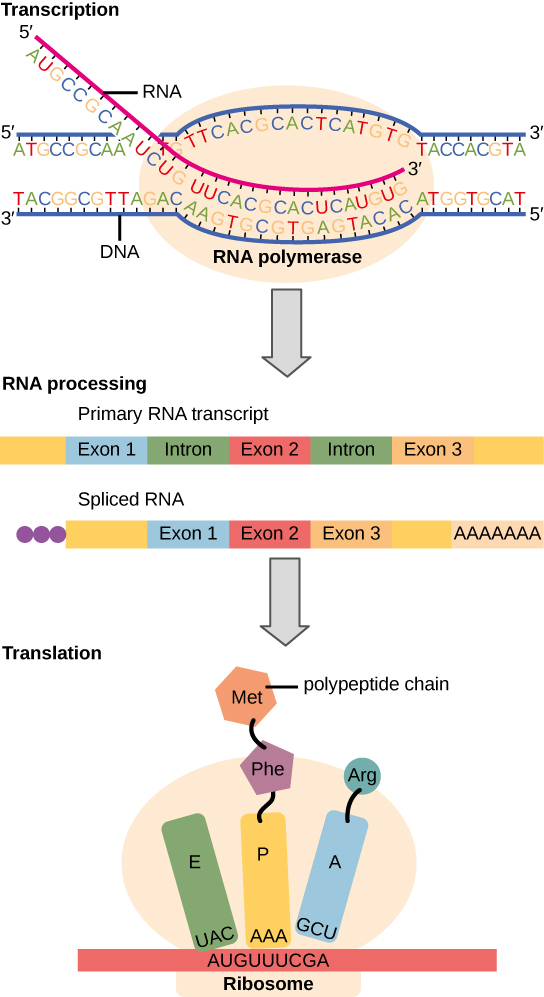
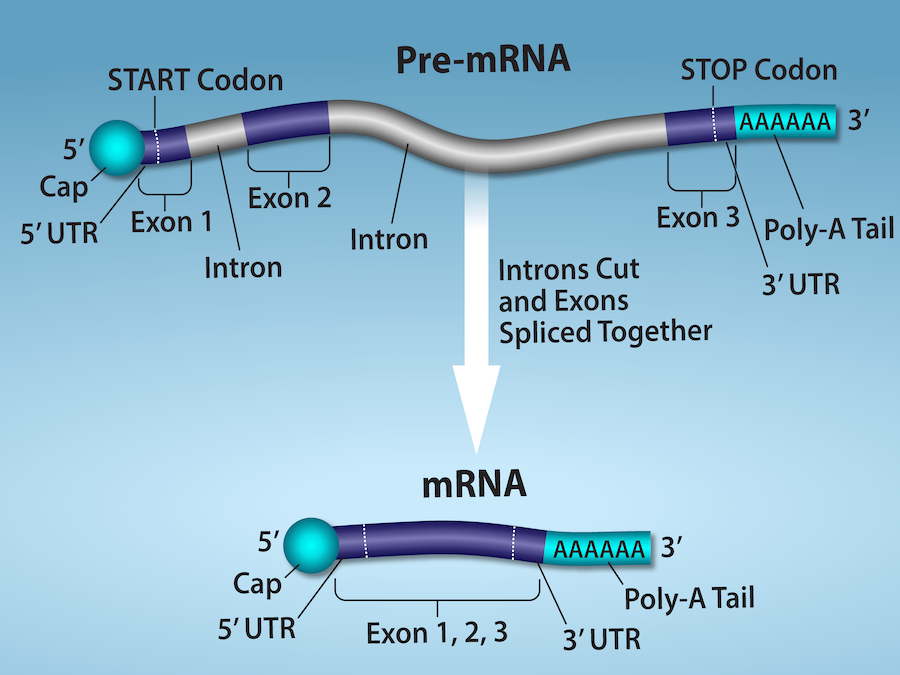
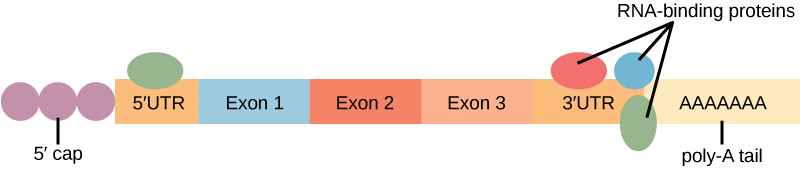
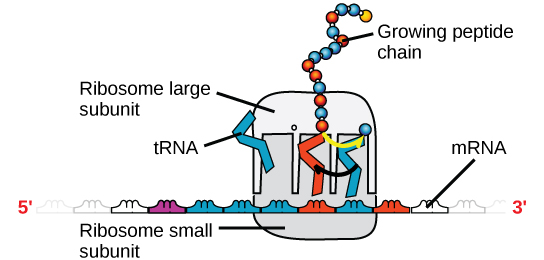
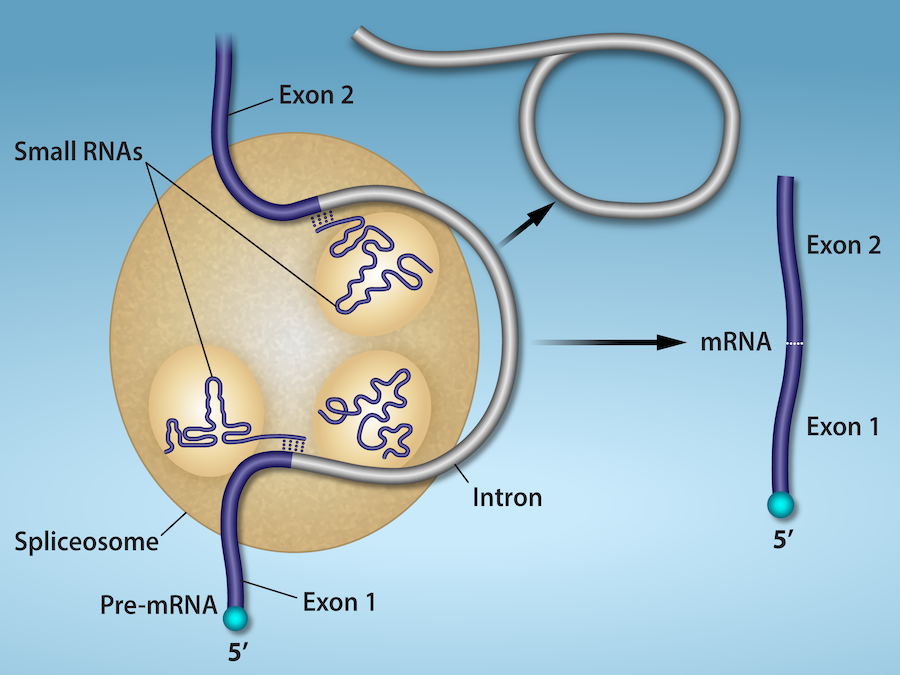
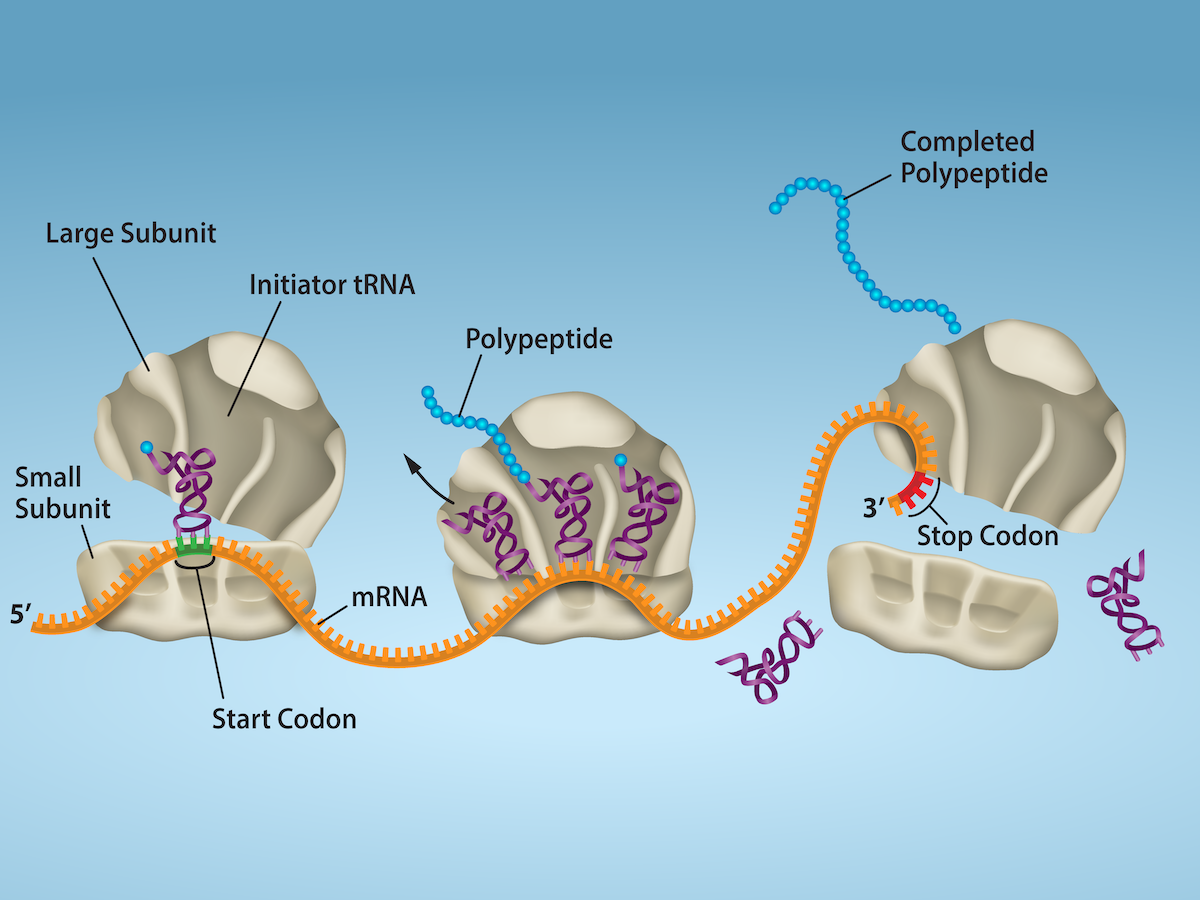
DNA is transcribed into RNA. Introns are removed, exons retained, and a 5′ cap and poly-A tail added. A ribosome translates the processed mRNA into a polypeptide.
From through to

Figure 15.3 Instructions on DNA are transcribed onto messenger RNA. Ribosomes are able to read the genetic information inscribed on a strand of messenger RNA and use this information to string amino acids together into a protein.

Mary Ann Clark, Matthew Douglas, and Jung Choi, Biology 2e, OpenStax. · CC BY-NC-SA 4.0 · Original image ↗ · Access for free ↗

Source: Biology 2e §15.1 — Information flow and the genetic code

Read the code in triplets

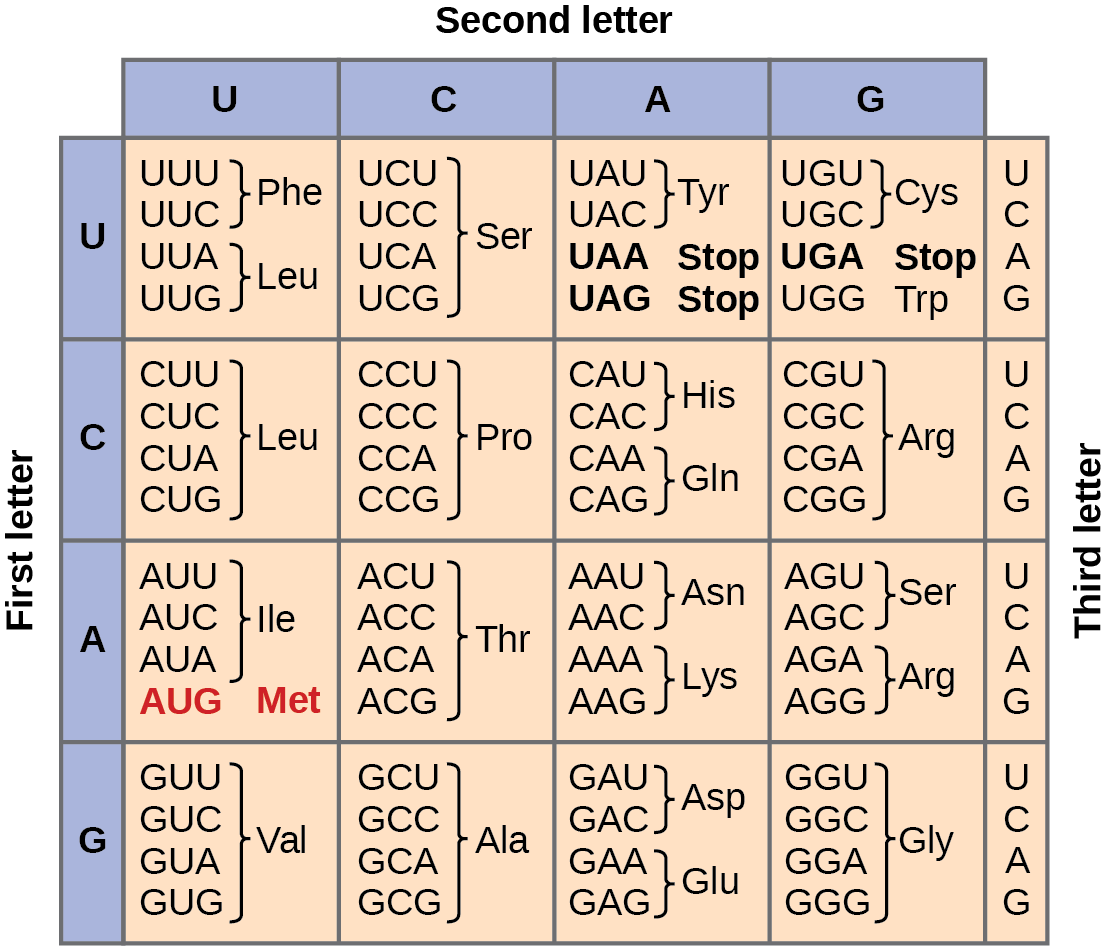
Figure shows all 64 codons. Sixty-one of these code for amino acids, and three are stop codons.
The standard

Figure 15.4 This figure shows the genetic code for translating each nucleotide triplet in mRNA into an amino acid or a termination signal in a protein. (credit: modification of work by NIH)

modification of work by NIH; Mary Ann Clark, Matthew Douglas, and Jung Choi, Biology 2e, OpenStax. · CC BY-NC-SA 4.0 · Original image ↗ · Access for free ↗

Using the chart. Look up the , not the template or the . GAA codes for ; a adds no .

Source: Biology 2e §15.1 — Information flow and the genetic code

pair in the opposite direction

A pairs to an . For 5′-AUG-3′, the aligned is 3′-UAC-5′. Written in the usual 5′ → 3′ convention, that is 5′-CAU-3′.

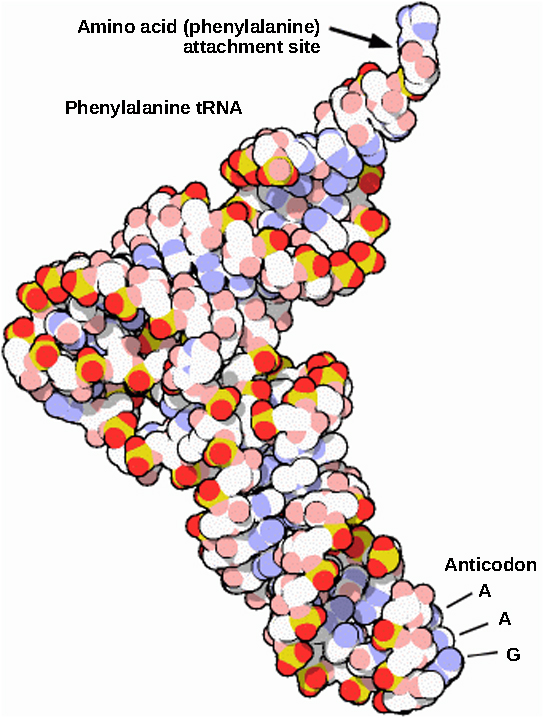
permits some nonstandard pairing between the third of a and the first, 5′ of an . One can therefore recognize more than one . This flexibility does not permit arbitrary throughout the .

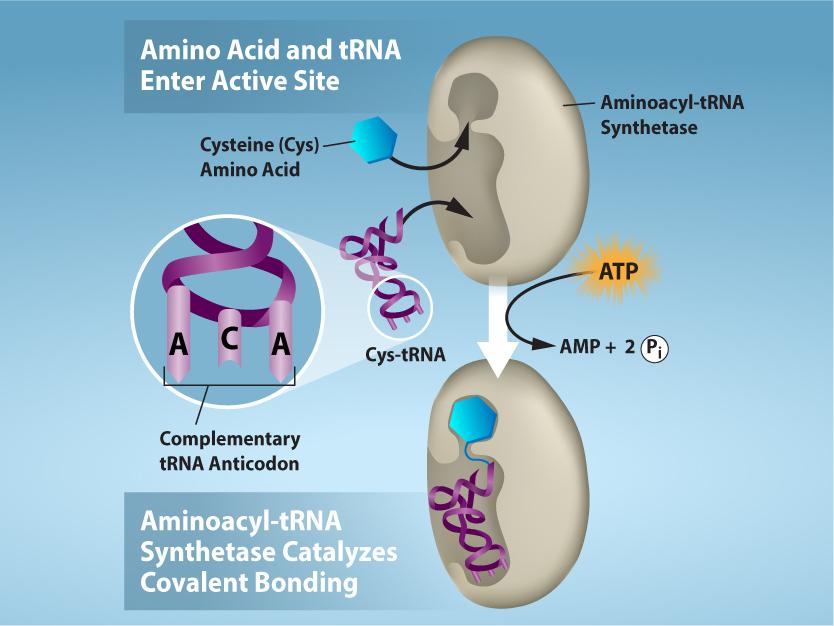
Different kinds of specificity. – pairing selects the . An must first attach the correct to that ; the alone does not perform that chemistry.

Source: Biology 2e §15.1 — Information flow and the genetic code

Predict changes to the message

A replaces a ; an adds one or more; a removes them. A exchanges within the or class. A exchanges a and a . Their effects depend on position and .

Sequence changes and their possible effects
ChangeEffect in a coding sequenceExample or caution
()Same GAA → GAG still specifies ; processing or expression can nevertheless change.
Different GAA → GUA changes to ; functional impact depends on location and chemistry.
becomes a stopGAA → UAA can truncate the or promote degradation of the .
grouping changesA coding or whose length is not divisible by three shifts the frame.
Adds or removes while preserving the frameA three- change can still disrupt an or folding.
or Alters initiation or terminationLosing a start may prevent initiation or favor a later site; losing a stop may extend .

Authored study comparison; original source material is preserved in the Original text tab.
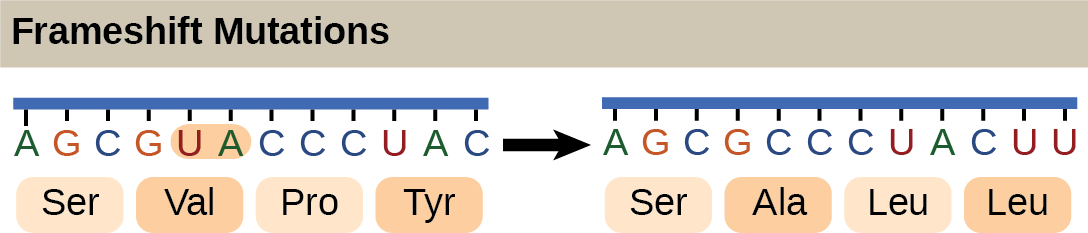
Deletion of two nucleotides shifts the mRNA reading frame and changes the downstream codons.
How a changes the

Figure 15.5 The deletion of two nucleotides shifts the reading frame of an mRNA and changes the entire protein message, creating a nonfunctional protein or terminating protein synthesis altogether.

Mary Ann Clark, Matthew Douglas, and Jung Choi, Biology 2e, OpenStax. · CC BY-NC-SA 4.0 · Original image ↗ · Access for free ↗
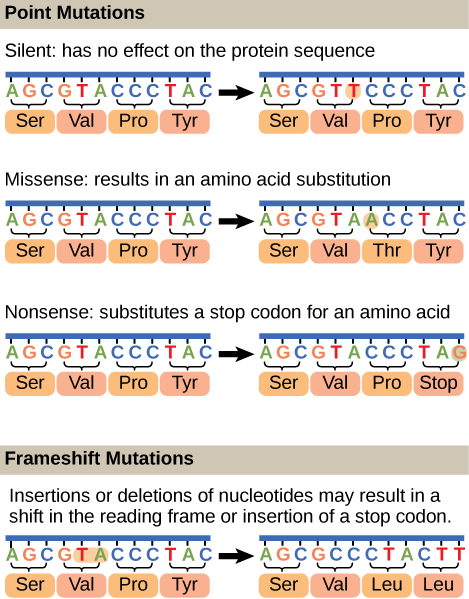
Nucleotide substitutions can preserve an amino acid, change an amino acid, or create a stop codon. A one-nucleotide insertion shifts the downstream reading frame.
, , and

Figure 14.21 Mutations can lead to changes in the protein sequence encoded by the DNA.

Mary Ann Clark, Matthew Douglas, and Jung Choi, Biology 2e, OpenStax. · CC BY-NC-SA 4.0 · Original image ↗ · Access for free ↗

Frame depends on context. An of three within a coding region preserves the ; it is not ordinarily a . The source visual question uses that label loosely. An can instead alter , and can alter abundance.

arise in body cells and can affect a cell lineage. can be inherited if the altered contributes to an offspring. Neither location guarantees that a changes a or causes disease.

Source: Biology 2e §15.1 — Information flow and the genetic code · Biology 2e §14.6 — Mutation types and sequence consequences
Practice: sequence to

Question. A template segment is 3′-TAC CTT GGA ACT-5′. Assume begins at the first resulting AUG. Write the and , then write the first in the 5′ → 3′ direction.

Show sequence reasoning

The complementary is 5′-AUG GAA CCU UGA-3′. The is ––; UGA is the stop signal. The first is 5′-CAU-3′. The would be 5′-ATG GAA CCT TGA-3′.

Source: Biology 2e §15.1 — Information flow and the genetic code

Practice: compare three

Question. In the same , change GAA to GAG, GUA, or UAA. Classify each change. Would deleting three coding necessarily leave function unchanged?

Show reasoning

GAG is because it still specifies . GUA is because it specifies . UAA is because it is a . A three- preserves the frame, but the lost and any changed junction can still impair function.

Source: Biology 2e §15.1 — Information flow and the genetic code · Biology 2e §14.6 — Mutation types and sequence consequences
199 terms, alphabetically ordered

5′ end · ·

The end of a nucleic- strand associated with the sugar’s 5′ position. Sequences are conventionally written from 5′ to 3′.

Read explanation · OpenStax ↗
Absorbance

A measure of how much incident light a sample absorbs at a particular .

Read explanation · Waters ↗
Acid · ·

In the Brønsted–Lowry model, a substance that can donate a . Acidic have a higher activity than water.

Read explanation · OpenStax ↗
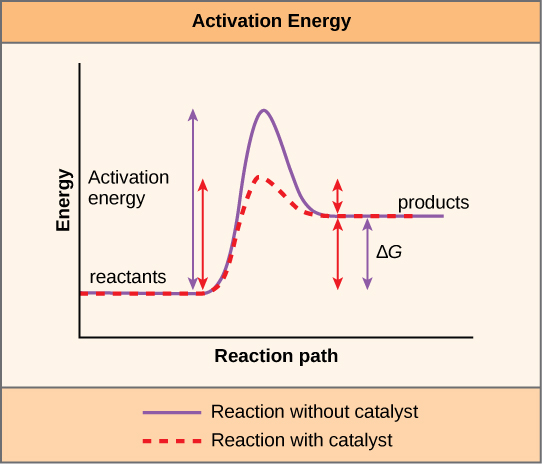
Activation energy ·

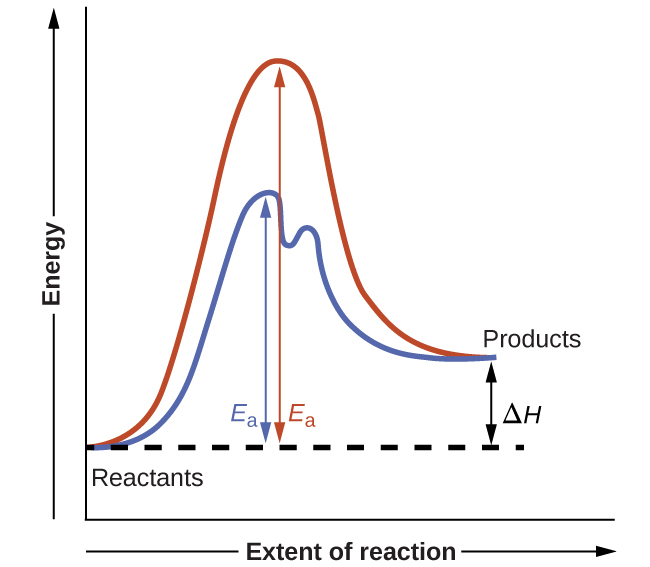
The energy barrier that must overcome to reach a and undergo .

Read explanation · OpenStax ↗
Active catalytic-site concentration ·

The total of active sites used to calculate from . It equals active when each has one site.

Read explanation · Biology LibreTexts ↗
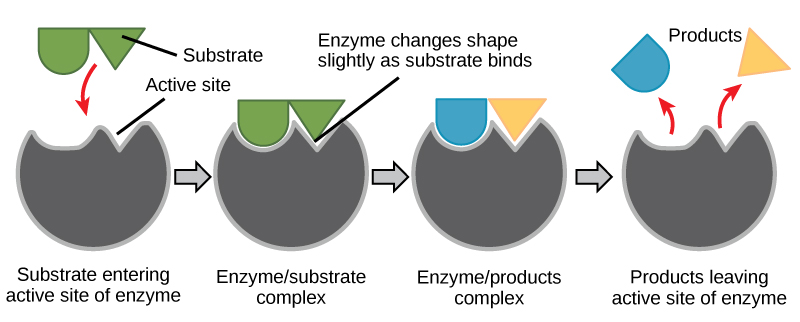
Active site

The region of an that binds its and carries out .

Read explanation · OpenStax ↗
Adenine

A that pairs with in and in .

Read explanation · OpenStax ↗
Adenosine triphosphate

An energy-carrying ; its powers many cellular processes, including cycles.

Read explanation · OpenStax ↗
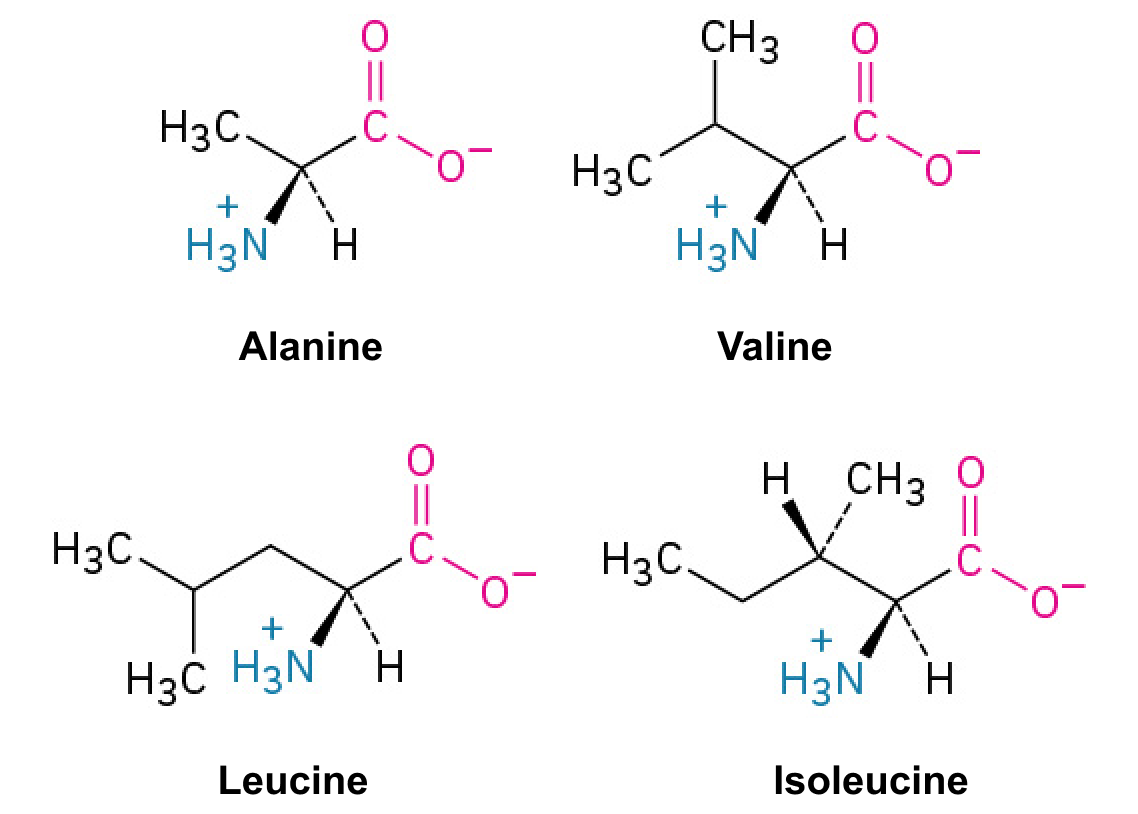
Alanine ·

A with a .

Read explanation · OpenStax ↗
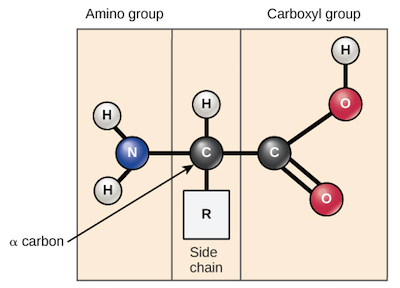
Alpha carbon · ·

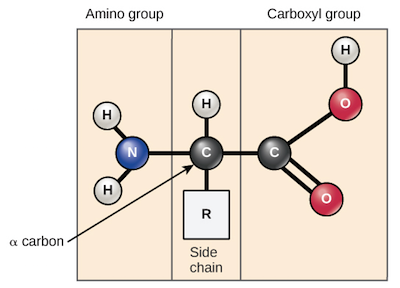
The central carbon next to the carboxyl carbon. In a standard it binds an , hydrogen, and .

Read explanation · OpenStax ↗
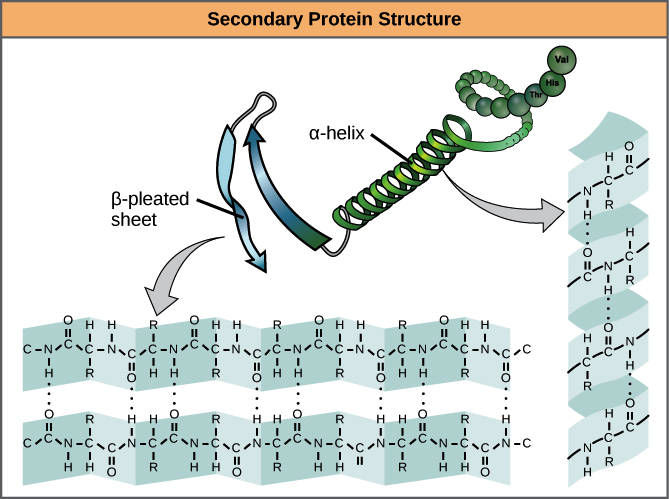
Alpha helix · · · · · ·

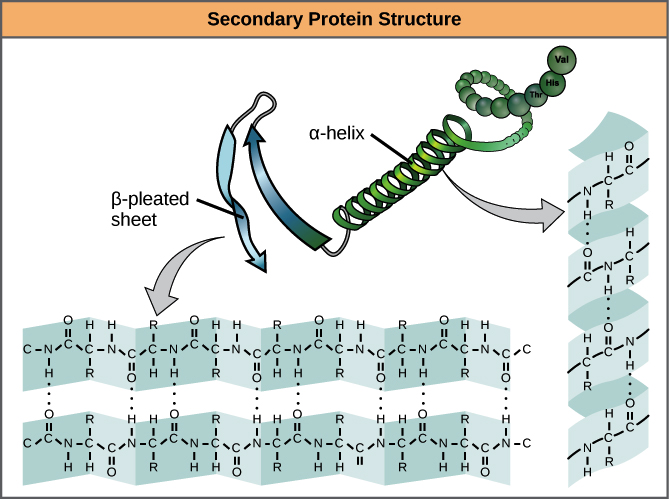
A helical stabilized by between a oxygen and an hydrogen four later.

Read explanation · OpenStax ↗
Amide · · ·

A group containing a carbon bonded to nitrogen. are amide linkages.

Read explanation · OpenStax ↗
Amino acid

A building block containing amino and and a characteristic .

Read explanation · OpenStax ↗
Amino acid residue · ·

The part of an incorporated into a chain. Residue can also describe another building block within a larger .

Read explanation · OpenStax ↗
Amino group · · ·

A nitrogen-containing . A free ’s amino group is typically (NH₃⁺) near physiological ; ’s ring nitrogen is an exception to this formula.

Read explanation · OpenStax ↗
Aminoacyl-tRNA synthetase · · · · ·

An that uses to attach the appropriate to a ; many also edit charging errors.

Read explanation · OpenStax ↗
Amphipathic

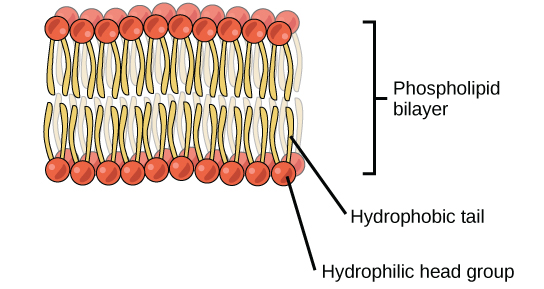
Having both a region and a region, as in a or .

Read explanation · OpenStax ↗
Anticodon

A triplet that pairs to an . The anticodon for 5′-AUG-3′ is aligned 3′-UAC-5′, or written 5′-CAU-3′.

Read explanation · NCBI Bookshelf / Garland Science ↗
Antiparallel

Running in opposite directions, as with two strands or neighboring strands in some .

Read explanation · OpenStax ↗
Aqueous solution ·

A in which water is the .

Read explanation · OpenStax ↗
Aromatic

Containing a cyclic, with . , , and have aromatic .

Read explanation · OpenStax ↗
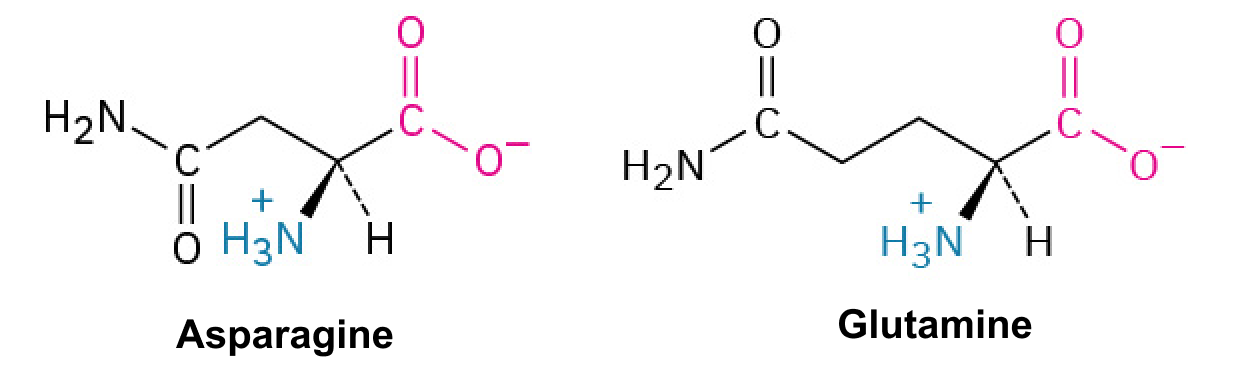
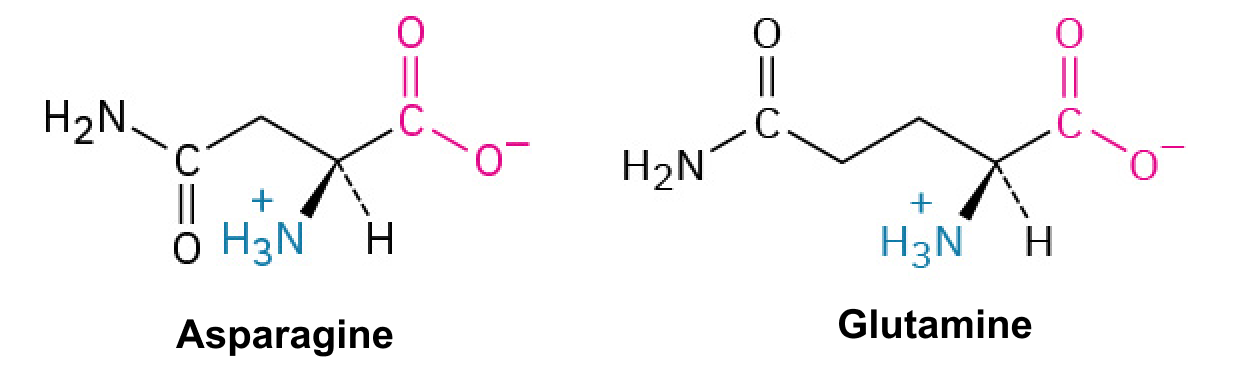
Asparagine ·

A , uncharged with an .

Read explanation · OpenStax ↗
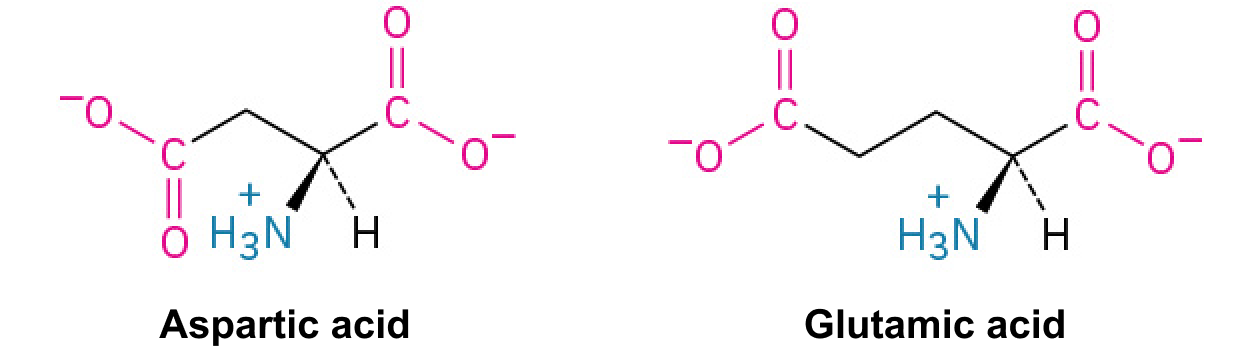
Aspartate · ·

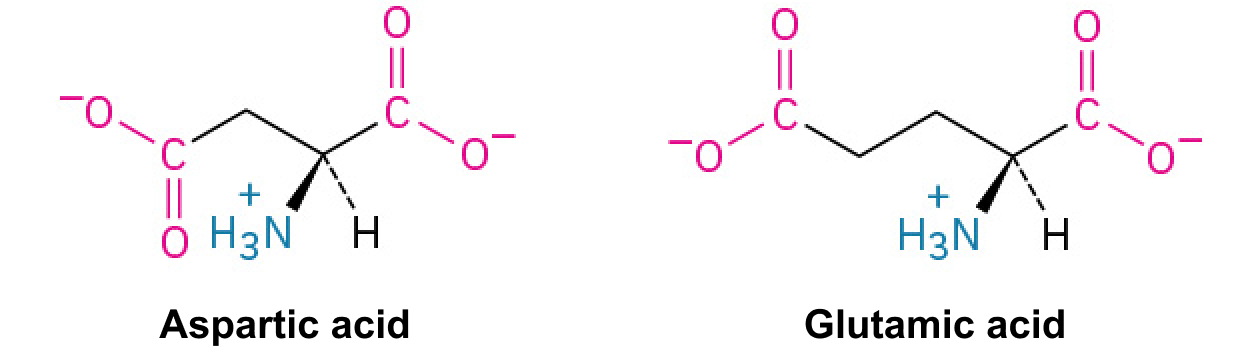
An whose is usually negatively near physiological .

Read explanation · OpenStax ↗
Atom

The smallest unit of an element that retains its chemical identity; it has a surrounded by .

Read explanation · OpenStax ↗
Benzene ring

A six-carbon ring with .

Read explanation · OpenStax ↗
Benzyl group

A attached through a –CH₂– group; part of ’s .

Read explanation · OpenStax ↗
Beta sheet · · · · · ·

A made of aligned segments connected by ; strands may be parallel or .

Read explanation · OpenStax ↗
Biomolecule

A made by or involved in living systems, including , , , and .

Read explanation · OpenStax ↗
Blotting ·

Transfer of separated or to a so a specific target can be detected.

Read explanation · Thermo Fisher ↗
Brønsted–Lowry base · · · · · · · · · ·

In the Brønsted–Lowry model, a substance that can accept a . Basic solutions have lower activity than water.

Read explanation · OpenStax ↗
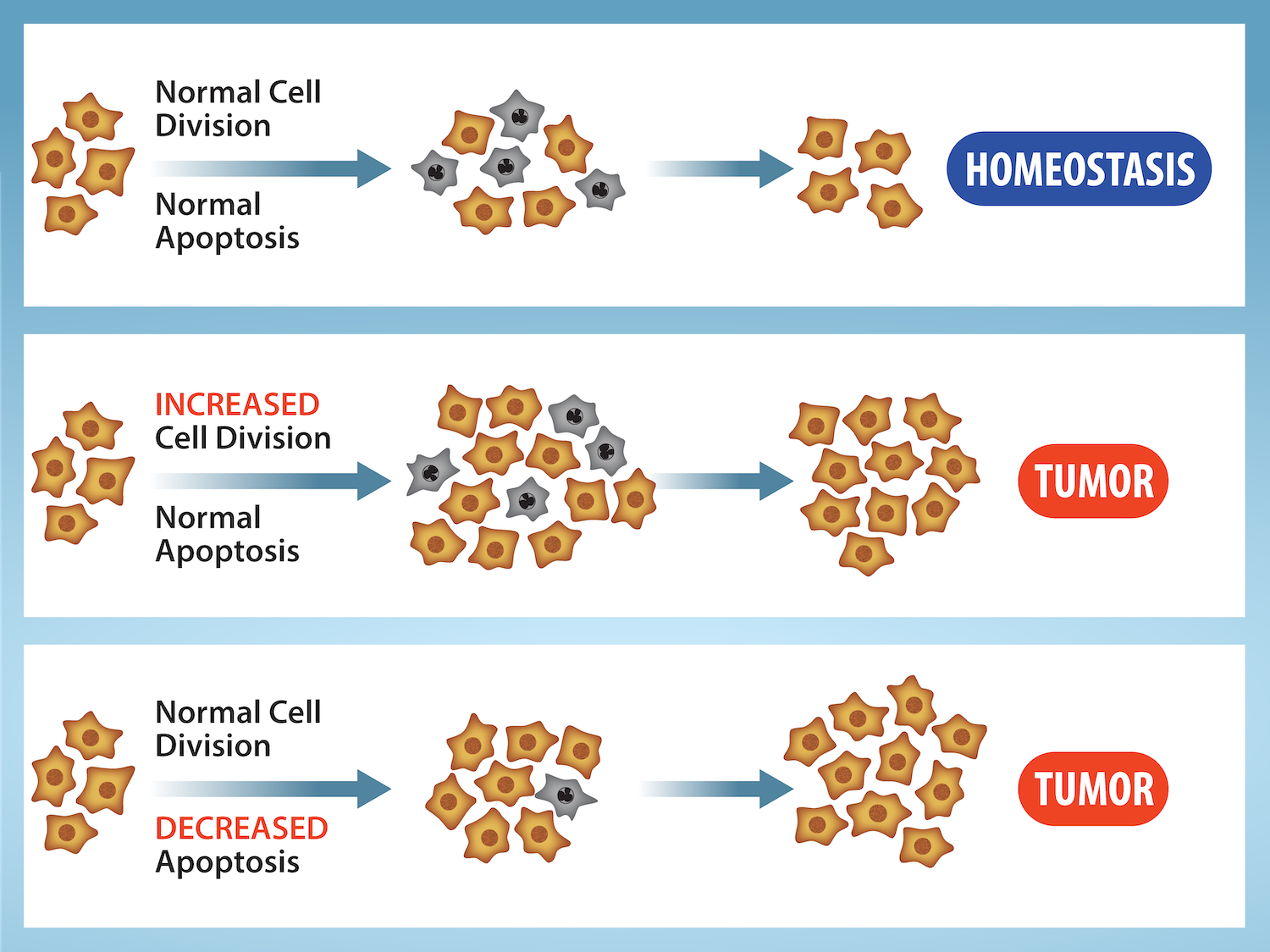
Cancer

A group of diseases involving abnormal cells that can proliferate without normal restraints and invade tissues.

Read explanation · OpenStax ↗
Carbohydrate

A class of including sugars and their , used for energy storage, structure, and recognition.

Read explanation · OpenStax ↗
Carbonyl group · ·

A carbon double-bonded to oxygen, C=O; present in and many other .

Read explanation · OpenStax ↗
Carboxyl group · ·

An , COOH. In free it is usually to COO⁻ near physiological .

Read explanation · OpenStax ↗
Catalyst · ·

A substance that speeds a by providing a pathway with lower and is regenerated rather than consumed overall.

Read explanation · OpenStax ↗
Central dogma

The principle that sequence information flows between and from into , but is not transferred back from a sequence into . → → is the usual cellular expression pathway.

Read explanation · OpenStax ↗
Chemical reaction ·

A process that rearranges and chemical bonds, converting into .

Read explanation · OpenStax ↗
Chromosomal translocation · ·

Movement of a segment to another location, sometimes caused by incorrect repair of breaks.

Read explanation · Biology LibreTexts / Oregon State University ↗
Chromosome ·

An organized with associated that carries . A replicated chromosome has two .

Read explanation · OpenStax ↗
Coding strand · · ·

The strand whose -region sequence matches the , with T in replacing U in ; the opposite strand serves as template.

Read explanation · OpenStax ↗
Codon

A sequence of three that specifies an or a stop signal.

Read explanation · OpenStax ↗
Concentration

The amount of a substance in a specified volume or mass of mixture.

Read explanation · OpenStax ↗
Conjugated system ·

Adjacent orbitals that allow to be distributed across several , often through alternating single and multiple bonds.

Read explanation · OpenStax ↗
Cooperativity · ·

An interaction in which binding at one site changes binding at other sites. Positive cooperativity can produce a response.

Read explanation · Biology LibreTexts ↗
Covalent bond · ·

A bond in which share pairs. and are covalent.

Read explanation · OpenStax ↗
Cysteine ·

An with a . Two cysteines can form a .

Read explanation · OpenStax ↗
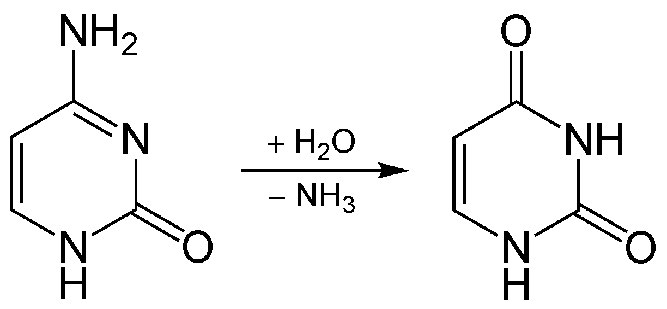
Cytosine

A in and that pairs with . can convert it to .

Read explanation · OpenStax ↗
Deamination

Removal of an . Deamination of produces and can change genetic information if unrepaired.

Read explanation · Biology LibreTexts / Oregon State University ↗
Degeneracy ·

Redundancy of the : several can specify the same . A standard still specifies only one .

Read explanation · OpenStax ↗
Deletion

Loss of one or more from a sequence. The consequence depends on the affected region and length.

Read explanation · OpenStax ↗
Deoxyribonucleic acid

The that stores genetic information used to specify and sequences.

Read explanation · OpenStax ↗
Deprotonation

Removal of a from a or group; this changes its by minus one.

Read explanation · OpenStax ↗
Detergent

An substance that can associate with both water and material; detergents can disrupt or interactions.

Read explanation · Thermo Fisher ↗
Disulfide bond · · ·

A covalent sulfur–sulfur bond formed by of two , which can stabilize structure.

Read explanation · NCBI Bookshelf ↗
DNA replication

Copying so genetic information can be passed to daughter cells. Each guides a complementary new strand.

Read explanation · OpenStax ↗
Double helix · · ·

Two strands wound around a common axis. normally has complementary, strands.

Read explanation · OpenStax ↗
Downstream

Later along a directed sequence or process; in , toward positions following a reference site in the direction of synthesis.

Read explanation · OpenStax ↗
Electric charge · · ·

An electrical property that can be positive or negative. Opposite charges attract and like charges repel; net charge is the sum of all charges on a particle.

Read explanation · OpenStax ↗
Electron

A negatively subatomic particle. Electron sharing and transfer determine much of chemical bonding.

Read explanation · OpenStax ↗
Electron delocalization ·

Distribution of across several rather than confinement to one or bond.

Read explanation · OpenStax ↗
Electronegativity ·

An ’s tendency to attract shared in a chemical bond. Unequal attraction can make a bond .

Read explanation · OpenStax ↗
Enzyme

A biological that speeds a without being consumed. Most enzymes are .

Read explanation · OpenStax ↗
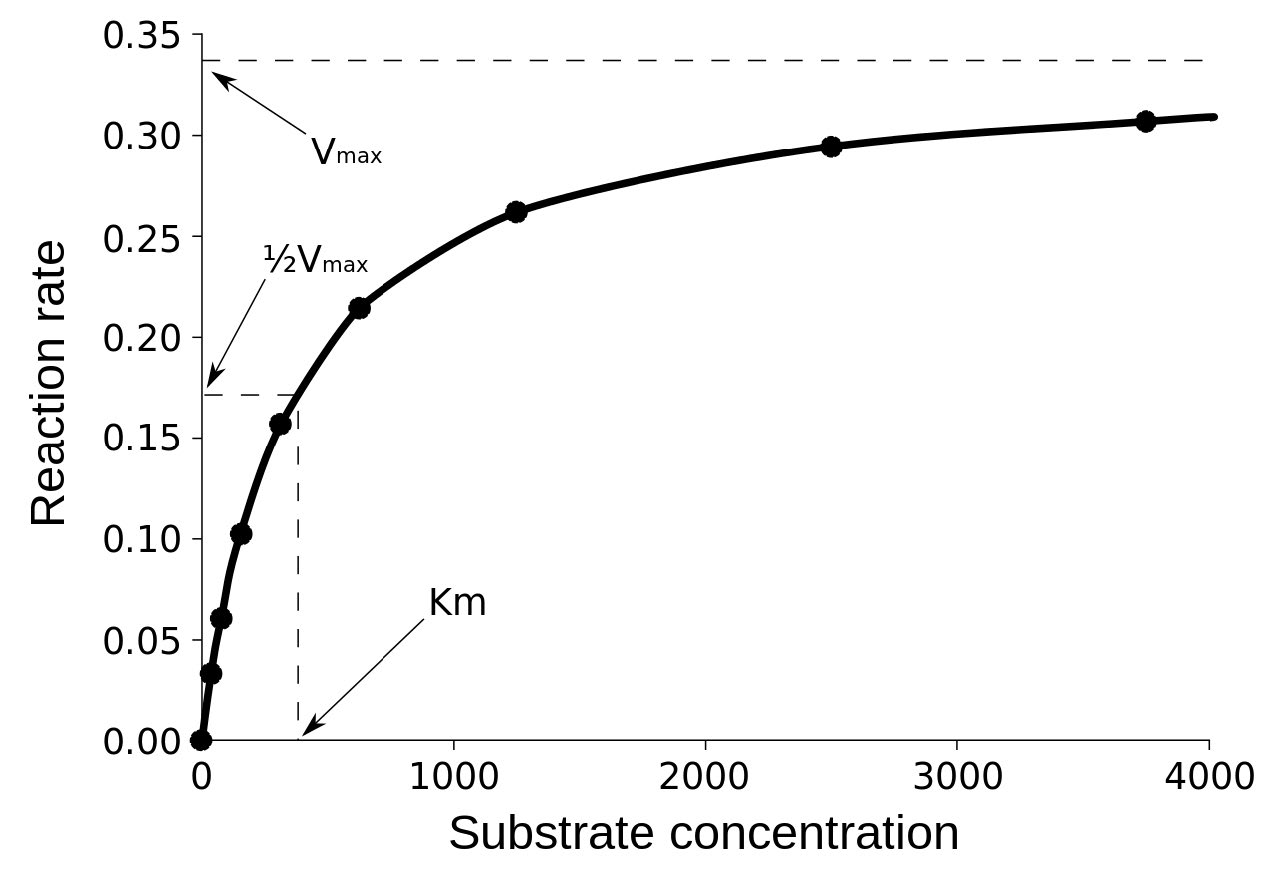
Enzyme saturation · ·

The high- limit in which sites spend almost all their time processing and the rate approaches .

Read explanation · Biology LibreTexts ↗
Eukaryote ·

An organism whose cells have a -enclosed ; animals, plants, fungi, and protists are eukaryotes.

Read explanation · OpenStax ↗
Exon

A segment retained in a mature spliced . In an exon may contain coding sequence, untranslated sequence, or both.

Read explanation · OpenStax ↗
First-order kinetics

A rate dependence proportional to the first power of a . At low , a is approximately first-order in .

Read explanation · Biology LibreTexts ↗
Frameshift mutation · ·

A change in grouping caused by a coding or whose length is not a multiple of three. and stop positions can change.

Read explanation · National Human Genome Research Institute ↗
Functional group

A group of whose chemical behavior gives a characteristic and properties.

Read explanation · OpenStax ↗
gamete

A reproductive cell that contributes a during fertilization.

Read explanation · OpenStax ↗
Gene

A sequence that contributes to a functional or , together with the information needed to express it.

Read explanation · OpenStax ↗
Gene expression

Production of a functional from a , including and, for -coding , .

Read explanation · NCBI Bookshelf ↗
Genetic code

The correspondence between and or termination signals used during .

Read explanation · OpenStax ↗
Genome

The complete genetic material of an organism or cell.

Read explanation · OpenStax ↗
Germline · · ·

The cell lineage that produces . A germline mutation can be inherited if the altered contributes to an offspring.

Read explanation · OpenStax ↗
Glutamate · ·

An whose is usually negatively near physiological .

Read explanation · OpenStax ↗
Guanine

A that pairs with through three .

Read explanation · OpenStax ↗
Half-life

The time required for half of a population or amount to remain during decay; a constant half-life is characteristic of decay.

Read explanation · OpenStax ↗
Haploid

Having one set of , as in a human .

Read explanation · OpenStax ↗
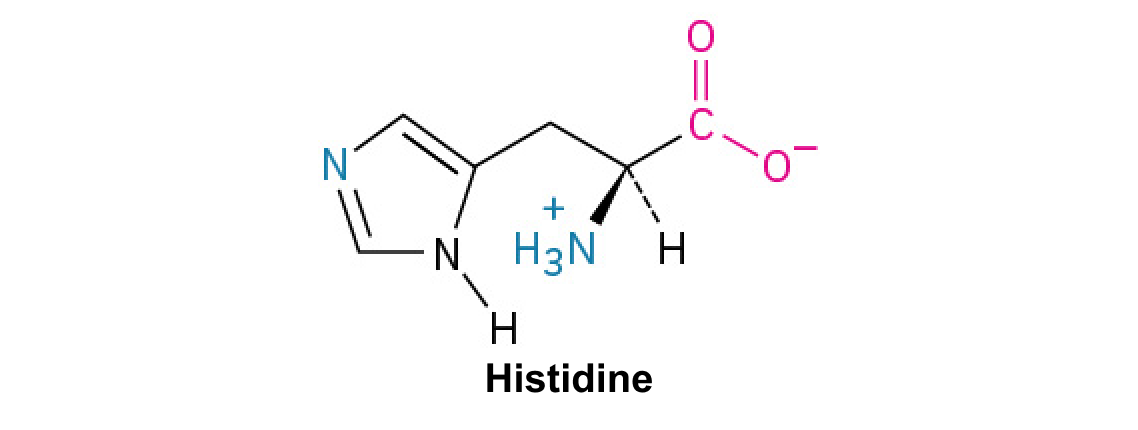
Histidine ·

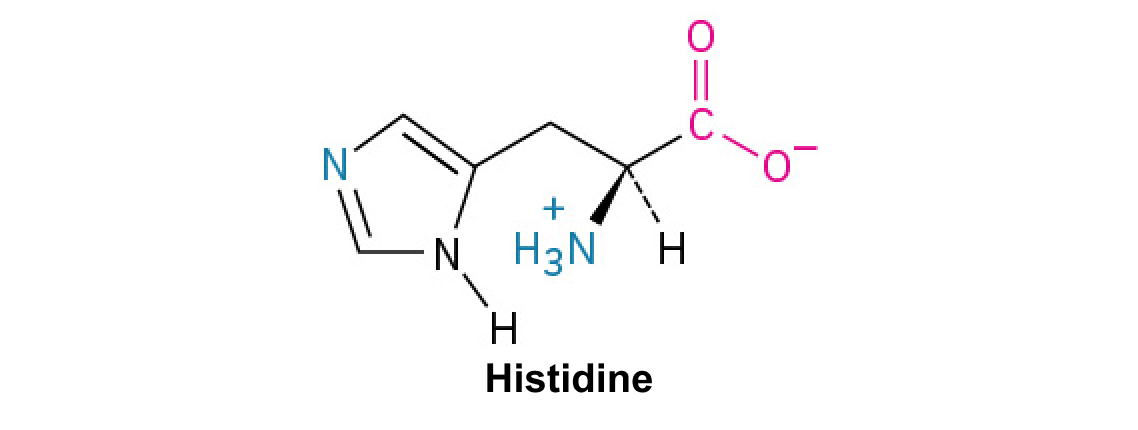
A with an . Mostly uncharged near physiological , it can accept or donate .

Read explanation · OpenStax ↗
Hydrogen bond ·

An attraction between a hydrogen bonded to an and another . hydrogen bonds stabilize .

Read explanation · OpenStax ↗
Hydrogen ion · ·

A positively hydrogen species. H⁺ denotes a , which is hydrated in water; its activity determines .

Read explanation · OpenStax ↗
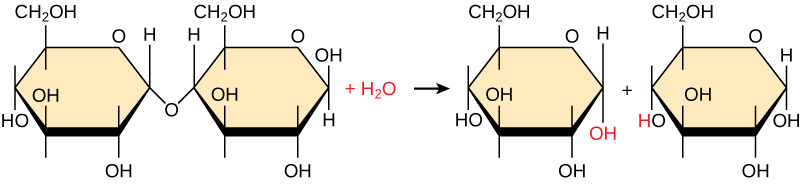
Hydrolysis

Breaking a chemical bond by adding water. hydrolysis separates .

Read explanation · OpenStax ↗
Hydrophilic

Interacting favorably with water, typically because a group is or .

Read explanation · OpenStax ↗
Hydrophobic

Interacting poorly with water. often gather in a ’s interior.

Read explanation · OpenStax ↗
Hydroxide ion ·

The negatively OH⁻. Basic contain a higher hydroxide ion activity than water at the same temperature.

Read explanation · OpenStax ↗
Hydroxyl group ·

An oxygen bonded to hydrogen, –OH. Hydroxyl groups can and often increase .

Read explanation · OpenStax ↗
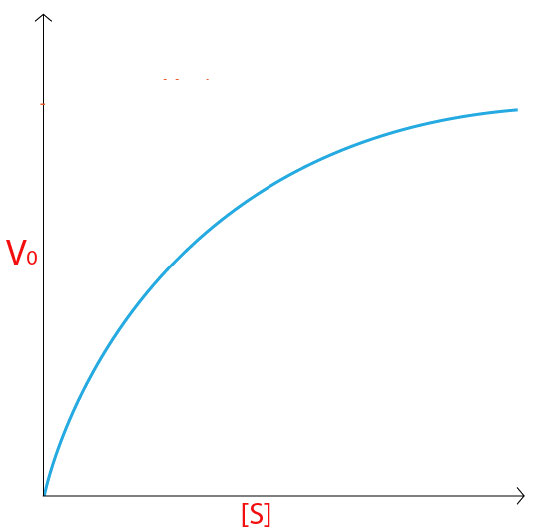
Hyperbolic curve ·

A curve that approaches an asymptote. The standard rate curve is a rectangular hyperbola approaching .

Read explanation · Biology LibreTexts ↗
Imidazole

A five-membered ring containing two nitrogens; ’s contains this ring.

Read explanation · OpenStax ↗
In-frame insertion or deletion ·

A coding or of a multiple of three that preserves the , while potentially altering function.

Read explanation · OpenStax ↗
Indole

A fused six-membered and five-membered ring system containing nitrogen; found in .

Read explanation · OpenStax ↗
Induced mutation

A associated with exposure to a , such as a chemical or radiation.

Read explanation · OpenStax ↗
Initial reaction rate · · · ·

The early rate of formation, measured before substantial depletion or accumulation, usually after the brief binding transient.

Read explanation · Biology LibreTexts ↗
Insertion

Addition of one or more to a sequence; a coding insertion shifts the frame when its length is not divisible by three.

Read explanation · OpenStax ↗
Intron ·

A segment removed from a precursor during . Intronic signals or regulatory sequences can affect .

Read explanation · OpenStax ↗
Ion · ·

An or with a net because its numbers of and do not balance.

Read explanation · OpenStax ↗
linkage

A tendency of nearby on the same to be inherited together.

Read explanation · OpenStax ↗
Lipid

A broad class of largely or , including fats, , and steroids.

Read explanation · OpenStax ↗
locus

The specific position of a or other feature.

Read explanation · OpenStax ↗
Logarithm · · ·

The exponent needed to obtain a number from a chosen fixed number. For decimal logarithms, log₁₀(100) = 2 because 10² = 100; uses the negative decimal logarithm of activity.

Read explanation · OpenStax ↗
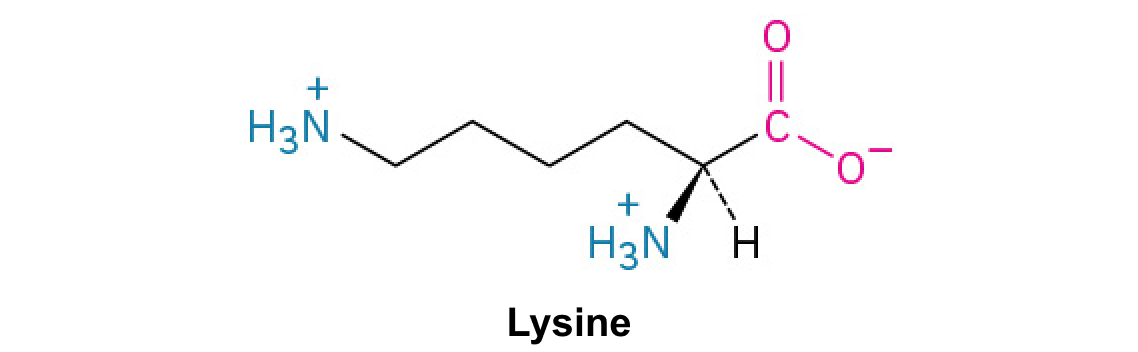
Lysine ·

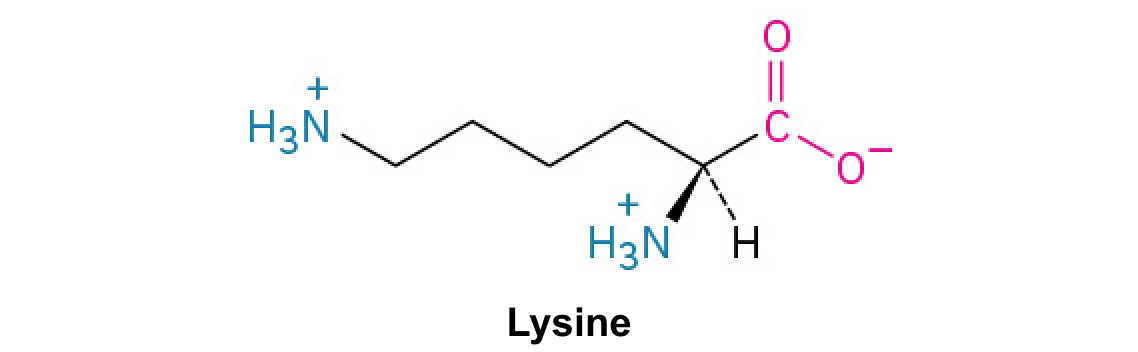
A with a terminal , usually positively near physiological .

Read explanation · OpenStax ↗
Lysosome

An -enclosed compartment that uses hydrolytic to digest and recycle cellular material.

Read explanation · OpenStax ↗
Maximum reaction rate · ·

The limiting as becomes saturating. For a fixed under given conditions, Vmax = times .

Read explanation · Biology LibreTexts ↗
Membrane · · · ·

A thin boundary or sheet. Cell membranes are bilayers containing ; membranes are synthetic supports that hold or for detection.

Read explanation · OpenStax ↗
Messenger RNA ·

An that carries coding information used by to synthesize a .

Read explanation · OpenStax ↗
Metabolism

The chemical that build , break them down, and transform energy in a living system.

Read explanation · OpenStax ↗
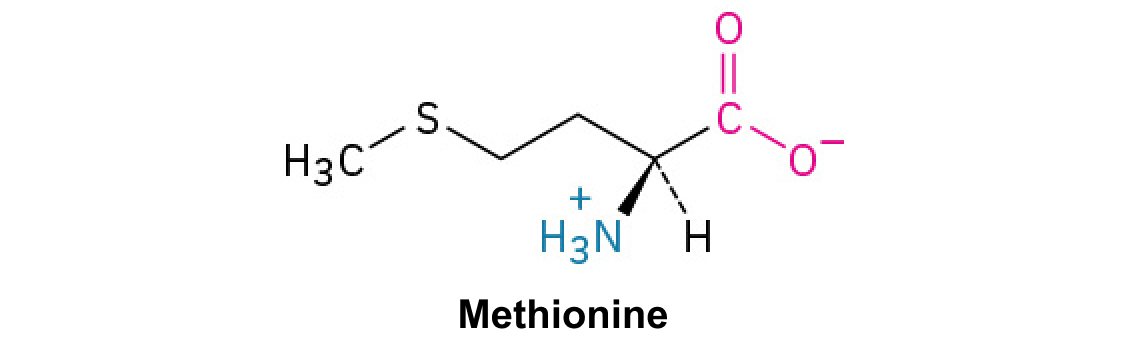
Methionine ·

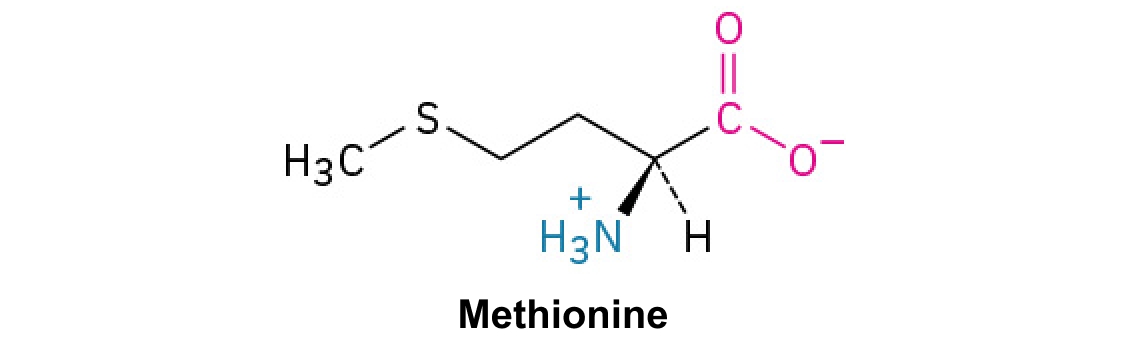
A with sulfur in a . Unlike , it does not form .

Read explanation · OpenStax ↗
Methyl group ·

A –CH₃ group, consisting of one carbon bonded to three hydrogens.

Read explanation · OpenStax ↗
Michaelis–Menten kinetics · ·

A model with = [S]/(Km + ). Its curve is ; may require a different model.

Read explanation · Biology LibreTexts ↗
Mismatch ·

An incorrectly paired set of in a nucleic- , such as G opposite T.

Read explanation · OpenStax ↗
Missense mutation ·

A coding-sequence that changes the specified ; its effect depends on the and context.

Read explanation · OpenStax ↗
Mitochondrion ·

A with its own , central to aerobic production and several other processes.

Read explanation · OpenStax ↗
Molecular chaperone · ·

A that assists other in folding or prevents , without specifying their sequence.

Read explanation · NCBI Bookshelf ↗
Molecule

Two or more joined by . A molecule may be electrically or carry a .

Read explanation · OpenStax ↗
mutagen

An agent that increases frequency.

Read explanation · OpenStax ↗
Mutation

A change in a sequence; some mutations alter a ’s sequence.

Read explanation · OpenStax ↗
Neutral

Having no net . For a , neutral instead means equal and activities; its is about 7 at 25 °C.

Read explanation · OpenStax ↗
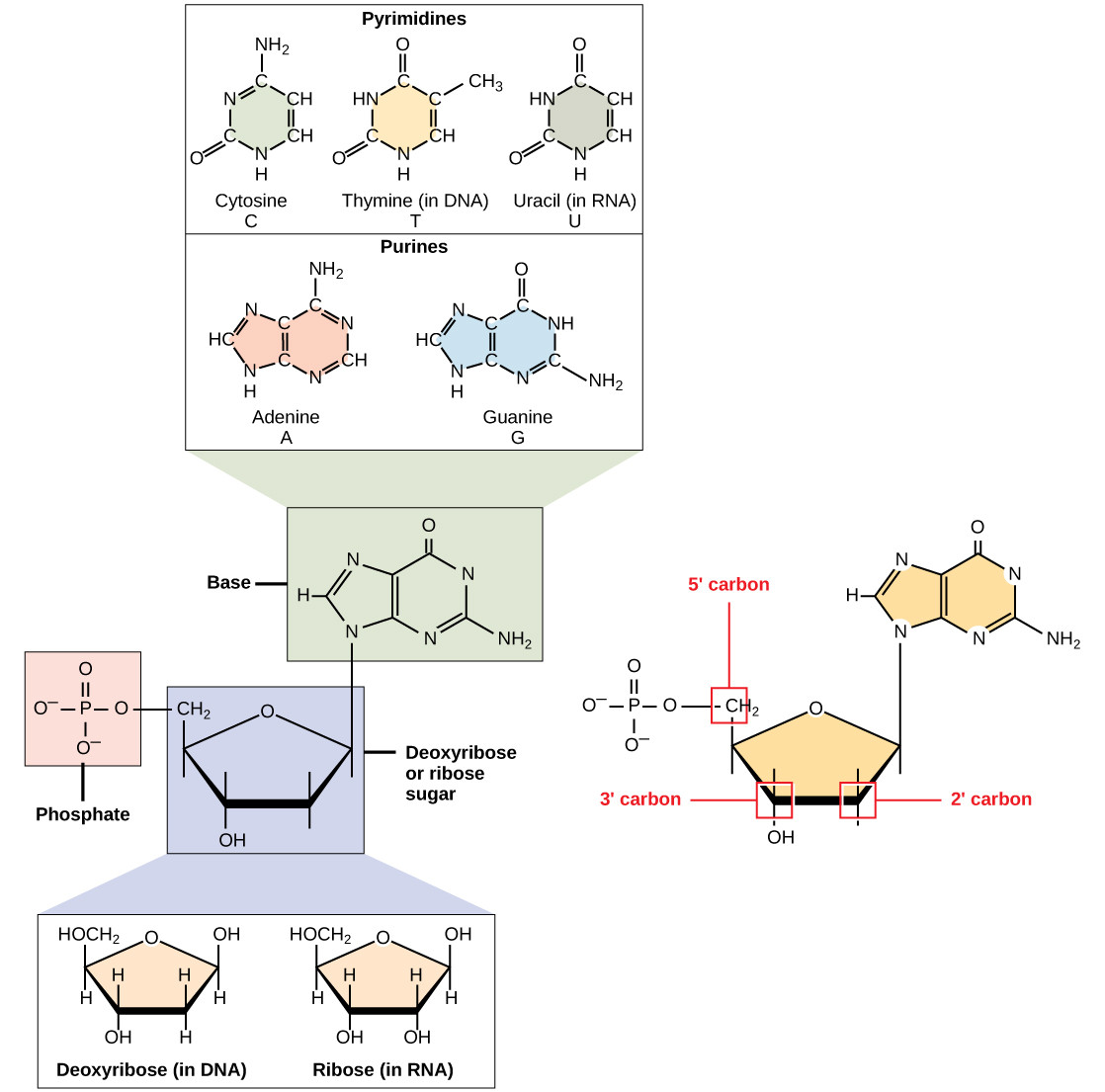
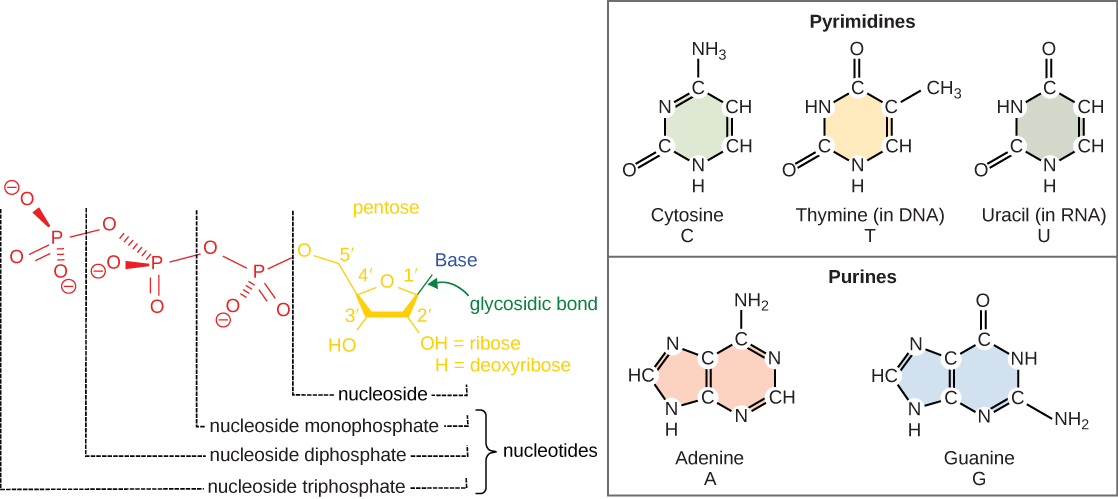
Nitrogenous base · · · ·

A nitrogen-containing ring component of ; its pairing interactions help specify sequences.

Read explanation · OpenStax ↗
Nonpolar ·

Lacking a substantial separation of . Nonpolar groups generally interact poorly with water.

Read explanation · OpenStax ↗
Nonsense mutation ·

A that converts an amino- into a premature , potentially truncating the or destabilizing its .

Read explanation · OpenStax ↗
Nucleic acid

A of , such as or , used in information storage, expression, and other cellular functions.

Read explanation · OpenStax ↗
Nucleotide

A joined to a sugar and one or more .

Read explanation · OpenStax ↗
Nucleus ·

A -enclosed compartment containing most of a cell’s .

Read explanation · OpenStax ↗
Organelle ·

A specialized structure within a cell that carries out particular functions, such as a or .

Read explanation · OpenStax ↗
Oxidation ·

Loss of or an increase in oxidation state. Oxidizing two can form a .

Read explanation · OpenStax ↗
Peptide

A chain of joined by ; the term commonly describes chains shorter than a typical .

Read explanation · OpenStax ↗
Peptide bond ·

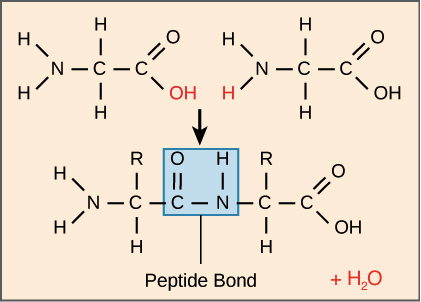
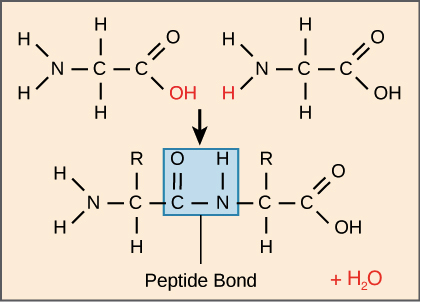
A covalent between the carboxyl carbon of one and the amino nitrogen of the next.

Read explanation · OpenStax ↗
pH

A measure of , defined as the negative of activity. Lower pH means greater ; pH influences .

Read explanation · OpenStax ↗
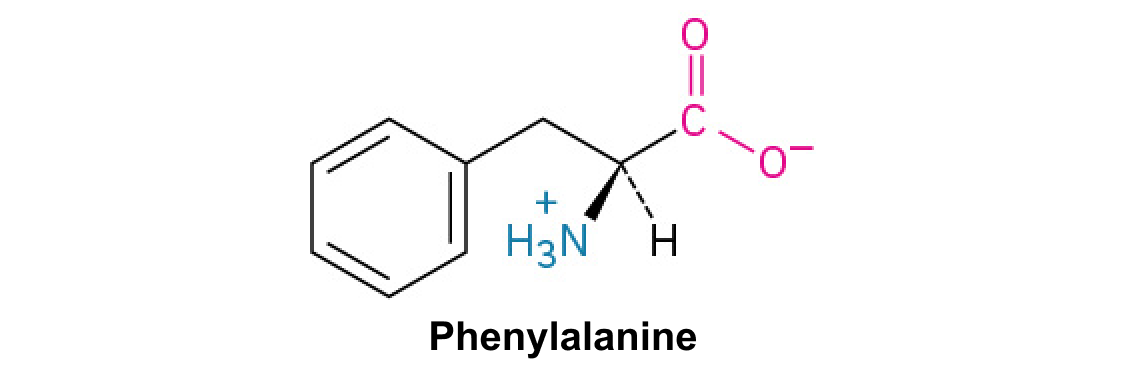
Phenylalanine ·

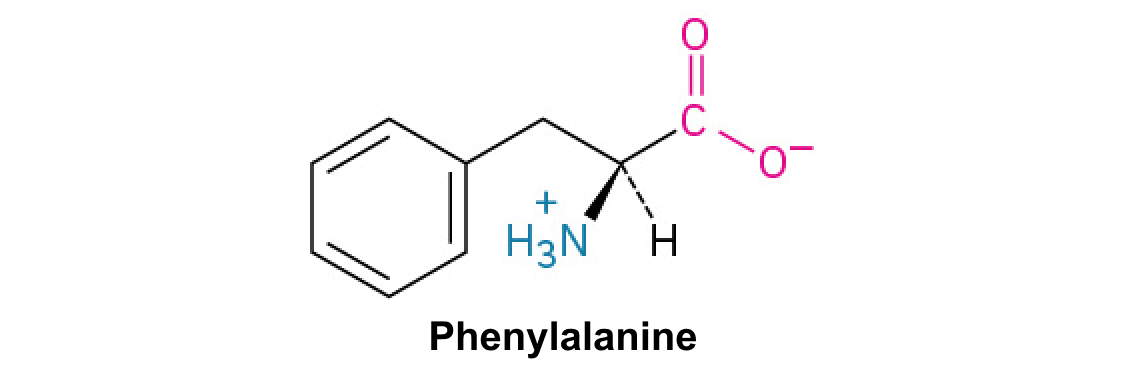
A with an .

Read explanation · OpenStax ↗
Phosphate group ·

A phosphorus-containing group bonded to oxygens; phosphate groups occur in , , and modified .

Read explanation · OpenStax ↗
Phosphodiester bond · · ·

A in which connects two sugars. In and it links the 3′ oxygen of one sugar to the 5′ oxygen of the next.

Read explanation · OpenStax ↗
Phospholipid

An with a -containing region and tails; a major component of cellular .

Read explanation · OpenStax ↗
photon

Quantum of electromagnetic radiation with energy hf.

Read explanation · OpenStax ↗
Point mutation

A sequence change involving a single position or pair; are common examples.

Read explanation · OpenStax ↗
Polar

Having an uneven distribution of . Polar groups often interact favorably with water.

Read explanation · OpenStax ↗
Polymer

A large made from many linked molecular building blocks.

Read explanation · OpenStax ↗
Polypeptide

A chain of connected by . A functional can contain one or several such chains.

Read explanation · OpenStax ↗
Proline ·

An whose loops back to the nitrogen, restricting rotation and often creating bends.

Read explanation · OpenStax ↗
Promoter

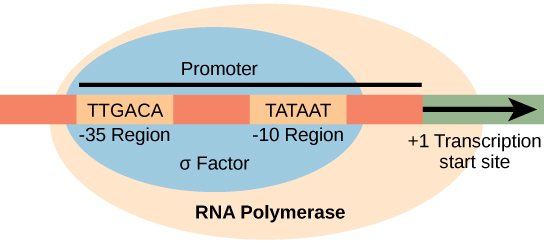
A region that recruits machinery and helps specify where and in which direction begins.

Read explanation · OpenStax ↗
Protein

One or more folded chains that perform biological roles such as , transport, signaling, or structural support.

Read explanation · OpenStax ↗
Protein aggregation · ·

Association of into larger clusters, often when exposed surfaces of unfolded stick together.

Read explanation · NCBI Bookshelf ↗
Proton

A positively subatomic particle. In – chemistry, donating a proton means transferring a .

Read explanation · OpenStax ↗
Protonation

Addition of a to an , , or ; this changes its by plus one.

Read explanation · OpenStax ↗
Purification · ·

Separating a desired substance from other components of a mixture.

Read explanation · Cytiva ↗
Purine · ·

A with two fused rings. and are purines.

Read explanation · OpenStax ↗
Pyrimidine · ·

A with one six-membered ring. , , and are pyrimidines.

Read explanation · OpenStax ↗
R group · ·

The variable side chain attached to an ’s . It determines identity, , , and chemical behavior.

Read explanation · OpenStax ↗
Reactant

A starting substance transformed during a .

Read explanation · OpenStax ↗
Reaction intermediate · ·

A species formed in one step and consumed in another. It occupies a local energy minimum between .

Read explanation · OpenStax ↗
Reaction product ·

A substance formed by a .

Read explanation · OpenStax ↗
Reaction rate · ·

How quickly are consumed or form, usually expressed as a change per unit time.

Read explanation · OpenStax ↗
Reading frame · ·

The grouping of a sequence into consecutive triplets during . Initiation establishes the frame used by a .

Read explanation · OpenStax ↗
Release factor ·

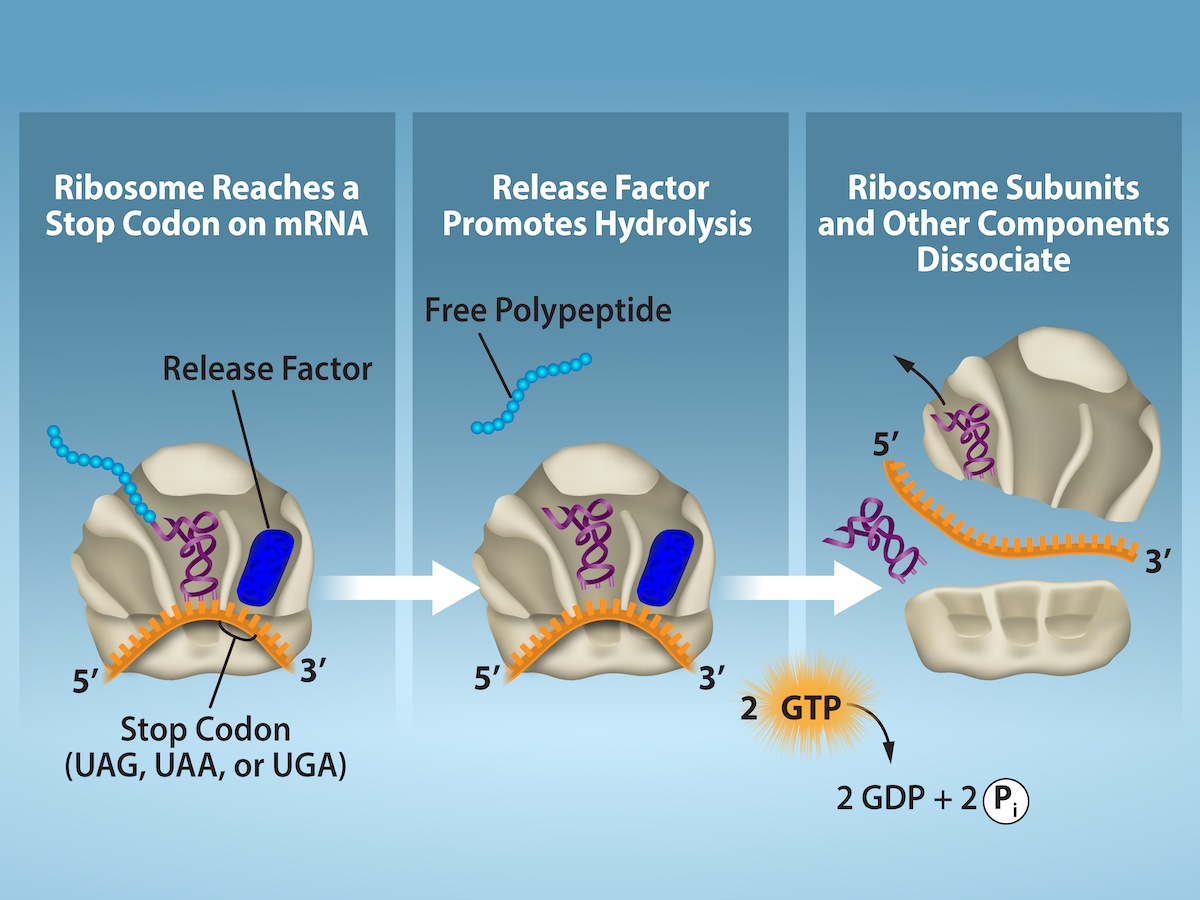
A that recognizes a stop signal and promotes of the – to release the .

Read explanation · OpenStax ↗
Reverse transcriptase

An that makes using an template. is a specialized example.

Read explanation · OpenStax ↗
Reverse transcription

Synthesis of from an template by ; it transfers information between .

Read explanation · OpenStax ↗
Ribonucleic acid ·

A with roles in , regulation, and ; carries -coding information.

Read explanation · OpenStax ↗
Ribosomal RNA · ·

An component of that contributes to their structure, decoding, and ; it is not into .

Read explanation · OpenStax ↗
Ribosome ·

A complex of and that translates into a .

Read explanation · OpenStax ↗
RNA splicing · ·

Removal of and joining of in a precursor .

Read explanation · NCBI Bookshelf / Garland Science ↗
RNA stability

Persistence of an before degradation; greater stability generally means a longer lifetime or under specified conditions.

Read explanation · OpenStax ↗
Secondary structure

Local folding, such as and , stabilized mainly by .

Read explanation · OpenStax ↗
Sense codon

A that specifies an rather than a stop signal.

Read explanation · OpenStax ↗
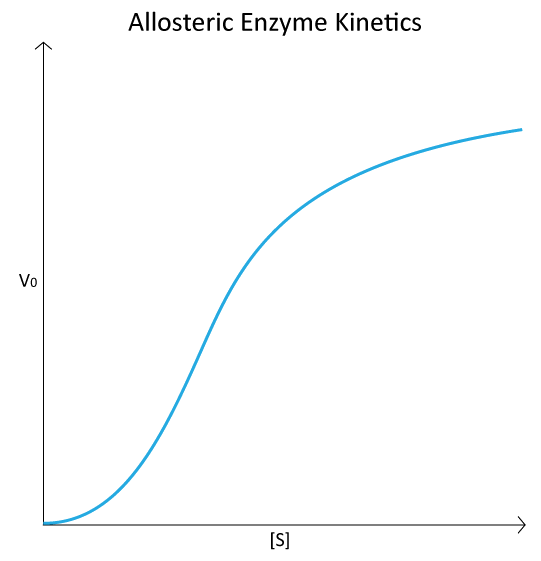
Sigmoidal curve ·

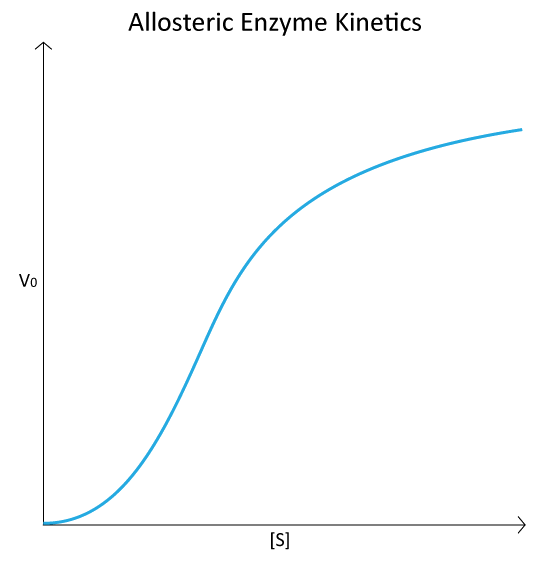
An S-shaped curve. A sigmoidal rate-versus- curve can indicate rather than simple behavior.

Read explanation · Biology LibreTexts ↗
Sister chromatid

One of the two copies of a produced by . An intact sister chromatid can supply a template for accurate repair.

Read explanation · Biology LibreTexts / Oregon State University ↗
Solubility ·

The amount of a substance that can dissolve in a under specified conditions. Soluble means able to dissolve; insoluble means only very slightly soluble in that .

Read explanation · OpenStax ↗
Solute

A dissolved component of a .

Read explanation · OpenStax ↗
Solution

A homogeneous mixture in which are dissolved in a .

Read explanation · OpenStax ↗
Solvent

The component of a that dissolves other substances, usually the component present in the greatest amount.

Read explanation · OpenStax ↗
Somatic cell ·

A body cell outside the . A in it can spread to descendant cells without ordinarily being inherited by offspring.

Read explanation · OpenStax ↗
Spontaneous mutation

A arising from endogenous processes such as copying errors or spontaneous chemical changes, without an identified external .

Read explanation · OpenStax ↗
Start codon ·

A recognized during initiation that establishes the ; AUG is the usual example.

Read explanation · OpenStax ↗
Start-loss mutation ·

A that disrupts a initiation and may prevent initiation or favor another start site.

Read explanation · OpenStax ↗
Stop codon · · ·

An that recruits a to end : UAA, UAG, or UGA in the standard code.

Read explanation · OpenStax ↗
Stop-loss mutation ·

A that changes a into a , potentially extending to a later stop.

Read explanation · OpenStax ↗
Substitution · ·

Replacement of one by another. In a coding region it can be , , or .

Read explanation · OpenStax ↗
Substrate

A that an binds and chemically transforms.

Read explanation · OpenStax ↗
Substrate concentration

The amount of per volume. Square brackets denote ; [S] is varied to measure an curve.

Read explanation · Biology LibreTexts ↗
Sugar–phosphate backbone · · · · ·

The repeating sugar and chain of a . Its give each strand a 5′ to 3′ direction.

Read explanation · OpenStax ↗
Synonymous mutation · · · · ·

A coding-sequence that leaves the specified unchanged. It can still affect , , or .

Read explanation · OpenStax ↗
Telomerase

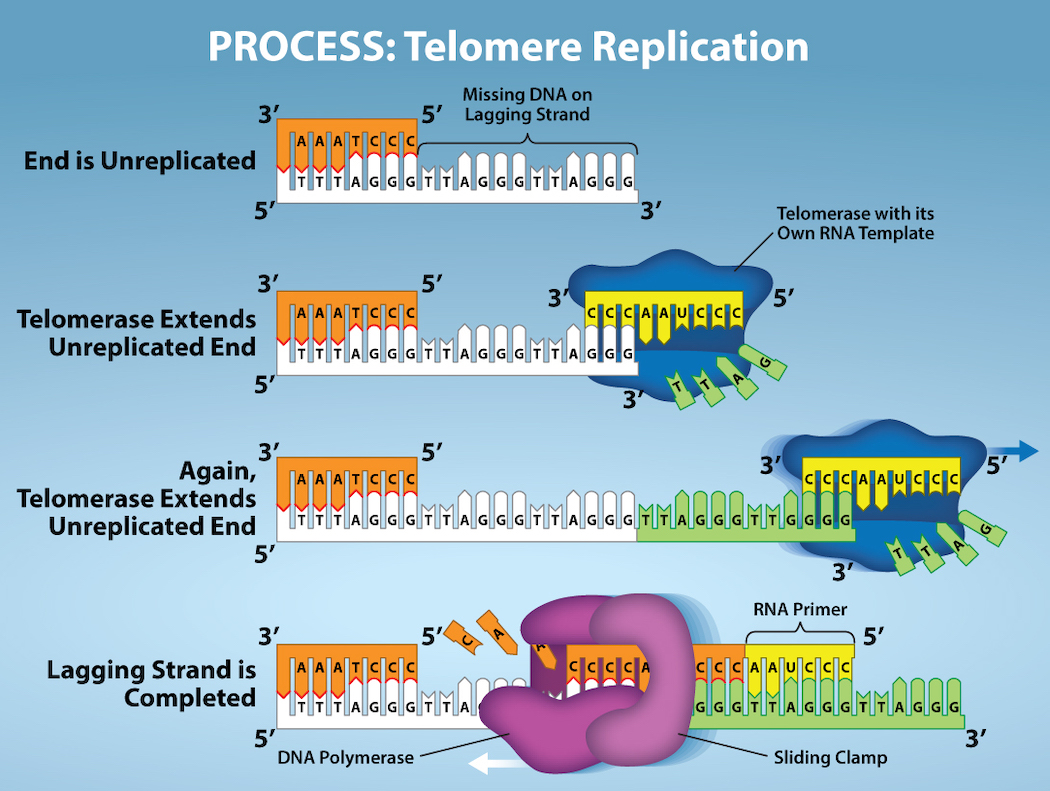
A ribonucleoprotein that uses its own template to extend a ’s 3′ end.

Read explanation · OpenStax ↗
Template strand · · ·

A preexisting strand whose sequence guides complementary nucleic- synthesis.

Read explanation · OpenStax ↗
Thioether

A sulfur bonded to two carbon groups, as in ’s . It has no hydrogen.

Read explanation · OpenStax ↗
Thiol group · · · ·

A sulfur bonded to hydrogen, –SH. thiols can form through .

Read explanation · OpenStax ↗
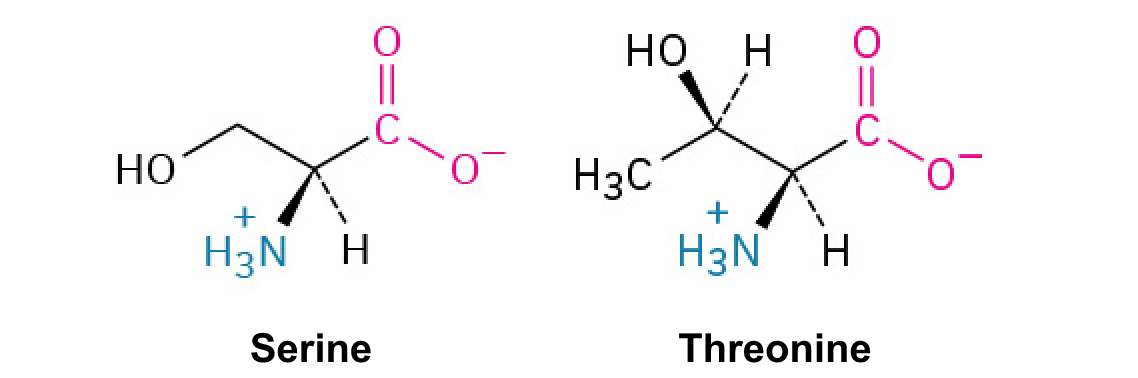
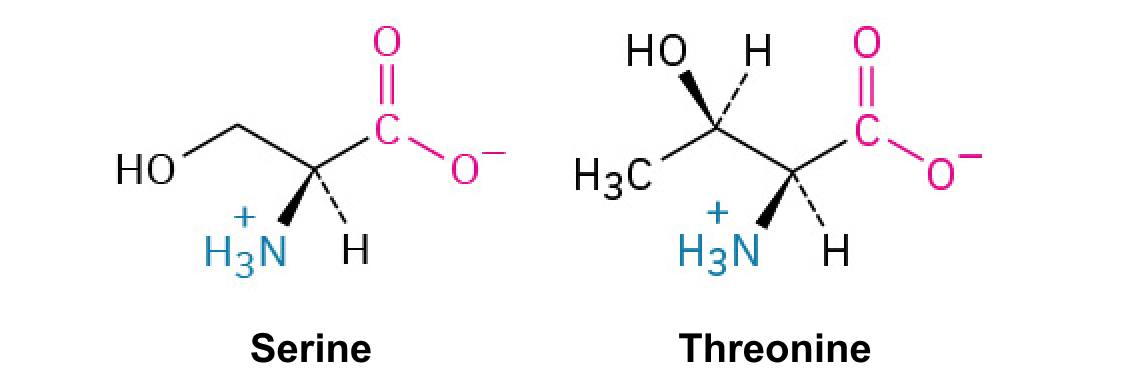
Threonine ·

A , uncharged with a and a on its .

Read explanation · OpenStax ↗
Thymine

A normally used in ; it pairs with through two .

Read explanation · OpenStax ↗
Transcription

Synthesis of using a template.

Read explanation · OpenStax ↗
Transfer RNA ·

An adaptor that carries an and pairs its with a on .

Read explanation · OpenStax ↗
Transition mutation · ·

A within the same ring class: for or for .

Read explanation · OpenStax ↗
Transition state

A fleeting, high-energy arrangement at a barrier. It is an energy maximum along the path, rather than a stable .

Read explanation · OpenStax ↗
Translation ·

Synthesis of a on a using the sequence of in .

Read explanation · OpenStax ↗
Transversion ·

A of a for a or a for a .

Read explanation · OpenStax ↗
Trinucleotide repeat expansion · ·

An increase in the number of consecutive copies of a three- sequence; effects depend on the and sequence context.

Read explanation · OpenStax ↗
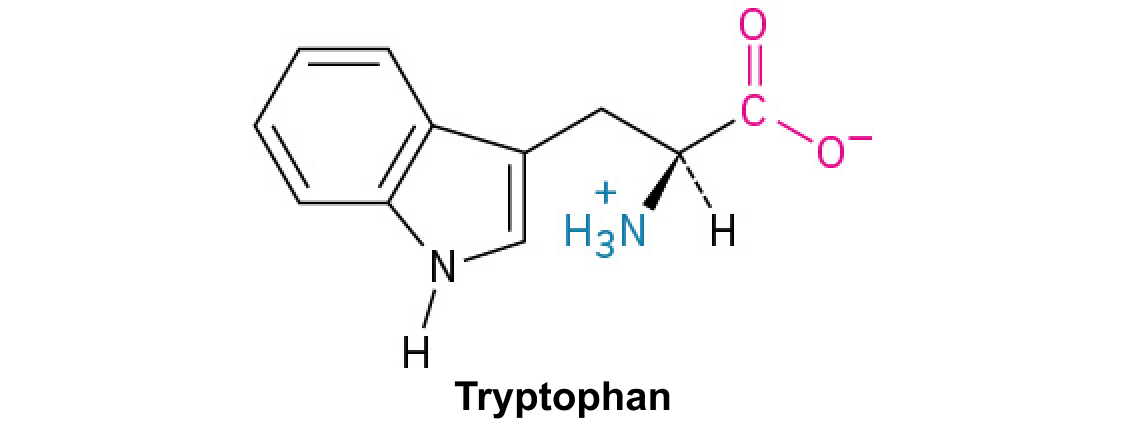
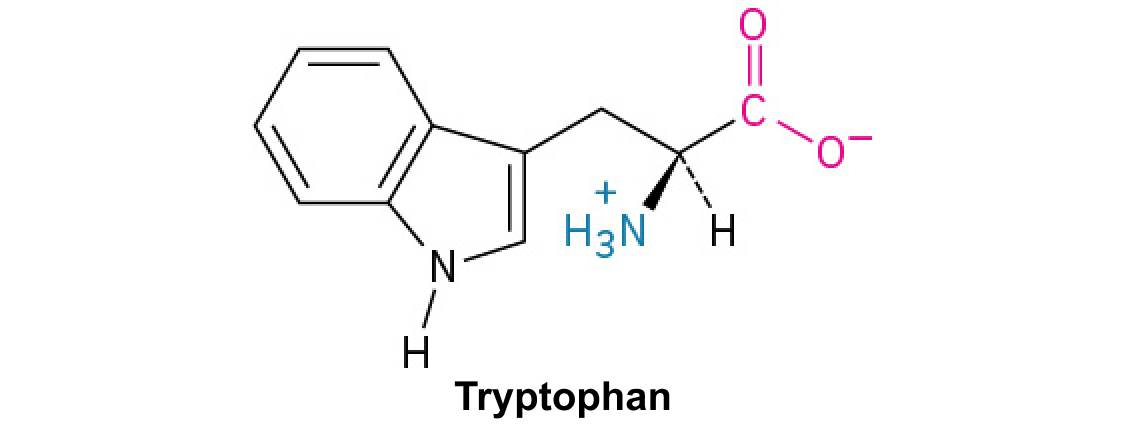
Tryptophan ·

An with a bulky ; commonly grouped as .

Read explanation · OpenStax ↗
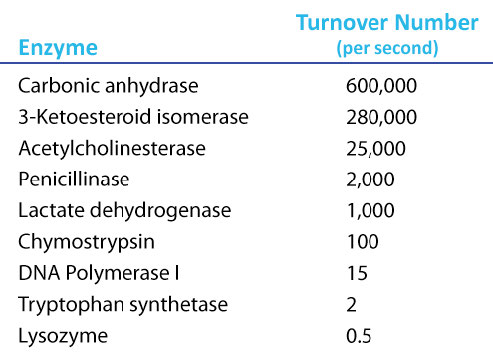
Turnover number · · ·

The maximum number of cycles per per unit time, calculated as /. Units are inverse time, commonly s⁻¹.

Read explanation · IUBMB ↗
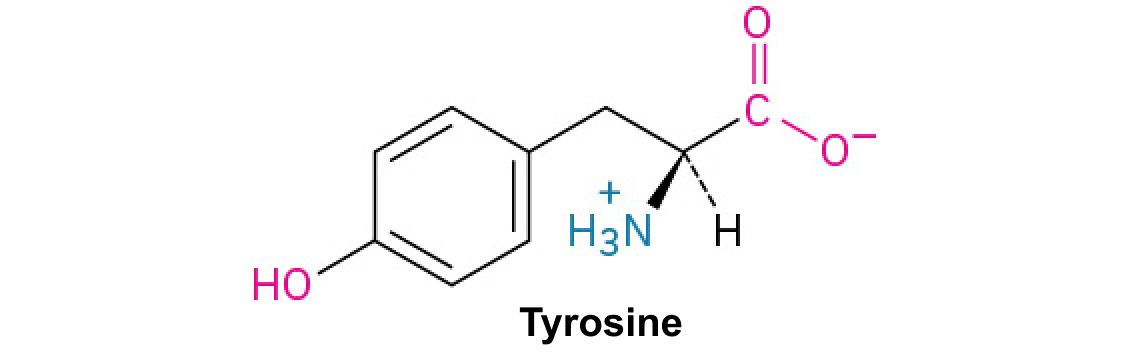
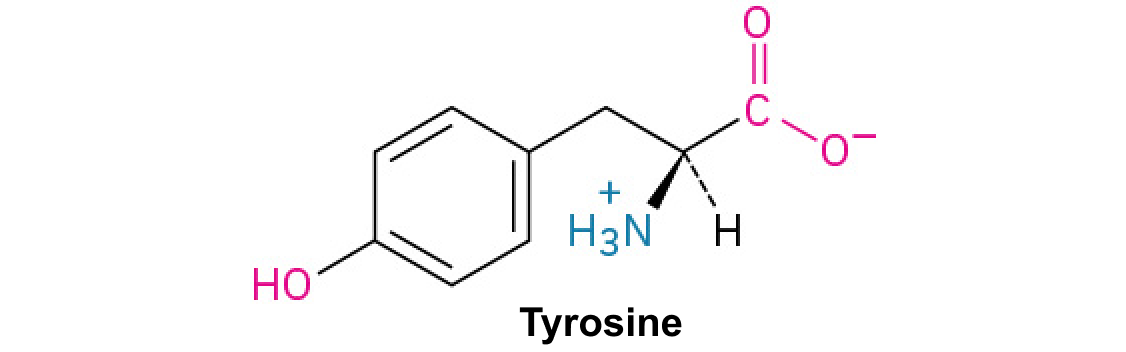
Tyrosine ·

An with a phenolic . Usually uncharged near physiological .

Read explanation · OpenStax ↗
Ultraviolet

Light with shorter than visible light. near 280 nm is mainly due to and .

Read explanation · Waters ↗
Uracil

A normally used in in place of . Uracil produced by in is a repair target.

Read explanation · OpenStax ↗
Valine ·

A , with a branched .

Read explanation · OpenStax ↗
Wavelength

The distance between repeating points of a wave, such as neighboring crests; light wavelength determines energy.

Read explanation · JASCO ↗
Wobble ·

Flexible pairing at the third and first that lets some recognize multiple .

Read explanation · NCBI Bookshelf / Garland Science ↗

Biology 2e §15.1 — Information flow and the genetic code

OpenStax · Biology 2e §15.1 — Information flow and the genetic code ↗
The central-dogma explanation and The Genetic Code Is Degenerate and Universal, including Figures 15.3–15.5. The opening amino-acid survey and fruit-DNA experiment are outside this selection.

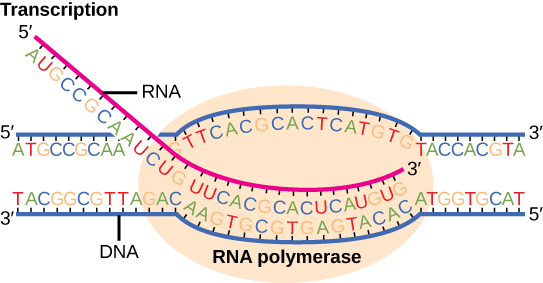
The flow of genetic information in cells from to to is described by the (Figure 15.3), which states that specify the sequence of , which in turn specify the sequence of making up all . The decoding of one to another is performed by specific and . Because the information stored in is so central to cellular function, it makes intuitive sense that the cell would make copies of this information for , while keeping the itself intact and protected. The copying of to is relatively straightforward, with one being added to the strand for every read in the strand. The to is a bit more complex because three correspond to one in the sequence. However, the to is still systematic and colinear, such that 1 to 3 correspond to 1, 4 to 6 correspond to 2, and so on.

DNA is transcribed into RNA. Introns are removed, exons retained, and a 5′ cap and poly-A tail added. A ribosome translates the processed mRNA into a polypeptide.
From through to

Figure 15.3 Instructions on DNA are transcribed onto messenger RNA. Ribosomes are able to read the genetic information inscribed on a strand of messenger RNA and use this information to string amino acids together into a protein.

Mary Ann Clark, Matthew Douglas, and Jung Choi, Biology 2e, OpenStax. · CC BY-NC-SA 4.0 · Original image ↗ · Access for free ↗

The Is and Universal

Each is defined by a three- sequence called the triplet . Given the different numbers of “letters” in the and “alphabets,” scientists theorized that single must be represented by combinations of . doublets would not be sufficient to specify every because there are only 16 possible two- combinations (42). In contrast, there are 64 possible triplets (43), which is far more than the number of . Scientists theorized that were encoded by triplets and that the was “.” In other words, a given could be encoded by more than one triplet. This was later confirmed experimentally: Francis Crick and Sydney Brenner used the chemical proflavin to insert one, two, or three into the of a virus. When one or two were inserted, the normal were not produced. When three were inserted, the was synthesized and functional. This demonstrated that the must be specified by groups of three . These triplets are called . The of one or two completely changed the triplet , thereby altering the message for every subsequent (Figure 15.5). Though of three caused an extra to be inserted during , the integrity of the rest of the was maintained.

Scientists painstakingly solved the by translating synthetic in vitro and sequencing the they specified (Figure 15.4).

Figure shows all 64 codons. Sixty-one of these code for amino acids, and three are stop codons.
The standard

Figure 15.4 This figure shows the genetic code for translating each nucleotide triplet in mRNA into an amino acid or a termination signal in a protein. (credit: modification of work by NIH)

modification of work by NIH; Mary Ann Clark, Matthew Douglas, and Jung Choi, Biology 2e, OpenStax. · CC BY-NC-SA 4.0 · Original image ↗ · Access for free ↗

In addition to that instruct the addition of a specific to a chain, three of the 64 terminate and release the from the machinery. These triplets are called , or . Another , AUG, also has a special function. In addition to specifying the , it also serves as the to initiate . The for is set by the AUG near the of the . Following the , the is read in groups of three until a is encountered.

The arrangement of the coding table reveals the structure of the code. There are sixteen "blocks" of , each specified by the first and second of the within the block, e.g., the "AC*" block that corresponds to the (). Some blocks are divided into a half, in which the ends with U or C, and a half, in which the ends with A or G. Some get a whole block of four , like (), () and (). Some get the half of their block, like () and (). Others get the half of their block, like () and (). Note that some get a block and a half-block for a total of six .

The specification of a single by multiple similar is called "." is believed to be a cellular mechanism to reduce the negative impact of random . that specify the same typically only differ by one . In addition, with chemically similar are encoded by similar . For example, () and (), which occupy the GA* block, are both negatively . This nuance of the ensures that a single- might specify the same but have no effect or specify a similar , preventing the from being rendered completely nonfunctional.

The is nearly universal. With a few minor exceptions, virtually all species use the same for . Conservation of means that a encoding the globin in horses could be transferred to a tulip cell, and the tulip would synthesize horse globin. That there is only one is powerful evidence that all of life on Earth shares a common origin, especially considering that there are about 1084 possible combinations of 20 and 64 triplet .

Link to Learning

Transcribe a and translate it to using complementary pairing and the at this site.

Deletion of two nucleotides shifts the mRNA reading frame and changes the downstream codons.
How a changes the

Figure 15.5 The deletion of two nucleotides shifts the reading frame of an mRNA and changes the entire protein message, creating a nonfunctional protein or terminating protein synthesis altogether.

Mary Ann Clark, Matthew Douglas, and Jung Choi, Biology 2e, OpenStax. · CC BY-NC-SA 4.0 · Original image ↗ · Access for free ↗

Biology 2e §14.6 — Mutation types and sequence consequences
OpenStax · Biology 2e §14.6 — Mutation types and sequence consequences ↗
The final mutation-classification paragraphs, Figure 14.21, its visual question, and the concluding somatic/germ-cell discussion. Repair pathways and the clinical photograph are outside this selection.

Errors during are not the only reason why arise in . , variations in the sequence of a , can also occur because of damage to . Such may be of two types: induced or spontaneous. are those that result from an exposure to chemicals, rays, x-rays, or some other environmental agent. For example, Charlotte Auerbach and J.M Robson discovered the -inducing effects of mustard gas. occur without any exposure to any environmental agent; they are a result of natural taking place within the body.

may have a wide range of effects. are those that affect a single pair. The most common are , in which one is replaced by another. These can be of two types, either or . refers to a or being replaced by a of the same kind; for example, a such as may be replaced by the . refers to a being replaced by a , or vice versa; for example, , a , is replaced by , a . Some are not detectable in the final ; these are known as . are usually due to a in the third of a , which often represents the same as the original . Other can result in the replacement of one by another, which may alter the function of the . that generate a can terminate a early.

Some can result in an increased number of copies of the same . These are called and result in repeated regions of the same . can also be the result of the addition of a , known as an , or the removal of a , also known as . If an or results in the alteration of the (a ), the resultant is usually nonfunctional. Sometimes a piece of from one may get translocated to another or to another region of the same ; this is also known as . These types are shown in Figure 14.21.
Visual Connection

Nucleotide substitutions can preserve an amino acid, change an amino acid, or create a stop codon. A one-nucleotide insertion shifts the downstream reading frame.
, , and

Figure 14.21 Mutations can lead to changes in the protein sequence encoded by the DNA.

Mary Ann Clark, Matthew Douglas, and Jung Choi, Biology 2e, OpenStax. · CC BY-NC-SA 4.0 · Original image ↗ · Access for free ↗

A that results in the of three is often less deleterious than a that results in the of one . Why?

in repair have been known to cause . Many mutated repair have been implicated in certain forms of pancreatic , colon , and colorectal . can affect either or . If many accumulate in a , they may lead to problems such as the uncontrolled cell division observed in . If a takes place in , the will be passed on to the next generation, as in the case of hemophilia and xeroderma pigmentosa.