Foundation 5 · 5D · Biologically relevant molecules

Alcohol naming, properties, and transformations

Sources ↗

The often needs activation before it can leave during .

Structure and physical behavior

Alcohol names use -ol and locate the -bearing carbon; primary, secondary, and tertiary describe how many carbon groups attach to that carbon. Alcohols donate and accept , increasing relative to similar . Water decreases as the portion grows. Ordinary alcohol O–H groups are weakly ; -withdrawing substituents stabilize and increase , while makes phenols more than typical aliphatic alcohols. creates a stronger nucleophile, but hydroxide alone does not completely deprotonate most alcohols.

Source: Organic Chemistry 17 — Summary · 17.8 Protection of Alcohols

and

Primary alcohols can to aldehydes under controlled conditions or further to carboxylic with suitable oxidants and water. Secondary alcohols to ; tertiary alcohols lack the required carbinol hydrogen for ordinary without carbon–carbon cleavage. For , protonating OH creates water as a leaving group, or another activation converts it to a better leaving group. proceeds through a and can rearrange or lose stereochemical purity; is concerted backside attack and inverts a stereocenter. sterics, nucleophile, , and competing elimination determine the pathway.

Source: Organic Chemistry 17 — Summary · 17.8 Protection of Alcohols

Protect or activate the oxygen

A temporarily masks alcohol reactivity and must be removable without destroying the desired . Silyl ethers can protect O–H groups and are often removed with fluoride or suitable . Mesylation or tosylation converts an alcohol into a sulfonate ester with a good leaving group while retaining at the carbon because the C–O bond is not broken during activation. A later displacement at that carbon can invert . Protection suppresses unwanted ; leaving-group activation deliberately makes subsequent easier.

Source: Organic Chemistry 17 — Summary · 17.8 Protection of Alcohols

Apply it

Try before revealing the answer. An optically pure secondary alcohol is tosylated without breaking its C–O bond, then displaced by a strong nucleophile under clean conditions. What is the stereochemical sequence?

Worked answer

Tosylation retains the spatial at carbon. Backside displacement then inverts the center. R/S letters should be reassigned from the final substituent priorities rather than assuming that geometric always changes the letter in the same way.

Source: Organic Chemistry 17 — Summary · 17.8 Protection of Alcohols

17.8 Protection of Alcohols — figures and tables
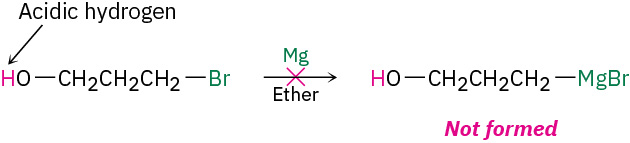
3-bromopropan-1-ol (hydroxy hydrogen labeled acidic) does not react with magnesium and ether to form (3-hydroxypropyl)magnesium bromide.
17.8 Protection of Alcohols — illustration 1 John McMurry, Organic Chemistry, OpenStax. · CC BY-NC-SA 4.0 · Original image ↗ · Access for free ↗
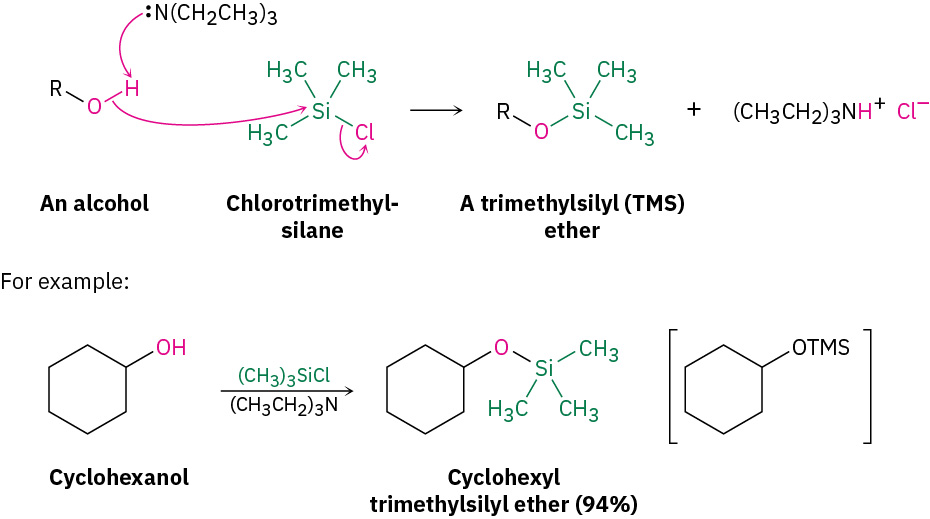
An alcohol reacts with chlorotrimethylsilane to form trimethylsilyl ether. For example cyclohexanol reacts with chlorotrimethylsilane and triethylamine to form cyclohexyl trimethylsilyl ether with 94 percent yield.
17.8 Protection of Alcohols — illustration 2 John McMurry, Organic Chemistry, OpenStax. · CC BY-NC-SA 4.0 · Original image ↗ · Access for free ↗
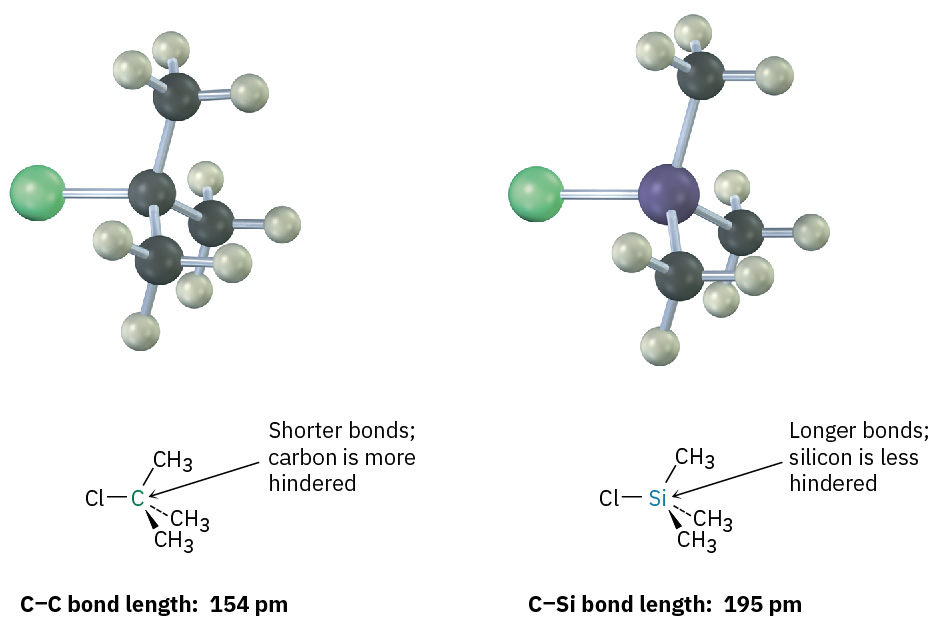
Ball-and-stick model of chlorotrimethylsilane and tertiary-butyl chloride. Carbon is more hindered for tertiary-butyl chloride and has shorter bonds. Silicon is less hindered for chlorotrimethylsilane and bonds are longer.
17.8 Protection of Alcohols — illustration 3 John McMurry, Organic Chemistry, OpenStax. · CC BY-NC-SA 4.0 · Original image ↗ · Access for free ↗
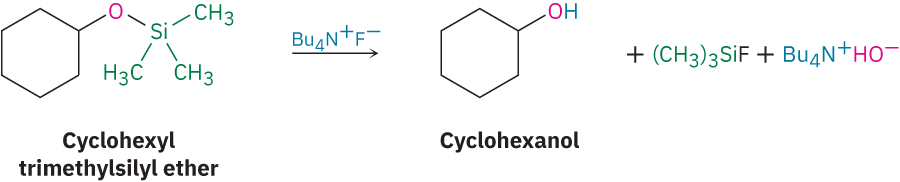
Cyclohexyltrimethylsillyl ether reacts with hydronium ion to form cyclohexanol and trimethylsilanol.
17.8 Protection of Alcohols — illustration 4 John McMurry, Organic Chemistry, OpenStax. · CC BY-NC-SA 4.0 · Original image ↗ · Access for free ↗
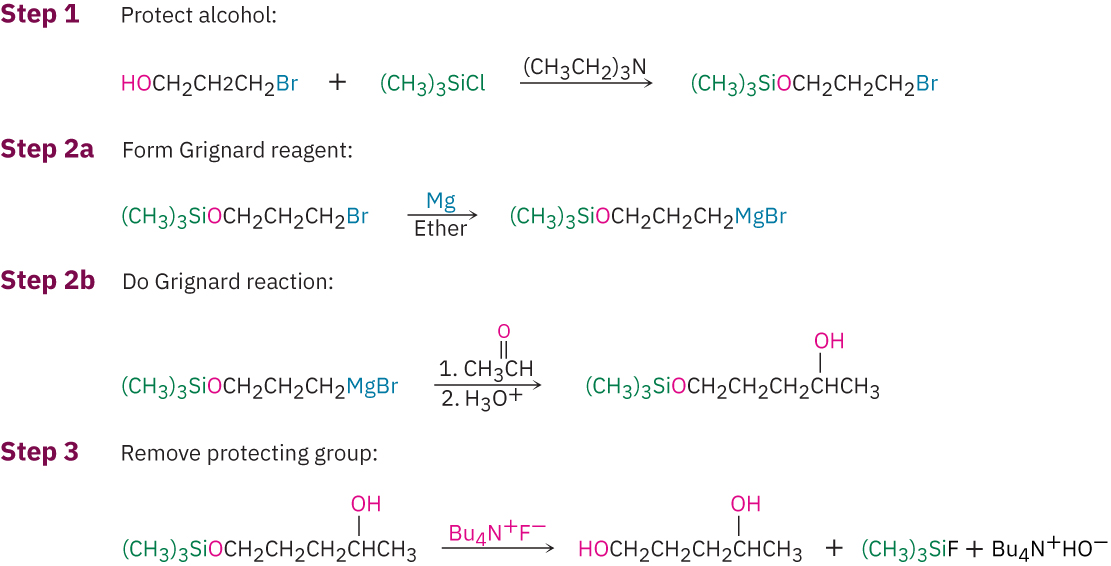
Different steps are involved in using a protecting group in Grignard reaction. The steps include protecting alcohol, forming Grignard reagent, performing Grignard reaction, and removing protecting group.
Figure 17.10 — 17.8 Protection of Alcohols

Figure 17.10 Use of a trialkylsilyl-protected alcohol during a Grignard reaction .

John McMurry, Organic Chemistry, OpenStax. · CC BY-NC-SA 4.0 · Original image ↗ · Access for free ↗

Source: 17.8 Protection of Alcohols
164 terms, alphabetically ordered

Acid · ·

In the Brønsted–Lowry model, a substance that can donate a . Acidic have a higher activity than water.

Read explanation · OpenStax ↗
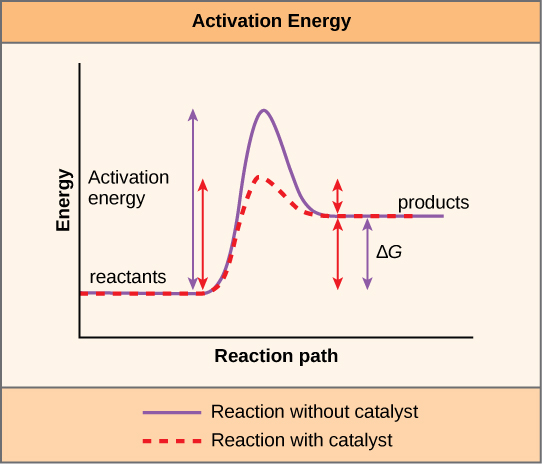
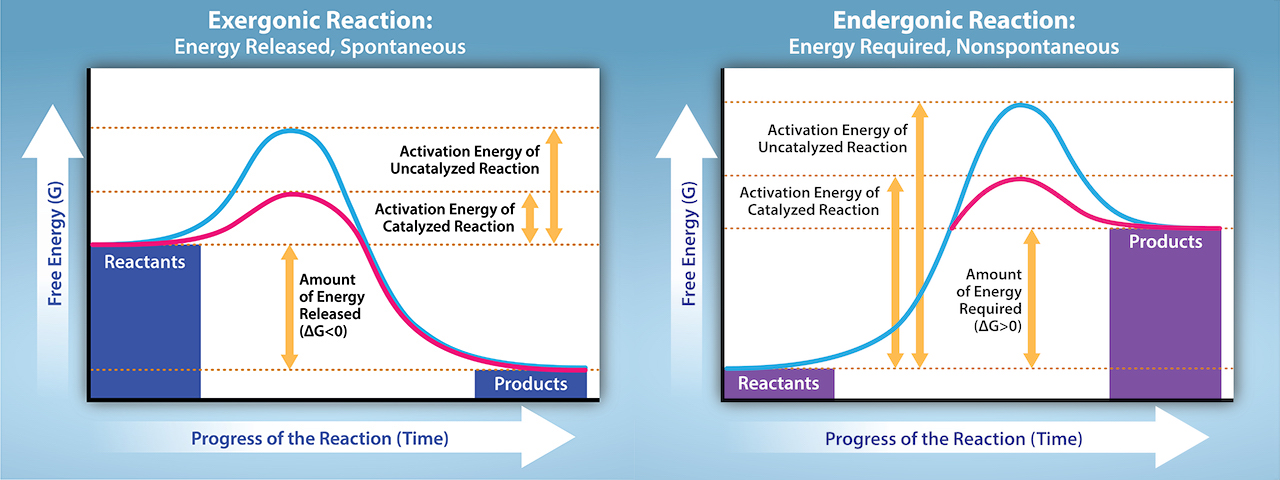
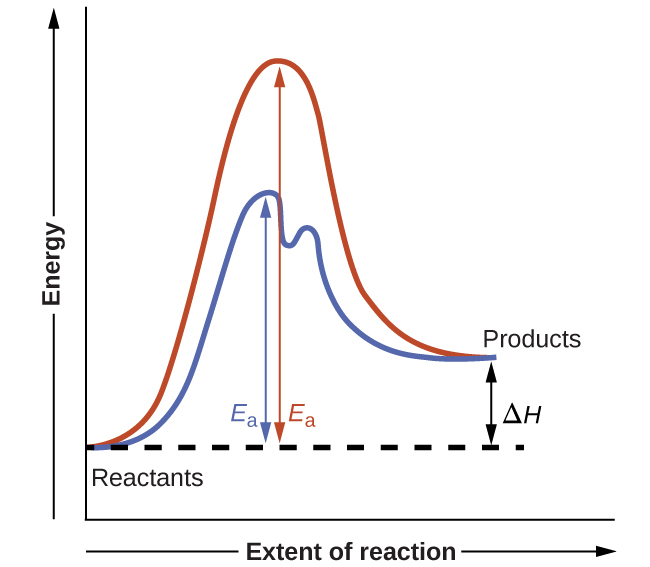
Activation energy ·

The energy barrier that must overcome to reach a and undergo .

Read explanation · OpenStax ↗
Active catalytic-site concentration ·

The total of active sites used to calculate from . It equals active when each has one site.

Read explanation · Biology LibreTexts ↗
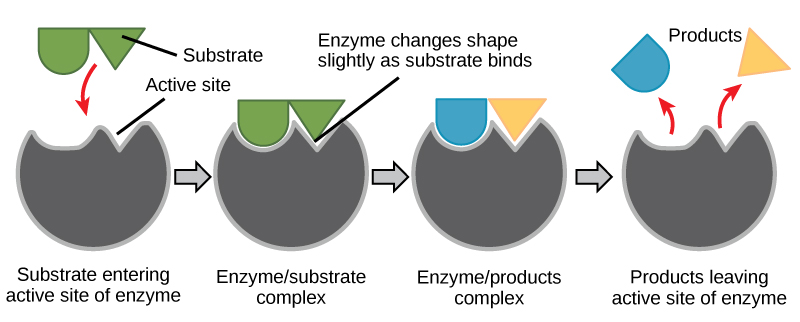
Active site

The region of an that binds its and carries out .

Read explanation · OpenStax ↗
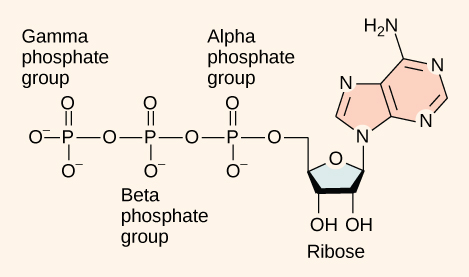
Adenosine triphosphate

An energy-carrying ; its powers many cellular processes, including cycles.

Read explanation · OpenStax ↗
alkoxide

of an alcohol, containing an O⁻ group.

Read explanation · OpenStax ↗
Alkyl group ·

A saturated group attached to the rest of a , such as or ethyl.

Read explanation · OpenStax ↗
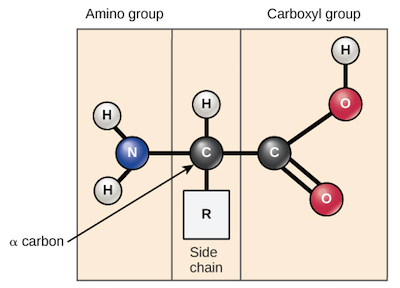
Alpha carbon · ·

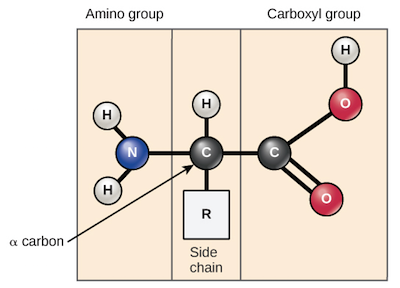
The central carbon next to the carboxyl carbon. In a standard it binds an , hydrogen, and .

Read explanation · OpenStax ↗
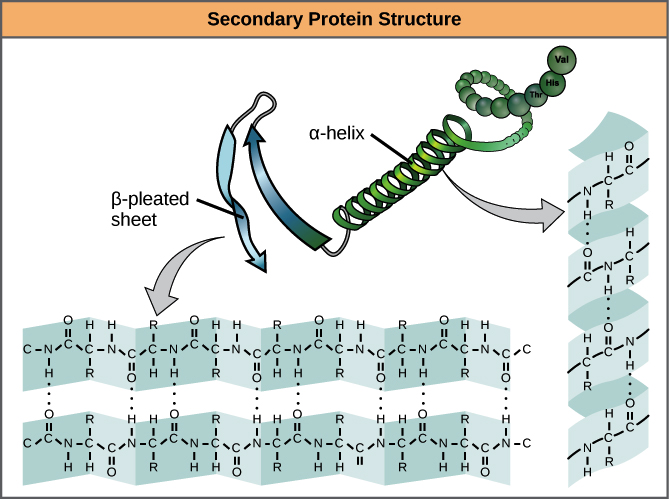
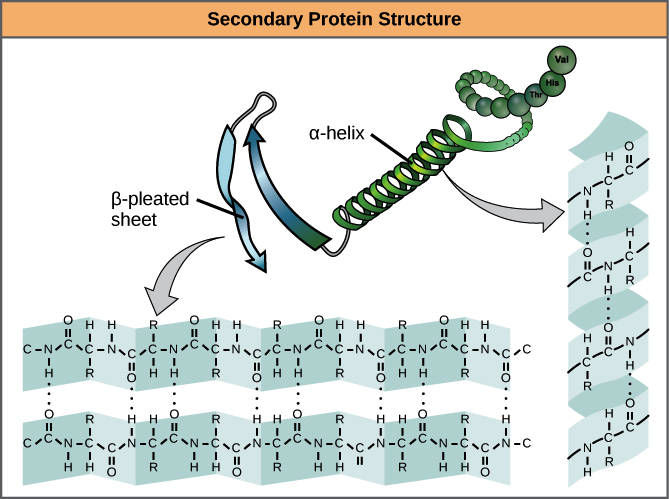
Alpha helix · · · · · ·

A helical stabilized by between a oxygen and an hydrogen four later.

Read explanation · OpenStax ↗
Amide · · ·

A group containing a carbon bonded to nitrogen. are amide linkages.

Read explanation · OpenStax ↗
Amino acid

A building block containing amino and and a characteristic .

Read explanation · OpenStax ↗
Amino acid residue · ·

The part of an incorporated into a chain. Residue can also describe another building block within a larger .

Read explanation · OpenStax ↗
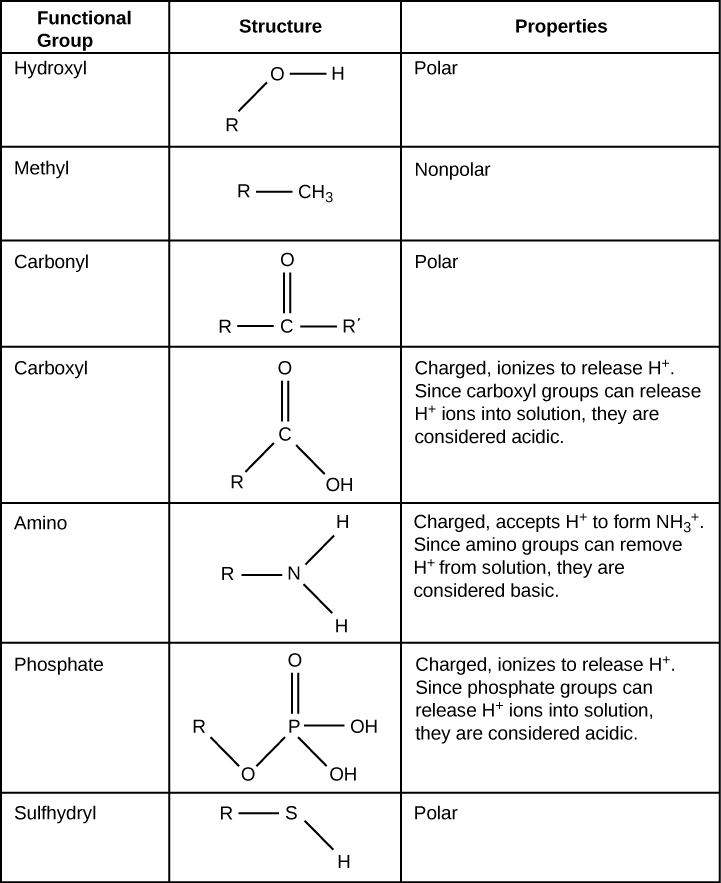
Amino group · · ·

A nitrogen-containing . A free ’s amino group is typically (NH₃⁺) near physiological ; ’s ring nitrogen is an exception to this formula.

Read explanation · OpenStax ↗
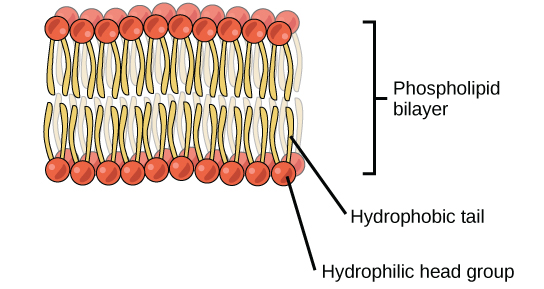
Amphipathic

Having both a region and a region, as in a or .

Read explanation · OpenStax ↗
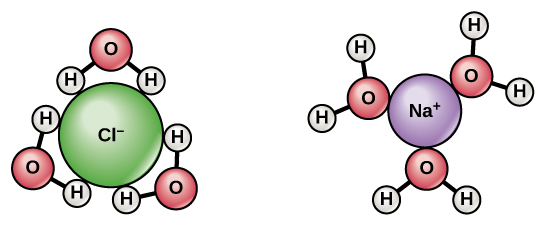
Anion ·

An with a negative net .

Read explanation · OpenStax ↗
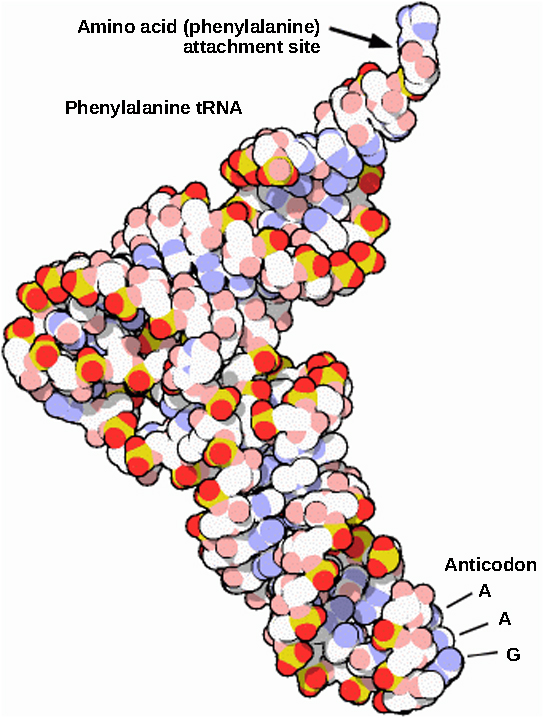
Anticodon

A triplet that pairs to an . The anticodon for 5′-AUG-3′ is aligned 3′-UAC-5′, or written 5′-CAU-3′.

Read explanation · NCBI Bookshelf / Garland Science ↗
Antiparallel

Running in opposite directions, as with two strands or neighboring strands in some .

Read explanation · OpenStax ↗
Aqueous solution ·

A in which water is the .

Read explanation · OpenStax ↗
Aromatic

Containing a cyclic, with . , , and have aromatic .

Read explanation · OpenStax ↗
Atom

The smallest unit of an element that retains its chemical identity; it has a surrounded by .

Read explanation · OpenStax ↗
Benzene ring

A six-carbon ring with .

Read explanation · OpenStax ↗
Benzyl group

A attached through a –CH₂– group; part of ’s .

Read explanation · OpenStax ↗
Beta sheet · · · · · ·

A made of aligned segments connected by ; strands may be parallel or .

Read explanation · OpenStax ↗
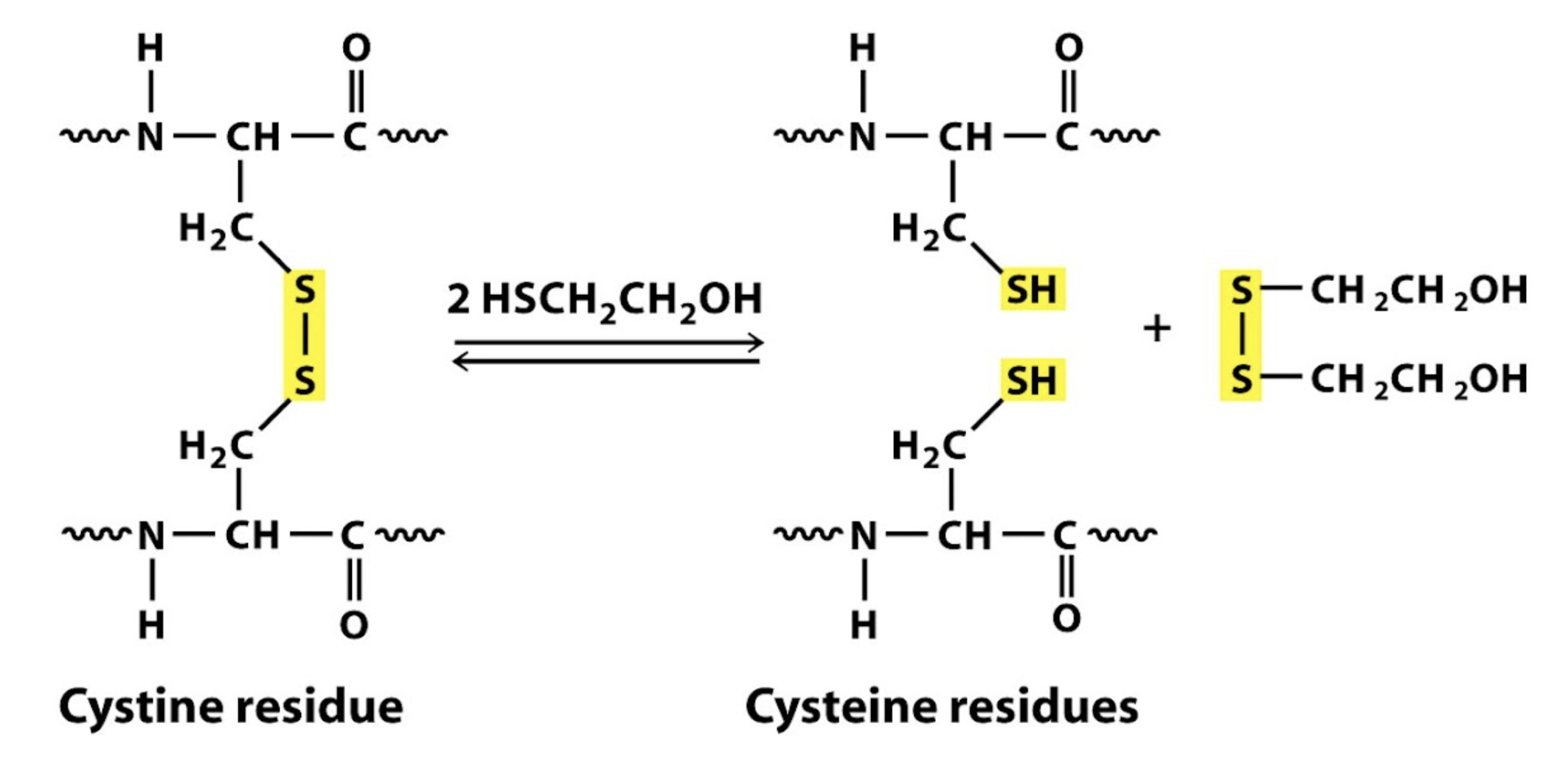
Beta-mercaptoethanol · ·

A , also called 2-mercaptoethanol, used to break .

Read explanation · Thermo Fisher ↗
Biomolecule

A made by or involved in living systems, including , , , and .

Read explanation · OpenStax ↗
Blotting ·

Transfer of separated or to a so a specific target can be detected.

Read explanation · Thermo Fisher ↗
Boiling point

The temperature at which a liquid’s equals the surrounding pressure.

Read explanation · Agilent ↗
Brønsted–Lowry base · · · · · · · · · · ·

In the Brønsted–Lowry model, a substance that can accept a . Basic solutions have lower activity than water.

Read explanation · OpenStax ↗
carbocation

Species with an -deficient, positively carbon center.

Read explanation · OpenStax ↗
Carbohydrate

A class of including sugars and their , used for energy storage, structure, and recognition.

Read explanation · OpenStax ↗
Carbonyl group · ·

A carbon double-bonded to oxygen, C=O; present in and many other .

Read explanation · OpenStax ↗
Carboxyl group · ·

An , COOH. In free it is usually to COO⁻ near physiological .

Read explanation · OpenStax ↗
Catalyst · ·

A substance that speeds a by providing a pathway with lower and is regenerated rather than consumed overall.

Read explanation · OpenStax ↗
Chemical compound ·

A substance containing of two or more different chemically combined in a definite composition.

Read explanation · OpenStax ↗
Chemical element

A substance defined by having the same number of , such as carbon or oxygen.

Read explanation · OpenStax ↗
Chemical reaction ·

A process that rearranges and chemical bonds, converting into .

Read explanation · OpenStax ↗
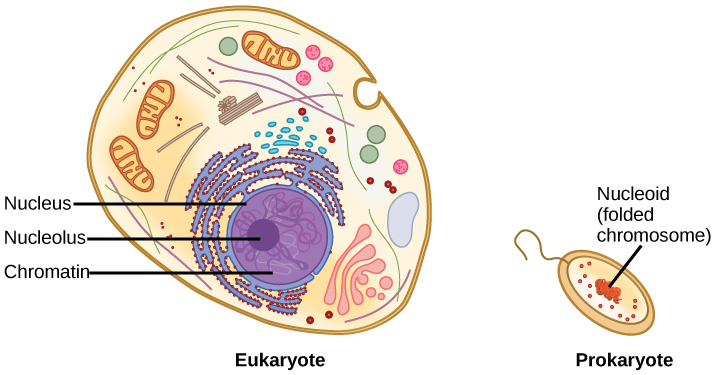
Chromatin

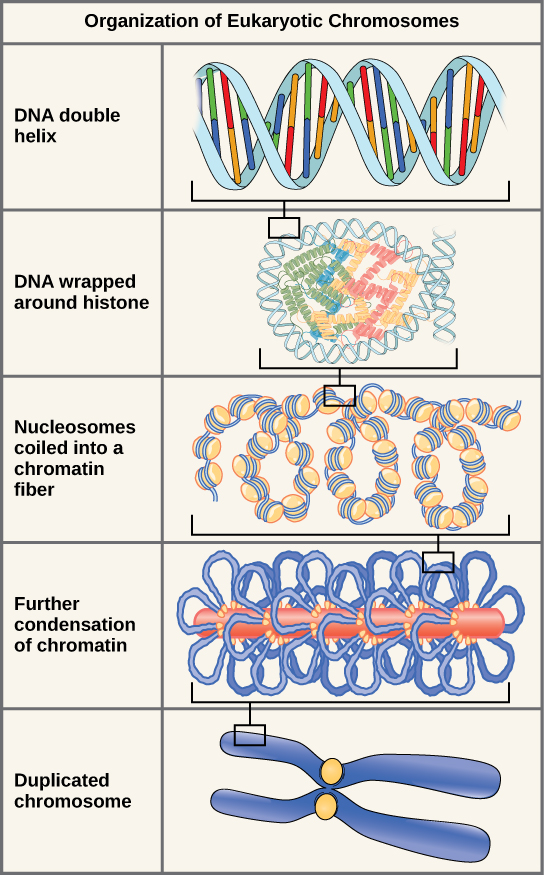
The complex of and associated , including , in .

Read explanation · OpenStax ↗
Chromosome ·

An organized with associated that carries . A replicated chromosome has two .

Read explanation · OpenStax ↗
Codon

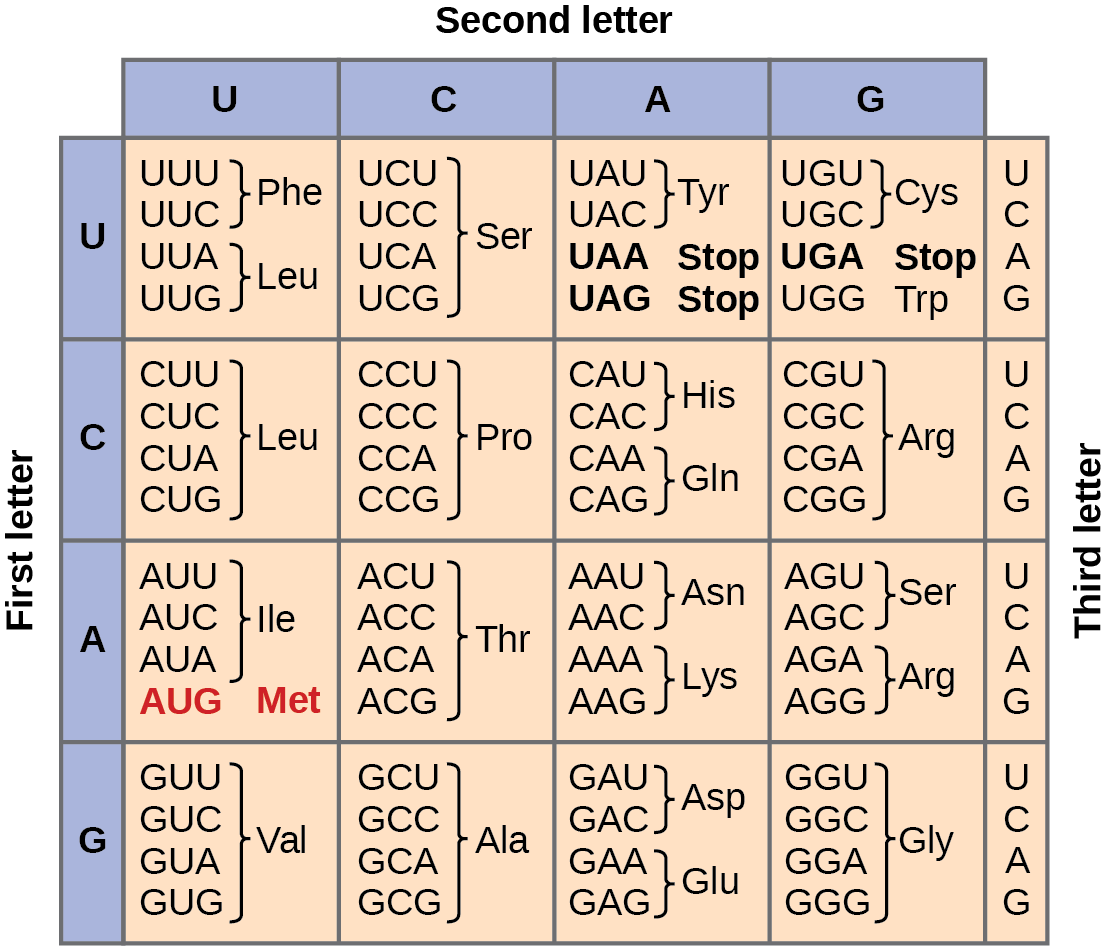
A sequence of three that specifies an or a stop signal.

Read explanation · OpenStax ↗
Concentration

The amount of a substance in a specified volume or mass of mixture.

Read explanation · OpenStax ↗
Configuration

A stereochemical arrangement that cannot be changed into another configuration by ordinary single-bond rotations alone.

Read explanation · OpenStax ↗
conjugate base

Species formed when an loses one .

Read explanation · OpenStax ↗
Conjugated system ·

Adjacent orbitals that allow to be distributed across several , often through alternating single and multiple bonds.

Read explanation · OpenStax ↗
Cooperativity · ·

An interaction in which binding at one site changes binding at other sites. Positive cooperativity can produce a response.

Read explanation · Biology LibreTexts ↗
Covalent bond · ·

A bond in which share pairs. and are covalent.

Read explanation · OpenStax ↗
Cysteine ·

An with a . Two cysteines can form a .

Read explanation · OpenStax ↗
Deoxyribonucleic acid

The that stores genetic information used to specify and sequences.

Read explanation · OpenStax ↗
Deprotonation

Removal of a from a or group; this changes its by minus one.

Read explanation · OpenStax ↗
Detergent

An substance that can associate with both water and material; detergents can disrupt or interactions.

Read explanation · Thermo Fisher ↗
Disulfide bond · · ·

A covalent sulfur–sulfur bond formed by of two , which can stabilize structure.

Read explanation · NCBI Bookshelf ↗
Dithiothreitol

A used to convert into separate .

Read explanation · Thermo Fisher ↗
DNA replication

Copying so genetic information can be passed to daughter cells. Each guides a complementary new strand.

Read explanation · OpenStax ↗
Electric charge · · ·

An electrical property that can be positive or negative. Opposite charges attract and like charges repel; net charge is the sum of all charges on a particle.

Read explanation · OpenStax ↗
Electron

A negatively subatomic particle. Electron sharing and transfer determine much of chemical bonding.

Read explanation · OpenStax ↗
Electron delocalization ·

Distribution of across several rather than confinement to one or bond.

Read explanation · OpenStax ↗
Electronegativity ·

An ’s tendency to attract shared in a chemical bond. Unequal attraction can make a bond .

Read explanation · OpenStax ↗
Enzyme

A biological that speeds a without being consumed. Most enzymes are .

Read explanation · OpenStax ↗
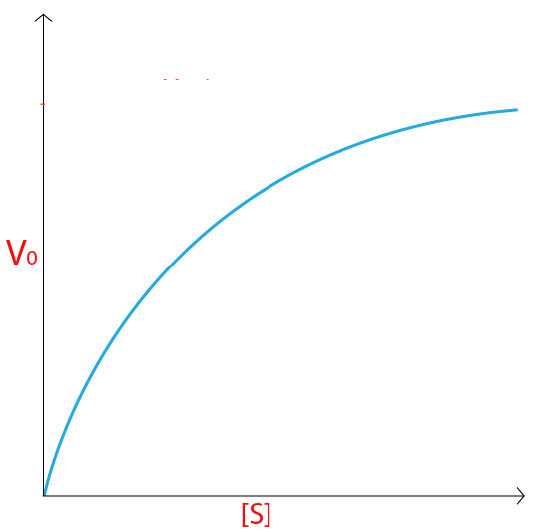
Enzyme saturation · ·

The high- limit in which sites spend almost all their time processing and the rate approaches .

Read explanation · Biology LibreTexts ↗
Equilibrium

A state where opposing processes occur at equal rates, so macroscopic or other properties remain constant.

Read explanation · OpenStax ↗
Eukaryote ·

An organism whose cells have a -enclosed ; animals, plants, fungi, and protists are eukaryotes.

Read explanation · OpenStax ↗
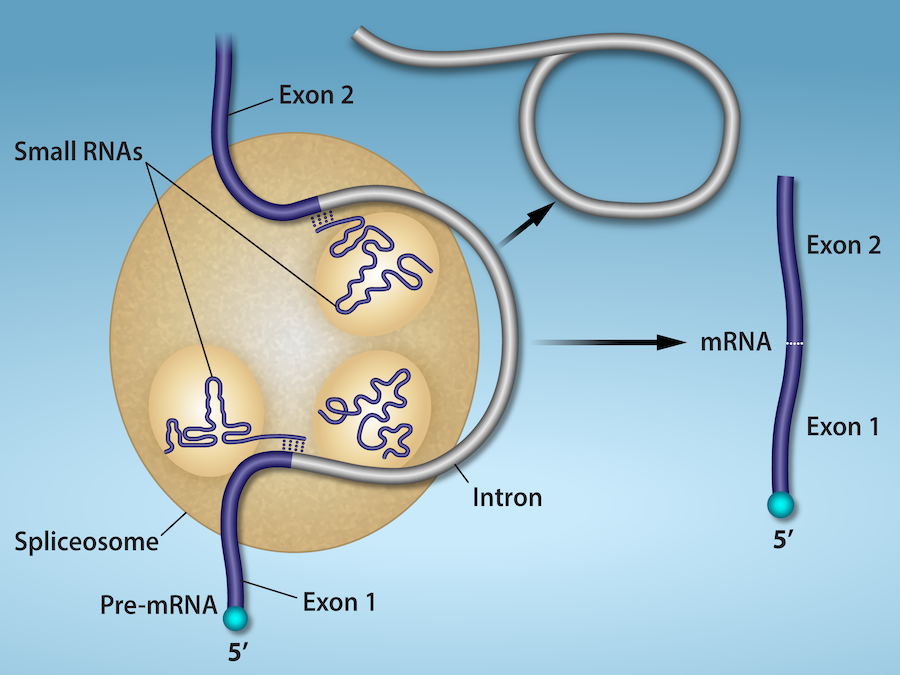
Exon

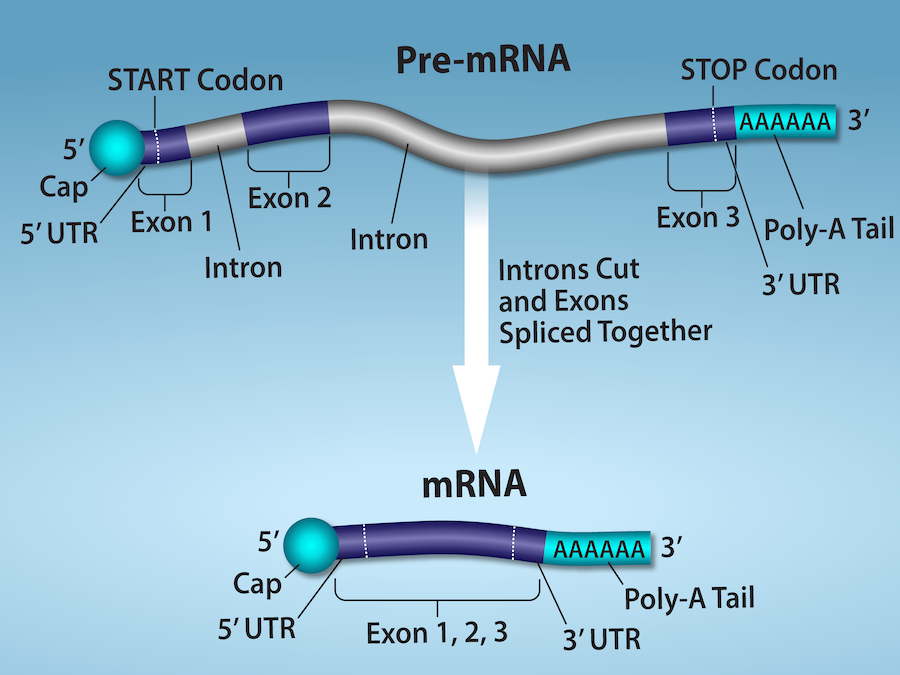
A segment retained in a mature spliced . In an exon may contain coding sequence, untranslated sequence, or both.

Read explanation · OpenStax ↗
FACT complex ·

A -associated complex that helps machinery traverse and supports reorganization.

Read explanation · OpenStax ↗
First-order kinetics

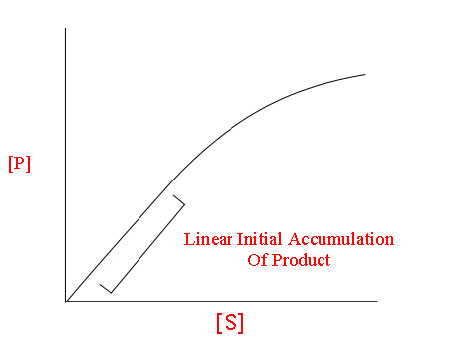
A rate dependence proportional to the first of a . At low , a is approximately first-order in .

Read explanation · Biology LibreTexts ↗
Functional group

A group of whose chemical behavior gives a characteristic and properties.

Read explanation · OpenStax ↗
Gene

A sequence that contributes to a functional or , together with the information needed to express it.

Read explanation · OpenStax ↗
Gene expression

Production of a functional from a , including and, for -coding , .

Read explanation · NCBI Bookshelf ↗
Half-life

The time required for half of a population or amount to remain during decay; a constant half-life is characteristic of decay.

Read explanation · OpenStax ↗
Histone

A -associated rich in . Core histones form the around which nucleosomal wraps.

Read explanation · OpenStax ↗
Hydrocarbon · ·

A made only of carbon and hydrogen. Hydrocarbon regions are generally .

Read explanation · OpenStax ↗
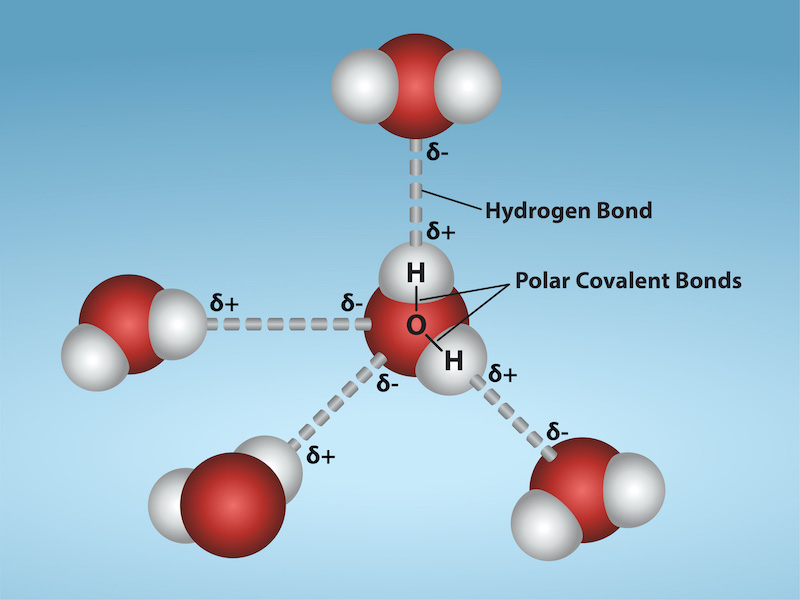
Hydrogen bond ·

An attraction between a hydrogen bonded to an and another . hydrogen bonds stabilize .

Read explanation · OpenStax ↗
Hydrogen ion · ·

A positively hydrogen species. H⁺ denotes a , which is hydrated in water; its activity determines .

Read explanation · OpenStax ↗
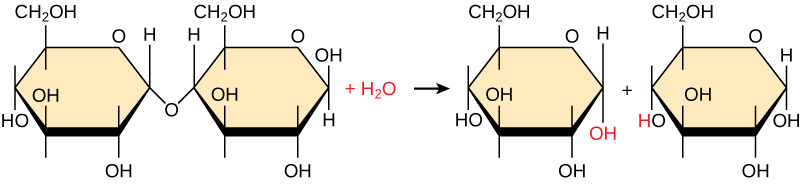
Hydrolysis

Breaking a chemical bond by adding water. hydrolysis separates .

Read explanation · OpenStax ↗
Hydrophilic

Interacting favorably with water, typically because a group is or .

Read explanation · OpenStax ↗
Hydrophobic

Interacting poorly with water. often gather in a ’s interior.

Read explanation · OpenStax ↗
Hydroxide ion ·

The negatively OH⁻. Basic contain a higher hydroxide ion activity than water at the same temperature.

Read explanation · OpenStax ↗
Hydroxyl group ·

An oxygen bonded to hydrogen, –OH. Hydroxyl groups can and often increase .

Read explanation · OpenStax ↗
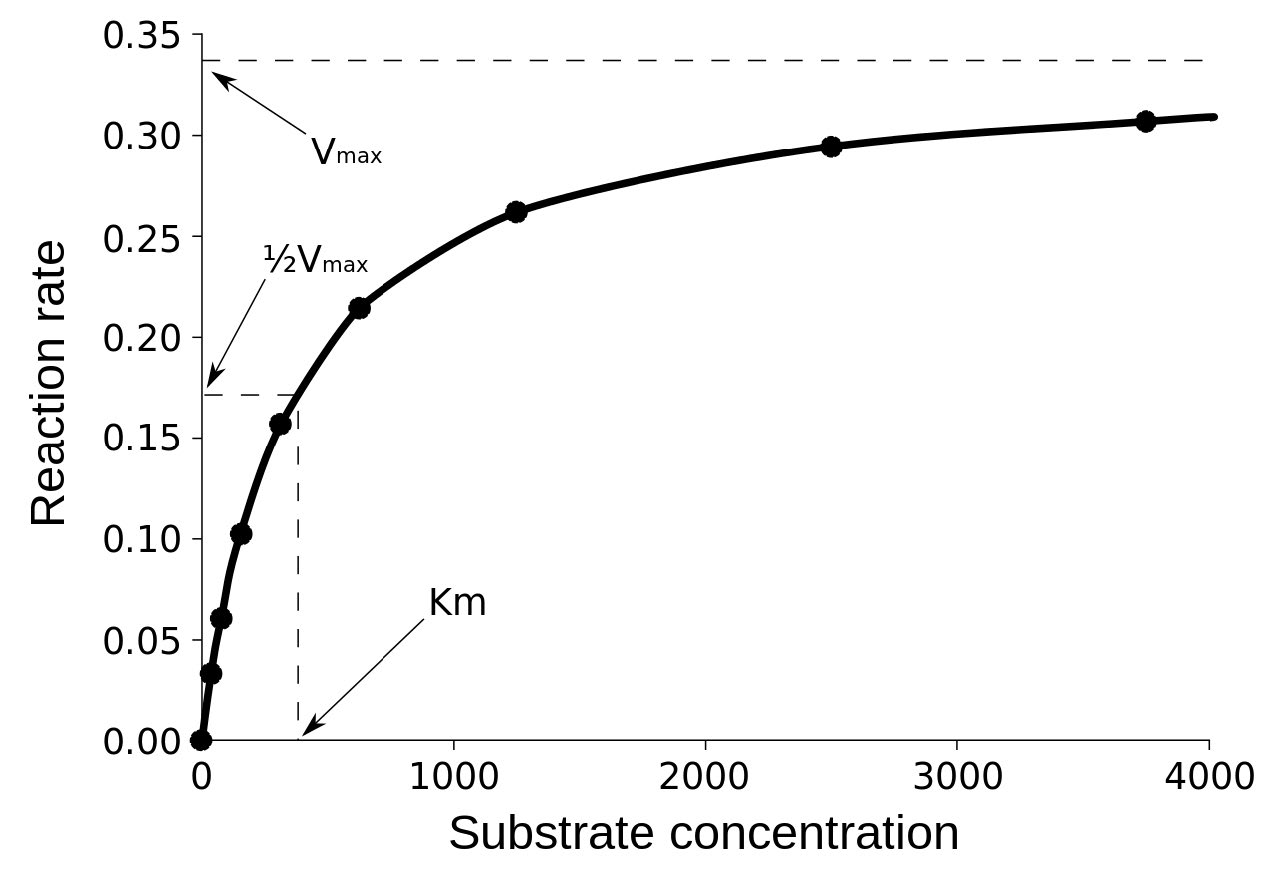
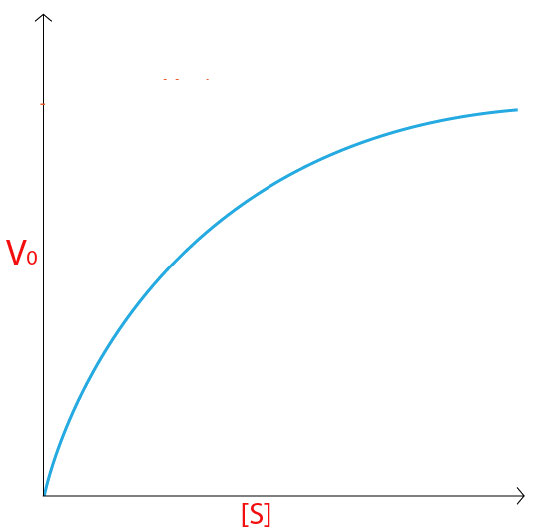
Hyperbolic curve ·

A curve that approaches an asymptote. The standard rate curve is a rectangular hyperbola approaching .

Read explanation · Biology LibreTexts ↗
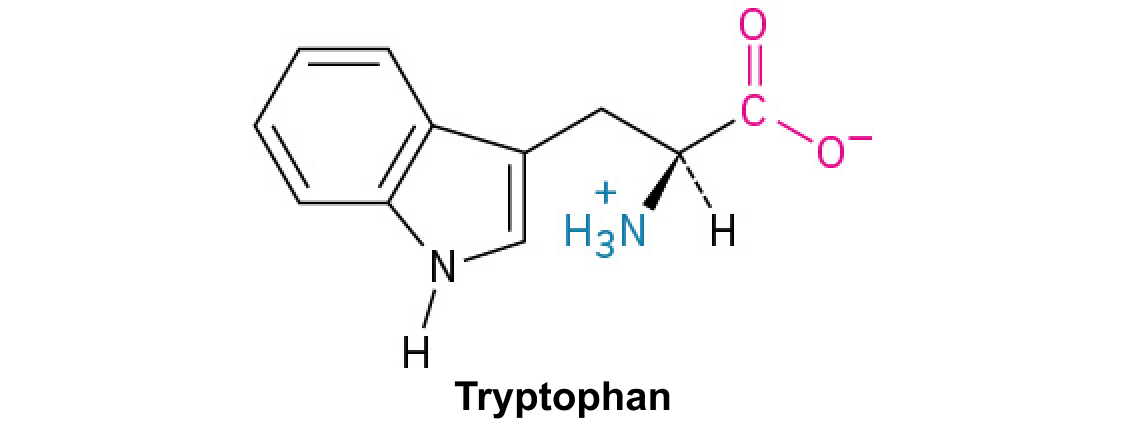
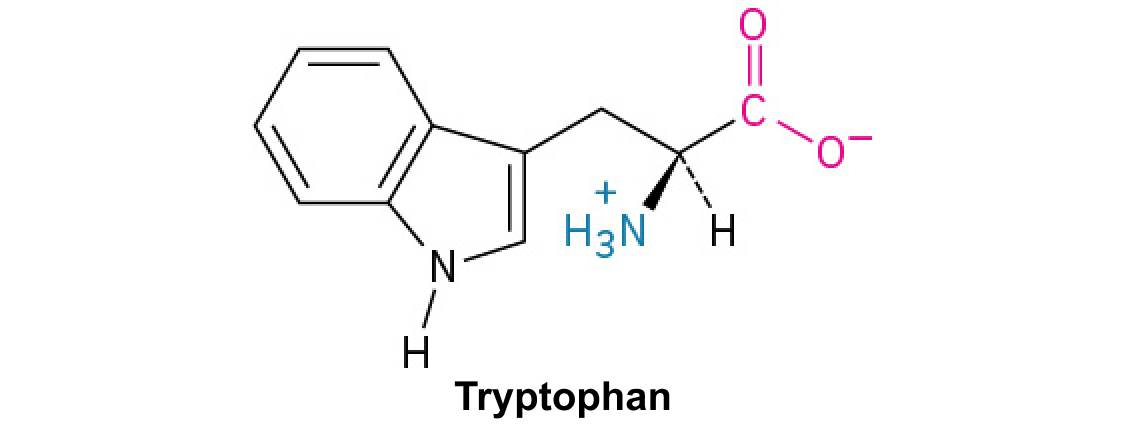
Indole

A fused six-membered and five-membered ring system containing nitrogen; found in .

Read explanation · OpenStax ↗
Initial reaction rate · · · ·

The early rate of formation, measured before substantial depletion or accumulation, usually after the brief binding transient.

Read explanation · Biology LibreTexts ↗
Intron ·

A segment removed from a precursor during . Intronic signals or regulatory sequences can affect .

Read explanation · OpenStax ↗
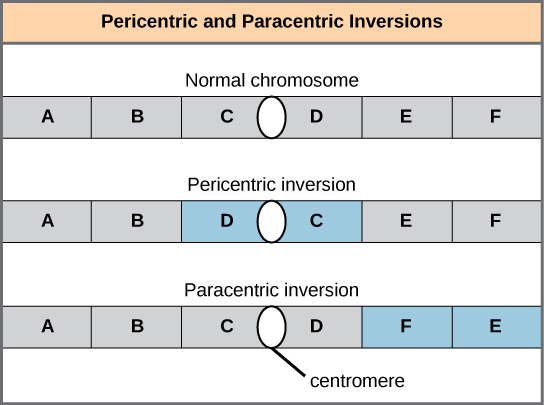
inversion

A rearrangement that reverses a segment’s orientation.

Read explanation · OpenStax ↗
Ion · ·

An or with a net because its numbers of and do not balance.

Read explanation · OpenStax ↗
ketone bodies

Acetoacetate, β-hydroxybutyrate, and acetone, produced mainly by liver during increased fatty- .

Read explanation · Biology LibreTexts / Oregon State University ↗
linkage

A tendency of nearby on the same to be inherited together.

Read explanation · OpenStax ↗
Lipid

A broad class of largely or , including fats, , and steroids.

Read explanation · OpenStax ↗
locus

The specific position of a or other feature.

Read explanation · OpenStax ↗
Logarithm · · ·

The exponent needed to obtain a number from a chosen fixed number. For decimal logarithms, log₁₀(100) = 2 because 10² = 100; uses the negative decimal logarithm of activity.

Read explanation · OpenStax ↗
Maximum reaction rate · ·

The limiting as becomes saturating. For a fixed under given conditions, Vmax = times .

Read explanation · Biology LibreTexts ↗
mechanical power

Rate of energy transfer, measured in watts.

Read explanation · OpenStax ↗
Membrane · · · ·

A thin boundary or sheet. Cell membranes are bilayers containing ; membranes are synthetic supports that hold or for detection.

Read explanation · OpenStax ↗
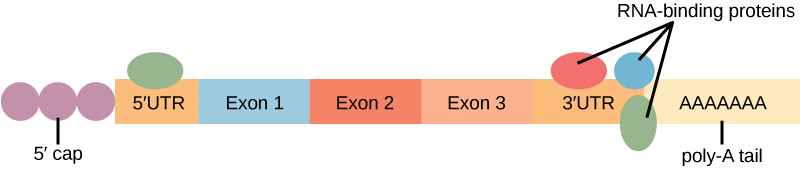
Messenger RNA ·

An that carries coding information used by to synthesize a .

Read explanation · OpenStax ↗
mesylate

Methanesulfonate group used to convert an alcohol into a better leaving-group .

Read explanation · OpenStax ↗
Methyl group ·

A –CH₃ group, consisting of one carbon bonded to three hydrogens.

Read explanation · OpenStax ↗
Michaelis–Menten kinetics · ·

A model with = [S]/(Km + ). Its curve is ; may require a different model.

Read explanation · Biology LibreTexts ↗
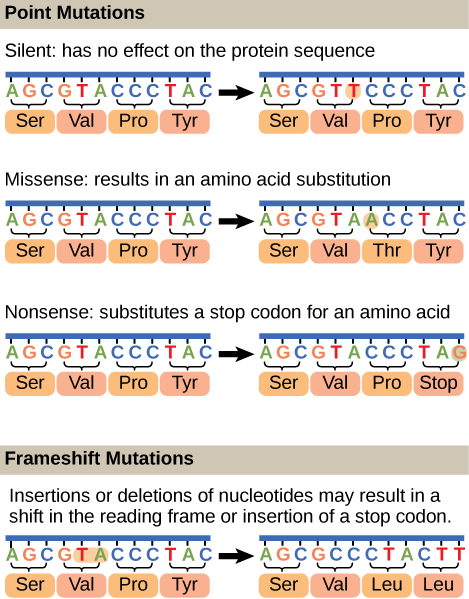
Missense mutation ·

A coding-sequence that changes the specified ; its effect depends on the and context.

Read explanation · OpenStax ↗
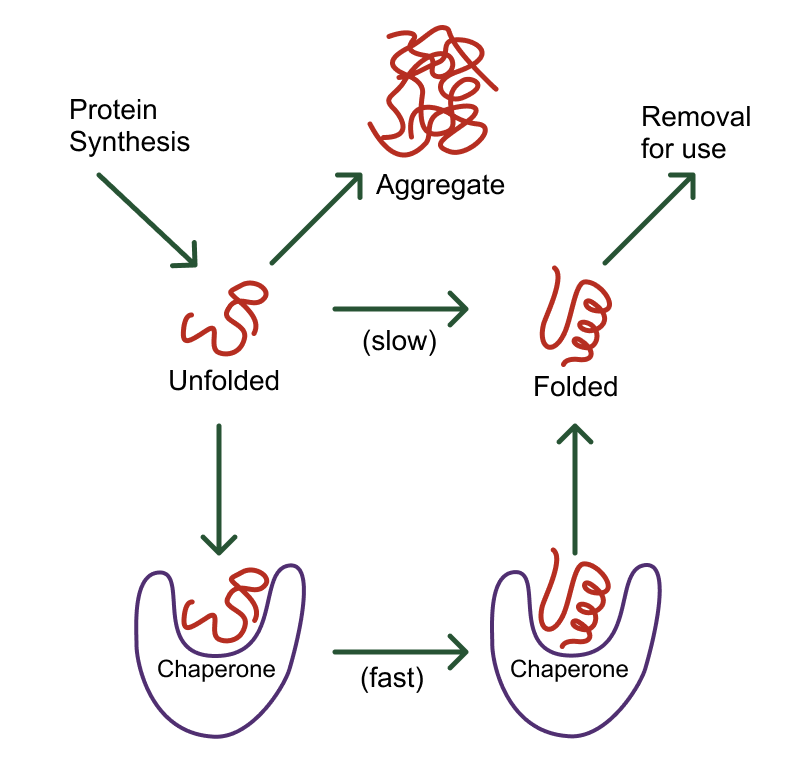
Molecular chaperone · ·

A that assists other in folding or prevents , without specifying their sequence.

Read explanation · NCBI Bookshelf ↗
Molecule

Two or more joined by . A molecule may be electrically or carry a .

Read explanation · OpenStax ↗
Mutation

A change in a sequence; some mutations alter a ’s sequence.

Read explanation · OpenStax ↗
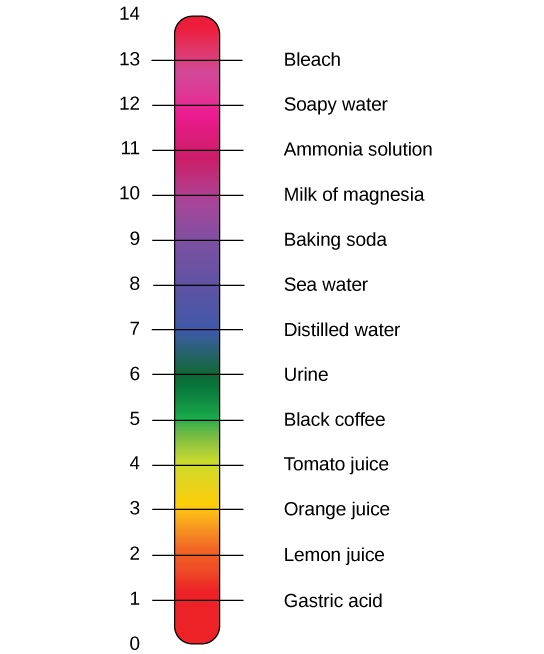
Neutral

Having no net . For a , neutral instead means equal and activities; its is about 7 at 25 °C.

Read explanation · OpenStax ↗
Nitrogenous base · · ·

A nitrogen-containing ring component of ; its pairing interactions help specify sequences.

Read explanation · OpenStax ↗
Nonpolar ·

Lacking a substantial separation of . Nonpolar groups generally interact poorly with water.

Read explanation · OpenStax ↗
Nonsense mutation ·

A that converts an amino- into a premature , potentially truncating the or destabilizing its .

Read explanation · OpenStax ↗
Nucleic acid

A of , such as or , used in information storage, expression, and other cellular functions.

Read explanation · OpenStax ↗
Nucleosome

The basic unit of : wrapped around a .

Read explanation · OpenStax ↗
Nucleotide

A joined to a sugar and one or more .

Read explanation · OpenStax ↗
Nucleus ·

A -enclosed compartment containing most of a cell’s .

Read explanation · OpenStax ↗
Octamer

A complex made of eight . A core contains eight .

Read explanation · OpenStax ↗
Oxidation ·

Loss of or an increase in oxidation state. Oxidizing two can form a .

Read explanation · OpenStax ↗
Peptide

A chain of joined by ; the term commonly describes chains shorter than a typical .

Read explanation · OpenStax ↗
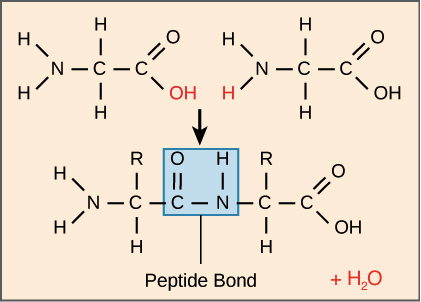
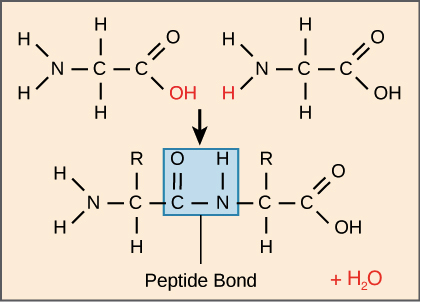
Peptide bond ·

A covalent between the carboxyl carbon of one and the amino nitrogen of the next.

Read explanation · OpenStax ↗
pH

A measure of , defined as the negative of activity. Lower pH means greater ; pH influences .

Read explanation · OpenStax ↗
phenol

containing a directly attached to an carbon.

Read explanation · OpenStax ↗
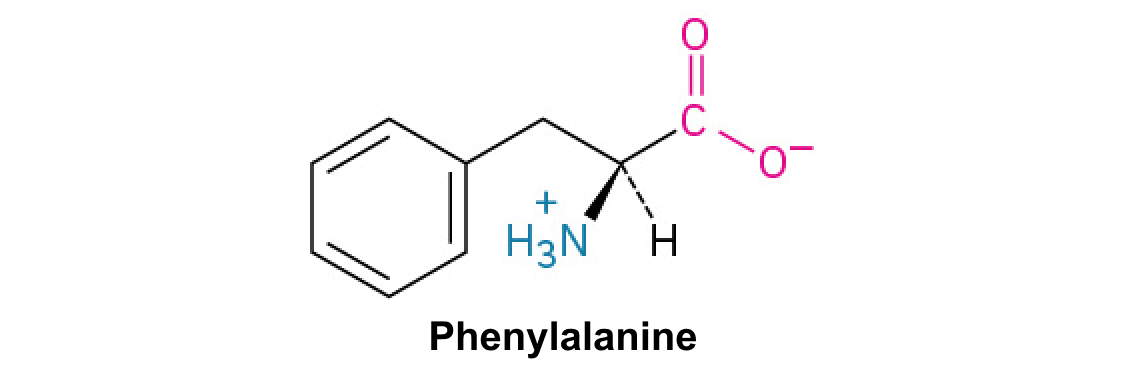
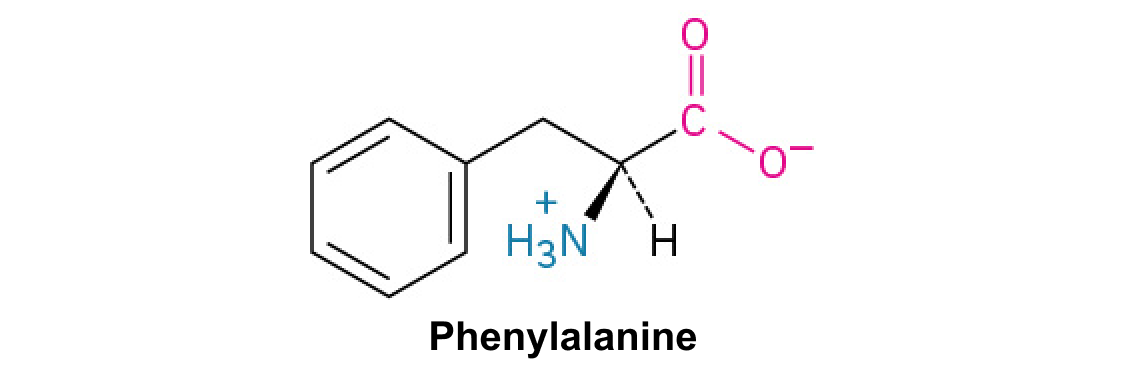
Phenylalanine ·

A with an .

Read explanation · OpenStax ↗
Phosphate group ·

A phosphorus-containing group bonded to oxygens; phosphate groups occur in , , and modified .

Read explanation · OpenStax ↗
Phospholipid

An with a -containing region and tails; a major component of cellular .

Read explanation · OpenStax ↗
Polar

Having an uneven distribution of . Polar groups often interact favorably with water.

Read explanation · OpenStax ↗
Polymer

A large made from many linked molecular building blocks.

Read explanation · OpenStax ↗
Polypeptide

A chain of connected by . A functional can contain one or several such chains.

Read explanation · OpenStax ↗
Proline ·

An whose loops back to the nitrogen, restricting rotation and often creating bends.

Read explanation · OpenStax ↗
protecting group

Temporary modification that blocks a ’s reactivity during another transformation.

Read explanation · OpenStax ↗
Protein

One or more folded chains that perform biological roles such as , transport, signaling, or structural support.

Read explanation · OpenStax ↗
Protein aggregation · ·

Association of into larger clusters, often when exposed surfaces of unfolded stick together.

Read explanation · NCBI Bookshelf ↗
Protein backbone ·

The repeating nitrogen–alpha-carbon– chain of a , excluding its variable .

Read explanation · OpenStax ↗
Proton

A positively subatomic particle. In – chemistry, donating a proton means transferring a .

Read explanation · OpenStax ↗
Protonation

Addition of a to an , , or ; this changes its by plus one.

Read explanation · OpenStax ↗
R group · ·

The variable side chain attached to an ’s . It determines identity, , , and chemical behavior.

Read explanation · OpenStax ↗
Reactant

A starting substance transformed during a .

Read explanation · OpenStax ↗
Reaction intermediate · ·

A species formed in one step and consumed in another. It occupies a local energy minimum between .

Read explanation · OpenStax ↗
Reaction product ·

A substance formed by a .

Read explanation · OpenStax ↗
Reaction rate · ·

How quickly are consumed or form, usually expressed as a change per unit time.

Read explanation · OpenStax ↗
Reducing agent · ·

A reagent that donates to another substance. and reduce .

Read explanation · OpenStax ↗
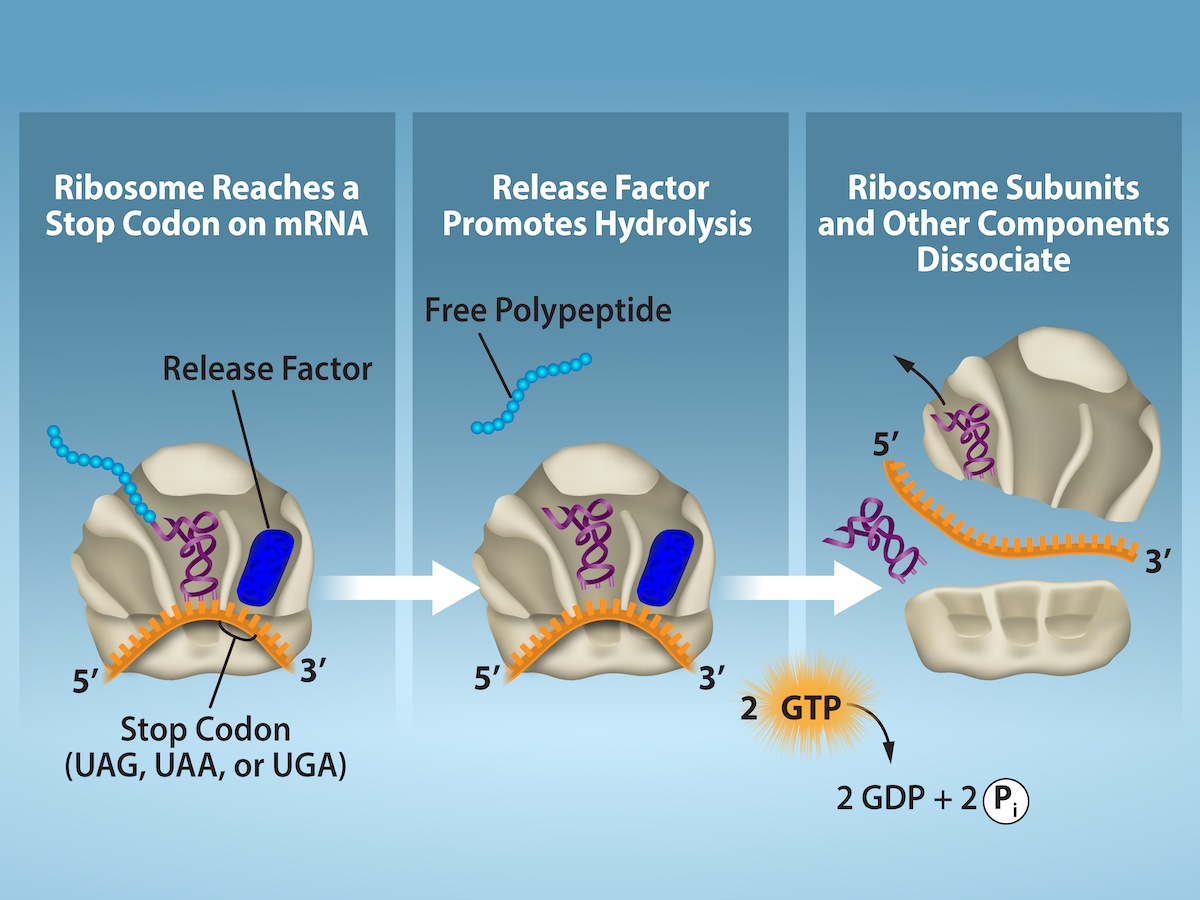
Release factor ·

A that recognizes a stop signal and promotes of the – to release the .

Read explanation · OpenStax ↗
resonance

Large driven response near a system’s natural frequency.

Read explanation · OpenStax ↗
Ribonucleic acid ·

A with roles in , regulation, and ; carries -coding information.

Read explanation · OpenStax ↗
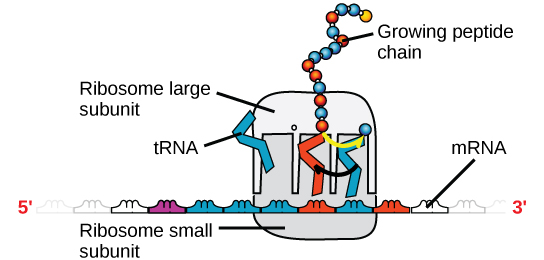
Ribosome ·

A complex of and that translates into a .

Read explanation · OpenStax ↗
RNA splicing · ·

Removal of and joining of in a precursor .

Read explanation · NCBI Bookshelf / Garland Science ↗
RNA stability

Persistence of an before degradation; greater stability generally means a longer lifetime or under specified conditions.

Read explanation · OpenStax ↗
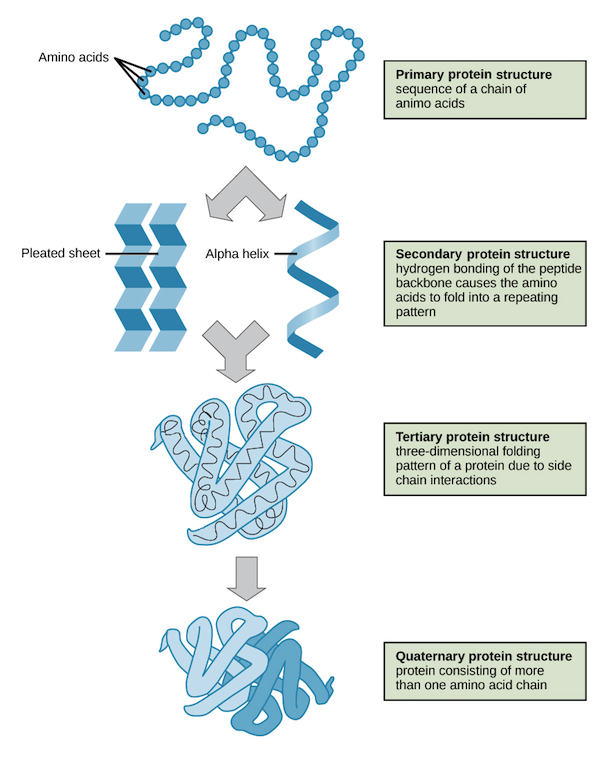
Secondary structure

Local folding, such as and , stabilized mainly by .

Read explanation · OpenStax ↗
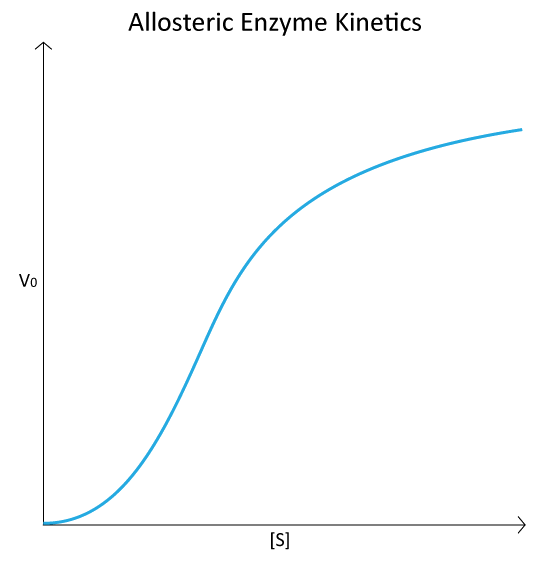
Sigmoidal curve ·

An S-shaped curve. A sigmoidal rate-versus- curve can indicate rather than simple behavior.

Read explanation · Biology LibreTexts ↗
silyl ether

Alcohol derivative in which oxygen is bonded to a silicon-containing group, often used for protection.

Read explanation · OpenStax ↗
Sister chromatid

One of the two copies of a produced by . An intact sister chromatid can supply a template for accurate repair.

Read explanation · Biology LibreTexts / Oregon State University ↗
SN1

Unimolecular nucleophilic pathway involving a intermediate.

Read explanation · OpenStax ↗
SN2

Concerted bimolecular nucleophilic with backside attack.

Read explanation · OpenStax ↗
Solubility ·

The amount of a substance that can dissolve in a under specified conditions. Soluble means able to dissolve; insoluble means only very slightly soluble in that .

Read explanation · OpenStax ↗
Solute

A dissolved component of a .

Read explanation · OpenStax ↗
Solution

A homogeneous mixture in which are dissolved in a .

Read explanation · OpenStax ↗
Solvent

The component of a that dissolves other substances, usually the component present in the greatest amount.

Read explanation · OpenStax ↗
Stop codon · · ·

An that recruits a to end : UAA, UAG, or UGA in the standard code.

Read explanation · OpenStax ↗
Substitution · ·

Replacement of one by another. In a coding region it can be , , or .

Read explanation · OpenStax ↗
Substrate

A that an binds and chemically transforms.

Read explanation · OpenStax ↗
Substrate concentration

The amount of per volume. Square brackets denote ; [S] is varied to measure an curve.

Read explanation · Biology LibreTexts ↗
Subunit ·

An individual chain within a containing multiple chains.

Read explanation · OpenStax ↗
Synonymous mutation · · · · ·

A coding-sequence that leaves the specified unchanged. It can still affect , , or .

Read explanation · OpenStax ↗
Template strand · · ·

A preexisting strand whose sequence guides complementary nucleic- synthesis.

Read explanation · OpenStax ↗
Thiol group · · · ·

A sulfur bonded to hydrogen, –SH. thiols can form through .

Read explanation · OpenStax ↗
tosylate

p-Toluenesulfonate group; an alcohol-derived tosylate can act as an effective leaving group.

Read explanation · OpenStax ↗
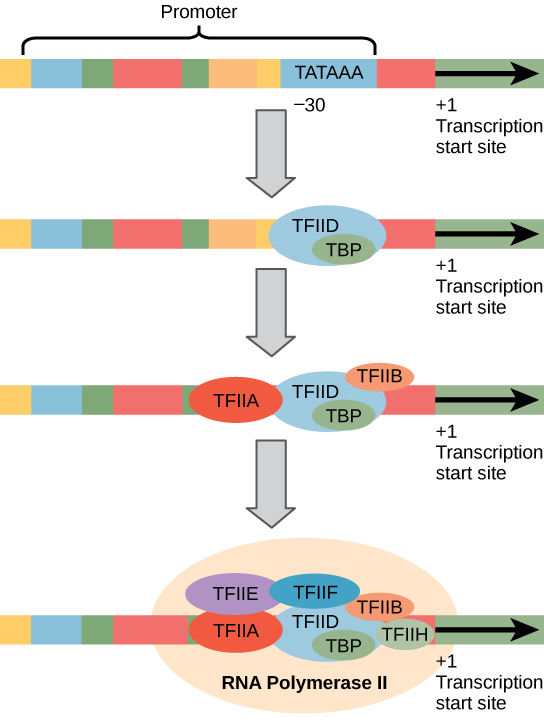
Transcription

Synthesis of using a template.

Read explanation · OpenStax ↗
Transfer RNA ·

An adaptor that carries an and pairs its with a on .

Read explanation · OpenStax ↗
Transition state

A fleeting, high-energy arrangement at a barrier. It is an energy maximum along the path, rather than a stable .

Read explanation · OpenStax ↗
Translation ·

Synthesis of a on a using the sequence of in .

Read explanation · OpenStax ↗
Tryptophan ·

An with a bulky ; commonly grouped as .

Read explanation · OpenStax ↗
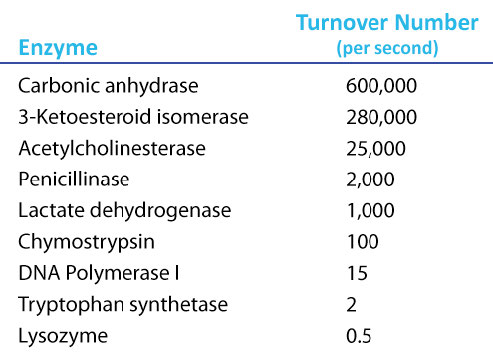
Turnover number · · ·

The maximum number of cycles per per unit time, calculated as /. Units are inverse time, commonly s⁻¹.

Read explanation · IUBMB ↗
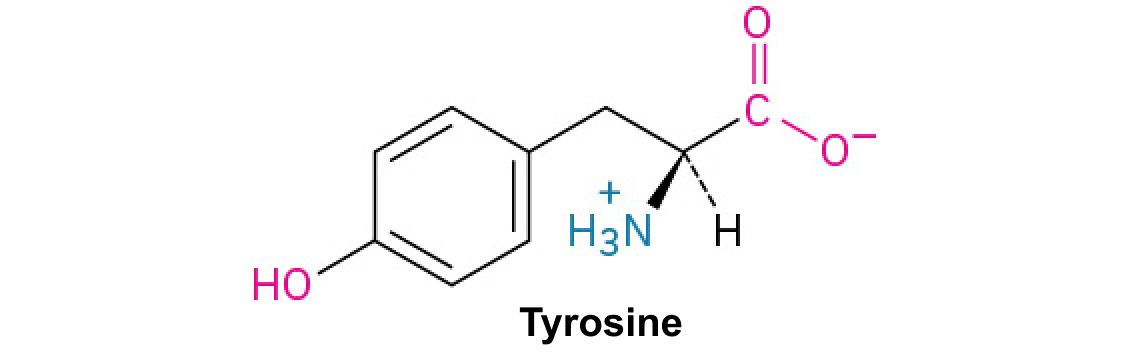
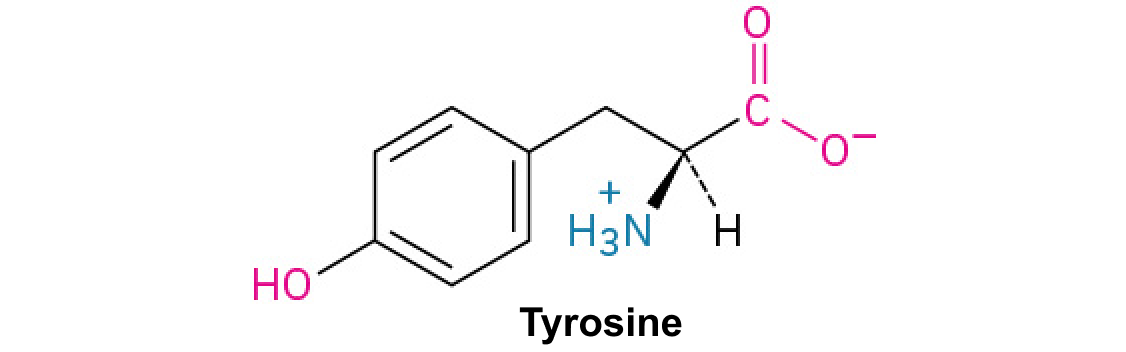
Tyrosine ·

An with a phenolic . Usually uncharged near physiological .

Read explanation · OpenStax ↗
vapor pressure

pressure of vapor above its condensed phase at a specified temperature.

Read explanation · OpenStax ↗

Organic Chemistry 17 — Summary

OpenStax · Organic Chemistry 17 — Summary ↗
Instructional page including learning objectives, examples, figures, source tables and questions. Site navigation and embedded media players are omitted; source media links remain available.

17 • Summary

17 • Summary

In previous chapters, we focused on developing general ideas of organic reactivity, looking at the chemistry of and halides and seeing some of the tools used in structural studies. With that accomplished, we have now begun to study the oxygen-containing that lie at the heart of organic and biological chemistry.

Alcohols are among the most versatile of all organic . They occur widely in nature, are important industrially, and have an unusually rich chemistry. The most widely used methods of alcohol synthesis start with . Aldehydes, esters, and carboxylic are reduced by with LiAlH4 to give primary alcohols (RCH2OH); are reduced to yield secondary alcohols (R2CHOH).

Alcohols are also prepared by of with Grignard reagents, RMgX. Addition of a Grignard reagent to formaldehyde yields a primary alcohol, addition to an aldehyde yields a secondary alcohol, and addition to a ketone or an ester yields a tertiary alcohol. The Grignard is limited by the that Grignard reagents can’t be prepared from halides that contain reactive in the same . This problem can sometimes be avoided by protecting the interfering . Alcohols are often protected by formation of trialkylsilyl ethers.

Alcohols undergo many and can be converted into many other . They can be dehydrated to give alkenes by treatment with POCl3 and can be transformed into halides by treatment with PBr3 or SOCl2. Furthermore, alcohols are weakly (pKa ≈ 16–18) and react with strong and with alkali metals to form , which are used frequently in organic synthesis. Perhaps the most important of alcohols is their to . Primary alcohols yield either aldehydes or carboxylic , secondary alcohols yield , but tertiary alcohols are not normally .

Phenols are counterparts of alcohols but are more (pKa ≈ 10) because their corresponding phenoxide are stabilized by delocalization of the negative into the ring. of the ring by an -withdrawing group increases , and by an -donating group decreases . Phenols can be to quinones, and quinones can be reduced back to hydroquinones.

17.8 Protection of Alcohols
OpenStax · 17.8 Protection of Alcohols ↗
Instructional page including learning objectives, examples, figures, source tables and questions. Site navigation and embedded media players are omitted; source media links remain available.

17.8 • Protection of Alcohols

It often happens, particularly during the synthesis of complex , that one in a interferes with an intended on another elsewhere in the same . We saw earlier in this chapter, for instance, that a Grignard reagent can’t be prepared from an alcohol-containing halide because the C–Mg bond is not compatible with the presence of an –OH group in the same .

3-bromopropan-1-ol (hydroxy hydrogen labeled acidic) does not react with magnesium and ether to form (3-hydroxypropyl)magnesium bromide.
17.8 Protection of Alcohols — illustration 1 John McMurry, Organic Chemistry, OpenStax. · CC BY-NC-SA 4.0 · Original image ↗ · Access for free ↗
When this kind of incompatibility arises, it’s sometimes possible to circumvent the problem by protecting the interfering . Protection involves three steps: (1) introducing a to block the interfering function, (2) carrying out the desired , and (3) removing the .

One of the more common methods of alcohol protection involves with a chlorotrialkylsilane, Cl–SiR3, to yield a trialkylsilyl ether, R′–O–SiR3. (Chloro-tert-butyldimethylsilane), usually abbreviated either TBS or TBDMS is often used, as is chlorotrimethylsilane (TMS), and the is carried out in the presence of a , such as triethylamine, to help form the from the alcohol and to remove the HCl by- from the .

An alcohol reacts with chlorotrimethylsilane to form trimethylsilyl ether. For example cyclohexanol reacts with chlorotrimethylsilane and triethylamine to form cyclohexyl trimethylsilyl ether with 94 percent yield.
17.8 Protection of Alcohols — illustration 2 John McMurry, Organic Chemistry, OpenStax. · CC BY-NC-SA 4.0 · Original image ↗ · Access for free ↗

The ether-forming step is an SN2-like of the on the silicon , with concurrent loss of the leaving chloride . Unlike most SN2 , though, this takes place at a tertiary center—a trialkyl-substituted silicon . The occurs because silicon, a third-row , is larger than carbon and forms longer bonds. In addition, three substituents attached to silicon offer little steric hindrance to ether formation.

Ball-and-stick model of chlorotrimethylsilane and tertiary-butyl chloride. Carbon is more hindered for tertiary-butyl chloride and has shorter bonds. Silicon is less hindered for chlorotrimethylsilane and bonds are longer.
17.8 Protection of Alcohols — illustration 3 John McMurry, Organic Chemistry, OpenStax. · CC BY-NC-SA 4.0 · Original image ↗ · Access for free ↗
Like most other ethers, which we’ll study in the next chapter, trialkylsilylethers are relatively unreactive. They have no hydrogens and don’t react with oxidizing agents, , or Grignard reagents. They do, however, react with aqueous or with fluoride to regenerate the alcohol. Tetrabutylammonium fluoride is often used.

Cyclohexyltrimethylsillyl ether reacts with hydronium ion to form cyclohexanol and trimethylsilanol.
17.8 Protection of Alcohols — illustration 4 John McMurry, Organic Chemistry, OpenStax. · CC BY-NC-SA 4.0 · Original image ↗ · Access for free ↗
To solve the problem posed at the beginning of this section, note that it’s possible to use an alcohol-containing halide in a Grignard by employing a protection sequence. For example, we can add 3-bromo-1-propanol to acetaldehyde by the route shown in Figure 17.10.

Different steps are involved in using a protecting group in Grignard reaction. The steps include protecting alcohol, forming Grignard reagent, performing Grignard reaction, and removing protecting group.
Figure 17.10 — 17.8 Protection of Alcohols
Figure 17.10 Use of a trialkylsilyl-protected alcohol during a Grignard reaction .

John McMurry, Organic Chemistry, OpenStax. · CC BY-NC-SA 4.0 · Original image ↗ · Access for free ↗
Problem 17-16
Propose a mechanism for the of cyclohexyl TMS ether with LiF to deprotect the .