Foundation 5 · 5D · Biologically relevant molecules

Storage, , and signaling

Sources ↗

families share character but differ in linkages, , and biological jobs.

Stored and

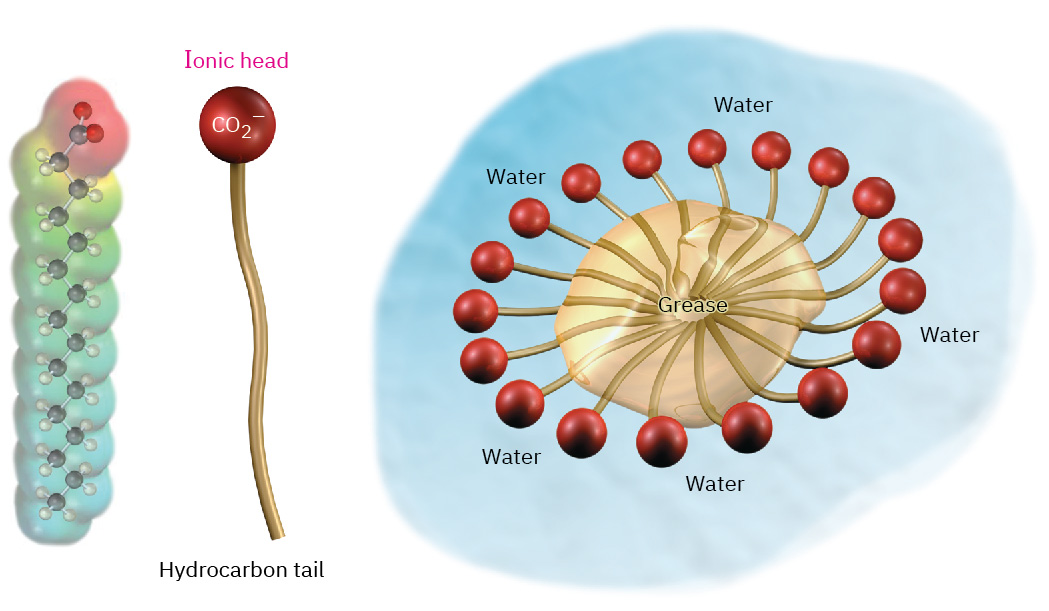
A has a and chain; means no carbon–carbon double bonds. Cis double bonds kink chains and generally lower melting temperature relative to similar saturated chains. esterify three to and store energy without substantial associated water. -promoted ester , , produces and fatty- ; acidification gives free . Soap form micelles because ionic heads contact water while tails cluster. The ester bonds are cleaved, not the carbon chains themselves.

Source: Organic Chemistry 27 — Summary · 27.2 Soap

and

Glycerophospholipids contain , two acyl chains, and a -containing head group. instead use a sphingosine ; adds an -linked , and different head groups yield sphingomyelin or glycosphingolipids. Their structure supports bilayers with buried tails and hydrated surfaces. are esters of long-chain and long-chain alcohols and often serve protective coatings. behavior depends on chain length, unsaturation, head-group interactions, and rather than simply the amount of present.

Source: Organic Chemistry 27 — Summary · 27.2 Soap

Steroids, local signals, and vitamins

Steroids share a fused four-ring carbon skeleton; contributes to and is a precursor to and bile . Prostaglandins are oxygenated arachidonic--derived local signals, part of the family, with context-dependent effects on , smooth muscle, and other functions. Fat- vitamins have distinct roles: A supports visual pigments and regulation, D regulates calcium-related , E acts as a -phase antioxidant, and K supports γ-carboxylation of selected . Their shared does not imply a shared mechanism.

Source: Organic Chemistry 27 — Summary · 27.2 Soap

Apply it

Try before revealing the answer. One of a containing three identical fatty- chains undergoes complete with NaOH. What and stoichiometric requirement result?

Worked answer

Three ester linkages require three moles of hydroxide per of . are one of and three moles of sodium fatty- . Subsequent acidification converts the to .

Source: Organic Chemistry 27 — Summary · 27.2 Soap

27.2 Soap — figures and tables
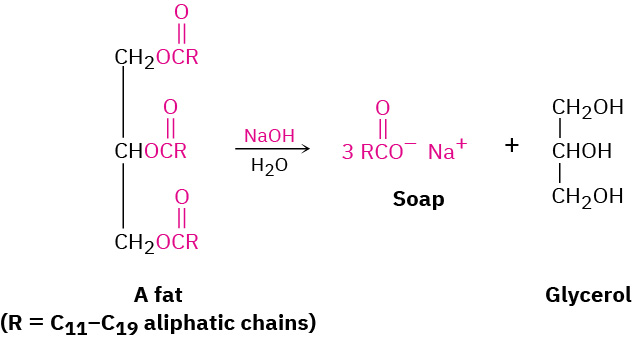
A fat with an R group equal to eleven to nineteen aliphatic chains reacts with sodium hydroxide and water to produce three moles of sodium salt (soap) and glycerol.
27.2 Soap — illustration 1 John McMurry, Organic Chemistry, OpenStax. · CC BY-NC-SA 4.0 · Original image ↗ · Access for free ↗
The ball-and-stick model in the electrostatic potential map of fatty acid carboxylate. The figure shows soap molecule with an ionic head and hydrocarbon tail followed by the structure of micelles.
Figure 27.2 — 27.2 Soap

Figure 27.2 A soap micelle solubilizing a grease particle in water. An electrostatic potential map of a fatty acid carboxylate shows how the negative charge is located in the head group.

John McMurry, Organic Chemistry, OpenStax. · CC BY-NC-SA 4.0 · Original image ↗ · Access for free ↗
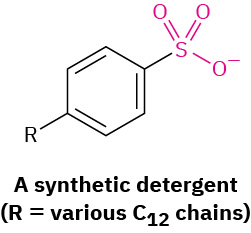
A synthetic detergent with R equals various carbon 12 chains. Benzene ring with a sulfur double bonded to two oxygens and single bonded to one oxygen negative and R group.
27.2 Soap — illustration 3 John McMurry, Organic Chemistry, OpenStax. · CC BY-NC-SA 4.0 · Original image ↗ · Access for free ↗

Source: 27.2 Soap
138 terms, alphabetically ordered

acceleration

Rate of change of , measured in m/s².

Read explanation · OpenStax ↗
Acid · ·

In the Brønsted–Lowry model, a substance that can donate a . Acidic have a higher activity than water.

Read explanation · OpenStax ↗
Activation energy ·

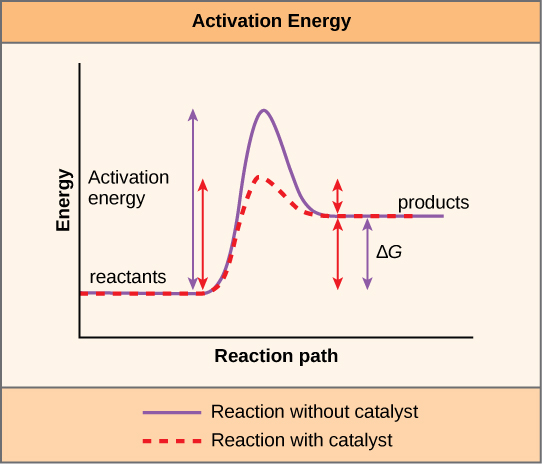
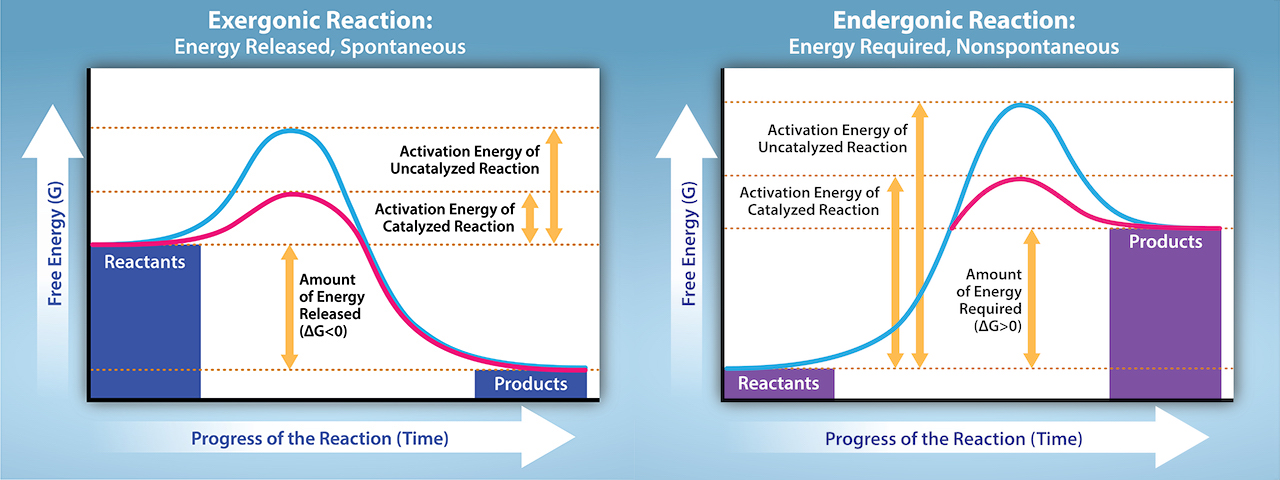
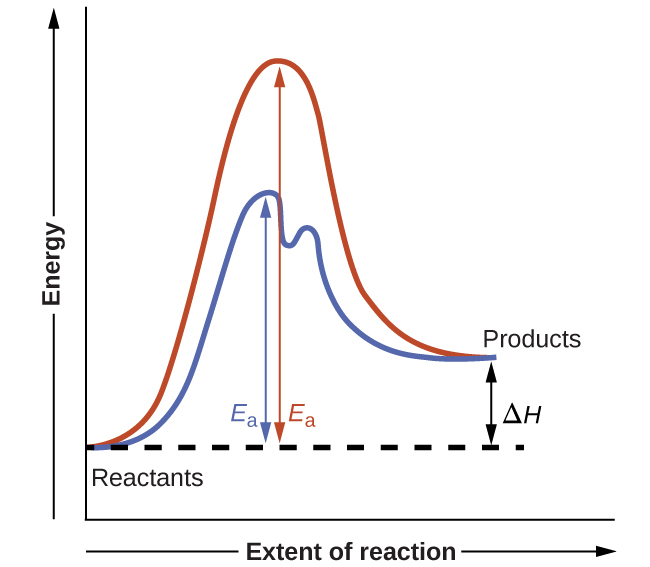
The energy barrier that must overcome to reach a and undergo .

Read explanation · OpenStax ↗
Active catalytic-site concentration ·

The total of active sites used to calculate from . It equals active when each has one site.

Read explanation · Biology LibreTexts ↗
Active site

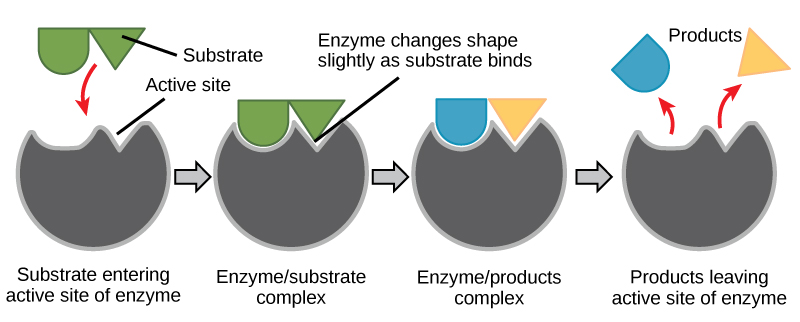
The region of an that binds its and carries out .

Read explanation · OpenStax ↗
Adenosine triphosphate

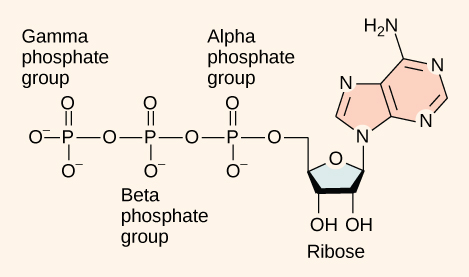
An energy-carrying ; its powers many cellular processes, including cycles.

Read explanation · OpenStax ↗
Alpha carbon · ·

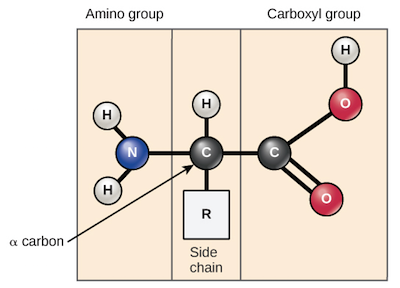
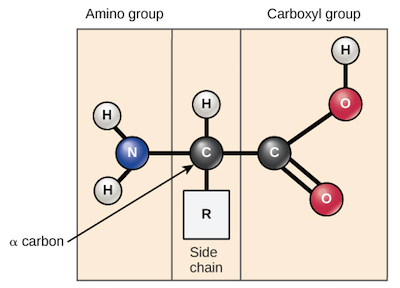
The central carbon next to the carboxyl carbon. In a standard it binds an , hydrogen, and .

Read explanation · OpenStax ↗
Alpha helix · · · · · ·

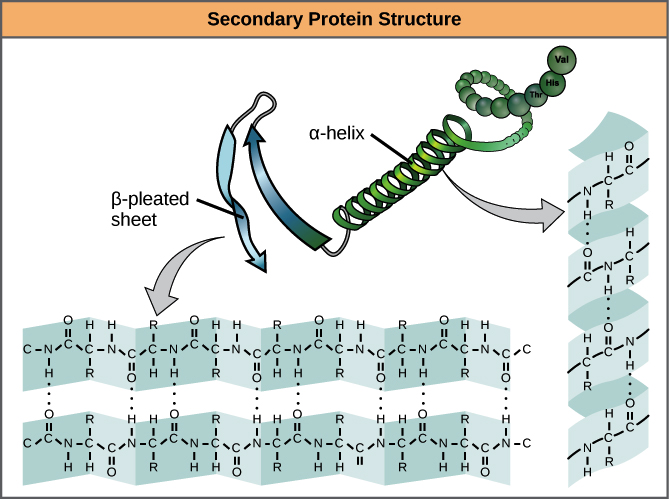
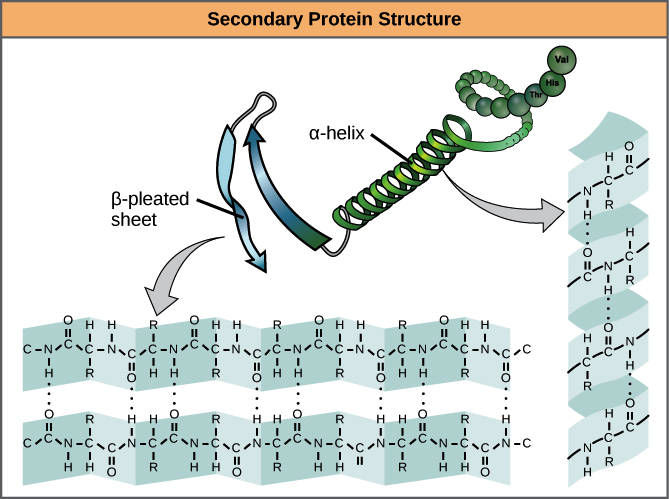
A helical stabilized by between a oxygen and an hydrogen four later.

Read explanation · OpenStax ↗
Amide · · ·

A group containing a carbon bonded to nitrogen. are amide linkages.

Read explanation · OpenStax ↗
Amino acid

A building block containing amino and and a characteristic .

Read explanation · OpenStax ↗
Amino acid residue · ·

The part of an incorporated into a chain. Residue can also describe another building block within a larger .

Read explanation · OpenStax ↗
Amino group · · ·

A nitrogen-containing . A free ’s amino group is typically (NH₃⁺) near physiological ; ’s ring nitrogen is an exception to this formula.

Read explanation · OpenStax ↗
Amphipathic

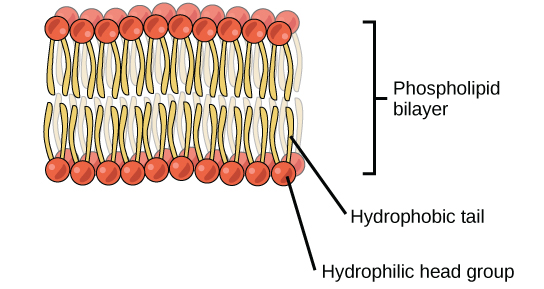
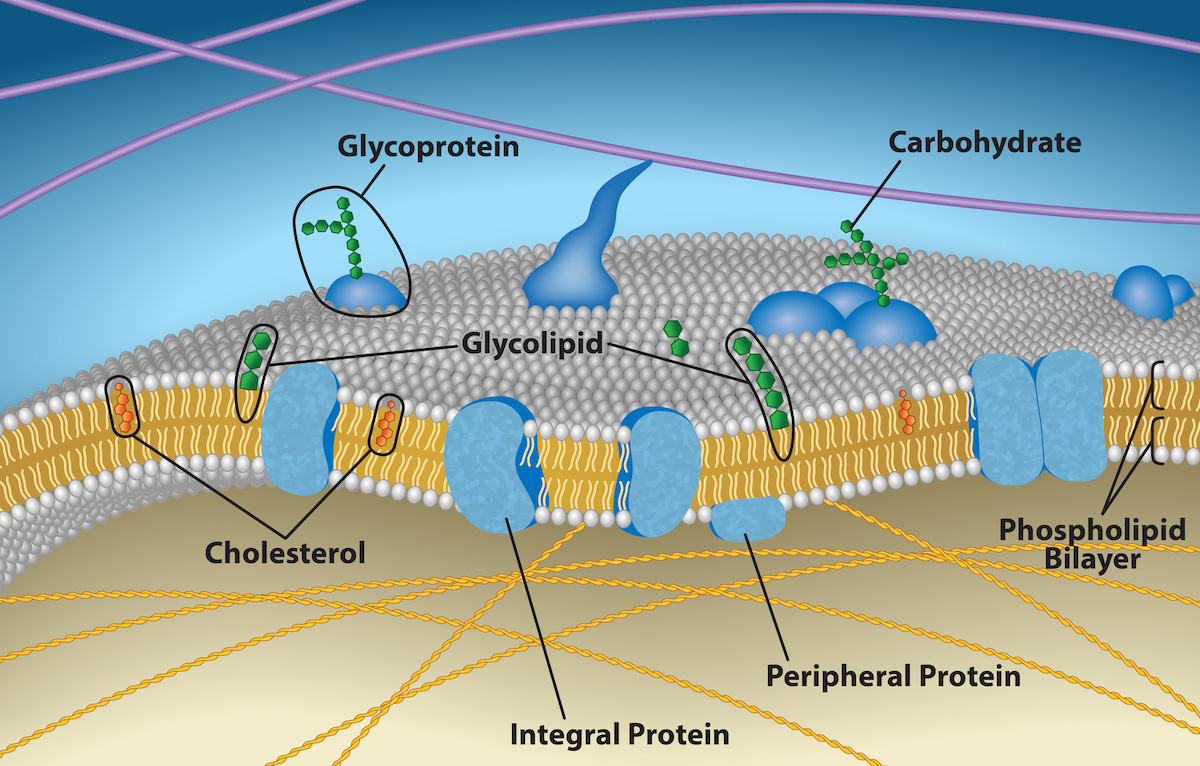
Having both a region and a region, as in a or .

Read explanation · OpenStax ↗
Anion ·

An with a negative net .

Read explanation · OpenStax ↗
Antiparallel

Running in opposite directions, as with two strands or neighboring strands in some .

Read explanation · OpenStax ↗
Aqueous solution ·

A in which water is the .

Read explanation · OpenStax ↗
Atom

The smallest unit of an element that retains its chemical identity; it has a surrounded by .

Read explanation · OpenStax ↗
Beta sheet · · · · · ·

A made of aligned segments connected by ; strands may be parallel or .

Read explanation · OpenStax ↗
Biomolecule

A made by or involved in living systems, including , , , and .

Read explanation · OpenStax ↗
Blotting ·

Transfer of separated or to a so a specific target can be detected.

Read explanation · Thermo Fisher ↗
Brønsted–Lowry base · · · · · · · · · · ·

In the Brønsted–Lowry model, a substance that can accept a . Basic solutions have lower activity than water.

Read explanation · OpenStax ↗
Buffer ·

A that resists changes when small amounts of or are added, commonly through a weak and its .

Read explanation · OpenStax ↗
Carbohydrate

A class of including sugars and their , used for energy storage, structure, and recognition.

Read explanation · OpenStax ↗
Carbonyl group · ·

A carbon double-bonded to oxygen, C=O; present in and many other .

Read explanation · OpenStax ↗
Carboxyl group · ·

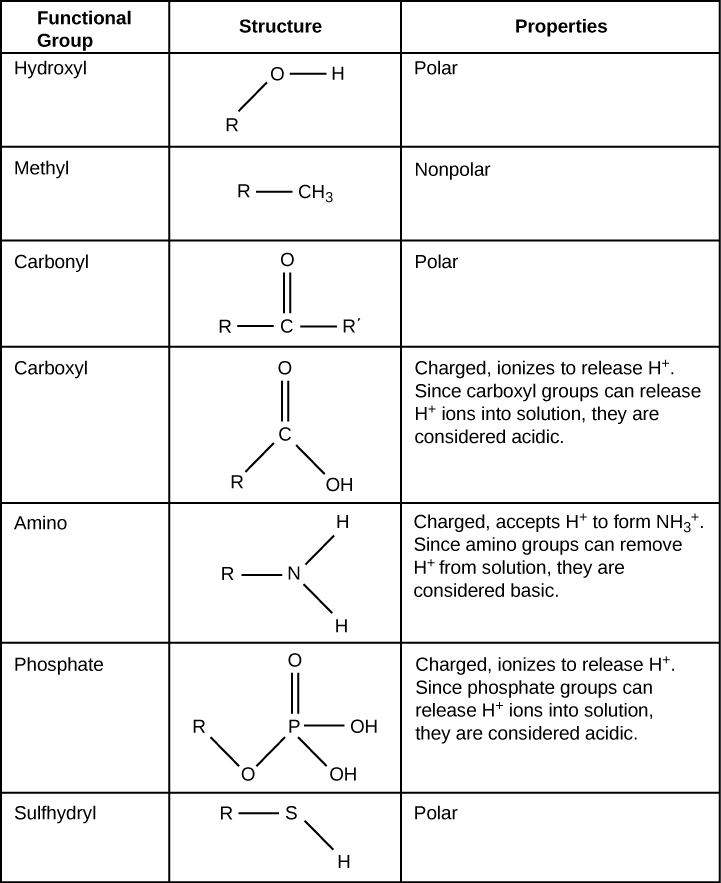
An , COOH. In free it is usually to COO⁻ near physiological .

Read explanation · OpenStax ↗
Carboxylate

The form of a , bearing a negative distributed over its two oxygen .

Read explanation · OpenStax ↗
Catalyst · ·

A substance that speeds a by providing a pathway with lower and is regenerated rather than consumed overall.

Read explanation · OpenStax ↗
Cation ·

An with a positive net .

Read explanation · OpenStax ↗
Centrifugation ·

Spinning a sample to accelerate separation of particles according to their behavior.

Read explanation · Beckman Coulter ↗
ceramide

Sphingosine linked by an bond to a .

Read explanation · OpenStax ↗
Chemical compound ·

A substance containing of two or more different chemically combined in a definite composition.

Read explanation · OpenStax ↗
Chemical element

A substance defined by having the same number of , such as carbon or oxygen.

Read explanation · OpenStax ↗
Chemical reaction ·

A process that rearranges and chemical bonds, converting into .

Read explanation · OpenStax ↗
cholesterol

An animal that modulates packing and serves as a precursor for and bile .

Read explanation · OpenStax ↗
Chromatography

Separation of mixture components by their different interactions with a and a moving .

Read explanation · Waters ↗
Chromatography resin ·

The solid or beads in a column, often carrying chemical groups that determine separation behavior.

Read explanation · Cytiva ↗
Chromosome ·

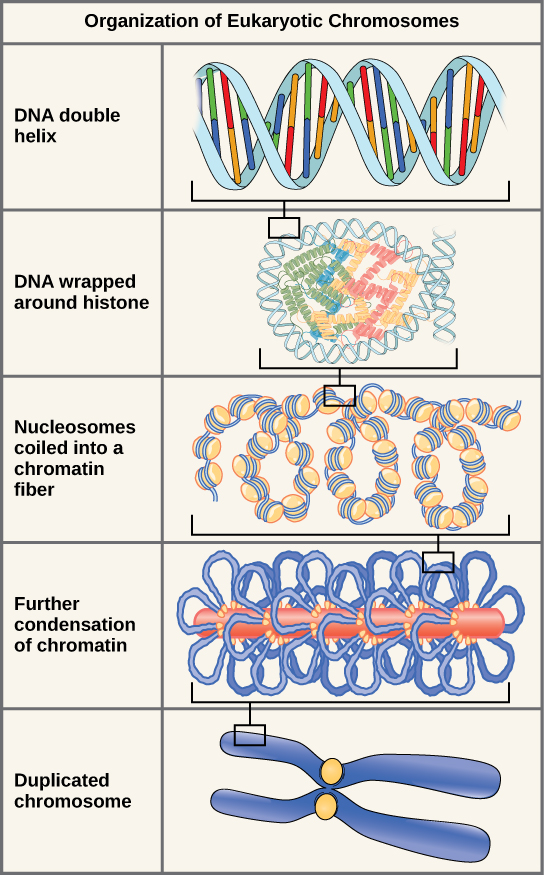
An organized with associated that carries . A replicated chromosome has two .

Read explanation · OpenStax ↗
Codon

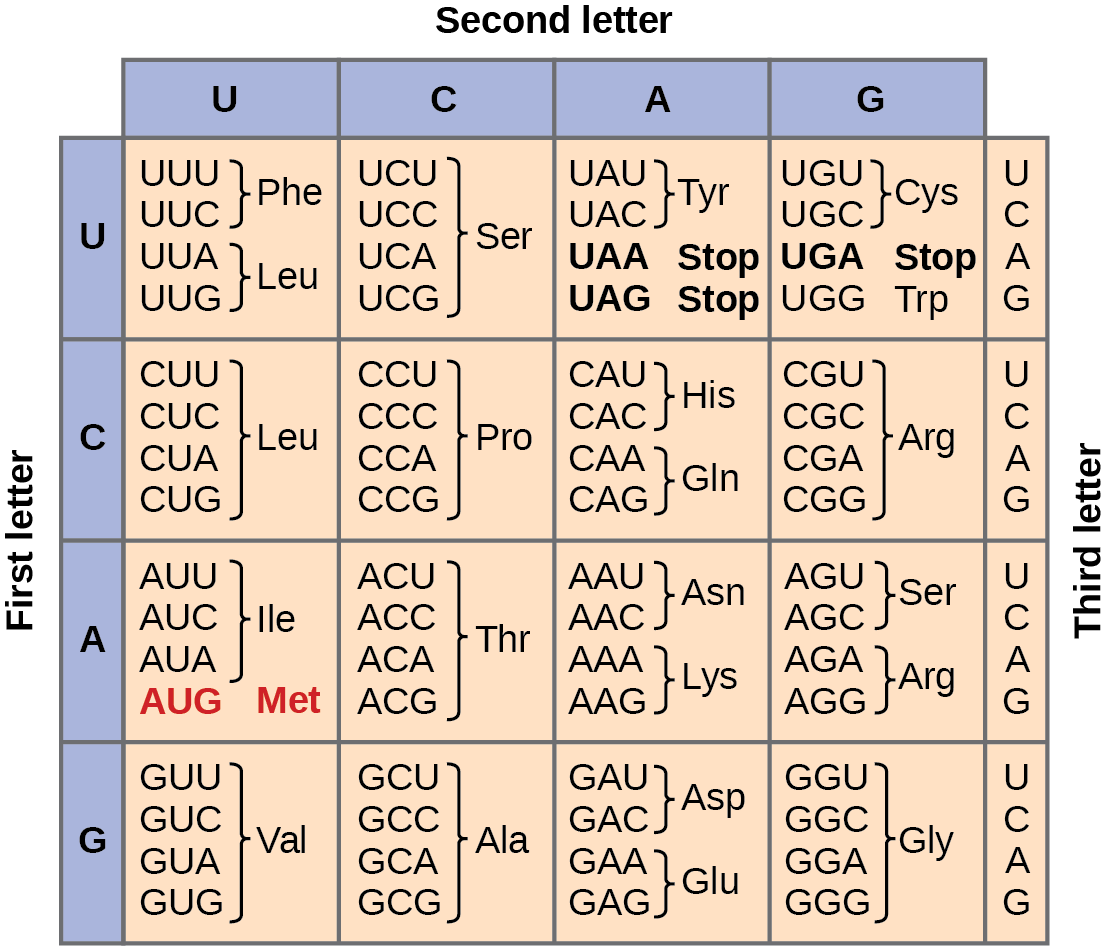
A sequence of three that specifies an or a stop signal.

Read explanation · OpenStax ↗
Concentration

The amount of a substance in a specified volume or mass of mixture.

Read explanation · OpenStax ↗
conjugate base

Species formed when an loses one .

Read explanation · OpenStax ↗
Covalent bond · ·

A bond in which share pairs. and are covalent.

Read explanation · OpenStax ↗
Cysteine ·

An with a . Two cysteines can form a .

Read explanation · OpenStax ↗
Density gradient

A fluid whose density varies with position, used to improve separation during .

Read explanation · Beckman Coulter ↗
Deoxyribonucleic acid

The that stores genetic information used to specify and sequences.

Read explanation · OpenStax ↗
Deprotonation

Removal of a from a or group; this changes its by minus one.

Read explanation · OpenStax ↗
Detergent

An substance that can associate with both water and material; detergents can disrupt or interactions.

Read explanation · Thermo Fisher ↗
Disulfide bond · · ·

A covalent sulfur–sulfur bond formed by of two , which can stabilize structure.

Read explanation · NCBI Bookshelf ↗
DNA replication

Copying so genetic information can be passed to daughter cells. Each guides a complementary new strand.

Read explanation · OpenStax ↗
eicosanoid

Local signaling derived from a twenty-carbon polyunsaturated .

Read explanation · OpenStax ↗
Electric charge · · ·

An electrical property that can be positive or negative. Opposite charges attract and like charges repel; net charge is the sum of all charges on a particle.

Read explanation · OpenStax ↗
Electron

A negatively subatomic particle. Electron sharing and transfer determine much of chemical bonding.

Read explanation · OpenStax ↗
Electronegativity ·

An ’s tendency to attract shared in a chemical bond. Unequal attraction can make a bond .

Read explanation · OpenStax ↗
Enzyme

A biological that speeds a without being consumed. Most enzymes are .

Read explanation · OpenStax ↗
Enzyme saturation · ·

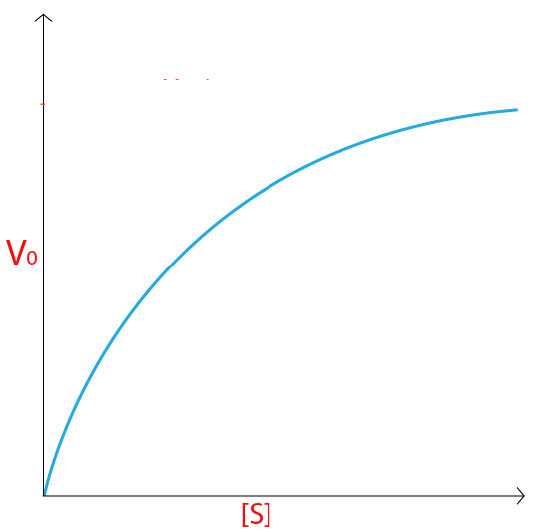
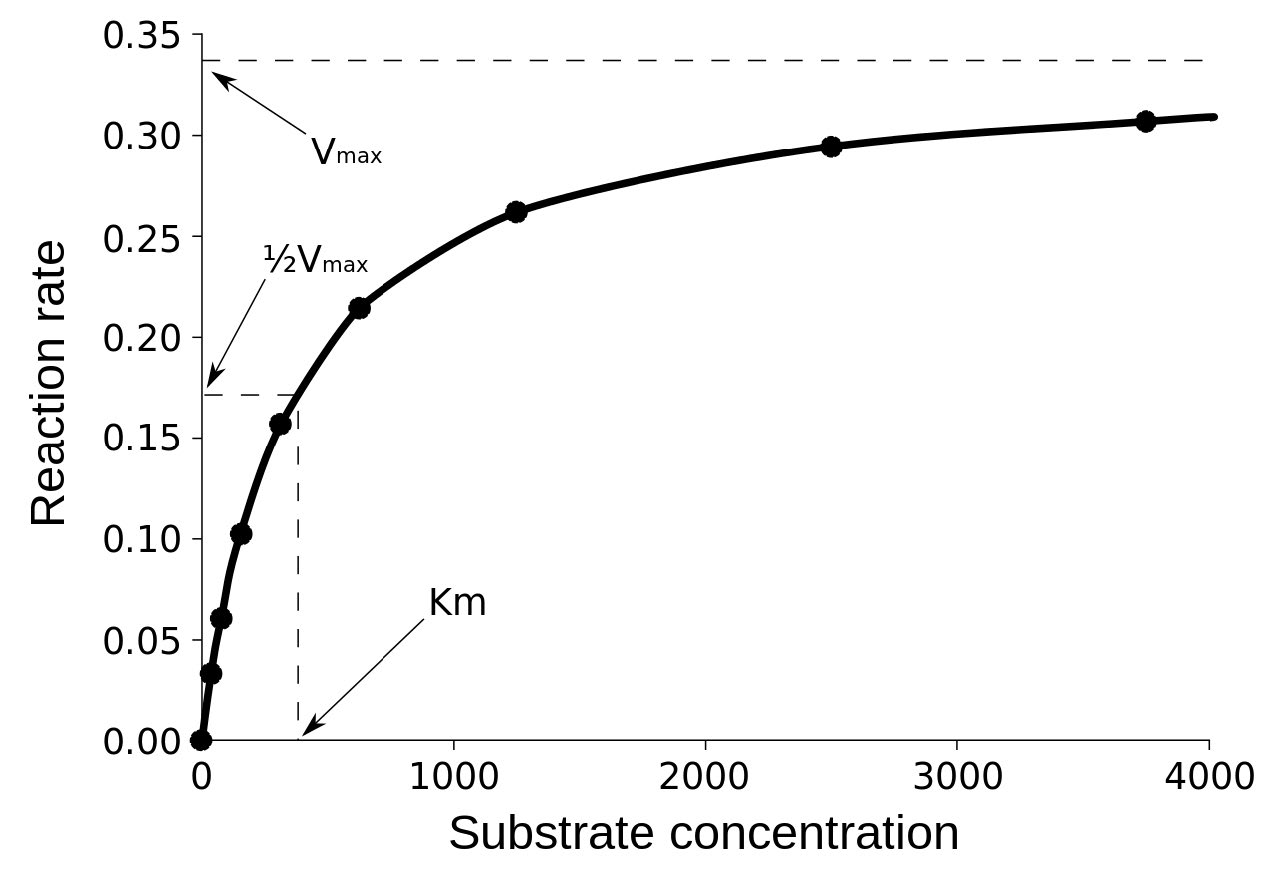
The high- limit in which sites spend almost all their time processing and the rate approaches .

Read explanation · Biology LibreTexts ↗
Eukaryote ·

An organism whose cells have a -enclosed ; animals, plants, fungi, and protists are eukaryotes.

Read explanation · OpenStax ↗
Fatty acid

A attached to a chain; fatty acids are components of many .

Read explanation · OpenStax ↗
Functional group

A group of whose chemical behavior gives a characteristic and properties.

Read explanation · OpenStax ↗
Gene

A sequence that contributes to a functional or , together with the information needed to express it.

Read explanation · OpenStax ↗
Gene expression

Production of a functional from a , including and, for -coding , .

Read explanation · NCBI Bookshelf ↗
Glycerol

A three-carbon alcohol with three ; used in sample to increase density and in some .

Read explanation · OpenStax ↗
Hormone

A chemical messenger released by cells that changes the activity of target cells with matching .

Read explanation · OpenStax ↗
Hydrocarbon · ·

A made only of carbon and hydrogen. Hydrocarbon regions are generally .

Read explanation · OpenStax ↗
Hydrogen bond ·

An attraction between a hydrogen bonded to an and another . hydrogen bonds stabilize .

Read explanation · OpenStax ↗
Hydrogen ion · ·

A positively hydrogen species. H⁺ denotes a , which is hydrated in water; its activity determines .

Read explanation · OpenStax ↗
Hydrolysis

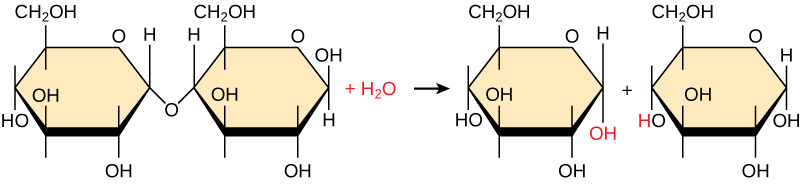
Breaking a chemical bond by adding water. hydrolysis separates .

Read explanation · OpenStax ↗
Hydrophilic

Interacting favorably with water, typically because a group is or .

Read explanation · OpenStax ↗
Hydrophobic

Interacting poorly with water. often gather in a ’s interior.

Read explanation · OpenStax ↗
Hydroxide ion ·

The negatively OH⁻. Basic contain a higher hydroxide ion activity than water at the same temperature.

Read explanation · OpenStax ↗
Hydroxyl group ·

An oxygen bonded to hydrogen, –OH. Hydroxyl groups can and often increase .

Read explanation · OpenStax ↗
inflammation

A coordinated tissue response recruiting defense and repair mechanisms, often involving increased blood flow and permeability.

Read explanation · OpenStax ↗
Ion · ·

An or with a net because its numbers of and do not balance.

Read explanation · OpenStax ↗
linkage

A tendency of nearby on the same to be inherited together.

Read explanation · OpenStax ↗
Lipid

A broad class of largely or , including fats, , and steroids.

Read explanation · OpenStax ↗
locus

The specific position of a or other feature.

Read explanation · OpenStax ↗
Logarithm · · ·

The exponent needed to obtain a number from a chosen fixed number. For decimal logarithms, log₁₀(100) = 2 because 10² = 100; uses the negative decimal logarithm of activity.

Read explanation · OpenStax ↗
Matrix

A supporting material, such as a gel or the solid support in a column. Its properties influence movement and binding of sample .

Read explanation · Thermo Fisher ↗
Maximum reaction rate · ·

The limiting as becomes saturating. For a fixed under given conditions, Vmax = times .

Read explanation · Biology LibreTexts ↗
Membrane · · · ·

A thin boundary or sheet. Cell membranes are bilayers containing ; membranes are synthetic supports that hold or for detection.

Read explanation · OpenStax ↗
Messenger RNA ·

An that carries coding information used by to synthesize a .

Read explanation · OpenStax ↗
Mobile phase

The moving fluid that carries a sample through a system.

Read explanation · Waters ↗
mole

Amount containing exactly 6.02214076 × 10²³ specified entities.

Read explanation · OpenStax ↗
Molecular chaperone · ·

A that assists other in folding or prevents , without specifying their sequence.

Read explanation · NCBI Bookshelf ↗
Molecule

Two or more joined by . A molecule may be electrically or carry a .

Read explanation · OpenStax ↗
Neutral

Having no net . For a , neutral instead means equal and activities; its is about 7 at 25 °C.

Read explanation · OpenStax ↗
Nitrogenous base · · ·

A nitrogen-containing ring component of ; its pairing interactions help specify sequences.

Read explanation · OpenStax ↗
Nonpolar ·

Lacking a substantial separation of . Nonpolar groups generally interact poorly with water.

Read explanation · OpenStax ↗
Nucleic acid

A of , such as or , used in information storage, expression, and other cellular functions.

Read explanation · OpenStax ↗
Nucleotide

A joined to a sugar and one or more .

Read explanation · OpenStax ↗
Nucleus ·

A -enclosed compartment containing most of a cell’s .

Read explanation · OpenStax ↗
Oxidation ·

Loss of or an increase in oxidation state. Oxidizing two can form a .

Read explanation · OpenStax ↗
Peptide

A chain of joined by ; the term commonly describes chains shorter than a typical .

Read explanation · OpenStax ↗
Peptide bond ·

A covalent between the carboxyl carbon of one and the amino nitrogen of the next.

Read explanation · OpenStax ↗
pH

A measure of , defined as the negative of activity. Lower pH means greater ; pH influences .

Read explanation · OpenStax ↗
Phosphate group ·

A phosphorus-containing group bonded to oxygens; phosphate groups occur in , , and modified .

Read explanation · OpenStax ↗
Phospholipid

An with a -containing region and tails; a major component of cellular .

Read explanation · OpenStax ↗
Polar

Having an uneven distribution of . Polar groups often interact favorably with water.

Read explanation · OpenStax ↗
Polymer

A large made from many linked molecular building blocks.

Read explanation · OpenStax ↗
Polypeptide

A chain of connected by . A functional can contain one or several such chains.

Read explanation · OpenStax ↗
Porous material · · · ·

A material containing small spaces that can admit of suitable size.

Read explanation · Cytiva ↗
Proline ·

An whose loops back to the nitrogen, restricting rotation and often creating bends.

Read explanation · OpenStax ↗
prostaglandin

signaling formed from arachidonic through cyclooxygenase pathways.

Read explanation · OpenStax ↗
Protein

One or more folded chains that perform biological roles such as , transport, signaling, or structural support.

Read explanation · OpenStax ↗
Protein aggregation · ·

Association of into larger clusters, often when exposed surfaces of unfolded stick together.

Read explanation · NCBI Bookshelf ↗
Protein backbone ·

The repeating nitrogen–alpha-carbon– chain of a , excluding its variable .

Read explanation · OpenStax ↗
Proton

A positively subatomic particle. In – chemistry, donating a proton means transferring a .

Read explanation · OpenStax ↗
Protonation

Addition of a to an , , or ; this changes its by plus one.

Read explanation · OpenStax ↗
Purification · ·

Separating a desired substance from other components of a mixture.

Read explanation · Cytiva ↗
R group · ·

The variable side chain attached to an ’s . It determines identity, , , and chemical behavior.

Read explanation · OpenStax ↗
Reactant

A starting substance transformed during a .

Read explanation · OpenStax ↗
Reaction intermediate · ·

A species formed in one step and consumed in another. It occupies a local energy minimum between .

Read explanation · OpenStax ↗
Reaction product ·

A substance formed by a .

Read explanation · OpenStax ↗
Reaction rate · ·

How quickly are consumed or form, usually expressed as a change per unit time.

Read explanation · OpenStax ↗
Receptor

A that recognizes a particular signal and helps produce a cellular response.

Read explanation · OpenStax ↗
Ribonucleic acid ·

A with roles in , regulation, and ; carries -coding information.

Read explanation · OpenStax ↗
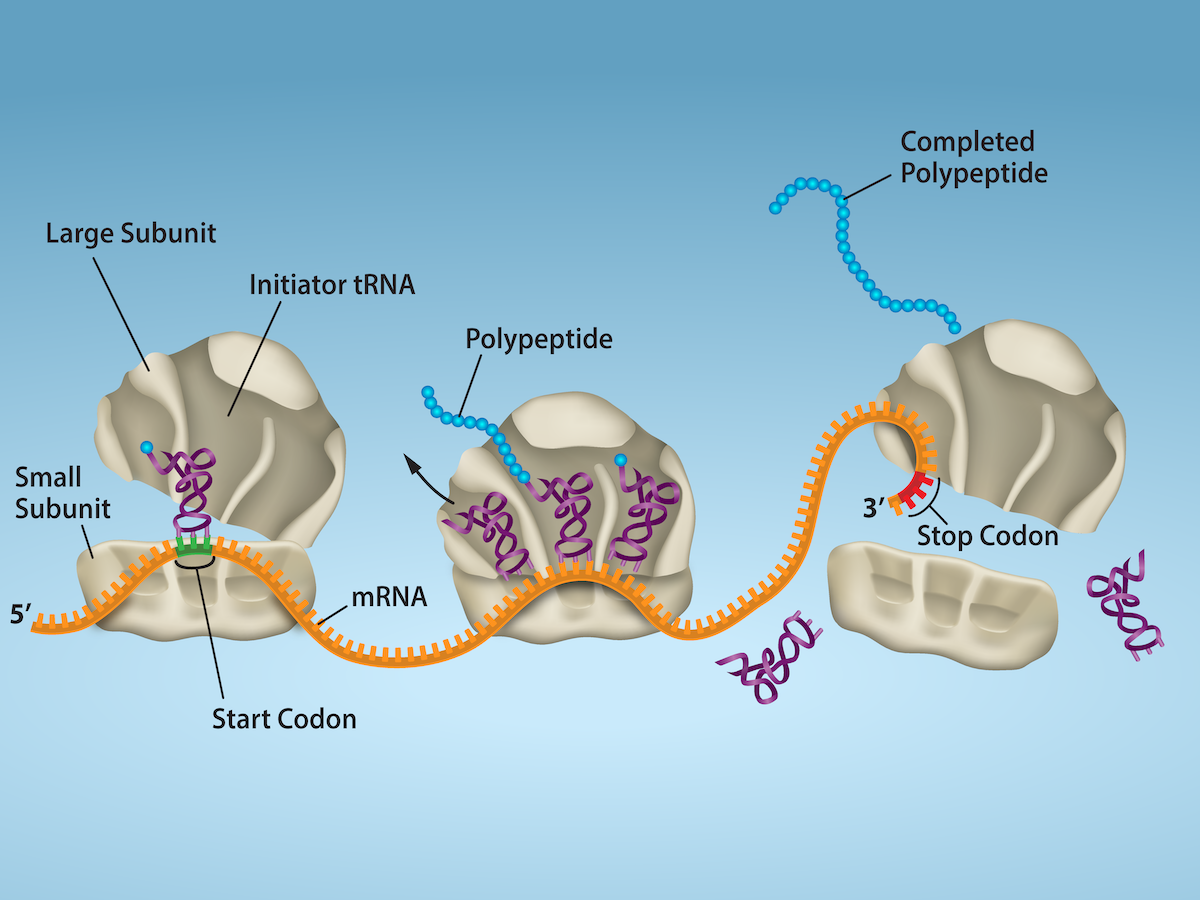
Ribosome ·

A complex of and that translates into a .

Read explanation · OpenStax ↗
Salt

An electrically made from and . Dissolved salts can screen or compete with – interactions.

Read explanation · Cytiva ↗
saponification

-promoted of esters, classically fats, producing alcohol and .

Read explanation · OpenStax ↗
Secondary structure

Local folding, such as and , stabilized mainly by .

Read explanation · OpenStax ↗
Sedimentation ·

Movement of particles through a fluid under gravity or centrifugal .

Read explanation · Beckman Coulter ↗
Sister chromatid

One of the two copies of a produced by . An intact sister chromatid can supply a template for accurate repair.

Read explanation · Biology LibreTexts / Oregon State University ↗
Solubility ·

The amount of a substance that can dissolve in a under specified conditions. Soluble means able to dissolve; insoluble means only very slightly soluble in that .

Read explanation · OpenStax ↗
Solute

A dissolved component of a .

Read explanation · OpenStax ↗
Solution

A homogeneous mixture in which are dissolved in a .

Read explanation · OpenStax ↗
Solvent

The component of a that dissolves other substances, usually the component present in the greatest amount.

Read explanation · OpenStax ↗
sphingolipid

A built on a sphingoid- , important in and signaling.

Read explanation · OpenStax ↗
Stationary phase

The material that remains fixed in a system.

Read explanation · Waters ↗
steroid hormone

A -derived with fused-ring structure, commonly acting through intracellular .

Read explanation · OpenStax ↗
sterol

A containing fused rings and a ; is a major animal example.

Read explanation · OpenStax ↗
Substrate

A that an binds and chemically transforms.

Read explanation · OpenStax ↗
Template strand · · ·

A preexisting strand whose sequence guides complementary nucleic- synthesis.

Read explanation · OpenStax ↗
Thiol group · · · ·

A sulfur bonded to hydrogen, –SH. thiols can form through .

Read explanation · OpenStax ↗
Transcription

Synthesis of using a template.

Read explanation · OpenStax ↗
Transition state

A fleeting, high-energy arrangement at a barrier. It is an energy maximum along the path, rather than a stable .

Read explanation · OpenStax ↗
Translation ·

Synthesis of a on a using the sequence of in .

Read explanation · OpenStax ↗
triacylglycerol · ·

A esterified to three ; a major energy-storage .

Read explanation · Biology LibreTexts / Oregon State University ↗
Turnover number · · ·

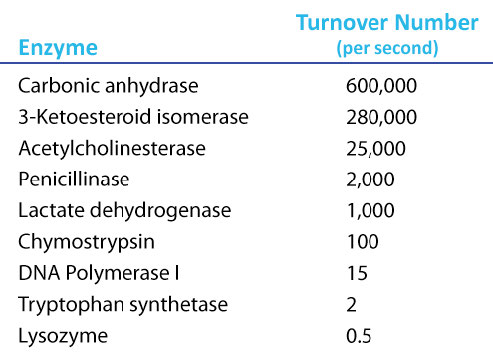
The maximum number of cycles per per unit time, calculated as /. Units are inverse time, commonly s⁻¹.

Read explanation · IUBMB ↗
velocity

Rate of change of position, including direction.

Read explanation · OpenStax ↗
wax

A ester of a long-chain and long-chain alcohol, commonly used in protective coatings.

Read explanation · OpenStax ↗

Organic Chemistry 27 — Summary

OpenStax · Organic Chemistry 27 — Summary ↗
Instructional page including learning objectives, examples, figures, source tables and questions. Site navigation and embedded media players are omitted; source media links remain available.

27 • Summary

27 • Summary

are the naturally occurring materials isolated from plants and animals by extraction with a organic . Animal fats and vegetable oils are the most widely occurring . Both are —triesters of with long-chain . Animal fats are usually saturated, whereas vegetable oils usually have unsaturated .

are important constituents of and are of two kinds. Glycerophospholipids, such as phosphatidylcholine and phosphatidylethanolamine, are closely related to fats in that they have a esterified to two (one saturated and one unsaturated) and to one ester. Sphingomyelins have the amino alcohol sphingosine for their .

Eicosanoids and terpenoids are still other classes of . Eicosanoids, of which prostaglandins are the most abundant kind, are derived biosynthetically from arachidonic , are found in all body tissues, and have a wide range of physiological activity. Terpenoids are often isolated from the essential oils of plants, have an immense diversity of structure, and are produced biosynthetically from the five-carbon precursor isopentenyl diphosphate (IPP). Isopentenyl diphosphate is itself biosynthesized from 3 equivalents of acetate in the mevalonate pathway.

Steroids are plant and animal with a characteristic tetracyclic carbon skeleton. Like the eicosanoids, steroids occur widely in body tissues and have a large variety of physiological activities. Steroids are closely related to terpenoids and arise biosynthetically from the triterpenoid lanosterol. Lanosterol, in turn, arises from cyclization of the acyclic squalene.

27.2 Soap
OpenStax · 27.2 Soap ↗
Instructional page including learning objectives, examples, figures, source tables and questions. Site navigation and embedded media players are omitted; source media links remain available.

27.2 • Soap

Soap has been in use for nearly 5000 years. As early as 2800 BC, the Babylonians boiled fats with ashes to create a soap-like substance. Ancient Egyptian medical papyri dating from 1550 BC reveals that Egyptians bathed regularly with soap made from a mixture of animal fats, vegetable oils, and . Chemically, soap is a mixture of the sodium or potassium of the long-chain produced by () of animal fat with alkali. Wood ash was used as a source of alkali until the early 1800s, when the LeBlanc process for making Na2CO3 by heating sodium sulfate with limestone became available.

A fat with an R group equal to eleven to nineteen aliphatic chains reacts with sodium hydroxide and water to produce three moles of sodium salt (soap) and glycerol.
27.2 Soap — illustration 1 John McMurry, Organic Chemistry, OpenStax. · CC BY-NC-SA 4.0 · Original image ↗ · Access for free ↗
Crude soap curds contain and excess alkali as well as soap but can be by boiling with water and adding NaCl or KCl to precipitate the pure . The smooth soap that precipitates is dried, perfumed, and pressed into bars for household use. Dyes are added to make colored soaps, antiseptics are added for medicated soaps, pumice is added for scouring soaps, and air is blown in for soaps that float. Regardless of these extra treatments and regardless of price, though, all soaps are basically the same.

Soaps act as cleansers because the two ends of a soap are so different. The end of the long-chain is ionic and therefore (Section 2.12), or attracted to water. The long portion of the , however, is and , avoiding water and therefore more in oils. The net effect of these two opposing tendencies is that soaps are attracted to both oils and water and are therefore useful as cleansers.

When soaps are dispersed in water, the long tails cluster together on the inside of a tangled, ball, while the ionic heads on the surface of the cluster protrude into the water layer. These spherical clusters, called micelles, are shown schematically in Figure 27.2. Grease and oil droplets are solubilized in water when they are coated by the , tails of soap in the center of micelles. Once solubilized, the grease and dirt can be rinsed away.

The ball-and-stick model in the electrostatic potential map of fatty acid carboxylate. The figure shows soap molecule with an ionic head and hydrocarbon tail followed by the structure of micelles.
Figure 27.2 — 27.2 Soap
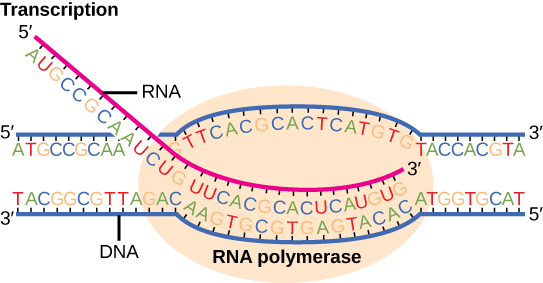
Figure 27.2 A soap micelle solubilizing a grease particle in water. An electrostatic potential map of a fatty acid carboxylate shows how the negative charge is located in the head group.

John McMurry, Organic Chemistry, OpenStax. · CC BY-NC-SA 4.0 · Original image ↗ · Access for free ↗

As useful as they are, soaps also have drawbacks. In hard water, which contains metal , sodium are converted into magnesium and calcium , leaving the familiar ring of scum around bathtubs and a gray tinge on white clothes. Chemists have circumvented this problem by synthesizing a class of synthetic based on of long-chain alkylbenzenesulfonic . The mechanism of synthetic is the same as that of soaps: the alkylbenzene end of the is attracted to grease, while the sulfonate end is attracted to water. Unlike soaps, though, sulfonate don’t form metal in hard water and don’t leave an unpleasant scum.

A synthetic detergent with R equals various carbon 12 chains. Benzene ring with a sulfur double bonded to two oxygens and single bonded to one oxygen negative and R group.
27.2 Soap — illustration 3 John McMurry, Organic Chemistry, OpenStax. · CC BY-NC-SA 4.0 · Original image ↗ · Access for free ↗
Problem 27-3
Draw the structure of magnesium oleate, a component of bathtub scum.
Problem 27-4
Write the of glyceryl dioleate monopalmitate with aqueous NaOH.