Foundation 1 · 1D · Bioenergetics and metabolism

, , and fuels

Sources ↗

Fat supplies concentrated energy, redistribute liver-derived fuel, and amino- carbon enters after nitrogen is handled.

Digest, package, and mobilize fuel

have a carboxyl head and chain; chain length and cis double bonds change melting behavior and packing. Dietary are emulsified by and hydrolyzed by . reassemble and package them into , which enter and then blood. releases near tissues; liver transports endogenous .

Adipose releases and from stored . Nonesterified travel mainly bound to , while can support hepatic . Storage and transport forms matter: circulates inside lipoproteins, not freely dissolved in plasma.

Source: 24.3 Lipid Metabolism · 24.4 Protein Metabolism · 6.3: Fats and Fatty Acids

and energy accounting

Activation converts a to fatty acyl- at a cost of →, or two equivalents. Long-chain acyl groups enter the through the , including and . Each round performs , hydration, -dependent , and , shortening the acyl chain by two carbons and producing , , and reduced-flavin equivalents.

A saturated even-chain Cn gives n/2 and n/2−1 cycles. Palmitate C16 gives 8 , 7 , and 7 equivalents: 80+17.5+10.5−2=106 with modern approximate yields. Pre-existing double bonds can bypass a flavin-producing step; polyunsaturated may also consume for , lowering yield. Odd-chain propionyl- can become using and vitamin B12.

Source: 24.3 Lipid Metabolism · 24.4 Protein Metabolism · 6.3: Fats and Fatty Acids

Liver exports an alternative oxidative fuel

When fatty- supplies abundant while is directed toward , liver make acetoacetate and β-hydroxybutyrate; acetone arises from acetoacetate breakdown. Extrahepatic tissues convert usable back to for . The liver lacks the required and therefore exports rather than consumes its own . Red cells cannot use because they lack .

During prolonged fasting the brain increases ketone use, reducing but not eliminating its requirement. Physiological and uncontrolled ketoacidosis differ in degree and regulation; very low effective can permit excessive production and accumulation.

Source: 24.3 Lipid Metabolism · 24.4 Protein Metabolism · 6.3: Fats and Fatty Acids

Build fat without reversing

Fatty- synthesis occurs mainly in the . exports acetyl units from , - releases , and uses and to make . extends an -bound chain with two-carbon units and , commonly yielding palmitate. instead uses -linked in and generates and reduced-flavin equivalents.

inhibits , limiting simultaneous long-chain . and are synthesized by specificity and activated without a or template specifying each bond. Their are genetically encoded, but the final or is not from a sequence.

Source: 24.3 Lipid Metabolism · 24.4 Protein Metabolism · 6.3: Fats and Fatty Acids

Separate carbon use from nitrogen disposal

undergo continual synthesis and degradation through pathways including the – system and . There is no dedicated fuel store; sustained use can compromise tissue function. transfer , often to to form , using . can release ammonium; liver packages much of this nitrogen into for excretion.

amino- carbon reaches or citric-cycle and can contribute to net . carbon reaches or acetoacetate; and are exclusively . Some have both fates. A fall in one ’s activity can therefore alter nitrogen handling, precursor availability, and carbon flux independently.

Source: 24.3 Lipid Metabolism · 24.4 Protein Metabolism · 6.3: Fats and Fatty Acids

Practice: apply the mechanism

Question. Using 2.5 per and 1.5 per equivalent, calculate the net yield from an activated-by-, saturated C18 . Assume complete and no transport or -leak losses beyond the usual accounting.

Show reasoning

C18 gives 9 and 8 rounds. Nine cycle turns provide 9×10=90 equivalents; the rounds provide 8×(2.5+1.5)=32. Subtract 2 equivalents for activation: 120 . This is a bookkeeping estimate, not a fixed measured cellular yield. A suitable unsaturation that skips one flavin would reduce it by about 1.5 , with additional adjustments if auxiliary consume .

Source: 24.3 Lipid Metabolism · 24.4 Protein Metabolism · 6.3: Fats and Fatty Acids

24.3 — figures and tables

The top image shows the chemical formula for a triglyceride, and the bottom panel shows the formula for a monoglyceride.
Figure 24.11 — 24.3

Figure 24.11 Triglyceride Broken Down into a Monoglyceride A triglyceride molecule (a) breaks down into a monoglyceride (b).

J. Gordon Betts and colleagues, Anatomy And Physiology 2E, OpenStax. · CC BY-NC-SA 4.0 · Original image ↗ · Access for free ↗
This figure shows a chylomicron containing triglycerides and cholesterol molecules as well as other lipids.
Figure 24.12 — 24.3

Figure 24.12 Chylomicrons Chylomicrons contain triglycerides, cholesterol molecules, and other apolipoproteins (protein molecules). They function to carry these water-insoluble molecules from the intestine, through the lymphatic system, and into the bloodstream, which carries the lipids to adipose tissue for storage.

J. Gordon Betts and colleagues, Anatomy And Physiology 2E, OpenStax. · CC BY-NC-SA 4.0 · Original image ↗ · Access for free ↗
This figure shows the reactions that break down fatty acids. The top panel shows the conversion of fatty acids into carnitine. The bottom panel shows the conversion of carnitine into acetyl-CoA.
Figure 24.13 — 24.3

Figure 24.13 Breakdown of Fatty Acids During fatty acid oxidation, triglycerides can be broken down into acetyl CoA molecules and used for energy when glucose levels are low.

J. Gordon Betts and colleagues, Anatomy And Physiology 2E, OpenStax. · CC BY-NC-SA 4.0 · Original image ↗ · Access for free ↗
This pathway shows the production of beta-hydroxybutyrate from acetyl-CoA.
Figure 24.14 — 24.3

Figure 24.14 Ketogenesis Excess acetyl CoA is diverted from the Krebs cycle to the ketogenesis pathway. This reaction occurs in the mitochondria of liver cells. The result is the production of β-hydroxybutyrate, the primary ketone body found in the blood.

J. Gordon Betts and colleagues, Anatomy And Physiology 2E, OpenStax. · CC BY-NC-SA 4.0 · Original image ↗ · Access for free ↗
This figure shows the reactions in which ketone is oxidized to acetyl-CoA.
Figure 24.15 — 24.3

Figure 24.15 Ketone Oxidation When glucose is limited, ketone bodies can be oxidized to produce acetyl CoA to be used in the Krebs cycle to generate energy.

J. Gordon Betts and colleagues, Anatomy And Physiology 2E, OpenStax. · CC BY-NC-SA 4.0 · Original image ↗ · Access for free ↗
This figure shows the different reactions that take place for lipid metabolism.
Figure 24.16 — 24.3

Figure 24.16 Lipid Metabolism Lipids may follow one of several pathways during metabolism. Glycerol and fatty acids follow different pathways.

J. Gordon Betts and colleagues, Anatomy And Physiology 2E, OpenStax. · CC BY-NC-SA 4.0 · Original image ↗ · Access for free ↗

Source: 24.3 Lipid Metabolism

24.4 — figures and tables

The left panel shows the main organs of the digestive system, and the right panel shows a magnified view of the intestine. Text callouts indicate the different protein digesting enzymes produced in different organs.
Figure 24.17 — 24.4

Figure 24.17 Digestive Enzymes and Hormones Enzymes in the stomach and small intestine break down proteins into amino acids. HCl in the stomach aids in proteolysis, and hormones secreted by intestinal cells direct the digestive processes.

J. Gordon Betts and colleagues, Anatomy And Physiology 2E, OpenStax. · CC BY-NC-SA 4.0 · Original image ↗ · Access for free ↗
This image shows the reactions of the urea cycle and the organelles in which they take place.
Figure 24.18 — 24.4

Figure 24.18 Urea Cycle Nitrogen is transaminated, creating ammonia and intermediates of the Krebs cycle. Ammonia is processed in the urea cycle to produce urea that is eliminated through the kidneys.

J. Gordon Betts and colleagues, Anatomy And Physiology 2E, OpenStax. · CC BY-NC-SA 4.0 · Original image ↗ · Access for free ↗
This figure  shows the different reactions in which products of carbohydrate breakdown are converted into different amino acids.
Figure 24.19 — 24.4

Figure 24.19 Energy from Amino Acids Amino acids can be broken down into precursors for glycolysis or the Krebs cycle. Amino acids (in bold) can enter the cycle through more than one pathway.

J. Gordon Betts and colleagues, Anatomy And Physiology 2E, OpenStax. · CC BY-NC-SA 4.0 · Original image ↗ · Access for free ↗
This diagram shows the different metabolic pathways, and how they are connected.
Figure 24.20 — 24.4

Figure 24.20 Catabolic and Anabolic Pathways Nutrients follow a complex pathway from ingestion through anabolism and catabolism to energy production.

J. Gordon Betts and colleagues, Anatomy And Physiology 2E, OpenStax. · CC BY-NC-SA 4.0 · Original image ↗ · Access for free ↗

Source: 24.4 Protein Metabolism

388 terms, alphabetically ordered

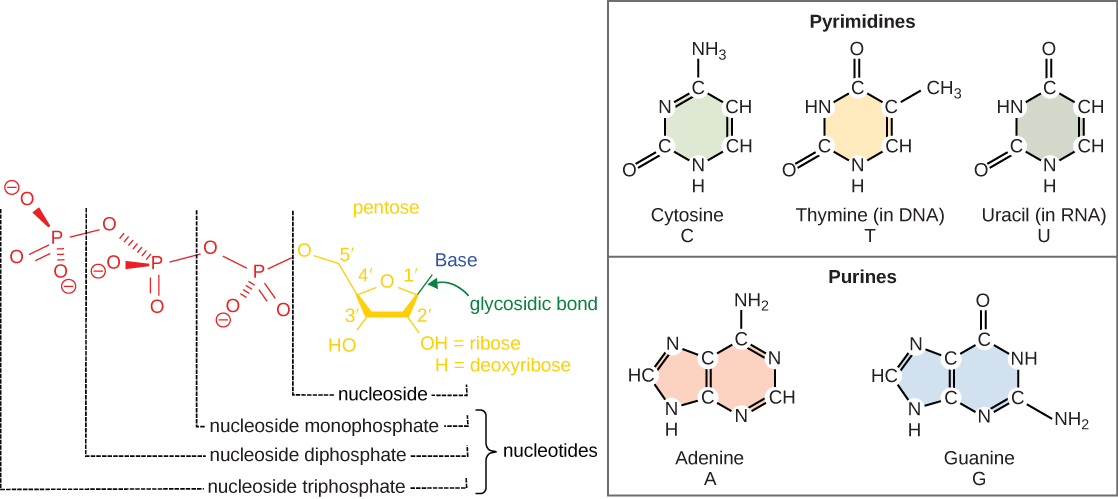
3′ end · ·

The end of a nucleic- strand associated with the sugar’s 3′ position. extends a strand at a free .

Read explanation · OpenStax ↗
3′ hydroxyl group · · ·

The at the sugar’s 3′ carbon that attacks the incoming ’s during strand extension.

Read explanation · OpenStax ↗
5′ end · ·

The end of a nucleic- strand associated with the sugar’s 5′ position. Sequences are conventionally written from 5′ to 3′.

Read explanation · OpenStax ↗
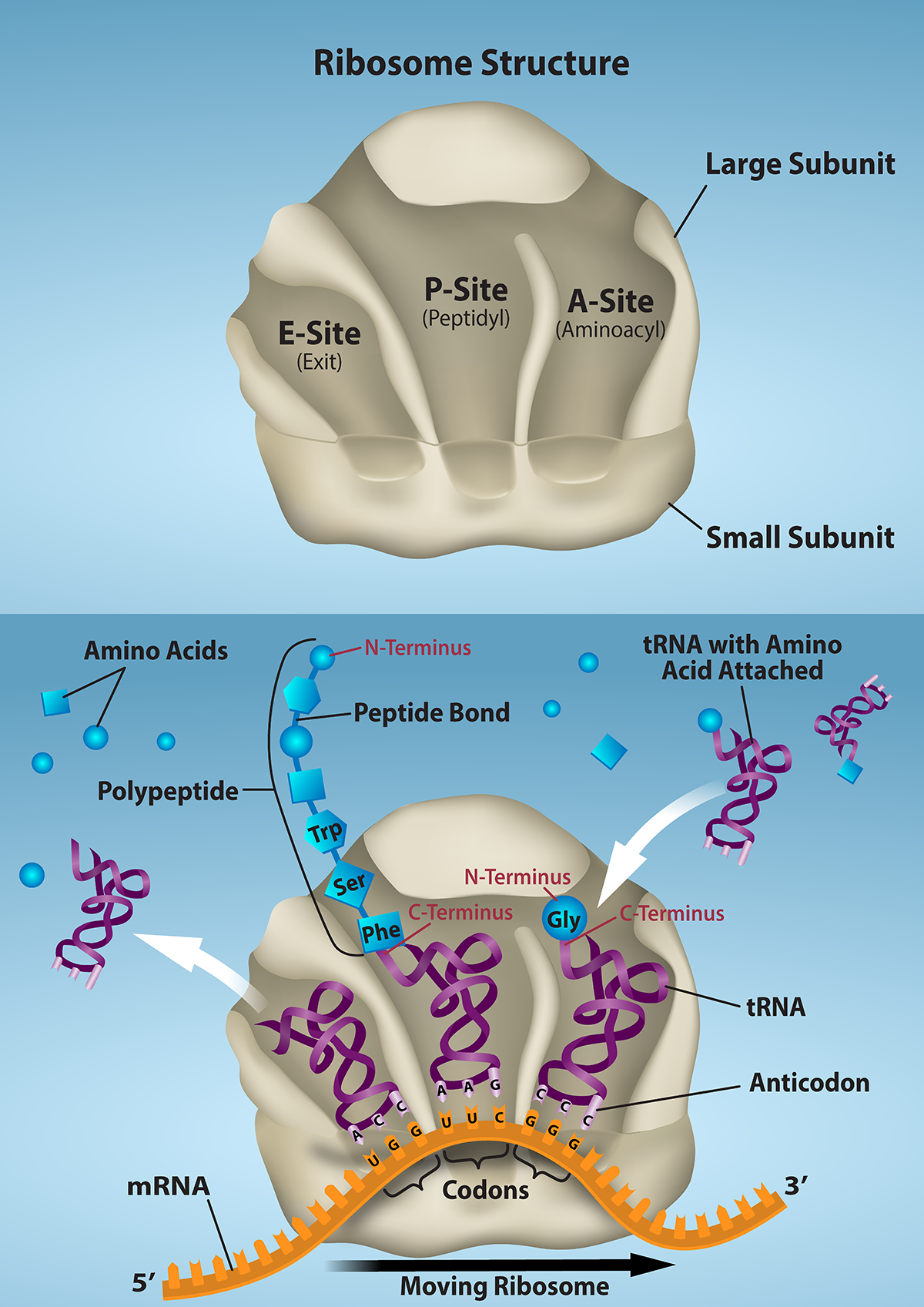
A site · ·

The site that accepts most incoming during elongation and at termination.

Read explanation · OpenStax ↗
acceleration

Rate of change of , measured in m/s².

Read explanation · OpenStax ↗
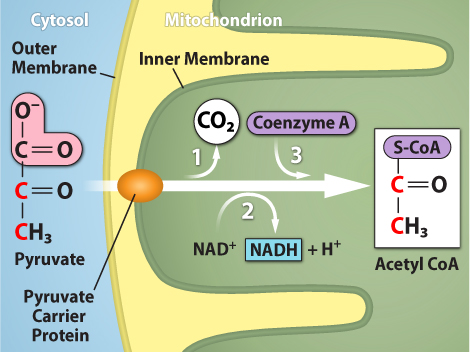
acetyl-CoA

A two-carbon acetyl group linked to by a thioester; a central fuel and intermediate.

Read explanation · OpenStax ↗
acetyl-CoA carboxylase

A -dependent using to convert to .

Read explanation · Biology LibreTexts / Oregon State University ↗
Achiral

Superimposable on its mirror image. is achiral because its has two hydrogen substituents.

Read explanation · OpenStax ↗
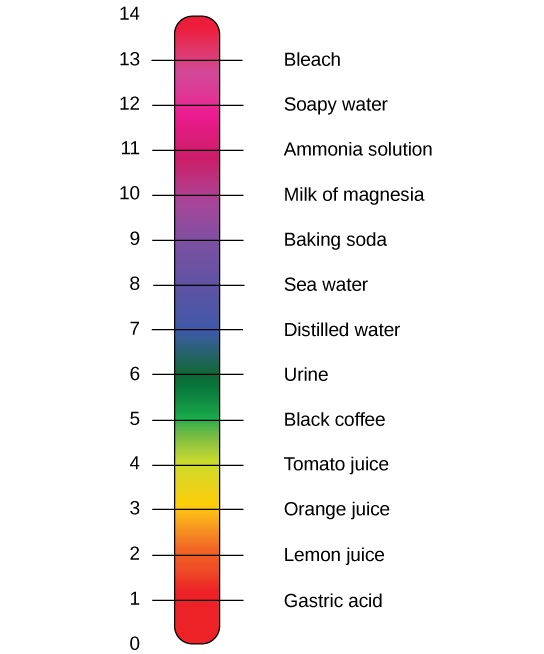
Acid · ·

In the Brønsted–Lowry model, a substance that can donate a . Acidic have a higher activity than water.

Read explanation · OpenStax ↗
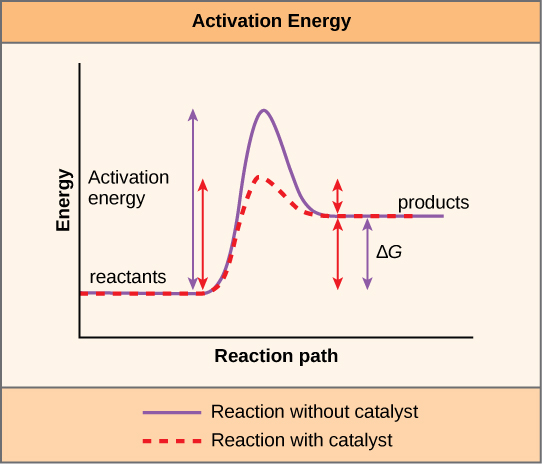
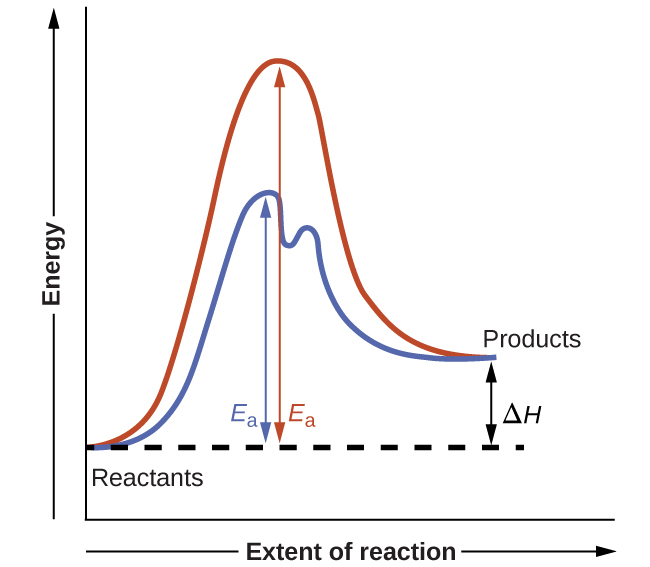
Activation energy ·

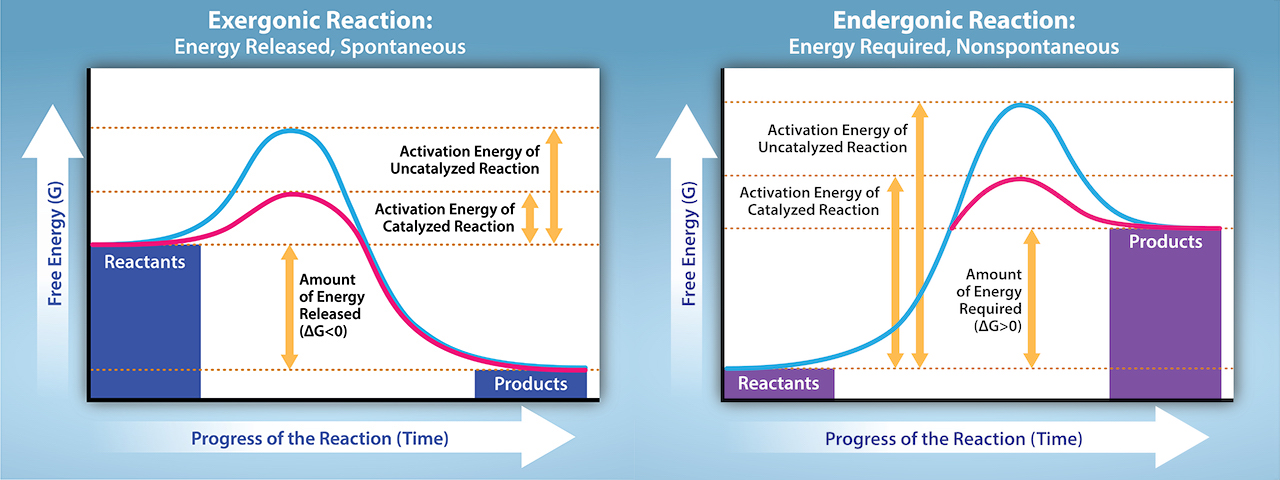
The energy barrier that must overcome to reach a and undergo .

Read explanation · OpenStax ↗
Active catalytic-site concentration ·

The total of active sites used to calculate from . It equals active when each has one site.

Read explanation · Biology LibreTexts ↗
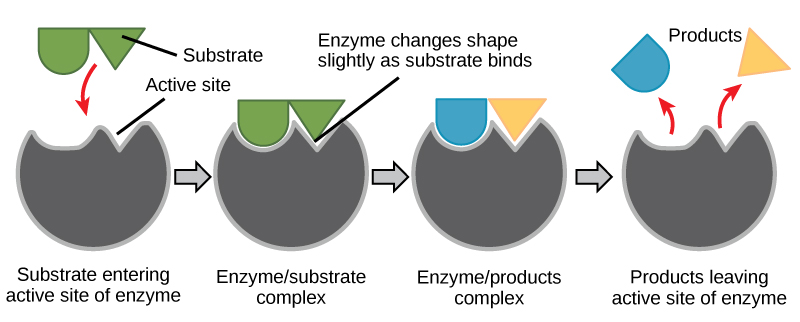
Active site

The region of an that binds its and carries out .

Read explanation · OpenStax ↗
acyl carrier protein

A carrying growing fatty- chains during synthesis.

Read explanation · Biology LibreTexts / Oregon State University ↗
acyl group

Group of the form R–C(=O)– derived from a carboxylic or related .

Read explanation · OpenStax ↗
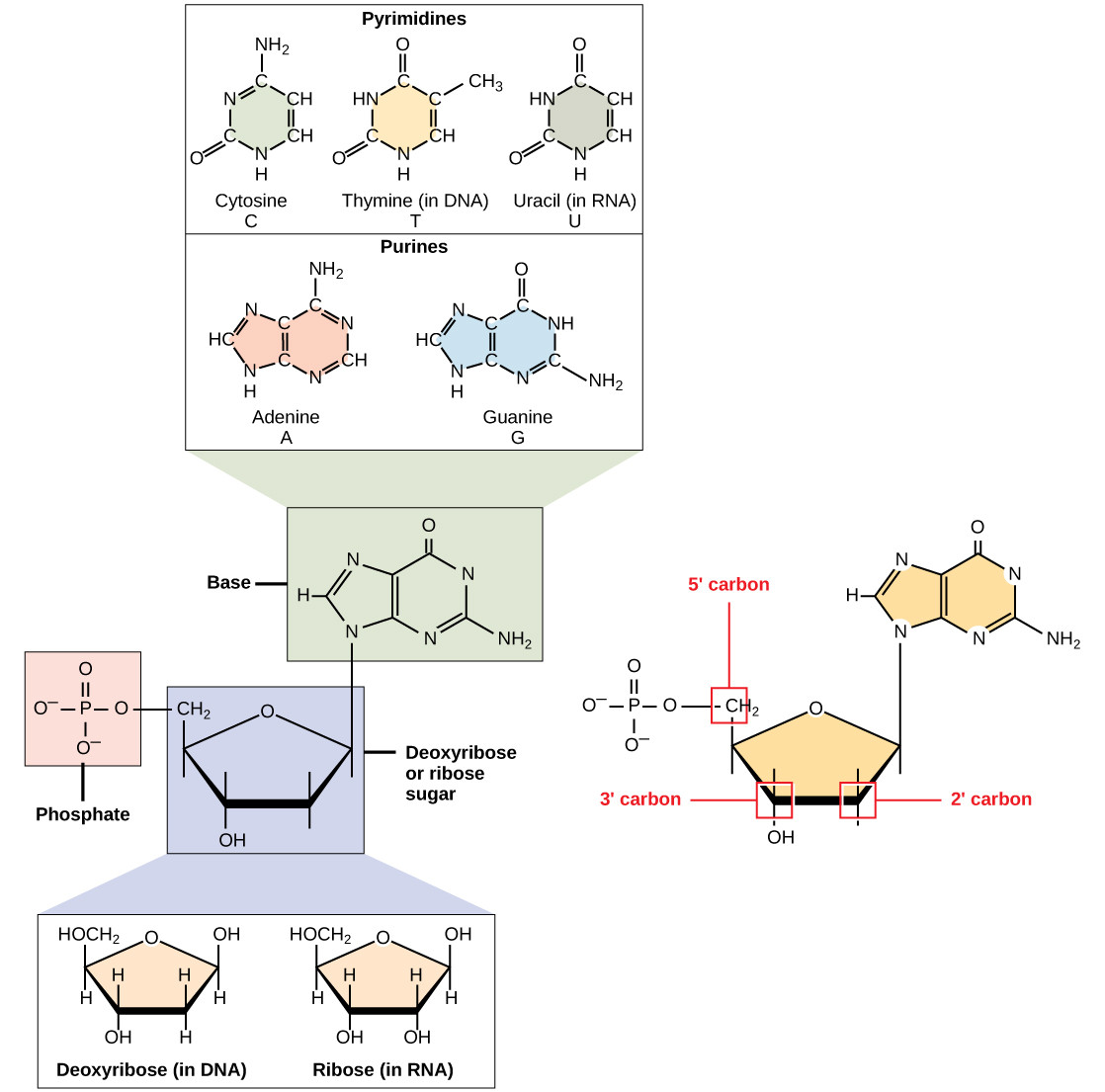
Adenine

A that pairs with in and in .

Read explanation · OpenStax ↗
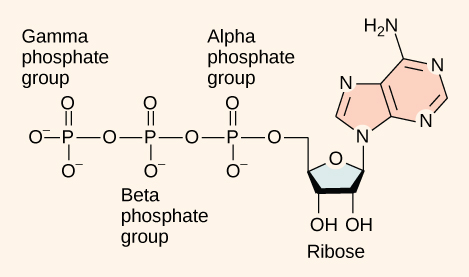
Adenosine monophosphate

A containing , , and one ; -dependent releases AMP.

Read explanation · OpenStax ↗
Adenosine triphosphate

An energy-carrying ; its powers many cellular processes, including cycles.

Read explanation · OpenStax ↗
Albumin

A family of ; serum albumin transports in blood and helps maintain plasma .

Read explanation · OpenStax ↗
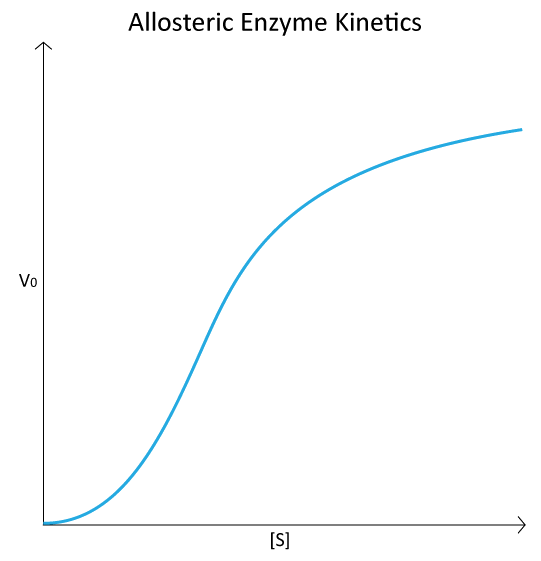
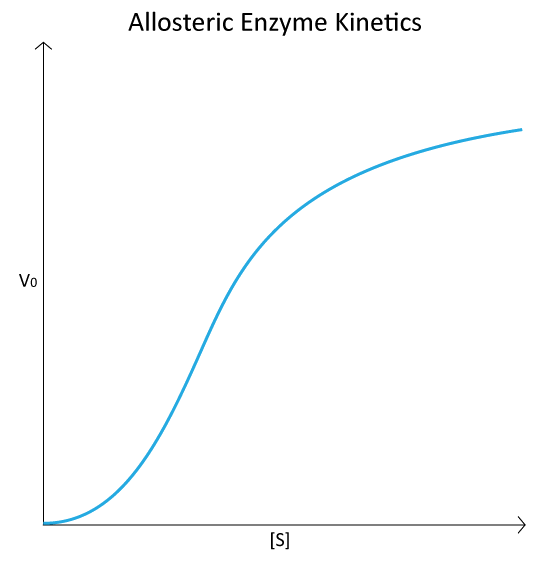
Allosteric regulation · · ·

A change in activity caused by communication between . An can activate or inhibit; allostery does not imply a particular inhibition pattern.

Read explanation · Biology LibreTexts ↗
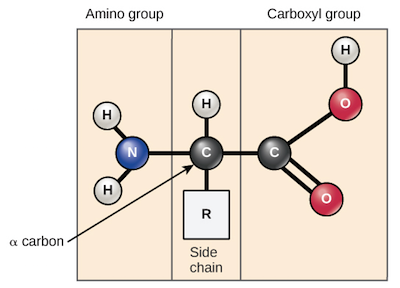
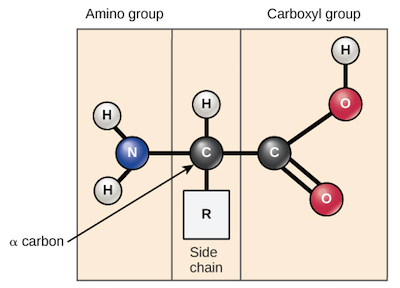
Alpha carbon · ·

The central carbon next to the carboxyl carbon. In a standard it binds an , hydrogen, and .

Read explanation · OpenStax ↗
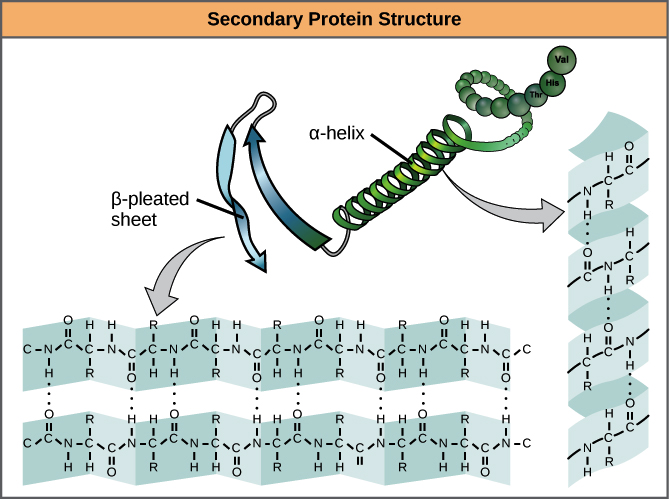
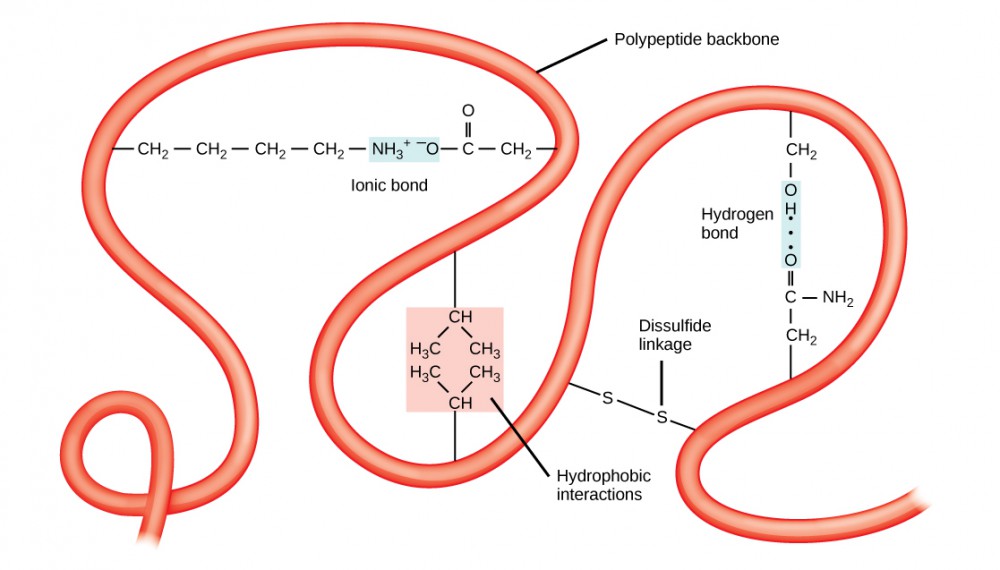
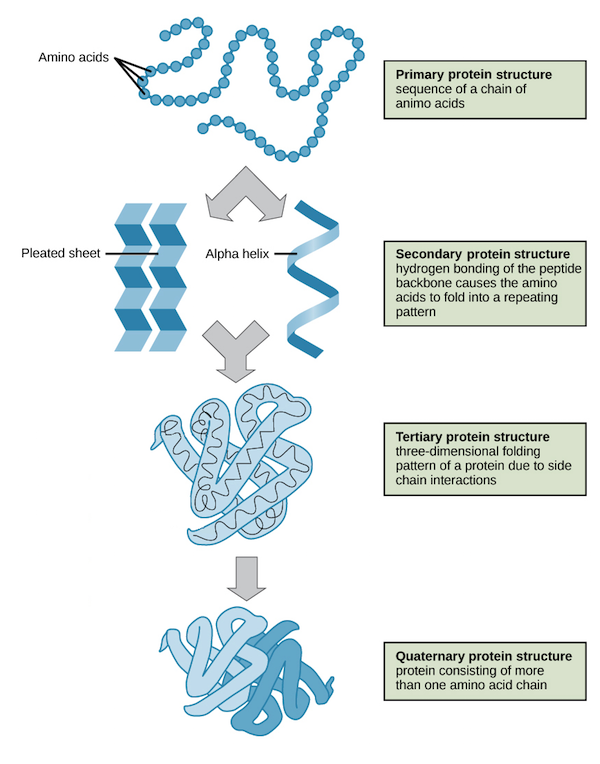
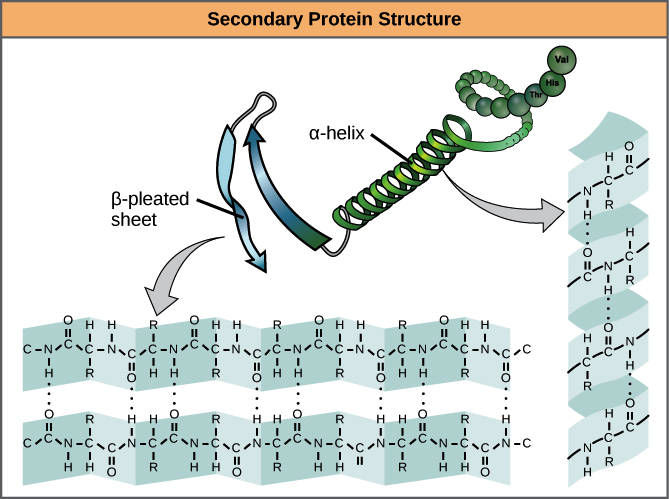
Alpha helix · · · · · ·

A helical stabilized by between a oxygen and an hydrogen four later.

Read explanation · OpenStax ↗
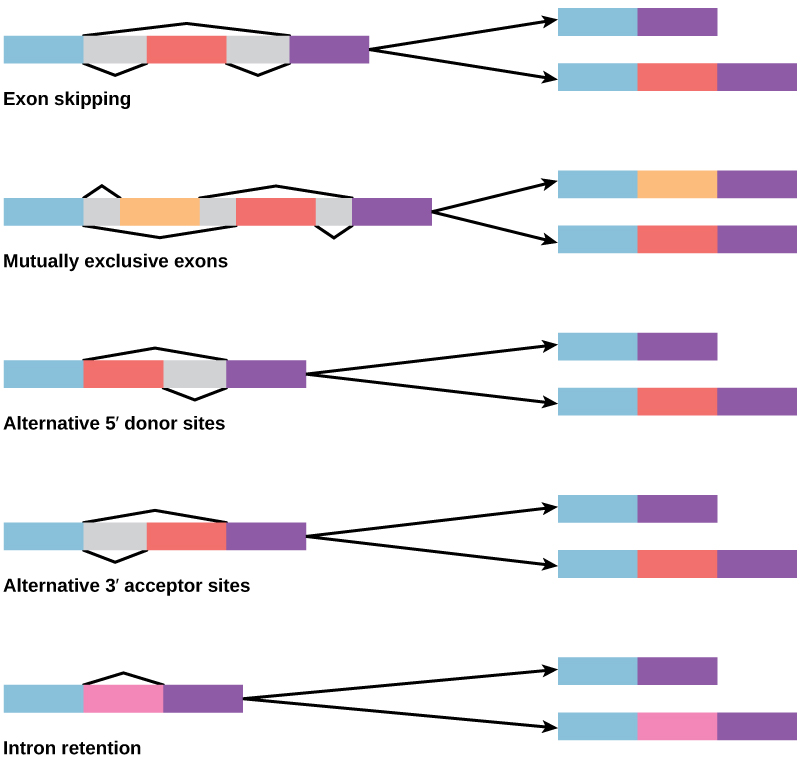
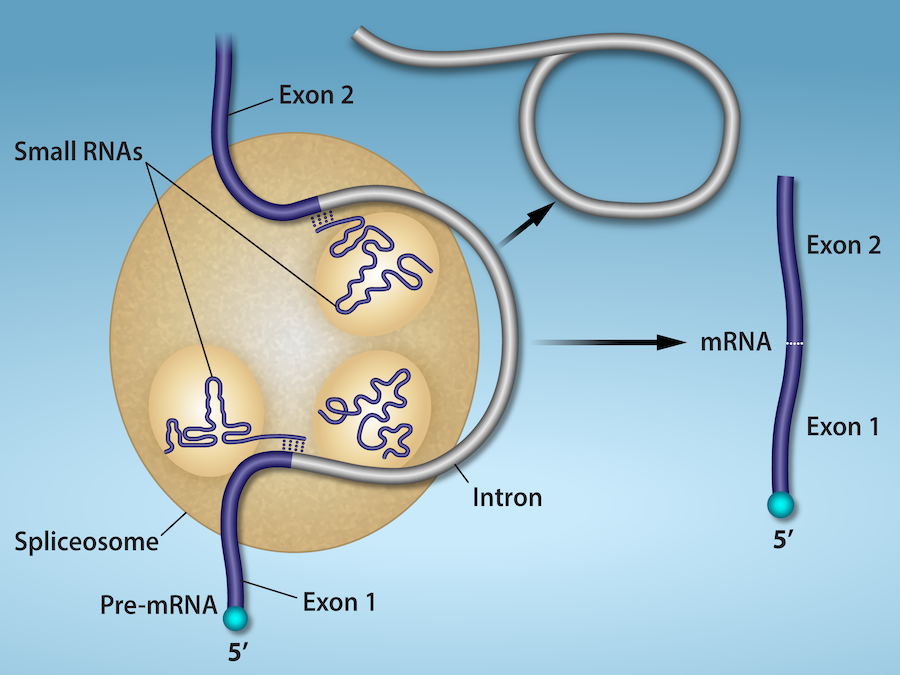
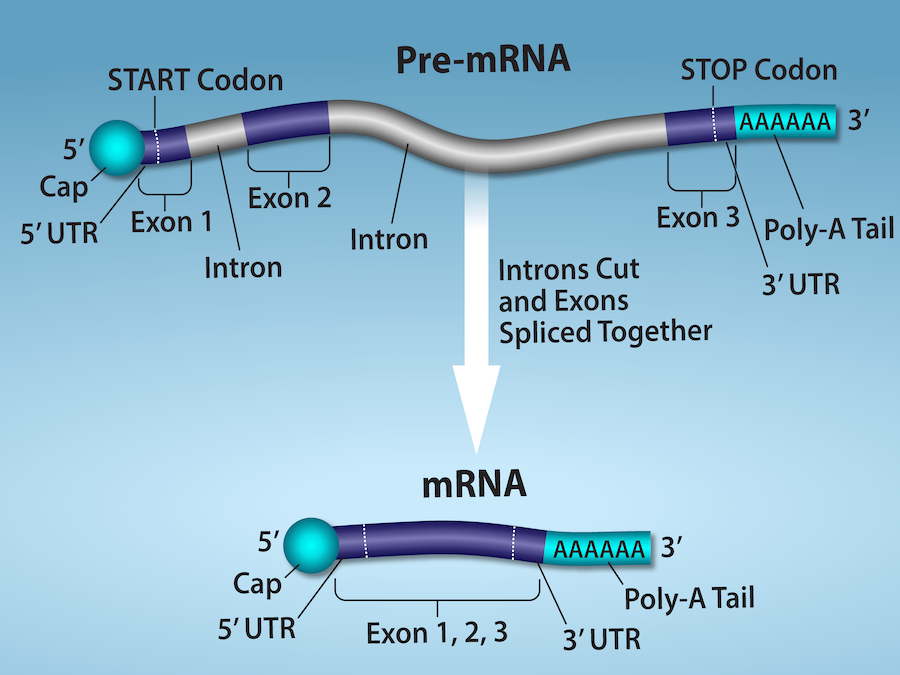
Alternative splicing ·

Regulated or context-dependent use of different or combinations to generate different mature from one precursor.

Read explanation · OpenStax ↗
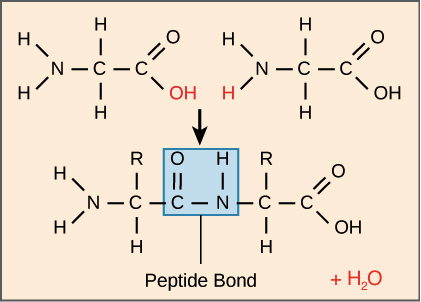
Amide · · ·

A group containing a carbon bonded to nitrogen. are amide linkages.

Read explanation · OpenStax ↗
Amine ·

An organic derivative of ammonia containing a nitrogen with a lone pair; many amines can accept a .

Read explanation · OpenStax ↗
Amino acid

A building block containing amino and and a characteristic .

Read explanation · OpenStax ↗
Amino acid residue · ·

The part of an incorporated into a chain. Residue can also describe another building block within a larger .

Read explanation · OpenStax ↗
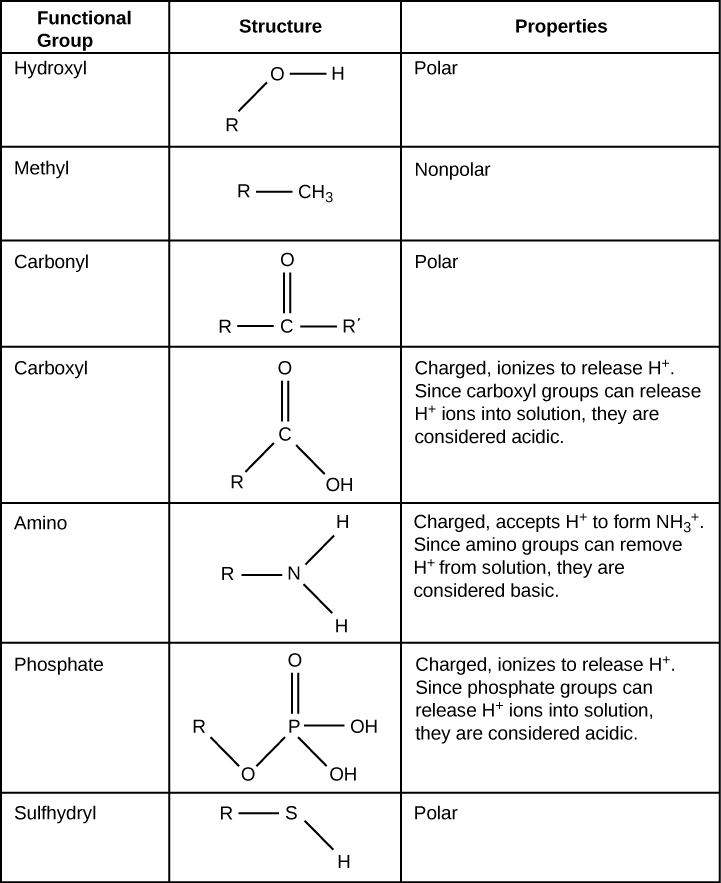
Amino group · · ·

A nitrogen-containing . A free ’s amino group is typically (NH₃⁺) near physiological ; ’s ring nitrogen is an exception to this formula.

Read explanation · OpenStax ↗
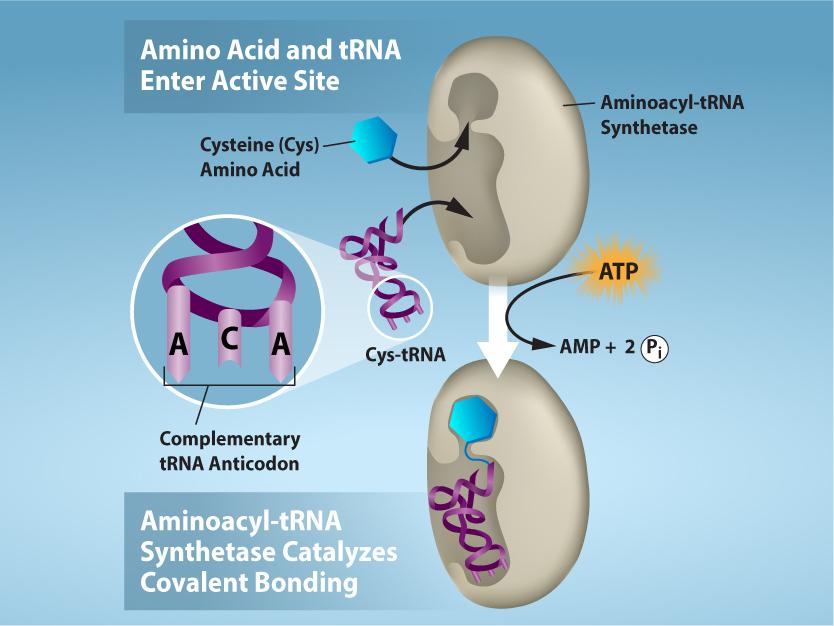
Aminoacyl-tRNA · ·

A covalently linked to an at its , ready to deliver that during .

Read explanation · OpenStax ↗
Aminoacyl-tRNA synthetase · · · · ·

An that uses to attach the appropriate to a ; many also edit charging errors.

Read explanation · OpenStax ↗
aminotransferase ·

An transferring an between an and a keto .

Read explanation · OpenStax ↗
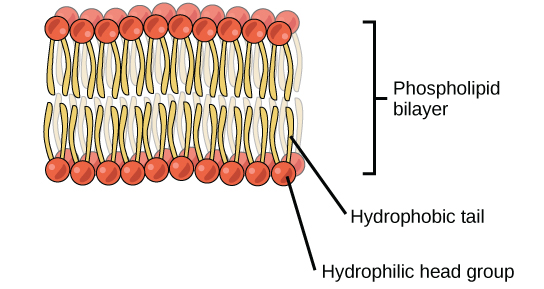
Amphipathic

Having both a region and a region, as in a or .

Read explanation · OpenStax ↗
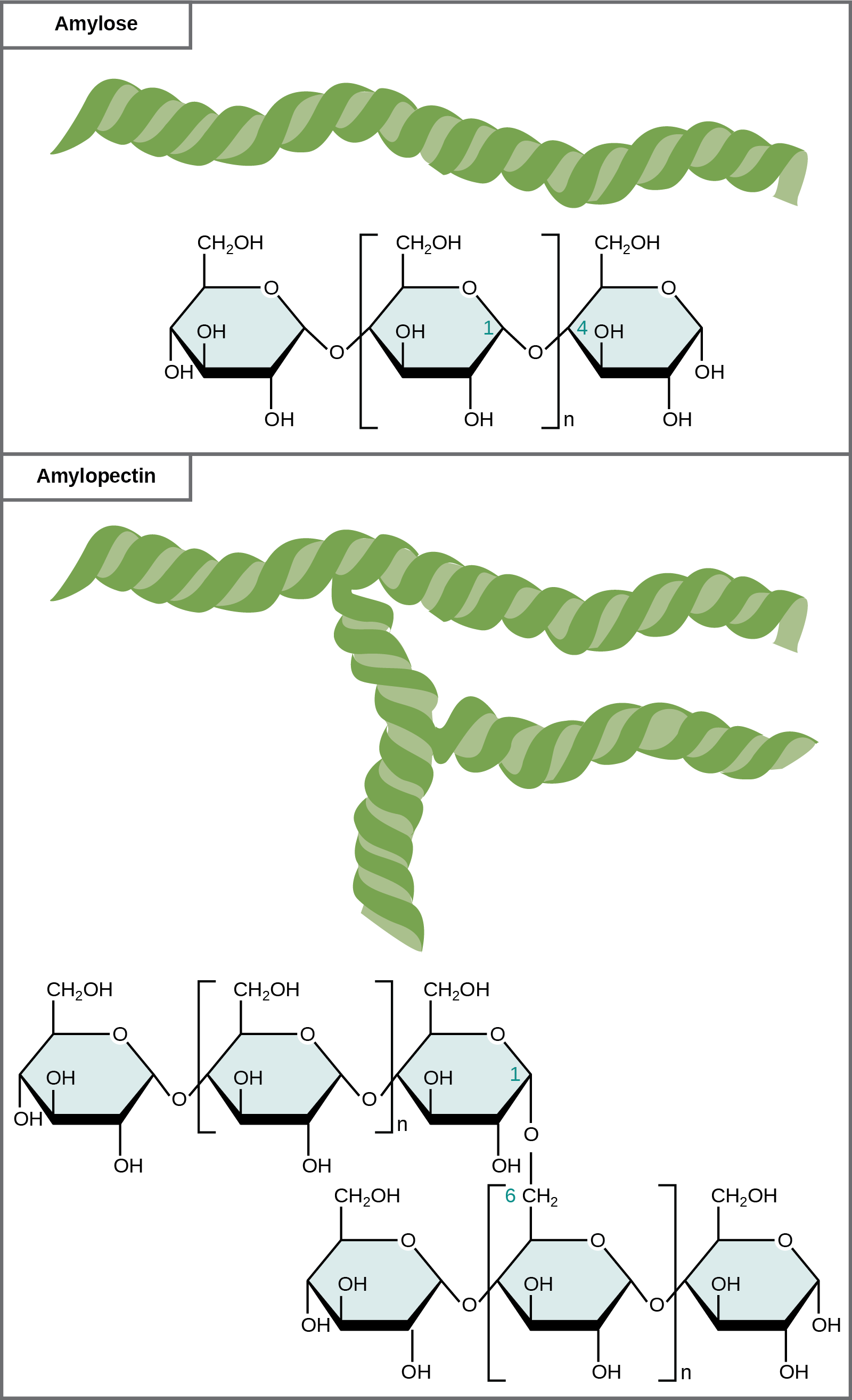
Amylose

The largely unbranched component of , made mainly of linked by alpha-1,4 .

Read explanation · OpenStax ↗
Anion ·

An with a negative net .

Read explanation · OpenStax ↗
anomeric carbon

The former carbon of a sugar, which becomes the or hemiketal center upon cyclization.

Read explanation · OpenStax ↗
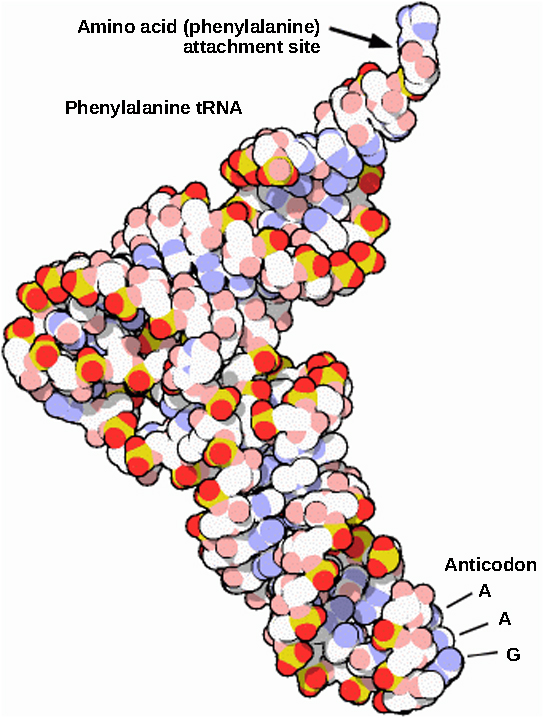
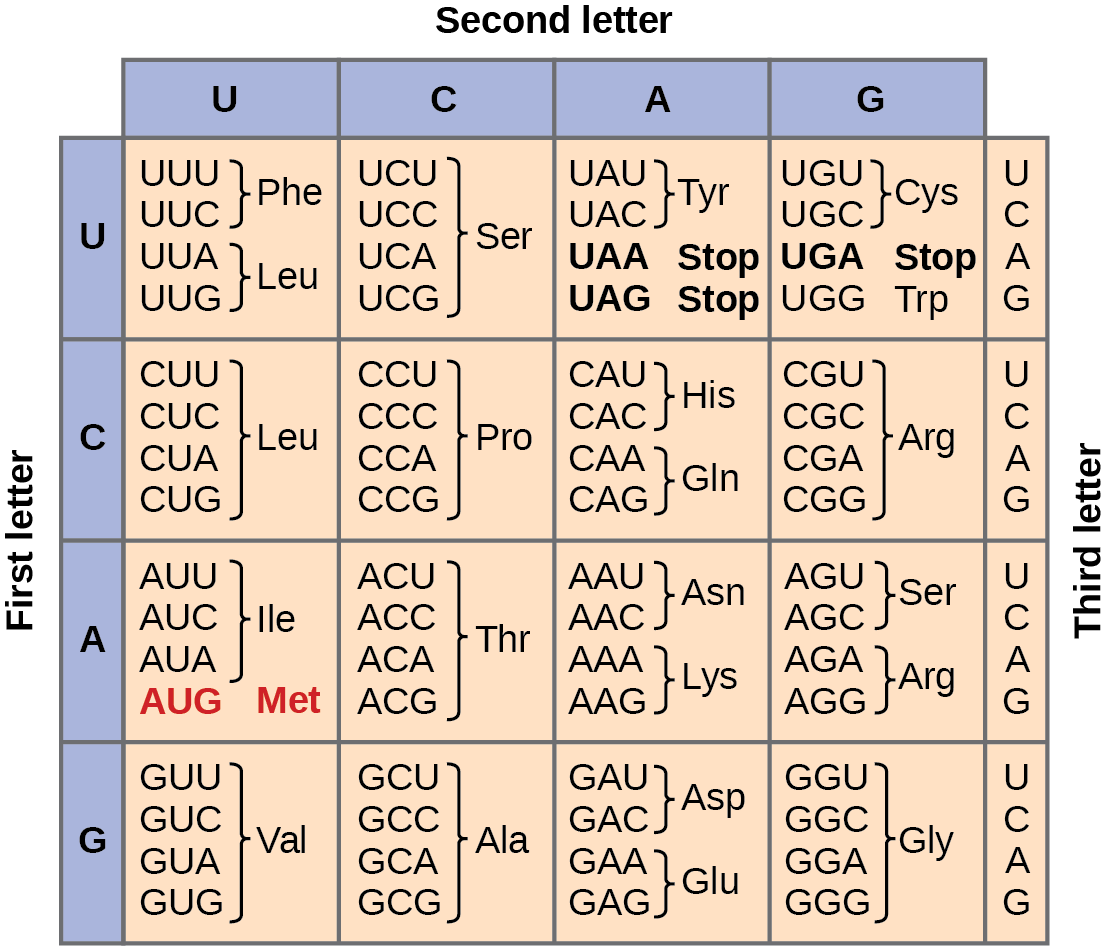
Anticodon

A triplet that pairs to an . The anticodon for 5′-AUG-3′ is aligned 3′-UAC-5′, or written 5′-CAU-3′.

Read explanation · NCBI Bookshelf / Garland Science ↗
Antiparallel

Running in opposite directions, as with two strands or neighboring strands in some .

Read explanation · OpenStax ↗
apical

Referring to the epithelial surface facing a or external space.

Read explanation · OpenStax ↗
Aqueous solution ·

A in which water is the .

Read explanation · OpenStax ↗
Archaea ·

A of distinct from , with characteristic chemistry and -expression machinery.

Read explanation · OpenStax ↗
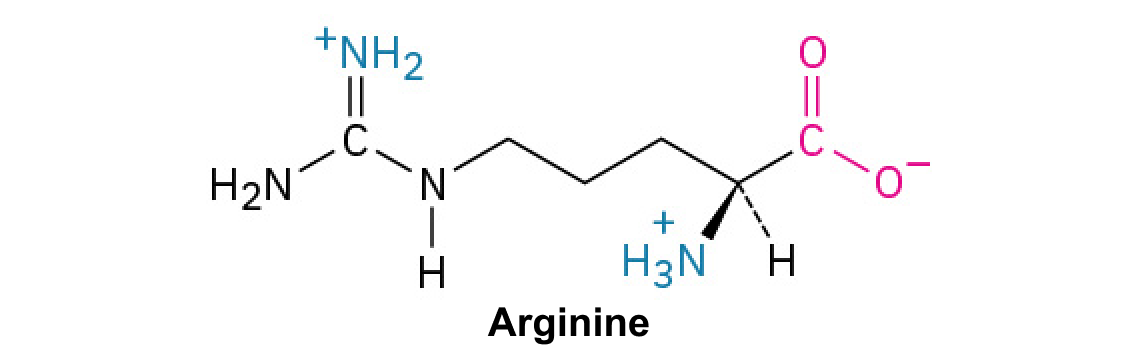
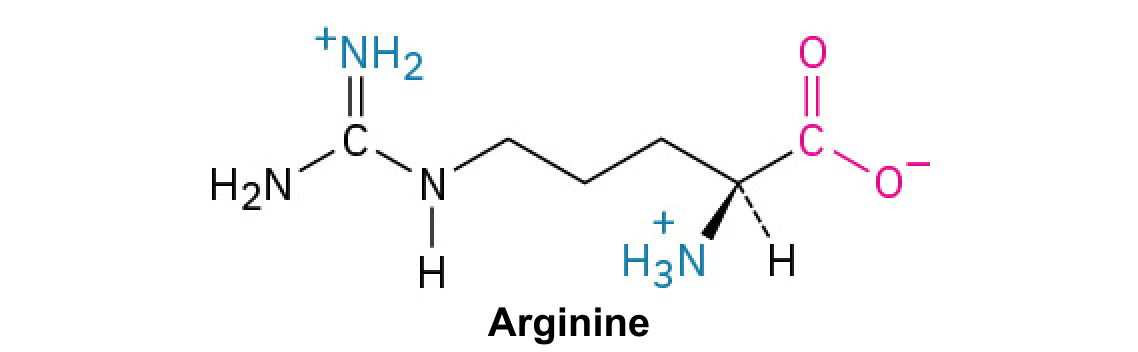
Arginine ·

A with a , usually positively near physiological .

Read explanation · OpenStax ↗
Aromatic

Containing a cyclic, with . , , and have aromatic .

Read explanation · OpenStax ↗
Assay

A procedure used to detect a substance or measure its amount, activity, or another property.

Read explanation · Thermo Fisher ↗
Atom

The smallest unit of an element that retains its chemical identity; it has a surrounded by .

Read explanation · OpenStax ↗
attachment

Enduring emotional bond and expectations about another’s availability and responsiveness.

Read explanation · OpenStax ↗
Bacteria ·

A of single-celled . Bacterial cells lack a -bound and are distinct from .

Read explanation · OpenStax ↗
Benzene ring

A six-carbon ring with .

Read explanation · OpenStax ↗
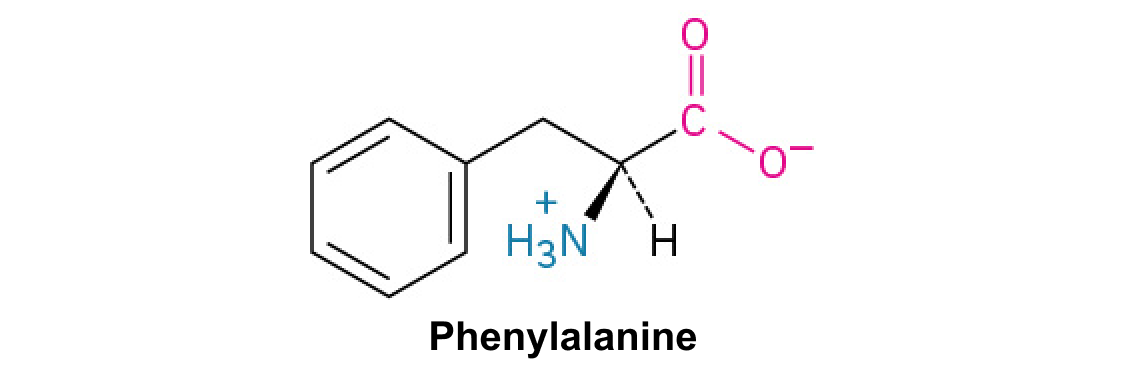
Benzyl group

A attached through a –CH₂– group; part of ’s .

Read explanation · OpenStax ↗
Beta sheet · · · · · ·

A made of aligned segments connected by ; strands may be parallel or .

Read explanation · OpenStax ↗
bicarbonate ·

The HCO3− , a major extracellular component and form of carbon dioxide transport.

Read explanation · OpenStax ↗
bile salt

An -derived component of bile that supports fat emulsification and micelle formation.

Read explanation · OpenStax ↗
Binding site

A region of a where another interacts selectively.

Read explanation · OpenStax ↗
Biomolecule

A made by or involved in living systems, including , , , and .

Read explanation · OpenStax ↗
Biosynthesis

Formation of biological through cellular , such as synthesis of .

Read explanation · OpenStax ↗
biotin

A vitamin-derived carrying activated carbon dioxide in carboxylation .

Read explanation · Biology LibreTexts / Oregon State University ↗
Blocking

Covering unoccupied on a or plate to reduce interactions.

Read explanation · Thermo Fisher ↗
Blotting ·

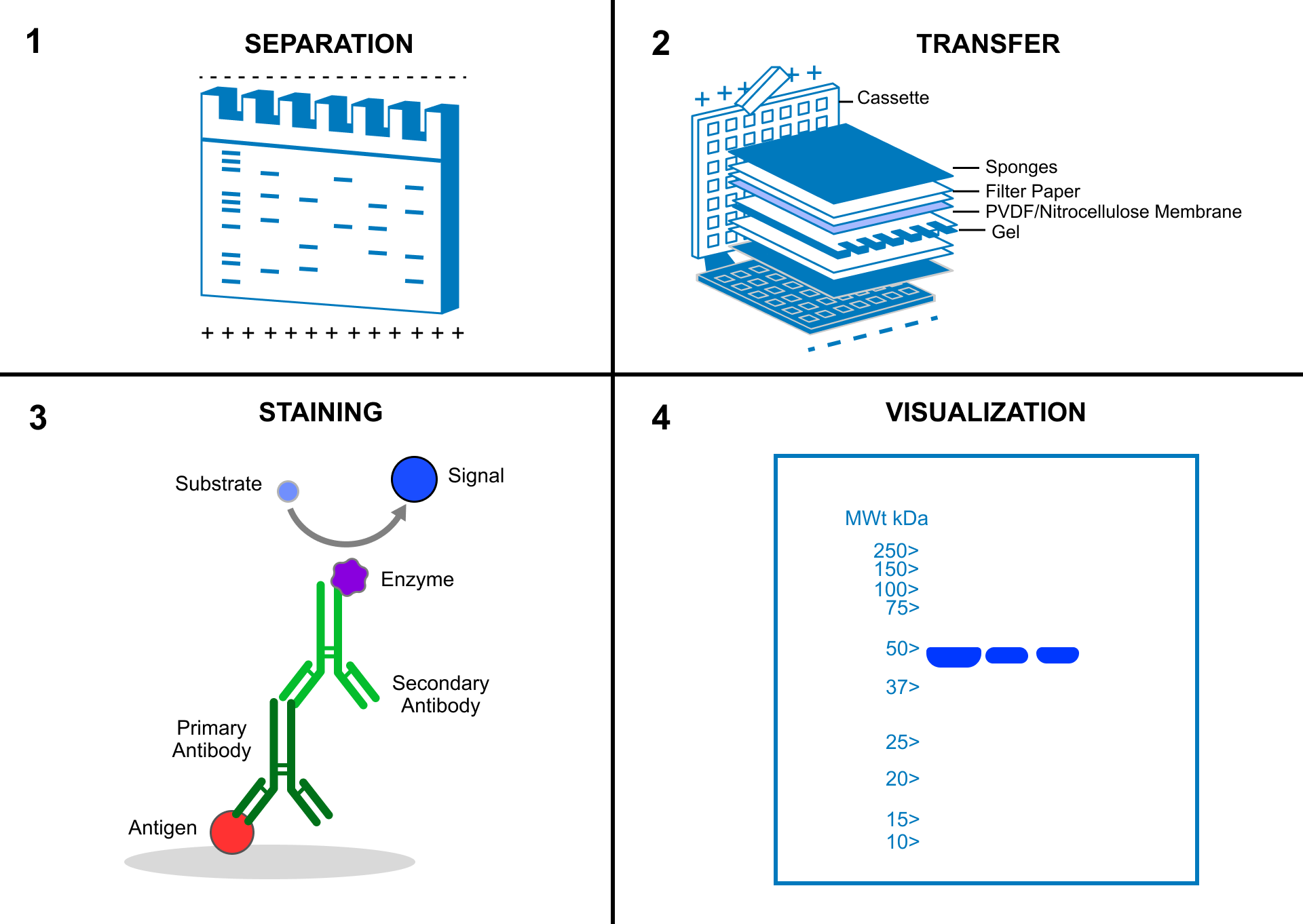
Transfer of separated or to a so a specific target can be detected.

Read explanation · Thermo Fisher ↗
Branch point ·

An site, usually containing , whose 2′-OH participates in forming the during spliceosomal .

Read explanation · NCBI Bookshelf / Garland Science ↗
Brønsted–Lowry base · · · · · · · · · · ·

In the Brønsted–Lowry model, a substance that can accept a . Basic solutions have lower activity than water.

Read explanation · OpenStax ↗
Buffer ·

A that resists changes when small amounts of or are added, commonly through a weak and its .

Read explanation · OpenStax ↗
Carbohydrate

A class of including sugars and their , used for energy storage, structure, and recognition.

Read explanation · OpenStax ↗
Carbonyl group · ·

A carbon double-bonded to oxygen, C=O; present in and many other .

Read explanation · OpenStax ↗
Carboxyl group · ·

An , COOH. In free it is usually to COO⁻ near physiological .

Read explanation · OpenStax ↗
carnitine shuttle

A transport system moving long-chain acyl groups into the for .

Read explanation · Biology LibreTexts / Oregon State University ↗
Catalyst · ·

A substance that speeds a by providing a pathway with lower and is regenerated rather than consumed overall.

Read explanation · OpenStax ↗
Cation ·

An with a positive net .

Read explanation · OpenStax ↗
Cell cycle

The ordered stages of cell growth, , and division.

Read explanation · OpenStax ↗
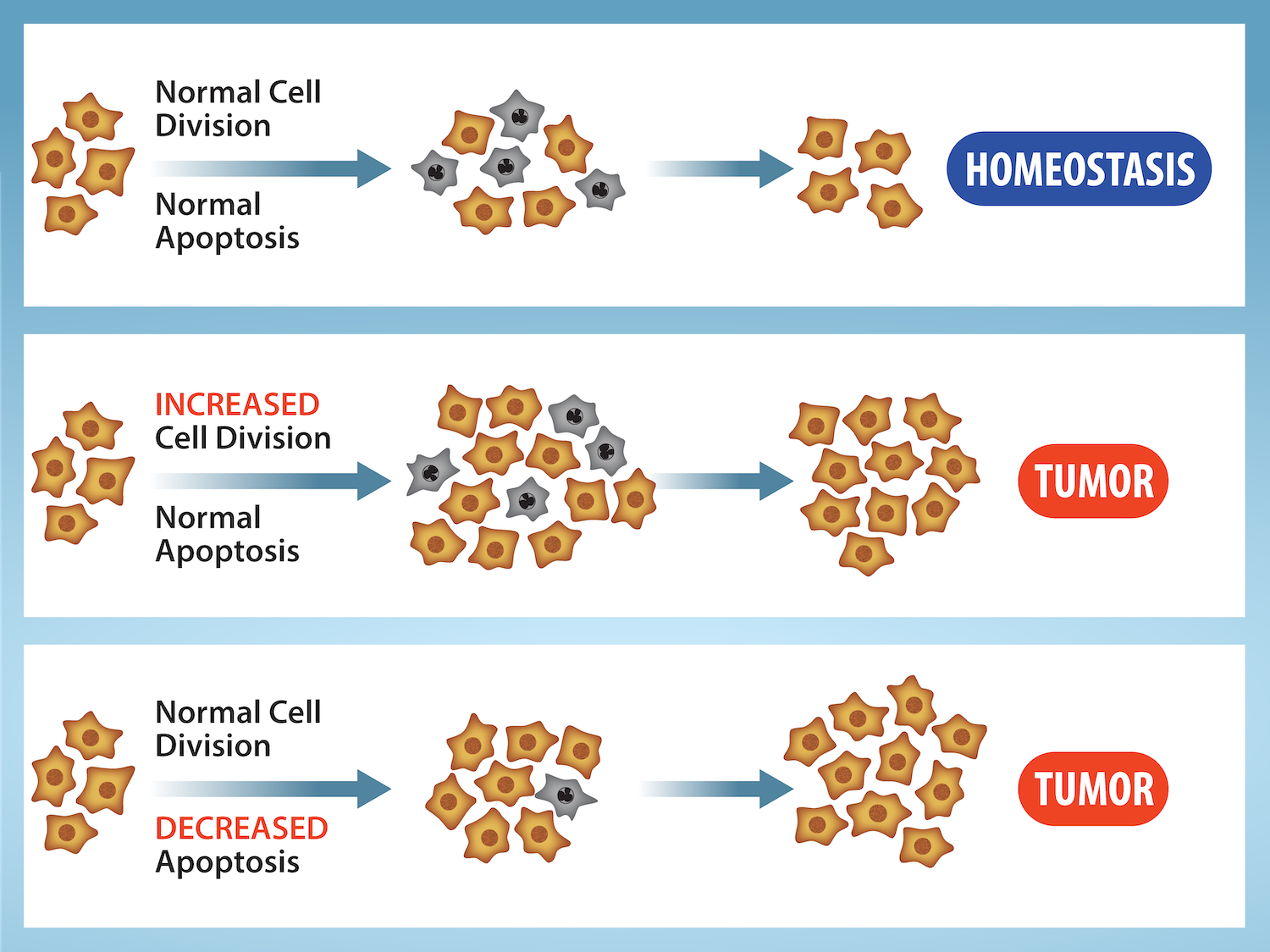
Cell proliferation

Increase in cell number through cell division; it should be distinguished experimentally from changes in survival.

Read explanation · OpenStax ↗
Cellulose

A structural in plant cell walls, with beta-1,4 linkages; also used as a support.

Read explanation · OpenStax ↗
central nervous system

Brain and spinal cord.

Read explanation · OpenStax ↗
Centrifugation ·

Spinning a sample to accelerate separation of particles according to their behavior.

Read explanation · Beckman Coulter ↗
Chemical compound ·

A substance containing of two or more different chemically combined in a definite composition.

Read explanation · OpenStax ↗
Chemical element

A substance defined by having the same number of , such as carbon or oxygen.

Read explanation · OpenStax ↗
Chemical reaction ·

A process that rearranges and chemical bonds, converting into .

Read explanation · OpenStax ↗
cholecystokinin

An intestinal promoting pancreatic and gallbladder contraction while influencing gastric emptying.

Read explanation · OpenStax ↗
cholesterol

An animal that modulates packing and serves as a precursor for and bile .

Read explanation · OpenStax ↗
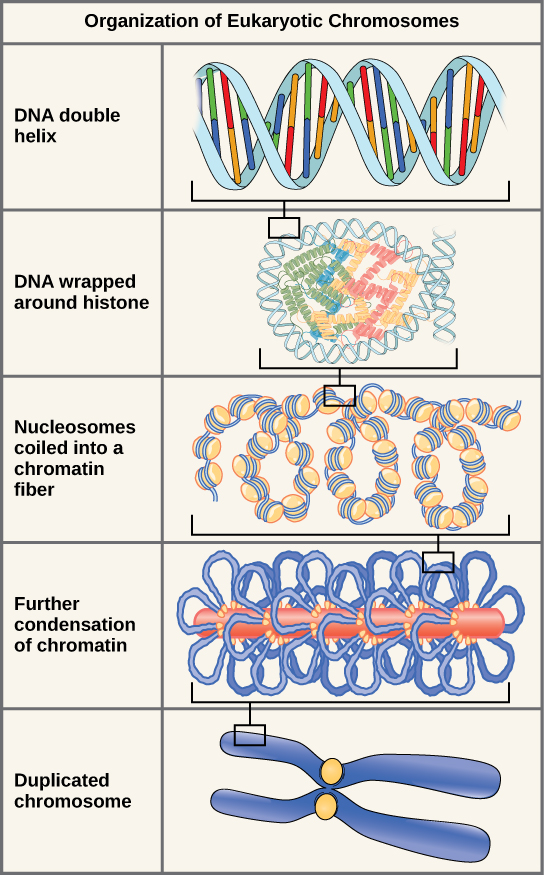
Chromatin

The complex of and associated , including , in .

Read explanation · OpenStax ↗
Chromatography

Separation of mixture components by their different interactions with a and a moving .

Read explanation · Waters ↗
Chromatography resin ·

The solid or beads in a column, often carrying chemical groups that determine separation behavior.

Read explanation · Cytiva ↗
Chromosome ·

An organized with associated that carries . A replicated chromosome has two .

Read explanation · OpenStax ↗
chylomicron

An intestinal lipoprotein particle carrying dietary and other into and blood.

Read explanation · Biology LibreTexts / Oregon State University ↗
chyme

The partly digested mixture of food and gastric secretions entering the small intestine.

Read explanation · OpenStax ↗
citrate

The six-carbon of with , also carrying acetyl units for synthesis.

Read explanation · OpenStax ↗
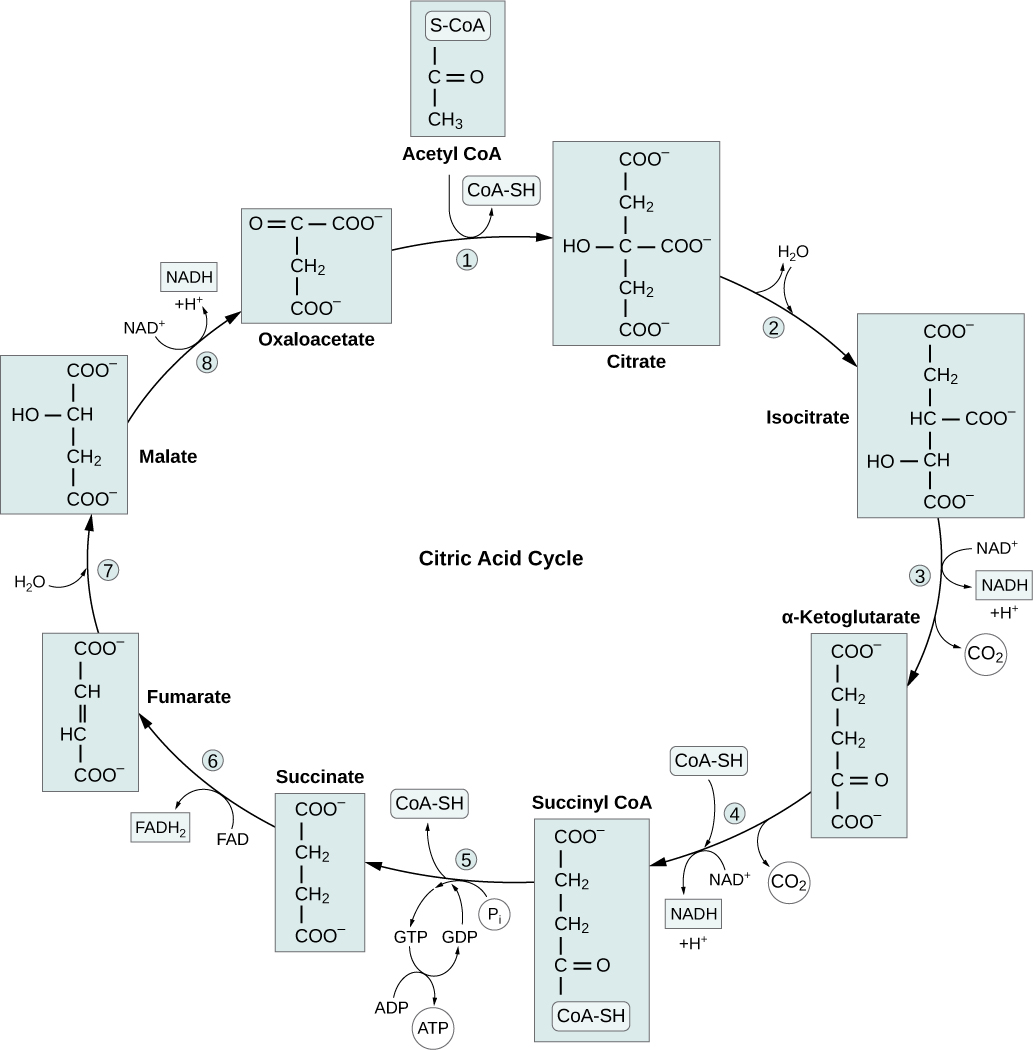
citric acid cycle ·

A cyclic pathway oxidizing acetyl units to CO2 while reducing carriers and regenerating .

Read explanation · OpenStax ↗
CoA

Coenzyme A, a -containing of activated acyl groups.

Read explanation · OpenStax ↗
Codon

A sequence of three that specifies an or a stop signal.

Read explanation · OpenStax ↗
Coenzyme

An organic that helps an catalyze a , often by carrying or chemical groups.

Read explanation · OpenStax ↗
Cofactor

A nonprotein component needed for an to work, such as a metal or an organic .

Read explanation · OpenStax ↗
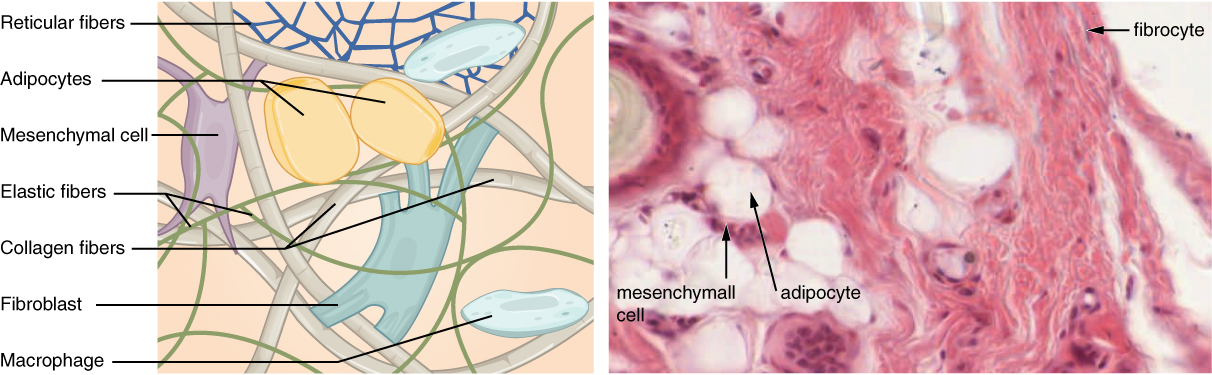
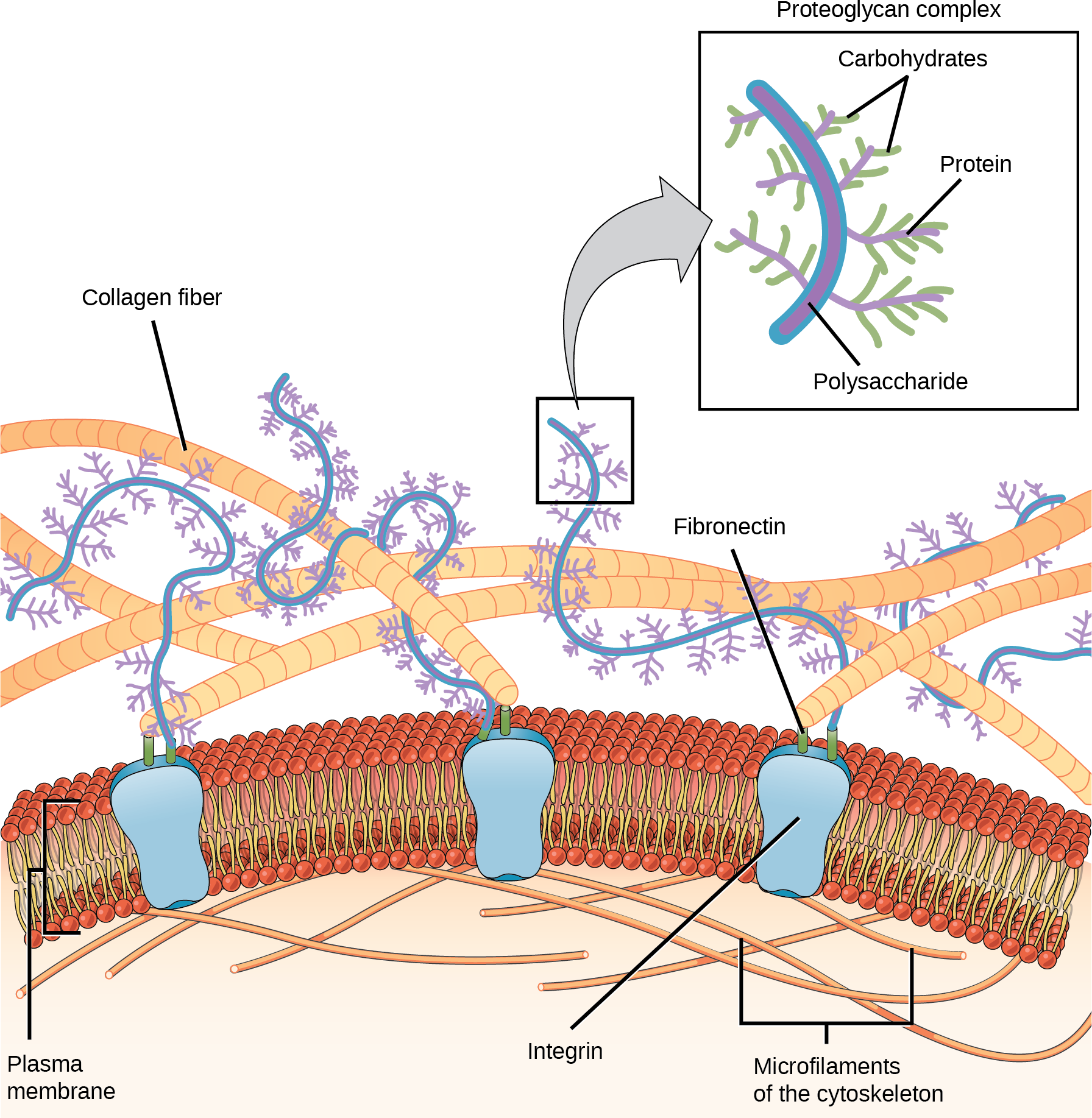
Collagen

A major structural in , with a characteristic triple-helical arrangement.

Read explanation · OpenStax ↗
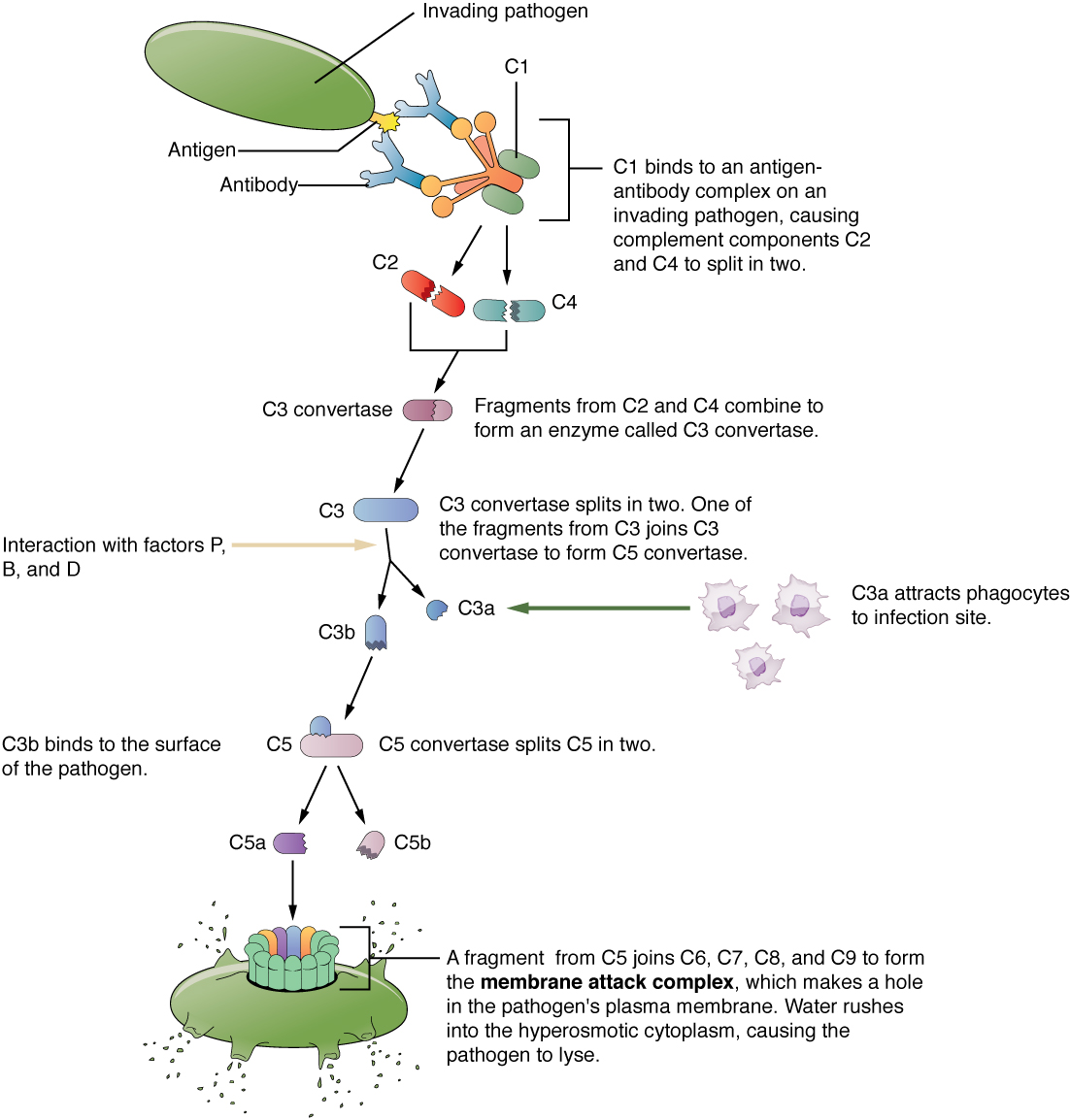
complement

A system that can promote , , and attack against targets.

Read explanation · OpenStax ↗
Concentration

The amount of a substance in a specified volume or mass of mixture.

Read explanation · OpenStax ↗
Configuration

A stereochemical arrangement that cannot be changed into another configuration by ordinary single-bond rotations alone.

Read explanation · OpenStax ↗
Conformation ·

A spatial arrangement accessible by rotations and other motions that do not require breaking .

Read explanation · NCBI Bookshelf ↗
conjugate base

Species formed when an loses one .

Read explanation · OpenStax ↗
Conjugated system ·

Adjacent orbitals that allow to be distributed across several , often through alternating single and multiple bonds.

Read explanation · OpenStax ↗
connective tissue

A tissue category generally characterized by cells distributed within substantial .

Read explanation · OpenStax ↗
cortisol

An adrenal-cortex glucocorticoid regulating , stress responses, and immune activity.

Read explanation · OpenStax ↗
Covalent bond · ·

A bond in which share pairs. and are covalent.

Read explanation · OpenStax ↗
CPT-I

Carnitine palmitoyltransferase I, an outer-- transferring long-chain acyl groups to carnitine; inhibited by .

Read explanation · Biology LibreTexts / Oregon State University ↗
CPT-II

Carnitine palmitoyltransferase II, the regenerating fatty acyl- from acylcarnitine on the side.

Read explanation · Biology LibreTexts / Oregon State University ↗
Cysteine ·

An with a . Two cysteines can form a .

Read explanation · OpenStax ↗
cytochrome

A heme-containing involved in transfer.

Read explanation · OpenStax ↗
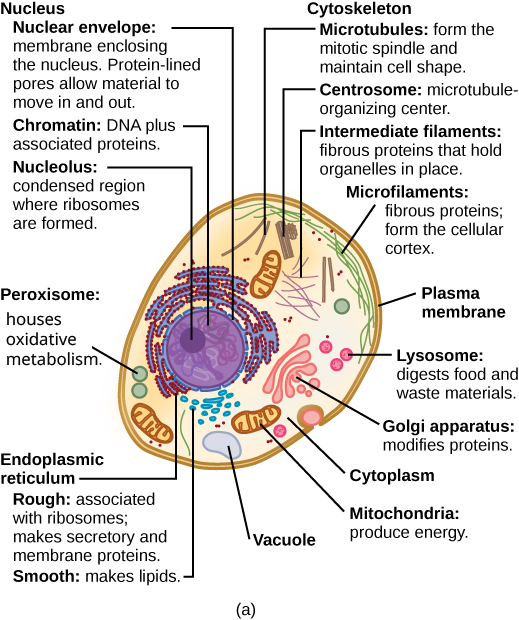
Cytoplasm

Cell contents inside the plasma and outside the , where one is present.

Read explanation · OpenStax ↗
Cytosine

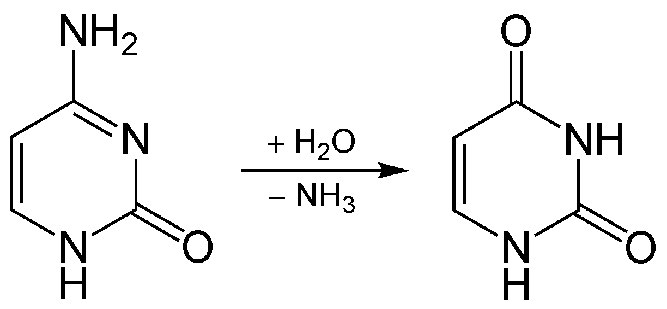
A in and that pairs with . can convert it to .

Read explanation · OpenStax ↗
Cytosol

The aqueous part of the outside -enclosed .

Read explanation · OpenStax ↗
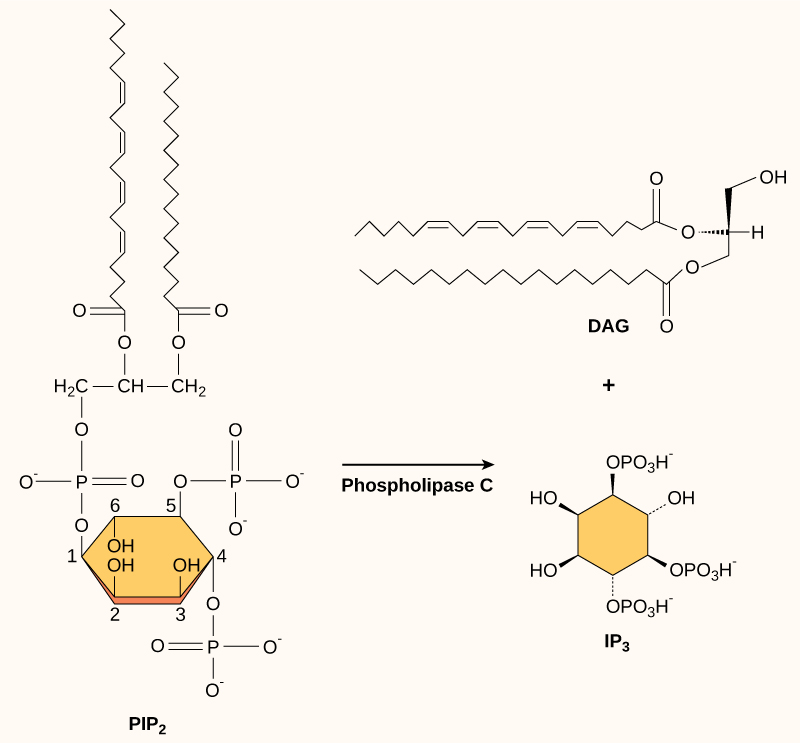
DAG

Diacylglycerol, a -associated messenger that helps activate .

Read explanation · OpenStax ↗
Deamination

Removal of an . Deamination of produces and can change genetic information if unrepaired.

Read explanation · Biology LibreTexts / Oregon State University ↗
decarboxylation

Loss of a carboxyl-derived carbon as carbon dioxide.

Read explanation · OpenStax ↗
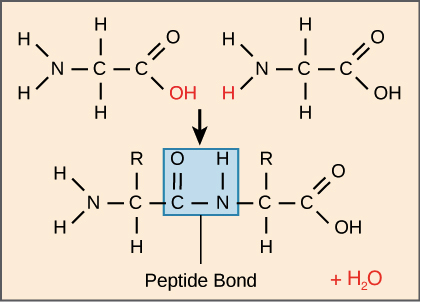
Dehydration synthesis

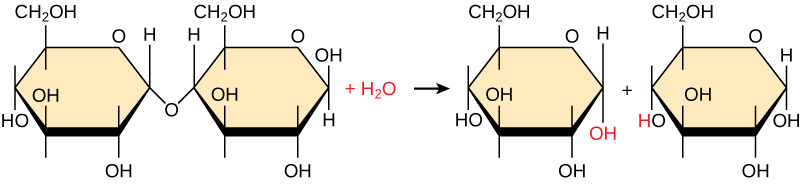
Joining with net removal of water; the overall used to depict formation.

Read explanation · OpenStax ↗
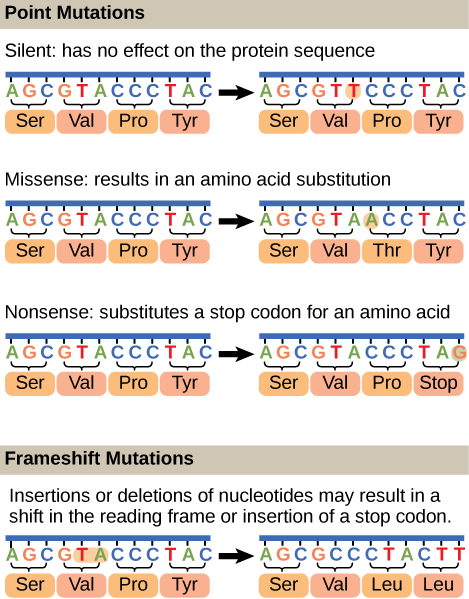
Deletion

Loss of one or more from a sequence. The consequence depends on the affected region and length.

Read explanation · OpenStax ↗
Density gradient

A fluid whose density varies with position, used to improve separation during .

Read explanation · Beckman Coulter ↗
Deoxyribonucleic acid

The that stores genetic information used to specify and sequences.

Read explanation · OpenStax ↗
Deprotonation

Removal of a from a or group; this changes its by minus one.

Read explanation · OpenStax ↗
Detergent

An substance that can associate with both water and material; detergents can disrupt or interactions.

Read explanation · Thermo Fisher ↗
differentiation

Acquisition of specialized cellular structures and functions through regulated and other changes.

Read explanation · OpenStax ↗
Dissociation · ·

Separation of a chemical species or molecular complex into smaller components; dissociation releases a .

Read explanation · OpenStax ↗
Dissociation constant · ·

An for complex . For E + S ⇌ , Kd = [E]/[]; a smaller value indicates tighter binding under the stated conditions.

Read explanation · IUBMB ↗
Disulfide bond · · ·

A covalent sulfur–sulfur bond formed by of two , which can stabilize structure.

Read explanation · NCBI Bookshelf ↗
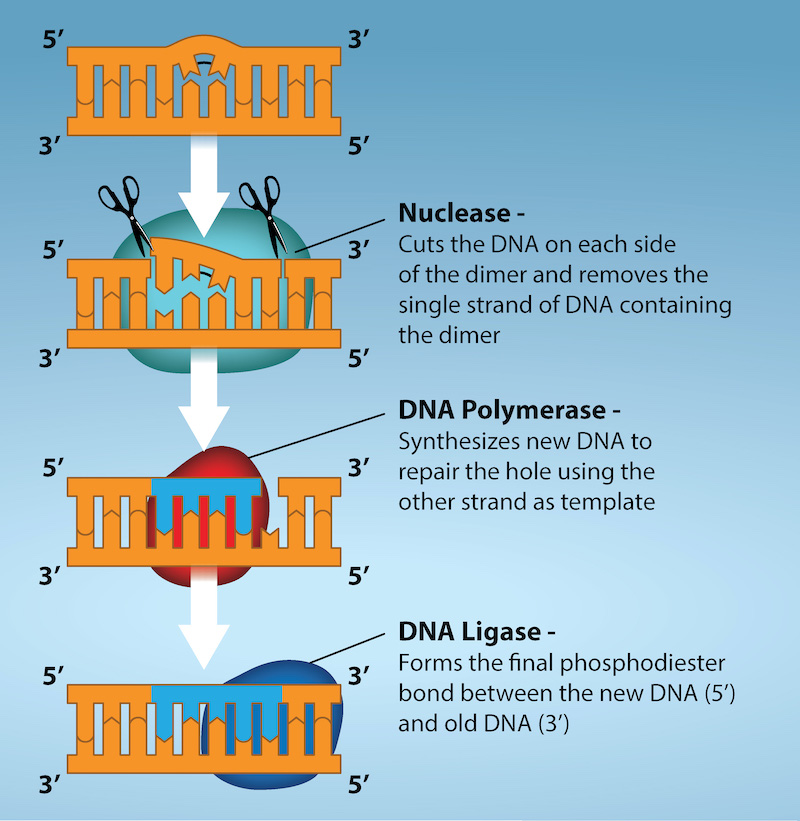
DNA lesion ·

of molecular damage in . A lesion can cause a if it is copied or repaired incorrectly, but damage and sequence change are distinct.

Read explanation · OpenStax ↗
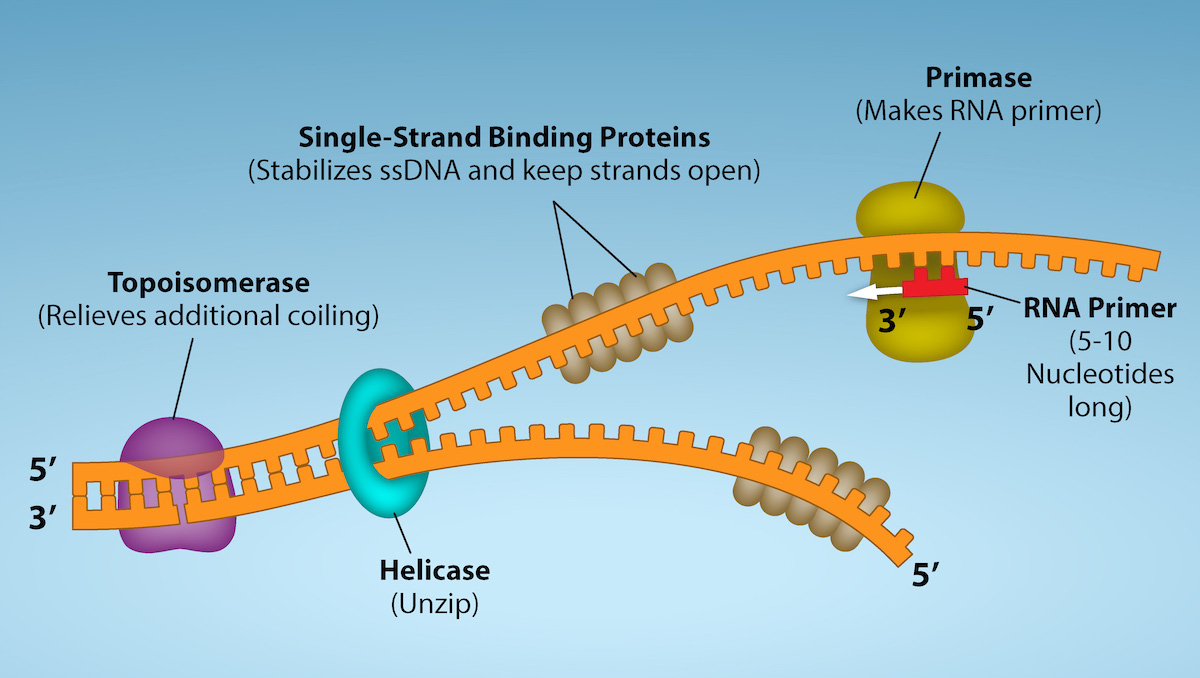
DNA polymerase ·

An that synthesizes 5′ to 3′ using a template and a with a free .

Read explanation · OpenStax ↗
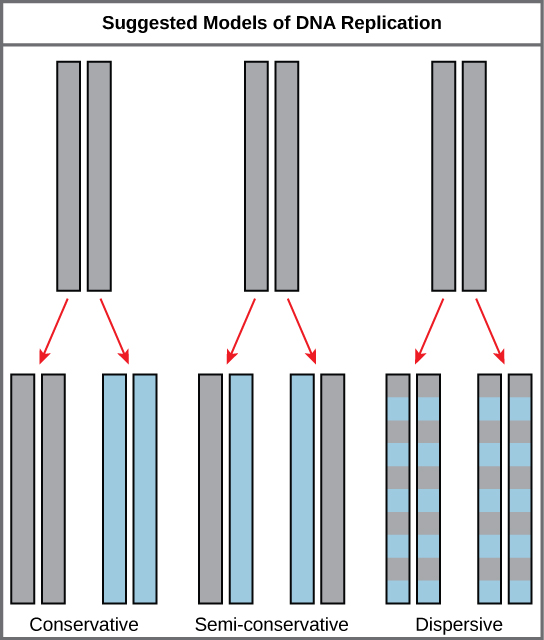
DNA replication

Copying so genetic information can be passed to daughter cells. Each guides a complementary new strand.

Read explanation · OpenStax ↗
Downstream

Later along a directed sequence or process; in , toward positions following a reference site in the direction of synthesis.

Read explanation · OpenStax ↗
E2F

A family of regulating needed for cell-cycle progression, including entry into .

Read explanation · National Cancer Institute ↗
Effector

A that changes a ’s activity or binding behavior, often by stabilizing a particular .

Read explanation · Biology LibreTexts ↗
eicosanoid

Local signaling derived from a twenty-carbon polyunsaturated .

Read explanation · OpenStax ↗
Electric charge · · ·

An electrical property that can be positive or negative. Opposite charges attract and like charges repel; net charge is the sum of all charges on a particle.

Read explanation · OpenStax ↗
Electric field

A quantity describing the electrical force per unit positive . An applied field drives through a gel during .

Read explanation · Thermo Fisher ↗
Electron

A negatively subatomic particle. Electron sharing and transfer determine much of chemical bonding.

Read explanation · OpenStax ↗
Electron delocalization ·

Distribution of across several rather than confinement to one or bond.

Read explanation · OpenStax ↗
Electronegativity ·

An ’s tendency to attract shared in a chemical bond. Unequal attraction can make a bond .

Read explanation · OpenStax ↗
Electrophoresis

Movement of in an , used to separate through a support such as a gel.

Read explanation · Thermo Fisher ↗
Endocrine signaling ·

Communication in which enter the circulation and act on distant target cells.

Read explanation · OpenStax ↗
Endomembrane system

The interacting and compartments involved in processes such as modification, transport, and .

Read explanation · OpenStax ↗
Endoplasmic reticulum

An interconnected network continuous with the ; it includes regions involved in processing and synthesis.

Read explanation · OpenStax ↗
enterocyte

An absorptive intestinal epithelial cell.

Read explanation · OpenStax ↗
Enzyme

A biological that speeds a without being consumed. Most enzymes are .

Read explanation · OpenStax ↗
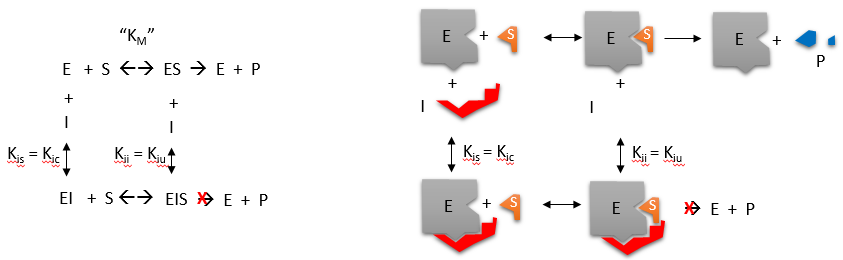
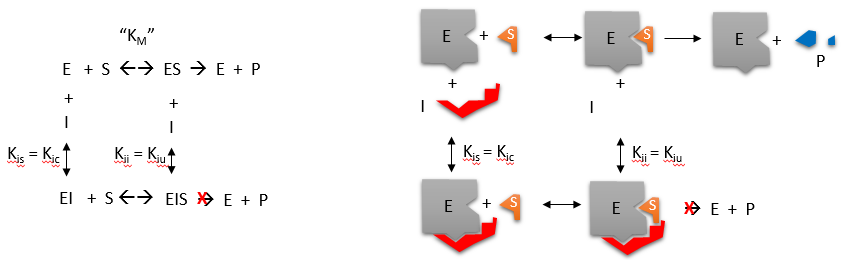
Enzyme inhibitor · ·

A substance that reduces activity. The binding mechanism and rate data determine whether inhibition is competitive, uncompetitive, mixed, or another type.

Read explanation · Biology LibreTexts ↗
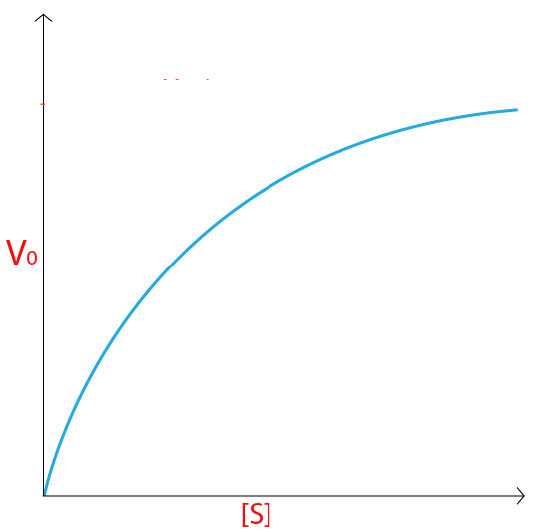
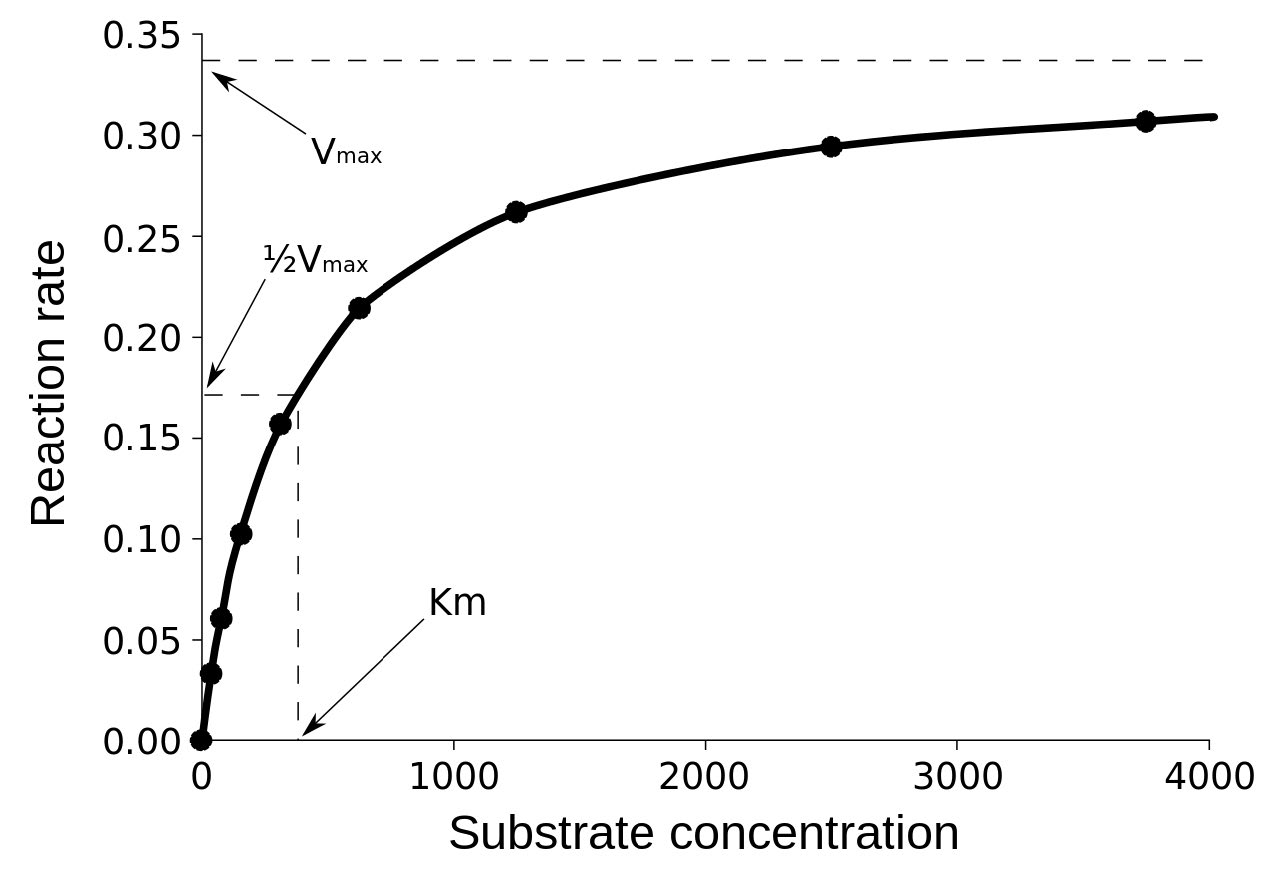
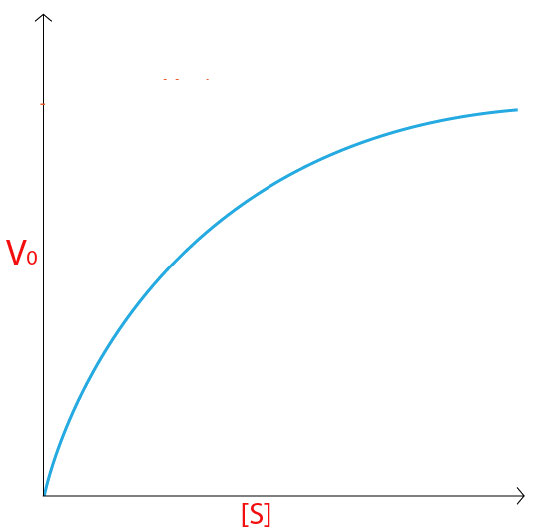
Enzyme saturation · ·

The high- limit in which sites spend almost all their time processing and the rate approaches .

Read explanation · Biology LibreTexts ↗
Enzyme–inhibitor complex

The complex formed when an binds free . In the simple competitive model it cannot bind or produce .

Read explanation · Biology LibreTexts ↗
Enzyme–substrate complex · · ·

The bound association of an and its during a cycle. Often abbreviated ES in schemes.

Read explanation · OpenStax ↗
Equilibrium

A state where opposing processes occur at equal rates, so macroscopic or other properties remain constant.

Read explanation · OpenStax ↗
Equilibrium constant

A ratio of to activities at , each raised to its stoichiometric coefficient. At a fixed temperature, a does not change this ratio.

Read explanation · OpenStax ↗
Eukaryote ·

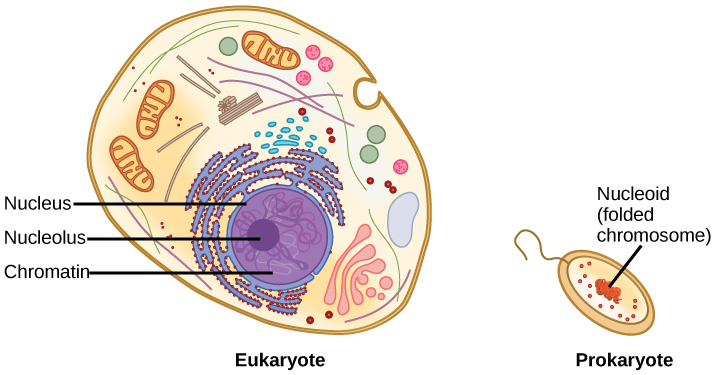
An organism whose cells have a -enclosed ; animals, plants, fungi, and protists are eukaryotes.

Read explanation · OpenStax ↗
exocytosis

Fusion of an intracellular with the plasma , releasing contents and adding components.

Read explanation · OpenStax ↗
Exon

A segment retained in a mature spliced . In an exon may contain coding sequence, untranslated sequence, or both.

Read explanation · OpenStax ↗
Experimental control ·

A comparison sample or condition used to distinguish the effect being tested from other influences.

Read explanation · Thermo Fisher ↗
extracellular matrix

The network of and surrounding cells and providing structural and signaling functions.

Read explanation · OpenStax ↗
FACT complex ·

A -associated complex that helps machinery traverse and supports reorganization.

Read explanation · OpenStax ↗
FAD

Flavin dinucleotide, often an -bound capable of one- or two- chemistry.

Read explanation · OpenStax ↗
FADH2

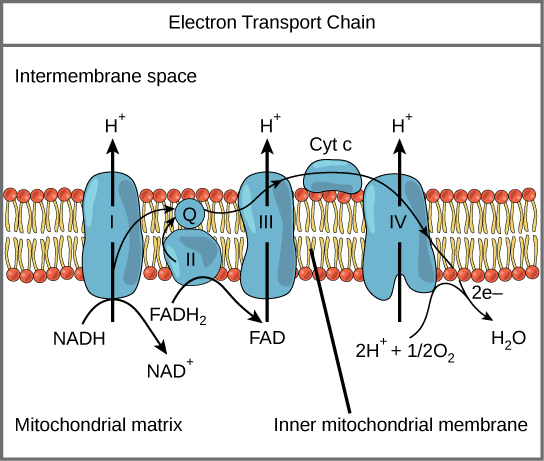
The two--reduced form of ; its respiratory equivalents generally enter of complex I.

Read explanation · OpenStax ↗
Fatty acid

A attached to a chain; fatty acids are components of many .

Read explanation · OpenStax ↗
fatty-acid synthase

A multienzyme system building fatty- chains from acetyl and malonyl units using .

Read explanation · Biology LibreTexts / Oregon State University ↗
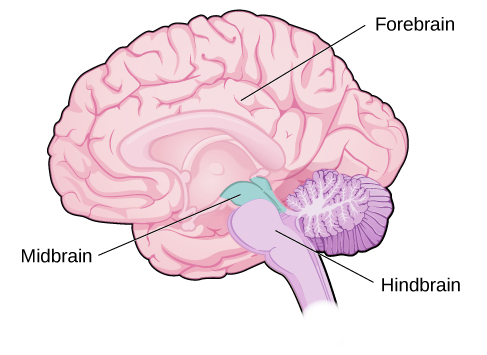
forebrain

Major developmental brain division including cerebral hemispheres, , and .

Read explanation · OpenStax ↗
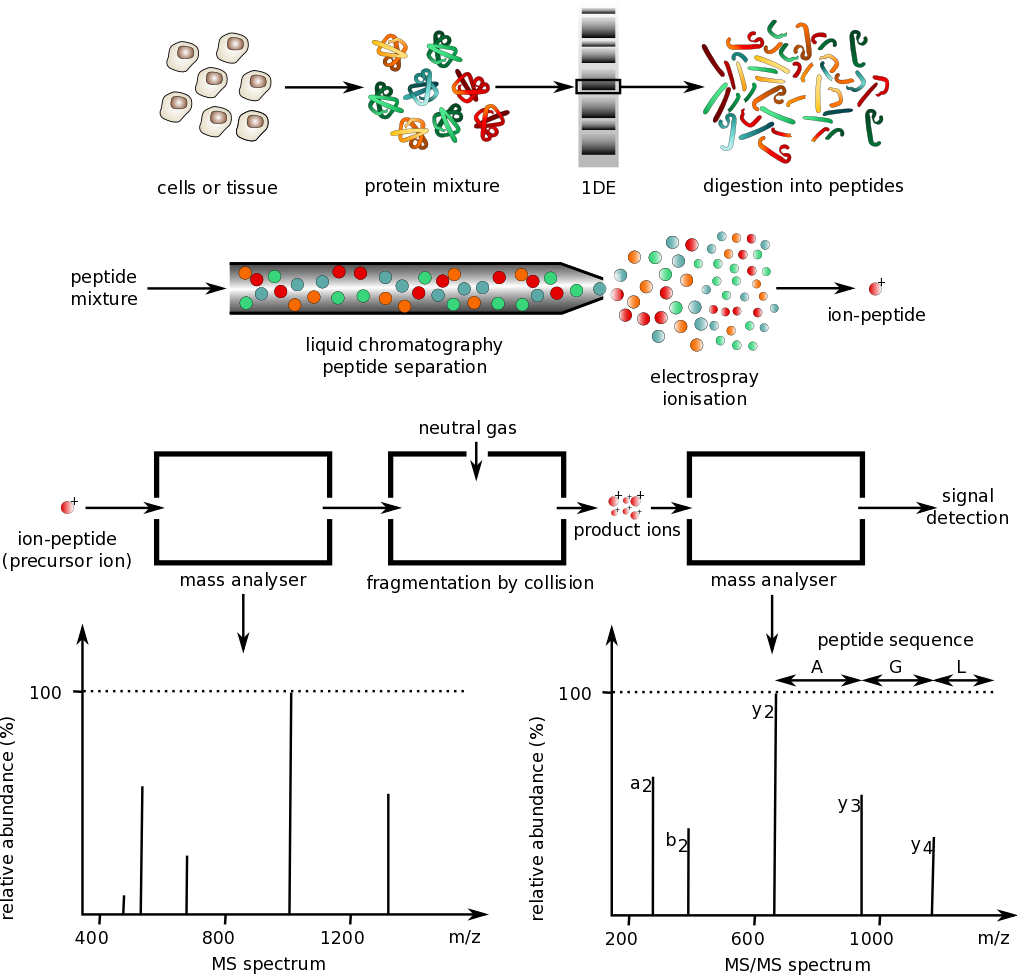
Fragmentation ·

Breaking a into smaller and pieces; fragment patterns help identify molecular structure.

Read explanation · Thermo Fisher ↗
Free-enzyme inhibition factor

The dimensionless factor α = 1 + / in the simple reversible-inhibition equation. It describes binding to free .

Read explanation · Biology LibreTexts ↗
fumarase

The citric-cycle hydrating fumarate to malate.

Read explanation · OpenStax ↗
Functional group

A group of whose chemical behavior gives a characteristic and properties.

Read explanation · OpenStax ↗
G-protein-coupled receptor

A that relays binding through a heterotrimeric G .

Read explanation · OpenStax ↗
G2 phase ·

The phase after and before , when are available for .

Read explanation · OpenStax ↗
Gene

A sequence that contributes to a functional or , together with the information needed to express it.

Read explanation · OpenStax ↗
Gene expression

Production of a functional from a , including and, for -coding , .

Read explanation · NCBI Bookshelf ↗
Genome

The complete genetic material of an organism or cell.

Read explanation · OpenStax ↗
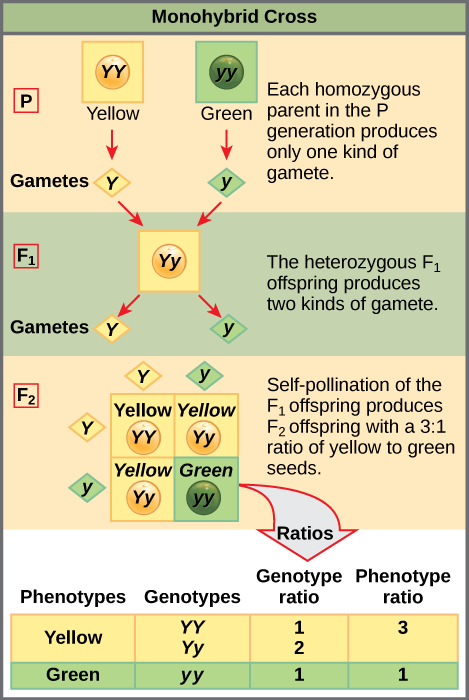
genotype

The allelic composition of an organism at one or more specified .

Read explanation · OpenStax ↗
ghrelin

A associated with hunger signaling, produced mainly by the stomach.

Read explanation · OpenStax ↗
Glucagon

A pancreatic that helps raise , especially by promoting release from the liver.

Read explanation · OpenStax ↗
glucogenic

Describing a whose carbon can contribute to net synthesis in humans.

Read explanation · OpenStax ↗
gluconeogenesis

Synthesis of from noncarbohydrate precursors, using bypass for irreversible glycolytic steps.

Read explanation · Biology LibreTexts / Oregon State University ↗
Glucose

A six-carbon sugar that is a major cellular energy source and a building block of , , and .

Read explanation · OpenStax ↗
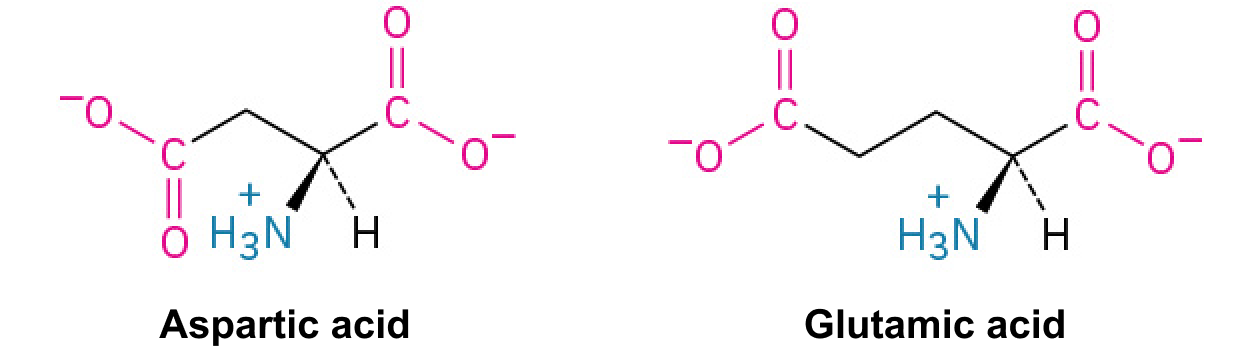
Glutamate · ·

An whose is usually negatively near physiological .

Read explanation · OpenStax ↗
Glycerol

A three-carbon alcohol with three ; used in sample to increase density and in some .

Read explanation · OpenStax ↗
Glycine ·

The smallest ; its is hydrogen. It is and allows substantial flexibility.

Read explanation · OpenStax ↗
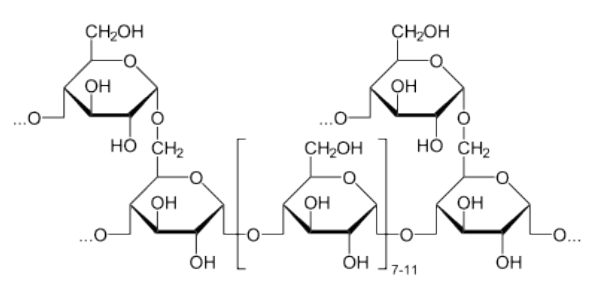
glycogen

A highly branched used for storage in animals.

Read explanation · Biology LibreTexts / Oregon State University ↗
glycolysis

A pathway converting to with net production of and .

Read explanation · Biology LibreTexts / Oregon State University ↗
Glycosidic bond

A involving a sugar’s . In a , an N-glycosidic bond links the sugar to the .

Read explanation · Biology LibreTexts / Oregon State University ↗
Golgi apparatus ·

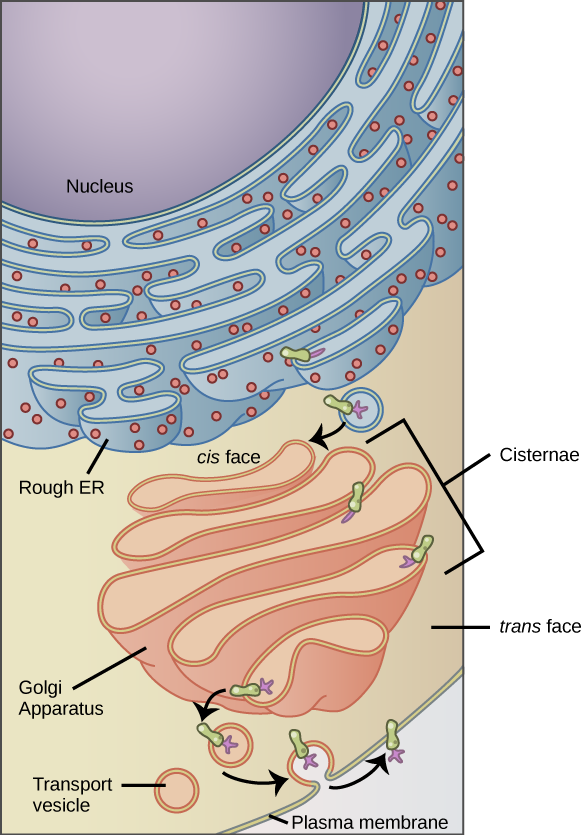
A stack of compartments that modifies and sorts and traveling through the .

Read explanation · OpenStax ↗
Gradient

A change in a quantity, such as , , or density, across a distance or over time.

Read explanation · Thermo Fisher ↗
Guanidinium group · ·

The positively form of a guanidine group, with distributed over three nitrogens; found in ’s .

Read explanation · OpenStax ↗
Guanine

A that pairs with through three .

Read explanation · OpenStax ↗
Guanosine triphosphate

A -containing whose supports factor-driven steps in and other cellular processes.

Read explanation · OpenStax ↗
hemiacetal

Carbon bonded to both and alkoxy groups, usually formed by alcohol addition to a .

Read explanation · OpenStax ↗
Hemoglobin

The oxygen-carrying in , composed of four with heme groups.

Read explanation · OpenStax ↗
hemostasis

The coordinated process limiting blood loss after vessel injury while maintaining flow elsewhere.

Read explanation · OpenStax ↗
Histone

A -associated rich in . Core histones form the around which nucleosomal wraps.

Read explanation · OpenStax ↗
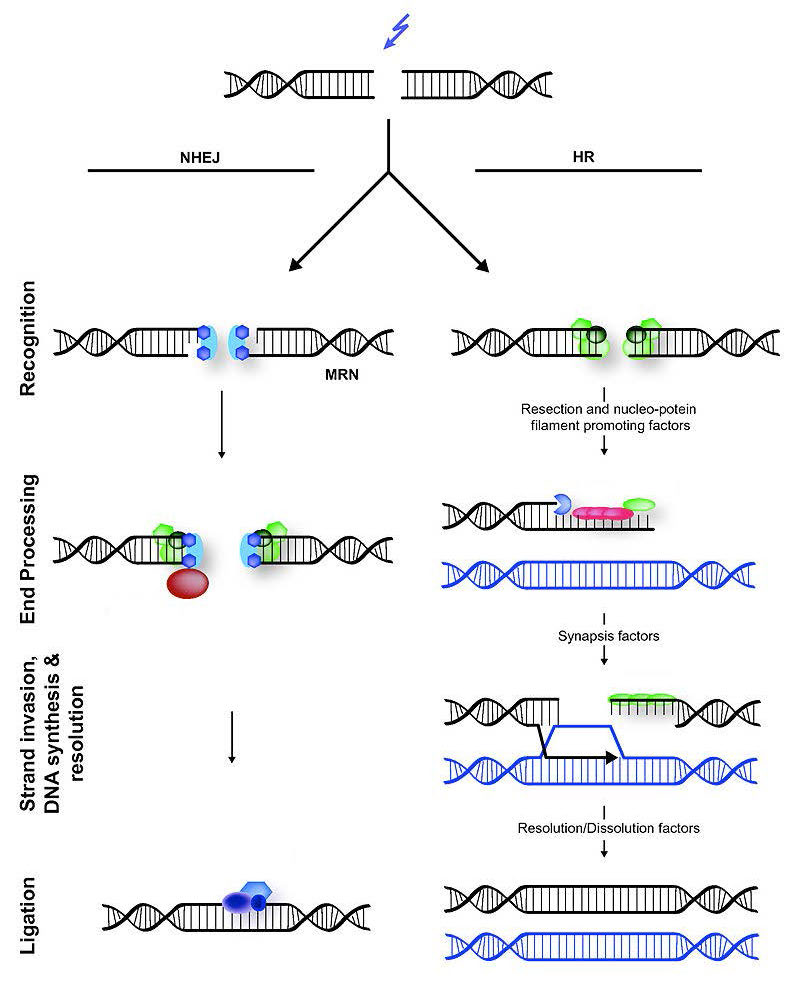
Homologous recombination ·

Exchange or copying between with similar sequences. In break repair, an intact homologous template, usually a , guides restoration.

Read explanation · Biology LibreTexts / Oregon State University ↗
Hormone

A chemical messenger released by cells that changes the activity of target cells with matching .

Read explanation · OpenStax ↗
hydride

Formally H⁻; hydride-transfer reagents or deliver a hydrogen with an pair.

Read explanation · OpenStax ↗
Hydrocarbon · ·

A made only of carbon and hydrogen. Hydrocarbon regions are generally .

Read explanation · OpenStax ↗
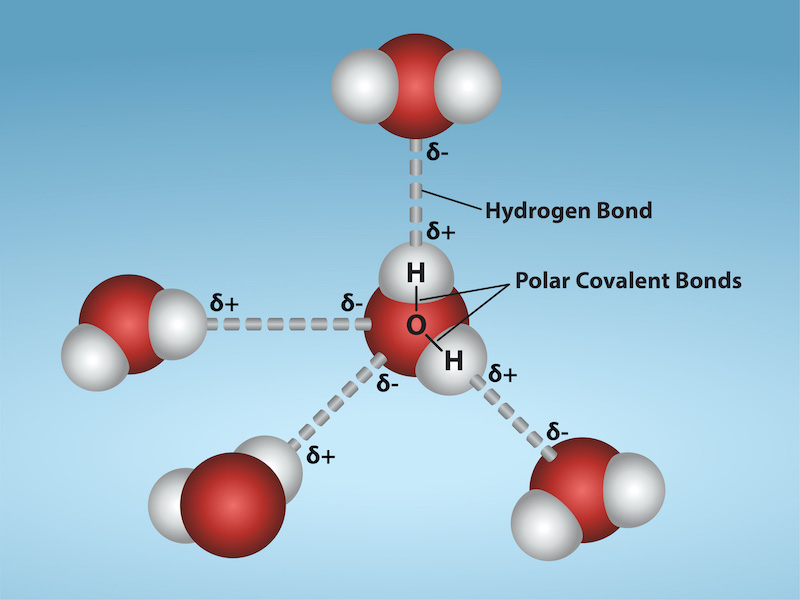
Hydrogen bond ·

An attraction between a hydrogen bonded to an and another . hydrogen bonds stabilize .

Read explanation · OpenStax ↗
Hydrogen ion · ·

A positively hydrogen species. H⁺ denotes a , which is hydrated in water; its activity determines .

Read explanation · OpenStax ↗
Hydrolysis

Breaking a chemical bond by adding water. hydrolysis separates .

Read explanation · OpenStax ↗
Hydrophilic

Interacting favorably with water, typically because a group is or .

Read explanation · OpenStax ↗
Hydrophobic

Interacting poorly with water. often gather in a ’s interior.

Read explanation · OpenStax ↗
Hydroxide ion ·

The negatively OH⁻. Basic contain a higher hydroxide ion activity than water at the same temperature.

Read explanation · OpenStax ↗
Hydroxyl group ·

An oxygen bonded to hydrogen, –OH. Hydroxyl groups can and often increase .

Read explanation · OpenStax ↗
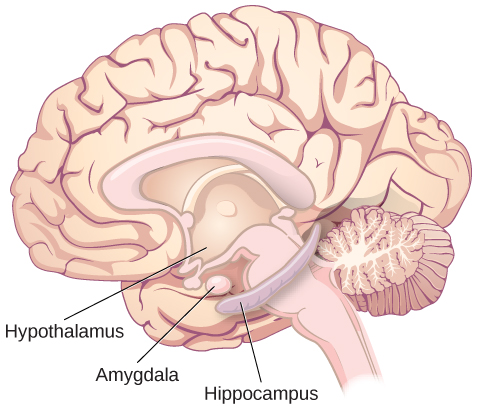
hypothalamus

region coordinating homeostatic, , and autonomic functions.

Read explanation · OpenStax ↗
incidence

Occurrence of new cases in a defined population over a specified period.

Read explanation · OpenStax ↗
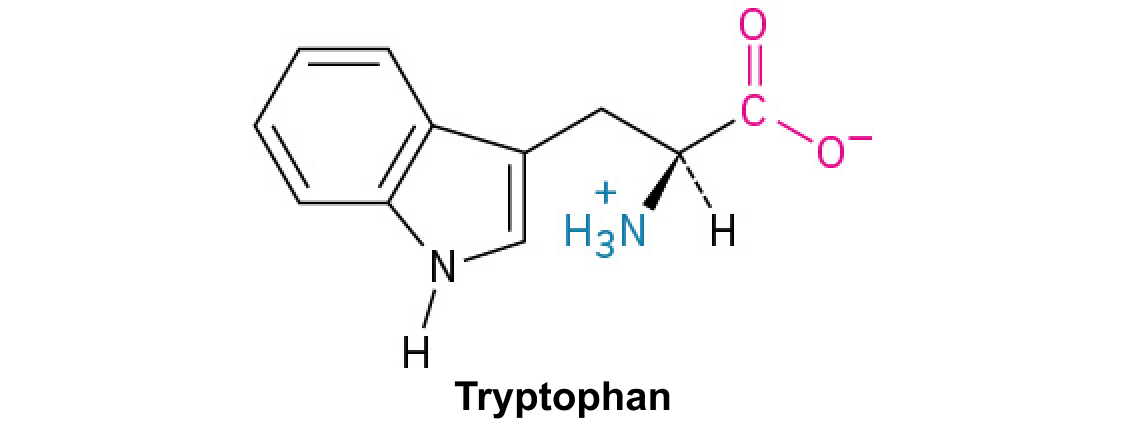
Indole

A fused six-membered and five-membered ring system containing nitrogen; found in .

Read explanation · OpenStax ↗
inflammation

A coordinated tissue response recruiting defense and repair mechanisms, often involving increased blood flow and permeability.

Read explanation · OpenStax ↗
Inhibitor concentration

The of free in an inhibition model. It is held fixed while is varied in a standard inhibition experiment.

Read explanation · Biology LibreTexts ↗
Inhibitor dissociation constant ·

For the simple inhibition scheme, Ki describes binding to free : Ki = [E]/[]. Smaller values indicate tighter binding.

Read explanation · Biology LibreTexts ↗
Insulin

A from that lowers by promoting uptake and storage and reducing production.

Read explanation · OpenStax ↗
Intron ·

A segment removed from a precursor during . Intronic signals or regulatory sequences can affect .

Read explanation · OpenStax ↗
Ion · ·

An or with a net because its numbers of and do not balance.

Read explanation · OpenStax ↗
IP3

Inositol 1,4,5-trisphosphate, a messenger that promotes calcium release from stores.

Read explanation · OpenStax ↗
Isoform

One of several related or forms produced from a , for example through .

Read explanation · OpenStax ↗
isomerase

An rearranging a into an isomer.

Read explanation · OpenStax ↗
ketogenesis

Formation of from , chiefly in liver .

Read explanation · Biology LibreTexts / Oregon State University ↗
ketogenic

Describing carbon that yields or acetoacetate rather than net .

Read explanation · OpenStax ↗
ketone bodies

Acetoacetate, β-hydroxybutyrate, and acetone, produced mainly by liver during increased fatty- .

Read explanation · Biology LibreTexts / Oregon State University ↗
Kinase ·

An that transfers a , often from , to a target .

Read explanation · Thermo Fisher ↗
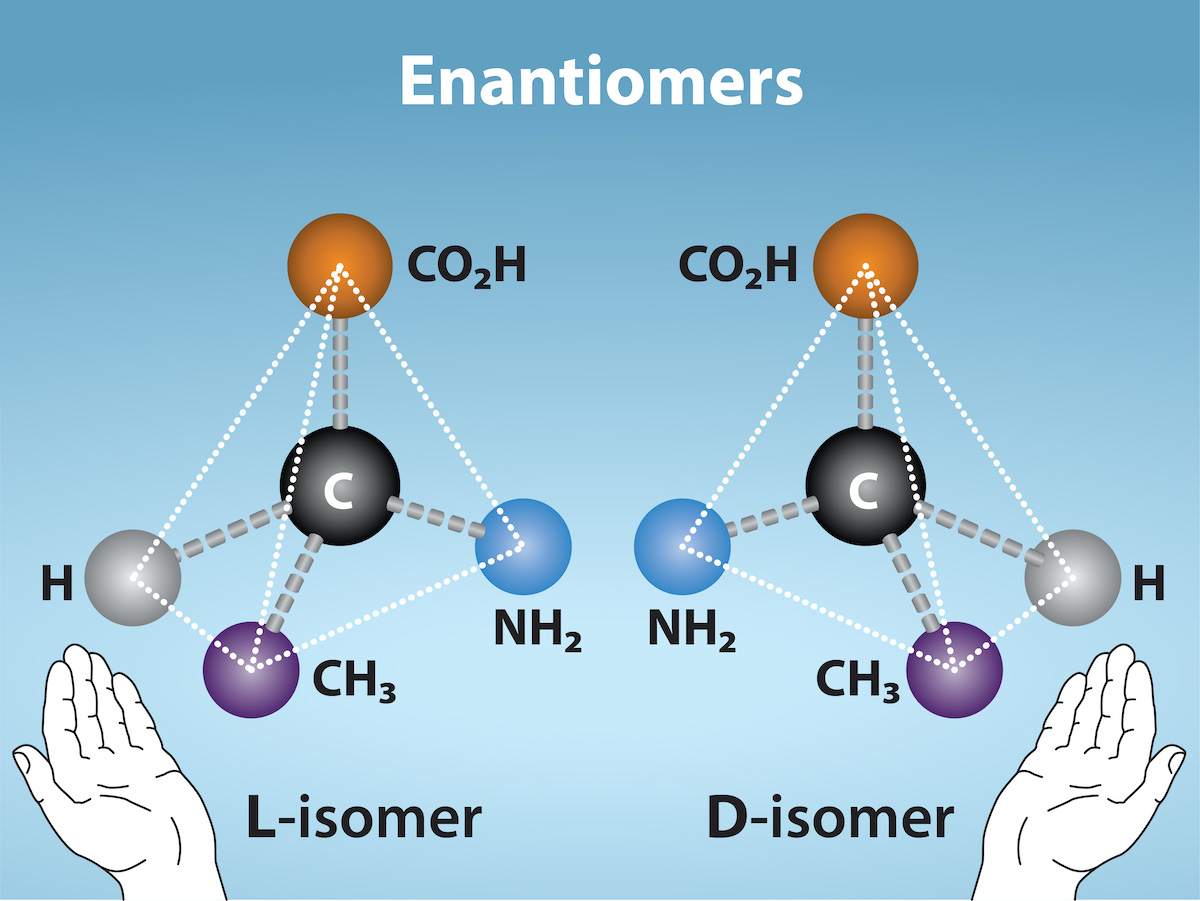
L configuration ·

A assigned by comparison with L-glyceraldehyde. Most incorporated into have this ; is . L does not specify the direction of optical rotation.

Read explanation · OpenStax ↗
lacteal

An intestinal lymphatic capillary that receives absorbed -rich .

Read explanation · OpenStax ↗
Lariat ·

The branched, loop-shaped intermediate formed when an ’s joins the .

Read explanation · NCBI Bookshelf / Garland Science ↗
leptin

An adipose-derived signaling energy stores to circuits regulating appetite and expenditure.

Read explanation · OpenStax ↗
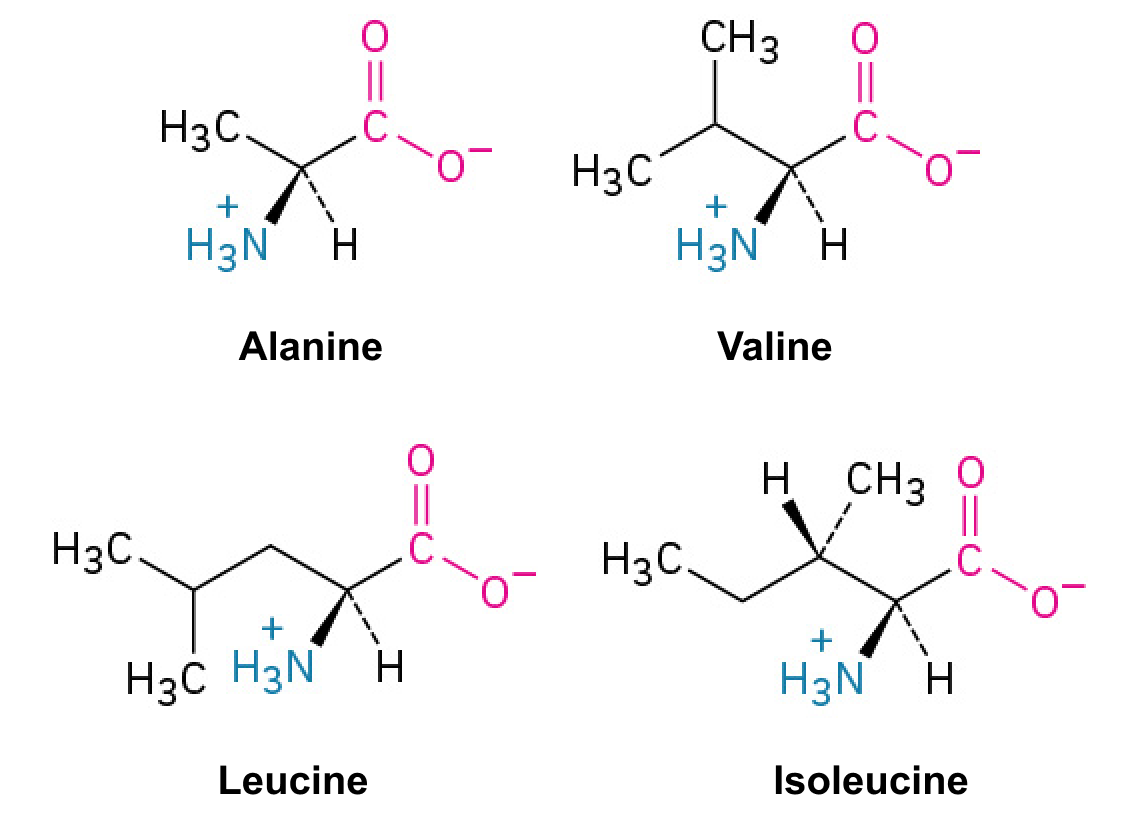
Leucine ·

A , with a branched .

Read explanation · OpenStax ↗
Ligand

A or that binds to a particular site on another , such as a or metal .

Read explanation · Cytiva ↗
linkage

A tendency of nearby on the same to be inherited together.

Read explanation · OpenStax ↗
Lipase

An that hydrolyzes ester bonds in , such as the bonds joining to .

Read explanation · OpenStax ↗
Lipid

A broad class of largely or , including fats, , and steroids.

Read explanation · OpenStax ↗
lipolysis

of stored to release and .

Read explanation · Biology LibreTexts / Oregon State University ↗
lipoprotein lipase

A capillary-associated releasing from circulating lipoprotein .

Read explanation · Biology LibreTexts / Oregon State University ↗
locus

The specific position of a or other feature.

Read explanation · OpenStax ↗
Logarithm · · ·

The exponent needed to obtain a number from a chosen fixed number. For decimal logarithms, log₁₀(100) = 2 because 10² = 100; uses the negative decimal logarithm of activity.

Read explanation · OpenStax ↗
Lumen · ·

The interior space of an or tube; the ER lumen is enclosed by the .

Read explanation · OpenStax ↗
lyase

An catalyzing nonhydrolytic, nonoxidative bond cleavage or the reverse addition .

Read explanation · OpenStax ↗
lymph

Fluid collected from tissue spaces and transported through lymphatic vessels back toward the bloodstream.

Read explanation · OpenStax ↗
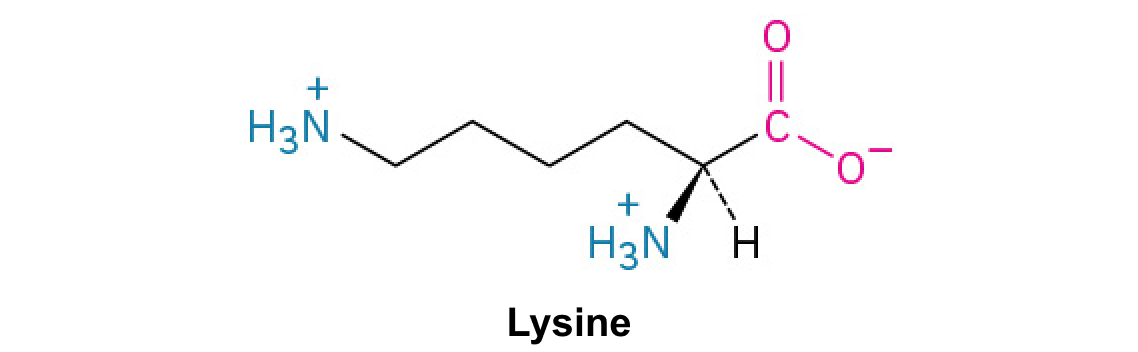
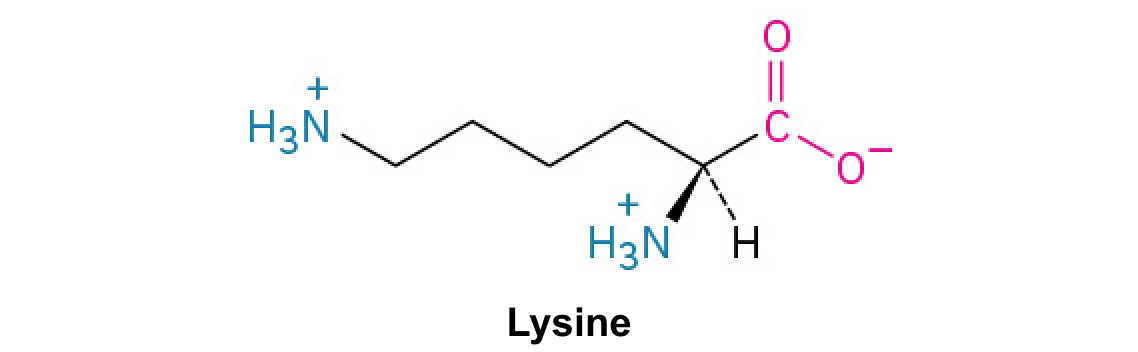
Lysine ·

A with a terminal , usually positively near physiological .

Read explanation · OpenStax ↗
Lysosome

An -enclosed compartment that uses hydrolytic to digest and recycle cellular material.

Read explanation · OpenStax ↗
malonyl-CoA

An activated two-carbon donor precursor for fatty- synthesis that also inhibits .

Read explanation · Biology LibreTexts / Oregon State University ↗
Matrix

A supporting material, such as a gel or the solid support in a column. Its properties influence movement and binding of sample .

Read explanation · Thermo Fisher ↗
Maximum reaction rate · ·

The limiting as becomes saturating. For a fixed under given conditions, Vmax = times .

Read explanation · Biology LibreTexts ↗
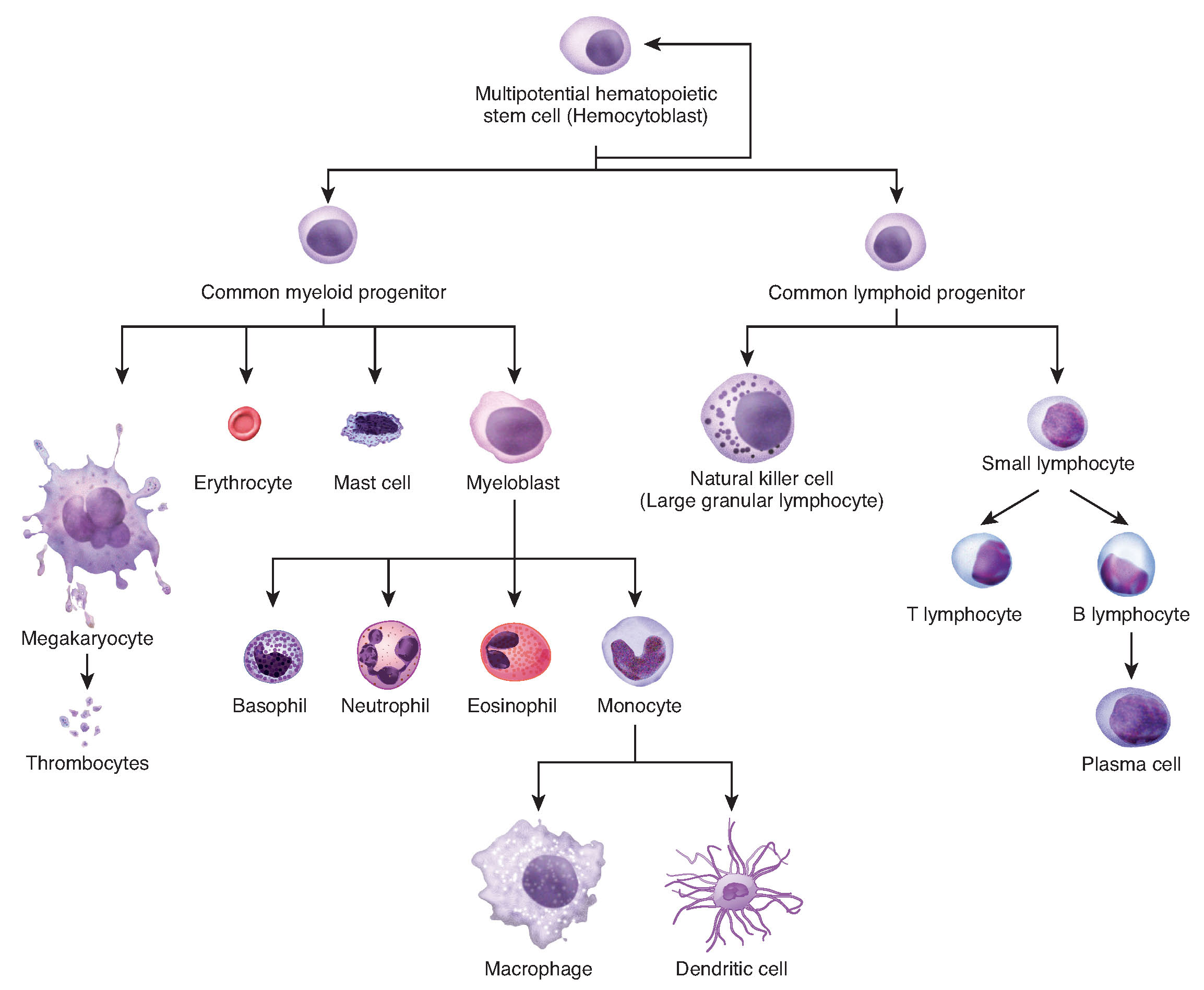
megakaryocyte

A large bone-marrow cell that generates through .

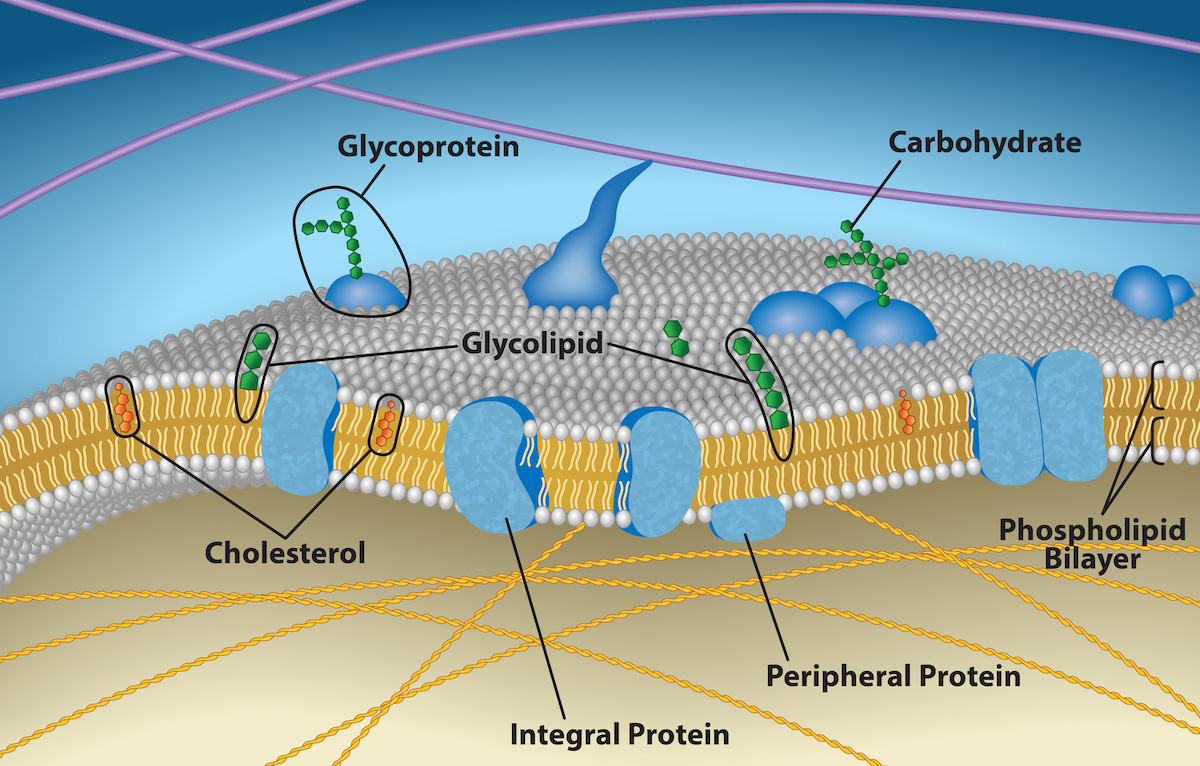
Read explanation · OpenStax ↗
Membrane · · · ·

A thin boundary or sheet. Cell membranes are bilayers containing ; membranes are synthetic supports that hold or for detection.

Read explanation · OpenStax ↗
Messenger RNA ·

An that carries coding information used by to synthesize a .

Read explanation · OpenStax ↗
Metabolic pathway

A sequence of linked chemical , usually each catalyzed by an .

Read explanation · OpenStax ↗
Metabolism

The chemical that build , break them down, and transform energy in a living system.

Read explanation · OpenStax ↗
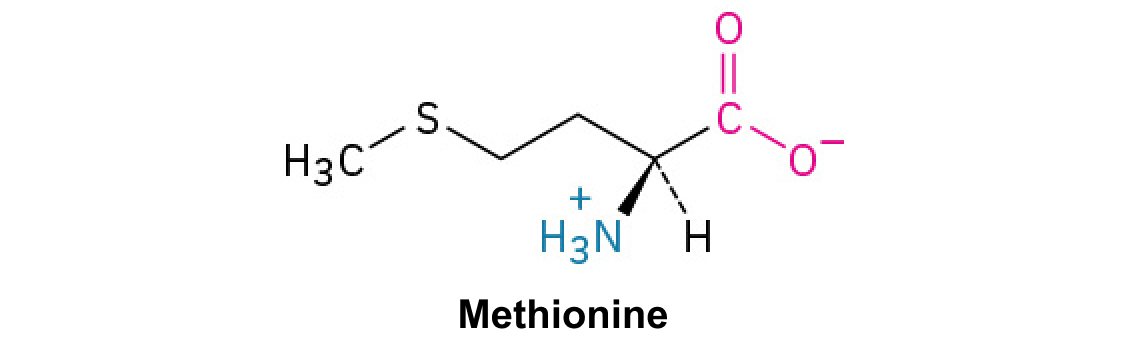
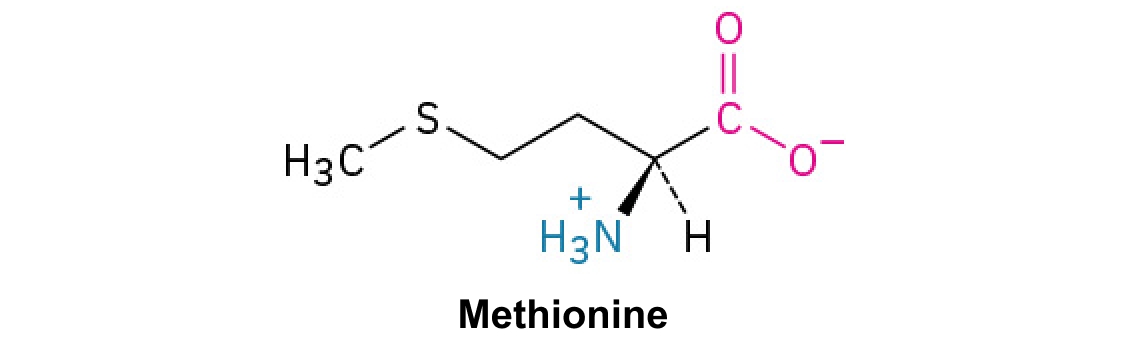
Methionine ·

A with sulfur in a . Unlike , it does not form .

Read explanation · OpenStax ↗
Methyl group ·

A –CH₃ group, consisting of one carbon bonded to three hydrogens.

Read explanation · OpenStax ↗
Mitochondrion ·

A with its own , central to aerobic production and several other processes.

Read explanation · OpenStax ↗
mitosis

division that separates duplicated into daughter , ordinarily preserving .

Read explanation · OpenStax ↗
Mobile phase

The moving fluid that carries a sample through a system.

Read explanation · Waters ↗
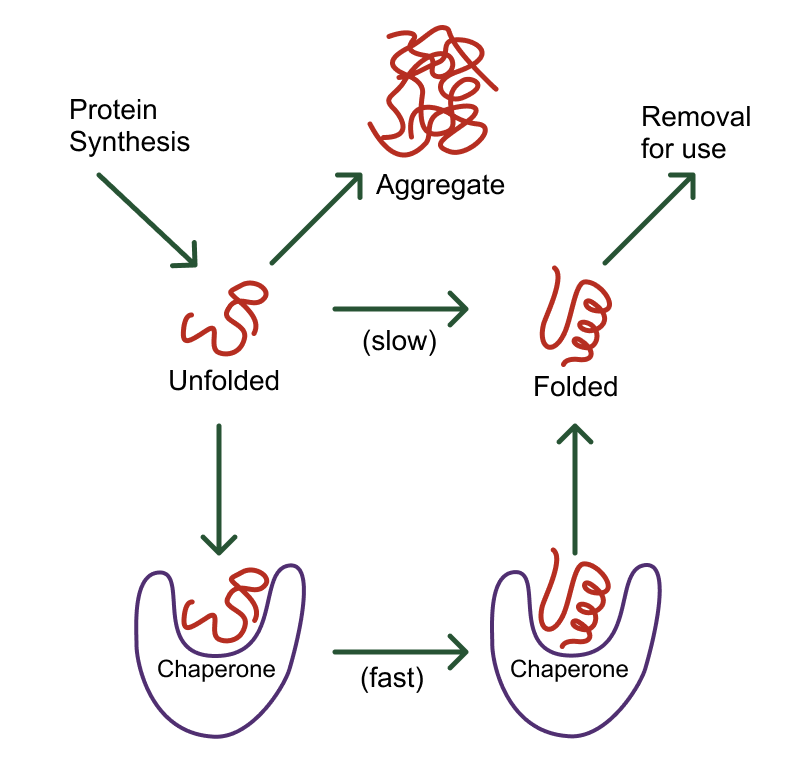
Molecular chaperone · ·

A that assists other in folding or prevents , without specifying their sequence.

Read explanation · NCBI Bookshelf ↗
molecular ion

formed from an intact without ; its state must be considered.

Read explanation · OpenStax ↗
Molecule

Two or more joined by . A molecule may be electrically or carry a .

Read explanation · OpenStax ↗
Mutation

A change in a sequence; some mutations alter a ’s sequence.

Read explanation · OpenStax ↗
NAD+

nicotinamide dinucleotide, a that accepts a equivalent to become .

Read explanation · OpenStax ↗
NADH

Reduced nicotinamide dinucleotide, commonly carrying fuel-derived toward respiratory .

Read explanation · OpenStax ↗
NADP+

The -containing nicotinamide reduced to ; distinguish it from .

Read explanation · OpenStax ↗
NADPH

A reduced commonly used in reductive and antioxidant defense.

Read explanation · OpenStax ↗
Native structure · · ·

A ’s functional folded arrangement under its normal conditions.

Read explanation · NCBI Bookshelf ↗
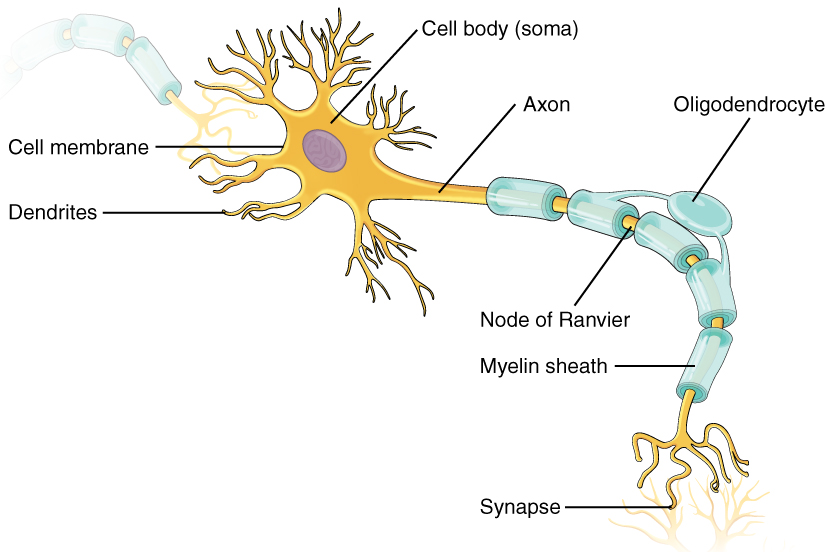
neuron

An electrically excitable cell specialized for receiving and transmitting information.

Read explanation · OpenStax ↗
Neutral

Having no net . For a , neutral instead means equal and activities; its is about 7 at 25 °C.

Read explanation · OpenStax ↗
Nitrogenous base · · ·

A nitrogen-containing ring component of ; its pairing interactions help specify sequences.

Read explanation · OpenStax ↗
Nonpolar ·

Lacking a substantial separation of . Nonpolar groups generally interact poorly with water.

Read explanation · OpenStax ↗
Nonspecific binding · ·

Unwanted binding outside the intended target interaction, often contributing background signal in an .

Read explanation · Thermo Fisher ↗
Nuclear envelope

The double enclosing the and continuous with the .

Read explanation · OpenStax ↗
Nucleic acid

A of , such as or , used in information storage, expression, and other cellular functions.

Read explanation · OpenStax ↗
Nucleosome

The basic unit of : wrapped around a .

Read explanation · OpenStax ↗
Nucleotide

A joined to a sugar and one or more .

Read explanation · OpenStax ↗
Nucleus ·

A -enclosed compartment containing most of a cell’s .

Read explanation · OpenStax ↗
Octamer

A complex made of eight . A core contains eight .

Read explanation · OpenStax ↗
opsonization

Coating a target with that enhance its recognition and uptake by phagocytes.

Read explanation · OpenStax ↗
Organelle ·

A specialized structure within a cell that carries out particular functions, such as a or .

Read explanation · OpenStax ↗
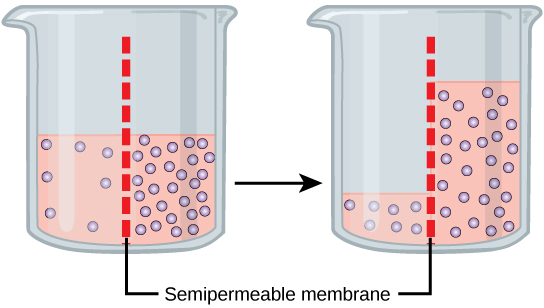
osmosis

Net water movement across a selectively permeable in response to water chemical-potential differences.

Read explanation · OpenStax ↗
osmotic pressure

The pressure required to prevent net across a under specified conditions.

Read explanation · OpenStax ↗
oxaloacetate

A four-carbon citric-cycle intermediate that condenses with and participates in .

Read explanation · OpenStax ↗
Oxidation ·

Loss of or an increase in oxidation state. Oxidizing two can form a .

Read explanation · OpenStax ↗
Pancreas

An organ with digestive and functions; its islets contain cells that secrete and .

Read explanation · OpenStax ↗
Pancreatic beta cell ·

An cell in a pancreatic islet that secretes .

Read explanation · OpenStax ↗
Pepsin

A stomach that functions in conditions and breaks into smaller .

Read explanation · OpenStax ↗
Peptide

A chain of joined by ; the term commonly describes chains shorter than a typical .

Read explanation · OpenStax ↗
Peptide bond ·

A covalent between the carboxyl carbon of one and the amino nitrogen of the next.

Read explanation · OpenStax ↗
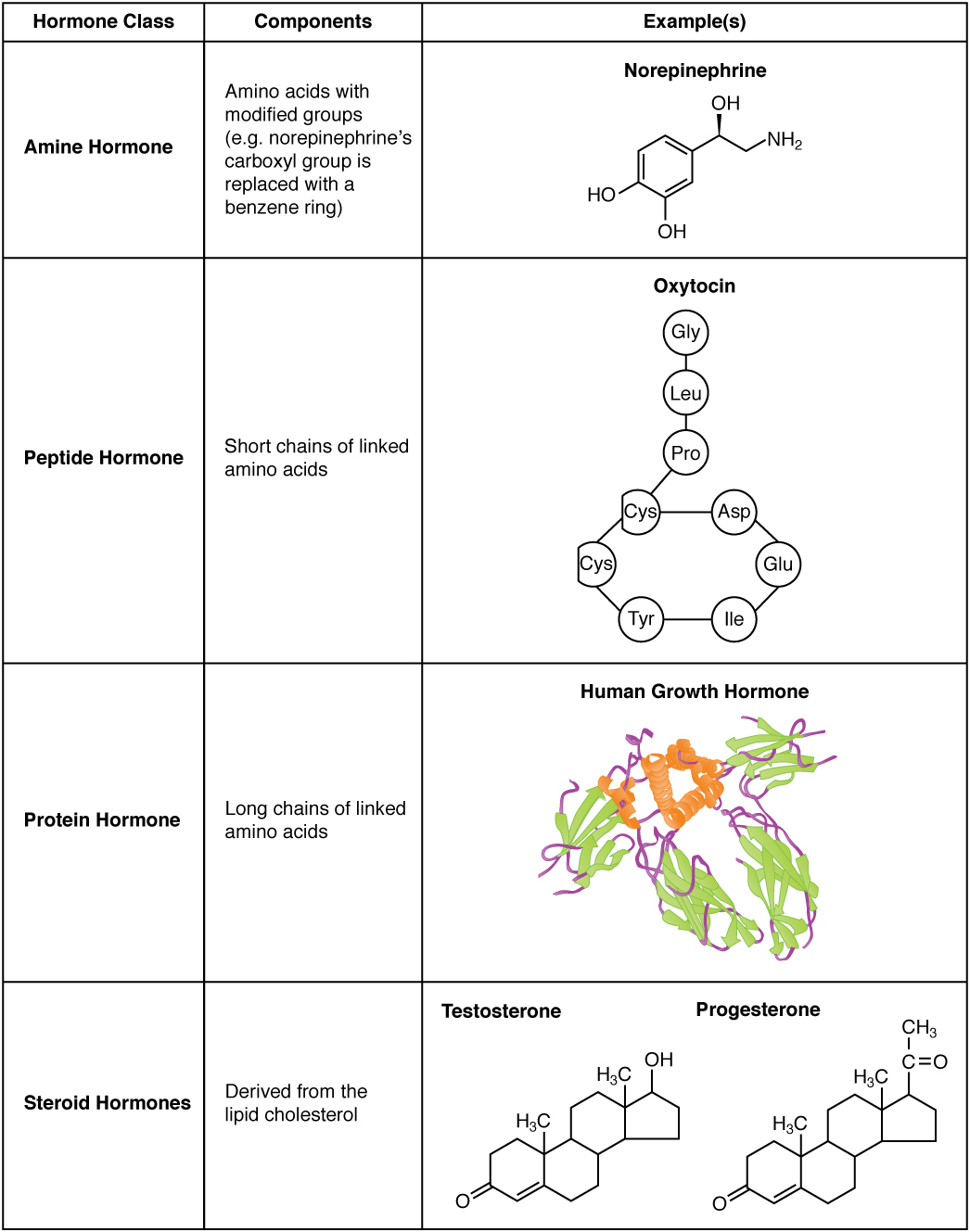
Peptide hormone

An amino--based chemical messenger released by ; and are examples.

Read explanation · OpenStax ↗
peroxisome

An supporting oxidative and peroxide .

Read explanation · OpenStax ↗
pH

A measure of , defined as the negative of activity. Lower pH means greater ; pH influences .

Read explanation · OpenStax ↗
phenotype

A measurable trait produced by interacting with development and environment.

Read explanation · OpenStax ↗
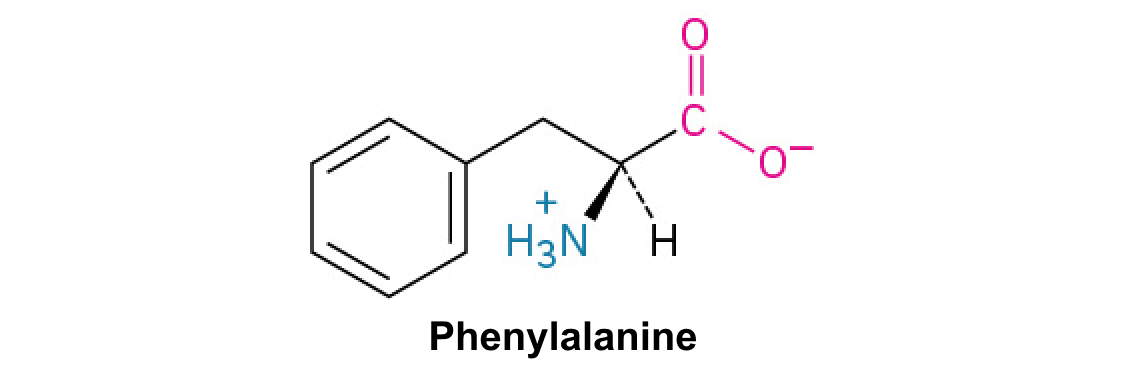
Phenylalanine ·

A with an .

Read explanation · OpenStax ↗
phosphatase

An removing a by .

Read explanation · OpenStax ↗
Phosphate group ·

A phosphorus-containing group bonded to oxygens; phosphate groups occur in , , and modified .

Read explanation · OpenStax ↗
phospholipase C

An that cleaves phosphatidylinositol 4,5-bisphosphate to form and .

Read explanation · OpenStax ↗
Phospholipid

An with a -containing region and tails; a major component of cellular .

Read explanation · OpenStax ↗
Phosphorylation

Addition of a , often to , , or in ; can regulate activity.

Read explanation · Thermo Fisher ↗
PKC

Protein kinase C, a family regulated by signals and, for conventional , calcium.

Read explanation · OpenStax ↗
placenta

An organ formed from fetal and maternal contributions that supports exchange and functions during pregnancy.

Read explanation · OpenStax ↗
platelet

A small -derived blood fragment contributing to .

Read explanation · OpenStax ↗
ploidy

The number of complete sets in a cell.

Read explanation · OpenStax ↗
Polar

Having an uneven distribution of . Polar groups often interact favorably with water.

Read explanation · OpenStax ↗
Polyacrylamide

A used to form a gel for separating by .

Read explanation · Thermo Fisher ↗
Polyacrylamide gel electrophoresis ·

Electrophoretic separation using a . Native PAGE preserves much of a ’s .

Read explanation · Thermo Fisher ↗
Polymer

A large made from many linked molecular building blocks.

Read explanation · OpenStax ↗
Polypeptide

A chain of connected by . A functional can contain one or several such chains.

Read explanation · OpenStax ↗
Porous material · · · ·

A material containing small spaces that can admit of suitable size.

Read explanation · Cytiva ↗
Primer · ·

A short nucleic- strand paired with a template that provides a free for polymerase extension.

Read explanation · OpenStax ↗
Prokaryote ·

An organism whose cells lack a -bound ; and are prokaryotes.

Read explanation · OpenStax ↗
Proline ·

An whose loops back to the nitrogen, restricting rotation and often creating bends.

Read explanation · OpenStax ↗
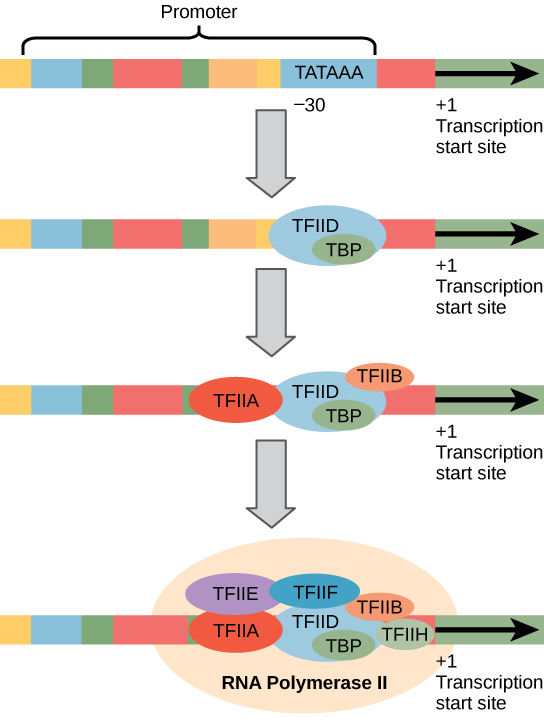
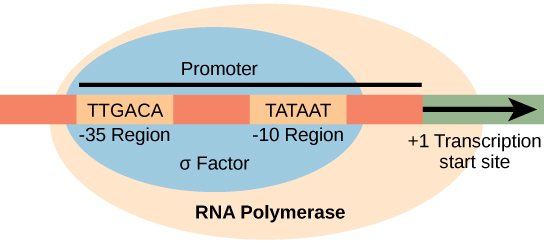
Promoter

A region that recruits machinery and helps specify where and in which direction begins.

Read explanation · OpenStax ↗
prostaglandin

signaling formed from arachidonic through cyclooxygenase pathways.

Read explanation · OpenStax ↗
Protease · ·

An that hydrolyzes in or .

Read explanation · OpenStax ↗
Proteasome

A cellular -degrading complex that breaks down many marked by particular chains.

Read explanation · NCBI Bookshelf ↗
Protein

One or more folded chains that perform biological roles such as , transport, signaling, or structural support.

Read explanation · OpenStax ↗
Protein aggregation · ·

Association of into larger clusters, often when exposed surfaces of unfolded stick together.

Read explanation · NCBI Bookshelf ↗
Protein backbone ·

The repeating nitrogen–alpha-carbon– chain of a , excluding its variable .

Read explanation · OpenStax ↗
Protein domain · ·

A region of a that forms a recognizable structural or functional unit.

Read explanation · OpenStax ↗
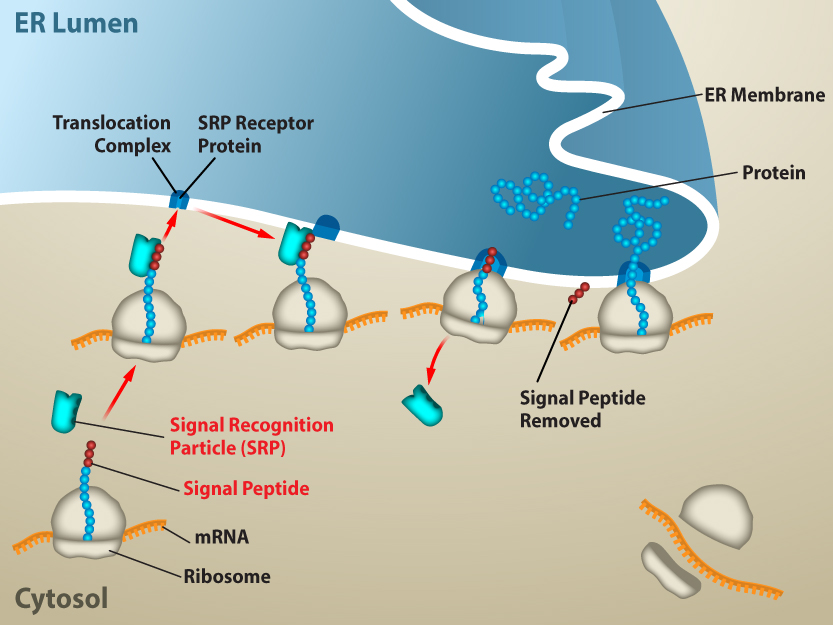
Protein targeting

Delivery of a to its cellular destination through sequence signals and recognition machinery.

Read explanation · NCBI Bookshelf / Sinauer Associates ↗
Proteolytic cleavage

Breaking with to process, activate, or degrade a .

Read explanation · OpenStax ↗
Proton

A positively subatomic particle. In – chemistry, donating a proton means transferring a .

Read explanation · OpenStax ↗
Protonation

Addition of a to an , , or ; this changes its by plus one.

Read explanation · OpenStax ↗
Purine · ·

A with two fused rings. and are purines.

Read explanation · OpenStax ↗
pyridoxal phosphate

A vitamin B6-derived important in and other amino- .

Read explanation · OpenStax ↗
Pyrimidine · ·

A with one six-membered ring. , , and are pyrimidines.

Read explanation · OpenStax ↗
Pyrophosphate ·

Two linked together; released when a is incorporated into or . Its helps drive polymerization.

Read explanation · OpenStax ↗
pyruvate

A three-carbon α-keto produced by and serving as a in .

Read explanation · Biology LibreTexts / Oregon State University ↗
pyruvate carboxylase

A -dependent using to convert to .

Read explanation · Biology LibreTexts / Oregon State University ↗
pyruvate dehydrogenase

The complex converting to , CO2, and .

Read explanation · OpenStax ↗
R group · ·

The variable side chain attached to an ’s . It determines identity, , , and chemical behavior.

Read explanation · OpenStax ↗
RB1 gene

The encoding , a regulator that restrains entry into through .

Read explanation · NCBI Bookshelf / Sinauer Associates ↗
Reactant

A starting substance transformed during a .

Read explanation · OpenStax ↗
Reaction intermediate · ·

A species formed in one step and consumed in another. It occupies a local energy minimum between .

Read explanation · OpenStax ↗
Reaction product ·

A substance formed by a .

Read explanation · OpenStax ↗
reaction quotient

-to- activity ratio with stoichiometric exponents at the current composition.

Read explanation · OpenStax ↗
Reaction rate · ·

How quickly are consumed or form, usually expressed as a change per unit time.

Read explanation · OpenStax ↗
Receptor

A that recognizes a particular signal and helps produce a cellular response.

Read explanation · OpenStax ↗
Red blood cell · ·

A blood cell that transports oxygen using ; mature human red blood cells lack a .

Read explanation · OpenStax ↗
Reduction

Gain of or a decrease in state. Reducing a restores two .

Read explanation · OpenStax ↗
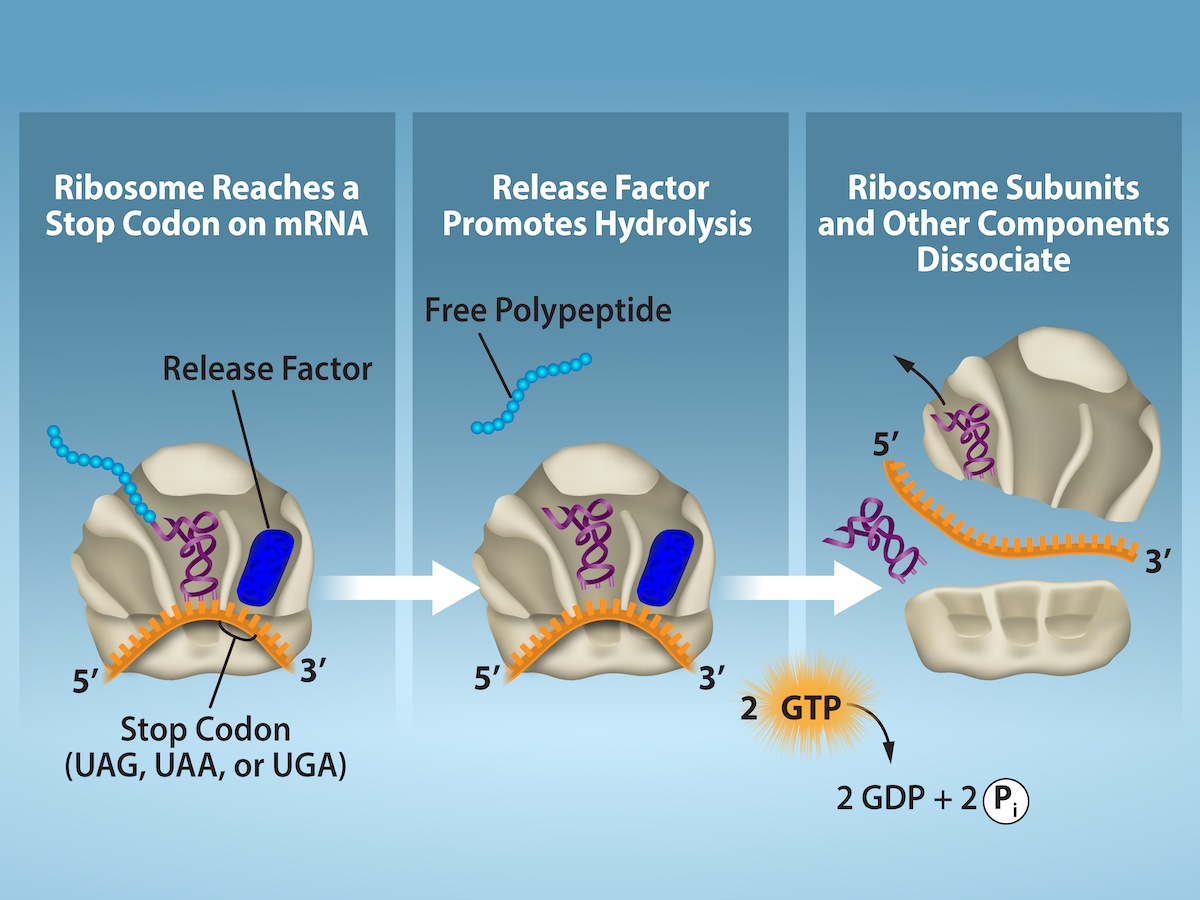
Release factor ·

A that recognizes a stop signal and promotes of the – to release the .

Read explanation · OpenStax ↗
Retinoblastoma protein ·

The -encoded that binds and restrains ; its activity is regulated by .

Read explanation · NCBI Bookshelf / Sinauer Associates ↗
Ribonucleic acid ·

A with roles in , regulation, and ; carries -coding information.

Read explanation · OpenStax ↗
Ribose

The five-carbon sugar in , with a at the 2′ carbon.

Read explanation · OpenStax ↗
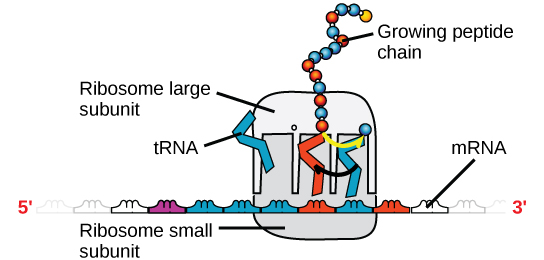
Ribosome ·

A complex of and that translates into a .

Read explanation · OpenStax ↗
RNA splicing · ·

Removal of and joining of in a precursor .

Read explanation · NCBI Bookshelf / Garland Science ↗
S phase

The phase of the during which is replicated.

Read explanation · OpenStax ↗
Salt

An electrically made from and . Dissolved salts can screen or compete with – interactions.

Read explanation · Cytiva ↗
satiety

The state of reduced motivation to eat following food intake and related physiological signals.

Read explanation · OpenStax ↗
SCOT

:3-oxoacid , an required for major extrahepatic ketone utilization and absent from liver ketone .

Read explanation · Biology LibreTexts / Oregon State University ↗
Secondary structure

Local folding, such as and , stabilized mainly by .

Read explanation · OpenStax ↗
secretin

An intestinal released in response to that promotes -rich .

Read explanation · OpenStax ↗
Secretory pathway ·

The route through the , , and used to deliver many to the cell surface, outside the cell, or compartments.

Read explanation · OpenStax ↗
Sedimentation ·

Movement of particles through a fluid under gravity or centrifugal .

Read explanation · Beckman Coulter ↗
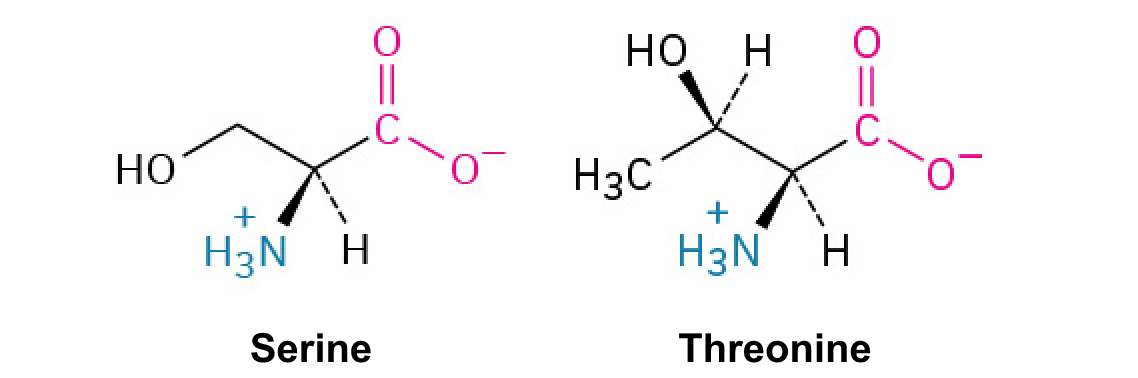
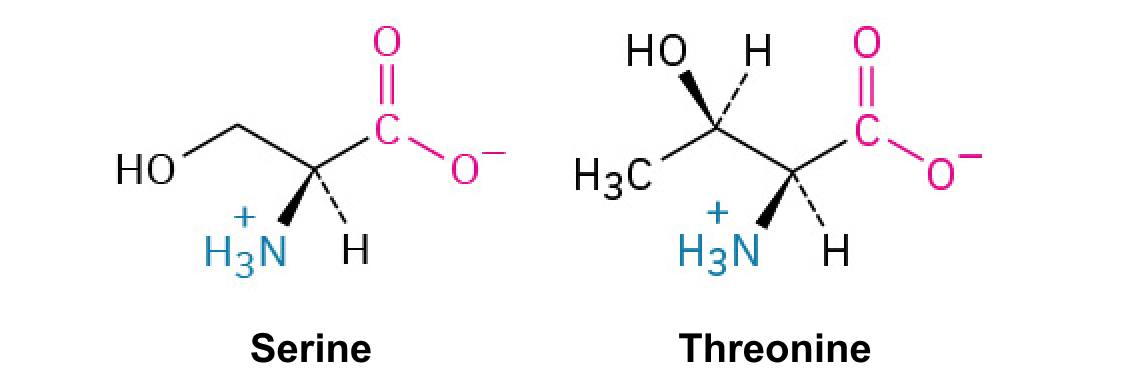
Serine ·

A , uncharged with a -containing .

Read explanation · OpenStax ↗
Sister chromatid

One of the two copies of a produced by . An intact sister chromatid can supply a template for accurate repair.

Read explanation · Biology LibreTexts / Oregon State University ↗
Solubility ·

The amount of a substance that can dissolve in a under specified conditions. Soluble means able to dissolve; insoluble means only very slightly soluble in that .

Read explanation · OpenStax ↗
Solute

A dissolved component of a .

Read explanation · OpenStax ↗
Solution

A homogeneous mixture in which are dissolved in a .

Read explanation · OpenStax ↗
Solvent

The component of a that dissolves other substances, usually the component present in the greatest amount.

Read explanation · OpenStax ↗
Splice site · · ·

A sequence at an – boundary recognized during ; changing it can alter use or removal.

Read explanation · OpenStax ↗
Starch

A plant storage made of chains; its two main forms are and amylopectin.

Read explanation · OpenStax ↗
Stationary phase

The material that remains fixed in a system.

Read explanation · Waters ↗
steroid hormone

A -derived with fused-ring structure, commonly acting through intracellular .

Read explanation · OpenStax ↗
sterol

A containing fused rings and a ; is a major animal example.

Read explanation · OpenStax ↗
Substrate

A that an binds and chemically transforms.

Read explanation · OpenStax ↗
Substrate concentration

The amount of per volume. Square brackets denote ; [S] is varied to measure an curve.

Read explanation · Biology LibreTexts ↗
substrate-level phosphorylation

or formation by direct transfer from a intermediate, without a respiratory .

Read explanation · OpenStax ↗
Subunit ·

An individual chain within a containing multiple chains.

Read explanation · OpenStax ↗
succinate dehydrogenase

The inner- oxidizing succinate to fumarate; it is also respiratory complex II.

Read explanation · OpenStax ↗
succinyl-CoA

A four-carbon thioester intermediate whose conversion to succinate can support .

Read explanation · OpenStax ↗
Template strand · · ·

A preexisting strand whose sequence guides complementary nucleic- synthesis.

Read explanation · OpenStax ↗
tendon

A -rich structure transmitting muscle force to bone or another .

Read explanation · OpenStax ↗
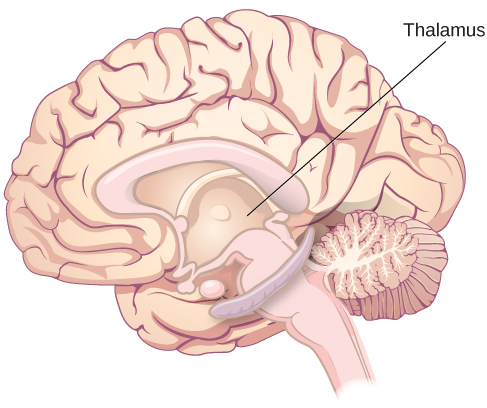
thalamus

structure containing relays and circuits connecting sensory, motor, and cortical systems.

Read explanation · OpenStax ↗
Thioether

A sulfur bonded to two carbon groups, as in ’s . It has no hydrogen.

Read explanation · OpenStax ↗
Thiol group · · · ·

A sulfur bonded to hydrogen, –SH. thiols can form through .

Read explanation · OpenStax ↗
thiolysis

Cleavage of a bond by a -containing reagent, as in -dependent cleavage during .

Read explanation · Biology LibreTexts / Oregon State University ↗
Threonine ·

A , uncharged with a and a on its .

Read explanation · OpenStax ↗
Thymine

A normally used in ; it pairs with through two .

Read explanation · OpenStax ↗
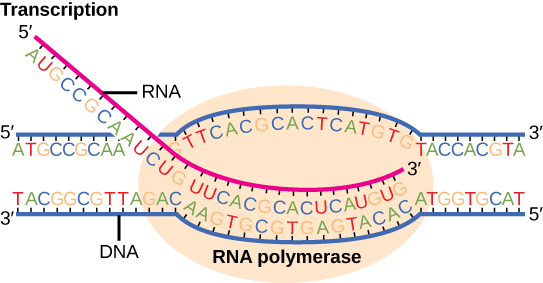
Transcription

Synthesis of using a template.

Read explanation · OpenStax ↗
Transcription factor

A that helps recruit or regulate machinery, often by binding or other .

Read explanation · OpenStax ↗
Transfer RNA ·

An adaptor that carries an and pairs its with a on .

Read explanation · OpenStax ↗
transferase

An transferring a from one to another.

Read explanation · OpenStax ↗
Transition state

A fleeting, high-energy arrangement at a barrier. It is an energy maximum along the path, rather than a stable .

Read explanation · OpenStax ↗
Translation ·

Synthesis of a on a using the sequence of in .

Read explanation · OpenStax ↗
triacylglycerol · ·

A esterified to three ; a major energy-storage .

Read explanation · Biology LibreTexts / Oregon State University ↗
tRNA charging

of an to a by an . is converted to and .

Read explanation · OpenStax ↗
Trypsin

A commonly used to digest into , usually cleaving after or unless followed by .

Read explanation · Thermo Fisher ↗
trypsinogen

An inactive pancreatic precursor converted to in the intestine.

Read explanation · OpenStax ↗
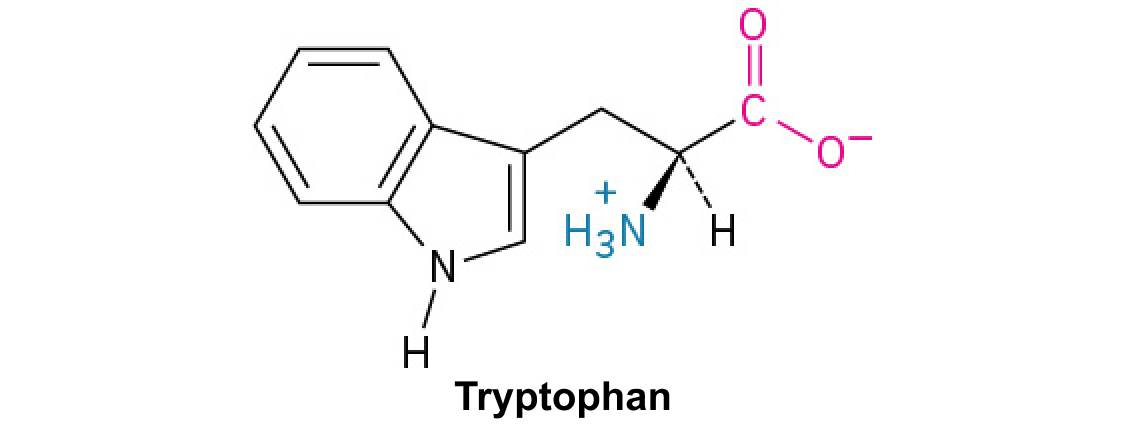
Tryptophan ·

An with a bulky ; commonly grouped as .

Read explanation · OpenStax ↗
Tumor · ·

An abnormal mass of tissue; tumors can be benign or malignant.

Read explanation · OpenStax ↗
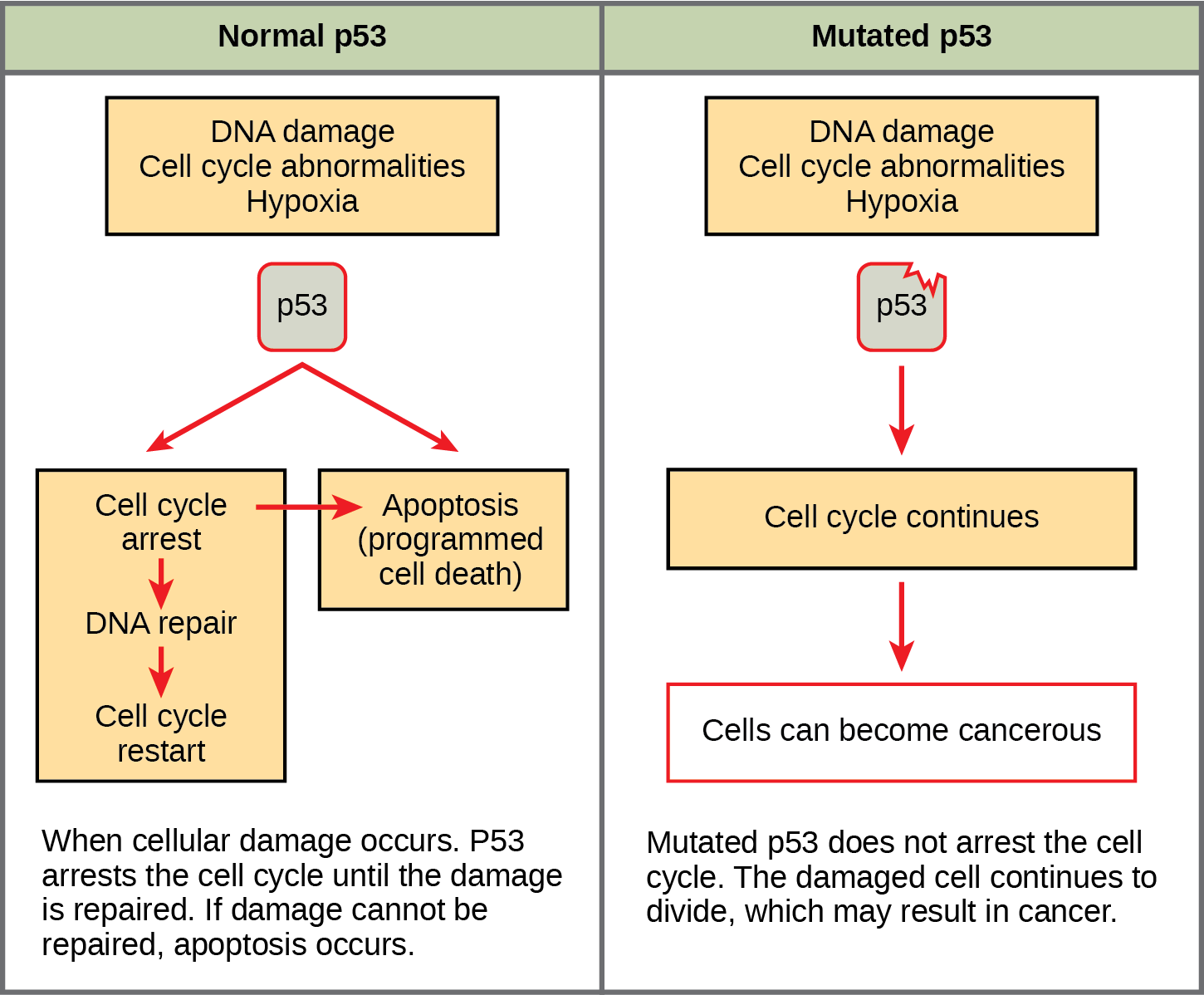
Tumor suppressor gene · · · ·

A whose normal function restrains formation, for example by controlling , damage responses, or integrity.

Read explanation · OpenStax ↗
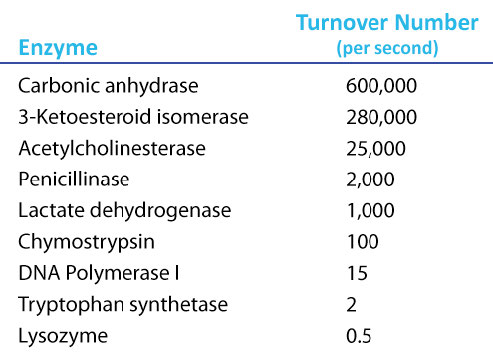
Turnover number · · ·

The maximum number of cycles per per unit time, calculated as /. Units are inverse time, commonly s⁻¹.

Read explanation · IUBMB ↗
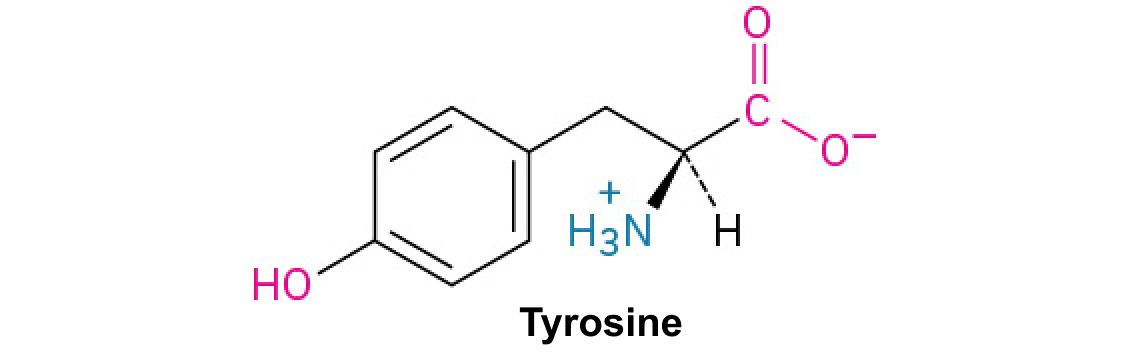
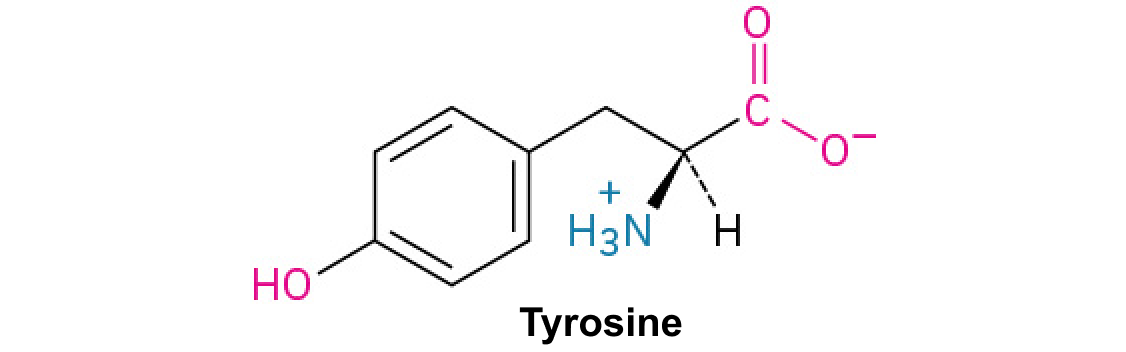
Tyrosine ·

An with a phenolic . Usually uncharged near physiological .

Read explanation · OpenStax ↗
Ubiquitin

A small attached to other to regulate their degradation, localization, or interactions.

Read explanation · Thermo Fisher ↗
Uracil

A normally used in in place of . Uracil produced by in is a repair target.

Read explanation · OpenStax ↗
Urea

A small nitrogen-containing that, at sufficiently high , can destabilize folds.

Read explanation · NCBI Bookshelf ↗
vasoconstriction

Narrowing of a blood vessel through smooth-muscle contraction.

Read explanation · OpenStax ↗
velocity

Rate of change of position, including direction.

Read explanation · OpenStax ↗
Vesicle · · ·

A small -enclosed compartment that can transport material between cellular locations.

Read explanation · OpenStax ↗
villus

A small-intestinal mucosal projection increasing absorptive surface area.

Read explanation · OpenStax ↗
VLDL

Very-low-density lipoprotein, a particle transporting liver-derived to tissues.

Read explanation · Biology LibreTexts / Oregon State University ↗
zymogen

Inactive precursor activated, often by .

Read explanation · OpenStax ↗
α-ketoglutarate

A five-carbon citric-cycle intermediate that also accepts to form .

Read explanation · OpenStax ↗
β-oxidation

Repeated and cleavage of fatty acyl-, usually releasing two-carbon units.

Read explanation · Biology LibreTexts / Oregon State University ↗

24.3 Lipid Metabolism

OpenStax · 24.3 Lipid Metabolism ↗
Instructional page including learning objectives, examples, figures, source tables and questions. Site navigation and embedded media players are omitted; source media links remain available.

Learning Objectives

By the end of this section, you will be able to:

  • Explain how energy can be derived from fat
  • Explain the purpose and process of
  • Describe the process of ketone body
  • Explain the purpose and the process of lipogenesis

Fats (or ) within the body are ingested as food or synthesized by adipocytes or hepatocytes from precursors (Figure 24.11). entails the of to either generate energy or synthesize new from smaller constituent . is associated with , as of (such as acetyl ) can be converted into .

The top image shows the chemical formula for a triglyceride, and the bottom panel shows the formula for a monoglyceride.
Figure 24.11 — 24.3

Figure 24.11 Triglyceride Broken Down into a Monoglyceride A triglyceride molecule (a) breaks down into a monoglyceride (b).

J. Gordon Betts and colleagues, Anatomy And Physiology 2E, OpenStax. · CC BY-NC-SA 4.0 · Original image ↗ · Access for free ↗

begins in the intestine where ingested are broken down into smaller chain and subsequently into monoglyceride (see Figure 24.11b) by pancreatic , that break down fats after they are emulsified by . When food reaches the small intestine in the form of , a digestive called () is released by intestinal cells in the intestinal mucosa. stimulates the release of pancreatic from the and stimulates the contraction of the gallbladder to release stored into the intestine. also travels to the brain, where it can act as a hunger suppressant.

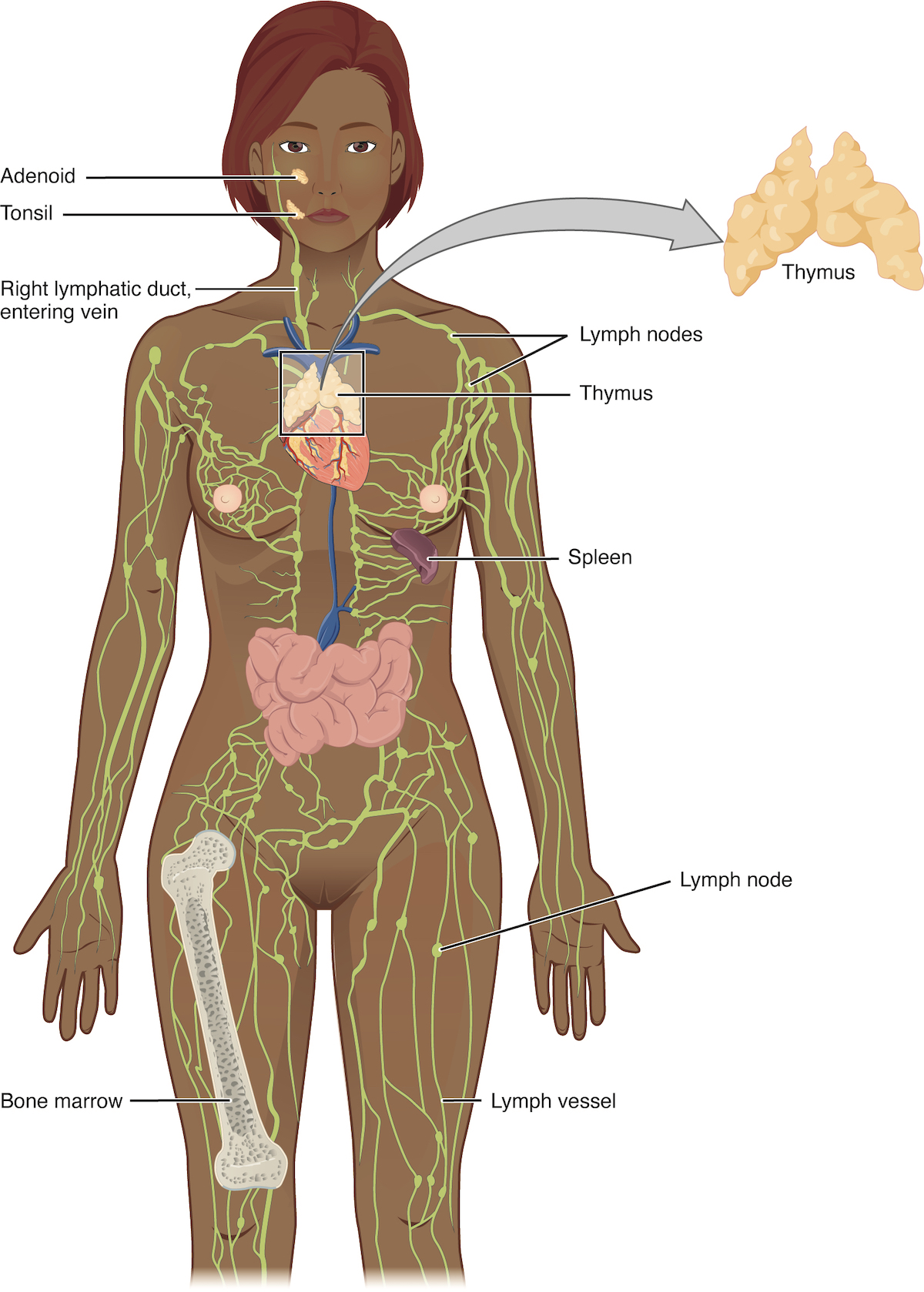
Together, the pancreatic and break down into free . These can be transported across the intestinal . However, once they cross the , they are recombined to again form . Within the intestinal cells, these are packaged along with in called (Figure 24.12). The enable fats and to move within the of your lymphatic and circulatory systems. leave the by and enter the lymphatic system via in the of the intestine. From the lymphatic system, the are transported to the circulatory system. Once in the circulation, they can either go to the liver or be stored in fat cells (adipocytes) that comprise adipose (fat) tissue found throughout the body.

This figure shows a chylomicron containing triglycerides and cholesterol molecules as well as other lipids.
Figure 24.12 — 24.3

Figure 24.12 Chylomicrons Chylomicrons contain triglycerides, cholesterol molecules, and other apolipoproteins (protein molecules). They function to carry these water-insoluble molecules from the intestine, through the lymphatic system, and into the bloodstream, which carries the lipids to adipose tissue for storage.

J. Gordon Betts and colleagues, Anatomy And Physiology 2E, OpenStax. · CC BY-NC-SA 4.0 · Original image ↗ · Access for free ↗

To obtain energy from fat, must first be broken down by into their two principal components, and . This process, called , takes place in the . The resulting are by into acetyl , which is used by the . The that is released from after directly enters the pathway as DHAP. Because one yields three with as much as 16 or more carbons in each one, fat yield more energy than and are an important source of energy for the human body. yield more than twice the energy per unit mass when compared to and . Therefore, when levels are low, can be converted into acetyl and used to generate through aerobic respiration.

The breakdown of , called or beta (β)-, begins in the , where are converted into fatty acyl . This fatty acyl combines with carnitine to create a fatty acyl carnitine , which helps to transport the across the . Once inside the , the fatty acyl carnitine is converted back into fatty acyl and then into acetyl (Figure 24.13). The newly formed acetyl enters the and is used to produce in the same way as acetyl derived from .

This figure shows the reactions that break down fatty acids. The top panel shows the conversion of fatty acids into carnitine. The bottom panel shows the conversion of carnitine into acetyl-CoA.
Figure 24.13 — 24.3

Figure 24.13 Breakdown of Fatty Acids During fatty acid oxidation, triglycerides can be broken down into acetyl CoA molecules and used for energy when glucose levels are low.

J. Gordon Betts and colleagues, Anatomy And Physiology 2E, OpenStax. · CC BY-NC-SA 4.0 · Original image ↗ · Access for free ↗

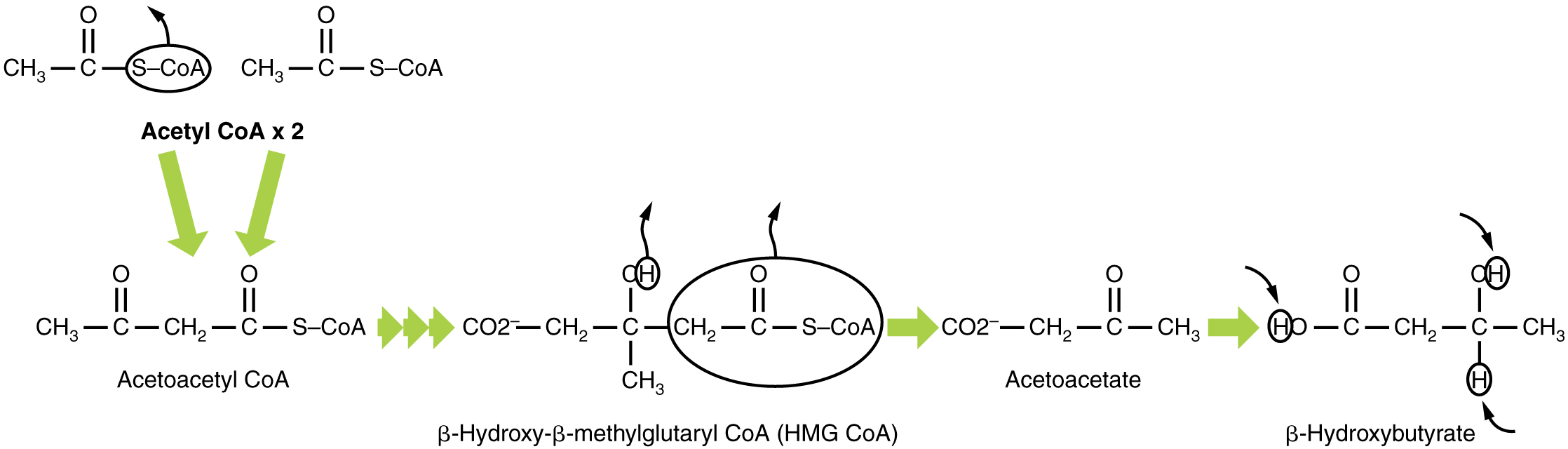
If excessive acetyl is created from the of and the is overloaded and cannot handle it, the acetyl is diverted to create . These can serve as a fuel source if levels are too low in the body. serve as fuel in times of prolonged starvation or when patients suffer from uncontrolled diabetes and cannot utilize most of the circulating . In both cases, fat stores are liberated to generate energy through the and will generate when too much acetyl accumulates.

In this ketone synthesis , excess acetyl is converted into hydroxymethylglutaryl (HMG ). HMG is a precursor of and is an intermediate that is subsequently converted into β-hydroxybutyrate, the primary ketone body in the blood (Figure 24.14).

This pathway shows the production of beta-hydroxybutyrate from acetyl-CoA.
Figure 24.14 — 24.3

Figure 24.14 Ketogenesis Excess acetyl CoA is diverted from the Krebs cycle to the ketogenesis pathway. This reaction occurs in the mitochondria of liver cells. The result is the production of β-hydroxybutyrate, the primary ketone body found in the blood.

J. Gordon Betts and colleagues, Anatomy And Physiology 2E, OpenStax. · CC BY-NC-SA 4.0 · Original image ↗ · Access for free ↗

Ketone Body

Organs that have classically been thought to be dependent solely on , such as the brain, can actually use as an alternative energy source. This keeps the brain functioning when is limited. When are produced faster than they can be used, they can be broken down into CO2 and acetone. The acetone is removed by exhalation. One symptom of is that the patient’s breath smells sweet like alcohol. This effect provides one way of telling if a person with diabetes is properly controlling the disease. The carbon dioxide produced can acidify the blood, leading to diabetic ketoacidosis, a dangerous condition in people with diabetes.

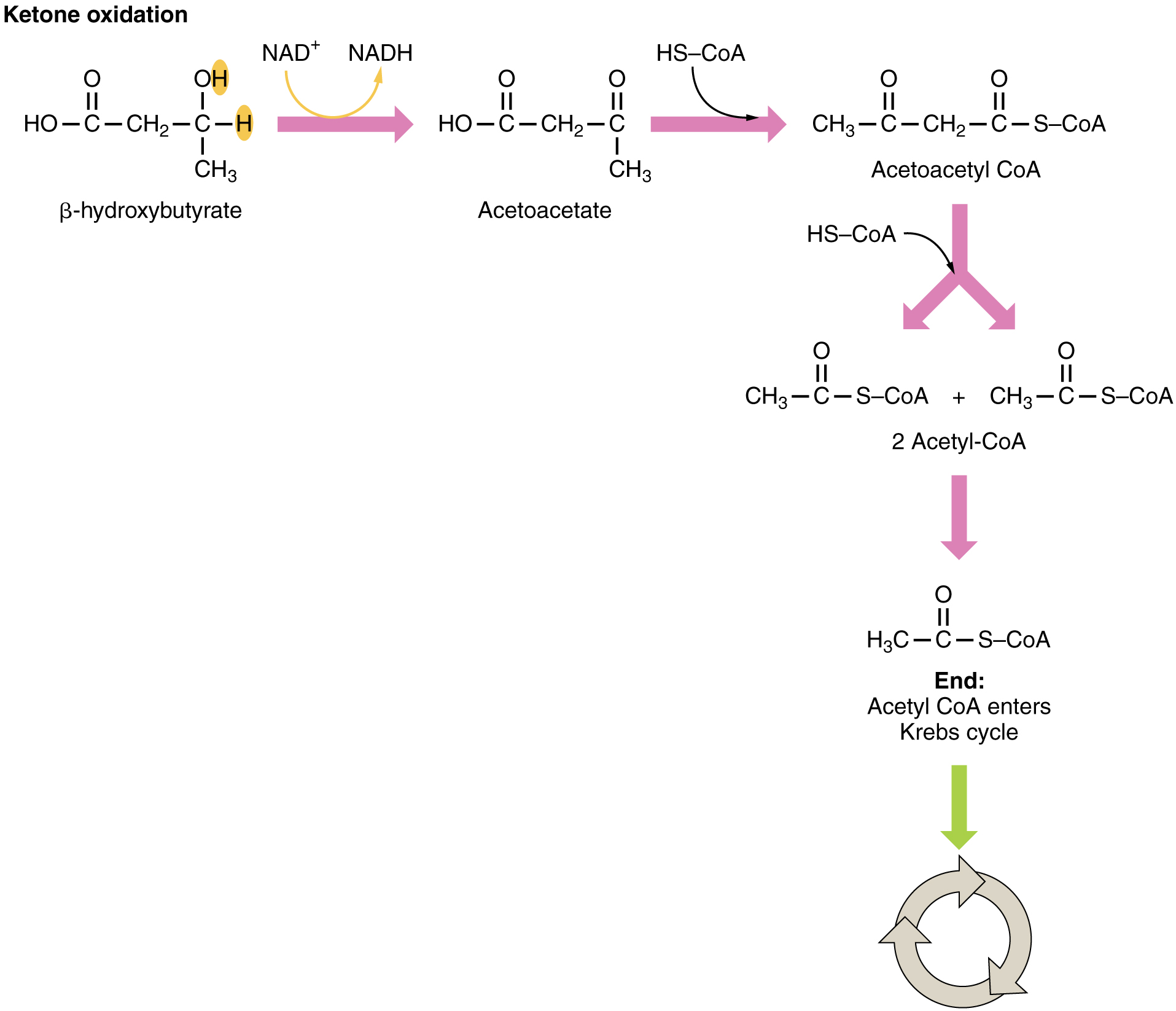
to produce energy for the brain. beta (β)-hydroxybutyrate is to acetoacetate and is released. An HS- is added to acetoacetate, forming acetoacetyl . The carbon within the acetoacetyl that is not bonded to the then detaches, splitting the in two. This carbon then attaches to another free HS-, resulting in two acetyl . These two acetyl are then processed through the to generate energy (Figure 24.15).

This figure shows the reactions in which ketone is oxidized to acetyl-CoA.
Figure 24.15 — 24.3

Figure 24.15 Ketone Oxidation When glucose is limited, ketone bodies can be oxidized to produce acetyl CoA to be used in the Krebs cycle to generate energy.

J. Gordon Betts and colleagues, Anatomy And Physiology 2E, OpenStax. · CC BY-NC-SA 4.0 · Original image ↗ · Access for free ↗

Lipogenesis

When levels are plentiful, the excess acetyl generated by can be converted into , , , steroids, and . This process, called lipogenesis, creates (fat) from the acetyl and takes place in the of adipocytes (fat cells) and hepatocytes (liver cells). When you eat more or than your body needs, your system uses acetyl to turn the excess into fat. Although there are several sources of acetyl , it is most commonly derived from . Acetyl availability is significant, because it initiates lipogenesis. Lipogenesis begins with acetyl and advances by the subsequent addition of two carbon from another acetyl ; this process is repeated until are the appropriate length. Because this is a bond-creating anabolic process, is consumed. However, the creation of and is an efficient way of storing the energy available in . and , high-energy , are stored in adipose tissue until they are needed.

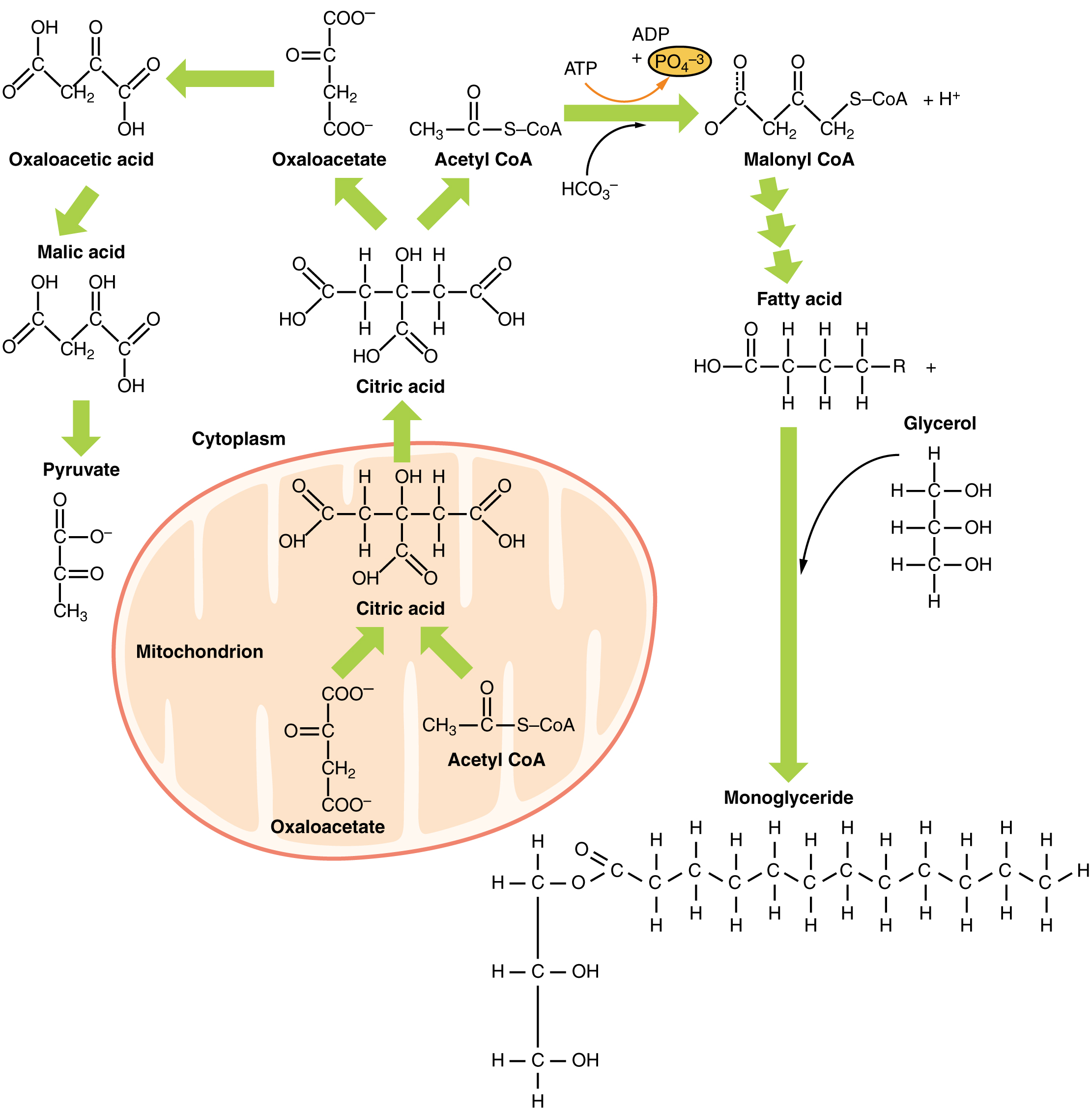
Although lipogenesis occurs in the , the necessary acetyl is created in the and cannot be transported across the . To solve this problem, is converted into both and acetyl . Two different are required for these conversions. forms via the action of , whereas the action of creates acetyl . and acetyl combine to form , which can cross the and enter the . In the , is converted back into and acetyl . is converted into malate and then into . crosses back across the to wait for the next cycle of lipogenesis. The acetyl is converted into malonyl that is used to synthesize . Figure 24.16 summarizes the pathways of .

This figure shows the different reactions that take place for lipid metabolism.
Figure 24.16 — 24.3

Figure 24.16 Lipid Metabolism Lipids may follow one of several pathways during metabolism. Glycerol and fatty acids follow different pathways.

J. Gordon Betts and colleagues, Anatomy And Physiology 2E, OpenStax. · CC BY-NC-SA 4.0 · Original image ↗ · Access for free ↗

24.4 Protein Metabolism

OpenStax · 24.4 Protein Metabolism ↗
Instructional page including learning objectives, examples, figures, source tables and questions. Site navigation and embedded media players are omitted; source media links remain available.

Learning Objectives

By the end of this section, you will be able to:

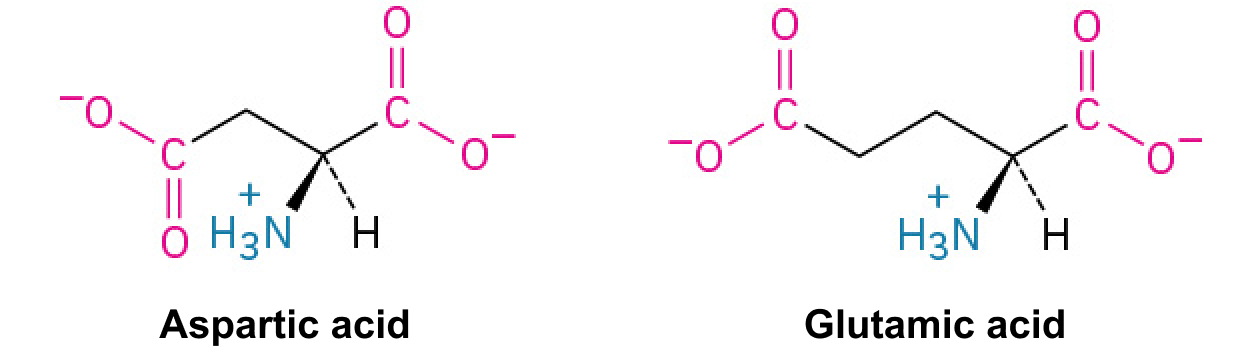
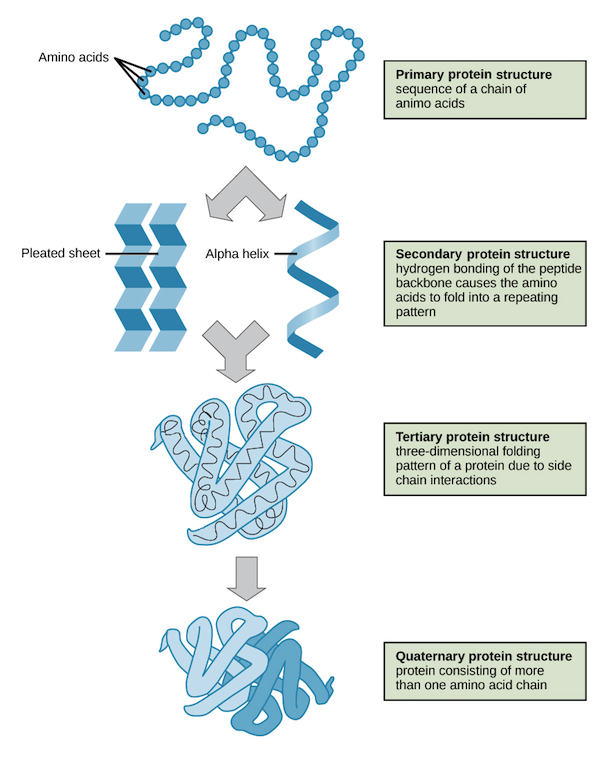
Much of the body is made of , and these take on a myriad of forms. They represent cell signaling , signaling , structural members, , intracellular trafficking components, scaffolds, pumps, channels, oxygen and CO2 transporters (). That is not even the complete list! There is in bones (), muscles, and ; the that transports oxygen; and that catalyze all biochemical . is also used for growth and repair. Amid all these necessary functions, also hold the potential to serve as a fuel source. are not stored for later use, so excess must be converted into or , and used to supply energy or build energy reserves. Although the body can synthesize from , food is an important source of those , especially because humans cannot synthesize all of the 20 used to build .

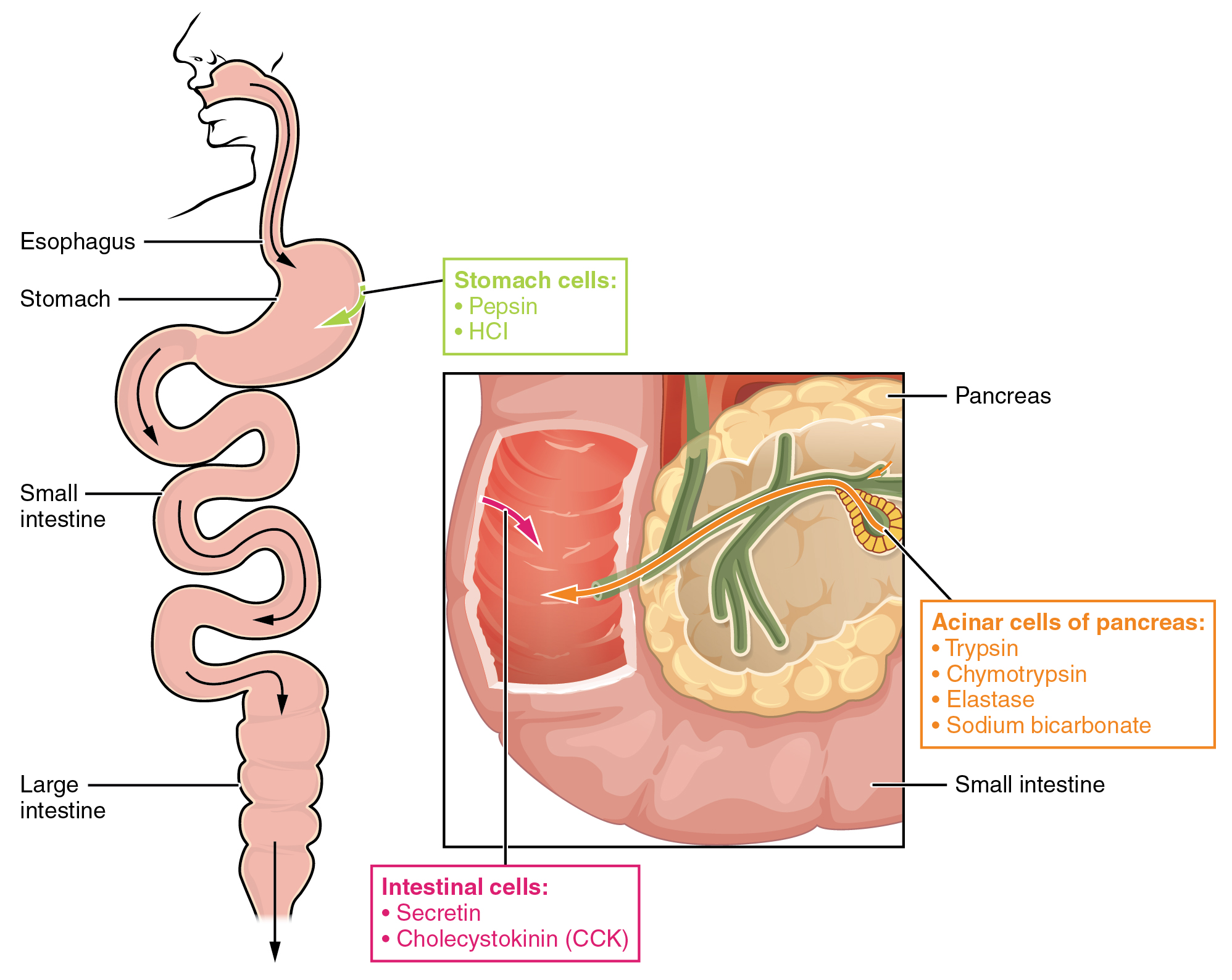
The digestion of begins in the stomach. When -rich foods enter the stomach, they are greeted by a mixture of the and hydrochloric (HCl; 0.5 percent). The latter produces an environmental of 1.5–3.5 that denatures within food. cuts into smaller and their constituent . When the food-gastric juice mixture () enters the small intestine, the releases sodium to neutralize the HCl. This helps to protect the lining of the intestine. The small intestine also releases digestive , including and , which stimulate digestive processes to break down the further. also stimulates the to release sodium . The releases most of the digestive , including the , chymotrypsin, and elastase, which aid digestion. Together, all of these break complex into smaller individual (Figure 24.17), which are then transported across the intestinal mucosa to be used to create new , or to be converted into fats or acetyl and used in the .

The left panel shows the main organs of the digestive system, and the right panel shows a magnified view of the intestine. Text callouts indicate the different protein digesting enzymes produced in different organs.
Figure 24.17 — 24.4

Figure 24.17 Digestive Enzymes and Hormones Enzymes in the stomach and small intestine break down proteins into amino acids. HCl in the stomach aids in proteolysis, and hormones secreted by intestinal cells direct the digestive processes.

J. Gordon Betts and colleagues, Anatomy And Physiology 2E, OpenStax. · CC BY-NC-SA 4.0 · Original image ↗ · Access for free ↗

In order to avoid breaking down the that make up the and small intestine, pancreatic are released as inactive proenzymes that are only activated in the small intestine. In the , store and chymotrypsin as and chymotrypsinogen. Once released into the small intestine, an found in the wall of the small intestine, called enterokinase, binds to and converts it into its active form, . then binds to chymotrypsinogen to convert it into the active chymotrypsin. and chymotrypsin break down large into smaller , a process called . These smaller are catabolized into their constituent , which are transported across the surface of the intestinal mucosa in a process that is mediated by sodium- transporters. These transporters bind sodium and then bind the to transport it across the . At the basal surface of the mucosal cells, the sodium and are released. The sodium can be reused in the transporter, whereas the are transferred into the bloodstream to be transported to the liver and cells throughout the body for .

Freely available are used to create . If exist in excess, the body has no capacity or mechanism for their storage; thus, they are converted into or , or they are decomposed. decomposition results in and nitrogenous waste. However, high of nitrogenous byproducts are toxic. The cycle processes nitrogen and facilitates its excretion from the body.

Cycle

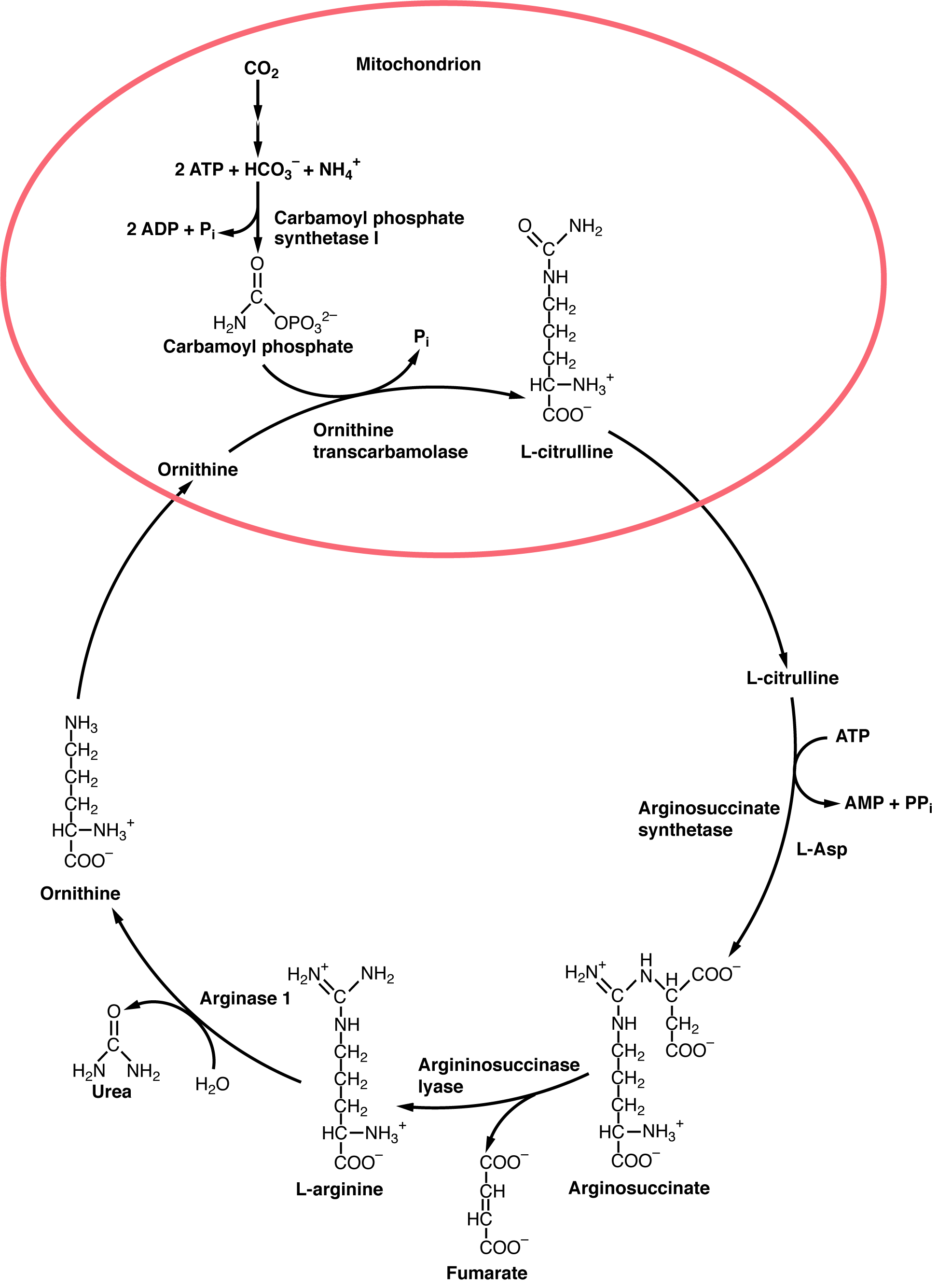
The cycle is a set of biochemical that produces from ammonium in order to prevent a toxic level of ammonium in the body. It occurs primarily in the liver and, to a lesser extent, in the kidney. Prior to the cycle, ammonium are produced from the breakdown of . In these , an group, or ammonium , from the is exchanged with a keto group on another . This transamination event creates a that is necessary for the and an ammonium that enters into the cycle to be eliminated.

In the cycle, ammonium is combined with CO2, resulting in and water. The is eliminated through the kidneys in the urine (Figure 24.18).

This image shows the reactions of the urea cycle and the organelles in which they take place.
Figure 24.18 — 24.4

Figure 24.18 Urea Cycle Nitrogen is transaminated, creating ammonia and intermediates of the Krebs cycle. Ammonia is processed in the urea cycle to produce urea that is eliminated through the kidneys.

J. Gordon Betts and colleagues, Anatomy And Physiology 2E, OpenStax. · CC BY-NC-SA 4.0 · Original image ↗ · Access for free ↗

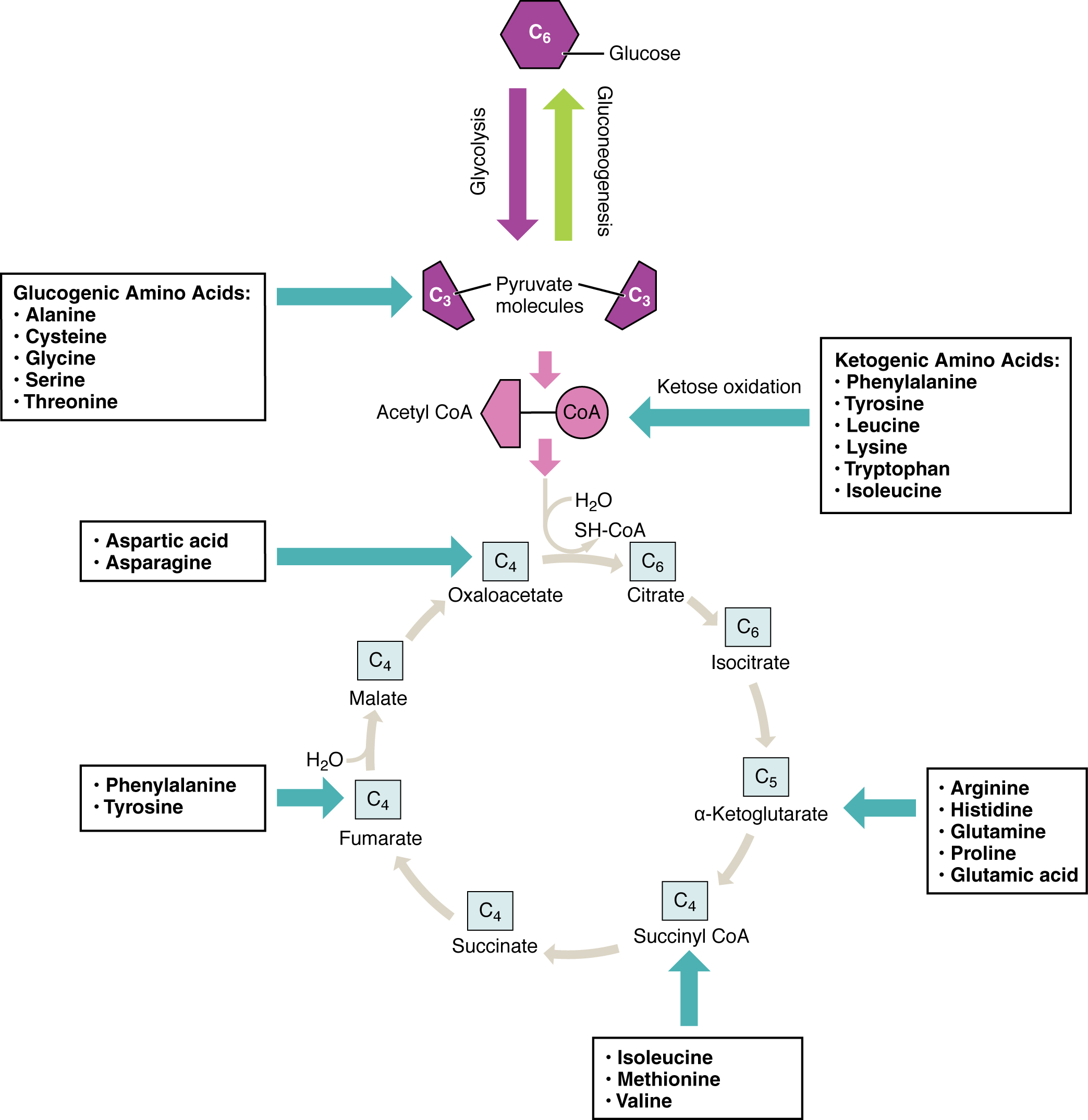
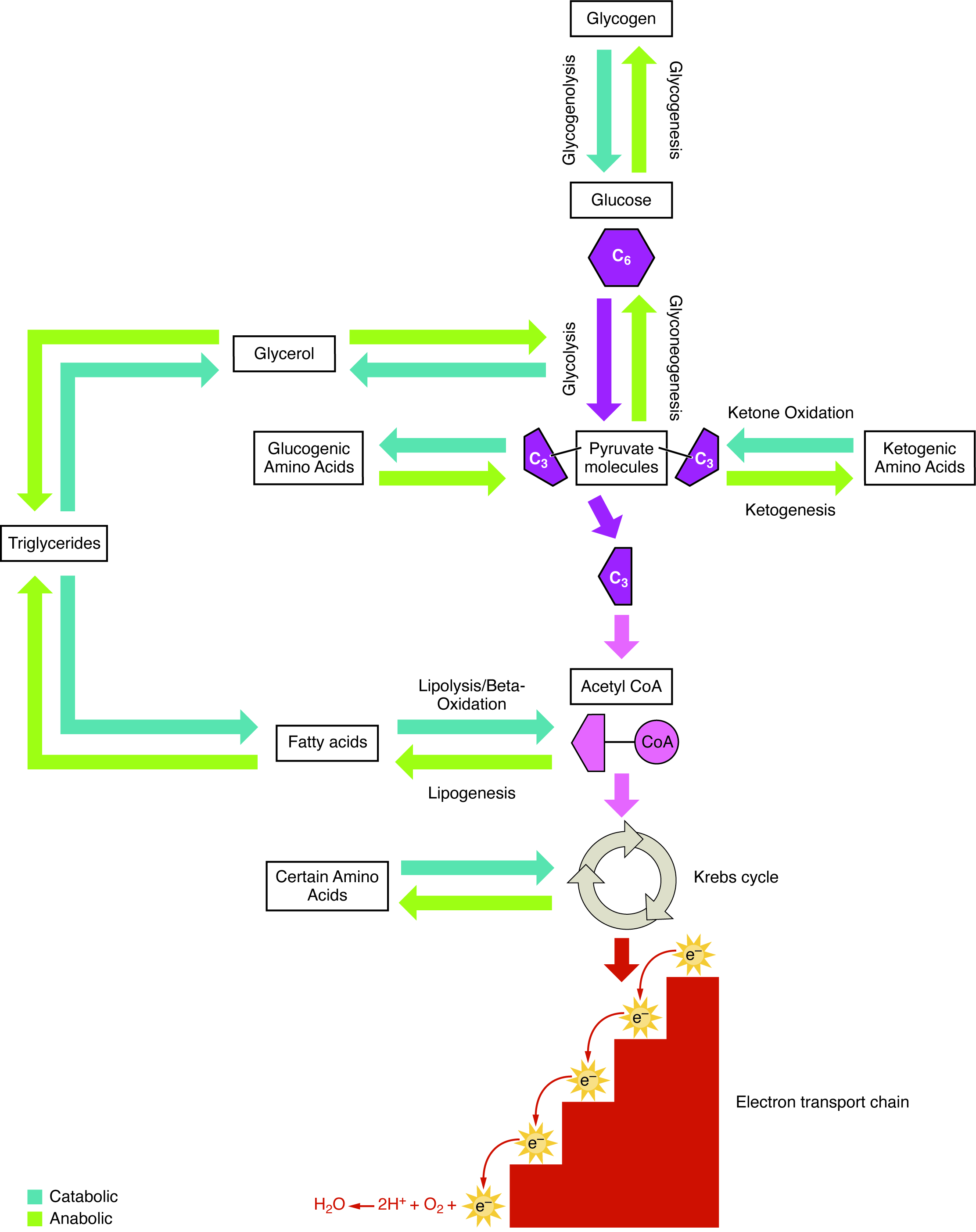
can also be used as a source of energy, especially in times of starvation. Because the processing of results in the creation of , including , acetyl , acetoacyl , , and , can serve as a source of energy production through the (Figure 24.19). Figure 24.20 summarizes the pathways of catabolism and anabolism for , , and .

This figure  shows the different reactions in which products of carbohydrate breakdown are converted into different amino acids.
Figure 24.19 — 24.4

Figure 24.19 Energy from Amino Acids Amino acids can be broken down into precursors for glycolysis or the Krebs cycle. Amino acids (in bold) can enter the cycle through more than one pathway.

J. Gordon Betts and colleagues, Anatomy And Physiology 2E, OpenStax. · CC BY-NC-SA 4.0 · Original image ↗ · Access for free ↗
This diagram shows the different metabolic pathways, and how they are connected.
Figure 24.20 — 24.4

Figure 24.20 Catabolic and Anabolic Pathways Nutrients follow a complex pathway from ingestion through anabolism and catabolism to energy production.

J. Gordon Betts and colleagues, Anatomy And Physiology 2E, OpenStax. · CC BY-NC-SA 4.0 · Original image ↗ · Access for free ↗

Disorders of the...

: Complex Deficiency and Phenylketonuria

complex deficiency (PDCD) and phenylketonuria (PKU) are genetic disorders. is the that converts into acetyl , the necessary to begin the to produce . With low levels of the complex (PDC), the rate of cycling through the is dramatically reduced. This results in a decrease in the total amount of energy that is produced by the cells of the body. PDC deficiency results in a neurodegenerative disease that ranges in severity, depending on the levels of the PDC . It may cause developmental defects, muscle spasms, and death. Treatments can include diet modification, vitamin supplementation, and therapy; however, damage to the usually cannot be reversed.

PKU affects about 1 in every 15,000 births in the United States. People afflicted with PKU lack sufficient activity of the hydroxylase and are therefore unable to break down into adequately. Because of this, levels of rise to toxic levels in the body, which results in damage to the and brain. Symptoms include delayed neurological development, hyperactivity, intellectual disability, seizures, rash, tremors, and uncontrolled movements of the arms and legs. Pregnant people with PKU are at a high risk for exposing the fetus to too much , which can cross the and affect fetal development. Babies exposed to excess in utero may present with heart defects, physical and/or intellectual disability, and microcephaly. Every infant in the United States and Canada is tested at birth to determine whether PKU is present. The earlier a modified diet is begun, the less severe the symptoms will be. The person must closely follow a strict diet that is low in to avoid symptoms and damage. is found in high in artificial sweeteners, including aspartame. Therefore, these sweeteners must be avoided. Some animal and certain starches are also high in , and intake of these foods should be carefully monitored.

6.3: Fats and Fatty Acids

Biology LibreTexts / Oregon State University · 6.3: Fats and Fatty Acids ↗
Complete instructional article, including all source figures and tables. Navigation, author portrait, license footer, and embedded players are omitted. The published HTML contains figure references but no embedded instructional image files; all available source text is retained.

Source: BiochemFFA_6_3.pdf. The entire textbook is available for free from the authors at http://biochem.science.oregonstate.edu/content/biochemistry-free-and-easy

In the modern Western world, which is fat and getting fatter, there is a tremendous amount of interest in the of fat and . Fat is the most important energy storage form of animals, storing considerably more energy per carbon than , but its insolubility in water requires the body to package it specially for transport. Surprisingly, fat/ is not nearly as tightly regulated as that of . Neither are the of breakdown and synthesis particularly complicated, either.

Movement of dietary fat

Before we discuss the breakdown and synthesis of fat, let us first discuss the movement of dietary fat and oil ( - Figure 6.82) in the body. Upon consumption of in the diet, they first are solubilized in the digestive system by the churning action of the stomach and the emulsifying properties of the bile .

Upon passing into the of the intestine, the are acted on first by known as that use water twice on each to release two , leaving behind a monoacylglyceride. As shown in Figure 6.83, the and the monoacylglyceride are moved across the intestinal wall into the system where they are reassembled back into a . In the system and other are packaged into lipoprotein complexes called that enter the blood stream and travel to target cells. The journey of in the body after leaving the digestive system is long and is discussed in more depth HERE.

In the body, fat is stored in specialized cells known as adipocytes. When these cells receive appropriate signals, they begin the breakdown of fat into and .

Breakdown of fat

Breakdown of fat in adipocytes requires action of three . The first of these is controlled by binding of to the (Figure 6.84). It is the only regulated of fat breakdown and is known as sensitive . It removes the first from the fat. Diacylglyceride removes the second one and monoacylglyceride removes the third. As noted, only the first one is regulated and it appears to be the rate limiting when active.

Epinephrine activation

As shown in Figure 6.84, activation of sensitive (HSTL) is accomplished by epinephrine stimulation process and that it overlaps with the same activation that stimulates breakdown and .

This coordination is very important. Each of the pathways stimulated by the epinephrine signaling system aims to provide the body with more materials to catabolize for energy - sugars and . The HSTL is inhibited by dephospohrylation and this is stimulated by binding of to its .

Perilipin

A playing an important roles in regulation of fat breakdown is perilipin. Perilipin associates with fat droplets and helps regulate action of HSTL, the catalyzing the first in fat catabolism. When perilipin is not , it coats the fat droplet and prevents HSTL from getting access to it. Activation of A in the epinephrine cascade, however, results in of both perilipin and HSTL. When this occurs, perilipin loosens its tight binding to the fat droplet, allowing digestion of the fat to begin by HSTL.

Perilipin expression is high in obese organisms and some mutational variants have been associated with obesity in women. Another reduces perilipin expression and is associated with greater (fat breakdown) in women. Mice lacking perilipin eat more food than wild-type mice, but gain 1/3 less weight when on the same diet.

Fat synthesis

Synthesis of fat requires action of acyl , such as -3 O- acyl , which catalyzes addition of to the ( #1 above). The process requires -3- (or DHAP) and three . In the first , -3- is esterified at position 1 with a , followed by a duplicate at position 2 to make phosphatidic (diacylglycerol ). This , which is an intermediate in the synthesis of both fats and phosphoglycerides, gets dephosphorylated to form diacylglycerol before the esterification of the third to the to make a fat.

released from adipocytes travel in the bloodstream bound to serum . Arriving at target cells, are taken up by -associated binding , which help control cellular uptake by transport . Players in this process include CD36, plasma -associated -binding , and a family of transport (called FATP1-6).

Upon arrival inside of target cells, are in a process that chops off two carbons at a time to make , which is subsequently in the . Depending on the size of the , this process (called ) will begin in either the (Figure 6.86) or the (see HERE).

Transport

To be in the , must first be attached to (-SH or ) and transported through the and the outer . In the ’s intermembrane space, the on the is replaced by a carnitine (Figure 6.87) in order to be moved into the . After this is done, the linked to carnitine is transported into the and in the the carnitine is replaced again by . It is in the where the occurs. The linked to (called an acyl-) is the for .

Steps

The process of (Figure 6.88) is fairly simple. The all occur between carbons 2 and 3 (with #1 being the one linked to the ) and sequentially include the following steps 1) dehydrogenation to create and a fatty with a double bond between carbons 2 and 3 in the trans ; 2) hydration across the double bond to put a on carbon 3 in the ; 3) of the to make a ketone; and 4) thiolytic cleavage to release and a two carbons shorter than the starting one.

of

Two of the of are notable. The first is acyl- dehydrogenase, which catalyzes the dehydrogenation in the first and yields . The comes in three different forms – ones specific for long, medium, or short chain length . The first of these is sequestered in the of animals (see below) whereas the ones that work on medium and shorter chain are found in the . Αction of all three is typically needed to a . Plants and yeast perform exclusively in .

The most interesting of the acyl- dehydrogenases is the one that works on medium length . This one, which is the one most commonly deficient in animals, has been associated with sudden infant death syndrome. two and three in are catalyzed by enoyl- hydratase and 3-hydroxyacyl- dehydrogenase, respectively. The latter yields an .

Thiolase

The second notable of is thiolase because this not only catalyzes the formation of acetyl-CoAs in , but also the joining of two acetyl-CoAs (essentially the reversal of the last step of ) to form acetoacetyl- – essential for the pathways of ketone body synthesis and .

Similarity to

It is worth noting that of is chemically very similar to of the four carbon of the (Figure 6.89). In , dehydrogenation between carbons 2 and 3 generates which are donated to to make and a trans-bonded intermediate is formed.

The same thing happens in the catalyzed by - the trans-bonded is fumarate. Addition of water in the second step of occurs also in the next step of the catalyzed by to create malate. of the on carbon 3 in is repeated in the catalyzed by malate dehydrogenase yielding .

of odd chain

Though most of biological origin have even numbers of carbons, not all of them do. of with odd numbers of carbons ultimately produces an intermediate with three carbons called propionyl-, which cannot be further in the pathway.

of this intermediate is odd. Sequentially, the following steps occur (Figure 6.90) – 1) carboxylation to make D-methylmalonyl-; 2) isomerization to L-methylmalonyl-; 3) rearrangement to form . The last step of the process utilizes the methylmalonyl- mutase, which uses the B12 in its cycle. can be metabolized in the .

Peroxisomal

Long chain (typically 22 carbons or more - Figure 6.91) have their initiated in the , due to the localization of the long acyl- dehydrogenase in that . Peroxisomal is chemically similar to of , but there are some differences in the overall process.

Differences

First, since there is no transport system in , the reduced carriers produced in there must have their own recycling process. accomplish this by transferring and from to O2 to form hydrogen peroxide (H2O2). As a result of this, the lack of transport means no pump and, consequently, no produced from for peroxisomal , making it less efficient that .

from produced in the third step of the must be shuttled to the and ultimately to the for generation. Peroxisomal is increased for individuals on a high fat diet. In addition to long chain , are also involved in of branched chain , leukotrienes, and some prostaglandins.

Unsaturated

Unsaturated complicate the process a bit (see below), primarily because they have cis bonds, for the most part, if they are of biological origin, and these must be converted to the relevant trans for . Sometimes the bond must be moved down the chain, as well, in order to be positioned properly. Two (described below) handle all the necessary isomerizations and moves necessary to all of the unsaturated (Figure 6.92).

Extra

As noted above, of unsaturated requires two additional to the of for . If the of the produces an intermediate with a cis bond between carbons three and four, cis-∆3-enoyl- will convert the bond to a trans bond between carbons two and three and can proceed as normal.

On the other hand, if produces an intermediate with a cis double bond between carbons four and five, the first step of (dehydrogenation between carbons two and three) occurs to produce an intermediate with a trans double bond between carbons two and three and a cis double bond between carbons four and five.

2,4 dienoyl- reductase

The 2,4 dienoyl reductase reduces this intermediate (using ) to one with a single cis bond between carbons three and four. The newly created cis-bonded is then identical to the one acted on by cis-∆3-enoyl- above, which converts it into a regular intermediate, as noted above.

α-

Yet another consideration for of is α-. This pathway, which occurs in , is necessary for catabolism of that have branches in their chains. For example, breakdown of chlorophyll’s phytol group yields phytanic (Figure 6.93), which undergoes hydroxylation and on carbon number two (in contrast to carbon three of ), followed by and production of an unbranched intermediate that can be further by the pathway. Though α- is a relatively minor , the inability to perform the of the pathway leads to Refsum’s disease where accumulation of phytanic leads to neurological damage.

ω- of

In addition to and α- of , which occur in the and of cells respectively, another pathway known as ω- also occurs in the smooth of liver and kidney cells. It is normally a minor pathway operating on medium chain (10-12 carbons), but gains importance 1) when is not functional or 2) for production of long chain , such as 20-HETE (20-hydroxyeicosatetraenoic ), that can function in signaling.

Steps in the process involve 1) of the terminal of the to an alcohol; 2) of the alcohol to an aldehyde, and 3) of the aldehyde group to a carboxylic (Figure 6.94). The first is catalyzed by a mixed function oxidase, and yields 20-HETE if the starting material is arachidonic . The last two are catalyzed by alcohol dehydrogenase and each requires . After the last , the has at each end and can be attached to at either end and subsequently , ultimately yielding succinate.

Regulation of

Breakdown of is controlled at different levels. The first is by control of the availability of from the breakdown of fat. As noted above, this process is by regulating the activity of -sensitive (HSTL) activity by epinephrine (stimulates) and (inhibits).

A second level of control of availability is by regulation of carnitine acyl (Figure 6.87 - see HERE). This the swapping of on an acyl- for carnitine, a necessary step for the to be imported into the for .

The is inhibited by , an intermediate in synthesis. Thus, when are being synthesized, import of them into the for is inhibited. Last, the last in the cycle, thiolase, is inhibited by .

synthesis

Synthesis of occurs in the and of the cell and is chemically similar to the reverse of the process, but with a couple of key differences (Figure 6.95). The first of these occur in preparing for the that grow the . synthesis occurs in the of cells. Transport of from the occurs when it begins to build up. This happens when the slows or stops from lack of exercise.

Two can play roles in moving to the – and acetylcarnitine. Joining of with in the creates which gets transported across the , followed by action of in the of the cell to release and . Additionally, when free accumulates in the , it may combine with carnitine and be transported out to the .

synthase

In animals, six different activities necessary to fully make palmitoyl- are contained in a single complex called Synthase. As shown in Figures 6.96 and 6.97, these include 1) transacylases (MAT) for swapping -SH with -SH on and ; 2) a synthase (KS) to catalyze addition of the two carbon unit from the three carbon malonyl- in the first step of the elongation process; 3) a reductase (KR) to reduce the ketone; 4) a dehydrase (DH) to catalyze removal of water; 5) a reductase () to reduce the trans double bond and 6) a thioesterase (TE) to cleave the finished palmitoyl - into palmitic and -SH.

In the middle of the complex is for binding the portion of the growing chain to hold it as the other part of the is rotated into positions around the complex for each . In , these six activities are found on separate and are not part of a complex.

The process of making a in the starts with two . One is converted to by adding a . This is catalyzed by the (ACC), the only regulated of synthesis (see below) and the only one separate from the synthase. Next, both and have their portions replaced by a known as (acyl- ) to form acetyl- (catalyzed by : transacylase - MAT in Figure 6.97) and malonyl- (catalyzed by : transacylase - MAT in Figure 6.97). Joining of a fatty acyl- (in this case, acetyl-) with malonyl- splits out the from malonyl- that was added to it and creates the acetoacyl- intermediate (catalyzed by β-ketoacyl- synthase - KS on Figure 6.97) .

From this point forward, the chemical resemble those of reversed. First, the ketone is reduced to a using (catalyzed by β-ketoacyl- reductase - KR on Figure 6.97). In contrast to the hydroxylated intermediate of , the intermediate here (D-β- hydroxybutyryl-) is in the D-.

Dehydration

Next, water is removed from carbons 2 and 3 of the intermediate in a catalyzed by 2,3-trans-enoyl- dehydrase - DH on Figure 6.97. This yields a trans doubled-bonded . Last, the double bond is hydrogenated to yield a saturated intermediate by 2,3-trans-enoyl- reductase - on Figure 6.97. This completes the first cycle of synthesis.

Additional cycles involve addition of more two-carbon units from malonyl- to the growing chain until ultimately an intermediate with 16 carbons is produced (palmitoyl-). At this point, a thioesterase cleaves the from the palmitoyl- to yield palmitic and the synthesis ceases.

Regulation of synthesis

, which catalyzes synthesis of , is the only regulated in synthesis. Its regulation involves both and covalent modification. The is known to be by both and A.

Dephosphorylation is stimulated by activated by binding. Dephosphorylation activates the and favors its assembly into a long , while reverses the process. acts as an activator and may also favor polymerization. Palmitoyl- inactivates it.

Elongation past 16 carbons

Elongation to make longer than 16 carbons occurs in the and is catalyzed by described as elongases. also can elongate , but their starting materials are generally longer than 16 carbons long.

The mechanisms in both environments are similar to those in the (a malonyl group is used to add two carbons, for example), but is attached to the , not . Further, whereas synthesis employs the synthase complex, the in these are separable and not part of a complex.

Desaturation of

are synthesized in the saturated form and desaturation occurs later - in the . to elongate the (with elongases) may also occur to make unsaturated of varying lengths. Desaturases are named according to the location of the double bonds they introduce in . The delta (Δ) system numbers the carbon at the carboxyl end as number 1 and the omega (ω) number system numbers the carbon at the end as number 1 (Figure 6.98). Humans have desaturases named as Δ5, Δ6, and Δ9. A Δ9 desaturase, for example, could convert stearic into oleic , because stearic (see HERE) is a saturated 18 carbon and oleic is an 18 carbon with only one double bond - at position Δ9.

Polyunsaturated

Polyunsaturated require the action of multiple and (in some cases) the action of elongases. Arachidonic , for example, is a 20 carbon with four double bonds and its synthesis requires both an elongase (to increase the length of the from 16 to 20) and multiple desaturases - one for each desaturated double bond.

Animals are limited in the they can make, due to an inability of their desaturases to catalyze beyond carbons Δ9. Thus, humans can make oleic , but cannot synthesize linoleic (Δ9,12) or linolenic (Δ9,12,15). Consequently, these two must be provided in the diet and are referred to as essential .

Almost all desaturases make cis, not trans double bonds. There are a few minor exceptions to this, in cattle, for example (Figure 6.99). The trans found in trans fat of prepared food are produced not by biological processes, but rather by the process of partial hydrogenation of unsaturated fats.

Unusual

Removal of and from a to create a double bond is an and these , must have a destination. The path they take is a bit complex. It involves NAD(P)H, O2, two -bound , the bound desaturase, and the .

In the transfer, the O2 is reduced to two of H2O. This requires four and four . Two and two come from the to form the double bond on it. Two come from the NAD(P)H via the and two come from the .

synthesis

The pathway for making prostaglandins and related , such as the leukotrienes, prostacyclin, and thromboxanes is an extension of the synthesis of (Figure 6.100).

Prostaglandins, known as eicosanoids because they contain 20 carbons, are synthesized in cells from arachidonic whenever it has been cleaved from . Prostaglandins are important for many physiological phenomena in the body, including swelling and pain and of their levels is a strategy of some painkillers, such as aspirin (see below). arising from bee stings, for example, occurs because bee (and snake) venom contains mellitin, an activator of PLA2 activity (Figure 6.100). There are two strategies for reducing production and the pain associated with it.

Phospholipase A2

Action of phospholipase on glycerophospholipids produces and either -3- or other substances. Figure 6.101 shows cleavage sites on that are targeted by different phospholipases. Phospholipase A1 (PLA1), for example, cleaves the from position one of the glycerophospholipid and phospholipiase D (PLD) cleaves the from the part of the .

Since the on position #2 (where PLA2 cuts) is most commonly unsaturated, PLA2 is an important phosopholipase for hydrolyzing the unsaturated known as arachidonic from glycerophospholipids. Release of arachidonic from is necessary for synthesis of prostaglandins.

Inhibition of the release of arachidonic from is the mechanism of action of steroidal anti-inflammatory drugs. They block action of phospholipase A2 (PLA2 - Figure 6.101) which cleaves arachidonic from .

Lipocortin

Lipocortin (also called annexin) is a that inhibits action of PLA2. Synthesis of lipocortin is stimulated by glucocorticoid , such as , and is used in some treatments to reduce swelling/ when it is severe and untreatable by non-steroidal drugs.

Second strategy

Synthesis of the prostanoid (prostaglandins, prostacyclin, and thromboxanes) depends on conversion of arachidonic to prostaglandins and H2 by COX . A non-steroidal strategy for decreasing production of prostaglandins then is to inhibit the that catalyzes their synthesis from arachidonic (Figure 6.102). This is known as synthase, but is more commonly referred to as a cyclooxygenase (or COX) .

COX come in at least two forms in humans - COX-1, COX-2. A third form known as COX-3 has been reported as a variant of COX-1, but information about it is unclear. COX-1 and COX-2 are very similar in structure (70 and 72 , respectively, and 65% sequence homology), but coded by different .

COX-1 is synthesized constitutively whereas COX-2 displays inducible expression behavior and has a more specific pattern of tissue expression. COX-2 are expressed in increasing amounts in areas of growth and .

Non-steroidal drugs

inhibiting cyclooxygenases are known as non-steroidal anti-inflammatory drugs (NSAIDs). in this class include aspirin, ibuprofen, vioxx, and celebrex.

Some NSAID , such as aspirin, bind to all types of COX . Newer COX target the COX-2 specifically because it was believed to be a better target for relief of joint pain than COX-1 which are synthesized by most cells. COX-2 are found more specifically in joints so the thinking was that specific inhibition of them would not affect the COX-1 which are important for producing prostaglandins that help maintain gastric tissue.

Numerous COX-2 - specific were developed - celecoxib, etoricoxib, and rofecoxib (Vioxx), for example. Unfortunately, the COX-2 specific are associated with some serious side effects, including a 37% increase in of major cardiovascular events in addition to some of the gastrointestinal problems of NSAIDs.

Imbalance

The increased risk of heart attack, thrombosis, and stroke are apparently due to an imbalance between prostacyclin (reduced by ) and thromboxanes (not reduced by the ). Prostacyclin (made from H2 by prostacyclin synthase) is a special that inhibits activation of blood in the blood clotting process and acts as a vasodilator. Thromboxanes counter prostacyclin, causing and activating blood for clotting. Due to imbalances in these opposite acting resulting from COX-2-specific inhibition, Vioxx, was withdrawn from the market in September, 2004, due to health concerns.

Other known to inhibit COX include some flavonoids, some components of fish oil, hyperforin, and vitamin D.

Connections to other pathways

There are several connections between fats and and other . Diacylglycerol ( - Figure 6.105), which is produced by removal of a from phosphatidic , is an intermediate in fat synthesis and also a messenger in some signaling systems. Phosphatidic , of course, is a branch intermediate in the synthesis of and other , including phosphoglycerides.

twenty carbons long based on arachidonic (also called eicosanoids) are precursors of the leukotrienes, prostaglandins, thromboxanes, and endocannabinoids.

from can be assembled by the thiolase to make acetoacetyl-, which is a precursor of both and the isoprenoids, a broad category of that include , , bile , and the fat vitamins. In plants, can be made into in net amounts via the glyoxylate cycle.

Fat, obesity, and hunger

Obesity is an increasing problem in the western world. It is, in , the leading preventable cause of death worldwide. In 2014, over 600 million adults and 42 million children in the world were classified as obese, a condition when their body mass index is over 30 kg/m2 (Figure 6.106). The body mass index of a person is obtained by dividing a person’s weight by the square of their height. At a simple level, obesity arises from consumption of calories in excess of need, but there are many molecular factors to consider.

Adipokines

Adipokines are adipose tissue-synthesized cytokines. The class of includes (first discovered adipokine) and hundreds of other such . These include adiponectin (regulates levels and ), apelin (control of blood pressure, angiogenesis promotion, vasodilator release, increased water intake), chemerin (stimulation of , adipocyte , link to resistance), and resistin (links to obesity, type II diabetes, LDL production in liver), among others.

Resistin

Resistin is an adipokine with numerous associated negative health effects. Injection of the into mice results in increased resistance to , a phenomenon of type 2 diabetes.

Resistin is linked to increased and serum levels of it correlate with increased obesity, though direct of it to obesity is controversial. Resistin stimulates production of LDLs in the liver, supporting increased levels in the arteries. Resistin also adversely impacts the effects of statin drugs used to control levels of in the body.

is a (adipokine) made in adipose cells that negatively impacts hunger and regulates energy balance. It is countered by , also known as the hunger . Both act in the where hunger is controlled. When levels are higher due to higher levels of body fat, hunger is suppressed, but when levels of are lower (less body fat), then appetite increases.

Notably, is also made in places besides adipose tissue and are found in places besides the , so the has other effects in the body. When sensitivity to changes, increased obesity can result. In mice, of function by results in mice with voracious appetites and extreme obesity. of the in mice results in the same . Eight humans with all suffer from extreme obesity in infancy.

Physiology

is produced primarily by cells in white adipose tissue, but is also made in brown adipose tissue, ovaries, skeletal muscle, stomach, mammary epithelial cells and bone marrow.

levels

levels in the body are highest between midnight and early morning, presumably to suppress appetite. Though it is produced by fat cells, levels of in humans do not strictly reflect levels of fat. For example, early in fasting, levels fall before fat levels fall. Sleep deprivation can reduce levels, as can increasing levels of testosterone and physical exercise.

Increasing estrogen, however, increases levels. Emotional stress and can increase levels. Obesity increases levels, but doesn’t fully suppress appetite. resistance in these individuals is an important consideration, lessening the effects of the on appetite.

action

In the medial , stimulates and in the lateral , inhibits hunger. in the lateral that block the ability to sense hunger result in anorexia (there are other causes of anorexia, though) and in the medial cause excess hunger (no ). Neuropeptide Y is a potent hunger whose in the arcuate can be bound and blocked by . levels are more sensitive to decreasing food intake than increasing food intake meaning that in humans the plays a bigger role with respect to appetite than to levels of fat in the body.

At the molecular level, binding of to the Ob- causes down-regulation of synthesis of endocannabinoids, whose normal function is to increase hunger. High fructose diets have been associated with reduced levels of and of .

is a made by cells in the gastrointestinal tract when the stomach is empty. Stretching of the stomach reduces the expression of the . exerts its effects on the to increase appetite and it is an unusual in being able to cross the blood-brain barrier. The in the brain is found on the same cells as the (arcuate ). can counter the effect by decreasing hunger.

Behavioral effects

Activation of occurs after processing the form of the (pre-proghrelin) followed by of an octanoic to a at position 3. Circulating levels of increase before eating and decrease afterwards. There appears to be a dose dependence for on the amount of food consumed. increases food seeking behavior and there is a negative correlation between levels of and weight.

Neuropeptide Y

Neuropeptide Y is a neuropeptide neurotransmitter produced by of the sympathetic nervous system. It acts as a vasoconstrictor and favors growth of fat tissue. It appears to stimulate food intake, fat storage, relieve anxiety/stress, reduce pain perception, and lower blood pressure. Blockage of neuropeptide Y in the brain of rats decreases food intake.

Stress effects

In mice and monkeys, repeated stress and high fat, high sugar diets stimulate neuropeptide Y levels and cause abdominal fat to increase.

High levels of neuropeptide Y may also help individuals to recover from post-traumatic stress disorder and to reduce the fear response. It may also protect against alcoholism. Mice lacking the ability to make neuropeptide Y have a higher voluntary consumption of alcohol and are less sensitive to its effects. The neuropeptide Y is a in the 7-transmembrane family.

: Fats and

564

YouTube Lectures

by Kevin

HERE & HERE

565

Figure 6.83 - Movement of dietary

Image by Aleia Kim

Figure 6.82 - Trimyristin - A triacylglyceride

566

Figure 6.84 - Breakdown of fat in adipocytes

Image by Pehr Jacobson

567

Figure 6.85 - Synthesis of fat from phosphatidic (phosphatidate)

Image by Penelope Irving

Synthesis of Phosphatidic from -3-

1. -3- + Acyl- <=> Monoacylglycerol + -SH

2. Monoacylglycerol + Acyl- <=> Phosphatidic + -SH

568

Figure 6.86 - - site of

Figure 6.87 - Transport of () across inner

Image by Aleia Kim

569

Figure 6.88 - Four in

Image by Aleia Kim

YouTube Lectures

by Kevin

HERE & HERE

570

Figure 6.89 - Similar for and of 4-carbon in the

Image by Aleia Kim

571

Figure 6.90 - of propionyl-

Image by Pehr Jacobson

572

In beta , it just occurred to me

The process all takes place ‘tween carbons two and three

Some hydrogens are first removed to

Then water adds across the bond, the H to carbon two

’s next, a ketone carbon three

Then thiolase dissects the last two C’s

The of the path, of course, are acetyl-CoAs

Unless there were odd carbons, hence propionyl-

Figure 6.91 - Cerotic - A long chain with 26 carbons

573

Figure 6.92 - Unsaturated

YouTube Lectures

by Kevin

HERE & HERE

574

Figure 6.93 - Phytanic

575

Figure 6.94 - ω

Wikipedia

576

Figure 6.95 - synthesis is the reverse of chemically

577

Figure 6.96 - One round of synthesis

image by Aleia Kim

Figure 6.97 - synthase complex

578

579

For synthesis, I must reverse the path

Of breaking , though you’ll wonder ‘bout the math

Each cycle of addition starts with carbons one two three

Yet of number carbons evenly

The reason is that CO2 plays peek-a-boo like games

By linking to an Ac- then popping off again

are like oxidations ‘cept they’re backwards here

, dehydration, then two hydrogens appear

The of the process is a 16 carbon chain

The bonds are saturated. No double ones remain

For them desaturases toil to put in links of cis

In animals to delta nine, but no more go past this

And last there’s making longer ones eicosanoidic fun

They’re made by elongases in the e. reticulum

Kevin Ahern˙

YouTube Lectures

by Kevin

HERE & HERE

Figure 6.98 - Carbon numbering schemes for

Image by Pehr Jacobson

580

Stearoyl- + 2 b5 (red) + O2 + 3 +

Oleoyl- + 2 Ferricytochrome b5 (ox) + 2 H2O +

Desaturase to Stearic

Figure 6.99 - Elaidic - A rare trans in biology

581

Figure 6.100 - synthesis pathways

Image by Pehr Jacobson

582

583

Figure 6.101 - Cleavage sites for four phospholipiases on a glycerophospholipid - phospholipases A1 (PLA1), A2 (PLA2), C (), and D (PLD)

YouTube Lectures

by Kevin

HERE & HERE

584

Figure 6.102 - activity of cyclooxygenase and peroxidase in making prostaglandins

Image by Pehr Jacobson

585

Figure 6.103 - Synthesis of prostaglandins from H2 (red)

Image by Pehr Jacobson

Figure 6.104 - Two NSAIDs

586

Figure 6.105 - Diacylglycerol

Figure 6.106 - Obesity worldwide - females (top) and males (bottom)

Wikipedia

587

Figure 6.107

Wikipedia

588

YouTube Lectures

by Kevin

HERE & HERE

Figure 6.108 Neuropeptide Y

589

590

Figure 6.109 - Pre-proghrelin

591

Graphic images in this book were of the work of several talented students. Links to their Web pages are below

Click HERE for

Martha Baker’s

Web

Click HERE for

Pehr Jacobson’s

Web

Click HERE for

Aleia Kim’s

Web

Click HERE for

Penelope Irving’s

Web

Problem set related to this section HERE

Point by Point summary of this section HERE

To get a certificate for mastering this section of the book, click HERE

Kevin Ahern’s free iTunes U Courses - Basic / Med School / Advanced

Biochemistry Free & Easy (our other book) HERE / Facebook

Kevin and Indira’s Guide to Getting into Medical School - iTunes U Course / Book

To see Kevin Ahern’s OSU ecampus courses - BB 350 / BB 450 / BB 451

To register for Kevin Ahern’s OSU ecampus courses - BB 350 / BB 450 / BB 451

Biochemistry Free For All Facebook (please like us)

Kevin Ahern’s Web / Facebook / Taralyn Tan’s Web

Kevin Ahern’s free downloads HERE

OSU’s Biochemistry/Biophysics program HERE

OSU’s College of Science HERE

Oregon State University HERE

Email Kevin Ahern / Indira Rajagopal / Taralyn Tan

592

When Get

To the tune of "When Johnny Comes Marching Home"

Melodies Website HERE​

The carried by​
, ​
Are inside the ​
mi-to-chon-dri-ay

​
They get to there as you have seen​
By hitching rides on carnitine​
Then it goes away​
When get

move through , yes​
It’s true, it’s true​
They jump from complex I onto​
Co-, Co-

​
The action can be quite intense​
When building ​
And its good for you​
When get

The pass through complex V​
You see, you see​
They do this to make lots of ​
A-TP, TP

​
The mechanism you should know​
Goes through the stages L-T-O​
So there's energy​
When get

Recording by Tim Karplus

Lyrics by Kevin Ahern
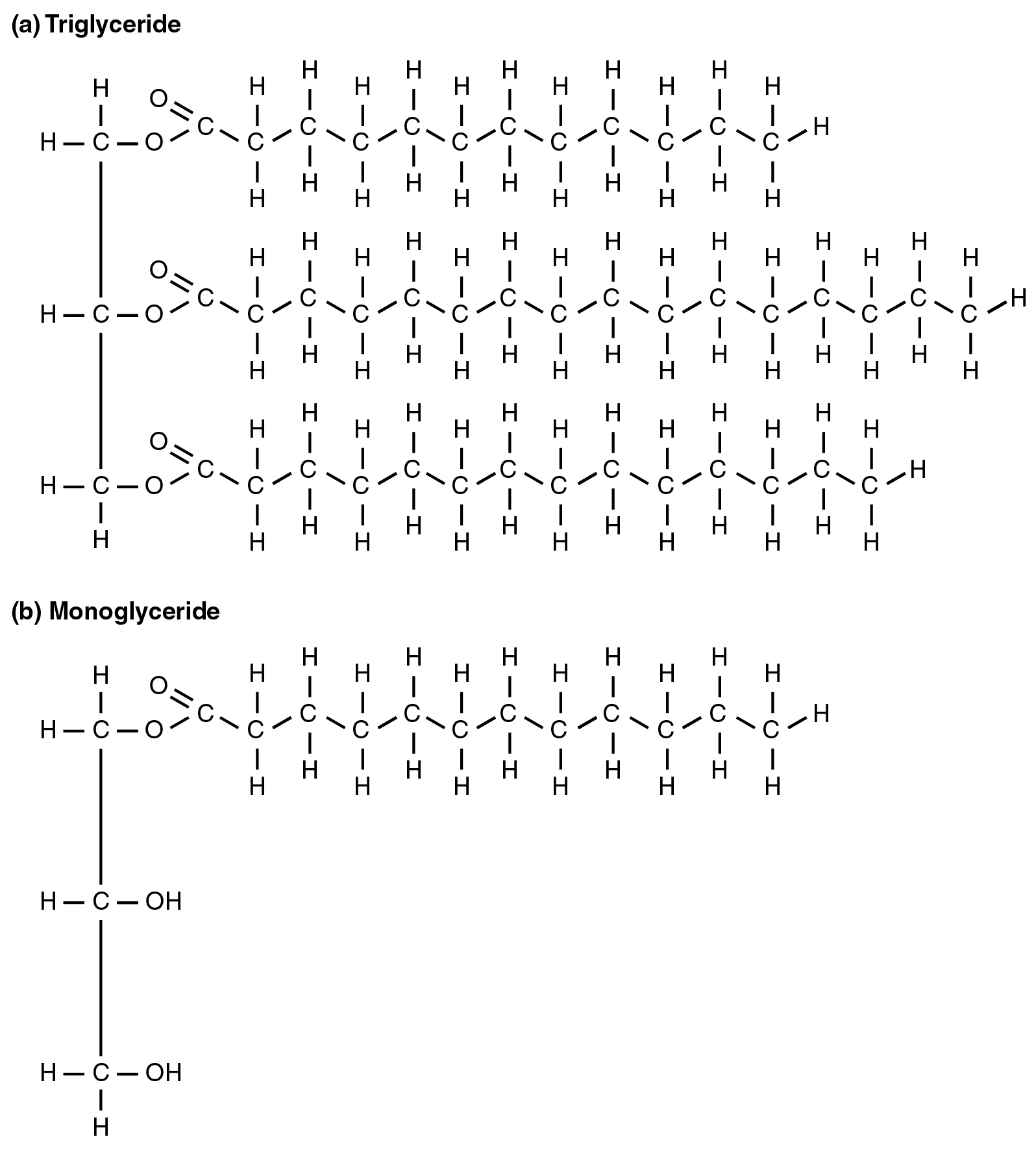
Recording by Tim Karplus Lyrics by Kevin Ahern
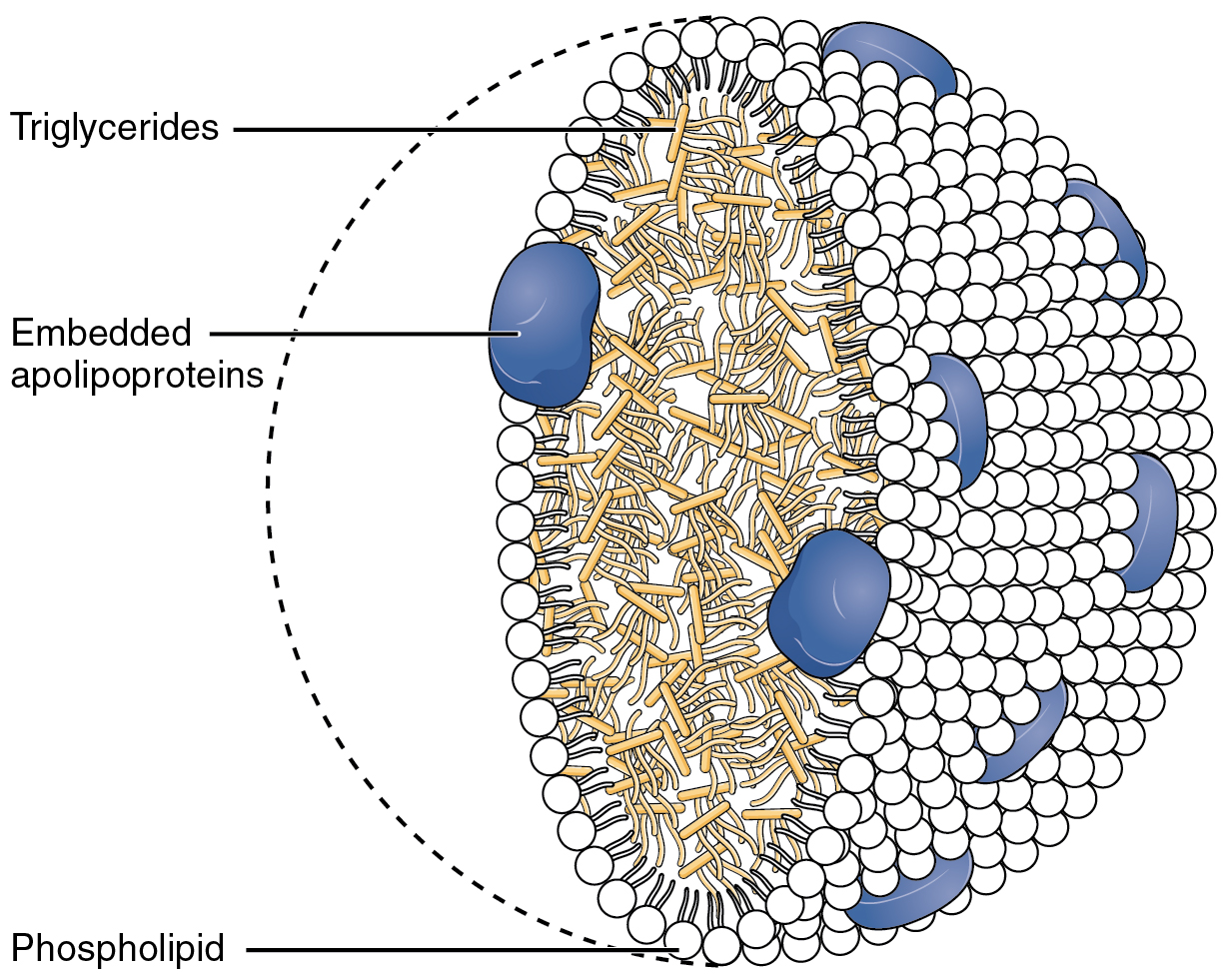
593

When Are Synthesized

To the tune of “When Johnny Comes Marching Home”

Melodies Website HERE

The 16 carbon , palmitate​
Gets all the carbons that it needs from acetate​
Which citric helps release​
From mitochondri - ​
Oh a shuttle's great ​
When are synthesized

Carboxylase takes and it puts within​
Dioxy carbon carried on a ​
's all gain a quick release​
Replaced by larger ACPs​
And it all begins​
When are synthesized

A malonate contributes to the growing chain​
Two carbons seven times around again, again​
For saturated acyl-ates​
There's lots of N-A-DPH ​
That you must obtain​
When are synthesized

Palmitic made this way all gets released​
Desaturases act to make omega-threes​
The finished big and small​
Form esters with a ​
So you get obese​
When are synthesized

Recording by Tim Karplus

Lyrics by Kevin Ahern
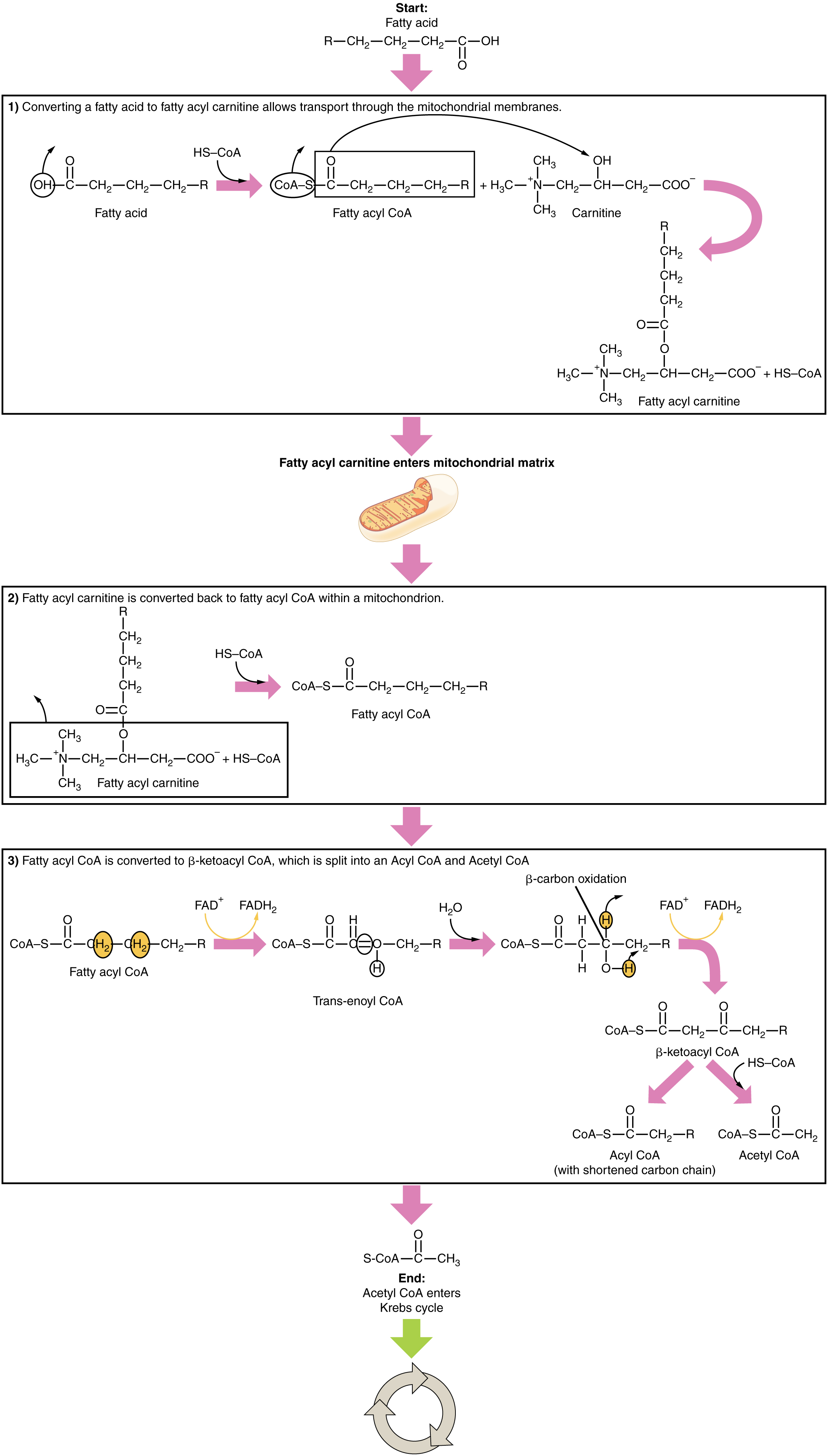
Recording by Tim Karplus Lyrics by Kevin Ahern