Hormones coordinate tissue-specific fuel choices, while local demand and available substrates determine the actual metabolic flux.
Fed, fasting, and exercising tissues
After a meal, liver stores glycogen and can convert excess carbohydrate to lipid; insulin-responsive muscle and adipose increase GLUT4-mediated glucose uptake. Muscle stores glycogen and synthesizes protein, while adipose stores triacylglycerol. During fasting, liver first mobilizes glycogen and increases gluconeogenesis; adipose releases fatty acids and glycerol, and many tissues increase fatty-acid oxidation.
With prolonged fasting, ketones support brain metabolism and renal glucose production increases. Red cells always require glycolytic fuel because they lack mitochondria. During exercise, muscle recruits phosphocreatine, glycogen/glycolysis, and oxidative pathways according to intensity and duration; contraction can recruit GLUT4 independently of insulin. Liver supports blood glucose, and lactate or alanine can return carbon for glucose production.
Source: 24.5 Metabolic States of the Body · 24.6 Energy and Heat Balance
Signals coordinate storage and mobilization
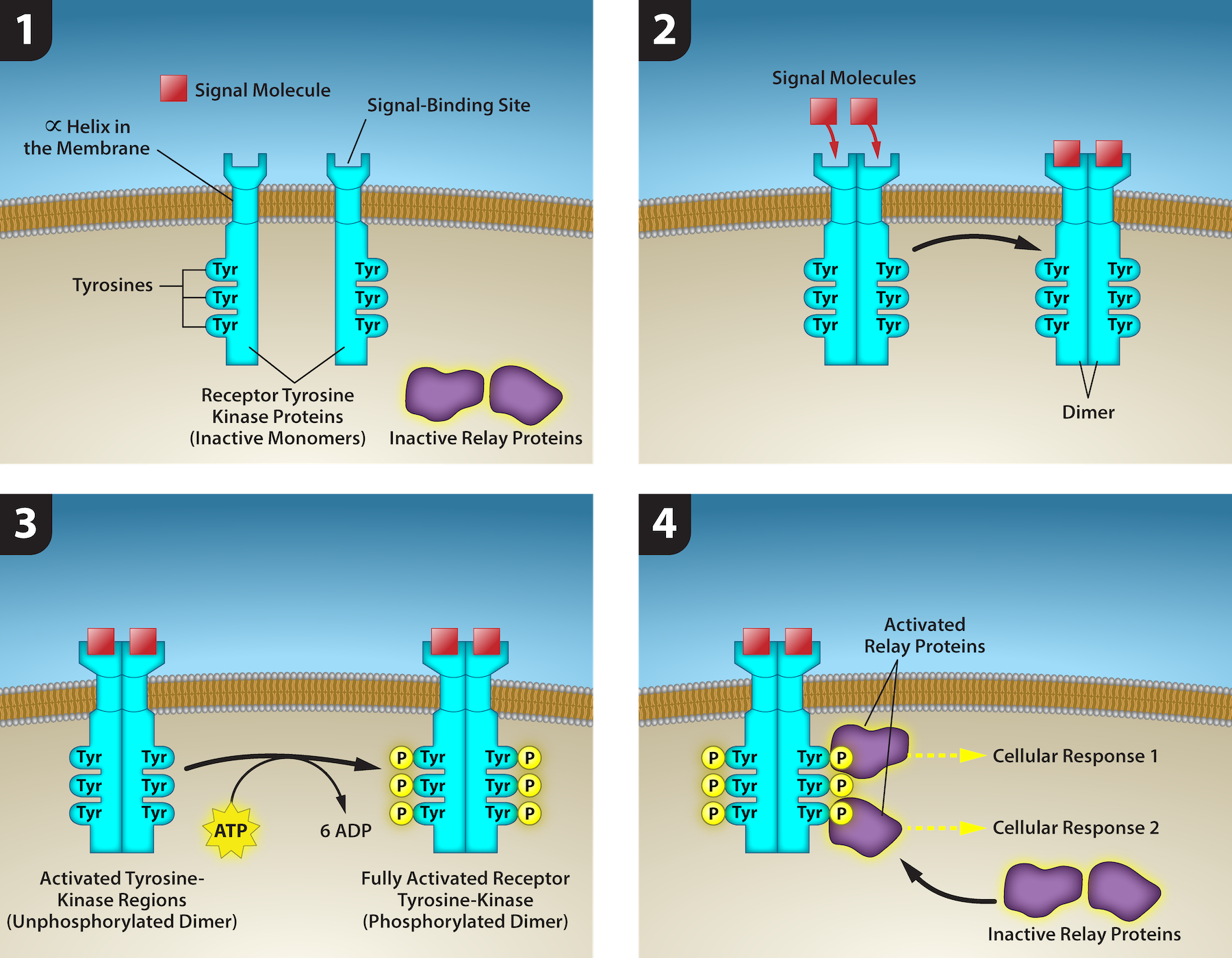
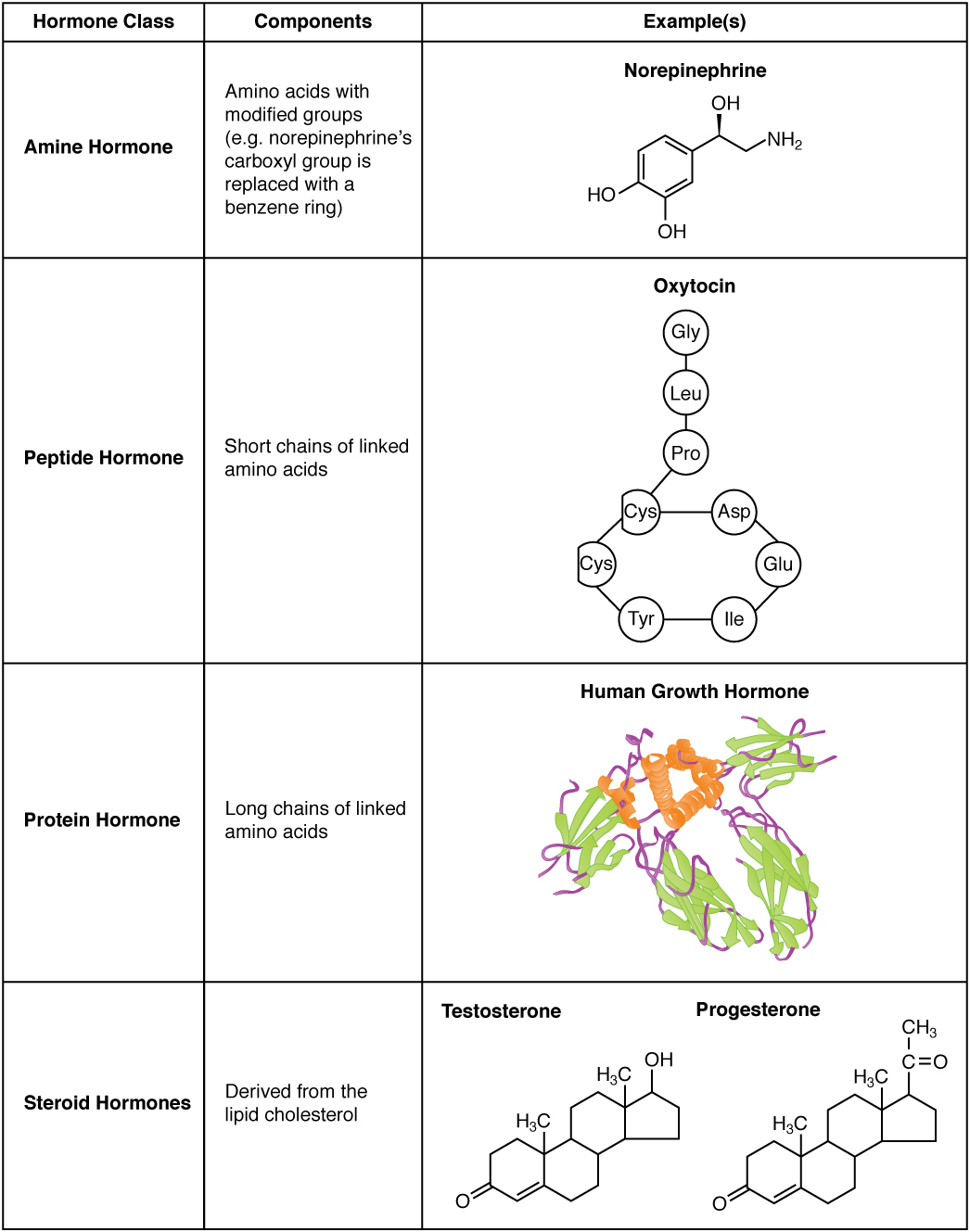
Insulin and glucagon are peptide hormones that bind cell-surface receptors; insulin signals through a receptor tyrosine kinase, whereas glucagon commonly raises hepatic cAMP through a G-protein-coupled receptor. Insulin favors uptake, glycogen synthesis, and lipid storage. Glucagon favors hepatic glucose output; epinephrine rapidly mobilizes fuel during stress or exercise.
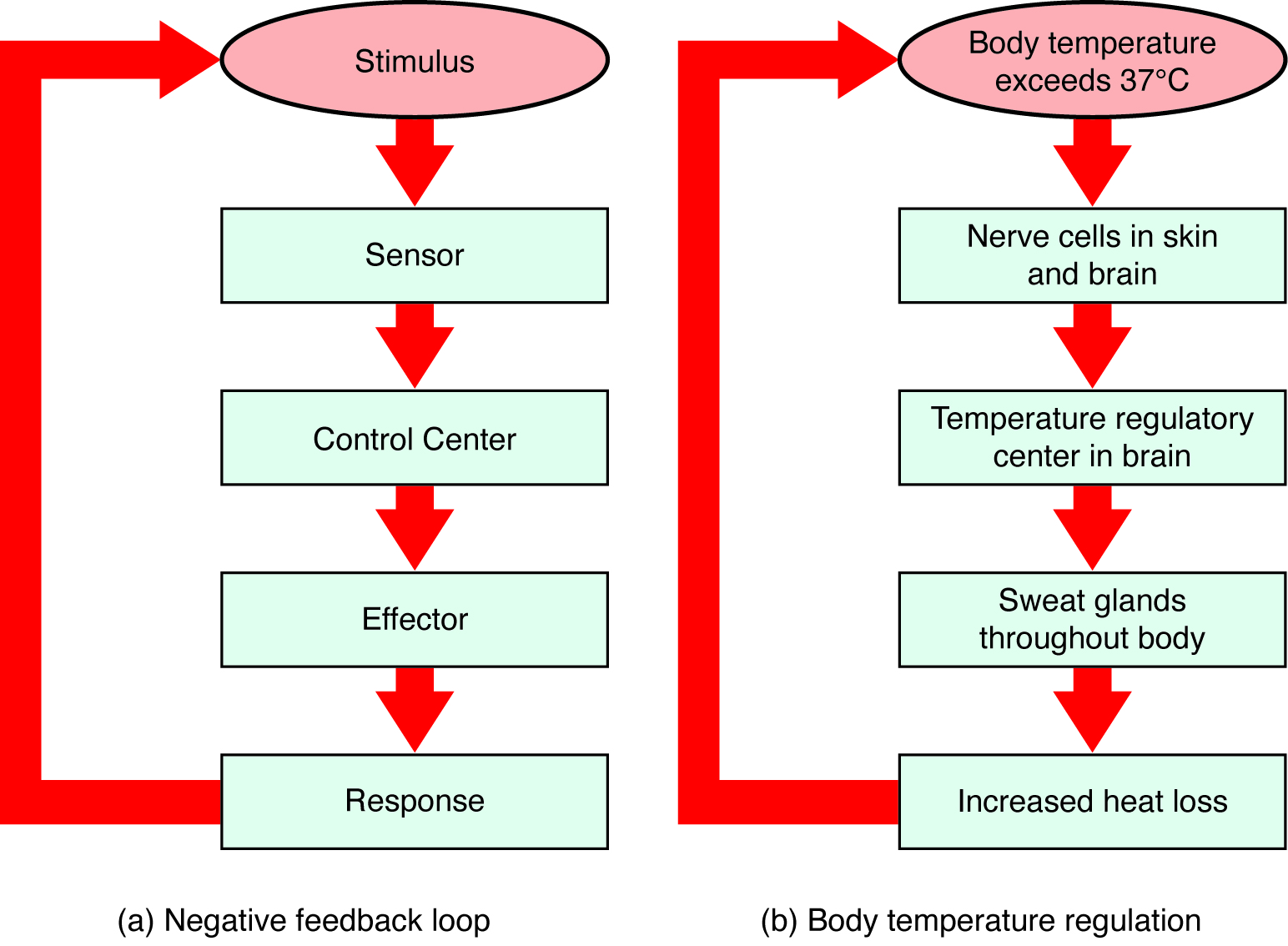
Steroid hormones such as cortisol cross membranes and regulate transcription through intracellular receptors, often acting more slowly. Hormonal effects depend on receptor expression: skeletal muscle does not respond to glucagon as liver does. Negative feedback links circulating nutrients and hormones to secretion, while allosteric signals such as AMP can override local enzyme activity during acute demand.
Source: 24.5 Metabolic States of the Body · 24.6 Energy and Heat Balance
Energy balance includes intake and expenditure
Body energy stores increase when absorbed energy persistently exceeds expenditure and decrease when expenditure exceeds intake. Expenditure includes basal metabolism, activity, and the thermic effect of food; adaptive changes mean weight change is not a perfectly linear calorie equation. Fat contains more energy per gram than carbohydrate or protein because it is more reduced and stored with little associated water.
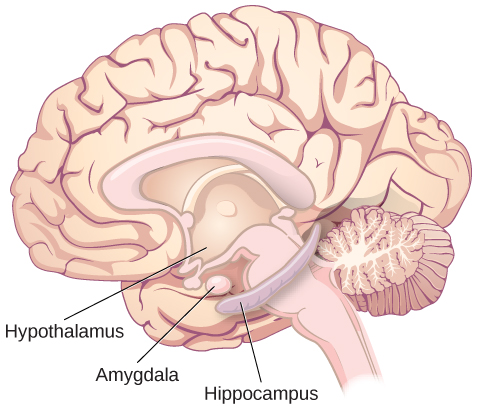
Leptin communicates adipose stores to hypothalamic circuits, while ghrelin and gut-derived signals help regulate hunger and satiety. Common obesity often involves reduced responsiveness to leptin rather than its complete absence. Genes, sleep, medications, environment, and access to food and activity influence behavior and physiology; energy balance describes the accounting without reducing its causes to willpower.
Source: 24.5 Metabolic States of the Body · 24.6 Energy and Heat Balance
Practice: apply the mechanism
Question. During an overnight fast, why can a rise in adipose fatty-acid release support blood glucose without converting even-chain fatty-acid carbon directly into glucose?
Show reasoning
Liver oxidation of fatty acids supplies ATP and reducing equivalents for gluconeogenesis and produces acetyl-CoA that activates pyruvate carboxylase. Glycerol released alongside fatty acids provides glucose carbon. Lactate and glucogenic amino acids provide additional carbon. Even-chain acetyl-CoA cannot produce net glucose in humans, so the energetic support and carbon contribution must be distinguished.
Source: 24.5 Metabolic States of the Body · 24.6 Energy and Heat Balance
24.5 Metabolic States of the Body — figures and tables
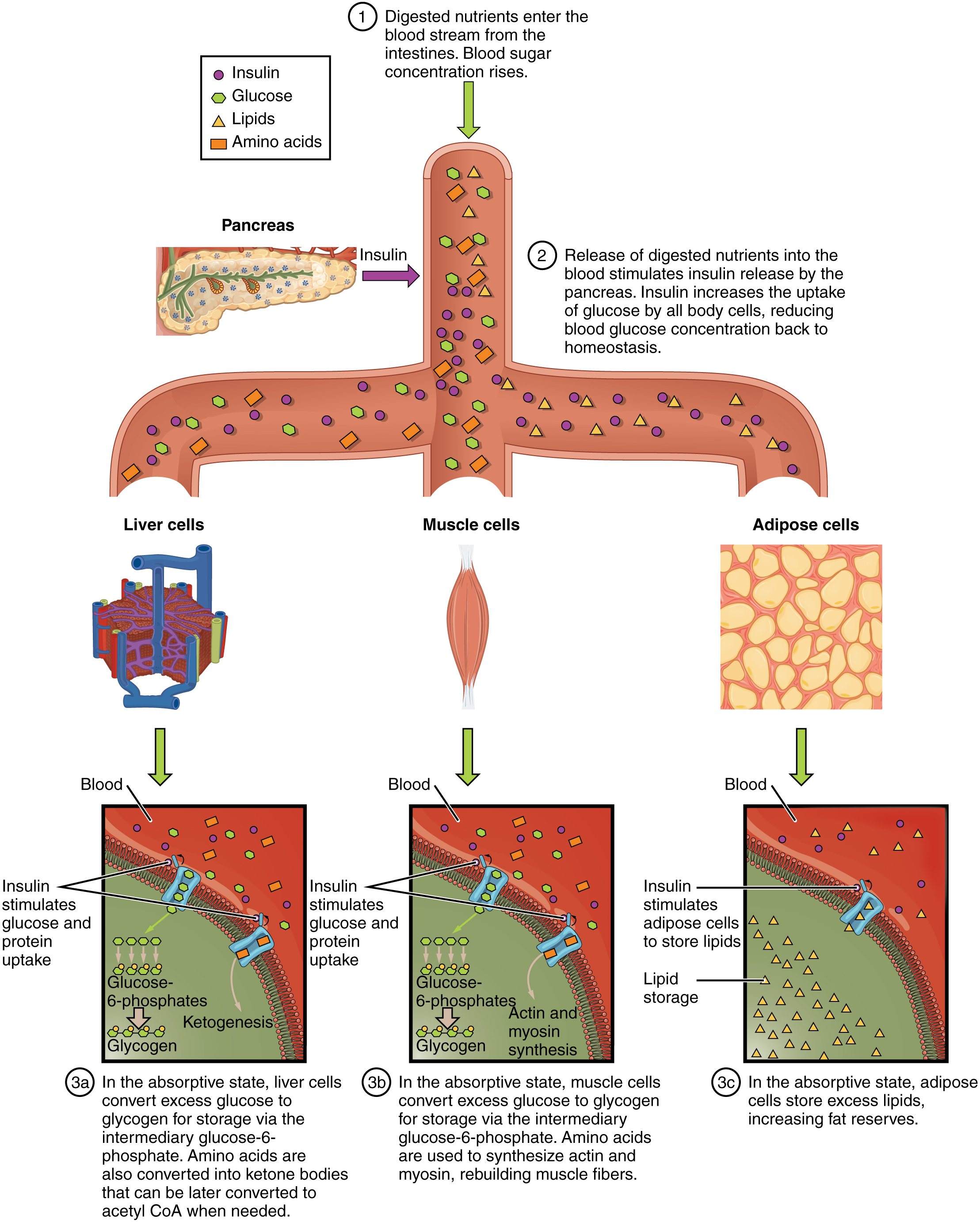
Figure 24.21 Absorptive State During the absorptive state, the body digests food and absorbs the nutrients.
J. Gordon Betts and colleagues, Anatomy And Physiology 2E, OpenStax. · CC BY-NC-SA 4.0 · Original image ↗ · Access for free ↗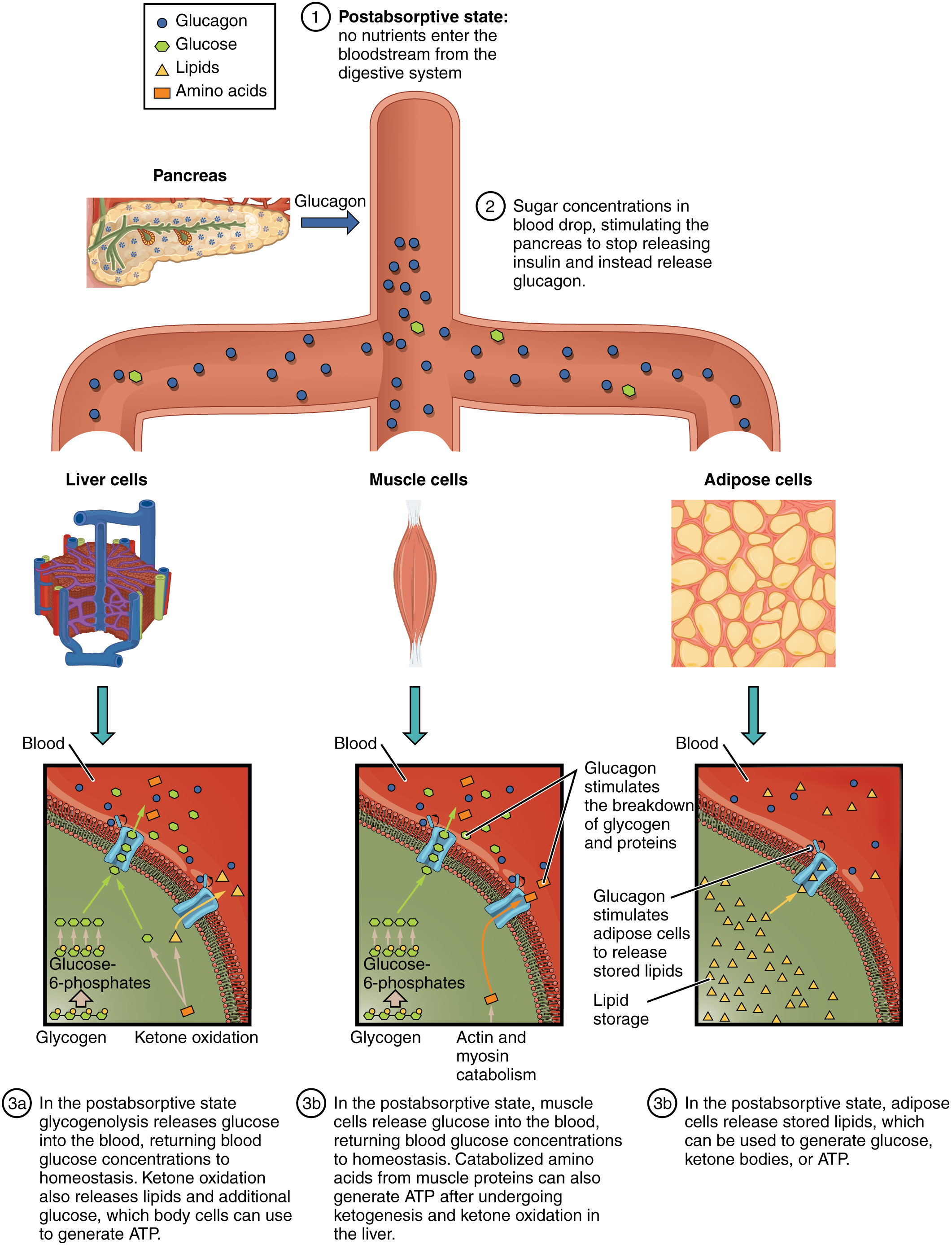
Figure 24.22 Postabsorptive State During the postabsorptive state, the body must rely on stored glycogen for energy.
J. Gordon Betts and colleagues, Anatomy And Physiology 2E, OpenStax. · CC BY-NC-SA 4.0 · Original image ↗ · Access for free ↗24.6 Energy and Heat Balance — figures and tables
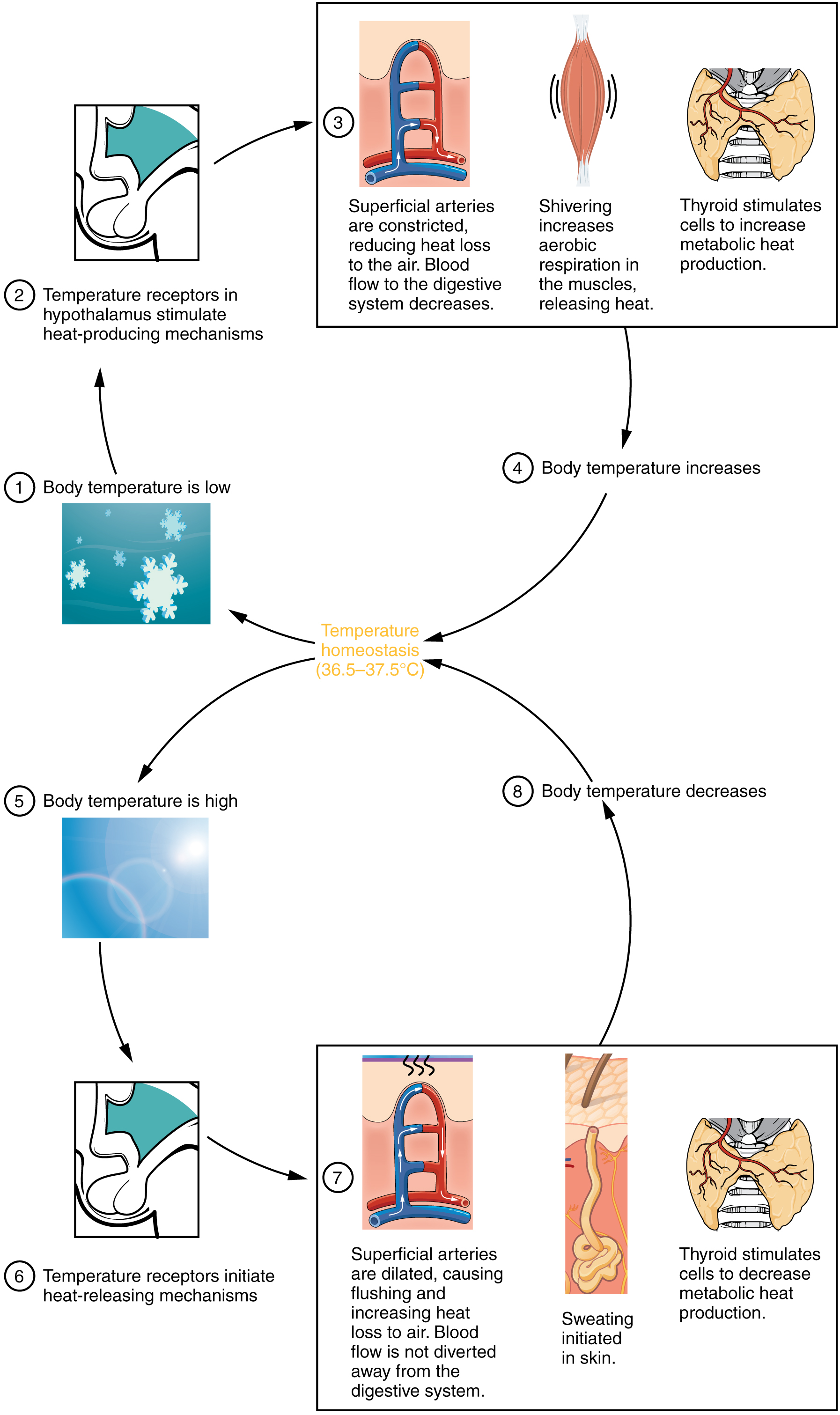
Figure 24.23 Hypothalamus Controls Thermoregulation The hypothalamus controls thermoregulation.
J. Gordon Betts and colleagues, Anatomy And Physiology 2E, OpenStax. · CC BY-NC-SA 4.0 · Original image ↗ · Access for free ↗Source: 24.6 Energy and Heat Balance